

 Brazil
 Antarctica
 Argentina
 Bolivia
 Chile
 Colombia
 Ecuador
 Guyana
 French Guiana
 Falkland Islands (Malvinas)
 Paraguay
 Peru
 Suriname
 Uruguay
 Venezuela
 Germany
 Austria
 Belgium
 Croatia
 Denmark
 Slovakia
 Slovenia
 Spain
 Finland
 France
 Greece
 the Netherlands
 Hungary
 Ireland
 Iceland
 Luxembourg
 Norway
 Poland
 Portugal
 the United Kingdom
 the Czech Republic
 Sweden
 Switzerland
 Turkey
 Bermuda
 Canada
 the United States
 Greenland
 Mexico
 Saint Pierre and Miquelon
 the Dominican Republic
 Japan
 South Africa
 Egypt
 Australia
 Fiji
 New Zealand
 Papua New Guinea
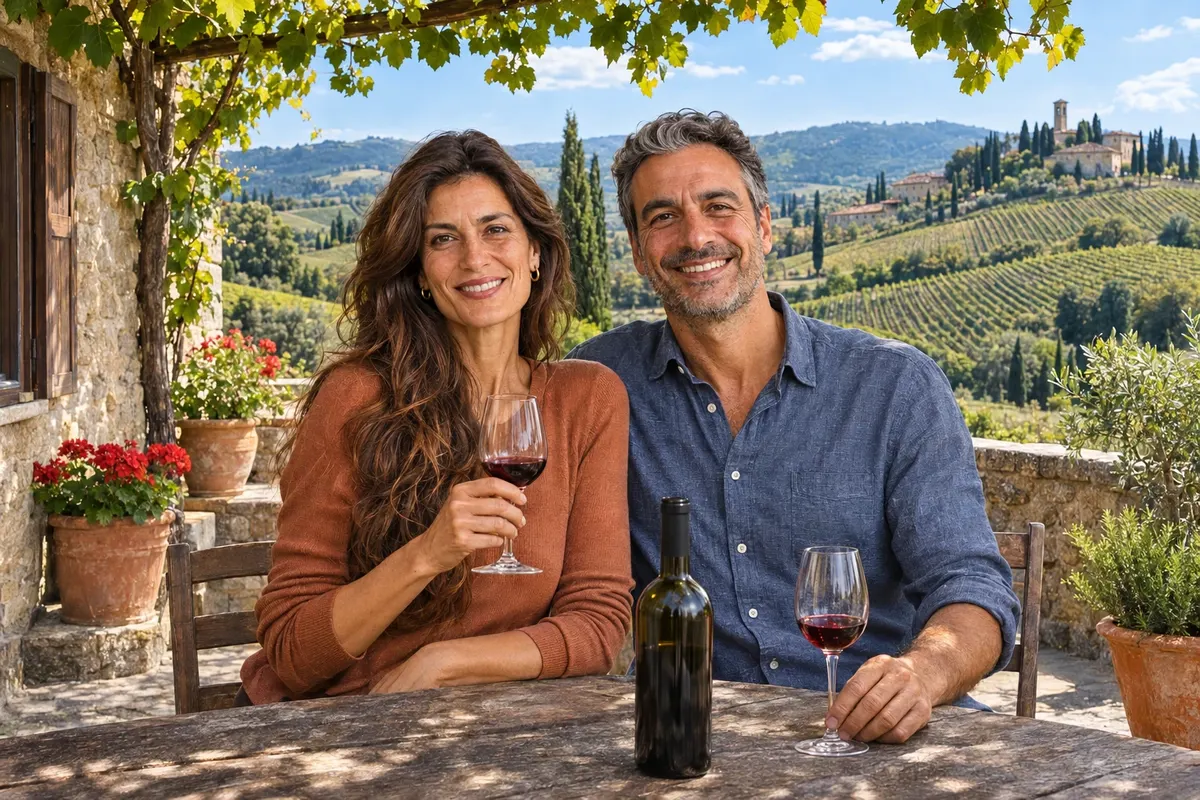
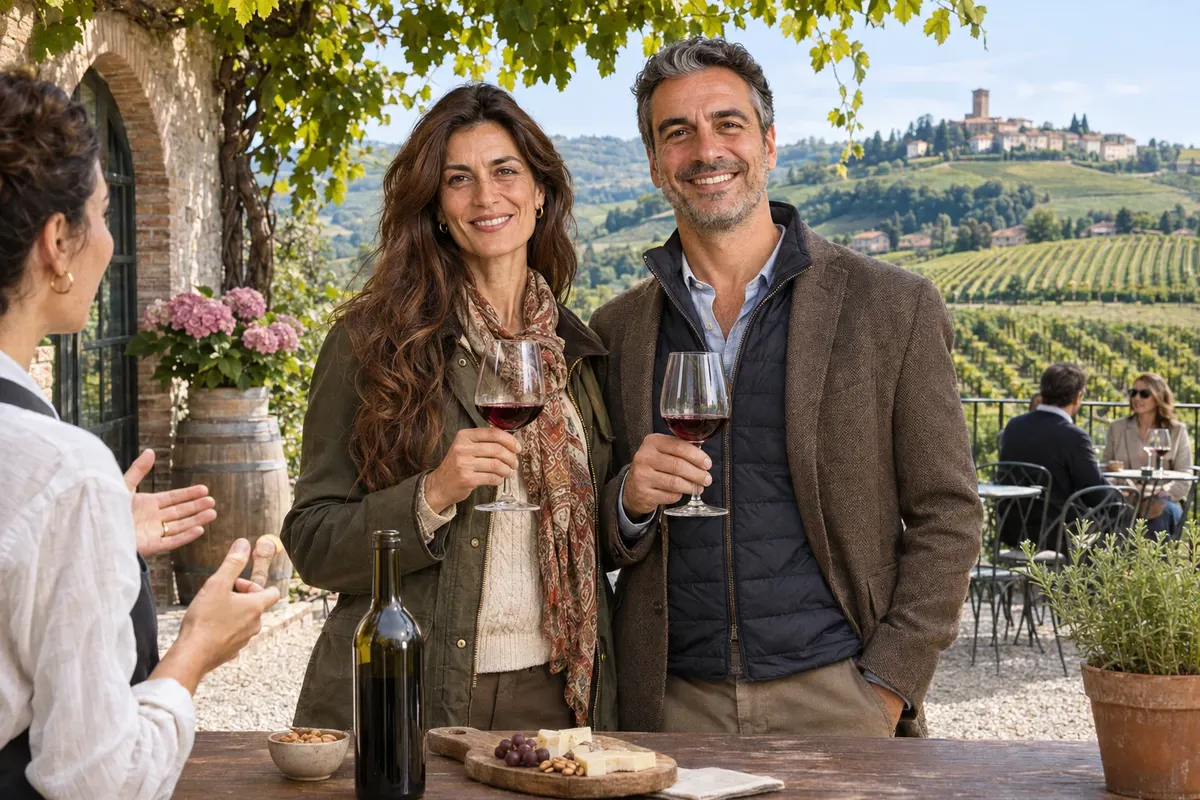
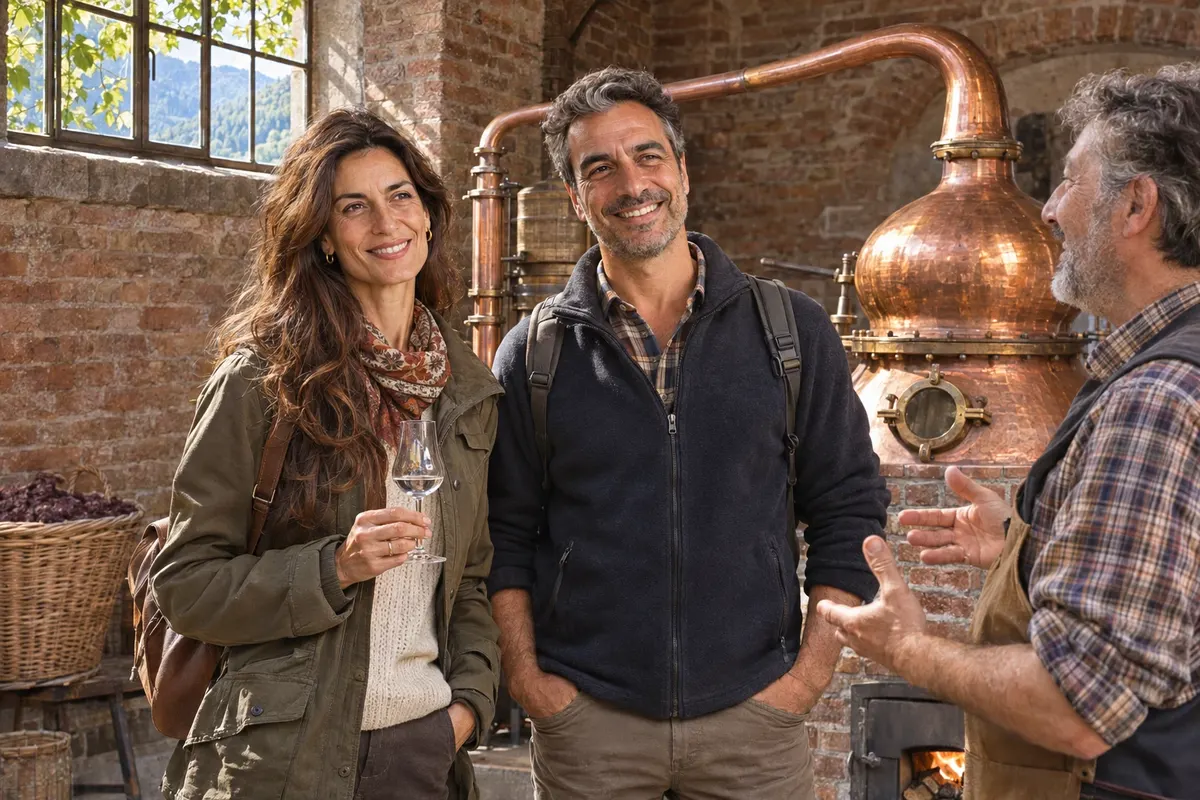
Illustrative images. The pictures in this guide are illustrations based on the real place, not photographs, and may differ from it.

Food and countryside
Wine tourism and spirits in Italy
Step inside Cantina Bolzano, climb to the fortress in San Gimignano to taste the local white wine, and discover the history of a distillery in Milan that makes herbal spirits.
In Bolzano, the veins of a grape leaf stretch across the facade of a winery. In San Gimignano, you walk uphill through the town streets to an old fortress, one of the best places to start getting to know the local white wine. These are two ways to explore wine in Italy. In Bolzano, you visit the people who make the wine. In San Gimignano, bottles from several producers come together at one table.
Where to go in Italy
Pick a region or type what you are looking for to see the cities and who offers each activity.
- Milan LD
- Bolzano TR
- San Gimignano TS
Milan adds a different drink and a different setting to the itinerary. The Collezione Branca is housed in a distillery that grew alongside the city. Herbs, stills, barrels, and advertising posters help tell the story of how a bitter liqueur made its way from the factory warehouses to bar counters. Each of the three visits fits into a day of sightseeing in its own city.
Inside Cantina Bolzano
At Cantina Bolzano’s headquarters, you see only part of the building from the street. The bronze-colored cube extends out from the hillside, while much of the production facility is underground. The guided tour explores the winery’s architecture and ends with a guided wine tasting. Notice the contrast between the size of the building as seen from outside and the space it takes to receive the growers’ grapes.
The winery is a cooperative. Its member families tend the vines and deliver their grapes to the winery for winemaking. That division of labor raises some good questions at the tasting table. Which vineyard did the grapes for this wine come from? What changes from one hillside to the next? Look for the name Lagrein on the labels of Bolzano’s red wines. If one is in the day’s selection, ask the person leading the tasting to tell you about this local variety.
If you’re traveling through the Dolomites, the winery visit is something you can do in Bolzano even if the mountains are your group’s main interest. If you’d also like to walk among the rows of vines, check the tour route before booking. The tour the winery offers focuses on its headquarters and the tasting.
A Tuscan white high in San Gimignano
The climb to the Rocca di Montestaffoli brings you to a house dedicated to Vernaccia di San Gimignano. It’s home to the tasting center run by the local producers’ consortium. The walk through the historic center and the view of the hills give you a sense of where the wine comes from before your first glass. If you’re staying in town, you can include this stop on a walk among the towers.
Vernaccia is the name of the white grape. The full name, Vernaccia di San Gimignano, identifies a wine from a specific area made under a common set of rules. That’s why the same name appears on bottles from different wineries. At the Wine Experience, ask for a tasting that lets you compare different producers’ versions of this white wine. Knowing who made each wine and which vintage it is makes for a more interesting conversation.
A useful note to take home from the visit is the producer’s full name. At a restaurant, it will be easier to recognize a bottle you tasted and ask about another wine from the same appellation. If you’d rather start with the landscape, you can do the reverse: ask someone to point out where in the hills around town the wines you’re tasting come from.
The herbs and casks of the Collezione Branca
In Milan, head to Via Resegone to learn how spirits are made. The Collezione Branca is housed in the Branca family’s own factory. When the complex was built in the early 20th century, it stood on the edge of the city. Today, traffic passes above part of the cellars where the spirits rest in casks. That change in the cityscape is also part of the tour.
The collection brings together objects you rarely see in the same museum. A mortar recalls the work of preparing herbs and spices. The woodworking shop tells the story of the people who built and maintained the casks. Farther along, posters and old bottles show the other side of the business: the drink as customers knew it when they ordered a glass.
The collection will appeal to anyone interested in industrial history, photography, or label design. When you choose a date, check the session title. There’s a guided history tour and an option that adds a tasting to the visit. Both are open to adults.
What to notice during a tasting
All you need for the first glass is a little attention. Take in the aroma before you taste, then see if it changes after you gently swirl the wine. With your first sip, notice what lingers in your mouth. Acidity makes your mouth water, while some red wines leave your gums feeling dry. These impressions give you something to discuss with the guide even if you’re unfamiliar with wine-tasting terms.
If you have two samples, save a little of the first so you can come back to it. Subtle differences are easier to notice when the glasses are side by side. Ask whether the producer, the grape variety, or the harvest year is different. Jot down a specific detail, such as an aroma that reminded you of fruit peel or the name of a wine you’d like to try with a meal. That will be easier to recall later than a numerical score.
How to fit a visit into your day
Start with the city or town where you’ll be staying. In San Gimignano, you can fit the tasting into a walk around town, but the route to the Rocca is uphill. In Bolzano and Milan, mark the address on a map and work out how you’ll get there and back. If anyone plans to taste the drinks, agree in advance on a driver who won’t be drinking, or plan to walk, take public transportation, or use a taxi.
The language of the tour matters when much of the experience depends on talking with a guide. Also check the length of the session you choose, accessibility for people with limited mobility, and what’s included. If you want to take a bottle home, you can wait until the end of the visit to buy it and keep your hands free on the walk up through San Gimignano.
Frequently asked questions
Where can you taste wine in Italy on a trip through the Dolomites?
In Bolzano, Cantina Bolzano welcomes visitors to the cooperative’s headquarters for a tour with a guided tasting.
Where can you try San Gimignano’s white wine?
The Vernaccia di San Gimignano Wine Experience is at the Rocca di Montestaffoli, at the top of the historic center. The consortium showcases wines from local producers there.
Do you need to visit during the grape harvest?
The tour of the winery’s headquarters and the tasting in central San Gimignano have their own schedules. If you want to see bunches of grapes on the vines, ask the producer what stage the grapes will be at and which parts of the vineyard will be open on the day you visit.
Can you visit a distillery in Milan without doing a tasting?
Yes. Choose the history tour at the Collezione Branca. The collection includes the company’s tools, bottles, and advertising, and the booking details indicate which sessions include a tasting.
Which visit is a good fit if you’re just starting to learn about wine?
In Bolzano, the visit helps you connect how wine is made with what you notice in the glass. In San Gimignano, tasting a white wine from a specific growing area shows you how much its style can vary from one producer to the next.
More in Food and countryside
Beyond the guide


