Three Alabama cities concentrate some of the most remembered sites of the Black civil rights struggle in the United States during the 1950s and 1960s. They are one to two hours’ drive from each other and form a two- to four-day itinerary.
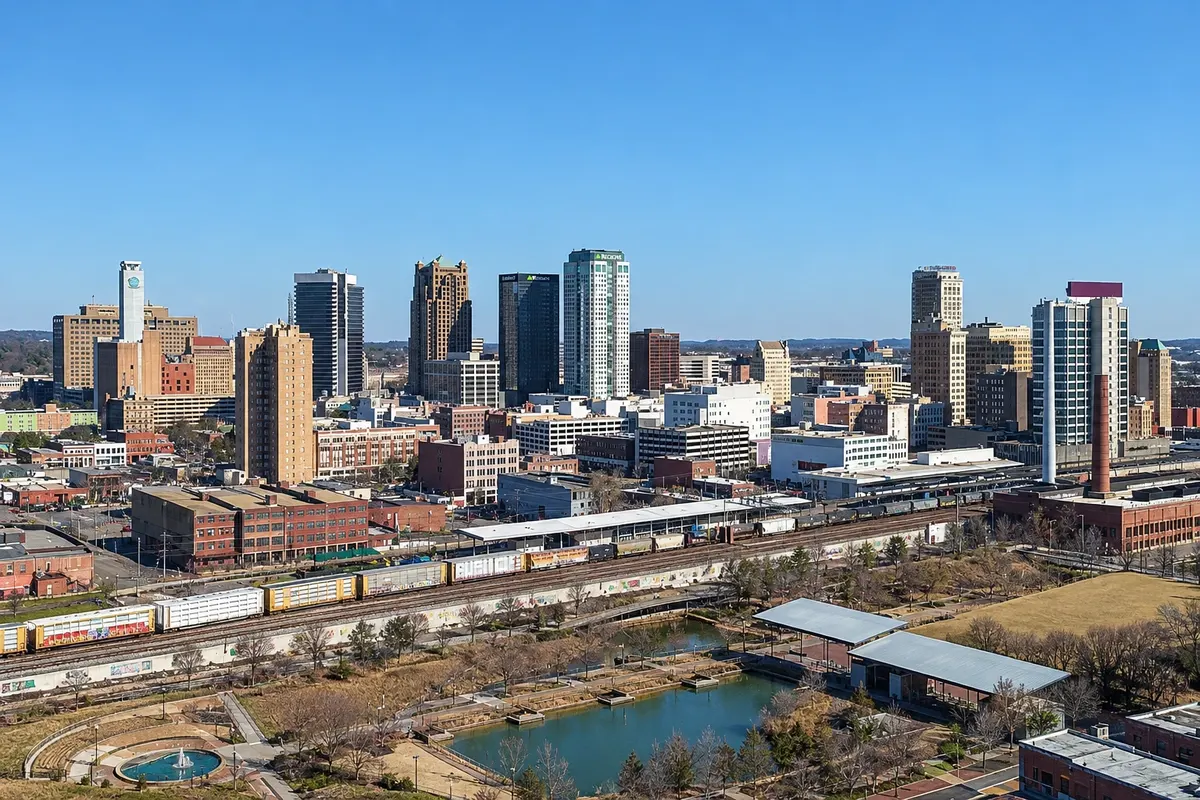
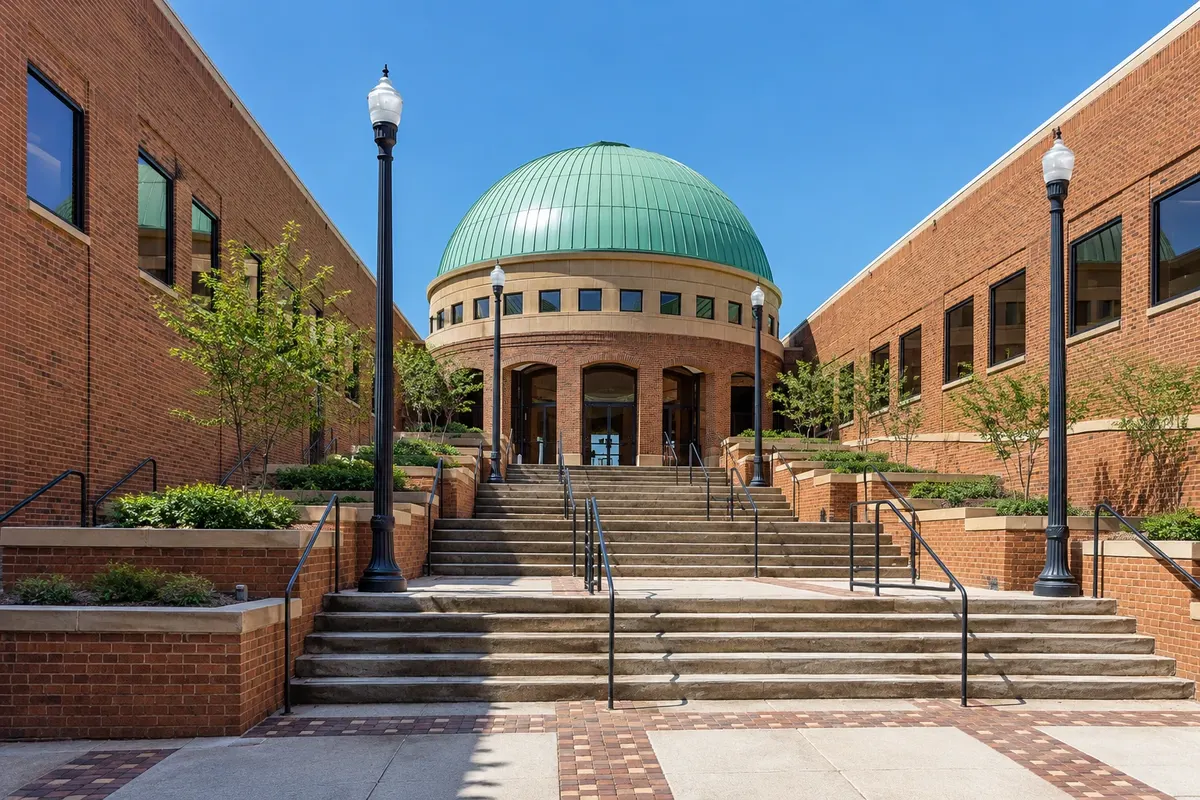
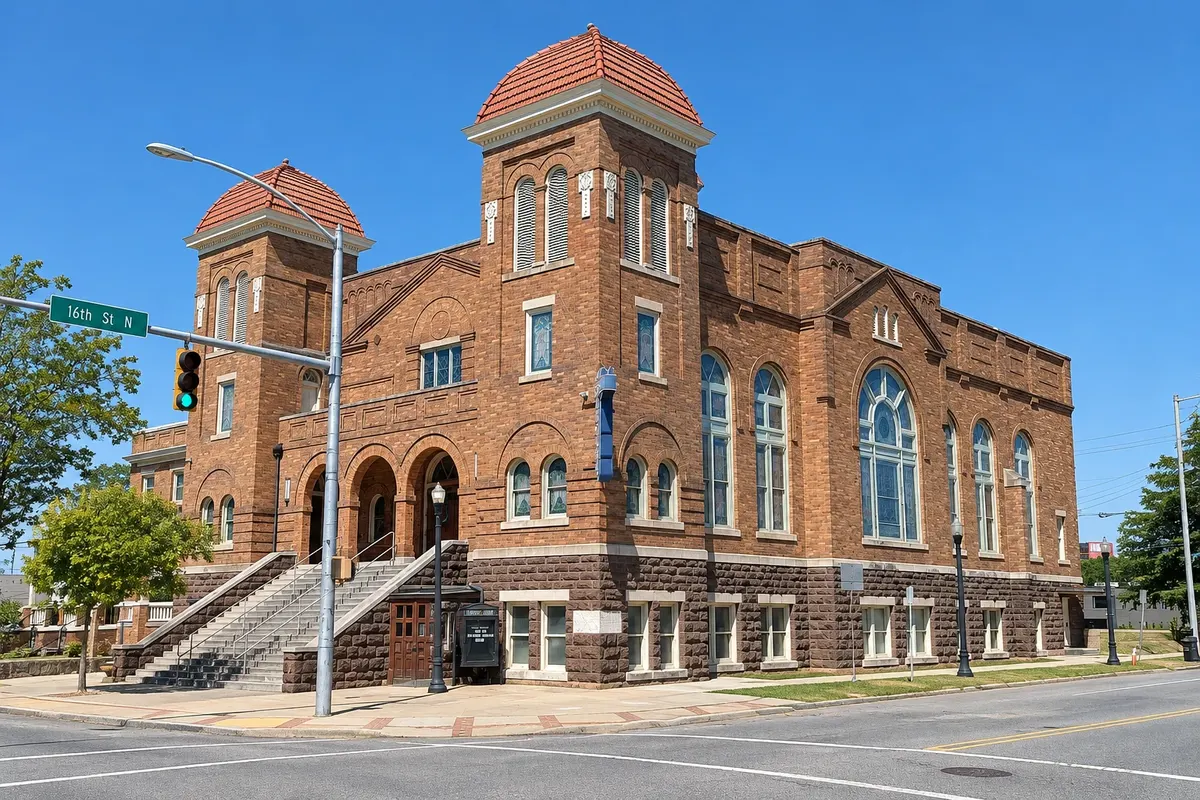
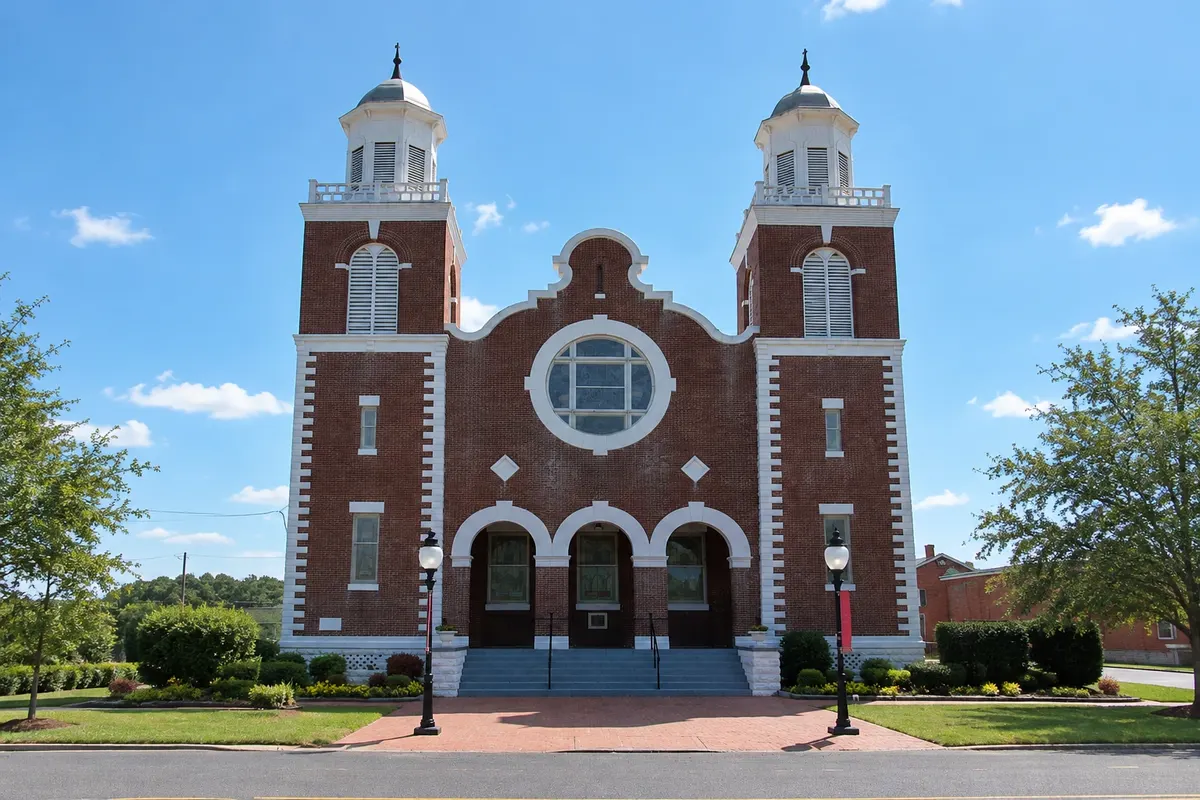
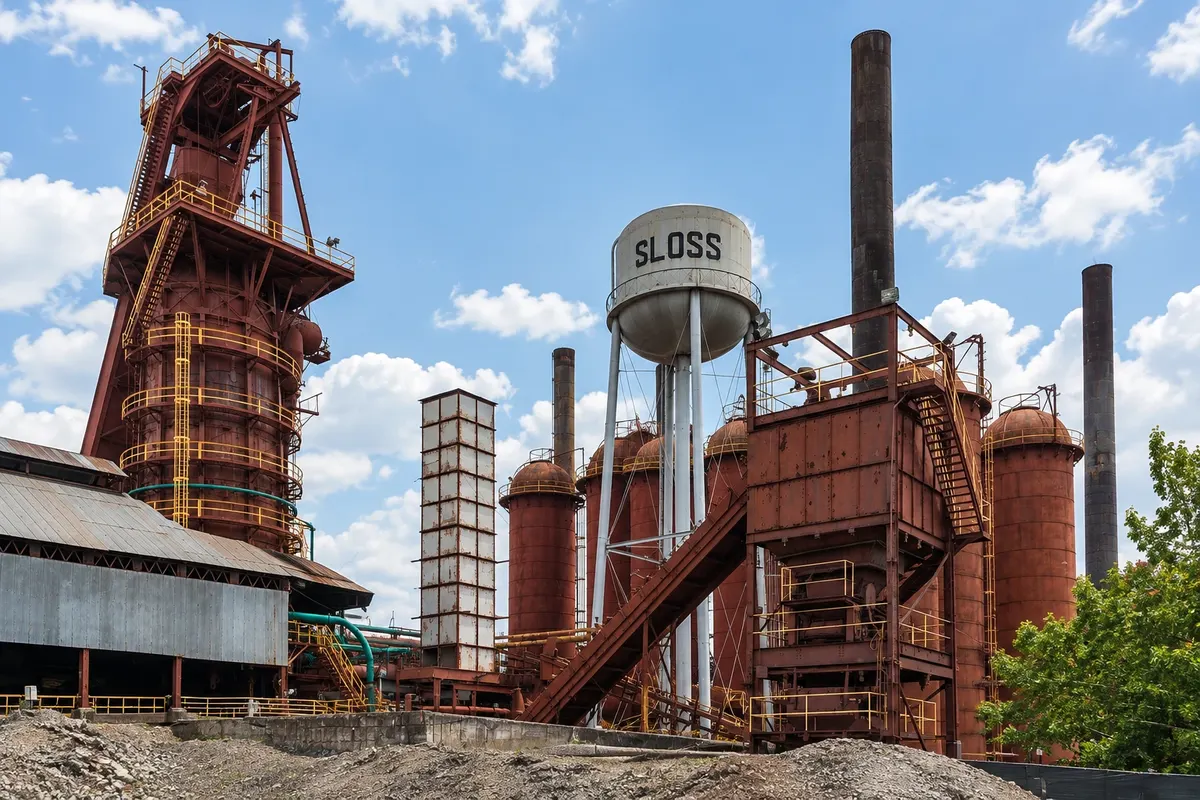
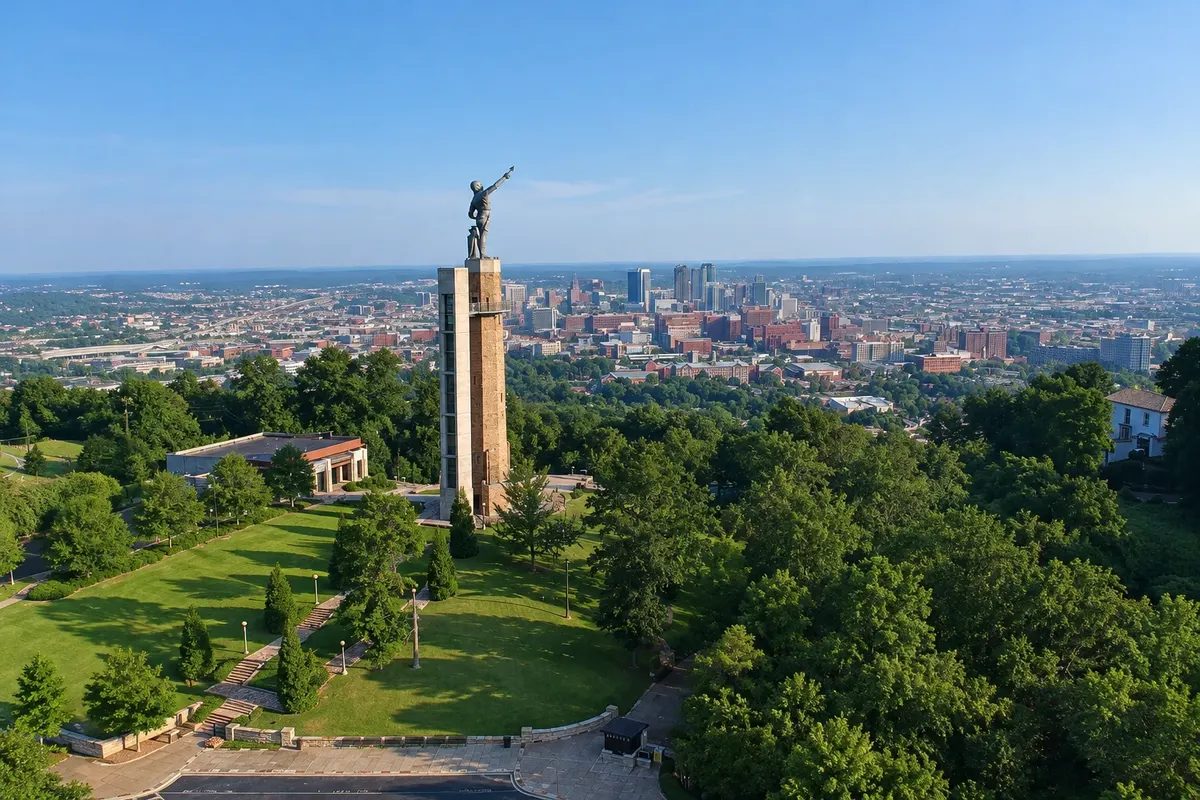
Birmingham, an iron-and-steel industrial city, was the scene of the 1963 marches, when children and young people faced fire hoses and police dogs. An institute, a church and a park, all on the same block, tell the story of that year. The city’s steelmaking past is visible in the old blast furnaces and in an iron statue atop a hill.
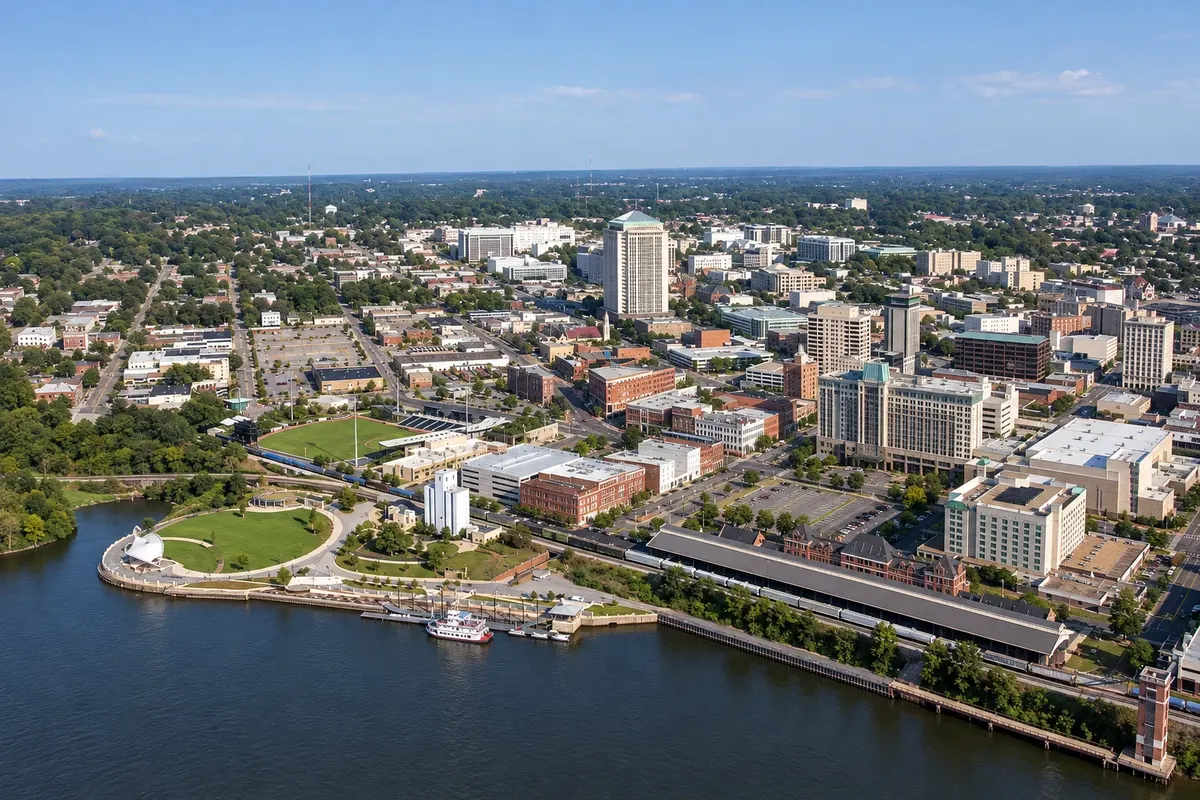
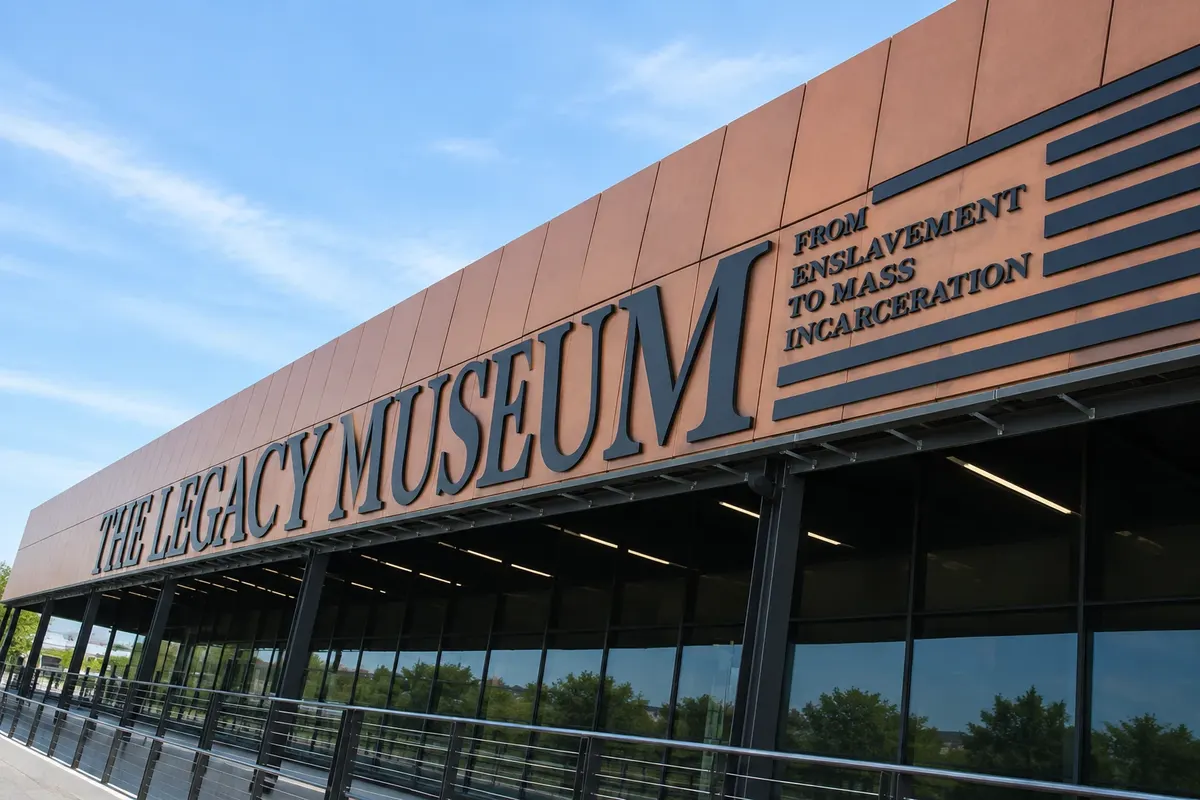
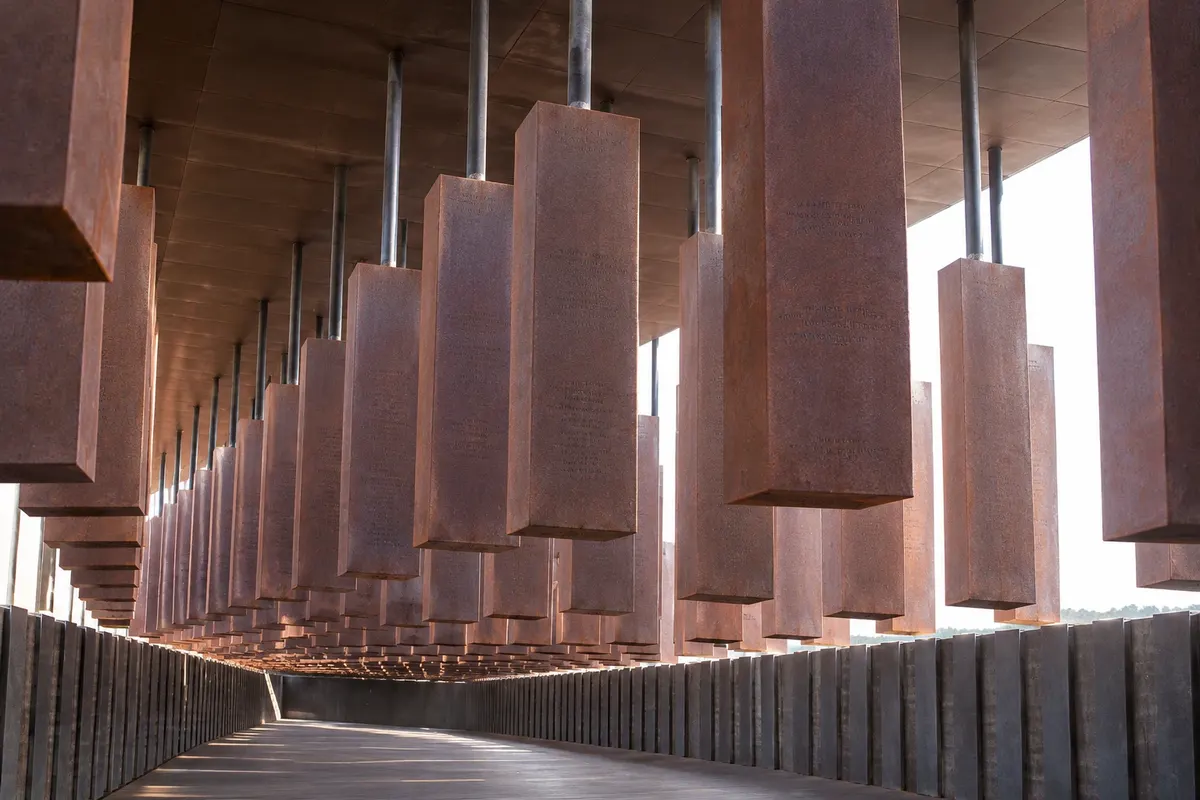
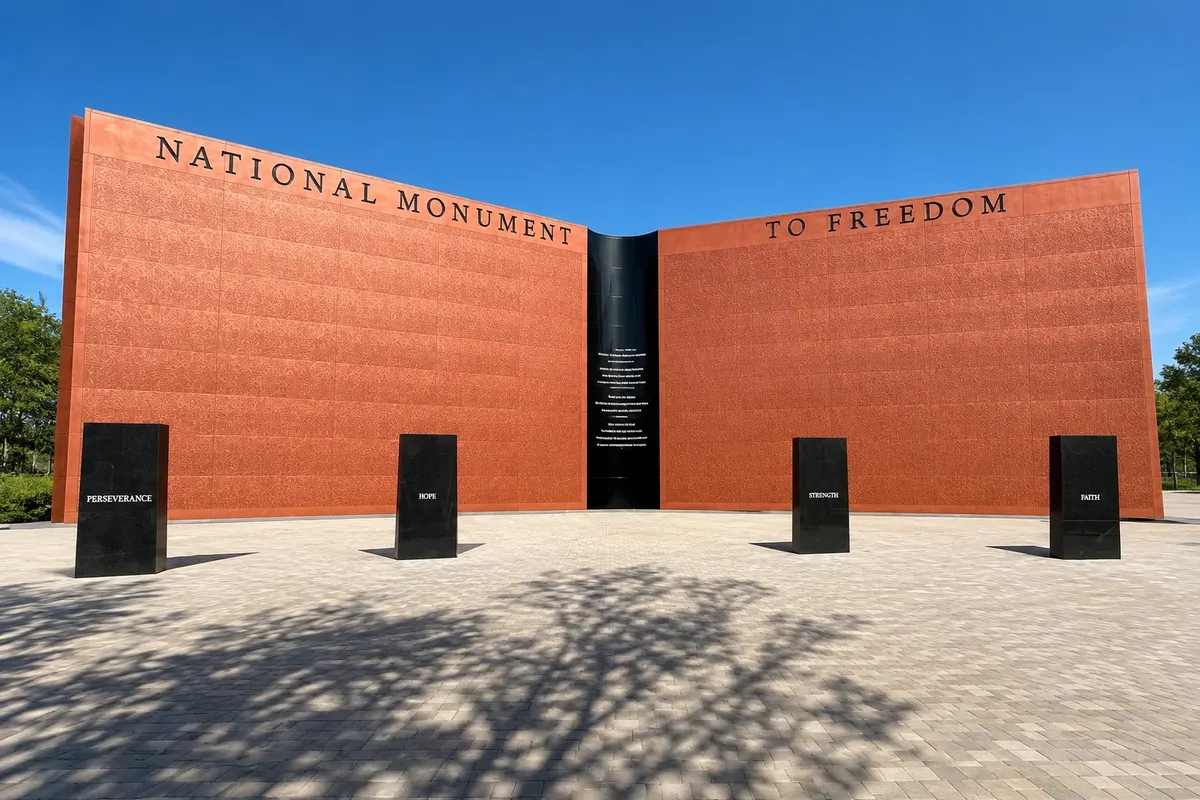
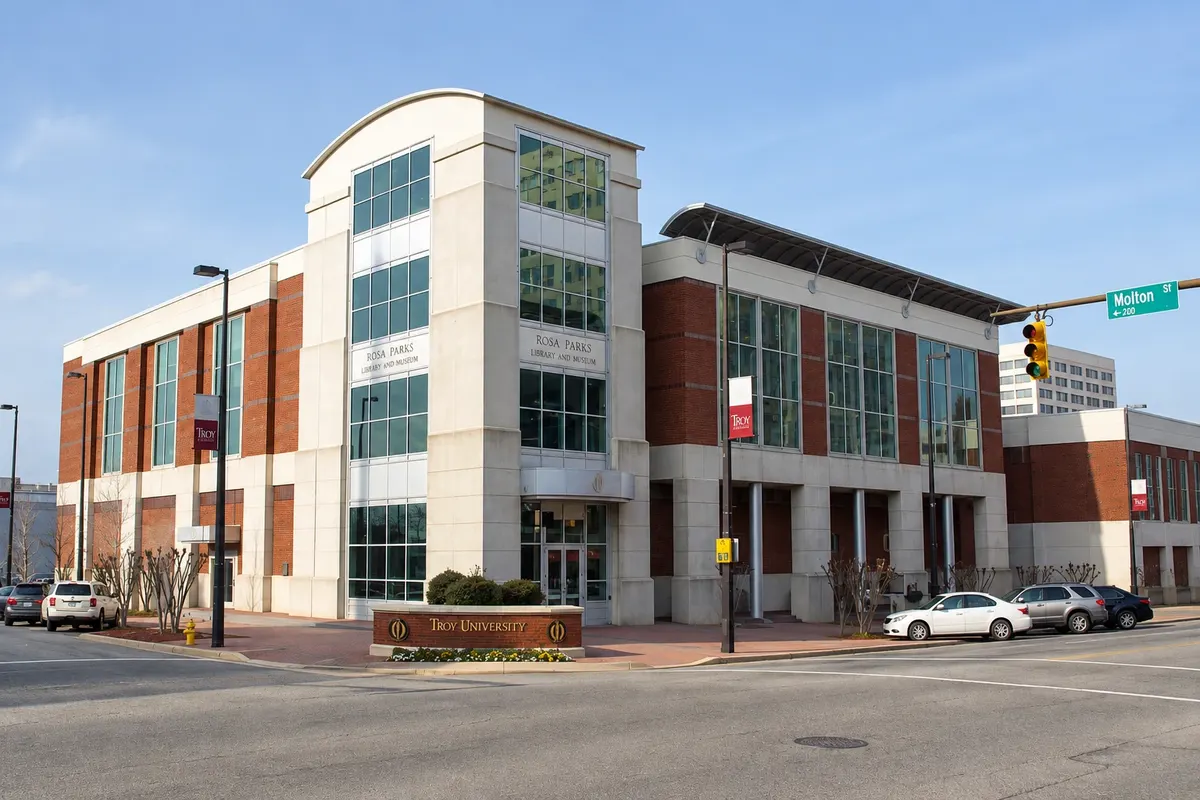
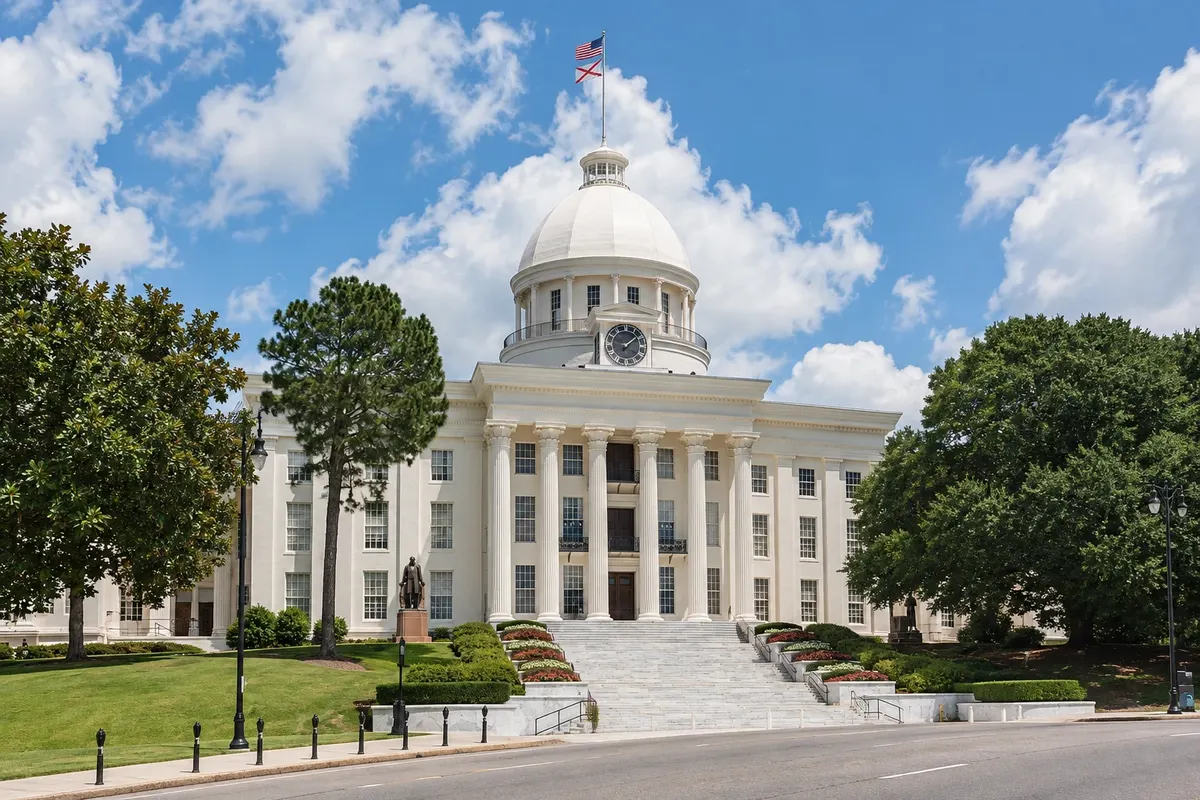
Montgomery, the state capital, is where Rosa Parks refused to give up her seat on a bus in 1955, which sparked a boycott that lasted more than a year. The city has a museum dedicated to her, the state capitol, and a complex of museum, memorial and sculpture park that addresses the history of Black people from the Atlantic slave trade onward.
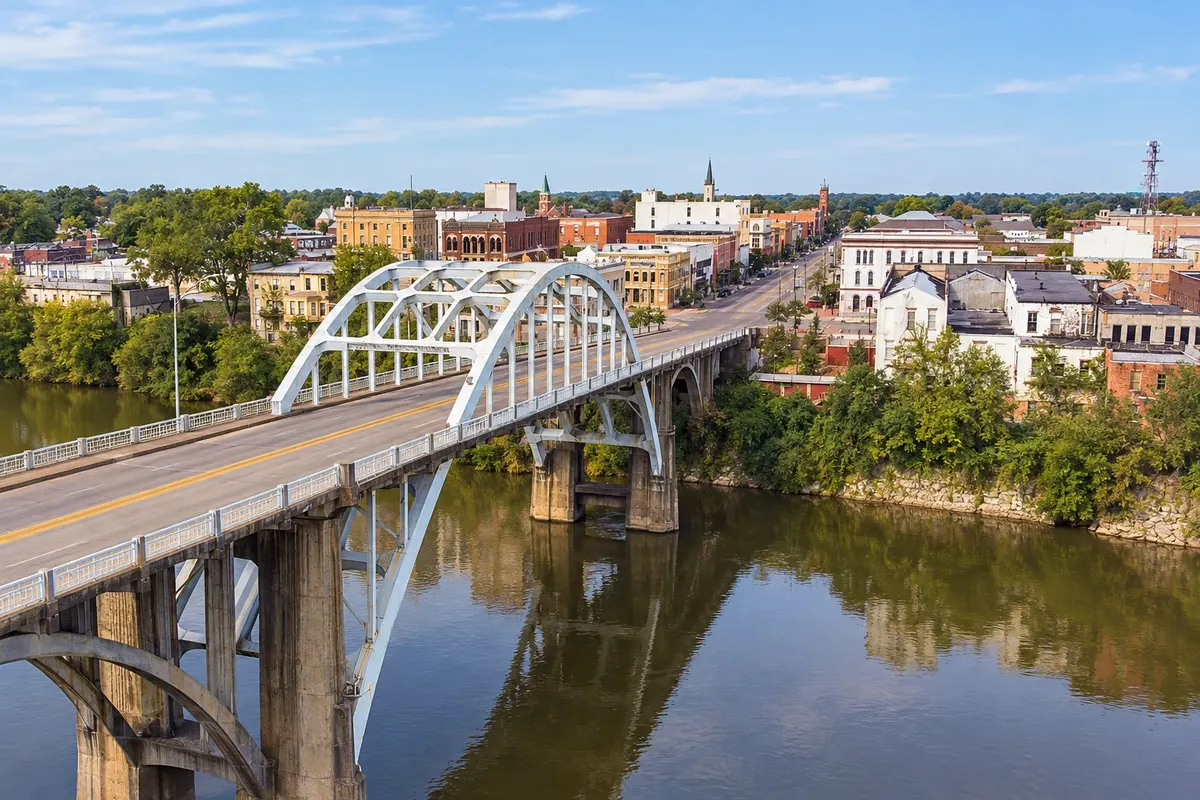
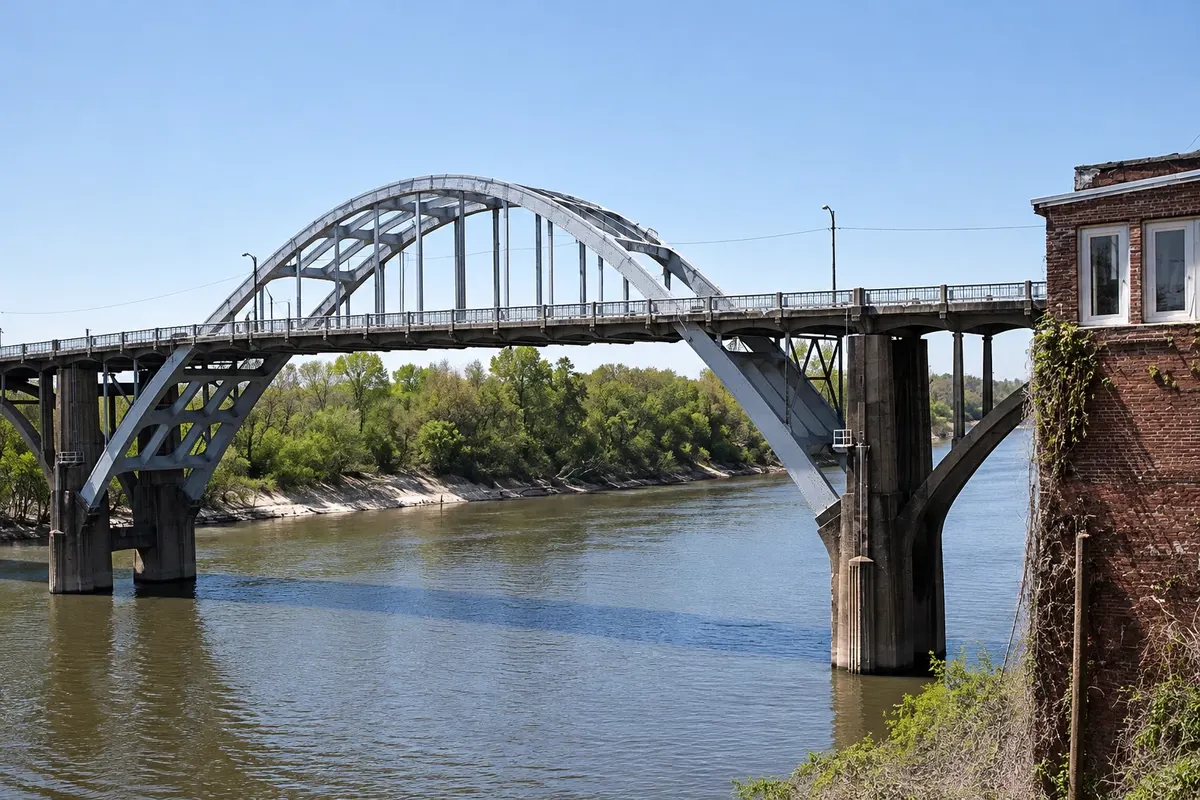
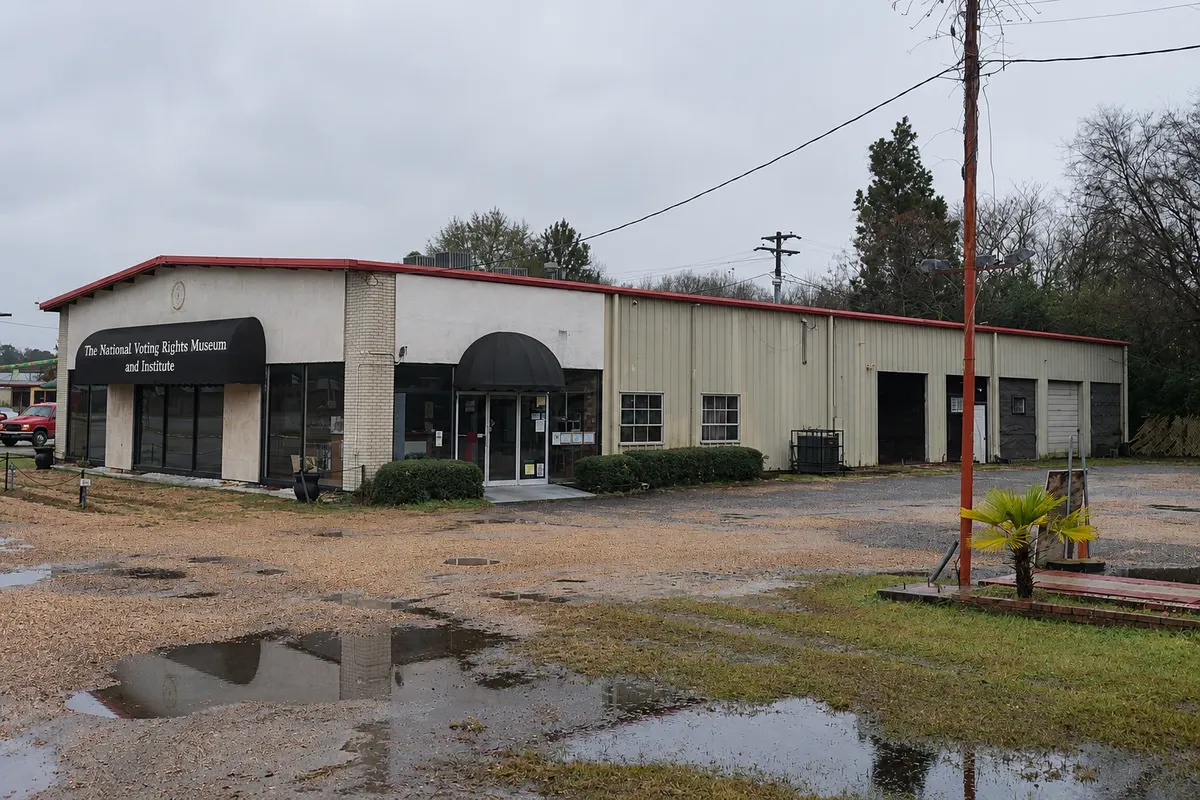
Selma, on the banks of the Alabama River, is home to the Edmund Pettus Bridge, where marchers demanding voting rights were attacked in March 1965. Weeks later, the march continued from Selma to the Montgomery capitol.
This destination brings together 3 cities: Birmingham, Montgomery, Selma.


 Brazil
 Argentina
 Bolivia
 Chile
 Colombia
 Ecuador
 Guyana
 French Guiana
 Falkland Islands (Malvinas)
 Paraguay
 Peru
 Suriname
 Uruguay
 Venezuela
 Germany
 Austria
 Belgium
 Croatia
 Denmark
 Slovakia
 Slovenia
 Spain
 Finland
 France
 Greece
 the Netherlands
 Hungary
 Ireland
 Iceland
 Italy
 Luxembourg
 Norway
 Poland
 Portugal
 the United Kingdom
 the Czech Republic
 Sweden
 Switzerland
 Turkey
 Bermuda
 Canada
 Mexico
 the Dominican Republic
 South Africa
 Egypt
 Australia
 Fiji
 New Zealand
 Papua New Guinea