


Bridge
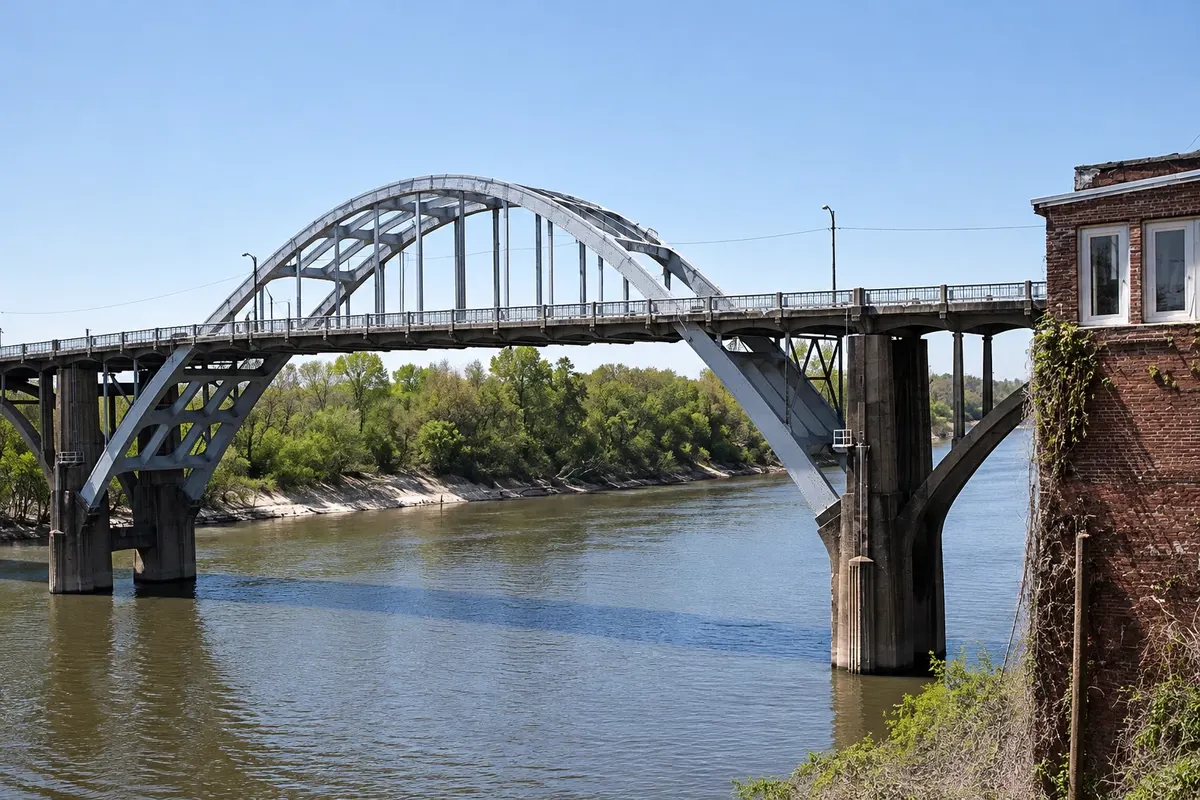
Edmund Pettus Bridge
1940 steel bridge over the Alabama River where voting-rights marchers were attacked on Bloody Sunday in March 1965. It is a national historic landmark.

 Search
 Brazil
 Argentina
 Bolivia
 Chile
 Colombia
 Ecuador
 Guyana
 French Guiana
 Falkland Islands (Malvinas)
 Paraguay
 Peru
 Suriname
 Uruguay
 Venezuela
 Germany
 Austria
 Belgium
 Croatia
 Denmark
 Slovakia
 Slovenia
 Spain
 Finland
 France
 Greece
 the Netherlands
 Hungary
 Ireland
 Iceland
 Italy
 Luxembourg
 Norway
 Poland
 Portugal
 the United Kingdom
 the Czech Republic
 Sweden
 Switzerland
 Turkey
 Bermuda
 Canadathe United States
 Mexico
 the Dominican RepublicTurkey
 South Africa
 Egypt
 Australia
 Fiji
 New Zealand
 Papua New Guinea
Alabama · the United States
In the destination Birmingham, Montgomery and Selma.
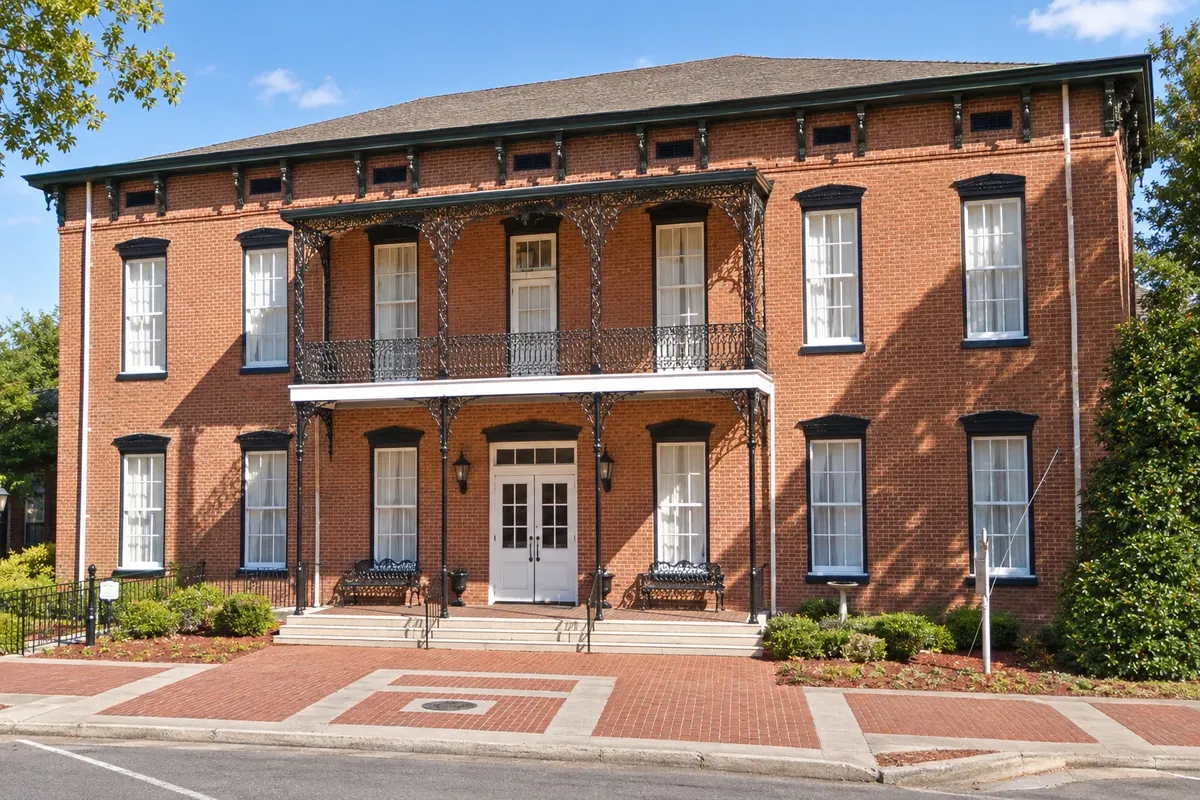
In the photo: Facade of Selma City Hall, in the historic downtown.
Illustrative images. The pictures in this guide are illustrations based on the real place, not photographs, and may differ from it.
The city
City on the banks of the Alabama River linked to Bloody Sunday, the police attack on a voting-rights march on the Edmund Pettus Bridge in March 1965. Weeks later the march continued to Montgomery. The bridge, the church where the marches began and the voting-rights museum are the main visits.
There's no accommodation in the guide yet in Selma.
There are no restaurants in the guide yet in Selma.
Know a good one? Recommend it to ushow to get there · how many days · itinerary · questions
The local experience
1940 steel bridge over the Alabama River where voting-rights marchers were attacked on Bloody Sunday in March 1965. It is a national historic landmark.
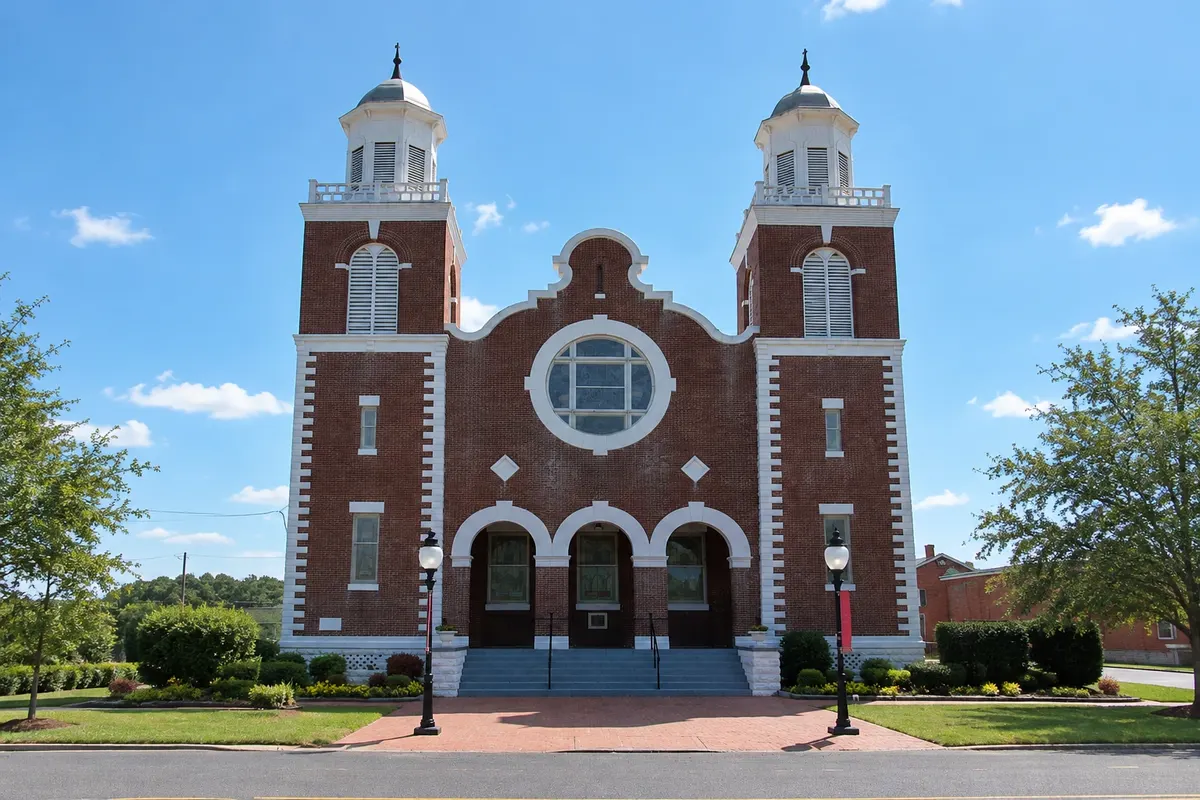
African Methodist Episcopal church from 1908, from which the Selma marches began in 1965. It was the gathering point for the local voting-rights movement.
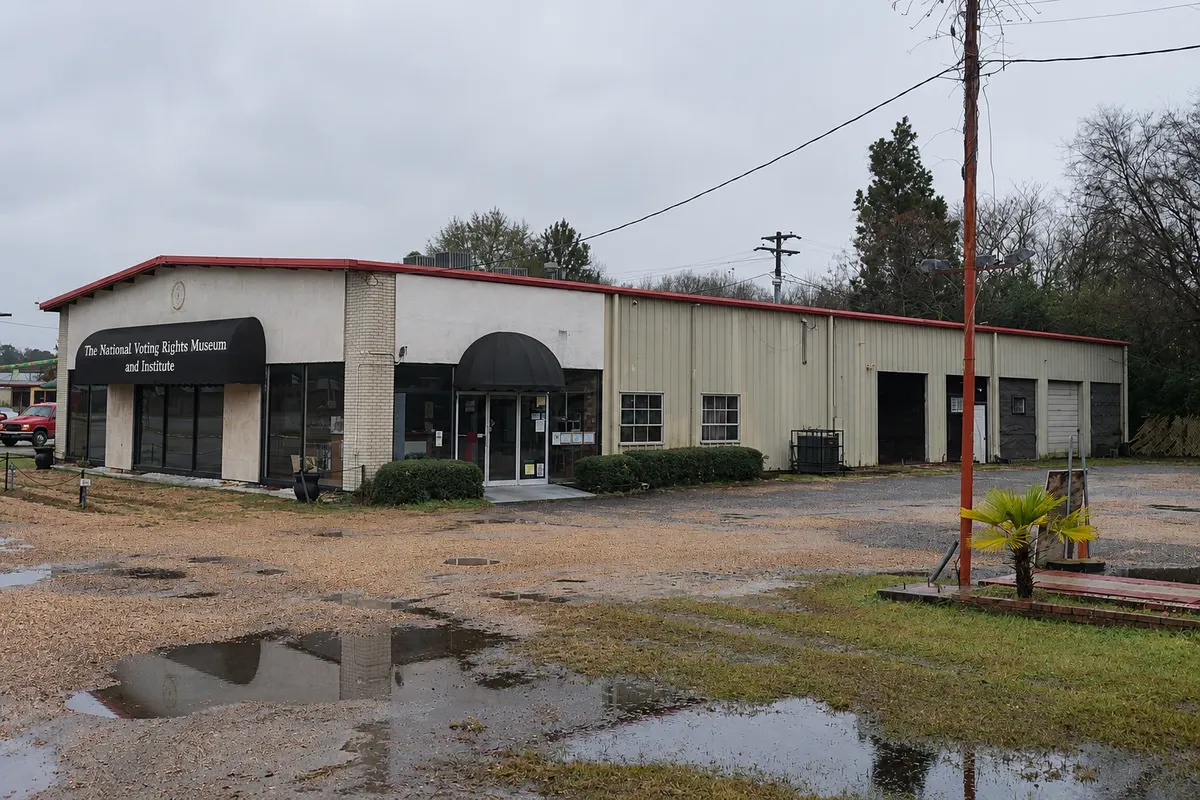
Museum at the foot of the Edmund Pettus Bridge, on the east side of the river, about the struggle for voting rights, with photos, objects and testimony from participants in the 1965 marches.