Bratislavský rožok
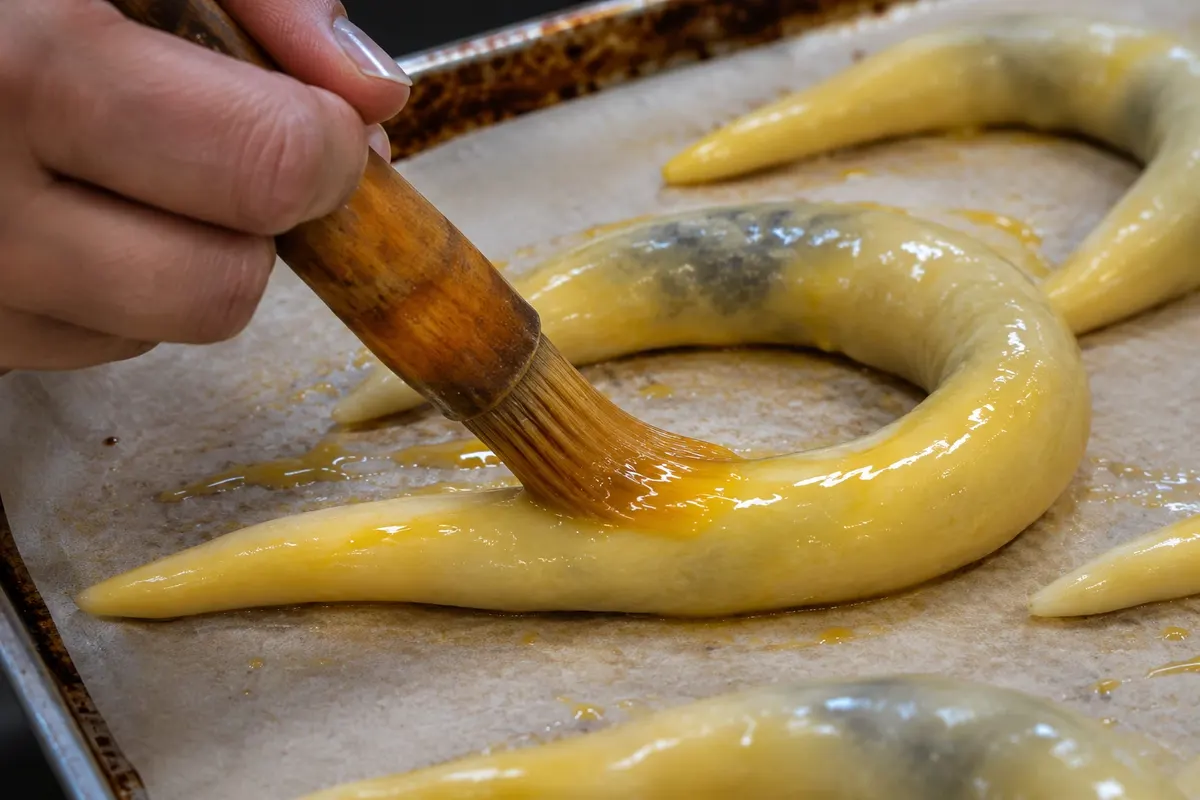
Thin, glossy pastry filled with walnuts or poppy-seed filling. The poppy-seed one is shaped like a horseshoe and the walnut one like the letter C. Registered in the European Union as a traditional speciality guaranteed.
Music · Bratislava
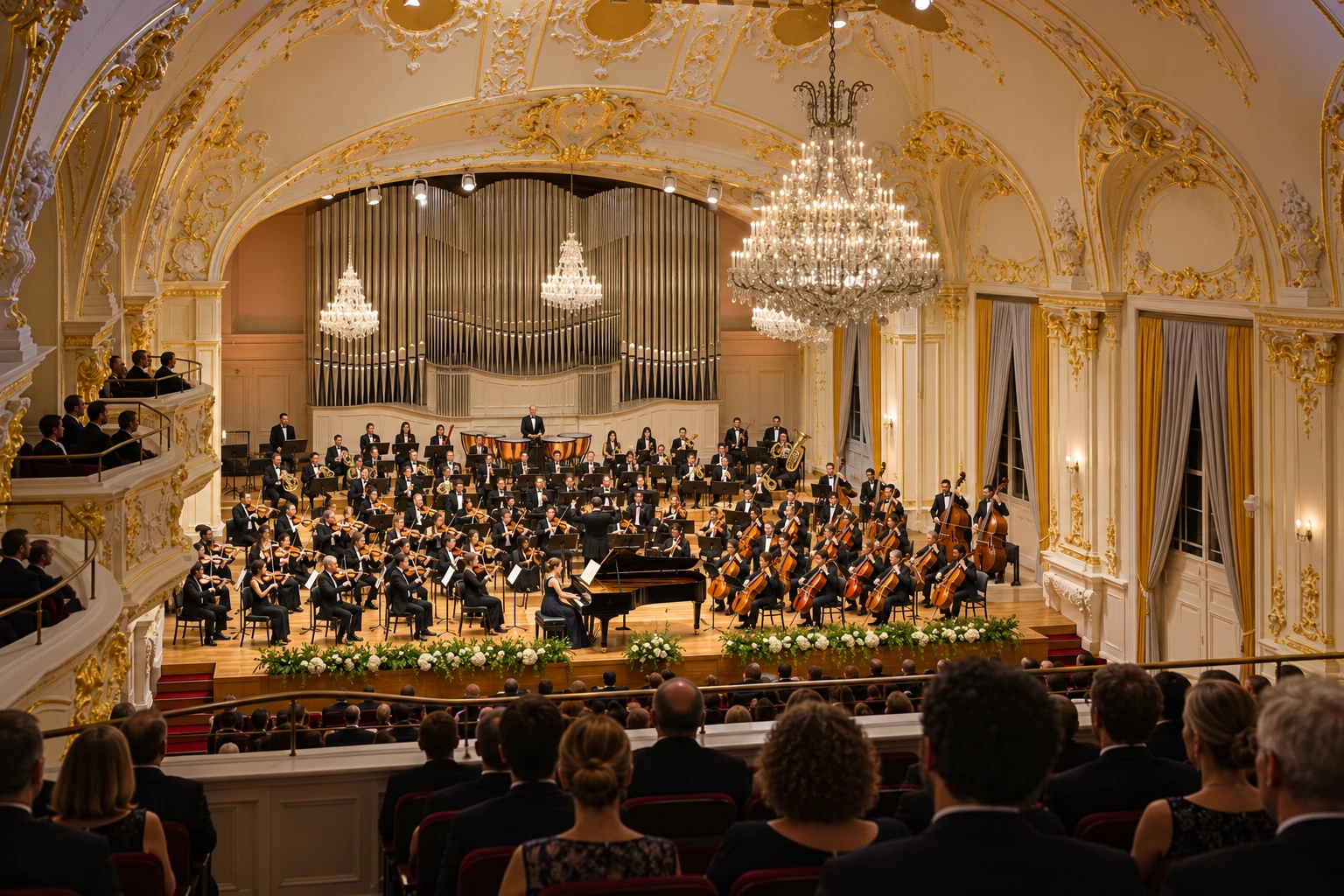
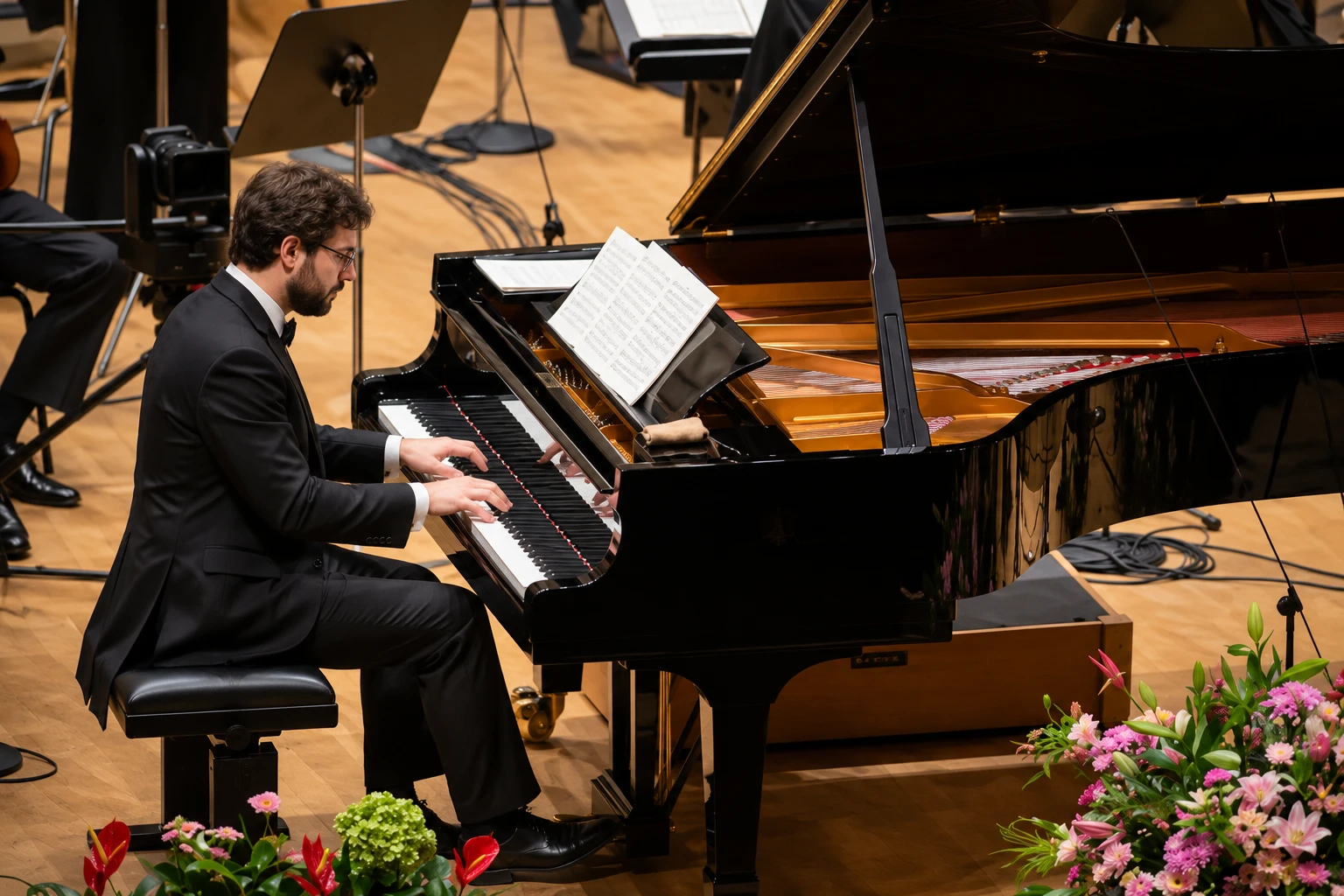
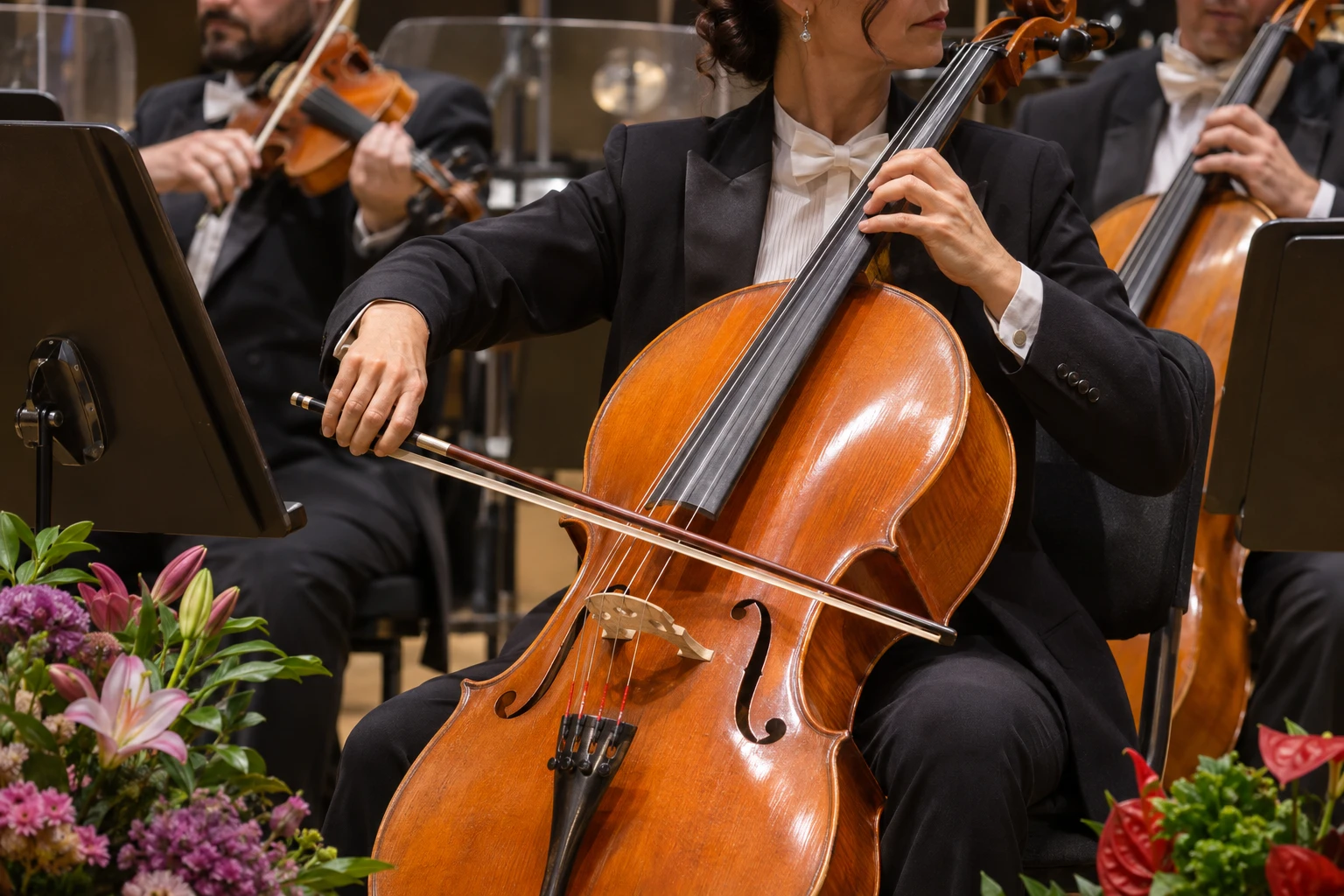
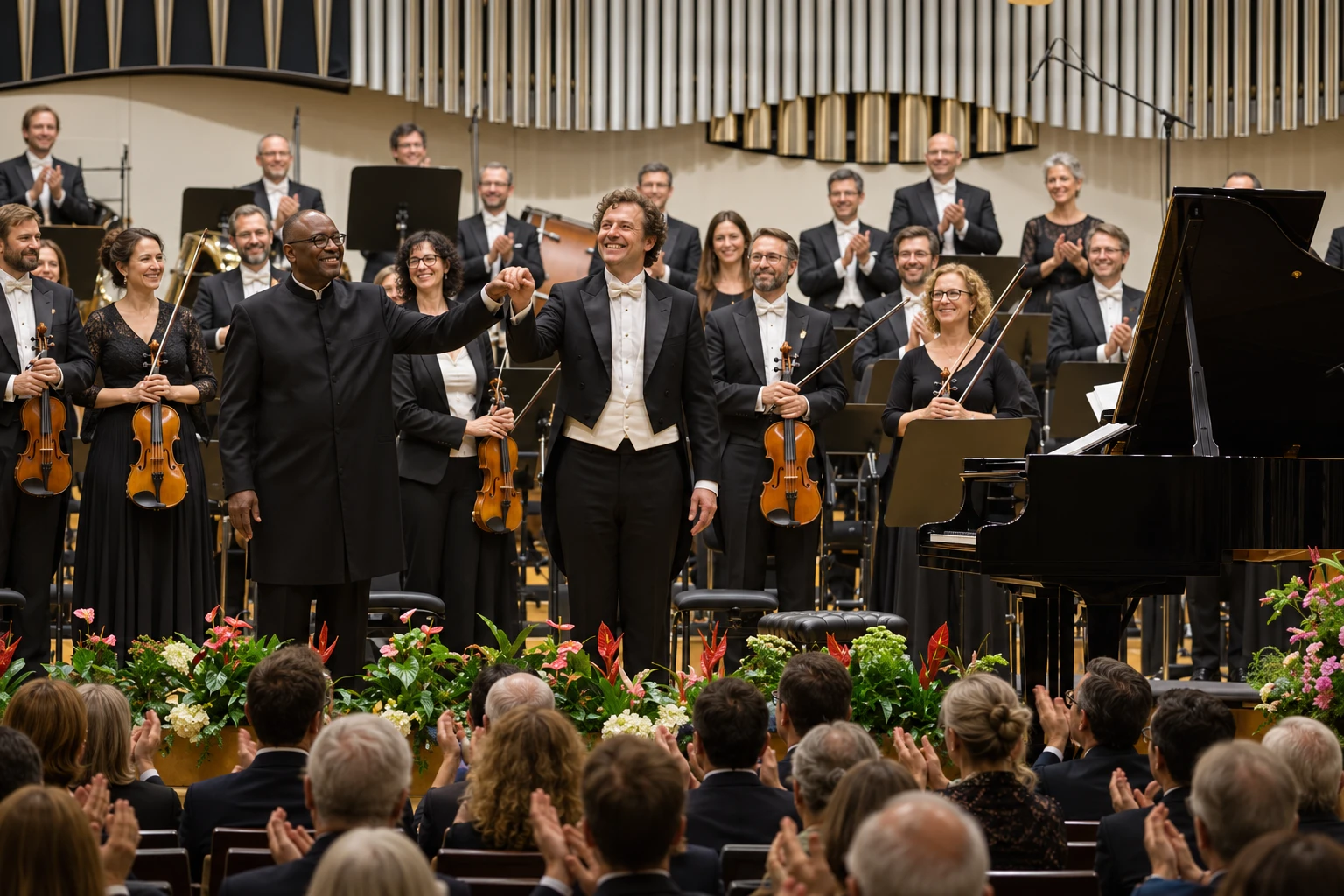
At the turn of September to October, Bratislava hosts Slovakia’s main classical music festival, organized by the Slovak Philharmonic, featuring orchestras, conductors, and soloists from abroad and Slovakia in the Reduta concert hall.
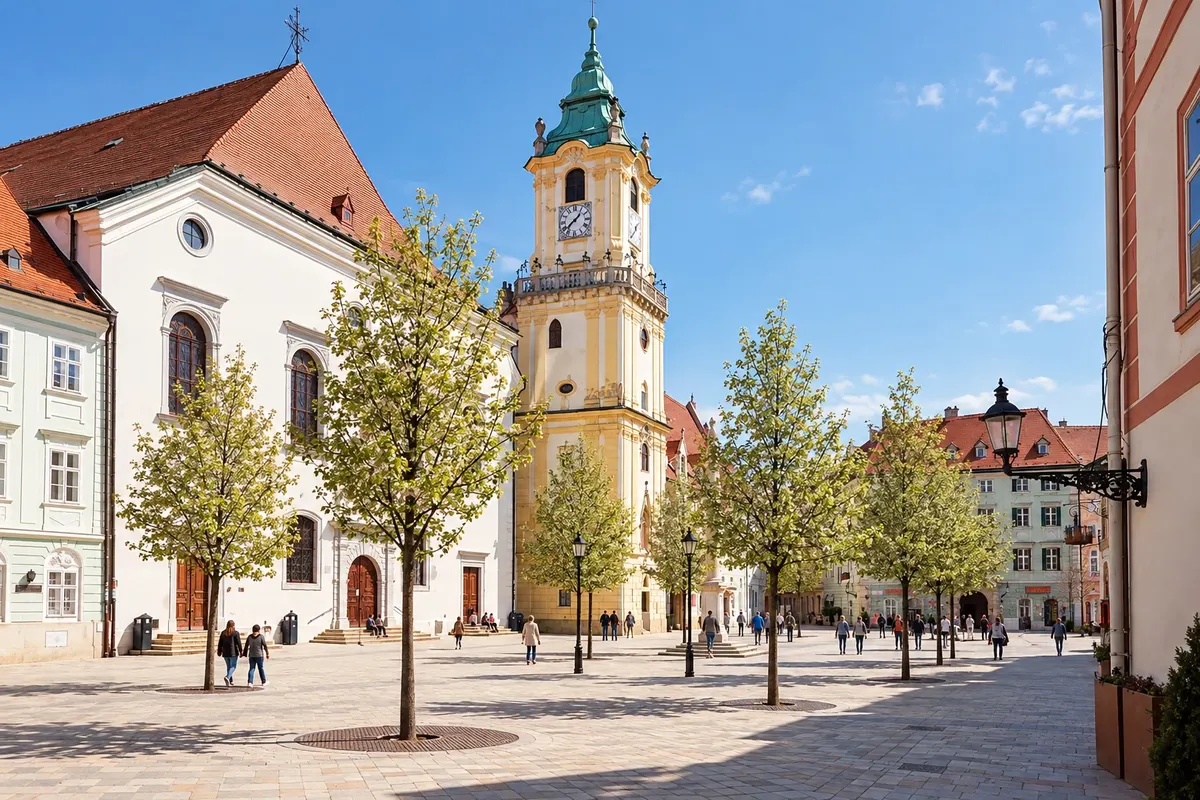
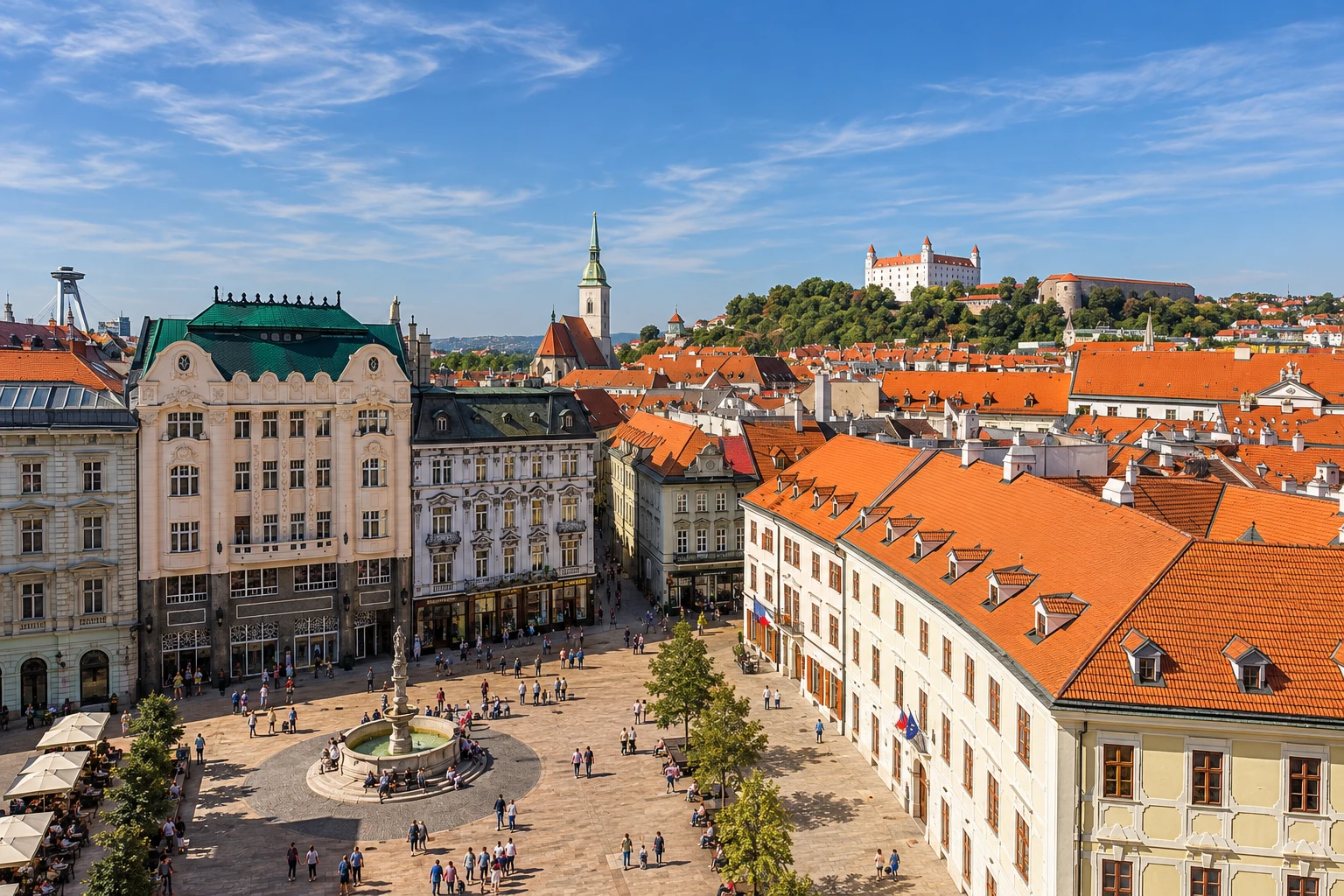
In the photo: Bratislava
Illustrative images. The pictures in this guide are illustrations based on the real place, not photographs, and may differ from it.
Click a photo to enlarge it.
Bratislava Music Festival — Bratislava
At the turn of September to October, for about two to three weeks.
September/October
Dates change every year: check this year's date before you travel.
The festival
The Bratislavské hudobné slávnosti, the Bratislava Music Festival, is Slovakia’s main classical music festival. Organized by the Slovak Philharmonic, which helped create it, it takes place every year at the turn of September to October and opens the capital’s concert season with about two to three weeks of programming.
The festival began in 1965 and, from the early 1970s, was established in the autumn. In 1973 it joined the European Festivals Association, of which it is the Slovak representative. Over the decades it has hosted some of the world’s leading orchestras and conductors alongside Slovak ensembles and soloists.
The main stage is the Reduta, home of the Slovak Philharmonic, an early-20th-century building on the edge of the historic center, near the Danube and the National Theatre. Each edition features foreign orchestras sharing the program with the Slovak Philharmonic and chamber groups, and the festival reserves space for Slovak composers and performers who are rarely heard outside the country. Some concerts take place in other halls and cities.
Concerts are held in the evening, leaving days free to explore Bratislava: the Old Town, the castle, St. Martin’s Cathedral, and the banks of the Danube are a short walk from the Reduta. In autumn the city usually has mild days and fewer crowds than in summer.
For classical music lovers, the festival is a good reason to choose Bratislava in early autumn: it brings together orchestras and soloists from several countries in a traditionally acoustic hall in the center of a capital that is easy to explore on foot.
The opening concert, usually with the Slovak Philharmonic and a work by a Slovak composer. Evenings with invited foreign orchestras. Recitals and chamber concerts with Slovak soloists. The Reduta itself, home of the Philharmonic, with its historic concert hall. A walk through the Old Town and along the Danube before the concerts.
Concerts are in the evening; use the days to visit the Old Town, the castle, and the museums. From the Reduta you can walk in a few minutes to the main square and the tram stops. Check the program as soon as it is released and pick evenings by the invited orchestras and soloists. Many audience members attend concerts in formal attire.
Concerts by the better-known foreign orchestras often sell out; buy tickets in advance from the Slovak Philharmonic. Book accommodation in or near the center so you can walk back and forth.
In the city
Flavors of Slovakia
September/October
June/July/August/SeptemberOn a summer weekend, Friday to Sunday; the date changes each year and has fallen between June and September, with recent editions in July or August.
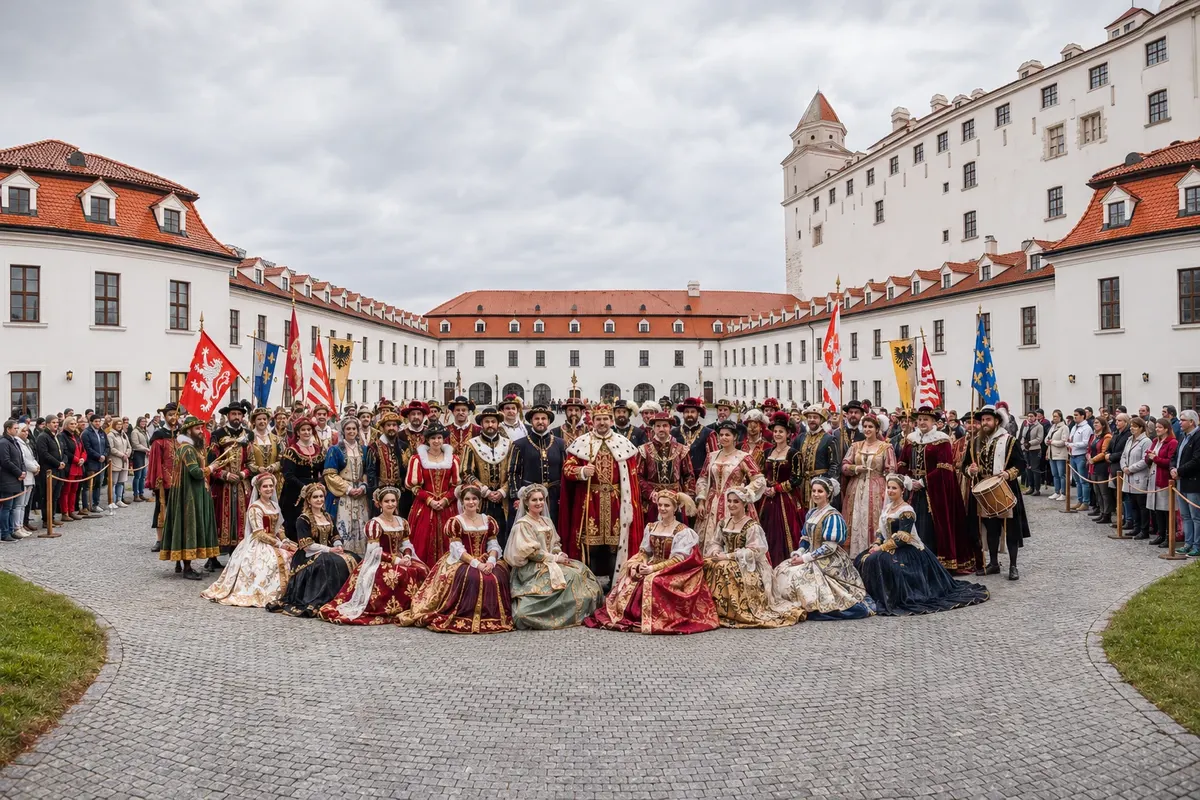
For three days, Bratislava recalls the time when it was the coronation city of the Kingdom of Hungary: a procession in period costume descends from the castle to the main square, where the coronation of a monarch is staged, and knights compete in a tournament on the banks of the Danube.
SeptemberOn a weekend in September, usually the first or second of the month, with the Salamander parade on Friday night.
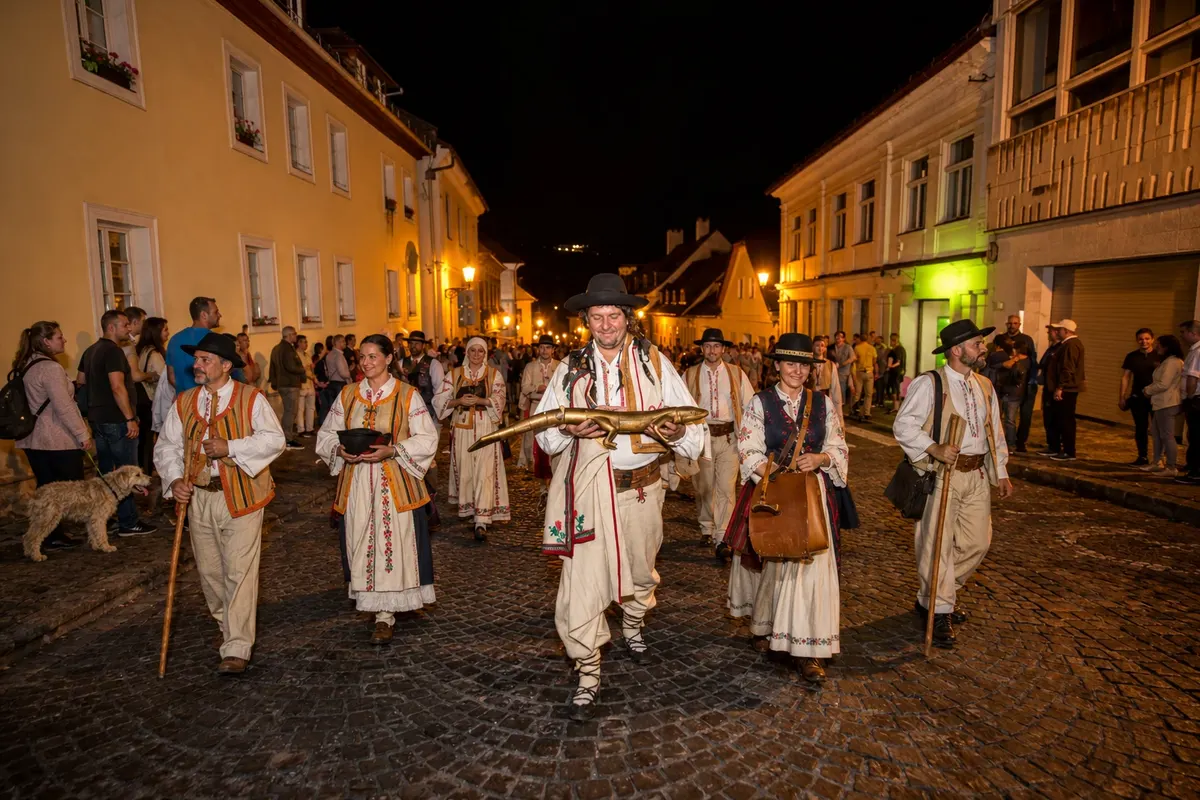
In September, the former mining town of Banská Štiavnica, a UNESCO World Heritage Site, celebrates miners with the Salamander: a nighttime procession of masked participants, miners in historical uniforms and characters from the foundation legend, lit by candles and torches.
SeptemberOn a weekend in the second half of September, from Friday to Sunday.
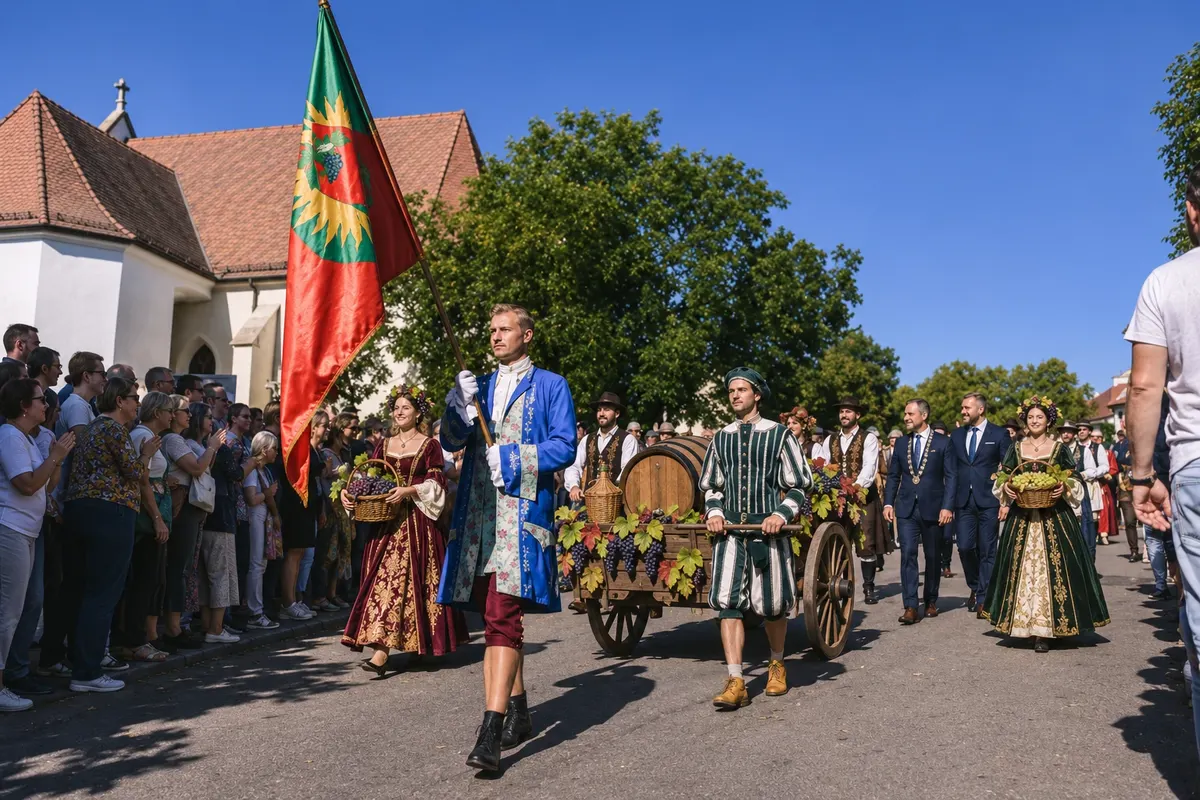
In the second half of September, Pezinok, the main wine town of the Small Carpathians, half an hour from Bratislava, celebrates the grape harvest with three days of burčiak, new wine, a street procession, music and fireworks.
Your questions
At the turn of September to October, for about two to three weeks. The program is published by the Slovak Philharmonic a few months beforehand.
Mainly at the Reduta, home of the Slovak Philharmonic, on the edge of Bratislava’s historic center near the Danube.
Classical music: symphonic concerts with Slovak and foreign orchestras, recitals and chamber music, with space for Slovak composers.
Festivals and events in Slovakia
OctoberOn the first Sunday in October.
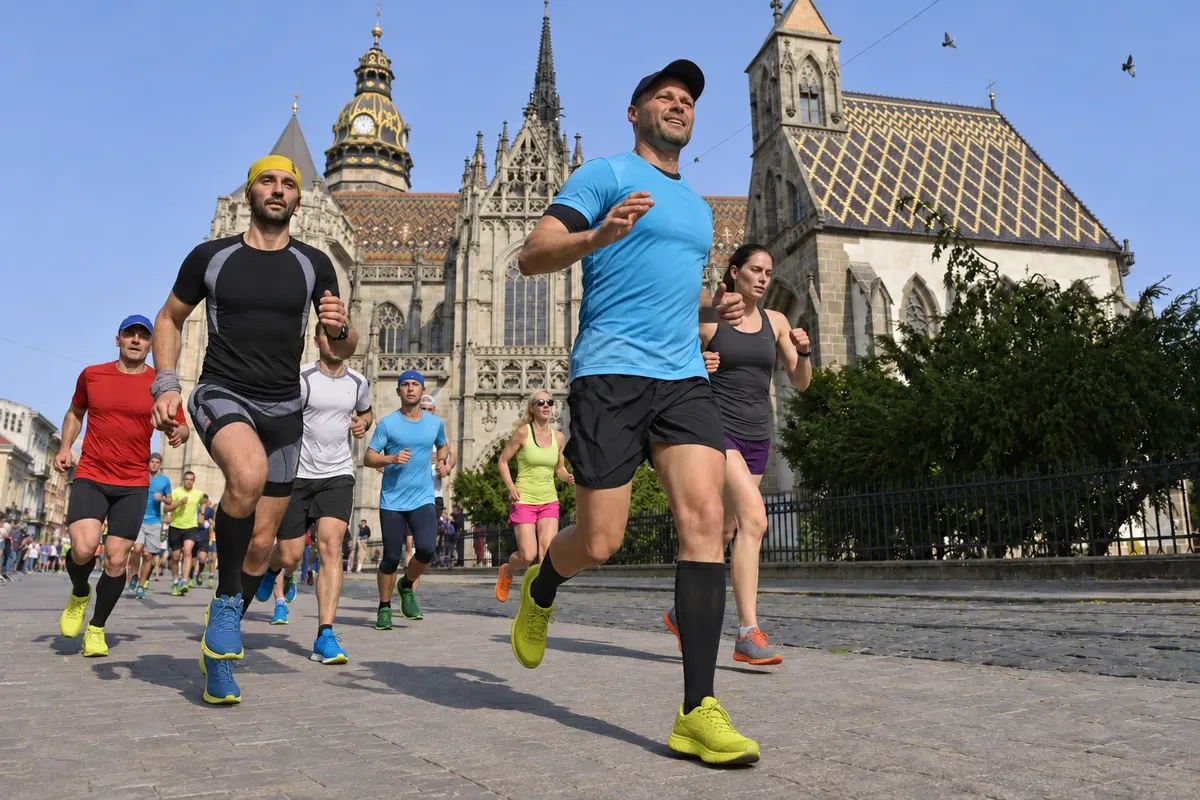
On the first Sunday in October, Košice in eastern Slovakia hosts the oldest marathon in Europe, held since 1924: runners from several countries race through the city streets, starting and finishing in the historic center.
June/JulyOn the first weekend of July, from Thursday or Friday to Sunday; the opening may fall in the last days of June.
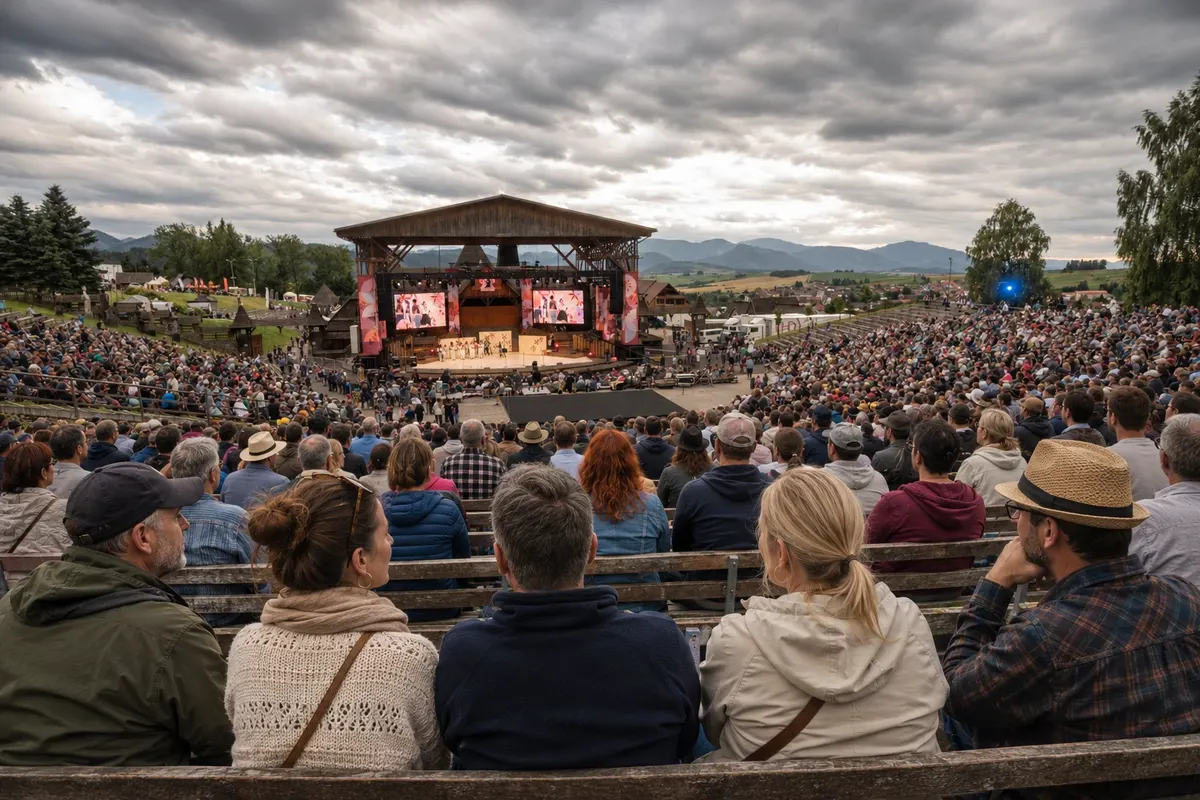
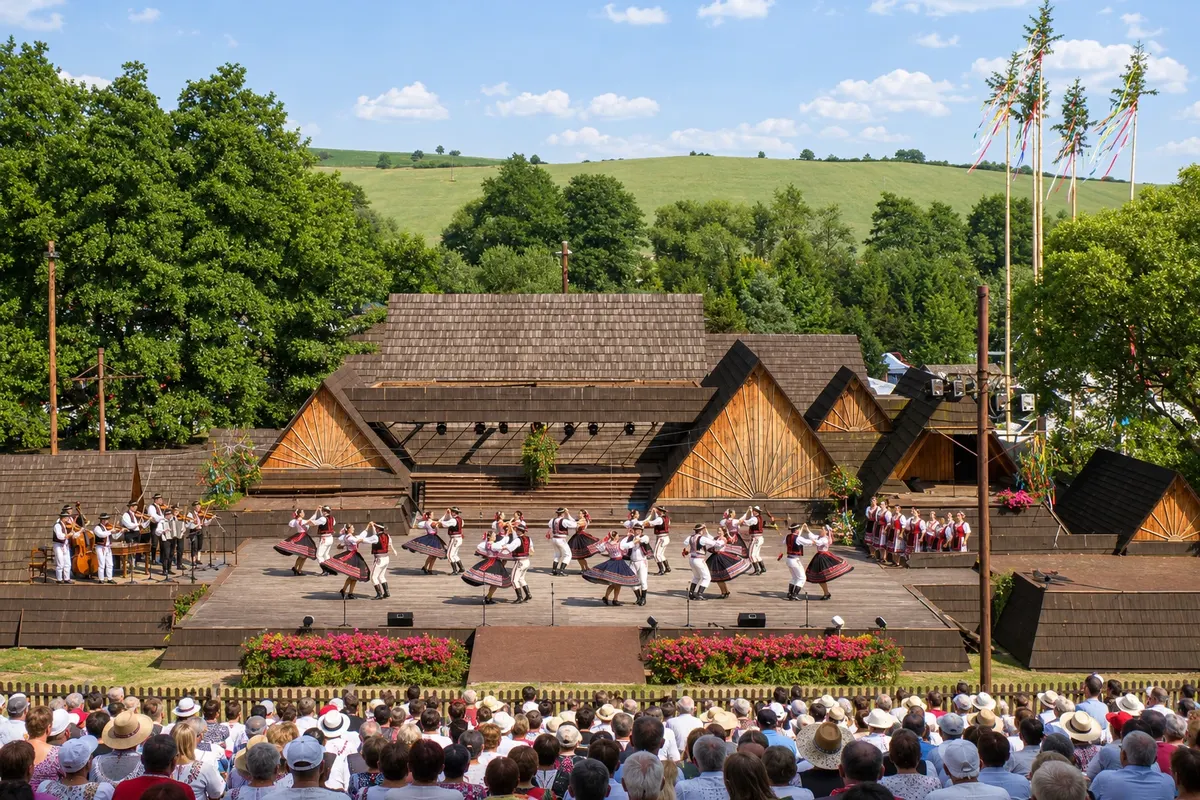
On the first weekend of July, the village of Východná in the Liptov region, beneath the Kriváň peak, hosts Slovakia’s oldest folklore festival: music and dance groups from across the country and invited foreign ensembles perform in an open‑air amphitheater.
July/AugustAt the end of July or the beginning of August, for four or five days, from Wednesday or Thursday to Sunday.
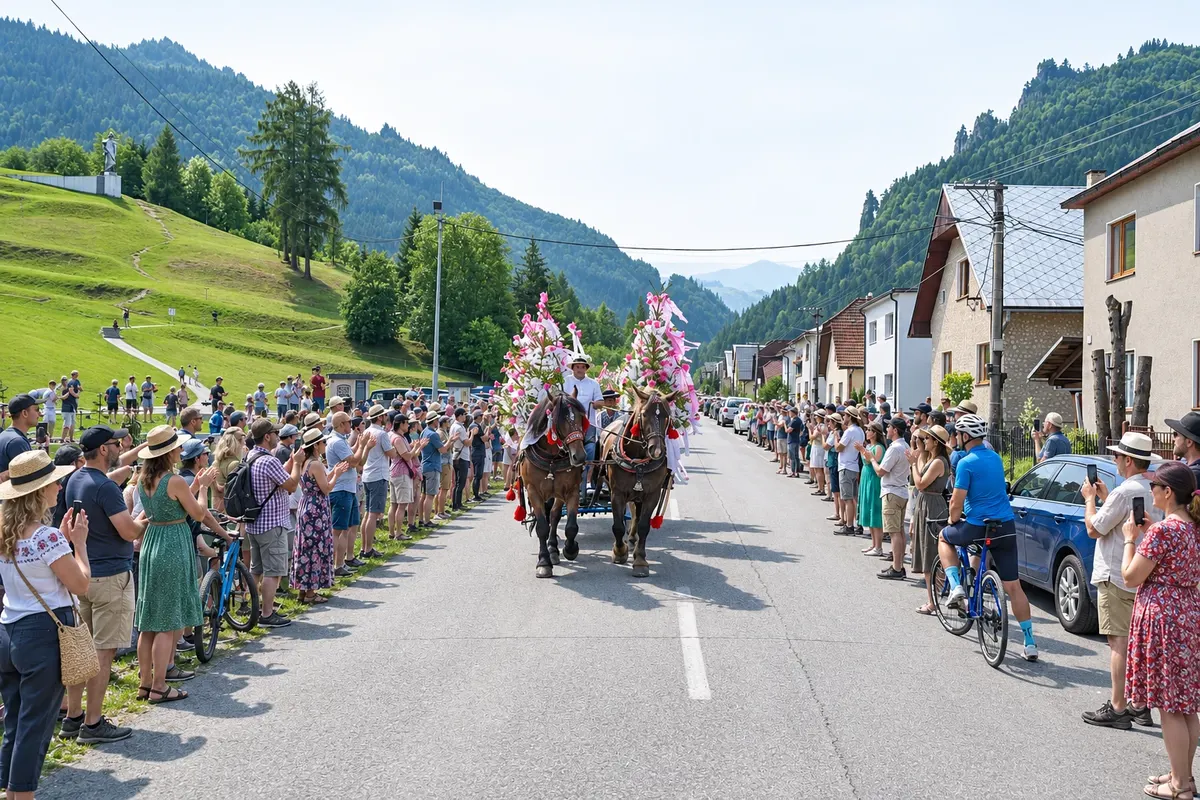
At the turn of July to August, Terchová, a village in the Malá Fatra where the legendary Juraj Jánošík was born, hosts an international folklore festival dedicated to the hero and to the local music, which is inscribed by UNESCO as intangible cultural heritage.
JulyOn the second weekend of July, from Thursday to Sunday.
On the second weekend of July, the town of Detva in central Slovakia, at the foot of the Poľana massif, hosts one of the country’s three largest folklore festivals, featuring folk music and dance in an open-air amphitheater and an afternoon dedicated to Slovaks living abroad.
JulyOn the second weekend of July, from Friday to Sunday.
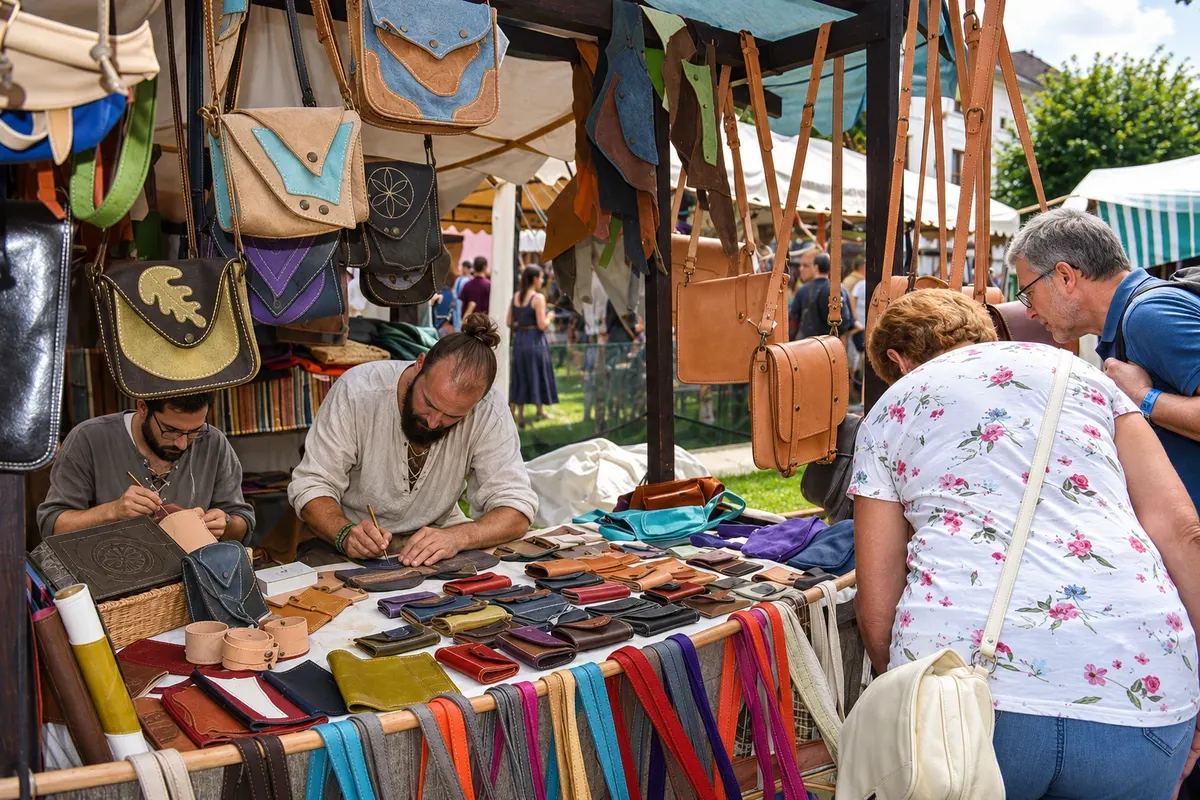
For three days in mid-July, the historic center of Kežmarok, at the foot of the High Tatras, becomes a large open-air workshop: artisans from Slovakia and other countries work live at dozens of traditional crafts, with folk music and dance on the stages.
JulyIn the first half of July, lasting three or four days, concluding on Saturday.
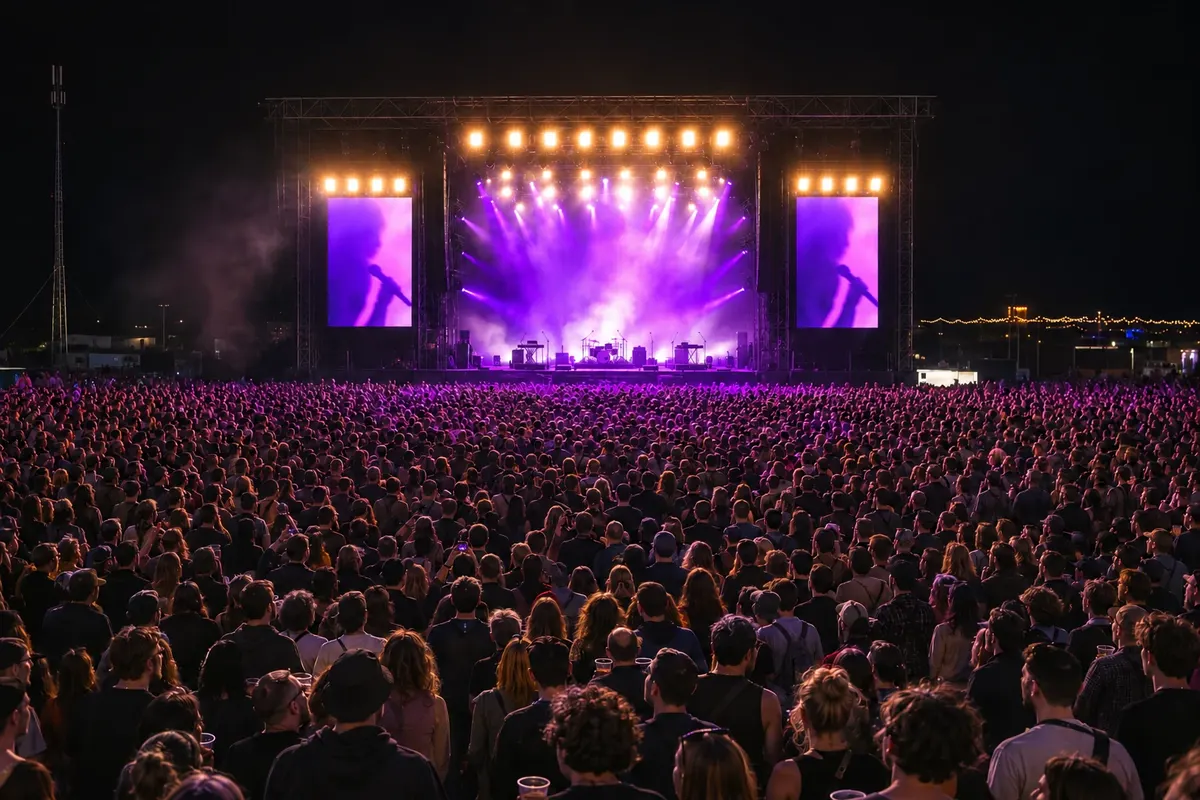
Slovakia’s largest music festival takes over the former Trenčín airport in July: dozens of stages with rock, pop, electronic music, jazz and classical, plus theatre, literature, film and talks.