The festival
What is Jánošík Days
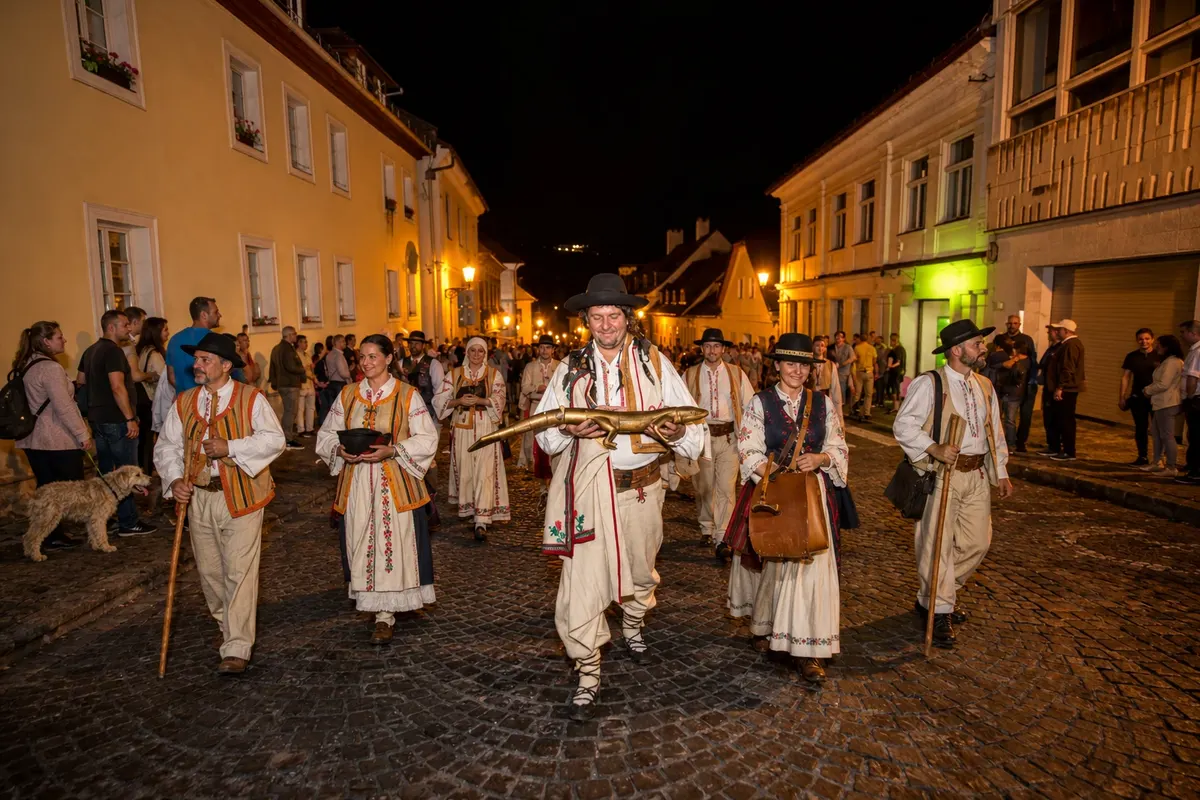
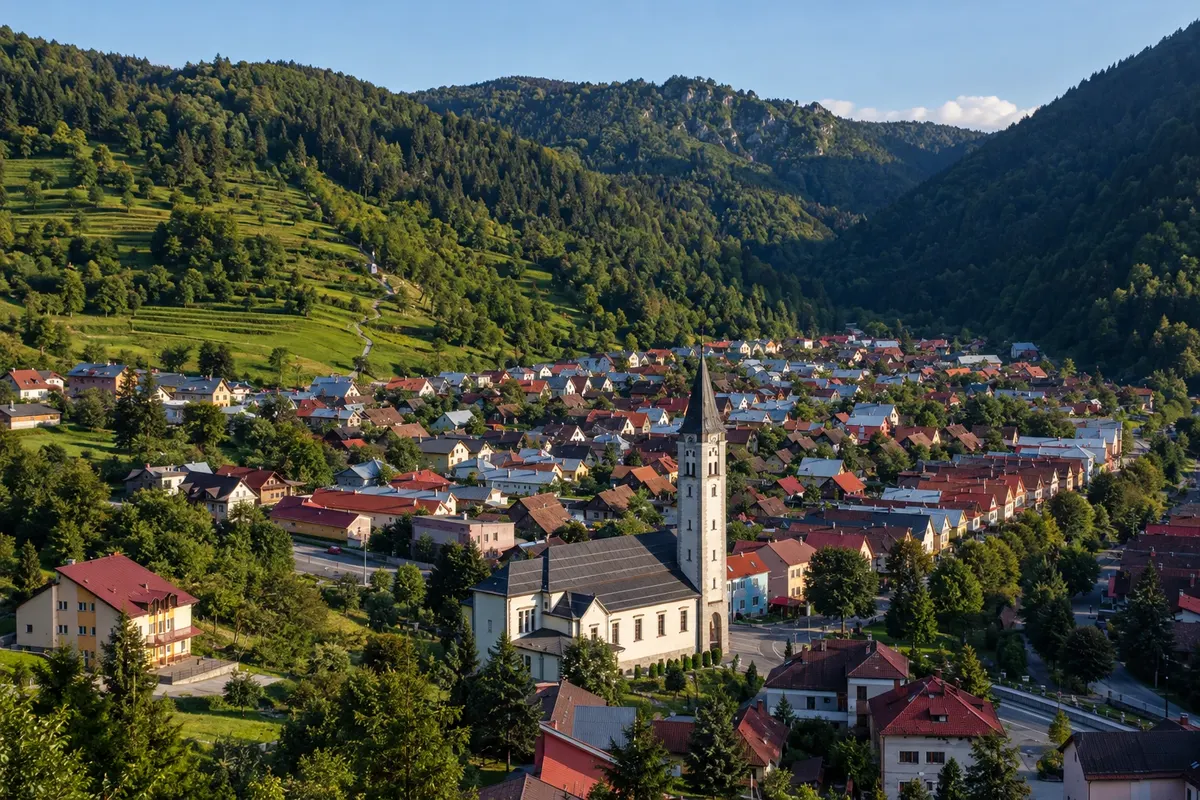
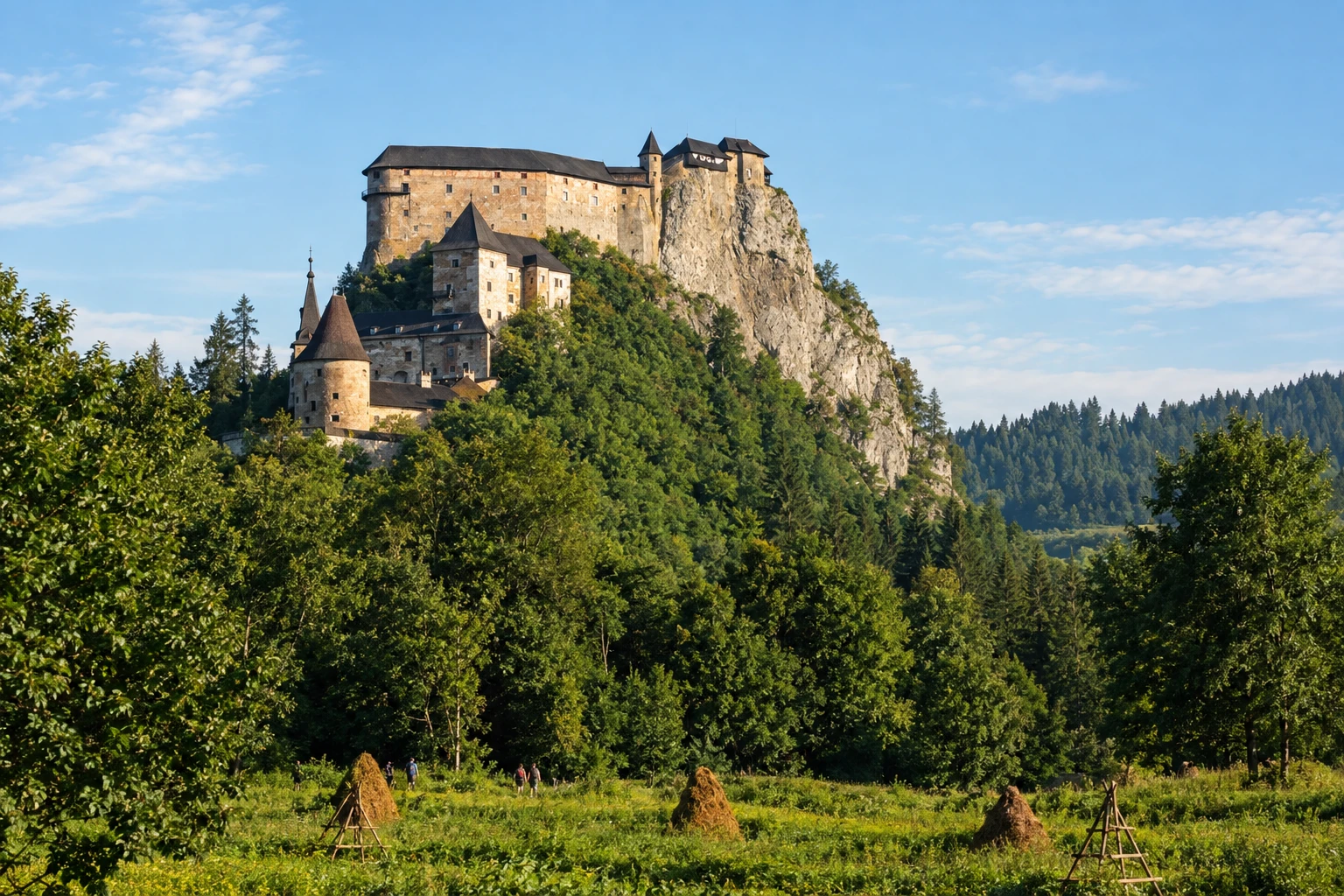
Terchová, a village in the Malá Fatra in northern Slovakia, is the birthplace of Juraj Jánošík, an early 18th‑century outlaw whom popular tradition turned into a hero — a kind of Carpathian Robin Hood. Every year, between the end of July and the beginning of August, the village celebrates its most famous son and its music with Jánošíkove dni, the Jánošík Days, an international folklore festival held since 1963.
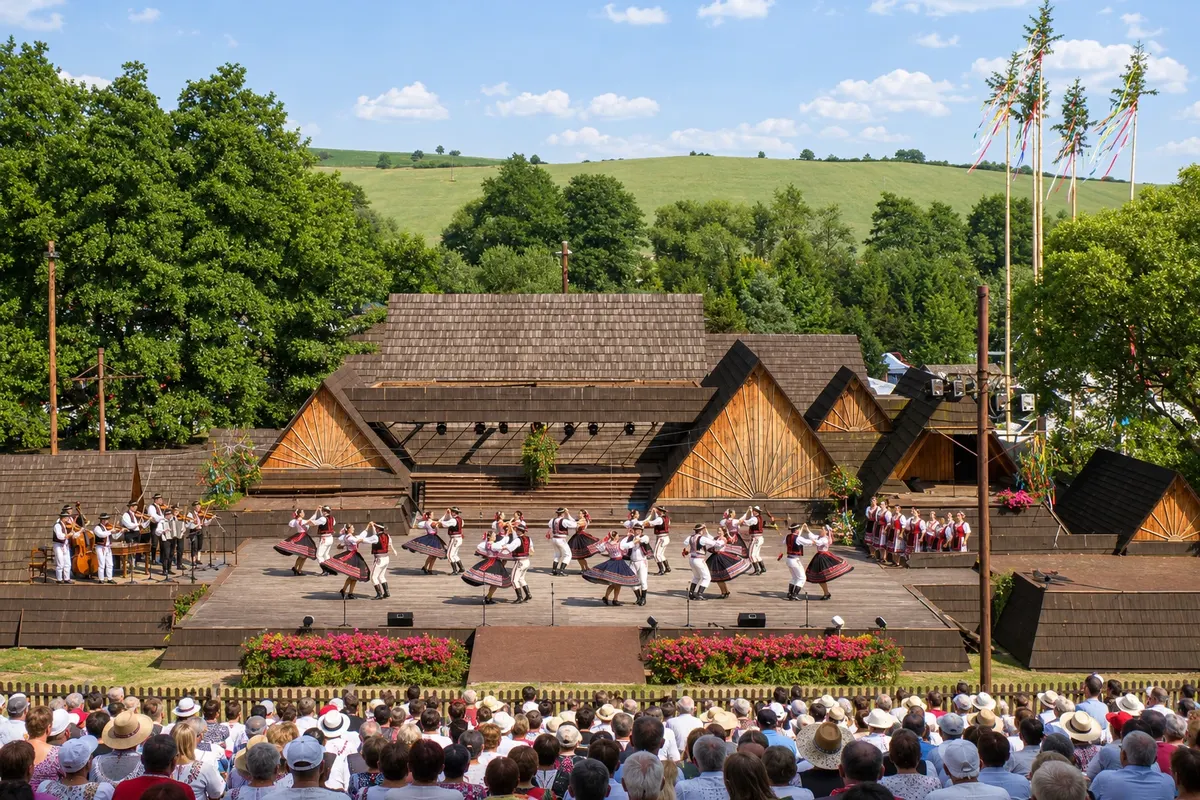
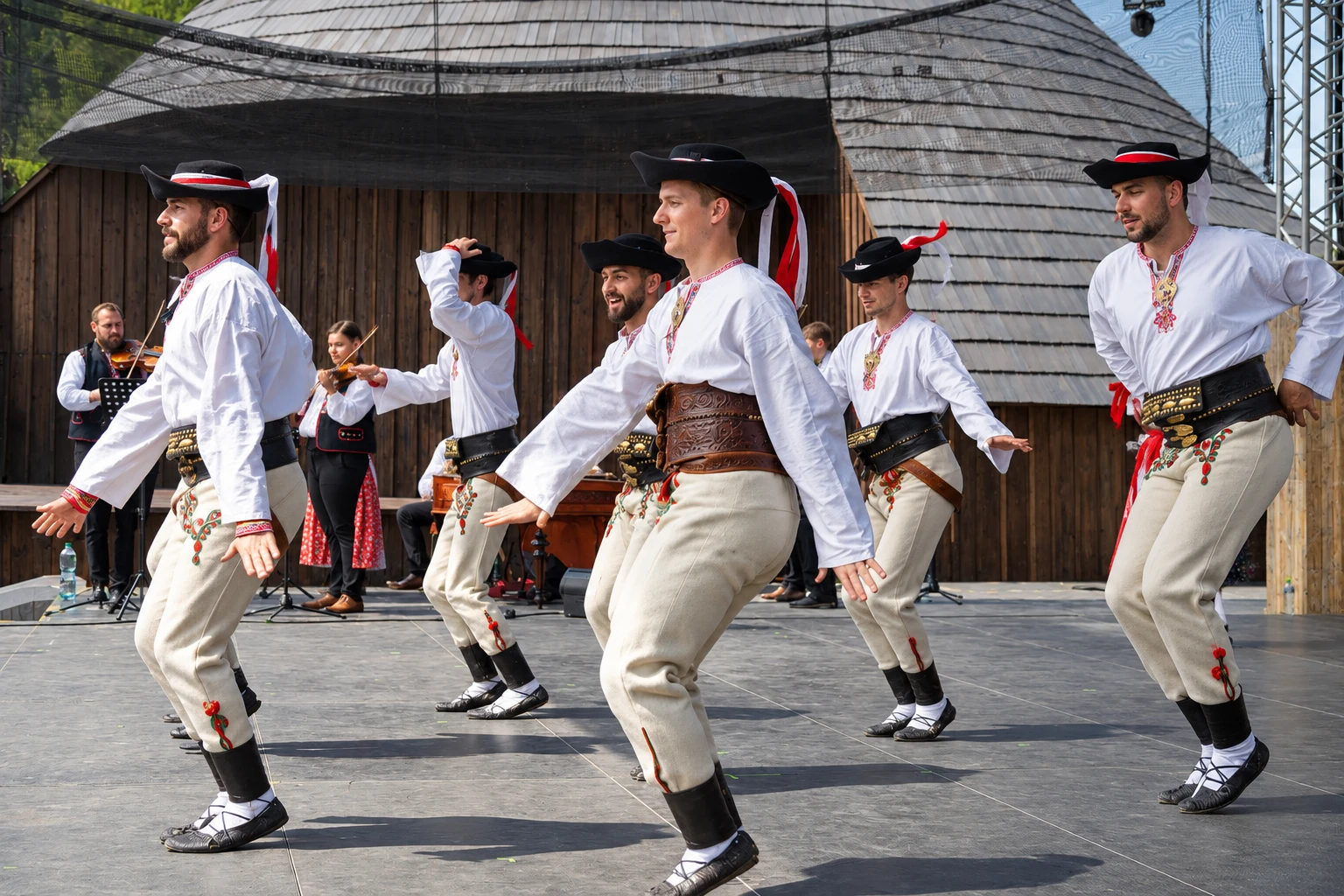
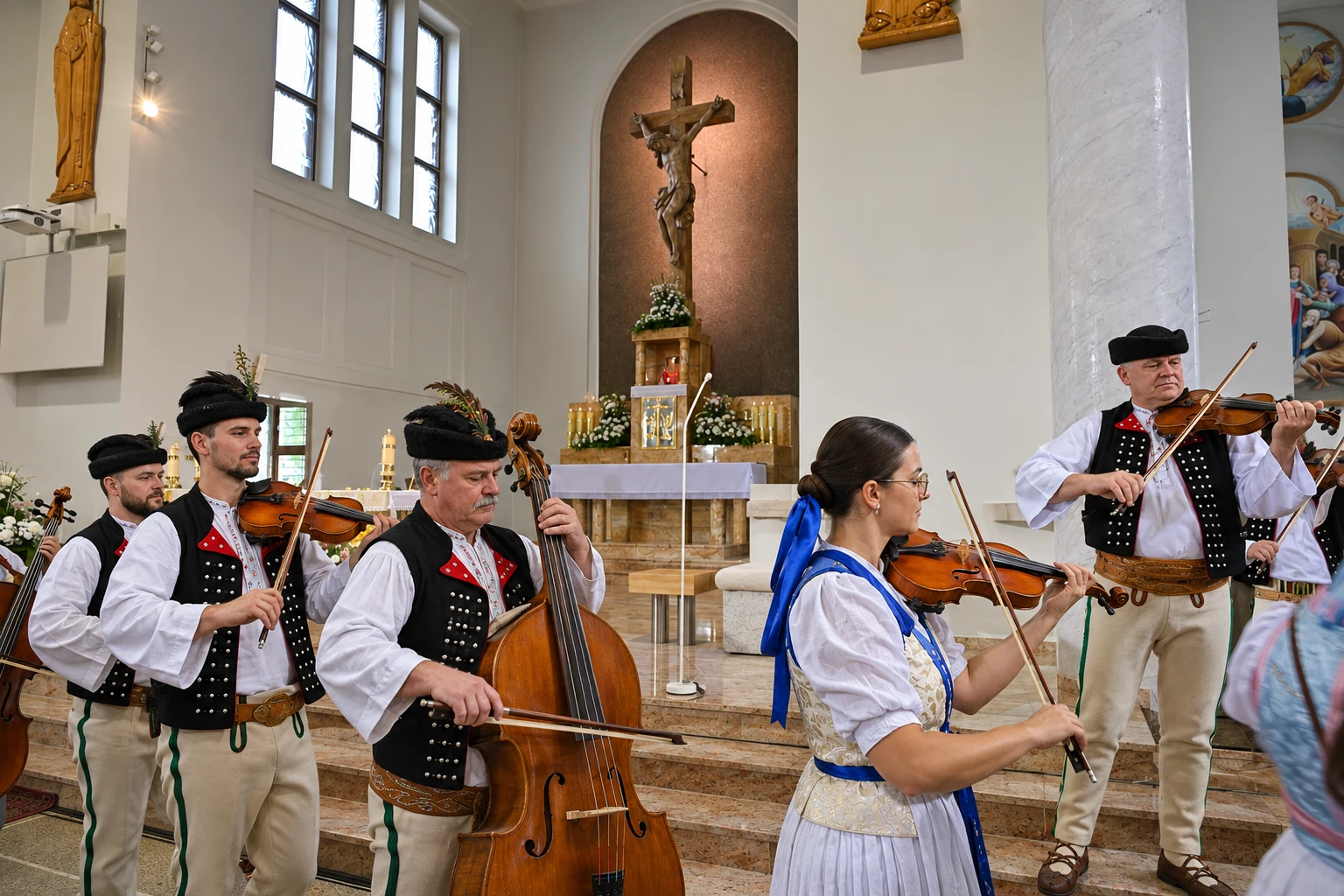
The music of Terchová, the terchovská muzika, is the other star of the celebration. Performed by small ensembles of violins, a small double bass and often a diatonic accordion, with multi‑part singing, it was inscribed in 2013 on UNESCO’s Representative List of the Intangible Cultural Heritage of Humanity. At the festival, local groups share the stage with ensembles from other regions of Slovakia and from abroad.
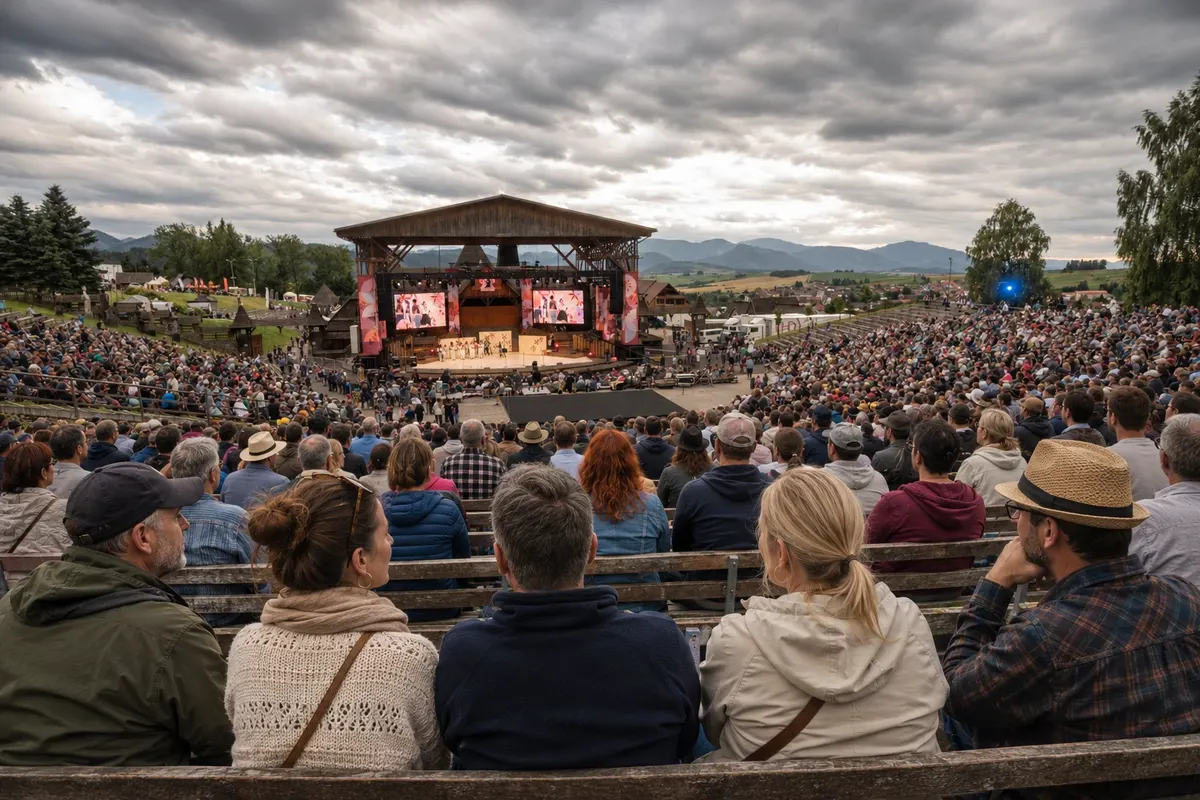
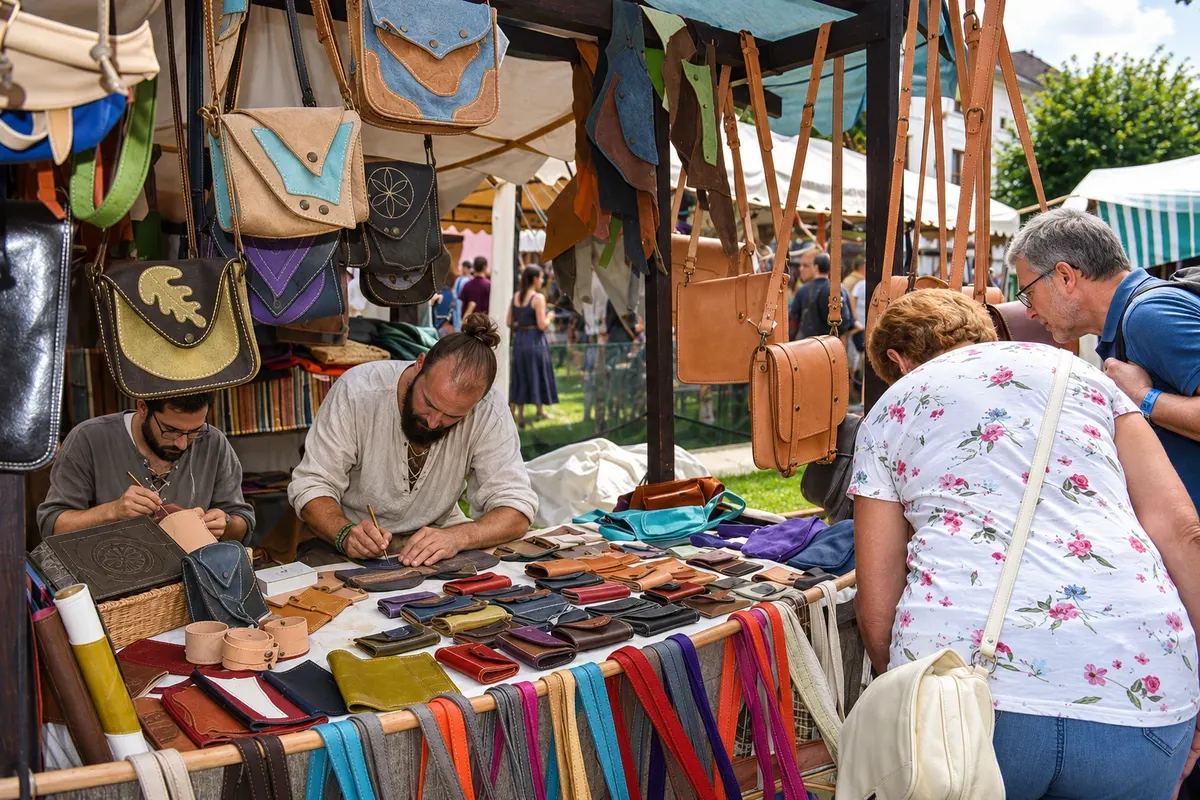
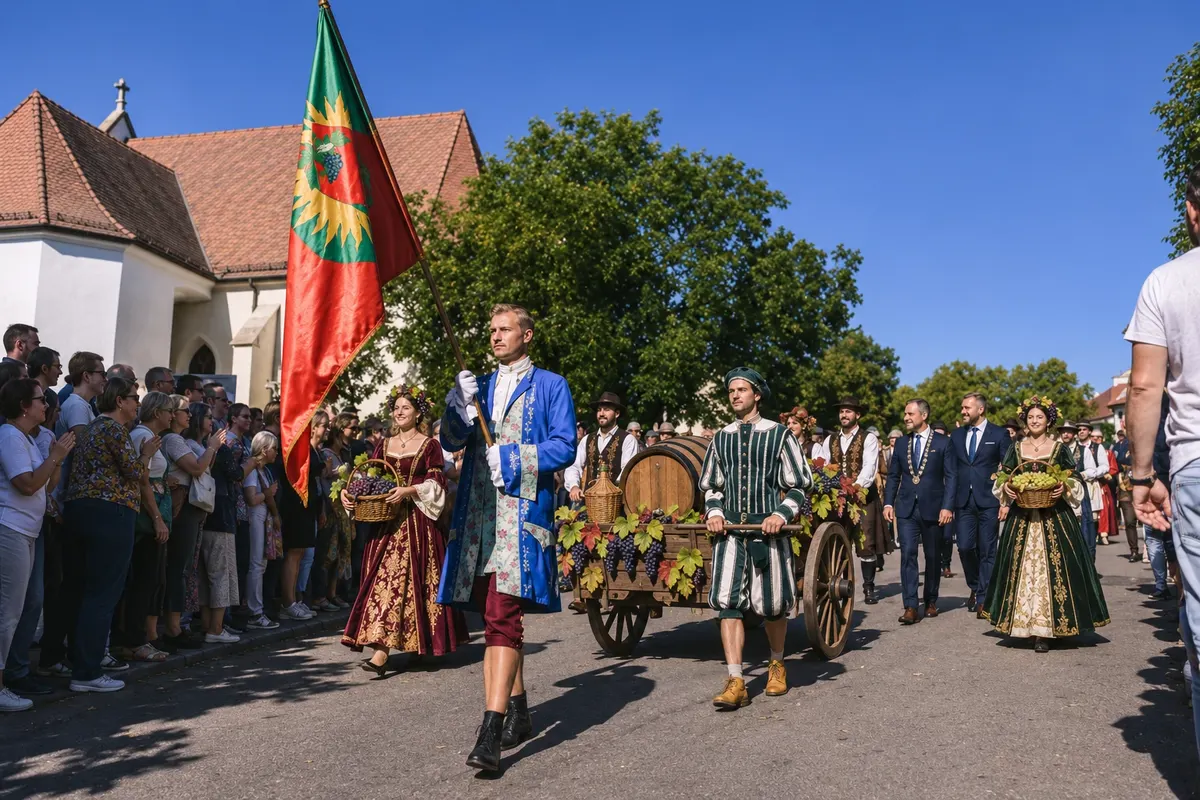
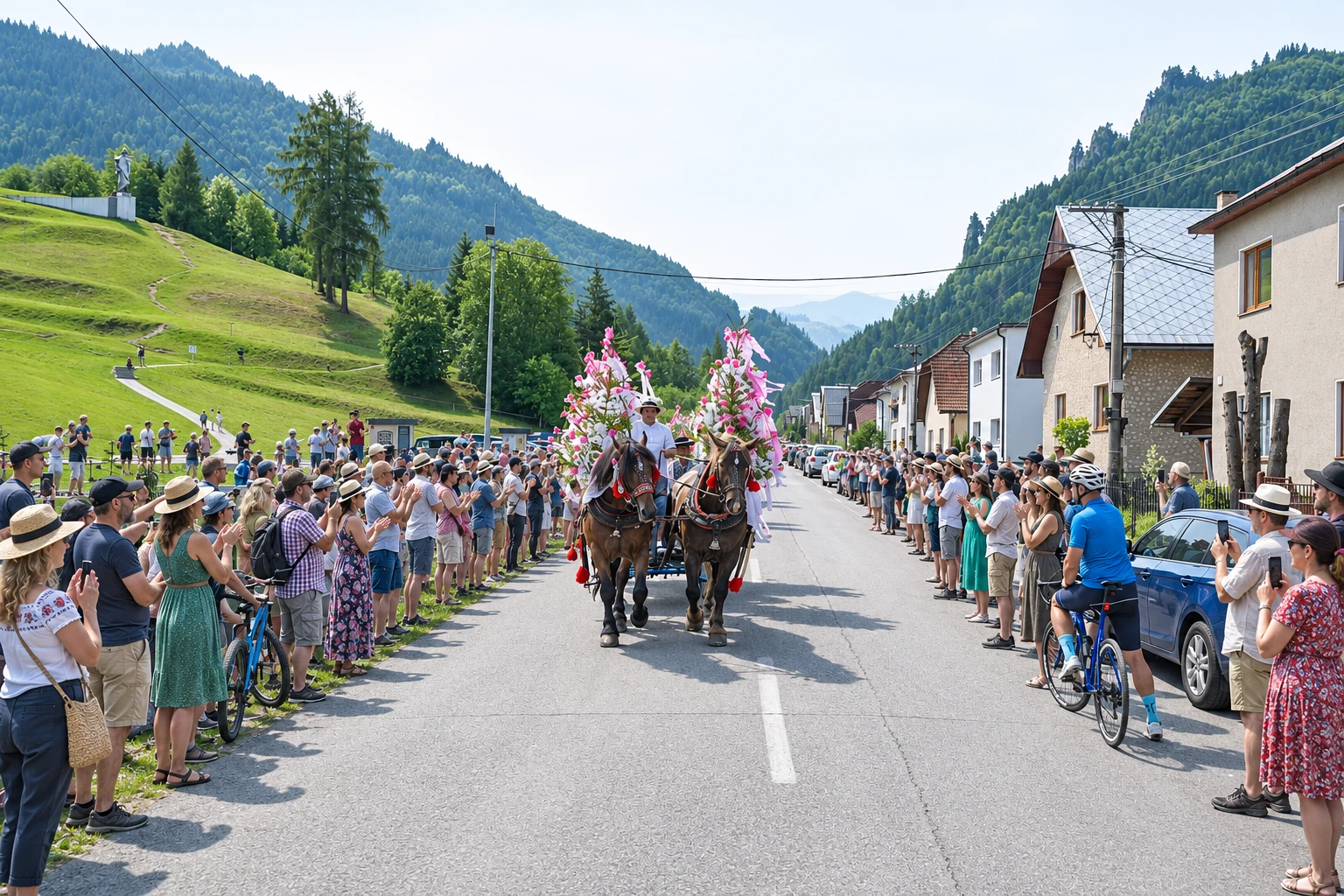
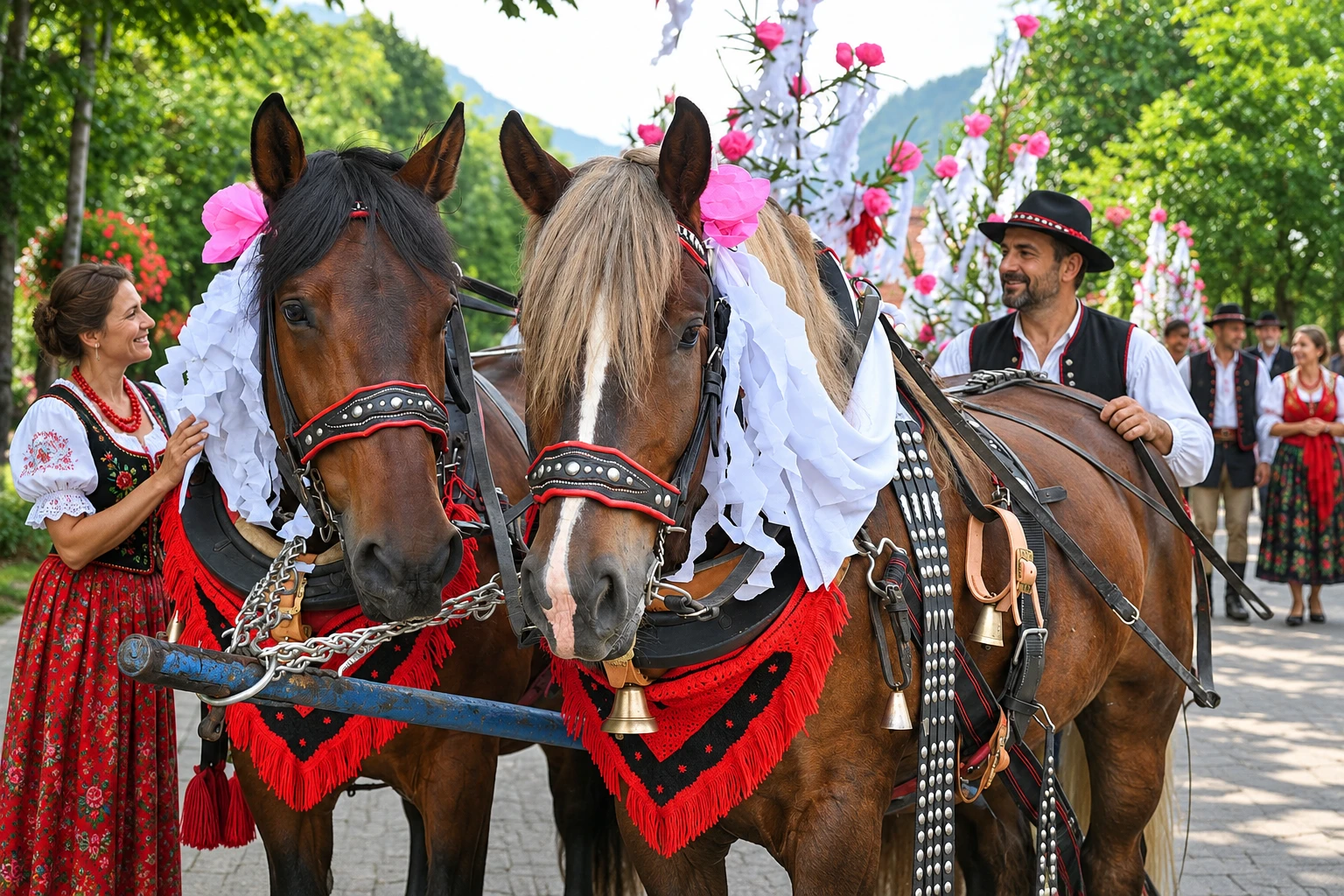
Main programs take place in the large outdoor amphitheater at the foot of the Jánošík monument that overlooks the village, and extend across several smaller stages. Traditionally there is a gala night dedicated to Terchová, an international gala and a regional gala. The festivities begin in Jánošík’s native village and include exhibitions of folk art, craft demonstrations, a mass for the folklore groups in the village church, a wagon parade, accordion players’ meetups and fireworks.
The landscape helps: Terchová is the gateway to the Vrátna dolina and the Malá Fatra, with trails to the Jánošíkove diery gorges and to the Veľký Rozsutec peak. Many visitors combine the festival days with hikes in the mountains.
For those who want to hear traditional Slovak music in its place of origin, the Jánošíkove dni are the occasion: the entire village joins the celebration, and the music recognized by UNESCO echoes on stages, in the streets and in bars for days.


 Brazil
 Argentina
 Bolivia
 Chile
 Colombia
 Ecuador
 Guyana
 French Guiana
 Falkland Islands (Malvinas)
 Paraguay
 Peru
 Suriname
 Uruguay
 Venezuela
 Germany
 Austria
 Belgium
 Croatia
 Denmark
 Spain
 Finland
 France
 Greece
 the Netherlands
 Hungary
 Ireland
 Iceland
 Italy
 Luxembourg
 Norway
 Poland
 Portugal
 the United Kingdom
 the Czech Republic
 Sweden
 Switzerland
 Turkey
 Canada
 the United States
 Mexico
 the Dominican Republic
 South Africa
 Australia
 Fiji
 New Zealand
 Papua New Guinea

 June/July/August/September