Bratislavský rožok
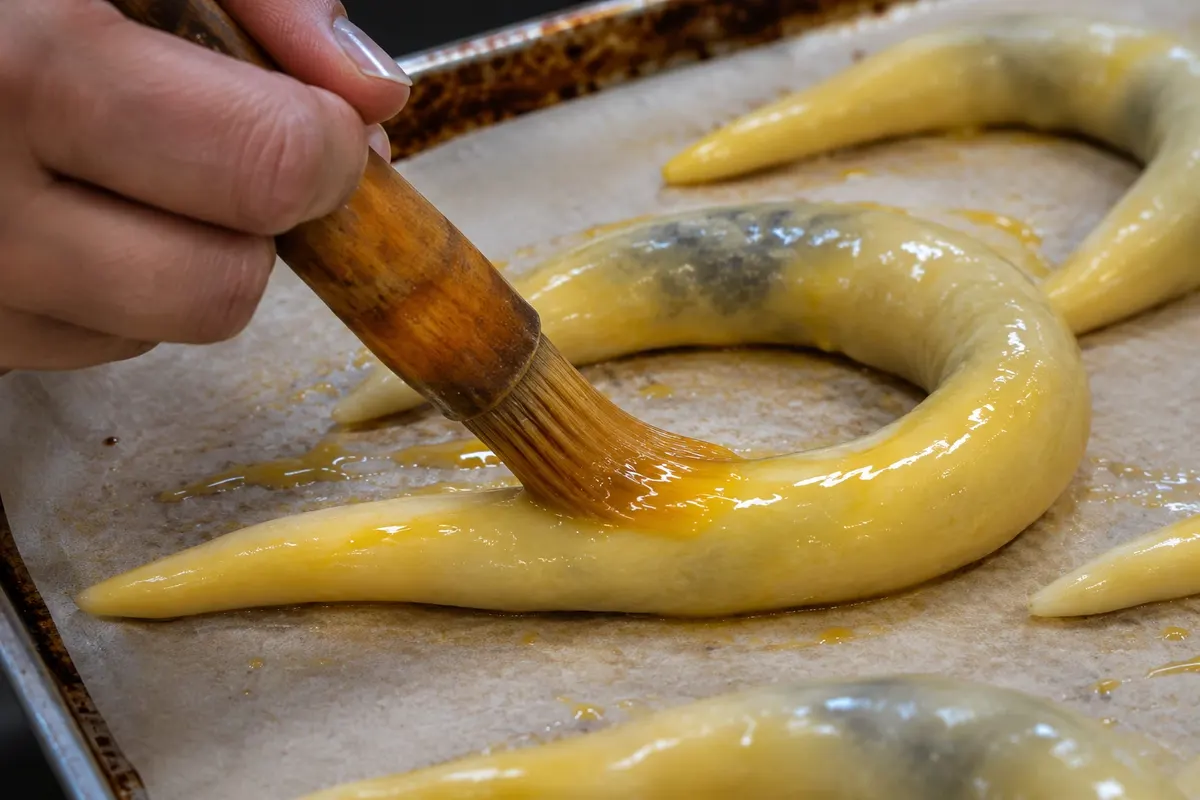
Thin, glossy pastry filled with walnuts or poppy-seed filling. The poppy-seed one is shaped like a horseshoe and the walnut one like the letter C. Registered in the European Union as a traditional speciality guaranteed.
Culture · Bratislava
For three days, Bratislava recalls the time when it was the coronation city of the Kingdom of Hungary: a procession in period costume descends from the castle to the main square, where the coronation of a monarch is staged, and knights compete in a tournament on the banks of the Danube.
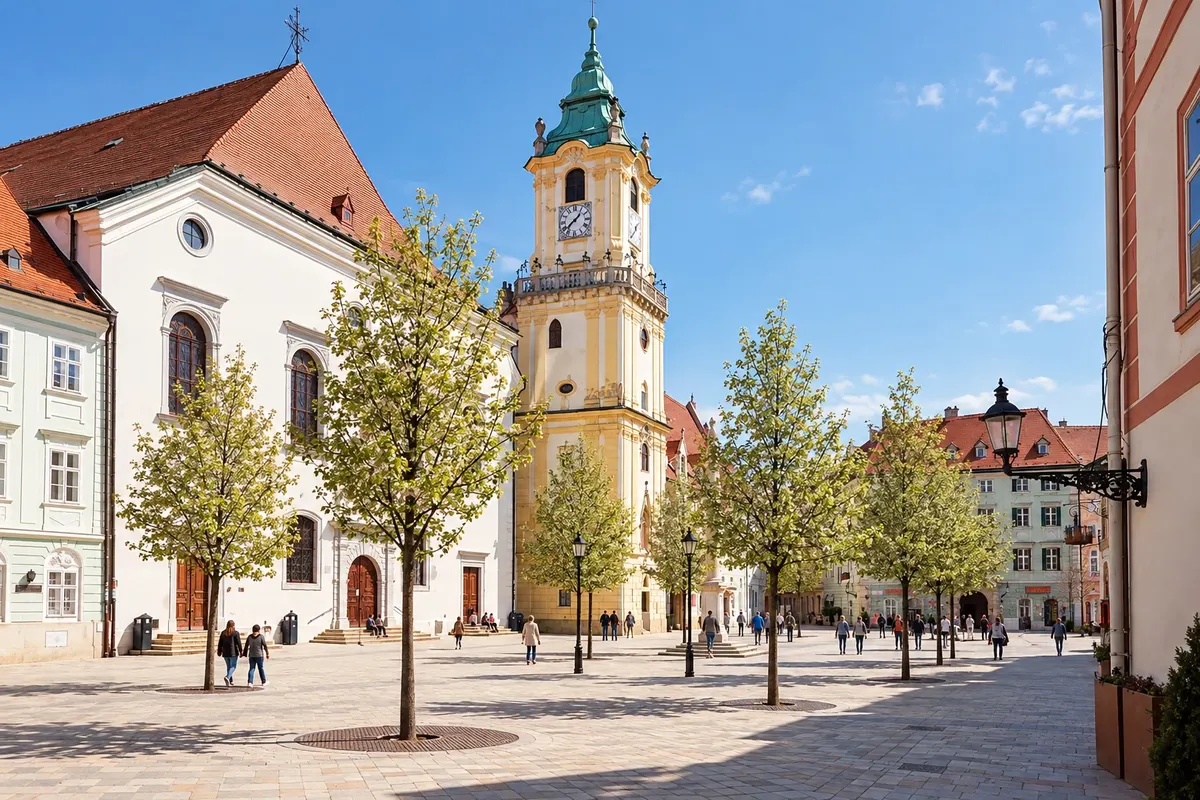
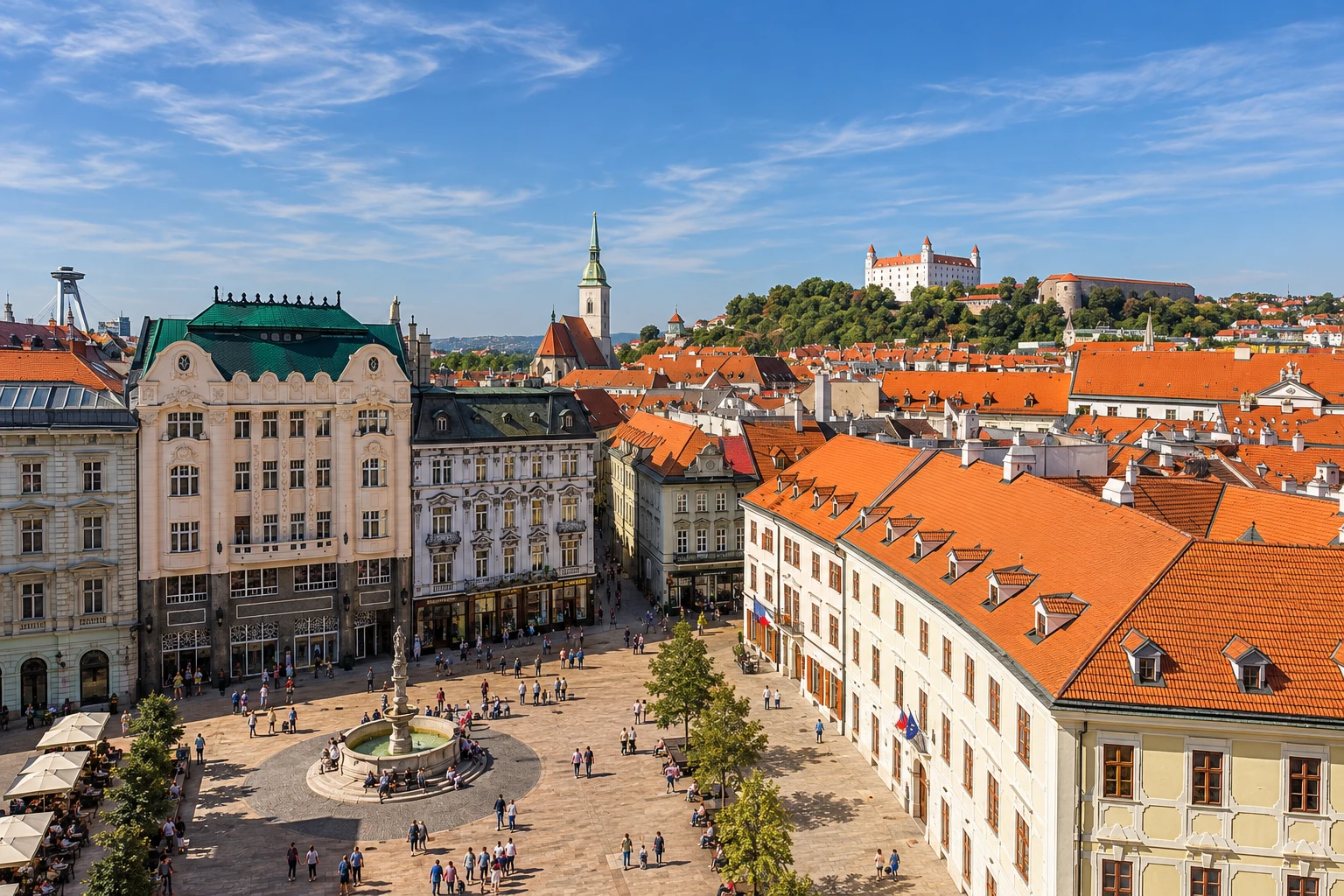
In the photo: Bratislava
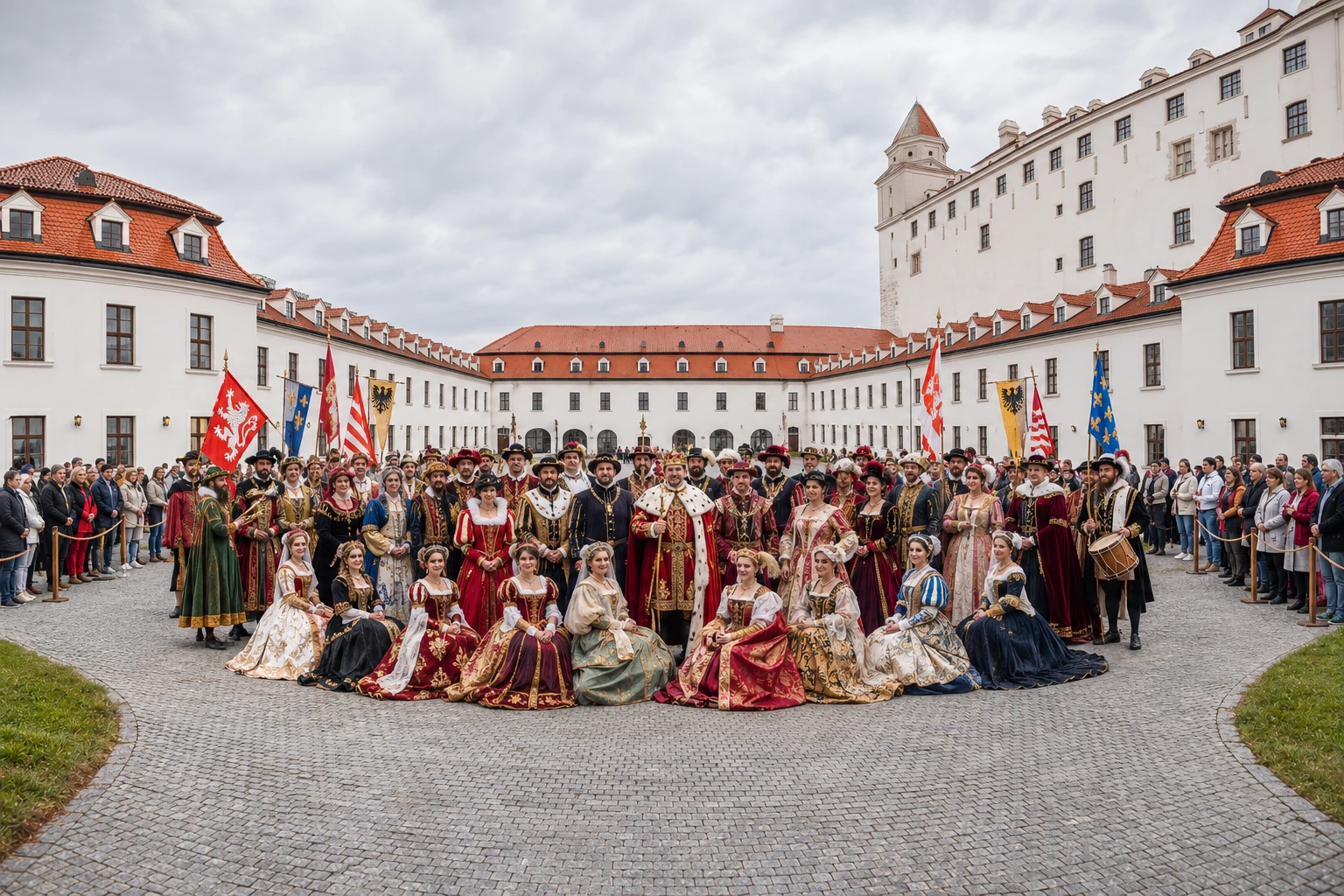
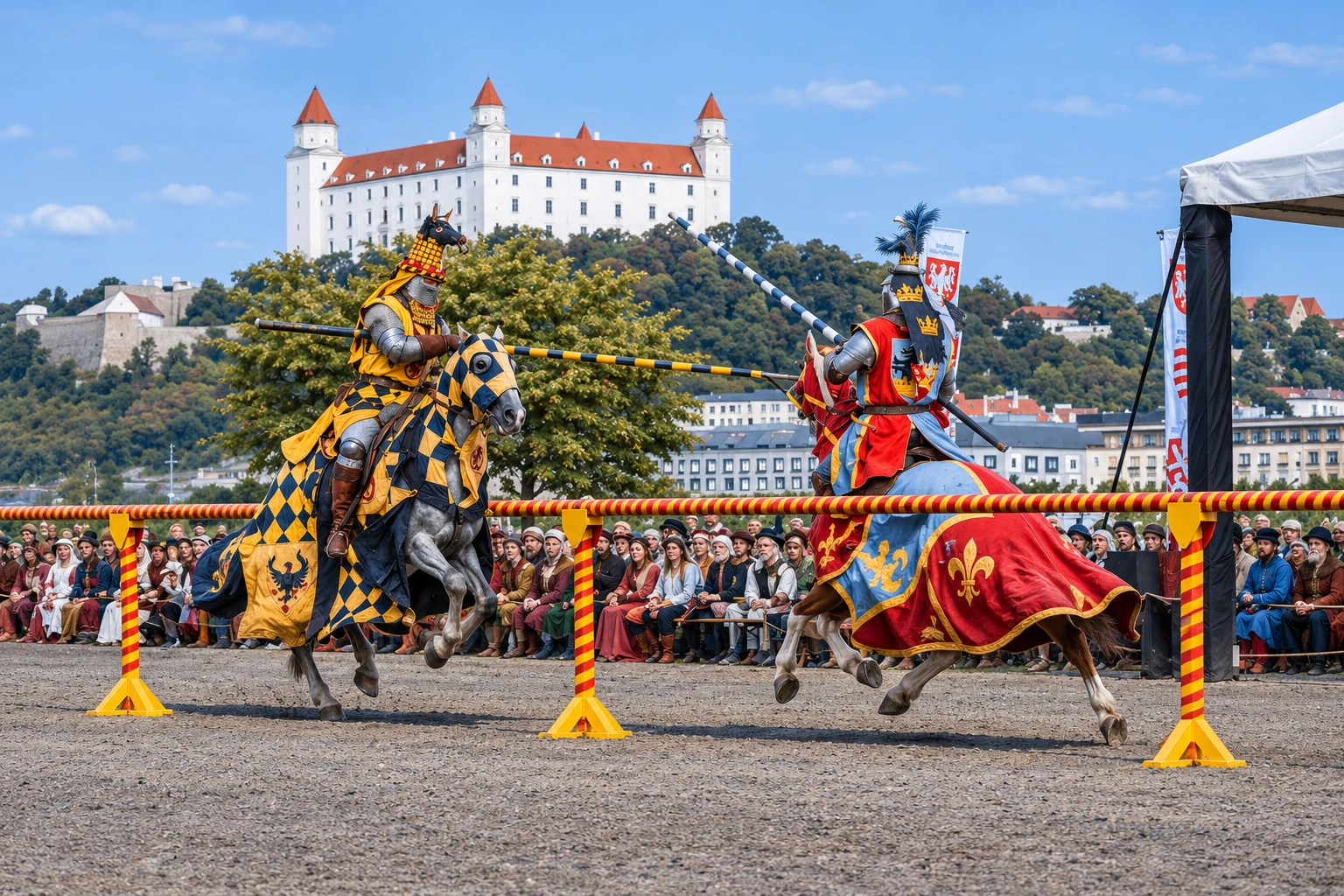
Illustrative images. The pictures in this guide are illustrations based on the real place, not photographs, and may differ from it.
Click a photo to enlarge it.
Coronation Days of Bratislava — Bratislava
On a summer weekend, Friday to Sunday; the date changes each year and has fallen between June and September, with recent editions in July or August.
June/July/August/September
Dates change every year: check this year's date before you travel.
The festival
Between 1563 and 1830, Bratislava, then called Pressburg in German and Pozsony in Hungarian, was the city where the kings of Hungary were crowned. In St. Martin’s Cathedral ten kings, one reigning queen, Maria Theresa, and seven queen consorts were crowned. Coronation Days commemorate that era every year with a weekend of processions, reenactments, and music in the historic center.
The festival began in 2003, created by a local civic association, and later came under the organization of the city’s tourism body. Each edition selects a historic coronation and reconstructs it from contemporary documents: Maximilian II’s, the first in the city; the coronation of the young Joseph I; or Maria Theresa’s, which the city typically highlights in special years.
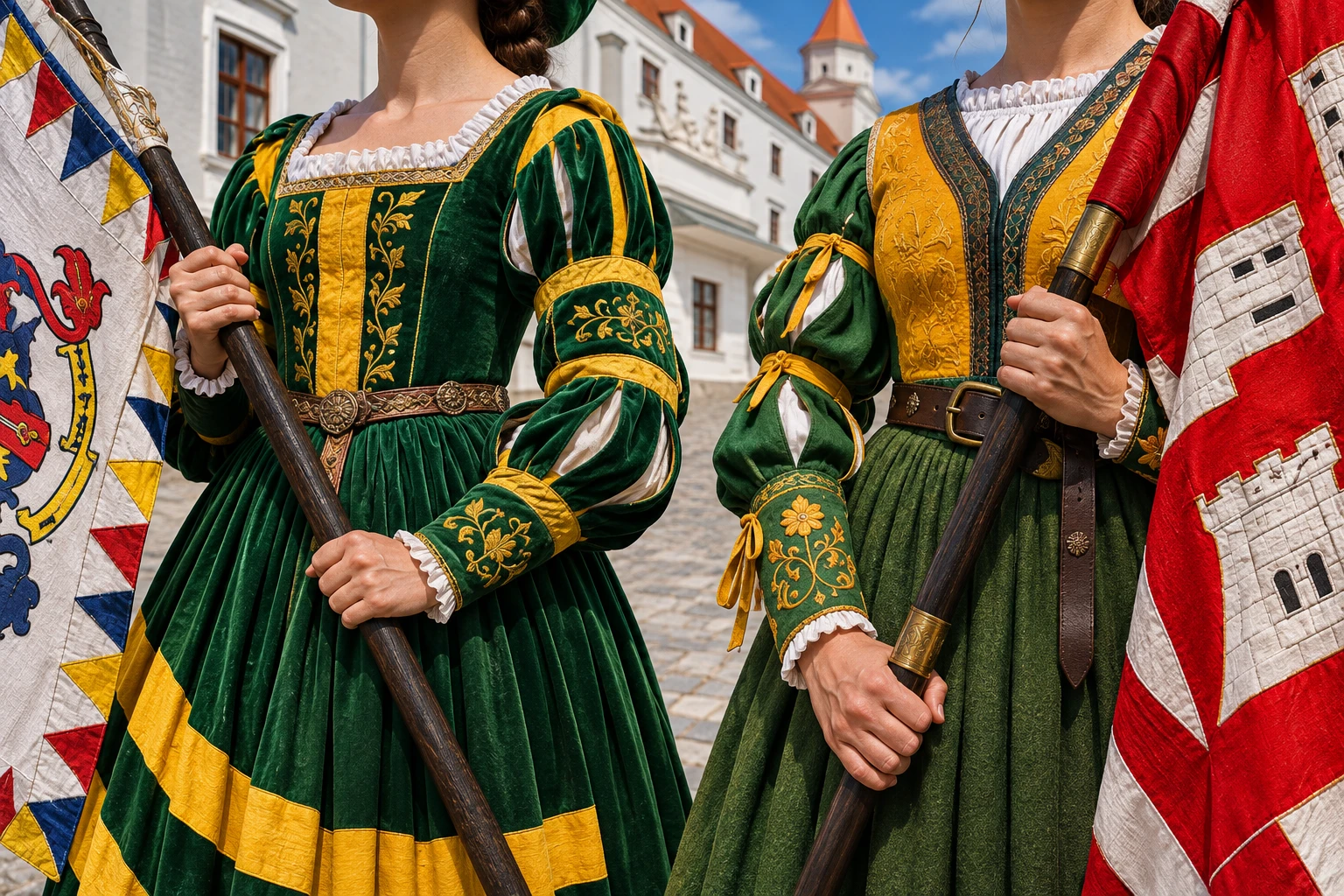
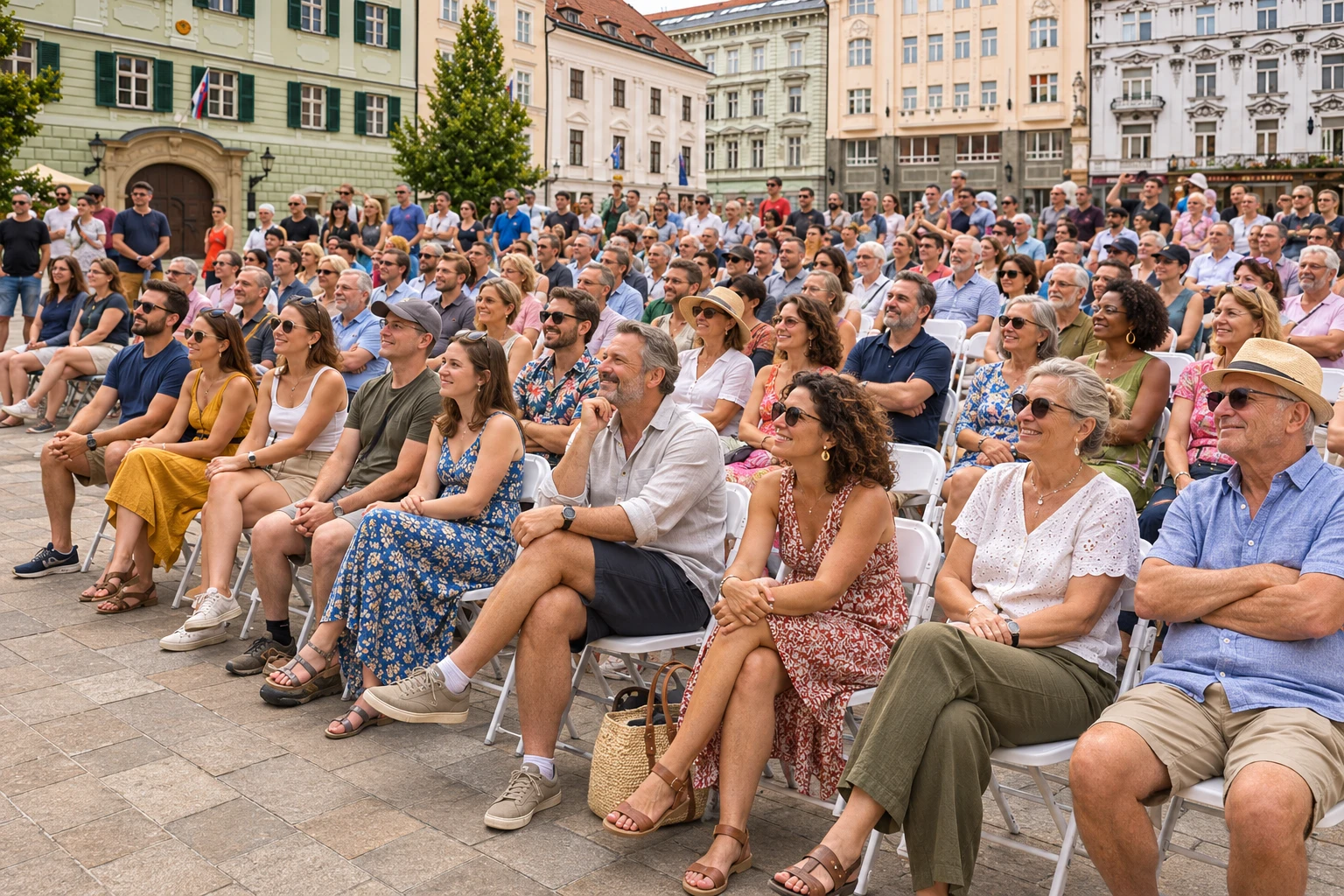
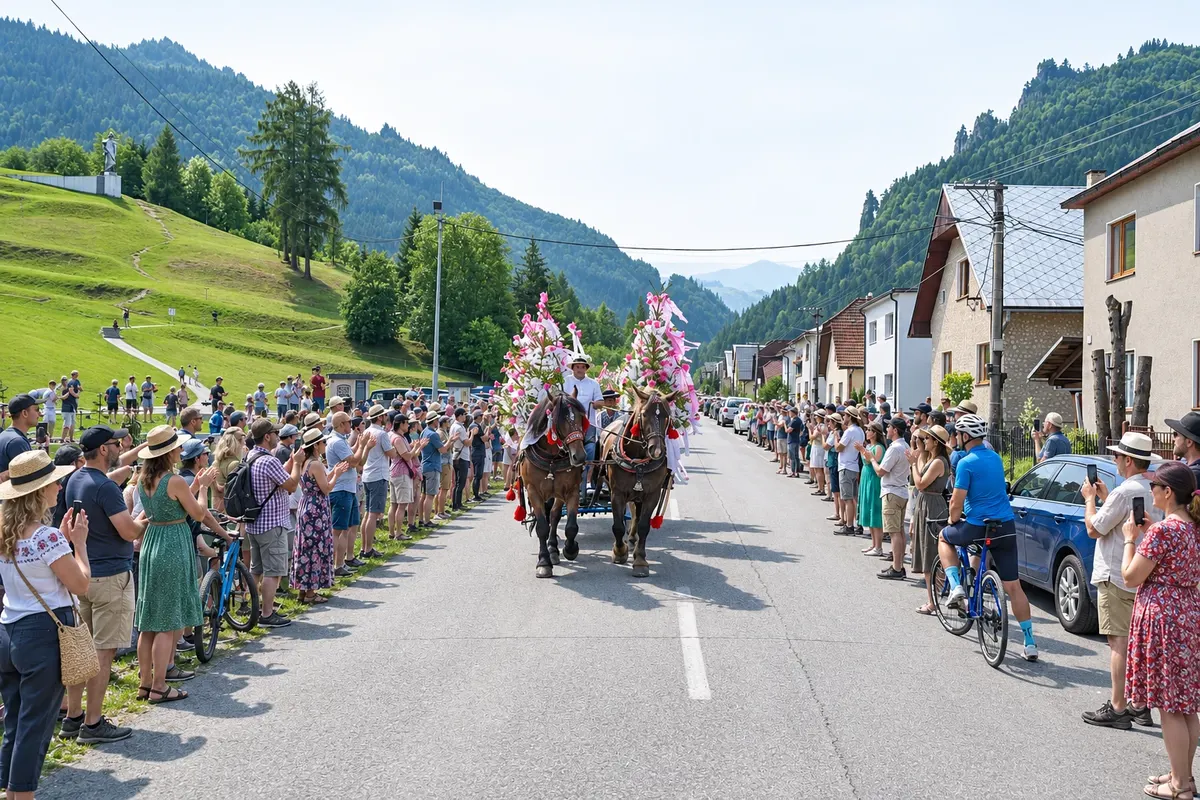
The highlight is Saturday’s procession. About two hundred participants in rich costumes — with the king and queen, nobles, clergy, standard-bearers, drummers, falconers, and fencers — depart from Bratislava Castle and walk down through the Old Town streets to Hlavné námestie, the main square. There the act of coronation is staged, with Renaissance music, court dances, and sword duels. The route partly follows the path of the original processions, which passed through Michael’s Gate and the narrow center streets.
On the other days there is a mounted knights’ tournament at Tyršovo nábrežie, the Danube embankment in front of the Old Town, a concert at St. Martin’s Cathedral, performances by historical groups from countries of the former Austro-Hungarian monarchy, and guided walks along the Coronation Route, marked on the ground with small golden crowns.
The festival is worth the trip for those who enjoy living history: it’s an opportunity to see the castle, the cathedral, and the central streets as the setting for the coronations that made Bratislava, for nearly three centuries, one of the capitals of Central Europe.
The Saturday-afternoon coronation procession from Bratislava Castle to the main square, passing through Old Town streets. The staged coronation ceremony at Hlavné námestie, with music and court dances. The knights’ tournament at Tyršovo nábrežie on the Danube bank, usually on Friday afternoon. The coronation concert at St. Martin’s Cathedral, where the royal coronations took place. The guided walks along the Coronation Route, following the small golden crowns in the pavement.
Choose Saturday, the day of the main procession. To see the departure, arrive early at the castle; to see the coronation, secure a spot in the main square before the procession arrives, as it becomes crowded. Between these points, Michalská and Ventúrska streets offer good views of the passage. The historic center is compact and walkable; it’s only a few minutes downhill from the castle to the main square. In summer the days are usually warm: bring water, a hat, and comfortable shoes for stone pavements. The themed guided tours often require prior registration.

Check the Bratislava tourism website for the date and program of the year, which change each edition. Book accommodation in or near the Old Town in advance, as the festival falls during the summer season. Bratislava is about an hour from Vienna, and many visitors combine the two cities.
In the city
Flavors of Slovakia
June/July/August/September
June/JulyOn the first weekend of July, from Thursday or Friday to Sunday; the opening may fall in the last days of June.
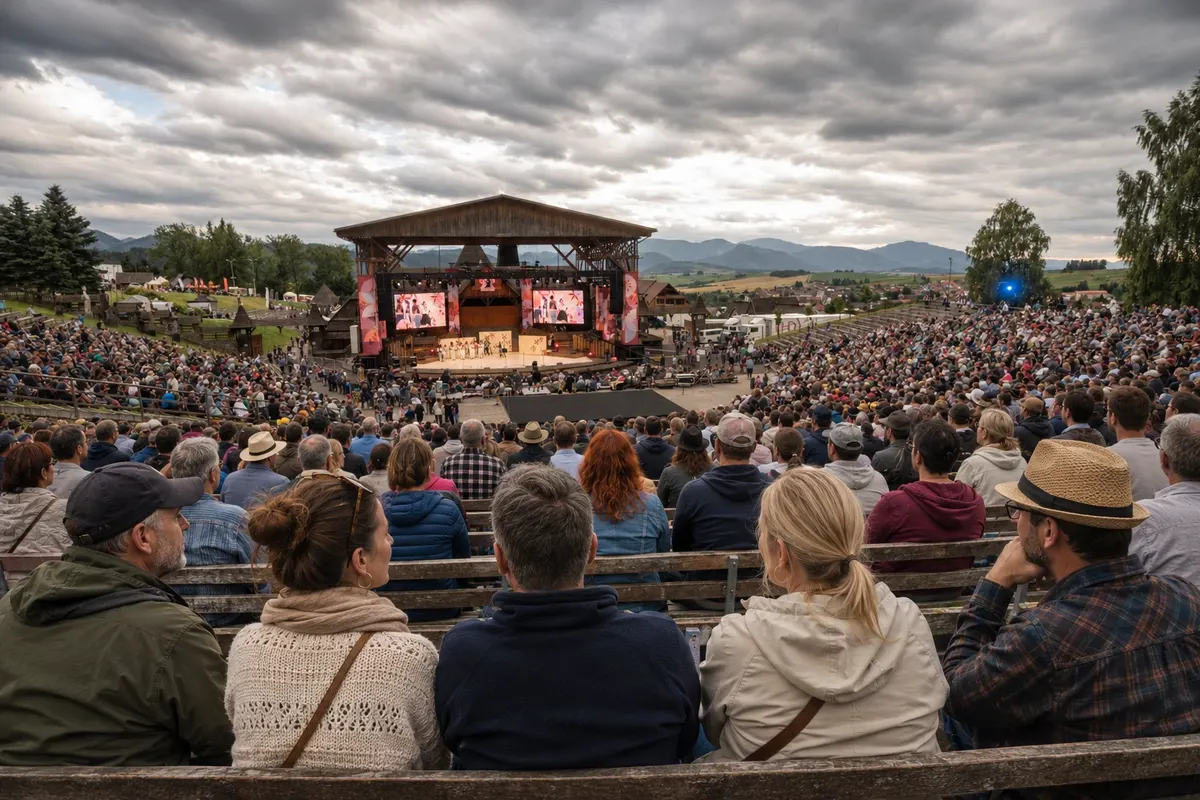
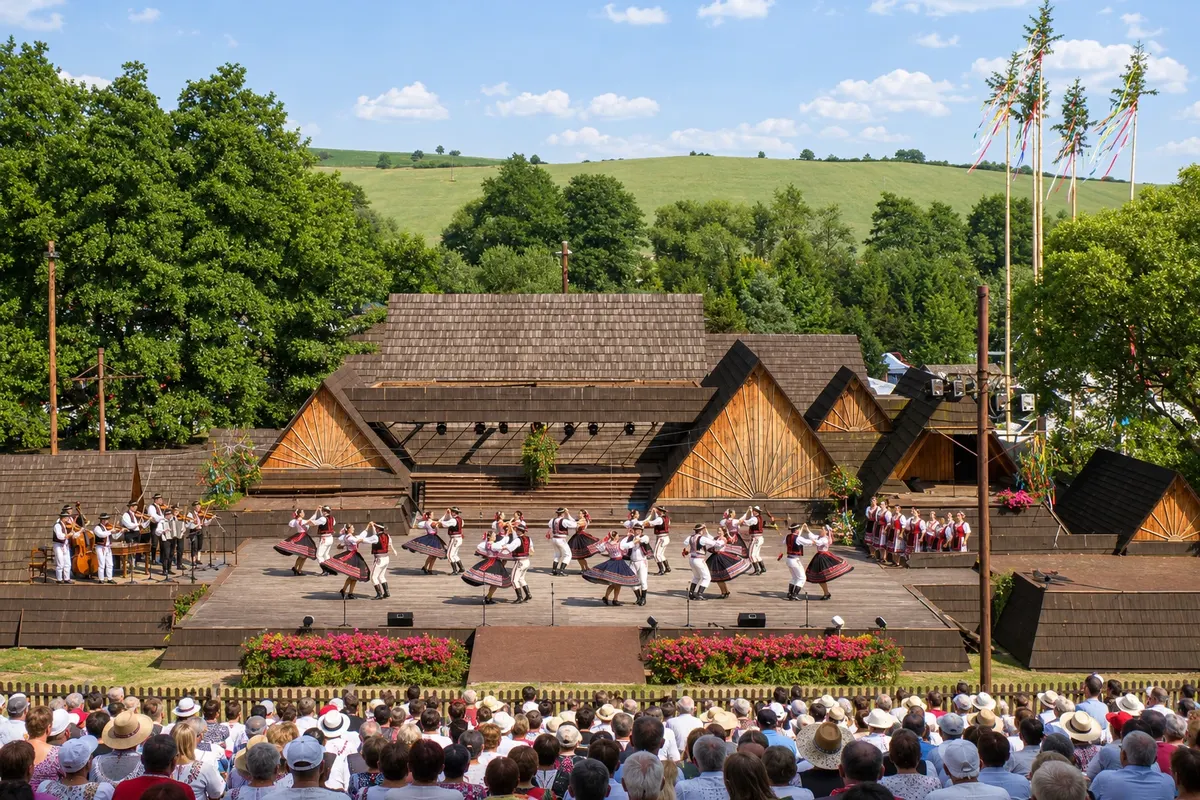
On the first weekend of July, the village of Východná in the Liptov region, beneath the Kriváň peak, hosts Slovakia’s oldest folklore festival: music and dance groups from across the country and invited foreign ensembles perform in an open‑air amphitheater.
July/AugustAt the end of July or the beginning of August, for four or five days, from Wednesday or Thursday to Sunday.
At the turn of July to August, Terchová, a village in the Malá Fatra where the legendary Juraj Jánošík was born, hosts an international folklore festival dedicated to the hero and to the local music, which is inscribed by UNESCO as intangible cultural heritage.
JulyOn the second weekend of July, from Thursday to Sunday.
On the second weekend of July, the town of Detva in central Slovakia, at the foot of the Poľana massif, hosts one of the country’s three largest folklore festivals, featuring folk music and dance in an open-air amphitheater and an afternoon dedicated to Slovaks living abroad.
Your questions
On a summer weekend, Friday to Sunday. The date changes each year; in recent editions the festival took place in July or August. Check the year’s program on Bratislava tourism’s website.
It leaves Bratislava Castle and descends through the Old Town streets to Hlavné námestie, the main square, where the coronation is staged.
After the Ottomans occupied much of Hungary, Bratislava, then Pressburg, became the kingdom’s capital. Between 1563 and 1830 the kings of Hungary were crowned in St. Martin’s Cathedral.
Festivals and events in Slovakia
JulyOn the second weekend of July, from Friday to Sunday.
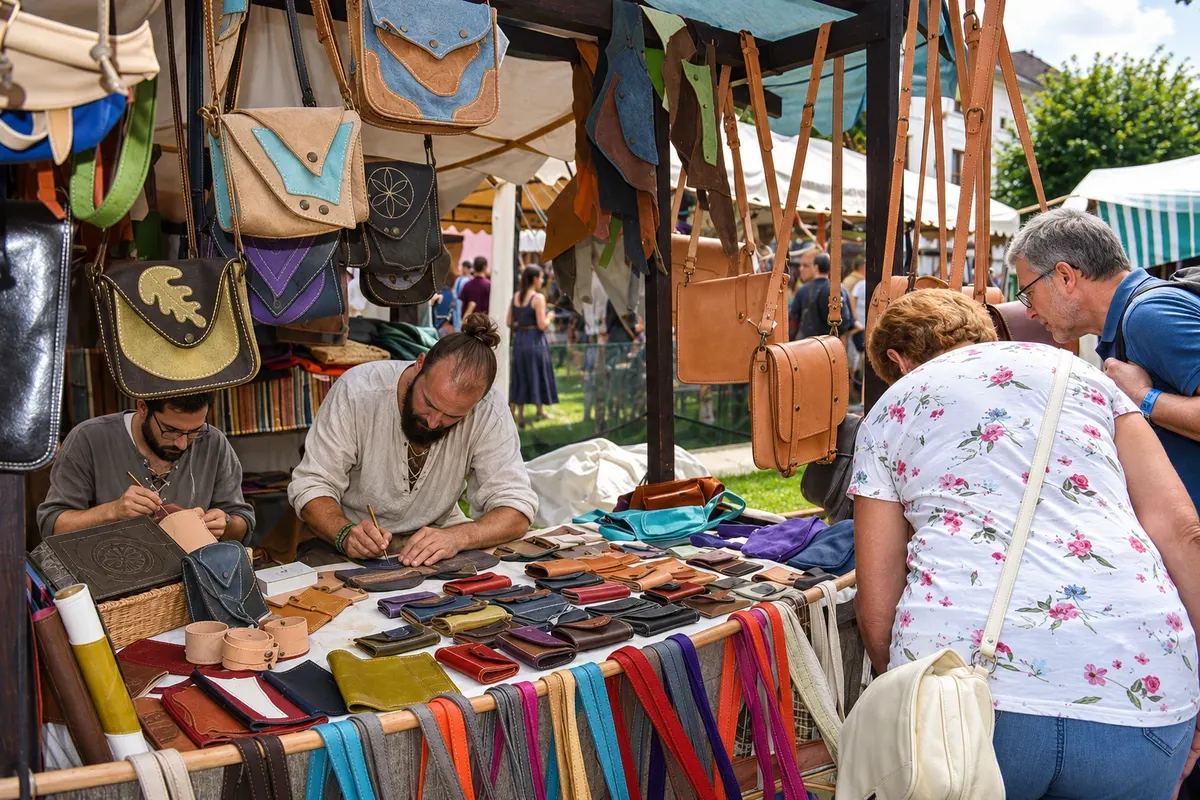
For three days in mid-July, the historic center of Kežmarok, at the foot of the High Tatras, becomes a large open-air workshop: artisans from Slovakia and other countries work live at dozens of traditional crafts, with folk music and dance on the stages.
JulyIn the first half of July, lasting three or four days, concluding on Saturday.
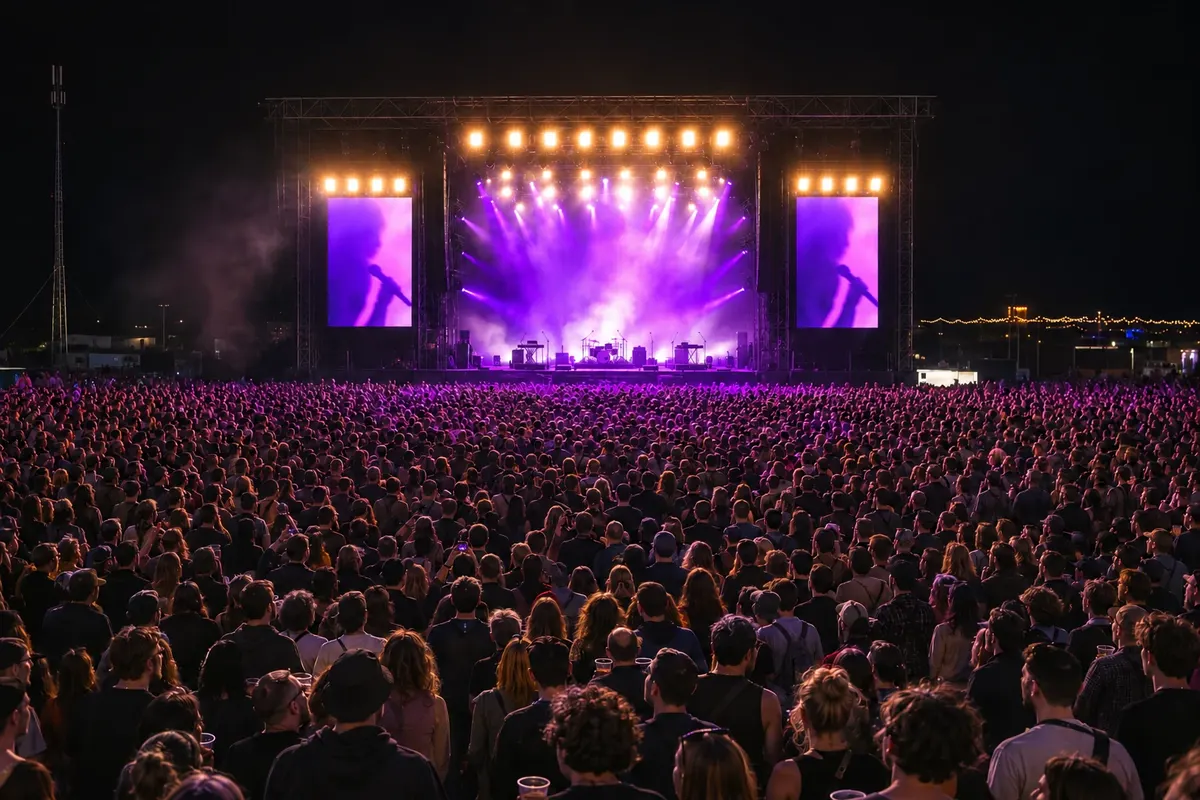
Slovakia’s largest music festival takes over the former Trenčín airport in July: dozens of stages with rock, pop, electronic music, jazz and classical, plus theatre, literature, film and talks.
SeptemberOn a weekend in September, usually the first or second of the month, with the Salamander parade on Friday night.
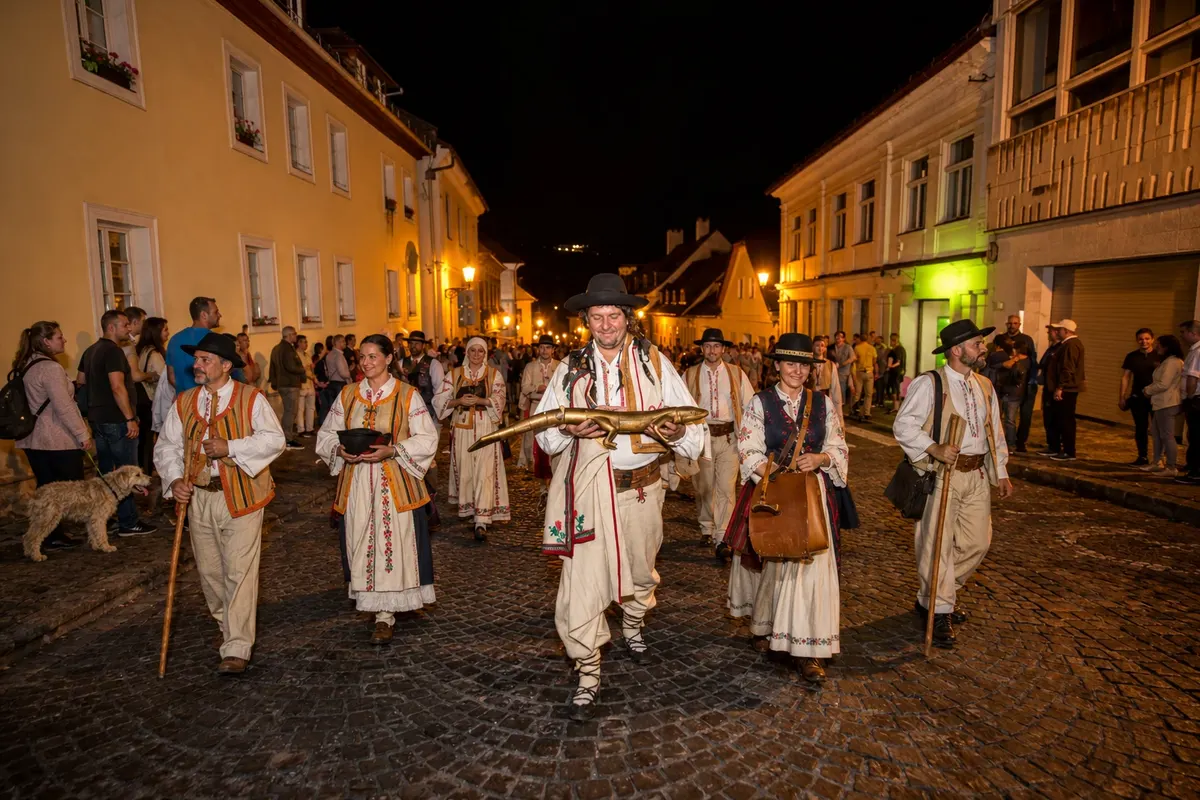
In September, the former mining town of Banská Štiavnica, a UNESCO World Heritage Site, celebrates miners with the Salamander: a nighttime procession of masked participants, miners in historical uniforms and characters from the foundation legend, lit by candles and torches.
SeptemberOn a weekend in the second half of September, from Friday to Sunday.
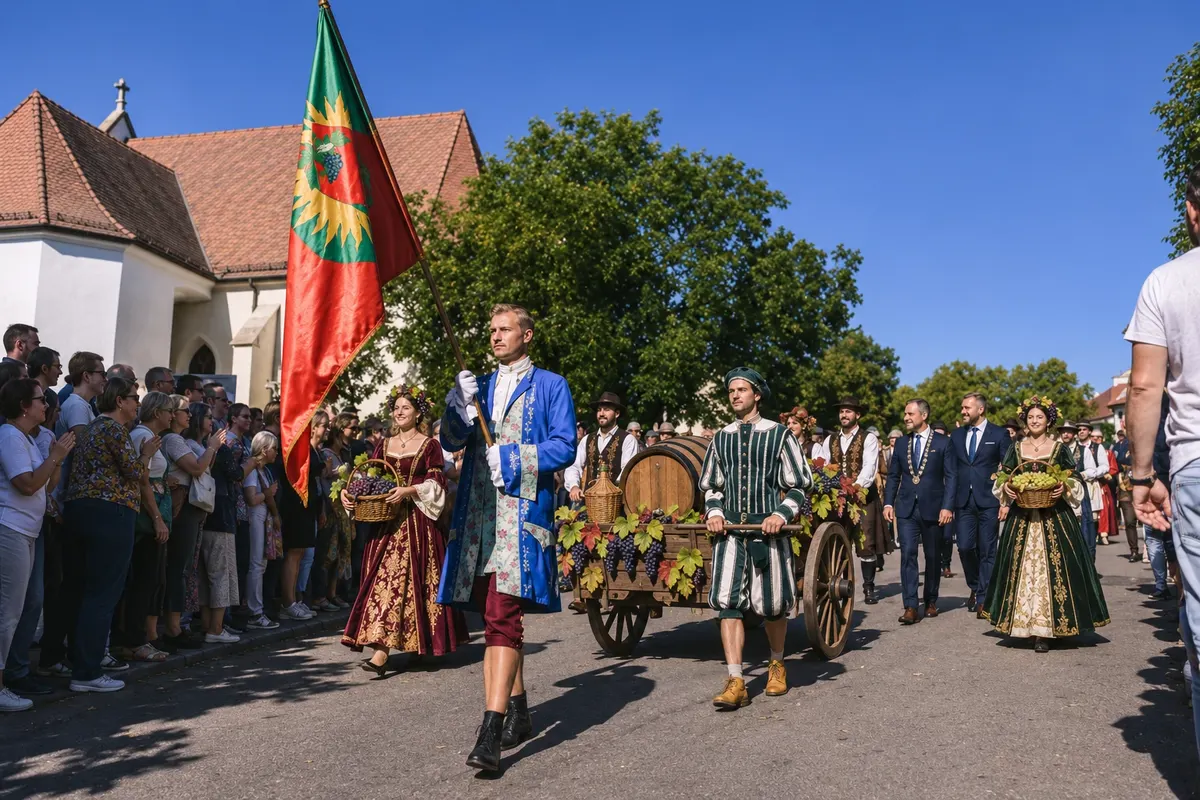
In the second half of September, Pezinok, the main wine town of the Small Carpathians, half an hour from Bratislava, celebrates the grape harvest with three days of burčiak, new wine, a street procession, music and fireworks.
September/OctoberAt the turn of September to October, for about two to three weeks.
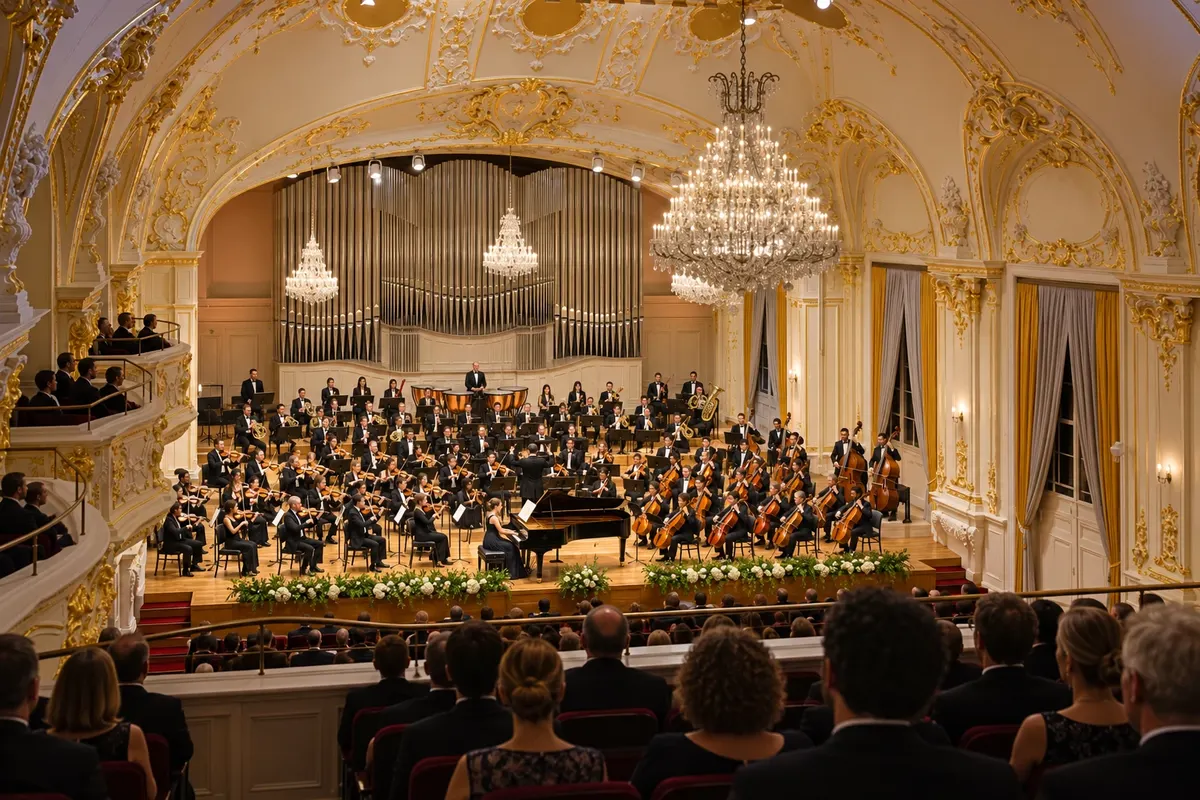
At the turn of September to October, Bratislava hosts Slovakia’s main classical music festival, organized by the Slovak Philharmonic, featuring orchestras, conductors, and soloists from abroad and Slovakia in the Reduta concert hall.
OctoberOn the first Sunday in October.
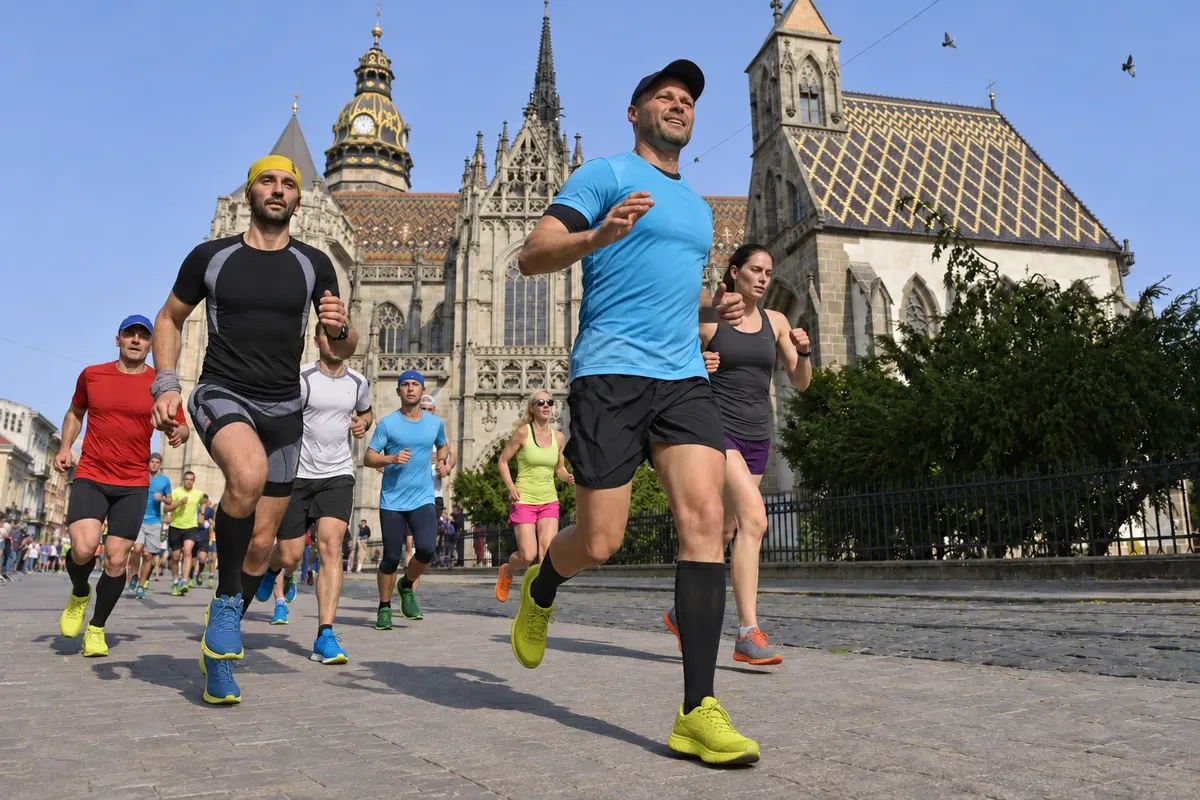
On the first Sunday in October, Košice in eastern Slovakia hosts the oldest marathon in Europe, held since 1924: runners from several countries race through the city streets, starting and finishing in the historic center.