Borovička
A clear or slightly yellowish brandy with a pronounced juniper aroma and flavor. It is the traditional distilled spirit of Slovakia; some regional varieties have protected geographical indication in the European Union.
Flavors · Bratislava
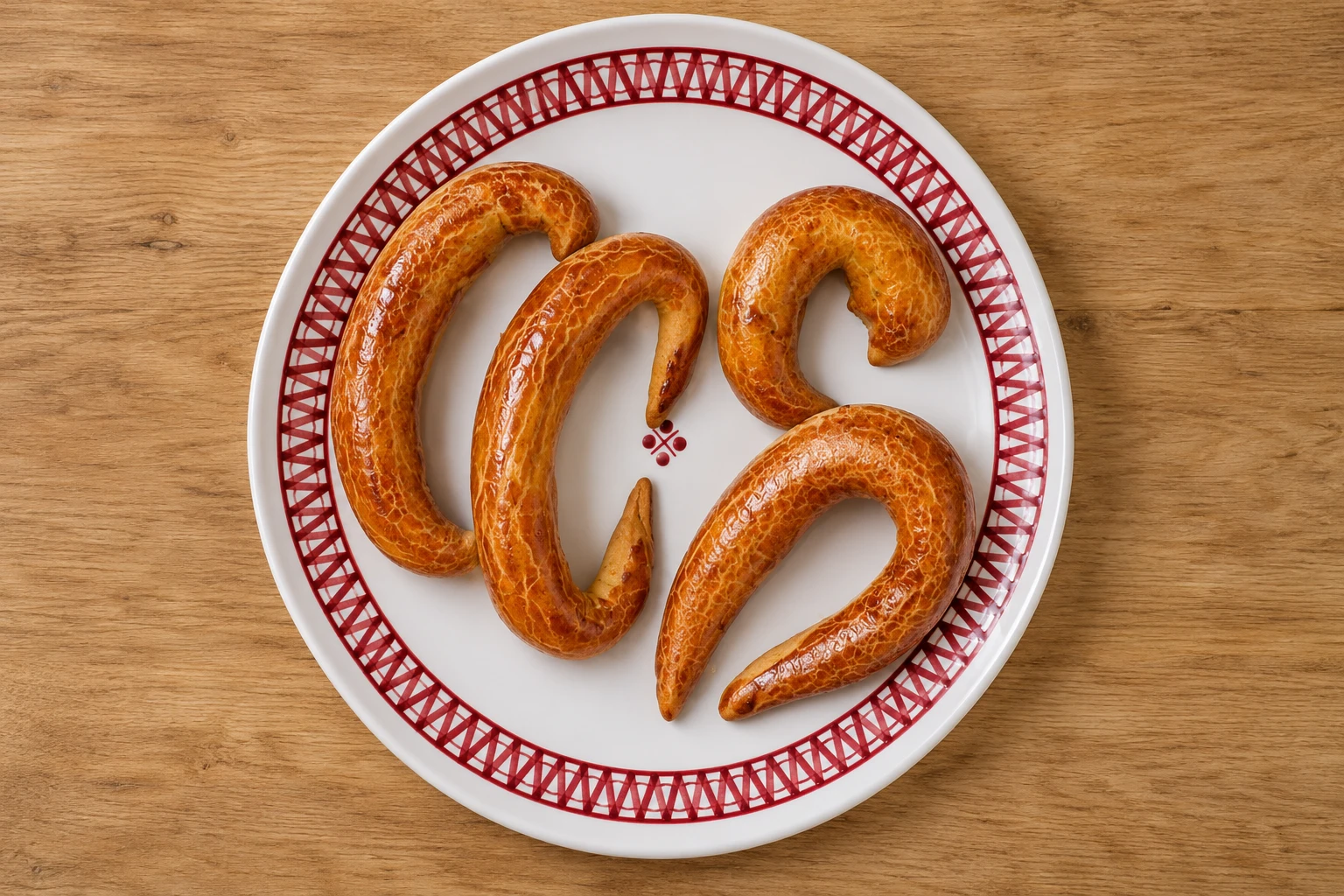
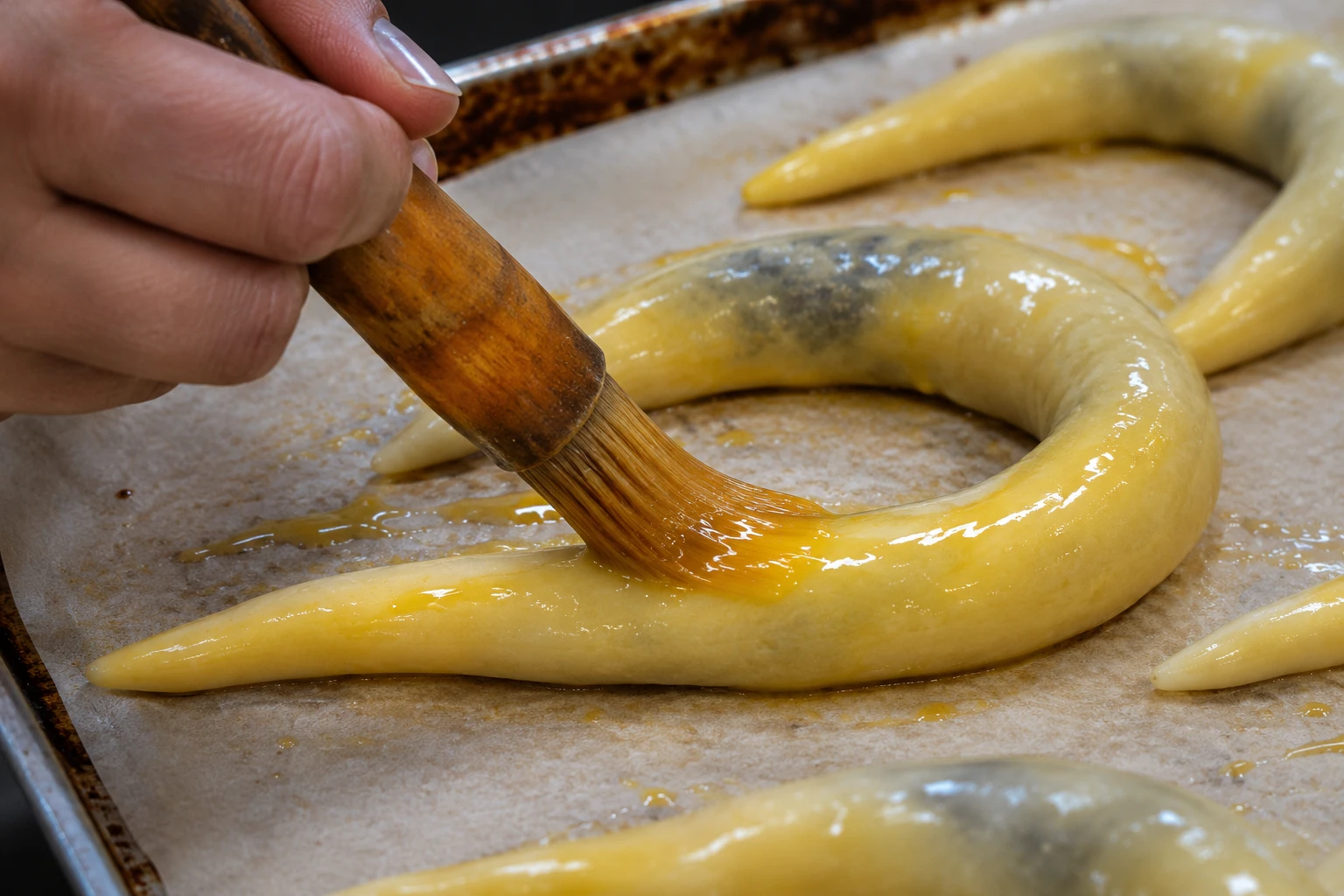
Thin, glossy pastry filled with walnuts or poppy-seed filling. The poppy-seed one is shaped like a horseshoe and the walnut one like the letter C. Registered in the European Union as a traditional speciality guaranteed.
Traditional sweet from Bratislava, Bratislava
Also known as: Bratislavské rožky; Pressburger Kipfel; Pozsonyi kifli; rožok de Bratislava
Illustrative images. The pictures in this guide are illustrations based on the real place, not photographs, and may differ from it.
Click a photo to enlarge it.
Bratislavský rožok — Bratislava, Slovakia
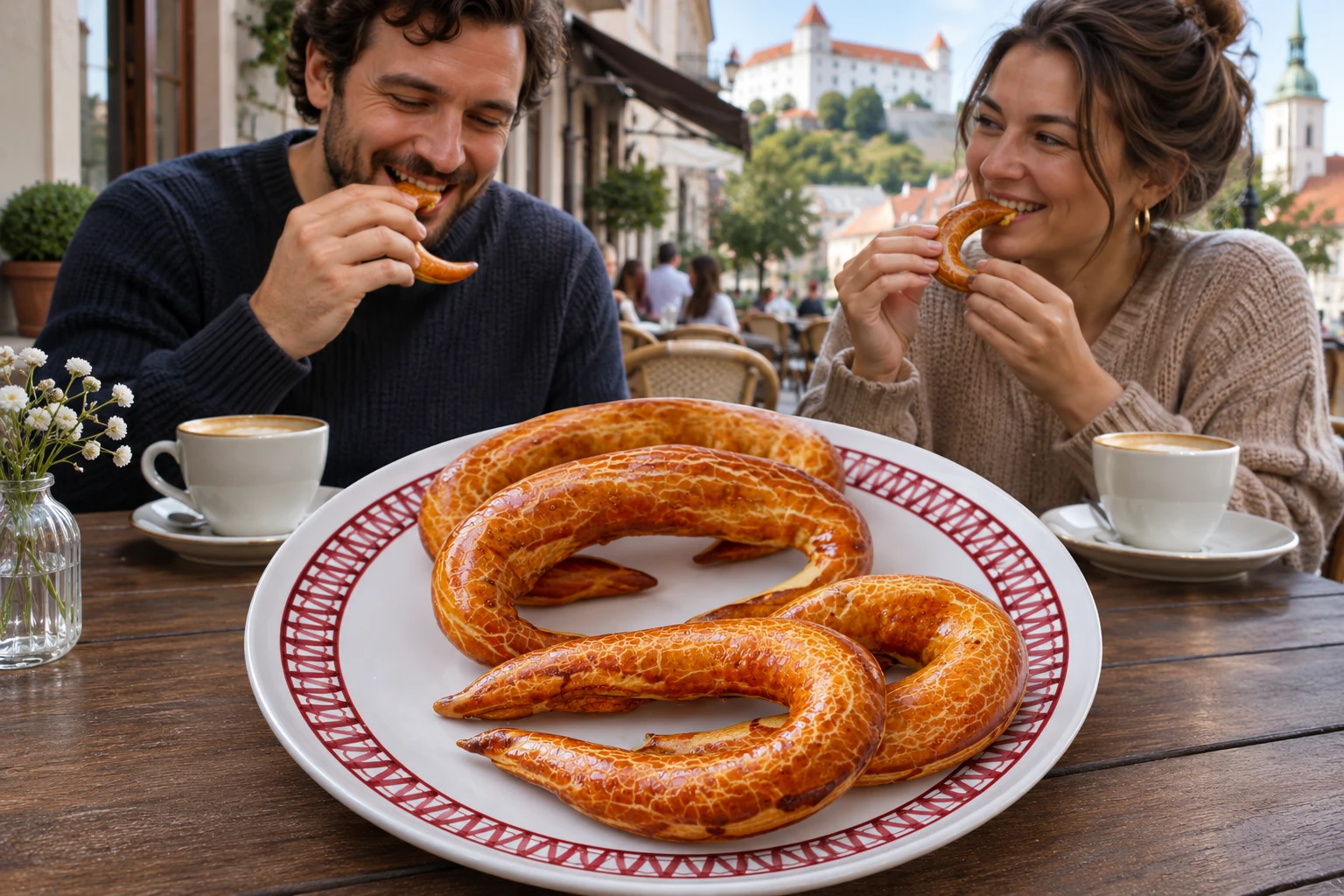
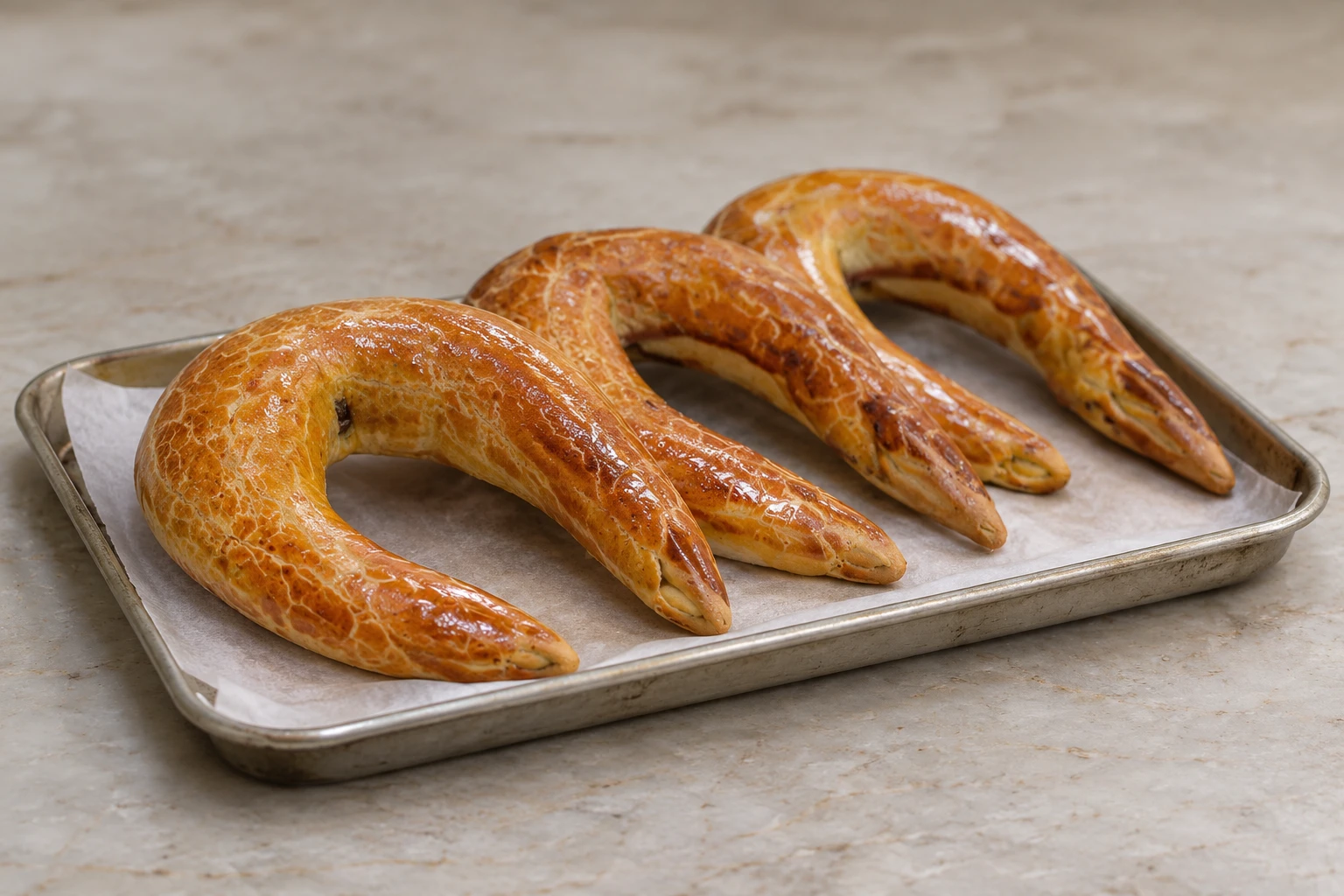
Bratislavský rožok is a baked pastry made from a thin dough rolled around a generous filling. There are two traditional fillings: walnut and poppy seed. The shape shows which is which: the poppy-seed one is folded into a horseshoe, and the walnut one into a C shape. Before baking, the surface is brushed with egg yolk, which gives the crust a glossy finish and small cracks.
The German name, Pressburger Kipfel, comes from Pressburg, as Bratislava was called in German, and the Hungarian, Pozsonyi kifli, from Pozsony, the Hungarian name for the city. All three names have been registered together in the European Union since 2012 as a traditional speciality guaranteed, a protection that covers the recipe and the method of preparation.
Rožky were made in the city’s bakeries for a long time. After World War II, with the end of private bakeries under the communist regime, they disappeared from shop windows. The bakers’ and confectioners’ guild of western Slovakia, founded in 1993, brought the recipe back and submitted the registration to the European Union. Today rožky are sold in many bakeries and cafés in Bratislava.

Bratislava , Bratislava
The name and the EU registration tie the pastry to the city.
Wheat-flour dough, butter or fat, sugar, egg and leavening; filling of ground walnuts or poppy seeds with sugar; egg yolk for brushing.
By hand, cold or at room temperature, served with coffee or tea.
A bakery and café pastry, available year-round; also traditional at year-end festive celebrations.
Your questions
The filling and the shape: the poppy-seed one is folded into a horseshoe and the walnut one into a C shape.
Yes. Since 2012, under the names Bratislavský rožok, Pressburger Kipfel and Pozsonyi kifli, it has been registered in the European Union as a traditional speciality guaranteed.
Flavors of Slovakia

A clear or slightly yellowish brandy with a pronounced juniper aroma and flavor. It is the traditional distilled spirit of Slovakia; some regional varieties have protected geographical indication in the European Union.

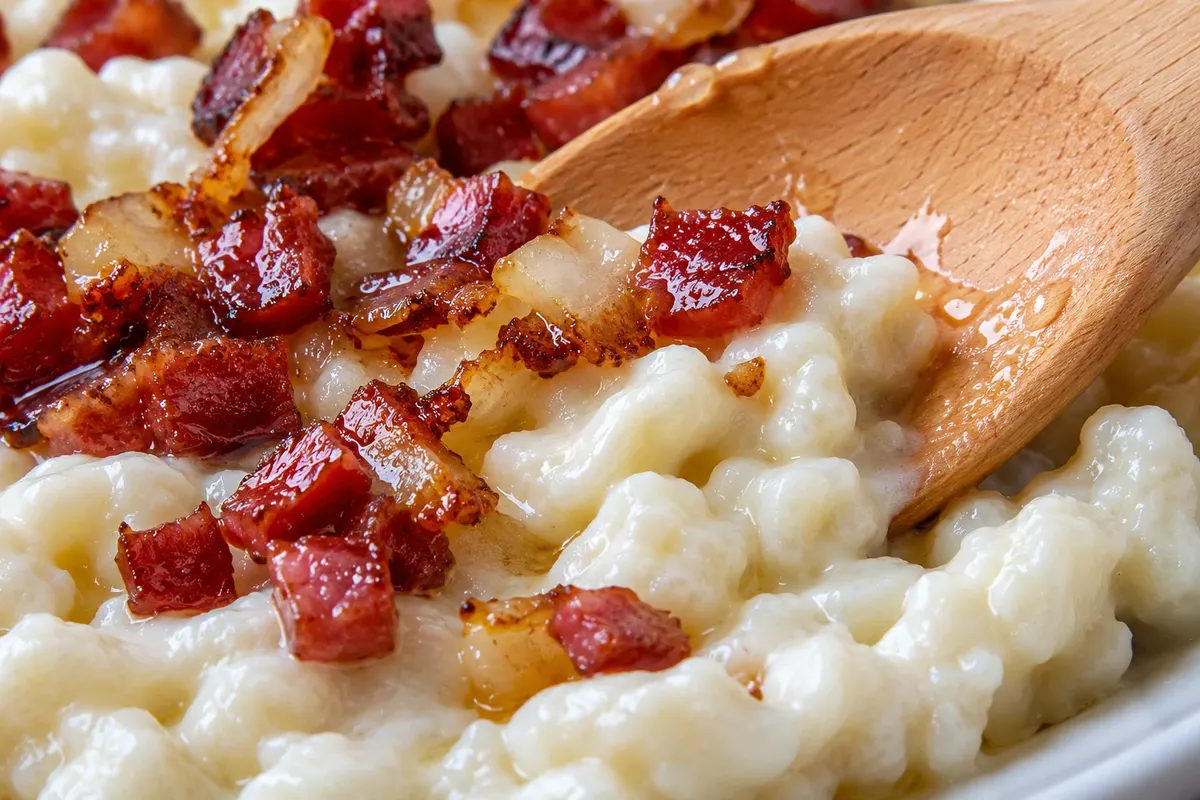
Small potato gnocchi mixed while still hot with bryndza, a soft salty sheep’s cheese, and topped with fried bacon. The official tourism board presents it as Slovakia’s national dish.

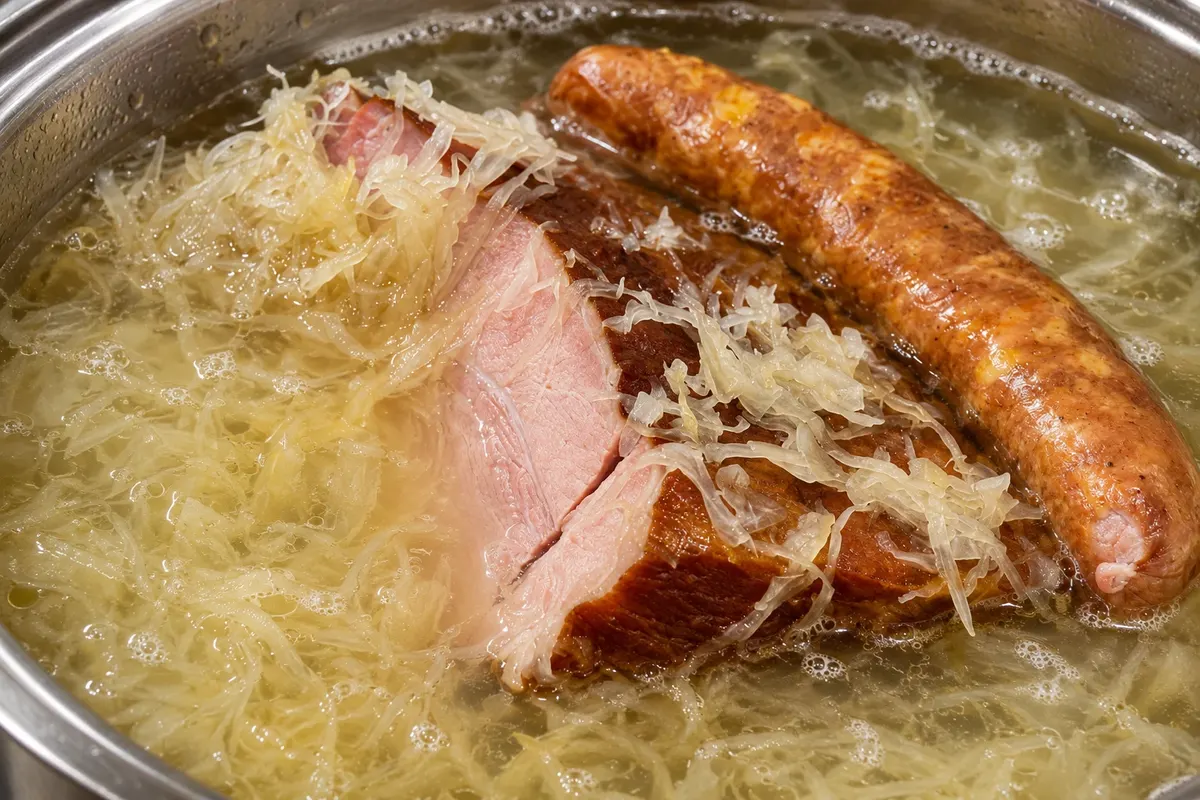
Thick sauerkraut soup with smoked sausage and pork, often with dried mushrooms. It’s Slovakia’s winter soup and the dish that starts the Christmas Eve dinner in many homes.

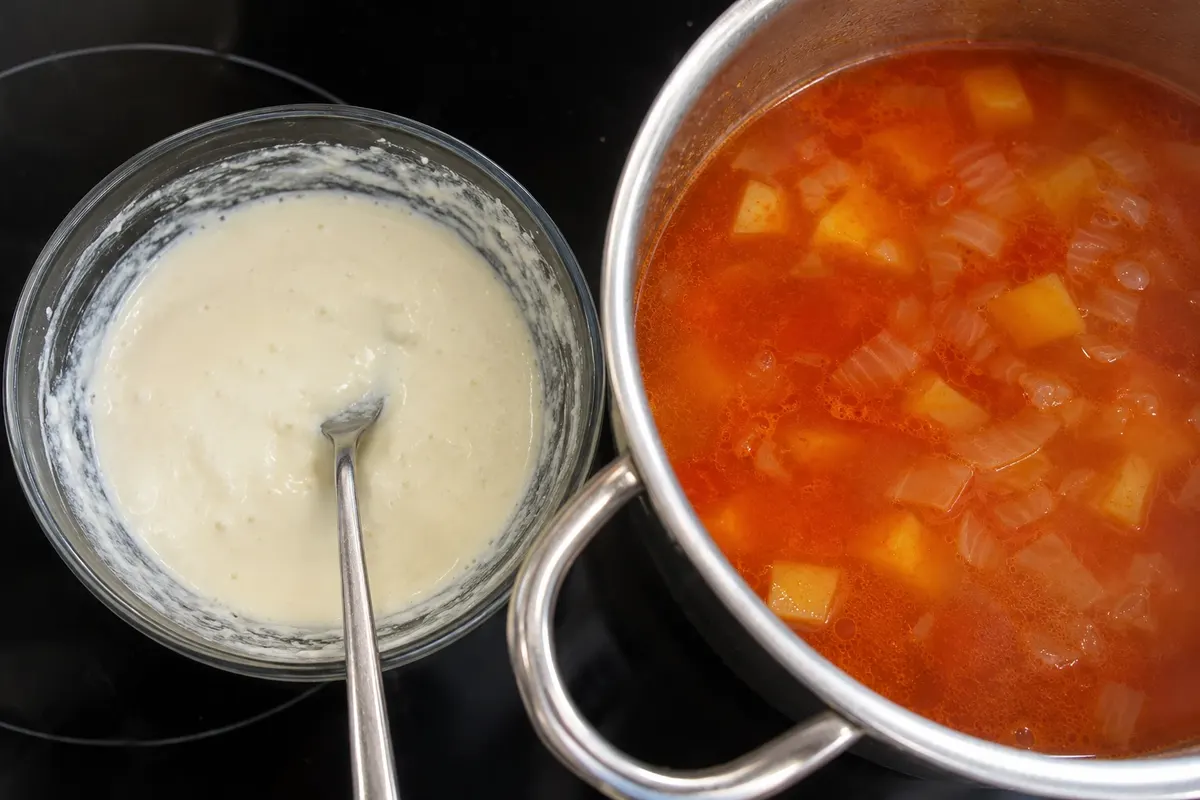
Shepherds’ soup made with bryndza, the soft salty sheep cheese, sometimes with potato, onion and bacon. It is traditional in the sheep-farming regions of central Slovakia and has won regional cooking contests.

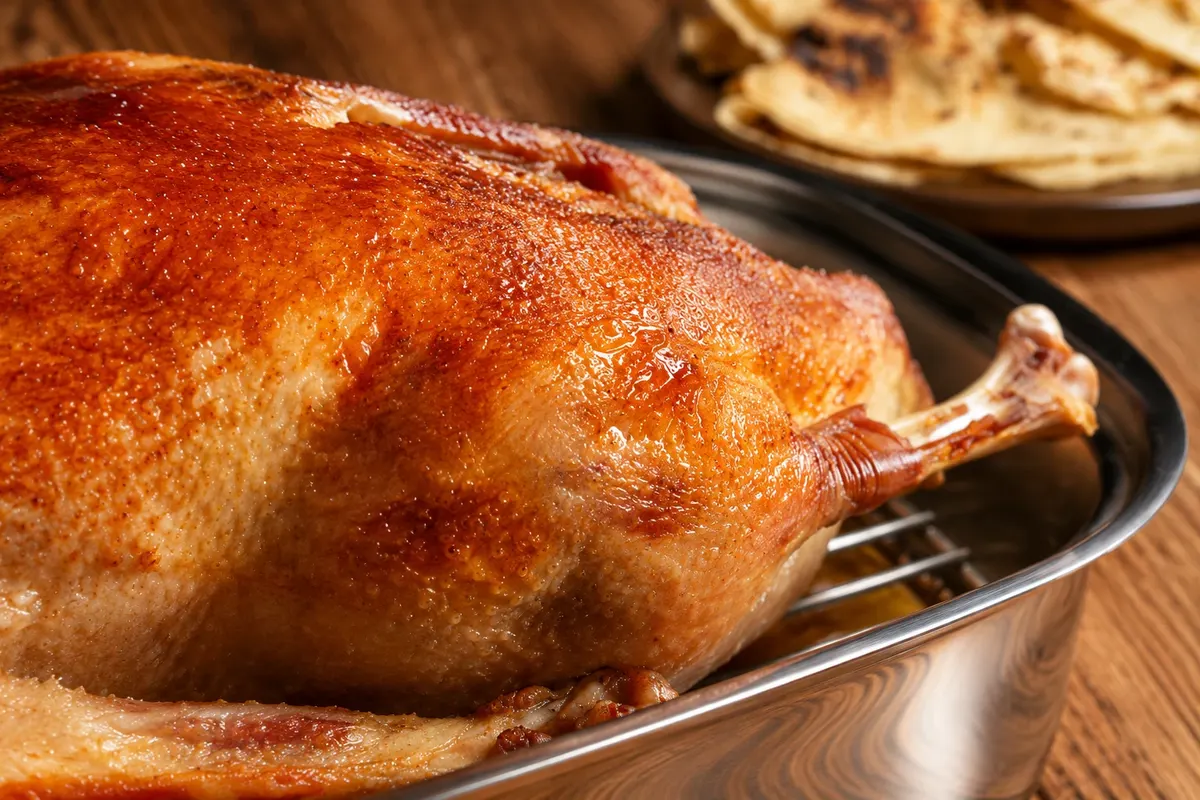
Goose slowly roasted until the skin is crispy, served with lokše — thin potato pancakes brushed with the roast fat — and braised red cabbage. It’s the autumn feast of the Bratislava region, famous in the village of Slovenský Grob.

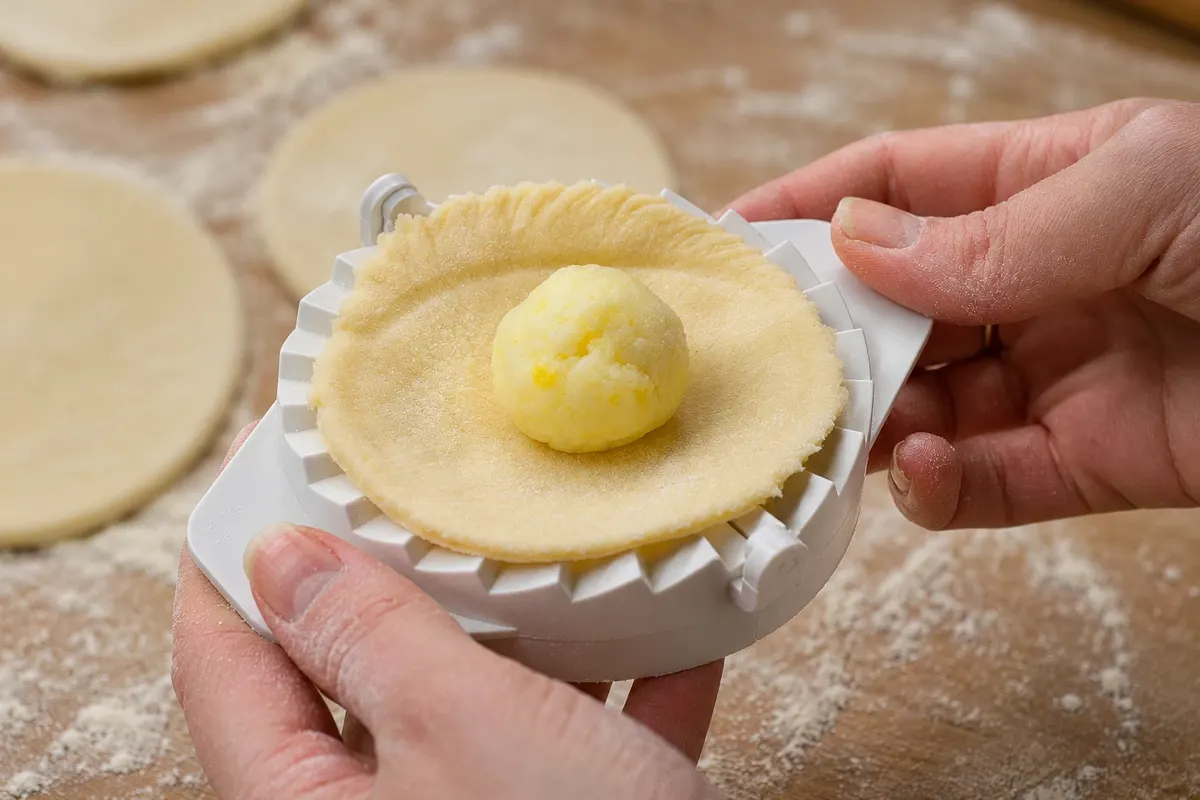
Dough dumplings boiled in water, filled with potato and bryndza, and served with fried bacon and sour cream. They are a traditional dish of eastern Slovakia, especially in the Šariš region around Prešov.

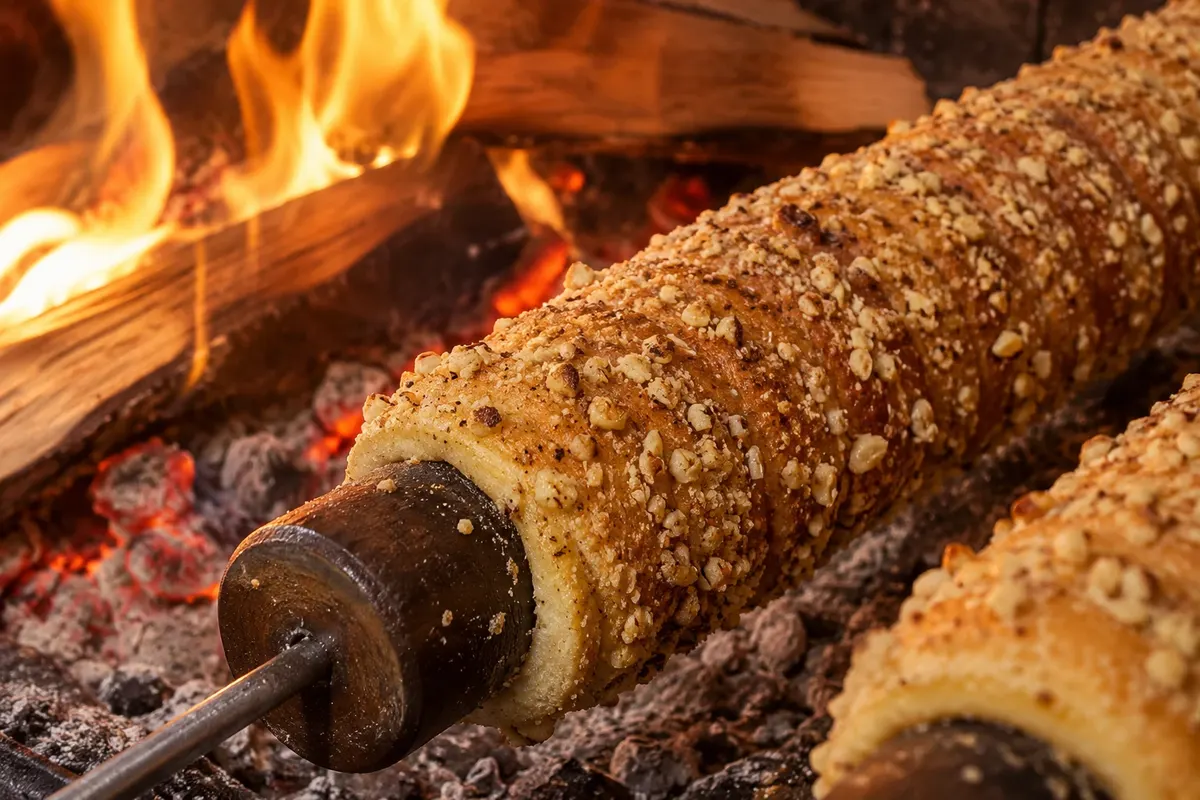
Sweet fermented dough rolled onto a wooden cylinder and roasted while rotated over heat, topped with dried fruits; afterwards it is dusted with sugar mixed with vanilla sugar. It is from Skalica and was the first Slovak product to receive a European Union protected geographical indication.