The festival
What is Salamander Days of Banská Štiavnica
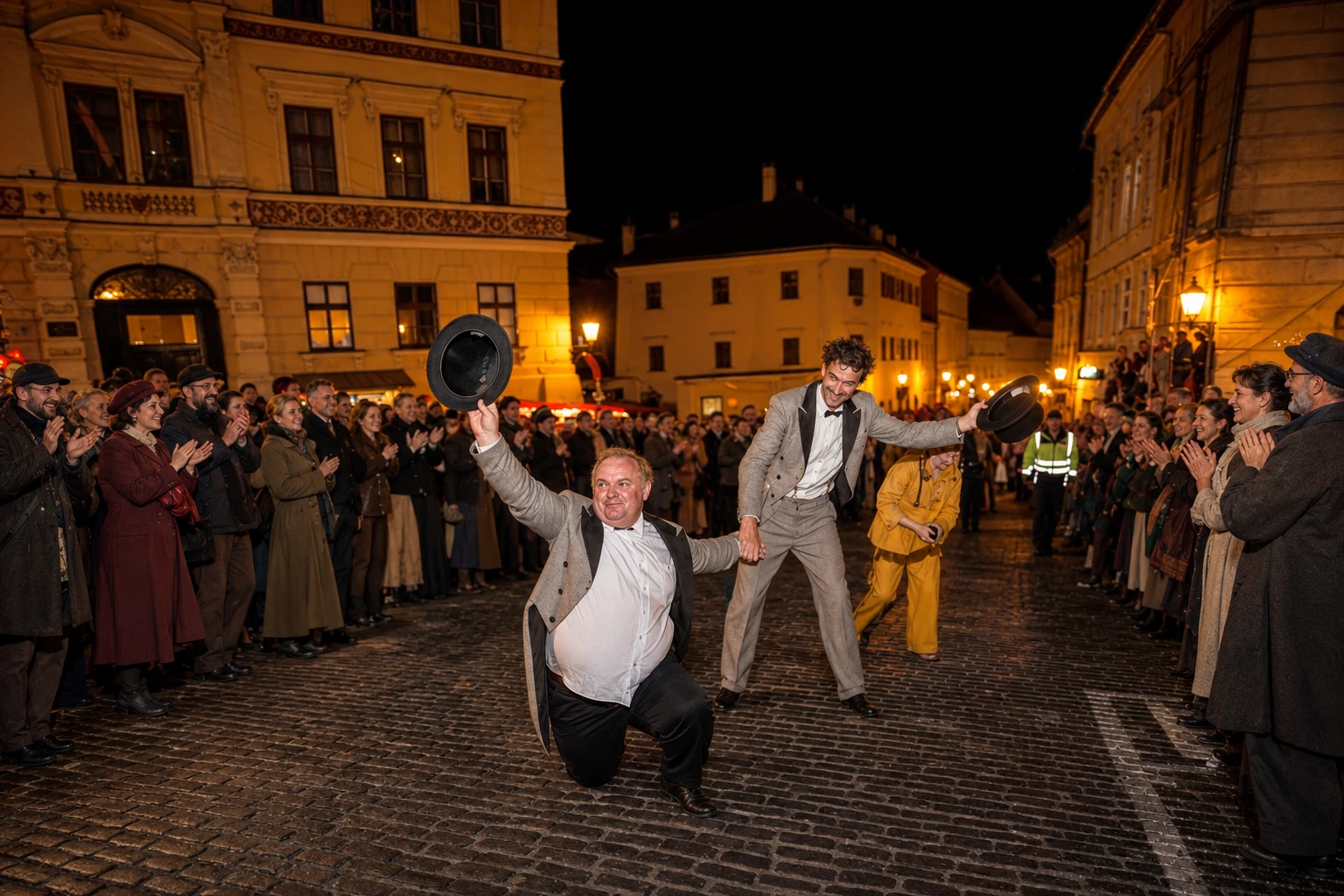
Banská Štiavnica, in central Slovakia, was one of Europe’s richest silver-mining towns and the seat of the Mining Academy founded in 1762. The town and the surrounding technical works are a UNESCO World Heritage Site. In September it recalls that past with the Salamandrové dni, the Salamander Days, the town’s miners’ festival whose highlight is a nighttime parade through the steep streets of the historic center.
The Salamander originated in the rituals of students of the Mining and Forestry Academy, who ended their festivities with a procession winding through the town, moving like a salamander, which gave the festival its name. Later the tradition was linked to Miners’ Day. The first parade called Salamander took place in 1934, and in 2013 the Banskoštiavnický Salamander was included on Slovakia’s national list of intangible cultural heritage.
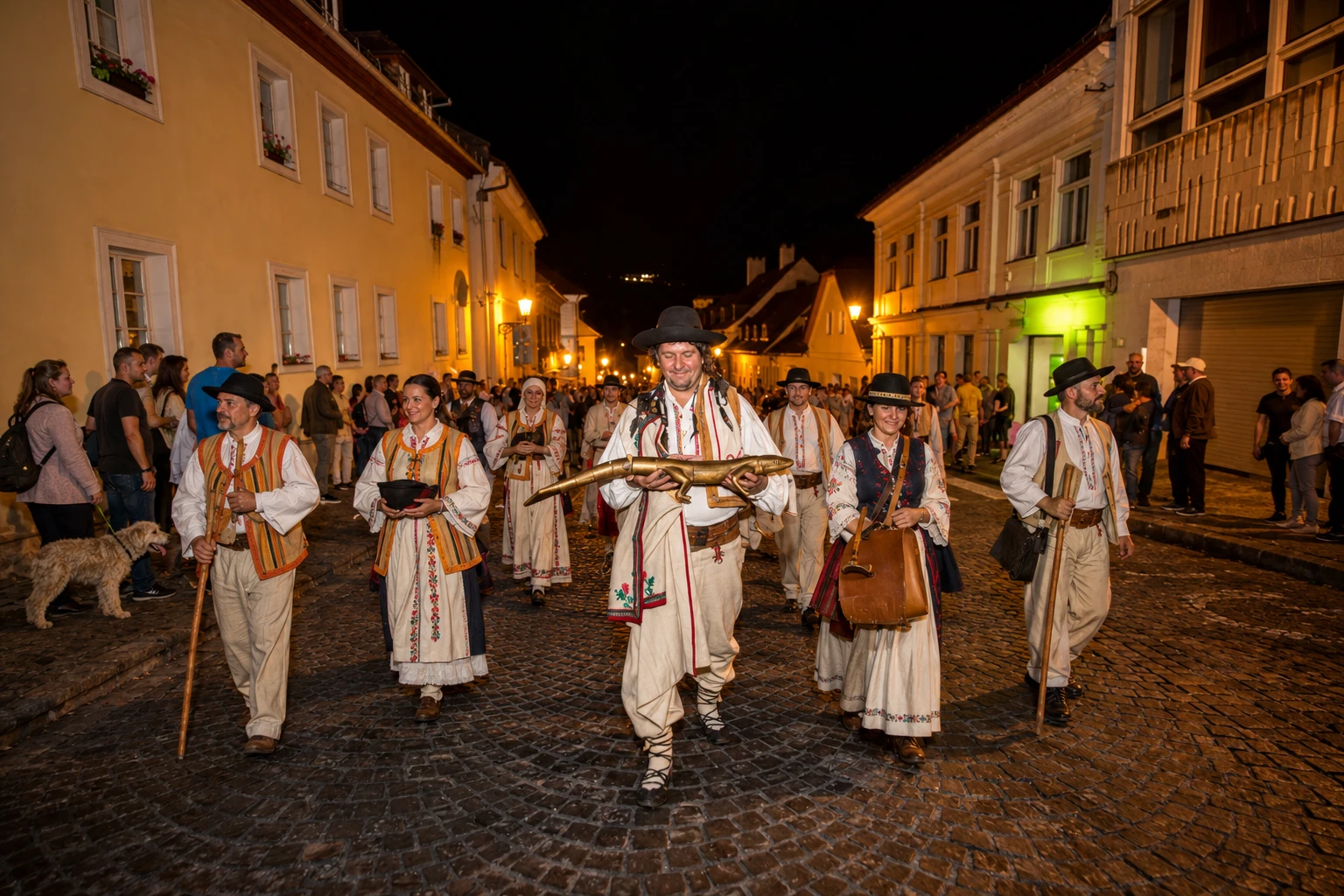
The parade starts after nightfall, illuminated by candles and torches. At the front walks the chief carrying a wooden lizard, recalling the foundation legend that a shepherd found gold and silver on the backs of two lizards. Following are bergmans, the mine dwarves, miners in historical uniforms with mine flags, mining brass bands and characters who parody town figures such as Death, the Rabbi, the Executioner and the Judges. Delegations of miners, geologists, metallurgists and oil workers from various regions and other countries accompany the procession, and students from mining universities in Hungary, which trace their roots to the old academy, often return for the festival.
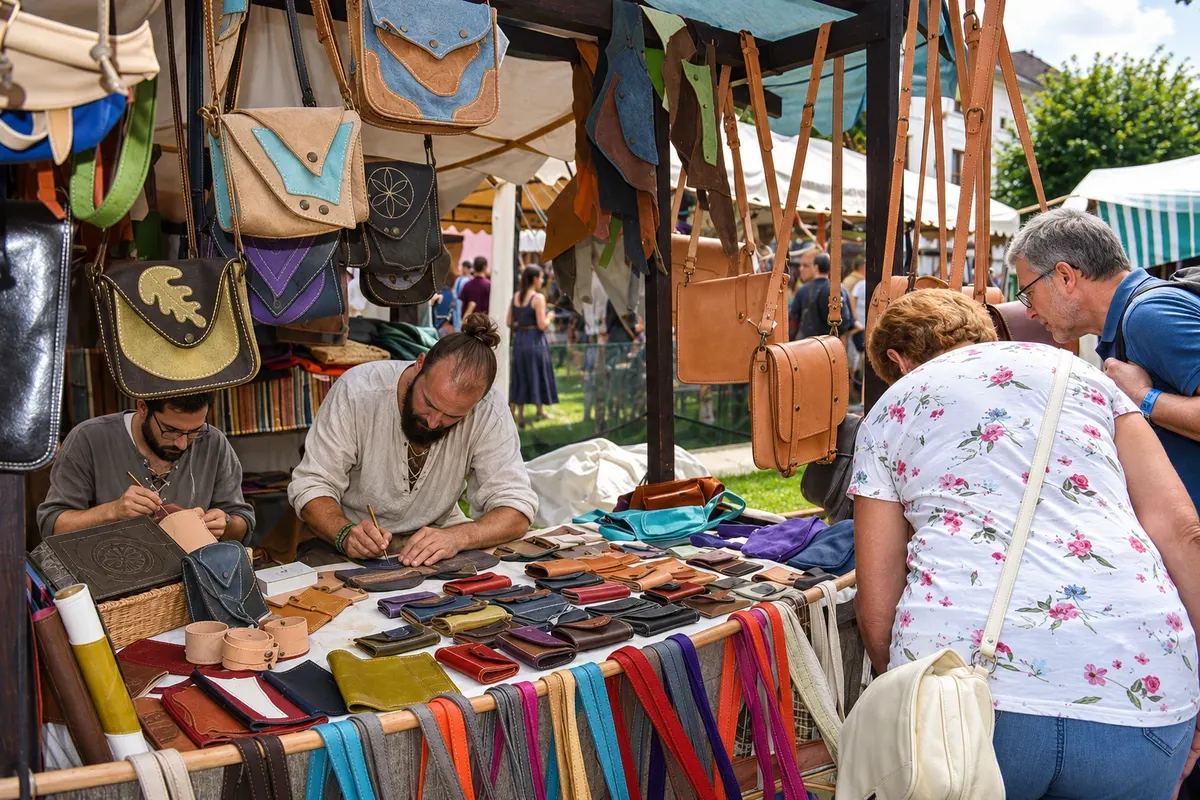
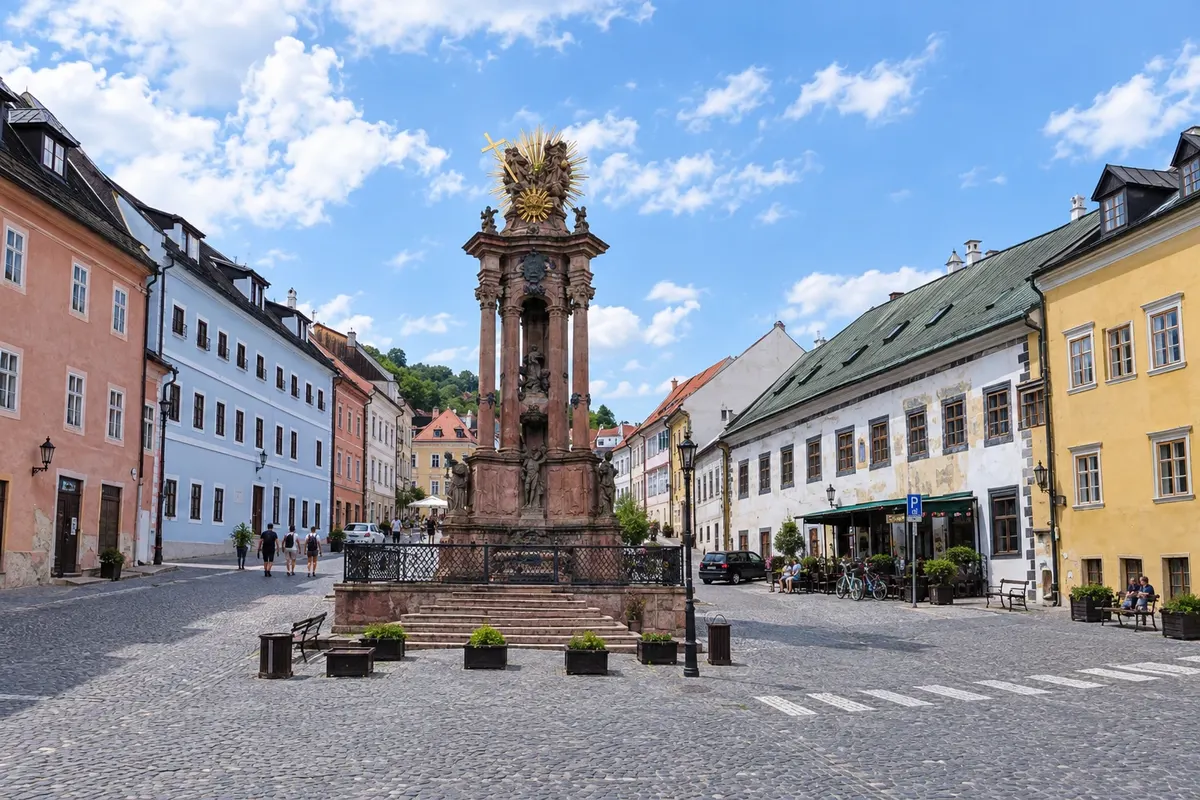
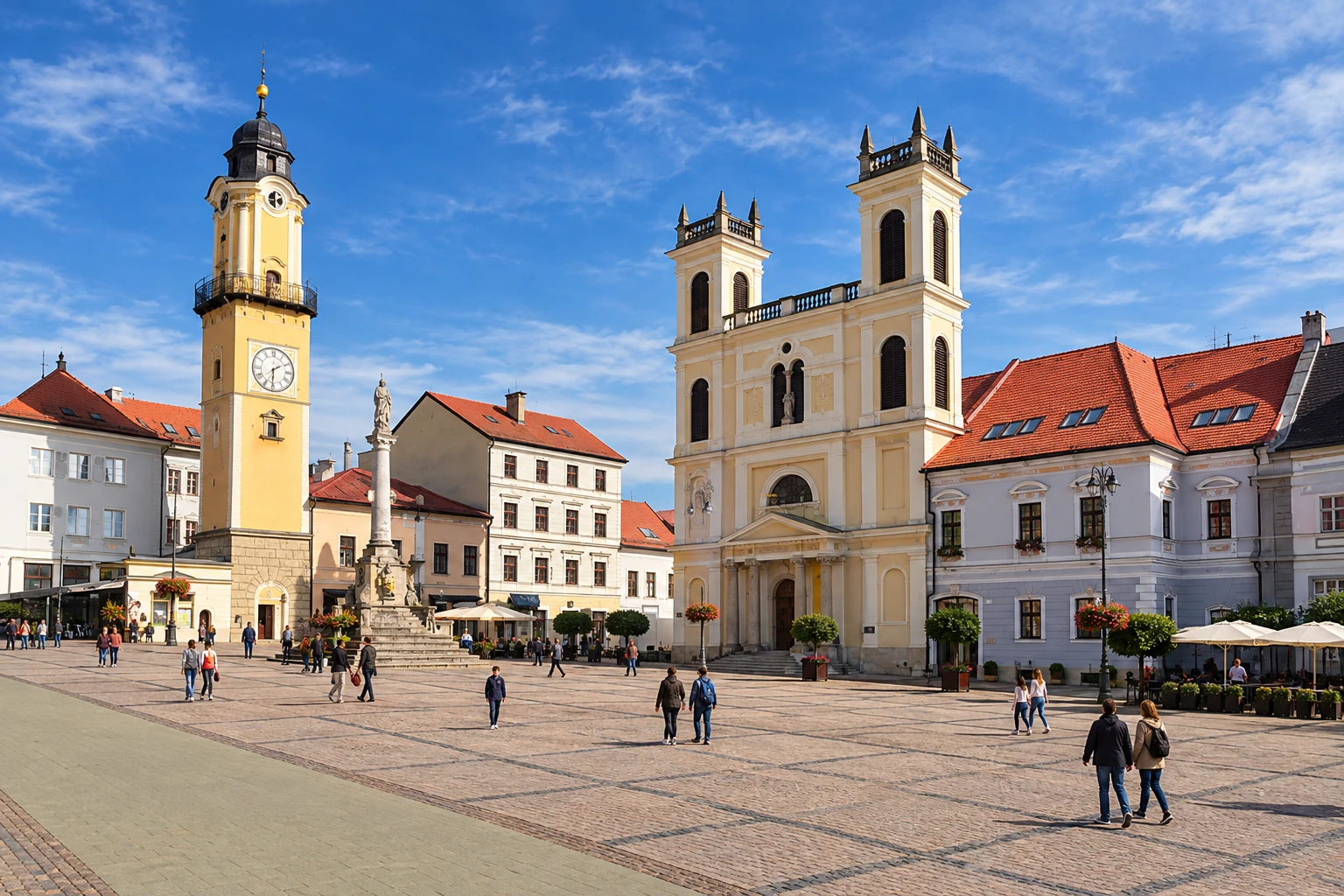
During the weekend, Námestie svätej Trojice, the main square, hosts the Štiavnica market with crafts, food and music, and there is mineral trading, exhibitions and programs in the town’s museums.
The Salamander is worth the trip for bringing together a World Heritage town and a living tradition: seeing the torchlit parade among the old miners’ houses is a rare way to grasp the history of Banská Štiavnica.


 Brazil
 Argentina
 Bolivia
 Chile
 Colombia
 Ecuador
 Guyana
 French Guiana
 Falkland Islands (Malvinas)
 Paraguay
 Peru
 Suriname
 Uruguay
 Venezuela
 Germany
 Austria
 Belgium
 Croatia
 Denmark
 Spain
 Finland
 France
 Greece
 the Netherlands
 Hungary
 Ireland
 Iceland
 Italy
 Luxembourg
 Norway
 Poland
 Portugal
 the United Kingdom
 the Czech Republic
 Sweden
 Switzerland
 Turkey
 Canada
 the United States
 Mexico
 the Dominican Republic
 South Africa
 Australia
 Fiji
 New Zealand
 Papua New Guinea



 June/July/August/September