Feteer meshaltet
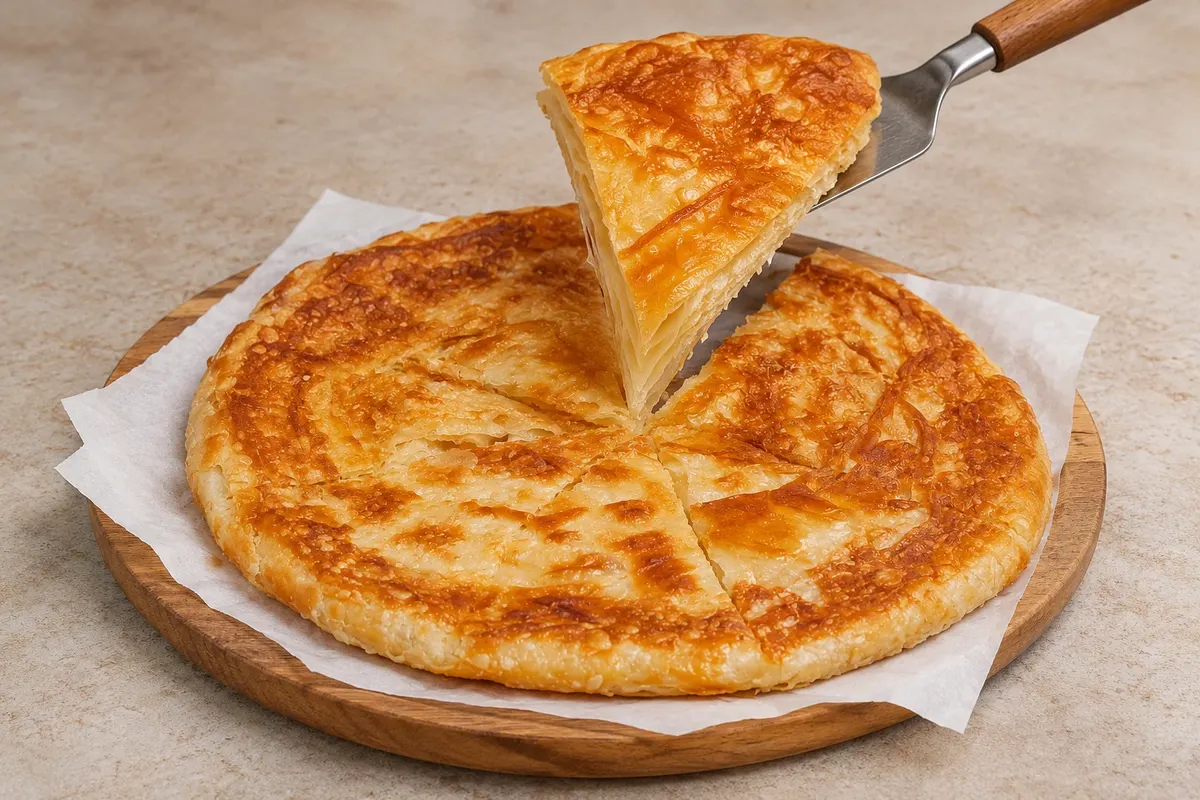
A multi-layered puff pastry made with samna, the clarified butter, baked until golden and crisp. It’s eaten plain, with honey, molasses or ashta, or with savory fillings; traditionally baked in clay ovens.
Flavors · Egypt
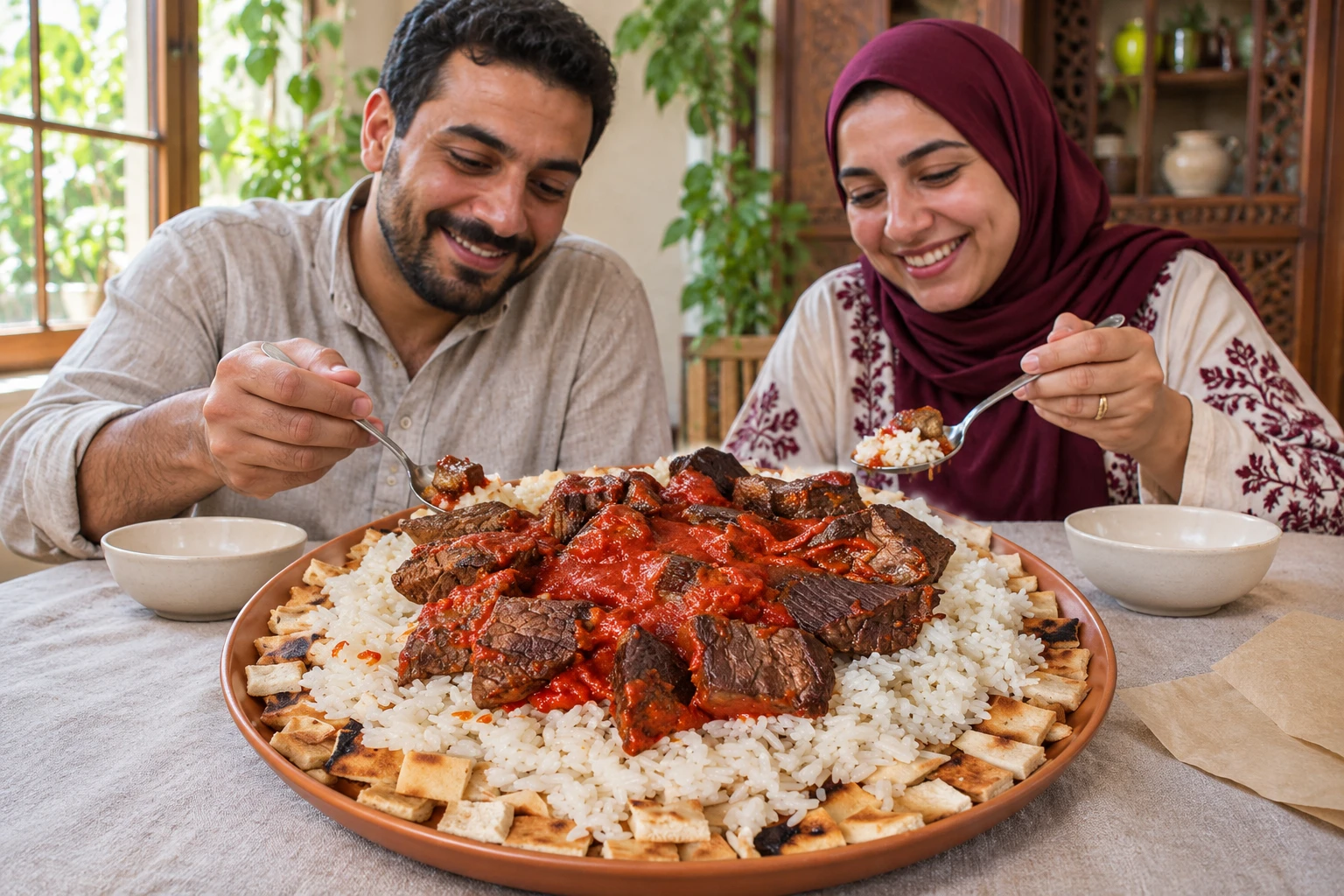
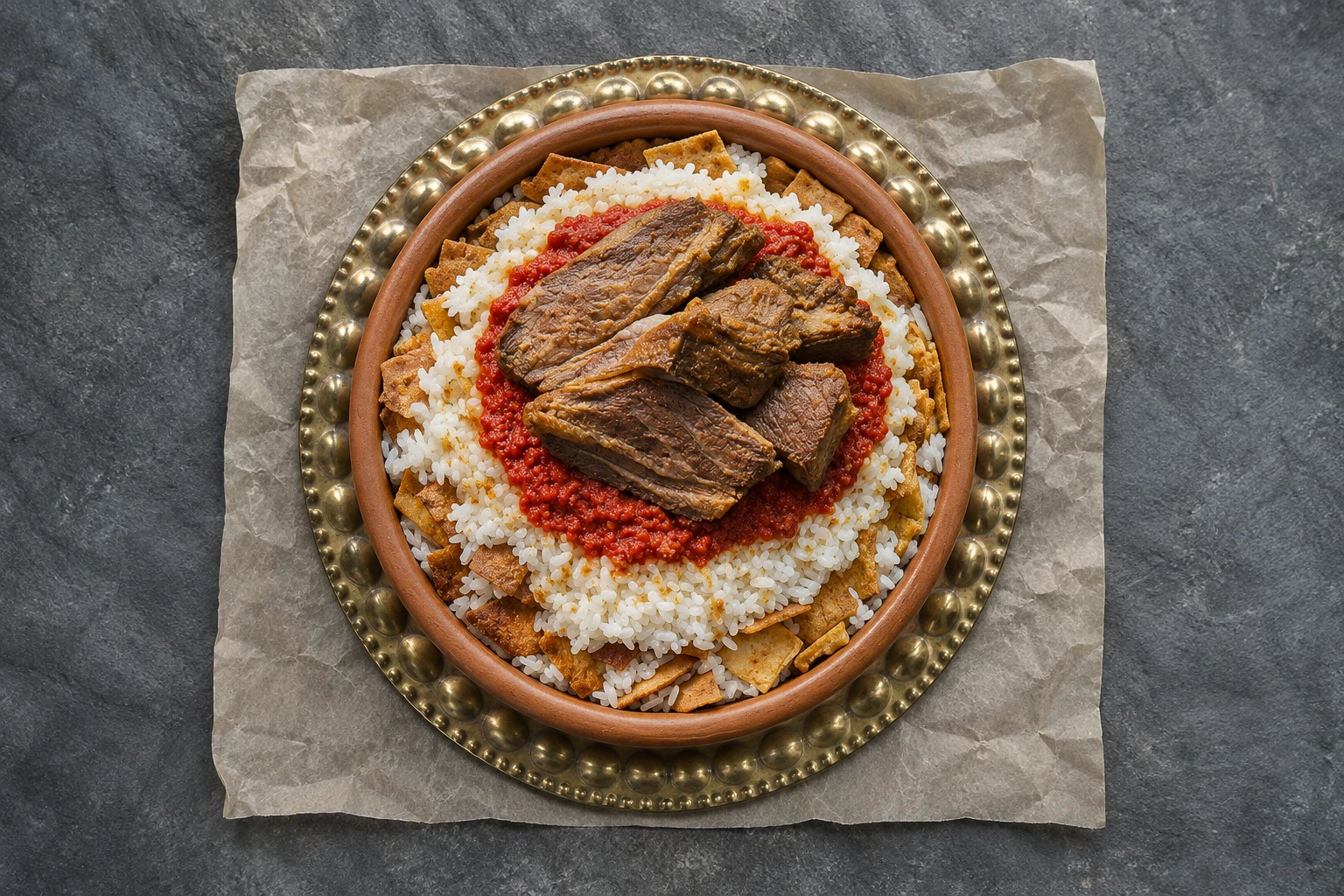
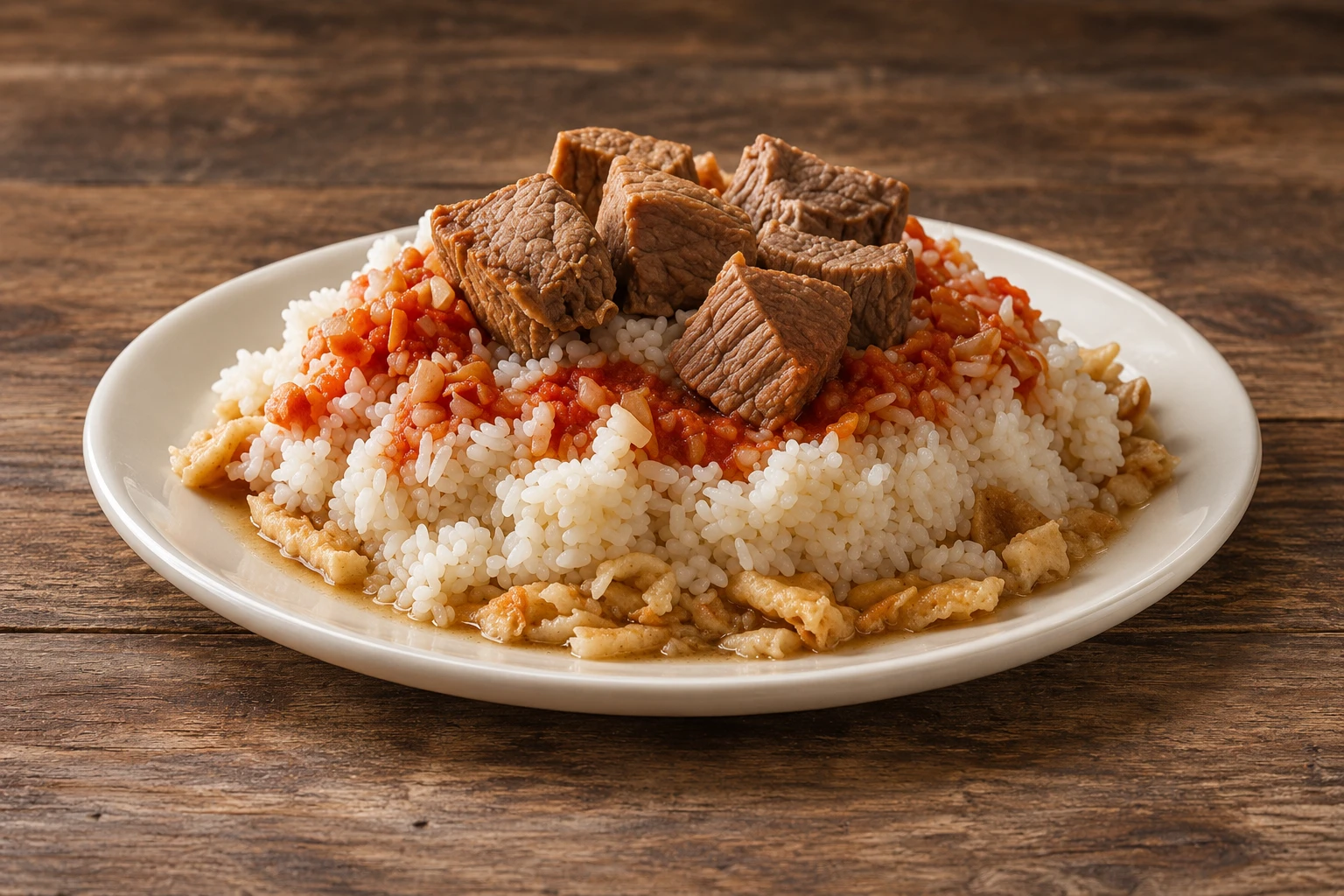
Layers of toasted bread moistened with broth, rice and a garlic, vinegar and tomato sauce, topped with cooked meat. It’s the Eid al-Adha dish in Egypt and also appears at Coptic Easter and other family celebrations.
Traditional dish from Egypt
Also known as: Fattah, Fatteh, فتة
Illustrative images. The pictures in this guide are illustrations based on the real place, not photographs, and may differ from it.
Click a photo to enlarge it.
Fatta — Egypt
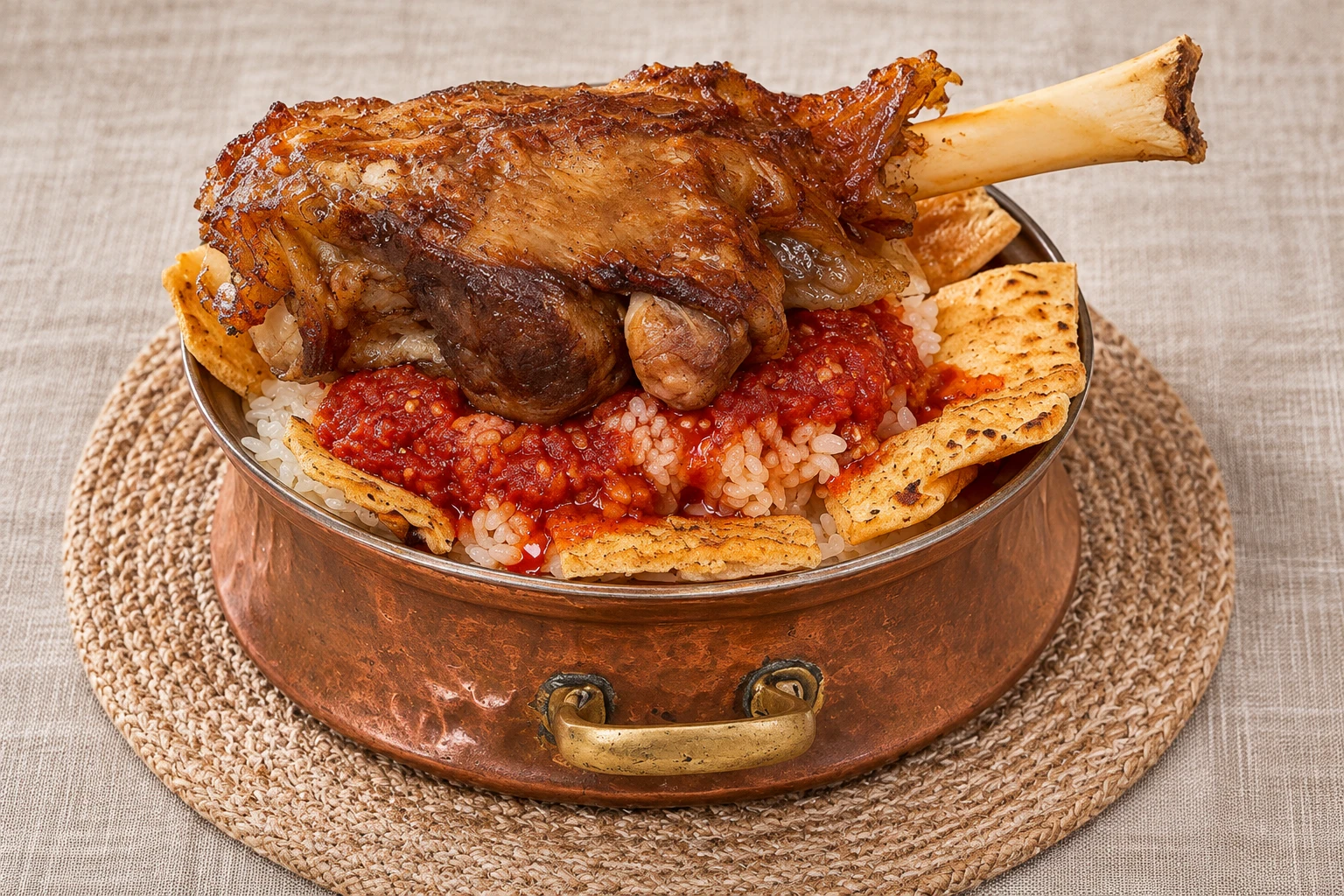
Fatta is assembled in layers. At the bottom goes toasted or fried bread, broken into pieces and moistened with the meat’s cooking broth. Rice is added on top, and the dish is dressed with a garlic-and-vinegar sauce and a tomato sauce. Cooked meat, lamb or beef, finishes the plate.
In Egypt, fatta is the dish of Eid al-Adha, the Feast of Sacrifice, when many families slaughter a sheep or another animal and share the meat. Fatta and the cooked meat are also a form of charity in the country. The dish is equally linked to Coptic Easter, which ends a long fasting period for Christians.
Fatta is not exclusive to Egypt: in the Levant, dishes with the same name include chickpeas, yogurt and sometimes eggplant. The Egyptian version is distinguished by the combination of bread and rice and by the garlic-and-vinegar sauce. Within the country there are also variants, such as molokhiya fatta, in which the bread and rice are moistened with the green soup instead of broth and served with fried chicken.
Outside of festivities, fatta appears at family gatherings and in Egyptian restaurants, in versions with lamb, beef or with cow’s trotter.

Egypt
Dish of Eid al-Adha and Coptic Easter throughout Egypt.
Toasted or fried bread, rice, meat broth, garlic-and-vinegar sauce, tomato sauce and cooked lamb or beef.
In a serving dish, for sharing, with the layers served together and the meat on top or at the side.
Eid al-Adha, Coptic Easter and other family celebrations and gatherings.
Your questions
Mainly at Eid al-Adha, the Feast of Sacrifice, and at Coptic Easter. It also appears at other festivals, family gatherings and in Egyptian restaurants.
The Egyptian version combines toasted bread and rice, with garlic-and-vinegar sauce, tomato sauce and cooked meat. The Levantine one typically includes chickpeas, yogurt and sometimes eggplant.
Toasted or fried bread moistened with broth, rice, garlic-and-vinegar sauce, tomato sauce and cooked meat, usually lamb or beef.
Flavors of Egypt

A multi-layered puff pastry made with samna, the clarified butter, baked until golden and crisp. It’s eaten plain, with honey, molasses or ashta, or with savory fillings; traditionally baked in clay ovens.

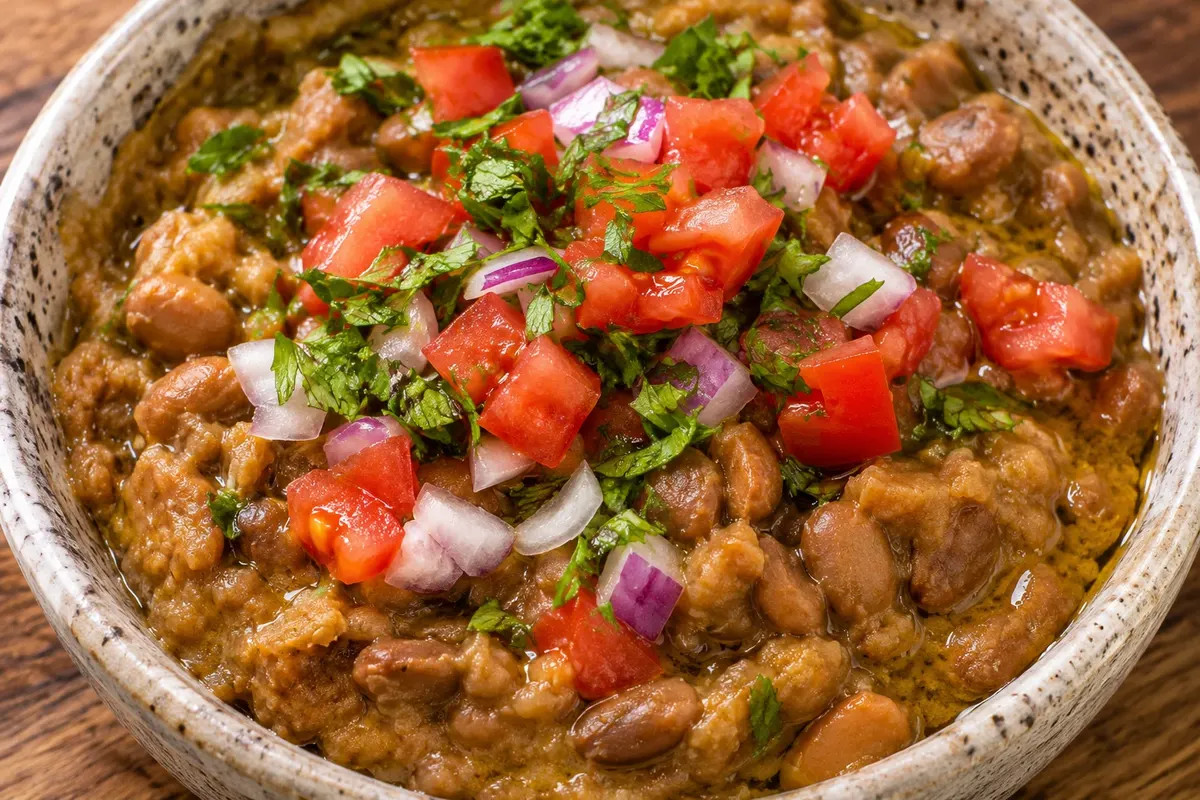
Slow-cooked dried fava beans until tender, partly mashed and seasoned with oil, cumin, lemon and garlic. It’s the most common breakfast in Egypt, served with baladi bread in homes, small restaurants and street carts.

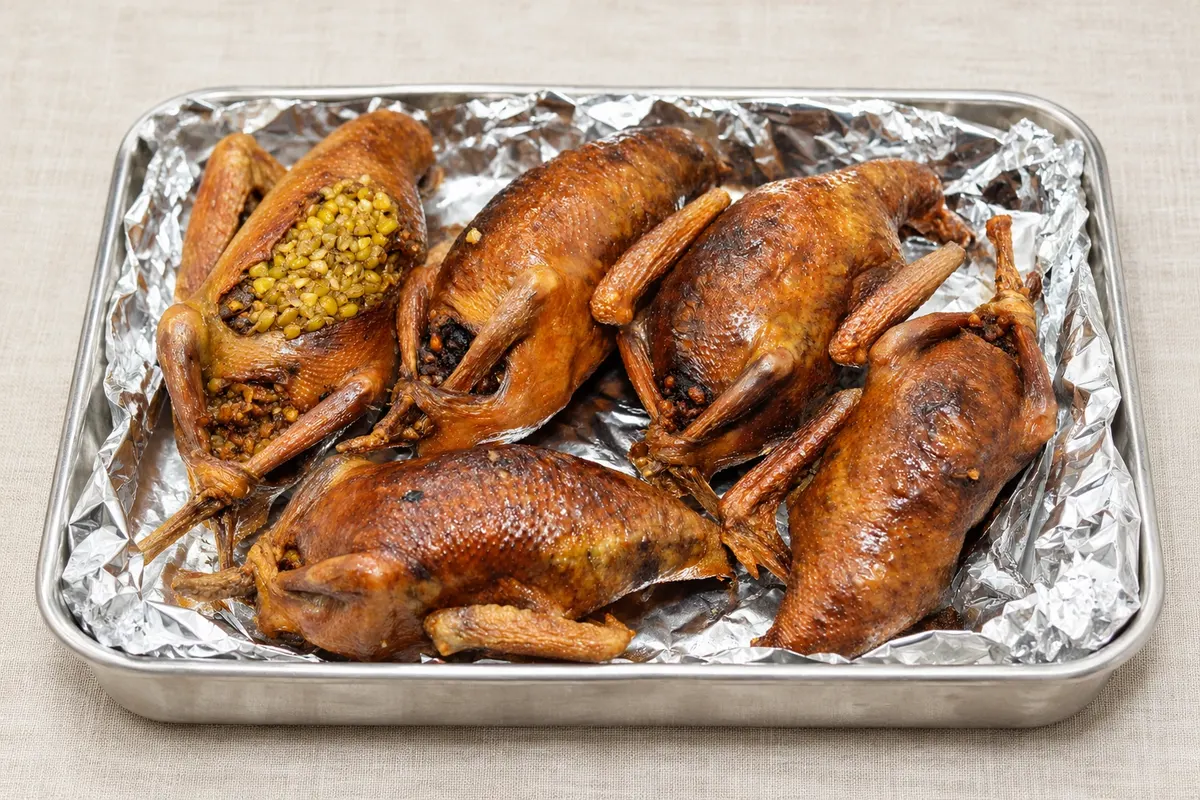
Young pigeon stuffed with rice or fireek (green wheat), with onion and giblets, cooked in broth and then roasted or grilled until the skin browns. A classic on Egyptian tables, it is usually served in pairs.

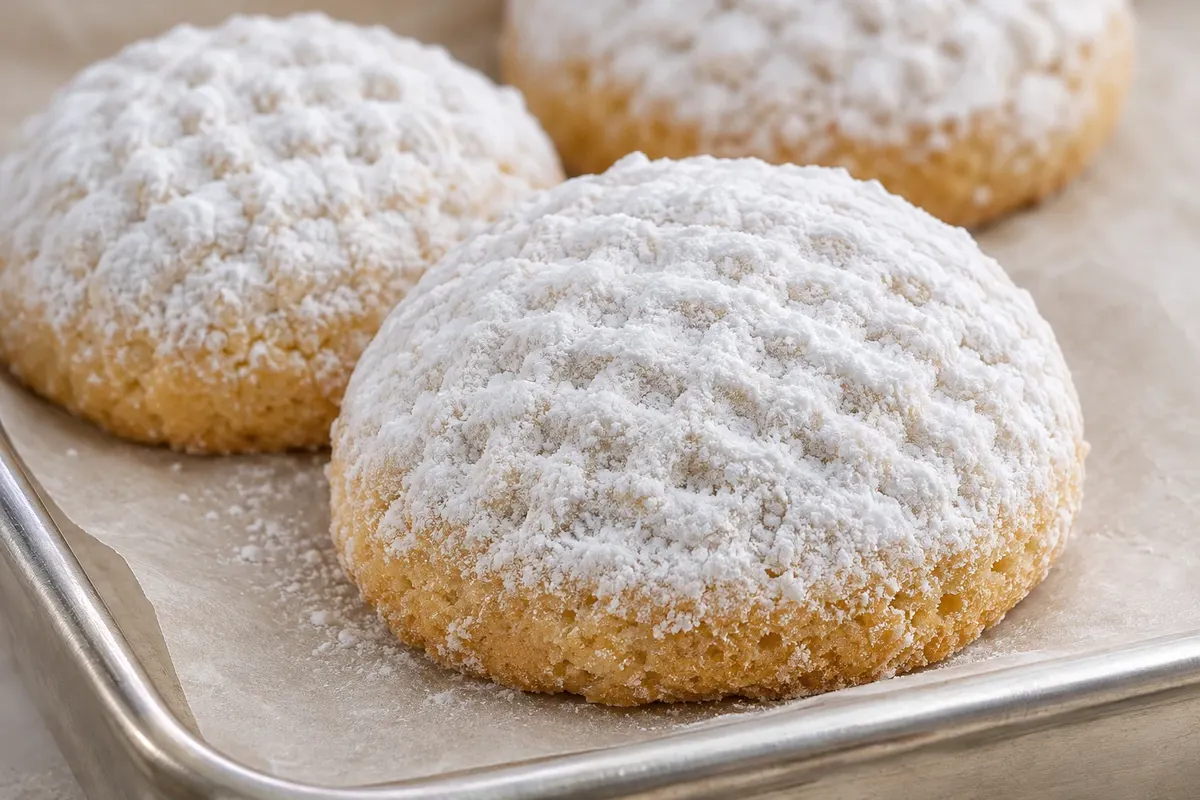
Round buttery cookie, dusted with powdered sugar, plain or filled with ajameya (honey and walnuts), dates, or pistachio. It’s the sweet of Eid al-Fitr, at the end of Ramadan, prepared at home or bought at bakeries and patisseries.

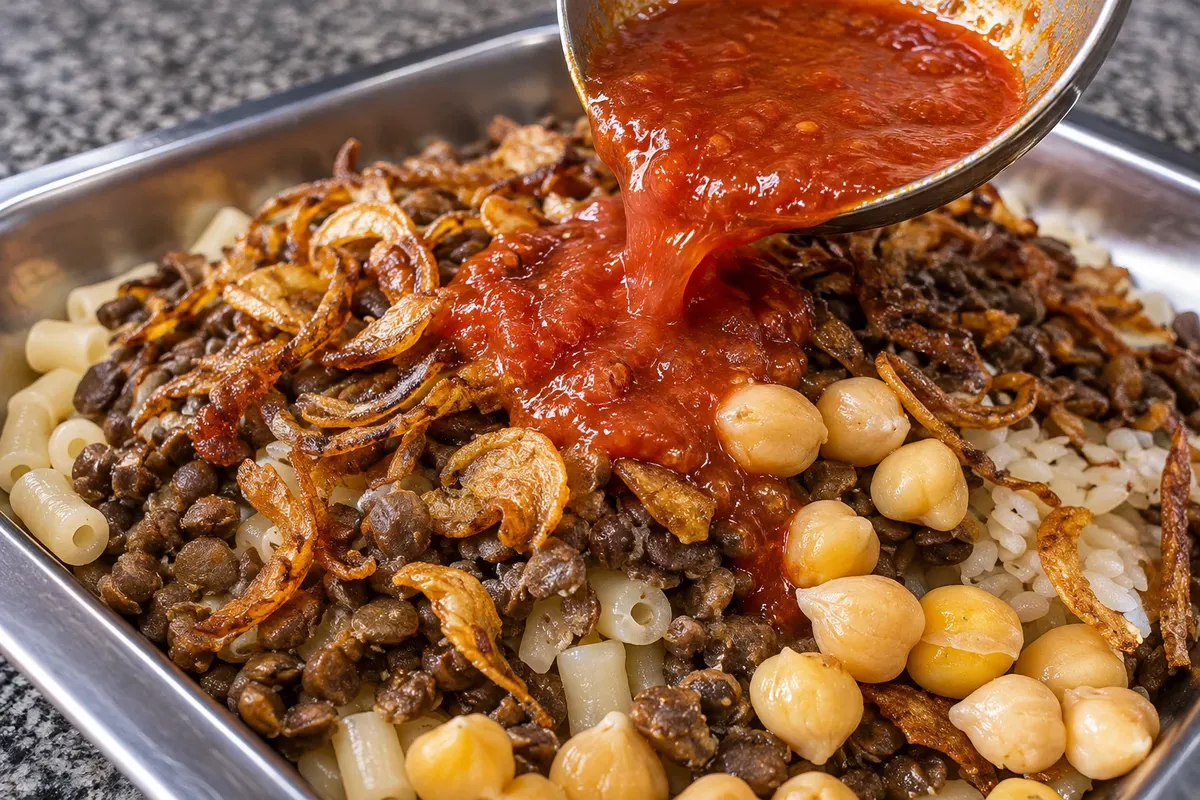
Rice, short pasta, lentils and chickpeas, topped with tomato sauce and crispy fried onions, served with garlic vinegar and a spicy sauce on the side. It is Egypt’s most popular everyday dish, sold in specialty shops and street carts, and was inscribed by UNESCO on the Intangible Cultural Heritage list in 2025.

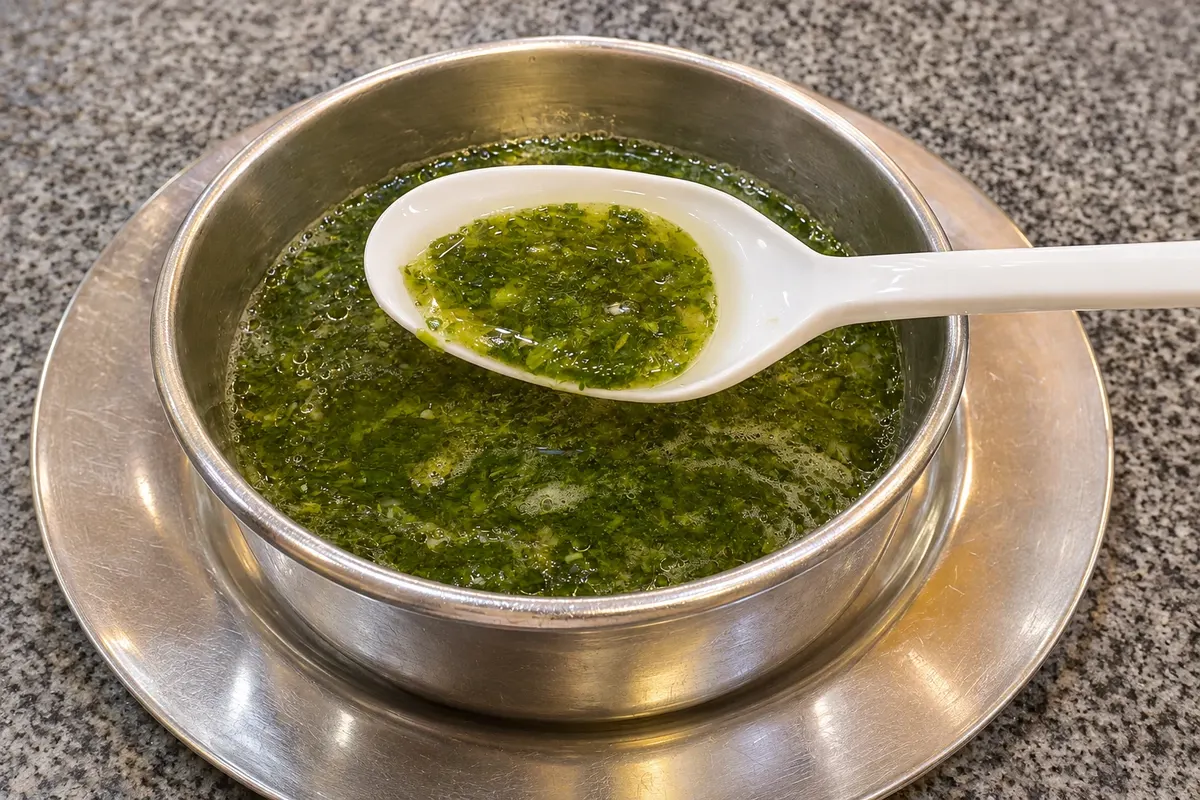
Thick green soup made from very finely chopped jute leaves, cooked in broth and seasoned with toasted garlic and coriander. Served with rice or bread, often with chicken or rabbit, it is for many Egyptians the quintessential home dish.

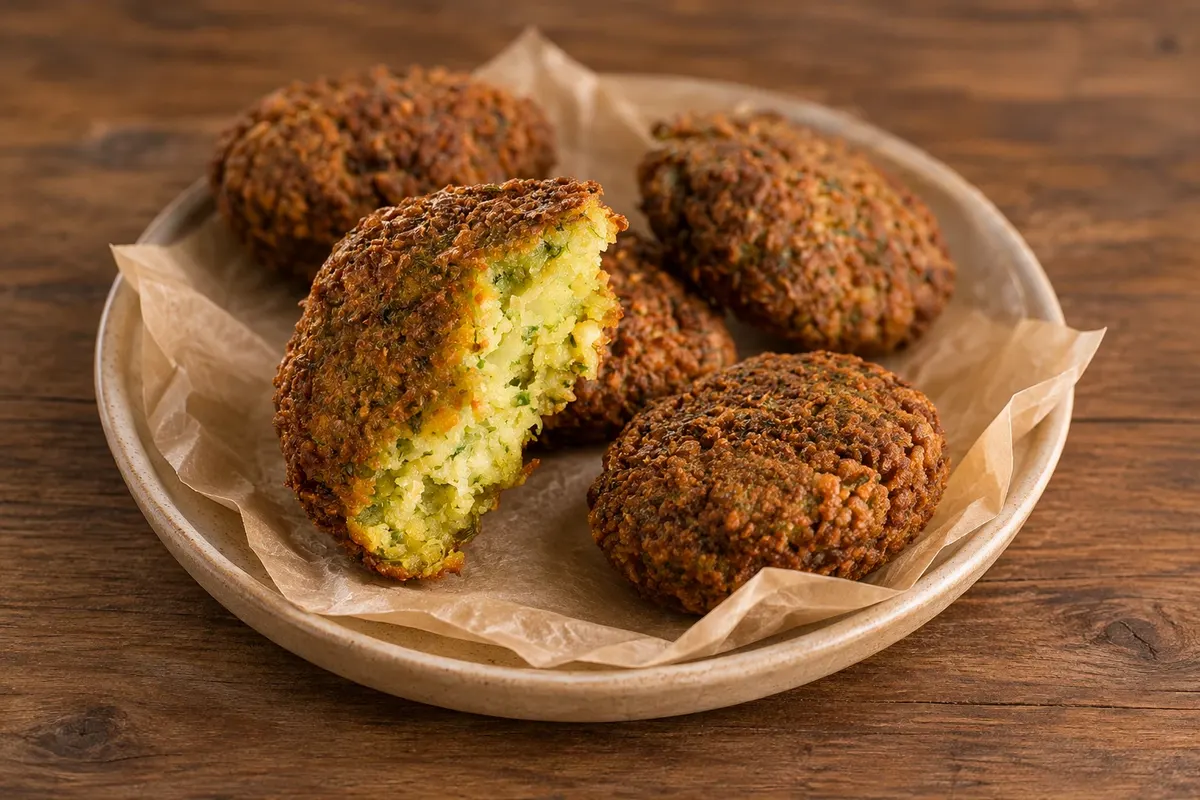
Fried patty made from ground dried fava beans and herbs, crunchy on the outside and soft inside. It’s the Egyptian version of falafel and, together with ful medames, forms Egypt’s most common breakfast, often served in a baladi bread sandwich.

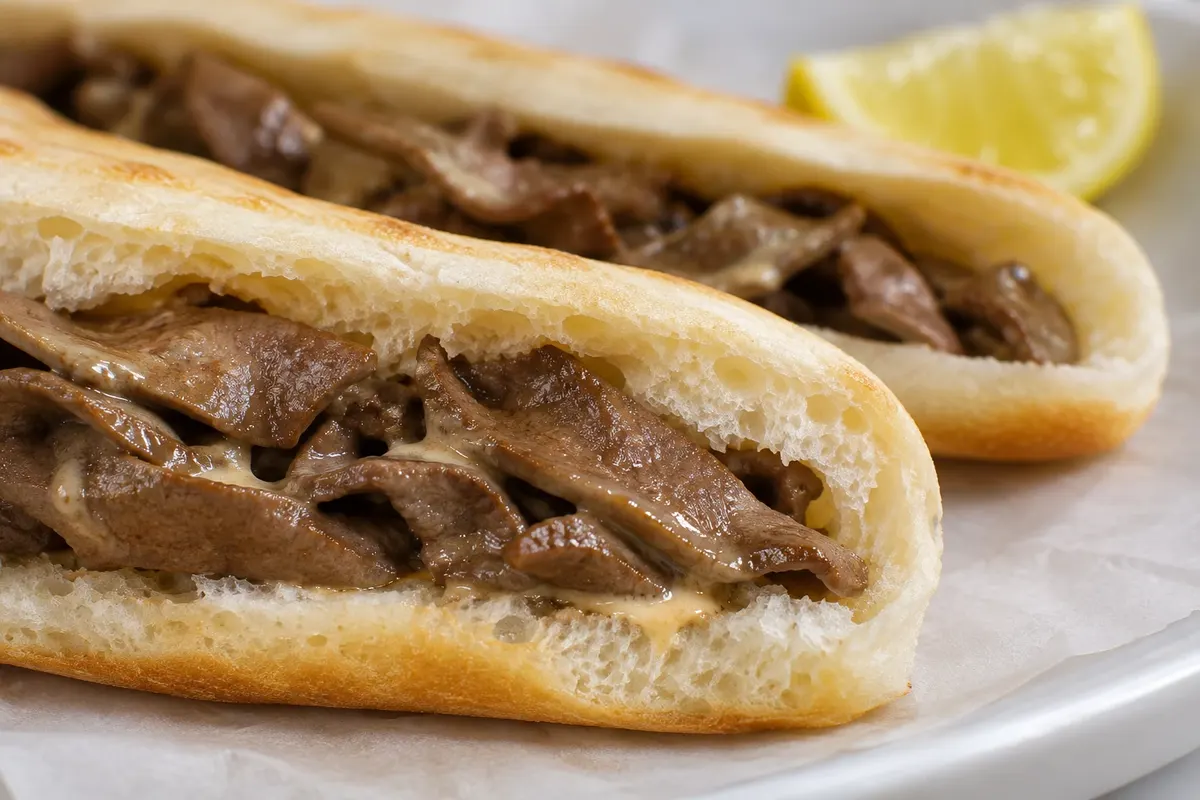
Beef liver cut into thin strips and quickly fried with garlic and bell pepper, seasoned with cumin and lemon. It’s named after Alexandria and is served as a sandwich on the city’s thin bread, with tahini.

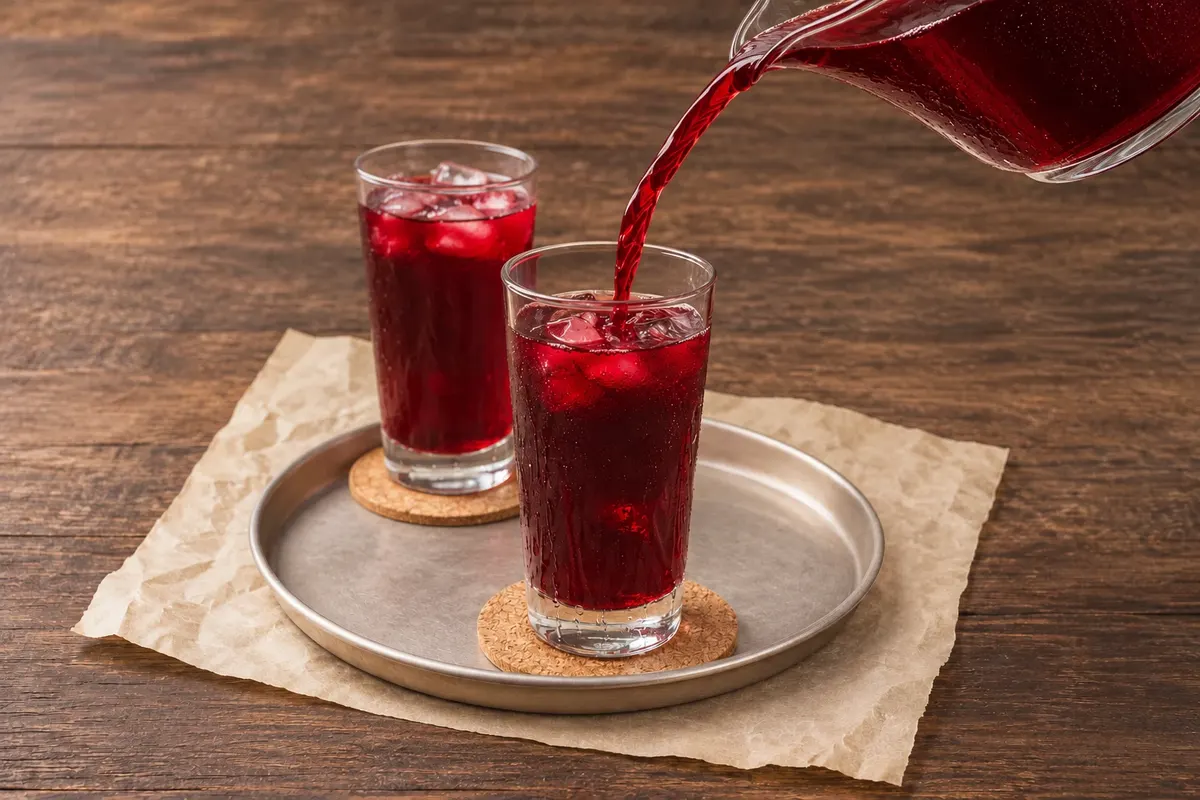
A dark-red drink made from dried hibiscus calyces steeped in water, with a tart flavor, sweetened and served cold or hot. In the Aswan region, among the Nubians, it is the welcome drink offered to arriving guests.