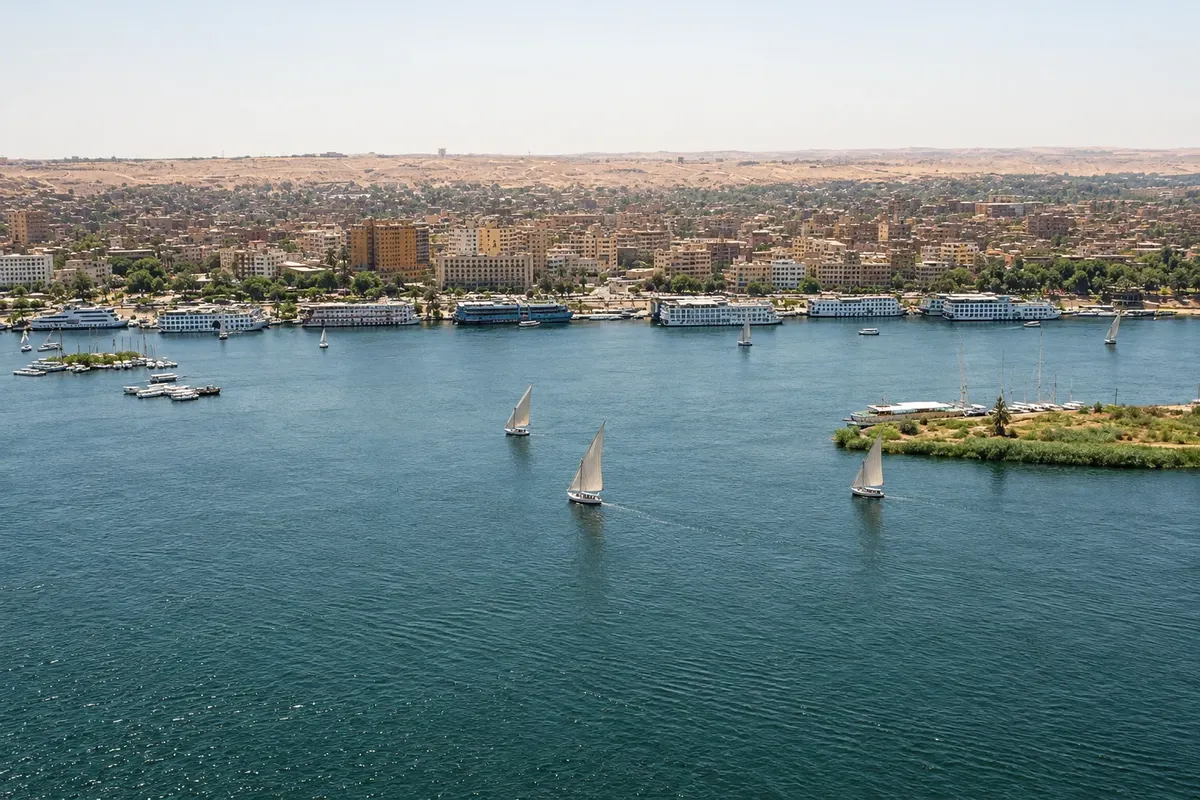
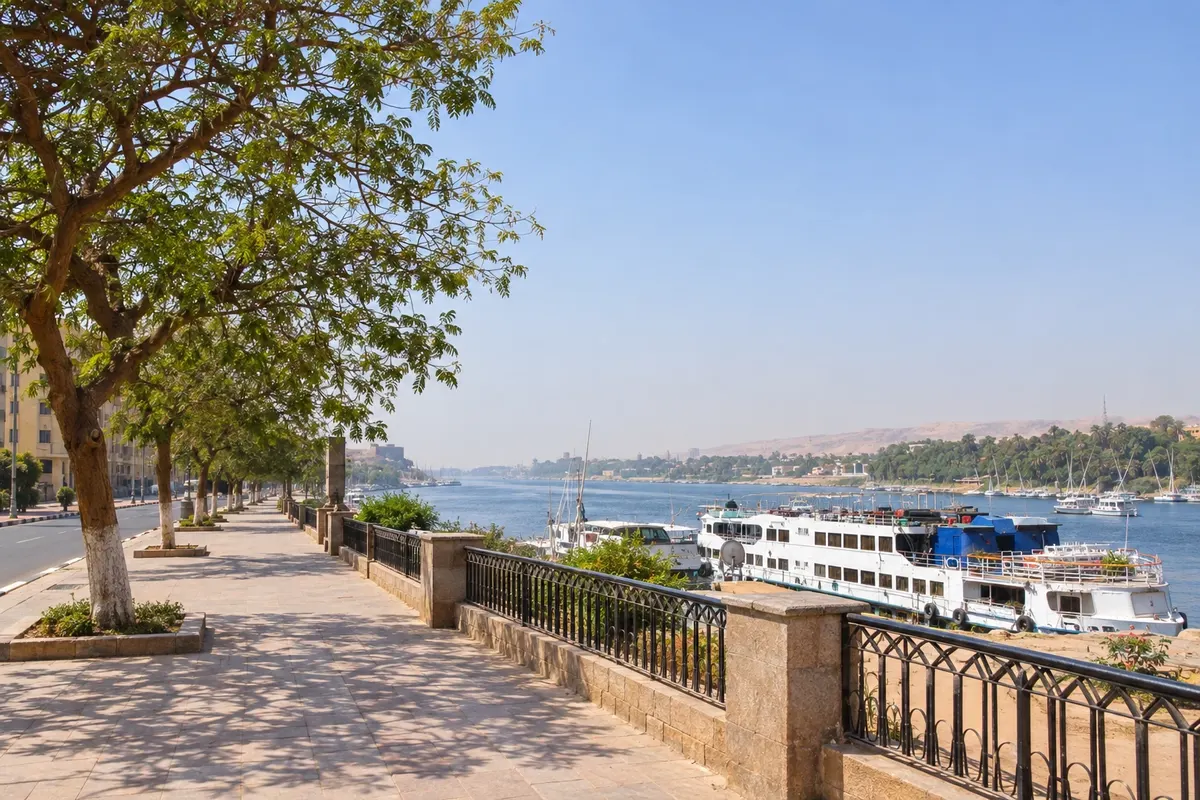
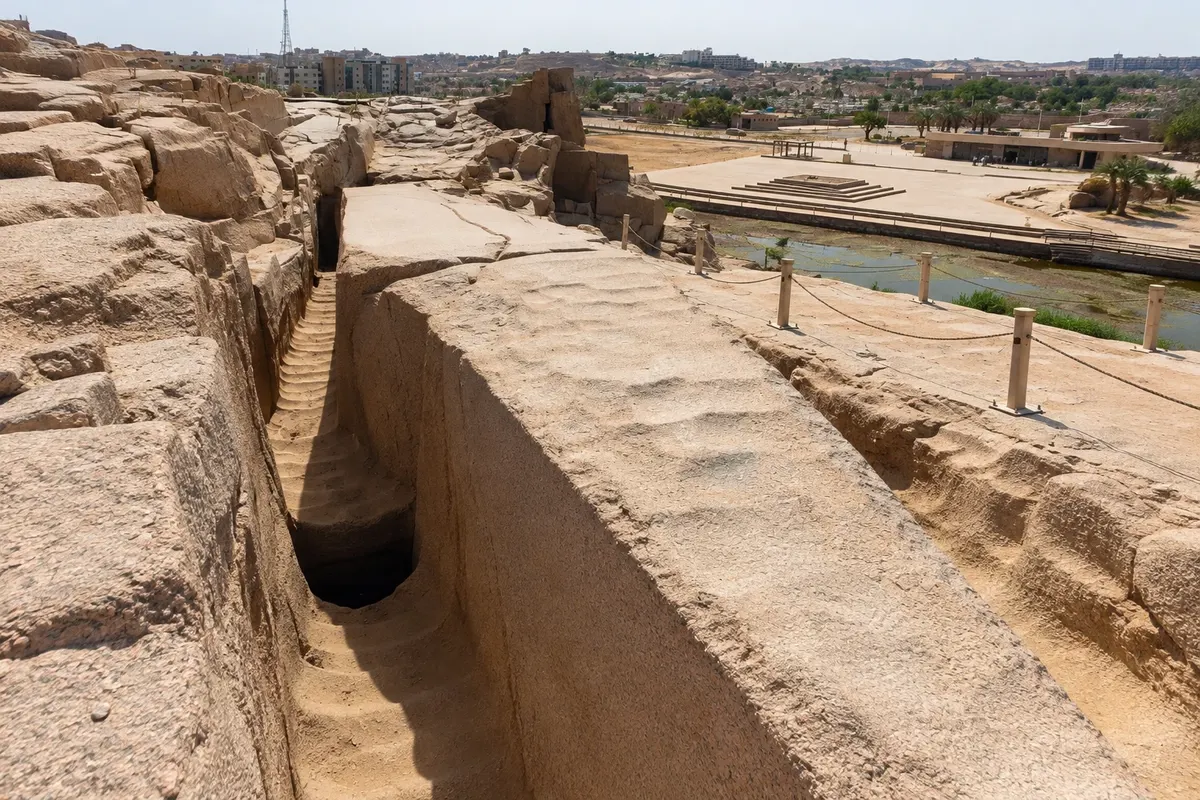
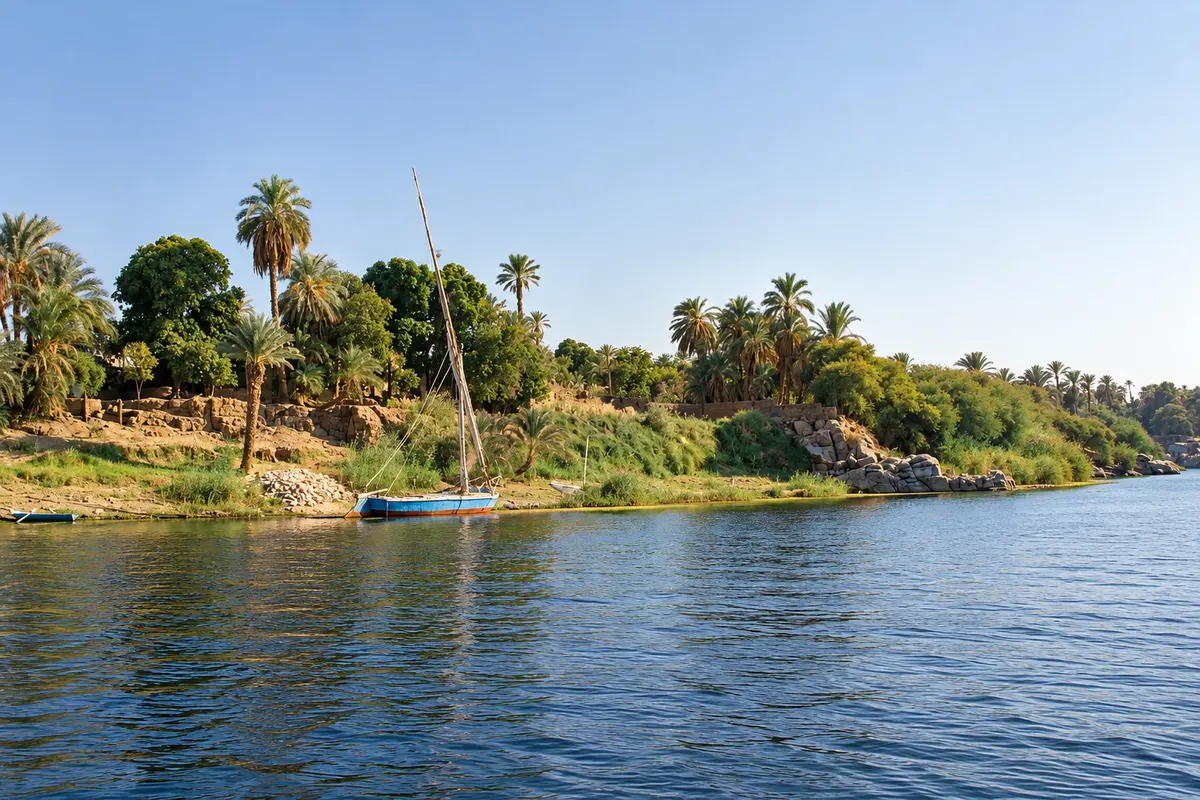
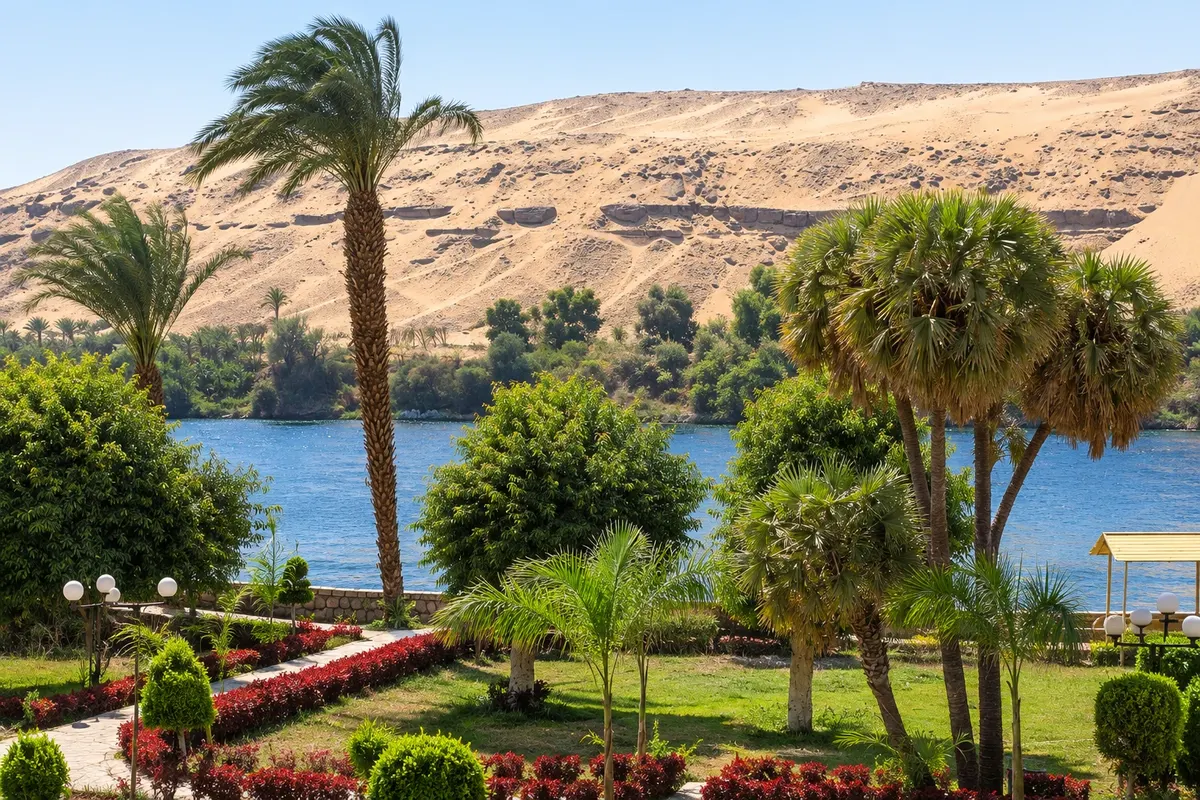
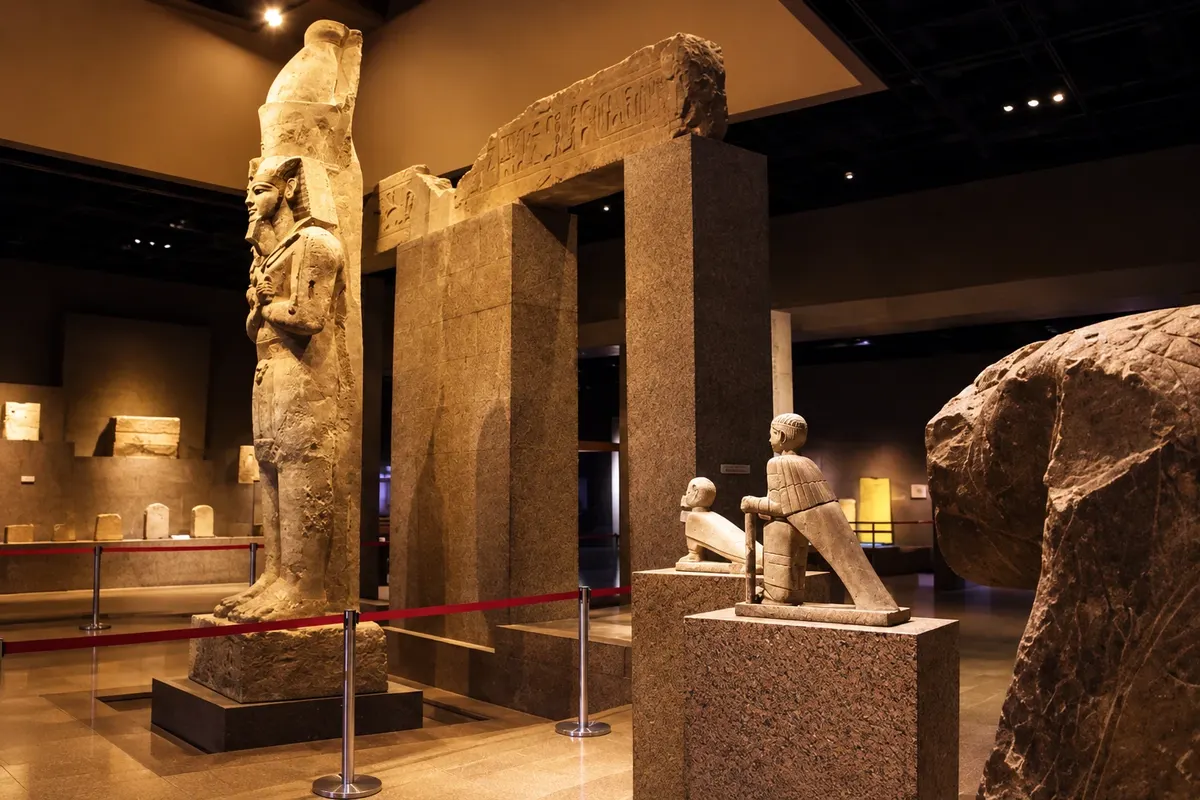
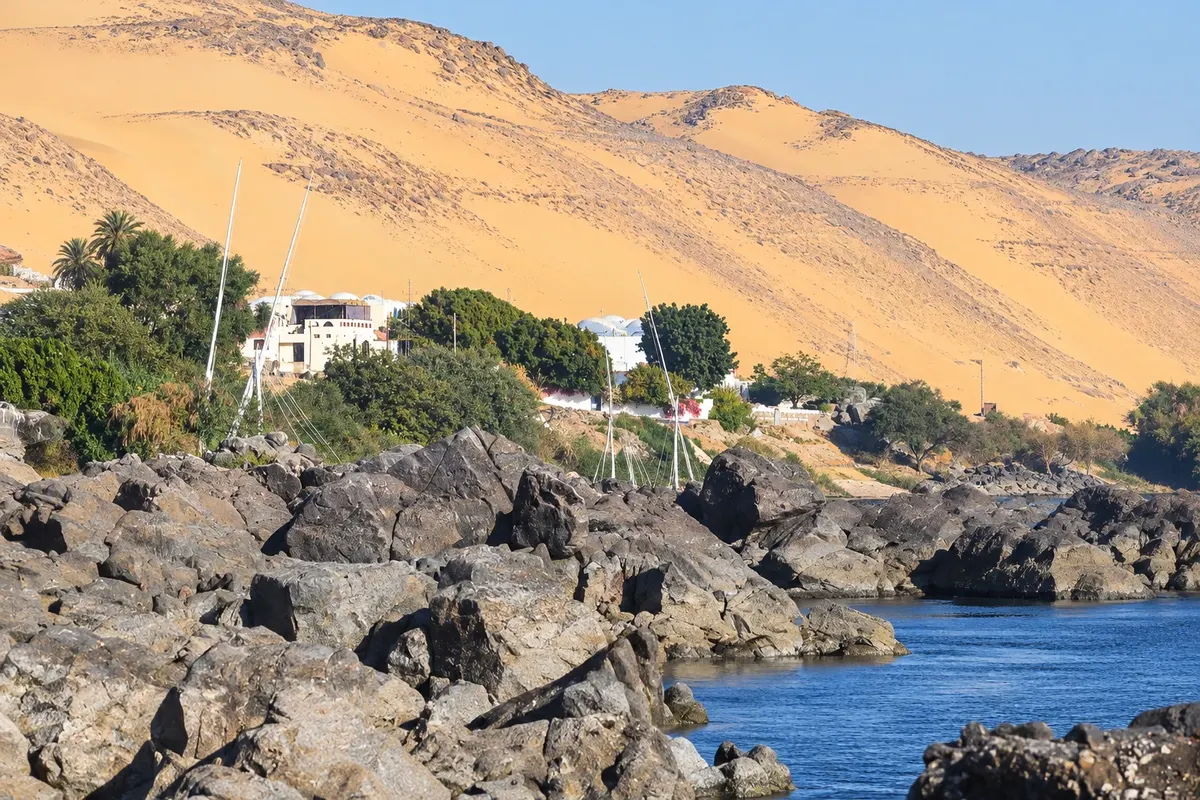
Aswan lies at Egypt’s southern tip, on the stretch of the Nile that once held the First Cataract, among dark granite rocks, islands and golden dunes on the west bank. It was the southern border of ancient Egypt and the gateway to Nubia, and Aswan’s granite quarries supplied obelisks and statues for the country’s temples.
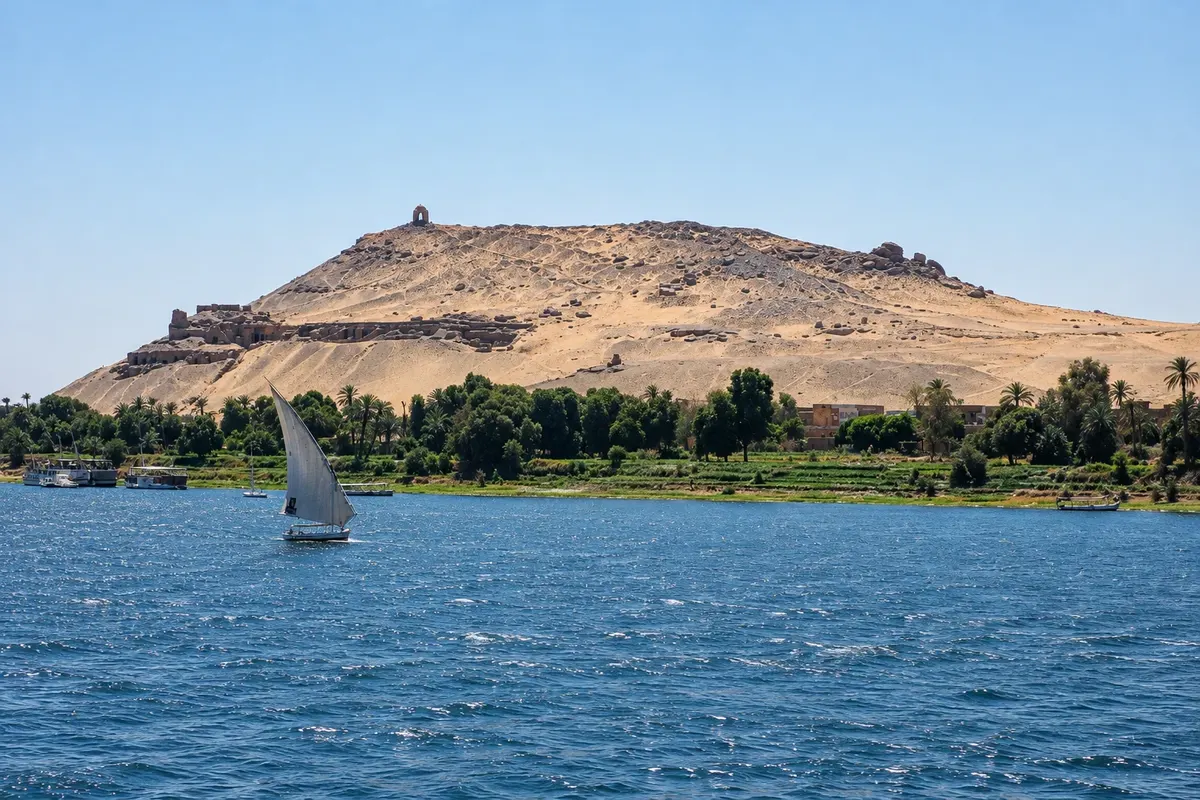
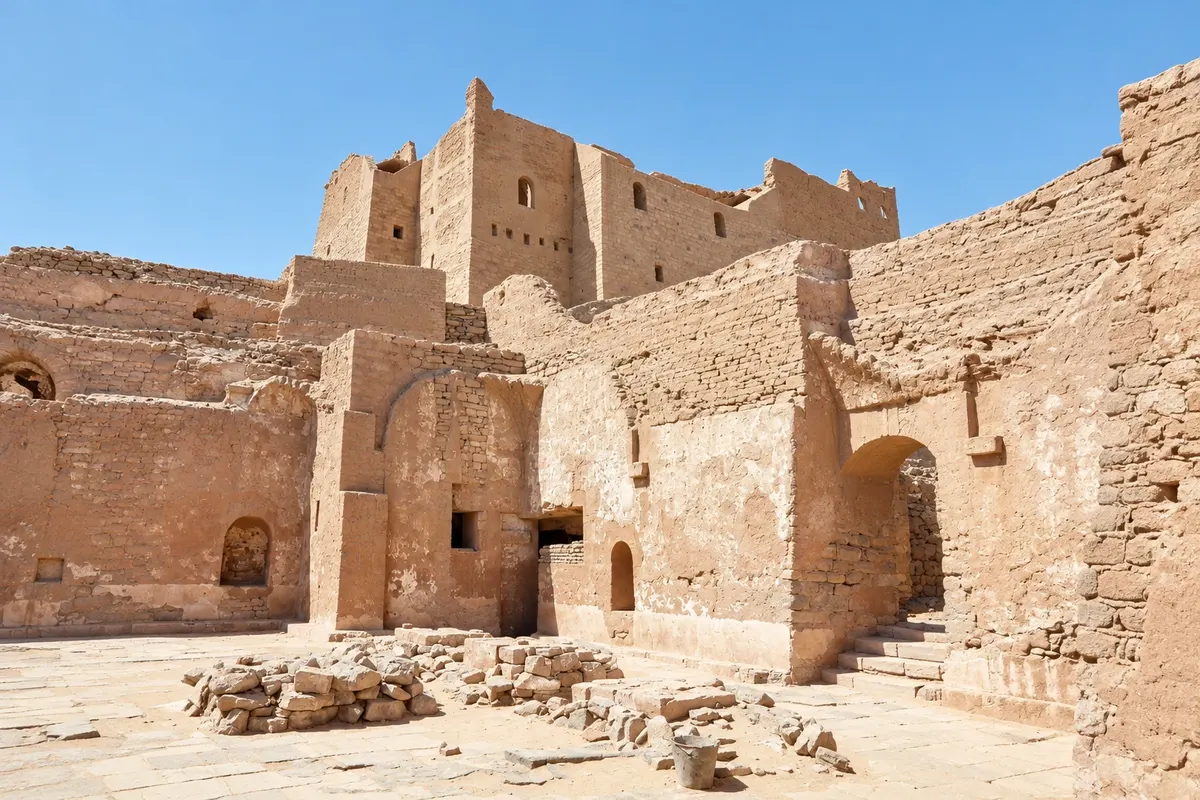
Felucca rides, on the Nile’s traditional sailing boats, circle Elephantine Island, with ruins and a nilometer, and Kitchener’s Island, with a botanical garden. On the west bank are the tombs of the nobles at Qubbet el-Hawa and the Monastery of St. Simeon, and further south there are painted Nubian villages such as Gharb Soheil.
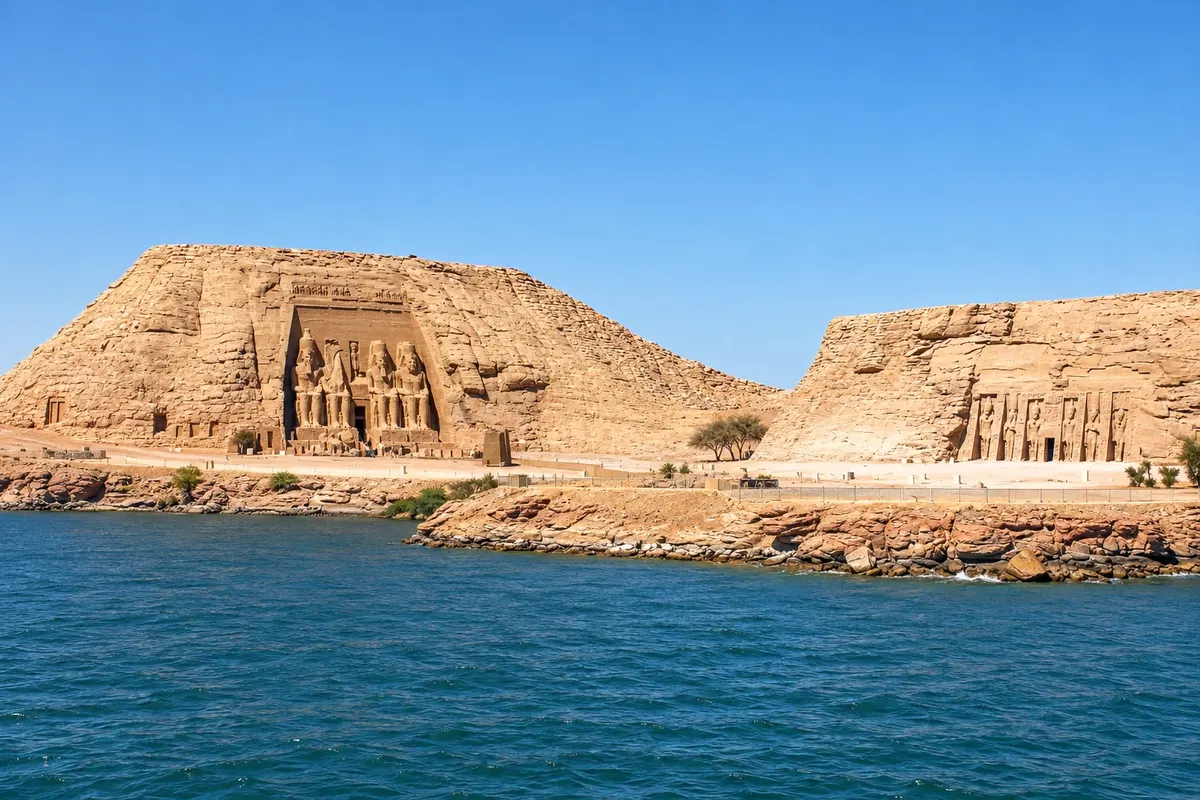
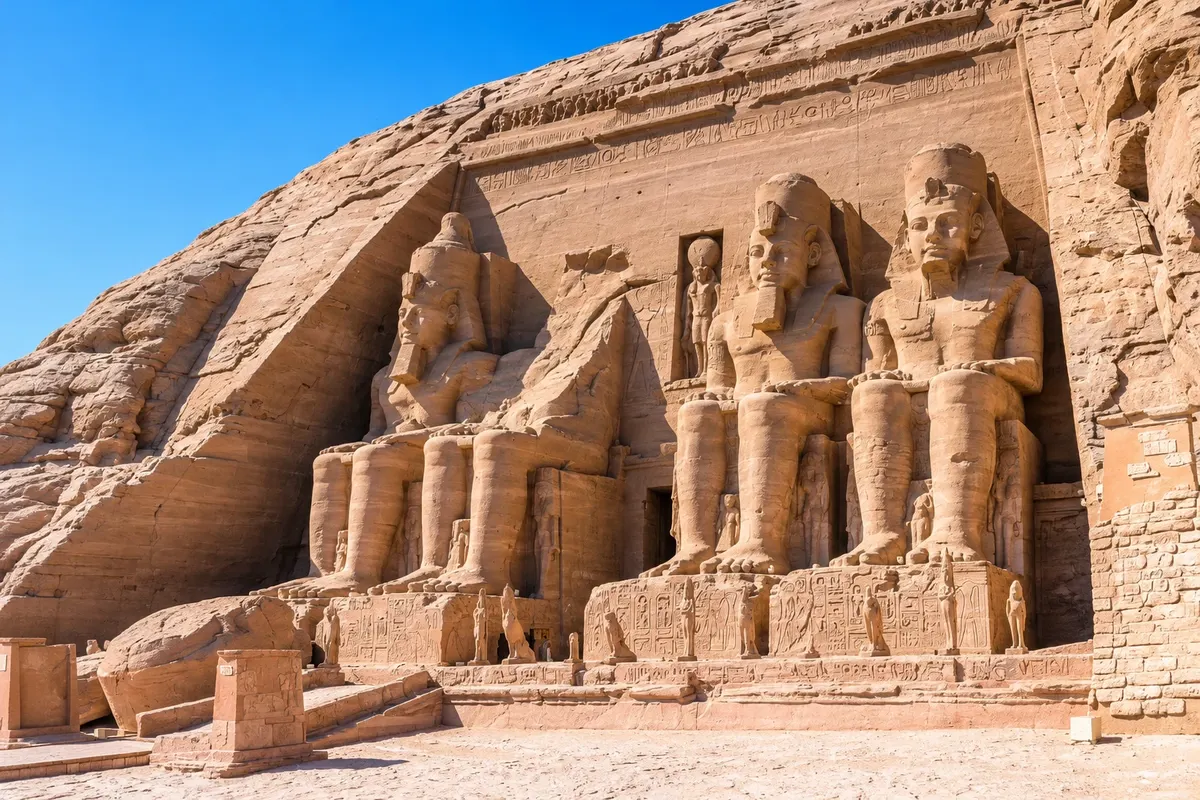
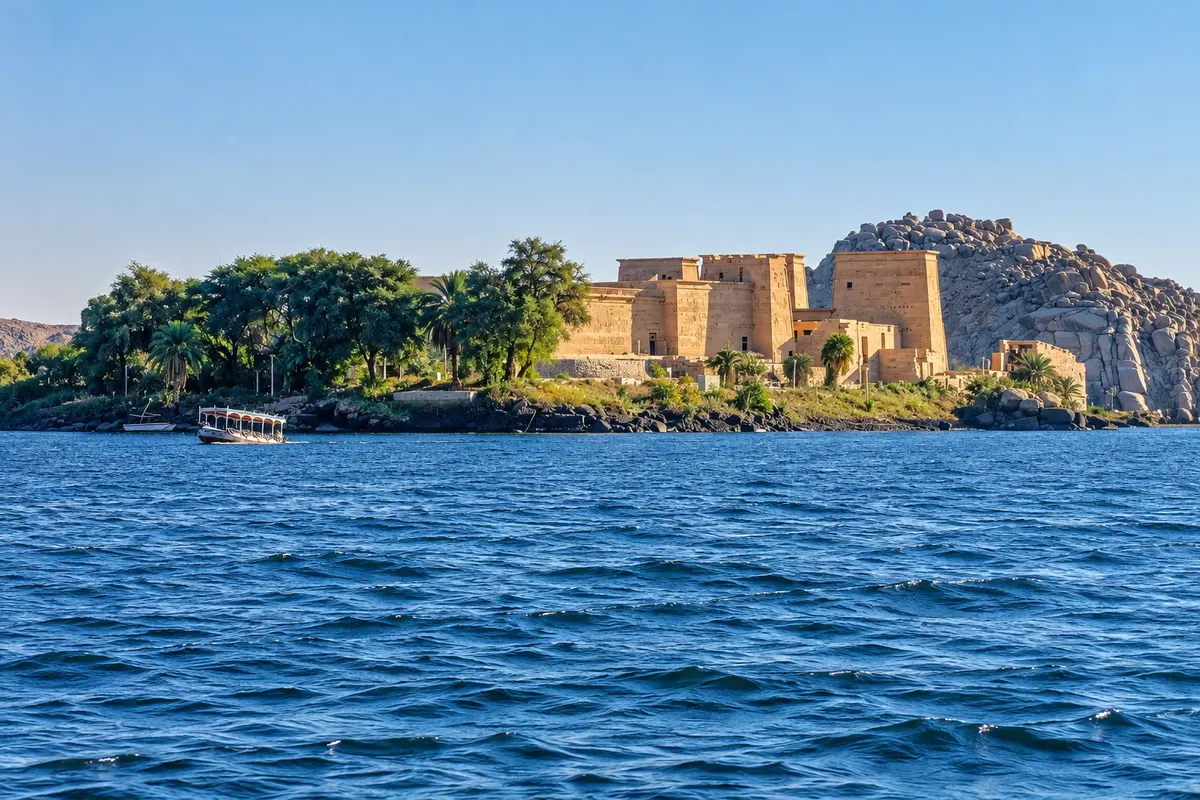
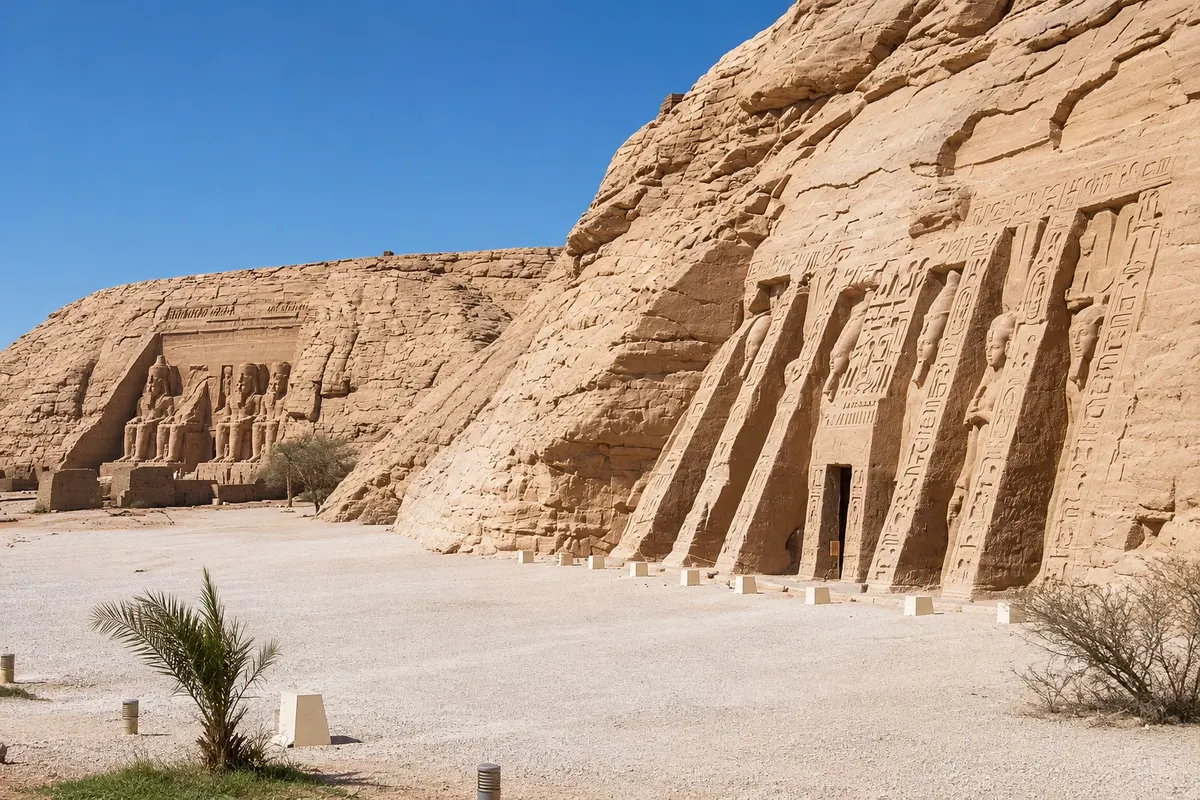
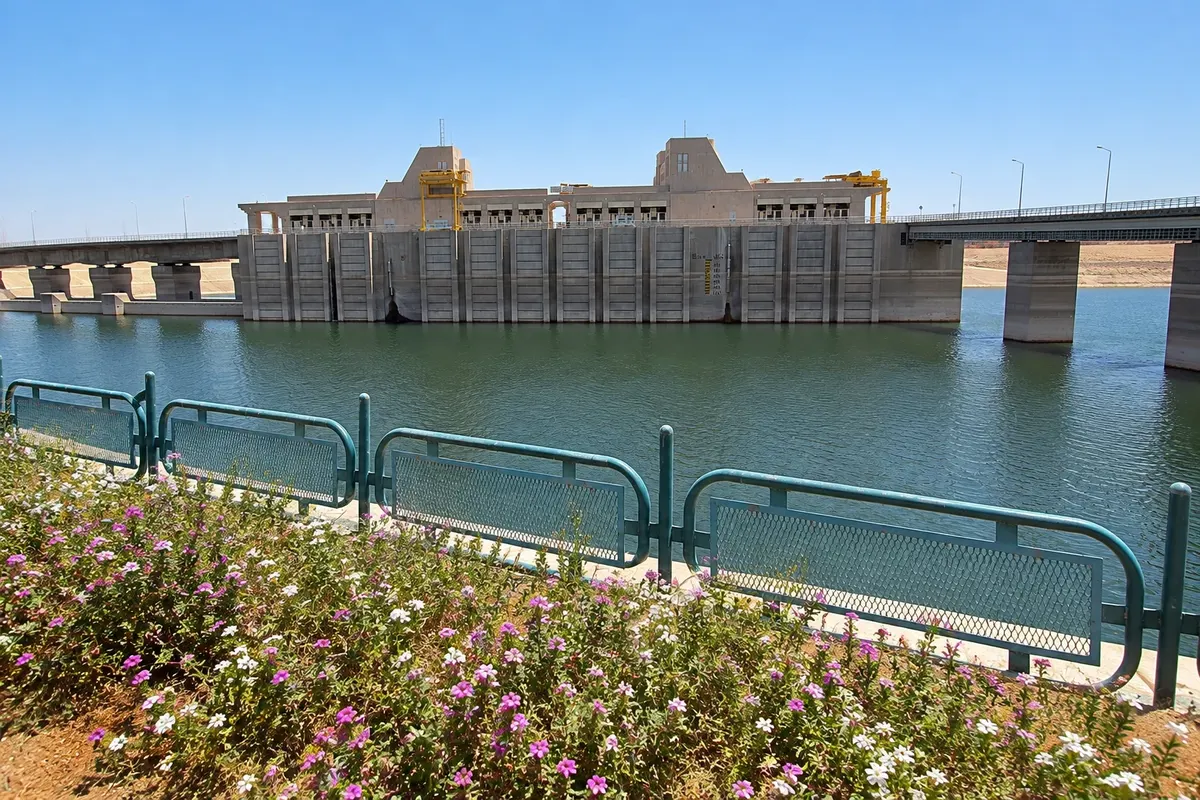
South of the city, the High Dam created Lake Nasser, and UNESCO organized the rescue of Nubian monuments, now a World Heritage site. The Temple of Philae, dedicated to Isis, was reassembled on a nearby island; about 280 km to the south, on the lake shore, the temples at Abu Simbel—of Ramses II and Nefertari—were cut into blocks and moved to higher ground.
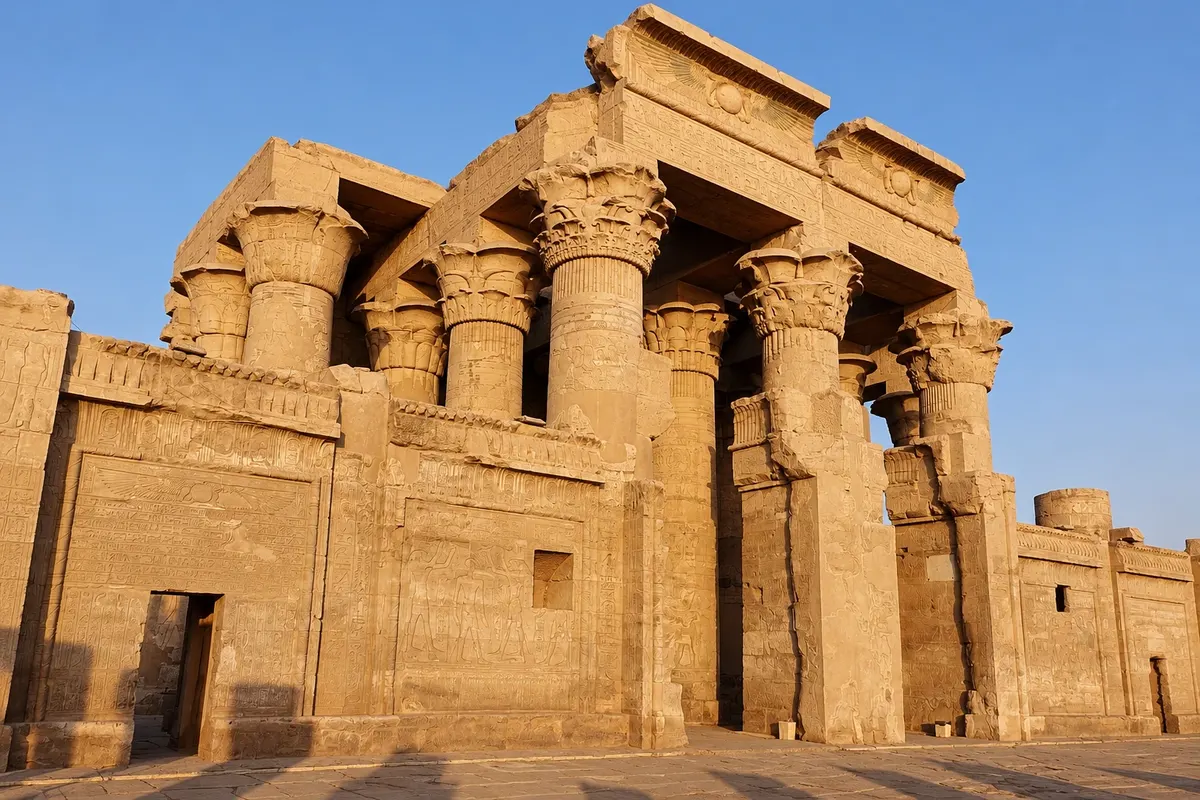
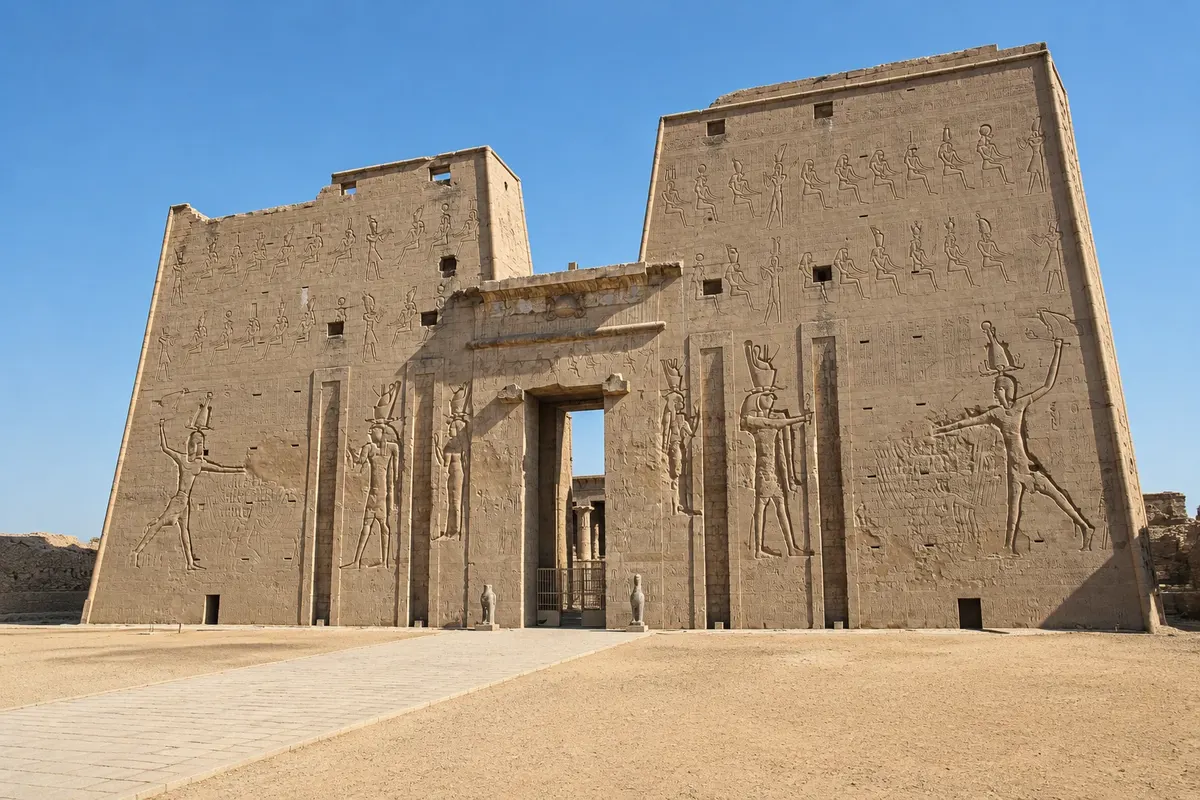
North of Aswan, the temples of Kom Ombo and Edfu are stops for the cruises that sail up the Nile to Luxor.
This destination brings together 2 cities: Aswan, Abu Simbel.


 Brazil
 Argentina
 Bolivia
 Chile
 Colombia
 Ecuador
 Guyana
 French Guiana
 Falkland Islands (Malvinas)
 Paraguay
 Peru
 Suriname
 Uruguay
 Venezuela
 Germany
 Austria
 Belgium
 Croatia
 Denmark
 Slovakia
 Slovenia
 Spain
 Finland
 France
 Greece
 the Netherlands
 Hungary
 Ireland
 Iceland
 Italy
 Luxembourg
 Norway
 Poland
 Portugal
 the United Kingdom
 the Czech Republic
 Sweden
 Switzerland
 Turkey
 Canada
 the United States
 Mexico
 the Dominican Republic
 South Africa
 Australia
 Fiji
 New Zealand
 Papua New Guinea