


Temple
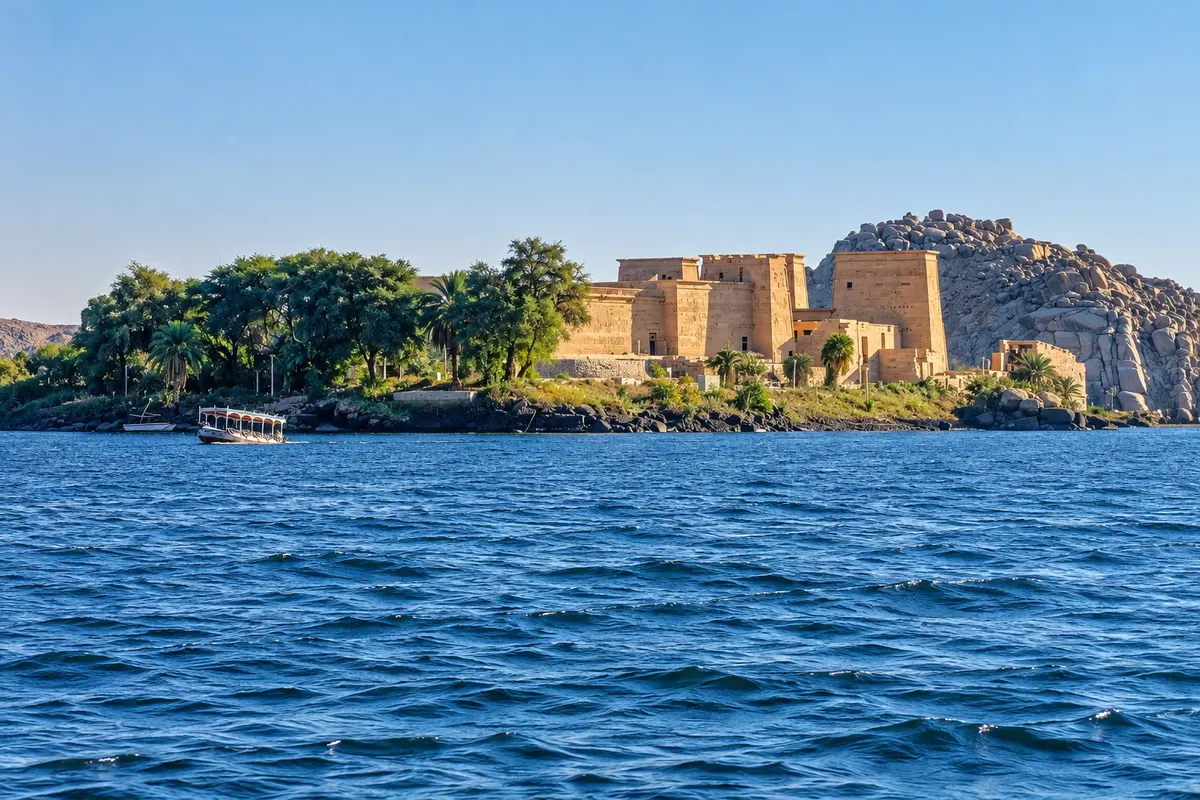
Philae Temple
Temple of Isis on an island south of Aswan, from the Ptolemaic and Roman periods, dismantled and reassembled on Agilkia Island by UNESCO to save it from the dam waters.

 Search
 Brazil
 Argentina
 Bolivia
 Chile
 Colombia
 Ecuador
 Guyana
 French Guiana
 Falkland Islands (Malvinas)
 Paraguay
 Peru
 Suriname
 Uruguay
 Venezuela
 Germany
 Austria
 Belgium
 Croatia
 Denmark
 Slovakia
 Slovenia
 Spain
 Finland
 France
 Greece
 the Netherlands
 Hungary
 Ireland
 Iceland
 Italy
 Luxembourg
 Norway
 Poland
 Portugal
 the United Kingdom
 the Czech Republic
 Sweden
 Switzerland
 Turkey
 Canada
 the United States
 Mexico
 the Dominican RepublicTurkey
 South AfricaEgypt
 Australia
 Fiji
 New Zealand
 Papua New Guinea
Aswan · Egypt Capital
In the destination Aswan and Abu Simbel.
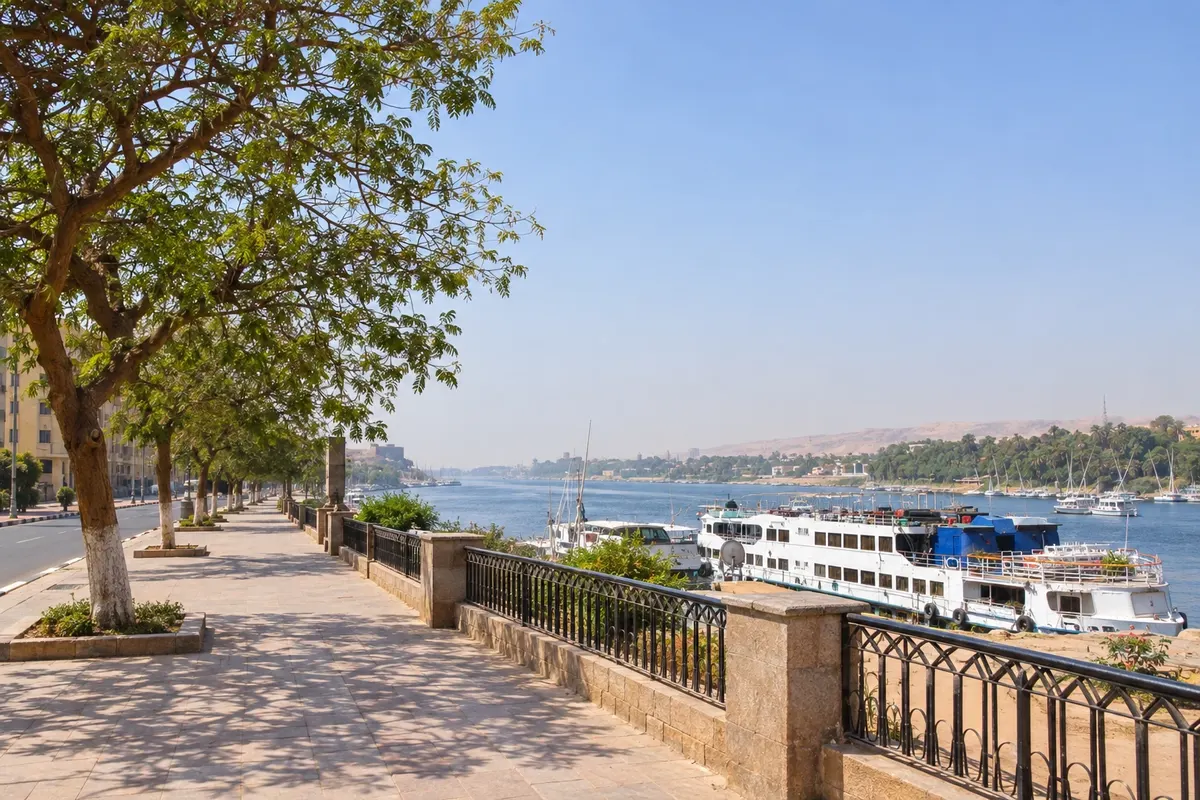
In the photo: The Aswan Corniche on the Nile.
Illustrative images. The pictures in this guide are illustrations based on the real place, not photographs, and may differ from it.
The city
Capital of Aswan governorate, on the east bank of the Nile, facing Elephantine Island. The Corniche has hotels, the felucca and cruise docks, and a parallel street holds the market. Around town are the Temple of Philae, the Unfinished Obelisk, the High Dam, the Nubian Museum and the Nubian villages on the west bank.
There's no accommodation in the guide yet in Aswan.
There are no restaurants in the guide yet in Aswan.
Know a good one? Recommend it to ushow to get there · how many days · itinerary · questions
The local experience
Temple of Isis on an island south of Aswan, from the Ptolemaic and Roman periods, dismantled and reassembled on Agilkia Island by UNESCO to save it from the dam waters.
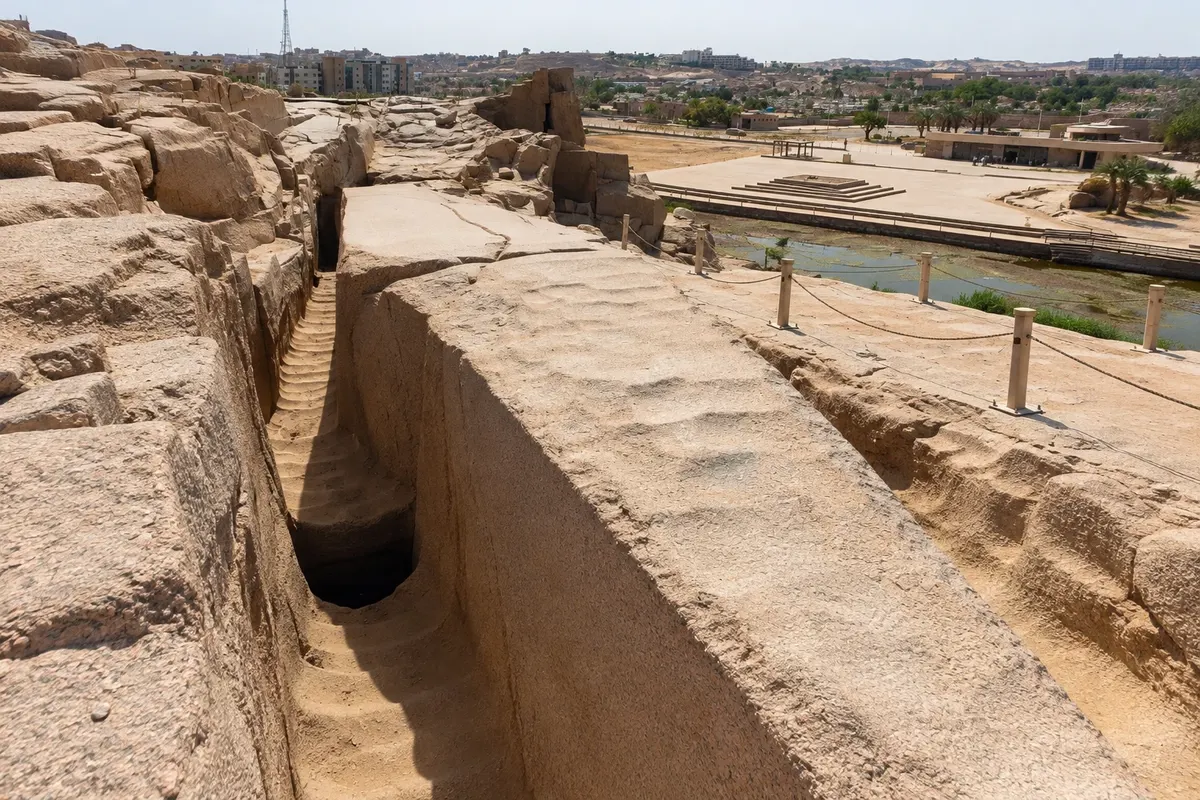
Granite obelisk that cracked during quarrying and remained attached to the bedrock in an ancient Aswan quarry, showing how the Egyptians cut these pieces.
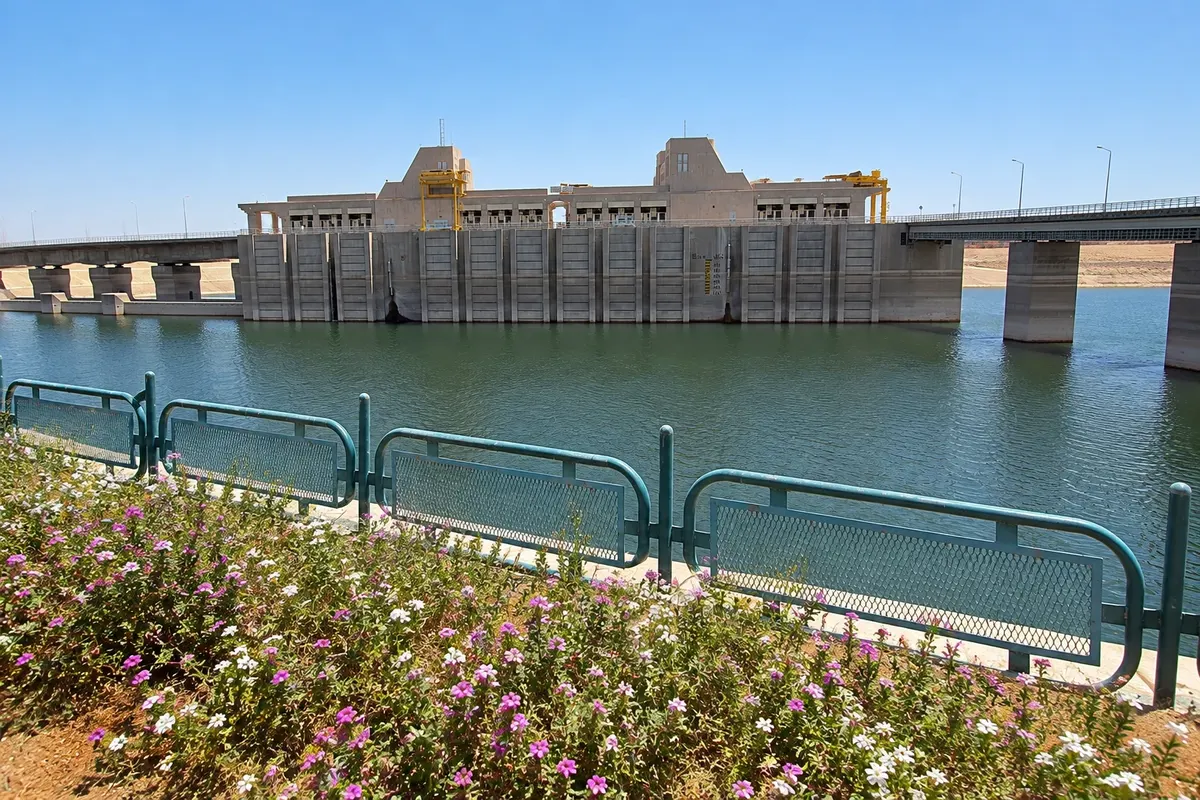
Dam on the Nile south of Aswan, completed in 1970, which formed Lake Nasser, with a viewpoint over the lake and the river and a monument to Egyptian–Soviet friendship.
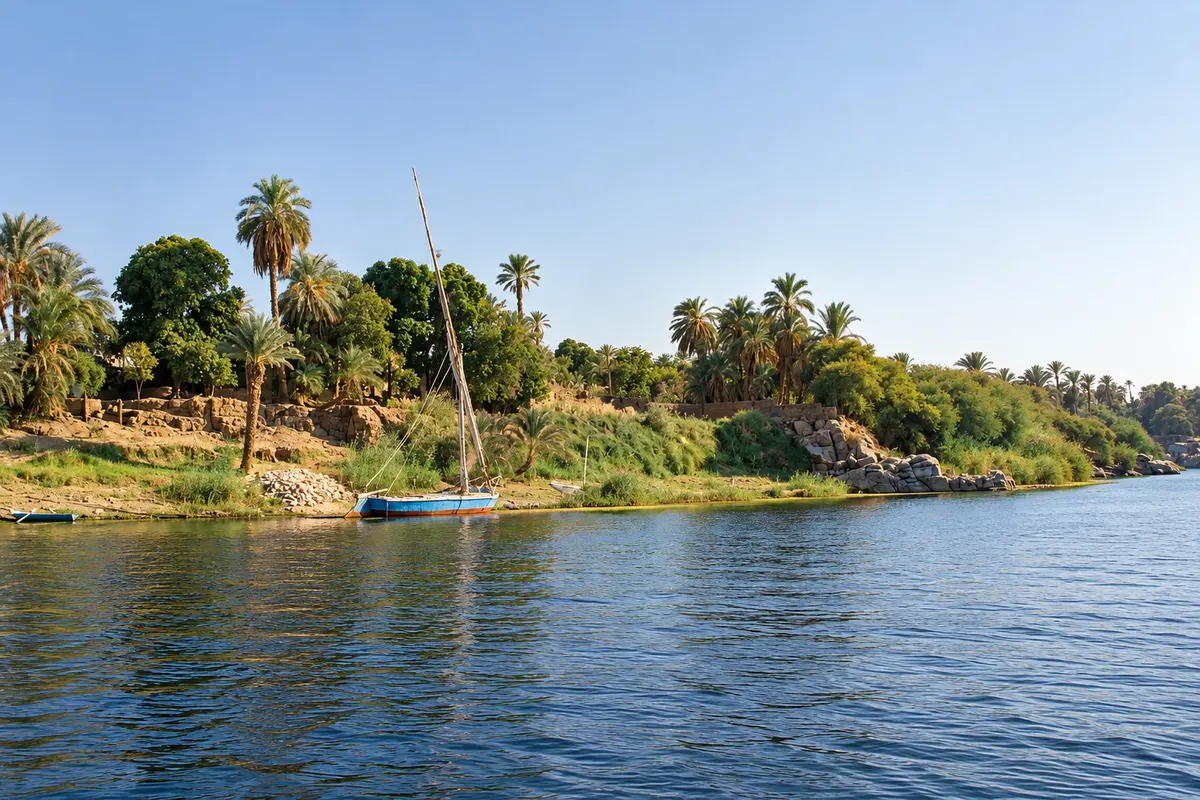
Island in the Nile facing Aswan, with Nubian villages, the ruins of the ancient city of Abu, temples of Khnum and Satet and a nilometer, which measured the height of the floods.
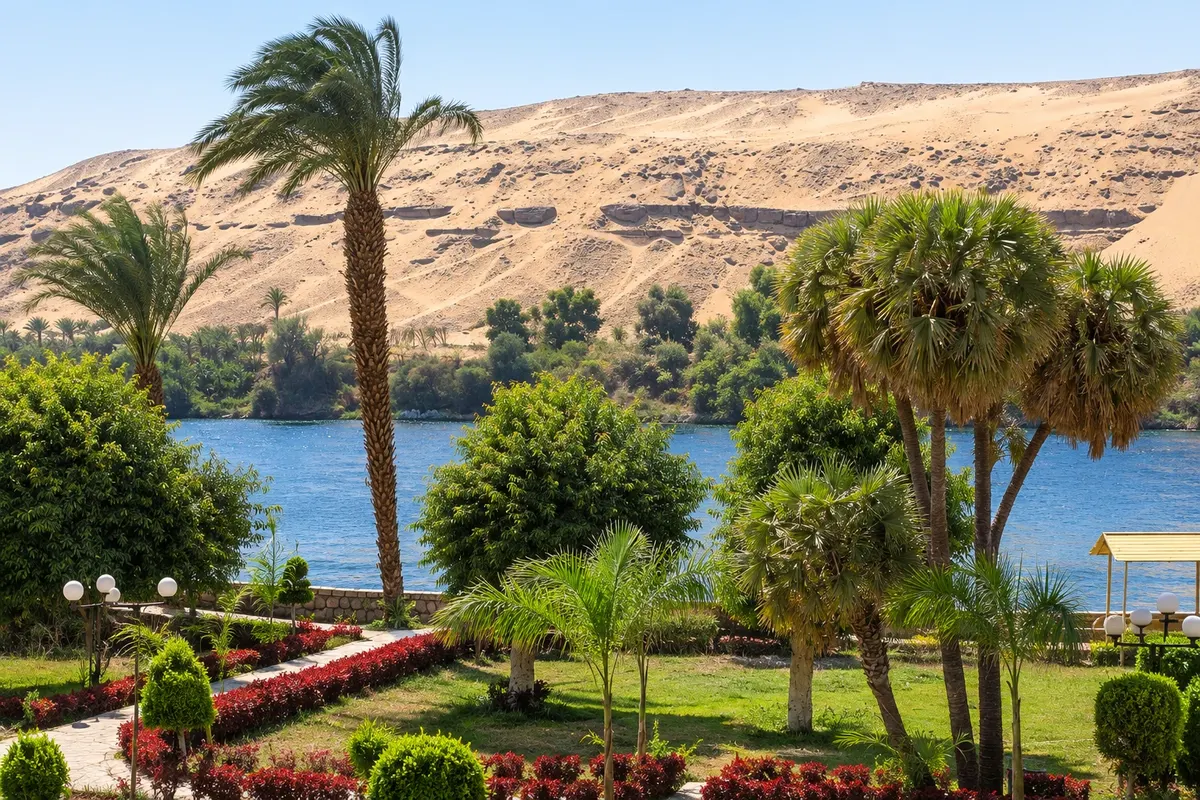
Island on the Nile, west of Elephantine, with a botanical garden of tropical trees and plants brought in at the end of the 19th century; also called Kitchener's Island.
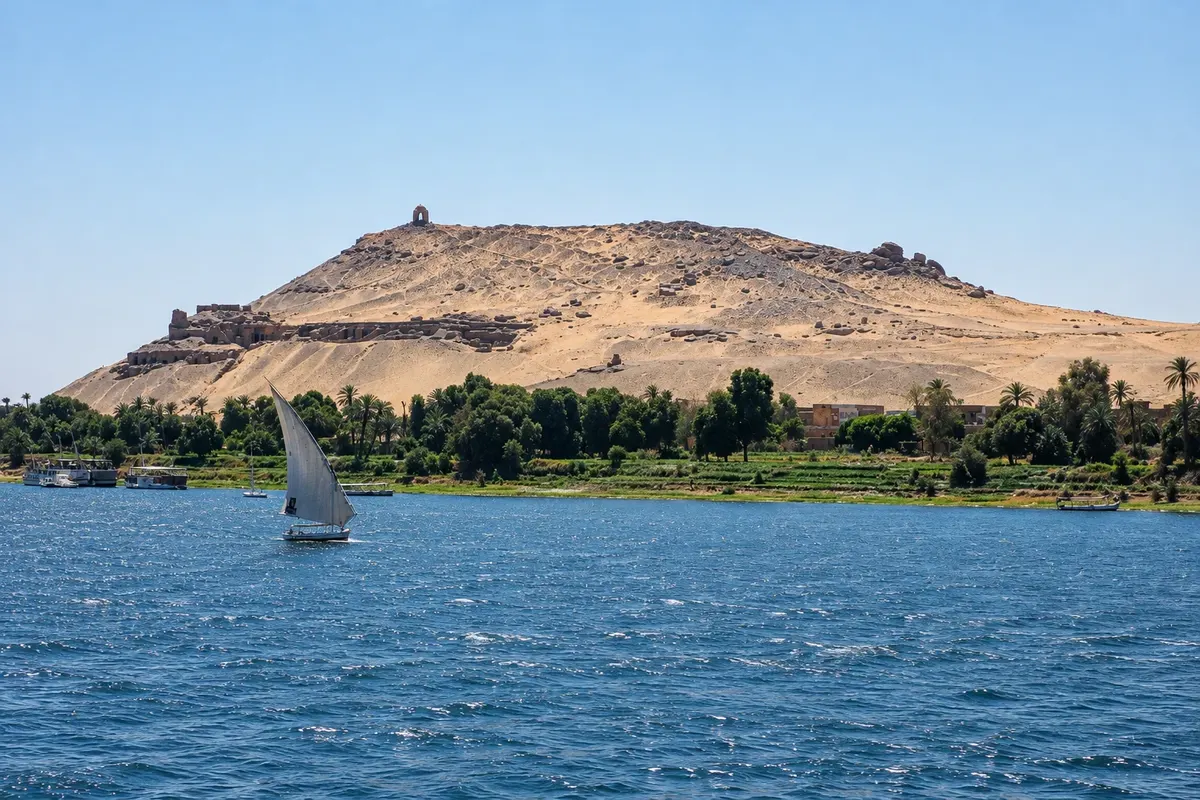
Tombs of rulers and nobles from the Old and Middle Kingdoms excavated on the Qubbet el-Hawa hill on Aswan's west bank, with views of the Nile and the islands.
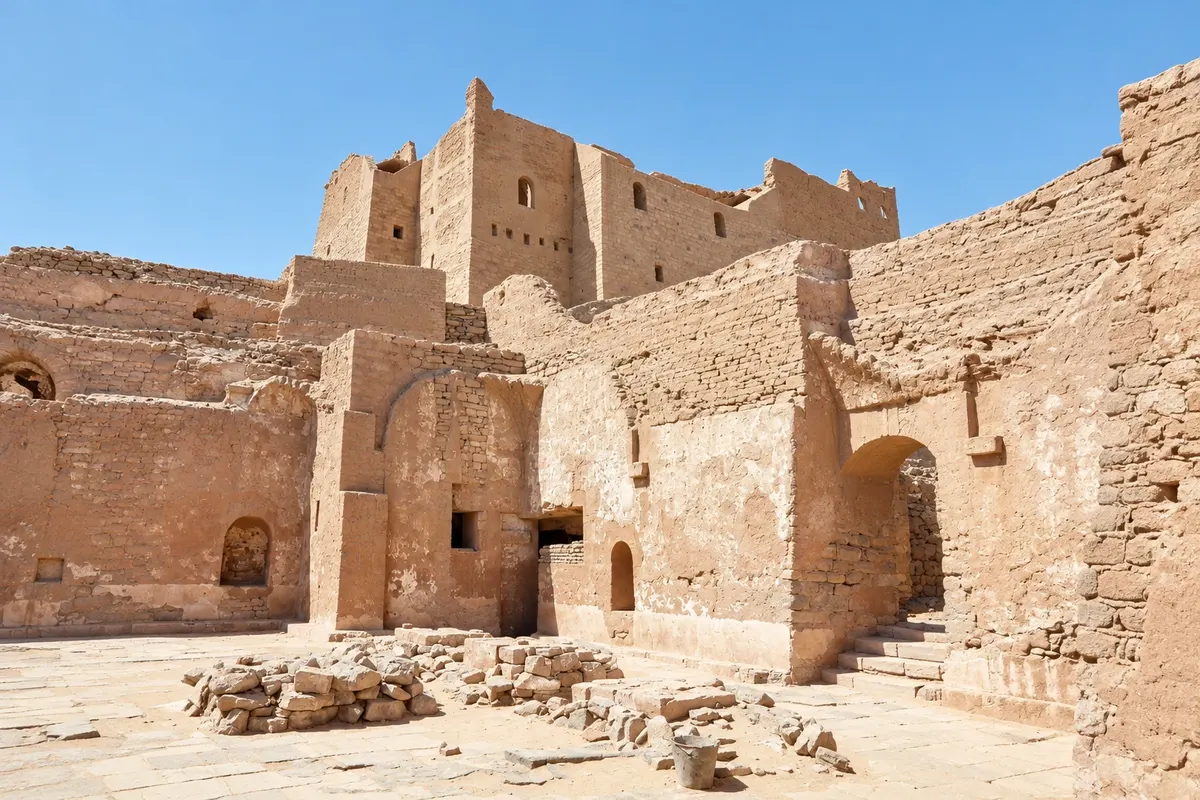
Ruins of a large Coptic monastery from the 7th–13th centuries in the desert on Aswan's west bank, with walls, a church and monks' cells.
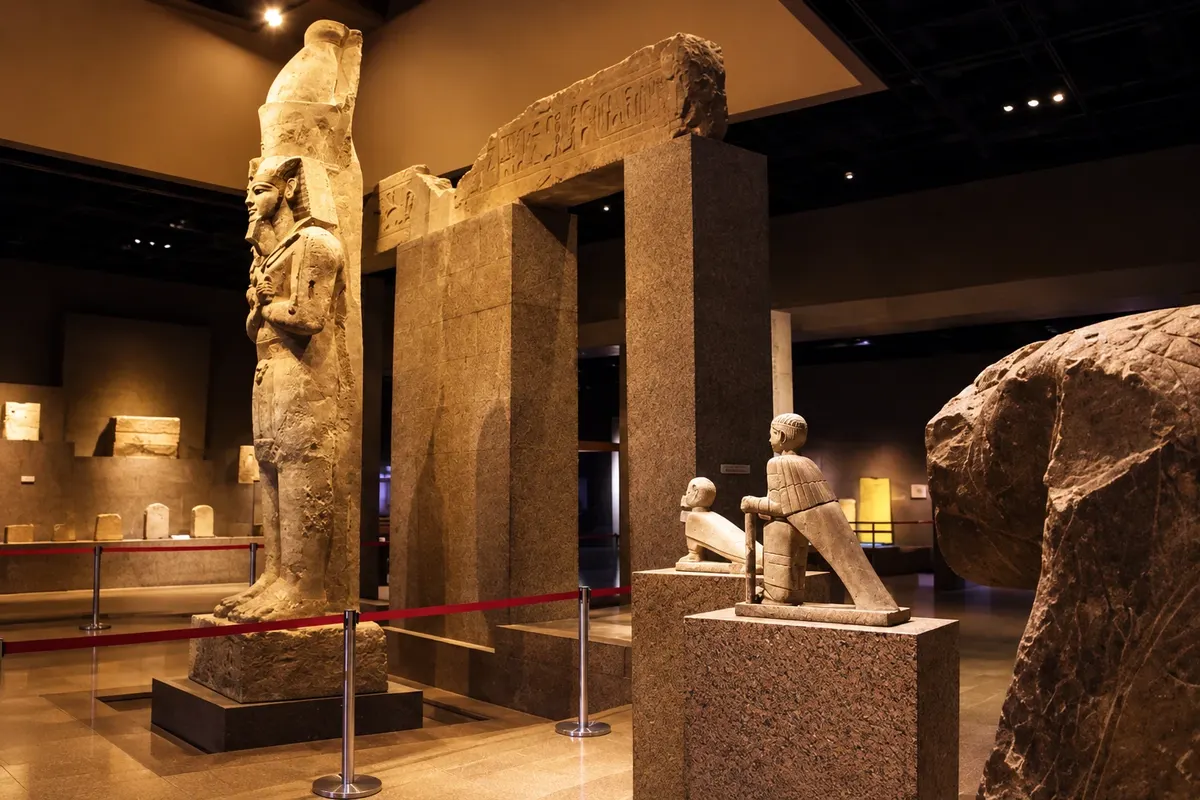
Museum in Aswan about Nubian history and culture, from prehistory to the Islamic period, with statues, temple objects rescued and reconstructions of Nubian houses.
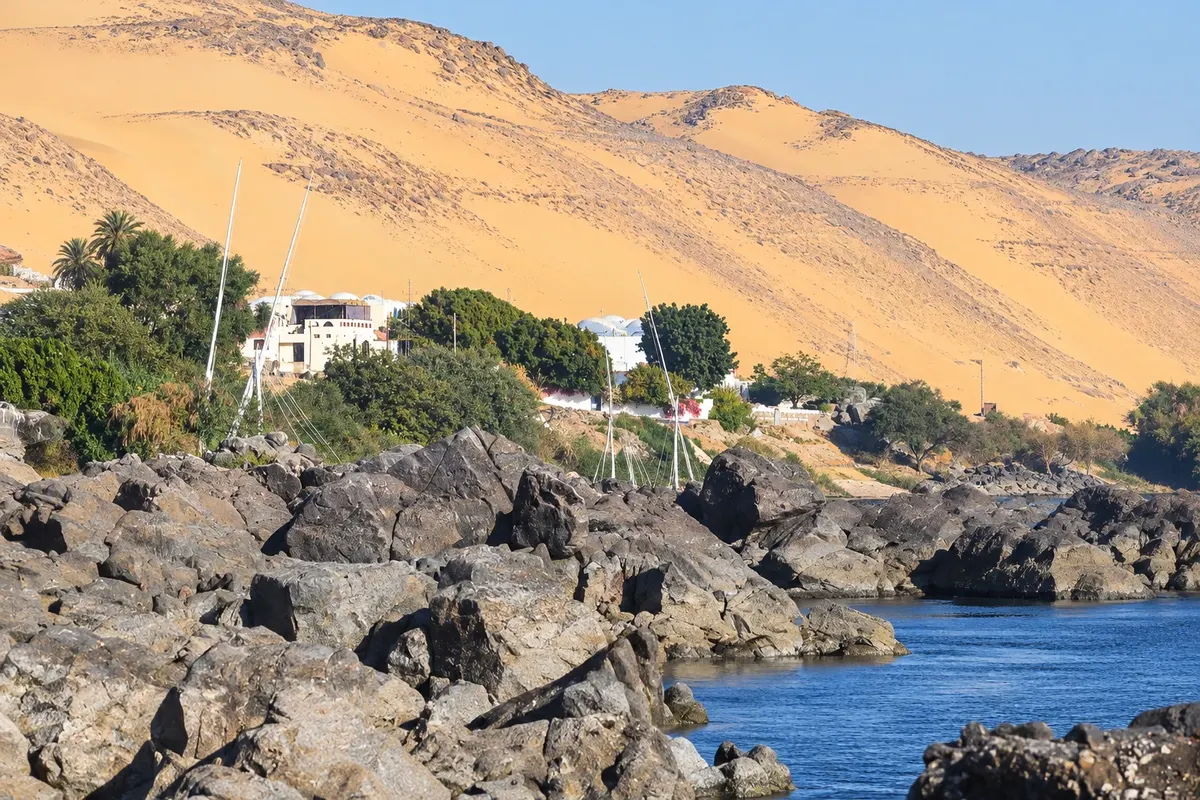
Nubian village on the Nile's west bank, south of Aswan center, near Soheil Island, with houses painted in bright colors, earthen domes and homes that host visitors for tea.
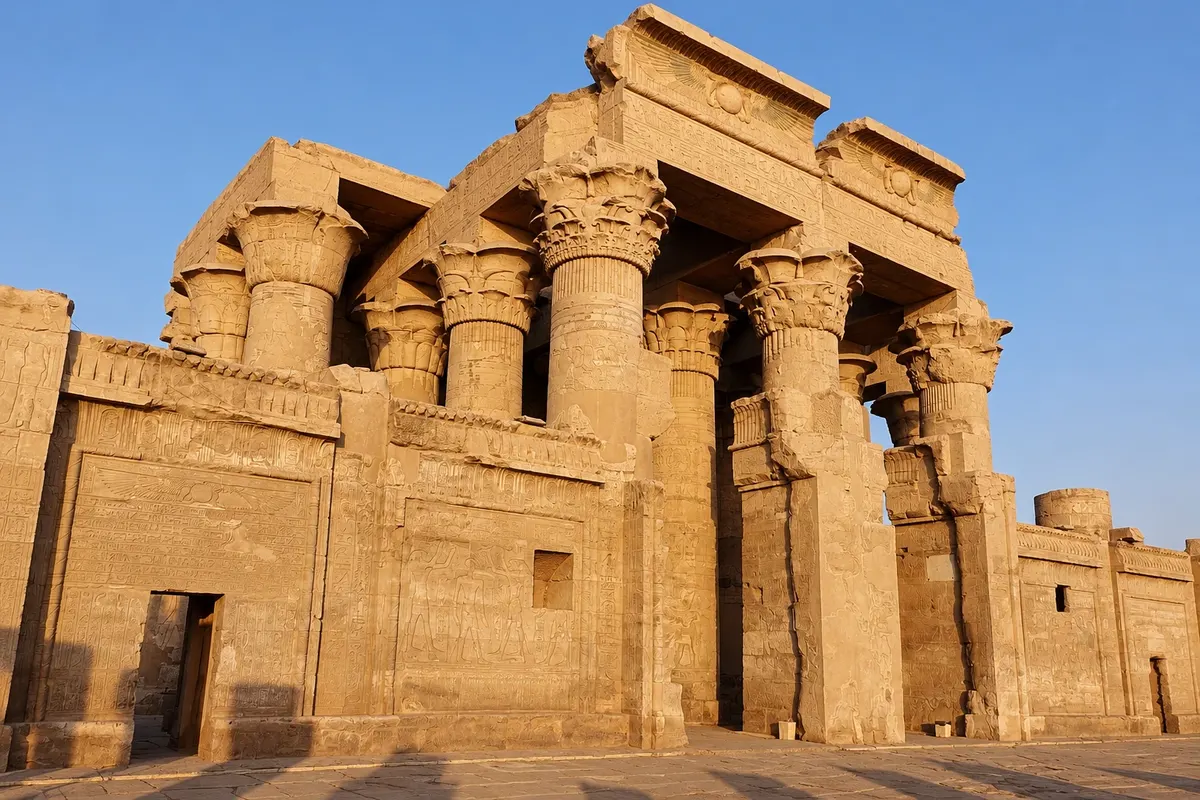
Double temple on the Nile shore, north of Aswan, dedicated to Sobek, the crocodile-headed god, and to Haroeris, with a small museum of mummified crocodiles.
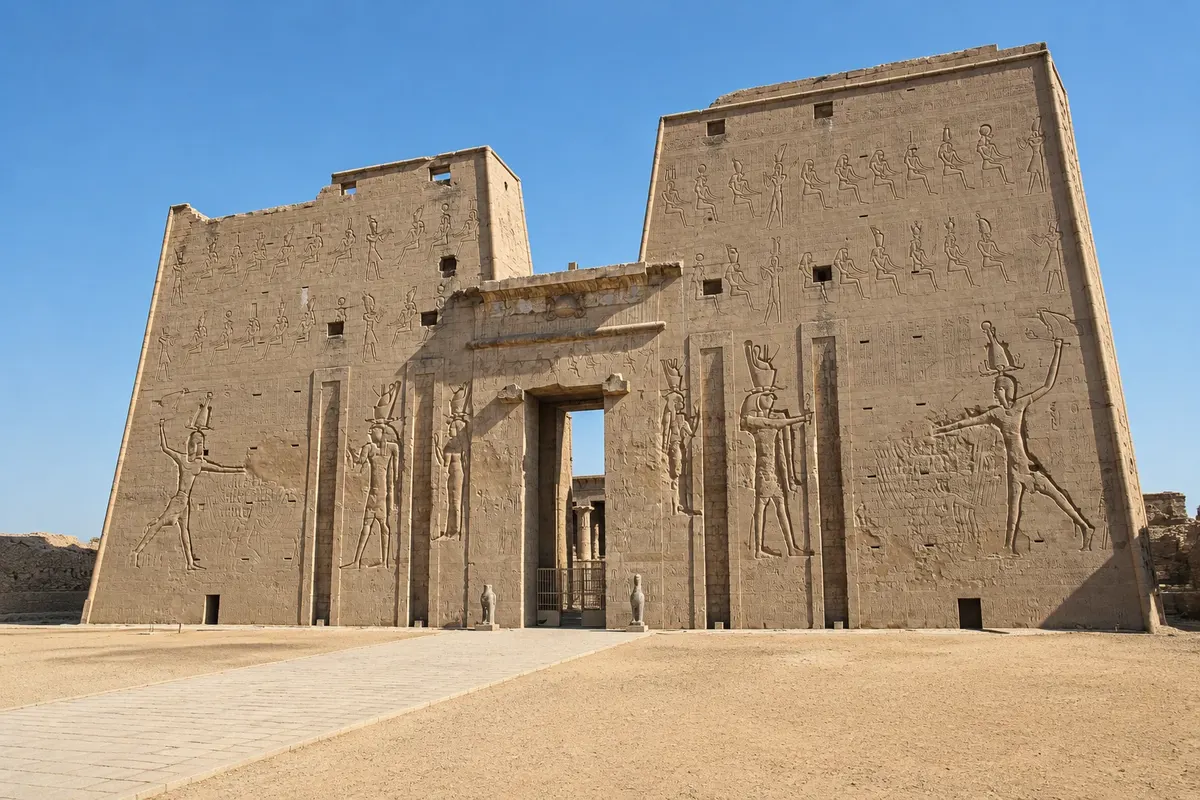
The Temple of Horus at Edfu, between Aswan and Luxor, from the Ptolemaic period, one of Egypt’s best preserved temples, with its pylon, sanctuary and sacred barque.