Édesség · Budapest
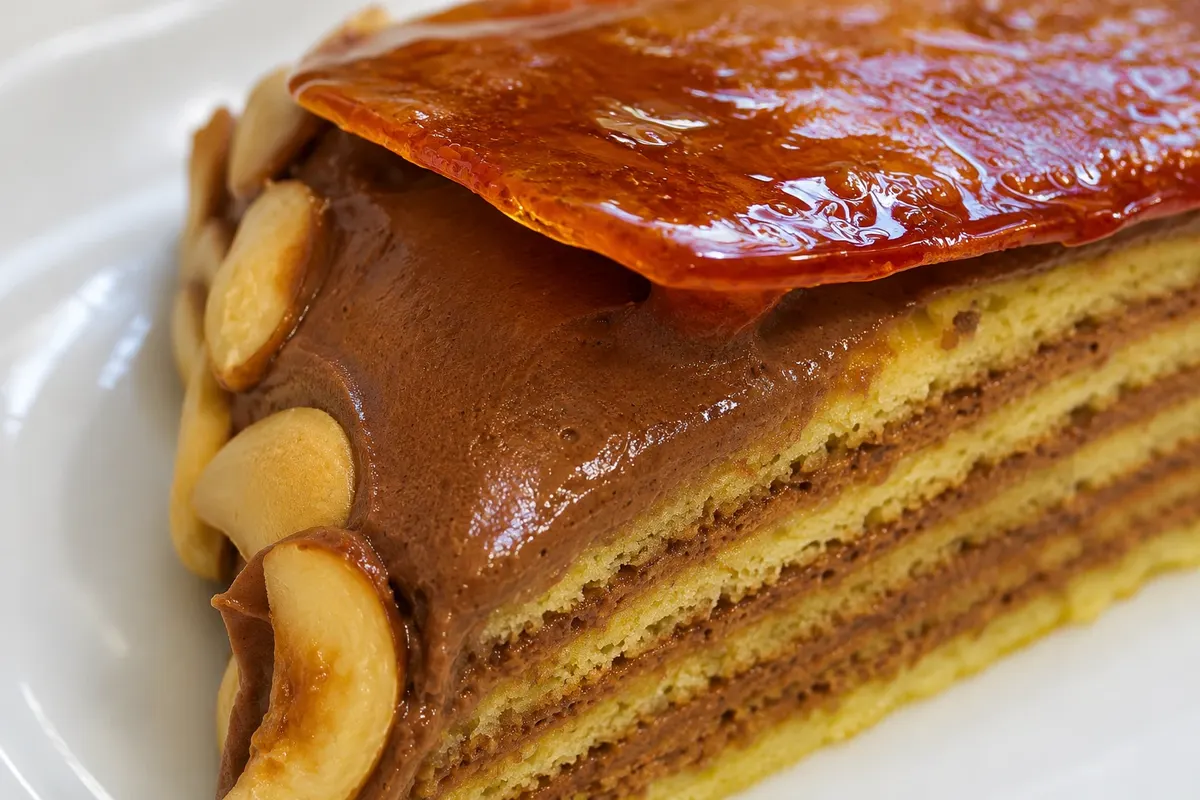
Dobostorta
Vékony piskótalapok között csokoládés vajkrém, a tetején roppanós karamell. A tortát Dobos C. József budapesti csemegekereskedő és cukrász az 1885-ös országos kiállításon mutatta be.

 Keresés
 Brazília
 Antarktisz
 Argentína
 Bolívia
 Chile
 Kolumbia
 Ecuador
 Guyana
 Francia Guyana
 Falkland-szigetek
 Paraguay
 Peru
 Suriname
 Uruguay
 Venezuela
 Németország
 Ausztria
 Belgium
 Horvátország
 Dánia
 Szlovákia
 Szlovénia
 Spanyolország
 Finnország
 Franciaország
 Görögország
 HollandiaMagyarország
 Írország
 Izland
 Olaszország
 Luxemburg
 Norvégia
 Lengyelország
 Portugália
 Egyesült Királyság
 Csehország
 Svédország
 Svájc
 Törökország
 Bermuda
 Kanada
 Egyesült Államok
 Grönland
 Mexikó
 Saint-Pierre és Miquelon
 Dominikai Köztársaság
 JapánTörökország
 Dél-afrikai Köztársaság
 Egyiptom
 Ausztrália
 Fidzsi-szigetek
 Új-Zéland
 Pápua Új-Guinea
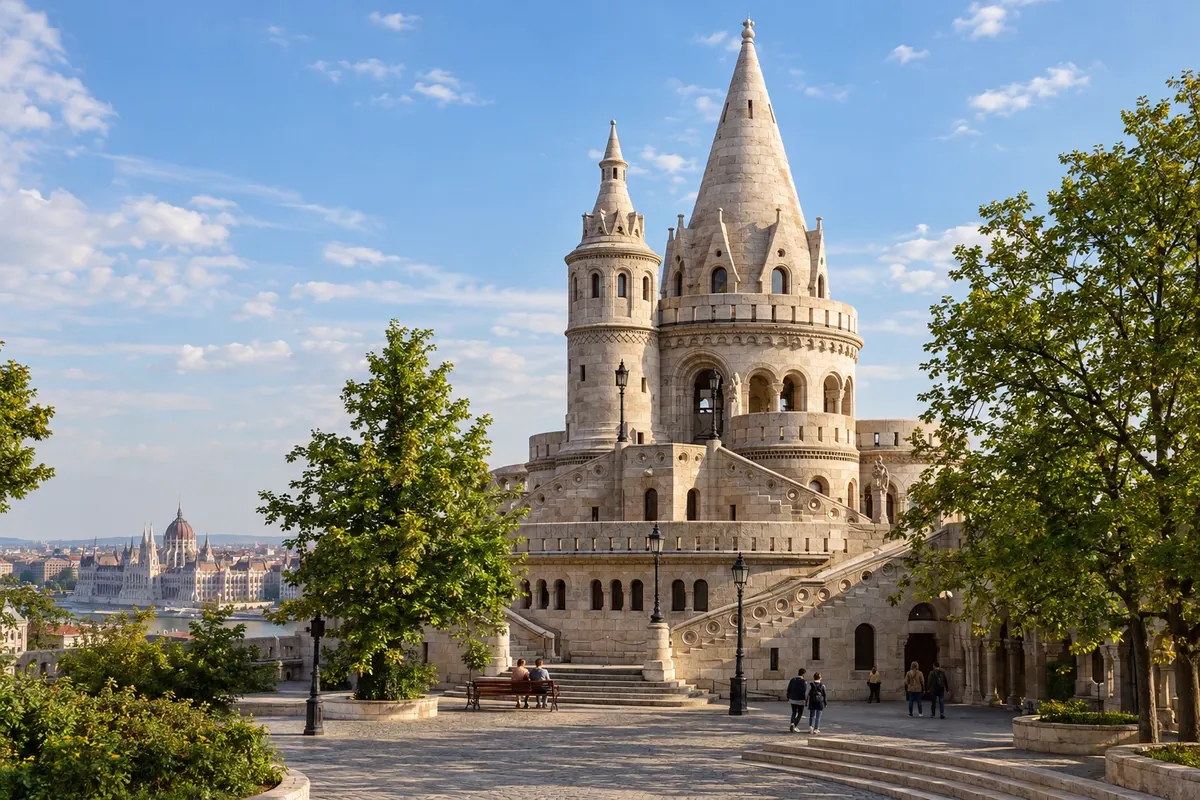
Népünnepély · Budapest
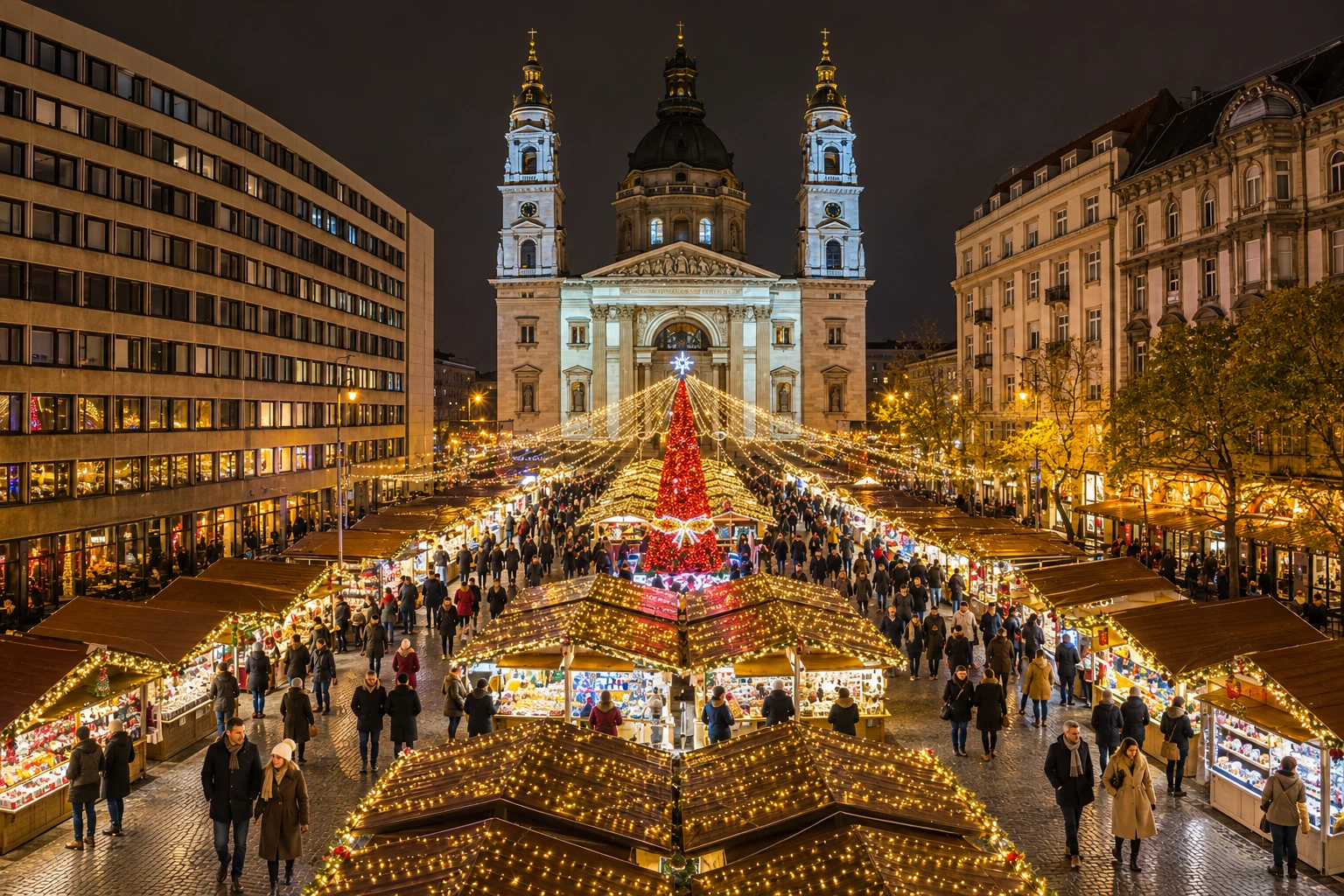
From mid-November to New Year’s Day, two Christmas markets fill squares in central Budapest. At St. Stephen’s Basilica, light shows are projected onto the facade. In Vörösmarty Square, stalls sell Hungarian crafts and serve food and mulled wine.
A képen: Budapest
A képek illusztrációk. A helyszínek alapján készültek, és egyes részleteik eltérhetnek a valóságtól.

A nagyításhoz kattintson a képre.
Budapest Christmas Markets — Budapest
From mid-November to New Year’s Day.
nov./dec./január
A dátumok évente változnak. Utazás előtt ellenőrizze az idei időpontot.
Az ünnep
Advent starts early in Budapest. In mid-November, two of the best-known squares in central Pest host Christmas markets that run through the end of December or the first day of January, drawing locals and visitors from across the country.
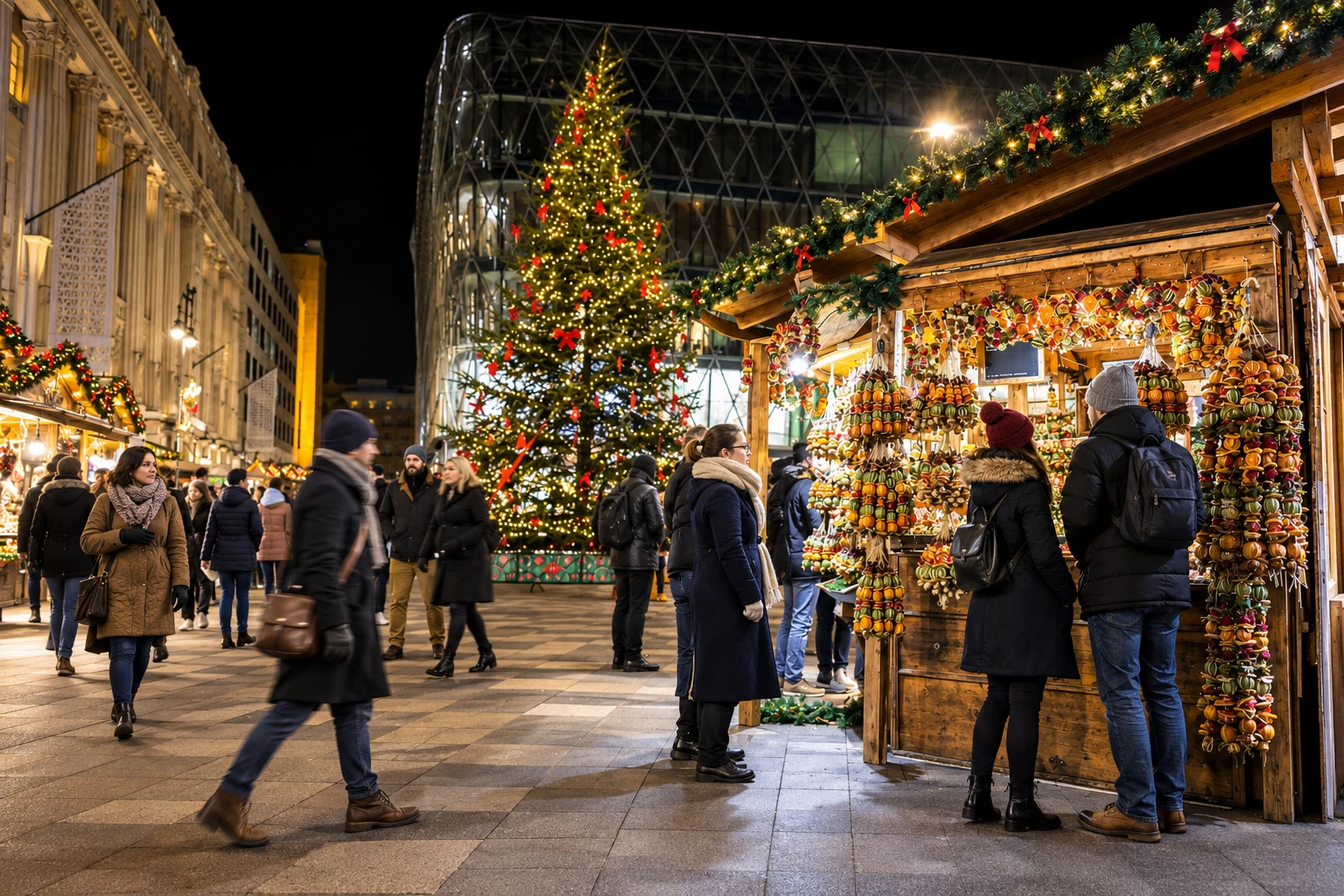
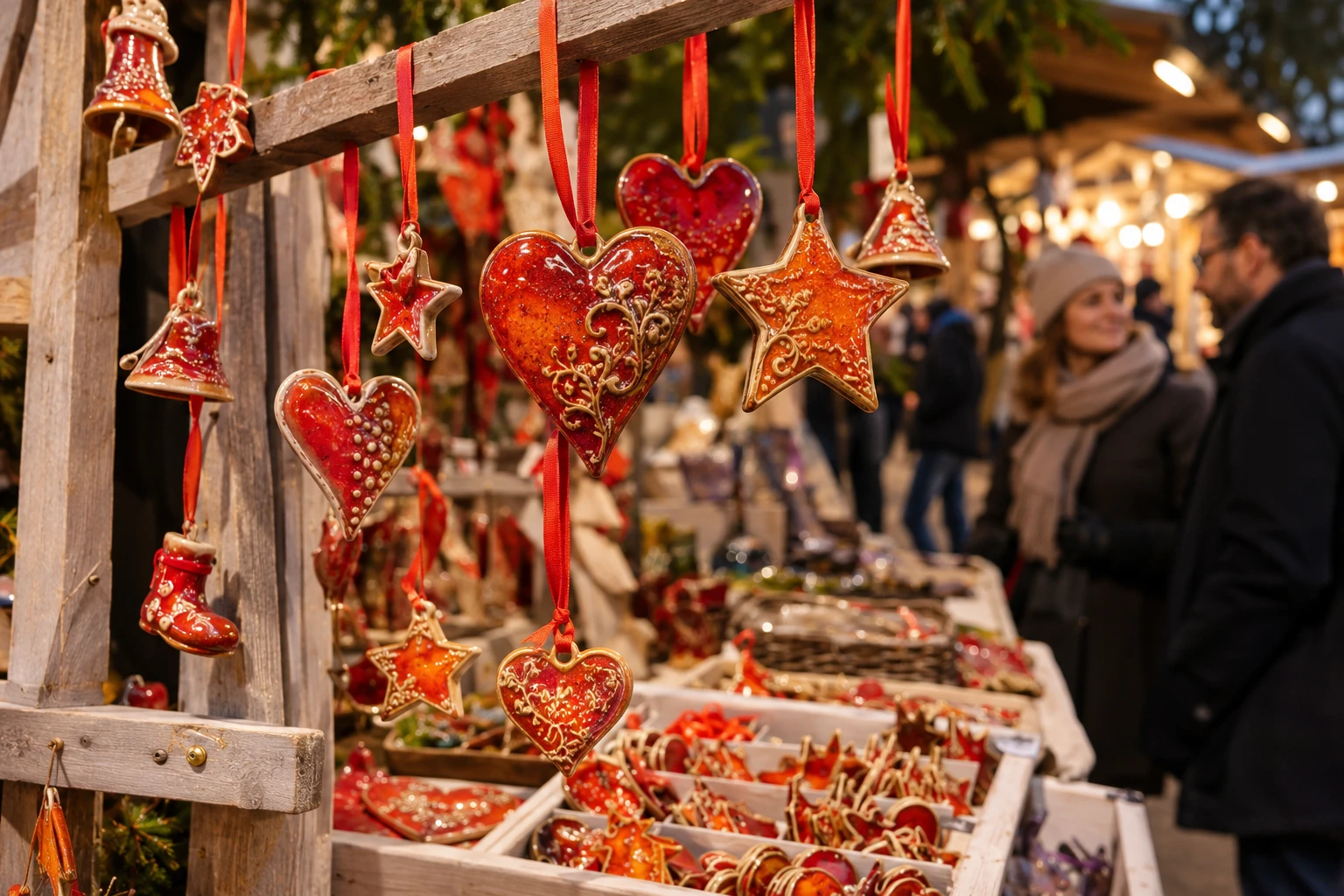
The market in Vörösmarty Square, at the start of the pedestrian street Váci utca, is one of Budapest’s most traditional Christmas markets. Its wooden stalls sell Hungarian crafts, including pottery, embroidery, wooden toys, and ornaments. A large Christmas tree and festive lights decorate the square.
A few minutes away, the Advent Bazilika market fills the square in front of St. Stephen’s Basilica. At dusk, light shows are projected onto the church facade, and a canopy of lights stretches out from the Christmas tree. The stalls feature the work of artisans and designers, and there’s plenty to eat.
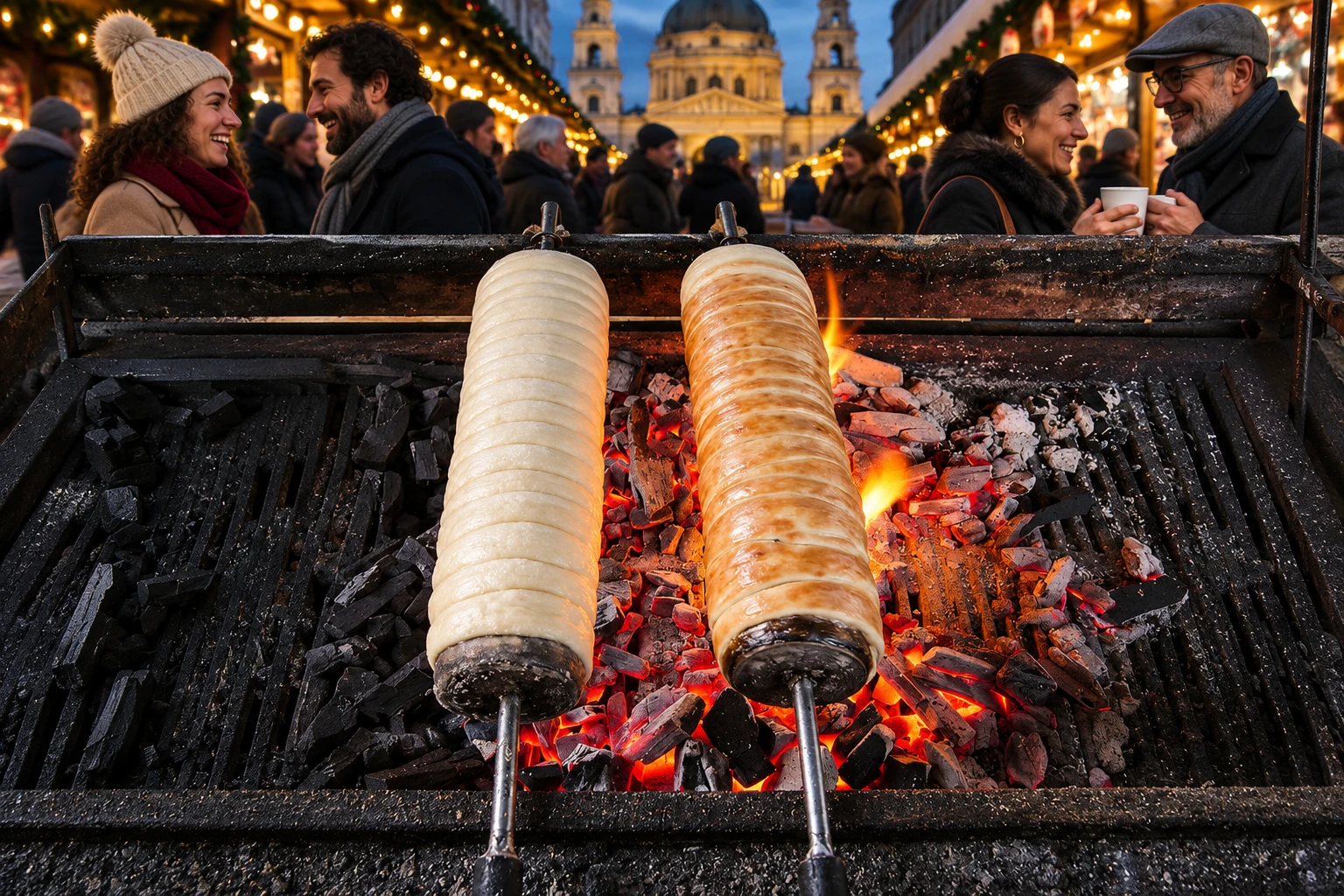
At both markets, food is part of the celebration: kürtőskalács baked over hot coals, lángos, sausages, stuffed cabbage, and spiced mulled wine. There are also nonalcoholic drinks for children.
It’s worth the trip to experience Advent in Budapest. You can visit the markets, enjoy the thermal baths, take a trip along the Danube, see the lights in the city center, and shop for handmade Hungarian gifts.
The light shows on the facade of St. Stephen’s Basilica, the lights above the square, the Hungarian craft stalls in Vörösmarty Square, and the kürtőskalács baked over hot coals.
Go in the late afternoon, when the lights come on. Weekdays are less crowded than weekends. Wear warm clothes and comfortable shoes. Pair your market visit with a soak in a thermal bath and a trip along the Danube to see the lights.
Kürtőskalács (a spiral cake baked over hot coals), lángos, grilled sausages, töltött káposzta (stuffed cabbage), and spiced mulled wine.
Check the dates on the two markets’ websites. Both are in central Pest, near the Vörösmarty tér and Deák Ferenc tér metro stations.
Helyi ízek – Magyarországról
Vékony piskótalapok között csokoládés vajkrém, a tetején roppanós karamell. A tortát Dobos C. József budapesti csemegekereskedő és cukrász az 1885-ös országos kiállításon mutatta be.
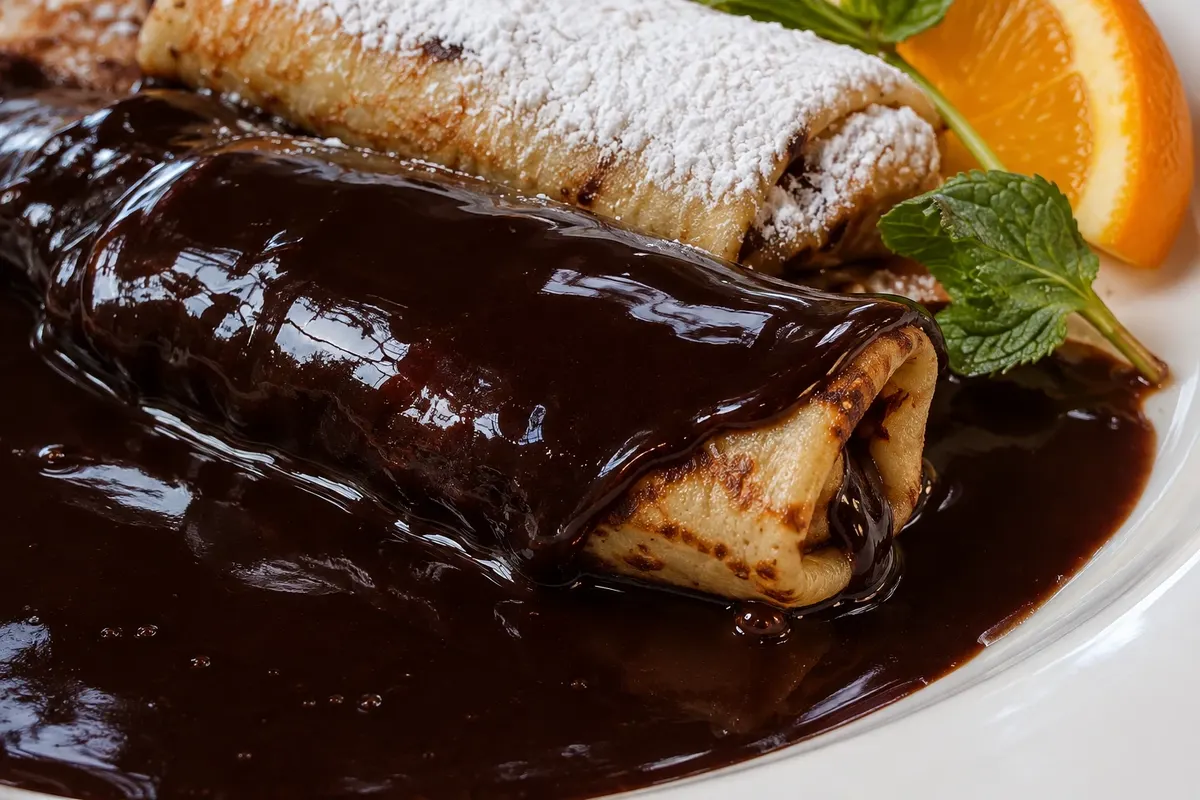
A Gundel-palacsinta rumos dióval, mazsolával és cukrozott narancshéjjal töltve, összehajtva, csokoládéöntettel kerül az asztalra. Nevét a városligeti Gundel étteremről kapta. A receptet Márai Sándor feleségének, Matzner Ilonának tulajdonítják.
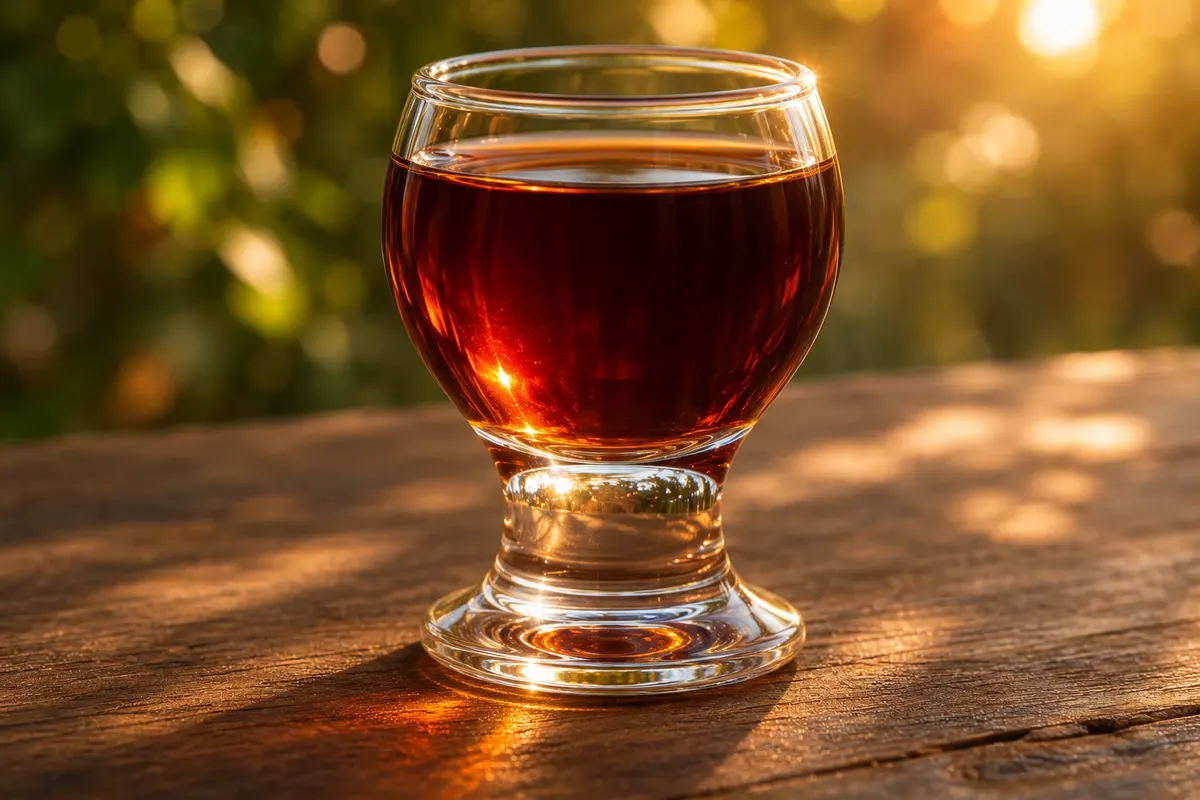
A Zwack család Budapesten készíti a sötét gyógynövénylikőrt. Titkos receptje több mint negyven gyógy- és fűszernövényen alapul, tölgyfahordóban érlelik. Keresztes címkéjű gömbölyű palackja országszerte ismert.
Kérdések és válaszok
In mid-November. The market in Vörösmarty Square usually runs through December 31, and the one at the basilica usually runs through January 1.
One is in the square in front of St. Stephen’s Basilica, and the other is in Vörösmarty Square, next to Váci utca. They’re just a few minutes’ walk apart.
Kürtőskalács baked over hot coals, lángos, sausages, stuffed cabbage, and spiced mulled wine.
Ünnepek és rendezvények – Magyarországon
 február/március
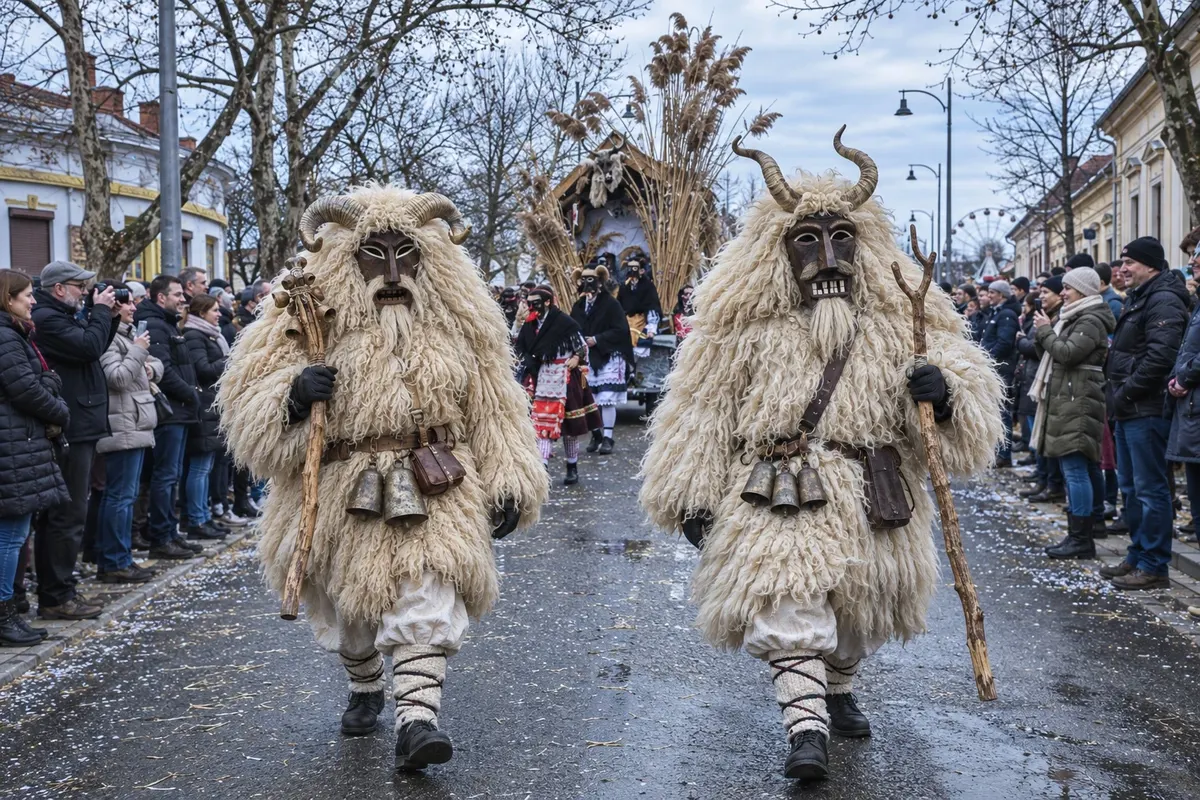
For six days at the end of Carnival, from Thursday through the Tuesday before Ash Wednesday.
At the end of Carnival, the busós take over Mohács, a town on the Danube in southern Hungary. Wearing horned wooden masks and sheepskin cloaks, these men make their way noisily through the streets to drive winter away in a six-day festival recognized by UNESCO.
 március/április
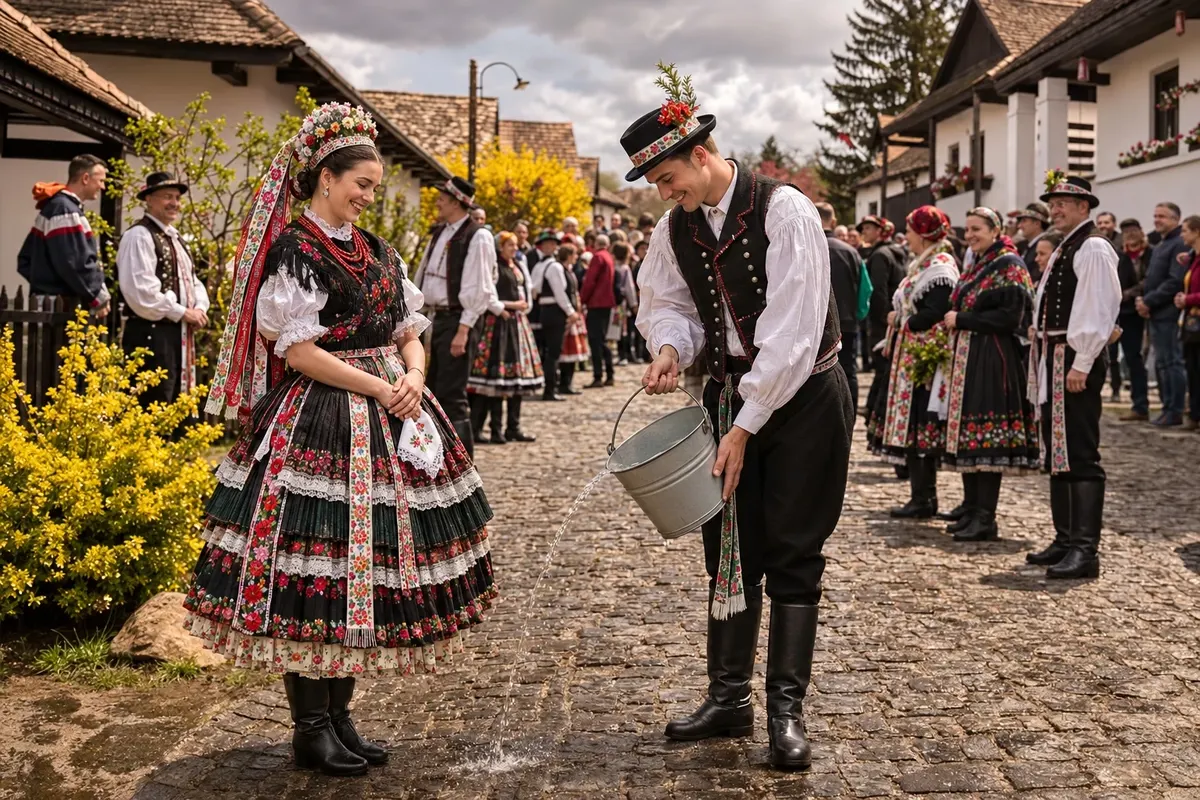
Over Easter weekend, through Easter Monday.
Over Easter, Hollókő, a World Heritage-listed Palóc village in the hills of northern Hungary, welcomes visitors from across the country to experience the region’s traditions: embroidered clothing, painted eggs, a procession, folk music and dancing, and locsolkodás, a custom in which young men douse young women with buckets of water.
 június/július/augusztus
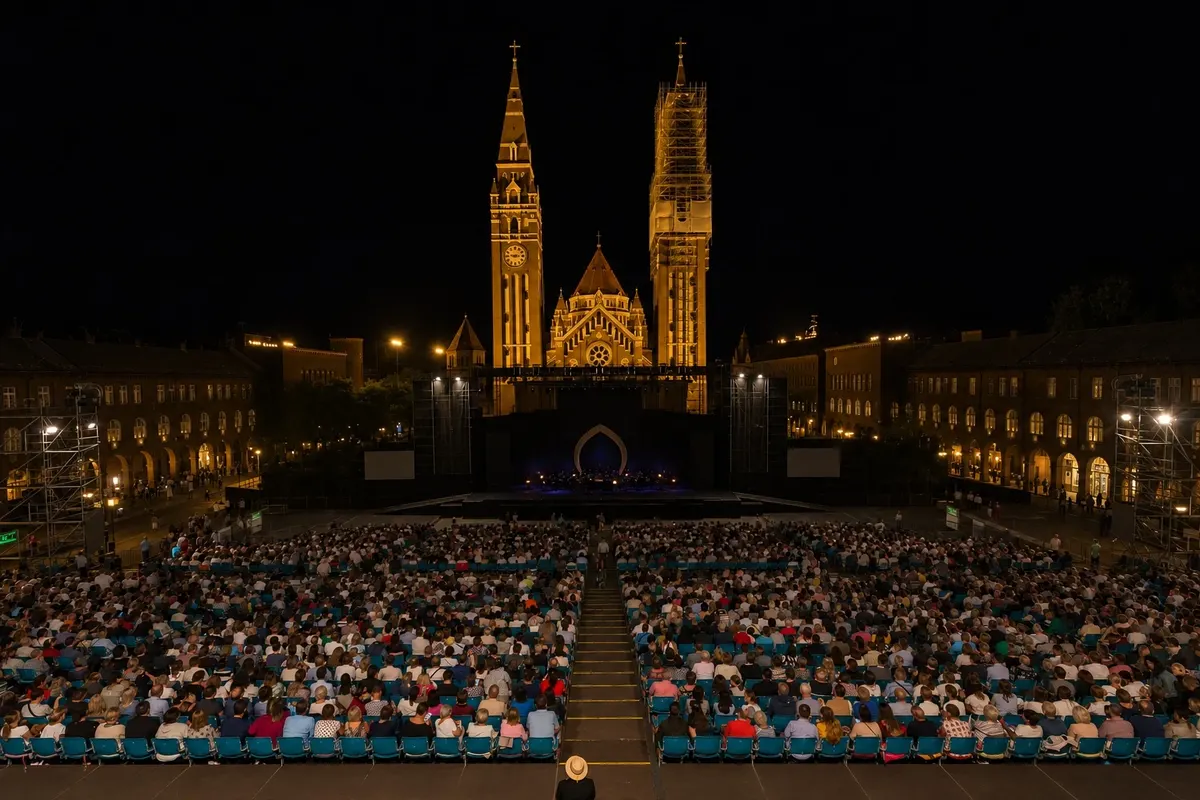
In summer, with the major productions in July and August.
Every summer, Szeged sets up Hungary’s largest open-air theater in Dóm tér (Cathedral Square), in front of the twin towers of the Votive Church. Operas, musicals, operettas, ballet, and other large-scale productions are staged under the stars, a tradition that began in 1931.
 július/augusztus
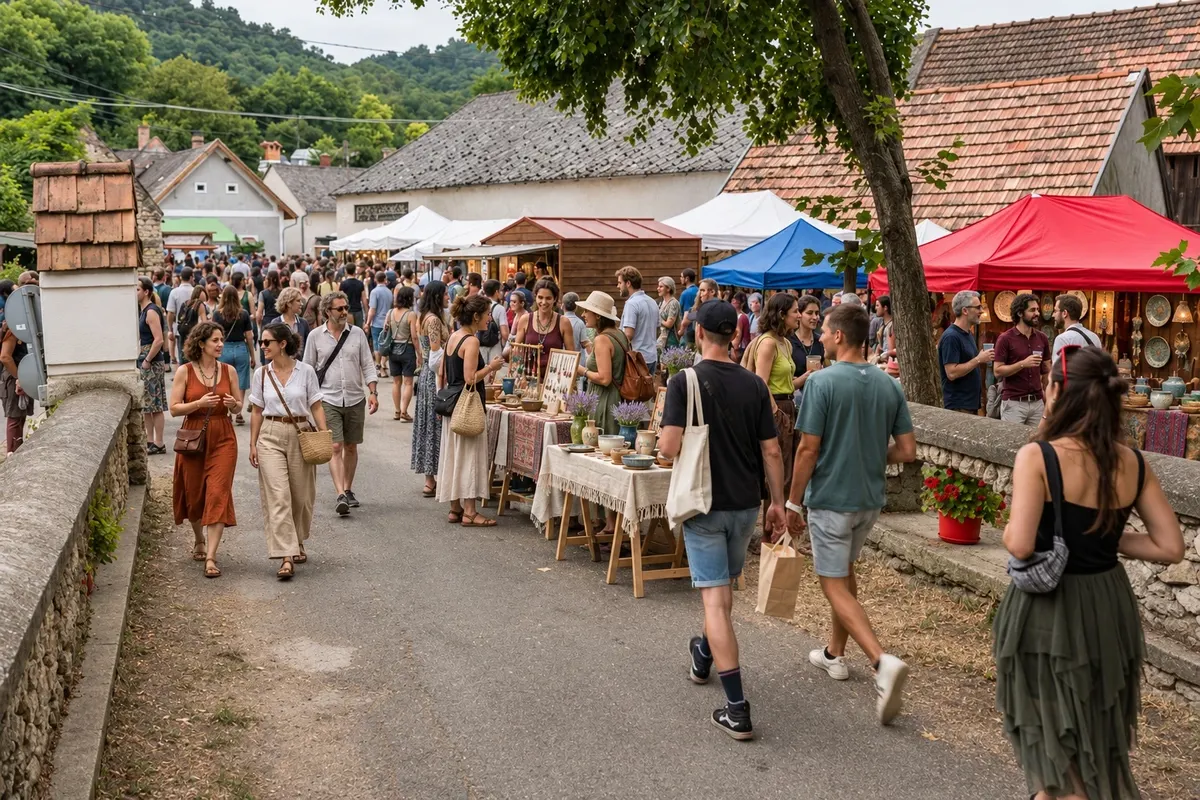
For about ten days in late July and early August.
For about ten days each summer, the villages of Kapolcs, Taliándörögd, and Vigántpetend, in the hills north of Lake Balaton, become the Valley of Arts. Held since 1989, the festival brings concerts, theater, dance, exhibitions, and literary events to courtyards, churches, streets, and barns.
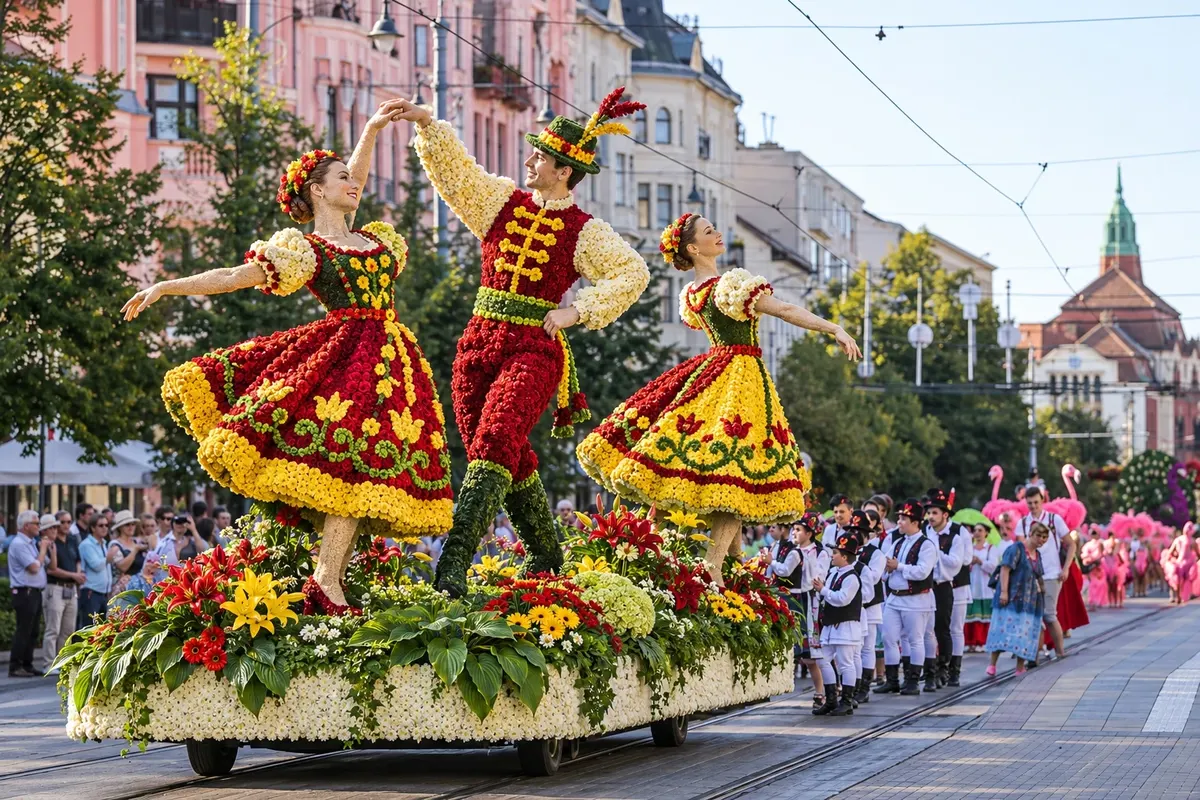 augusztus
On August 20, with events in the days around the parade.
On the August 20 holiday, large flower-covered floats parade through the center of Debrecen, Hungary’s second-largest city, accompanied by dance groups and musicians from Hungary and abroad. The Flower Carnival has been the city’s celebration since 1966.
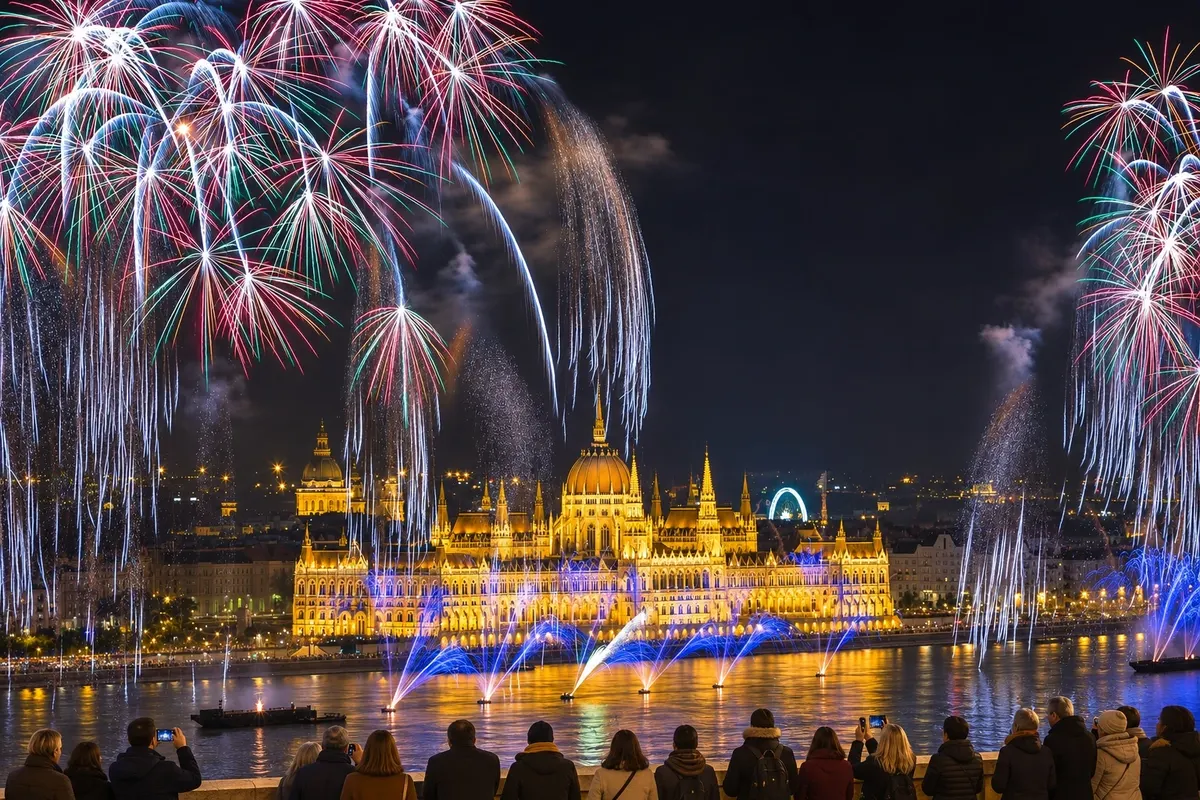 augusztus
August 20 is a national holiday, with events in the capital on the surrounding days as well.
On August 20, Hungary celebrates St. Stephen, its first king, the founding of the Hungarian state, and the new bread. Budapest hosts the country’s largest celebration, with the blessing of the new bread, the procession of the Holy Right Hand, a craft fair, events along the banks of the Danube, and fireworks over the river.
Az útikalauzon túl


