Szegedi halászlé
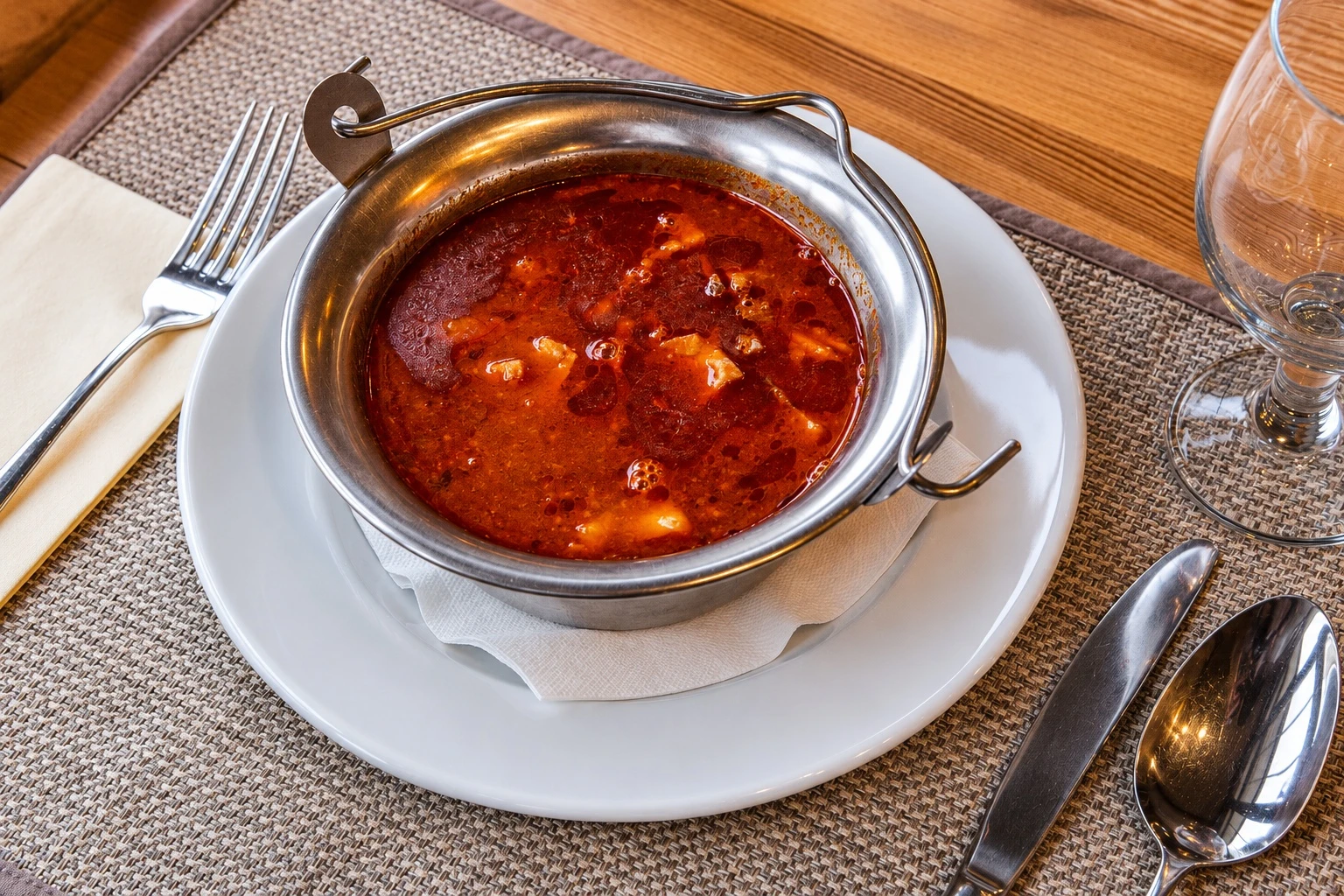
A szegedi halászlé sűrű, paprikától piros alaplevét többféle folyami halból, pontyfejből, csontból és hagymából főzik, majd átpasszírozzák. Ebben főnek meg a pontyszeletek. Kenyérrel és külön kínált erős paprikával tálalják.
Antarktisz
Kultúra · Szeged
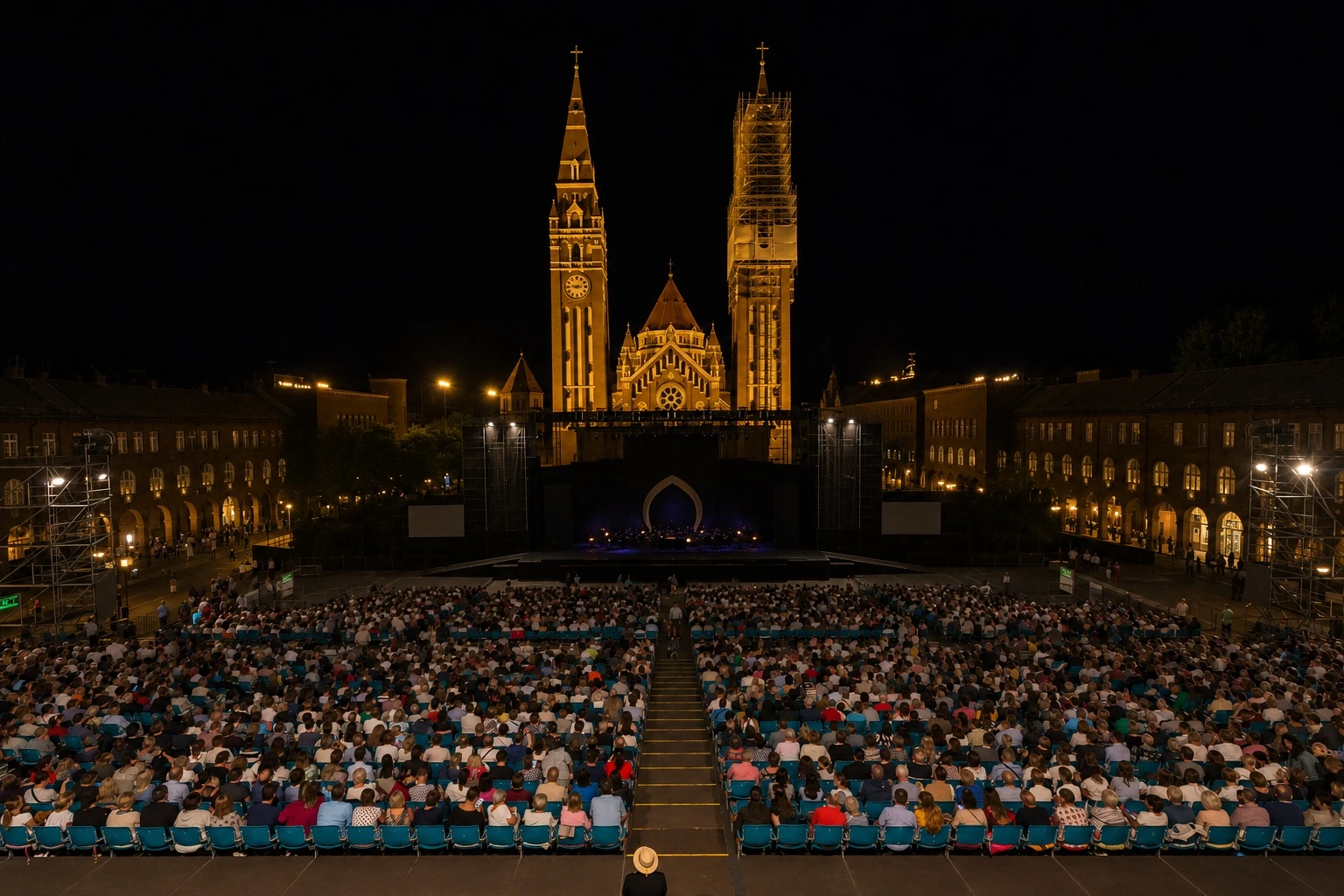
Every summer, Szeged sets up Hungary’s largest open-air theater in Dóm tér (Cathedral Square), in front of the twin towers of the Votive Church. Operas, musicals, operettas, ballet, and other large-scale productions are staged under the stars, a tradition that began in 1931.
A képen: Szeged
A képek illusztrációk. A helyszínek alapján készültek, és egyes részleteik eltérhetnek a valóságtól.
A nagyításhoz kattintson a képre.
Szeged Open-Air Festival — Szeged
In summer, with the major productions in July and August.
június/július/augusztus
A dátumok évente változnak. Utazás előtt ellenőrizze az idei időpontot.
Az ünnep
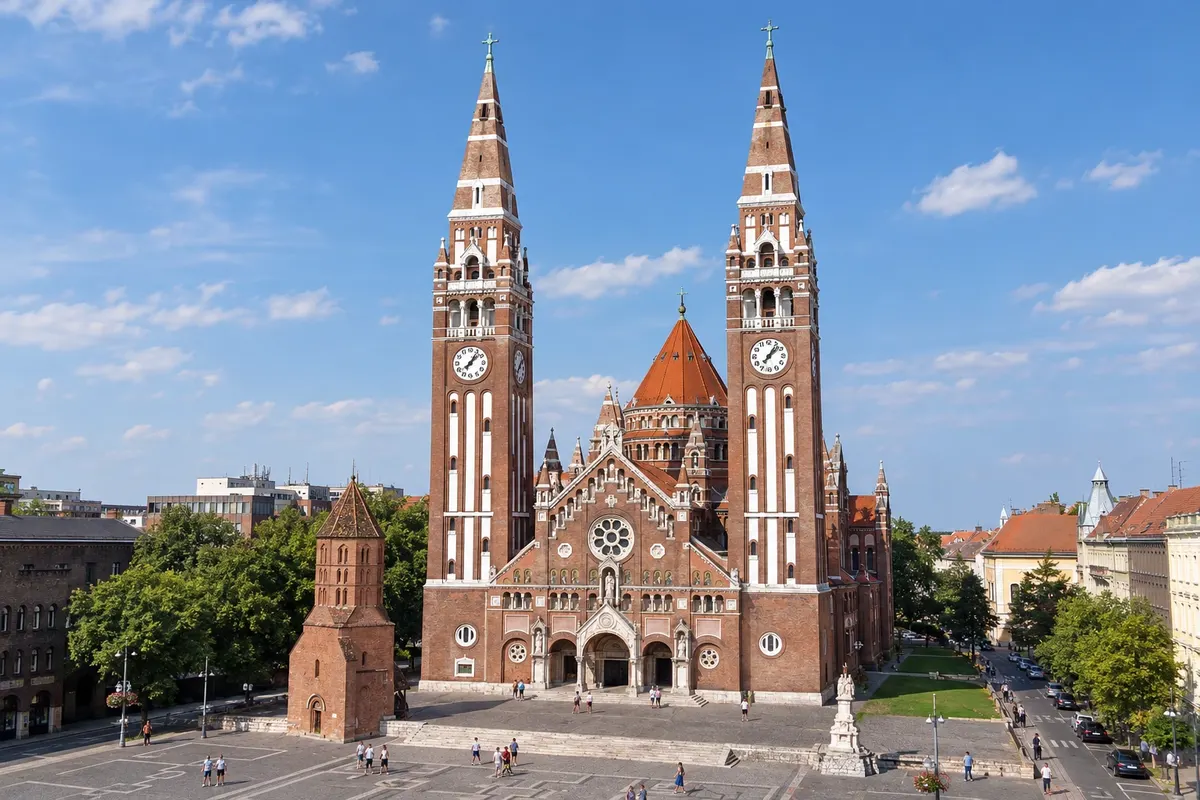
Szeged, on the banks of the Tisza River in southern Hungary, was almost entirely rebuilt after the great flood of 1879. The symbol of the rebuilt city is the Votive Church, a twin-towered cathedral completed in 1930. In front of it lies Dóm tér (Cathedral Square), lined with arcades and university buildings. The city’s open-air theater festival dates back to 1931, when the first performance took place in this square.
The idea came from Szeged poet Gyula Juhász, and the first production, a Passion play, opened in June 1931. The war interrupted the festival, but it returned in 1959 and has taken place every summer since. It is Hungary’s largest open-air theater and one of the country’s most important cultural events of the year.
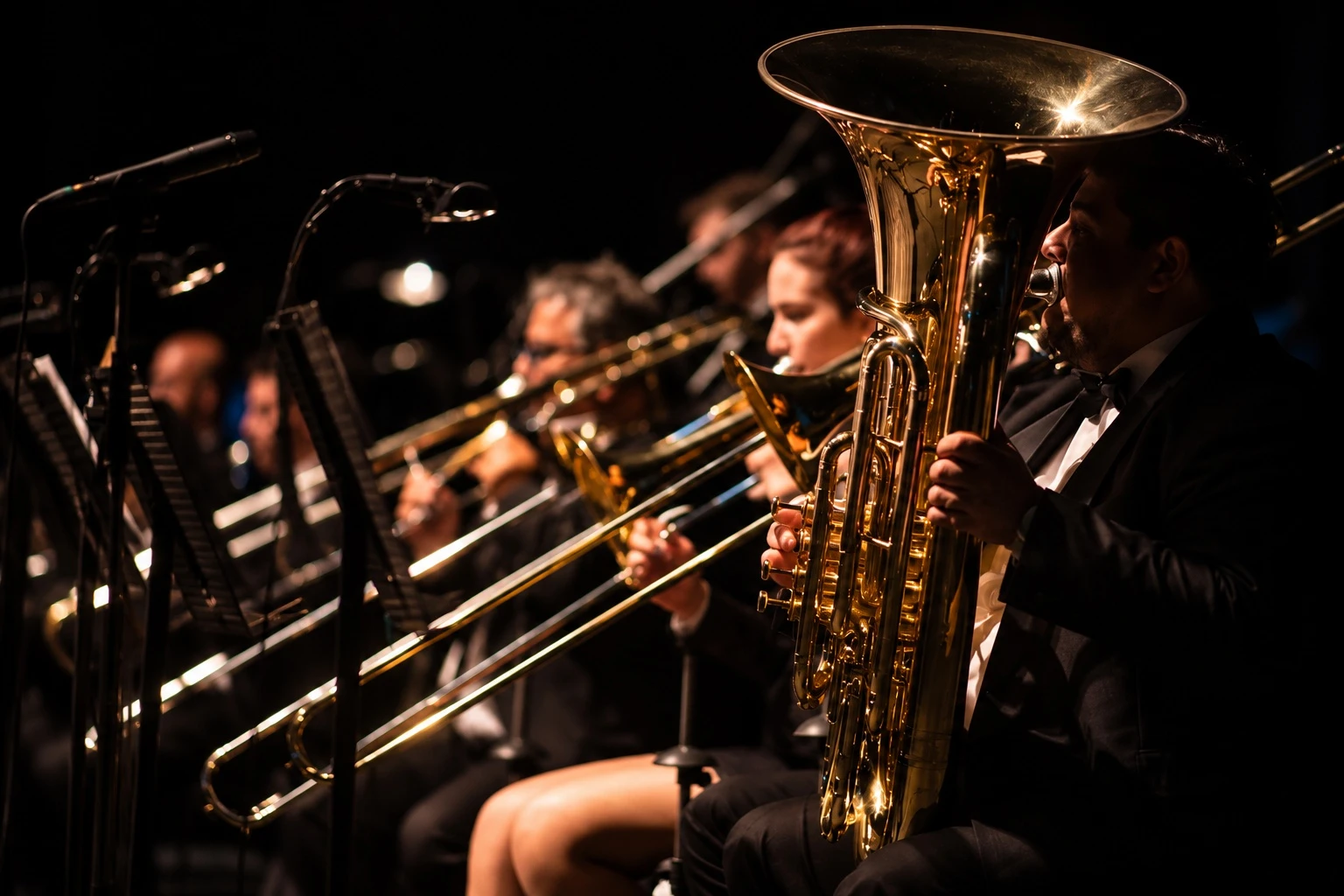
For a few weeks, a large grandstand is set up in the square, and the cathedral’s twin towers form the backdrop to the stage. The program features operas, Hungarian operettas, musicals, ballet, and folk dance, with well-known Hungarian performers and guests from abroad. The festival also became known for its musical premieres and added a second open-air stage across the river in Újszeged.
On performance nights, downtown Szeged comes alive as people fill the restaurants and squares before and after the shows.
It’s worth making the trip to see a major production under the summer sky in Cathedral Square, enjoy the city, spend time along the Tisza, and try Szeged’s fish soup.
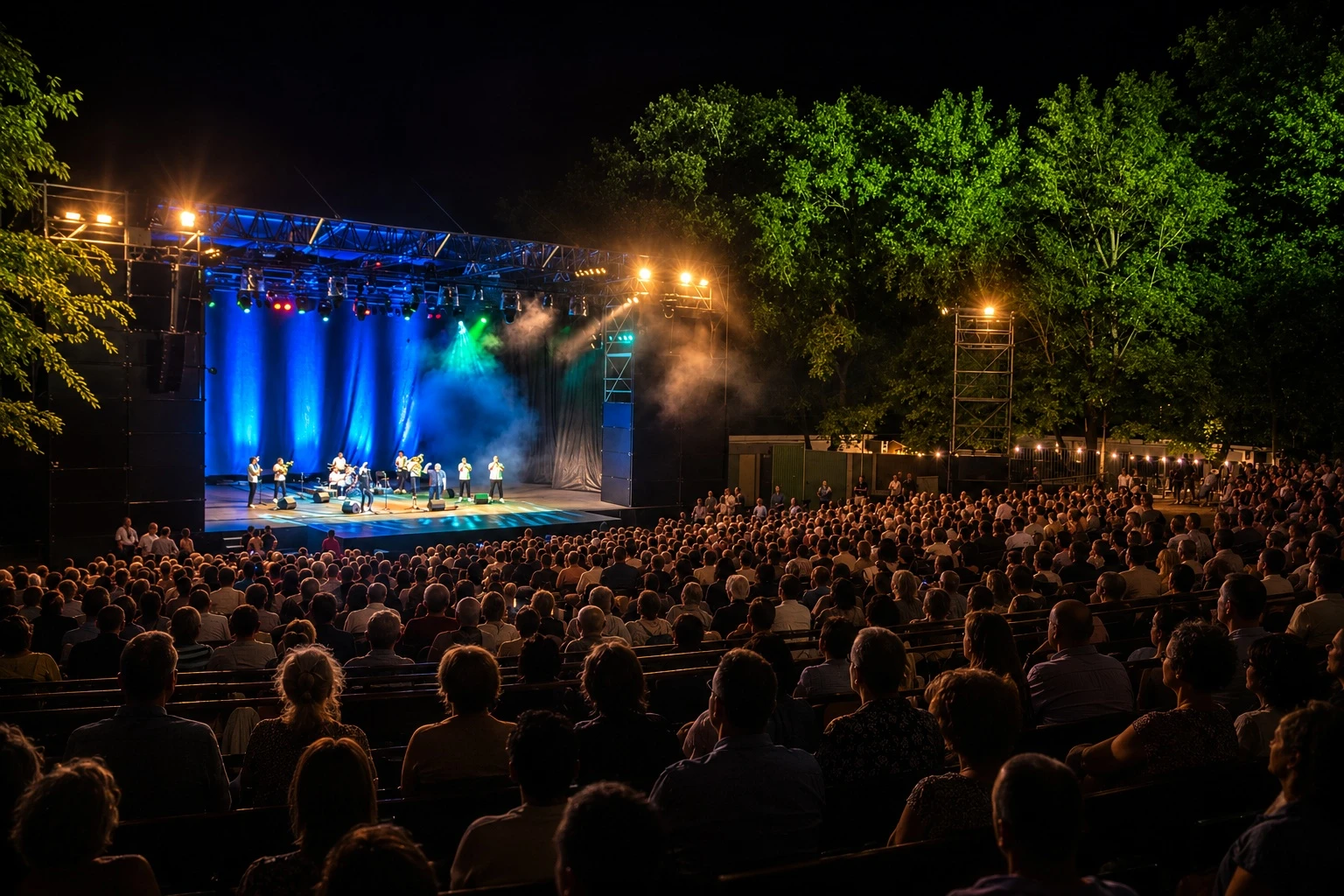
A performance in Dóm tér, with the illuminated towers of the Votive Church as a backdrop. The cathedral itself and the medieval Dömötör Tower, both on the same square. An evening at the Újszeged stage, across the Tisza.
Buy tickets in advance: the major productions sell out. Bring a light jacket for later in the evening, and check the festival website for its rain policy. Arrive early to have dinner downtown and take a walk along the Tisza before the show.
Try szegedi halászlé, the city’s river fish soup, which gets its red color from paprika. It’s served at restaurants downtown and along the Tisza.
Check the festival program before setting your travel dates. If you’re coming from Budapest, check the train schedule. For nights with major performances, book your accommodations in advance.
Helyi ízek – Magyarországról
június/július/augusztus
július/augusztusFor about ten days in late July and early August.
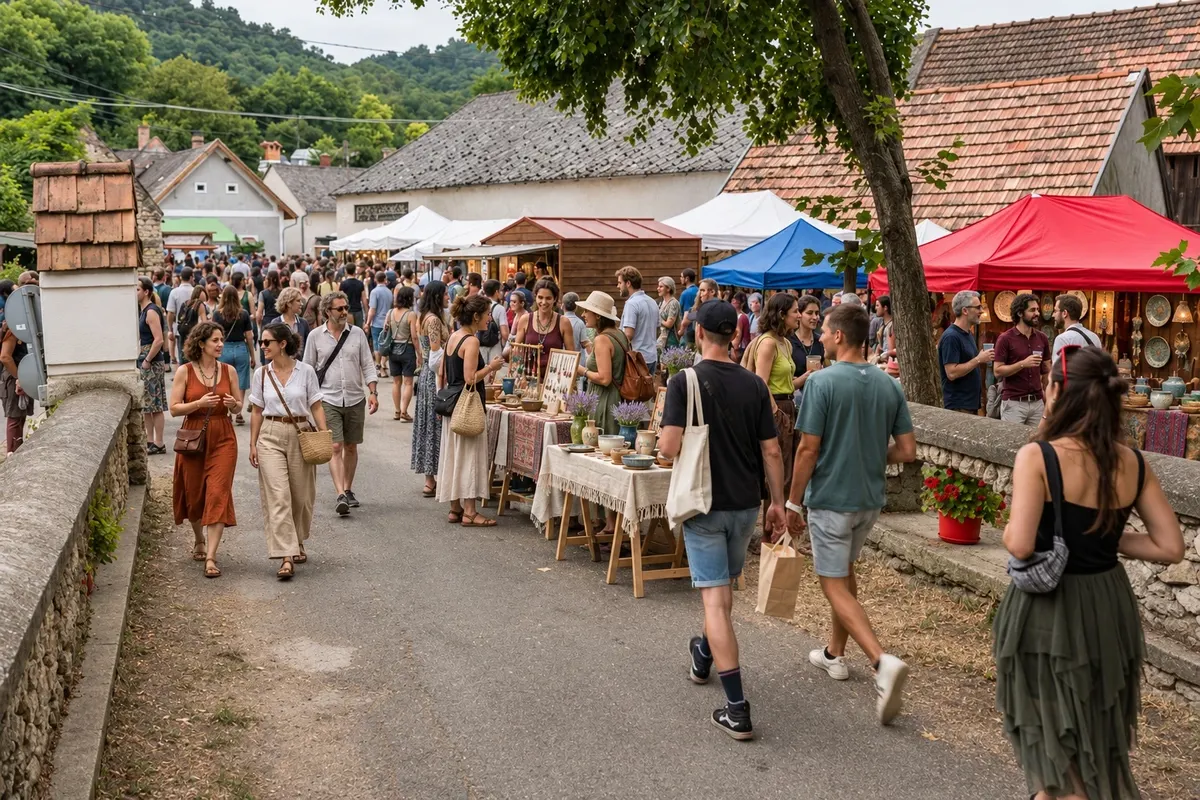
For about ten days each summer, the villages of Kapolcs, Taliándörögd, and Vigántpetend, in the hills north of Lake Balaton, become the Valley of Arts. Held since 1989, the festival brings concerts, theater, dance, exhibitions, and literary events to courtyards, churches, streets, and barns.
augusztusOn August 20, with events in the days around the parade.
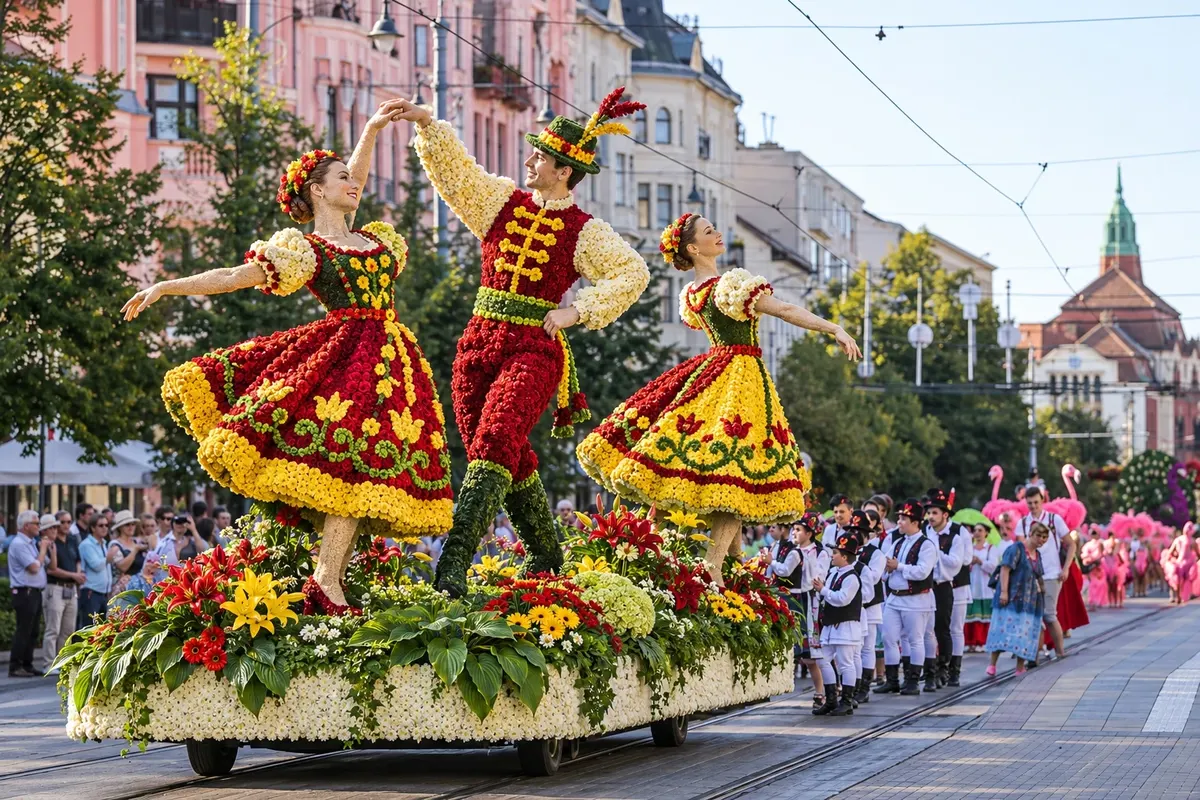
On the August 20 holiday, large flower-covered floats parade through the center of Debrecen, Hungary’s second-largest city, accompanied by dance groups and musicians from Hungary and abroad. The Flower Carnival has been the city’s celebration since 1966.
augusztusAugust 20 is a national holiday, with events in the capital on the surrounding days as well.
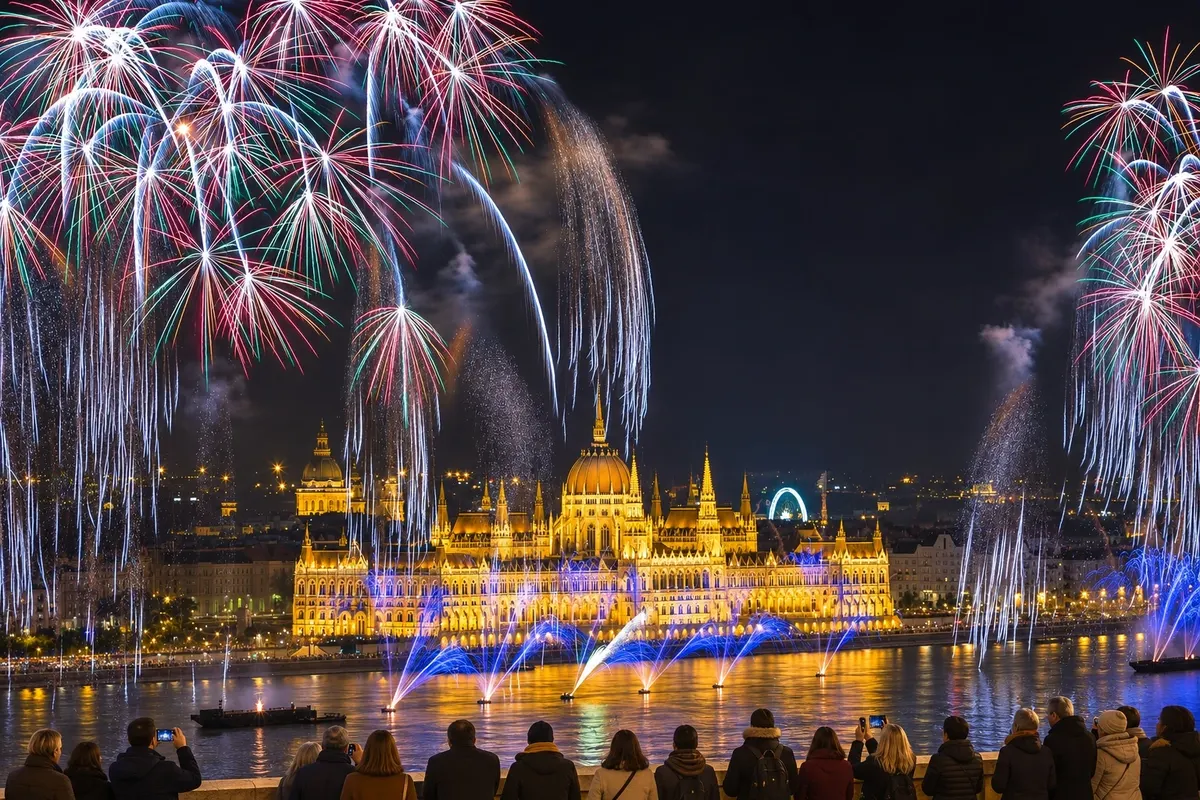
On August 20, Hungary celebrates St. Stephen, its first king, the founding of the Hungarian state, and the new bread. Budapest hosts the country’s largest celebration, with the blessing of the new bread, the procession of the Holy Right Hand, a craft fair, events along the banks of the Danube, and fireworks over the river.
Kérdések és válaszok
In Dóm tér, Szeged’s Cathedral Square, in front of the towers of the Votive Church, and on an open-air stage in Újszeged, across the Tisza River.
Operas, Hungarian operettas, musicals, ballet, and folk dance, with large-scale outdoor productions on every performance night.
In 1931. The war interrupted the festival, but it returned in 1959 and has taken place every summer since.
Ünnepek és rendezvények – Magyarországon
augusztusIn August, for about ten days around August 20.
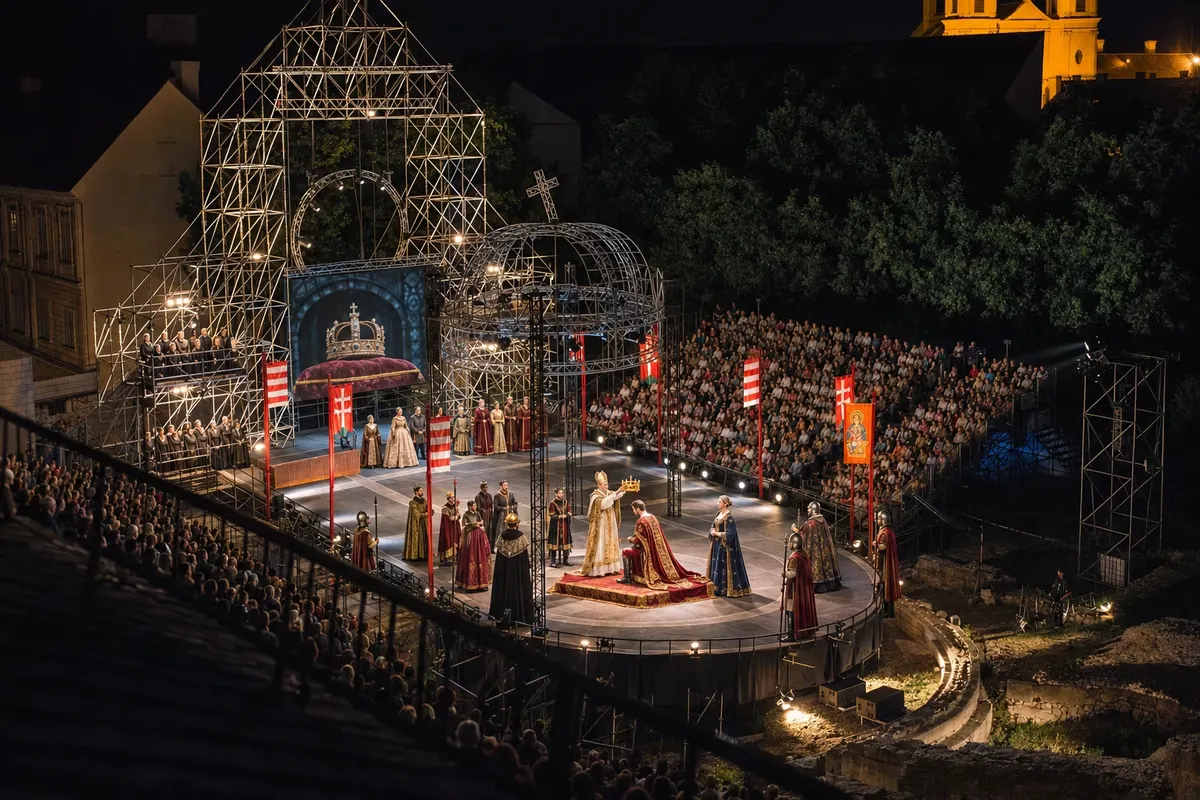
In August, Székesfehérvár, where Hungary’s kings were crowned in the Middle Ages, hosts the Royal Days festival. The ten days of festivities around August 20 include a coronation reenactment at the ruins of the old royal basilica, a parade of dance groups, a medieval market, and concerts in the city center.
augusztusIn August, around the August 20 holiday.
Around the August 20 holiday, Kecskemét, a city on the Great Hungarian Plain known for its apricots and Art Nouveau architecture, holds one of its longest-standing festivals: Hírös Hét. The festival features a market selling farm produce and crafts, as well as concerts, local food, and events in the city center’s squares.
augusztusOver several days in August.
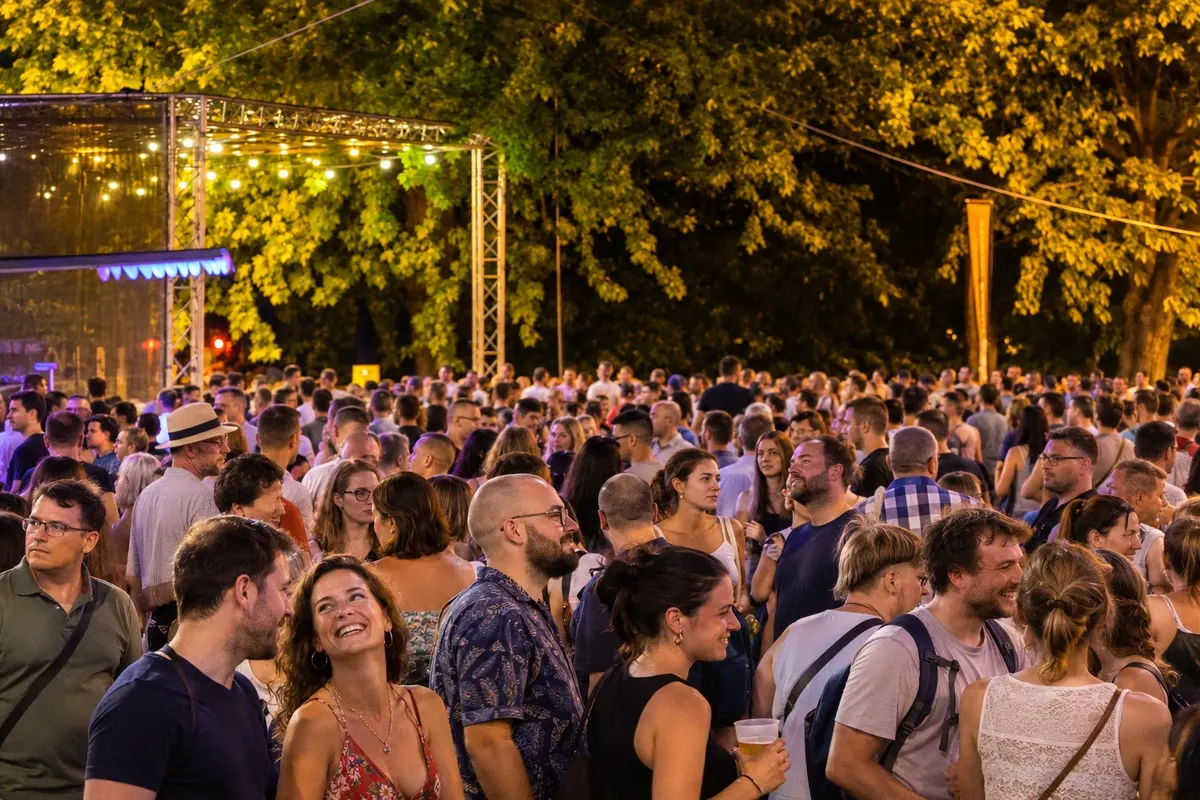
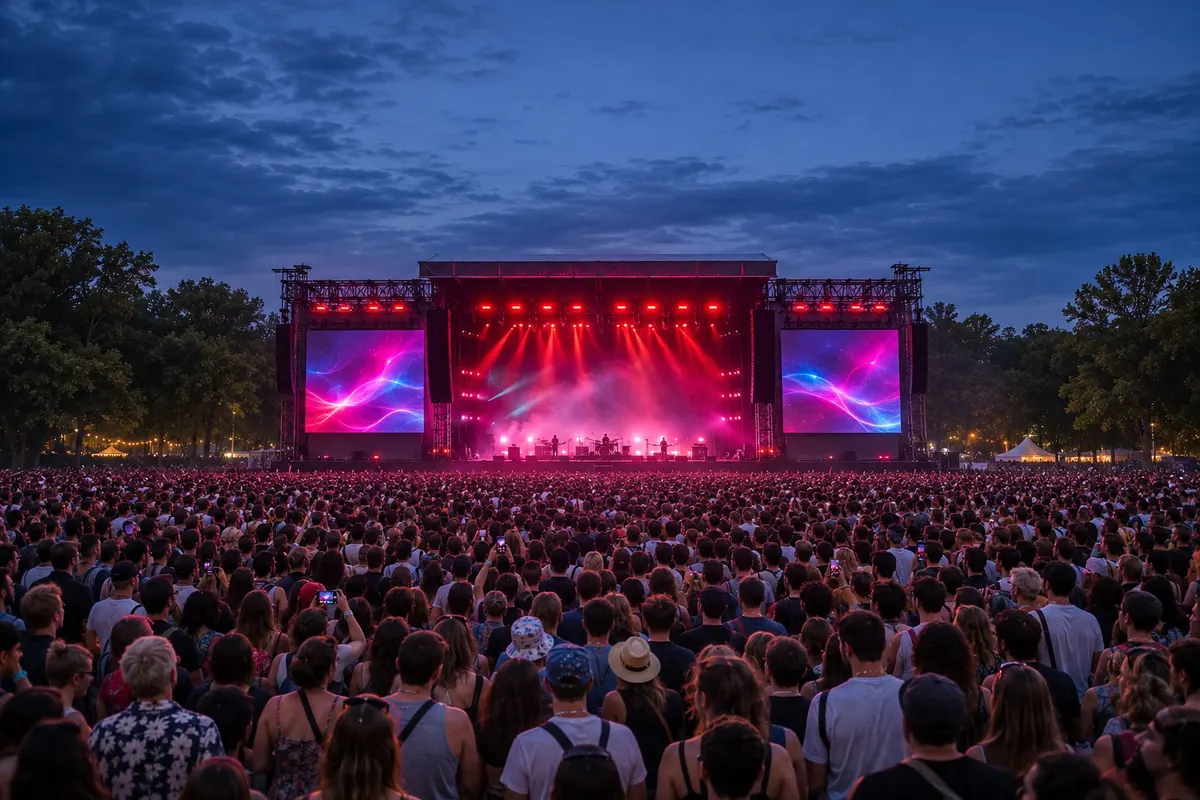
Every August, Óbuda Island on the Danube, north of central Budapest, hosts Sziget, a festival that runs for several days. Its stages feature rock, pop, electronic music, and world music, and the program also includes circus, theater, and art.
február/márciusFor six days at the end of Carnival, from Thursday through the Tuesday before Ash Wednesday.
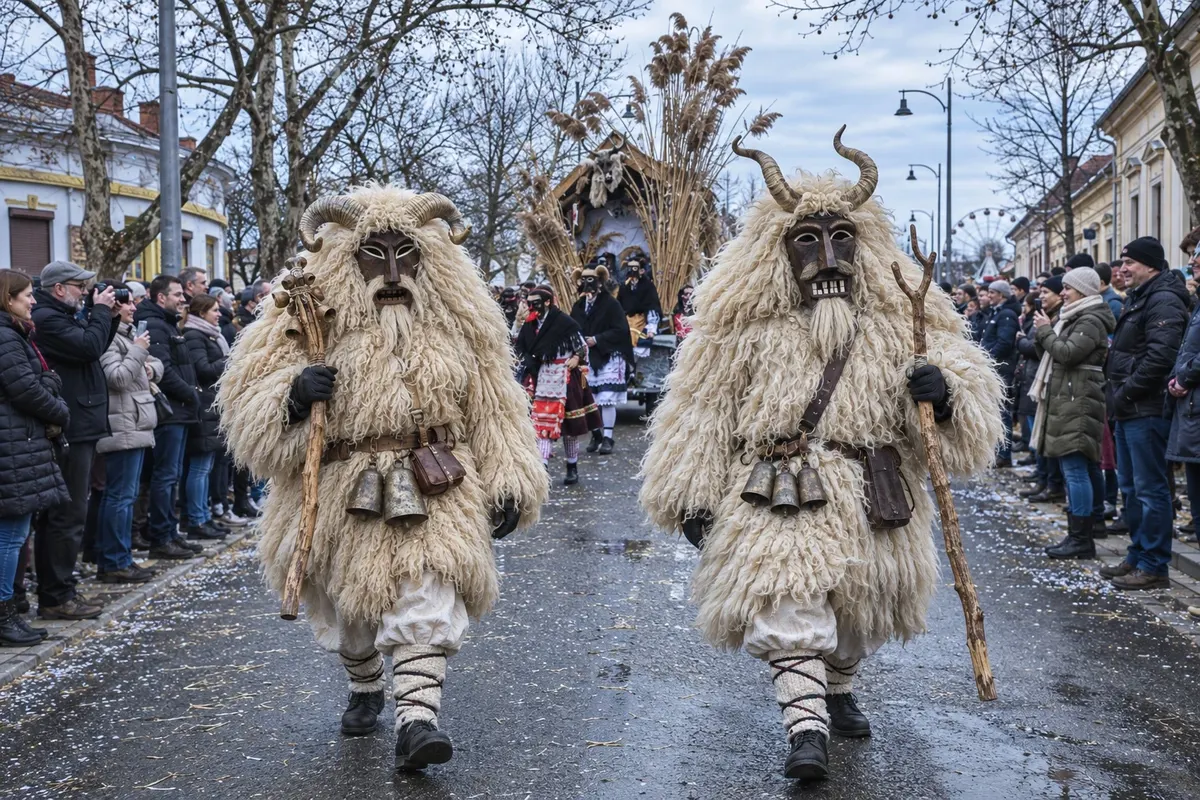
At the end of Carnival, the busós take over Mohács, a town on the Danube in southern Hungary. Wearing horned wooden masks and sheepskin cloaks, these men make their way noisily through the streets to drive winter away in a six-day festival recognized by UNESCO.
március/áprilisOver Easter weekend, through Easter Monday.
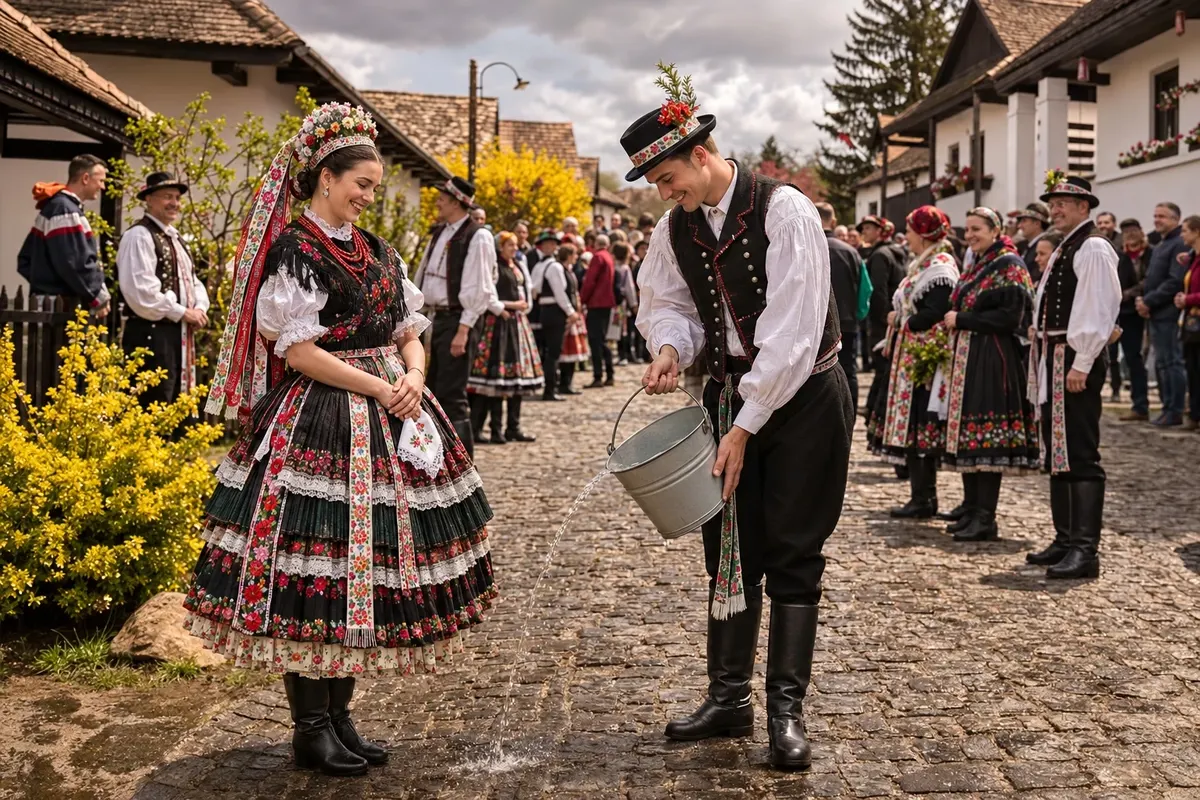
Over Easter, Hollókő, a World Heritage-listed Palóc village in the hills of northern Hungary, welcomes visitors from across the country to experience the region’s traditions: embroidered clothing, painted eggs, a procession, folk music and dancing, and locsolkodás, a custom in which young men douse young women with buckets of water.
szeptemberFor four days in September, on the dates listed in the festival calendar.
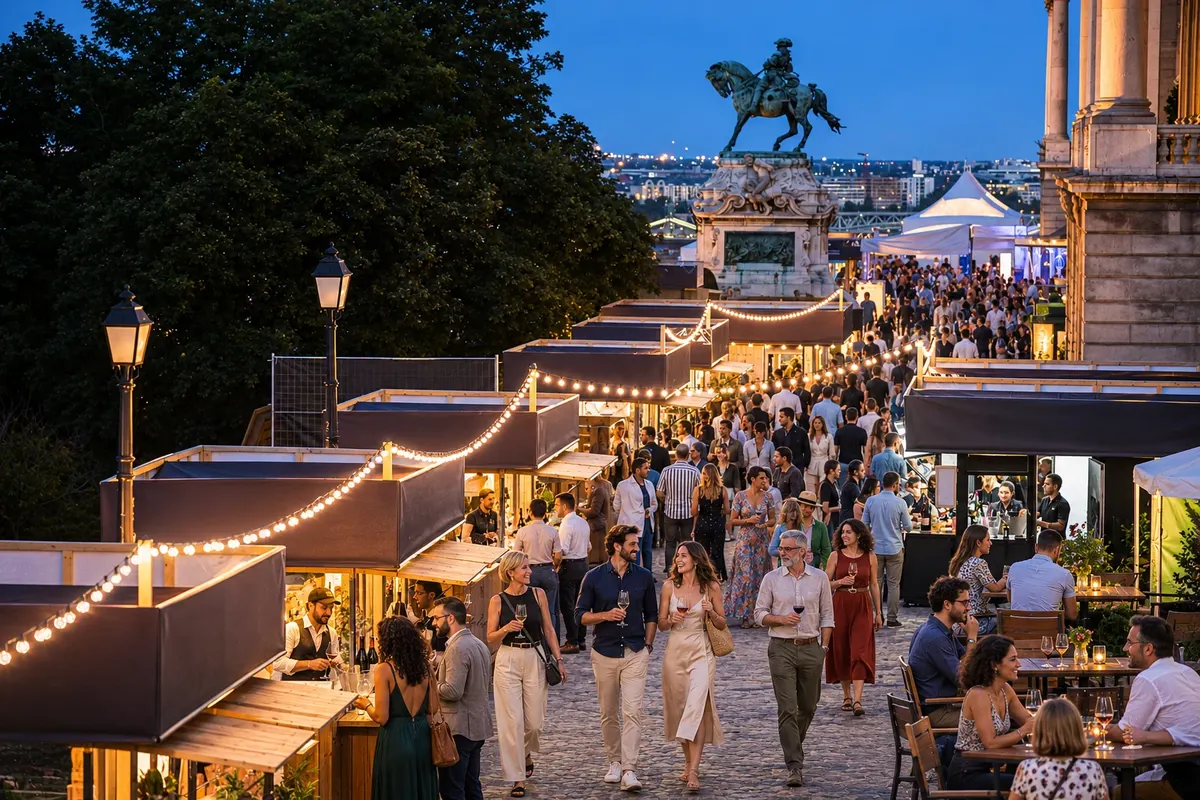
In September, the courtyards and terraces of Buda Castle overlooking the Danube host the Budapest Wine Festival, a celebration of Hungarian wine culture featuring wineries from every region of the country, food stalls, and concerts.
Az útikalauzon túl