Gravlax
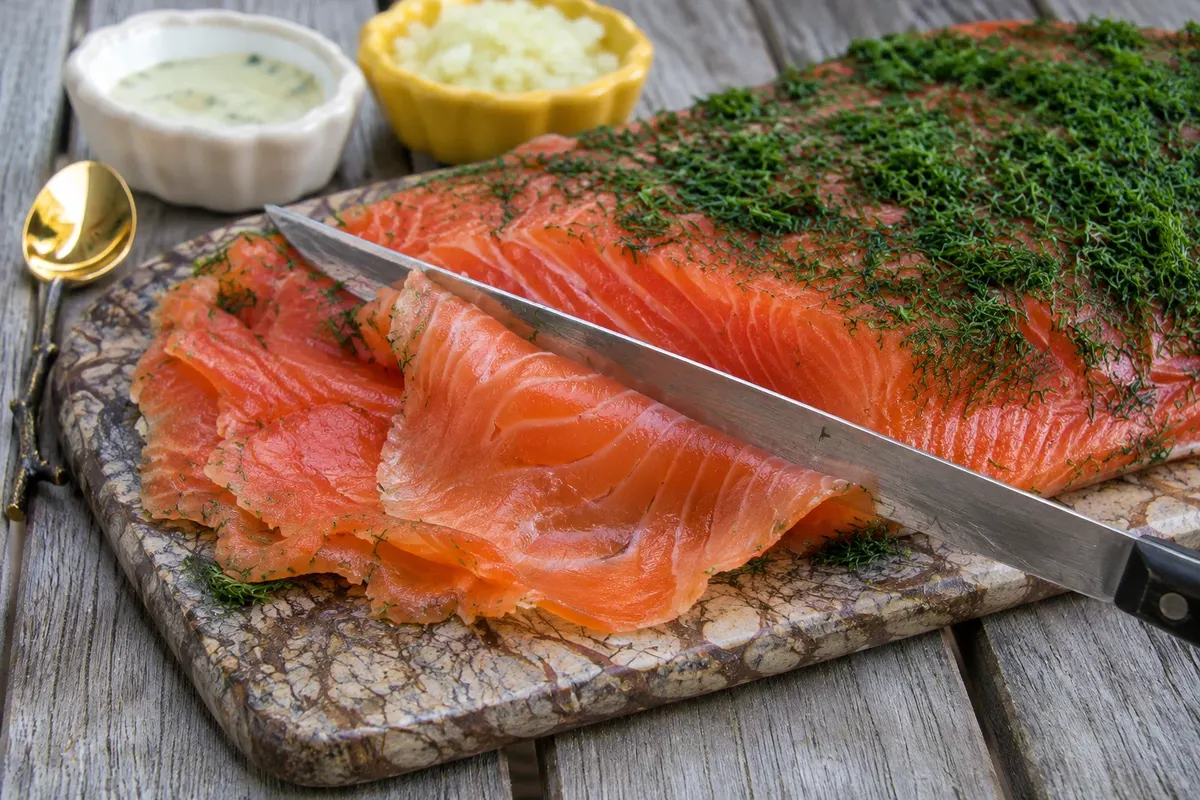
Raw salmon fillet cured in a mixture of salt, sugar and dill, sliced very thin and served with hovmästarsås, a sweet mustard-and-dill sauce. The name means “buried salmon” and recalls the old method of preserving the fish under the ground.
Flavors · Sweden
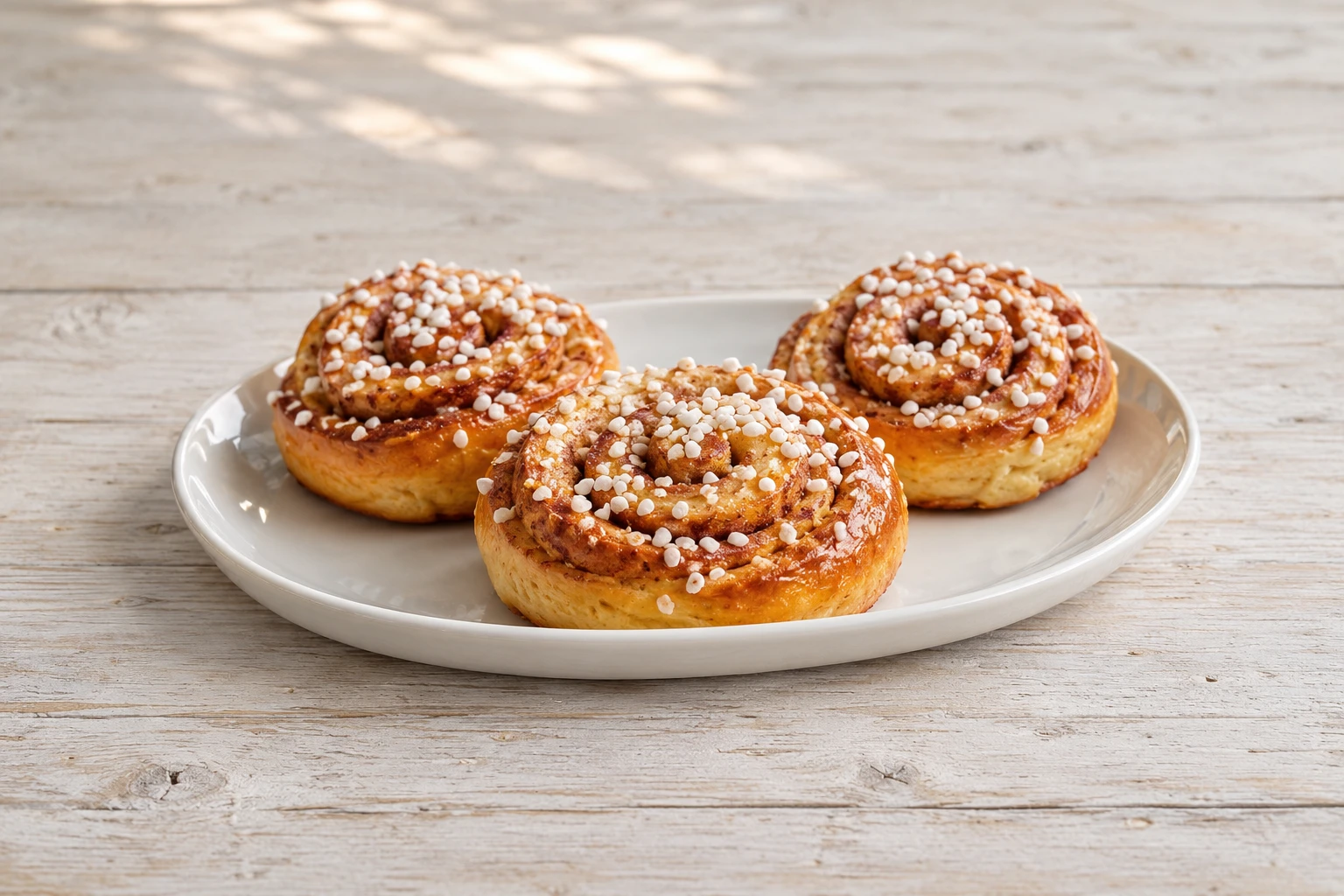
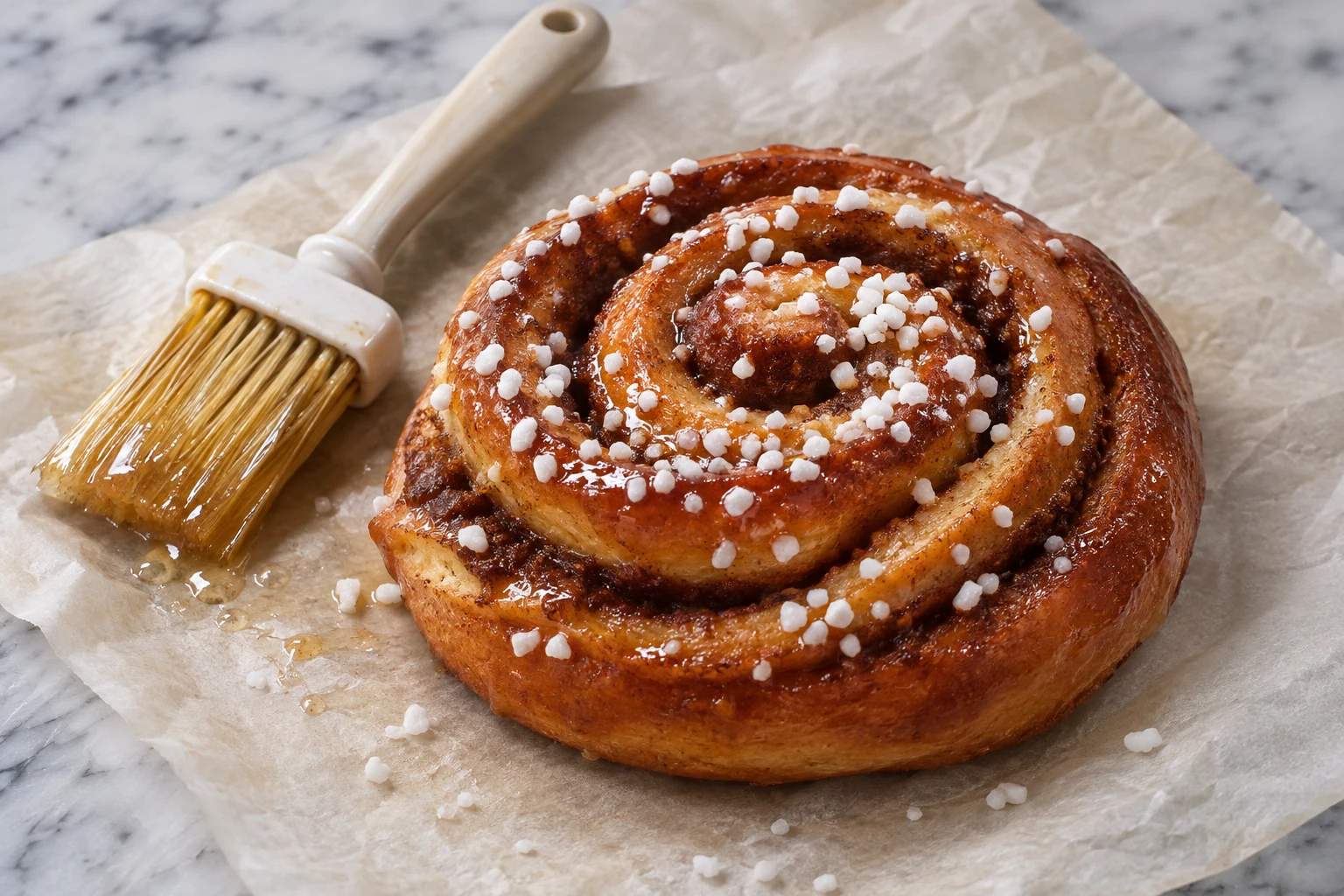
Sweet yeast bread flavored with cardamom, rolled with butter, sugar and cinnamon, and topped with pearl sugar. It is the pastry most associated with fika, the coffee break, and even has its own day in the Swedish calendar, Kanelbullens dag, on October 4.
Traditional sweet from Sweden
Also known as: Kanelbullar (plural), bulle, kanelsnurra
Illustrative images. The pictures in this guide are illustrations based on the real place, not photographs, and may differ from it.
Click a photo to enlarge it.
Kanelbulle — Sweden
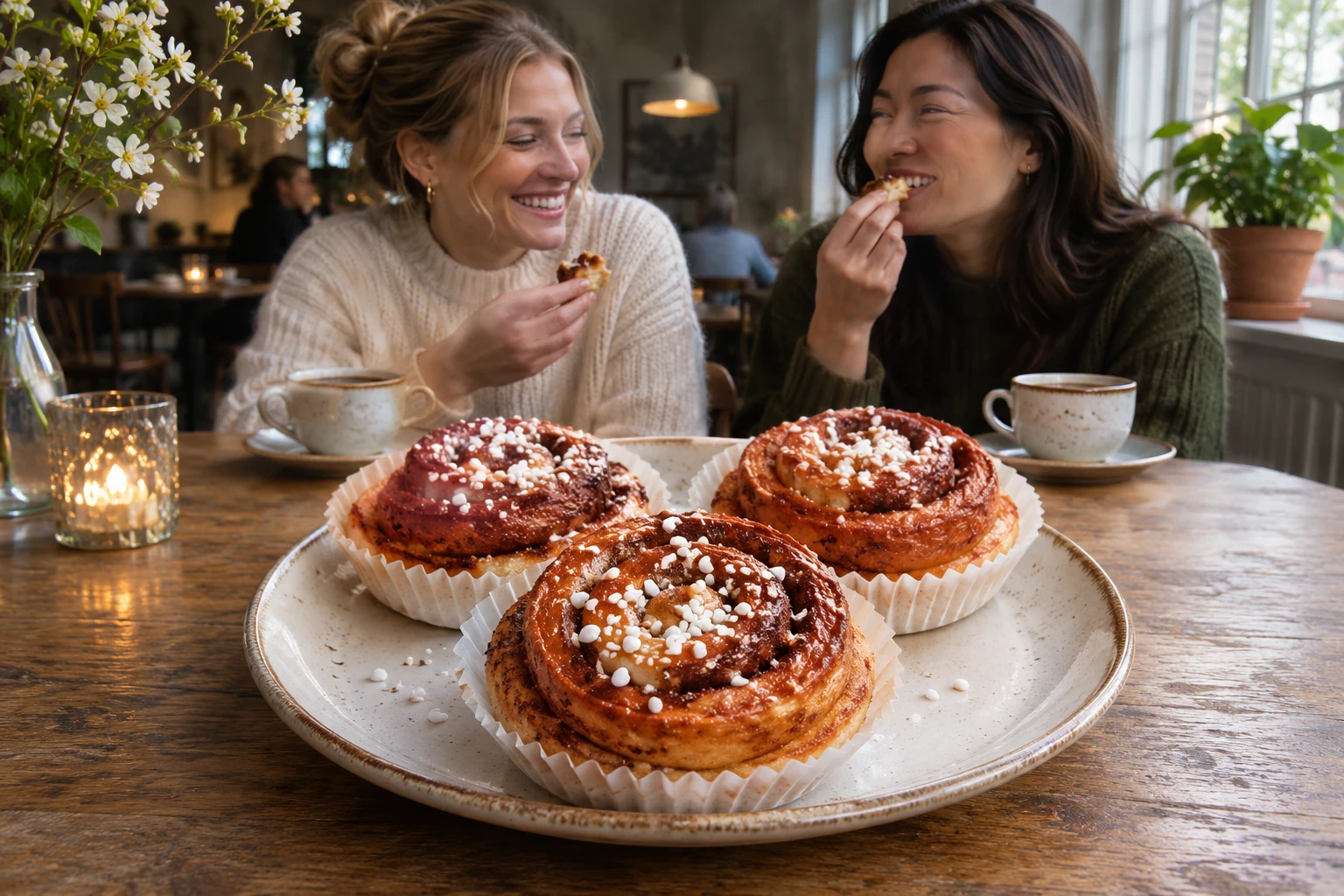
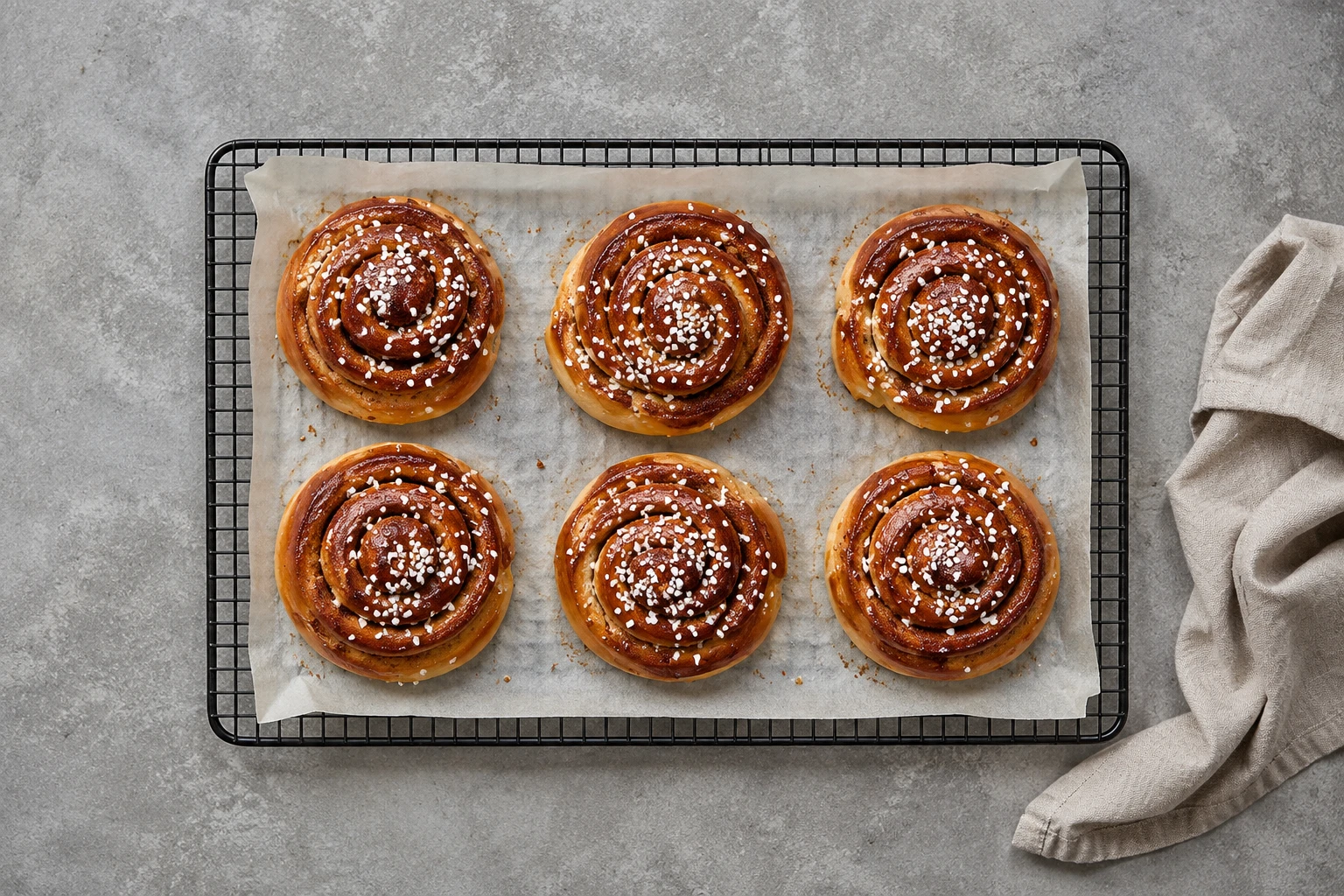
The kanelbulle is the most traditional companion to fika, the coffee break with something sweet that is part of daily life in Sweden, at home and at work. It is a yeast dough enriched with milk, butter, sugar and ground cardamom, rolled out into a sheet, spread with a butter, sugar and cinnamon paste, rolled up and either sliced or twisted into knots.
After proofing, the buns are brushed with egg and topped with pärlsocker, the white pearl sugar that does not melt in the oven. The cardamom in the dough and the pearl sugar on top give the Swedish kanelbulle a flavor and appearance different from cinnamon buns in other countries.
According to Hembakningsrådet, the Swedish home baking council, kanelbullar were common in bakeries in the 1920s but only became a homemade treat in the 1950s, when ingredients became more accessible.
In 1999, when Hembakningsrådet turned 40, it created Kanelbullens dag, the day of the kanelbulle, celebrated on October 4. The date, chosen in autumn so it would not clash with other food festivals, quickly entered the Swedish calendar, and bakeries, cafés and homes across the country bake and sell kanelbullar on that day.

Sweden
A national pastry, the centerpiece of fika; it has a national day, October 4, created in 1999.
Wheat flour, milk, yeast, butter, sugar, ground cardamom and salt; filling of butter, sugar and cinnamon; egg for glazing and pearl sugar (pärlsocker) on top.
With coffee or tea, as part of fika, preferably the same day it was baked.
Daily fika, at home, at work and in cafés; Kanelbullens dag is celebrated on October 4.
Your questions
On October 4. The date was created in 1999 by Hembakningsrådet, the Swedish home baking council.
Cardamom in the dough and pearl sugar, pärlsocker, on top.
The coffee break with something sweet, a daily custom in Sweden. The kanelbulle is the most traditional accompaniment.
Flavors of Sweden

Raw salmon fillet cured in a mixture of salt, sugar and dill, sliced very thin and served with hovmästarsås, a sweet mustard-and-dill sauce. The name means “buried salmon” and recalls the old method of preserving the fish under the ground.

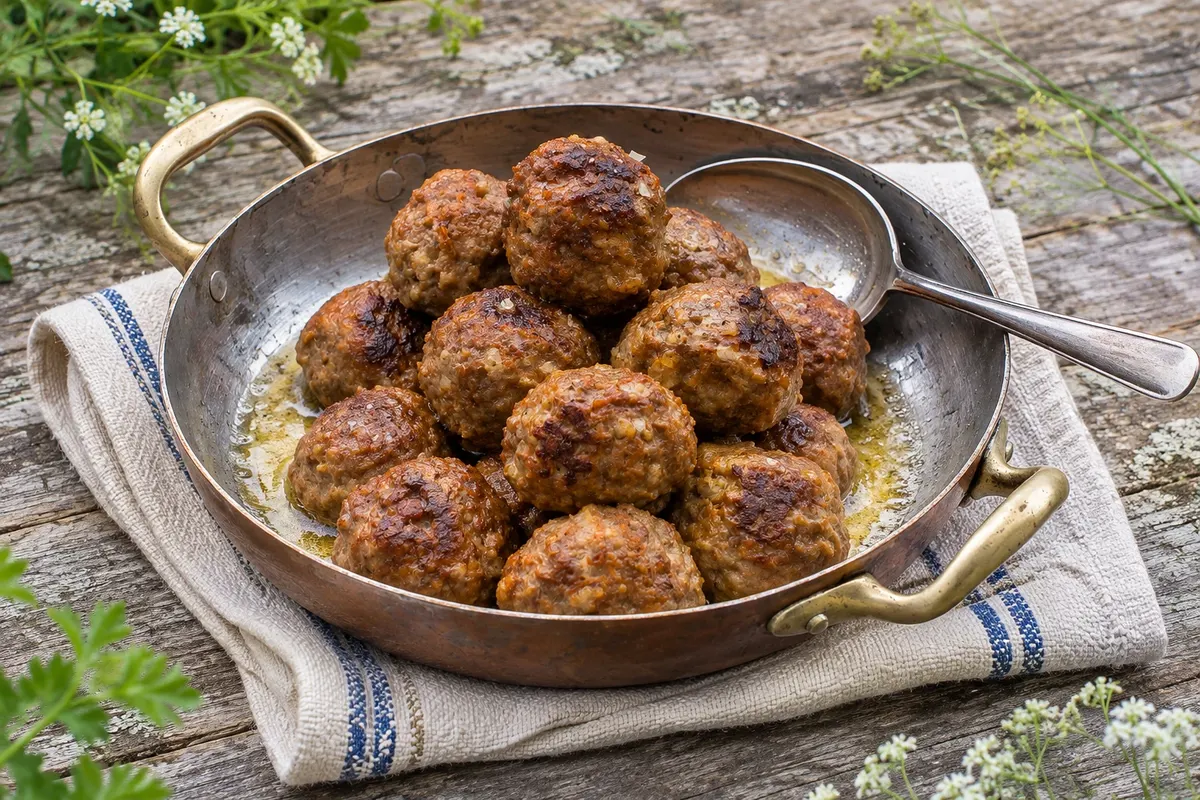
Small meatballs made with ground meat, fried in butter and served with cream sauce, potatoes, lingonberry jam and pickled cucumber. They are Sweden’s best-known home dish, with the first printed recipe appearing in a 1755 cookbook.

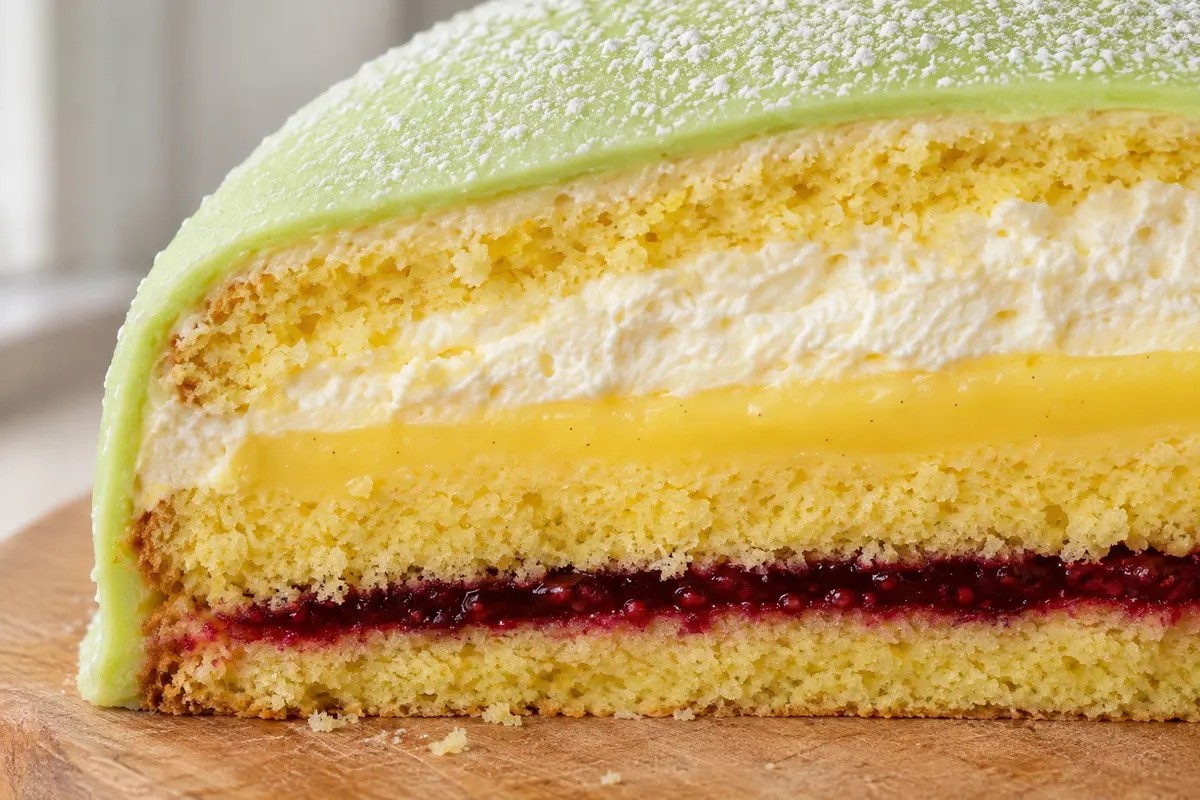
Dome-shaped cake with layers of sponge cake, raspberry jam, vanilla cream, and lots of whipped cream, covered by a green marzipan sheet and decorated with a pink marzipan rose. The name recalls the three princess daughters of Prince Carl, pupils of Jenny Åkerström, the recipe’s author.

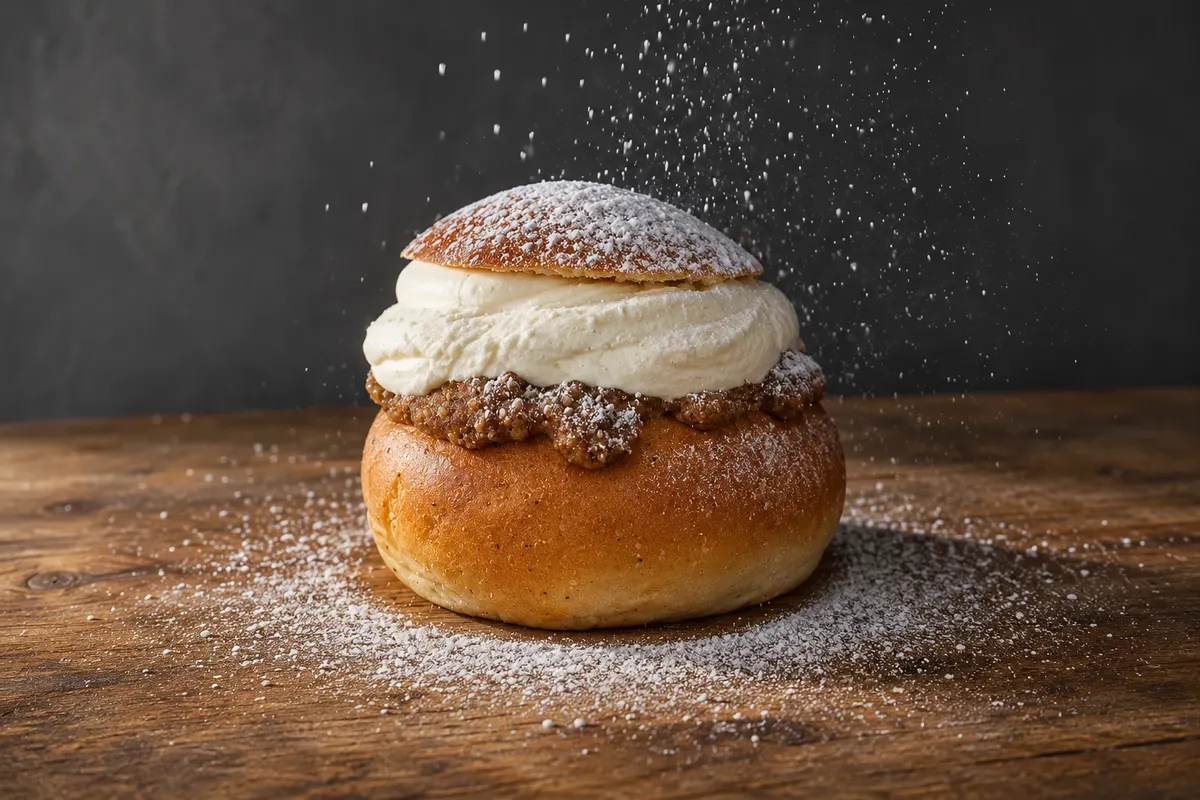
Wheat bread with cardamom, cut open at the top, filled with almond paste and whipped cream and topped with the cut-off lid dusted with sugar. It’s the sweet eaten on fettisdagen, the Fat Tuesday, and descends from the hetvägg, bread eaten soaked in warm milk.

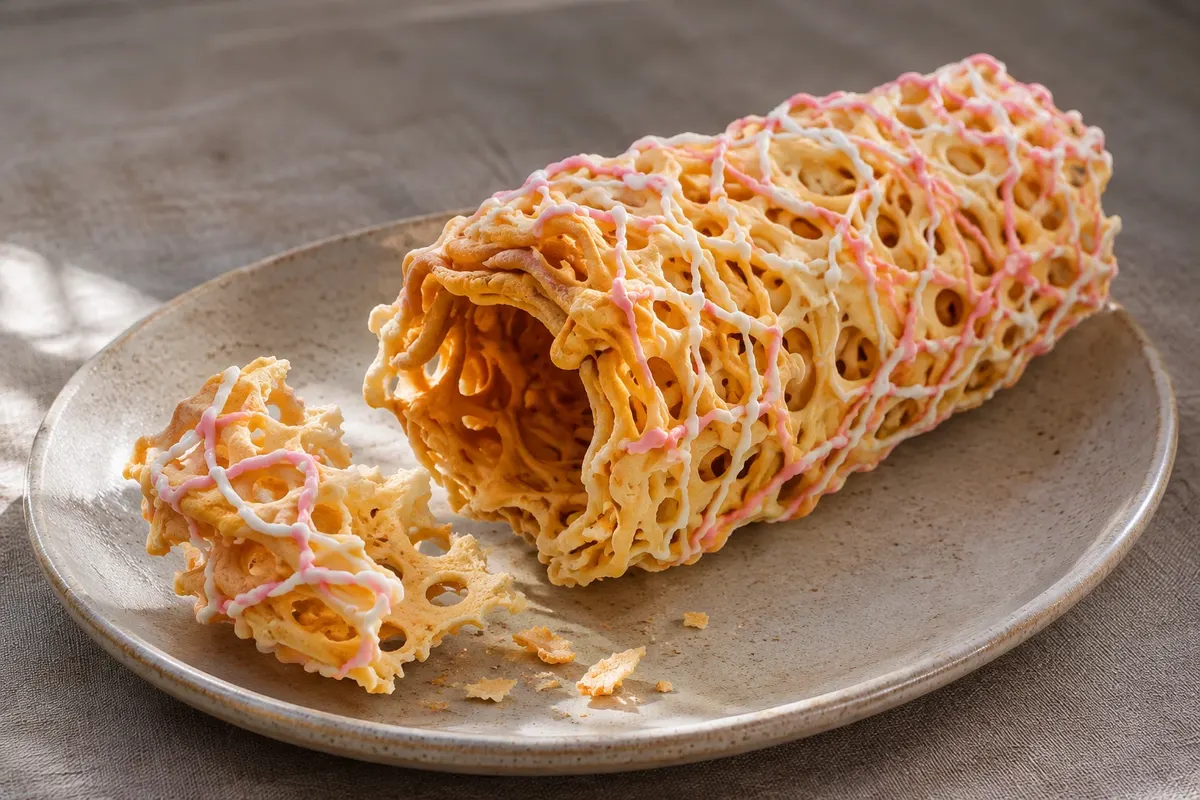
Tall, hollow, lace-like cake made from eggs, sugar and potato starch, poured little by little onto a rotating spit in front of heat, layer by layer. Decorated with white or pink icing, it is a celebratory sweet from Skåne, and the name Skånsk spettkaka is protected by the European Union.

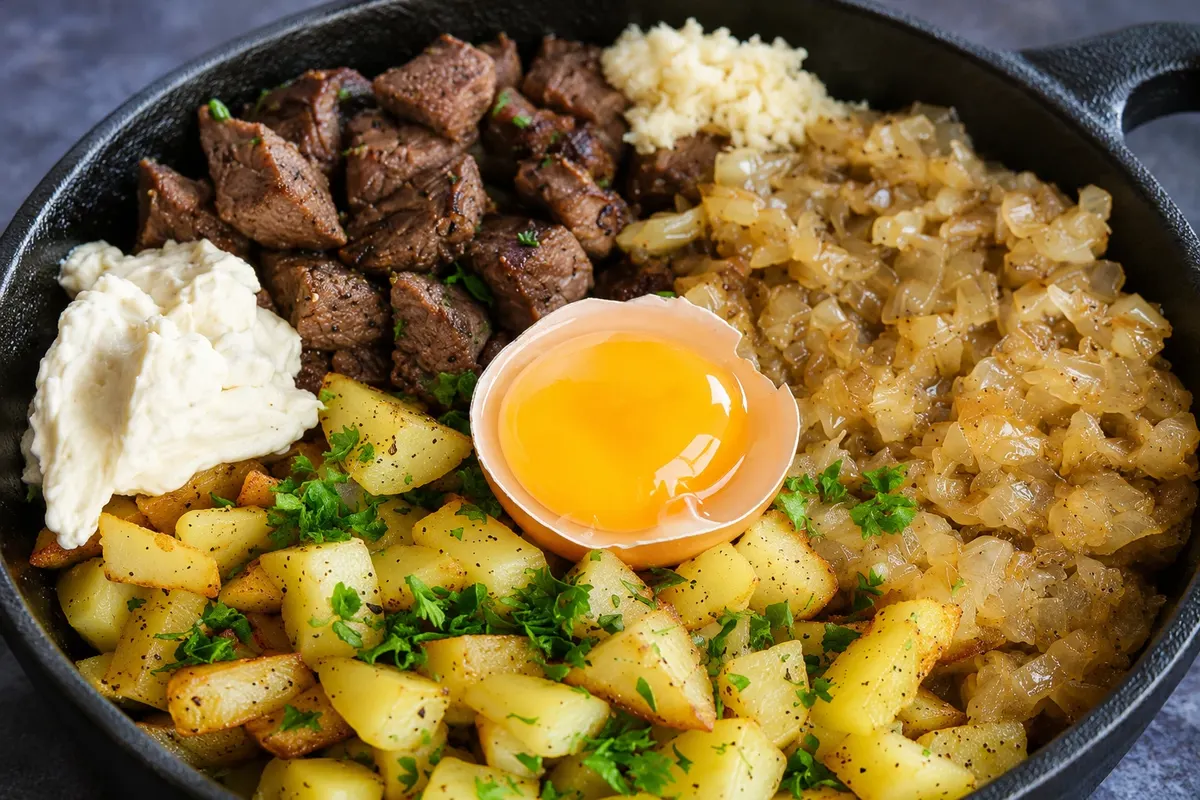
Cubes of beef tenderloin, potato and onion browned separately and served side by side, with a raw egg yolk in the center and mustard or mustard cream. Named after the Hotel Rydberg, which operated on Gustav Adolfs torg in Stockholm, where the dish is said to have originated.

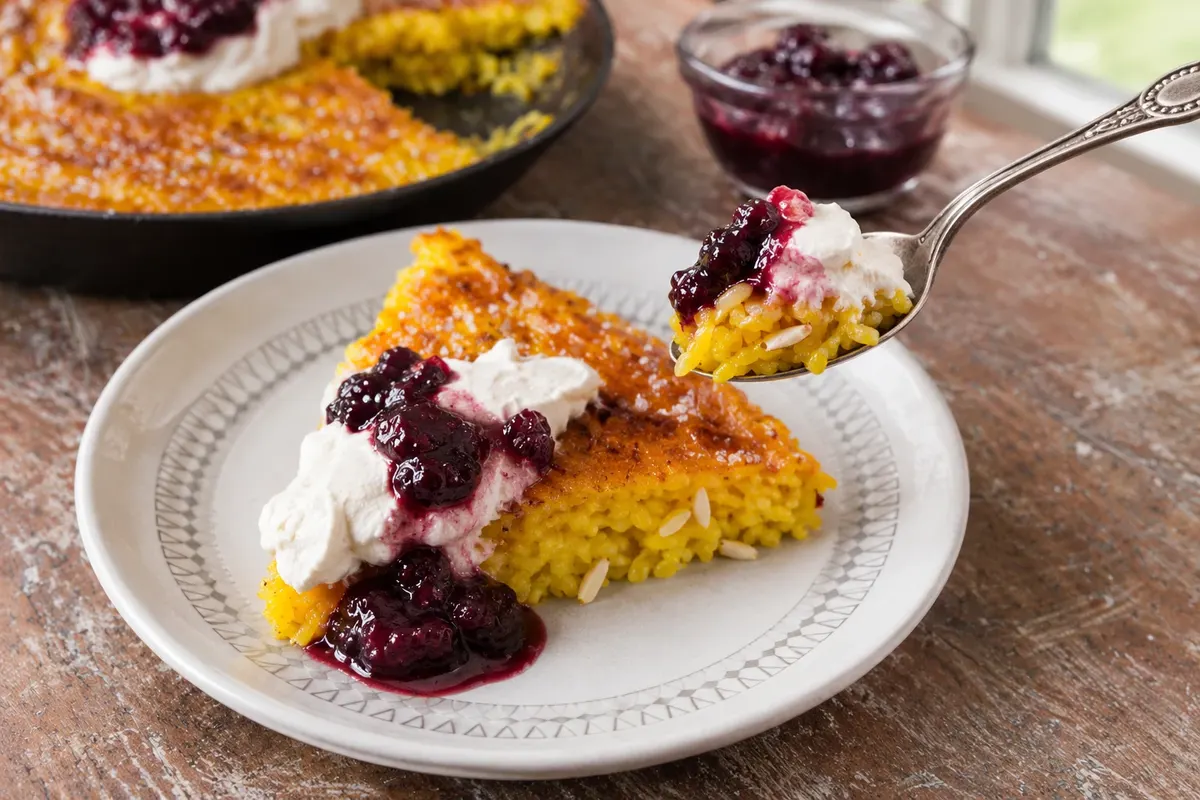
Baked saffron rice pudding tart with eggs, cream and almonds, yellow in color, served warm or cold with salmbär jam and whipped cream. Despite the name “pancake,” it’s baked in a pan. It is the sweet most associated with the island of Gotland.

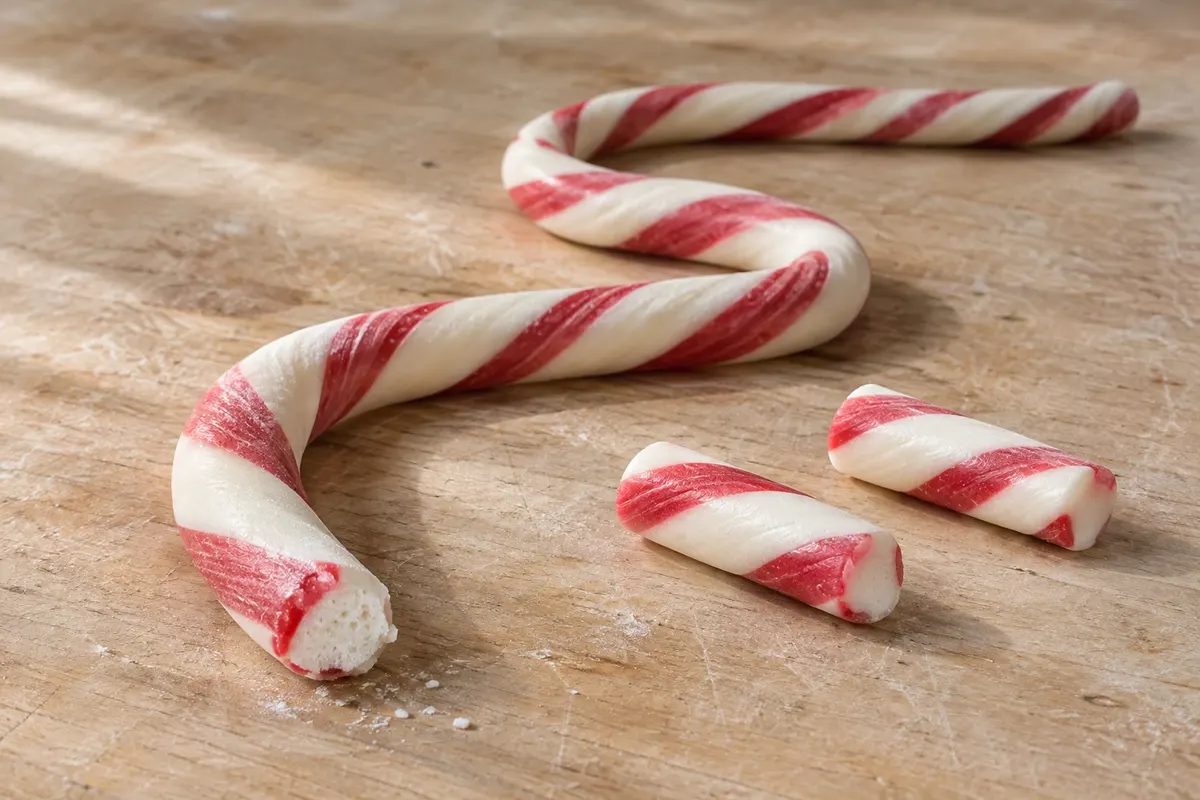
A white stick candy with red spiral stripes and peppermint flavor, pulled and twisted by hand. It originated in Gränna, on the shore of Lake Vättern, where the widow Amalia Eriksson obtained a license to make it in 1859, and the town remains the center of its production.

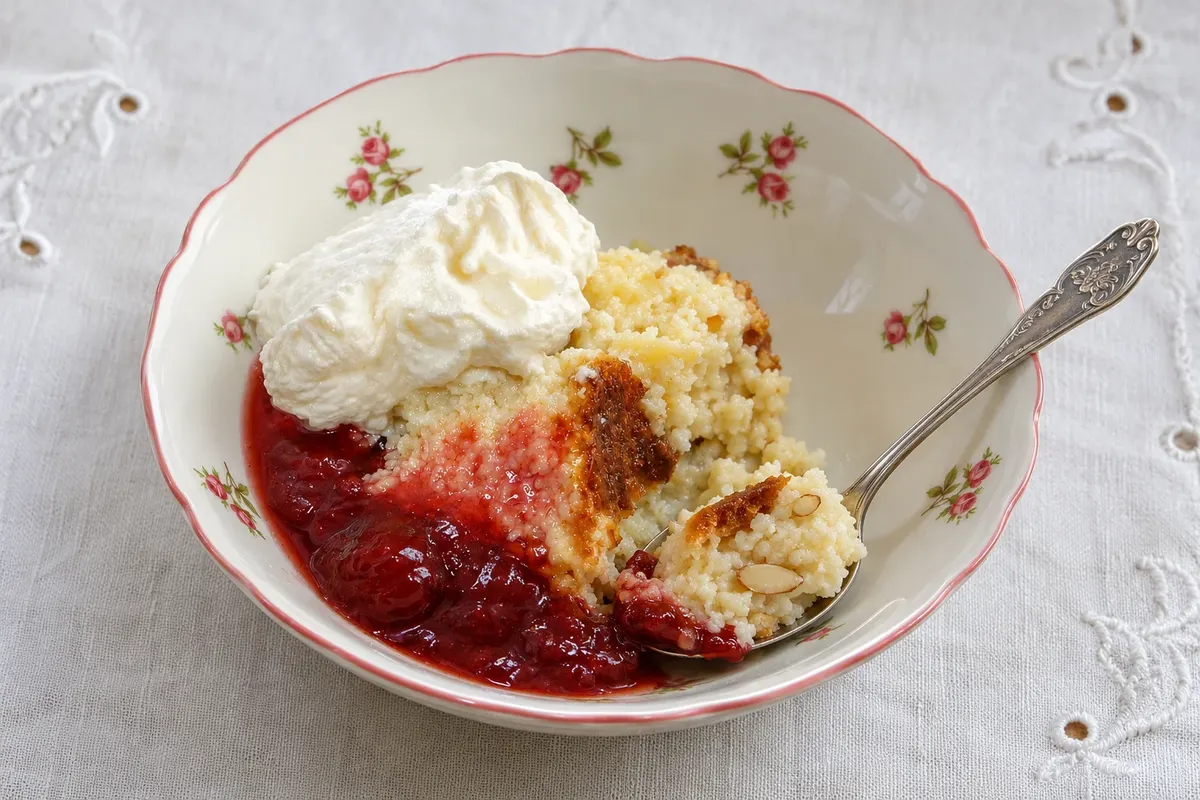
Baked dessert made from curdled milk using rennet, enriched with eggs, cream, sugar and almonds, with a moist, granular texture. Served warm with jam and whipped cream, it is the festival specialty most associated with the Småland region, with Swedish records dating back to the 16th century.

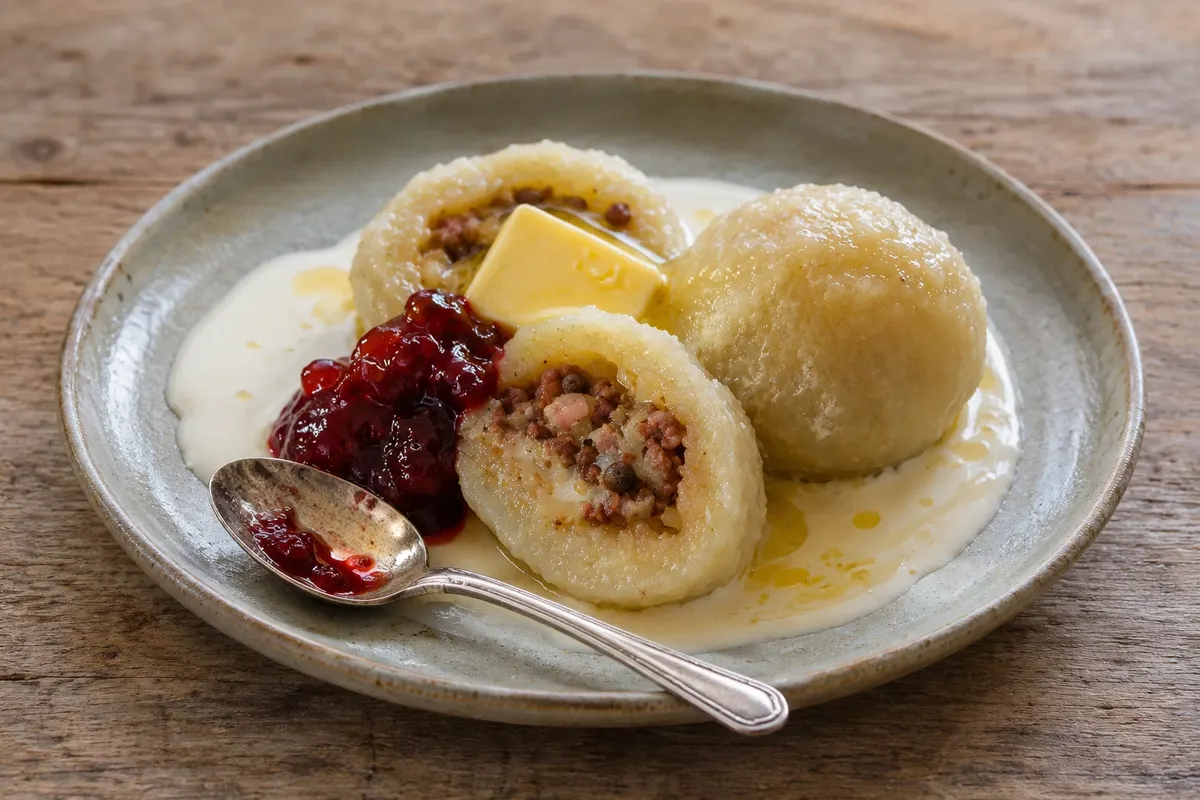
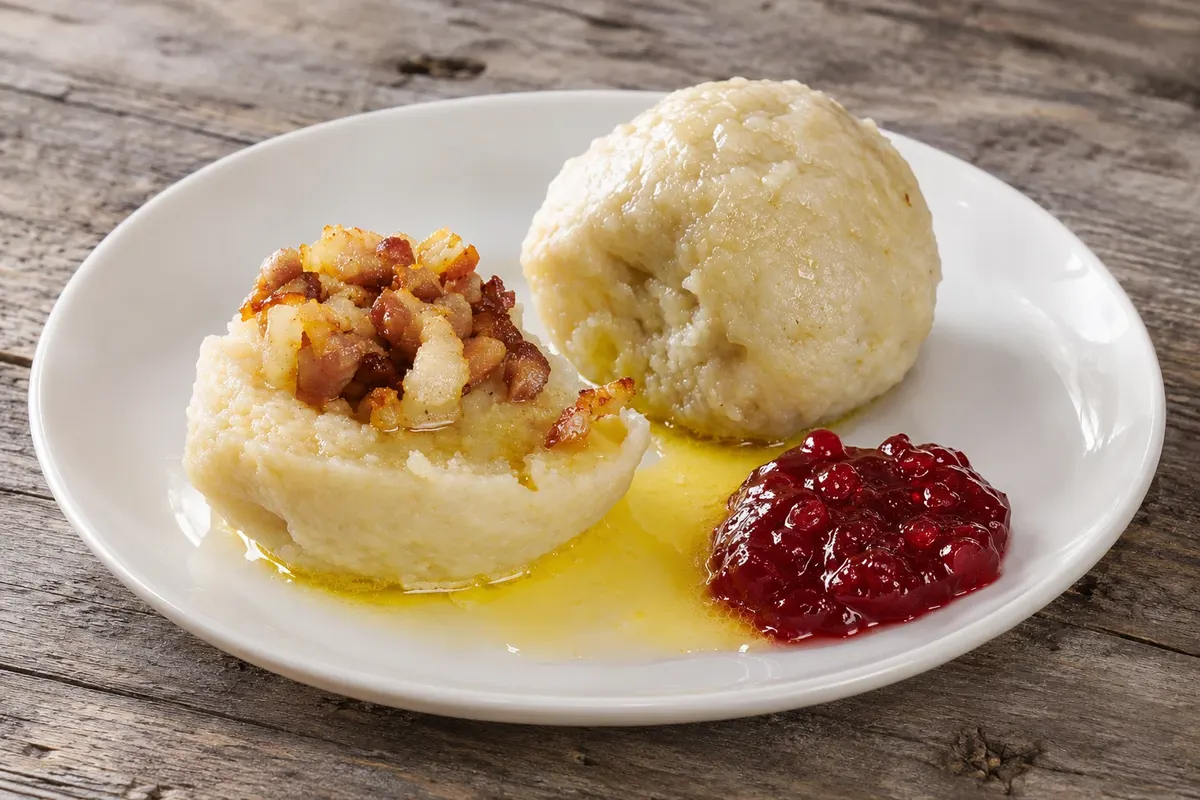
Large potato dough dumplings filled with bacon or pork and onion, cooked in water and served with melted butter and red bilberry jam. The Öland version, gray and made with raw potato, and the Småland version, lighter and made with cooked potato, are the best known.

Boiled dumpling made from raw grated potato and wheat or barley flour, filled with pork, served with butter and red bilberry jam. It’s an everyday food in northern Sweden, and the name comes from the town of Piteå, considered the Swedish center of palt.

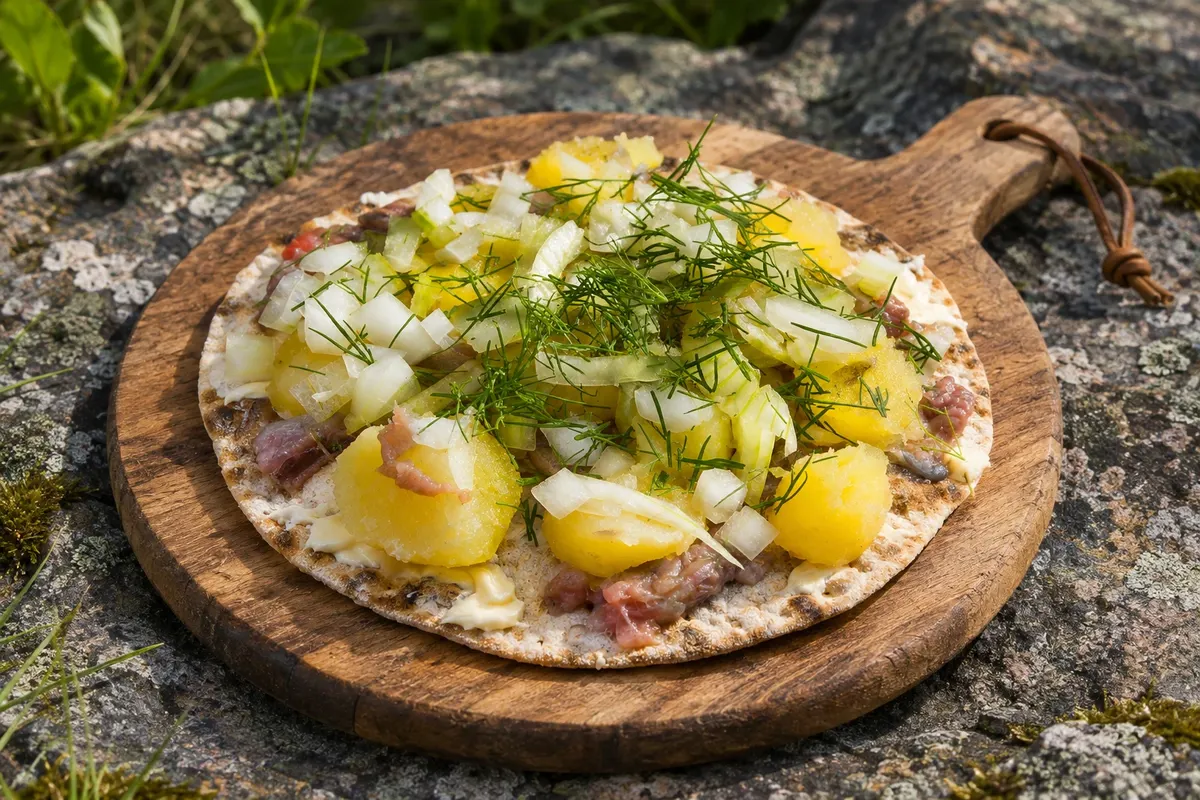
Baltic herring, lightly salted and fermented, canned in summer; strong-smelling with a salty, acidic taste. It’s eaten on the thin flatbread tunnbröd with potato, red onion and sour cream, in a communal meal at the end of summer. The tradition links the dish to the Norrland coast and the island of Ulvön in the High Coast (Höga Kusten).