Dish · Ireland
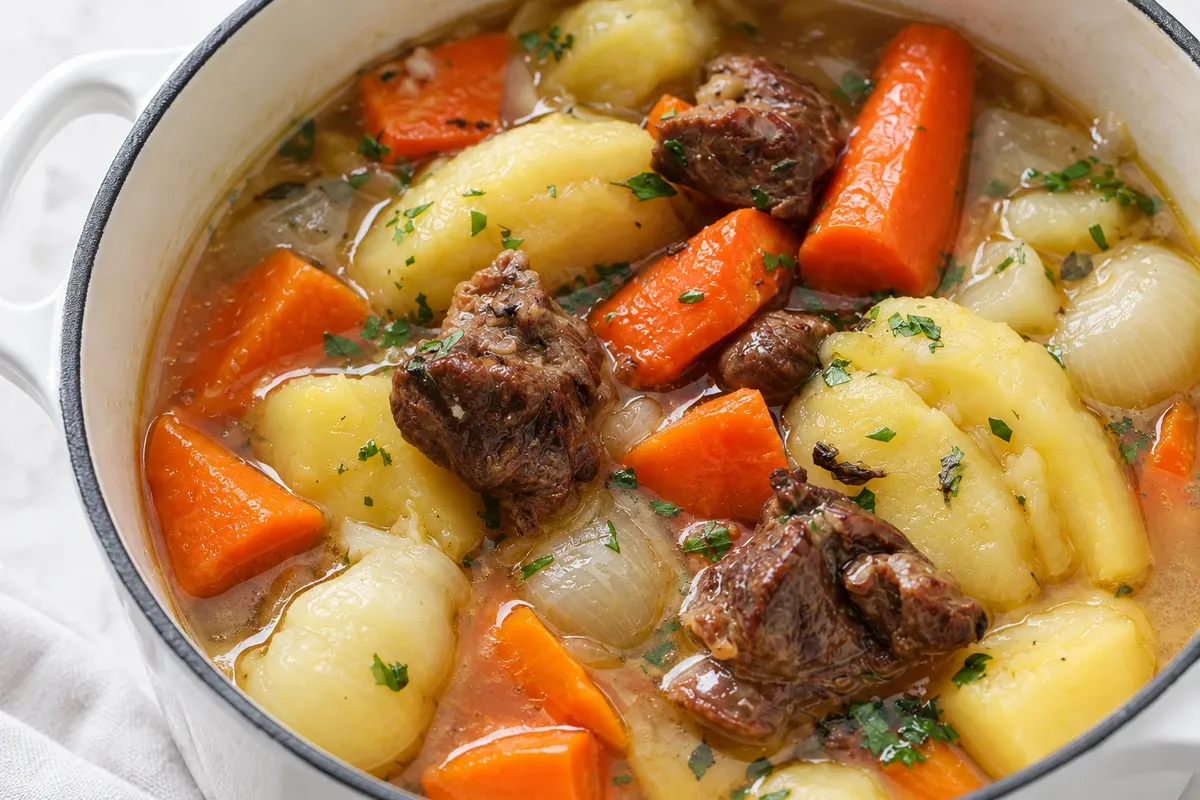
Irish stew
Mutton or lamb stew with potato and onion, slowly cooked in a single pot until the broth thickens. It originated as simple rural food and is considered one of Ireland’s most representative dishes.

 Search
 Brazil
 Argentina
 Bolivia
 Chile
 Colombia
 Ecuador
 Guyana
 French Guiana
 Falkland Islands (Malvinas)
 Paraguay
 Peru
 Suriname
 Uruguay
 Venezuela
 Germany
 Austria
 Belgium
 Croatia
 Denmark
 Spain
 Finland
 France
 Greece
 the Netherlands
 HungaryIreland
 Iceland
 Italy
 Luxembourg
 Norway
 Poland
 Portugal
 the United Kingdom
 the Czech Republic
 Sweden
 Switzerland
 Turkey
 Canada
 the United States
 Mexico
 the Dominican RepublicTurkey
 South Africa
 Australia
 Fiji
 New Zealand
 Papua New Guinea
Flavors · Ireland
Whiskey distilled from malted cereals and aged for at least three years in wooden casks on the island of Ireland. It is protected by a geographical indication that defines four types, including pot still, an Irish specialty.
Traditional drink from Ireland
Also known as: Uisce Beatha Eireannach, Irish whisky, pot still Irish whiskey, single pot still
Illustrative images. The pictures in this guide are illustrations based on the real place, not photographs, and may differ from it.

Click a photo to enlarge it.
Irish whiskey — Ireland
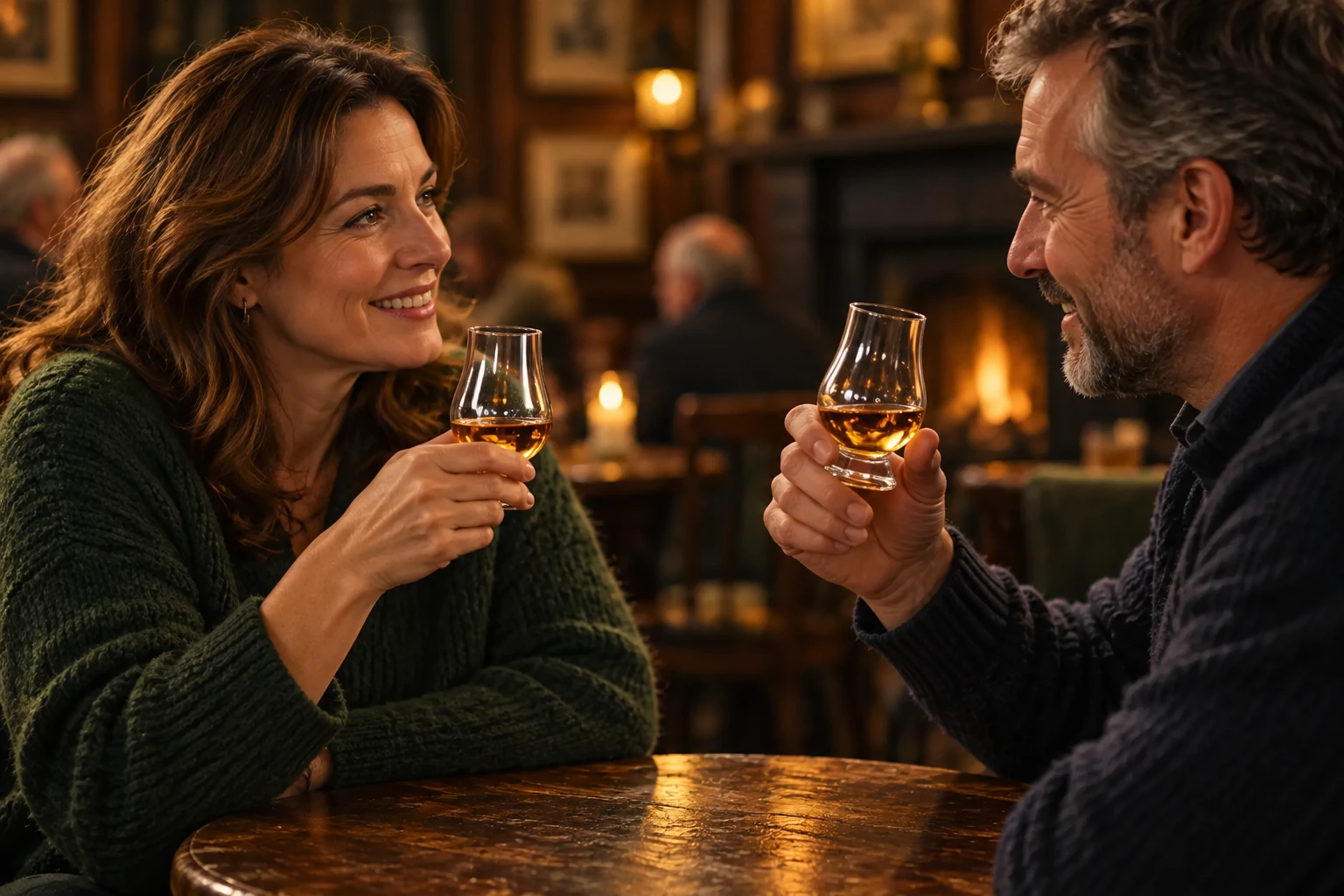
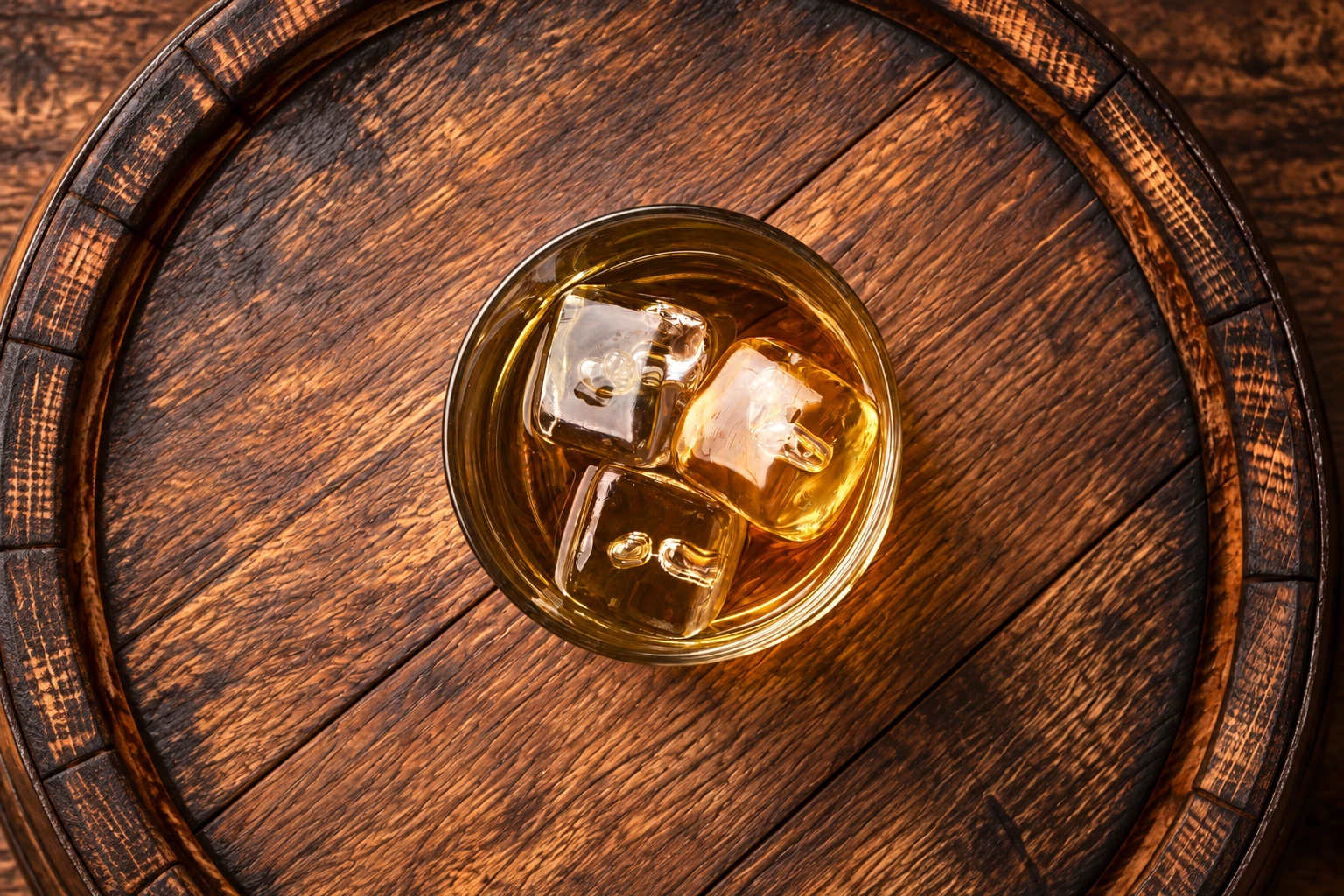
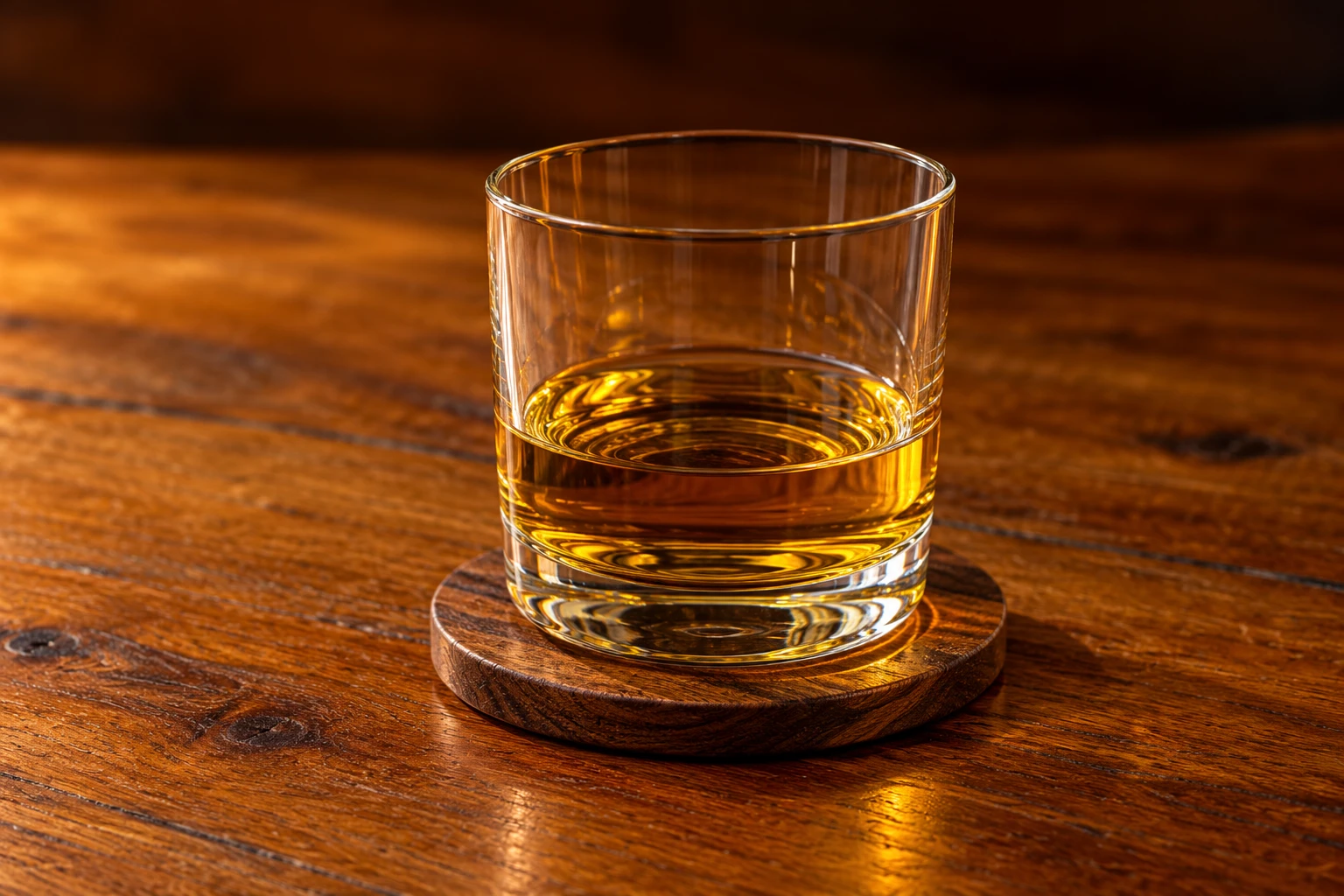
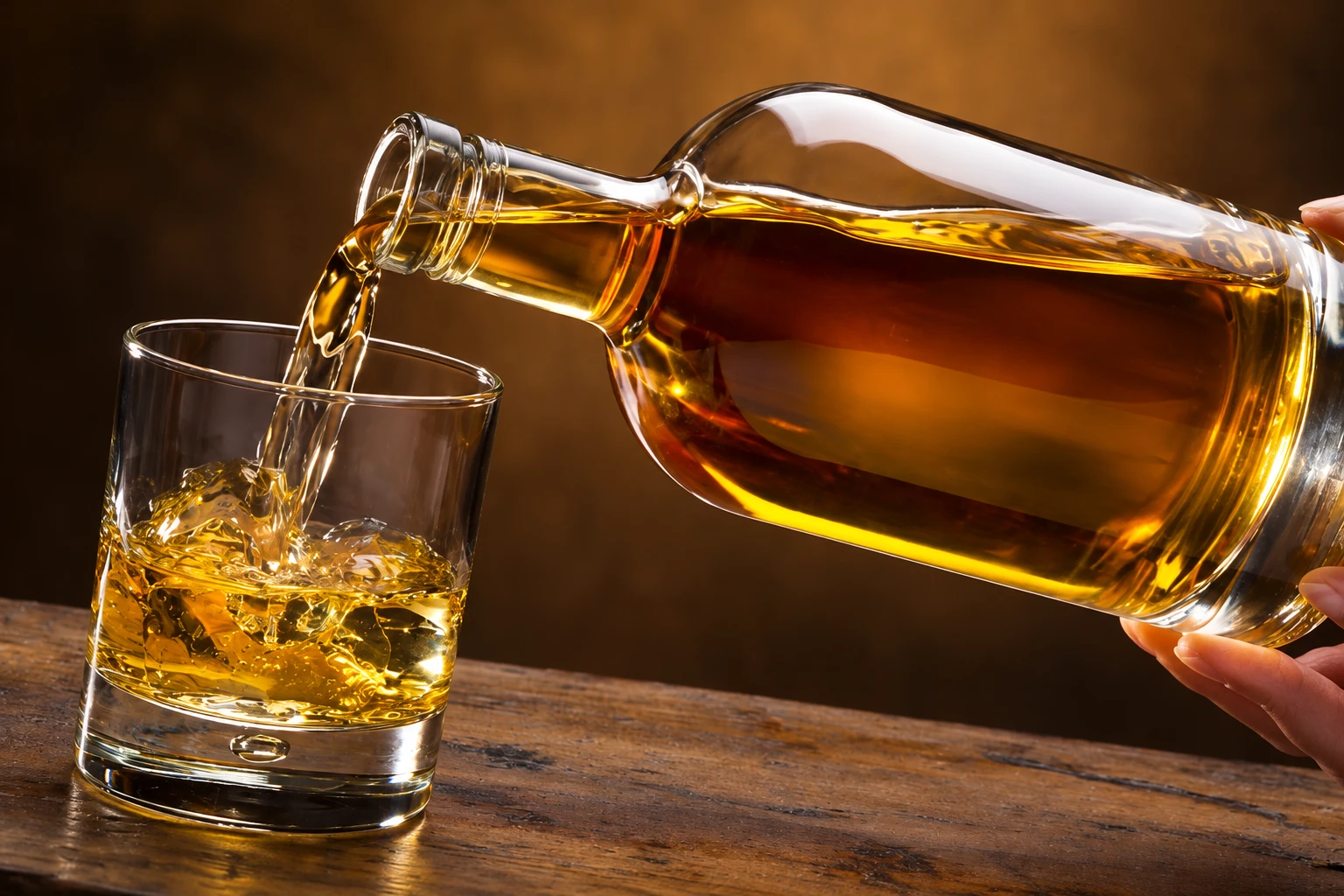
Irish whiskey is made from malted cereals, with or without other grains, distilled and aged in wooden casks of up to 700 liters for at least three years. The color ranges from light golden to amber. The Irish name, uisce beatha, means water of life, and the word whiskey derives from it.
The technical specification of the geographical indication, submitted by the Department of Agriculture of Ireland to the European Commission in 2014, recognizes four types. Pot still is made from a mix of malted and unmalted barley distilled in copper pot stills, a style unique to the island. Malt uses only malted barley; grain is column-distilled; and blended combines two or more of these types. Many Irish whiskeys are distilled three times, which typically produces a light, smooth spirit.
The geographical indication covers the entire island of Ireland. The rules require that distillation and maturation take place on the island, which includes both the Republic of Ireland and Northern Ireland, which is part of the United Kingdom. The technical specification was also published by the British government, and distilleries on both sides of the border use the same name. Therefore the drink represents the island as a whole, not a particular county or city.
Distillation on the island is old, and Irish whiskey was one of the world’s best‑selling whiskeys in the 19th century, before decades of decline. Since the early 21st century, the number of distilleries has grown again in several parts of the island. Whiskey is served neat, with a little water or ice, and is an ingredient of Irish coffee, with hot coffee, sugar and cream.
Ireland
A geographical indication that requires distillation and maturation on the island of Ireland, not tied to any specific county.
Malted barley and, depending on the type, unmalted barley or other cereals; water and yeast. Aged in wooden casks.
Neat, with a little water or ice, in small measures; also in Irish coffee, with coffee, sugar and cream.
Year‑round, as a social drink or after meals.
Your questions
Yes. The geographical indication covers the entire island of Ireland, including Northern Ireland, which is part of the United Kingdom.
It’s whiskey made from malted and unmalted barley, distilled in copper pot stills, a style unique to Ireland.
At least three years in wooden casks, according to the rules of the geographical indication.
Flavors of Ireland
Mutton or lamb stew with potato and onion, slowly cooked in a single pot until the broth thickens. It originated as simple rural food and is considered one of Ireland’s most representative dishes.
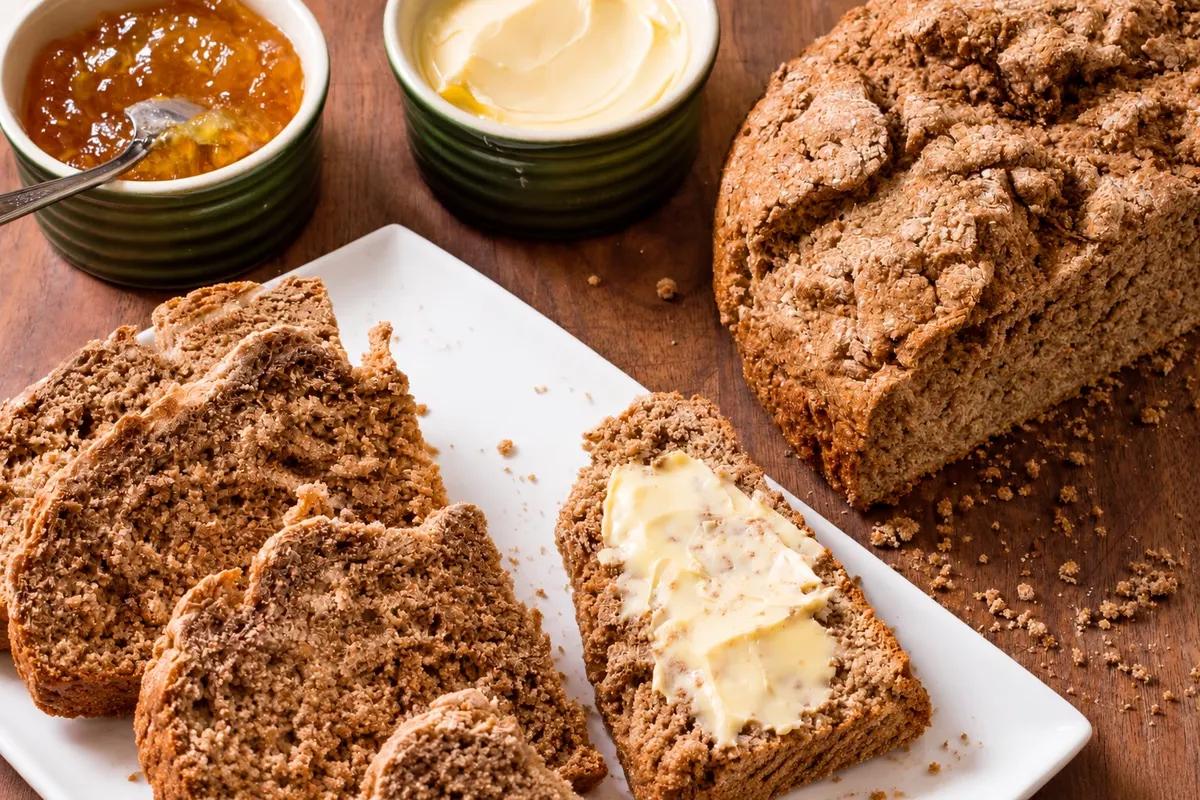
Quick, unleavened bread made with flour, buttermilk, salt and baking soda, baked in a round loaf with a cross cut on top. Since the 19th century it has been the home bread of Ireland.
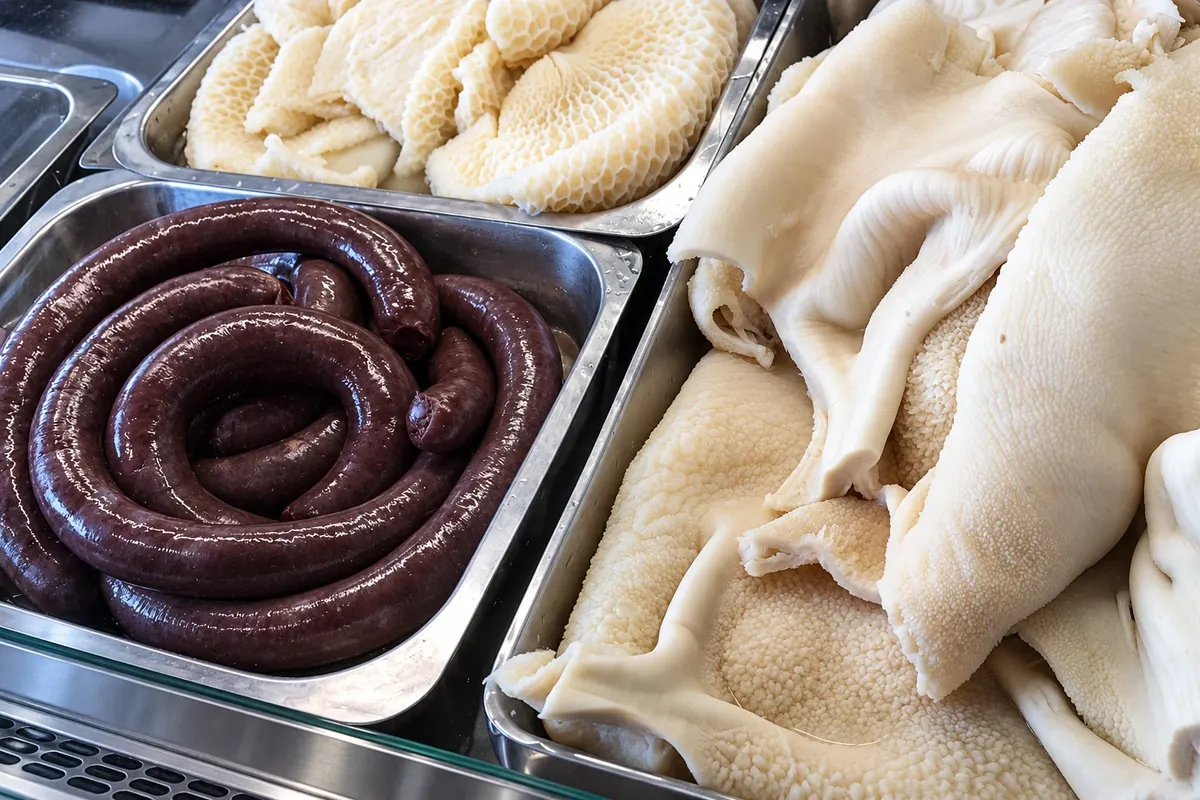
Beef tripe slow-cooked in milk with onion and served with drisheen, a blood sausage. It is a traditional dish of Cork, tied to the city’s history as a meat-exporting port.
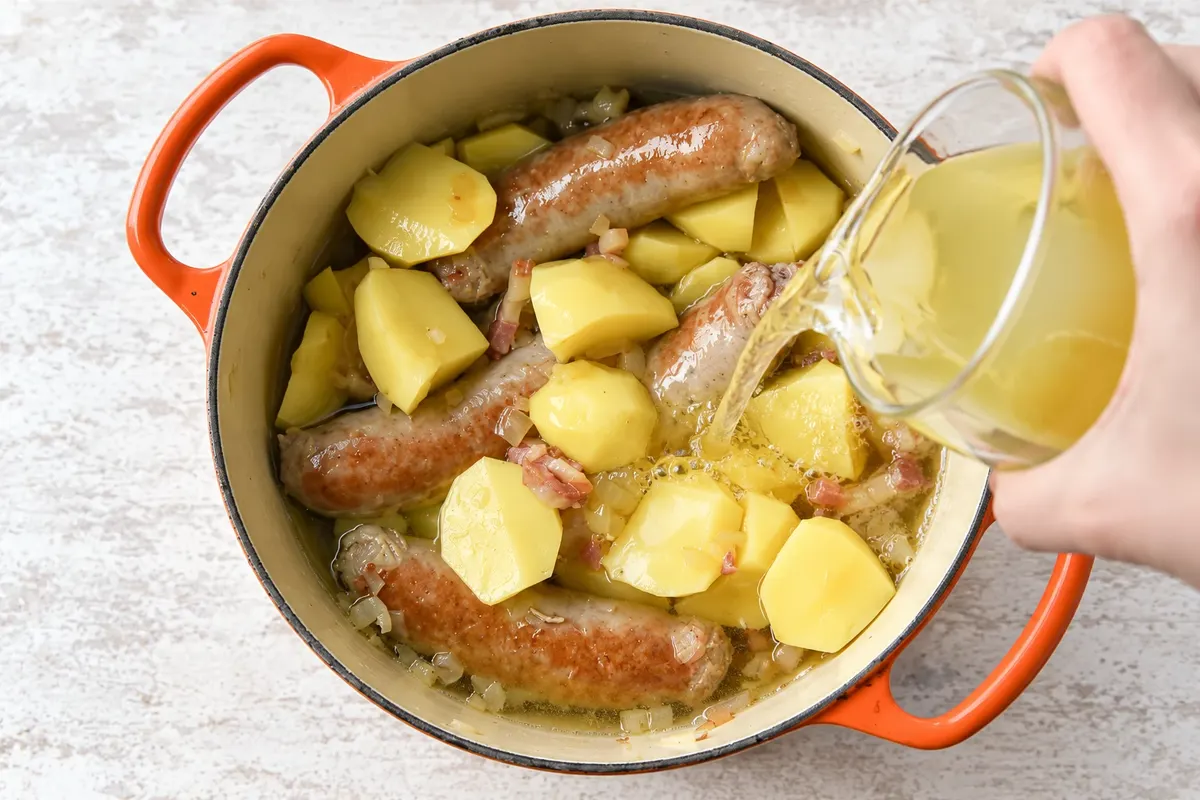
Stew of pork sausage, bacon, potato and onion, slowly cooked in a covered pot in a clear broth. It is the working‑class food of Dublin and appears in references to the city in the work of James Joyce.
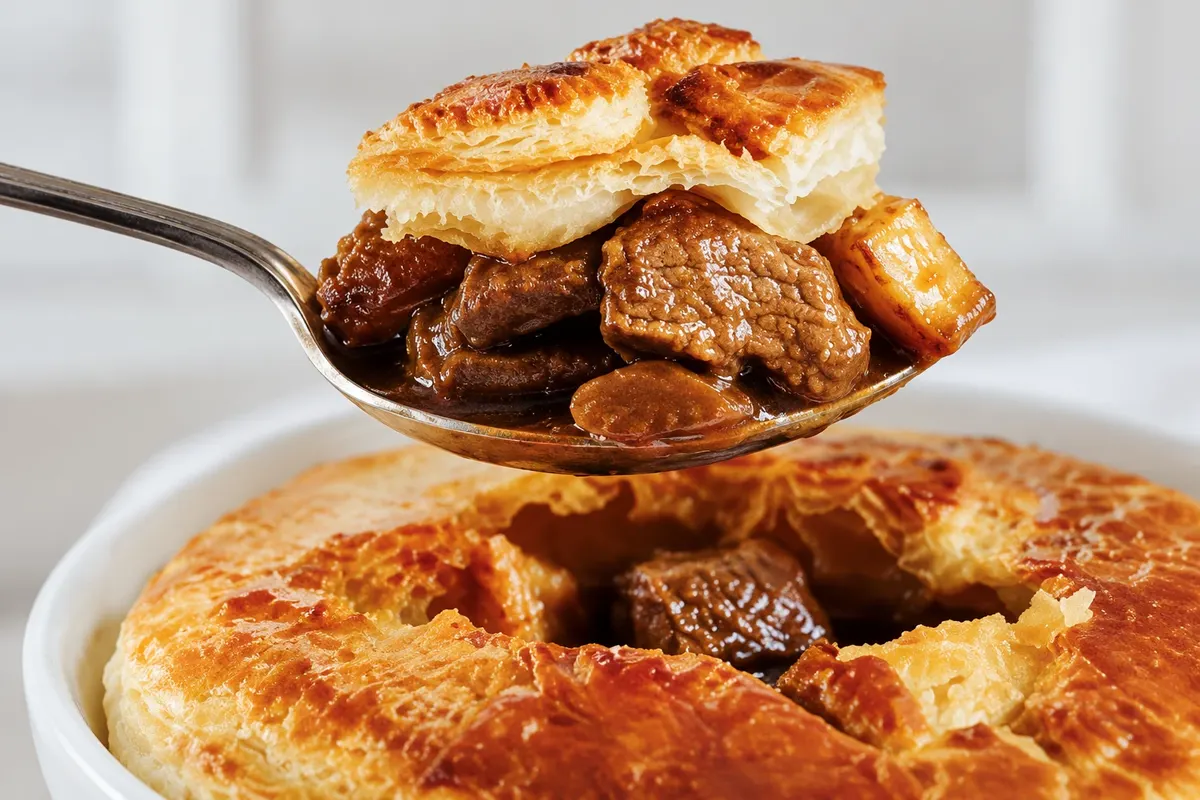
Small lamb pie with a firm crust, traditional at the markets and festivals of County Kerry, also called Dingle pie. It was served with a little of the cooking broth and is still made for the Pattern of Castlegregory in August.
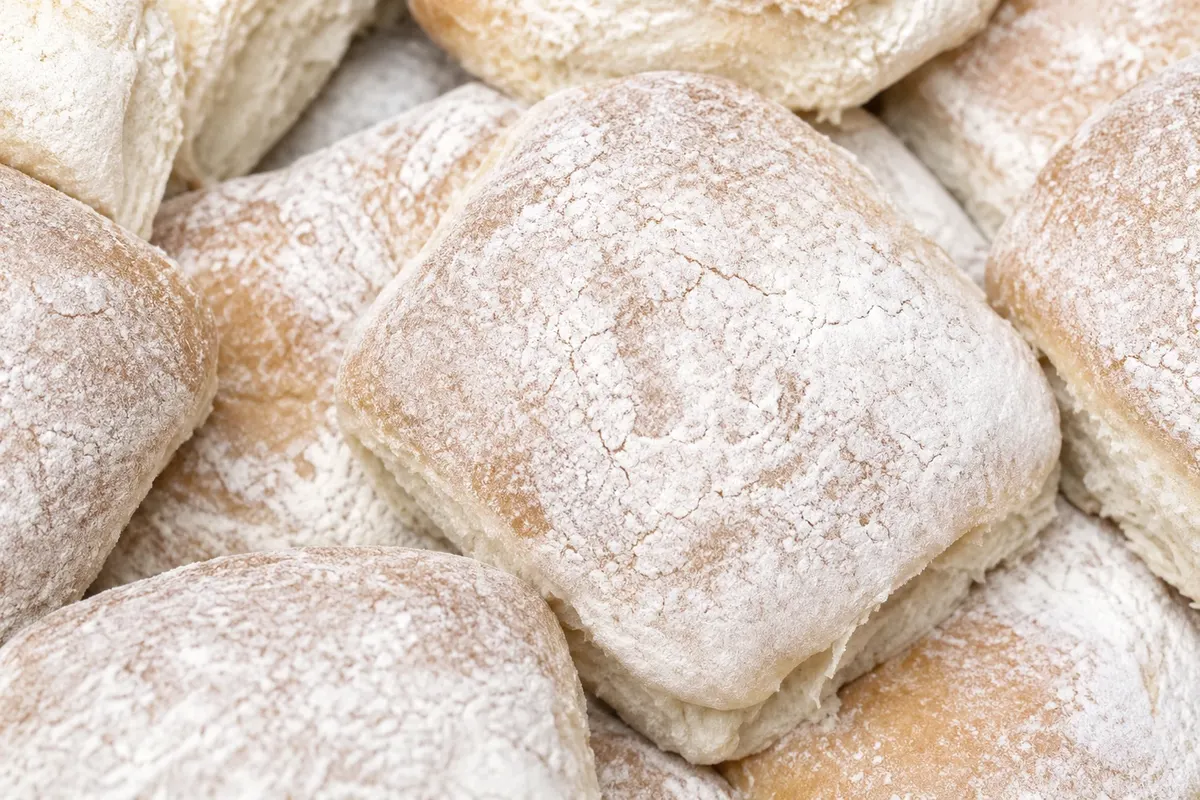
Soft white roll, dusted with flour, baked in batches with the rolls touching each other. It is Waterford’s specialty, has European Union protected geographical indication status since 2013, and is usually eaten at breakfast.