Irish whiskey
Whiskey distilled from malted cereals and aged for at least three years in wooden casks on the island of Ireland. It is protected by a geographical indication that defines four types, including pot still, an Irish specialty.
Flavors · Ireland
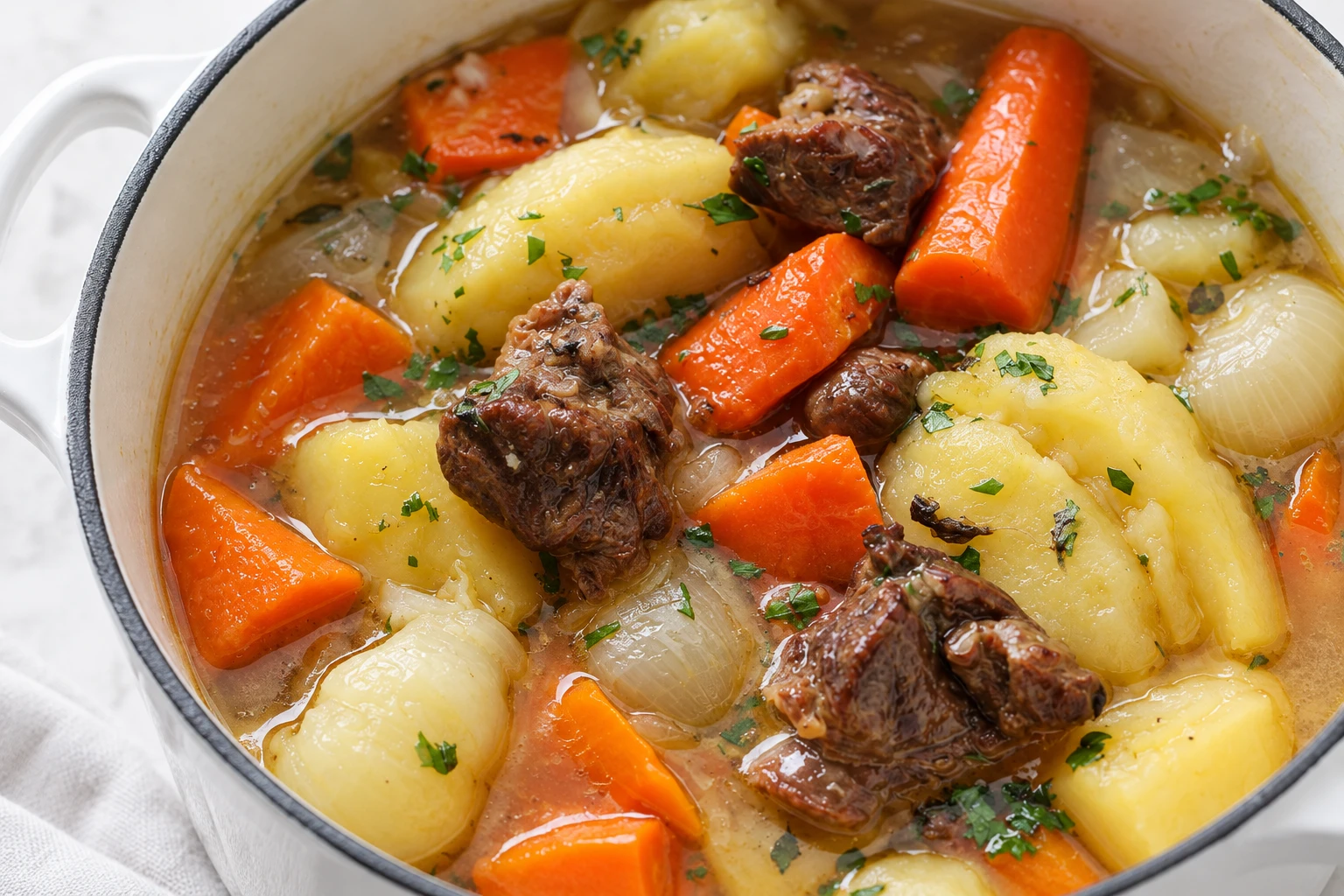
Mutton or lamb stew with potato and onion, slowly cooked in a single pot until the broth thickens. It originated as simple rural food and is considered one of Ireland’s most representative dishes.
Traditional dish from Ireland
Also known as: stobhach Gaelach, stobhach, Irish lamb stew
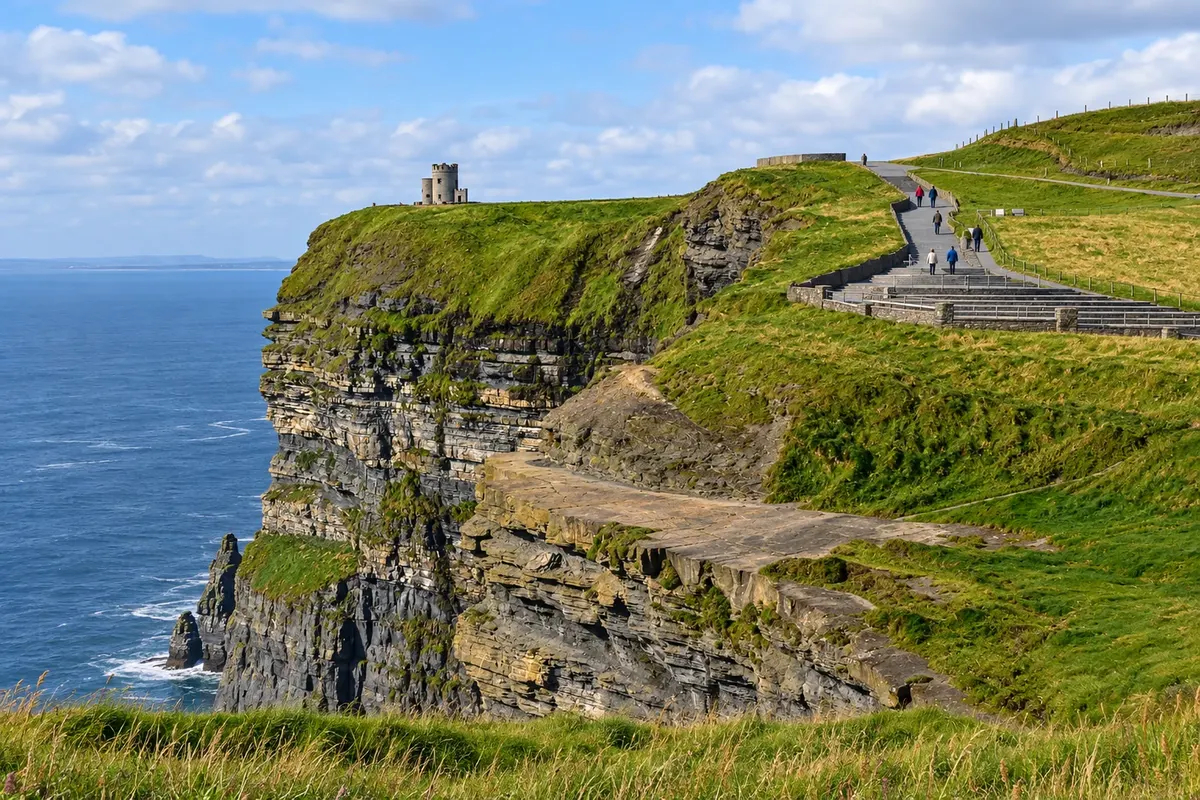
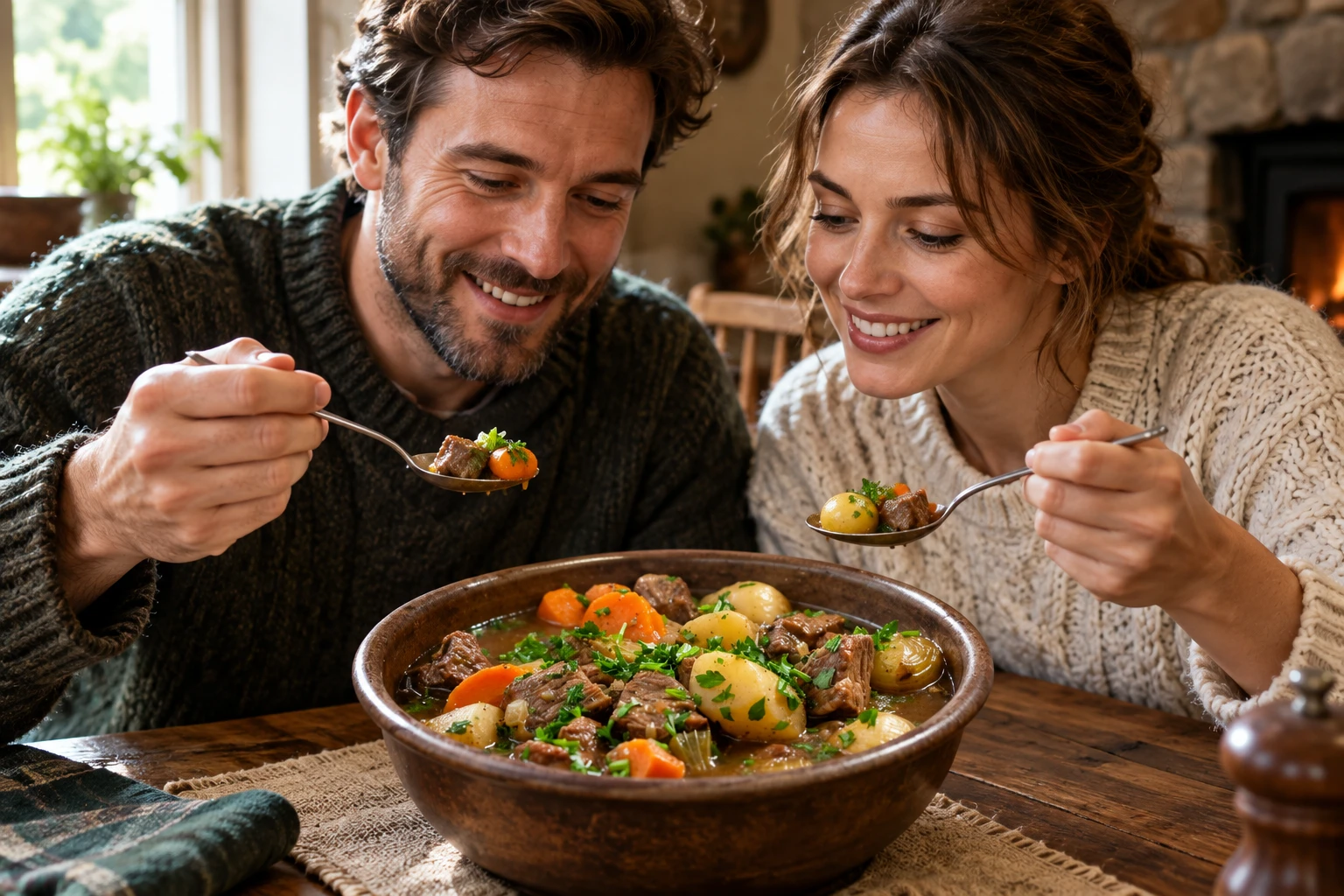
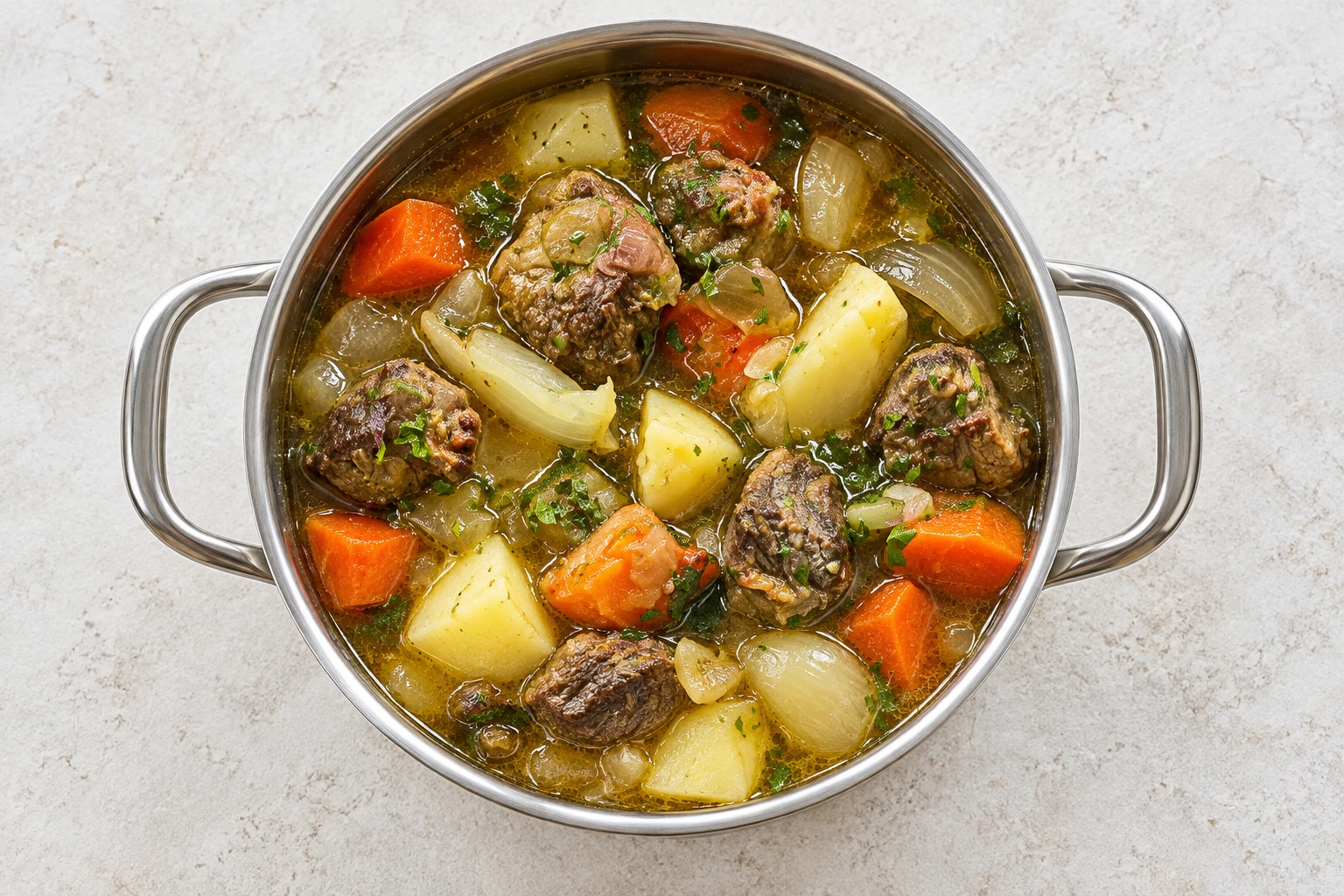
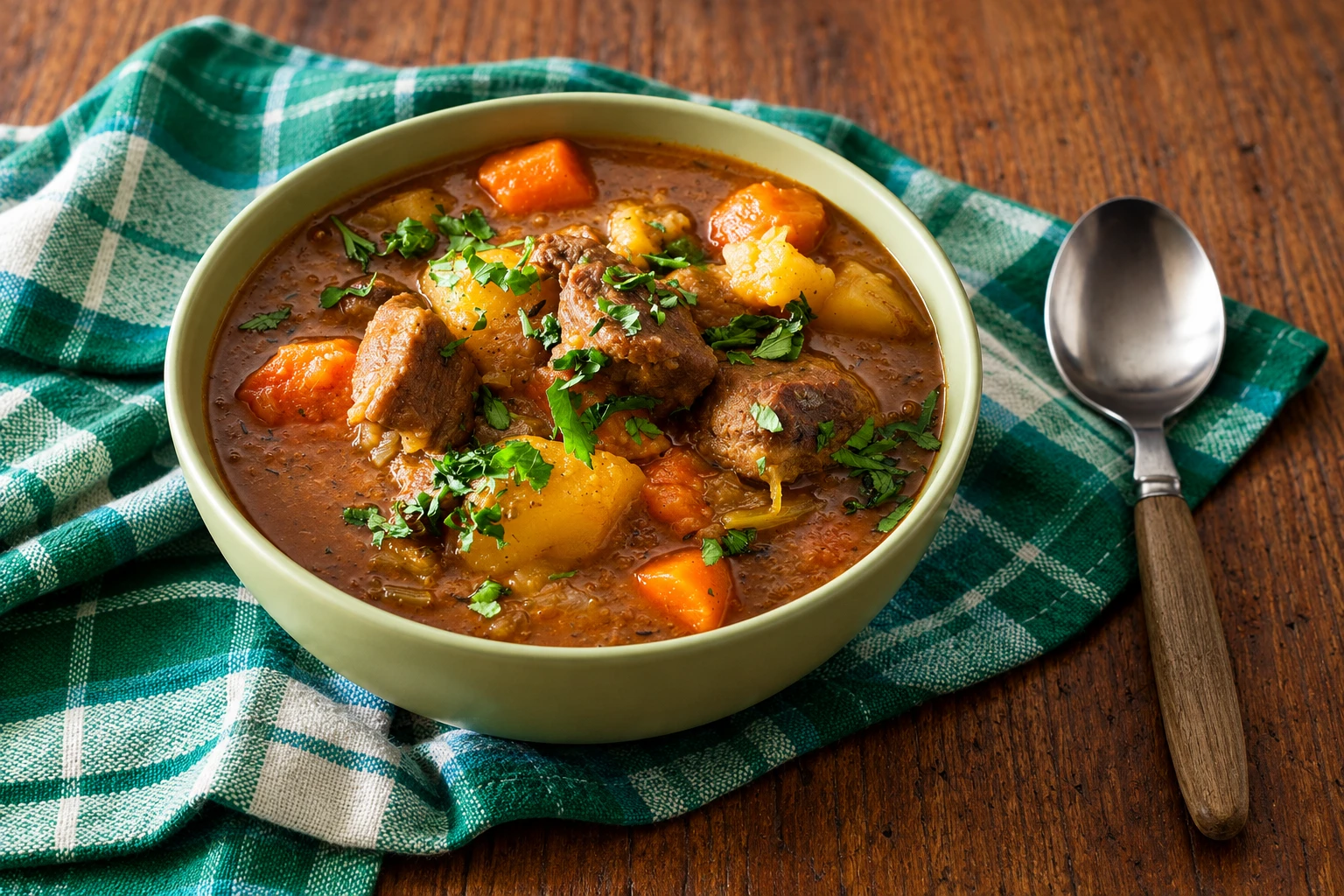
Illustrative images. The pictures in this guide are illustrations based on the real place, not photographs, and may differ from it.
Click a photo to enlarge it.
Irish stew — Ireland
Irish stew is a one-pot stew. The oldest recipe uses pieces of neck mutton on the bone, potato, onion, water, salt and pepper, cooked slowly until the meat falls from the bone and some of the potato breaks down into the broth. In more recent recipes, lamb predominates, and many add carrot, turnip, leek or parsley.
The exact composition is debated within Ireland itself. Purists insist on only mutton, potato, onion and water, without browning the meat and without beer; other families add carrot, and the version made with beef and stout is treated as a different dish, beef stew. All share the idea of slowly cooking inexpensive ingredients.
The dish comes from a kitchen that relied on an open fire and a pot hung above it. Older mutton, tougher and fattier, was cheap and required long cooking. Irish stew recipes appear in writing in the 19th century, and the dish accompanied the history of rural families and emigrants who took the recipe abroad.
A home-cooked dish from north to south with no single place of origin, Irish stew appears on the Irish state food agency’s list of the country’s most iconic dishes. It is usually served in a deep bowl, with soda bread for dipping into the broth.

Ireland
A stew made in homes across the country, considered one of the most representative dishes of Irish cuisine.
Mutton or lamb, potato, onion, water or stock, salt and pepper; some recipes add carrot, turnip, leek and parsley.
Hot, in a deep bowl, with soda bread or other bread for dipping into the broth.
Any time of year, more often in winter; commonly served on March 17th, St. Patrick’s Day.
Your questions
It depends on the family. Purists use only mutton, potato, onion and water; many modern recipes add carrot and other vegetables.
The traditional recipe uses mutton or lamb. The beef stew made with stout is treated in Ireland as a different dish.
Flavors of Ireland

Whiskey distilled from malted cereals and aged for at least three years in wooden casks on the island of Ireland. It is protected by a geographical indication that defines four types, including pot still, an Irish specialty.

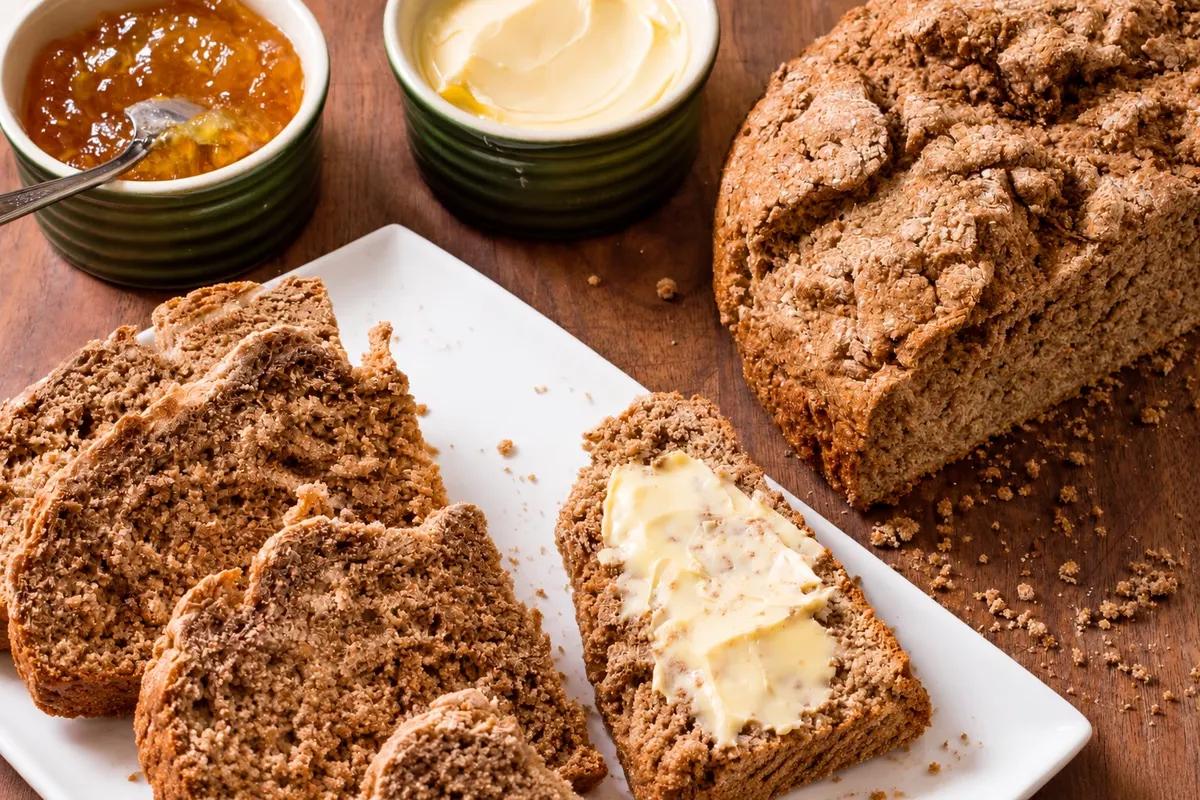
Quick, unleavened bread made with flour, buttermilk, salt and baking soda, baked in a round loaf with a cross cut on top. Since the 19th century it has been the home bread of Ireland.

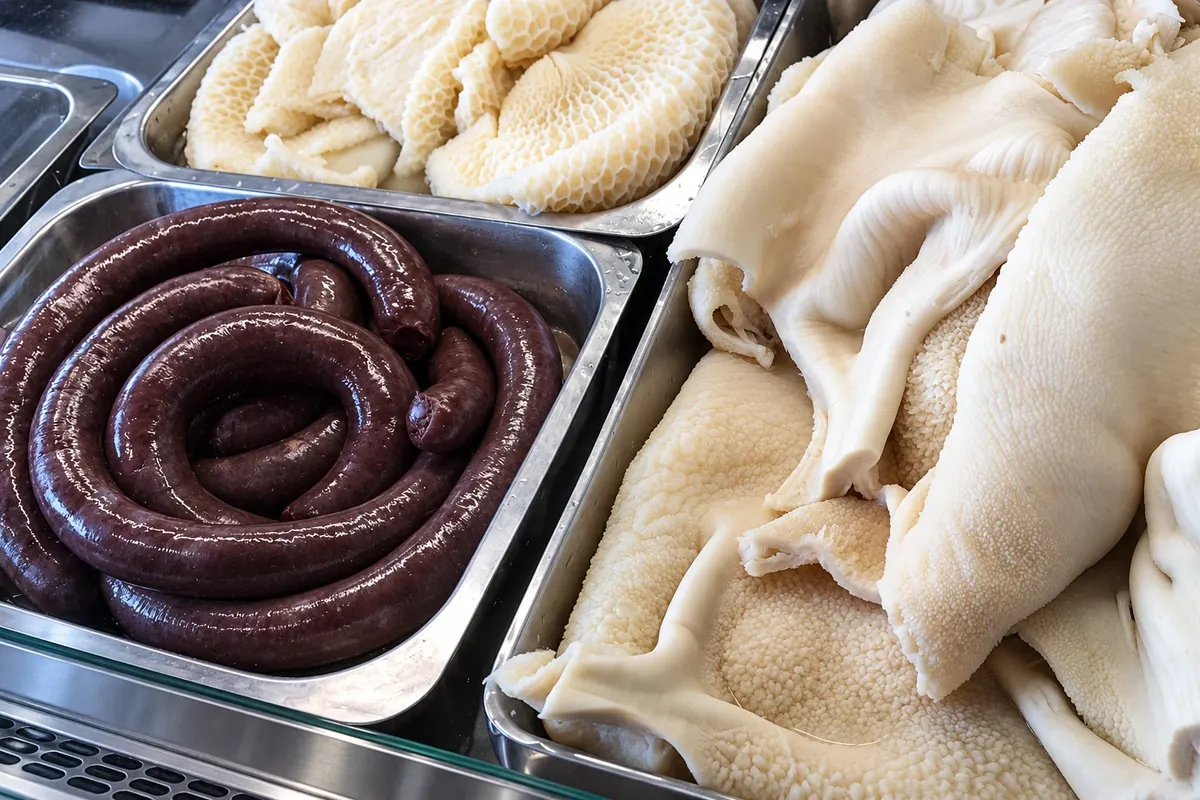
Beef tripe slow-cooked in milk with onion and served with drisheen, a blood sausage. It is a traditional dish of Cork, tied to the city’s history as a meat-exporting port.

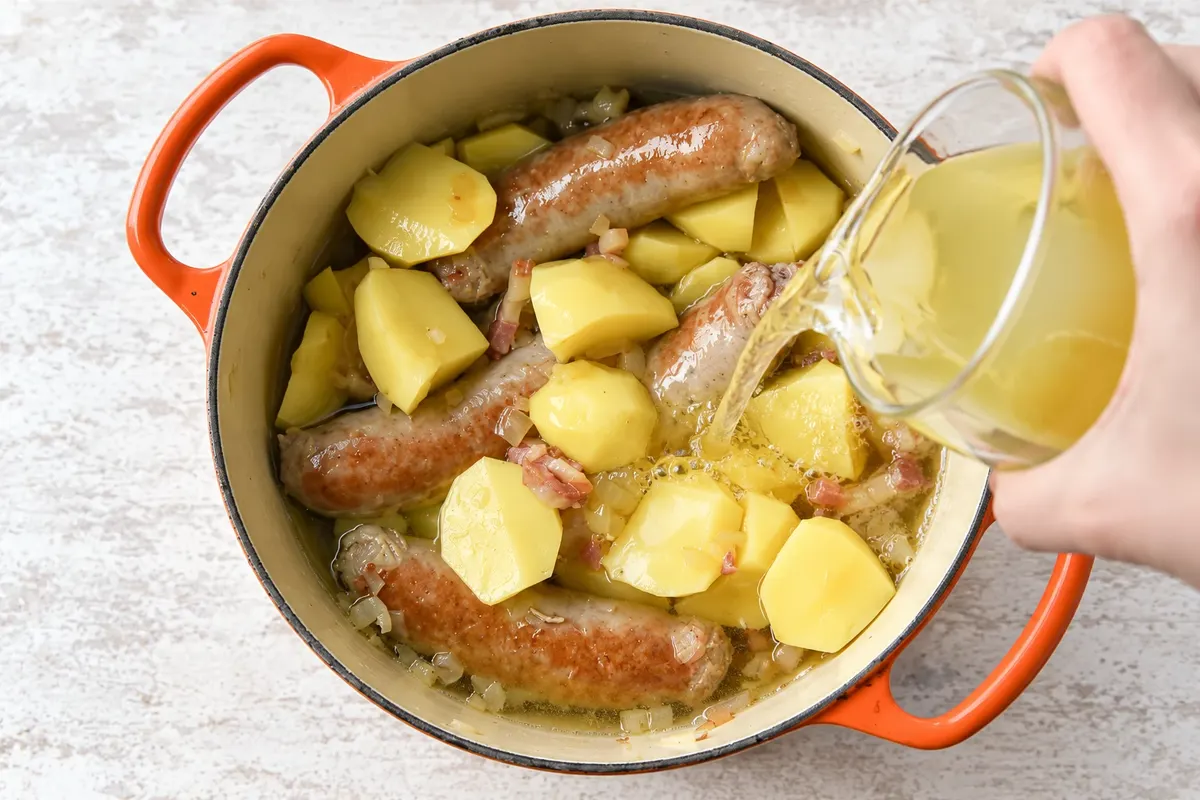
Stew of pork sausage, bacon, potato and onion, slowly cooked in a covered pot in a clear broth. It is the working‑class food of Dublin and appears in references to the city in the work of James Joyce.

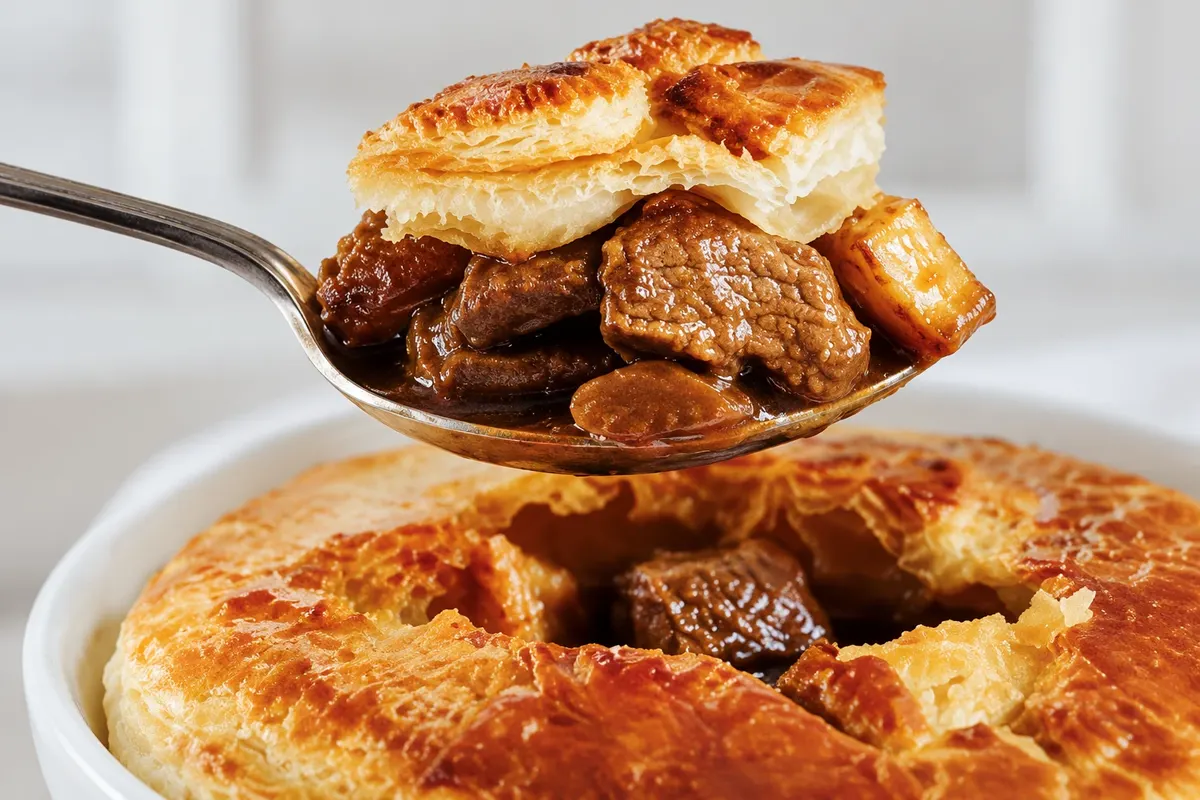
Small lamb pie with a firm crust, traditional at the markets and festivals of County Kerry, also called Dingle pie. It was served with a little of the cooking broth and is still made for the Pattern of Castlegregory in August.

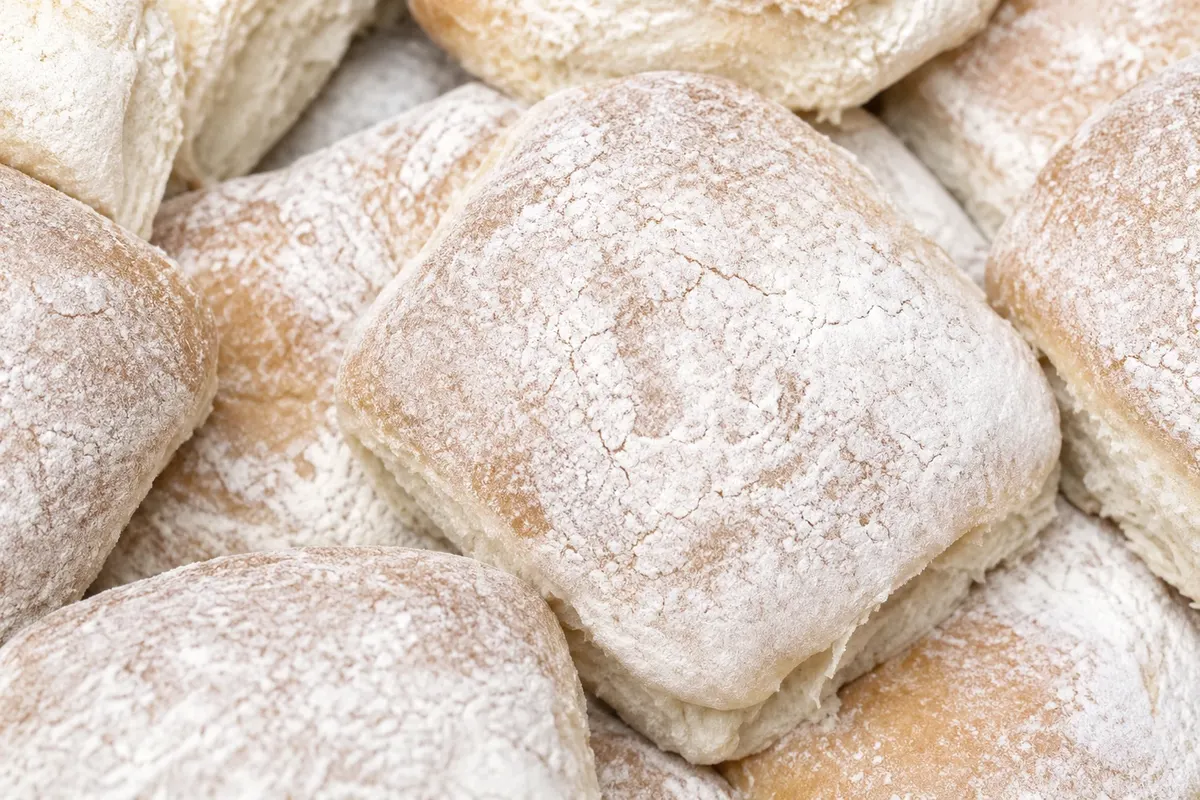
Soft white roll, dusted with flour, baked in batches with the rolls touching each other. It is Waterford’s specialty, has European Union protected geographical indication status since 2013, and is usually eaten at breakfast.