Busójárás in Mohács

Popular festival · Baranya

Busójárás in Mohács

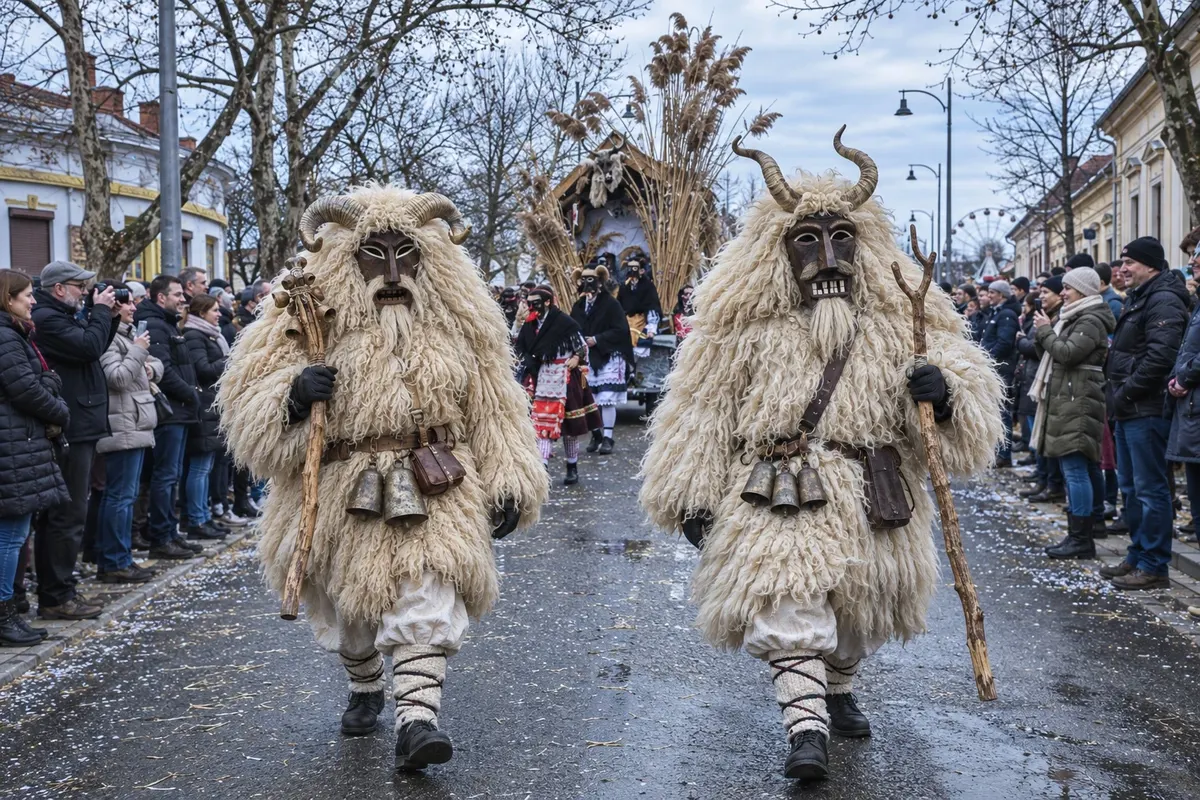
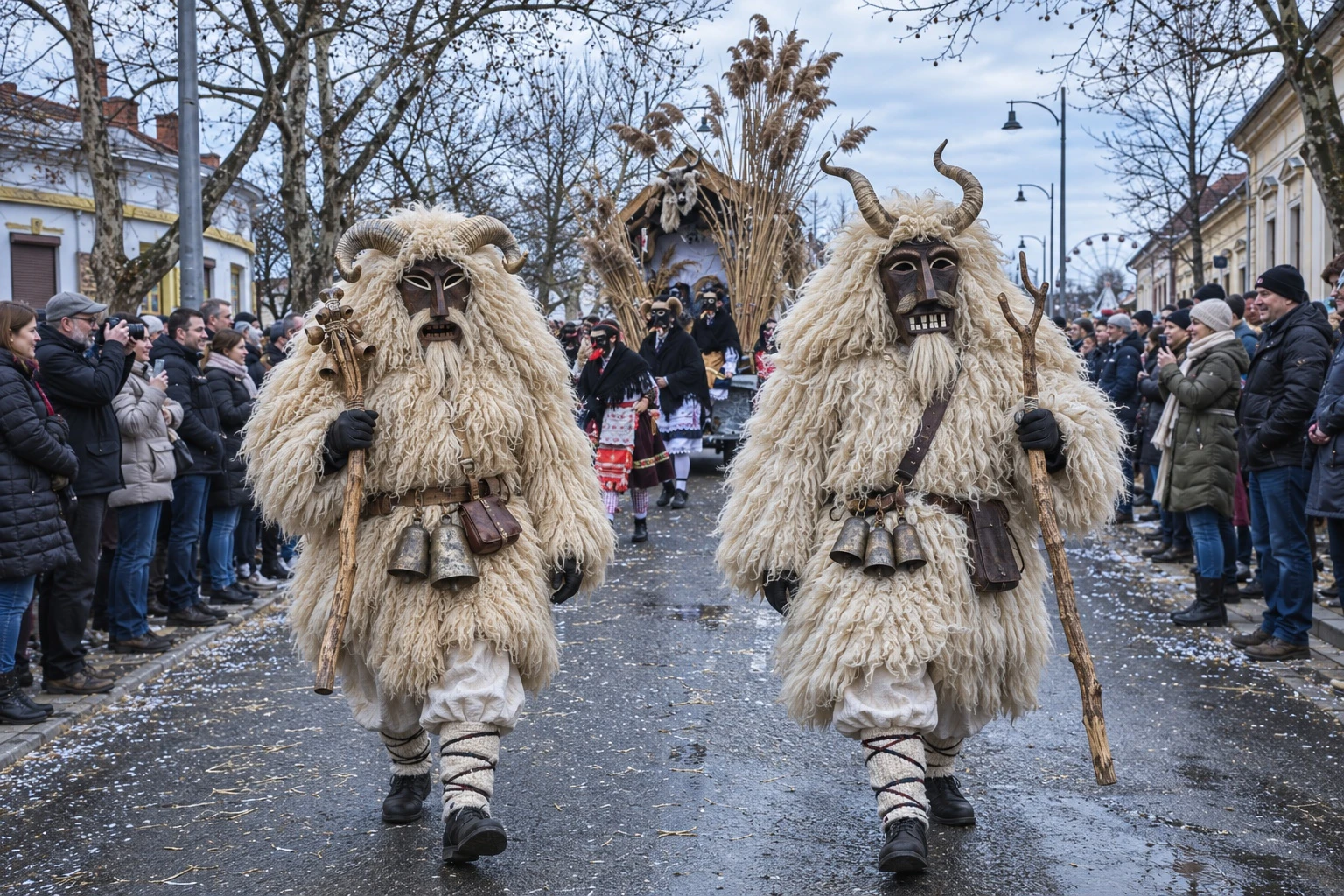
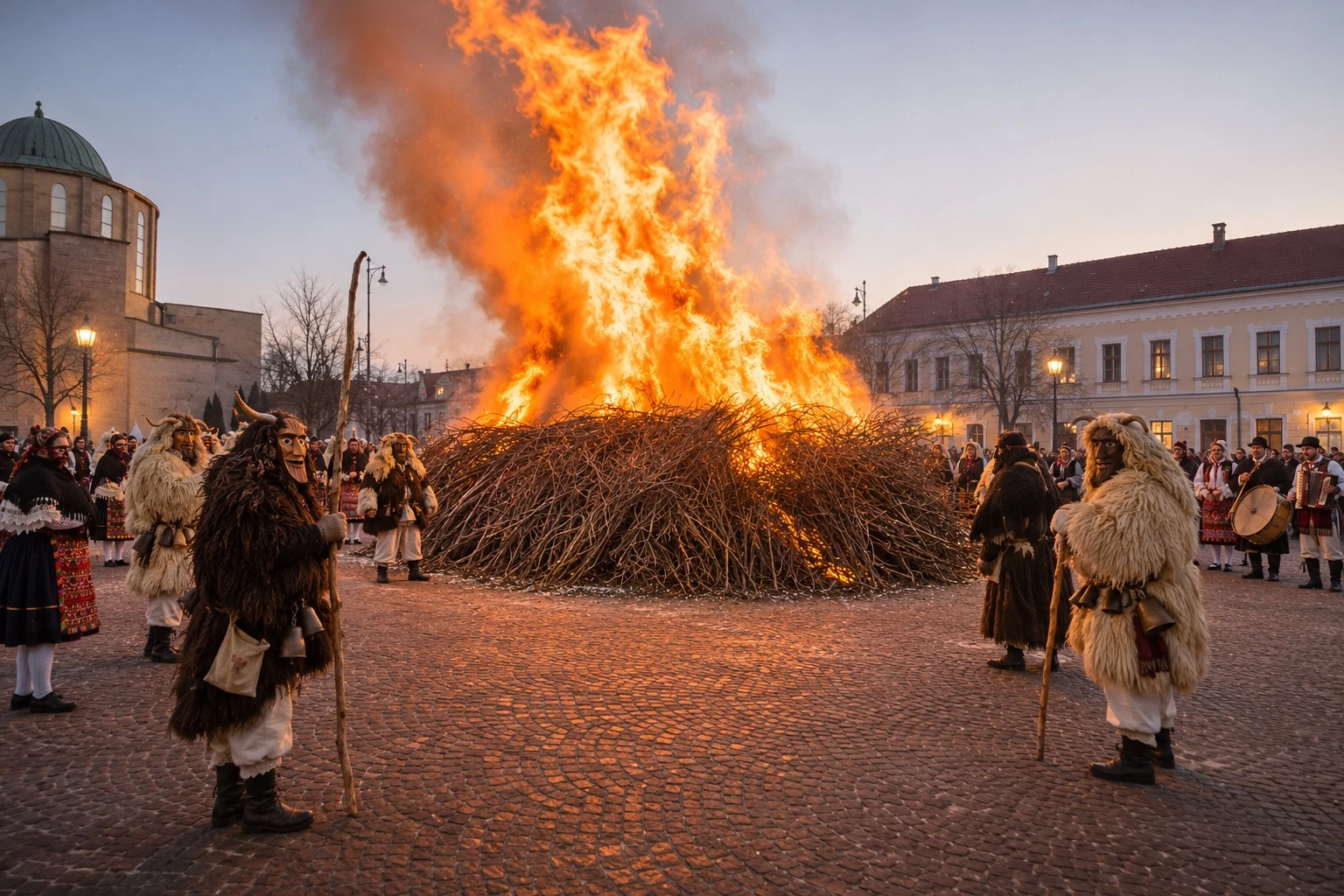
At the end of Carnival, the busós take over Mohács, a town on the Danube in southern Hungary. Wearing horned wooden masks and sheepskin cloaks, these men make their way noisily through the streets to drive winter away in a six-day festival recognized by UNESCO.

In the photo: Busójárás in Mohács

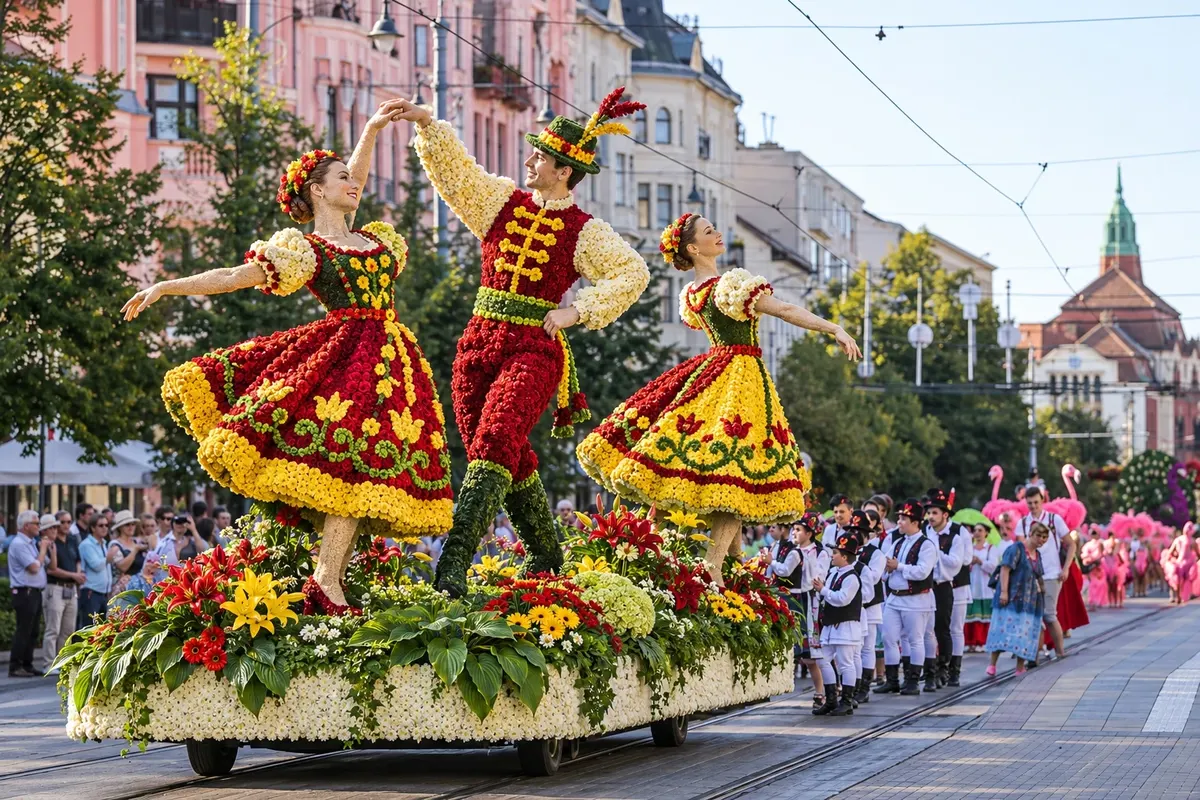
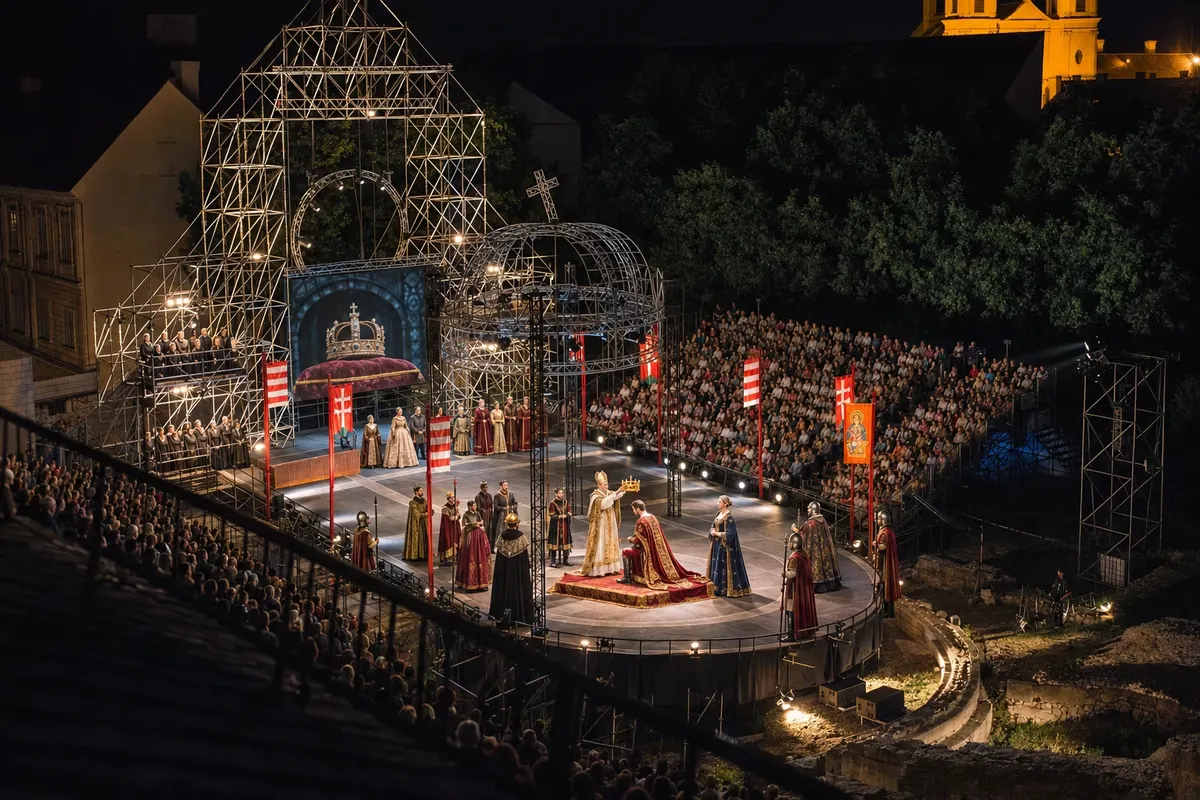
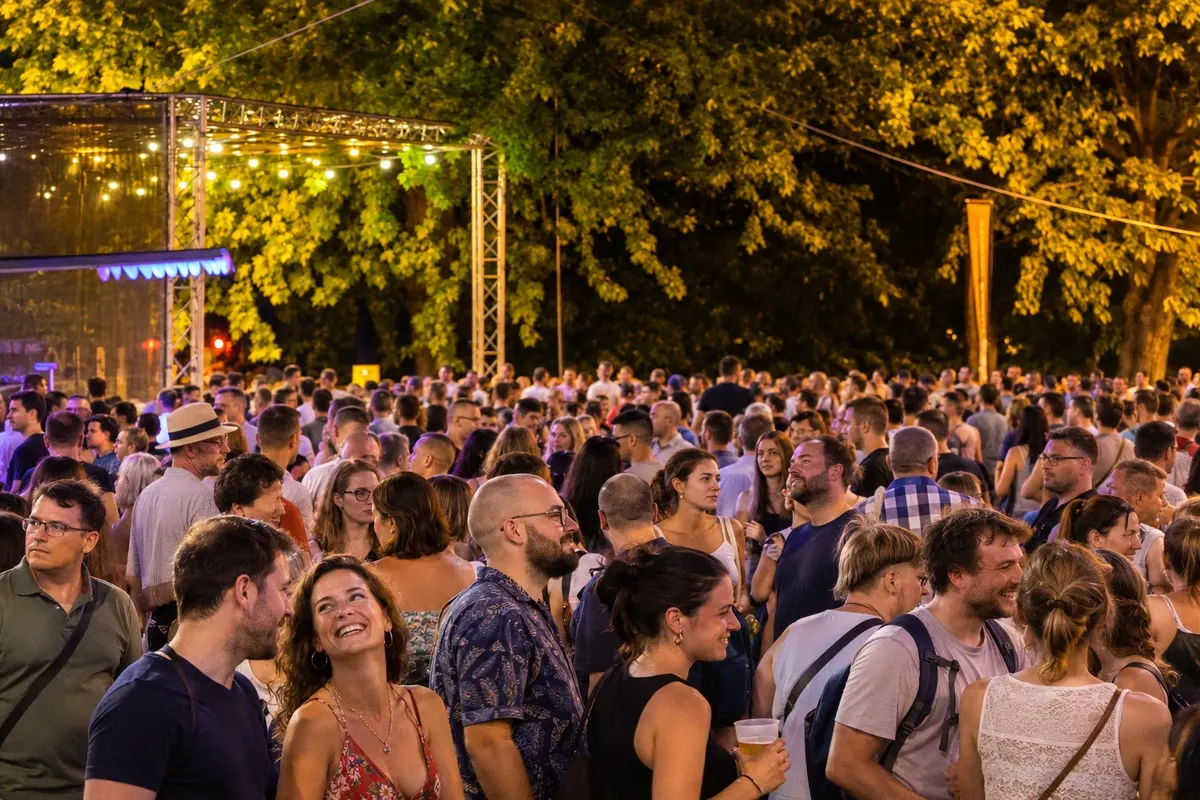
Illustrative images. The pictures in this guide are illustrations based on the real place, not photographs, and may differ from it.

Get it on Google Play

Click the picture to enlarge it.

Busójárás in Mohács — Baranya
Busójárás in Mohács
Busójárás in Mohács — Baranya
Busójárás in Mohács
Busójárás in Mohács — Baranya
Busójárás in Mohács
Busójárás in Mohács — Baranya
Busójárás in Mohács

Busójárás in Mohács — Baranya

When

For six days at the end of Carnival, from Thursday through the Tuesday before Ash Wednesday.

February/March

Where

Baranya

Organizer

Official website

Dates, program and tickets

Dates change every year: check this year's date before you travel.

The festival

What the Busójárás in Mohács is

Mohács is a small town on the banks of the Danube in southern Hungary, near the borders with Croatia and Serbia. It is home to the Šokci, a community of Catholic Croats who arrived in the region centuries ago. Their celebration, Busójárás, or the “march of the busós,” is Hungary’s most famous Carnival festival.

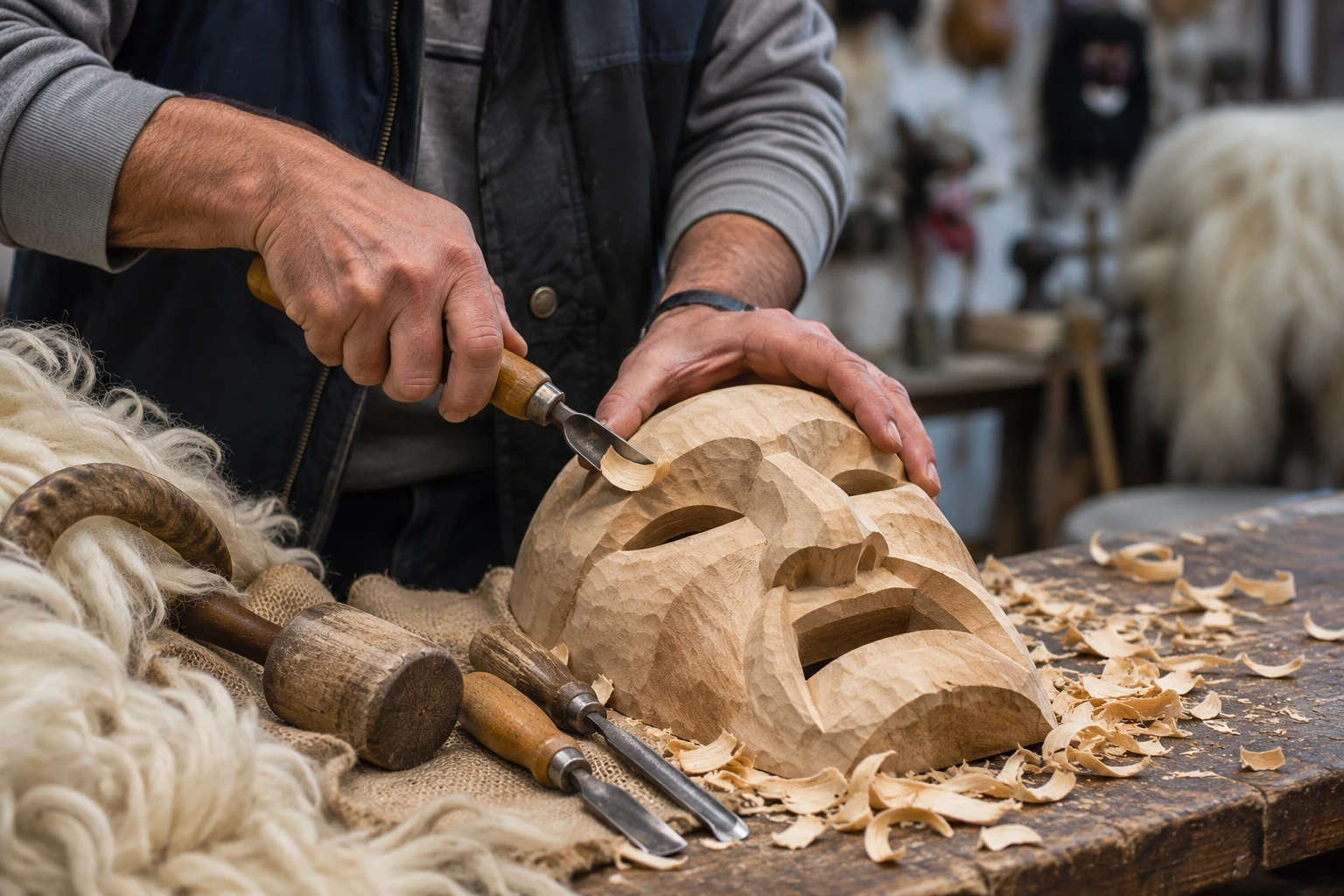
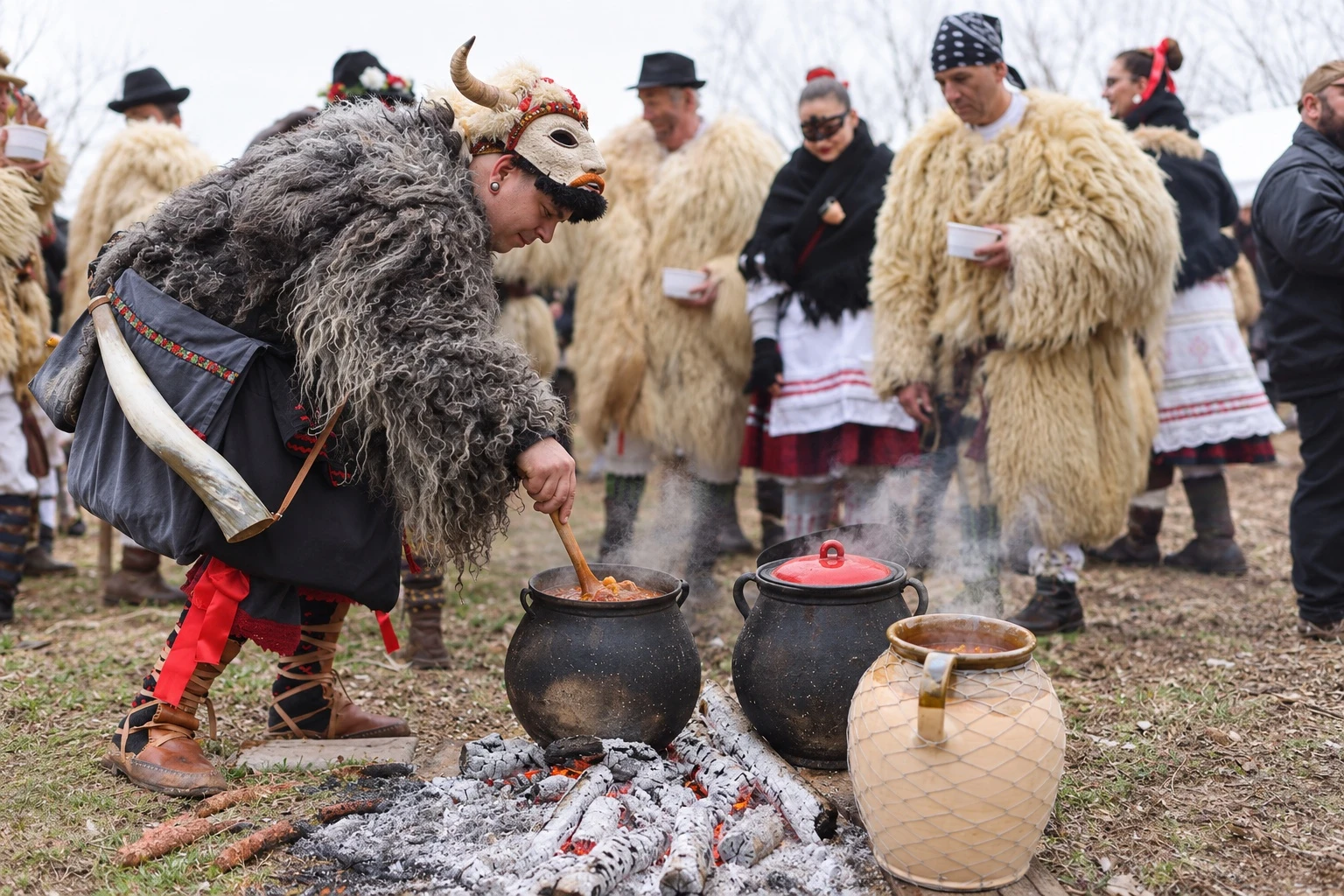
The busós are men who wear sheepskin cloaks with the wool facing out, belts hung with bells, and carved, painted wooden masks with horns that give them a fearsome appearance. Carrying clappers and other noisemakers, they make their way through town to drive winter away and welcome spring. Local tradition also tells another story: the men of Mohács are said to have gone into hiding in the marshes and returned in masks to frighten the Turks and drive them out. UNESCO added Busójárás to its list of intangible cultural heritage in 2009. The festival is also a Hungarikum, a designation on Hungary’s official list of national treasures.

The festival lasts six days, from Thursday through Carnival Tuesday. The highlight is Sunday, when groups of busós arrive by boat on the Danube and parade through town to the main square, with tamburica music, dancing, and crowds lining the streets. Groups of busós also come from neighboring countries. On Tuesday, the festival ends with the burial of Carnival: winter’s coffin is burned on a large bonfire in the square.

Throughout the six days, there are folk music and dance performances on stage, workshops for children, regional food, and a woodcarvers’ fair where the carvers show how the masks are made.

It’s worth the trip to see one of Hungary’s oldest and most striking traditions in a small town that is completely transformed at the end of winter.

Share: WhatsApp

What not to miss

The arrival of the busós by boat on the Danube and the big Sunday parade. Tuesday’s bonfire for the burial of Carnival. The carved wooden masks and the woodcarvers’ workshop. Tamburica music on the stages in the square.

How to enjoy it

Go on Sunday for the parade, or stay for Tuesday’s bonfire. Arrive early: the town gets very crowded, and parking spaces fill up. Wear clothes you don’t mind getting dirty: the busós joke around with spectators, and the square gets packed. Book accommodation in Mohács or Pécs well in advance.

What to eat

Carnival street food and Danube fish dishes at the stalls and restaurants in Mohács.

Plan ahead

The dates change each year with the Carnival calendar. Confirm the festival program and check bus schedules to Mohács. If you’re coming from Pécs, it’s also worth checking what train services are available during the festival.

February/March

Around the same time

Your questions

Questions about Busójárás in Mohács

Who are the busós?

They are men in sheepskin cloaks and horned wooden masks who make their way through Mohács at the end of Carnival, making noise to drive winter away.

When is Busójárás?

It takes place over the last six days of Carnival, from Thursday through the Tuesday before Ash Wednesday. The date changes each year, falling in February or March.

What’s the best day to go?

Sunday, when the busós arrive by boat on the Danube and the big parade takes place. On Tuesday, the festival ends with a bonfire marking the burial of Carnival.

Festivals and events in Hungary

Other festivals

See the full calendar

Beyond the guide