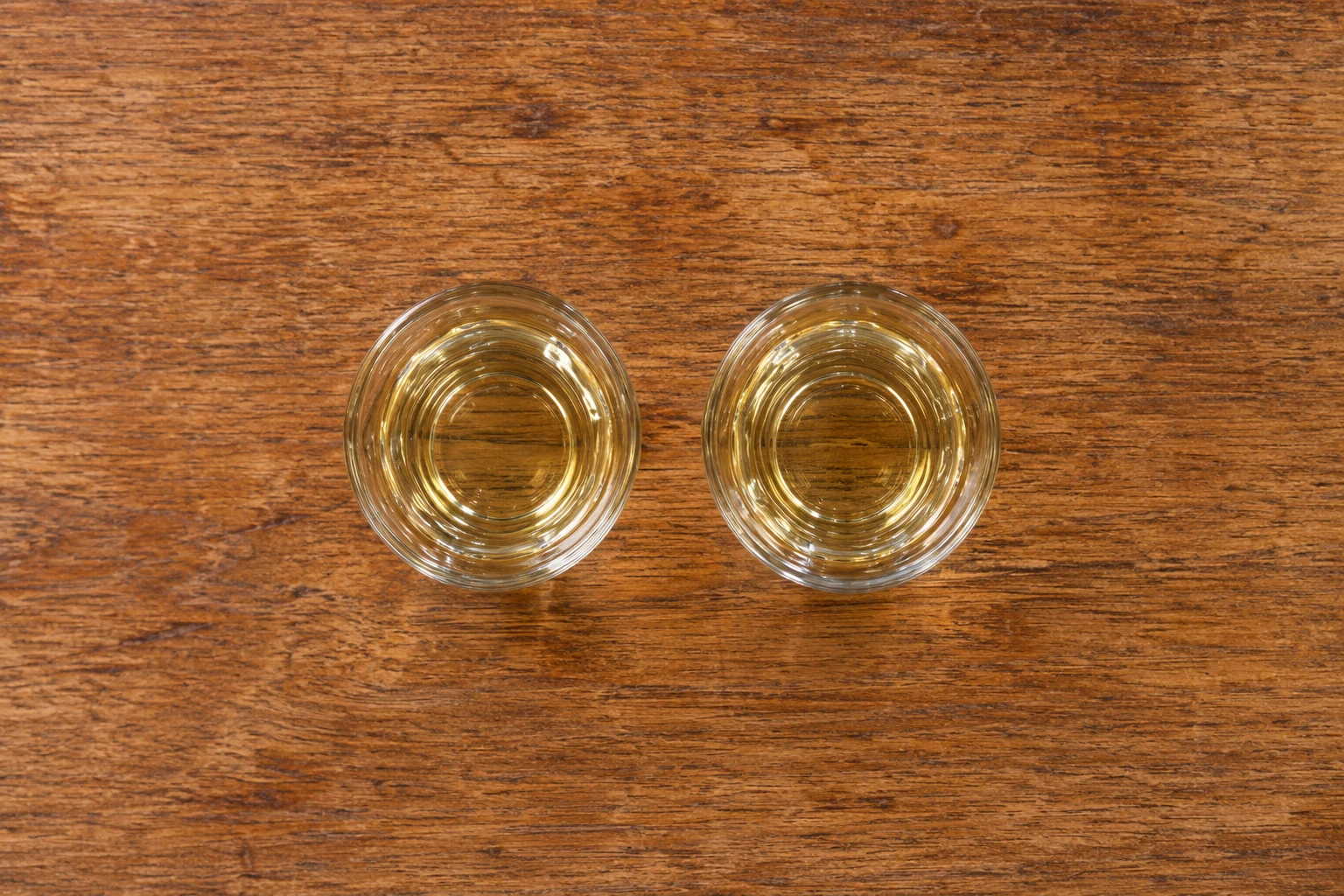
Jenever is a cereal distillate flavored with juniper (jeneverbes in Dutch), from which the name comes. It is regarded as the predecessor of gin. In the traditional version, the base is moutwijn, a distillate of malted barley, rye and wheat, then redistilled with juniper and other botanicals.
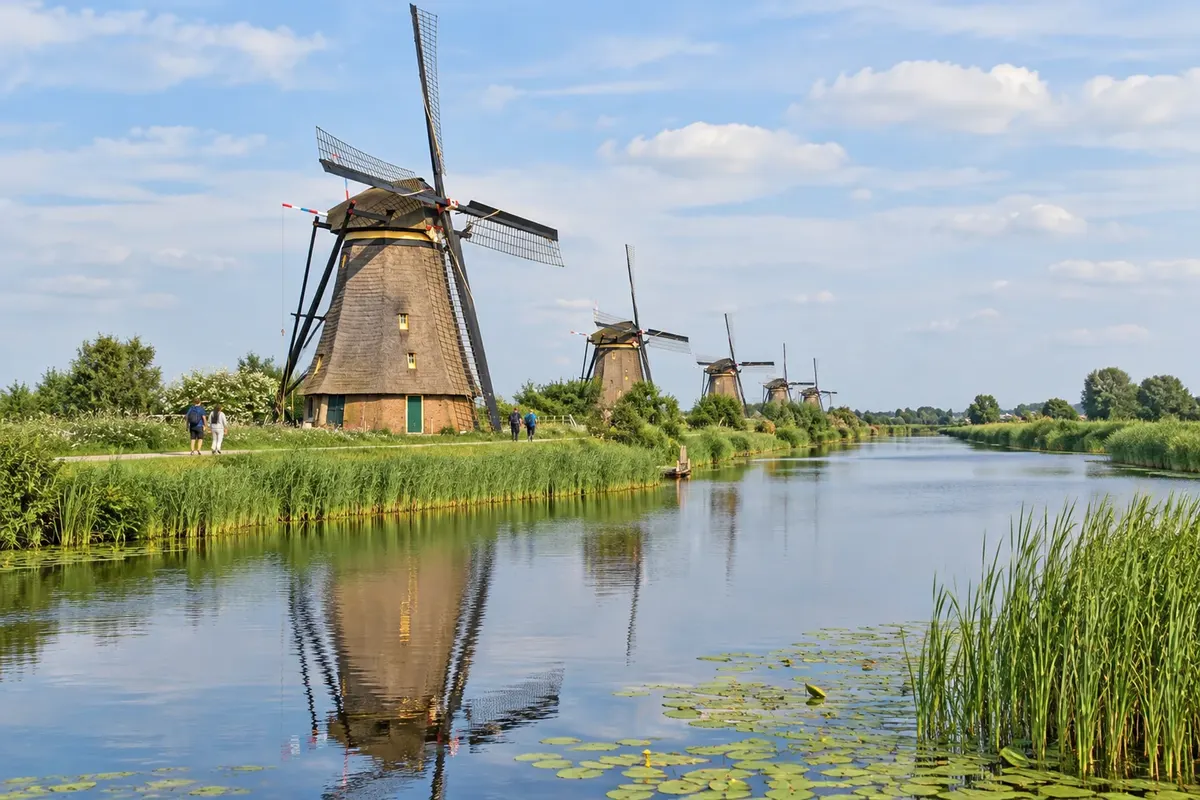
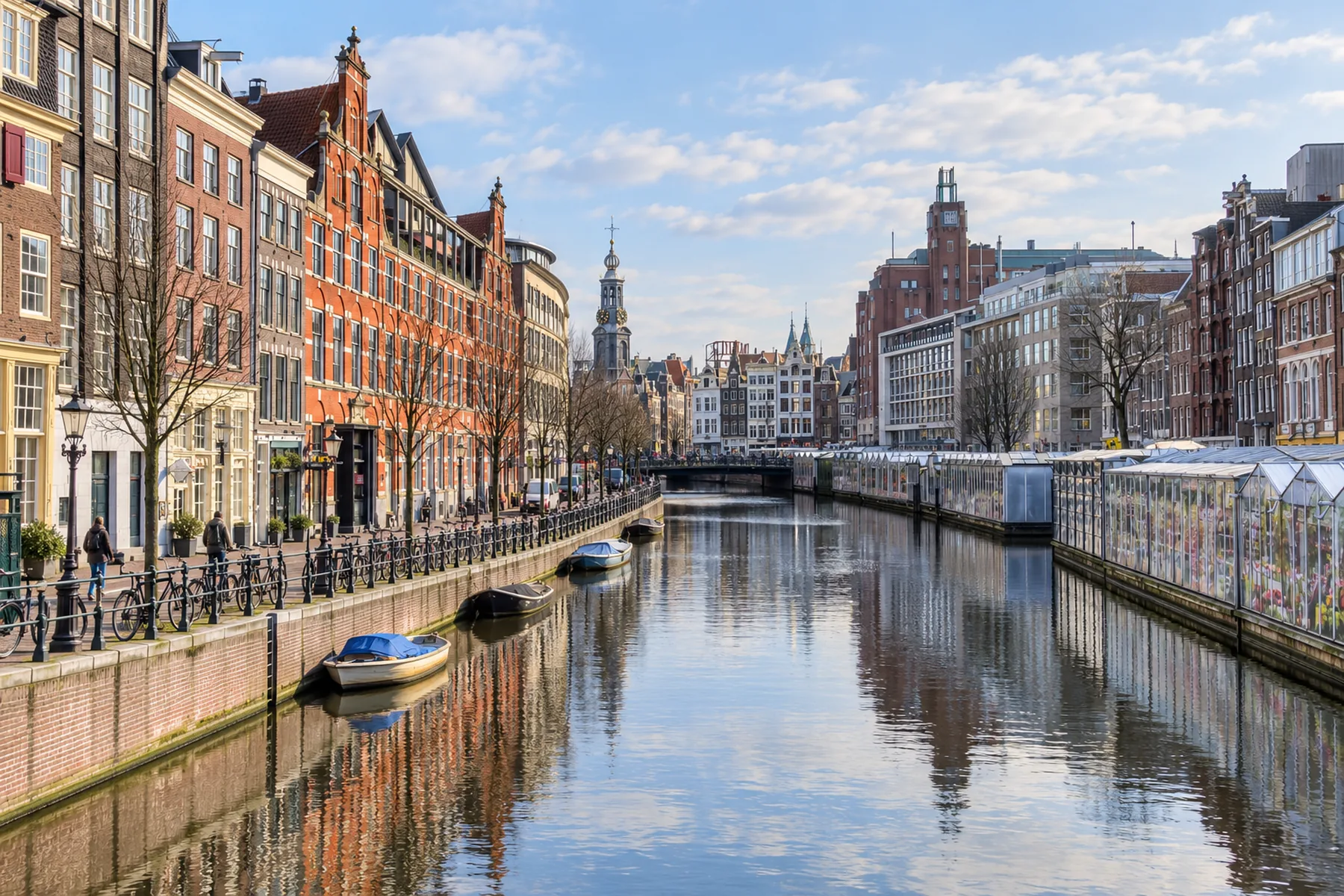
Schiedam, a town near Rotterdam, built its history around this drink. According to the Dutch motoring club ANWB, the town had 392 distilleries at its peak in 1880, spread among malt houses and warehouses along the canals. The grain was ground by giant windmills erected atop the old walls. The smoke from so many boilers blackened the façades, and the town earned the nickname Black Nazareth.
Some distilleries remain active, and the national drink museum on Lange Haven keeps a small distillery that follows the old recipe.
Jenever is not exclusive to Schiedam. Within the European Union, the name is a protected geographical indication shared by the Netherlands, Belgium, the French departments of Nord and Pas-de-Calais and the German states of North Rhine–Westphalia and Lower Saxony; other Dutch and Belgian towns also have distilling traditions. This page is associated with Schiedam, where the drink shaped the landscape and the economy.
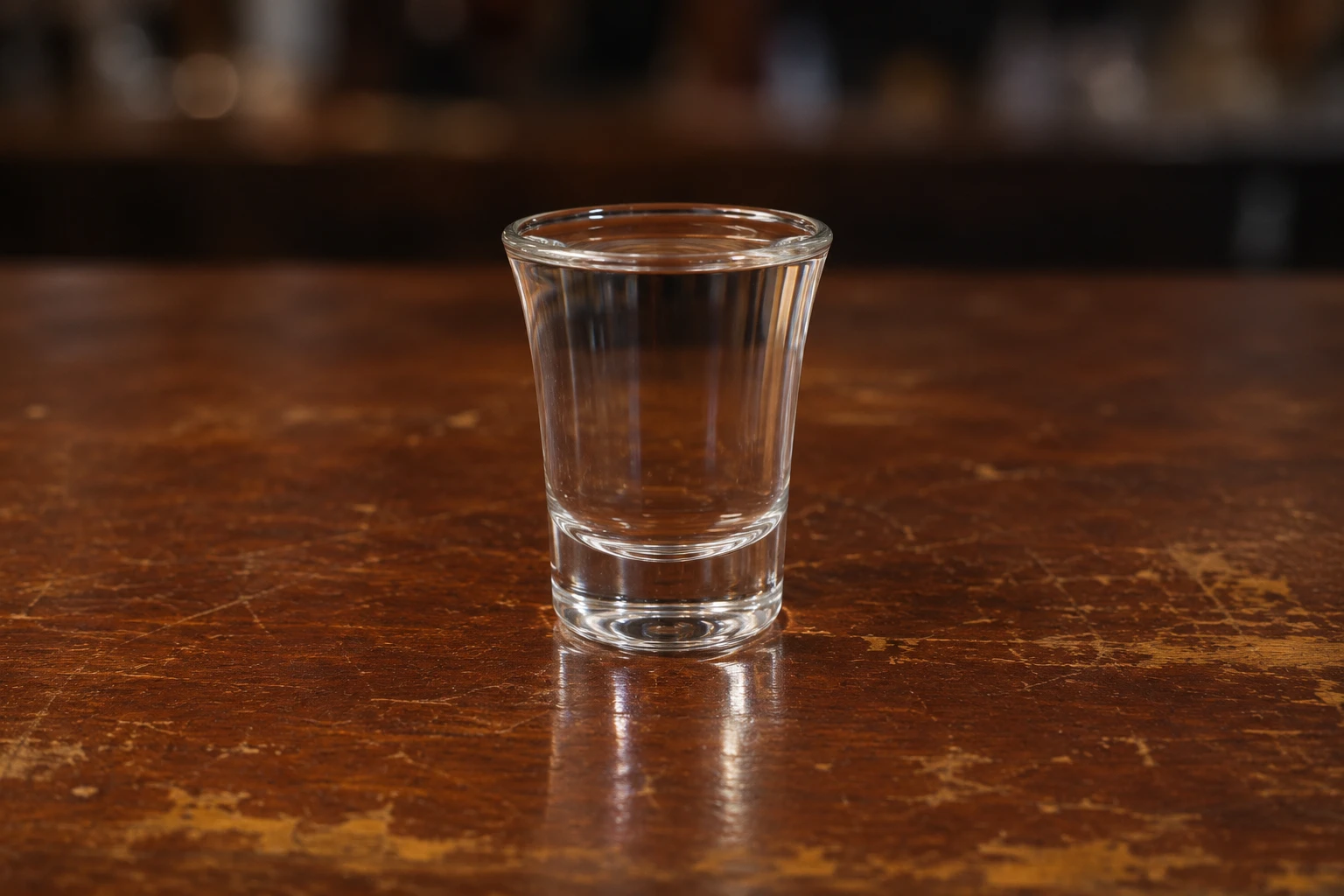
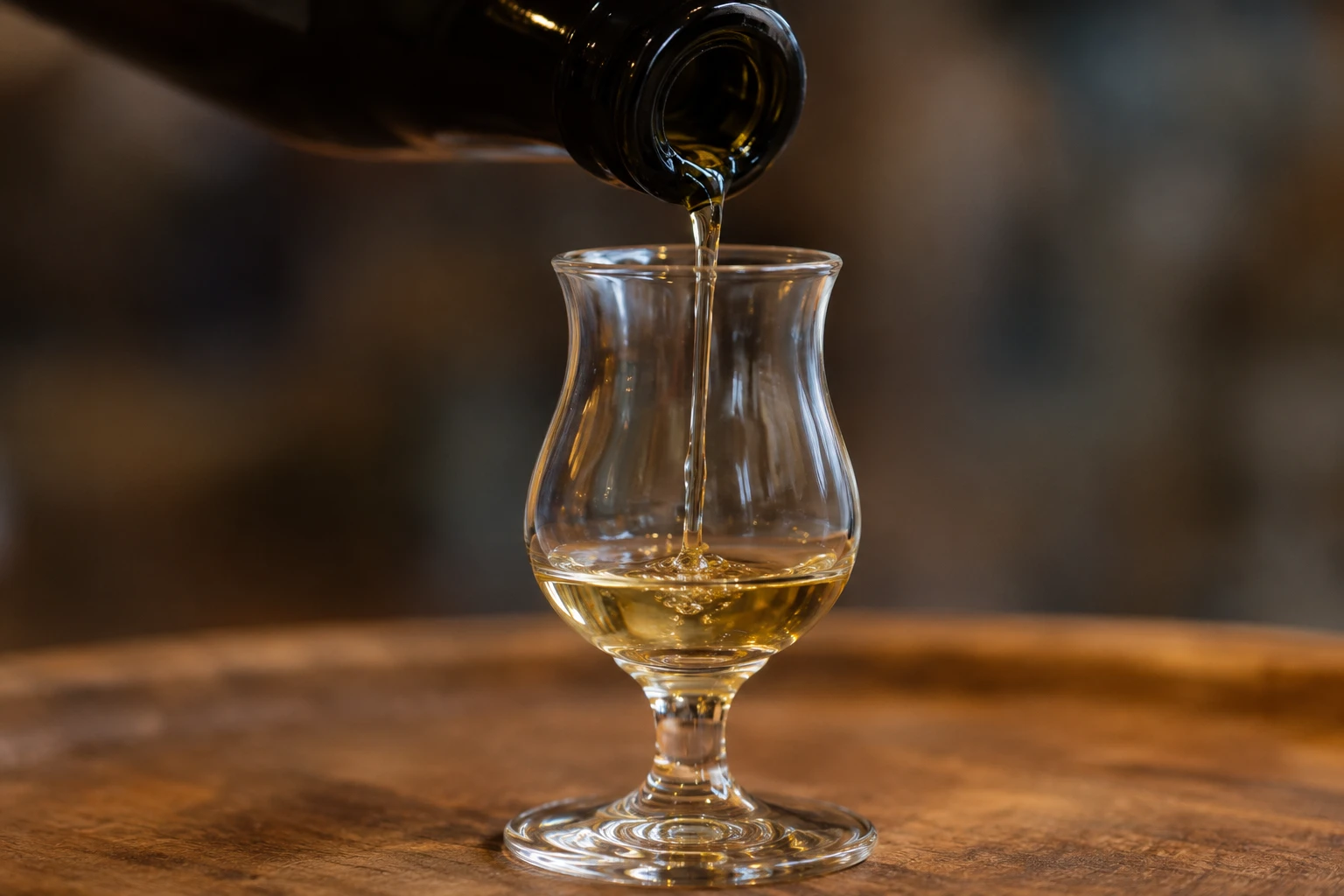
There are two main styles: oude jenever, following the older recipe with more moutwijn and a malty flavour, and jonge jenever, which is lighter. In bars it is served in a small tulip-shaped glass filled to the rim.


 Brazil
 Argentina
 Bolivia
 Chile
 Colombia
 Ecuador
 Guyana
 French Guiana
 Falkland Islands (Malvinas)
 Paraguay
 Peru
 Suriname
 Uruguay
 Venezuela
 Germany
 Austria
 Belgium
 Croatia
 Denmark
 Spain
 Finland
 France
 Greece
 Hungary
 Ireland
 Iceland
 Italy
 Luxembourg
 Norway
 Poland
 Portugal
 the United Kingdom
 the Czech Republic
 Sweden
 Switzerland
 Turkey
 Canada
 the United States
 Mexico
 the Dominican Republic
 South Africa
 Australia
 Fiji
 New Zealand
 Papua New Guinea