Erwtensoep
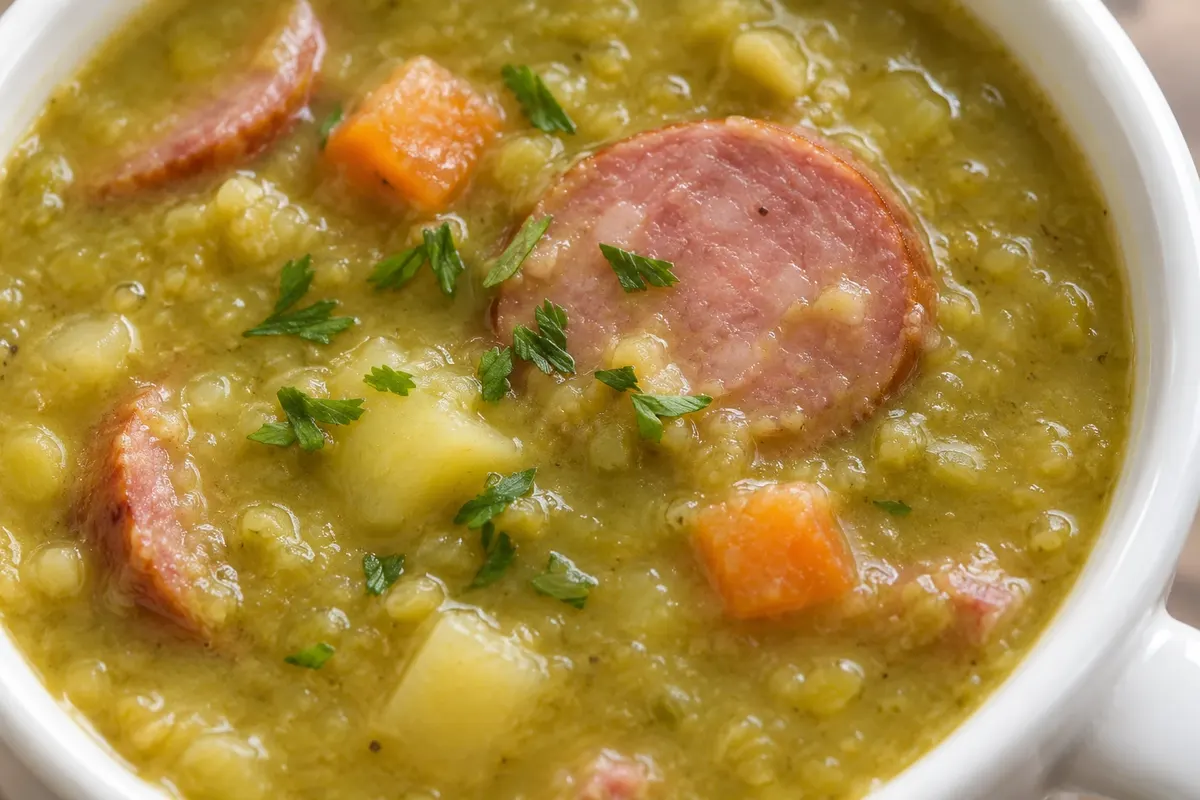
Thick split pea soup with vegetables and smoked sausage that in winter can become so thick a spoon can stand upright. The preparation of erwtensoep, also called snert, was recognized as intangible heritage of the Netherlands in July 2018.
Flavors · Rotterdam
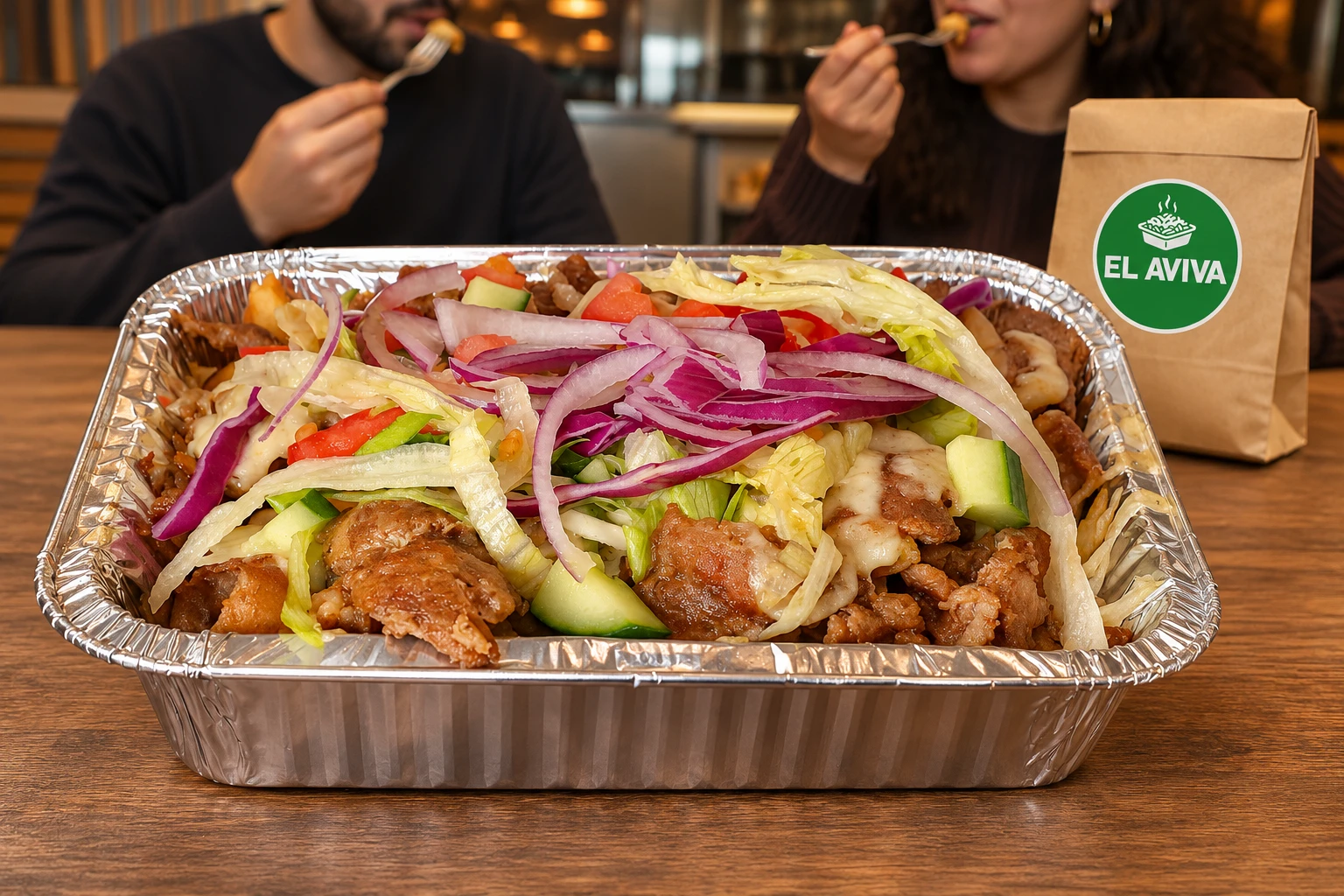
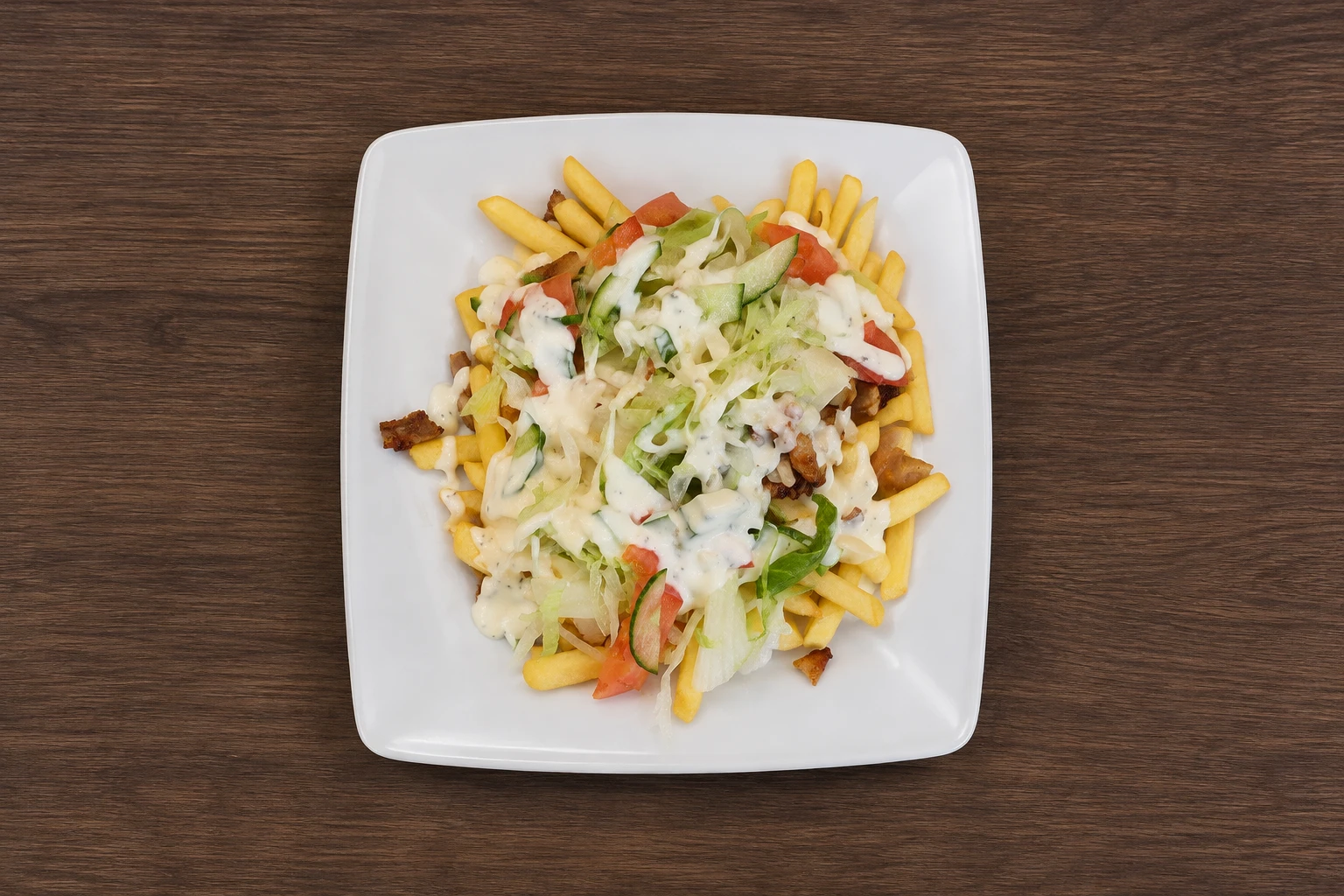
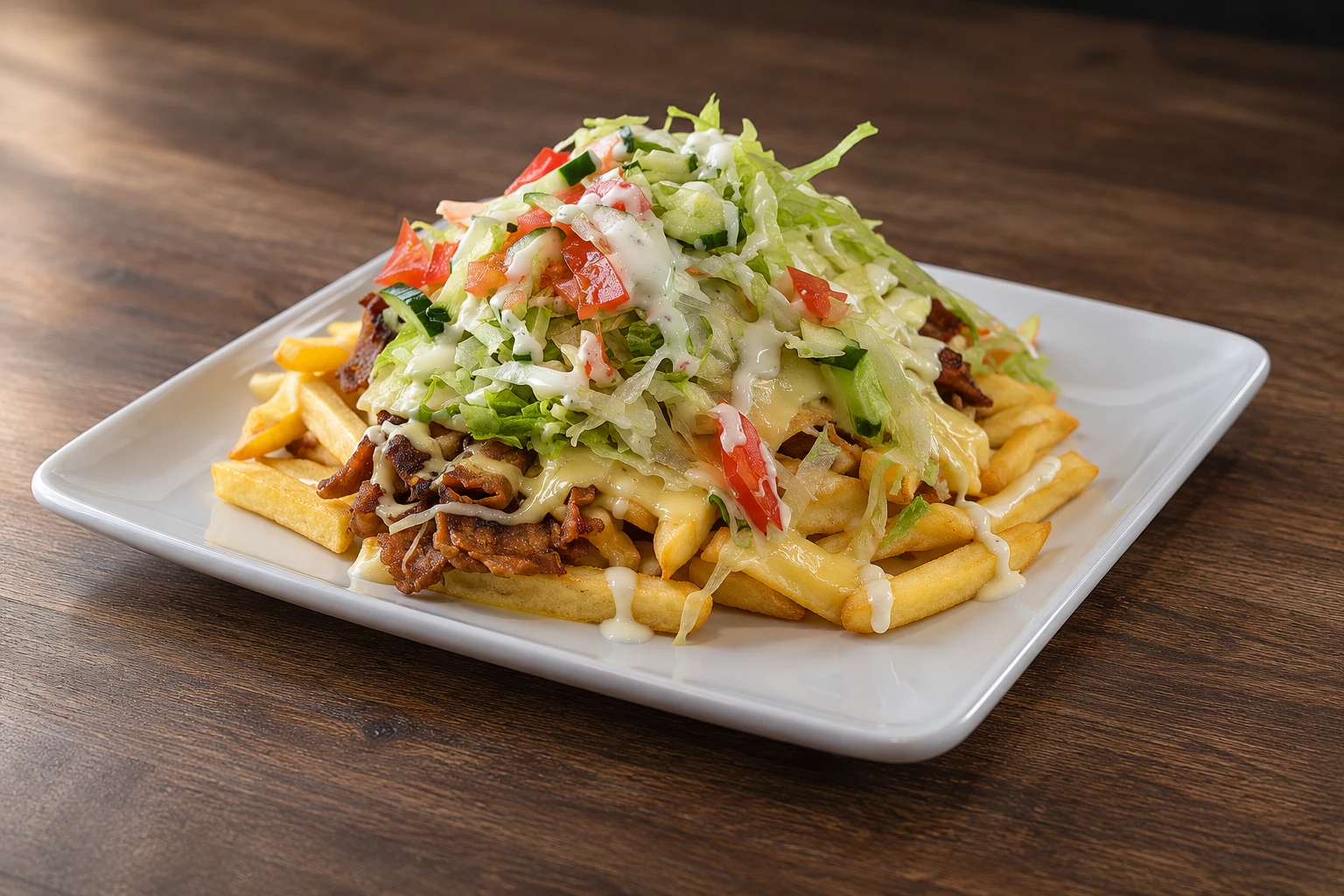
Tray of French fries topped with shoarma, melted cheese, salad, garlic sauce and sambal. Created in 2003 at a snack bar in Rotterdam for hairdresser Nataniël Gomes, it took the name of his salon and spread across the Netherlands.
Traditional dish from Rotterdam, Holanda Meridional
Illustrative images. The pictures in this guide are illustrations based on the real place, not photographs, and may differ from it.
Click a photo to enlarge it.
Kapsalon — Rotterdam, the Netherlands
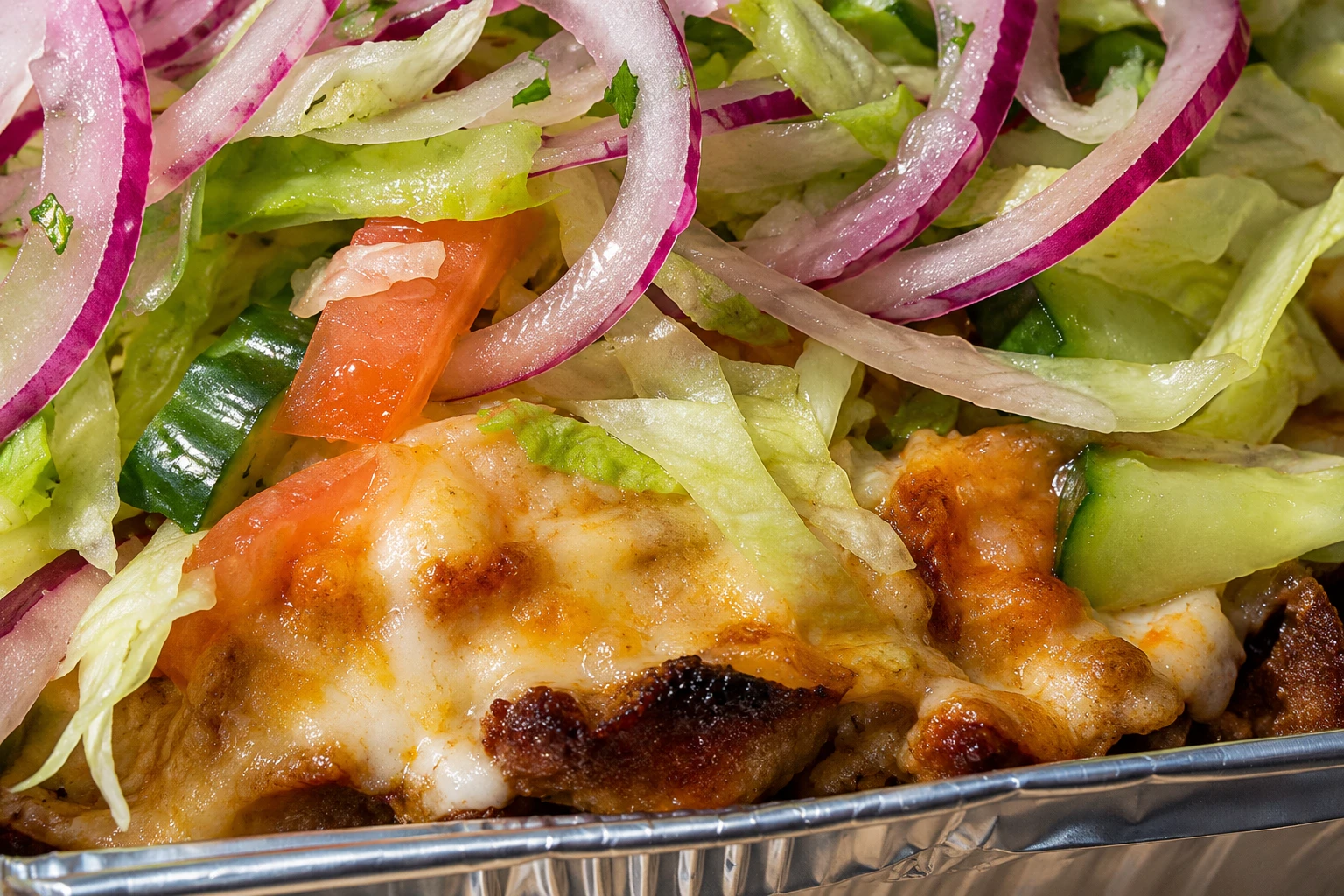
The kapsalon is a fast-food dish served in an aluminum tray: a layer of French fries, shoarma meat on top, cheese melted in the oven and, finally, salad, garlic sauce and sambal, the chili paste common in the Netherlands. The word kapsalon means hair salon.
The story is recent and has an address. According to accounts published by the Dutch press, in 2003 hairdresser Nataniël Gomes, known as Tati, owner of a salon in Delfshaven, a neighborhood of Rotterdam, asked at the neighboring shoarma snack bar El Aviva for a combination that was not on the menu: the fries, the meat, the cheese and the salad in the same container. He repeated the order so many times that the staff started calling it by the name of his salon.
Other customers copied the order, the combination spread to other snack bars in Rotterdam and, after a few years, to the rest of the country. The city’s official tourism board presents the kapsalon as part of the local cuisine, and the press recorded, in 2019, a dispute between snack bars in Rotterdam and Amsterdam over the authorship of the dish. Gomes died in 2023, and a street tribute gathered hundreds of people in the neighborhood.
The dish has variations: with chicken or döner instead of shoarma, with different cheeses, with more or less salad. What doesn’t change is the order of the layers, from hot at the bottom to fresh on top. It’s snack-bar food, often ordered late at night, served in large portions.
First-time tasters usually divide: the standard tray is generous. The garlic sauce and sambal are poured on top, and it’s common to ask for less of one or the other.

Rotterdam , Holanda Meridional
Created in 2003 at a snack bar in Delfshaven, Rotterdam.
French fries, shoarma meat (lamb, chicken or mixed), Gouda-style cheese melted, lettuce or chopped salad, tomato, cucumber, garlic sauce and sambal.
In the aluminum tray itself, with a plastic fork, while still hot. Often shared between two people.
Snack-bar food for any day, very popular at night.
Your questions
Kapsalon means hair salon. The dish was created in 2003 at the request of hairdresser Nataniël Gomes from Rotterdam, and the order took the name of his salon.
In layers, in an aluminum tray: fries on the bottom, shoarma meat, melted cheese and, on top, greens and sauces.
Often, yes: the standard portion is large, and it’s common to share.
Flavors of the Netherlands

Thick split pea soup with vegetables and smoked sausage that in winter can become so thick a spoon can stand upright. The preparation of erwtensoep, also called snert, was recognized as intangible heritage of the Netherlands in July 2018.

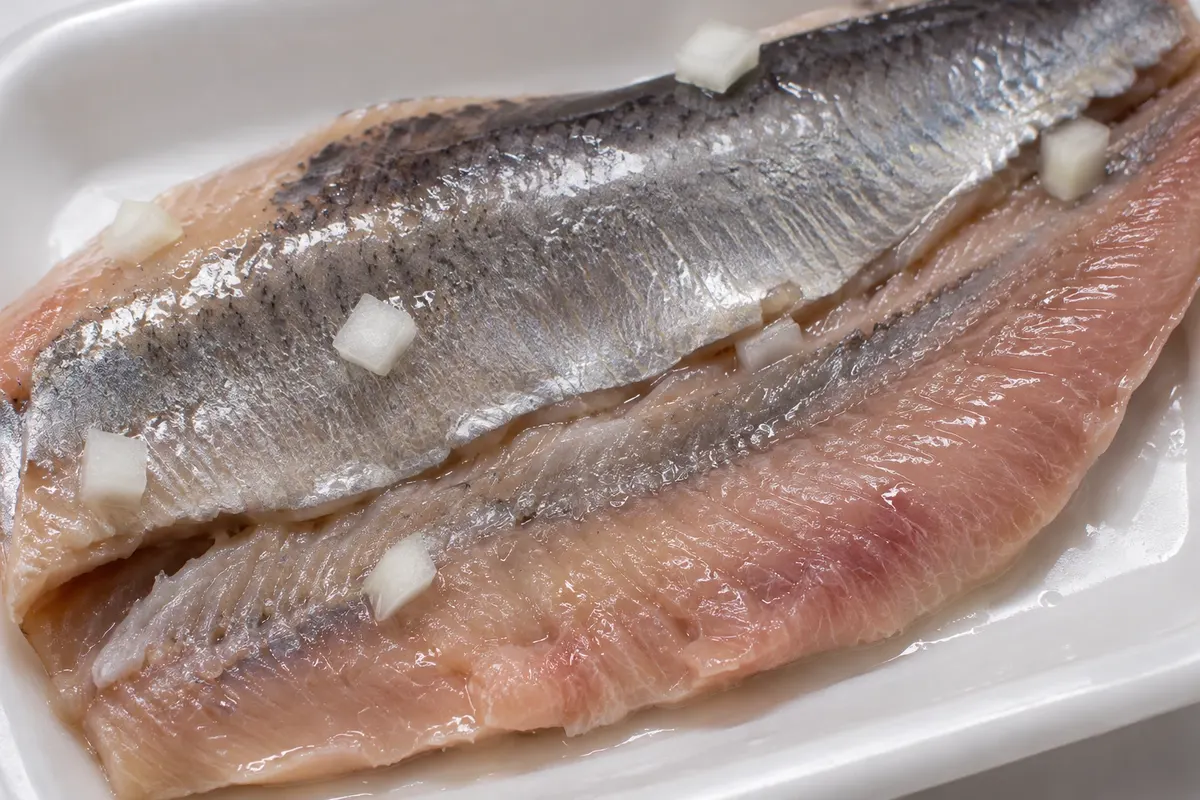
Young, fatty seasonal herring, cleaned, salted and matured by the traditional method and eaten raw with chopped onion. It is a Traditional Speciality Guaranteed of the European Union, and the arrival of the new season is celebrated throughout the country.

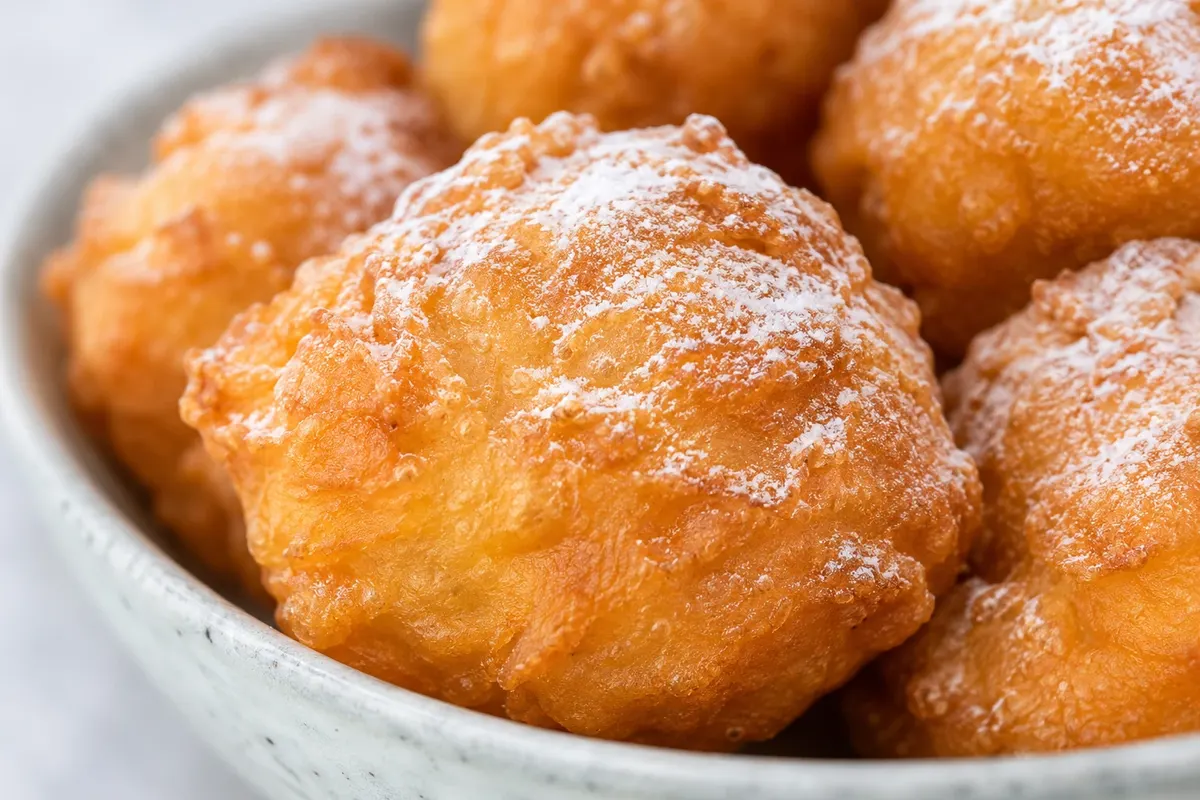
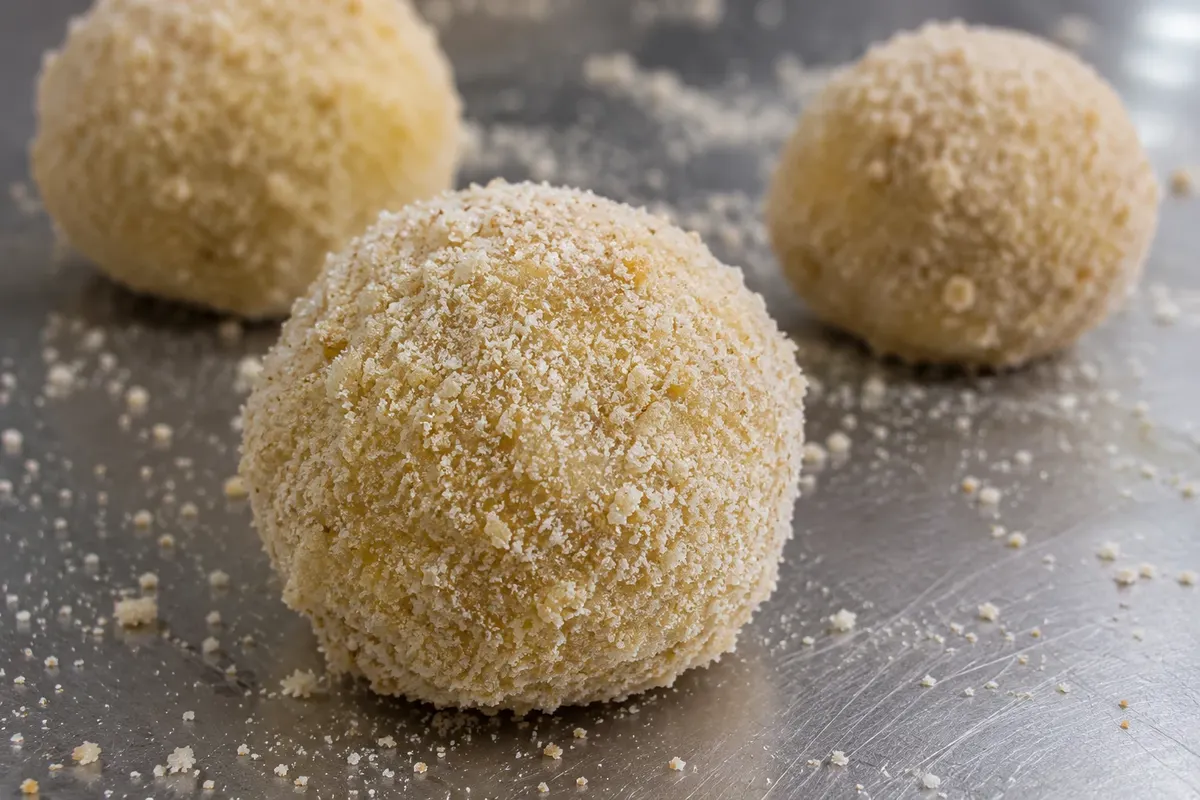
Fried yeasted dough balls, with or without raisins and apple, dusted with confectioners’ sugar. They are the New Year’s Eve treat in the Netherlands, sold at stalls that appear in towns at the end of the year.

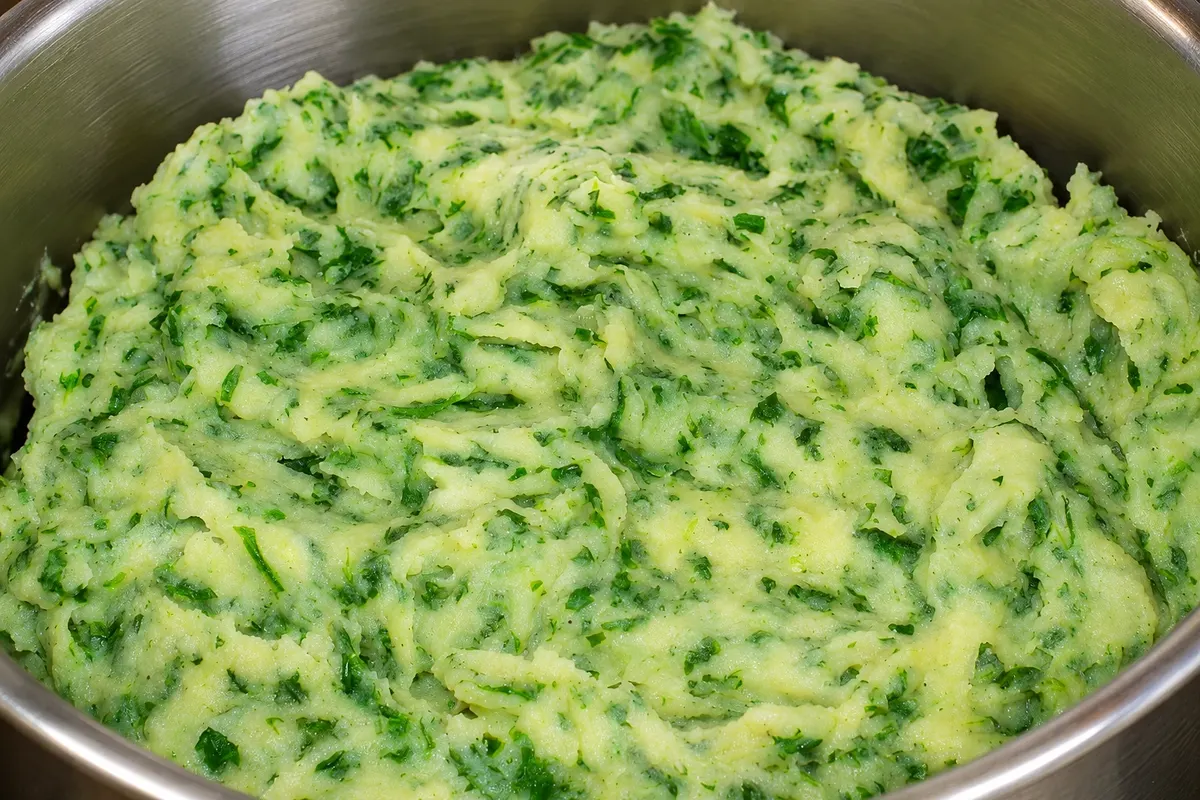
Rustic mashed potatoes mixed with a vegetable, such as kale, sauerkraut or carrots with onion, served with a smoked sausage and gravy. It’s the winter home-cooking dish of the Netherlands, with variants that have their own names.

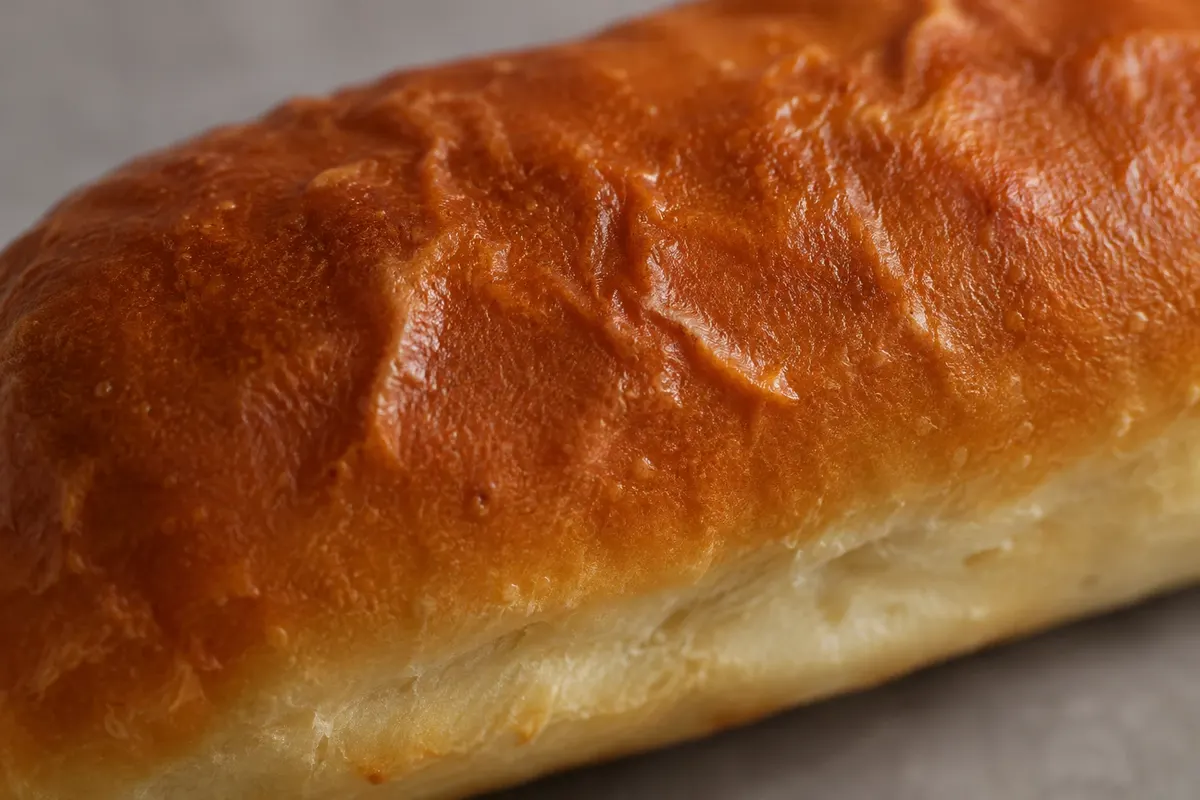
Small white bread filled with well-seasoned pork, the worstenbroodje is the savory of North Brabant and was recognized as Dutch intangible heritage in 2016.

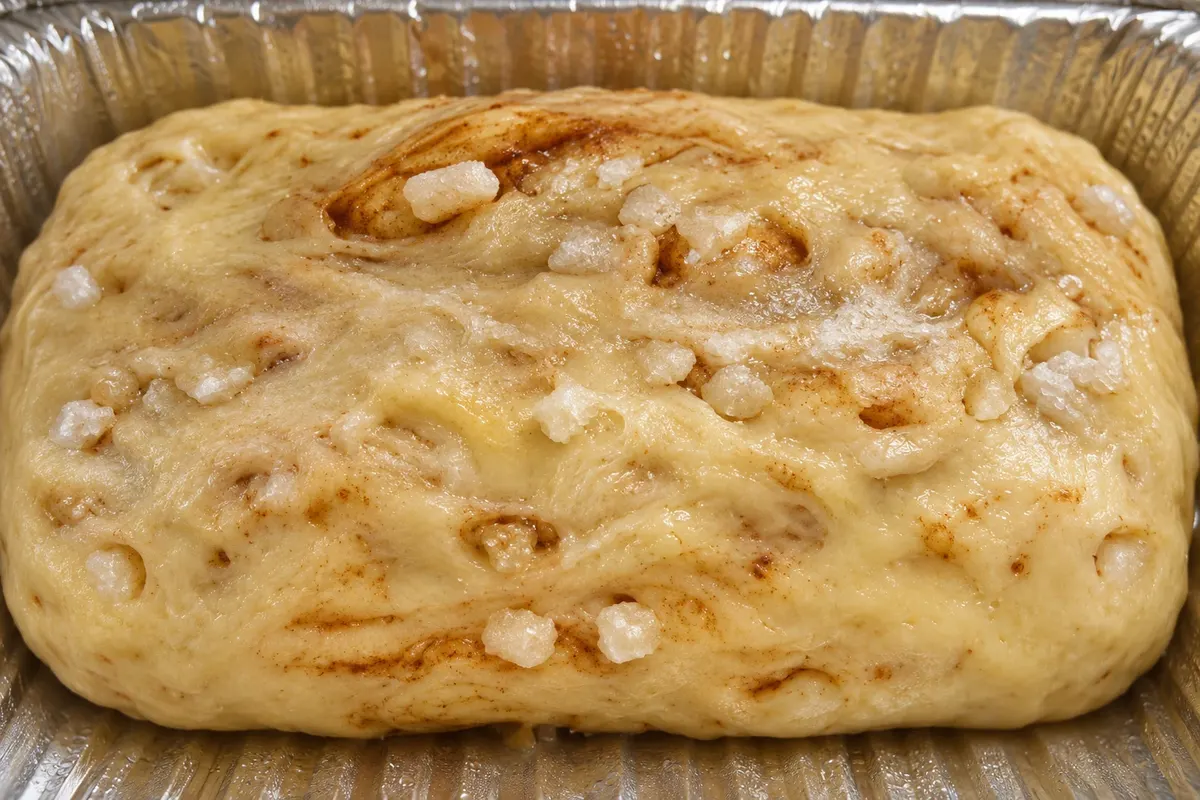
White yeast bread with large chunks of sugar mixed into the dough and cinnamon, which caramelize in the oven. It is the sweet bread most associated with Friesland, and local tradition links it to visits to the parents after a baby is born.

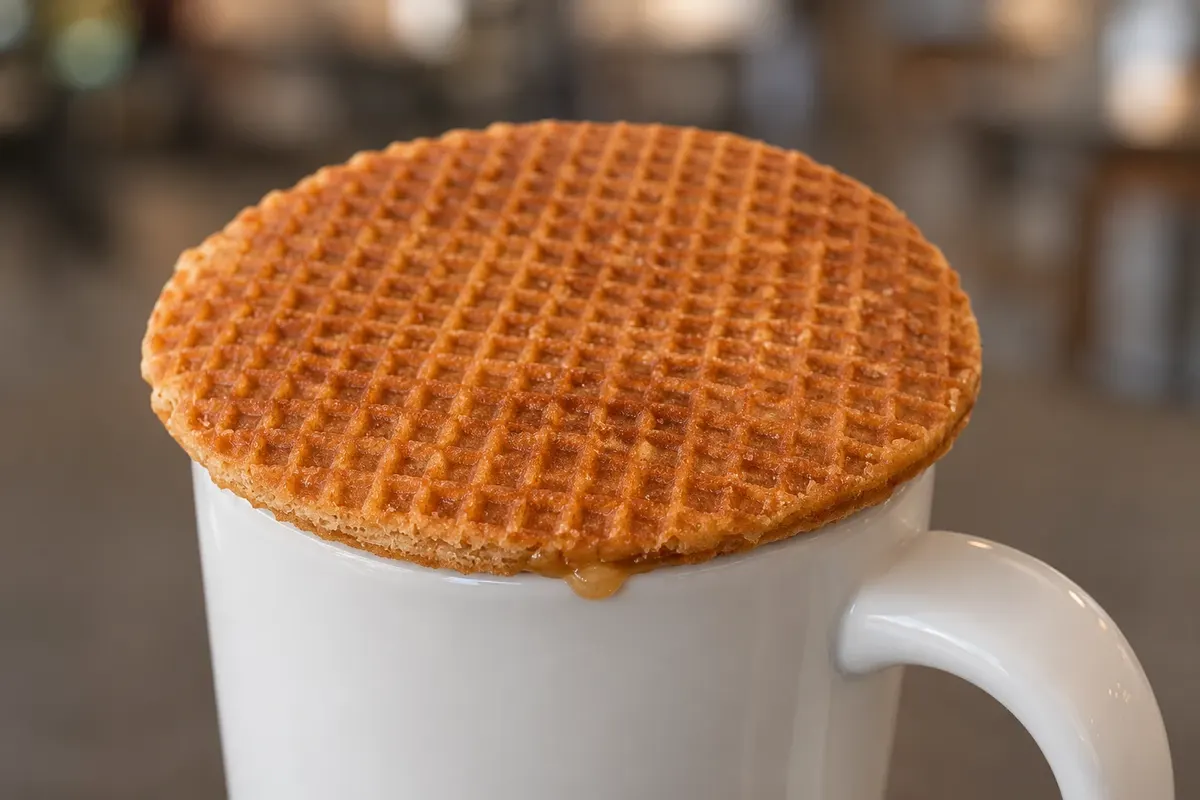
Two thin crisp waffle wafers glued together with a caramel-cinnamon syrup filling. It originated in Gouda bakeries around 1800, and the method of making it by hand is on the national inventory of intangible heritage.

A boiled egg wrapped in a creamy, spiced ragù, breaded and fried: the eierbal is the snack bar treat of Groningen. It was added in 2017 to the national inventory of intangible heritage, following an initiative by a society created to protect it.

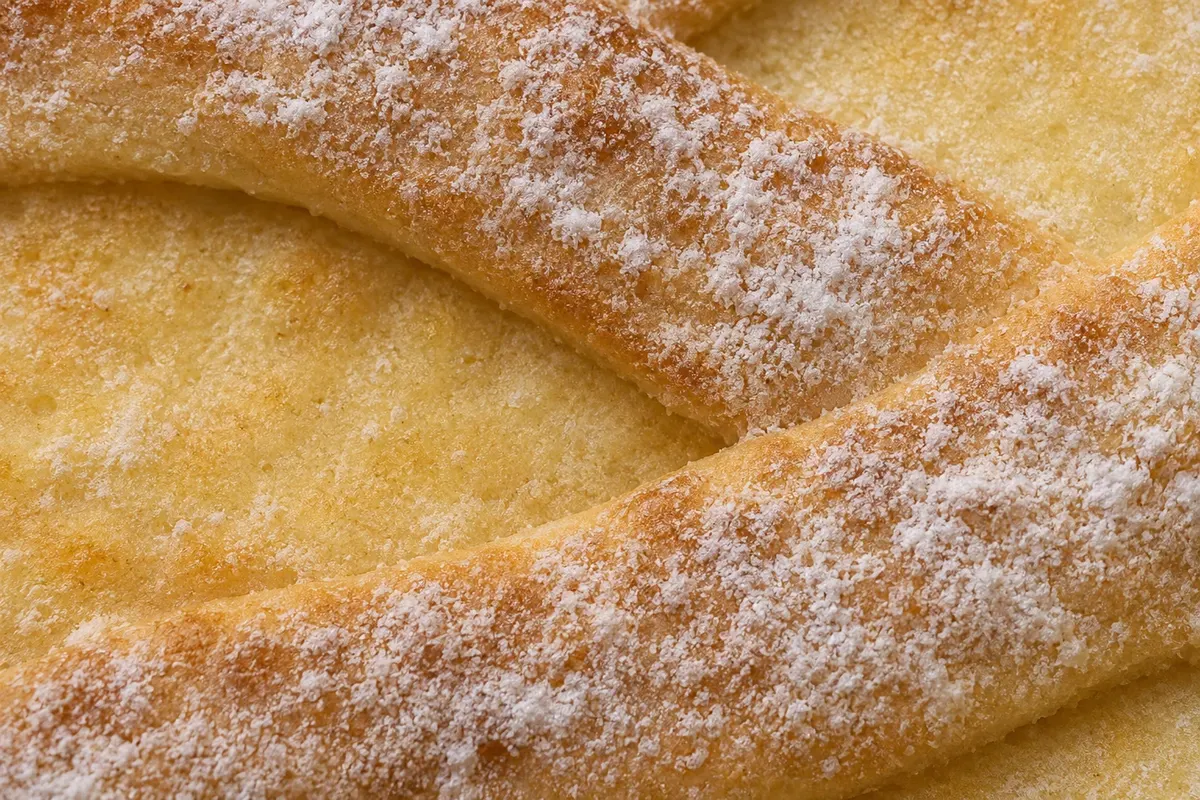
Round tart made from a thin fermented dough and generously filled with fruit, rice pudding or custard, sometimes topped with a lattice or streusel. Since 2024 it has a Protected Geographical Indication from the European Union, shared by Dutch and Belgian Limburg.

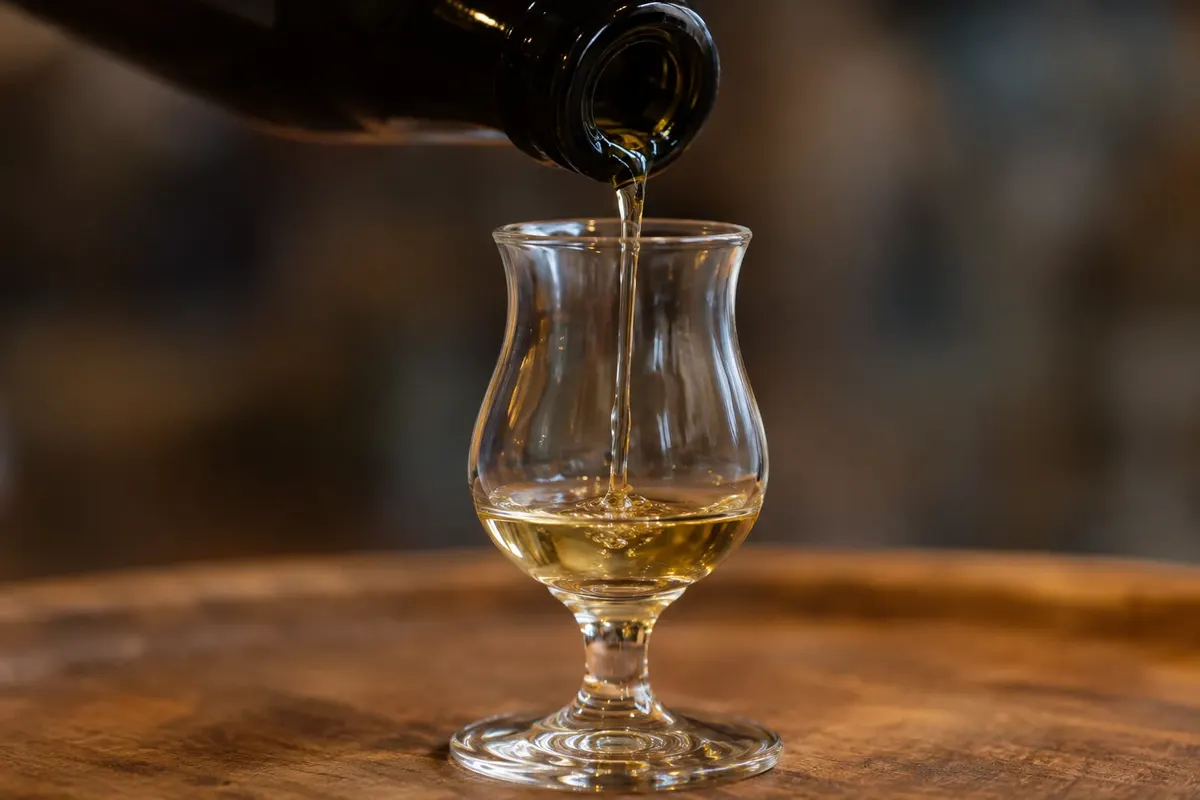
Cereal distillate flavored with juniper, the predecessor of gin, which made Schiedam the city of jenever: at its peak, hundreds of distilleries operated along the canals, and giant windmills ground the grain. Jenever has a European geographical indication shared by the Netherlands, Belgium and neighbouring areas.

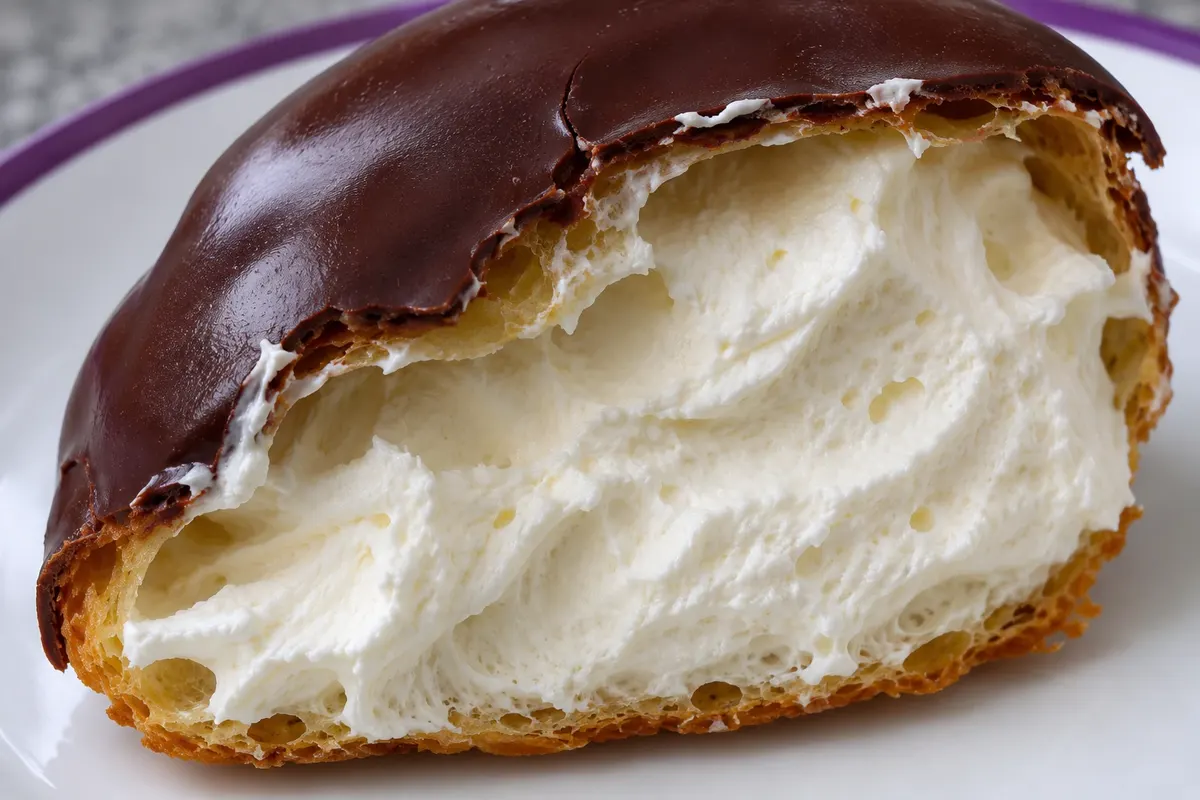
Large choux pastry ball filled with whipped cream and covered in dark chocolate, the sweet of 's-Hertogenbosch. A local pastry shop advertised chocolate balls as early as 1903 and began filling them with whipped cream in 1924.

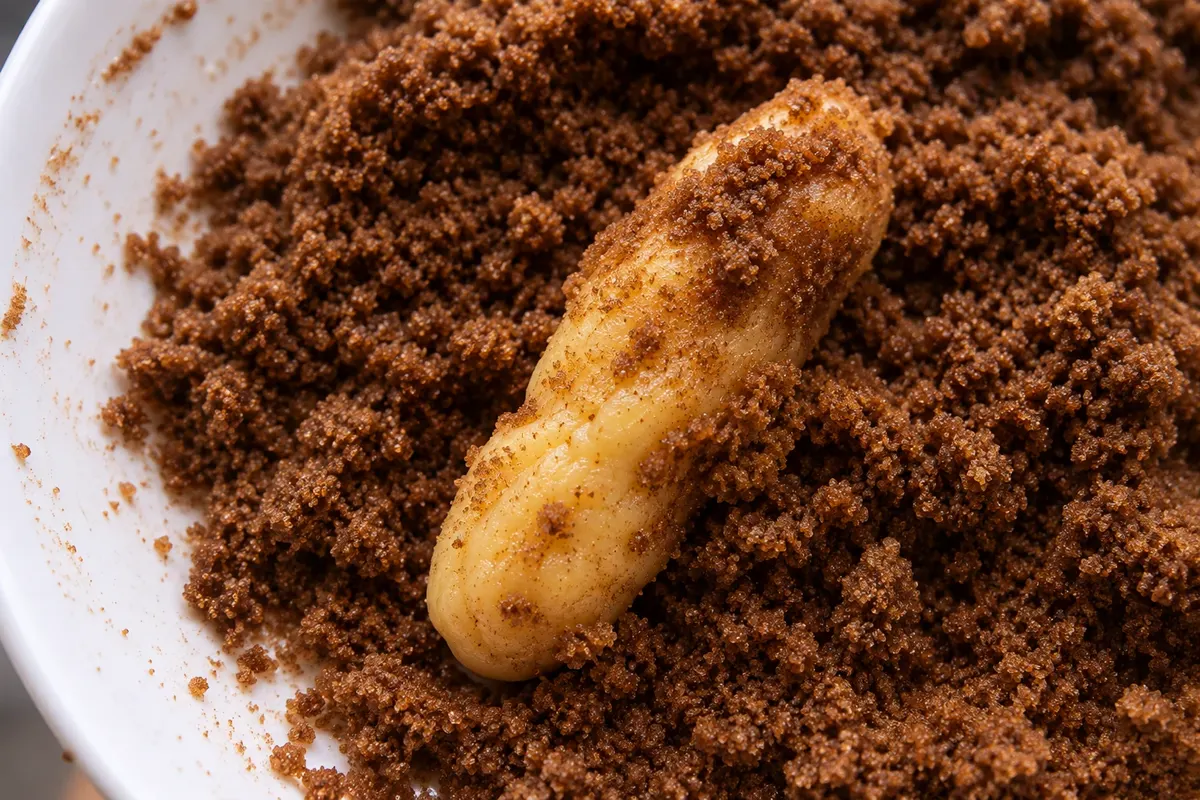
A small leavened roll twisted into a spiral with light brown sugar and cinnamon that caramelizes in the oven, leaving it sticky inside and out. It is the best-known sweet of Zeeland and its origin is attributed to the Sephardic Jews who settled in Middelburg at the end of the 16th century.