Erwtensoep
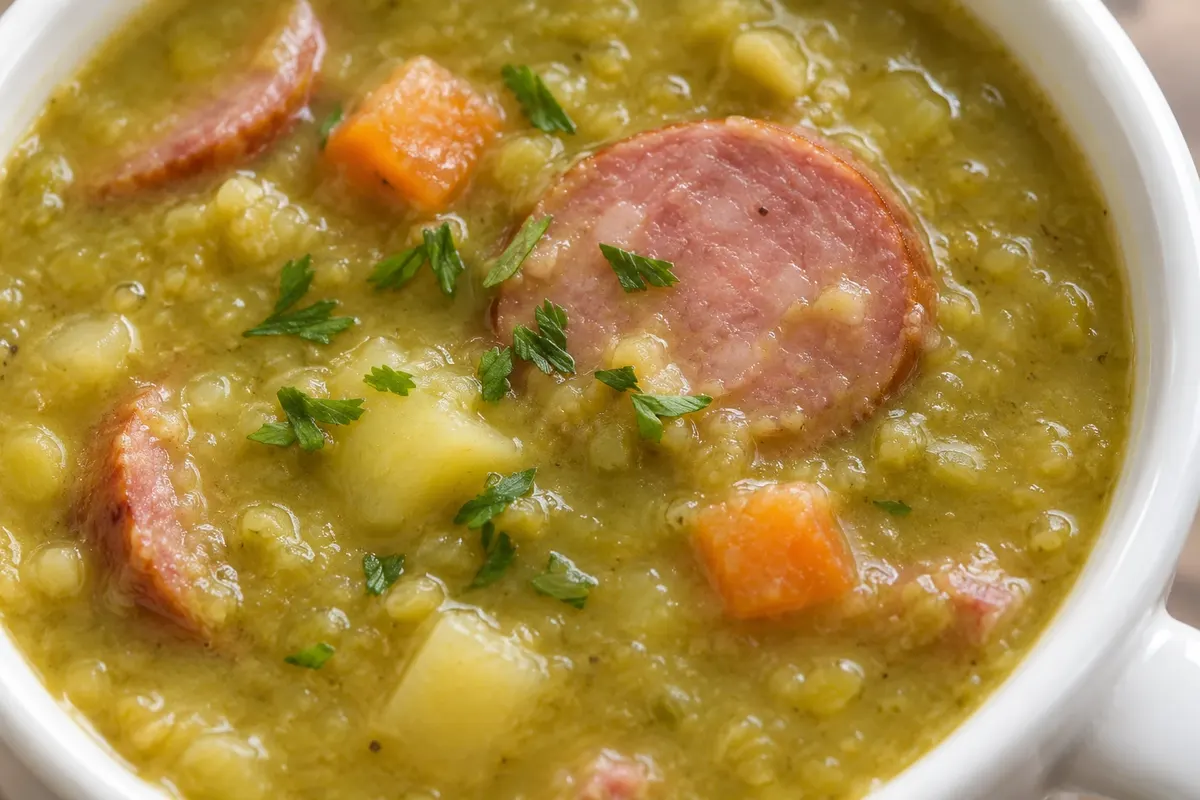
Thick split pea soup with vegetables and smoked sausage that in winter can become so thick a spoon can stand upright. The preparation of erwtensoep, also called snert, was recognized as intangible heritage of the Netherlands in July 2018.
Flavors · the Netherlands
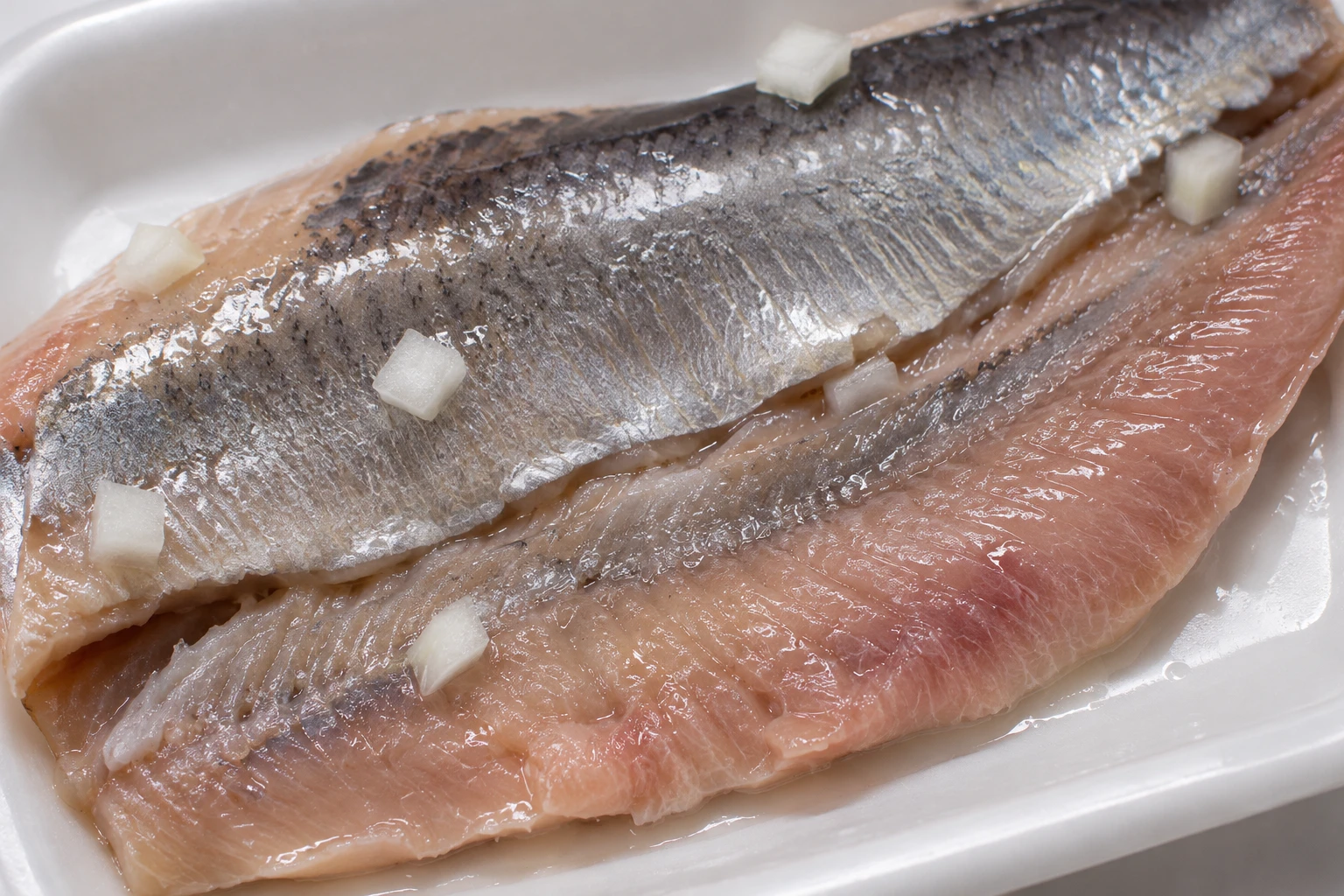
Young, fatty seasonal herring, cleaned, salted and matured by the traditional method and eaten raw with chopped onion. It is a Traditional Speciality Guaranteed of the European Union, and the arrival of the new season is celebrated throughout the country.
Traditional dish from the Netherlands
Also known as: Hollandse maatjesharing, maatjesharing, nieuwe haring, Hollandse Nieuwe haring
Illustrative images. The pictures in this guide are illustrations based on the real place, not photographs, and may differ from it.
Click a photo to enlarge it.
Hollandse Nieuwe — the Netherlands
Hollandse Nieuwe is the young herring of the new season, prepared in the Dutch way and eaten raw. Only herring caught in the right period—before spawning, when the fish still carry fat, with at least 16 percent fat—and prepared by the traditional method may bear this name.
The method has three steps: kaken, in which the gills and part of the entrails are removed while leaving the pancreas, whose enzymes help mature the flesh; salting in brine; and maturation. In the past the process began on board; today the fish are frozen after being caught, as required by European health rules, and prepared on land. The result is tender, fatty flesh with a mild flavor.
Since 2015, Hollandse maatjesharing and Hollandse Nieuwe have been registered in the European Union as a Traditional Speciality Guaranteed. Under the rules, the name Hollandse Nieuwe applies to the seasonal herring sold from the opening, in May or June; after a certain period the same product is sold as Hollandse maatjesharing.
The season opening is a festival. In Scheveningen, The Hague’s beach district, Vlaggetjesdag, the “little flags day,” celebrates the arrival of the new catch at the harbor. For decades the first barrel was auctioned off with proceeds to charity.
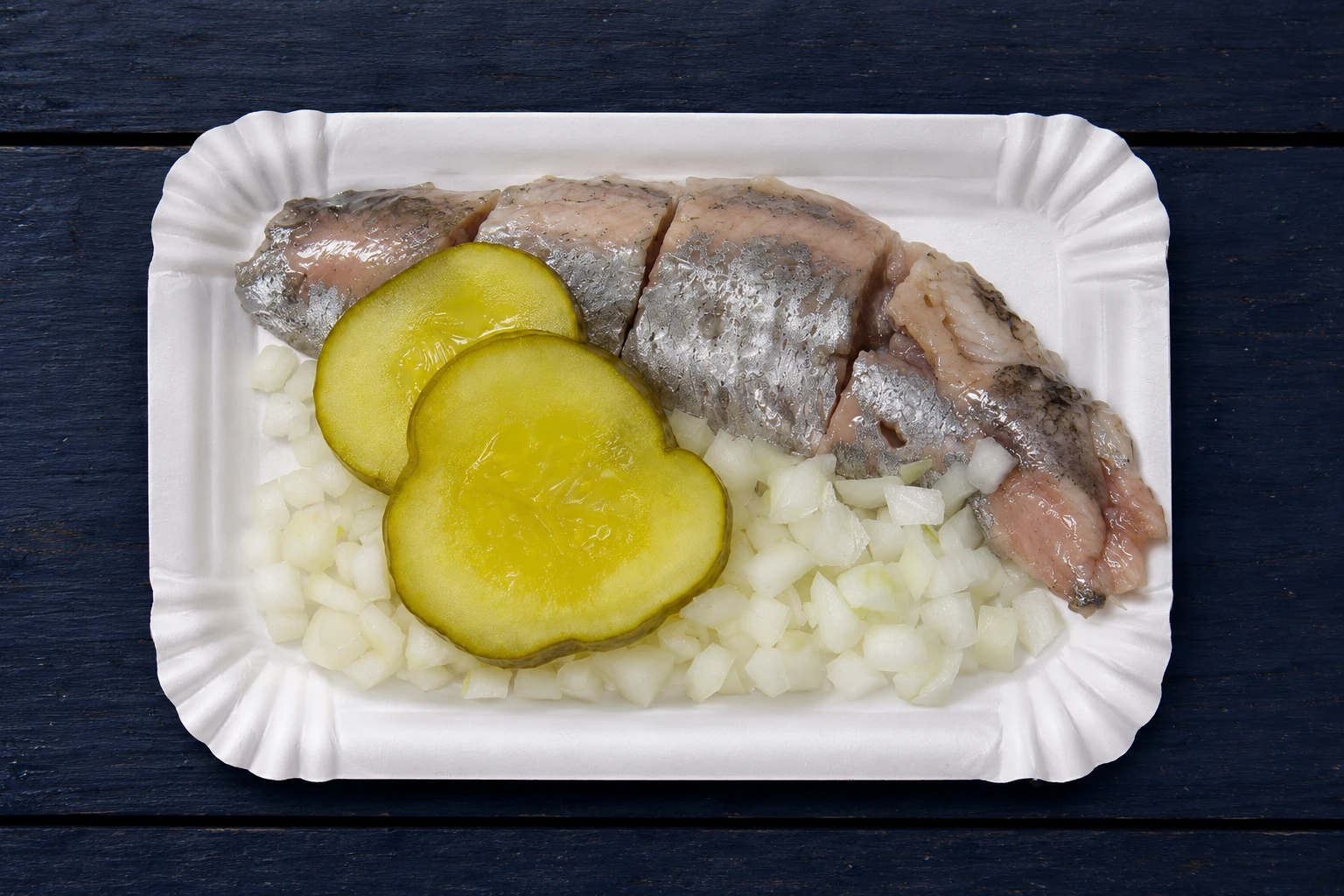
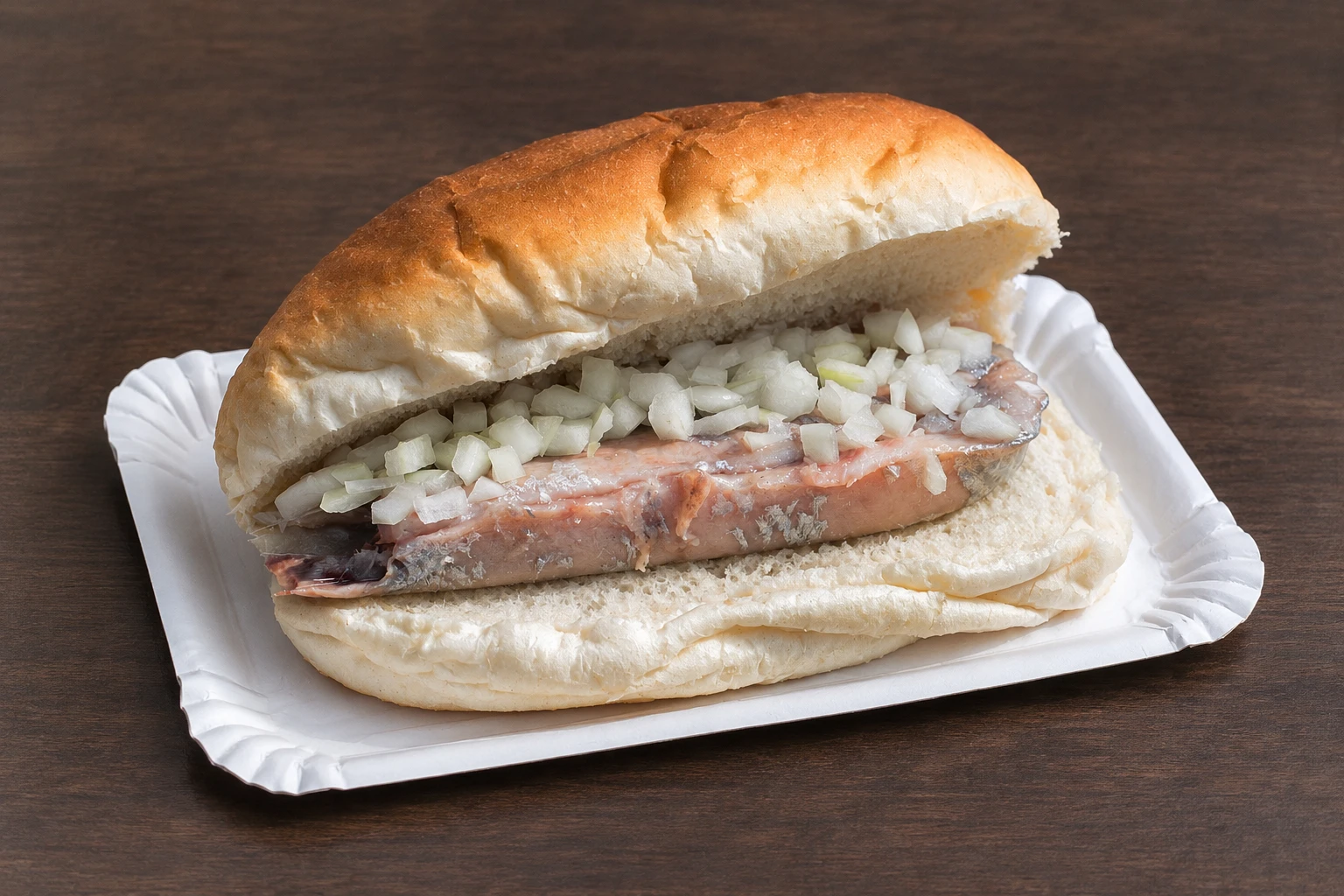
Herring is sold at fish stalls (viskramen) on streets and in markets across the country. Many stalls prepare the fish on the spot, removing the backbone and serving it whole or in pieces.

the Netherlands
European Union Traditional Speciality Guaranteed, prepared and eaten throughout the country.
North Sea herring caught in season, salt (brine); served with raw chopped onion and sometimes pickles.
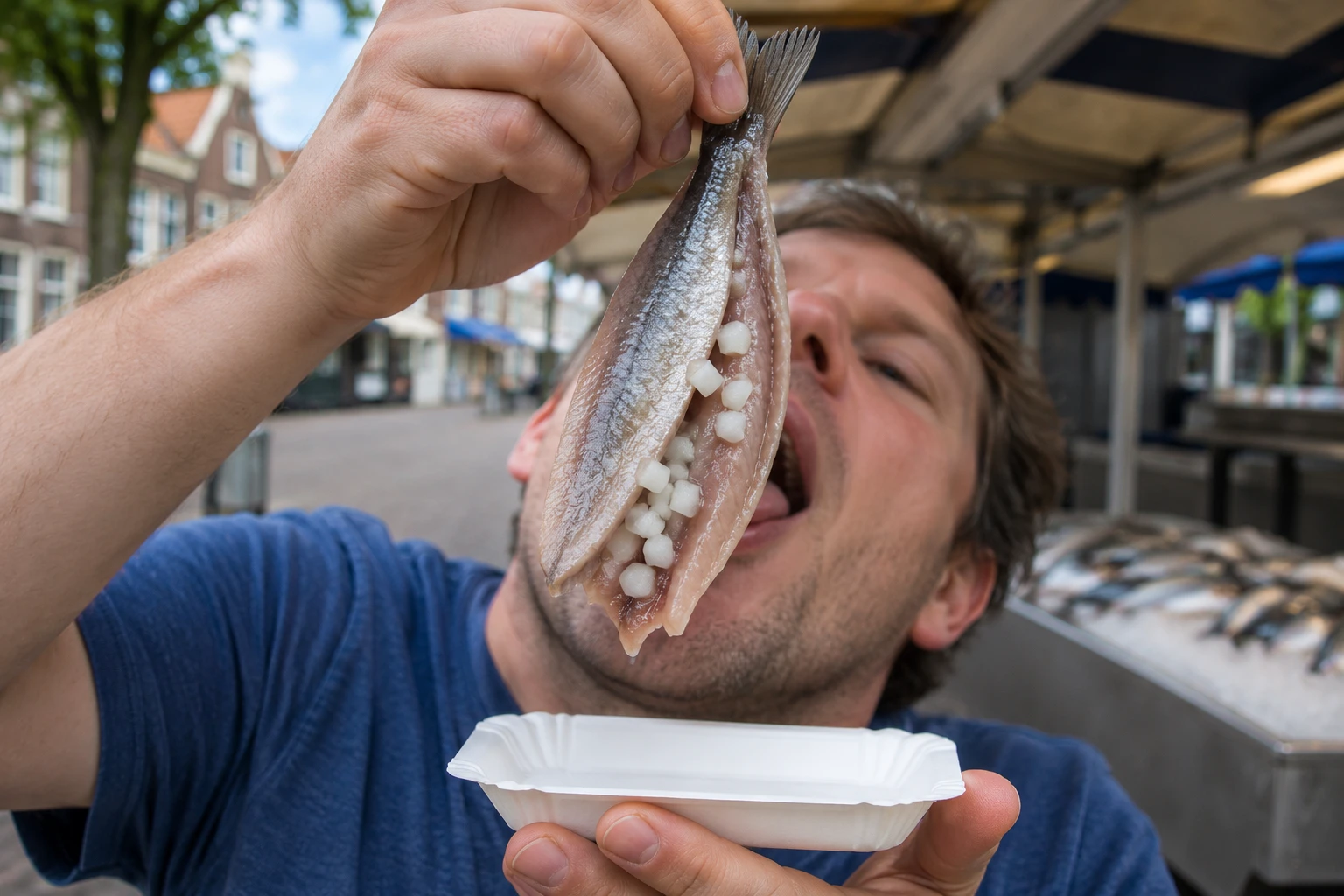
Whole, holding the herring by the tail, dipping it in the chopped onion and eating it from top to bottom; or in pieces with a toothpick; or in a small sandwich (broodje haring).
Season beginning in May or June, celebrated at Vlaggetjesdag in Scheveningen; eaten mainly in summer.
Your questions
It is the new-season herring, fatty enough for the name, prepared in the Dutch style and served raw.
Usually in May or June, when the fish reach the required fat level. The opening is celebrated at Vlaggetjesdag in Scheveningen.
Under European rules, the fish are frozen before preparation. It is sold at fish stalls across the country.
Flavors of the Netherlands

Thick split pea soup with vegetables and smoked sausage that in winter can become so thick a spoon can stand upright. The preparation of erwtensoep, also called snert, was recognized as intangible heritage of the Netherlands in July 2018.

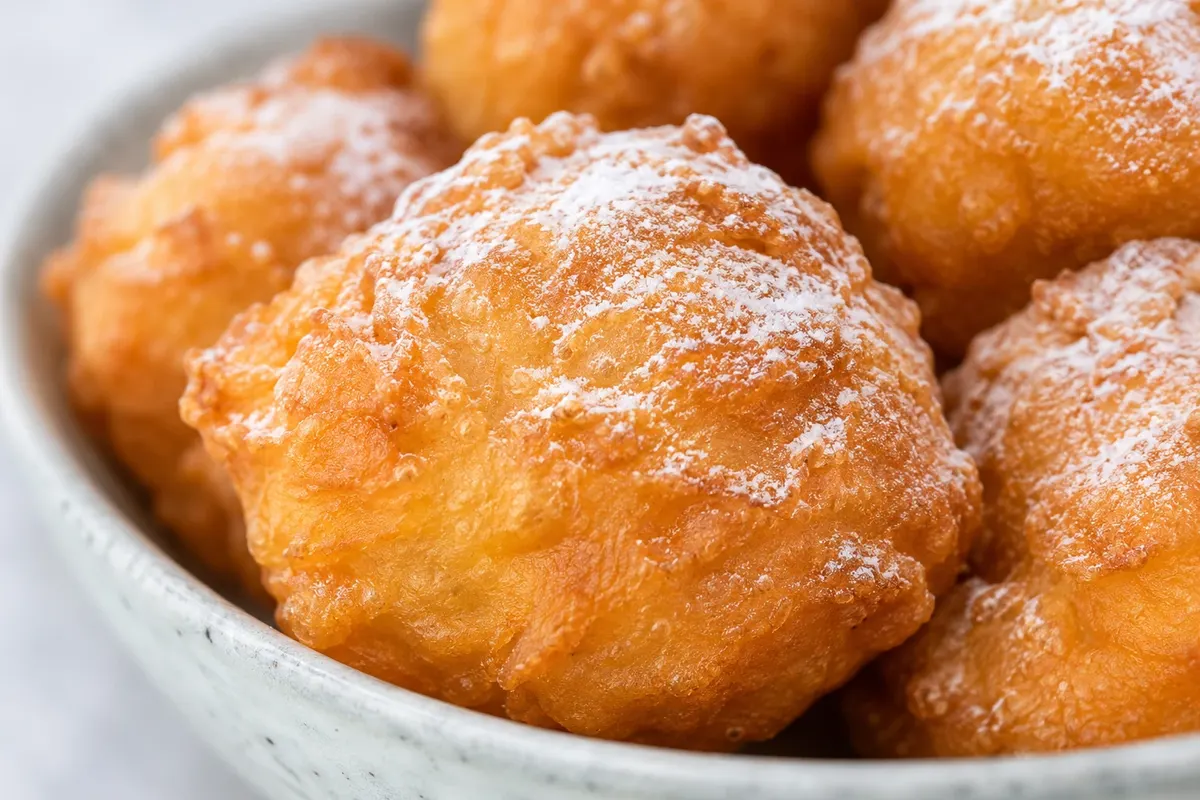
Fried yeasted dough balls, with or without raisins and apple, dusted with confectioners’ sugar. They are the New Year’s Eve treat in the Netherlands, sold at stalls that appear in towns at the end of the year.

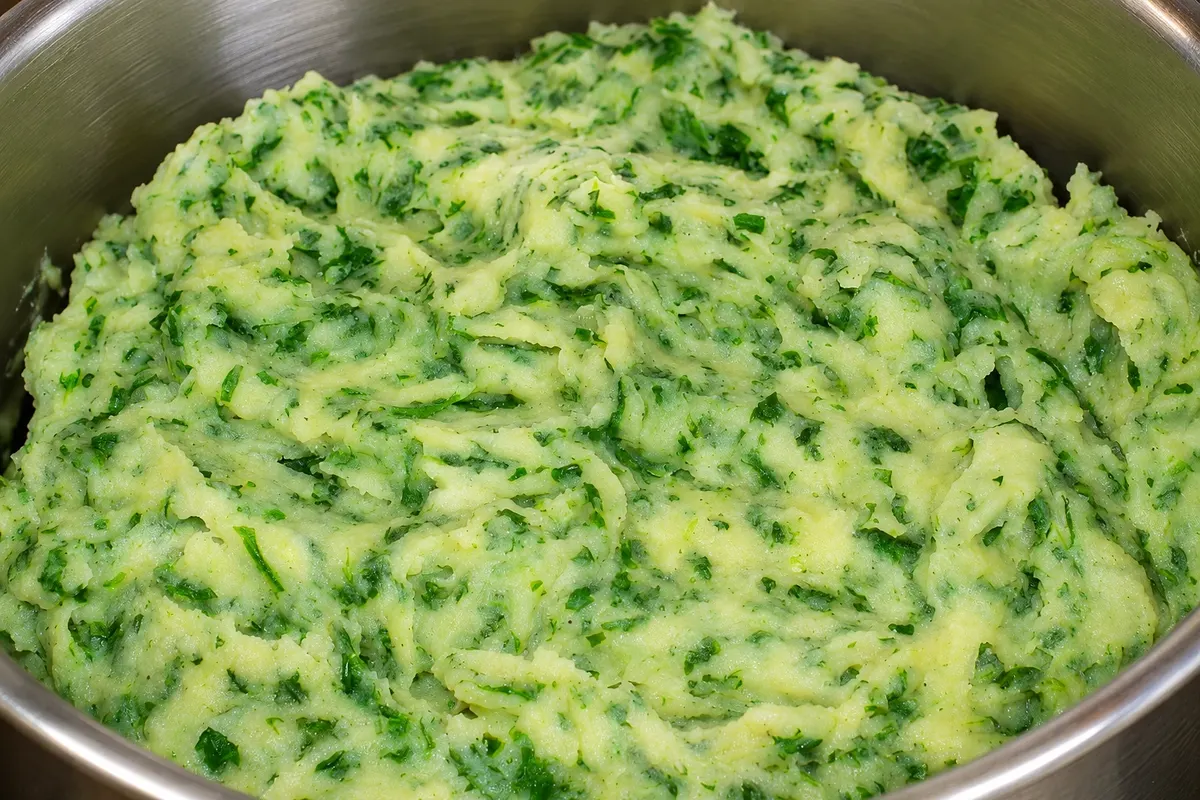
Rustic mashed potatoes mixed with a vegetable, such as kale, sauerkraut or carrots with onion, served with a smoked sausage and gravy. It’s the winter home-cooking dish of the Netherlands, with variants that have their own names.

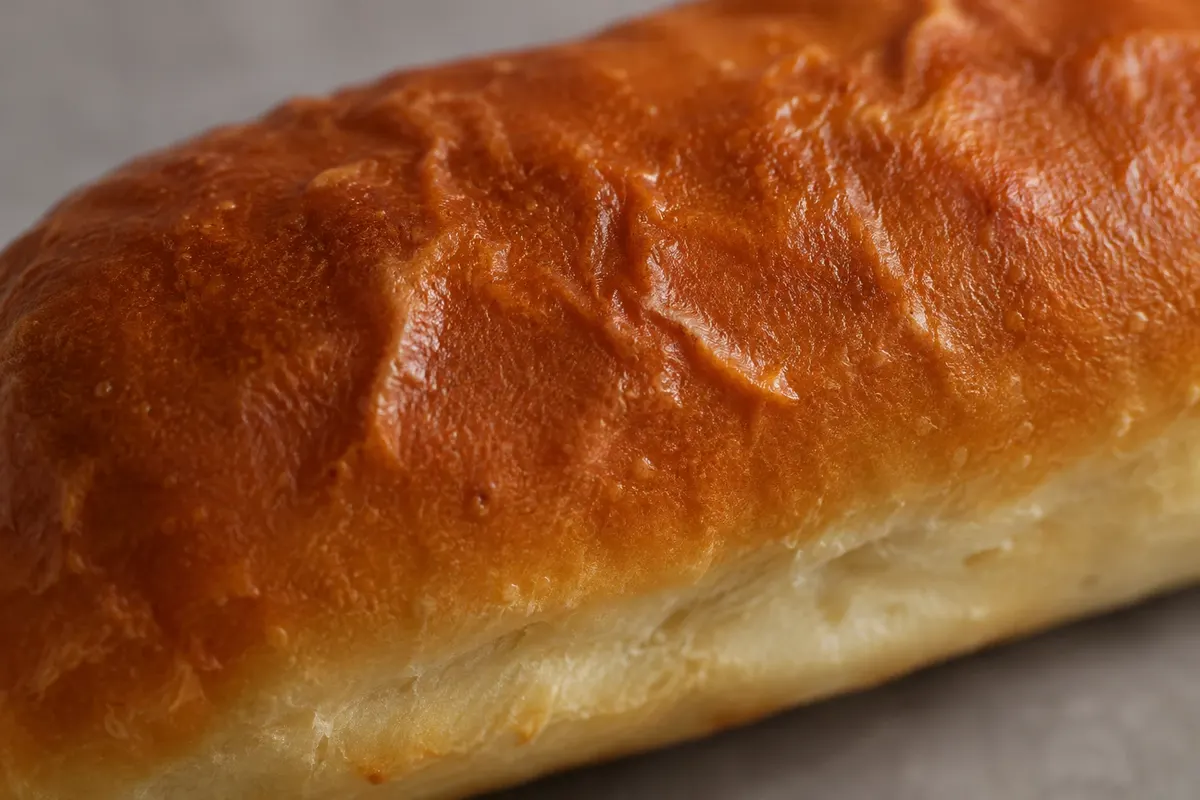
Small white bread filled with well-seasoned pork, the worstenbroodje is the savory of North Brabant and was recognized as Dutch intangible heritage in 2016.

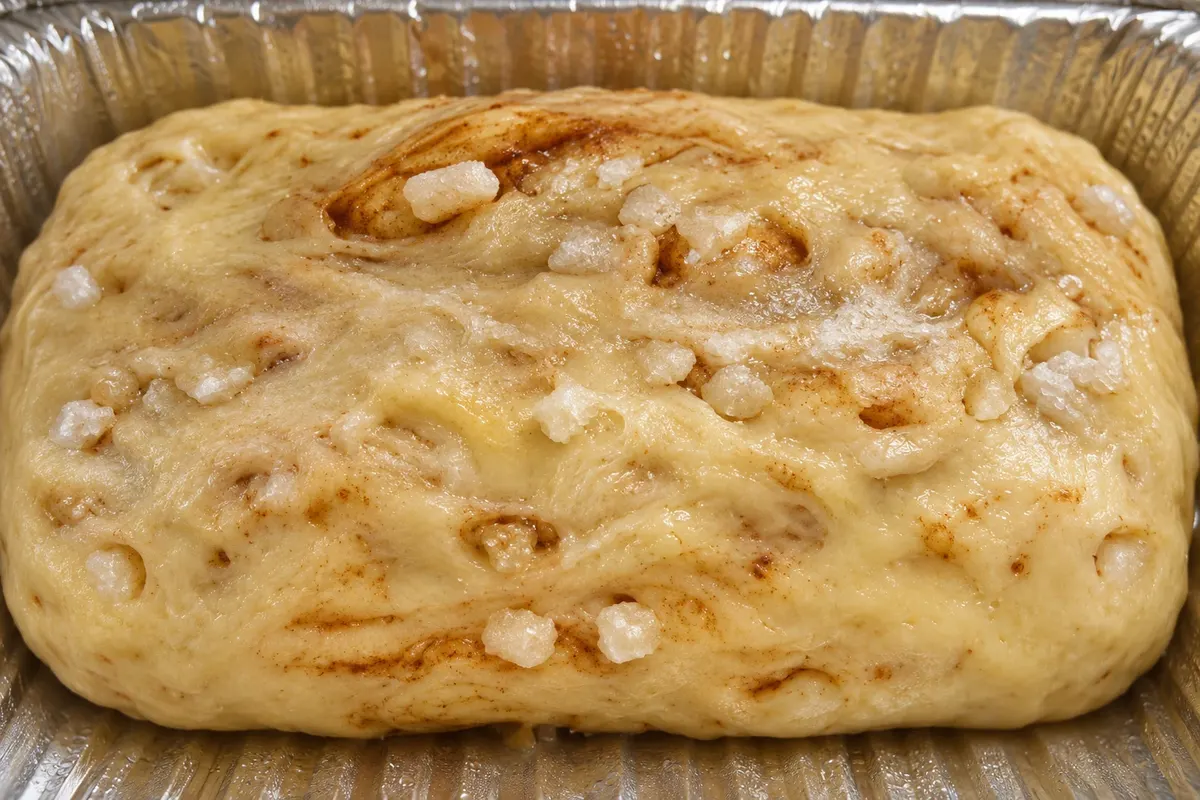
White yeast bread with large chunks of sugar mixed into the dough and cinnamon, which caramelize in the oven. It is the sweet bread most associated with Friesland, and local tradition links it to visits to the parents after a baby is born.

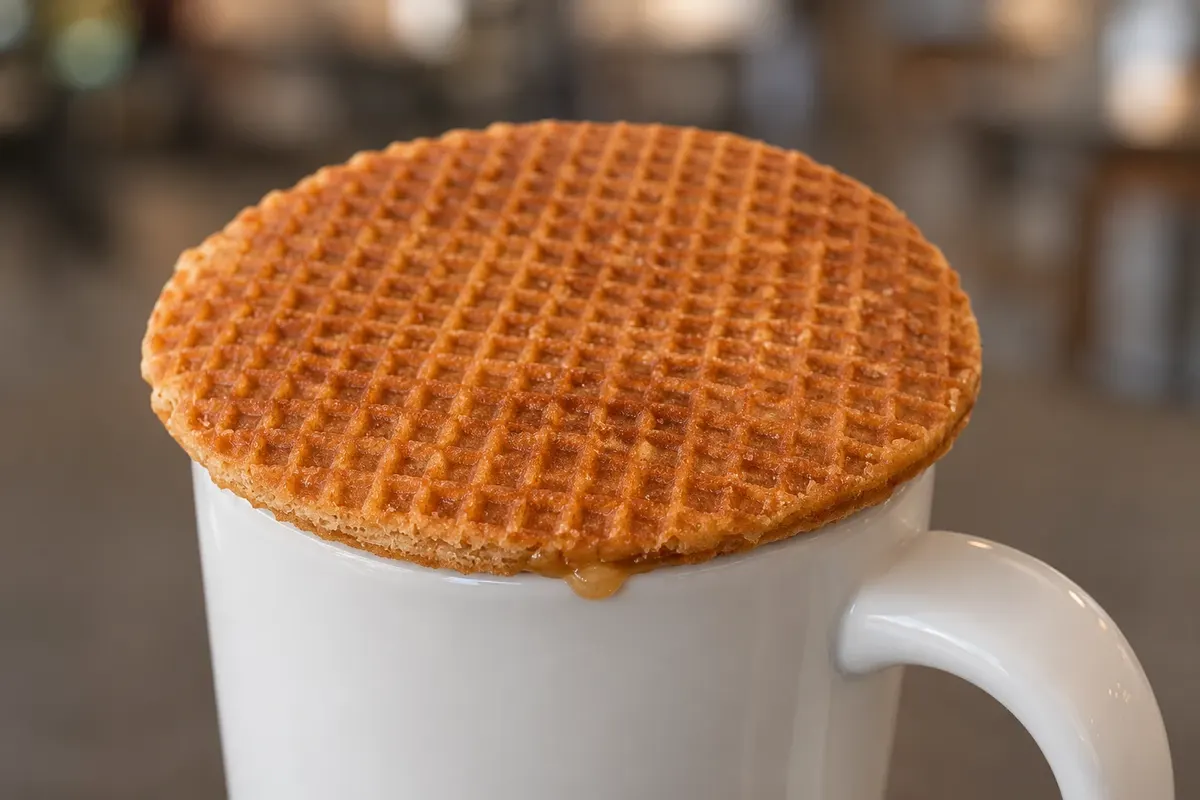
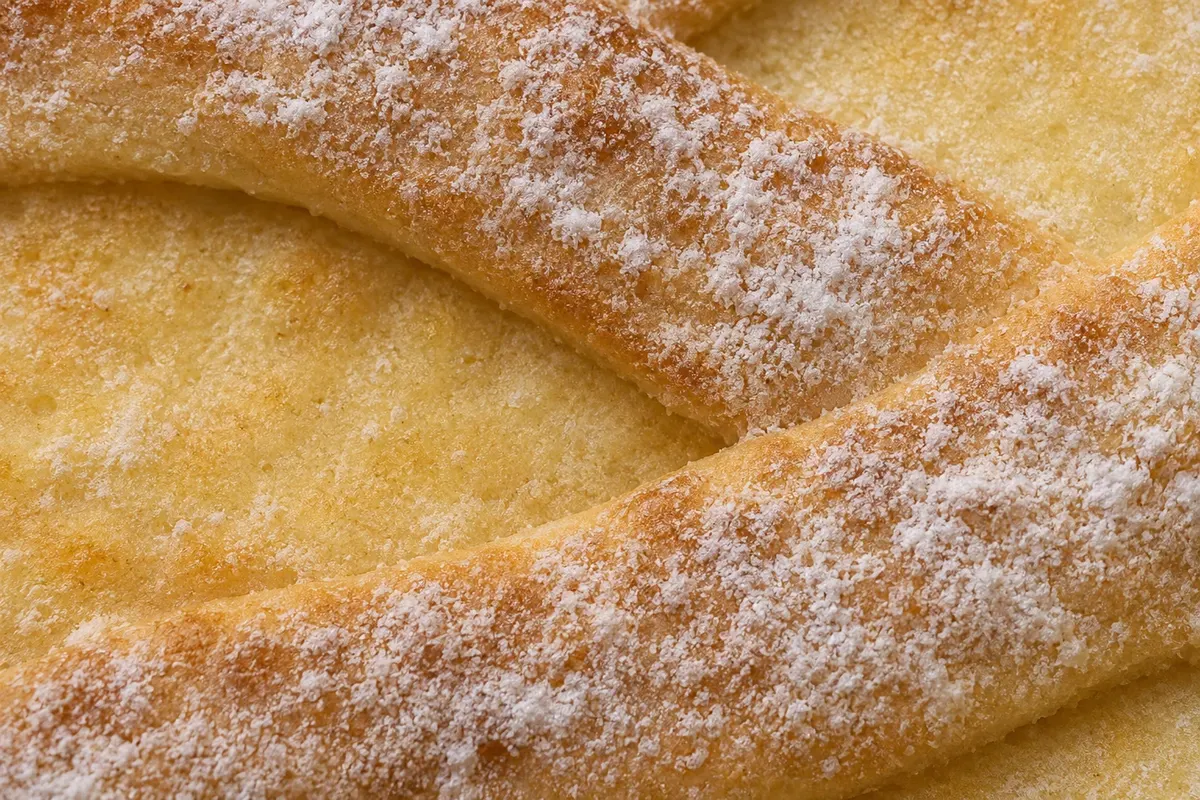
Two thin crisp waffle wafers glued together with a caramel-cinnamon syrup filling. It originated in Gouda bakeries around 1800, and the method of making it by hand is on the national inventory of intangible heritage.

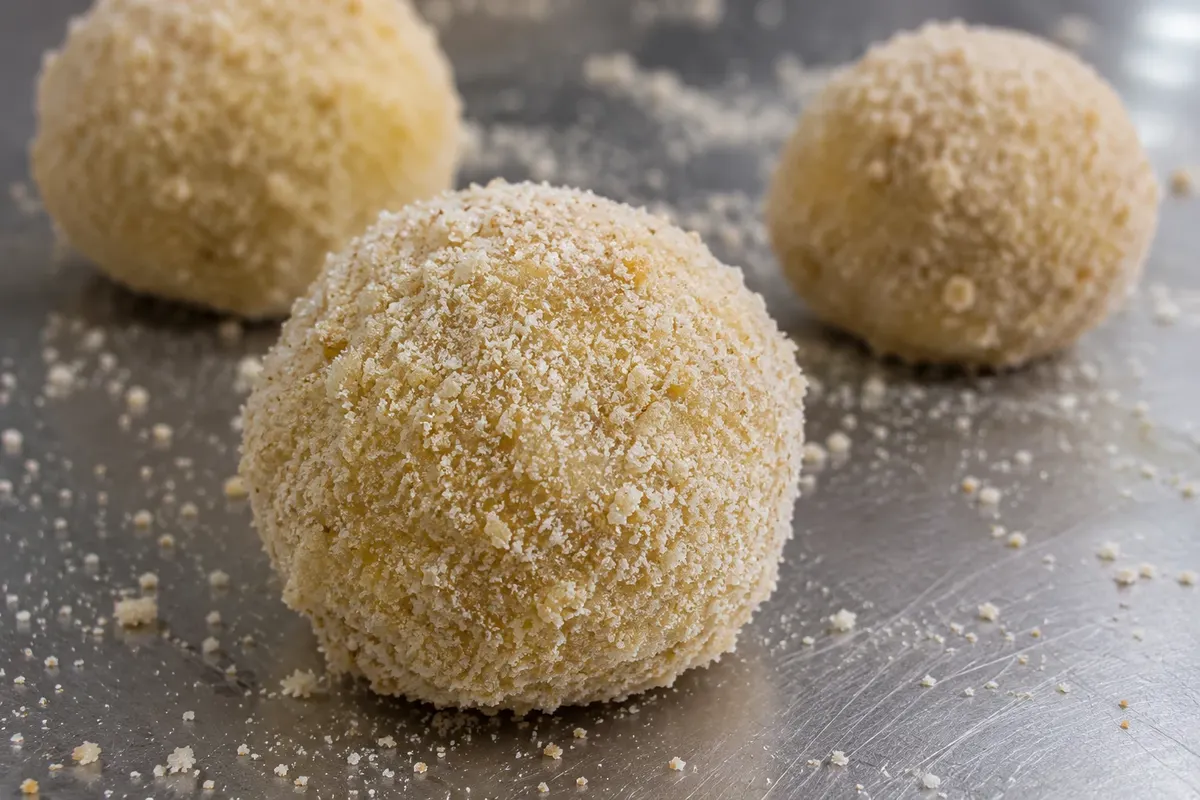
A boiled egg wrapped in a creamy, spiced ragù, breaded and fried: the eierbal is the snack bar treat of Groningen. It was added in 2017 to the national inventory of intangible heritage, following an initiative by a society created to protect it.

Round tart made from a thin fermented dough and generously filled with fruit, rice pudding or custard, sometimes topped with a lattice or streusel. Since 2024 it has a Protected Geographical Indication from the European Union, shared by Dutch and Belgian Limburg.

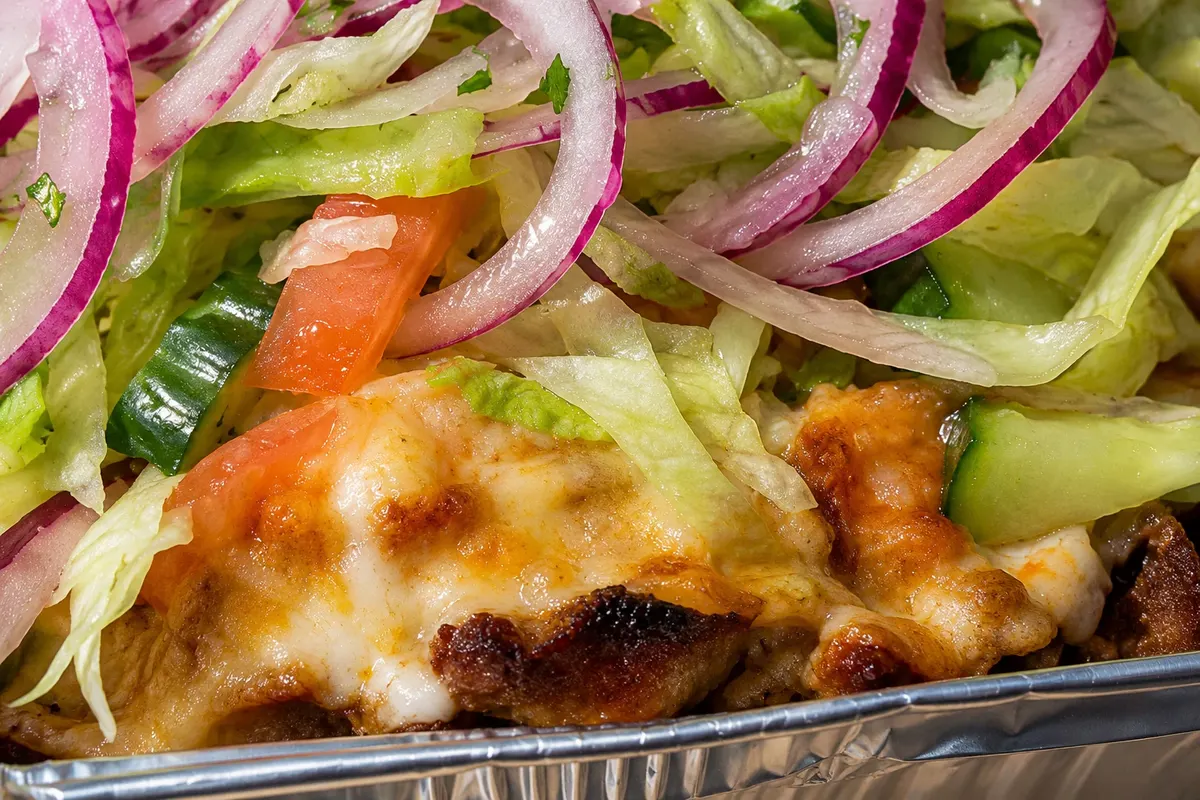
Tray of French fries topped with shoarma, melted cheese, salad, garlic sauce and sambal. Created in 2003 at a snack bar in Rotterdam for hairdresser Nataniël Gomes, it took the name of his salon and spread across the Netherlands.

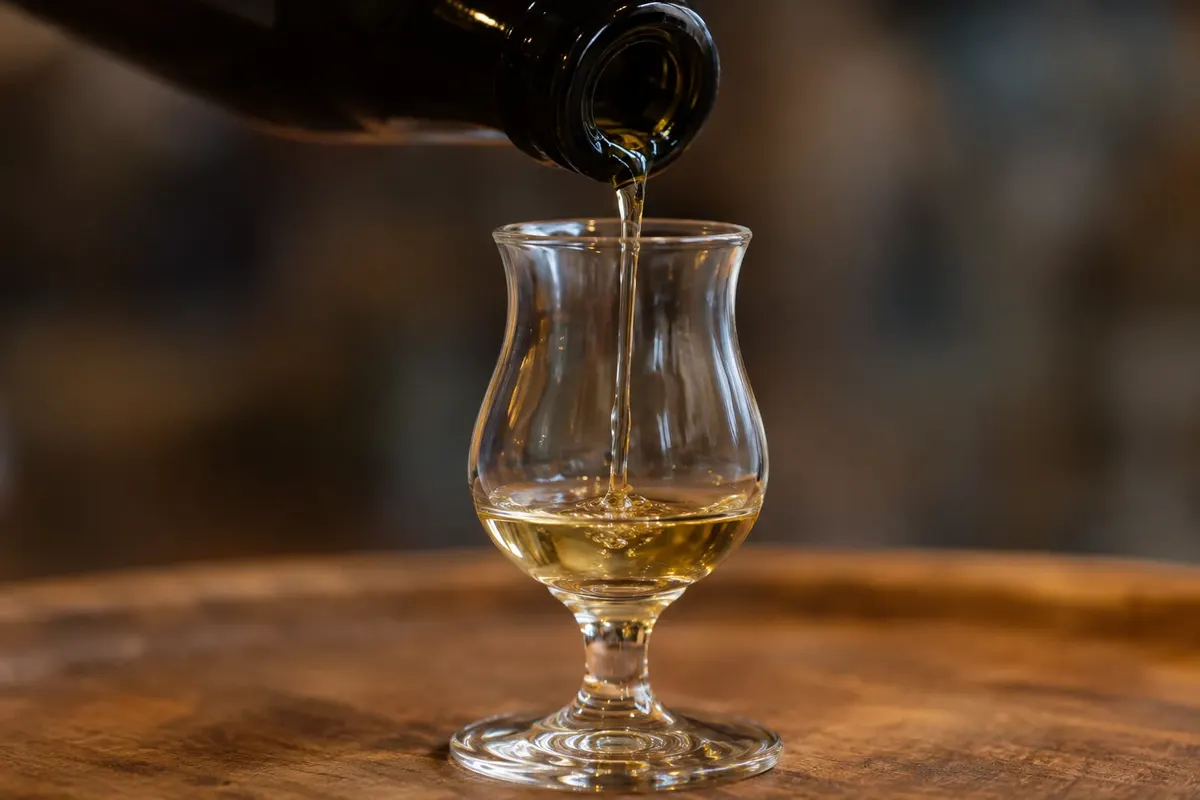
Cereal distillate flavored with juniper, the predecessor of gin, which made Schiedam the city of jenever: at its peak, hundreds of distilleries operated along the canals, and giant windmills ground the grain. Jenever has a European geographical indication shared by the Netherlands, Belgium and neighbouring areas.

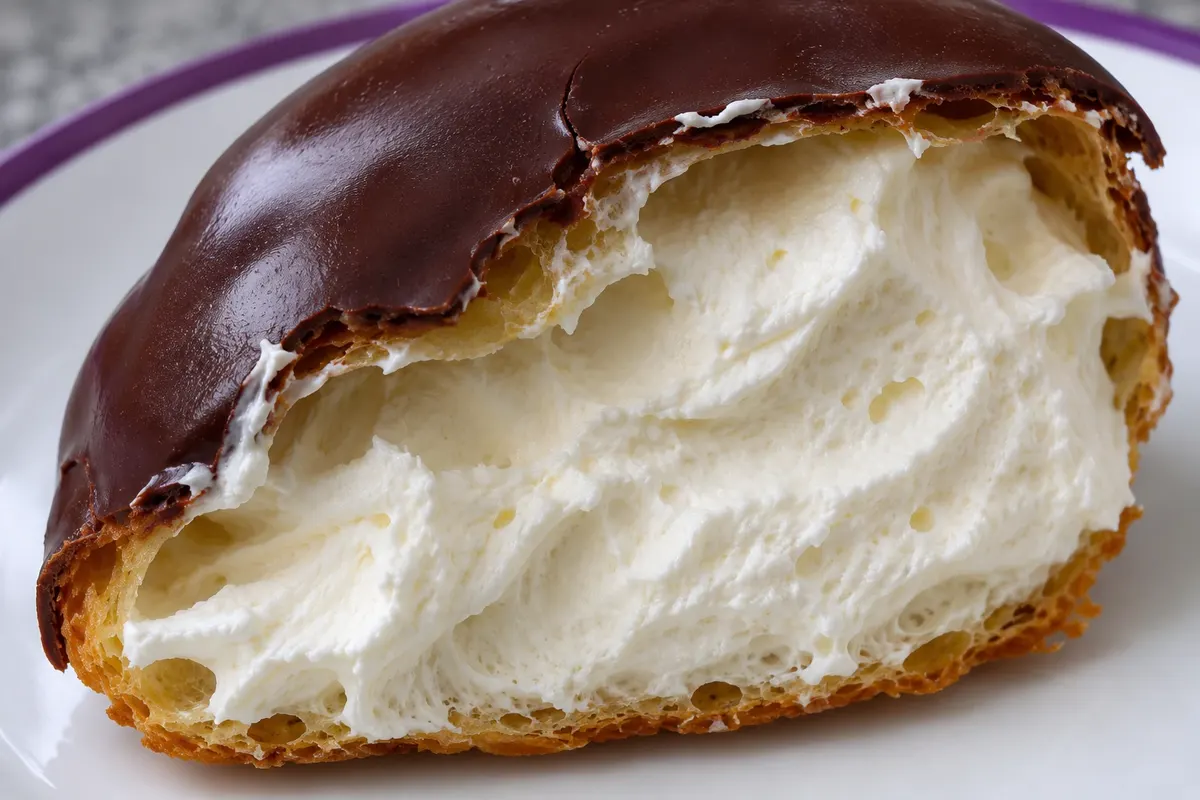
Large choux pastry ball filled with whipped cream and covered in dark chocolate, the sweet of 's-Hertogenbosch. A local pastry shop advertised chocolate balls as early as 1903 and began filling them with whipped cream in 1924.

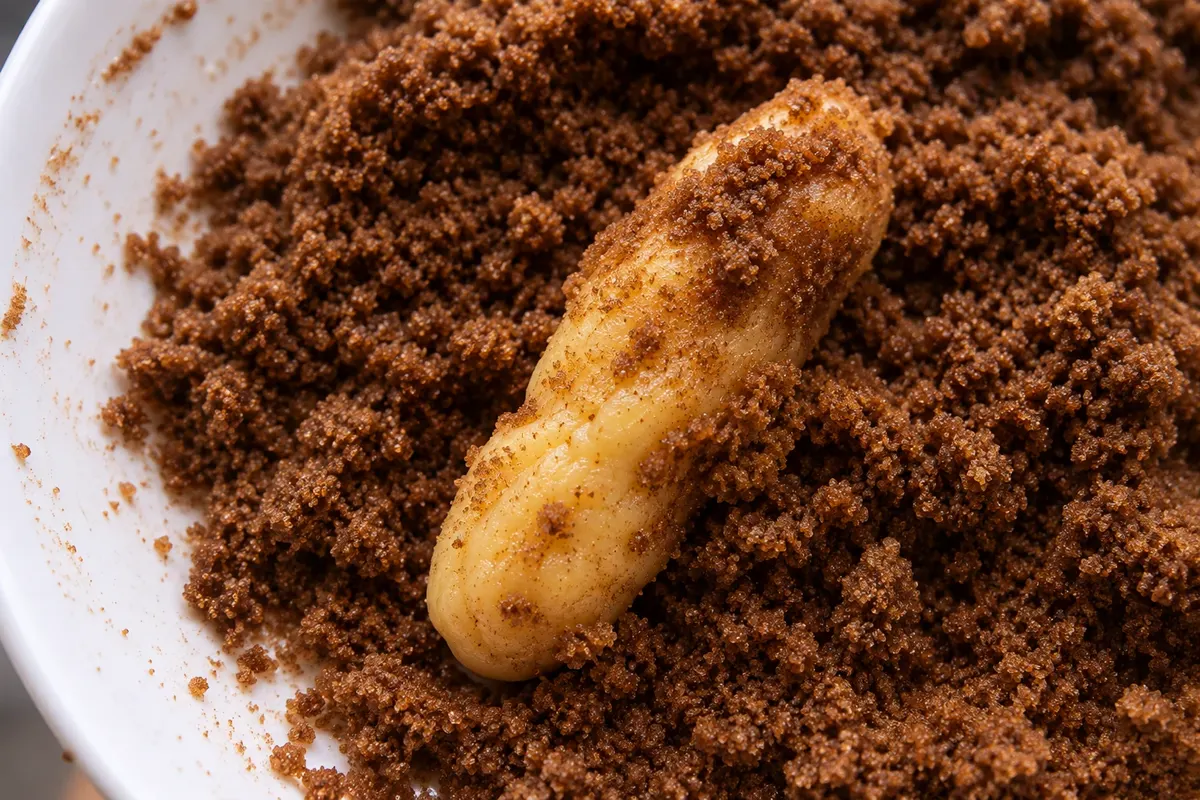
A small leavened roll twisted into a spiral with light brown sugar and cinnamon that caramelizes in the oven, leaving it sticky inside and out. It is the best-known sweet of Zeeland and its origin is attributed to the Sephardic Jews who settled in Middelburg at the end of the 16th century.