Erwtensoep
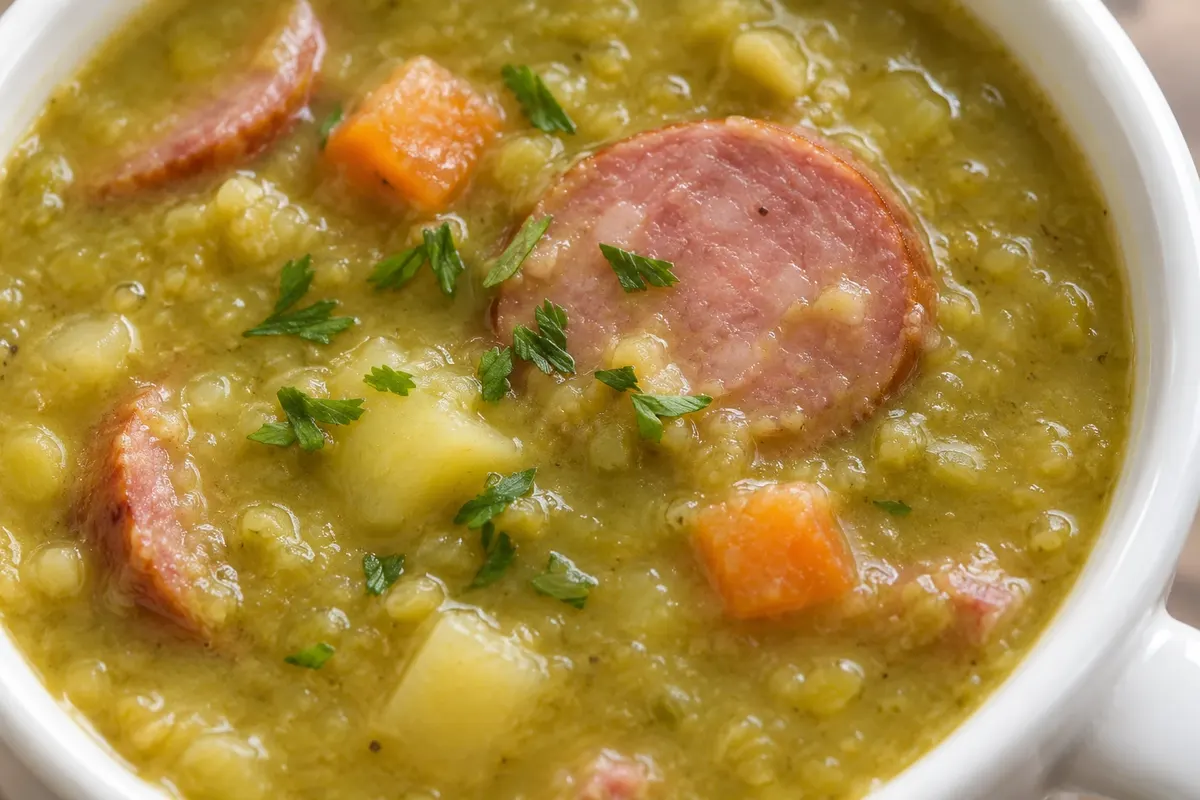
Thick split pea soup with vegetables and smoked sausage that in winter can become so thick a spoon can stand upright. The preparation of erwtensoep, also called snert, was recognized as intangible heritage of the Netherlands in July 2018.
Flavors · Zelândia
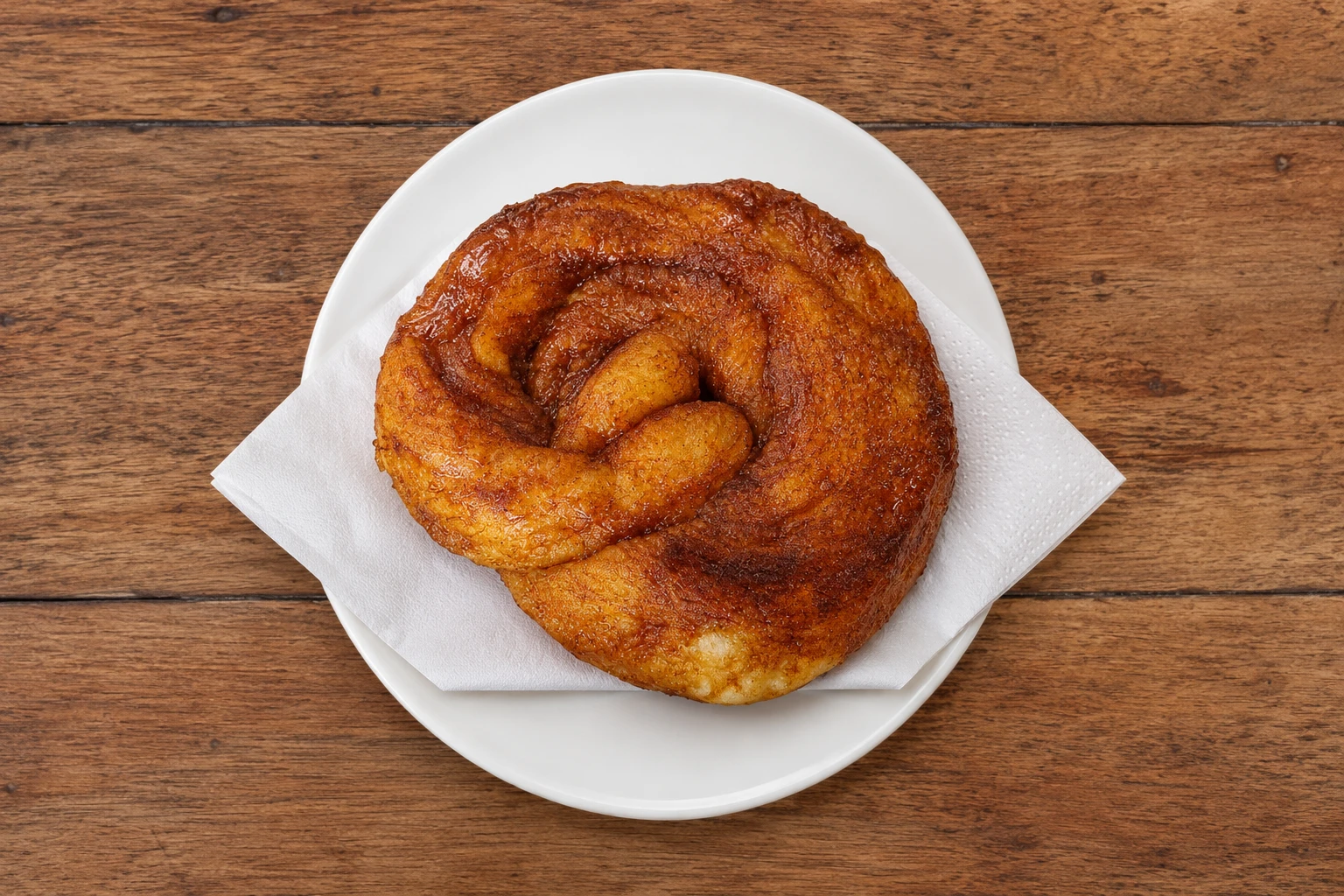
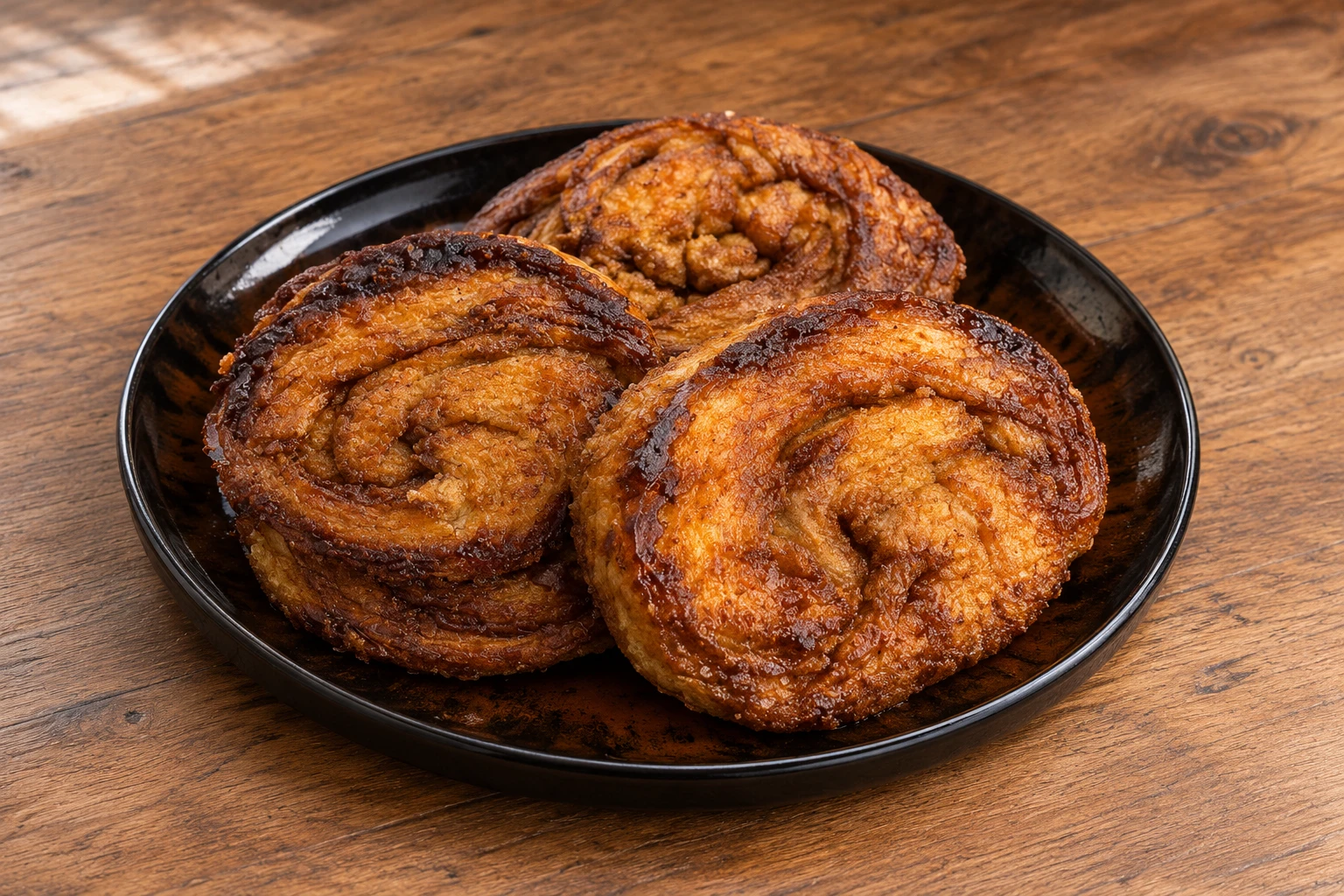
A small leavened roll twisted into a spiral with light brown sugar and cinnamon that caramelizes in the oven, leaving it sticky inside and out. It is the best-known sweet of Zeeland and its origin is attributed to the Sephardic Jews who settled in Middelburg at the end of the 16th century.
Traditional sweet from Zelândia
Also known as: bolus, jikkemiene, draaier, koekedraaier, drol
Illustrative images. The pictures in this guide are illustrations based on the real place, not photographs, and may differ from it.
Click a photo to enlarge it.
Zeeuwse bolus — Zelândia, the Netherlands
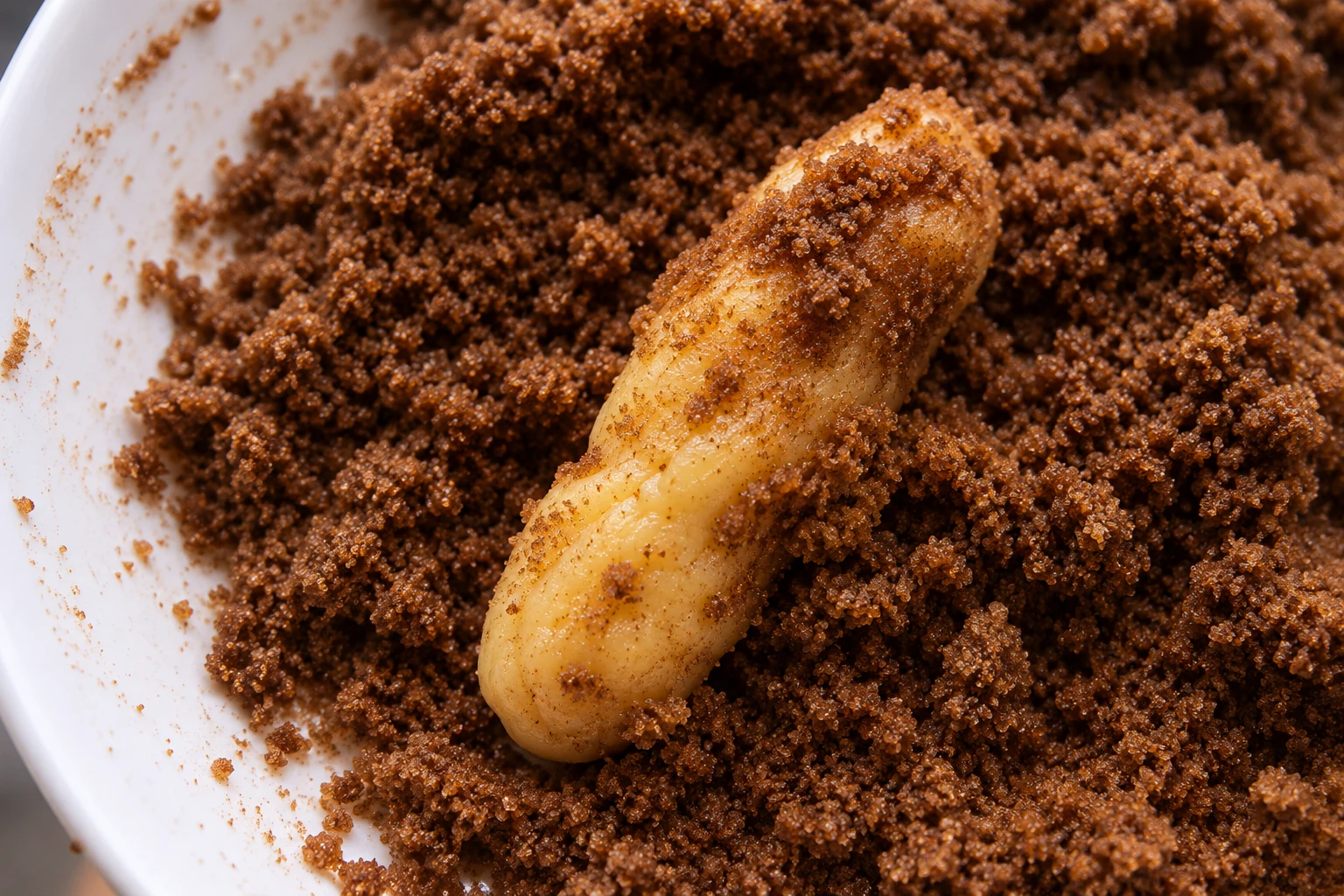
The Zeeuwse bolus is a sweet enriched roll. The dough is twisted into strips of about 40 centimeters, dipped in a mixture of light brown sugar (basterdsuiker), granulated sugar and cinnamon, and then rolled into a spiral. In the oven the sugar melts and forms a syrup that makes the bolus sticky inside and out. The baker must remove it at exactly the right time: too long and the sugar hardens, too short and the dough remains raw.
The Stichting Erfgoed Zeeland, the province’s heritage foundation, traces the sweet’s origin to the Iberian Peninsula. At the end of the 16th century, Sephardic Jews fleeing persecution in Portugal and Spain settled in Antwerp, Amsterdam and Middelburg, the capital of Zeeland, bringing with them a thin dough called bollo. The name bolus probably comes from the Yiddish bole, derived from that Iberian word. Middelburg’s Jewish cemetery on the Jodengang commemorates this community.
The Sephardic Jews left the city long ago, but the bolus remained popular in Zeeland and spread from Middelburg to the rest of the province. In the Zeeland dialect it has several names: jikkemienen in the Bevelanden, drol in Tholen and Schouwen-Duiveland, (stropie)draoiers in Walcheren and koekedraoiomme among dialect speakers in Middelburg, Arnemuiden and Veere.
Bakers in Zeeland have competed in a bolus championship since 1998, and since 2015 May 30 is Zeeland Bolus Day. Opinions on what makes a good bolus vary, especially regarding the sugar mixture.
Other versions once existed in Amsterdam, with ginger or almond paste. The cinnamon version is the one that became associated with Zeeland.

Enriched bread dough (flour, milk, butter, egg, yeast), light brown sugar (basterdsuiker), granulated sugar and cinnamon.
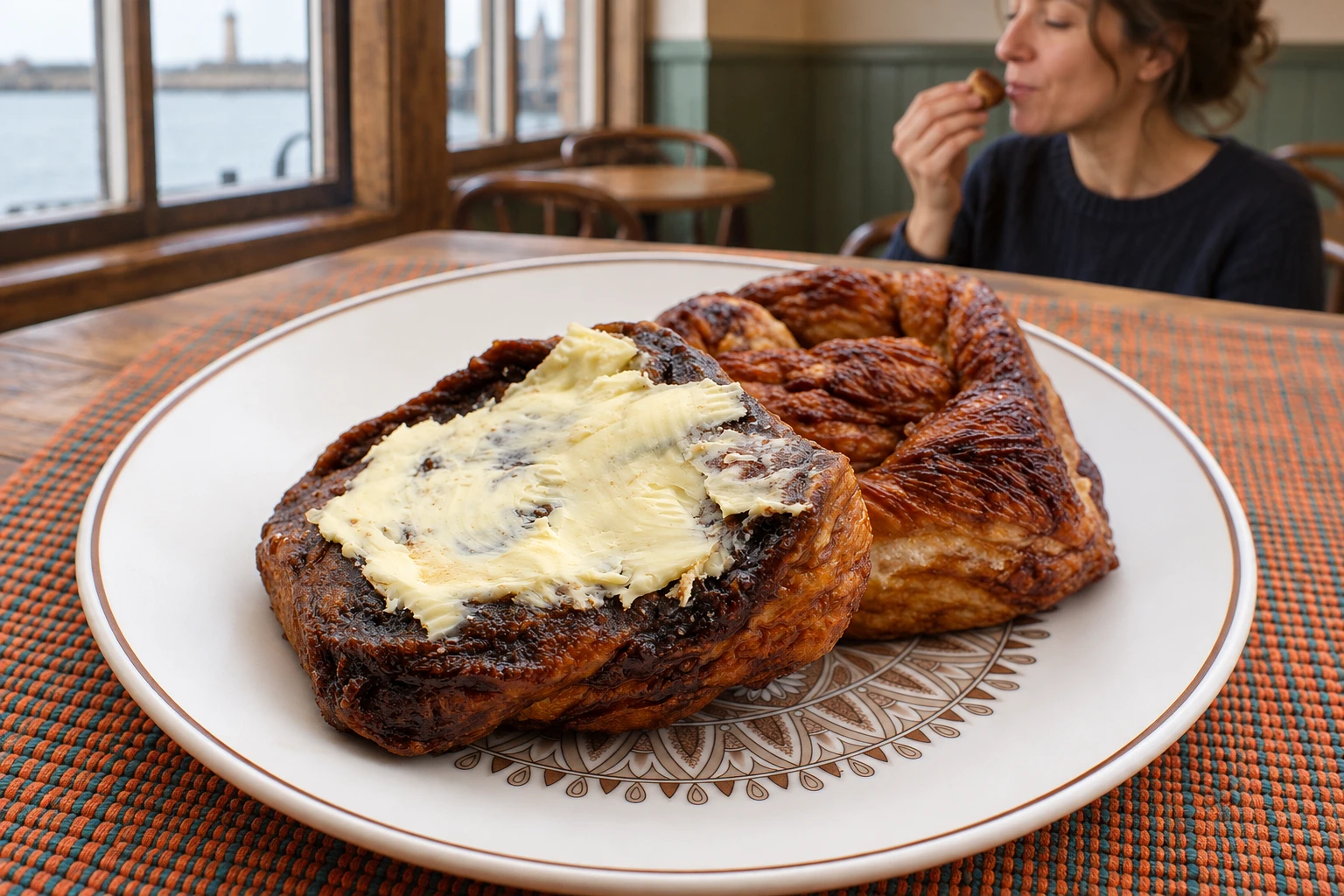
With coffee; the bottom, smoother side is often brushed with butter. It can be gently warmed before eating.
Year-round, with coffee, and sometimes at festive meals. Zeeland Bolus Day: May 30.
Your questions
A sweet rolled bun with a sticky crust of sugar and cinnamon, a symbol of Zeeland baking.
According to the Zeeland heritage foundation, the recipe came with Portuguese and Spanish Sephardic Jews settled in Middelburg.
With coffee, often with butter spread on the bottom. It can be gently warmed.
Flavors of the Netherlands

Thick split pea soup with vegetables and smoked sausage that in winter can become so thick a spoon can stand upright. The preparation of erwtensoep, also called snert, was recognized as intangible heritage of the Netherlands in July 2018.

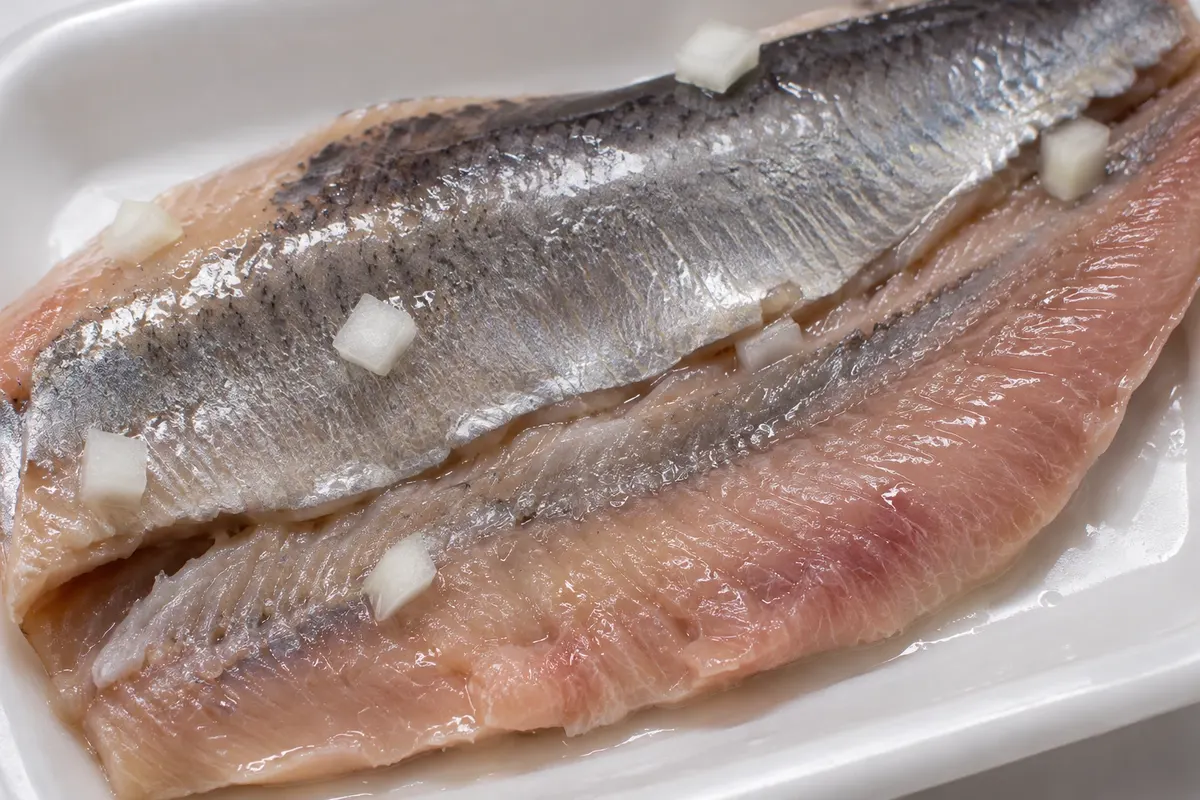
Young, fatty seasonal herring, cleaned, salted and matured by the traditional method and eaten raw with chopped onion. It is a Traditional Speciality Guaranteed of the European Union, and the arrival of the new season is celebrated throughout the country.

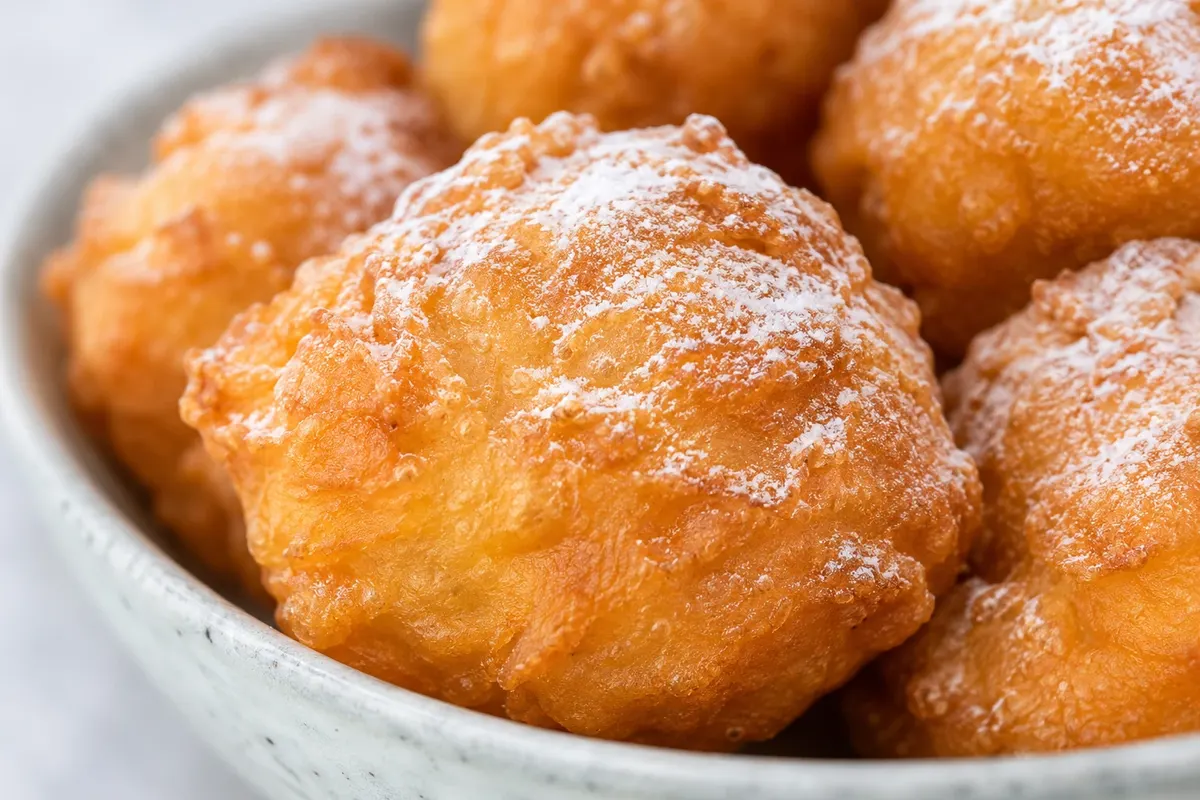
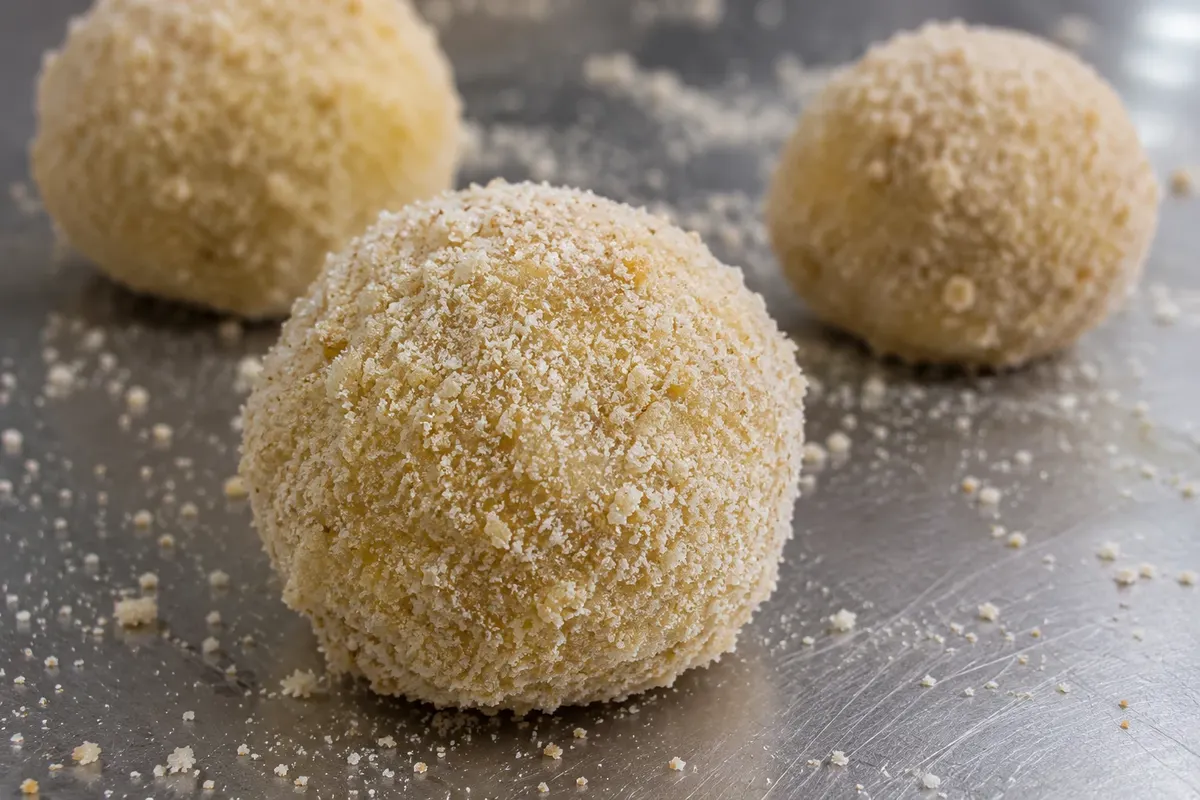
Fried yeasted dough balls, with or without raisins and apple, dusted with confectioners’ sugar. They are the New Year’s Eve treat in the Netherlands, sold at stalls that appear in towns at the end of the year.

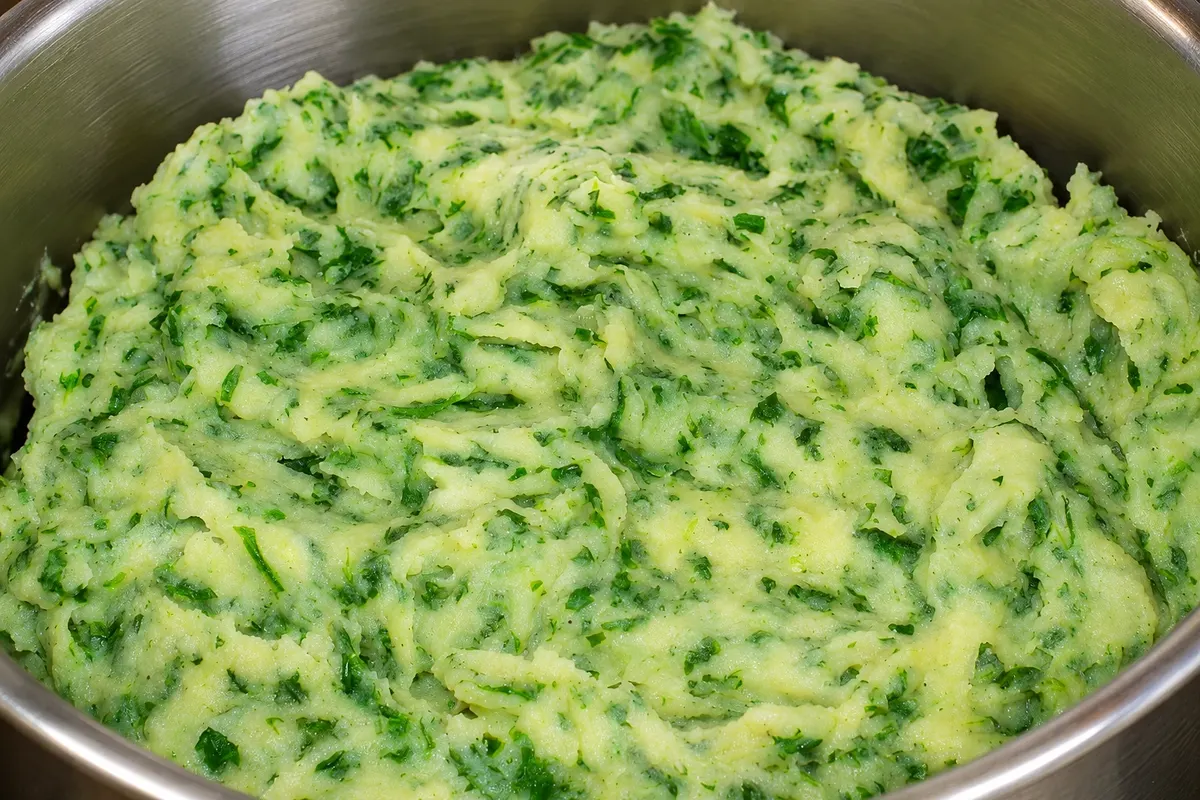
Rustic mashed potatoes mixed with a vegetable, such as kale, sauerkraut or carrots with onion, served with a smoked sausage and gravy. It’s the winter home-cooking dish of the Netherlands, with variants that have their own names.

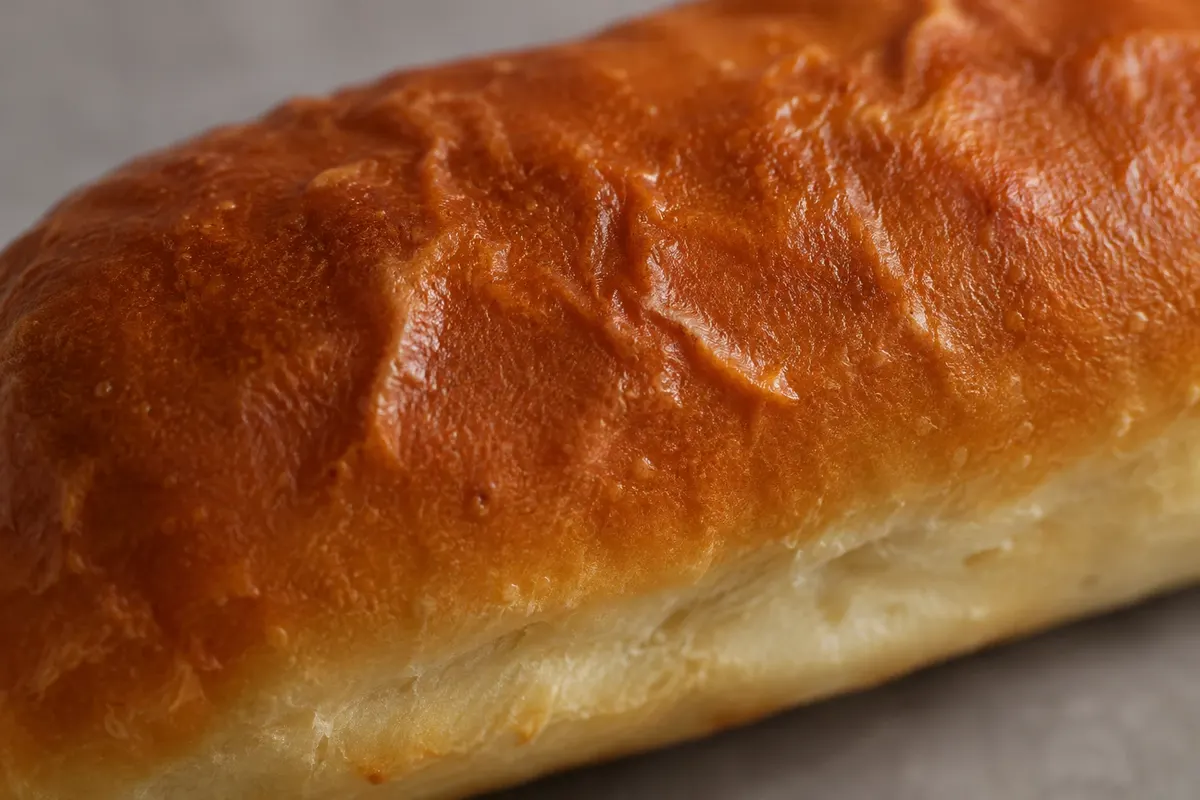
Small white bread filled with well-seasoned pork, the worstenbroodje is the savory of North Brabant and was recognized as Dutch intangible heritage in 2016.

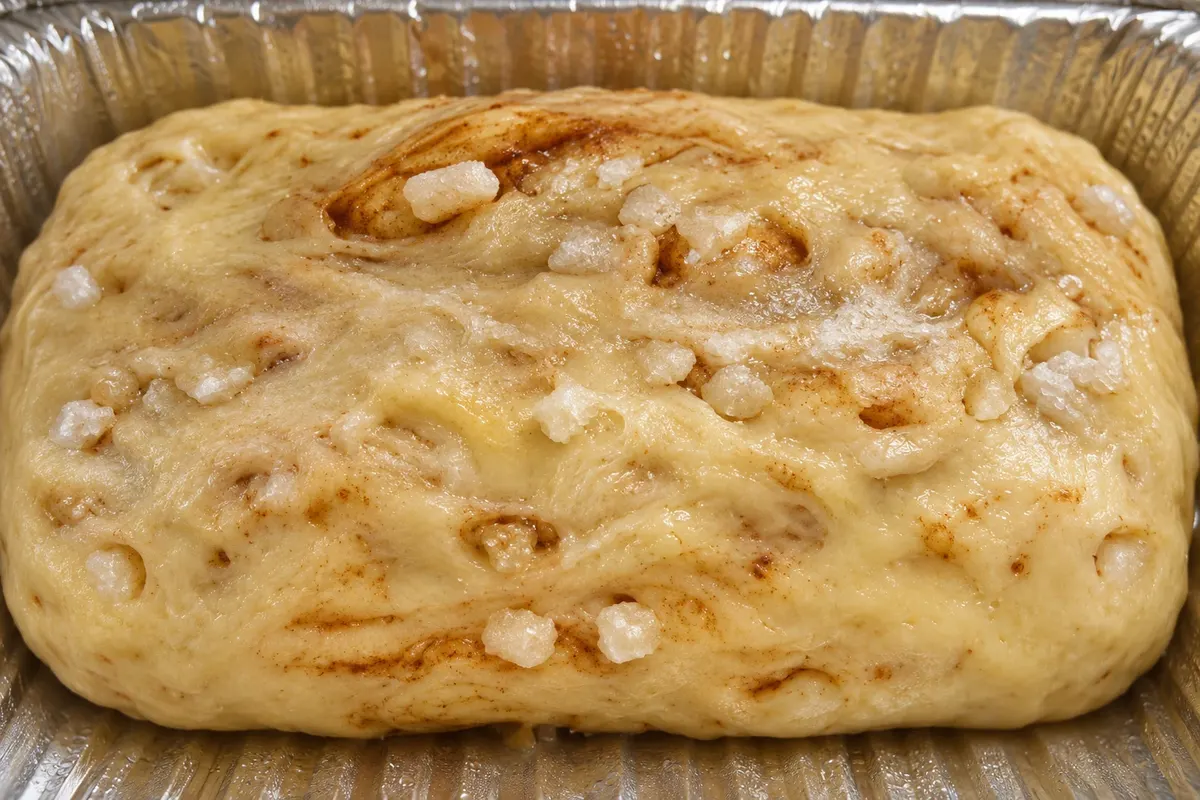
White yeast bread with large chunks of sugar mixed into the dough and cinnamon, which caramelize in the oven. It is the sweet bread most associated with Friesland, and local tradition links it to visits to the parents after a baby is born.

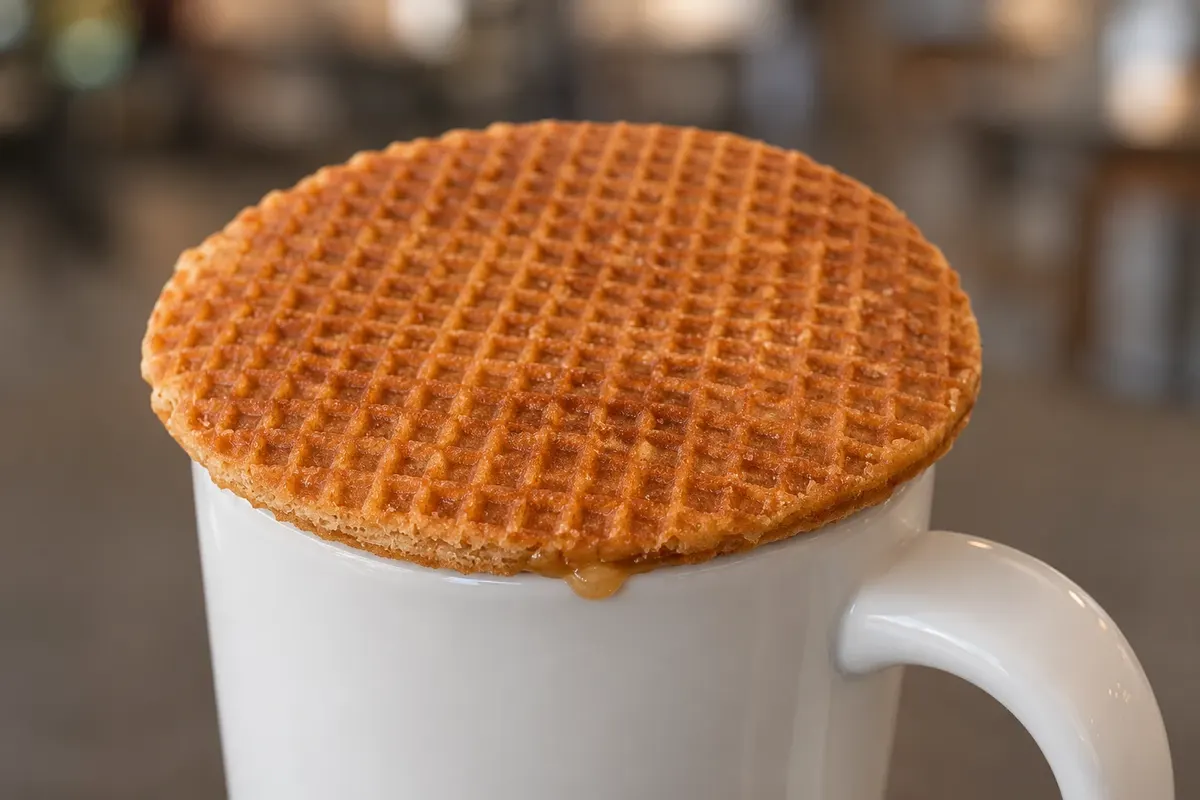
Two thin crisp waffle wafers glued together with a caramel-cinnamon syrup filling. It originated in Gouda bakeries around 1800, and the method of making it by hand is on the national inventory of intangible heritage.

A boiled egg wrapped in a creamy, spiced ragù, breaded and fried: the eierbal is the snack bar treat of Groningen. It was added in 2017 to the national inventory of intangible heritage, following an initiative by a society created to protect it.

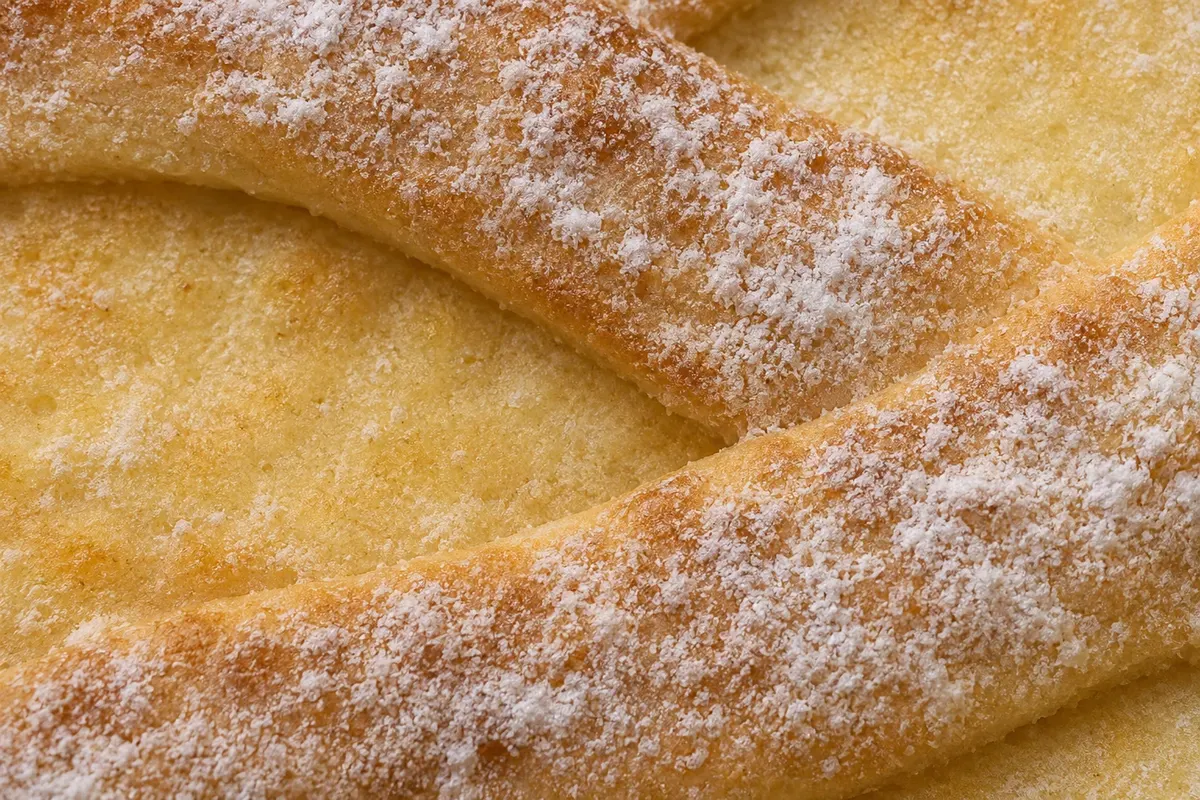
Round tart made from a thin fermented dough and generously filled with fruit, rice pudding or custard, sometimes topped with a lattice or streusel. Since 2024 it has a Protected Geographical Indication from the European Union, shared by Dutch and Belgian Limburg.

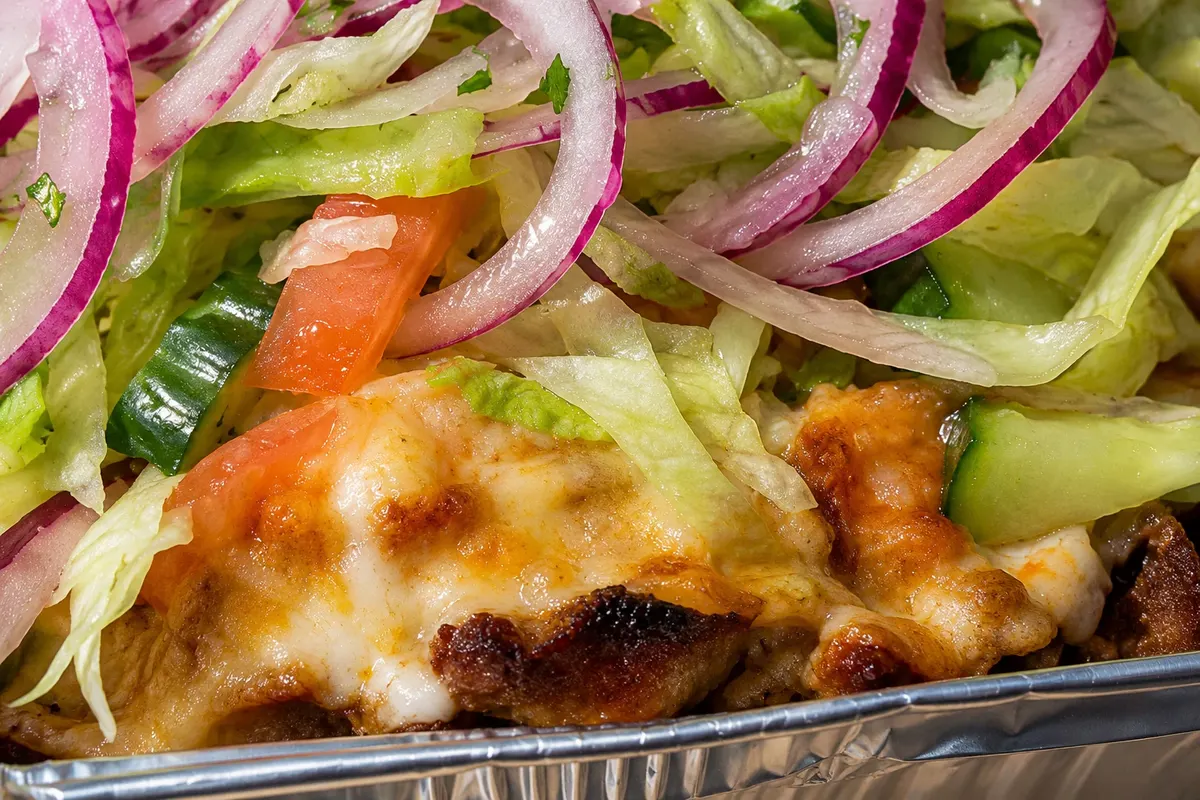
Tray of French fries topped with shoarma, melted cheese, salad, garlic sauce and sambal. Created in 2003 at a snack bar in Rotterdam for hairdresser Nataniël Gomes, it took the name of his salon and spread across the Netherlands.

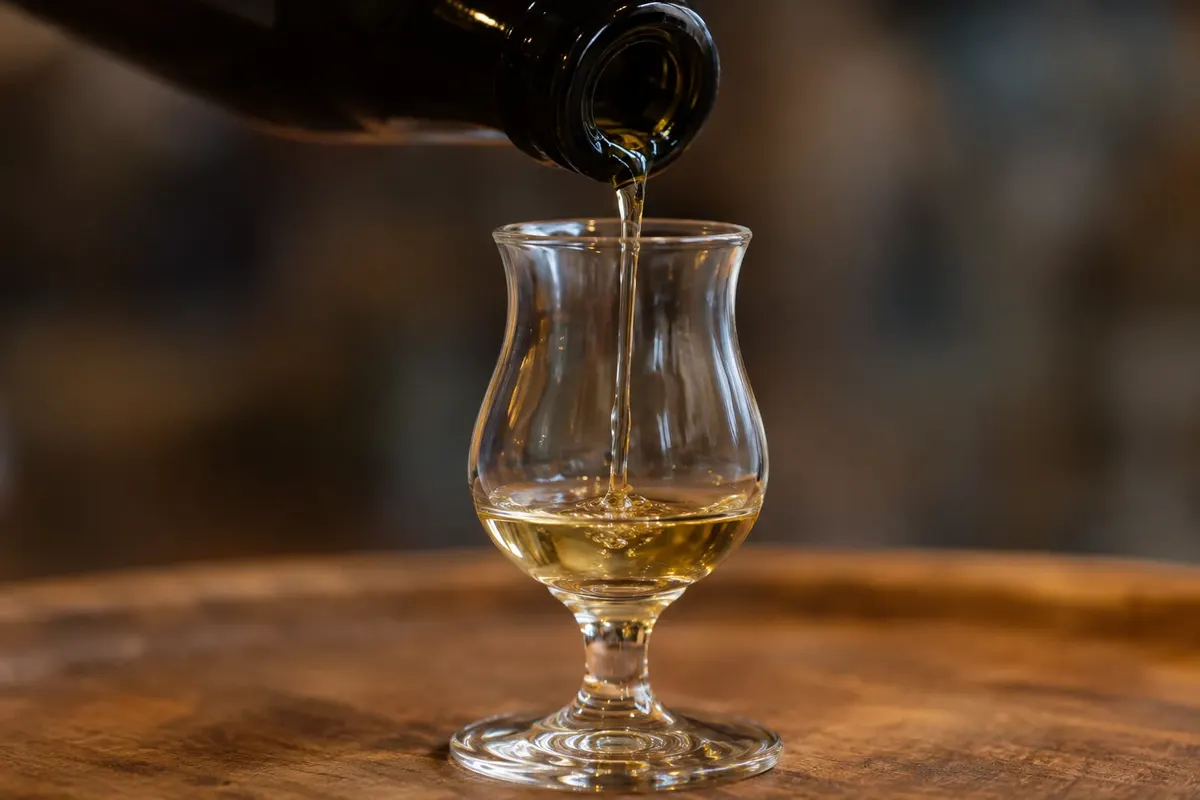
Cereal distillate flavored with juniper, the predecessor of gin, which made Schiedam the city of jenever: at its peak, hundreds of distilleries operated along the canals, and giant windmills ground the grain. Jenever has a European geographical indication shared by the Netherlands, Belgium and neighbouring areas.

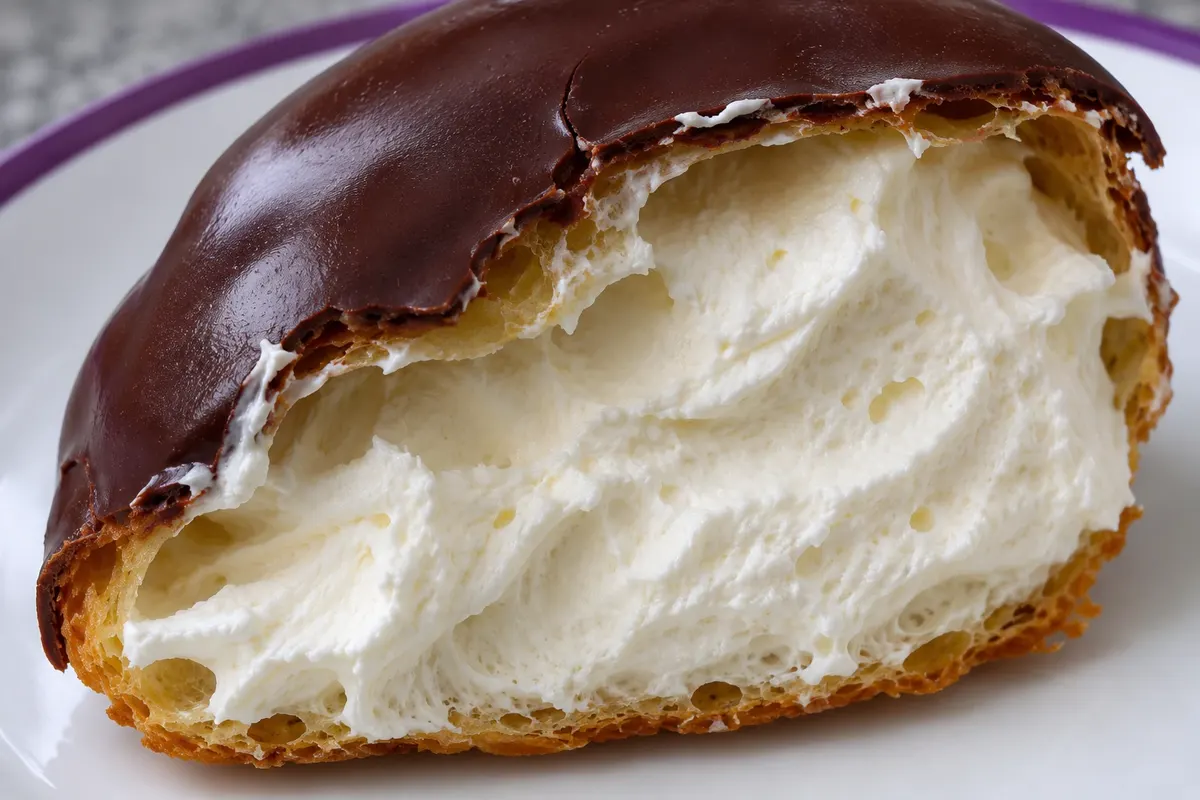
Large choux pastry ball filled with whipped cream and covered in dark chocolate, the sweet of 's-Hertogenbosch. A local pastry shop advertised chocolate balls as early as 1903 and began filling them with whipped cream in 1924.