



September/OctoberSerra Serata
Once a year, usually in September, sometimes in October.
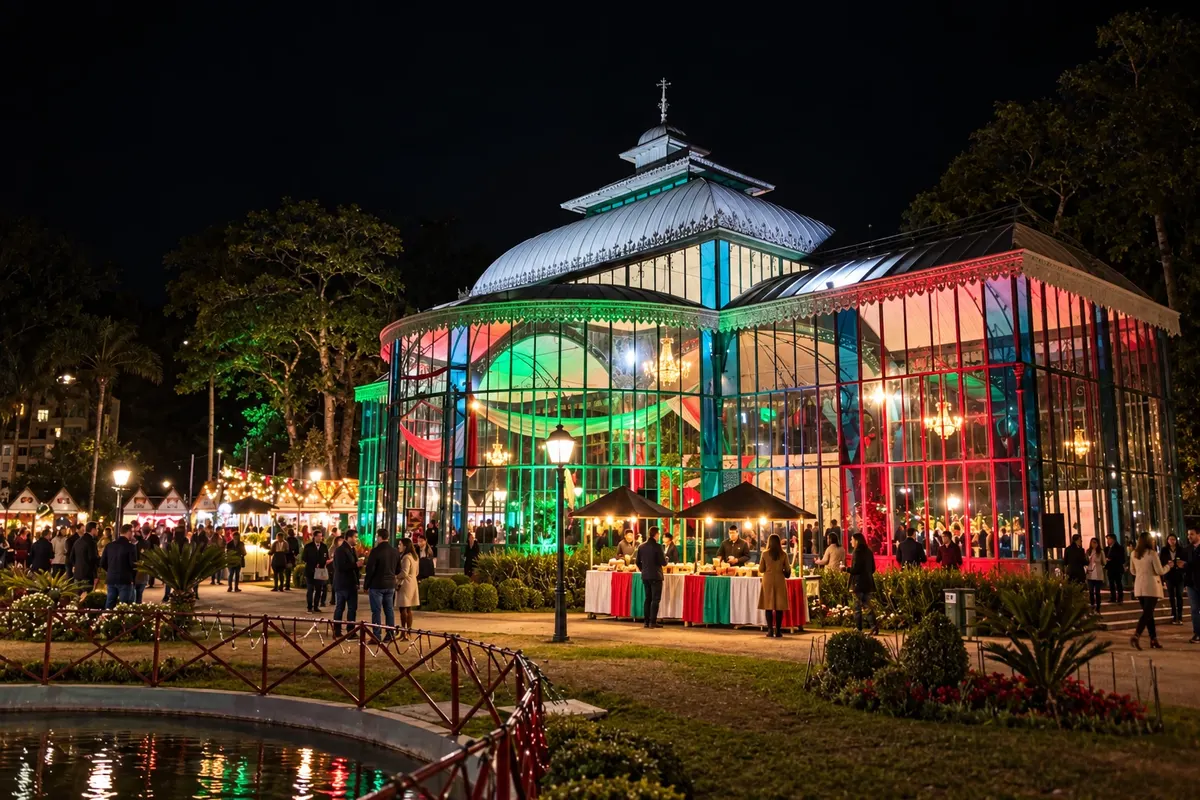
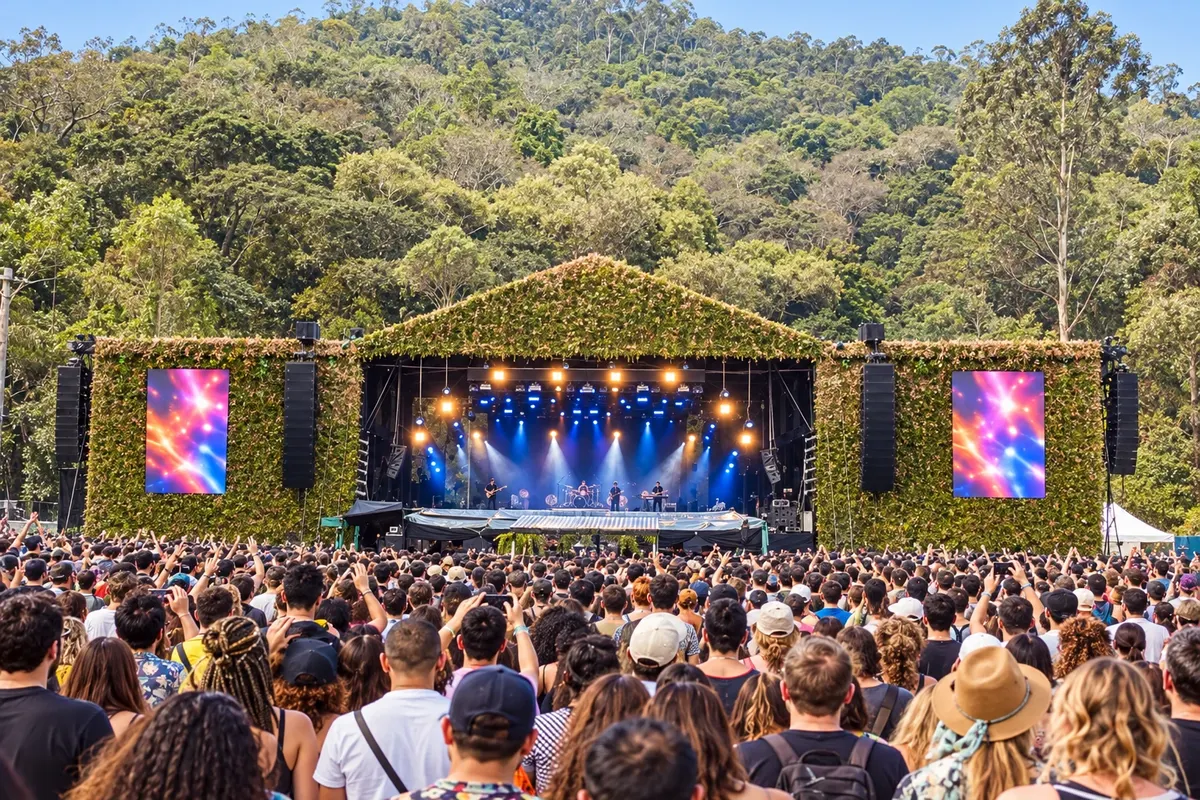
The Italian culture festival of Petrópolis at the Palácio de Cristal, with Italian food stalls, music, workshops and a masked ball.
Religious festival · Aparecida
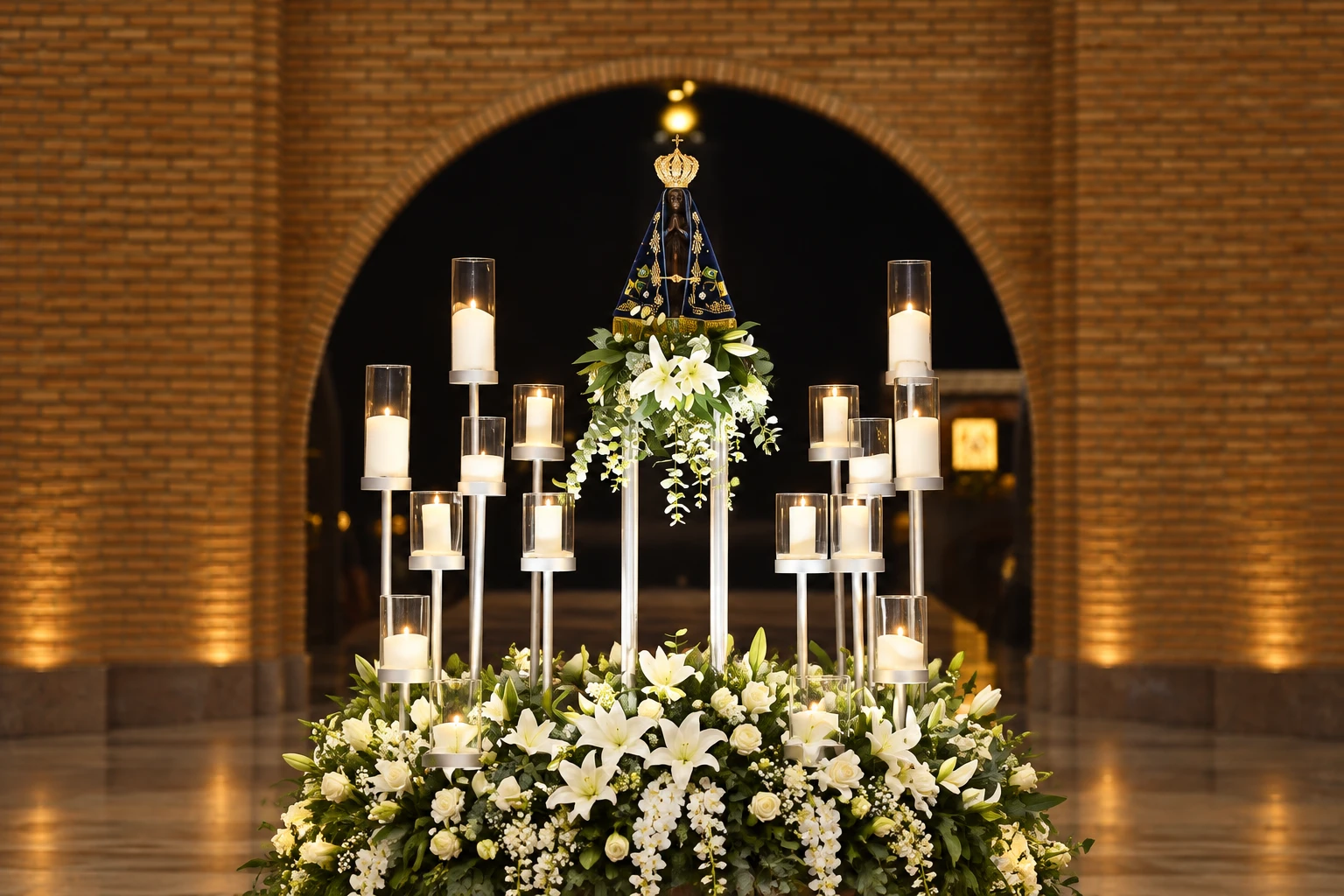
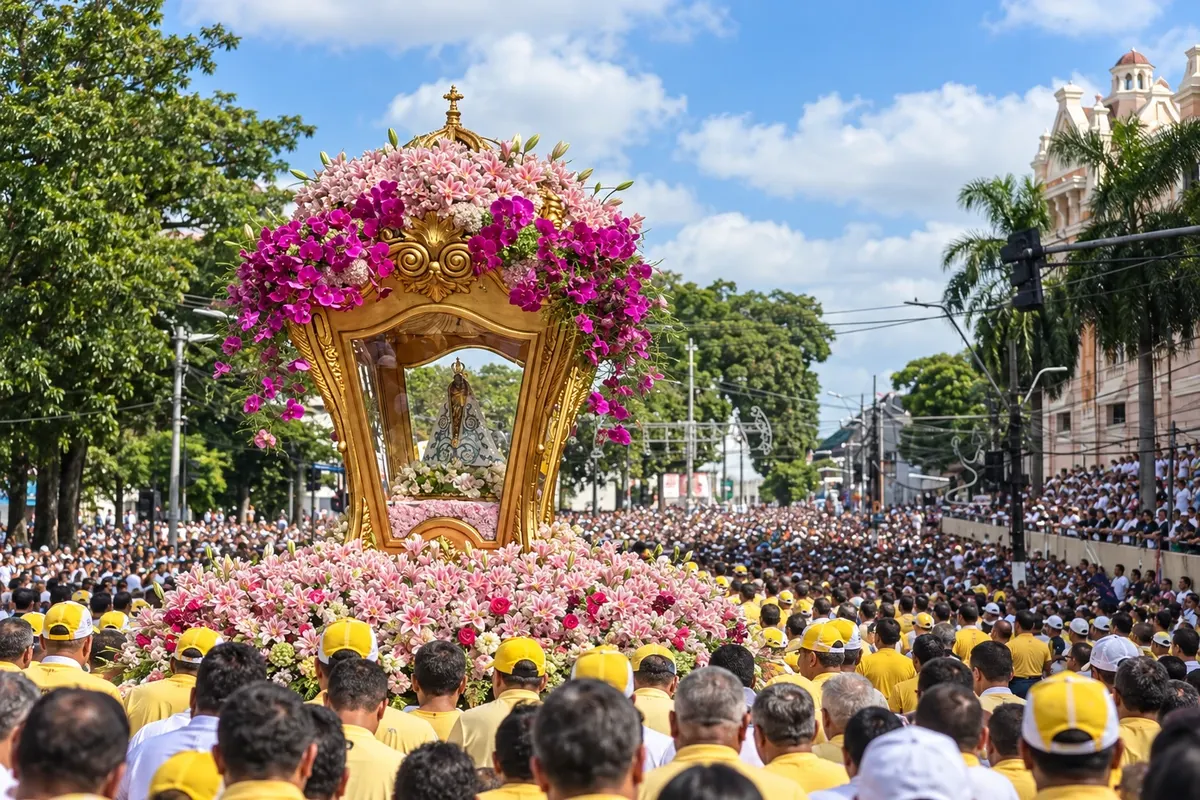
The patroness of Brazil’s feast at the National Sanctuary of Aparecida, in the Paraíba Valley, with a novena, vigil, Masses, a procession and thousands of pilgrims who arrive on foot, by bus or on horseback.
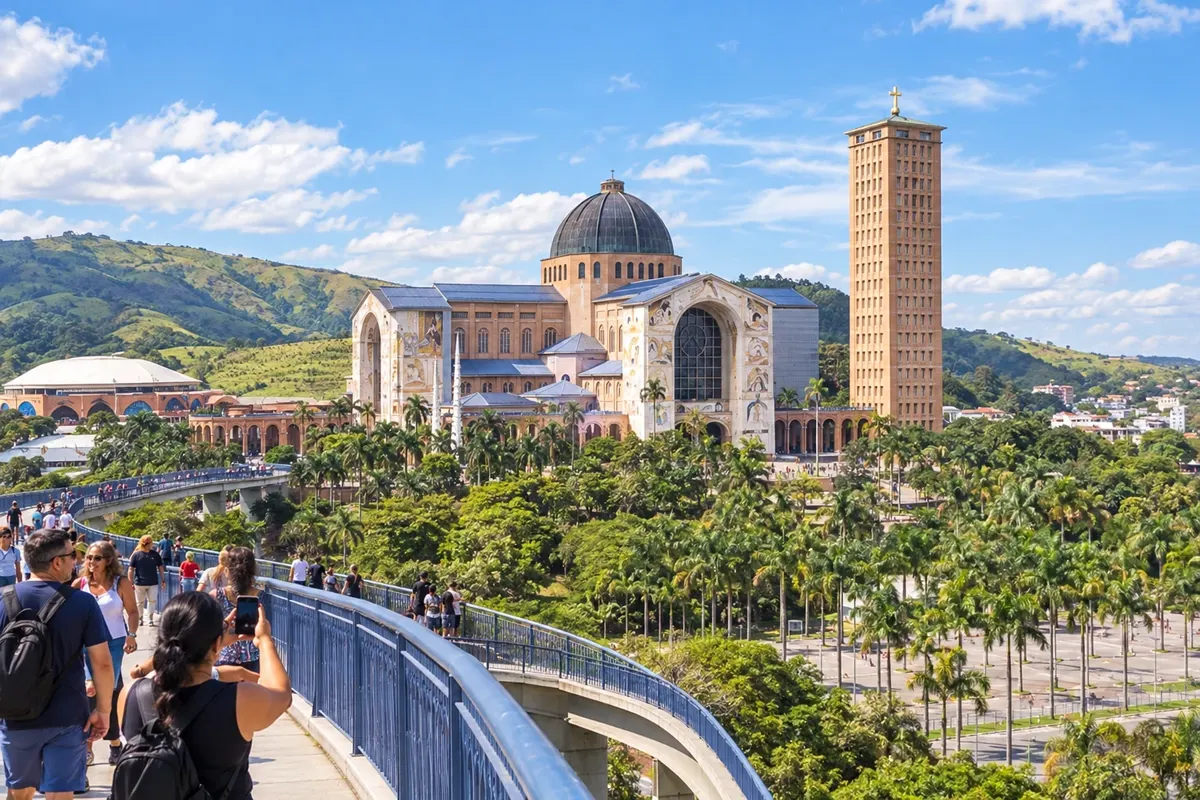
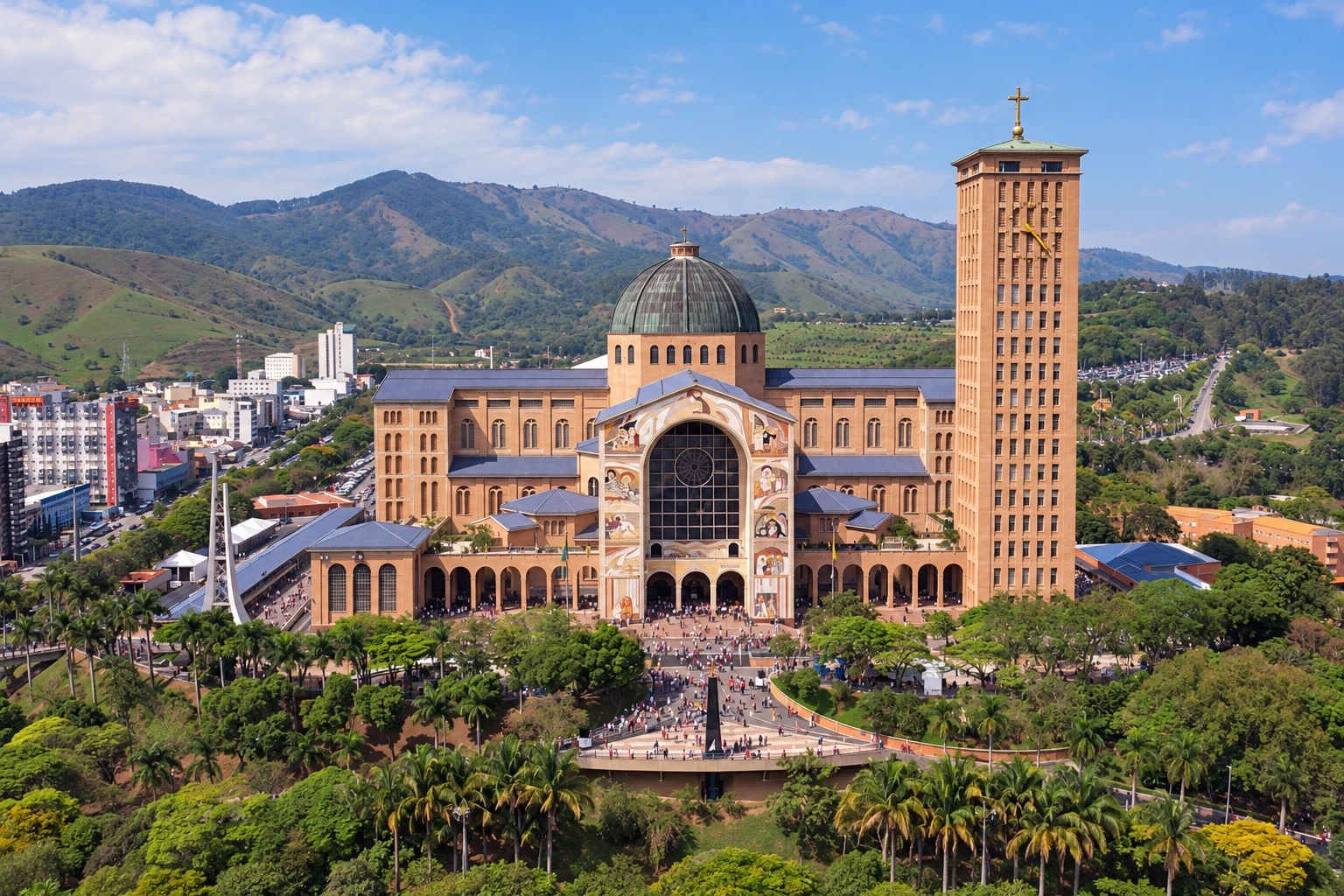
In the photo: Aparecida
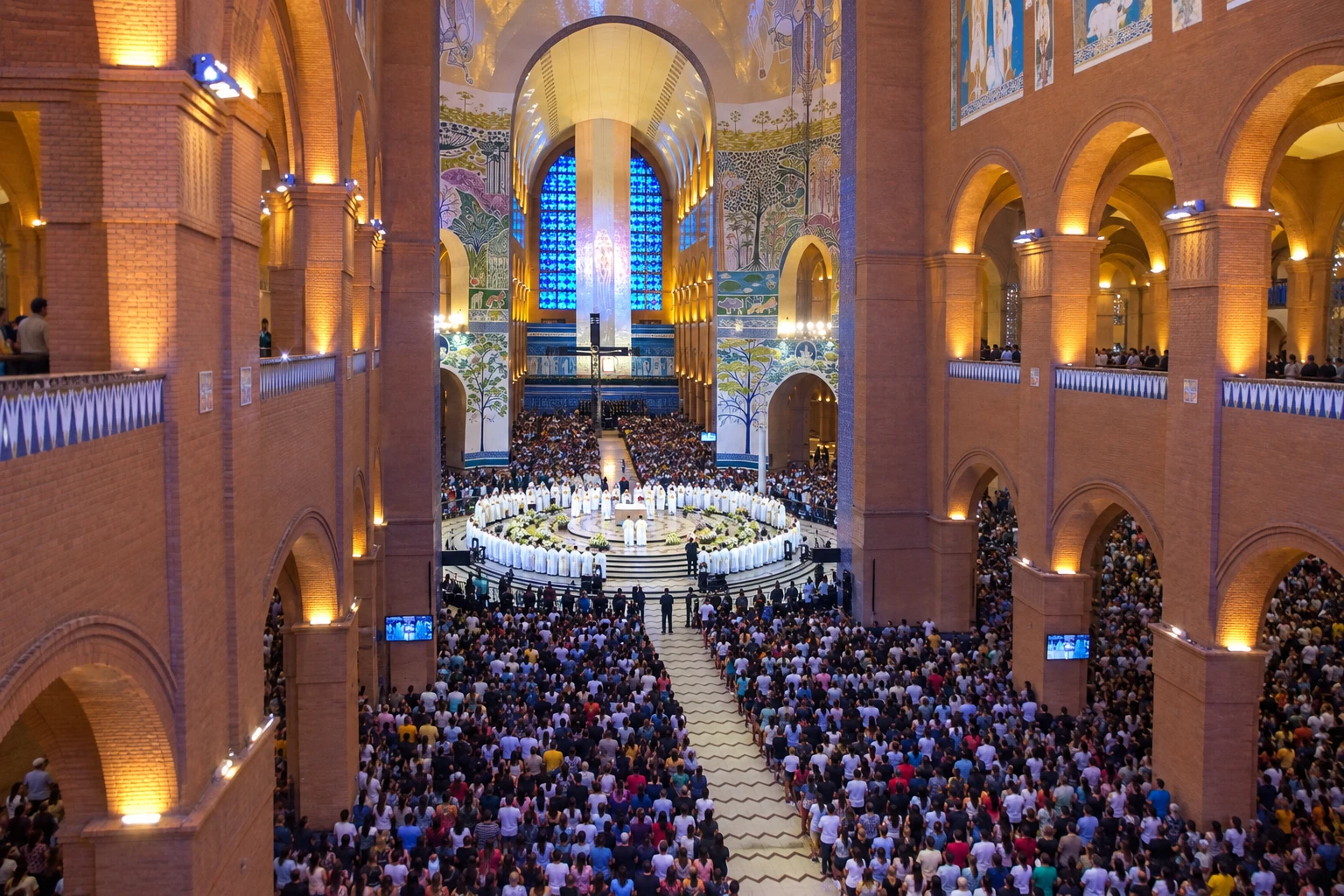
Illustrative images. The pictures in this guide are illustrations based on the real place, not photographs, and may differ from it.
Click a photo to enlarge it.
Feast of Our Lady Aparecida — Aparecida
On October 12, the day of Our Lady Aparecida and a national holiday in Brazil, following a novena that begins on October 3.
October
Dates change every year: check this year's date before you travel.
The festival
Our Lady Aparecida is the patroness of Brazil, and her feast on October 12 gathers at the National Sanctuary in Aparecida, in the São Paulo Paraíba Valley, one of the country’s largest Catholic pilgrimages. The devotion began in 1717, when three fishermen found a small terracotta image of Our Lady of the Conception in the Paraíba do Sul River — first the body and later the head — and then had an abundant catch. The image came to be called Aparecida.
The saint was declared patroness of Brazil by Pope Pius XI in 1930 and solemnly proclaimed in 1931. In 1980 a law made October 12 a national holiday in her honor. The original image is kept at the National Sanctuary, a brick basilica, one of the largest Catholic churches in the world, which receives pilgrims year-round.
The celebration begins with the novena from October 3, with daily Masses, sermons and activities. On the eve the schedule runs into the night; on the 12th a vigil goes from midnight until dawn, followed by a morning salutation and Masses throughout the day, including the solemn morning Mass, and ends with the procession and the consecration to Our Lady. Pilgrims arrive by bus, car, on foot along the Presidente Dutra Highway and the trails of the Caminho da Fé, by bicycle and, some, on horseback.
Besides the basilica, visitors usually walk the Passarela da Fé, which links the Sanctuary to the Historic Basilica, the saint’s first church, and climb Morro do Cruzeiro. The whole town lives around the pilgrimage, with shops selling religious items and souvenirs around the sanctuary.
The solemn morning Mass on October 12 at the National Sanctuary. The overnight vigil. The procession and consecration at the end of the day. The Passarela da Fé to the Historic Basilica.
October 12 is the busiest day; to experience the celebration with fewer crowds, go during the novena. Arrive early to get a place at the main Masses and wear comfortable clothing and shoes. Check the official schedule published by the Sanctuary before the feast.
Accommodation in Aparecida and nearby towns like Guaratinguetá sells out around October 12. Book in advance; many pilgrims make a same-day round trip from São Paulo or Rio de Janeiro.
In the city
October
September/OctoberOnce a year, usually in September, sometimes in October.
The Italian culture festival of Petrópolis at the Palácio de Cristal, with Italian food stalls, music, workshops and a masked ball.
OctoberOn the second Sunday of October, with the Trasladação on Saturday night and other processions on the preceding days; the celebration continues for another two weeks, until the Recírio.
The great procession of Our Lady of Nazareth through the streets of Belém on the second Sunday of October, with the rope pulled by devotees, the flower-covered berlinda, and the Círio lunch with maniçoba and duck in tucupi.
OctoberOn Sundays in October, the month of the sanctuary’s patron saint.
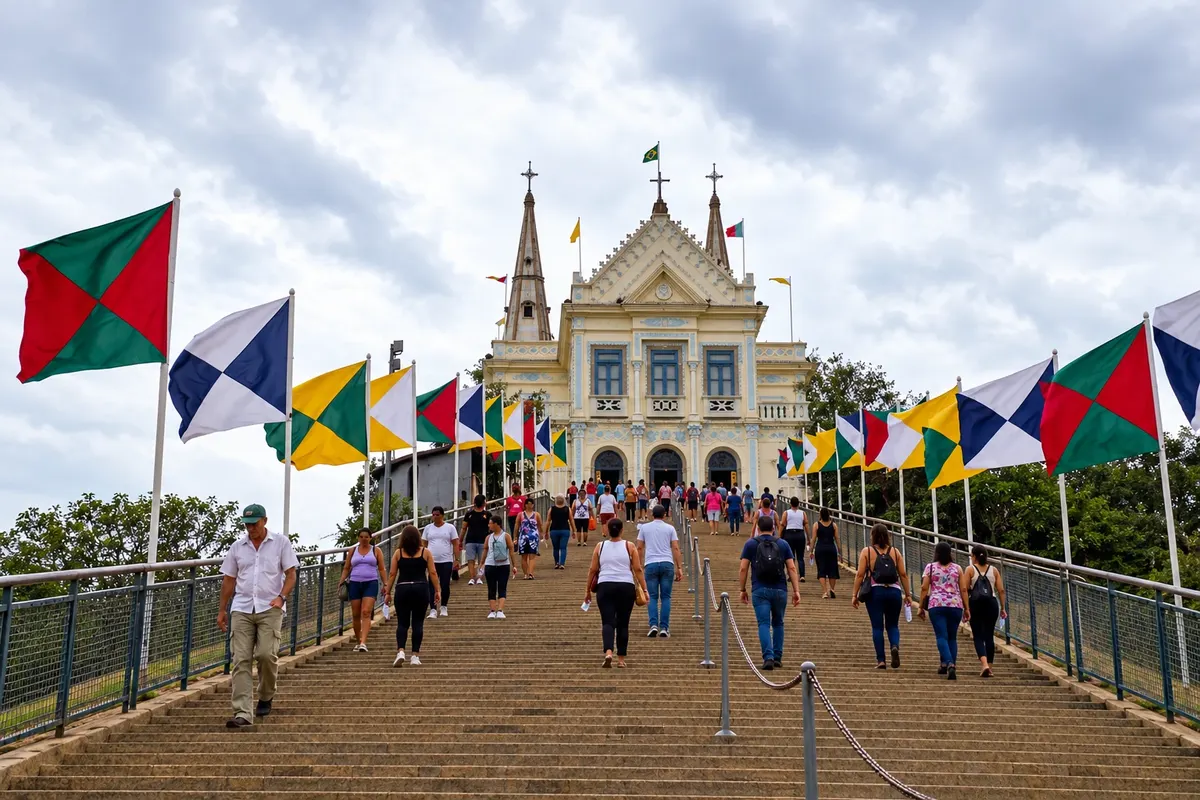
The Feast of Our Lady of Penha, held at the sanctuary atop the rock in Rio’s North Zone, features masses, processions and the 382-step staircase.
Your questions
On October 12, a national holiday in Brazil. The novena begins on October 3 at the National Sanctuary of Aparecida.
The image was found in 1717 by three fishermen in the Paraíba do Sul River, and devotion spread across the country. In 1930 Pope Pius XI declared her patroness of Brazil, and in 1980 October 12 became a national holiday.
Take part in the vigil, Masses and procession at the National Sanctuary, see the original image and walk the Passarela da Fé to the Historic Basilica.
Festivals and events in Brazil
OctoberUsually in the first half of October, for about ten days.
The international film festival of Rio de Janeiro, featuring hundreds of Brazilian and foreign films in theaters across several neighborhoods of the city.
October/November/December/JanuaryFrom late October to mid‑January, for more than two and a half months, covering Christmas and New Year’s Eve.
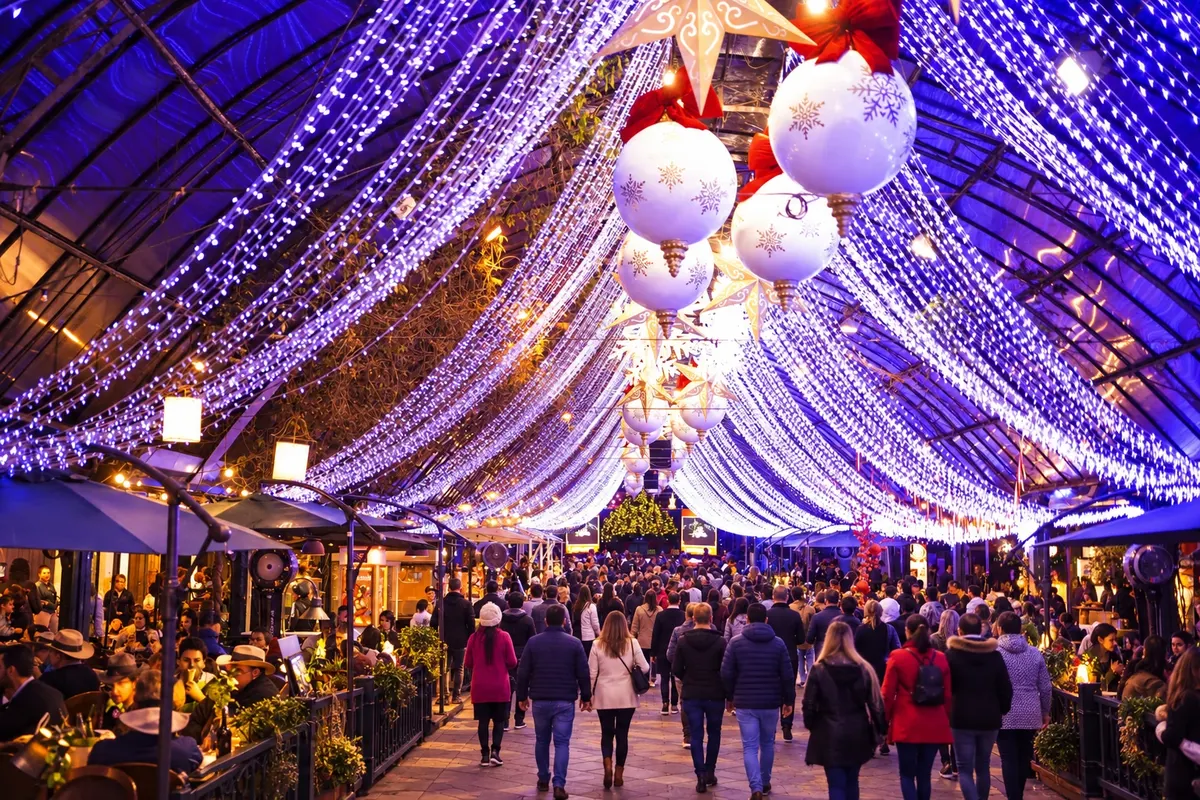
Gramado’s Christmas season in the Serra Gaúcha, with the town lit up, parades and Christmas shows, choir concerts and a Christmas village in the downtown area.
OctoberIn October, for about three weeks, usually from the first to the last week of the month.
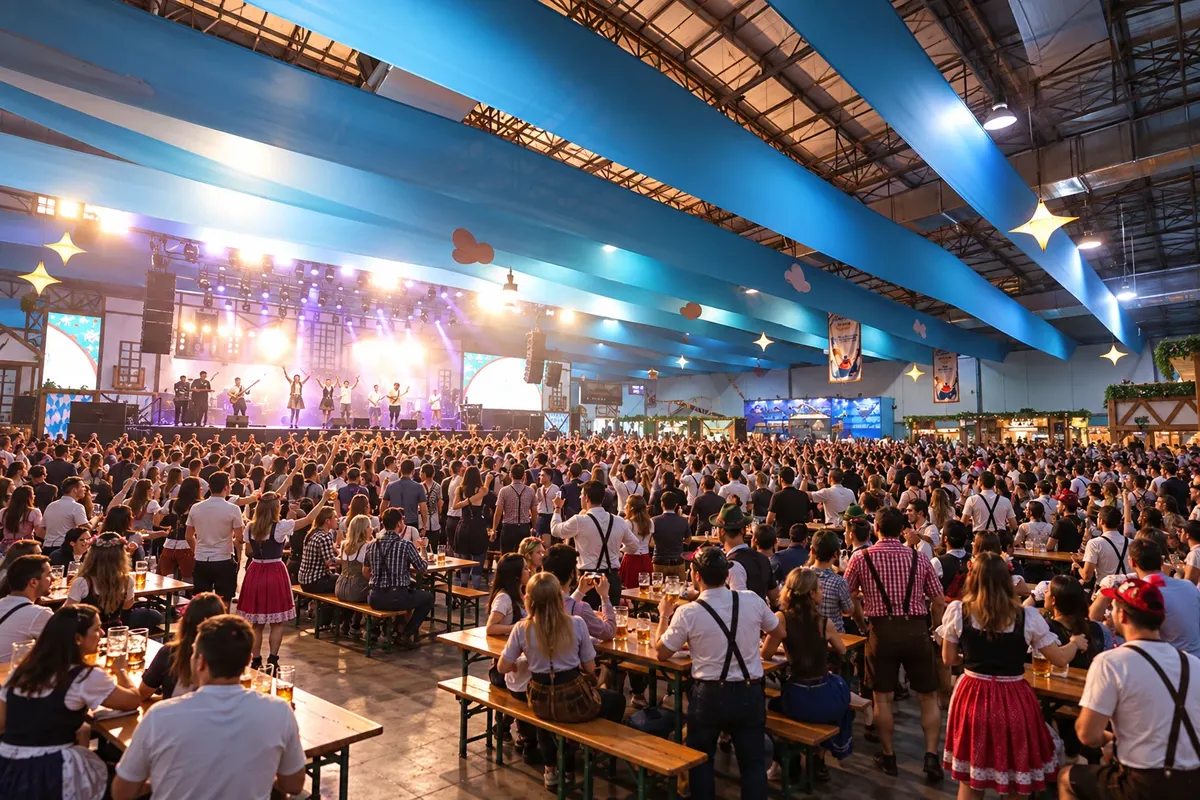
The German-tradition festival in Blumenau, in the Itajaí Valley, featuring typical bands and folk dances at Parque Vila Germânica, parades on Rua XV de Novembro, draft beer and German food.
October/NovemberOnce a year, across two consecutive weekends between late October and early November.
Itaipava’s music and arts festival, held in the mountains of Petrópolis, featuring multiple stages, Brazilian and international artists, and outdoor programming.
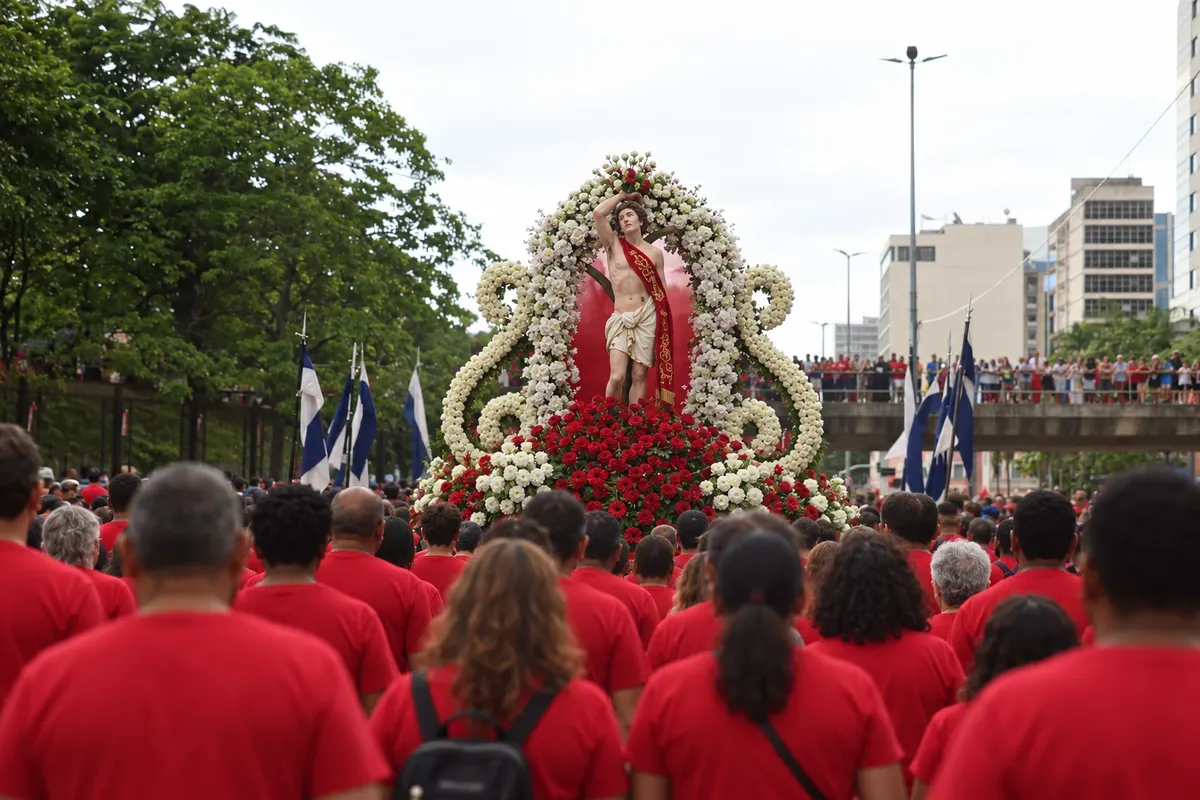
JanuaryOn January 20, the day of the city’s patron saint, which is a municipal holiday in Rio de Janeiro.
The patron saint’s day in Rio de Janeiro, with masses and the procession that carries the saint’s image from Tijuca to the Metropolitan Cathedral in the downtown area.
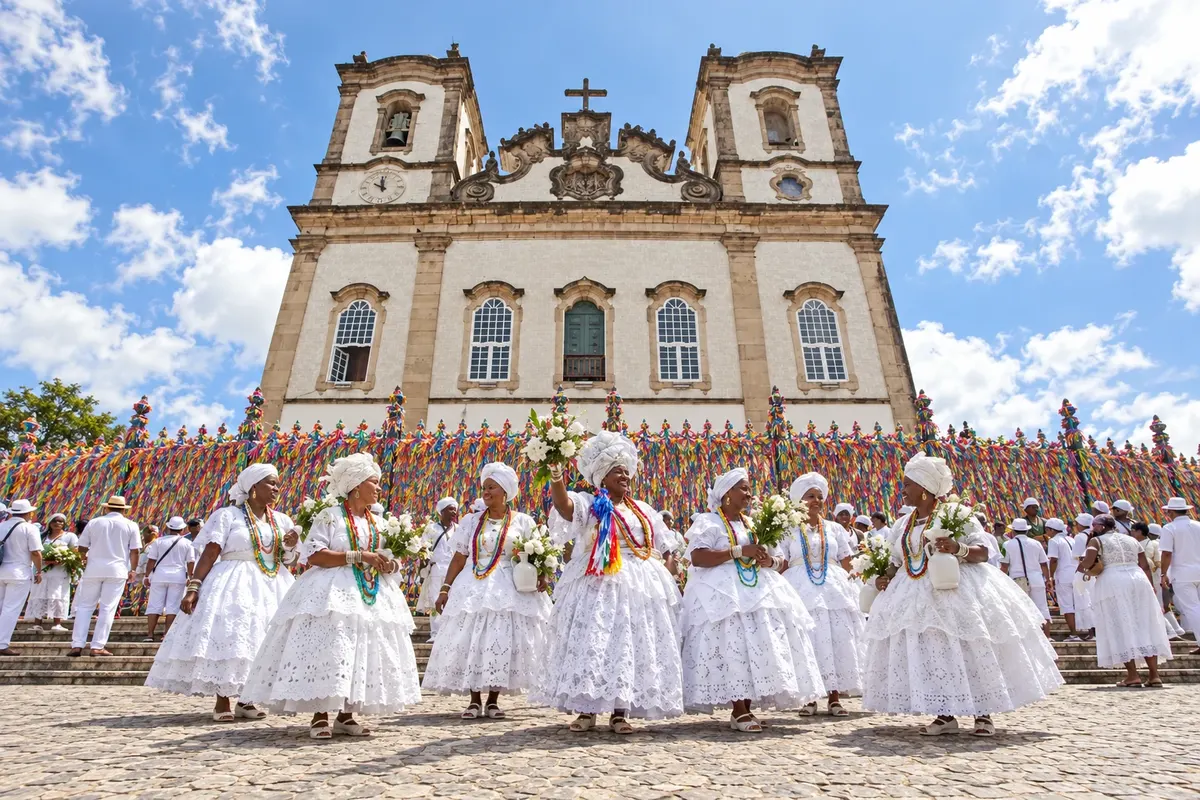
JanuaryOn the Thursday before the second Sunday after Epiphany (January 6), which is the Sunday of the Feast of the Lord of Bonfim; therefore it always takes place in January, usually on the second or third Thursday of the month.
A walking procession of several kilometers from Cidade Baixa to the Sacred Hill in Salvador, where baianas dressed in white wash the steps of the Basilica of the Senhor do Bonfim with scented water.