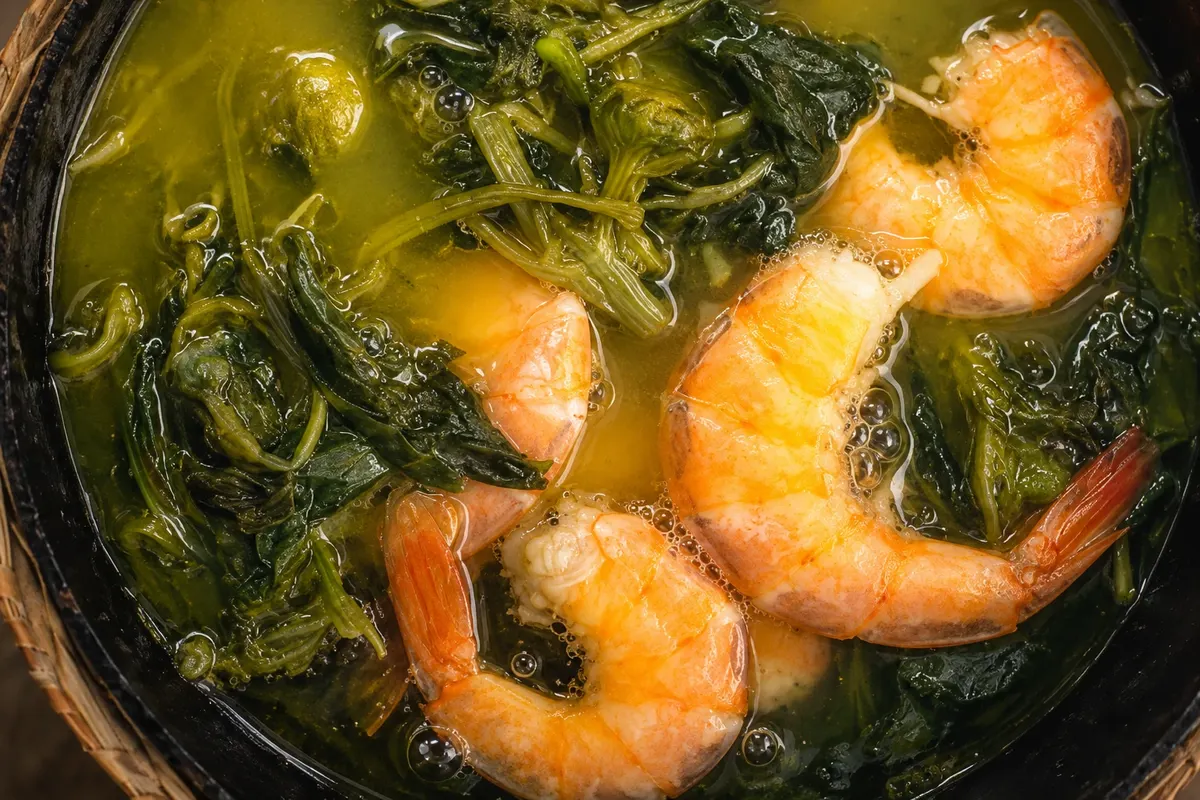
Dish · Belém
Tacacá
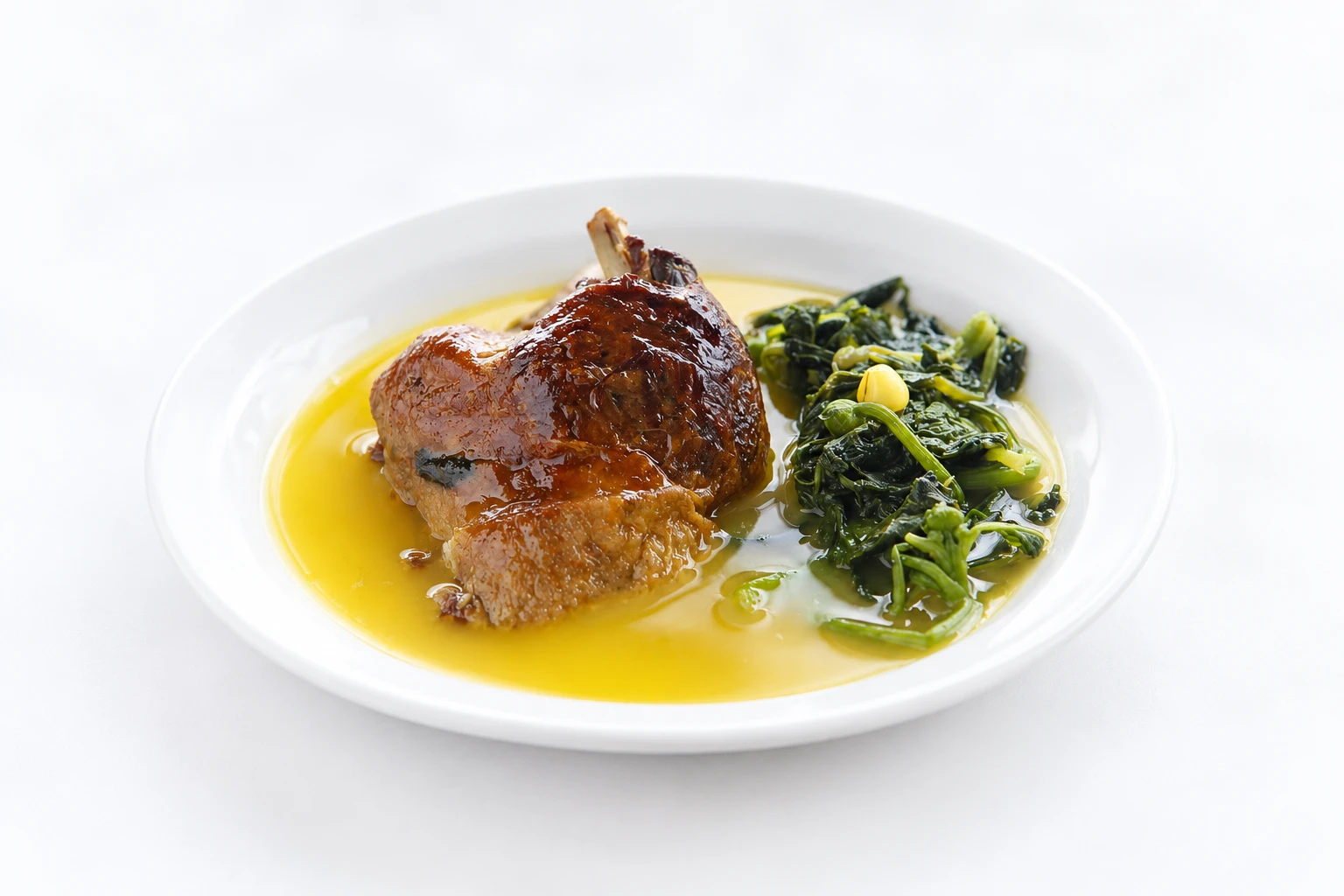
Hot tucupi broth with manioc masa, jambu and dried shrimp, served in a cuia. In Belém it is sold by tacacazeiras at street stalls in the late afternoon, and their craft is recognized as cultural heritage.

 Search
Brazil
 Argentina
 Bolivia
 Chile
 Colombia
 Ecuador
 Guyana
 French Guiana
 Falkland Islands (Malvinas)
 Paraguay
 Peru
 Suriname
 Uruguay
 Venezuela
 Germany
 Austria
 Belgium
 Croatia
 Denmark
 Spain
 Finland
 France
 Greece
 the Netherlands
 Hungary
 Ireland
 Iceland
 Italy
 Luxembourg
 Norway
 Poland
 Portugal
 the United Kingdom
 the Czech Republic
 Sweden
 Switzerland
 Turkey
 Canada
 the United States
 Mexico
 the Dominican RepublicTurkey
 South Africa
 Australia
 Fiji
 New Zealand
 Papua New Guinea
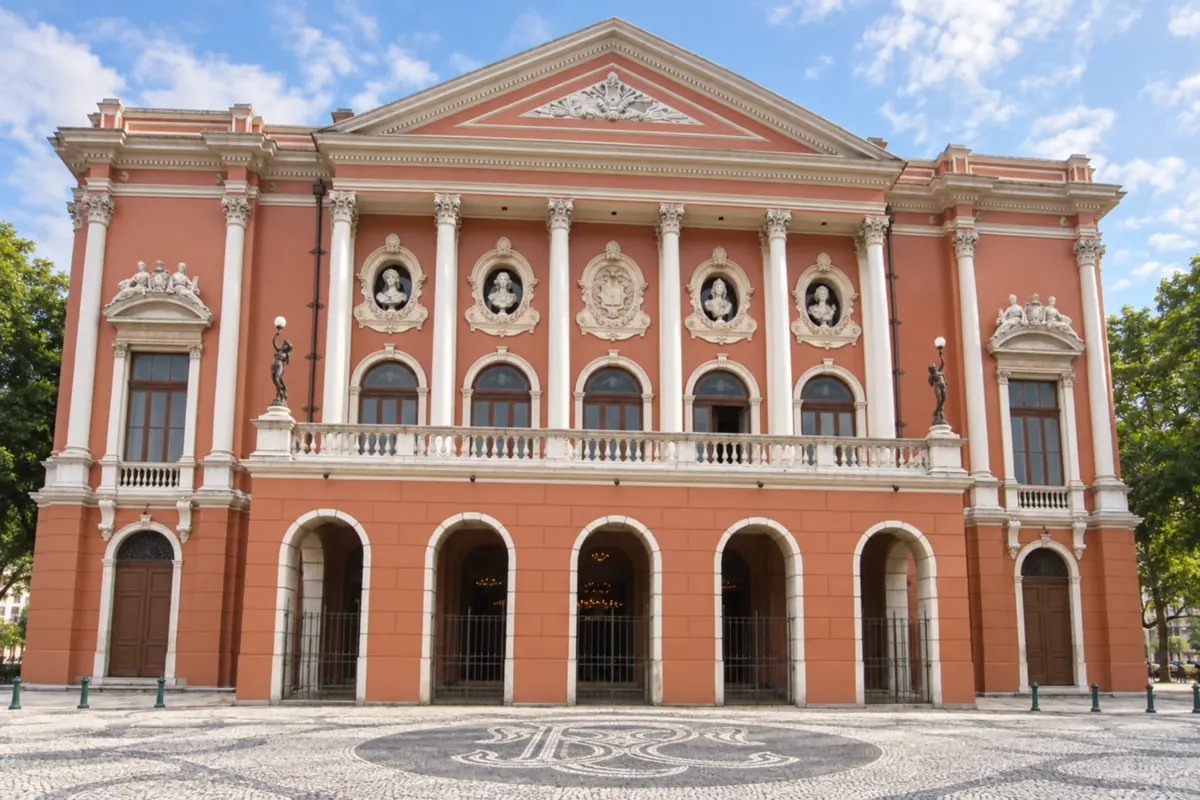
Religious festival · Belém
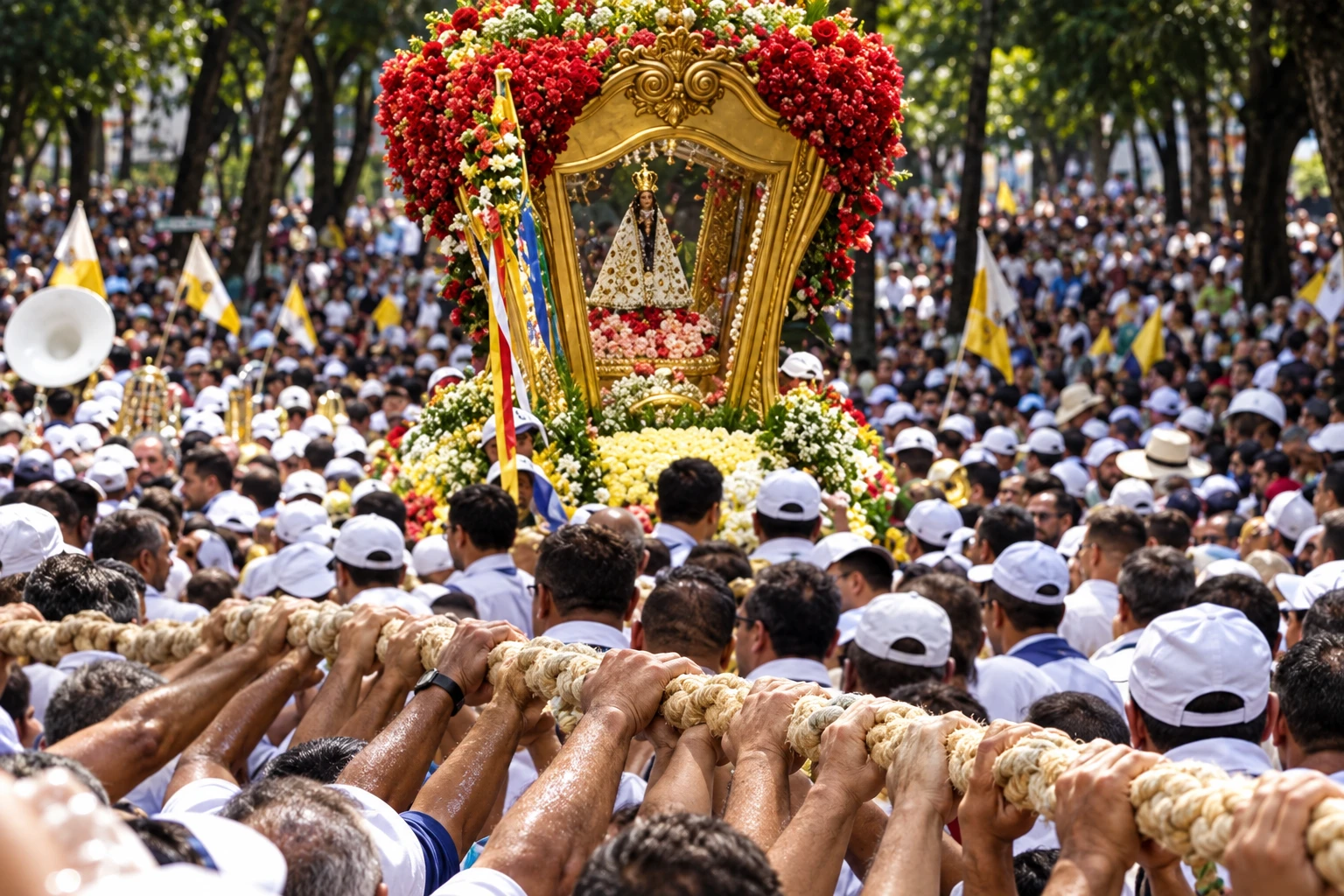
The great procession of Our Lady of Nazareth through the streets of Belém on the second Sunday of October, with the rope pulled by devotees, the flower-covered berlinda, and the Círio lunch with maniçoba and duck in tucupi.
In the photo: Belém
Illustrative images. The pictures in this guide are illustrations based on the real place, not photographs, and may differ from it.

Click a photo to enlarge it.
Círio de Nazaré — Belém
On the second Sunday of October, with the Trasladação on Saturday night and other processions on the preceding days; the celebration continues for another two weeks, until the Recírio.
October
Dates change every year: check this year's date before you travel.
The festival
The Círio de Nazaré honors Our Lady of Nazareth in Belém, observed for more than two centuries and considered one of the largest Catholic processions in the world. It was recorded as Brazil’s intangible cultural heritage by Iphan in 2004 and recognized by UNESCO as a World Heritage cultural practice in 2013. The devotion has Portuguese origins and, in Belém, acquired Amazonian elements that make it unique.
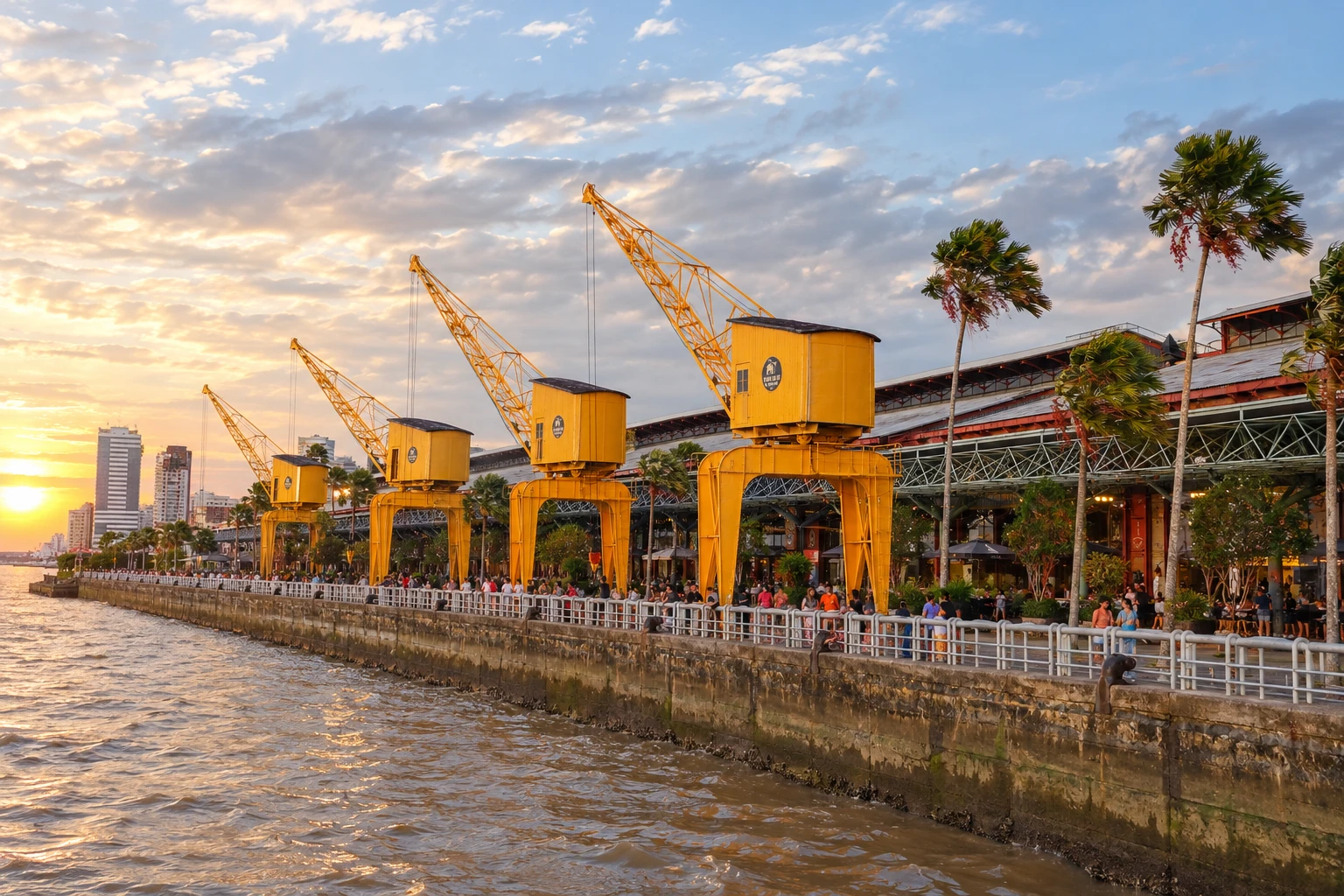
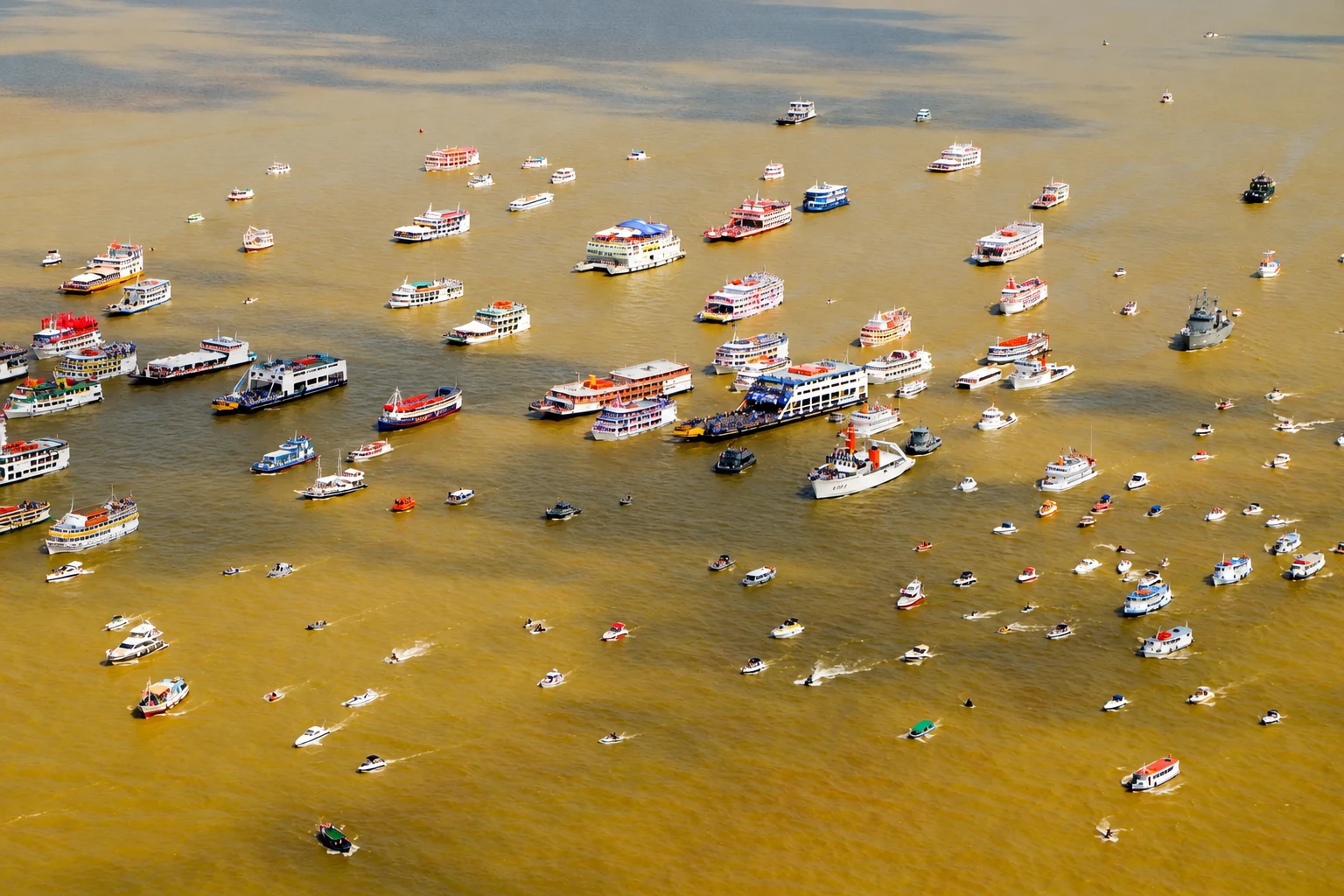
The festivities unfold over several days. Before Sunday, the pilgrim image travels through the city and rivers in different processions: the road pilgrimage, the river pilgrimage across the Bay of Guajará that arrives at the quay near the Estação das Docas, and the motor pilgrimage. On Saturday night, the Trasladação moves the image from Colégio Gentil Bittencourt to the Cathedral of Sé in a candlelit procession.
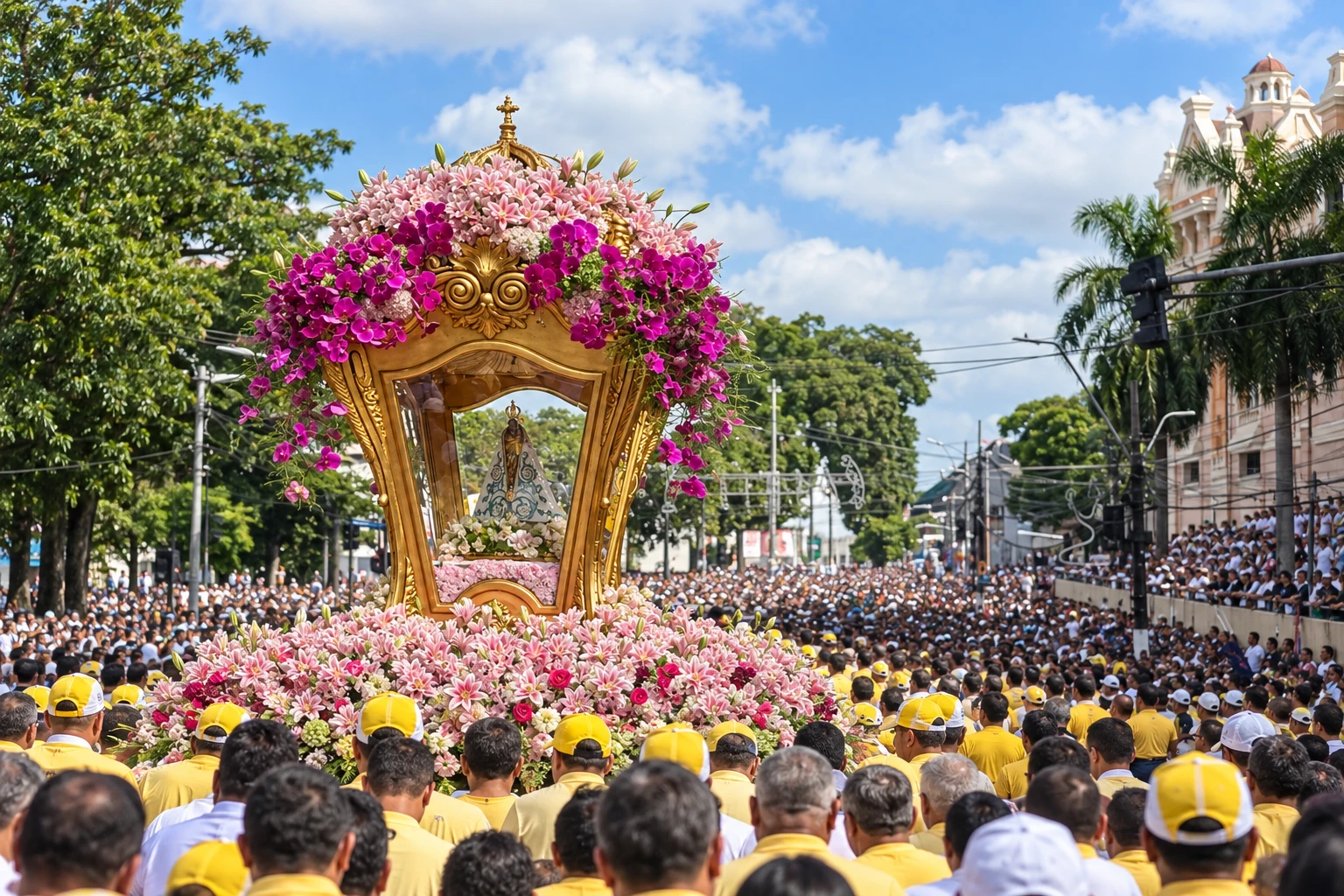
On the morning of the second Sunday of October, the main procession departs from the Cathedral of Sé toward Praça Santuário de Nazaré, on a route of just over three kilometers that takes hours. The image rides on a berlinda covered in flowers, pulled by a rope hundreds of meters long held by barefoot devotees, packed closely together as they fulfill vows. Along the way there are floats, miriti toys (crafts made from an Amazonian palm), and faithful carrying candles and miniature houses or body-part replicas in thanks for favors received.
After the procession, families in Belém gather for the Círio lunch with maniçoba, duck in tucupi and other Pará dishes. The celebration continues with a fair around the basilica and concludes with the Recírio, the farewell procession, two weeks later.
The Trasladação on Saturday night. The Círio procession on Sunday morning, and the passing of the rope and berlinda. The river pilgrimage, viewed from the waterfront. A lunch with maniçoba and duck in tucupi. Miriti toys.
Choose a point along the route to watch the procession pass, preferably near the end on Avenida Nazaré, or walk along a section; arrive early because the streets fill up at dawn. Wear light clothing, closed footwear, and bring water: October is hot. If you want to see the rope up close, stay on the sidewalk, since only the promesseiros remain inside it. Check the route and timings on the official website.
Maniçoba, made from cassava leaves cooked for several days with pork meats; duck in tucupi with jambu; Pará-style rice; tacacá; and desserts made from cupuaçu, bacuri and açaí.
October is the busiest time in Belém. Book transport and accommodation very early; the date is always the second Sunday of the month.
In the city
Flavors of Brazil
October
 September/October
Once a year, usually in September, sometimes in October.
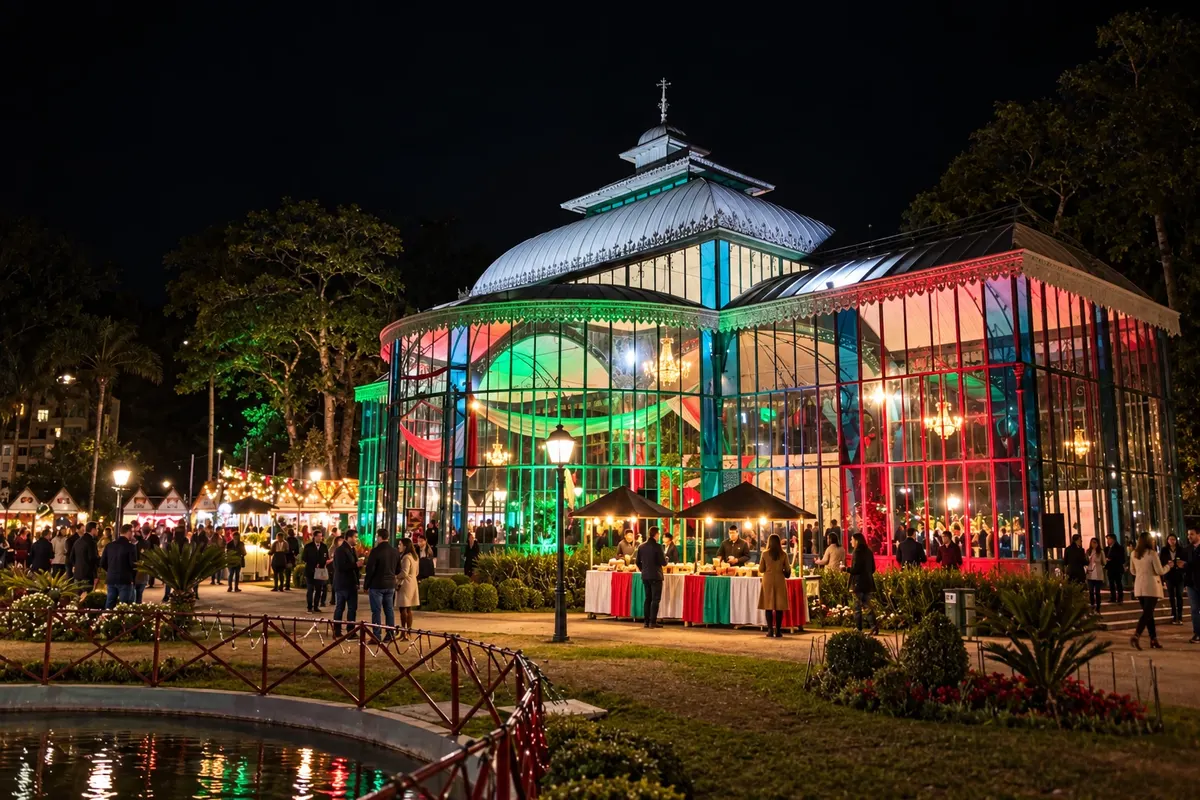
The Italian culture festival of Petrópolis at the Palácio de Cristal, with Italian food stalls, music, workshops and a masked ball.
 October
On Sundays in October, the month of the sanctuary’s patron saint.
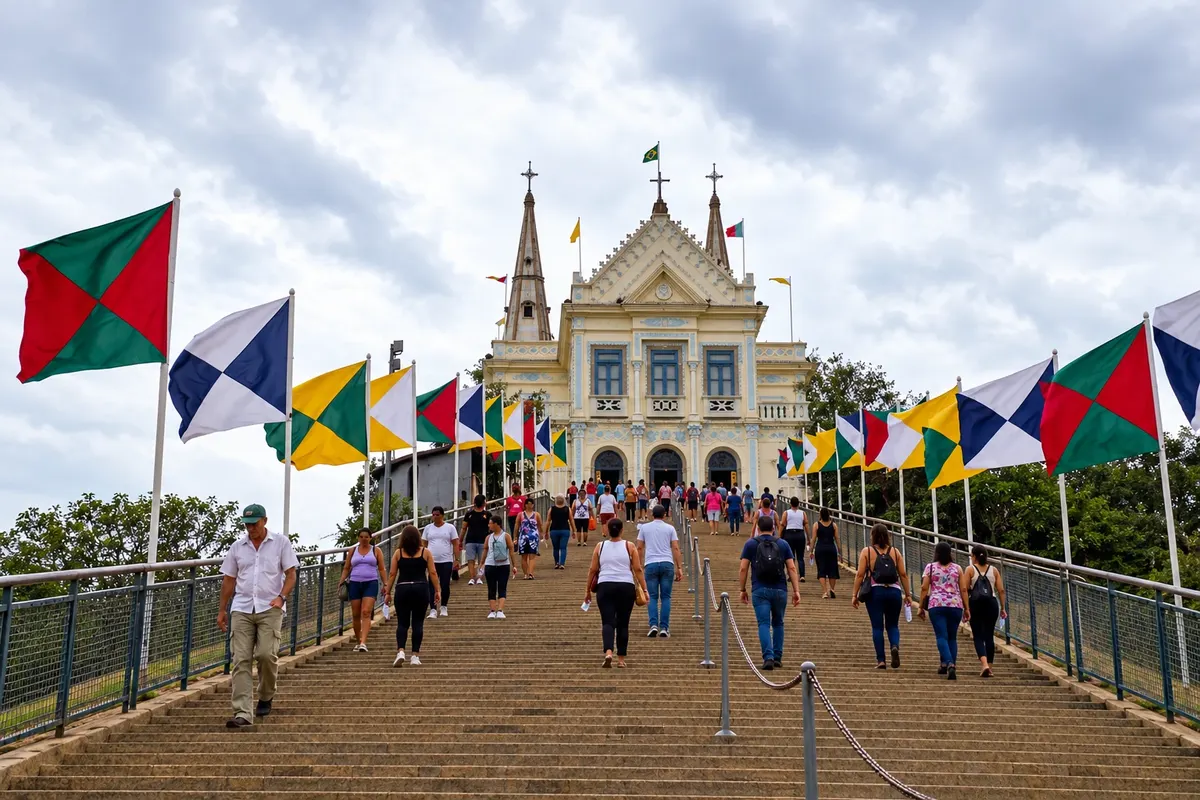
The Feast of Our Lady of Penha, held at the sanctuary atop the rock in Rio’s North Zone, features masses, processions and the 382-step staircase.
 October
Usually in the first half of October, for about ten days.
The international film festival of Rio de Janeiro, featuring hundreds of Brazilian and foreign films in theaters across several neighborhoods of the city.
Your questions
On the second Sunday of October, in Belém. The Trasladação takes place on Saturday night, and other processions and pilgrimages fill the preceding days.
The main procession departs from the Cathedral of Sé, in the Old City, and goes to Praça Santuário de Nazaré on a route of just over three kilometers that takes several hours.
It is a rope hundreds of meters long attached to the berlinda that carries the image. Devotees hold it during the Trasladação and the Sunday procession as fulfillment of vows.
At the Círio lunch after the procession, families serve maniçoba, duck in tucupi, Pará-style rice and other dishes from Pará cuisine.
Festivals and events in Brazil
 October/November/December/January
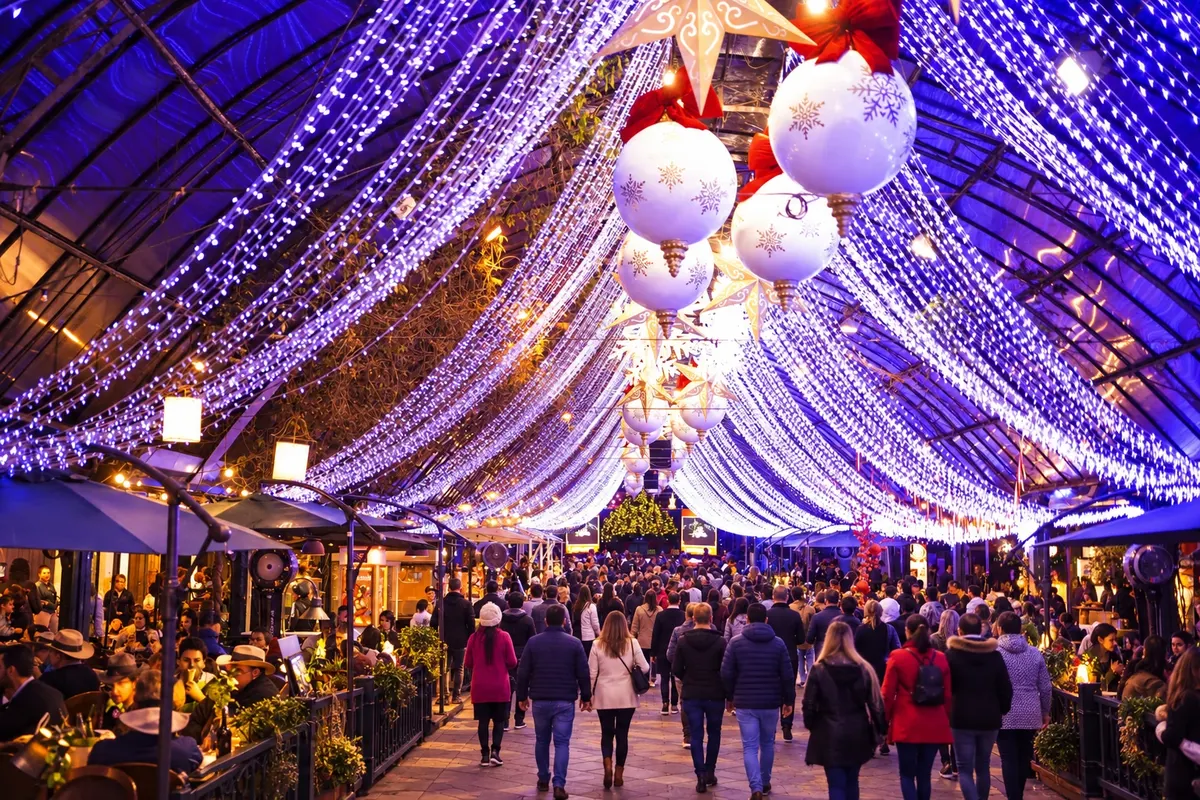
From late October to mid‑January, for more than two and a half months, covering Christmas and New Year’s Eve.
Gramado’s Christmas season in the Serra Gaúcha, with the town lit up, parades and Christmas shows, choir concerts and a Christmas village in the downtown area.
 October
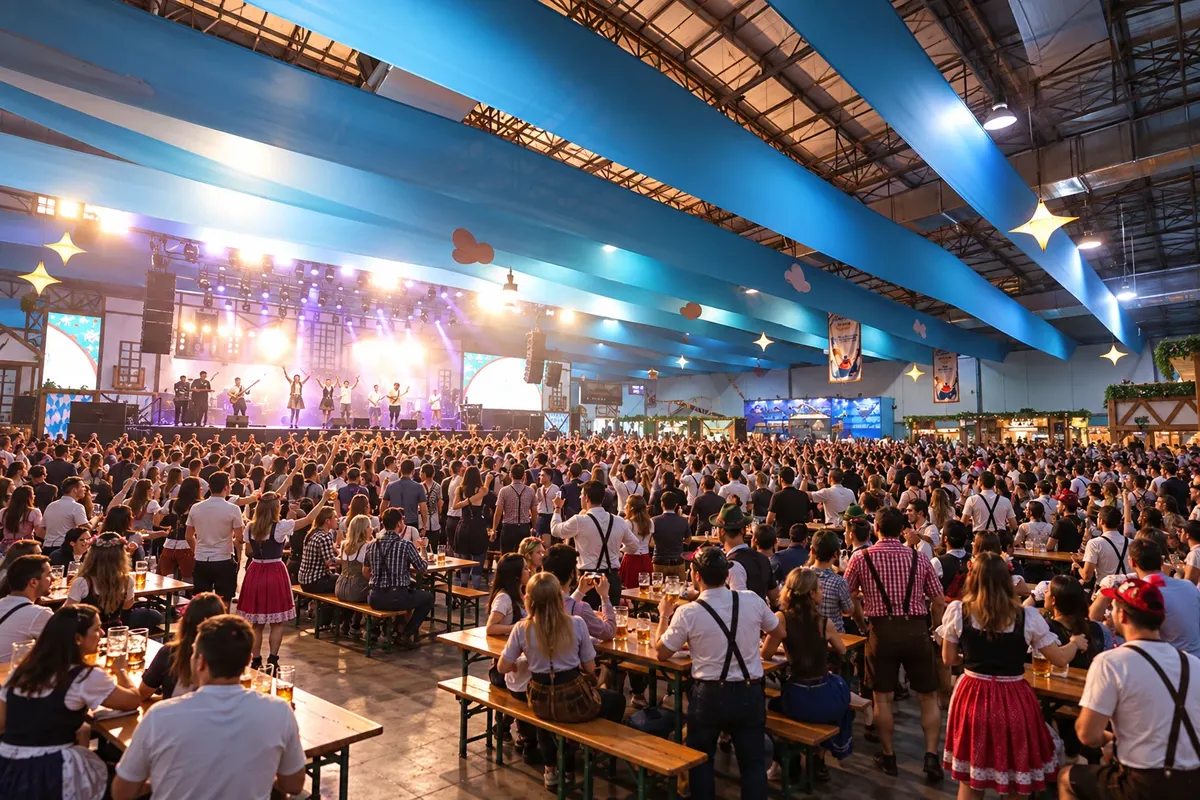
In October, for about three weeks, usually from the first to the last week of the month.
The German-tradition festival in Blumenau, in the Itajaí Valley, featuring typical bands and folk dances at Parque Vila Germânica, parades on Rua XV de Novembro, draft beer and German food.
 October/November
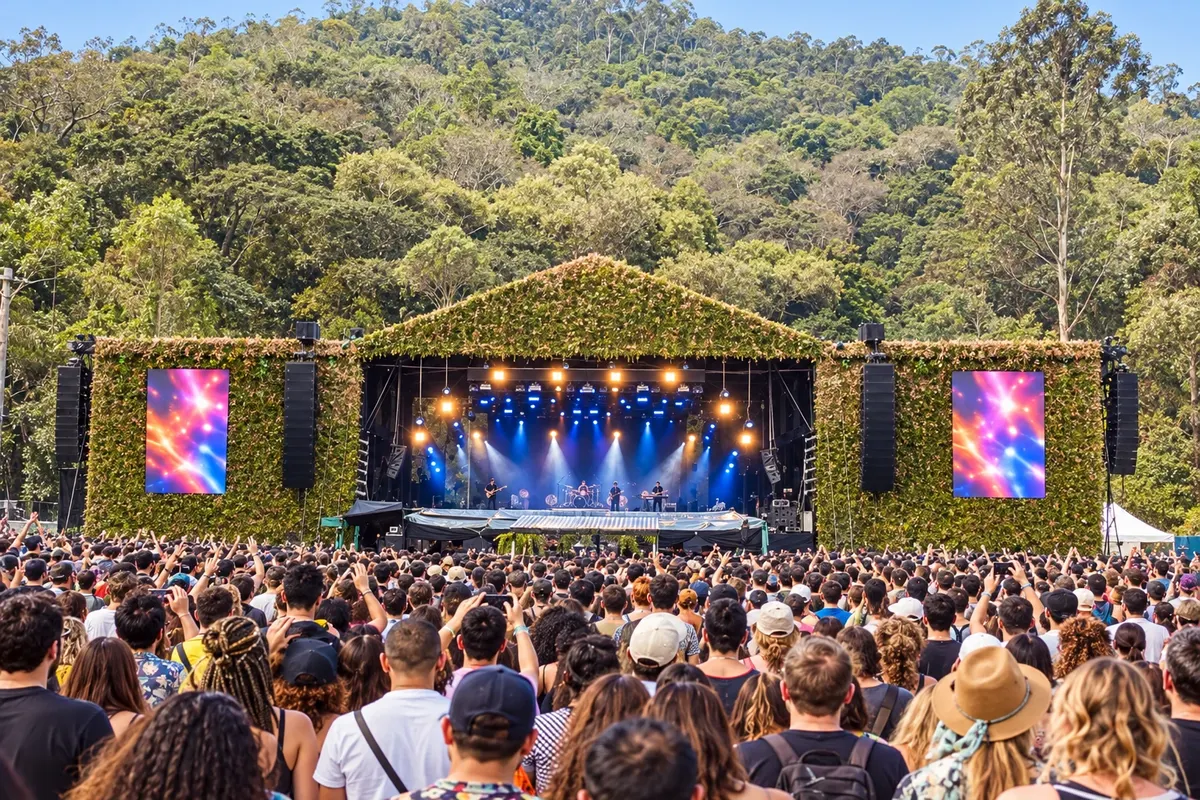
Once a year, across two consecutive weekends between late October and early November.
Itaipava’s music and arts festival, held in the mountains of Petrópolis, featuring multiple stages, Brazilian and international artists, and outdoor programming.
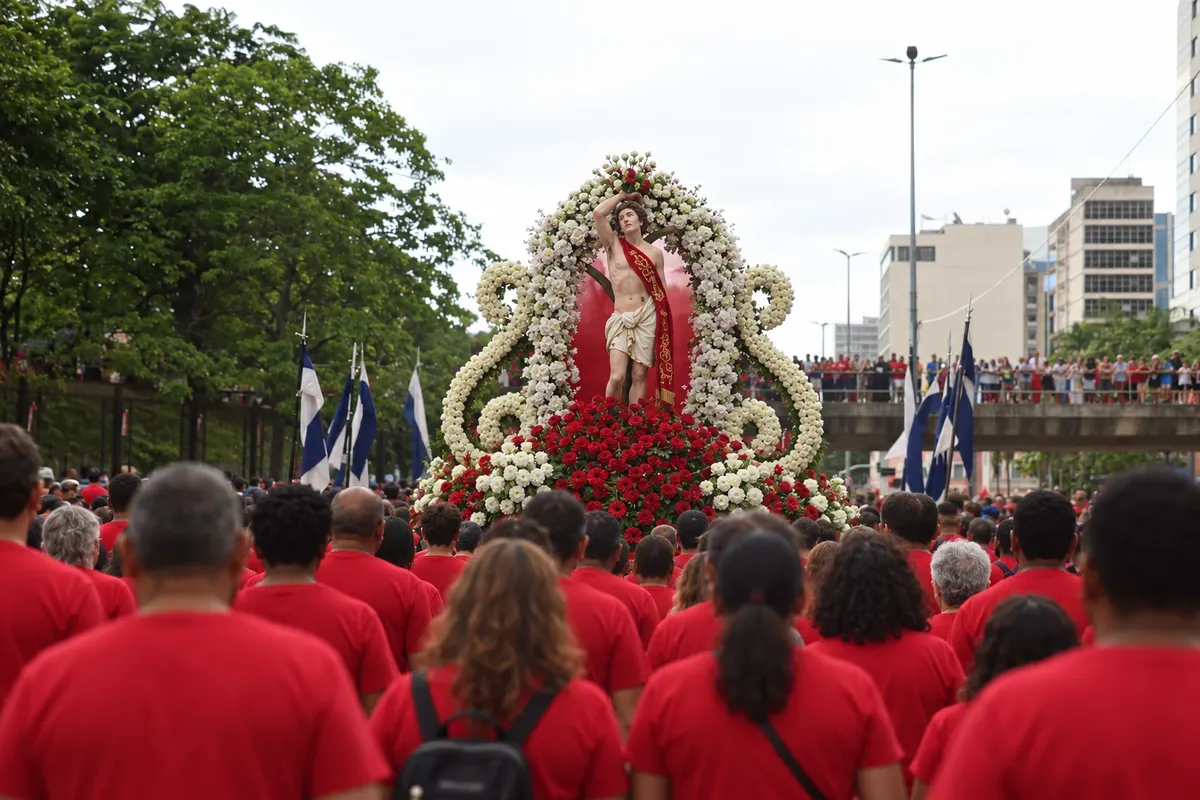 January
On January 20, the day of the city’s patron saint, which is a municipal holiday in Rio de Janeiro.
The patron saint’s day in Rio de Janeiro, with masses and the procession that carries the saint’s image from Tijuca to the Metropolitan Cathedral in the downtown area.
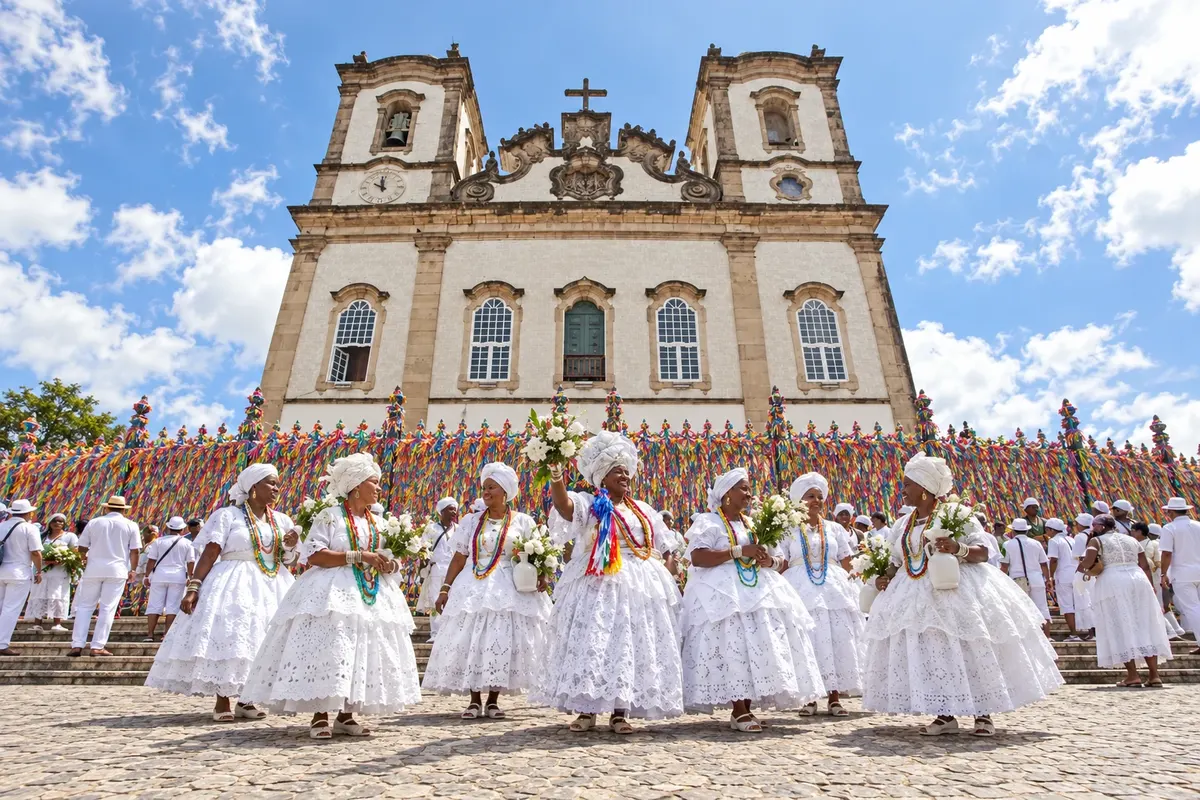 January
On the Thursday before the second Sunday after Epiphany (January 6), which is the Sunday of the Feast of the Lord of Bonfim; therefore it always takes place in January, usually on the second or third Thursday of the month.
A walking procession of several kilometers from Cidade Baixa to the Sacred Hill in Salvador, where baianas dressed in white wash the steps of the Basilica of the Senhor do Bonfim with scented water.
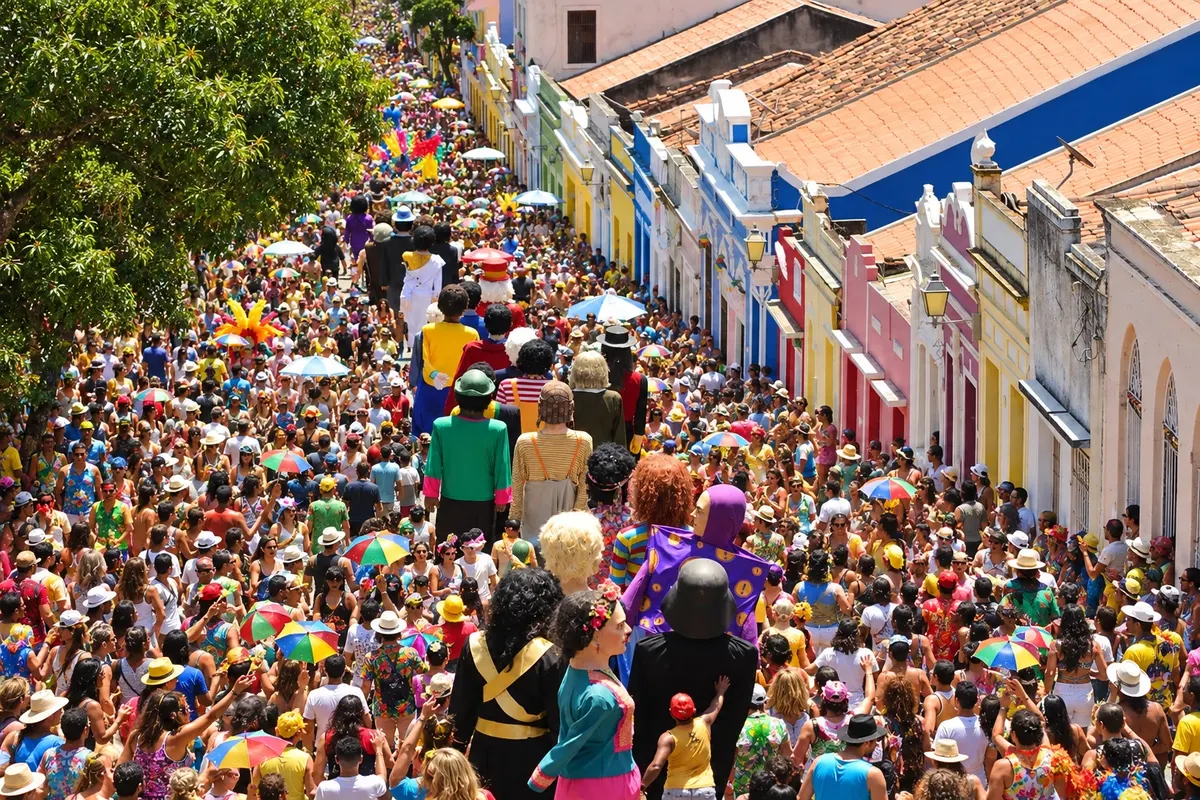 February/March
From Saturday to Carnival Tuesday, beginning with the departure of the Homem da Meia-Noite at midnight between Saturday and Sunday; Carnival falls in February or March, depending on Easter.
The party on the cobbled hills of Olinda’s historic center, a World Heritage site: blocks and troças without a trio elétrico, frevo orchestras on foot and giant puppets, led by the Homem da Meia-Noite.