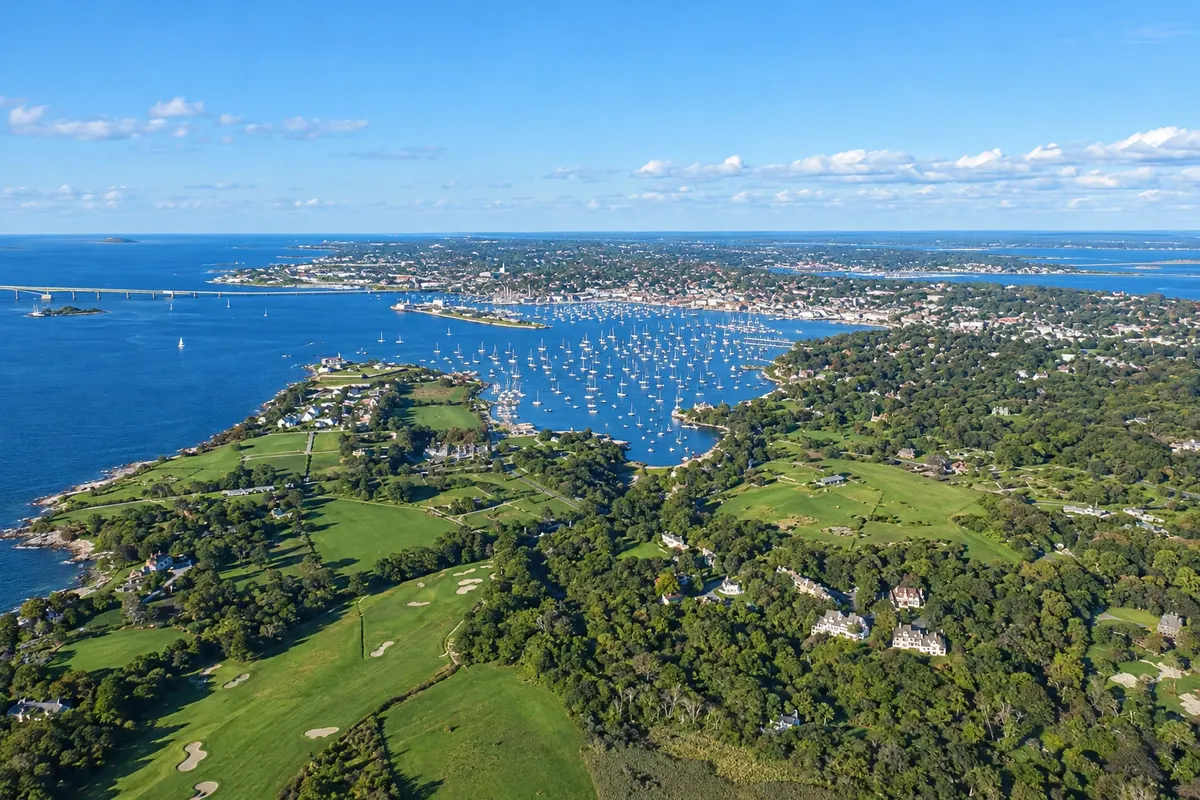
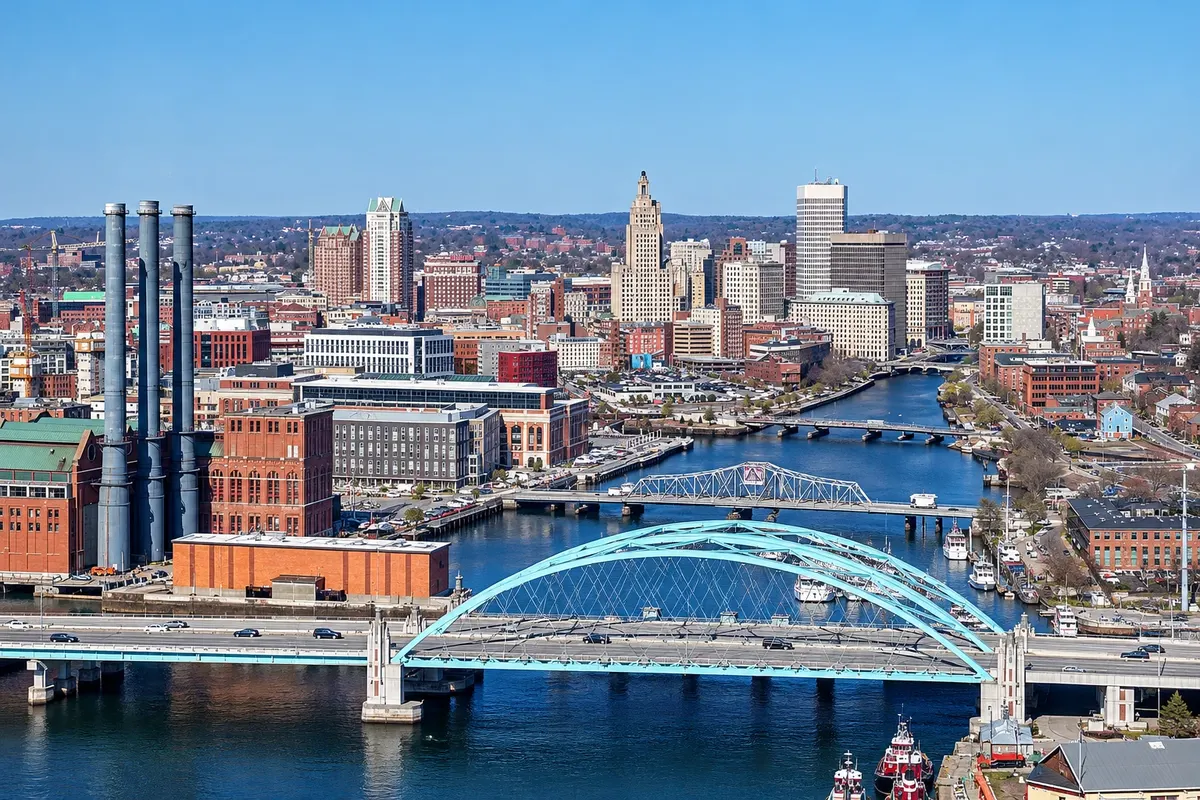
No U.S. state has a smaller area than Rhode Island, which is organized around Narragansett Bay, a stretch of sea full of islands and inlets. At the northern end of the bay is Providence, the capital, founded in 1636 by Roger Williams, who left the Massachusetts colony seeking religious freedom. On Aquidneck Island to the south is Newport, a port town since the 17th century.
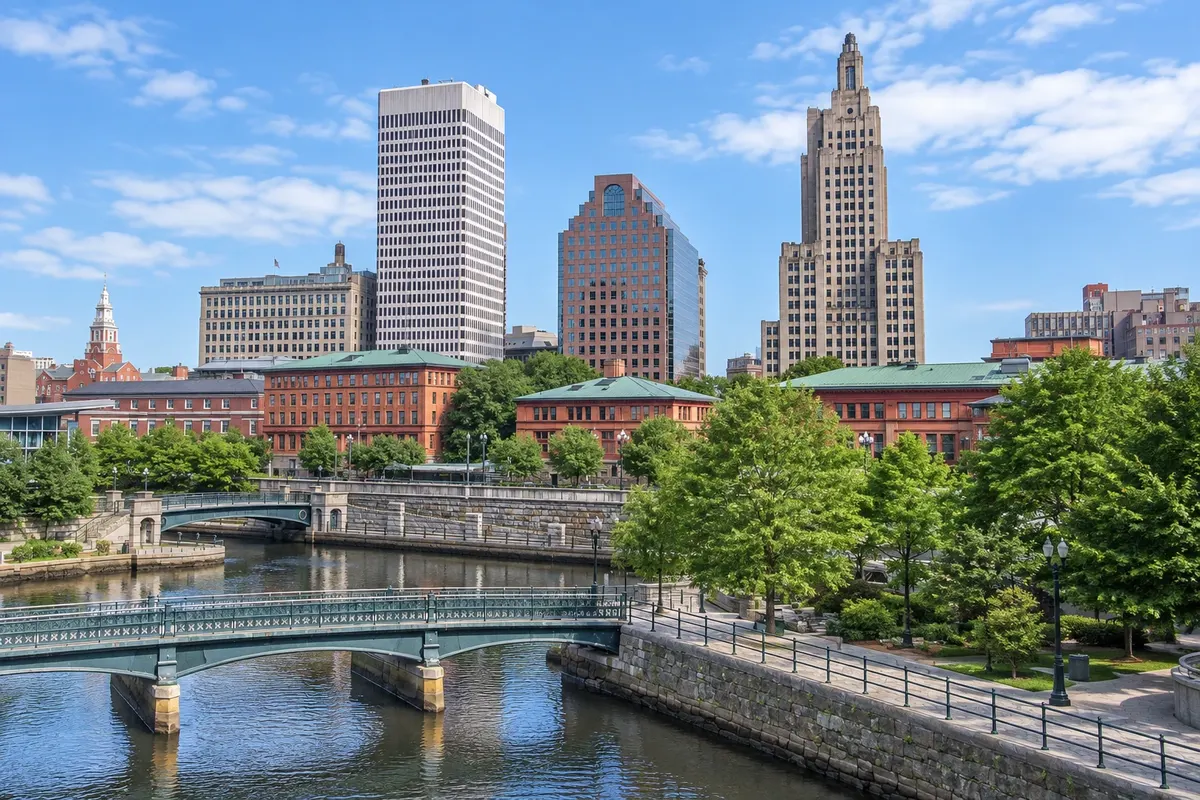
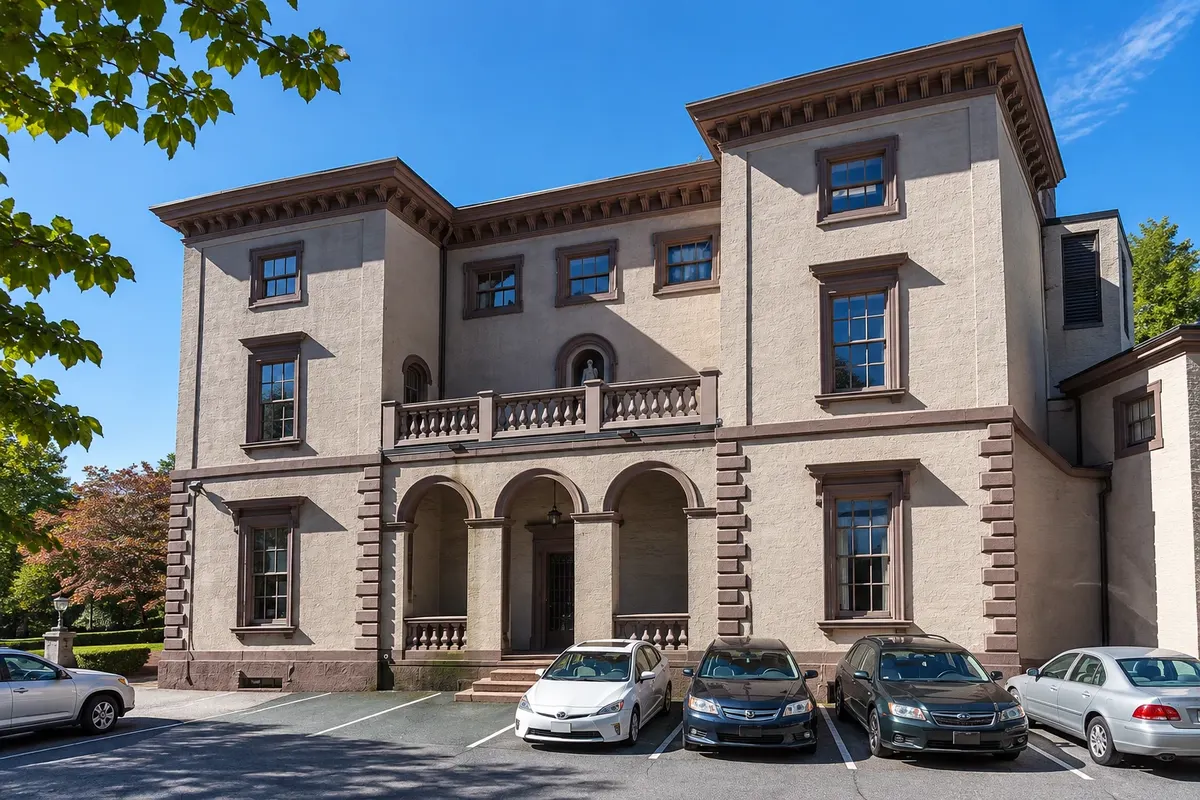
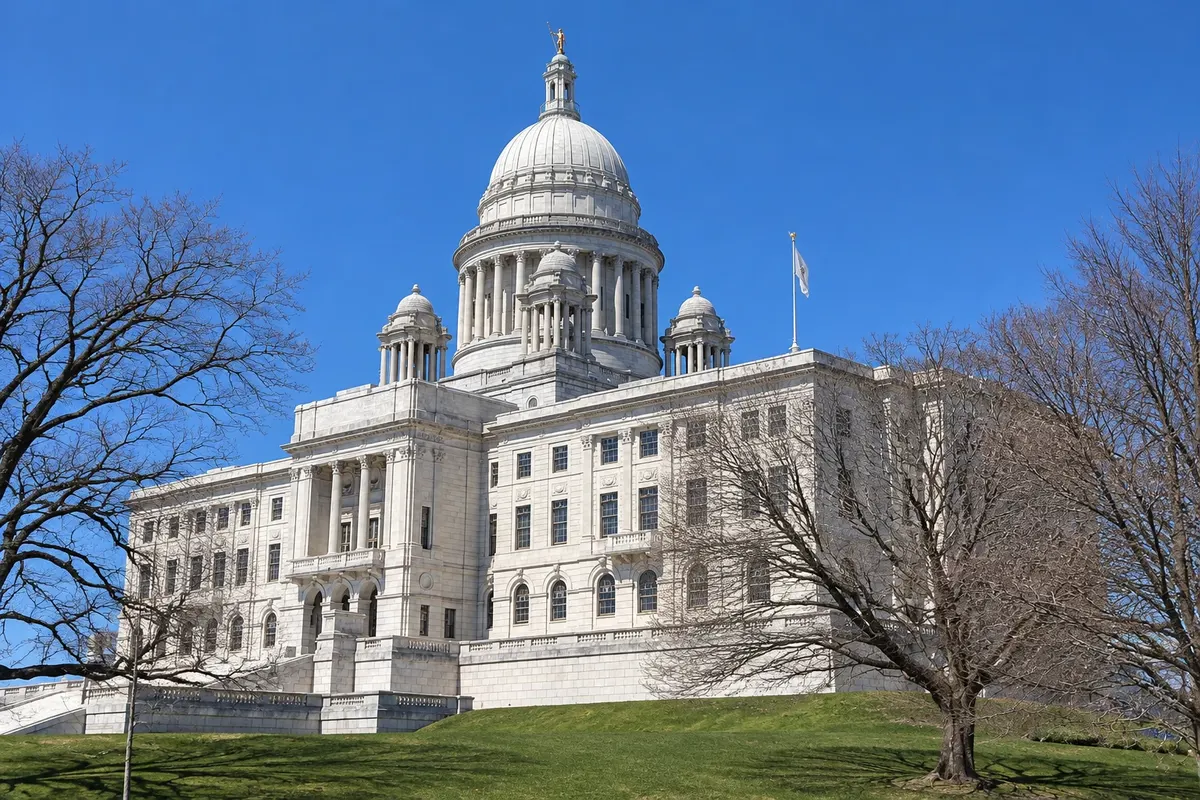
Providence has a downtown of early-20th-century buildings and a marble statehouse on high ground. In the 1990s the city uncovered the rivers that had been buried under asphalt and created a waterfront walkway; on some nights from spring through fall dozens of bonfires lit over the rivers form the WaterFire. The slope of College Hill holds Brown University’s campus, the museum associated with the RISD art school, and Benefit Street, with 18th- and 19th-century houses.
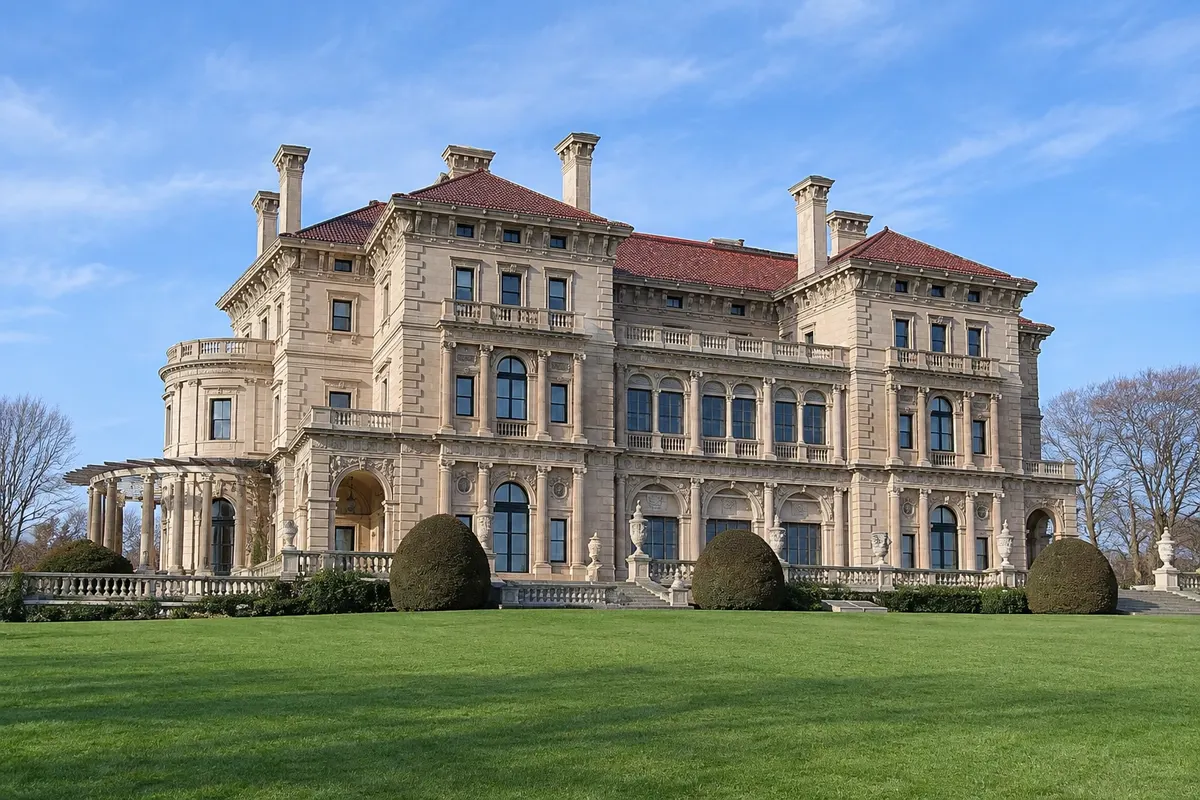
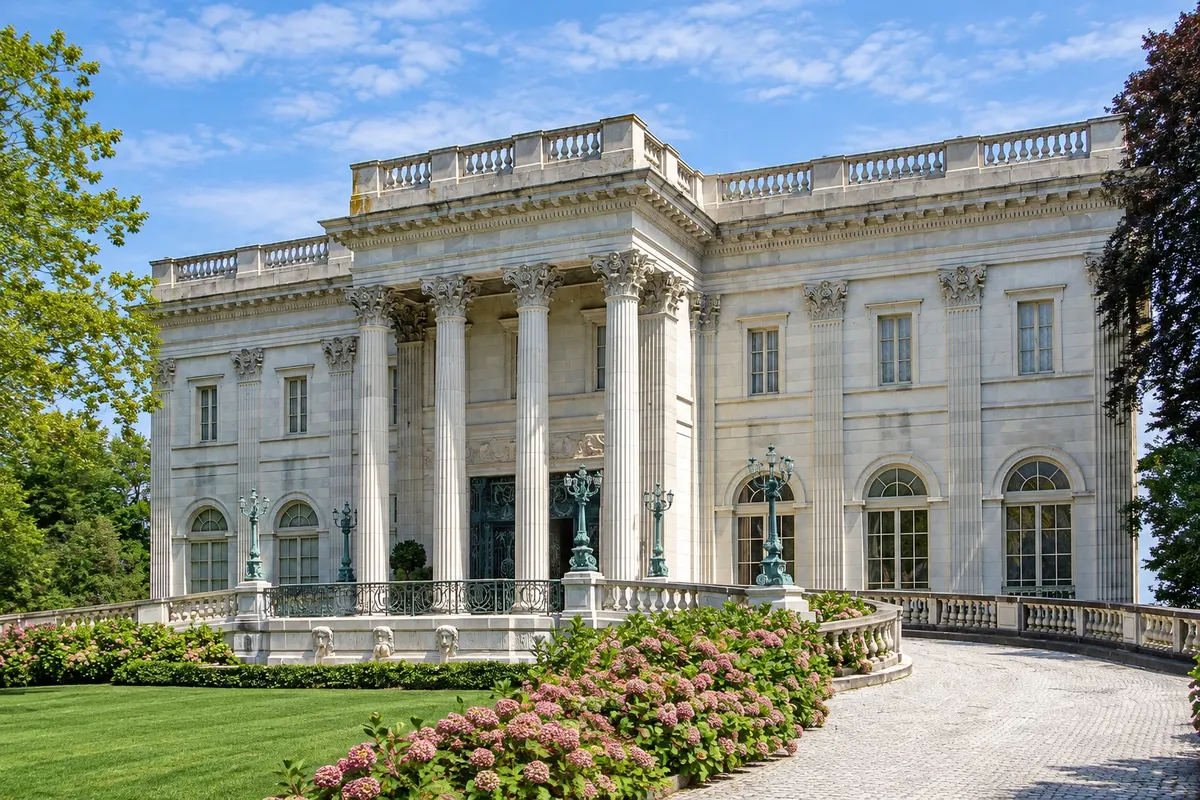
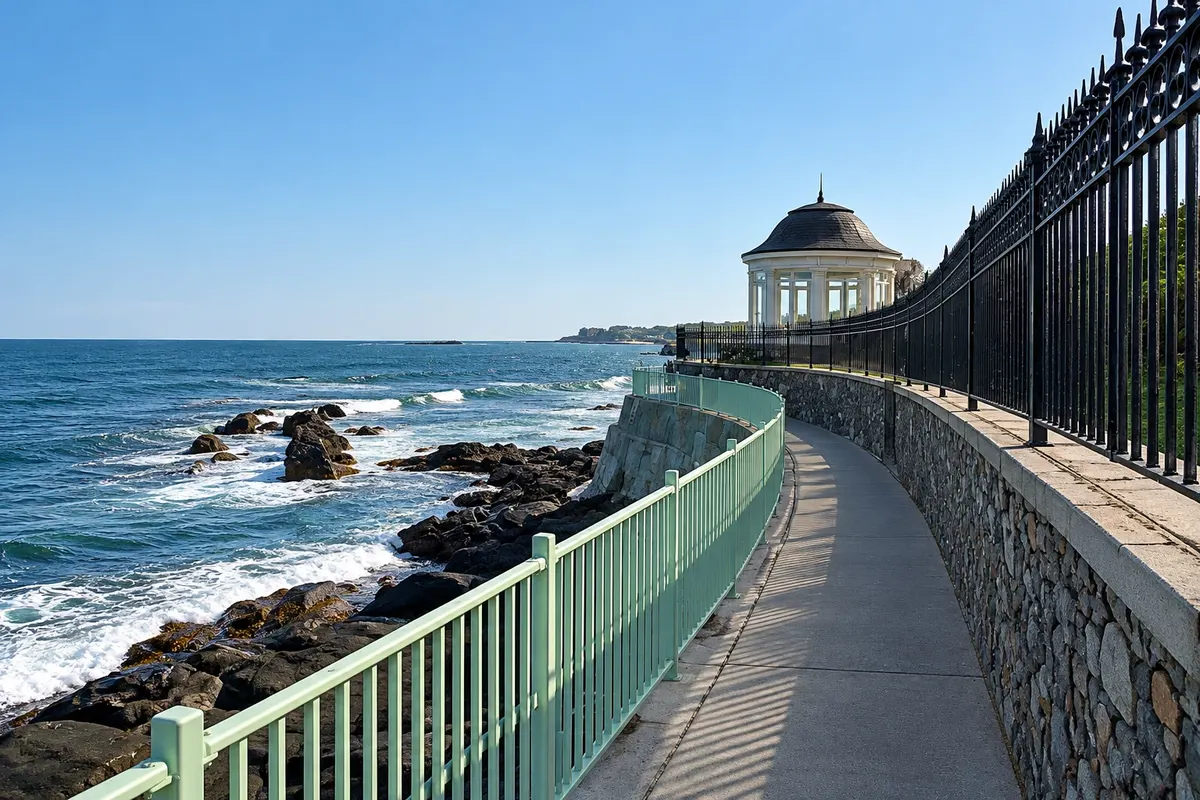
In the late 19th century bankers and industrialists from New York began spending summers in Newport and built along Bellevue Avenue palaces modestly called “cottages.” The Breakers and Marble House, owned by the Vanderbilts, are among the best known and are open to visitors. The Cliff Walk runs between those gardens and the sea, and Ocean Drive follows the rocky coast to Brenton Point.
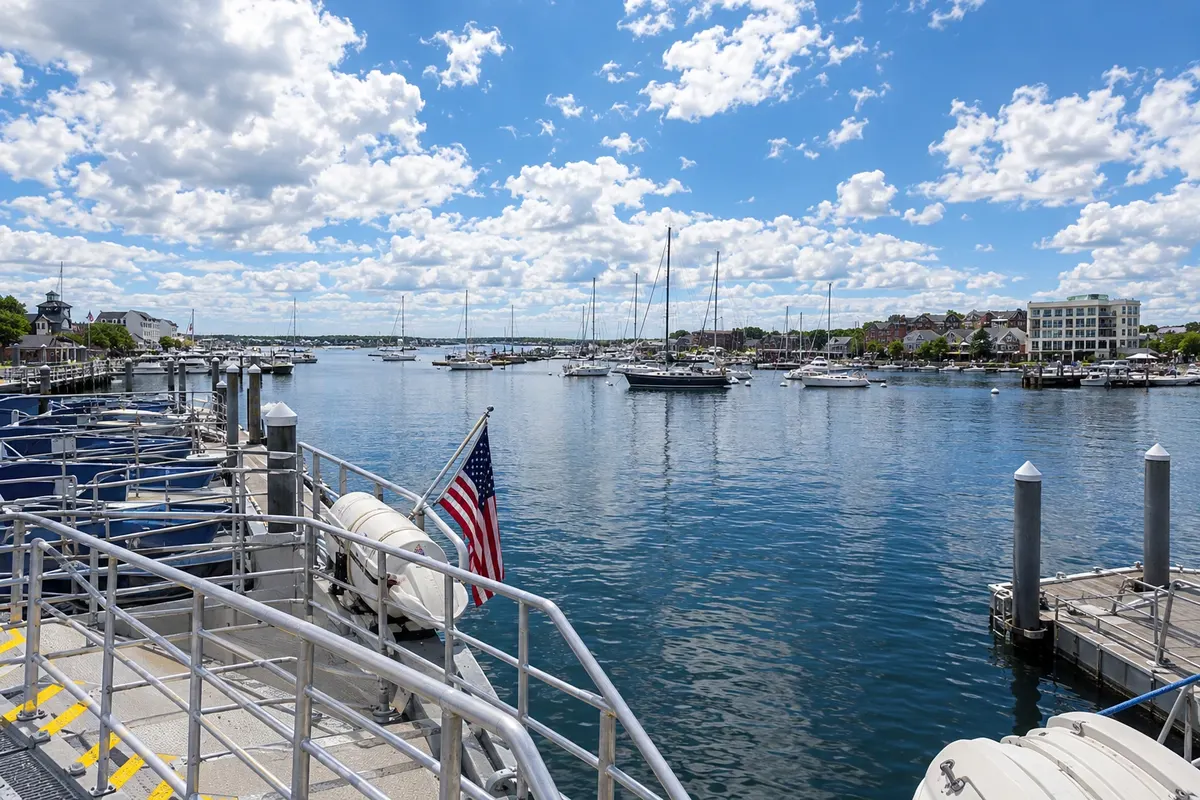
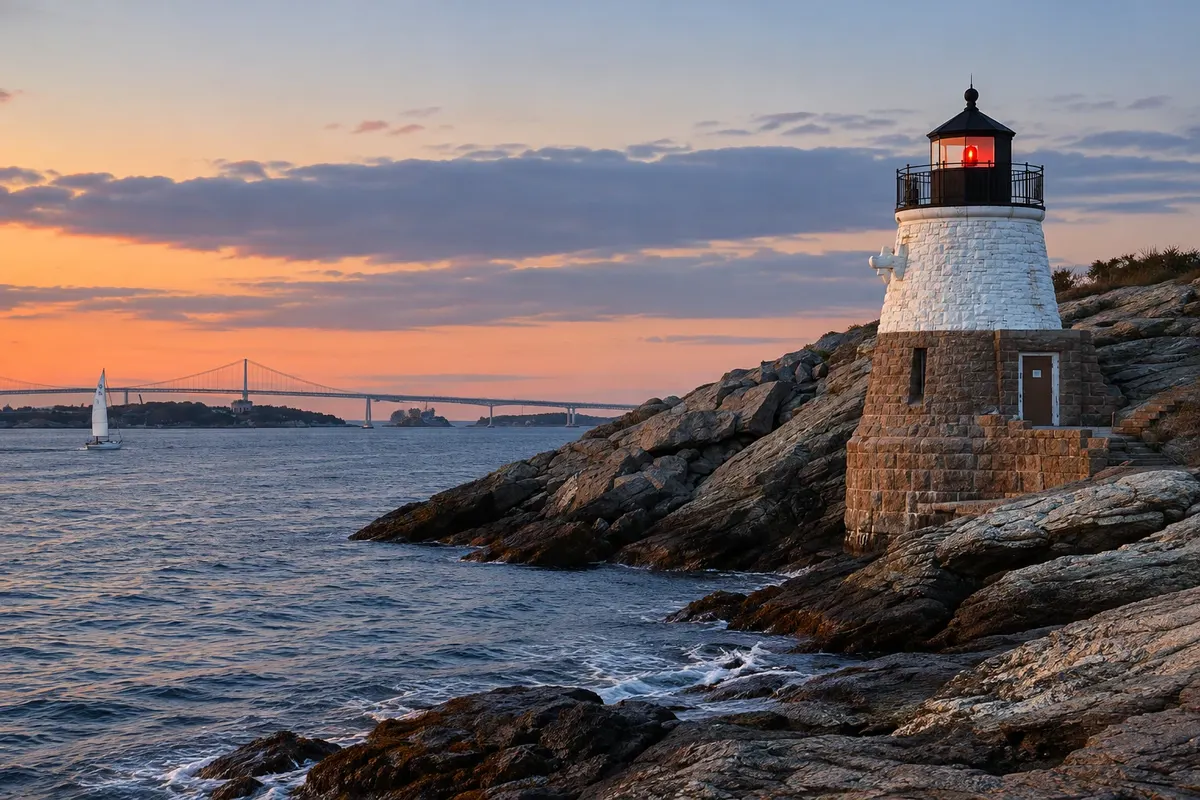
The city is also linked to sailing: it hosted the America’s Cup for more than 50 years, and the harbor, full of sailboats, has a colonial neighborhood of wooden houses. Providence and Newport are about 50 km apart, and it’s less than 80 km from Boston to Providence.
This destination brings together 2 cities: Providence, Newport.


 Brazil
 Argentina
 Bolivia
 Chile
 Colombia
 Ecuador
 Guyana
 French Guiana
 Falkland Islands (Malvinas)
 Paraguay
 Peru
 Suriname
 Uruguay
 Venezuela
 Germany
 Austria
 Belgium
 Croatia
 Denmark
 Slovakia
 Slovenia
 Spain
 Finland
 France
 Greece
 the Netherlands
 Hungary
 Ireland
 Iceland
 Italy
 Luxembourg
 Norway
 Poland
 Portugal
 the United Kingdom
 the Czech Republic
 Sweden
 Switzerland
 Turkey
 Canada
 Mexico
 the Dominican Republic
 South Africa
 Australia
 Fiji
 New Zealand
 Papua New Guinea