Las Vegas and Death Valley

Nevada · California · the United States

Las Vegas and Death Valley

The Strip with its casinos and shows, the old downtown around Fremont Street, the Hoover Dam beside Lake Mead, and to the west, the Mojave Desert including Death Valley, the lowest point in North America.

Southwest (Grand Canyon and Las Vegas)

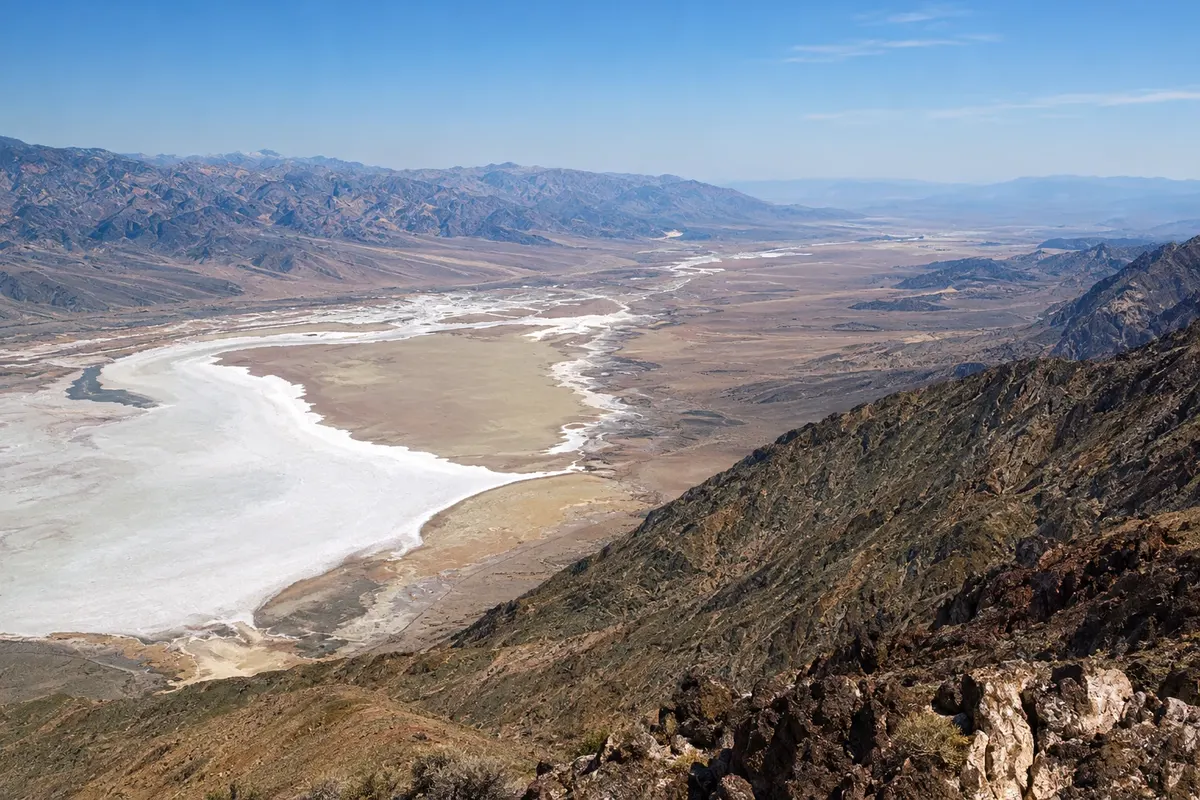
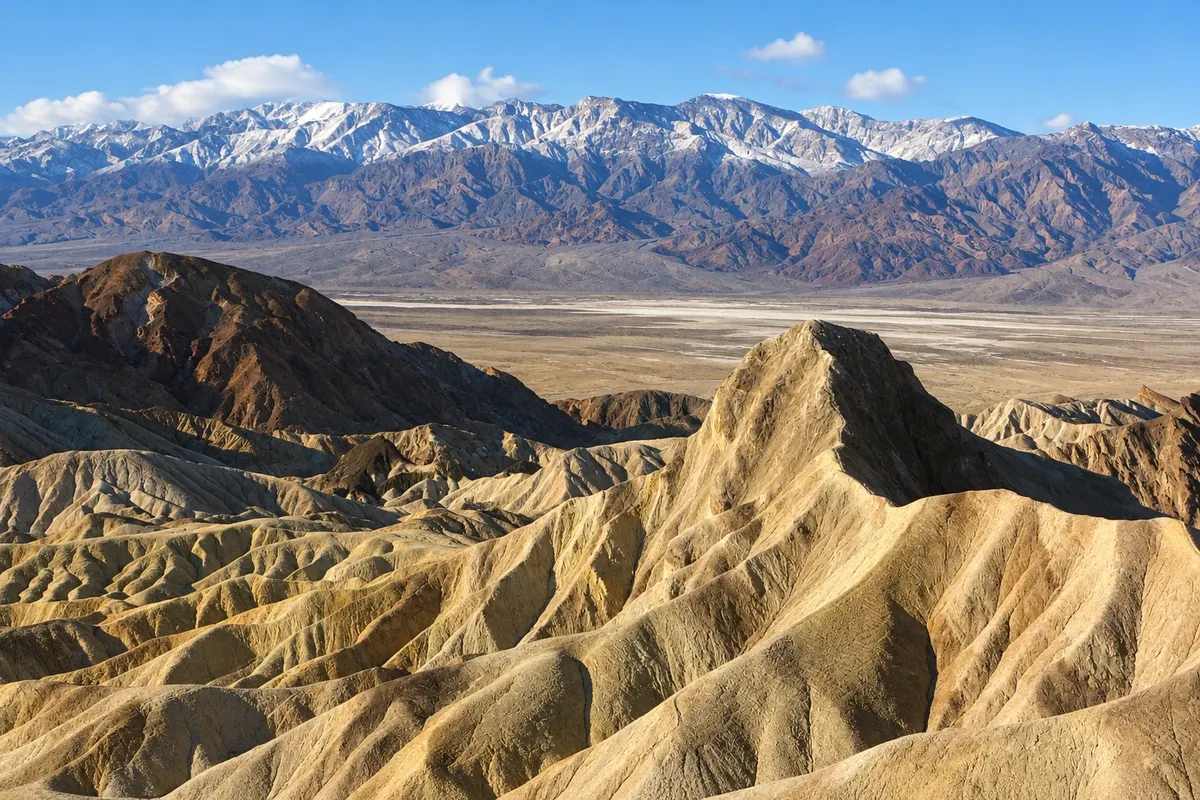
In the photo: Death Valley seen from Dante’s View

Illustrative images. The pictures in this guide are illustrations based on the real place, not photographs, and may differ from it.

Get it on Google Play Send your photos

Get to know the place

A region to enjoy
at your own pace.

Las Vegas was founded in the early 20th century as a train stop in the Mojave Desert in southern Nevada. It grew with the construction of the Hoover Dam in the 1930s and with the legalization of gambling in the state, becoming the city of casino-hotels, shows, and conventions. Harry Reid Airport is one of the busiest in the western United States, and the city serves as a gateway to the Southwest parks.

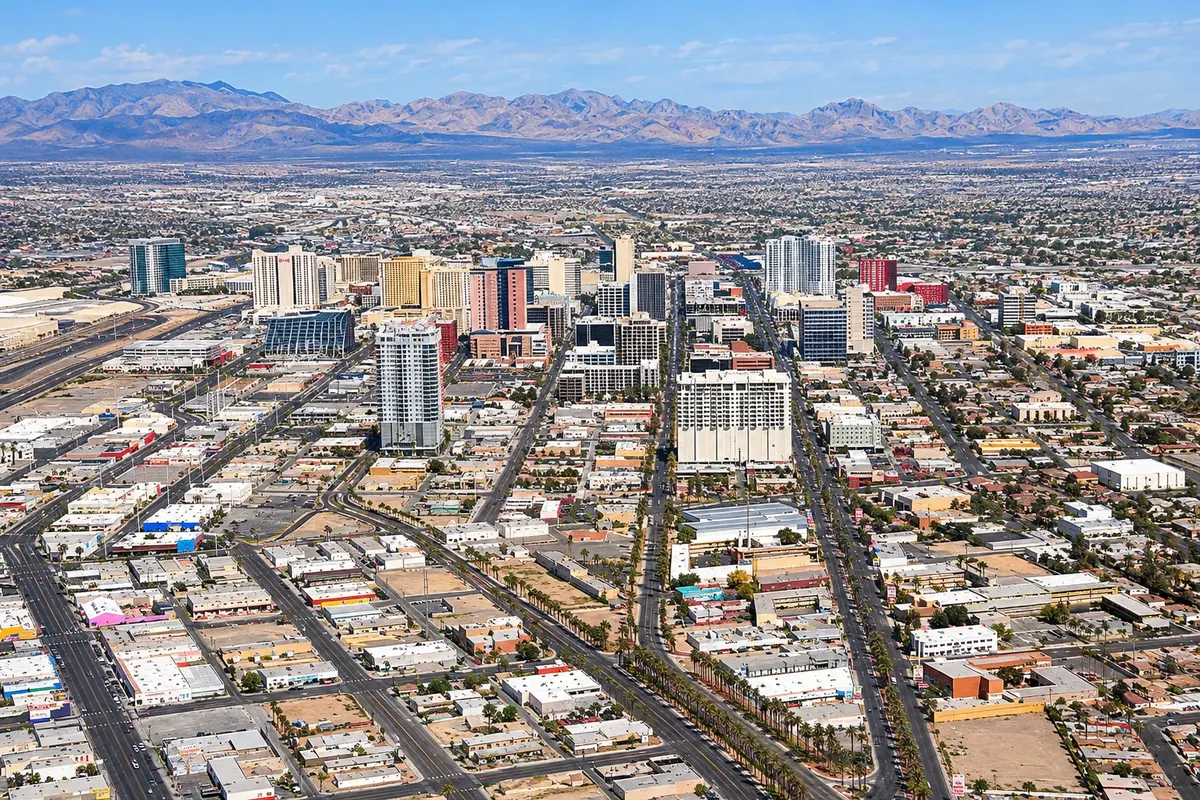
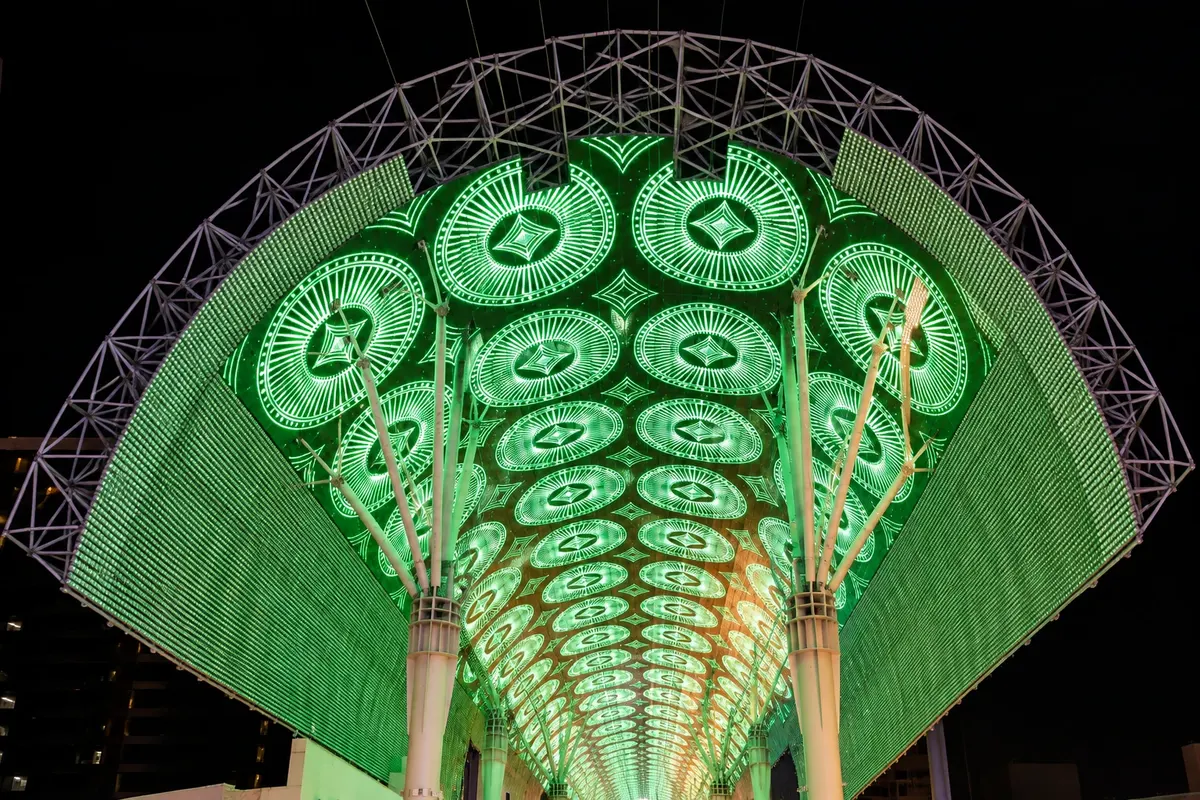
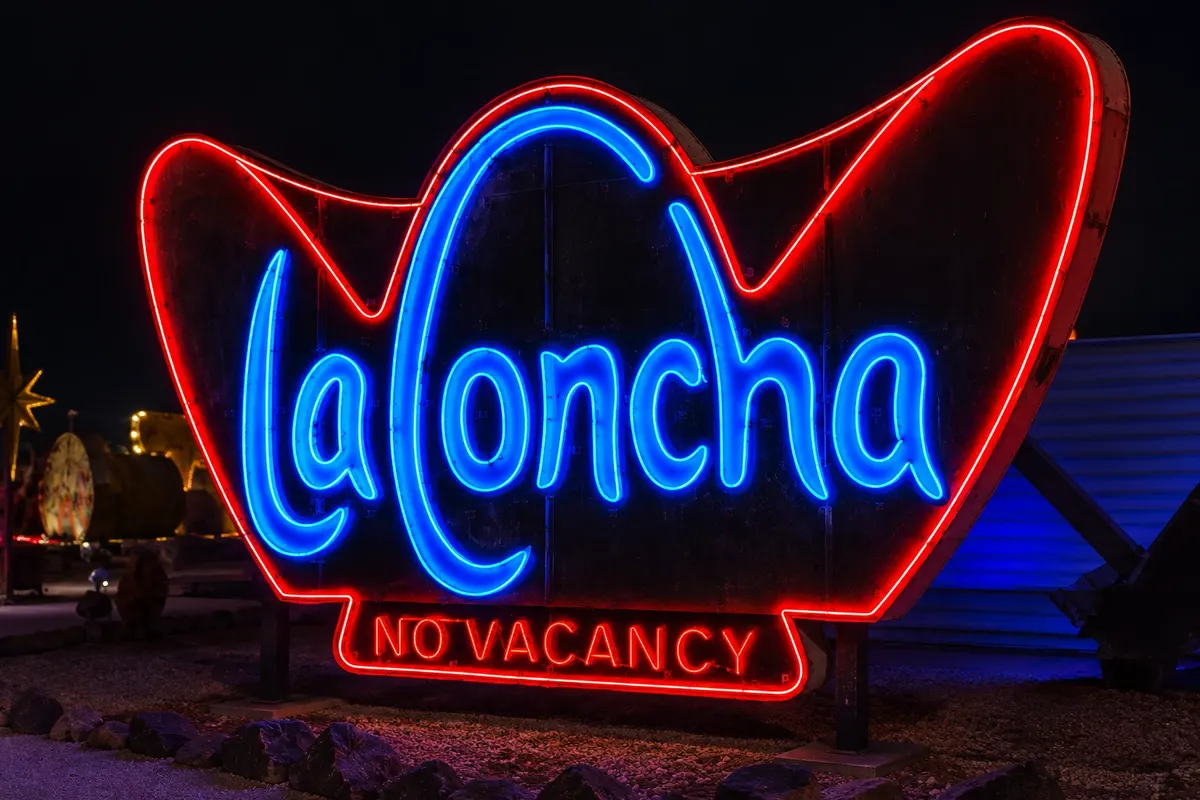
The center of tourist life is the Strip, the stretch of Las Vegas Boulevard with large themed hotels, fountains, ticketed attractions, and theaters. To the north is the old downtown around Fremont Street, covered by giant screens and neon signs that tell the city’s history, some of which are preserved at the Neon Museum.

The desert begins just past the outer avenues. To the west, Red Rock Canyon has trails among red sandstone cliffs; to the northeast, Valley of Fire is Nevada’s oldest state park. To the southeast, the small Boulder City was built for the workers of the Hoover Dam, which is a few kilometers away on the Arizona border and holds back the Colorado River at Lake Mead.

On the other side of the California border, about two and a half hours’ drive to the west, Death Valley National Park brings together salt flats, dunes, and overlooks of colorful rock. The park’s base is Furnace Creek, a small settlement with a visitor center, service station, and lodging.

This destination brings together 3 cities: Las Vegas, Boulder City, Furnace Creek.

Share: WhatsApp
Traveler, share your experiences through photos Up to 5 photos of each place you visited.

One destination, many paths

The cities on this trip

Start with one city or combine several in your itinerary.

Where Las Vegas and Death Valley is
Furnace CreekBoulder CityLas Vegas

Boundaries: U.S. Census Bureau / geoBoundaries (public domain). Adapted by Cidade Turismo.

How to get there: Las Vegas and Death Valley

✈ Harry Reid International Airport (LAS) · 10 km to Las Vegas

Harry Reid International Airport (LAS) is adjacent to the Strip and receives flights from across the country and abroad. Intercity buses arrive from Los Angeles and other western cities. For Boulder City, the Hoover Dam and Death Valley, the most practical option is to rent a car in Las Vegas.

Suggested arrival point: Las Vegas

The local experience

Things to do in Las Vegas and Death Valley

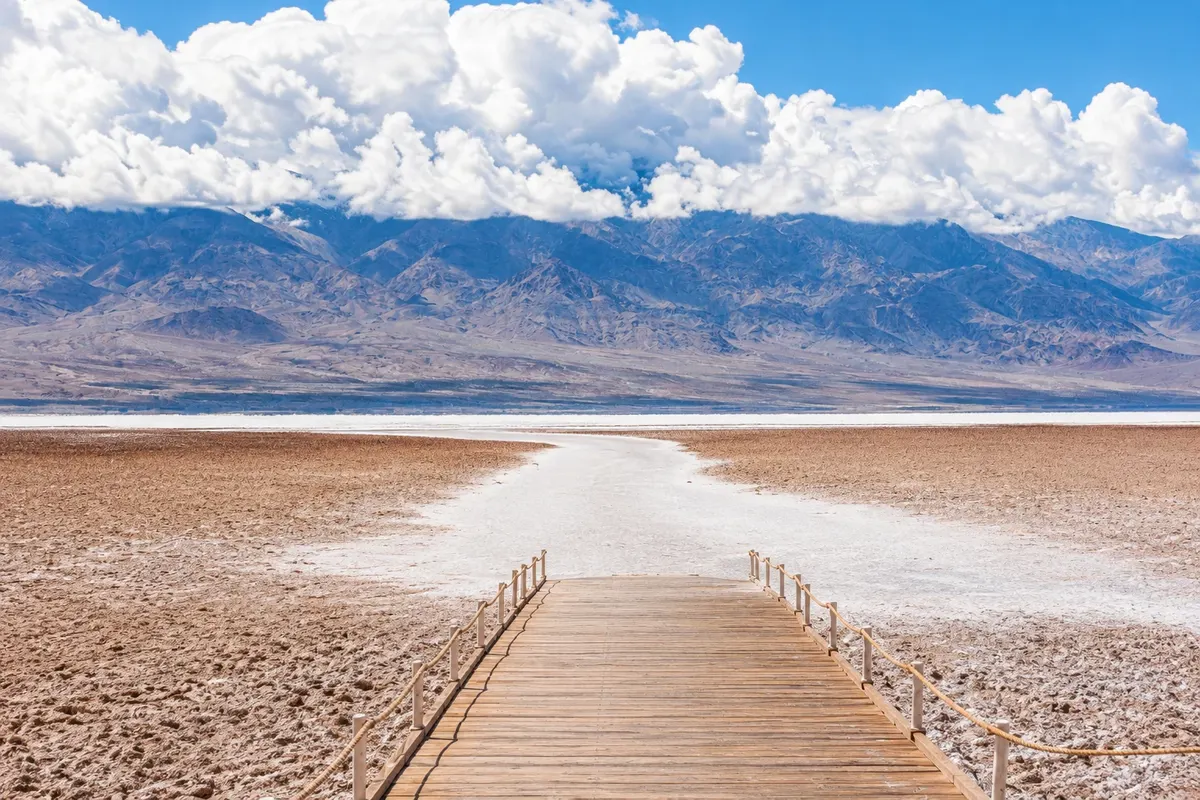
Badwater Basin
Furnace Creek · California · Salt flat

Badwater Basin

Salt flat at the bottom of Death Valley, 86 meters below sea level, the lowest point in North America, with a white crust of salt stretching for kilometers.

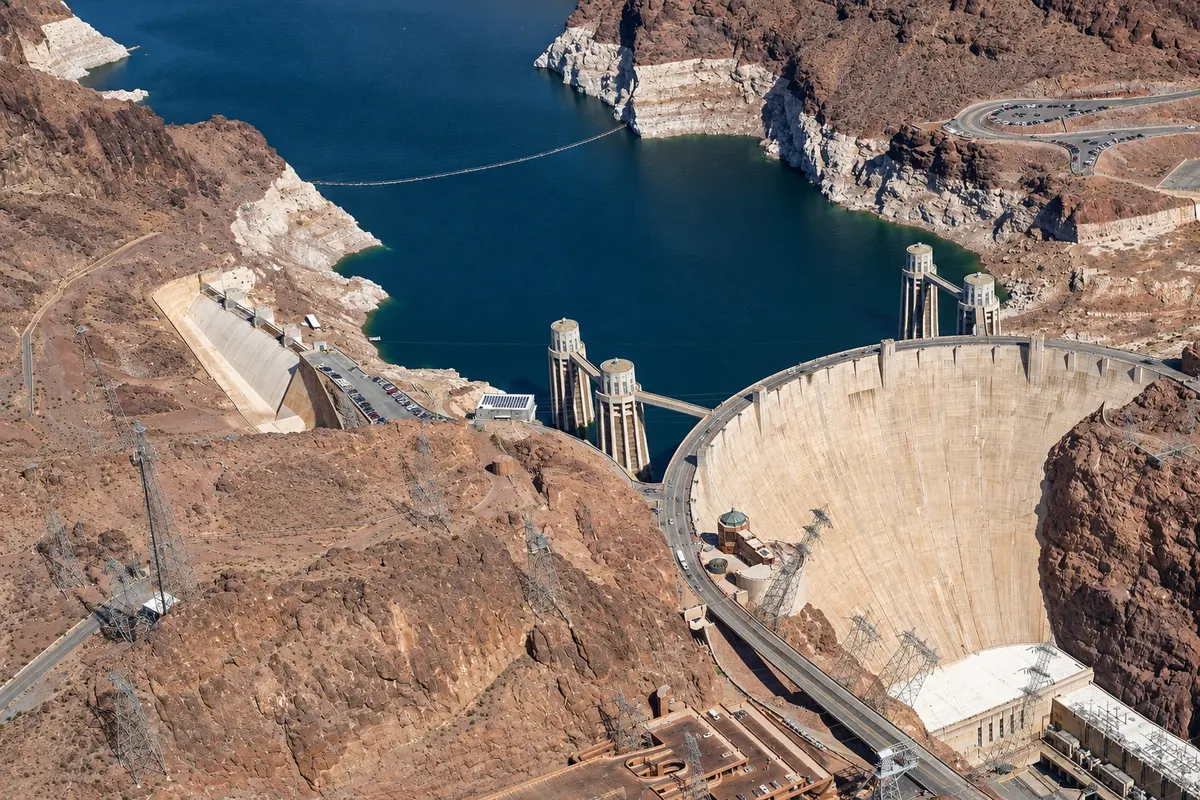
Hoover Dam
Boulder City · Nevada · Engineering work

Hoover Dam

A concrete dam over 200 meters high on the Colorado River, on the border between Nevada and Arizona, built in the 1930s. It has a visitors center and guided tours of the power plant.

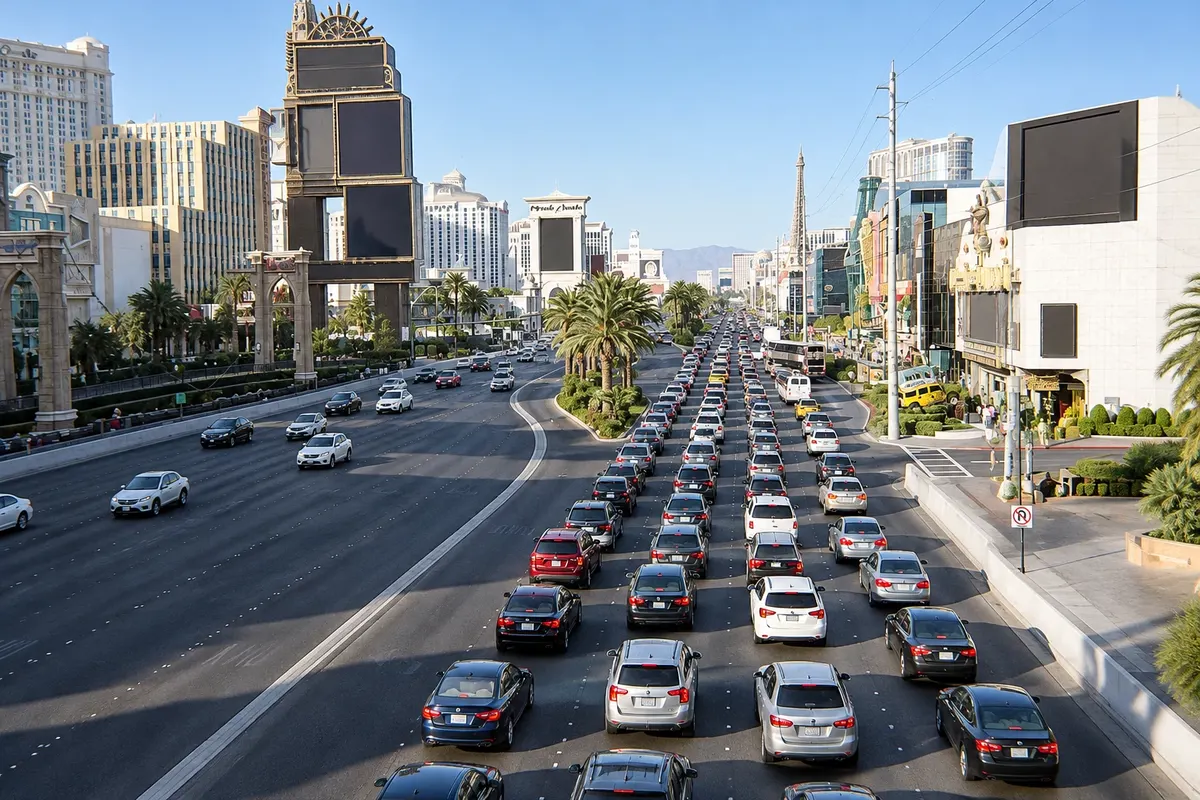
Las Vegas Strip
Las Vegas · Nevada · Avenue

Las Vegas Strip

The stretch of Las Vegas Boulevard with the large themed hotel-casinos, fountains, theaters and paid attractions. It comes alive at night when the facades are lit.

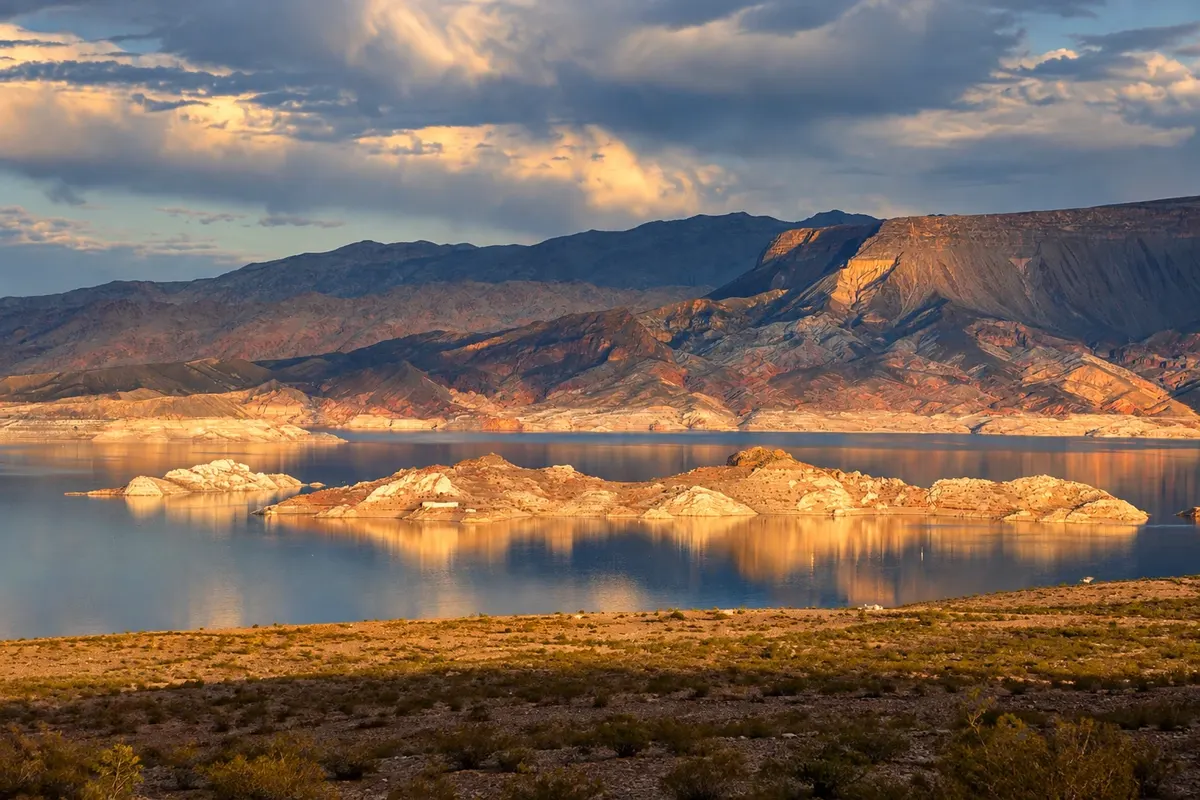
Lake Mead National Recreation Area
Boulder City · Nevada · Lake

Lake Mead National Recreation Area

The large reservoir formed by Hoover Dam, surrounded by desert mountains, with beaches, marinas, boat tours and scenic roads near Boulder City.

See 7 more places in Las Vegas and Death Valley
Fremont Street Experience
Las Vegas · Nevada · Historic street

Fremont Street Experience

The pedestrian mall of old downtown Las Vegas, covered by a canopy of lights with nightly shows, among the city’s first casinos and their neon signs.

Zabriskie Point
Furnace Creek · California · Lookout

Zabriskie Point

Overlook over a maze of eroded hills in shades of yellow, brown and beige, with Manly Beacon ahead and the valley salt flat in the background, a few minutes from Furnace Creek.

Mesquite Flat Sand Dunes
Furnace Creek · California · Dunes

Mesquite Flat Sand Dunes

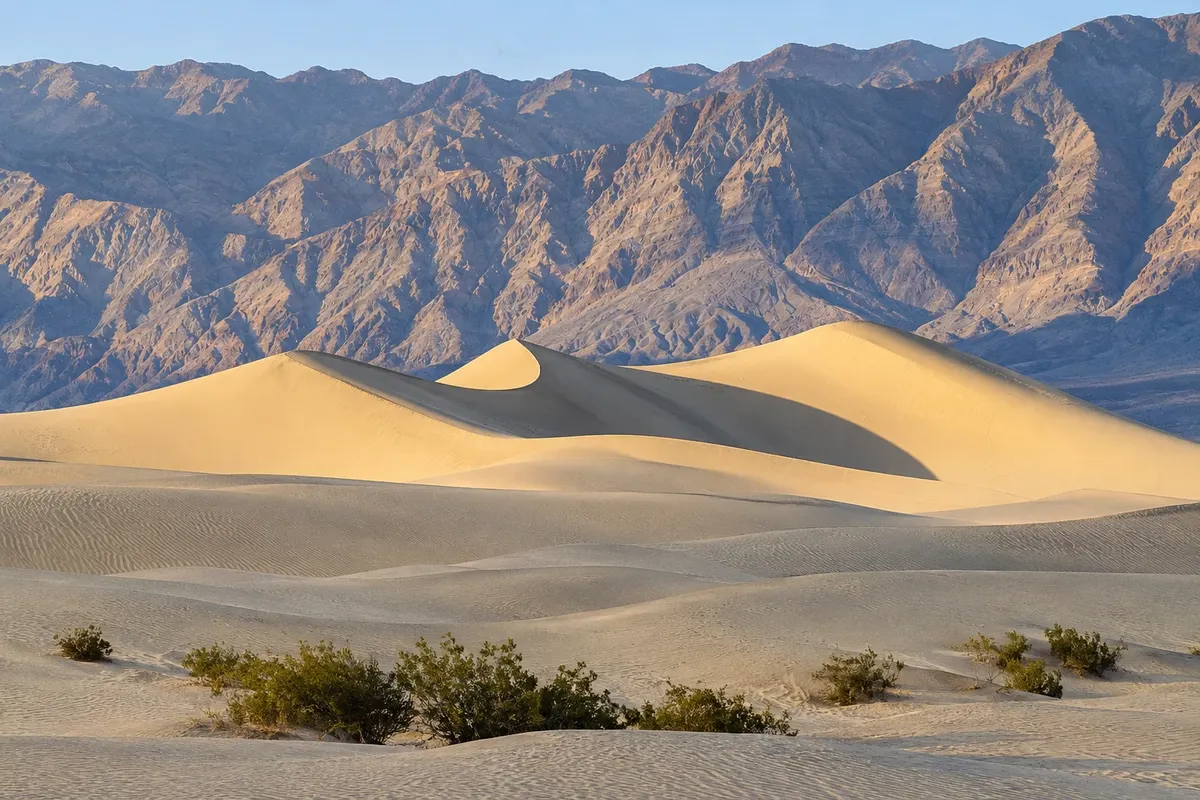
A sand dune field in the center of Death Valley, near Stovepipe Wells, with crests up to about 30 meters and open walking, no marked trail.

Neon Museum
Las Vegas · Nevada · Museum

Neon Museum

Outdoor museum with Las Vegas’s old neon signs, some relit, gathered in the so-called Neon Boneyard. Night tours show some of them illuminated.

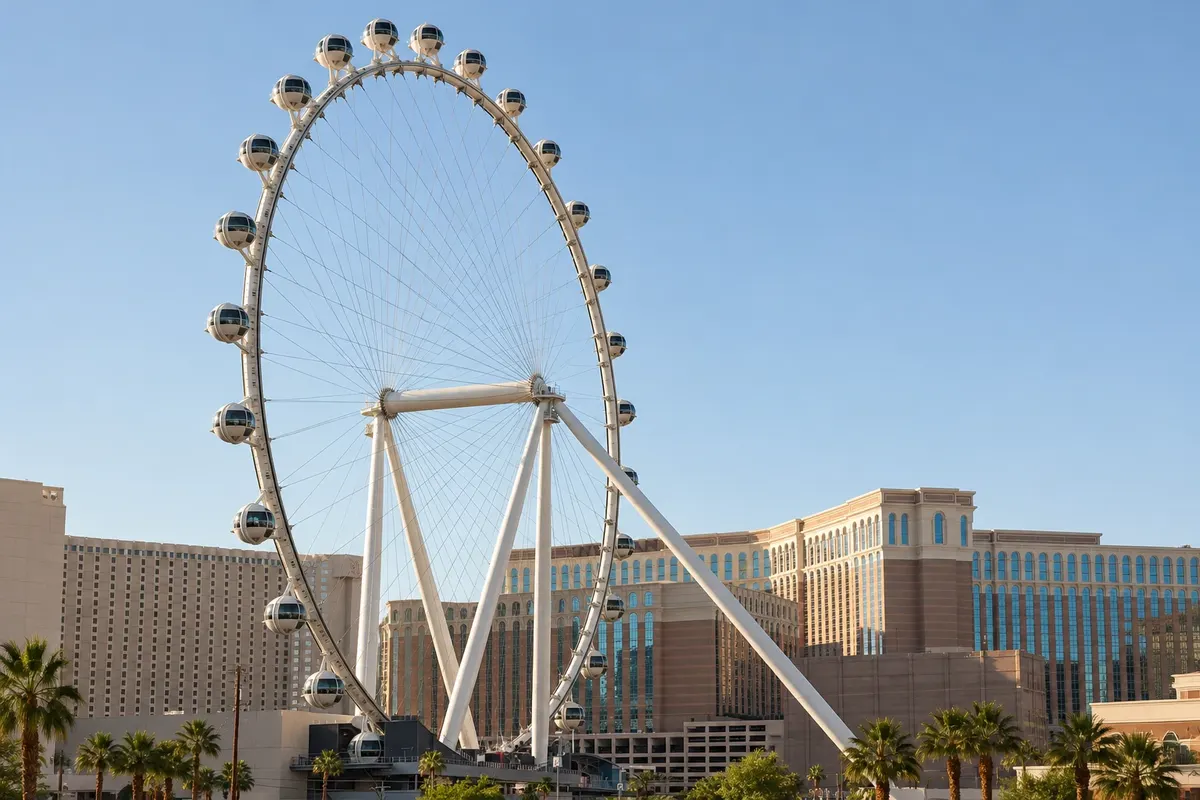
High Roller
Las Vegas · Nevada · Lookout

High Roller

A Ferris wheel about 167 meters high on the Strip, with enclosed glass cabins. One rotation takes about half an hour and shows the avenue, the desert and the surrounding mountains.

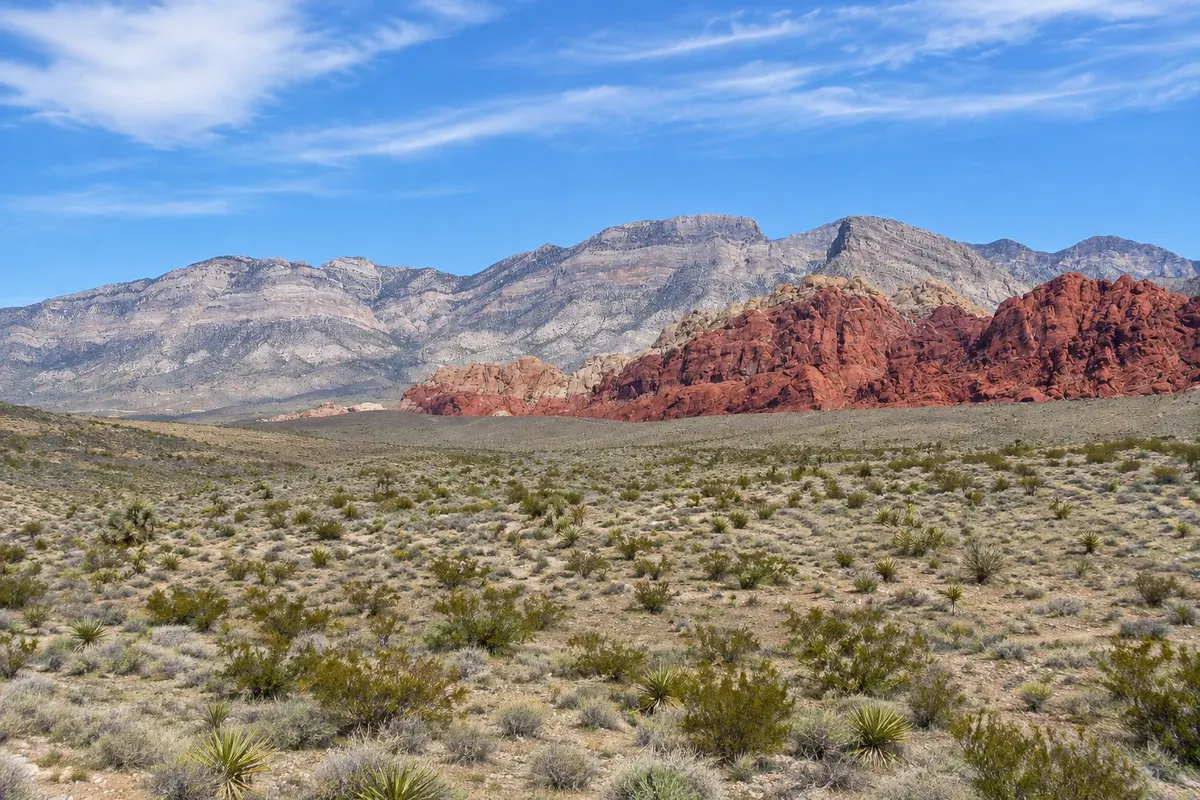
Red Rock Canyon National Conservation Area
Las Vegas · Nevada · Natural area

Red Rock Canyon National Conservation Area

A conservation area west of Las Vegas with red-and-white sandstone cliffs, a one-way scenic drive and short and long trails in the Mojave Desert.

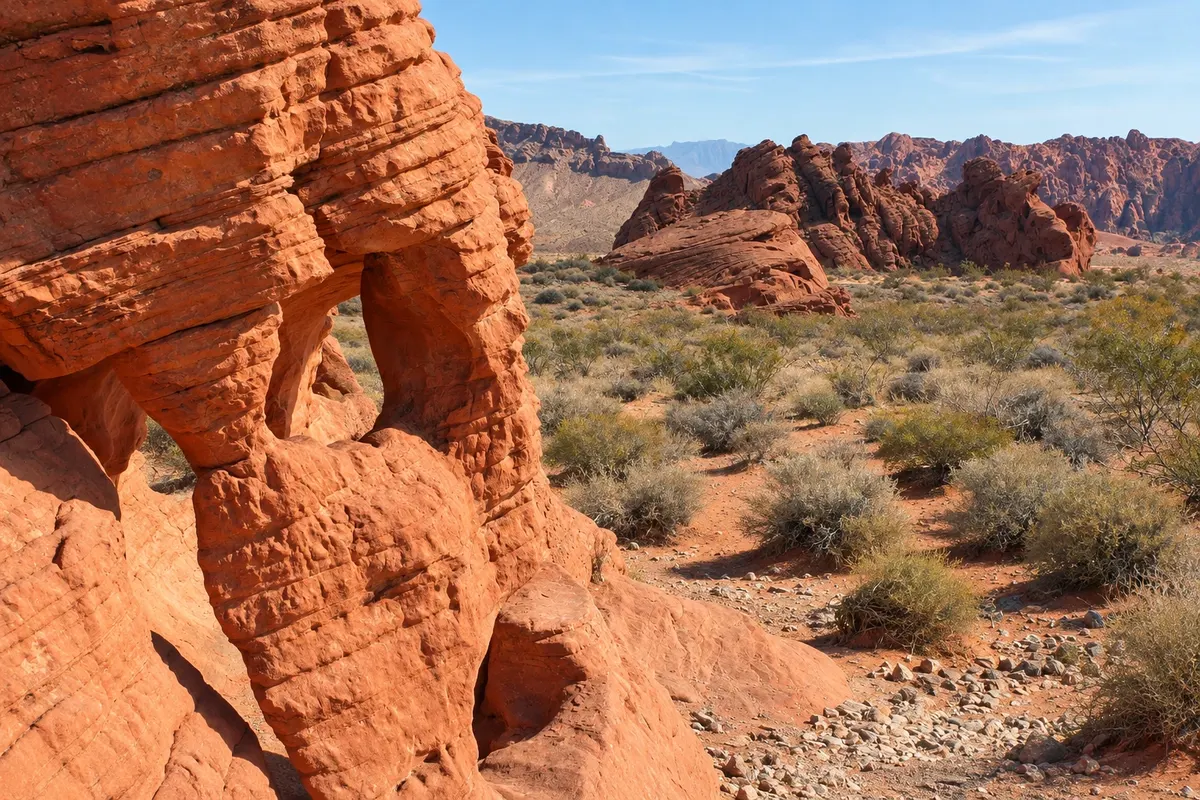
Valley of Fire State Park
Las Vegas · Nevada · State park

Valley of Fire State Park

Nevada’s oldest state park, northeast of Las Vegas, with red sandstone formations, arches, rock engravings and scenic desert roads.

Before you go

Practical information

A little planning leaves more time to enjoy the journey.

When to go

From October to April, days are usually mild in Las Vegas and Death Valley, the best period for hikes. From June to September the heat is intense; in Death Valley it often exceeds 45 °C. In Las Vegas, indoor attractions operate year-round. Holidays and large conventions fill the city.

The seasons shown are the most usual ones; nature doesn't always follow the calendar.

How many days to stay

Three days allow you to see the Strip, the old downtown and take a desert excursion such as Red Rock Canyon or the Hoover Dam. With four or five days you can include Valley of Fire and a full day, preferably with an overnight stay, in Death Valley. Many travelers continue on to the Grand Canyon or Utah’s parks.

Which city to stay in

On the Strip, hotels are close to shows, attractions, and the airport, and it is possible to get around on foot or by the monorail. In the old downtown near Fremont Street, rates are usually lower. Boulder City is quiet and close to the dam and Lake Mead. In Death Valley, Furnace Creek and Stovepipe Wells have the park’s lodging.

Respect the place

Take your trash with you, follow the signs and support local businesses. In natural areas, follow the visiting guidelines.

Get your questions answered

Frequently asked questions about Las Vegas and Death Valley

How many days should I stay in Las Vegas?

Three days are usually enough for the Strip, the old Fremont Street downtown, a show and a desert excursion. To include Death Valley at a relaxed pace, add one or two days, preferably with an overnight in Furnace Creek.

Do I need a car in Las Vegas?

For the Strip, no: hotels are close together and there is a monorail, buses and rideshare services. For Red Rock Canyon, Valley of Fire, the Hoover Dam and Death Valley, a car is the most practical way to go, since public transit does not reach those places.

Can you do Death Valley as a day trip from Las Vegas?

You can, but it makes for a long day: it’s about two and a half hours to Furnace Creek, and the park’s sights are spread out. Leave early, bring water and fuel and, in summer, avoid trails during the hottest hours. With an overnight in the park, the visit is more relaxed.

What is the best time to visit Las Vegas and Death Valley?

From October to April, when the heat eases and desert trails are more pleasant. In summer Las Vegas still has plenty of indoor attractions, but Death Valley tends to record extreme temperatures.

Is Las Vegas a good base for the Grand Canyon and the Utah parks?

Yes. the South Rim of the Grand Canyon is about four and a half hours by car, and Zion is about two and a half hours away. Many Southwest road itineraries start and end in Las Vegas.

Explore other destinations Search by state and city