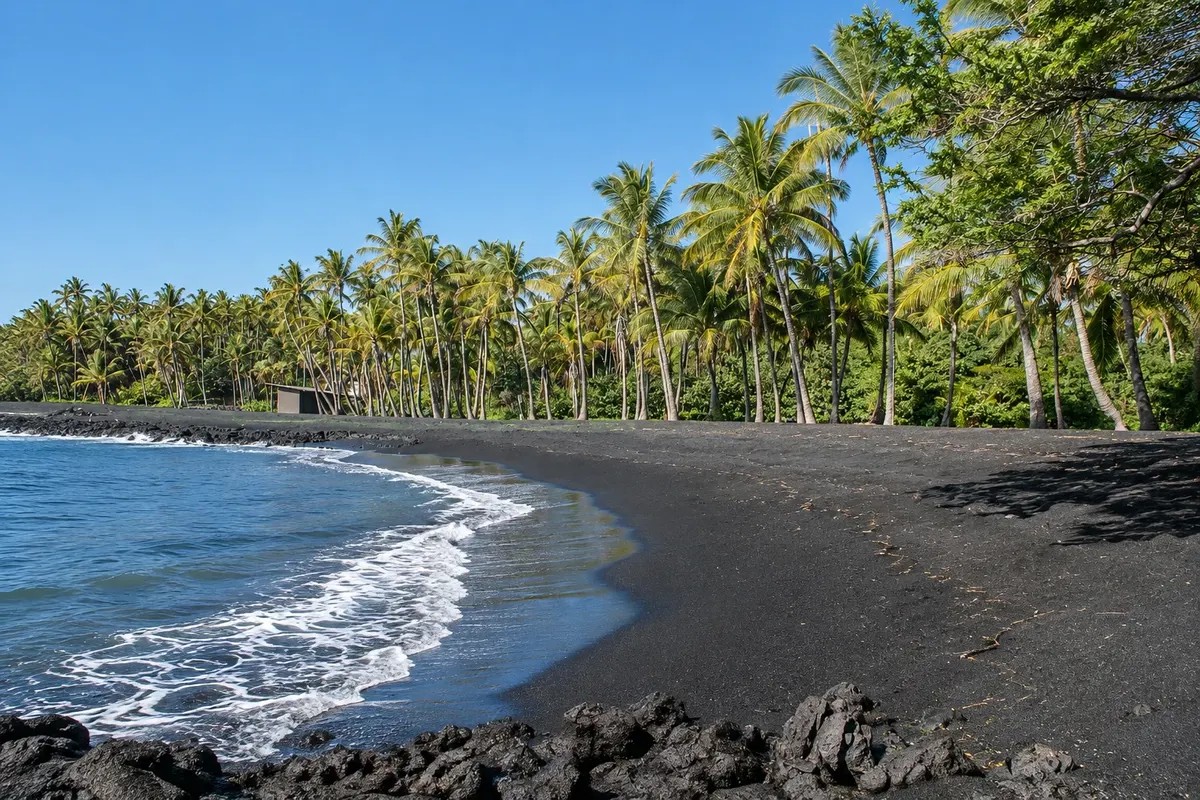
The Island of Hawai‘i, called the Big Island to avoid confusion with the state, is the largest of the archipelago, with an area greater than all the other islands combined. It is formed by five volcanoes, including Mauna Loa, one of the largest on Earth, and Kīlauea, one of the most active. The island is still growing: eruptions have added new land to the southeast coast in recent decades.
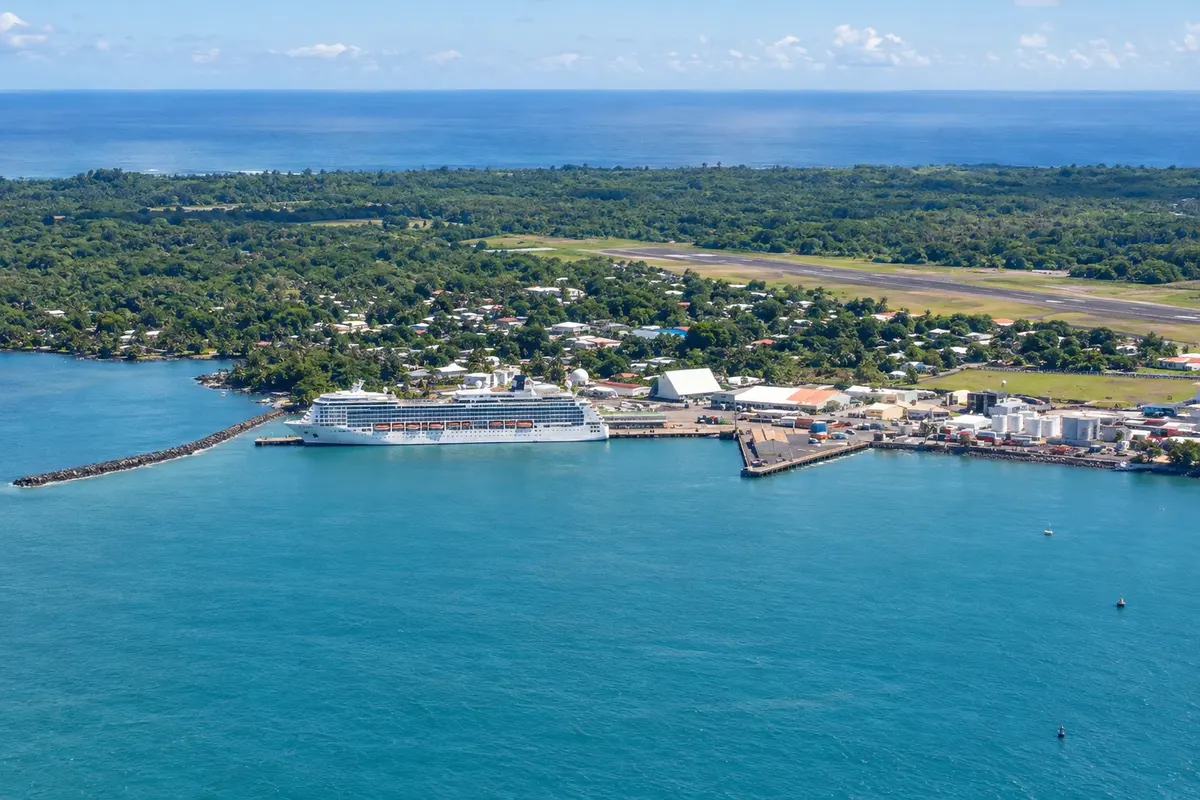
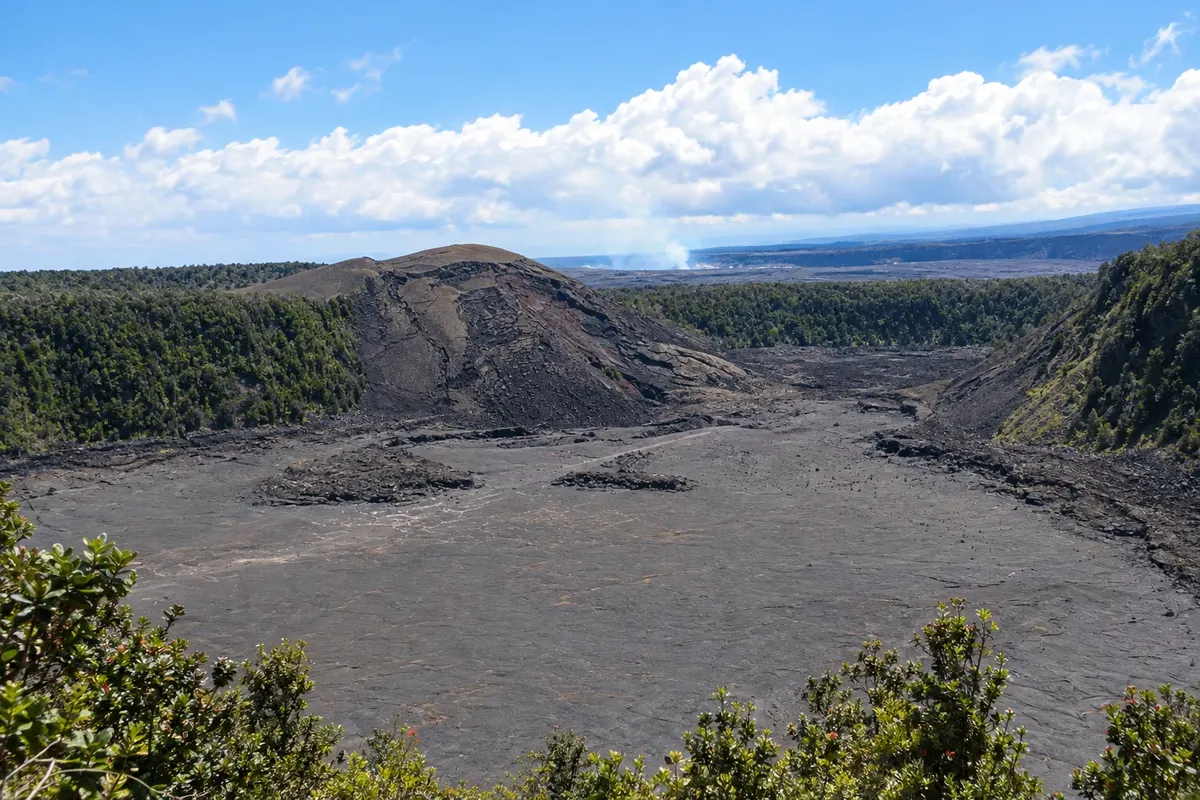
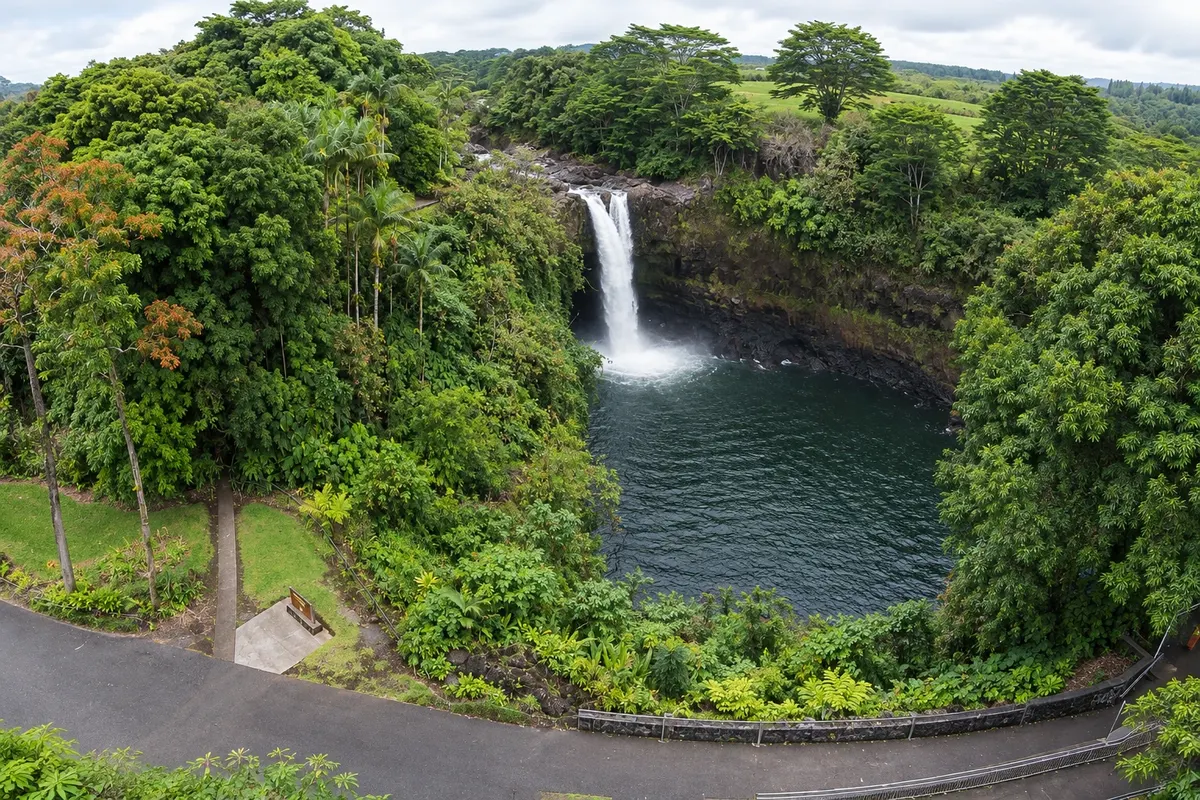
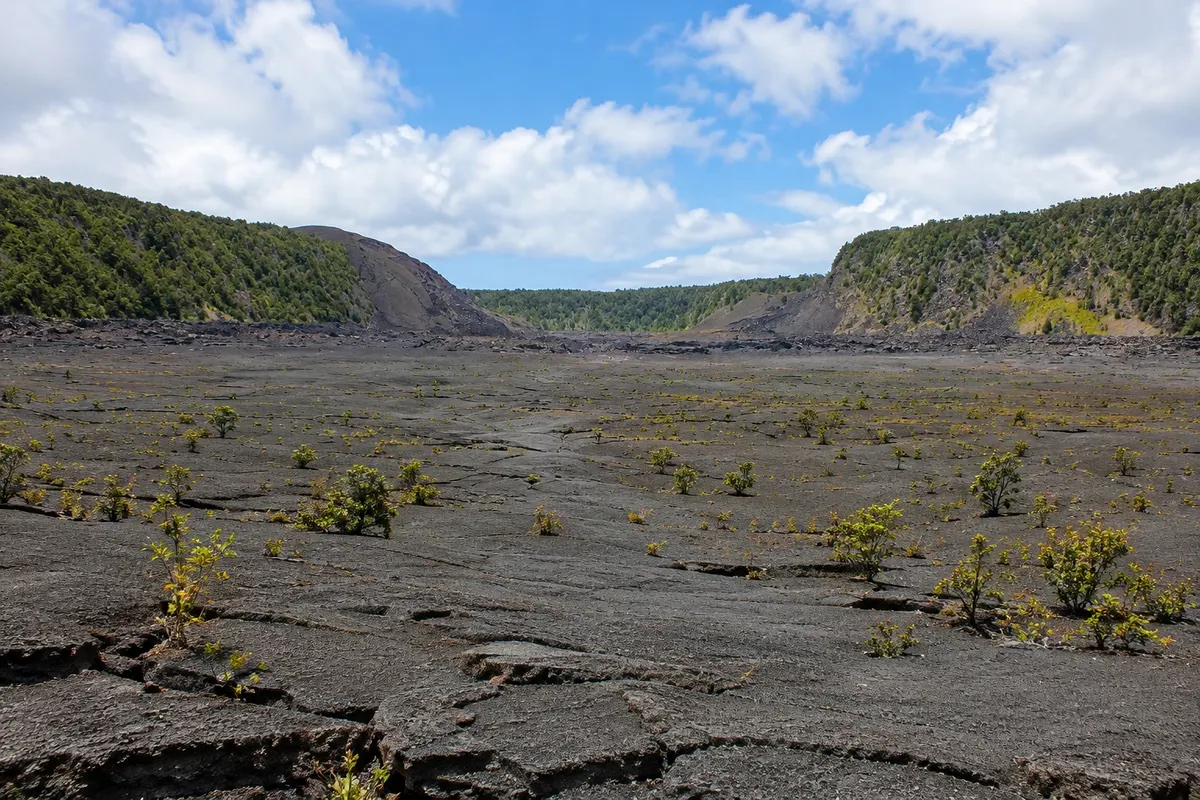
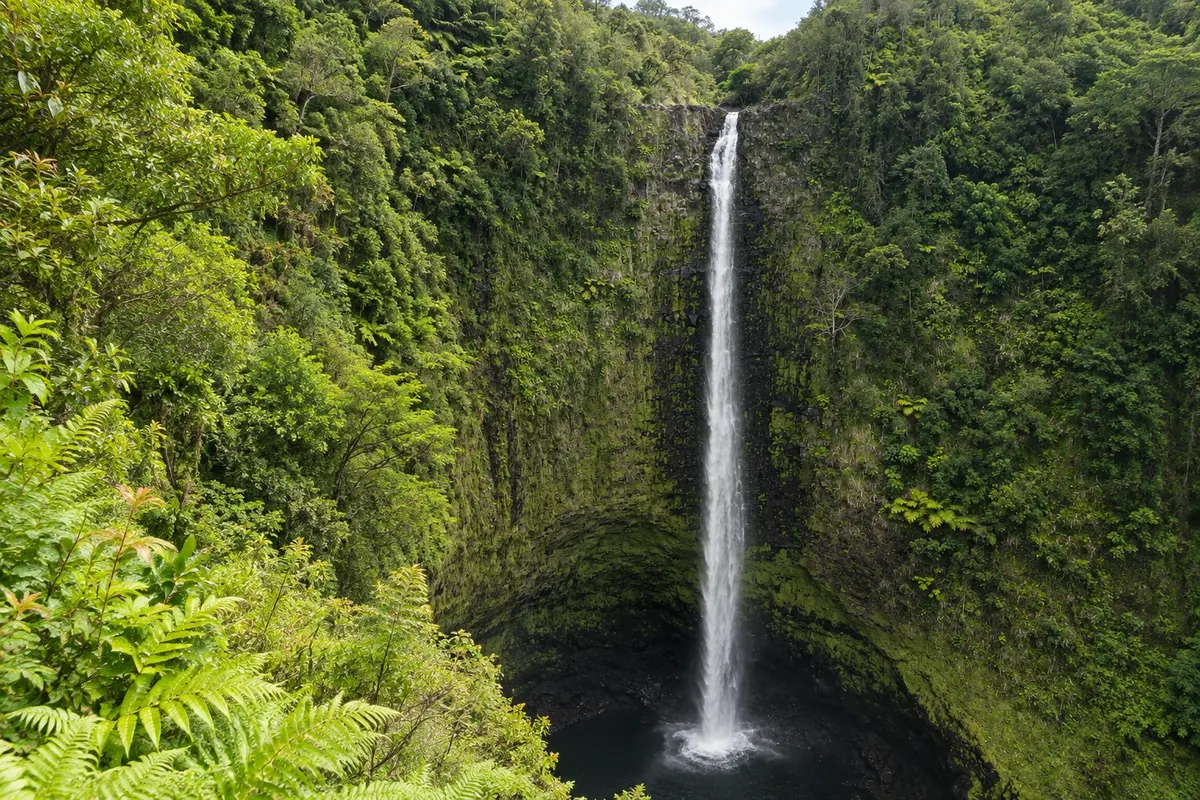
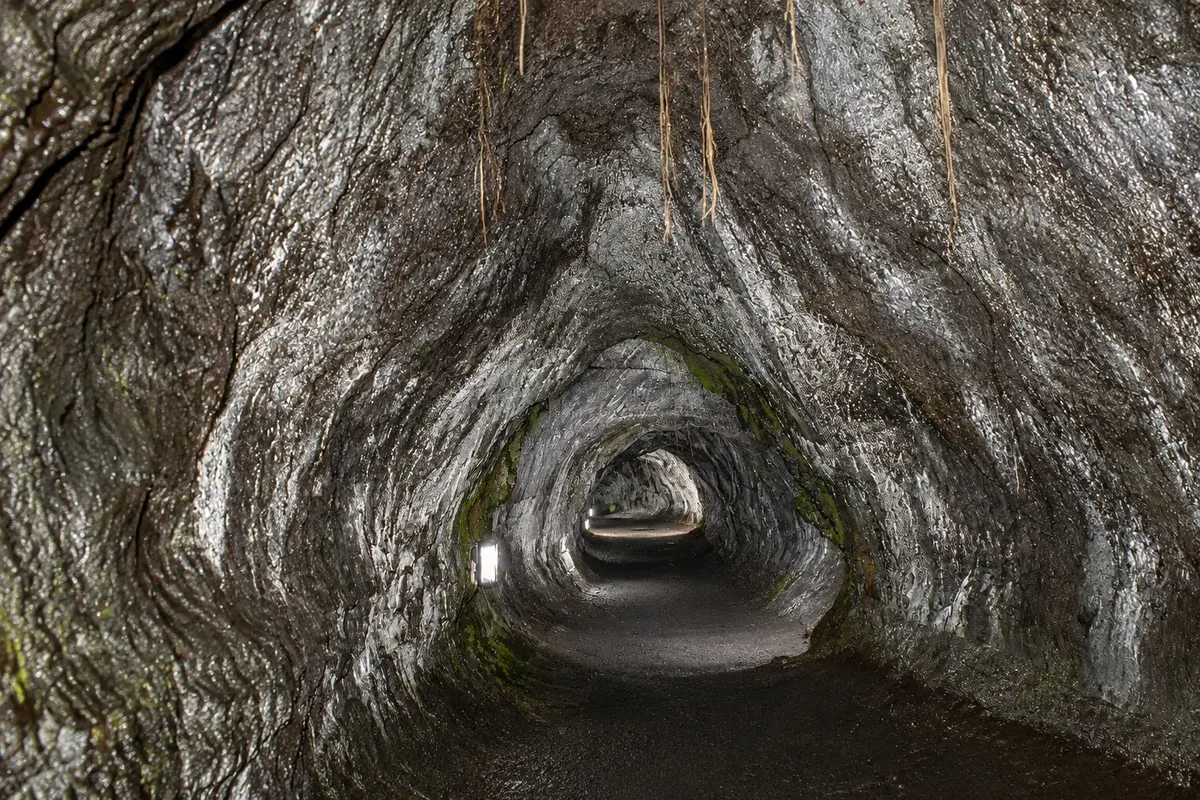
In the southeast, Hawai‘i Volcanoes National Park, a UNESCO World Heritage Site, protects Kīlauea and part of Mauna Loa. The road that circles the caldera passes overlooks of the Halemaʻumaʻu crater, steam fields and a lava tube, and the Chain of Craters Road descends to the sea. The village of Volcano sits at the park entrance, and Hilo, on the east coast, is the island’s rainiest and greenest town, with waterfalls and gardens.
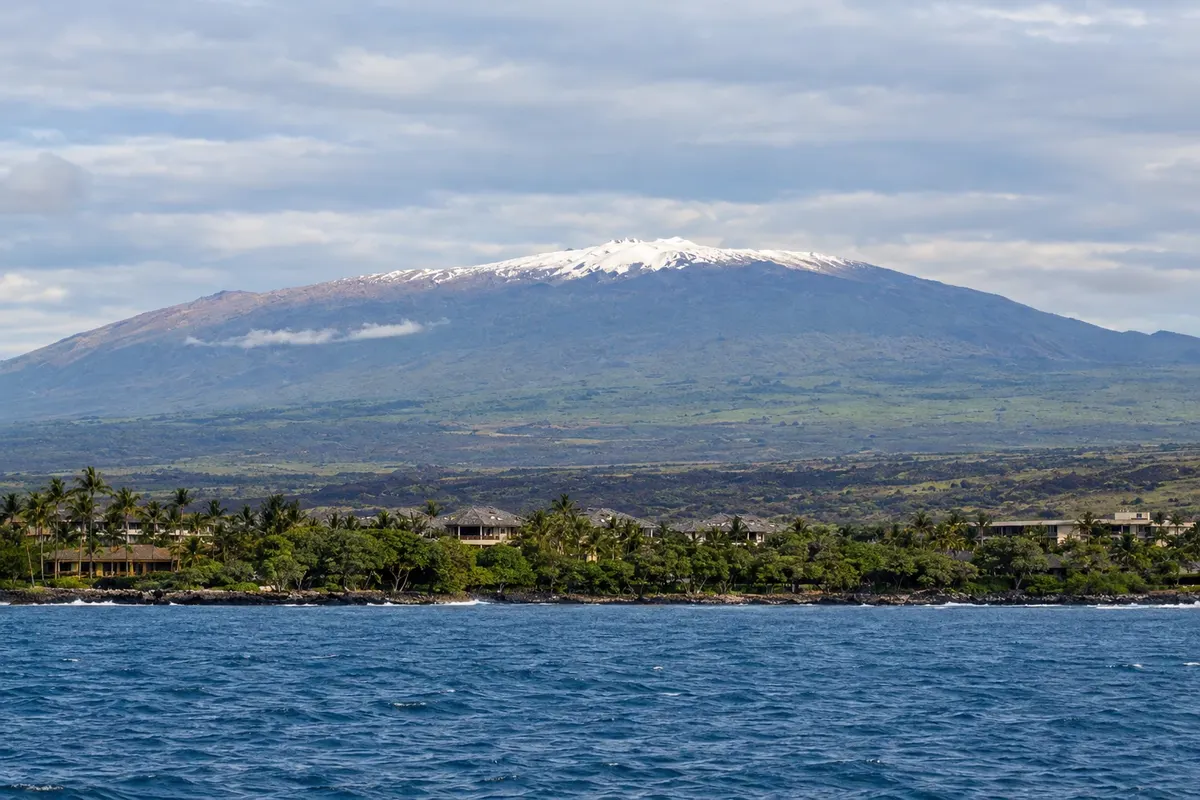
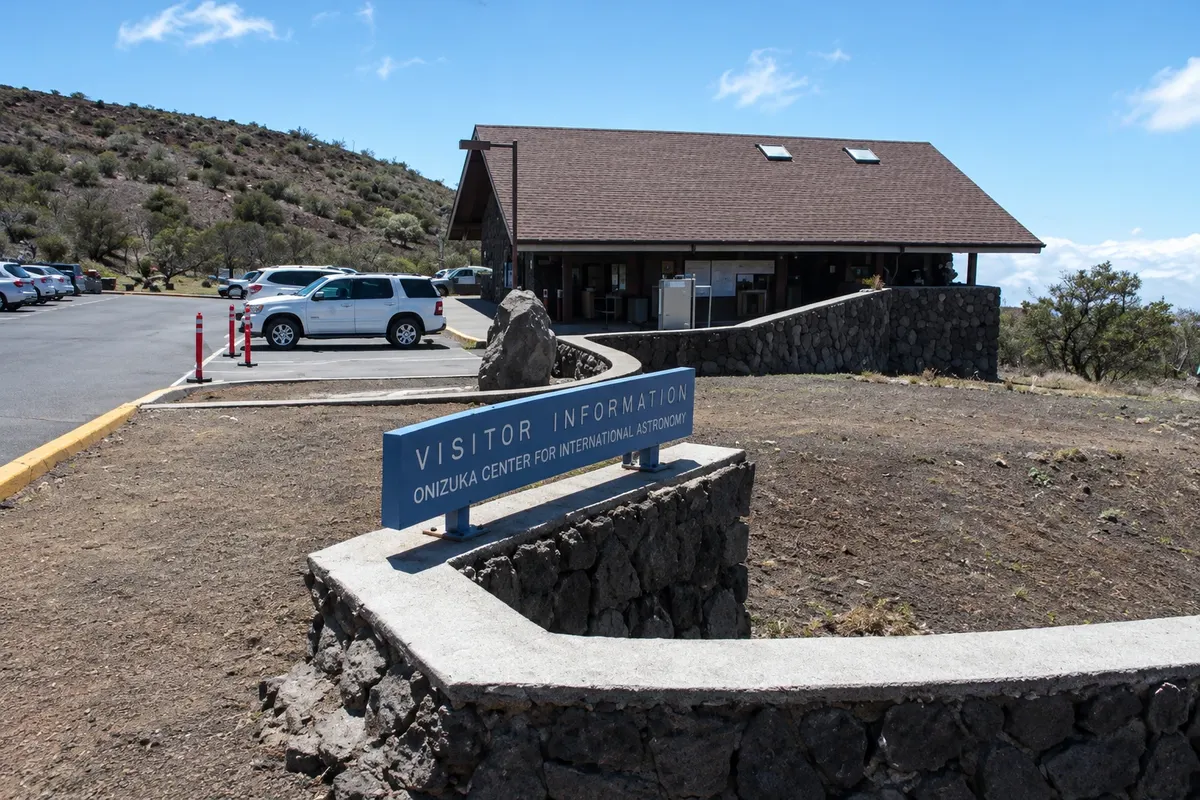
In the island’s interior, Mauna Kea reaches 4,207 meters and hosts some of the world’s largest astronomical observatories. For Native Hawaiians, it is a sacred mountain. In winter, the summit often receives snowfall.
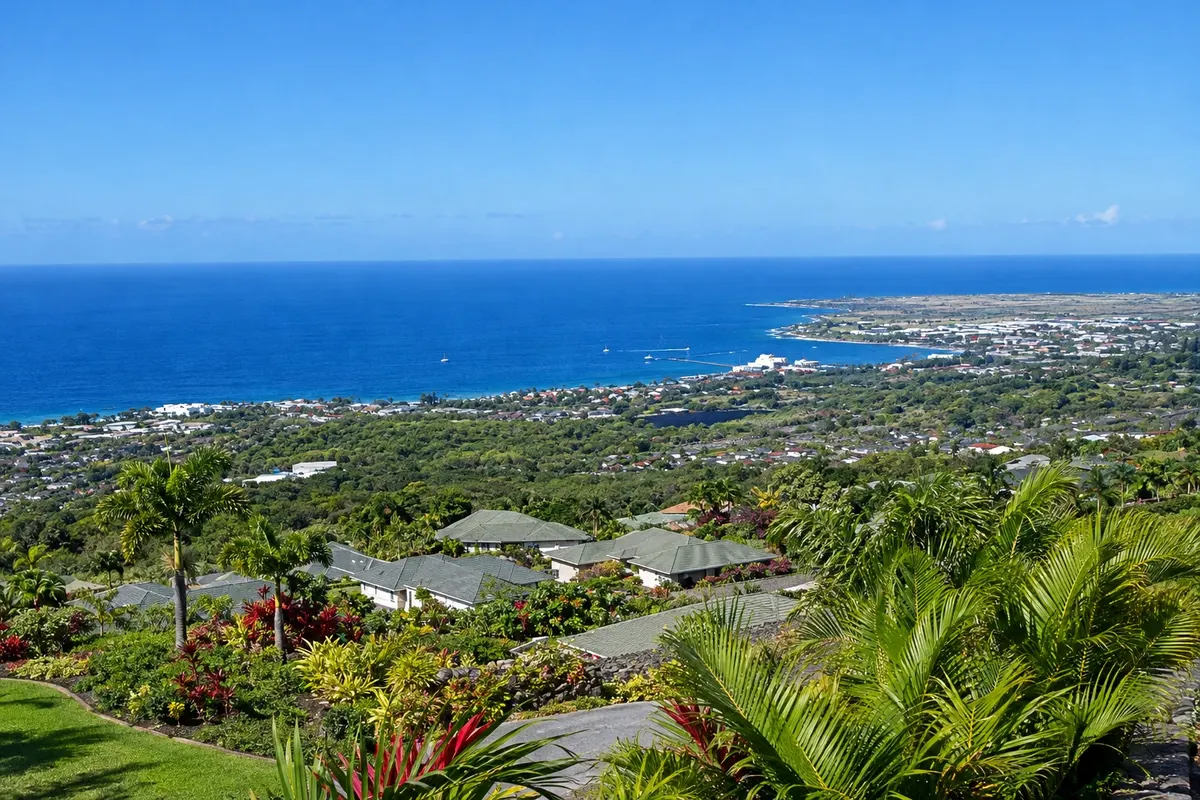
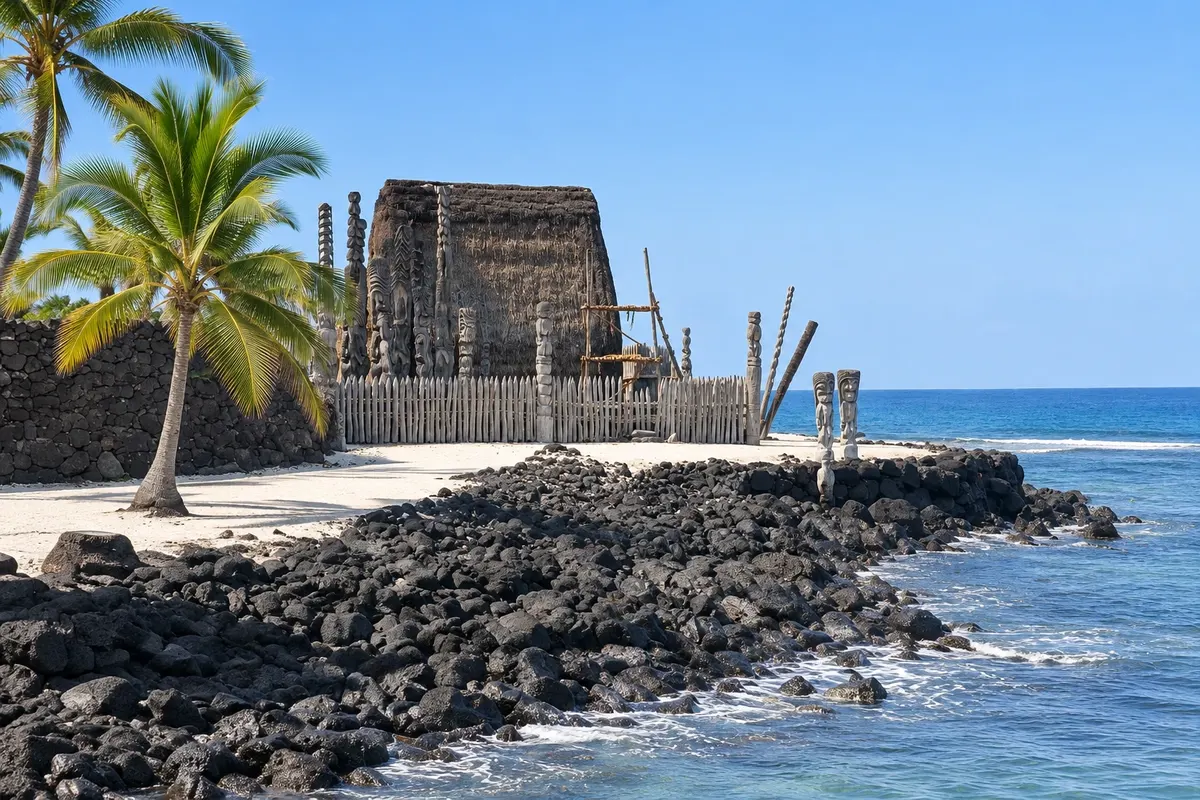
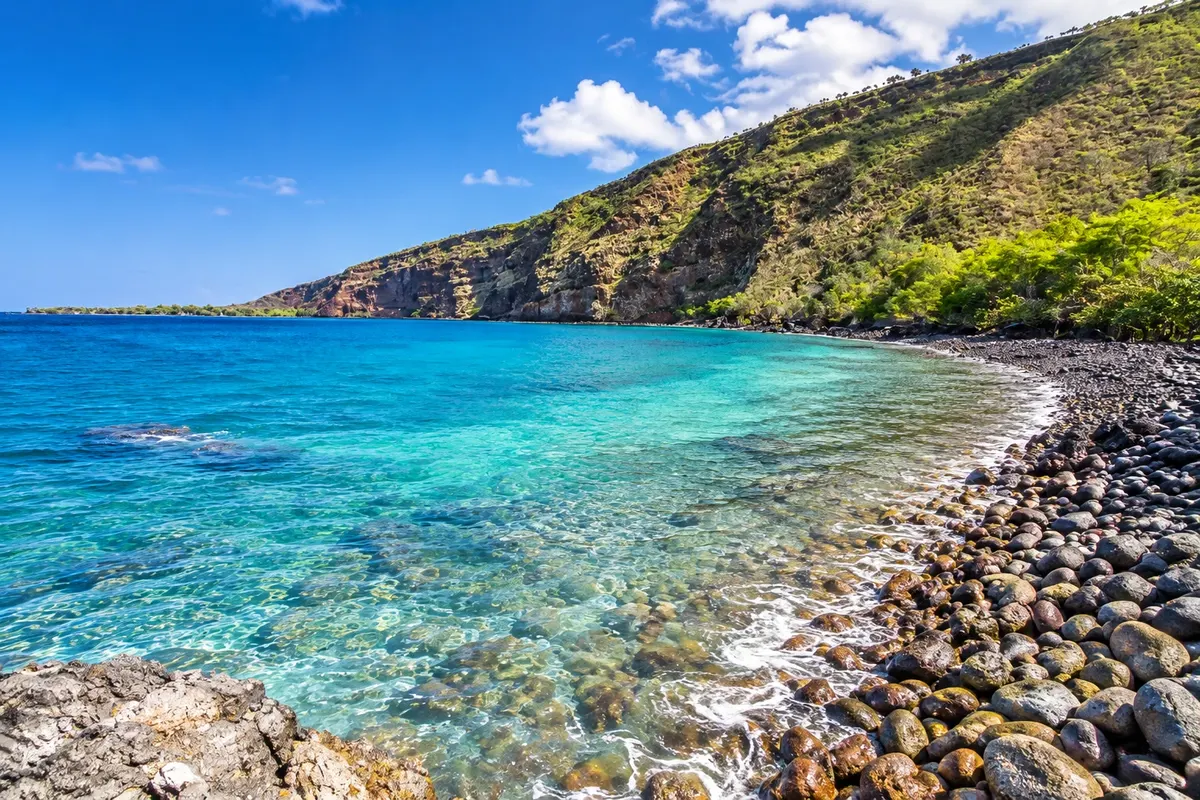
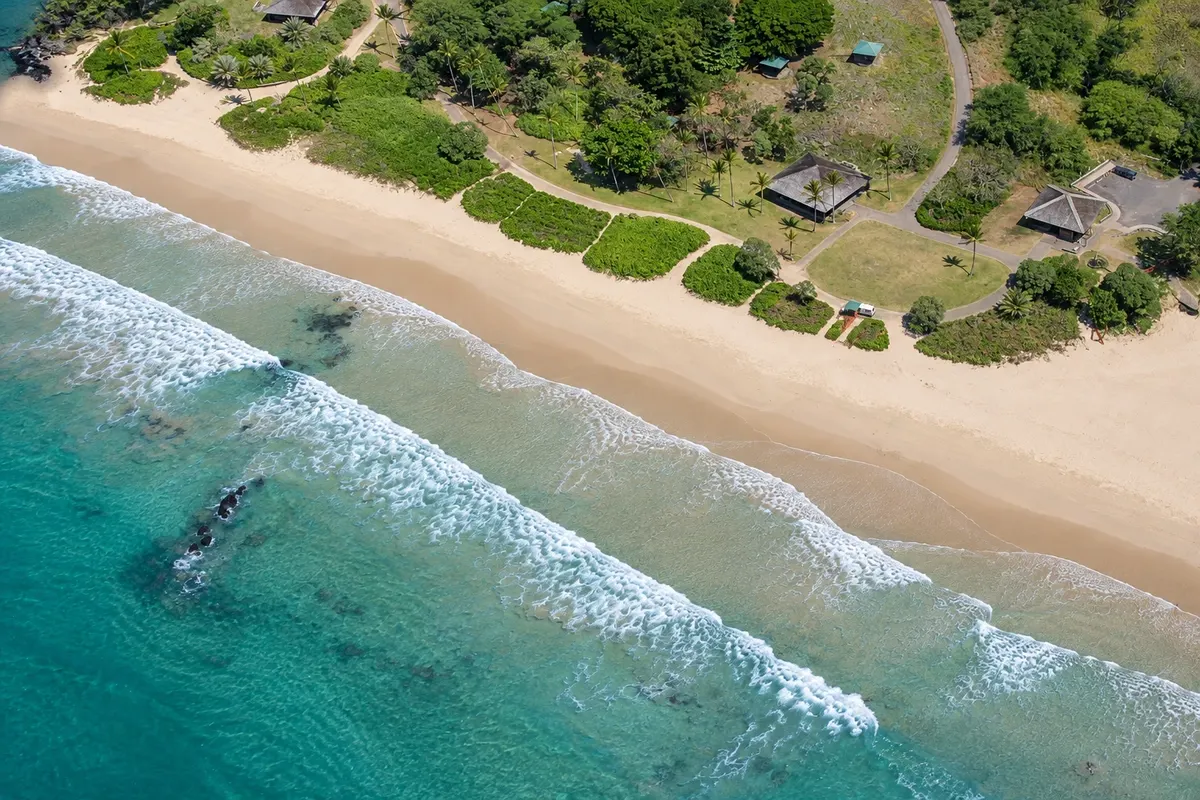
The west coast, including Kona and Kohala, is dry and sunny, with dark lava fields, light-sand beaches such as Hāpuna, Kealakekua Bay and the sacred refuge of Puʻuhonua o Hōnaunau. At night, boats take visitors to swim with the manta rays near the Kailua-Kona coast. The slopes above the town produce Kona coffee.
This destination brings together 3 cities: Kailua-Kona, Hilo, Volcano.


 Brazil
 Argentina
 Bolivia
 Chile
 Colombia
 Ecuador
 Guyana
 French Guiana
 Falkland Islands (Malvinas)
 Paraguay
 Peru
 Suriname
 Uruguay
 Venezuela
 Germany
 Austria
 Belgium
 Croatia
 Denmark
 Slovakia
 Slovenia
 Spain
 Finland
 France
 Greece
 the Netherlands
 Hungary
 Ireland
 Iceland
 Italy
 Luxembourg
 Norway
 Poland
 Portugal
 the United Kingdom
 the Czech Republic
 Sweden
 Switzerland
 Turkey
 Canada
 Mexico
 the Dominican Republic
 South Africa
 Australia
 Fiji
 New Zealand
 Papua New Guinea