

 Brazil
 Argentina
 Bolivia
 Chile
 Colombia
 Ecuador
 Guyana
 French Guiana
 Falkland Islands (Malvinas)
 Paraguay
 Peru
 Suriname
 Uruguay
 Venezuela
 Germany
 Austria
 Belgium
 Croatia
 Denmark
 Slovakia
 Slovenia
 Spain
 Finland
 France
 Greece
 the Netherlands
 Hungary
 Ireland
 Iceland
 Italy
 Luxembourg
 Norway
 Poland
 Portugal
 the United Kingdom
 the Czech Republic
 Sweden
 Switzerland
 Turkey
 Bermuda
 Canada
 the United States
 Mexico
 the Dominican Republic
 South Africa
 Australia
 Fiji
 New Zealand
 Papua New Guinea
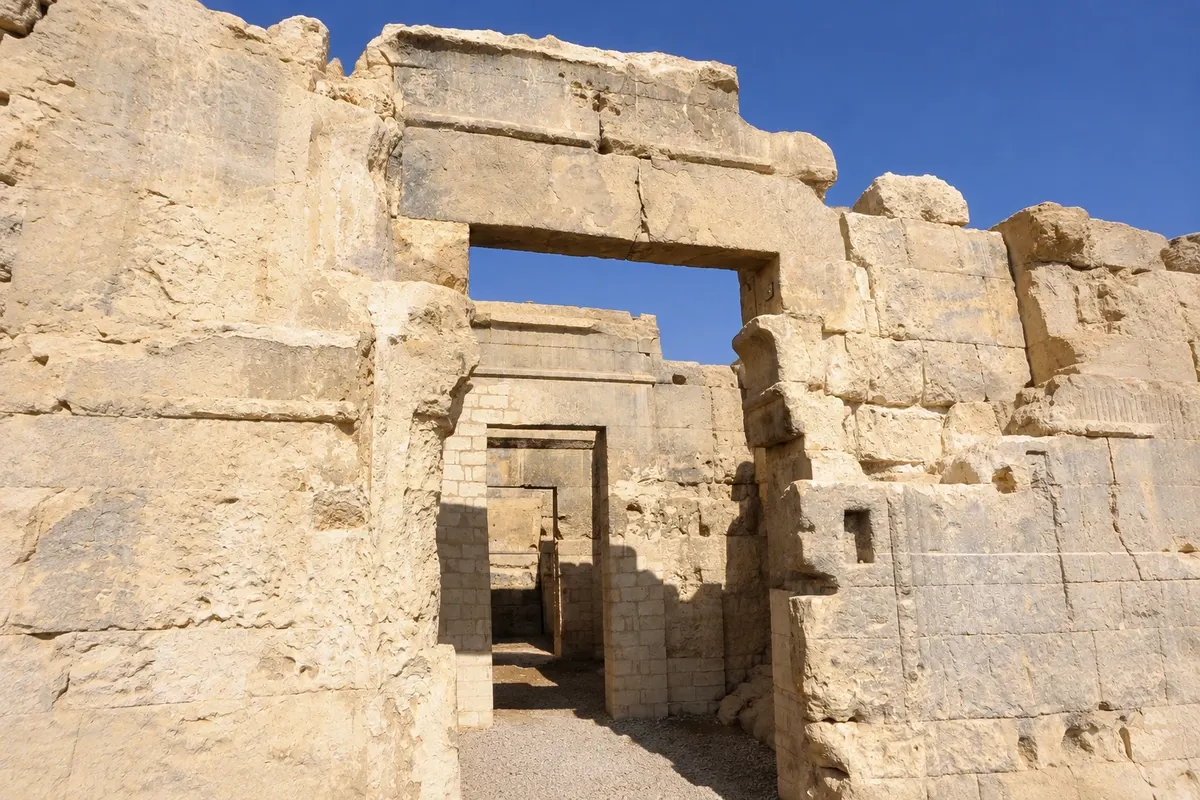
Temple · Siwa, Matrouh
Oracle of Amun
Ruins of the Temple of the Oracle of Amun on Aghurmi hill, about 4 km from Siwa’s center, where Alexander the Great is said to have consulted the oracle in 331 BCE.
Illustrative images. The pictures in this guide are illustrations based on the real place, not photographs, and may differ from it.



Discover
About Oracle of Amun
The Temple of the Oracle of Amun stands on Aghurmi hill, about 4 km east of Siwa’s center, within the ruins of an old fortified mud village. The temple was built in the 6th century BCE and housed one of the most famous oracles of the ancient world, consulted by Greeks and Egyptians.
In 331 BCE Alexander the Great crossed the desert to consult the oracle, and tradition says he was recognized there as the son of the god Amun. The oracle’s fame declined in the Roman period.
What remains are walls, the sanctuary chamber and inscriptions, along with the ruins of the village of Aghurmi around it. From the top of the hill you can see the palm groves and the oasis’s lakes. At the foot of the hill lie the remains of the temple of Umm Ubayda.
Before you go
Practical information
Cidade Turismo reviews its information regularly, but something may have changed. Check with the place before planning your trip.
How much time to set aside
About an hour.
Best time
Very early, before the heat, or near dusk, with views over the palm groves.
How to get there
By bicycle or donkey-cart, about 4 km east of the center.
Tip
Combine the visit with Cleopatra’s Spring, about 2 km away.
Get your questions answered
Frequently asked questions about Oracle of Amun
Where is the Siwa Oracle of Amun?
On Aghurmi hill, about 4 km east of Siwa center.
Did Alexander the Great visit Siwa?
Yes. In 331 BCE he crossed the desert to consult the Oracle of Amun, according to ancient sources.
What remains of the Oracle temple?
Walls, the sanctuary chamber and inscriptions, within the ruins of the fortified village of Aghurmi.