Port wine is a fortified wine: during fermentation, grape spirit is added to the must, which stops the yeast activity, preserves part of the grape's natural sugar and raises the alcohol content, usually between 19% and 22%. The result is a wine with varying degrees of sweetness that can age for decades.
The grapes come from the Demarcated Region of the Douro, inland in northern Portugal, where the vineyards climb the slopes in terraces. Vila Nova de Gaia, on the south bank of the Douro River opposite the city of Porto, became a historic center for the storage and trade of this wine. The name comes from the city from which the wine was shipped for export.
Gaia preserves the most visible part of that history. Merchants established their warehouses, called caves, along the quay. In 1926 the State created in Vila Nova de Gaia a single, exclusive entrepôt where Port wine companies were concentrated to control quality and prevent fraud. The Instituto dos Vinhos do Douro e do Porto certifies the denomination and issues the guarantee seal.
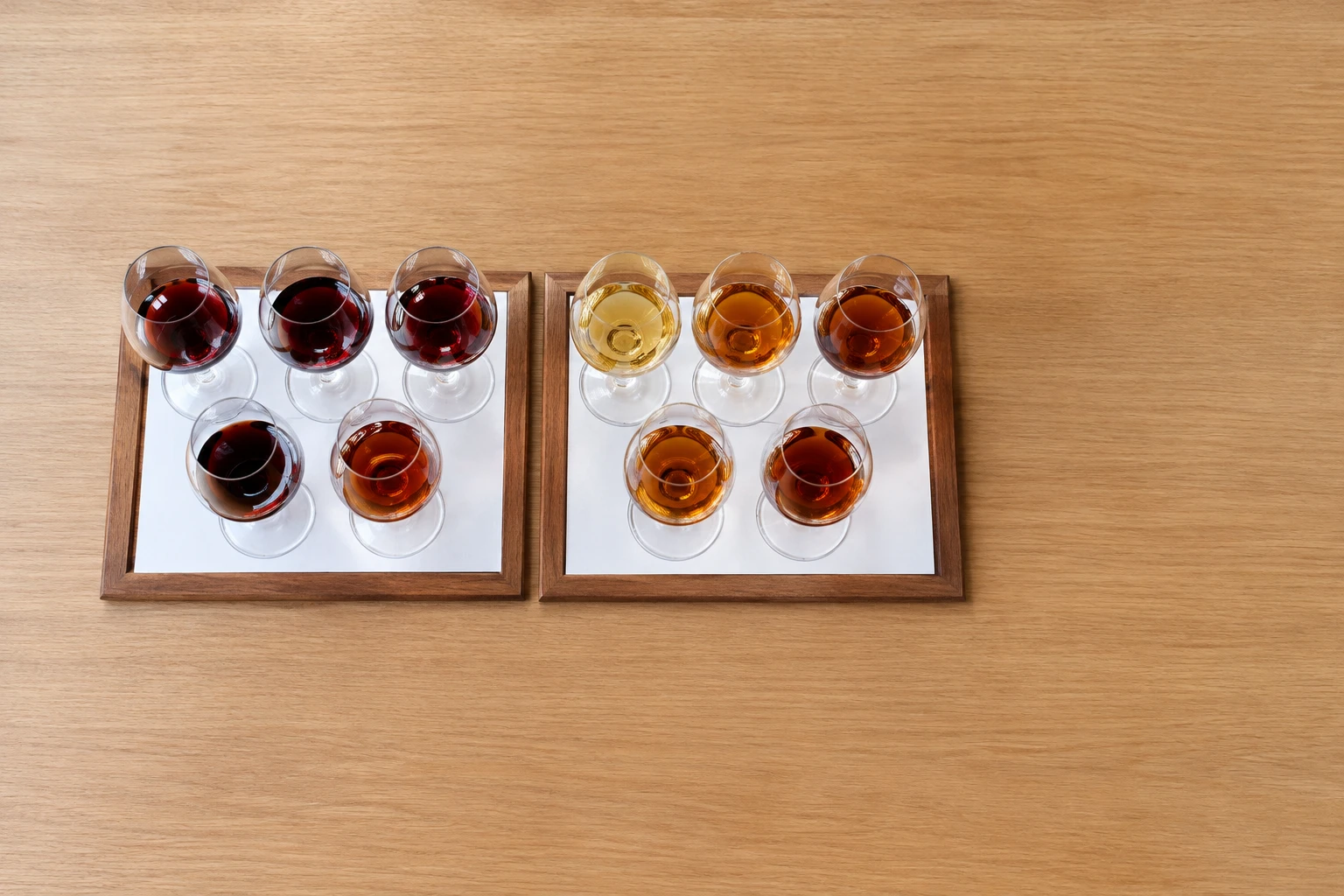
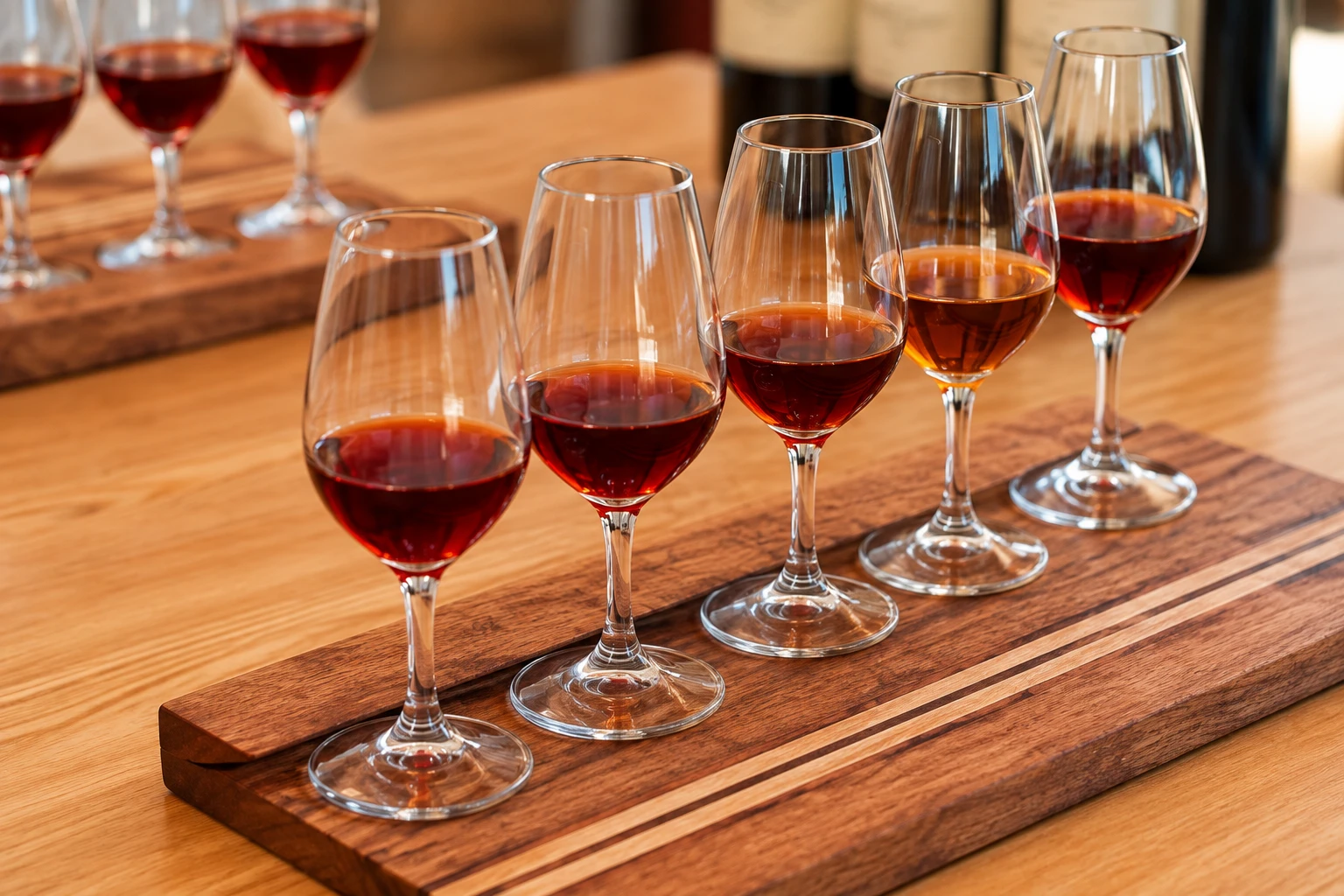
Styles depend on ageing. Tawnies age in wood, gain a golden color and aromas of dried fruit; they can carry age indications of 10, 20, 30, 40 or 50 years, or be a single vintage. Rubies age little in wood and retain bright color and fruit; at the top of that family is vintage, from a single exceptional year, which develops in the bottle. There is also white and rosé Port.
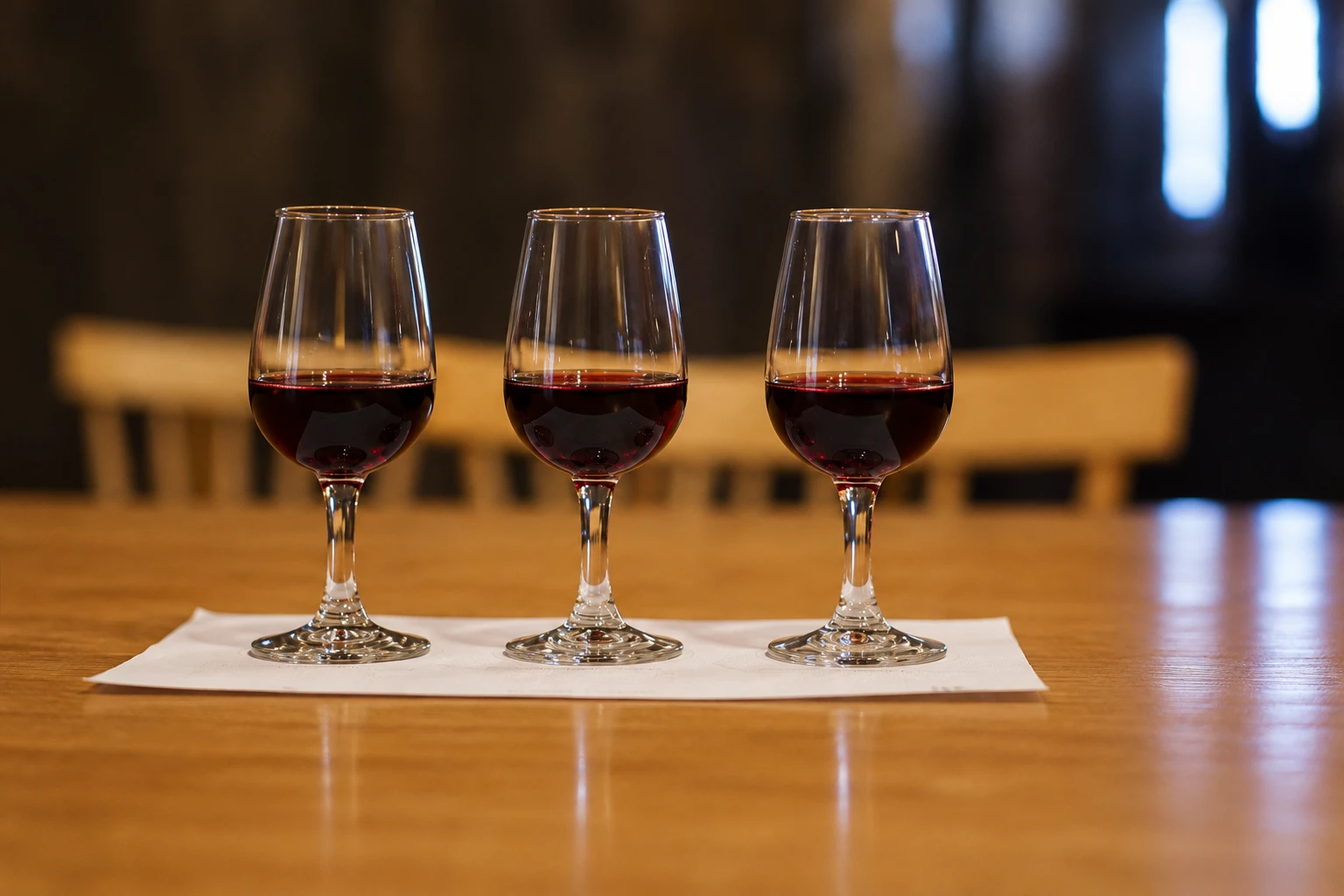
Many caves in Gaia welcome visitors, with explanations about ageing and a tasting at the end; check before you go. Port is served in a small glass, as an aperitif, with desserts or with cheeses.


 Brazil
 Argentina
 Bolivia
 Chile
 Colombia
 Ecuador
 Guyana
 French Guiana
 Falkland Islands (Malvinas)
 Paraguay
 Peru
 Suriname
 Uruguay
 Venezuela
 Germany
 Austria
 Belgium
 Croatia
 Denmark
 Spain
 Finland
 France
 Greece
 the Netherlands
 Hungary
 Ireland
 Iceland
 Italy
 Luxembourg
 Norway
 Poland
 the United Kingdom
 the Czech Republic
 Sweden
 Switzerland
 Turkey
 the United States
 Mexico
 the Dominican Republic
 South Africa
 Australia
 Fiji