Cozido das Furnas
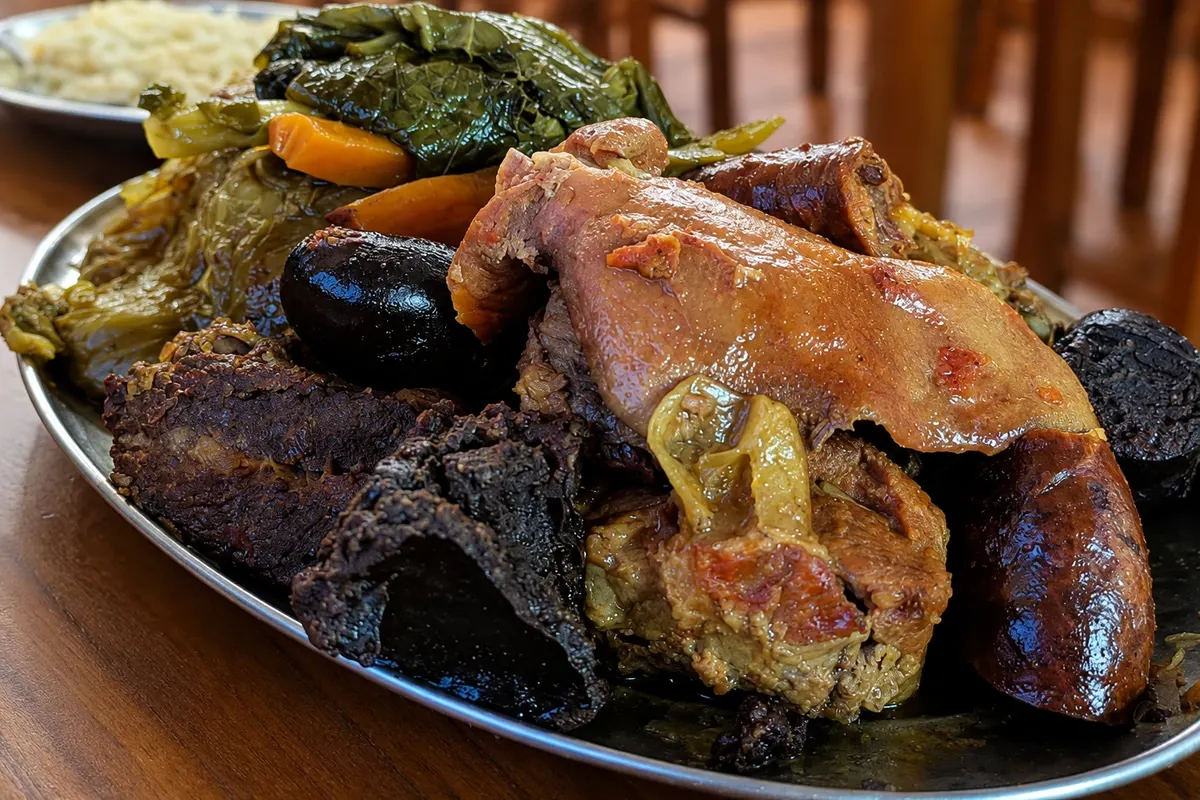
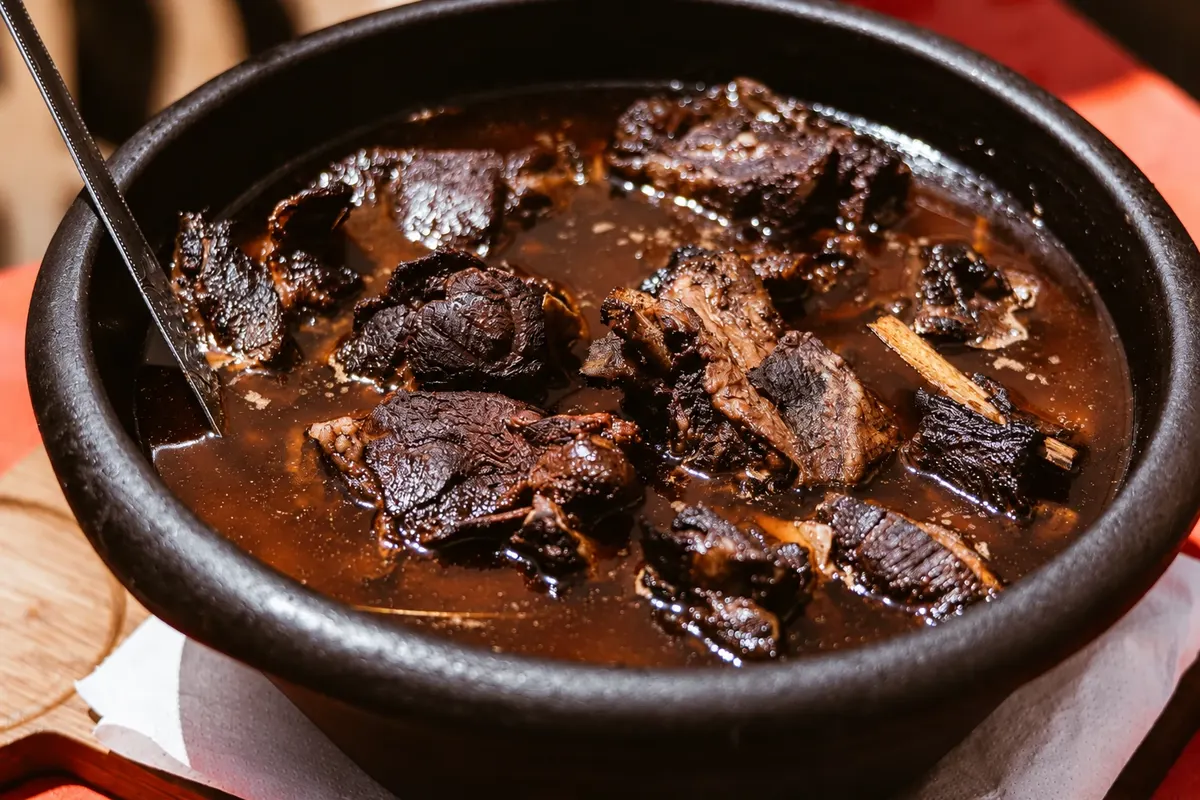
Stew of meats, sausages and vegetables cooked for hours in a pot buried next to the Furnas hot springs, using only the volcanic heat of the ground. A tradition from the island of São Miguel in the Azores.
Flavors · Aveiro
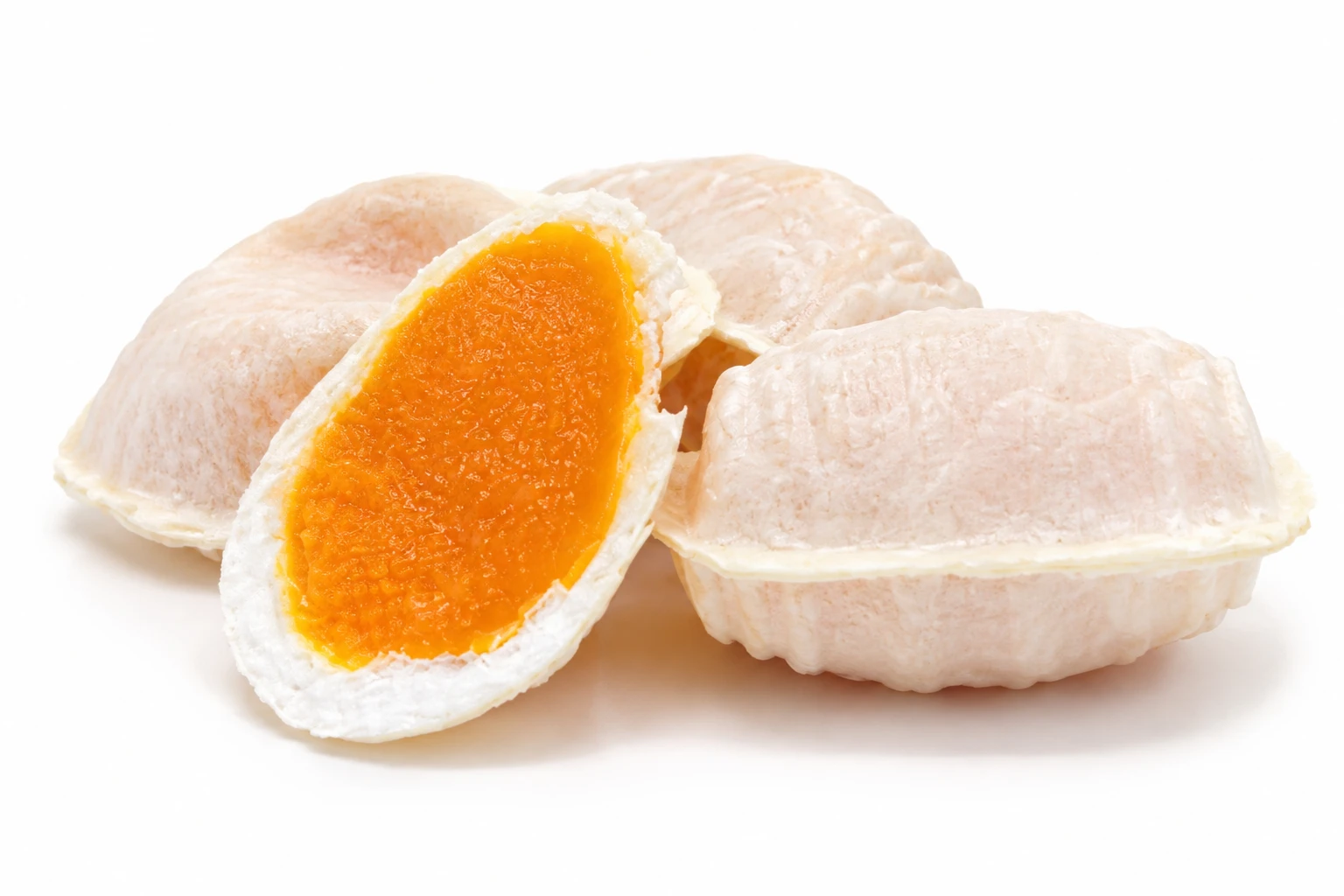
Sweet of egg yolks and sugar syrup, served in painted wooden barrels or inside wafers shaped like sea motifs. It was the first Portuguese sweet with a protected geographical indication under European law.
Traditional sweet from Aveiro, Aveiro
Also known as: Ovos Moles de Aveiro, ovos-moles
Illustrative images. The pictures in this guide are illustrations based on the real place, not photographs, and may differ from it.
Click a photo to enlarge it.
Ovos moles de Aveiro — Aveiro, Portugal
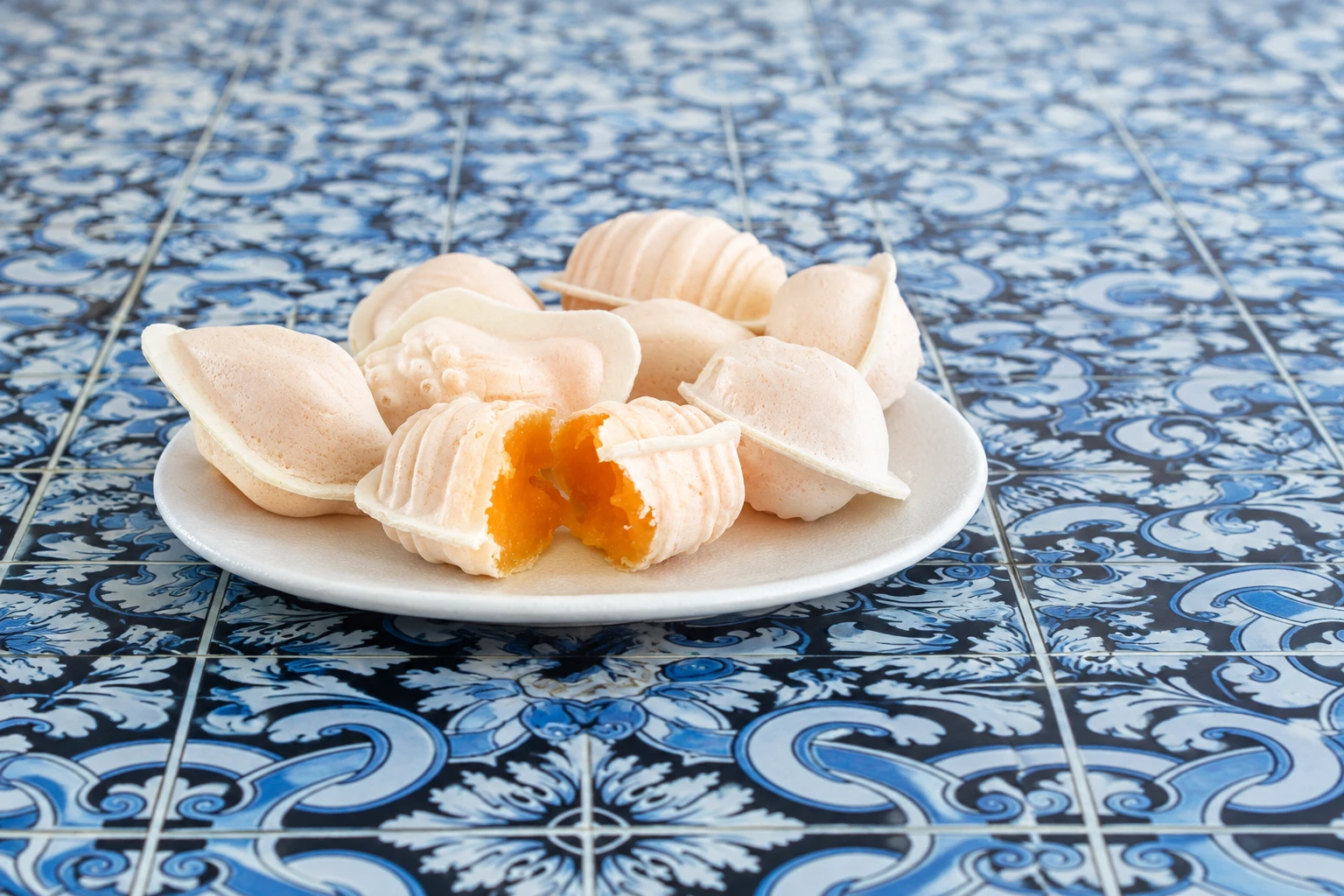
Ovos moles de Aveiro are a thick cream made from raw egg yolks cooked in a sugar syrup. They range in color from yellow to orange, have a soft sheen and a yolk-and-sugar flavor with notes reminiscent of caramel. The texture is creamy but firm.
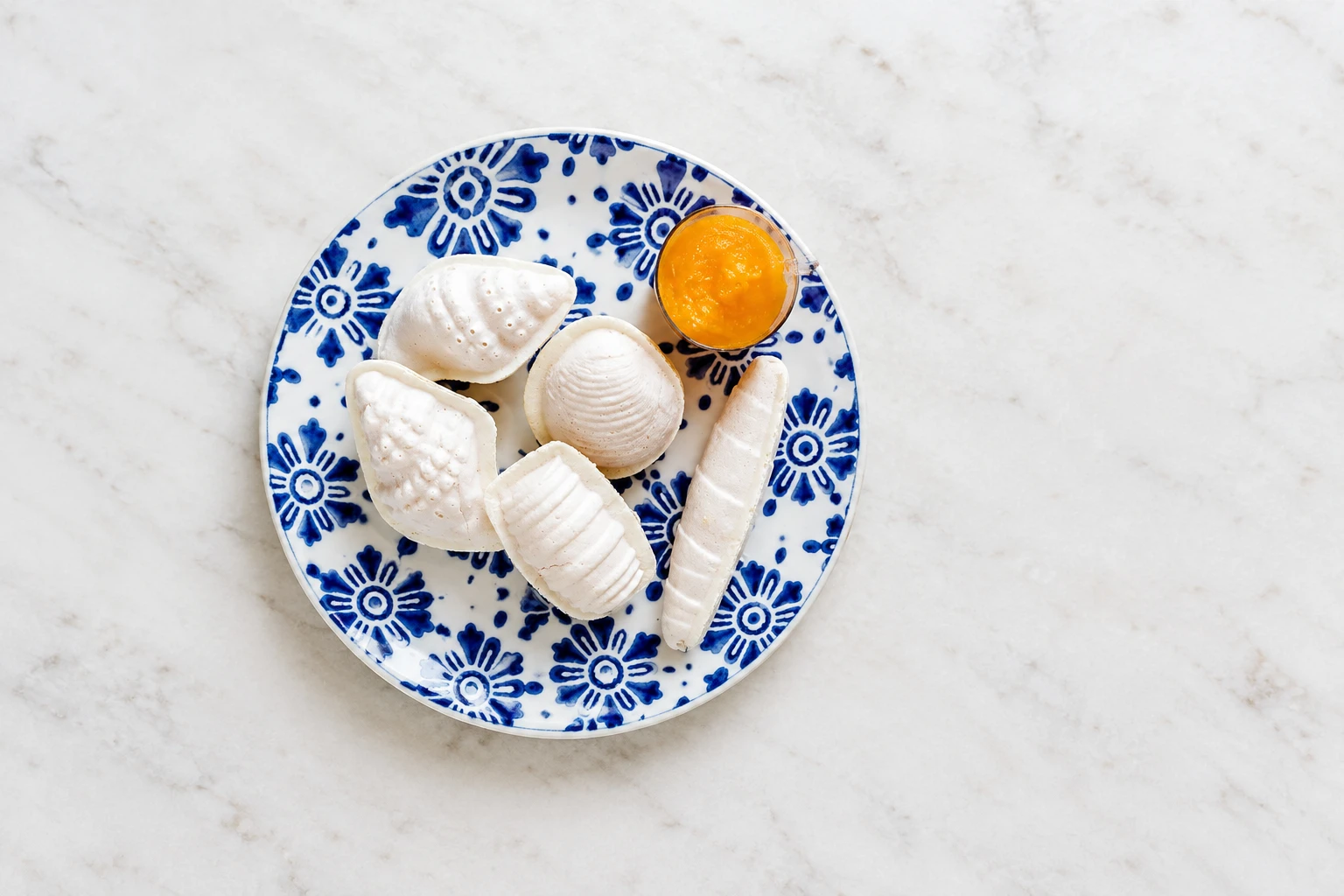
The presentation is the most striking feature. The sweet may come in small wooden or porcelain barrels, painted with motifs from the Ria de Aveiro such as the moliceiro boat, and is eaten with a spoon. Or it is wrapped in a wafer, the same thin flour dough used in churches, pressed into molds shaped like sea shells, conches, fish and other marine motifs.
The origin lies in the convents of Aveiro. Carmelite, Franciscan and Dominican nuns made the sweet until the suppression of religious orders in the 19th century; afterwards, the women who had learned from them kept the recipe alive. The protection application for the sweet cites a 1502 document in which King D. Manuel I granted sugar from Madeira to the Convent of Jesus in Aveiro for confectionery.
In 2009, Ovos Moles de Aveiro were entered in the European register of protected geographical indications. Only producers from the municipalities around the Ria de Aveiro who follow the specification book, using eggs from the same region, may use the name.
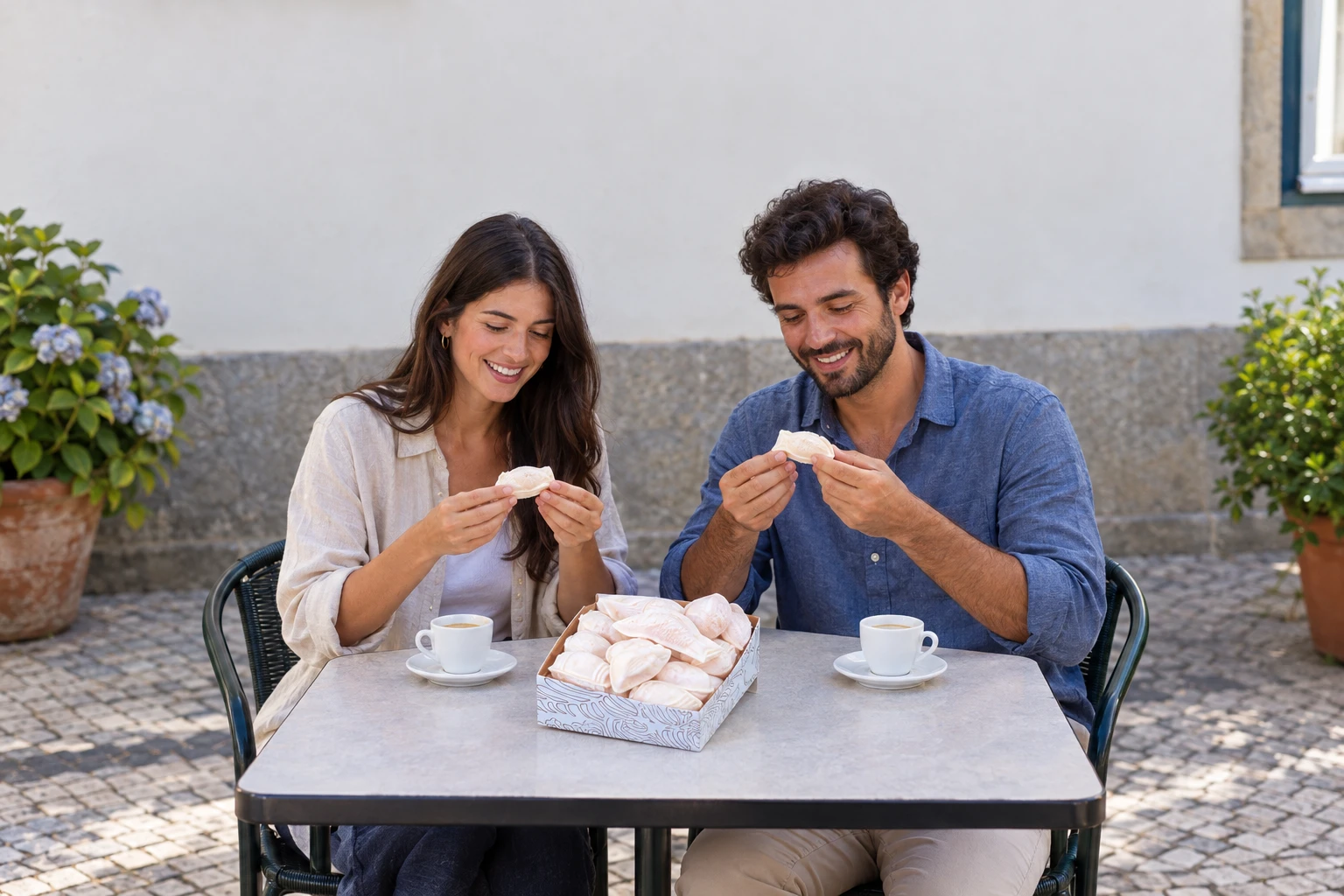
In barrels, they are eaten with a small spoon; in wafers, with the hands, in one go or in two bites. They are a common gift from visitors to Aveiro.

Aveiro , Aveiro
Conventual sweet from Aveiro, with protected geographical indication; the production area is the municipalities around the Ria.
Raw egg yolks and sugar syrup. Wafer (flour and water) in the molded versions; may have a thin coating of syrup or chocolate on the outside.
In the barrel, with a spoon; in the wafer, with the hands. At room temperature, served as a dessert or snack sweet.
All year round. Traditionally offered at weddings, baptisms and celebrations.
Your questions
A sweet of raw yolks cooked in sugar syrup, served in painted wooden barrels or inside wafers shaped like shells, conches and fish.
Yes. They have a protected geographical indication since 2006: only producers from the municipalities around the Ria de Aveiro who follow the rules can use the name.
Those in barrels are eaten with a small spoon; those in wafers, with the hands. They are dessert or snack sweets and a common gift from visitors to Aveiro.

Flavors of Portugal

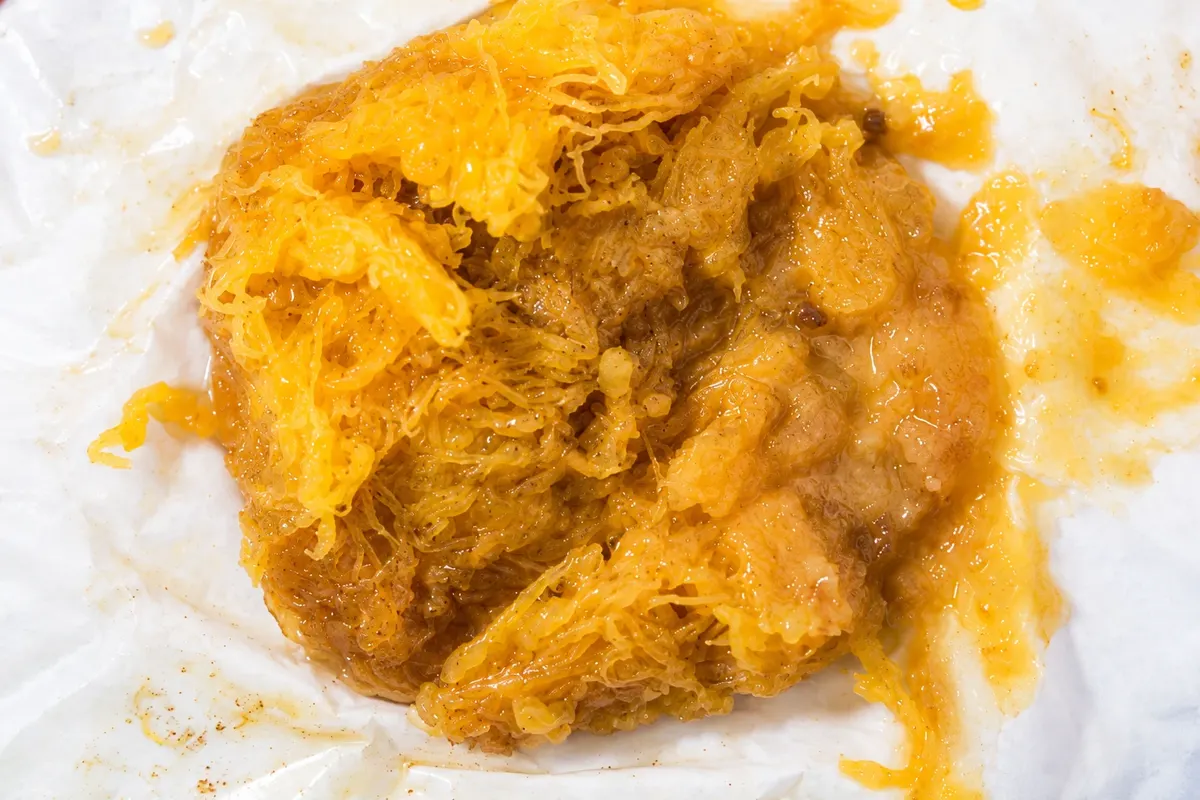
Stew of meats, sausages and vegetables cooked for hours in a pot buried next to the Furnas hot springs, using only the volcanic heat of the ground. A tradition from the island of São Miguel in the Azores.

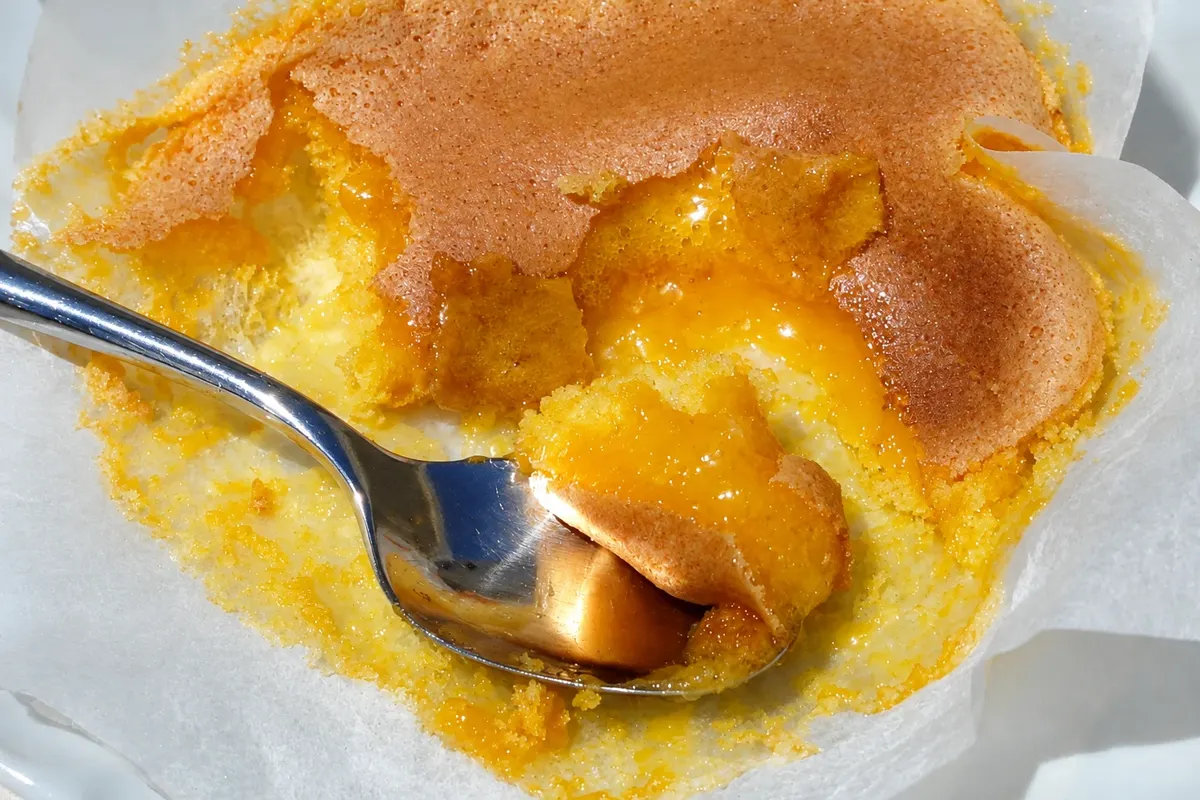
Very moist sponge cake with an almost liquid center, eaten with a spoon. Made in Alfeizerão, in the municipality of Alcobaça, it is the region's best-known sweet according to Turismo de Portugal.

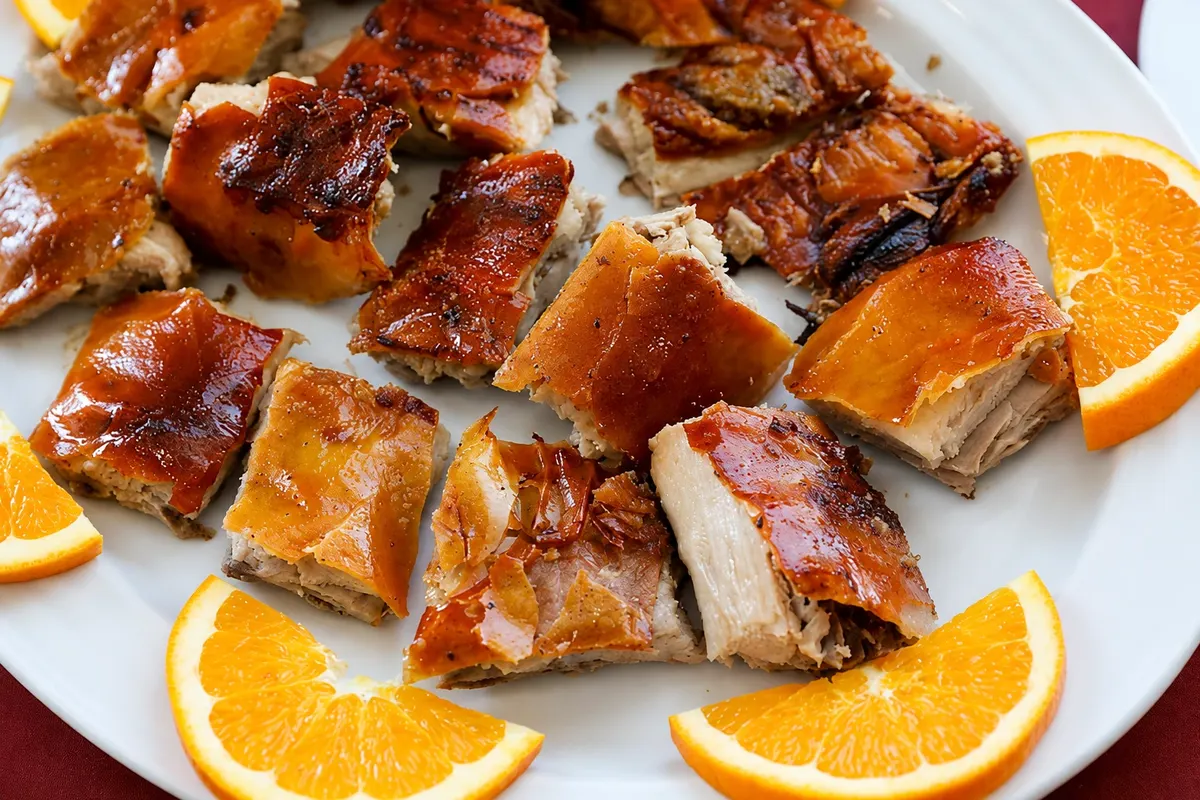
Suckling pig of one to one-and-a-half months, seasoned with garlic and pepper and roasted whole in a wood-fired oven until the skin becomes thin and crispy. Specialty of the Bairrada, centered in Mealhada, in the district of Aveiro.

Pudding of egg yolks, sugar and Port wine, with an unexpected ingredient: bacon. It was created in the 19th century by the abbot of Priscos, a parish of Braga, who was a banquet cook for the court.

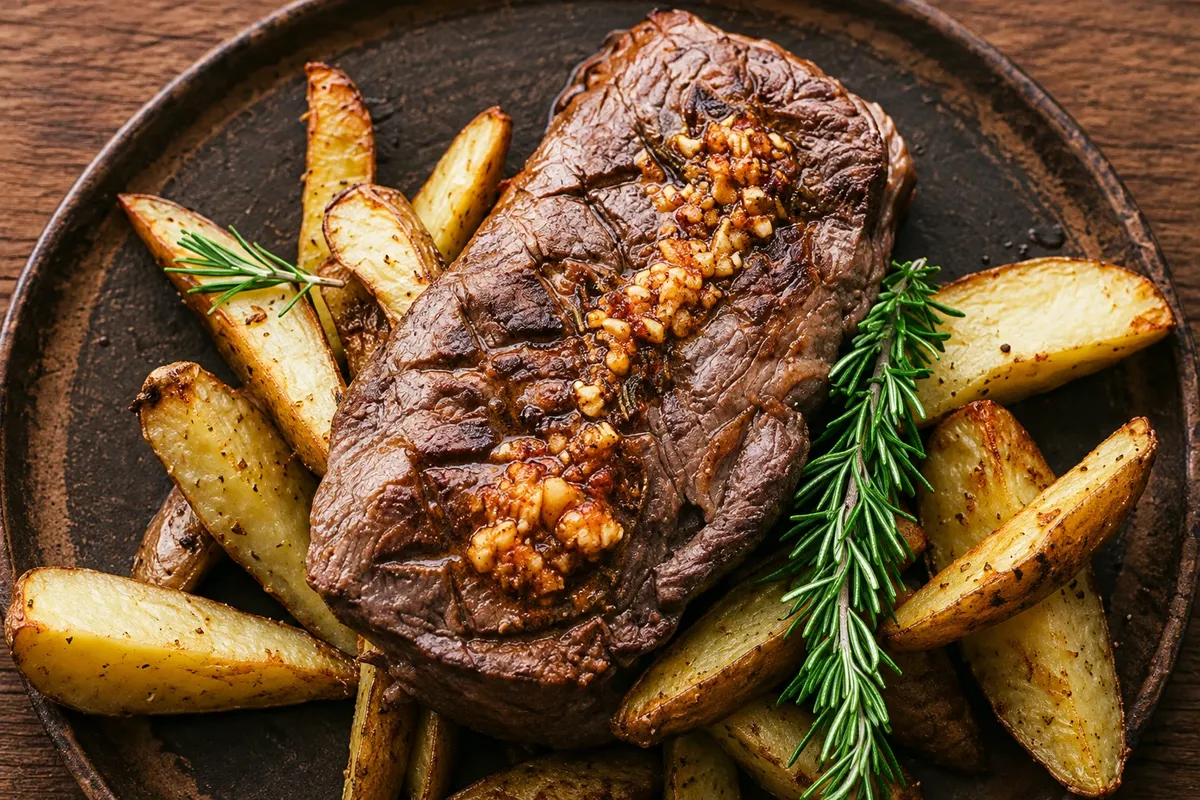
Thick cut of Mirandesa-breed beef grilled over charcoal with only coarse salt. Turismo de Portugal identifies it as typical of the Miranda do Douro region, in the district of Bragança.

Meat from an old goat marinated in red wine with garlic and bay leaf and cooked for hours in a clay pot in a wood-fired oven. A dish from the mountain ranges of the Coimbra district, where Miranda do Corvo and Vila Nova de Poiares compete for the title of capital.

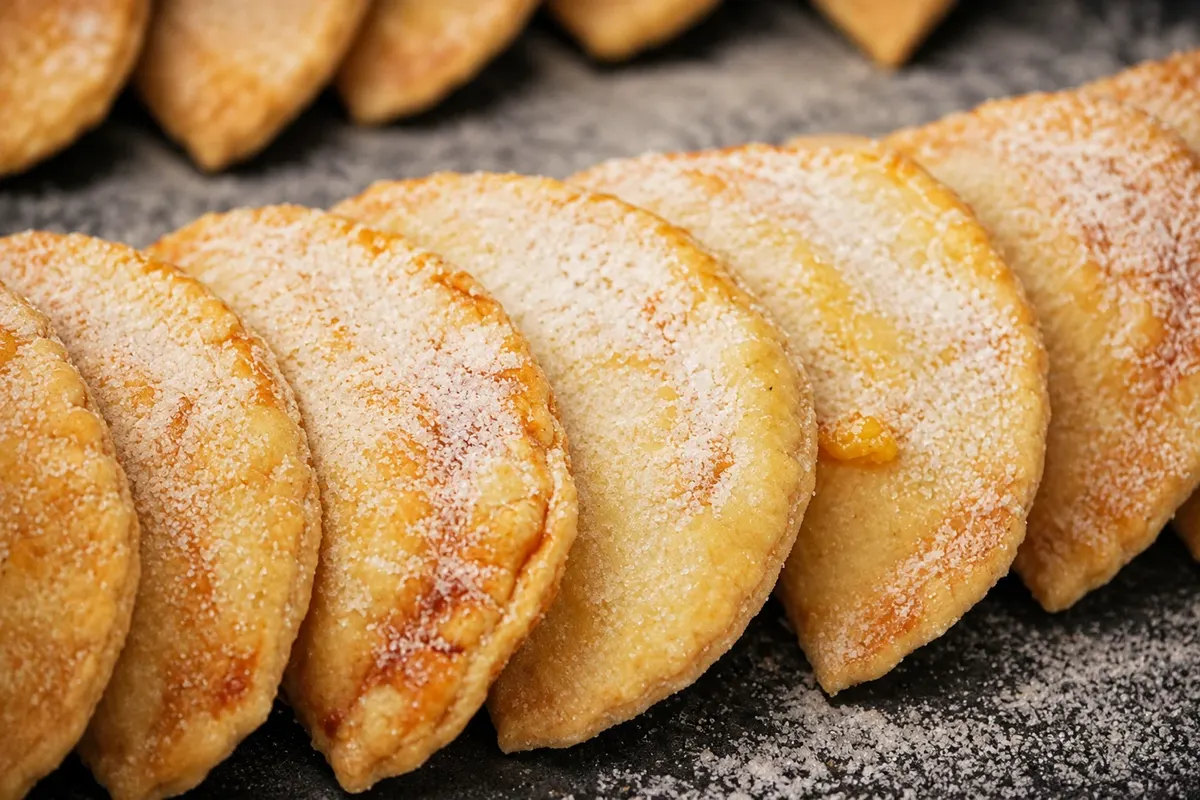
Half-moon of very thin pastry, baked in the oven, filled with a sweet made from egg yolks and almond. A convent sweet associated with the Mosteiro de Santa Clara, on the banks of the Mondego, in Coimbra.

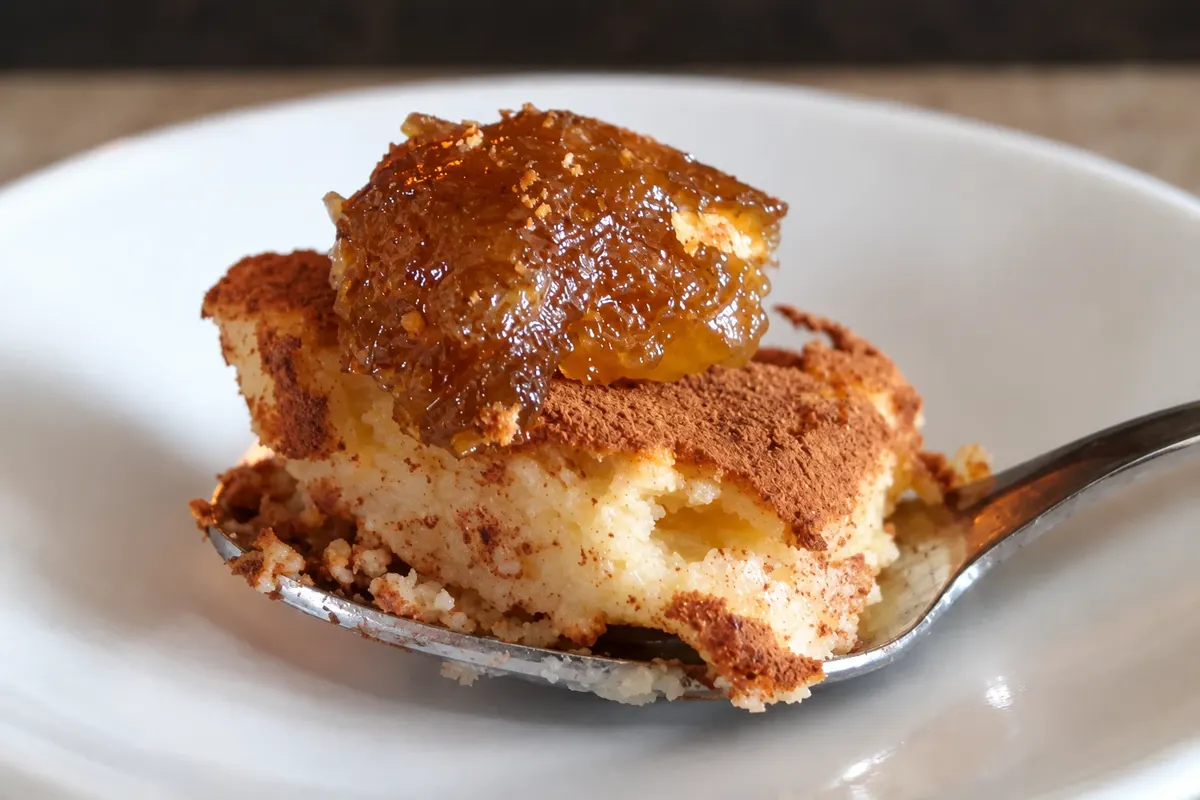
Sweet made from egg yolks, milk, flour and cinnamon, baked in a clay dish until it cracks, served with Elvas plums in syrup. Eating sericaia with Elvas plums is one of Turismo de Portugal's recommendations for the city.

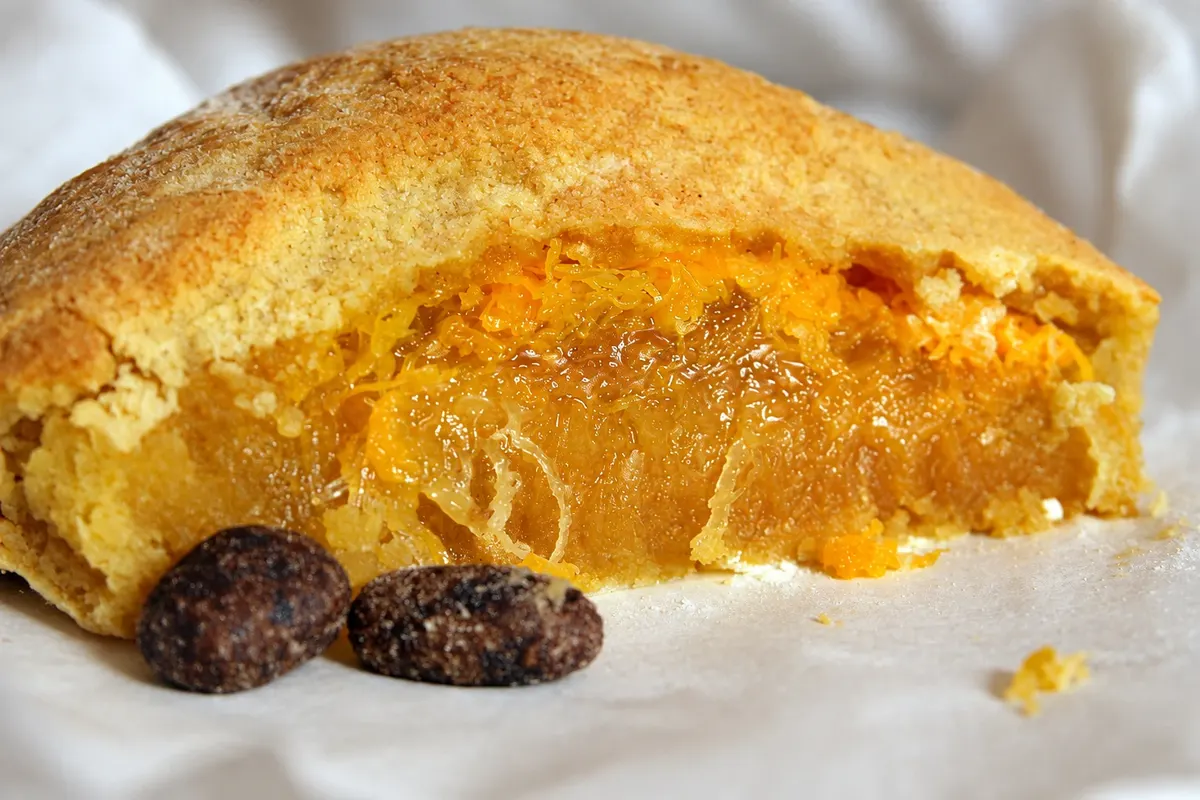
Almond paste sweet shaped like a loaf of bread, filled with egg sweet, chila and egg threads, served with marzipan olives. Created by the nuns of the Convento de Santa Helena do Calvário, in Évora.

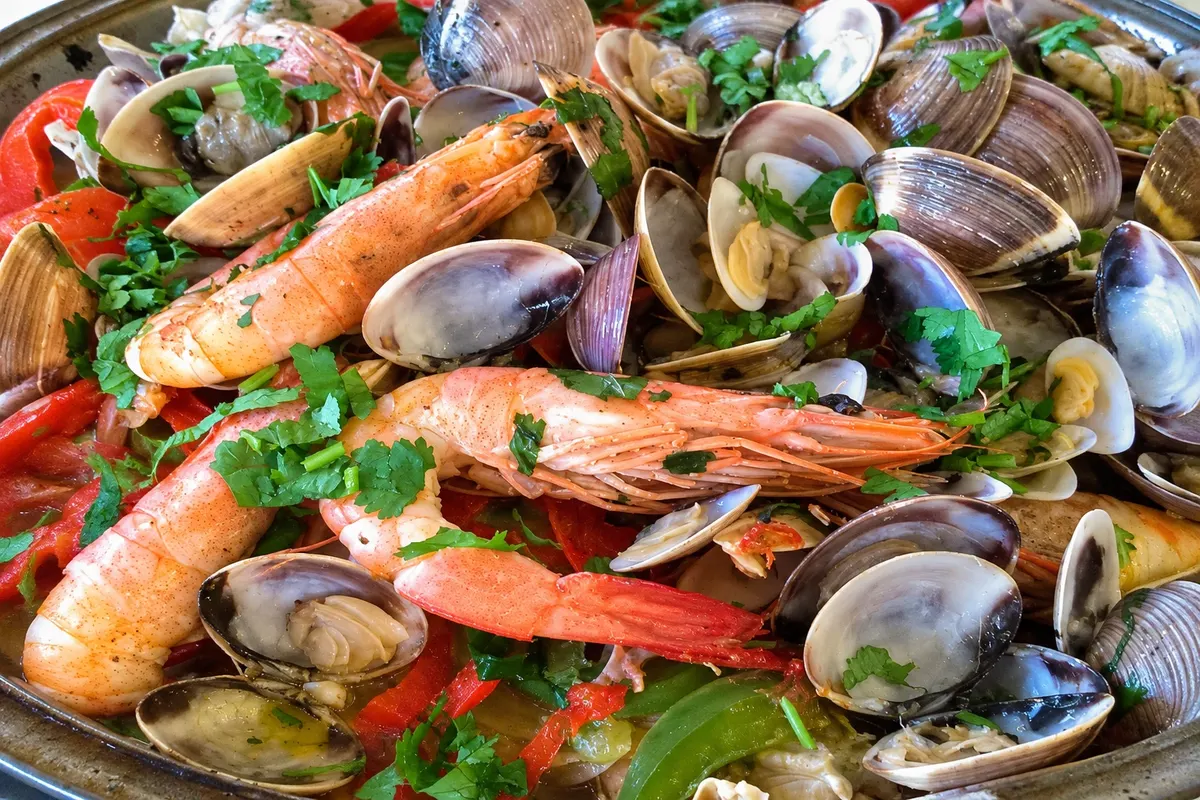
Shellfish, fish or meat cooked in the copper two‑shell vessel that closes. Turismo de Portugal highlights clams in the cataplana among the traditional dishes of the Algarve.

Half-moon of puff pastry filled with egg sweet, almond and chila, brushed with sugar syrup. A legacy of the nuns of the former Convento de Santa Clara, now the seat of the Câmara de Guimarães.

Sweet made of egg threads, egg sweet, almond and cinnamon, wrapped in colored metallic paper. Tradition links its creation to the old Carmelite convent of Lagos, in the Algarve.

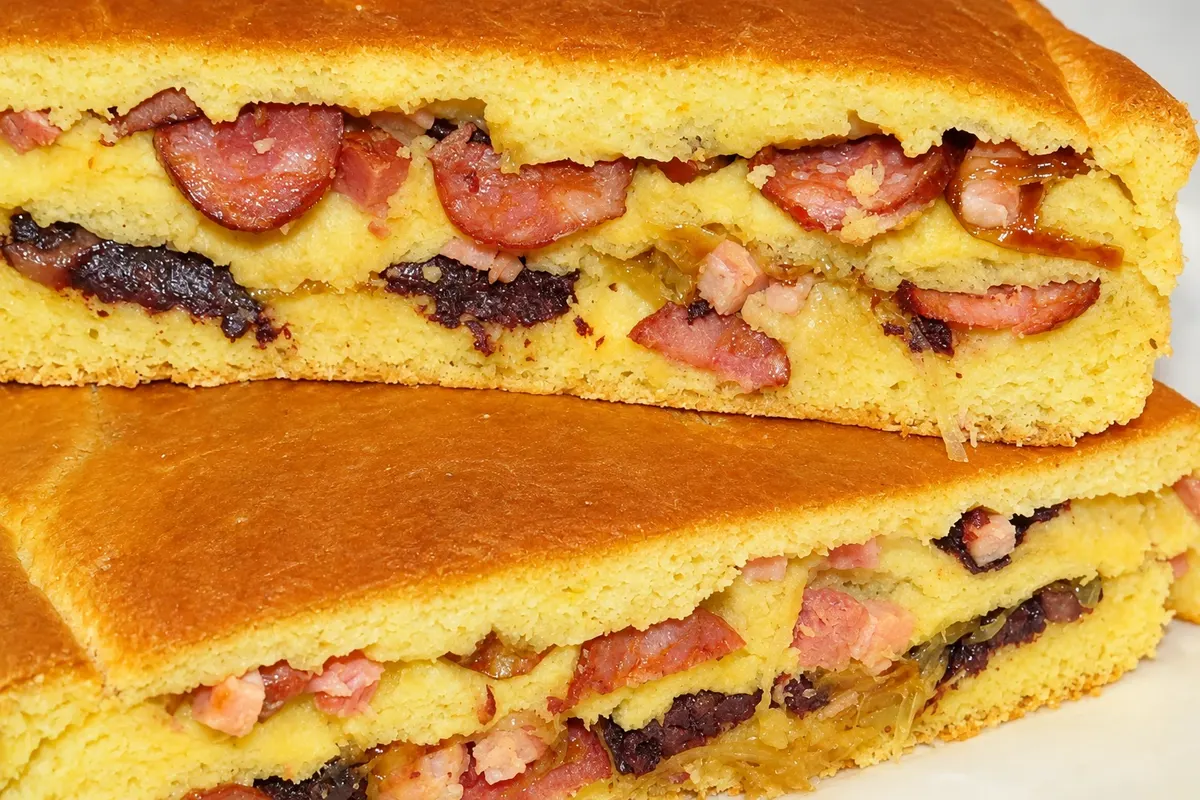
Leavened bread dough filled with ham, salpicón, meat in vinha-d'alhos or cod, baked in a wood-fired oven. It is the specialty that Turismo de Portugal recommends trying in Lamego.

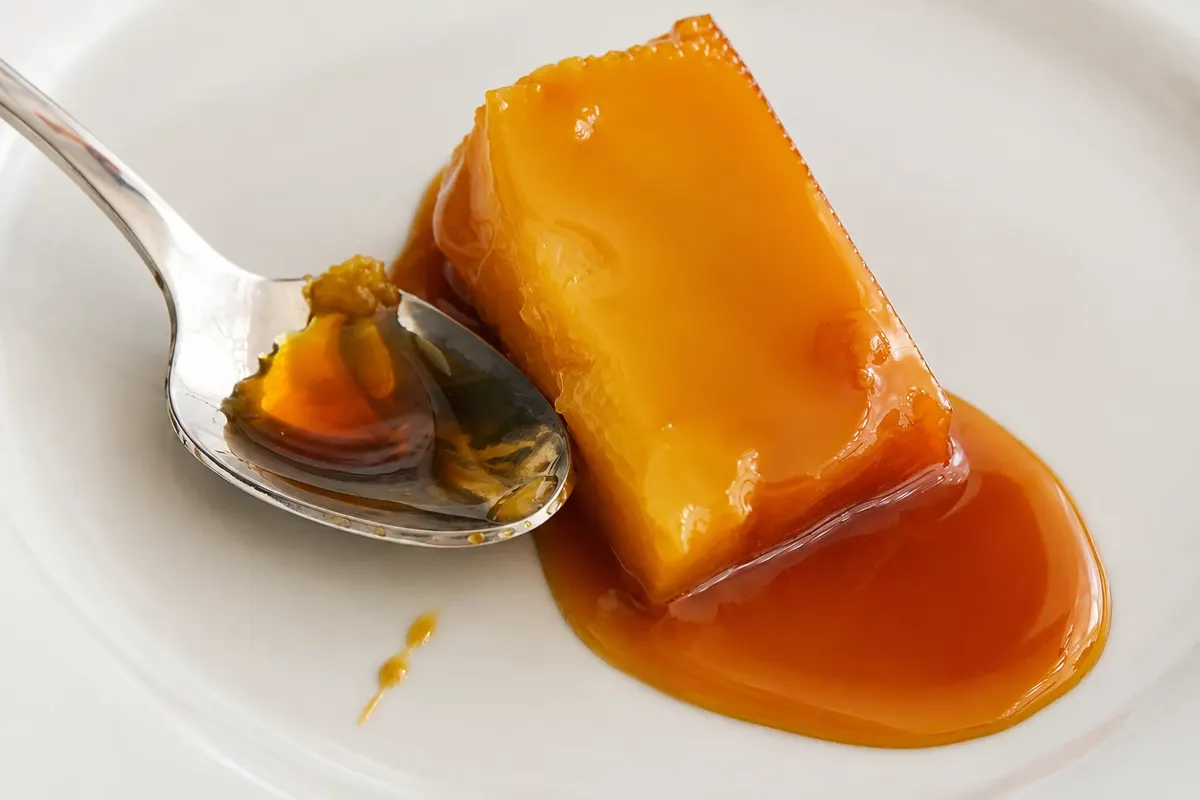
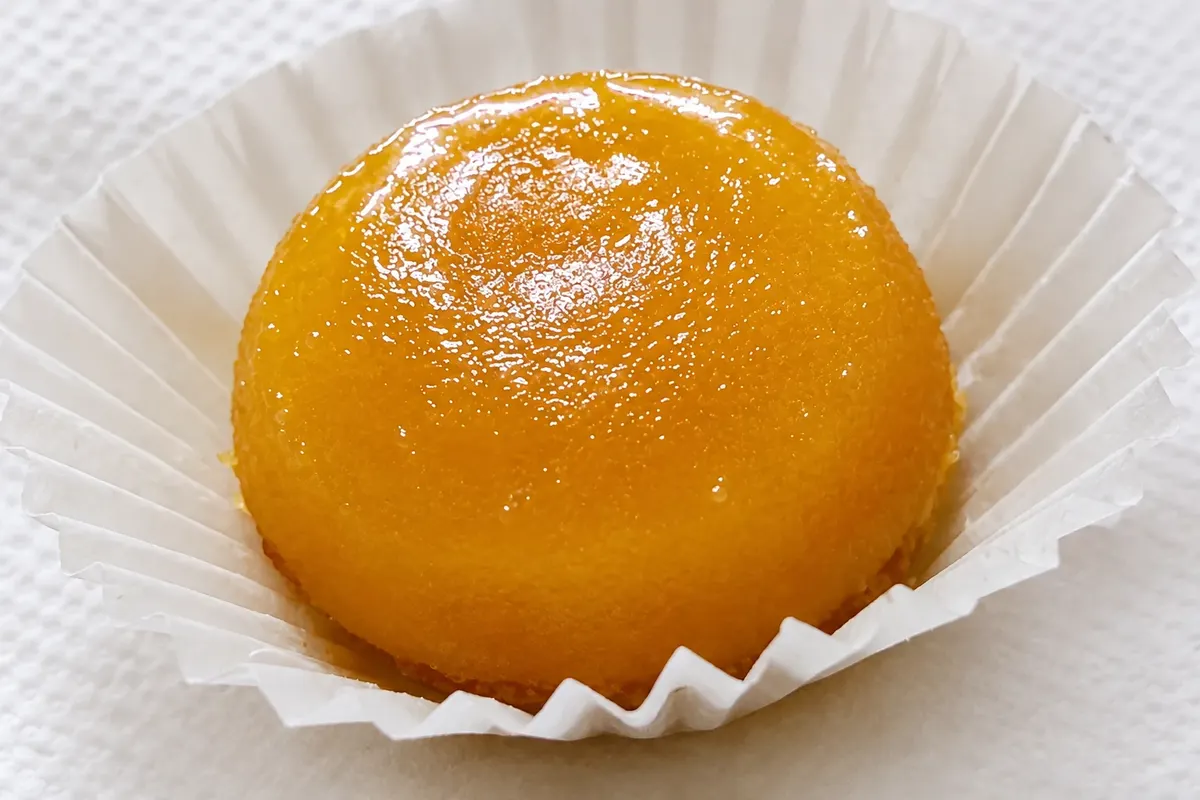
Small sweet made of eggs, sugar and almond, cooked in a bain-marie, soft and glossy. Emblematic of Leiria’s confectionery, listed in the official catalogue of traditional products.

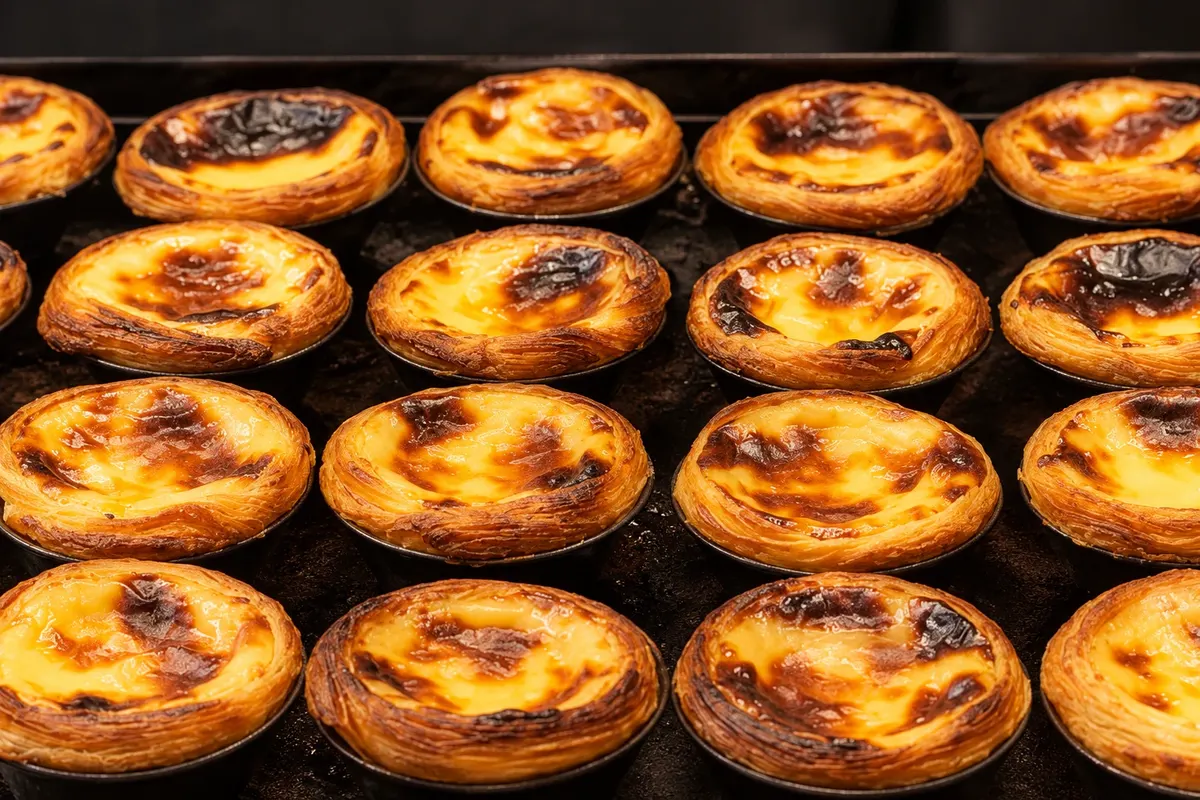
Pastry made with puff pastry filled with an egg-yolk, milk and sugar custard, eaten hot with cinnamon. Lisbon's official tourism presents it as the city's most emblematic sweet.

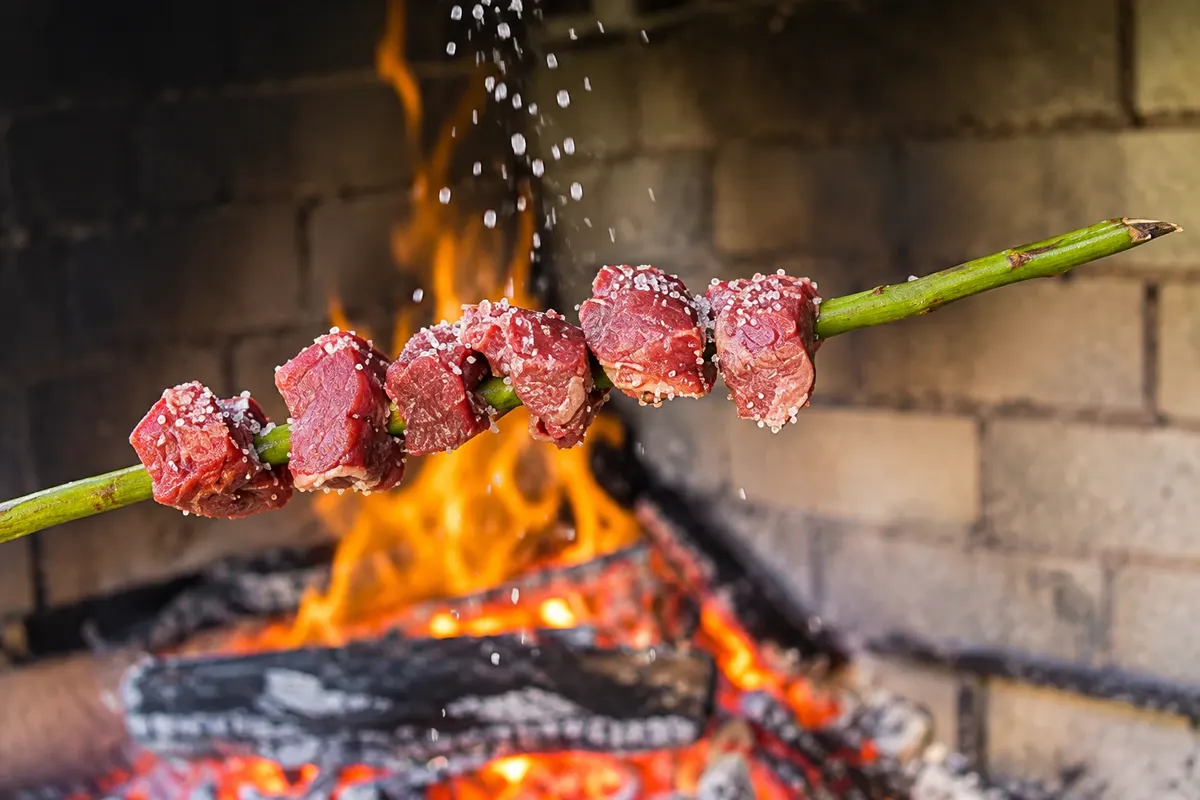
Pieces of beef seasoned with garlic, coarse salt and bay leaf, skewered on laurel sticks and grilled over embers. It is one of the most emblematic dishes of Madeira’s traditional cuisine, present at festivals and gatherings.

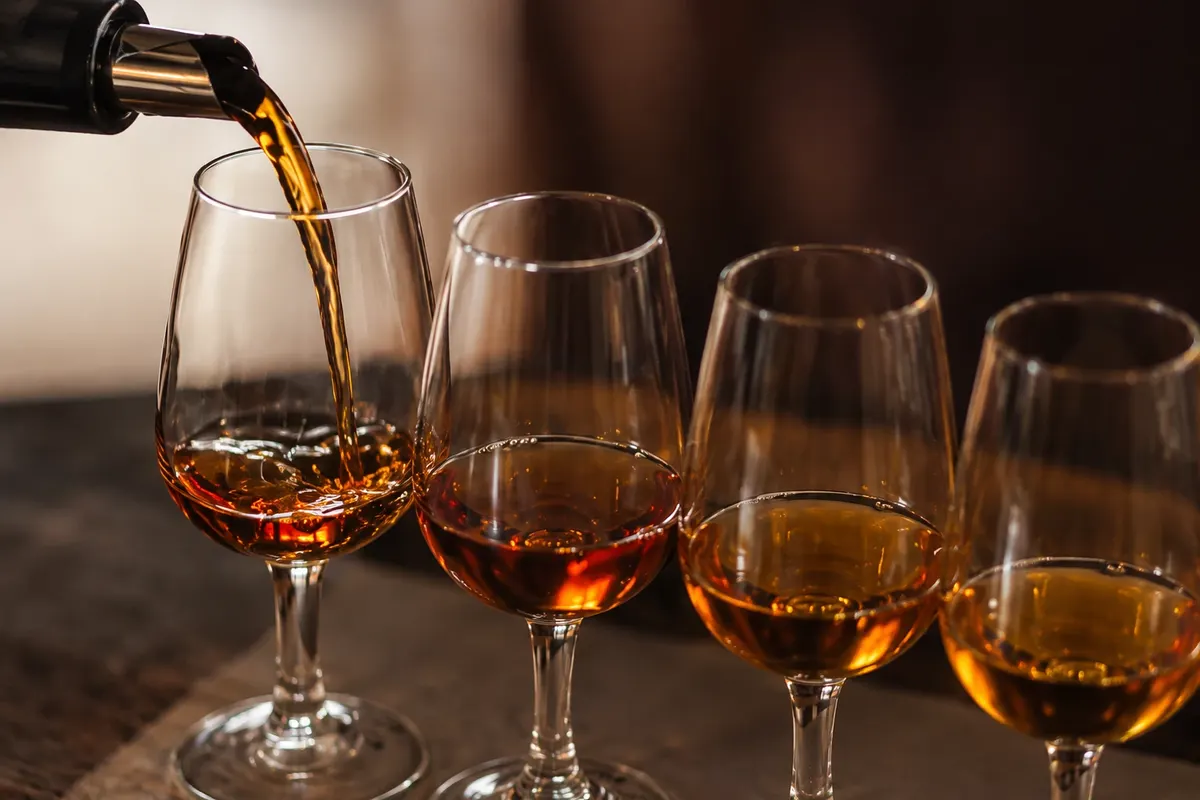
Fortified wine from the Madeira designation of origin, made from grapes grown on terraced vineyards on volcanic soil and aged with heat, either by estufagem or in casks. It has been exported for centuries.

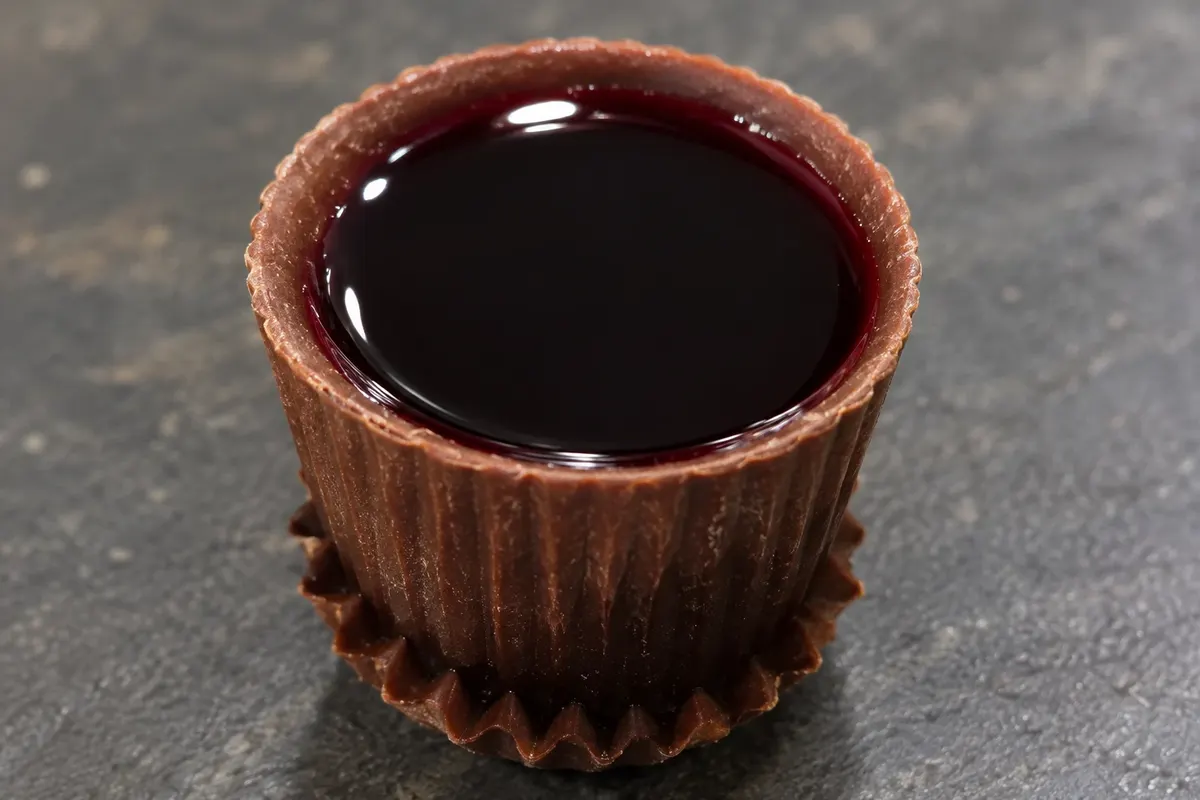
Ginja liqueur, an acidic cherry from the region, served in small chocolate cups that are eaten afterwards. Tasting ginjinha in a chocolate cup is one of the things Turismo de Portugal recommends in Óbidos.

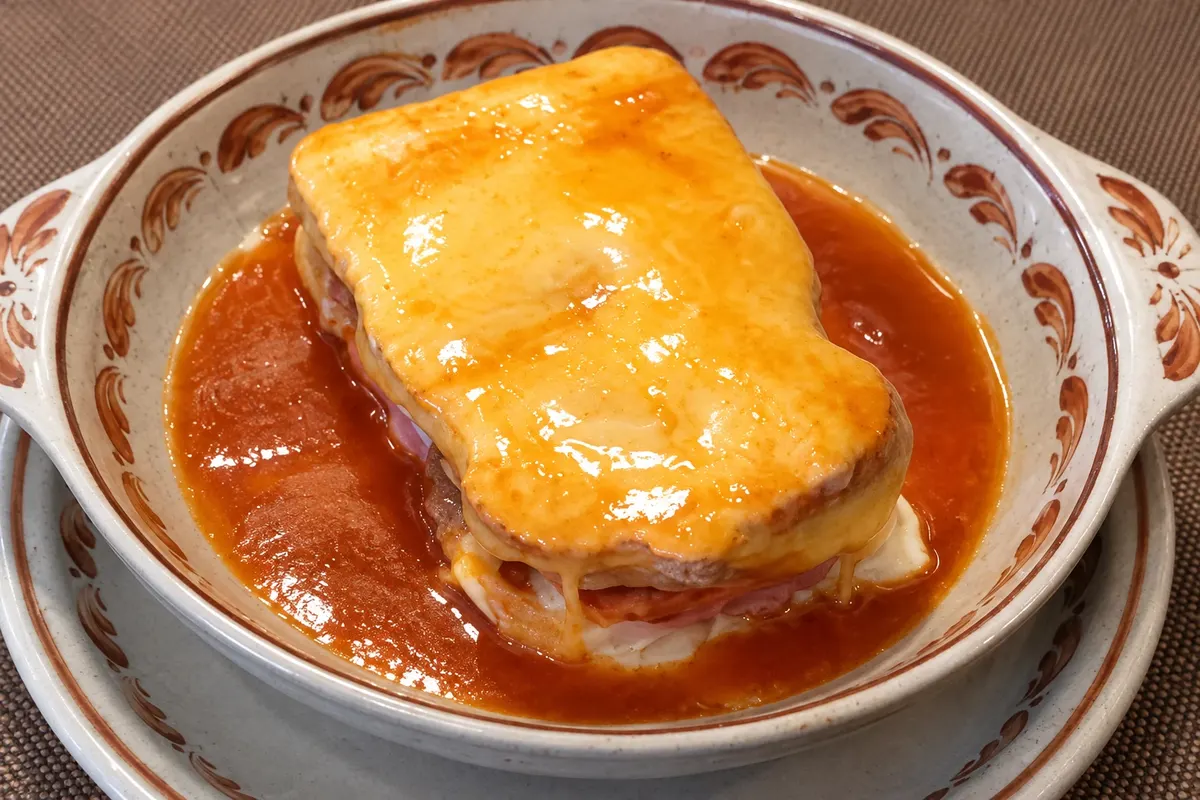
Sandwich made with sliced sandwich bread and meats, topped with melted cheese and bathed in a hot tomato-and-beer sauce. It originated in Porto in the 20th century and is a common sight in the city's cafés.

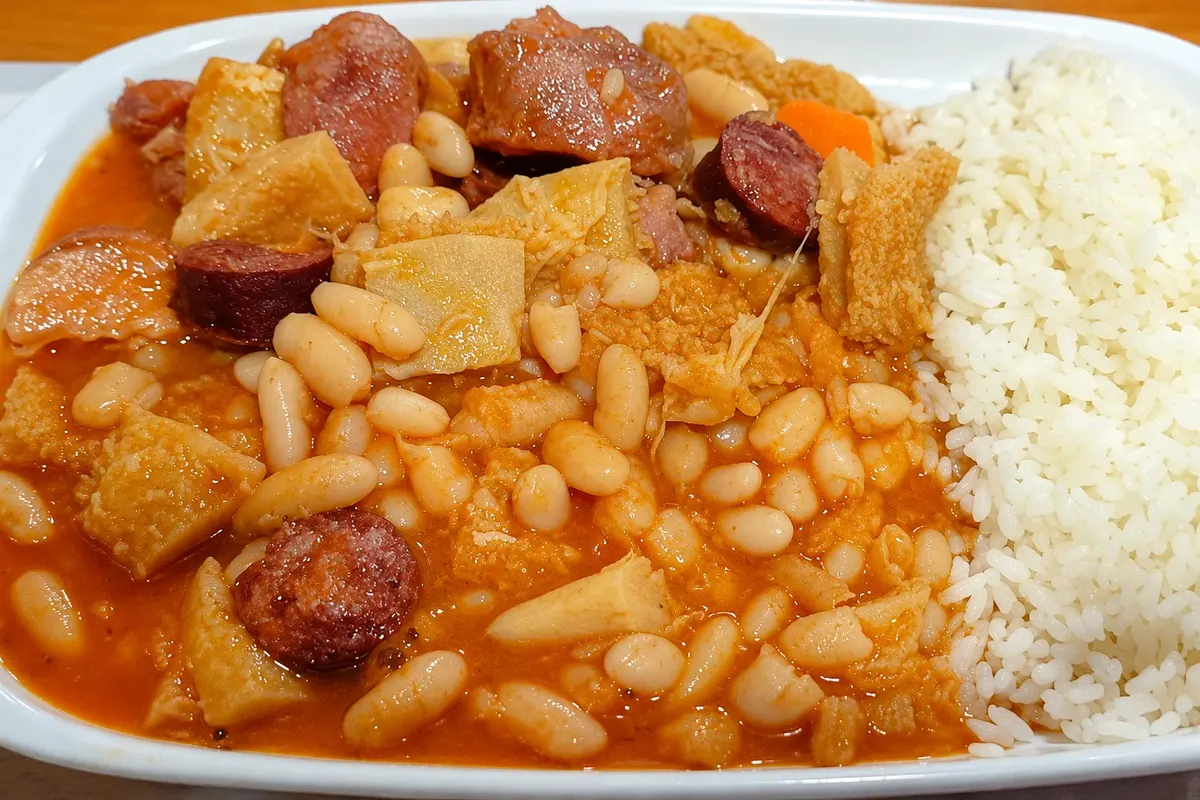
Veal tripe stew with cured meats, white beans and carrot, served with rice. It is a historic Porto dish and the reason people from Porto are called tripeiros.

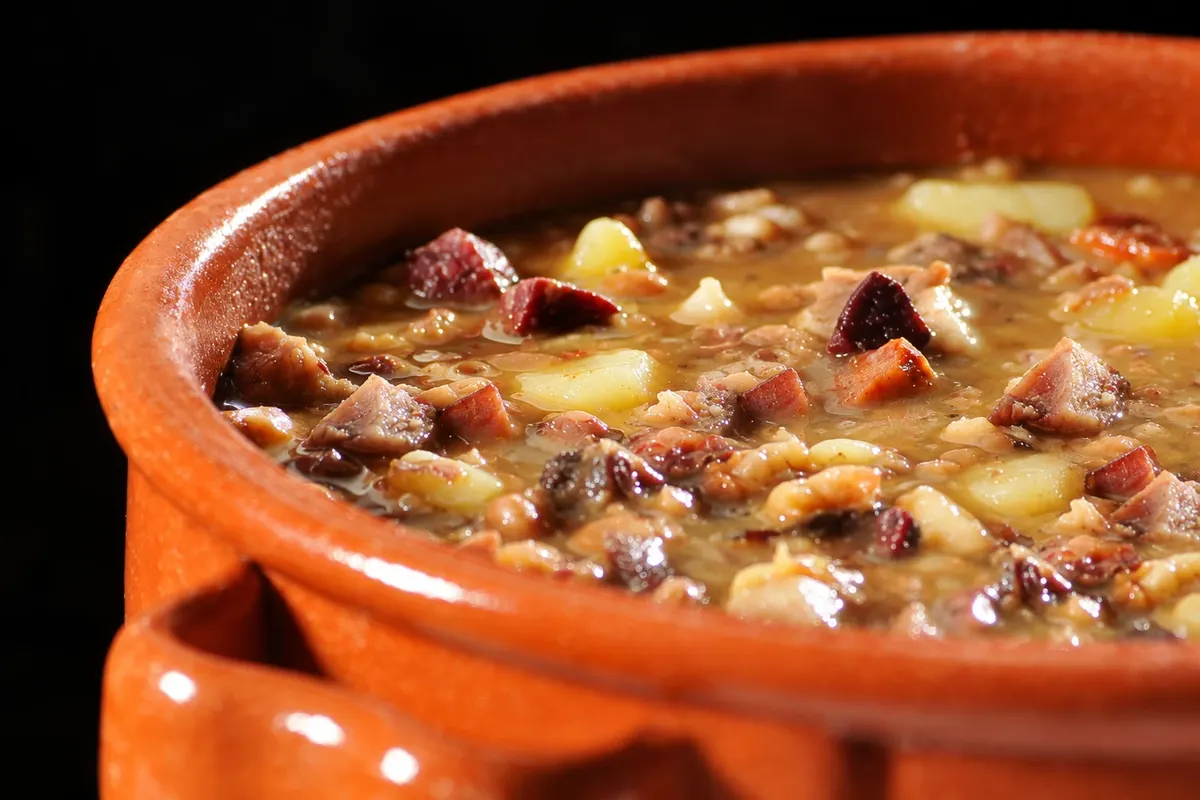
Hearty bean soup with pork and beef cuts, sausages and vegetables, served with a stone at the bottom of the pot. It is a traditional specialty guaranteed by the European Union and associated with Almeirim, in the district of Santarém.

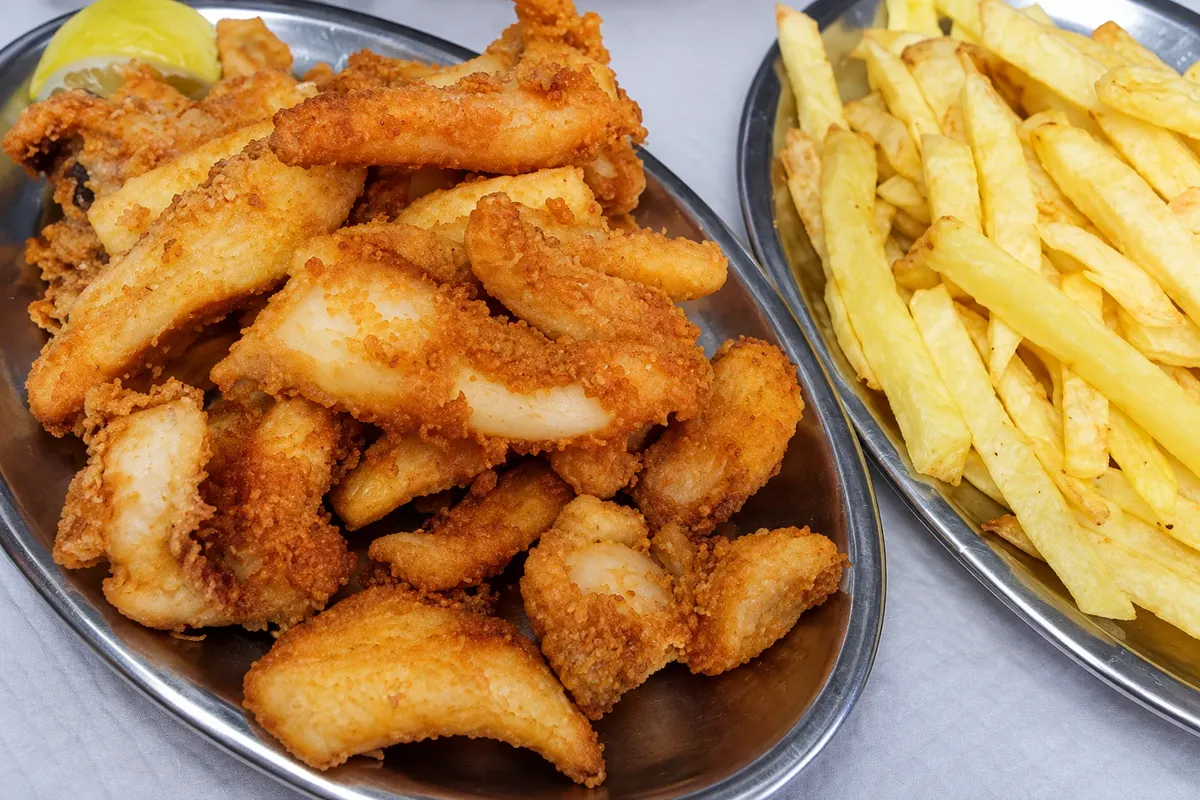
Strips of choco coated in flour and fried until golden, served with lemon and french fries. It is one of the dishes most associated with the city of Setúbal, where the City Council holds a gastronomic week dedicated to choco.

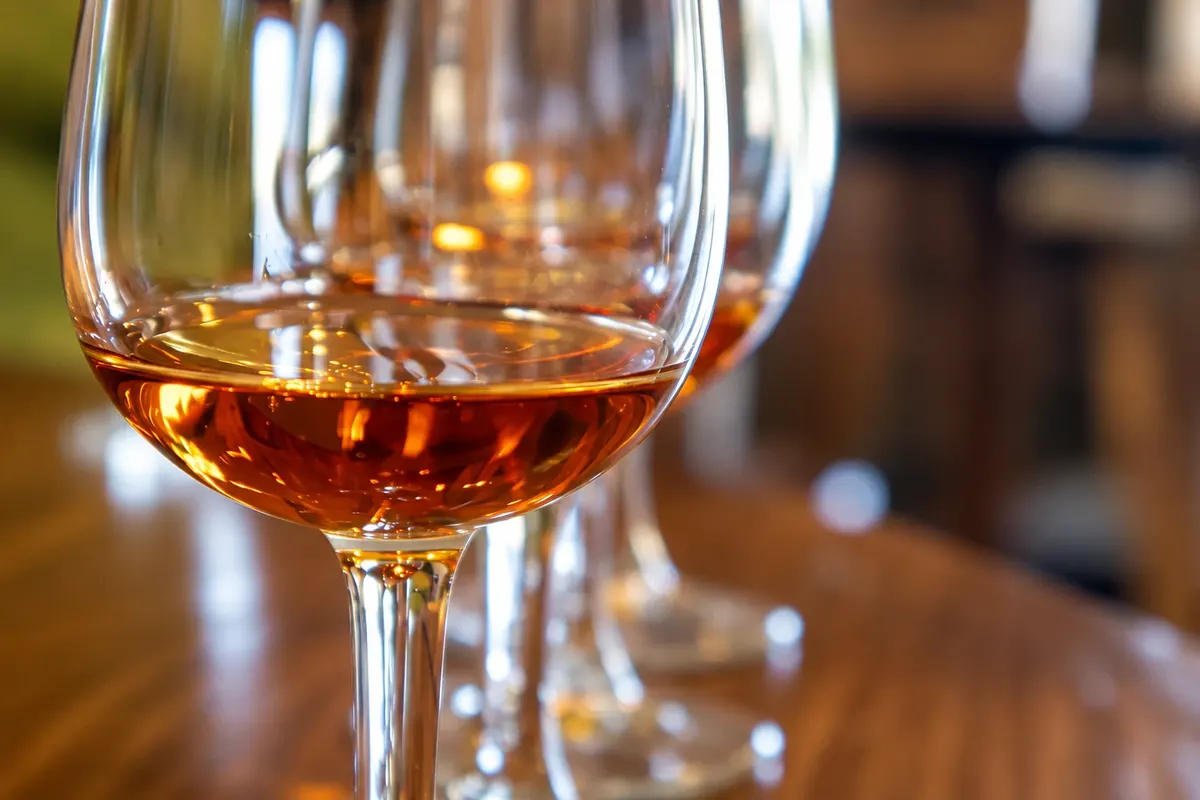
Fortified (liqueur) wine from Moscatel grapes, from the Setúbal designation of origin, with a demarcated region since 1907 in the municipalities of Setúbal, Palmela and Montijo and part of Sesimbra.

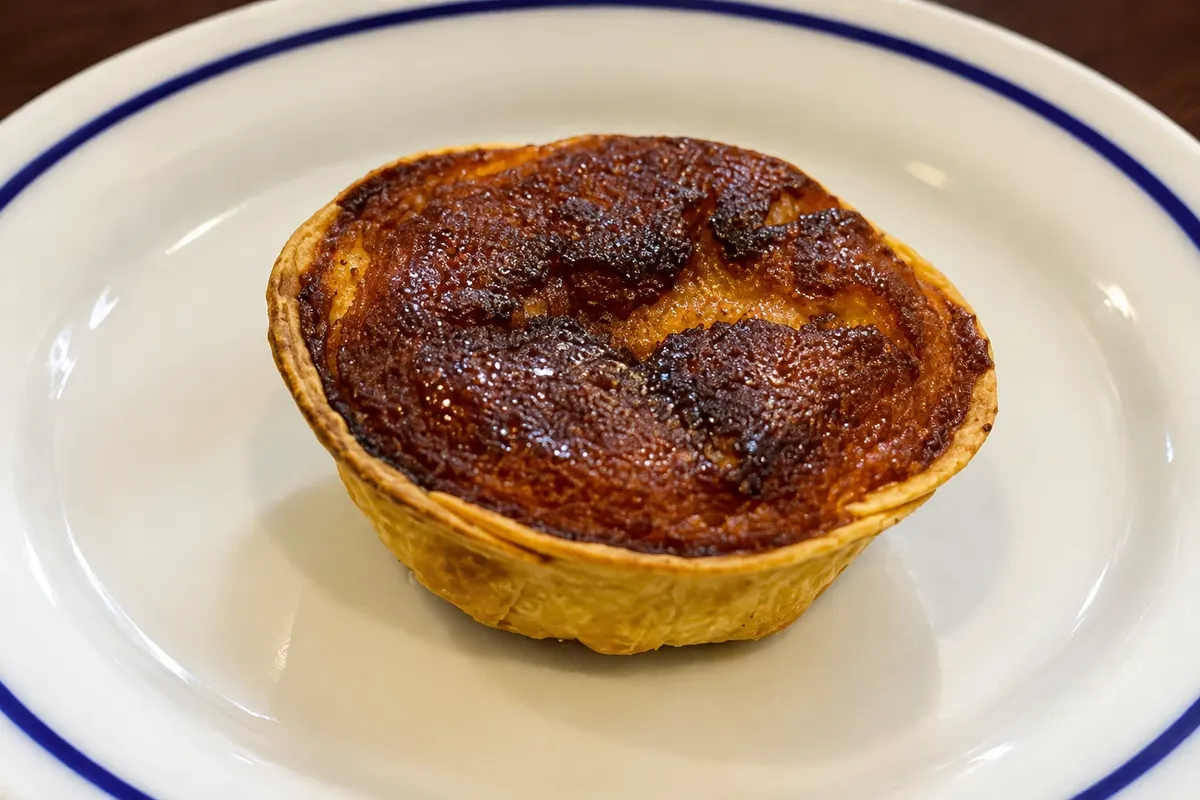
Small tart with a thin, crisp pastry filled with fresh cheese, egg yolks, sugar and cinnamon. The Câmara de Sintra presents it as the oldest sweet in the town's gastronomy.

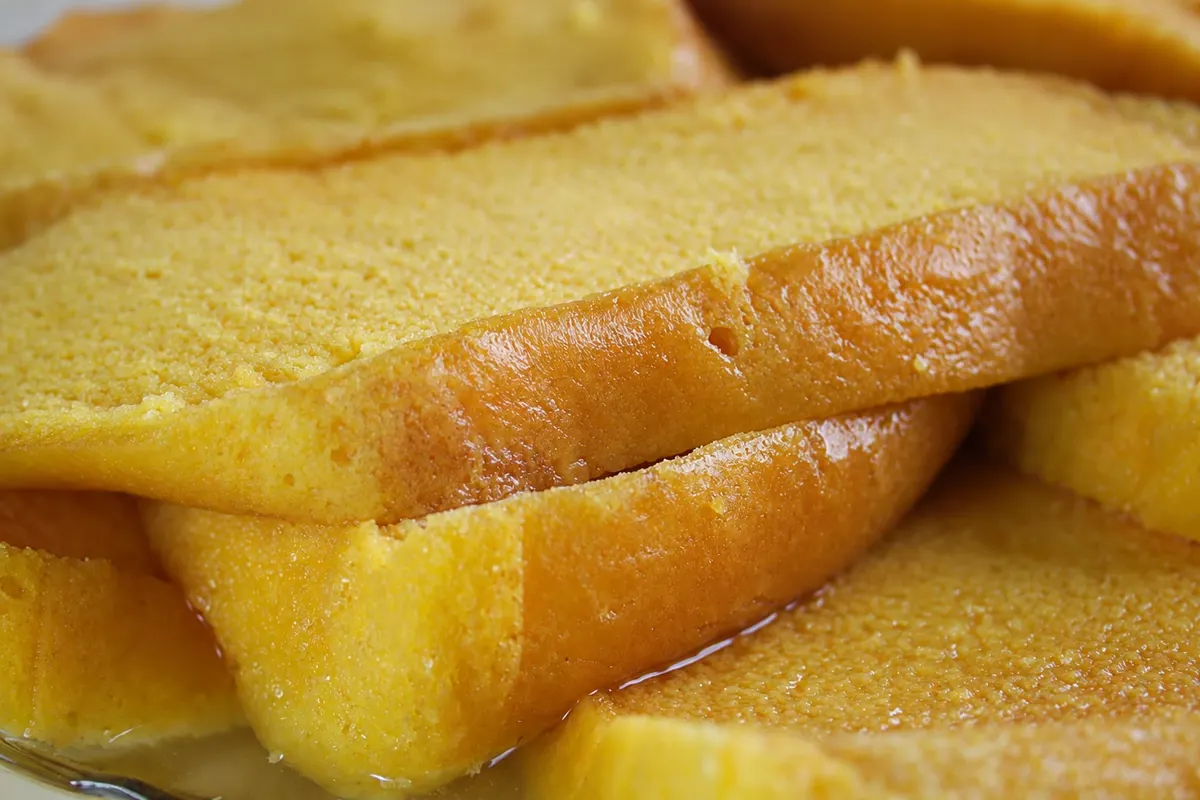
Slices of egg yolks beaten for a long time, cooked in a bain-marie in a special pan and soaked in sugar syrup. A convent sweet from Tomar, traditionally linked to the Convento de Cristo.

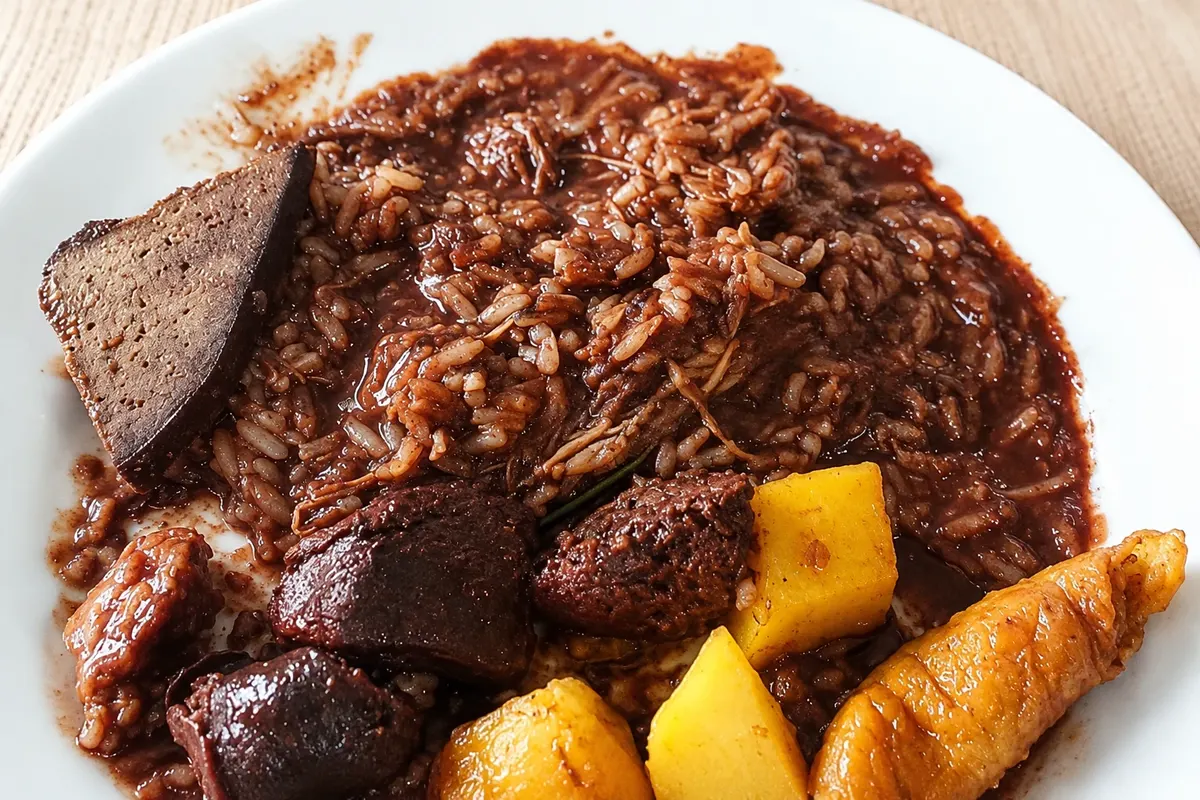
Rice cooked with pork, beef and chicken, pork blood and spices, served with rojões and sausages. The Municipality of Ponte de Lima, in the district of Viana do Castelo, calls it the hallmark of its gastronomy.

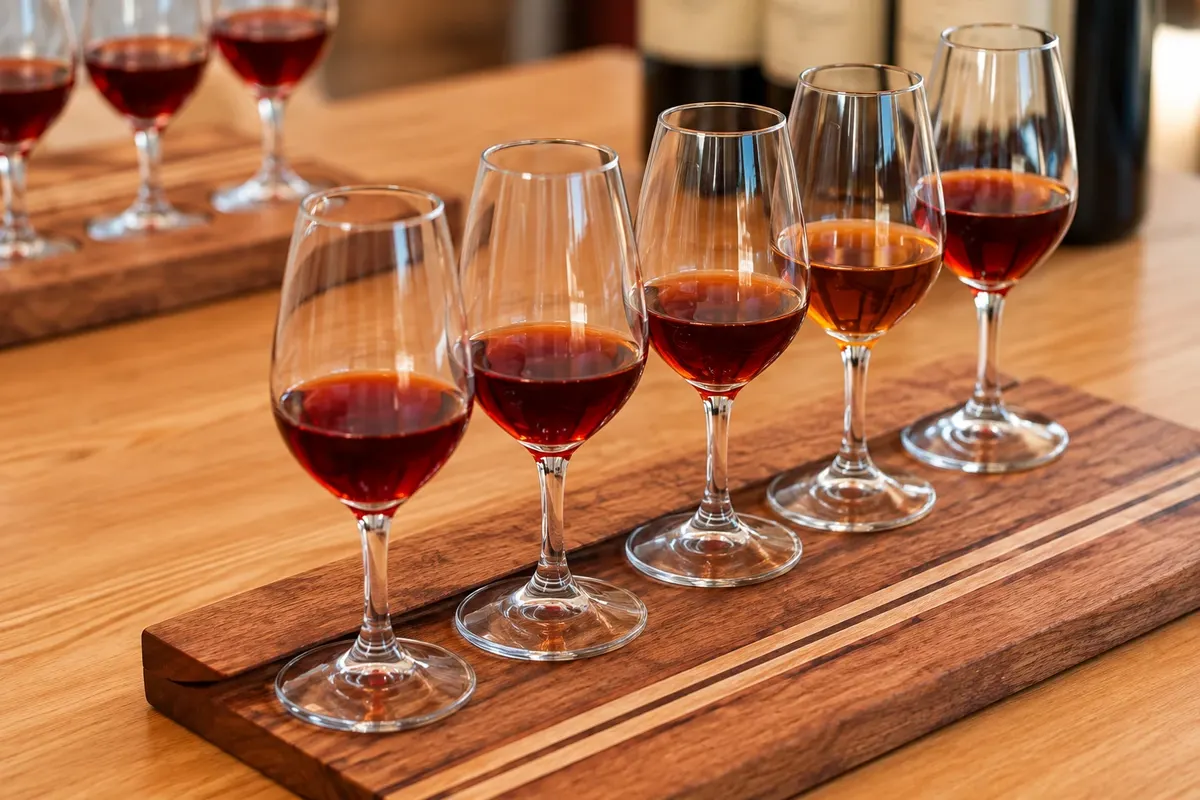
Fortified wine from the Porto denomination of origin, made with grapes from the Douro and linked to the cellars (caves) of Vila Nova de Gaia, where law concentrated the trade of this wine in 1926.

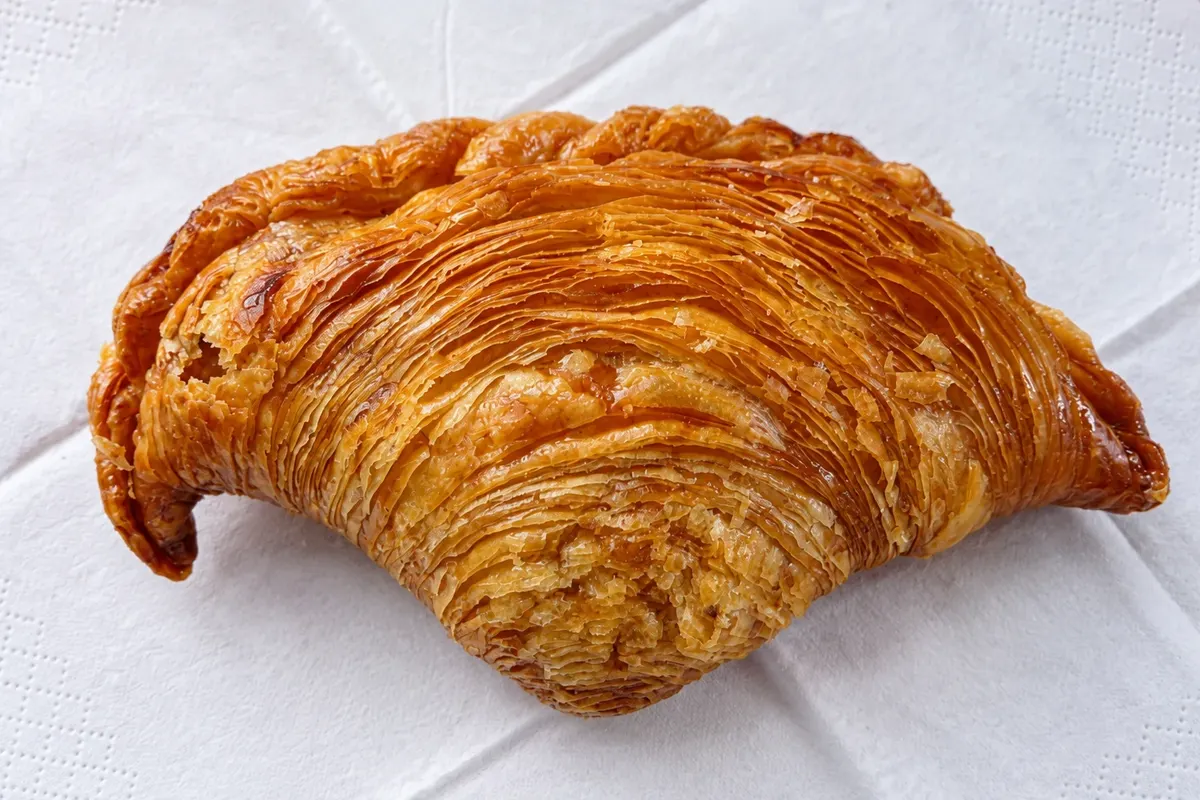
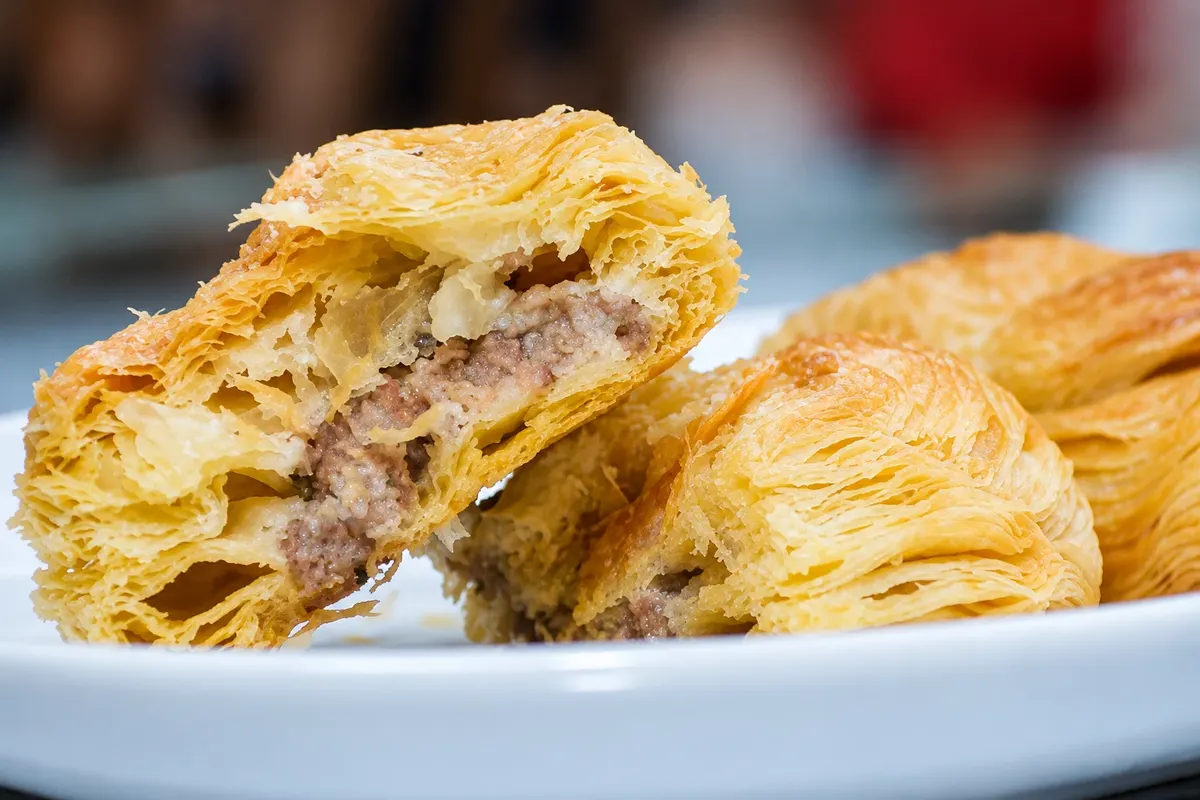
Crescent of crisp puff pastry filled with minced veal. It has a protected geographical indication from the European Union, with production restricted to the municipality of Chaves, in the district of Vila Real.