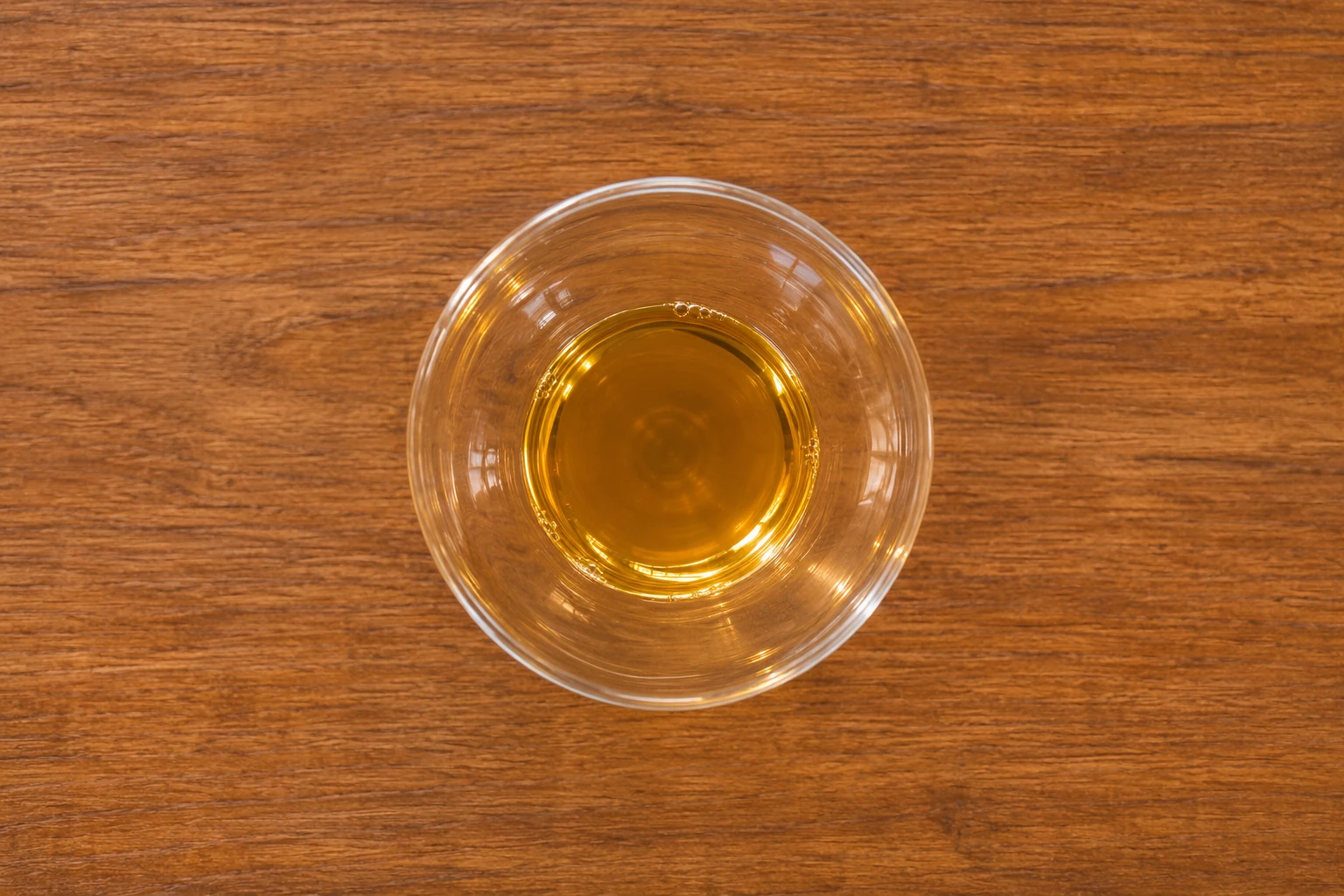
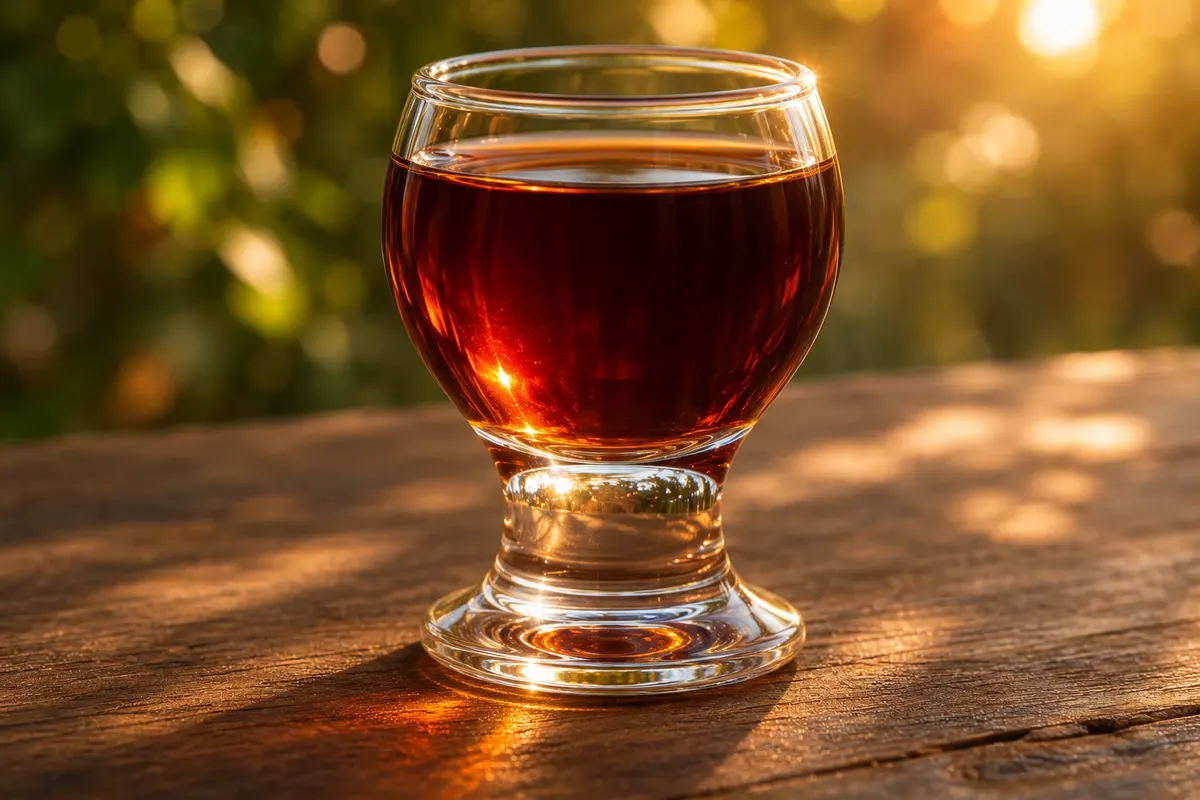
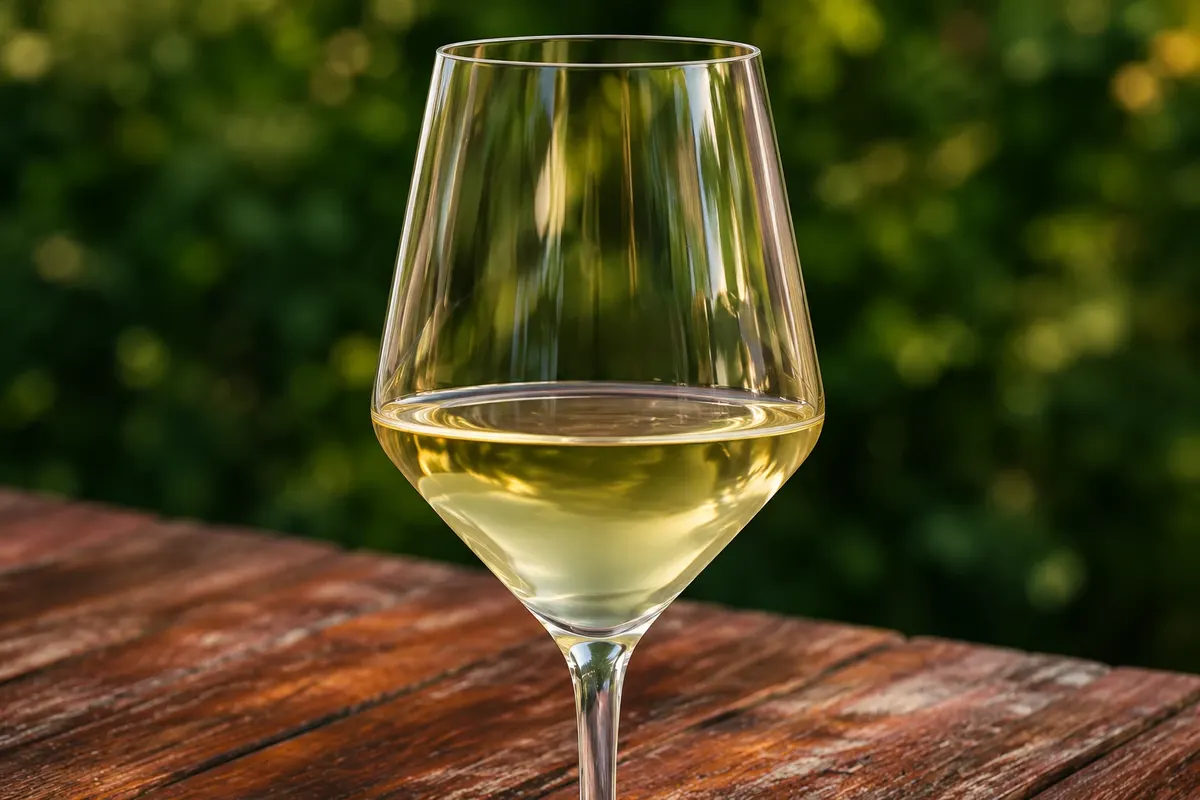
Aszú is the name given to grape berries that, in autumn, become shriveled and concentrated through the action of a fungus known as noble rot. In the Tokaj wine region, these berries are picked one by one by hand and separated from the rest. They are then crushed into a paste, which is macerated in must or wine of the same vintage and same region. The wine ferments slowly and matures in oak barrels in cellars with constant temperature.
The most used grapes are furmint and hárslevelű, alongside sárgamuskotály. Sweetness was traditionally measured by the number of puttony, the harvest baskets of aszú berries added to a 136-liter Gönc barrel. Under the rules adopted from the 2013 vintage onward, any wine labeled Tokaji aszú must have at least 120 grams of residual sugar per liter, and indicating 5 or 6 puttonyos on the label became optional.
The wine has been listed in the Collection of Hungarikumok since 2013. The cultural landscape of the Tokaj wine region, with vineyards on volcanic slopes, villages and cellars, is a UNESCO World Heritage Site. the Hungarian national anthem mentions the vineyards of Tokaj.
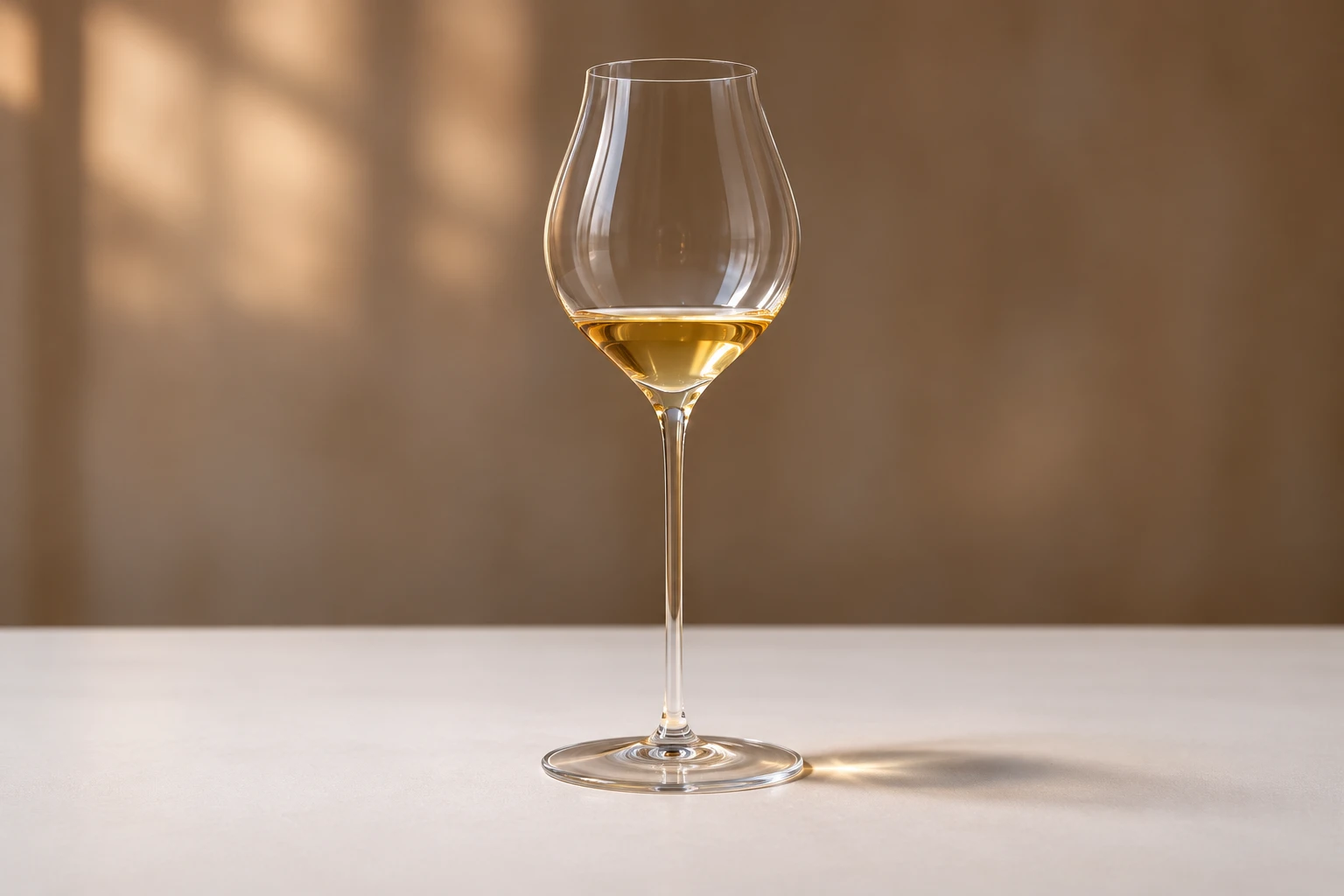
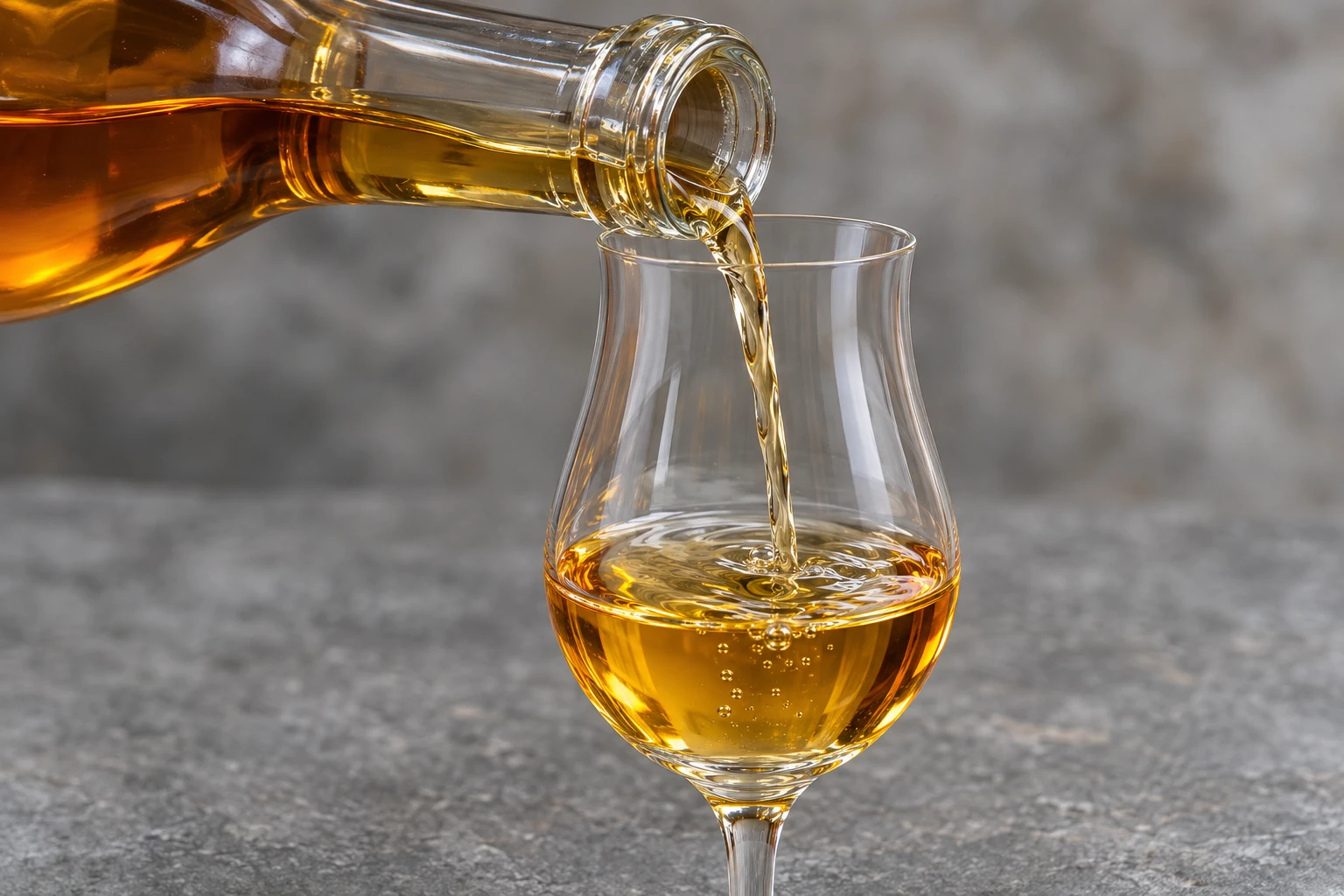
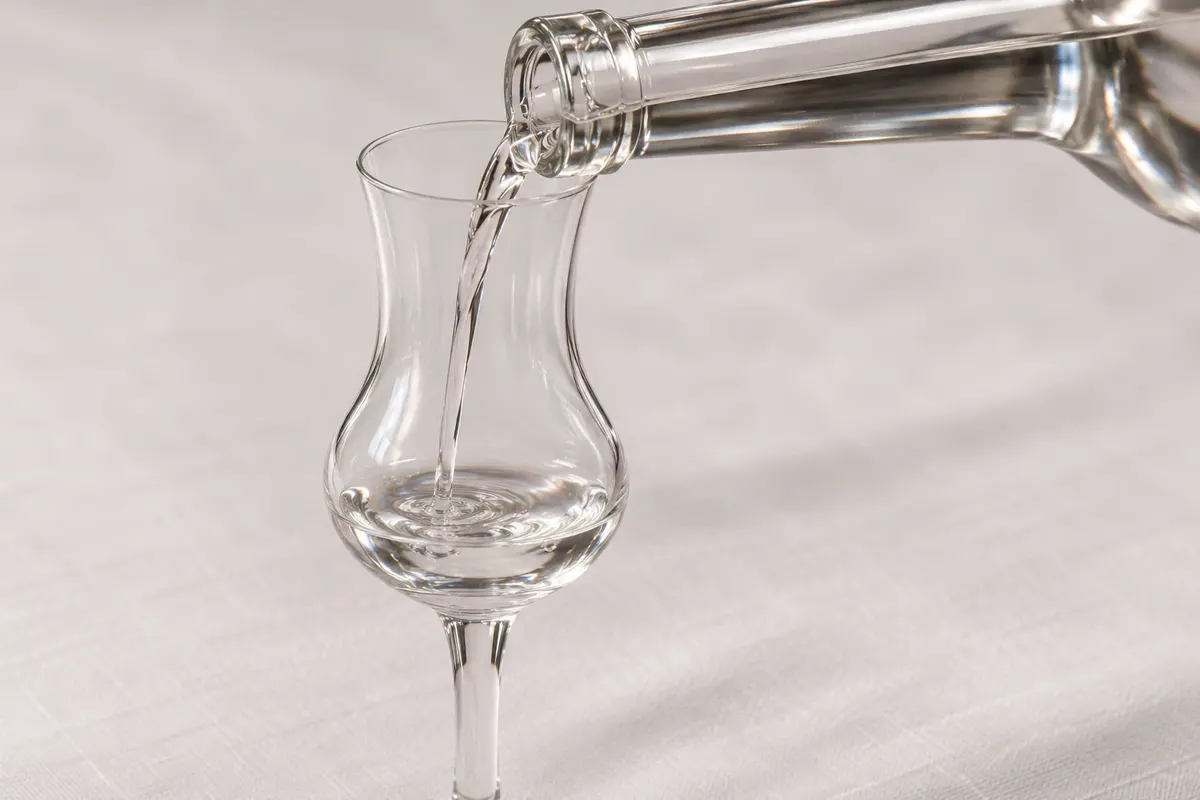
The town of Tokaj, at the confluence of the Bodrog and Tisza rivers, gives its name to the region, which includes dozens of localities. A small part of the historic area is in Slovakia. Cellars in the region welcome visitors for tastings; aszú is tasted in small glasses, slowly.


 Brazil
 Argentina
 Bolivia
 Chile
 Colombia
 Ecuador
 Guyana
 French Guiana
 Falkland Islands (Malvinas)
 Paraguay
 Peru
 Suriname
 Uruguay
 Venezuela
 Germany
 Austria
 Belgium
 Croatia
 Denmark
 Spain
 Finland
 France
 Greece
 the Netherlands
 Ireland
 Iceland
 Italy
 Luxembourg
 Norway
 Poland
 Portugal
 the United Kingdom
 the Czech Republic
 Sweden
 Switzerland
 Turkey
 Canada
 the United States
 Mexico
 the Dominican Republic
 South Africa
 Australia
 Fiji
 New Zealand
 Papua New Guinea