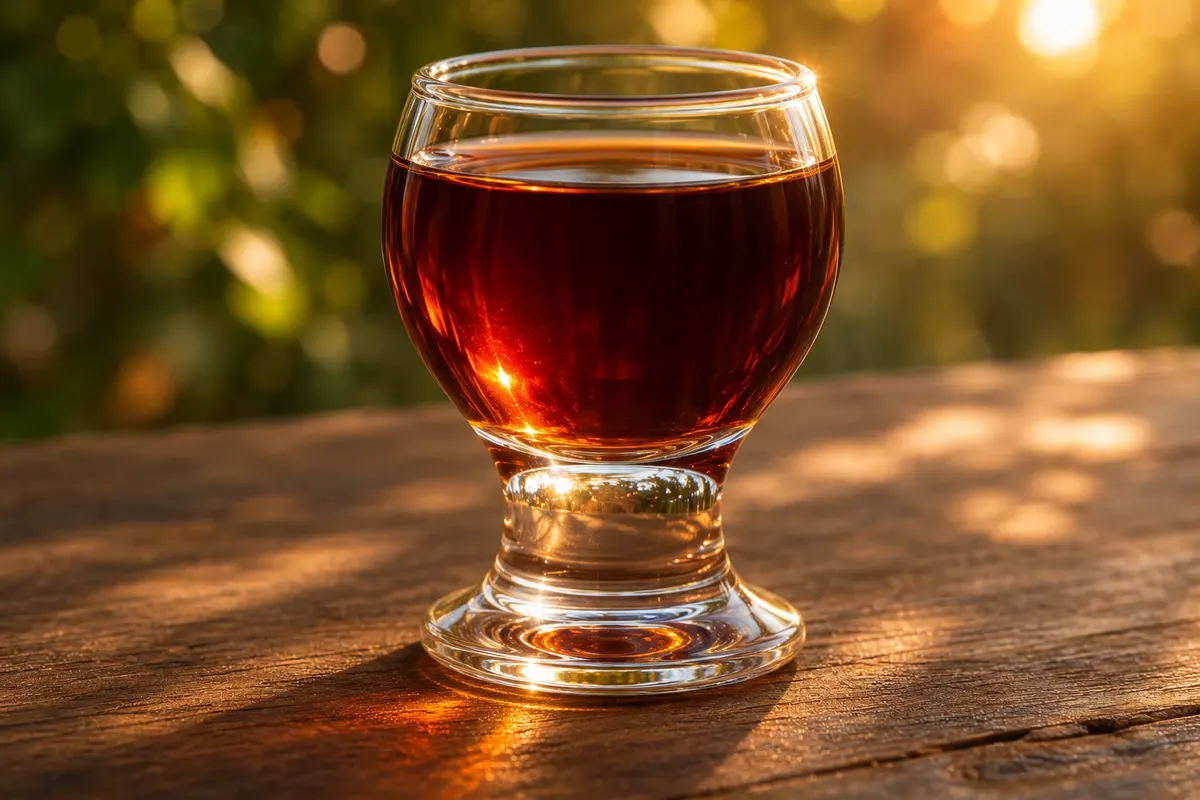
Pálinka is Hungary’s fruit brandy. By the official Hungarian definition, it is fermented from stone fruits, non-stone fruits or wild fruits, or their pulp, and distilled and bottled in the country. Drinks made from concentrate or from dehydrated or semi-dehydrated fruit may not use the name. Crushing, fermentation, distillation, aging and bottling must take place in Hungary. The European name protection also covers apricot brandies from four Austrian states: Lower Austria, Burgenland, Styria and Vienna.
Distillation arrived in Europe around the 11th century and in Hungary was first used with wine and cereals. Tradition links a “water of life” distilled and used as a remedy to Queen Elizabeth in the 14th century, and until the 16th century brandies were sold as medicine. Fruit pálinka as it is known today has been produced in the country since the mid-18th century.
Each region has its fruits. There are geographical indications for Szatmár plum brandy, Kecskemét and Gönc apricot brandies, Szabolcs apple brandy, Újfehértó sour cherry (ginja) brandy, among others. The fruit name appears in denominations such as szilvapálinka (plum) and barackpálinka (apricot).
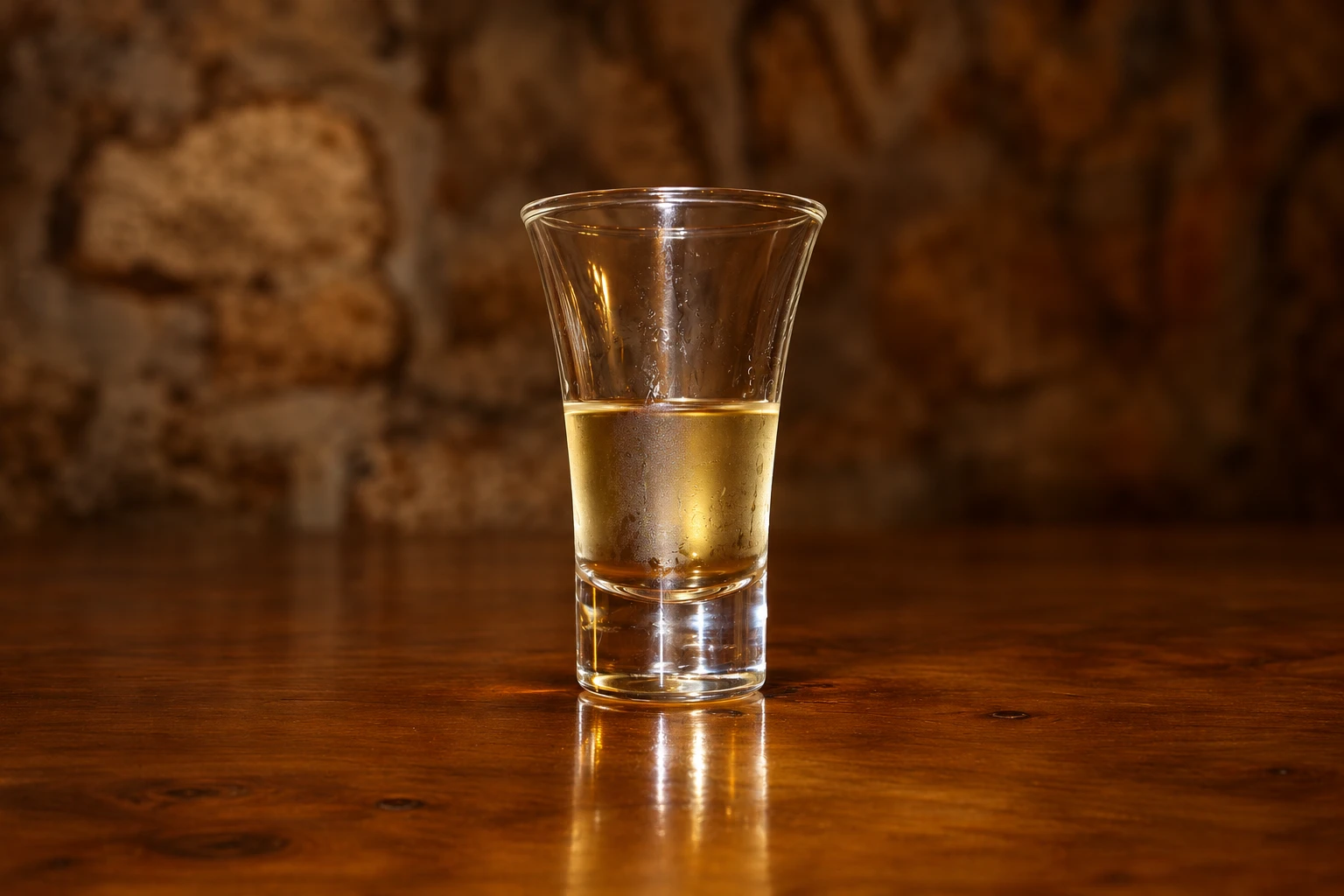
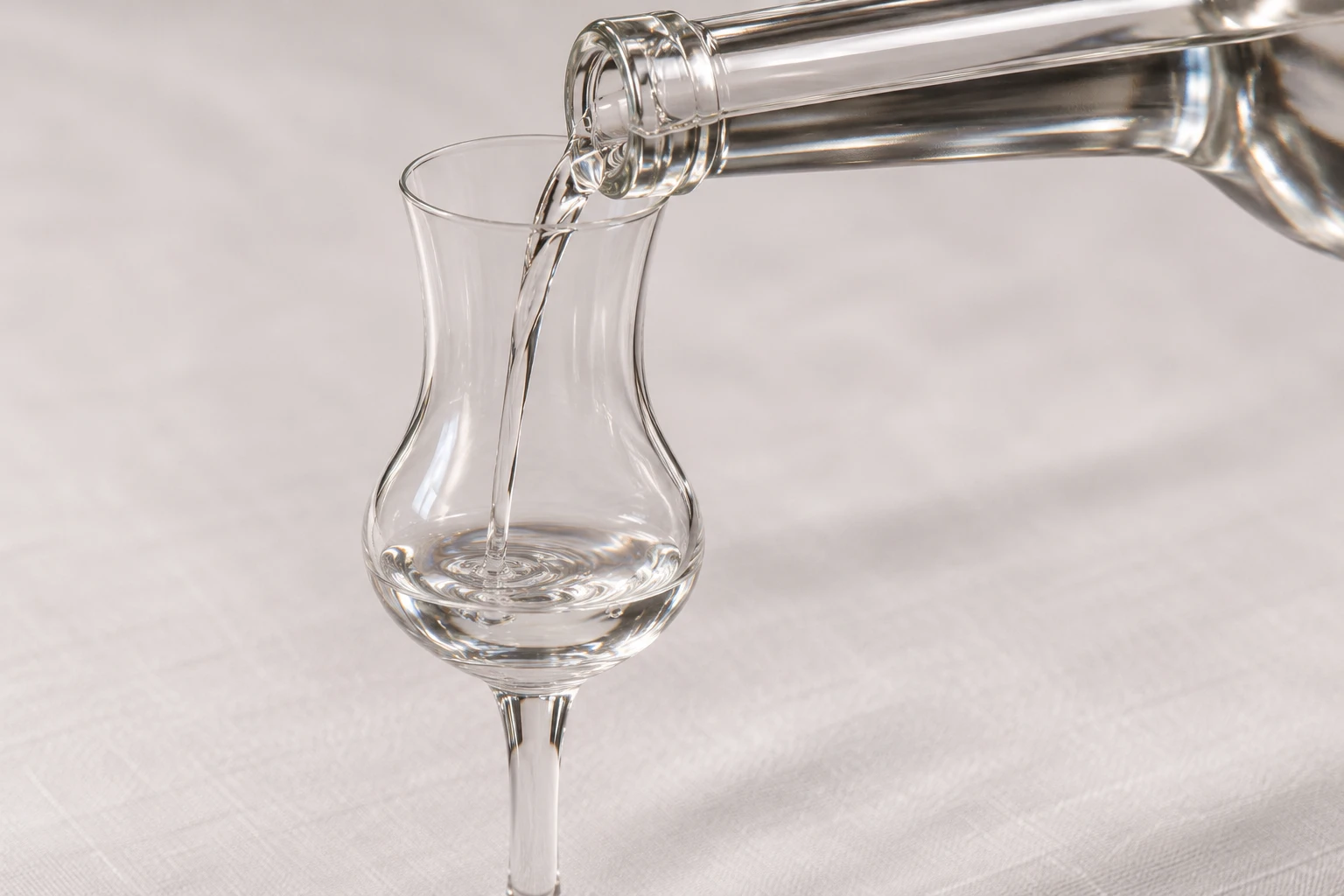
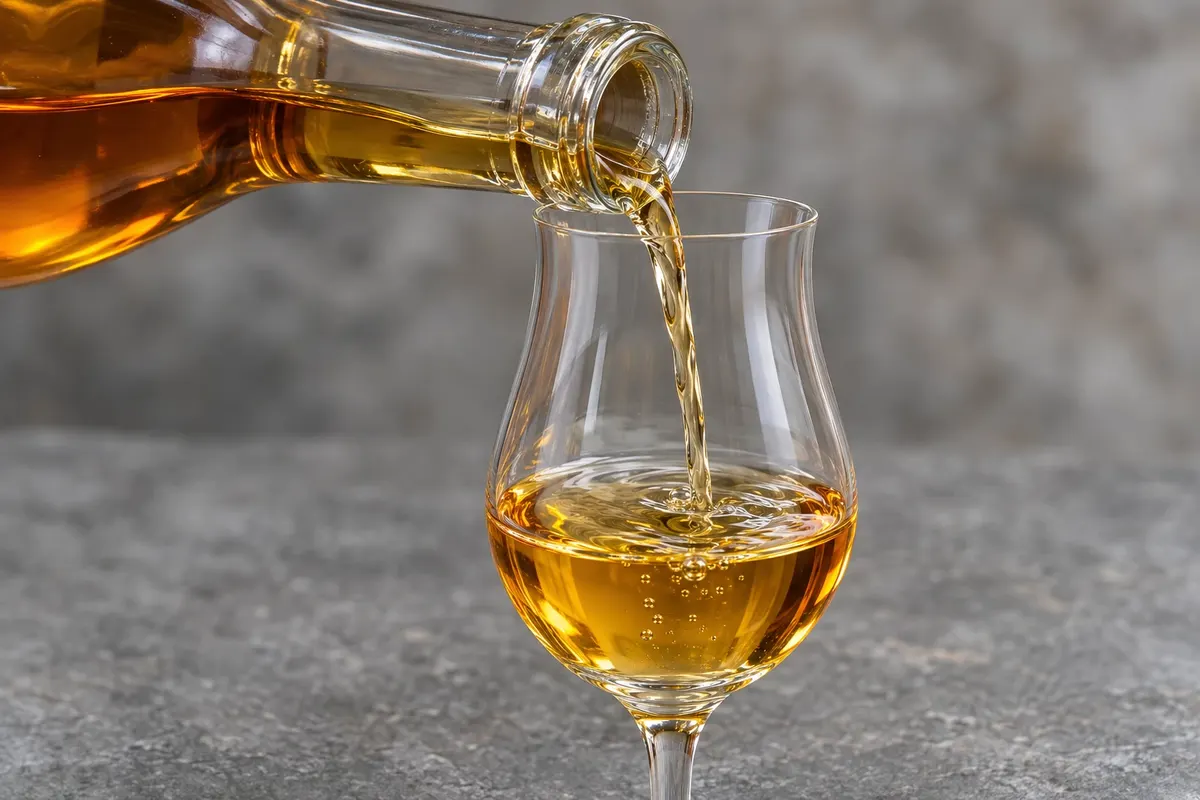
Pálinka has been part of the Hungarikum Collection since 2013. It is served in small glasses, generally at room temperature or slightly cool, to appreciate the fruit aroma, and often accompanies toasts at family gatherings and celebrations. As with any distilled spirit, it should be consumed in moderation.


 Brazil
 Argentina
 Bolivia
 Chile
 Colombia
 Ecuador
 Guyana
 French Guiana
 Falkland Islands (Malvinas)
 Paraguay
 Peru
 Suriname
 Uruguay
 Venezuela
 Germany
 Austria
 Belgium
 Croatia
 Denmark
 Spain
 Finland
 France
 Greece
 the Netherlands
 Ireland
 Iceland
 Italy
 Luxembourg
 Norway
 Poland
 Portugal
 the United Kingdom
 the Czech Republic
 Sweden
 Switzerland
 Turkey
 Canada
 the United States
 Mexico
 the Dominican Republic
 South Africa
 Australia
 Fiji
 New Zealand
 Papua New Guinea