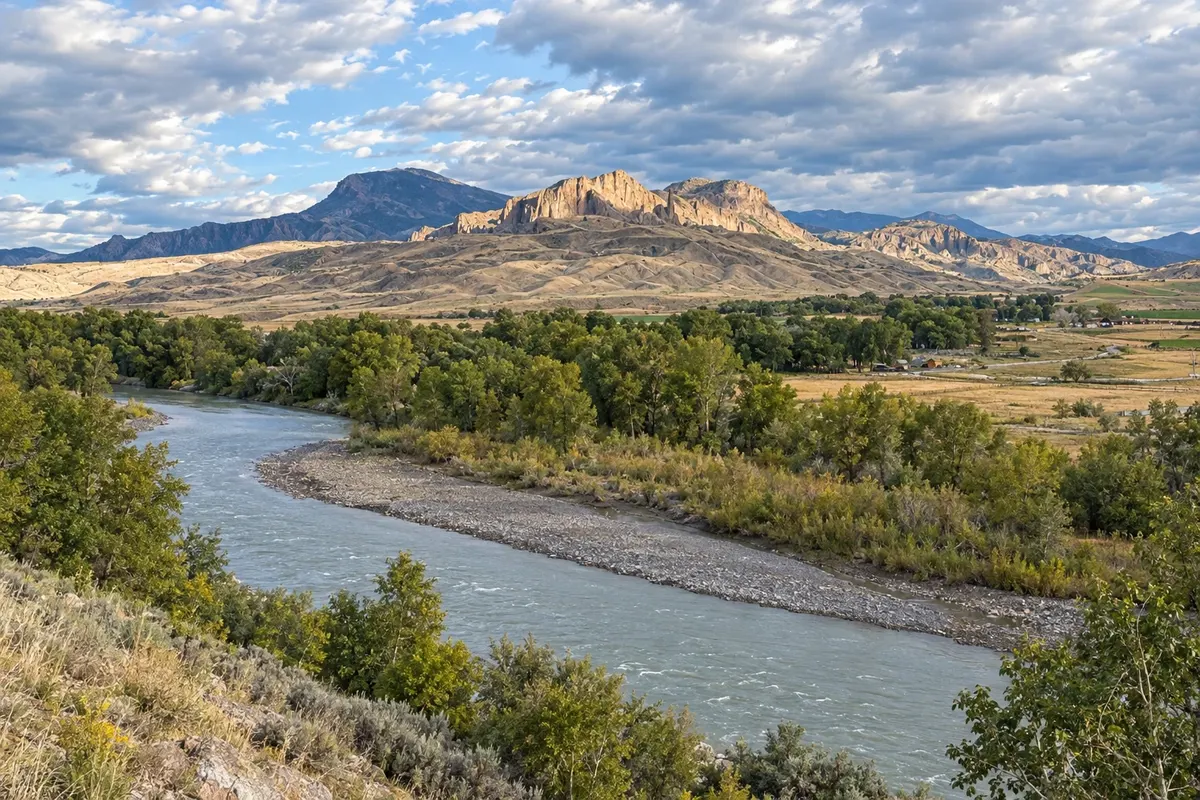
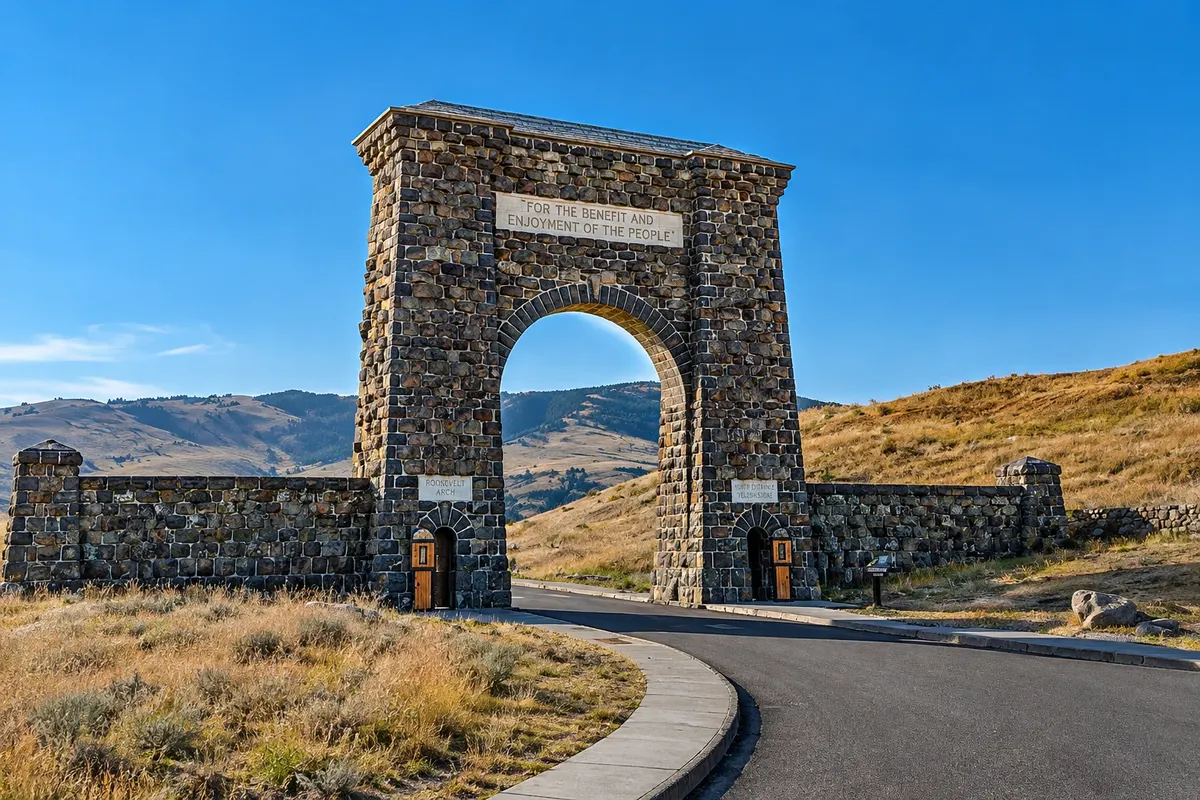
Yellowstone, created in 1872, was the world’s first national park and is a UNESCO World Heritage Site. It lies mostly in northwest Wyoming, with portions in Montana and Idaho, over the caldera of a supervolcano. Underground heat powers more than half of the world’s known geysers, as well as colorful hot springs, boiling mud pots, and fumaroles.
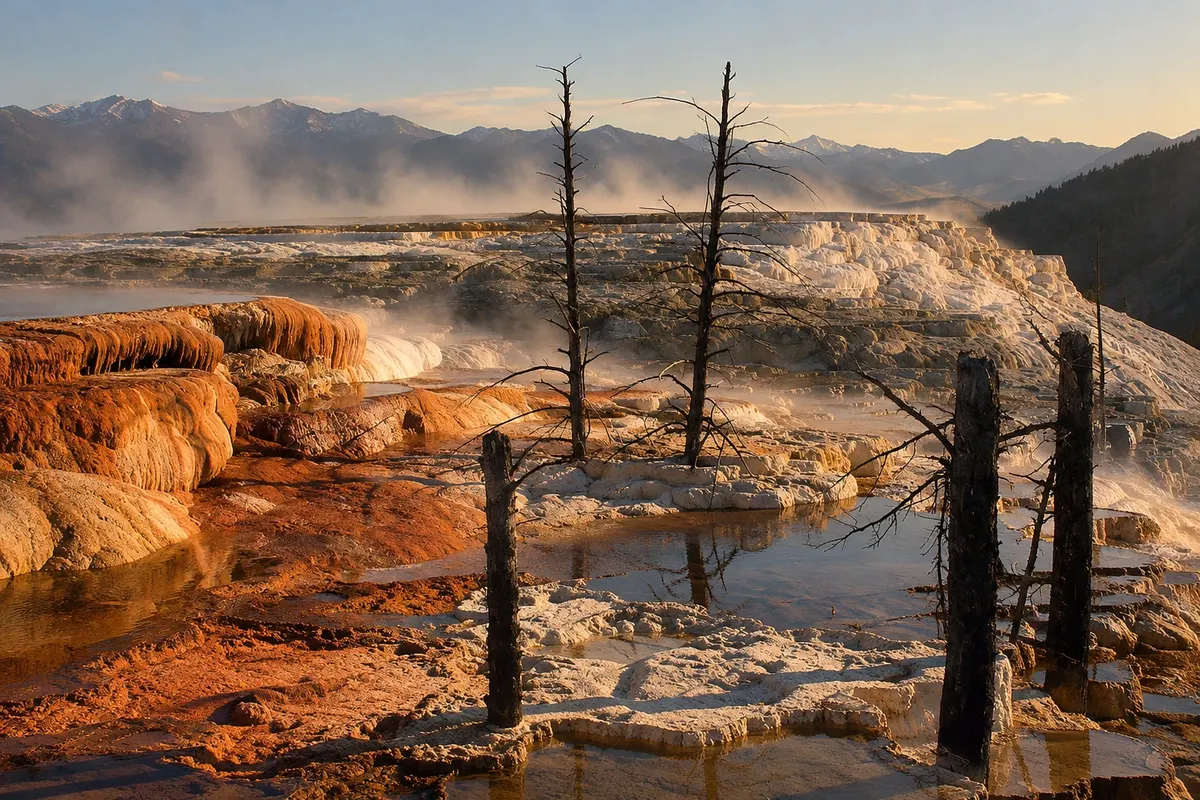
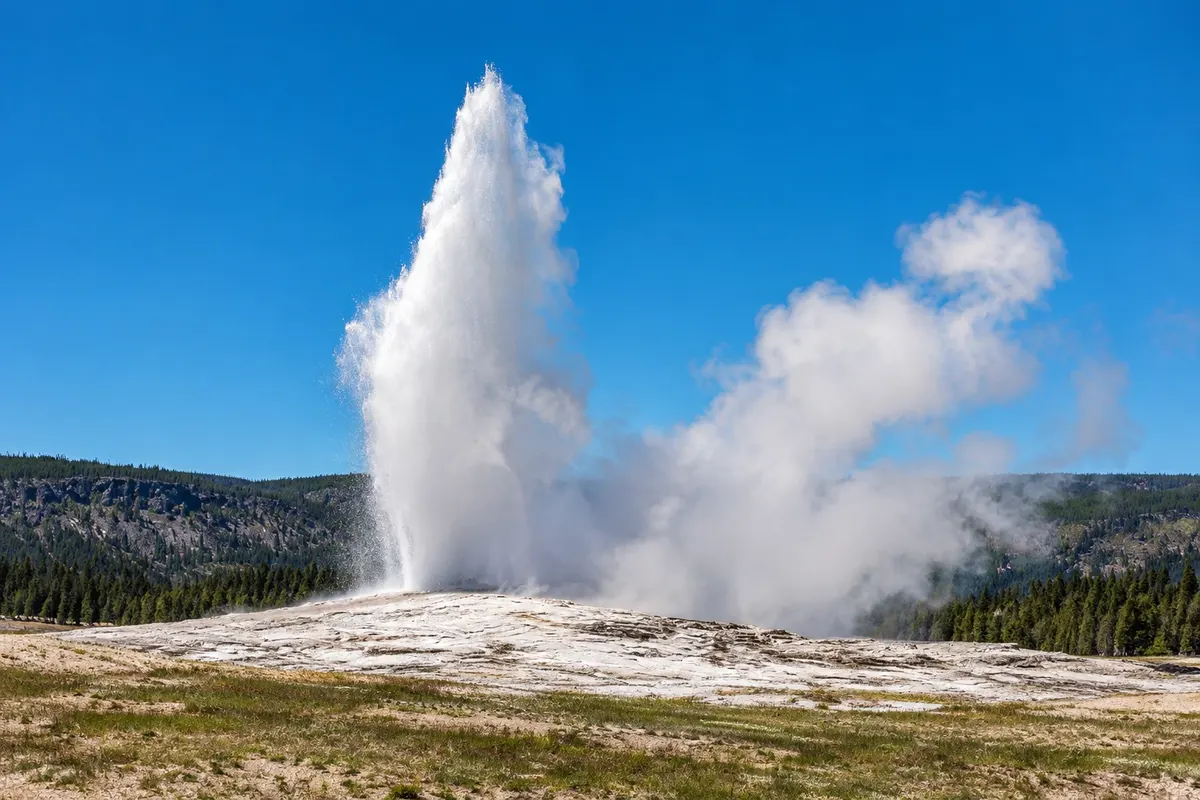
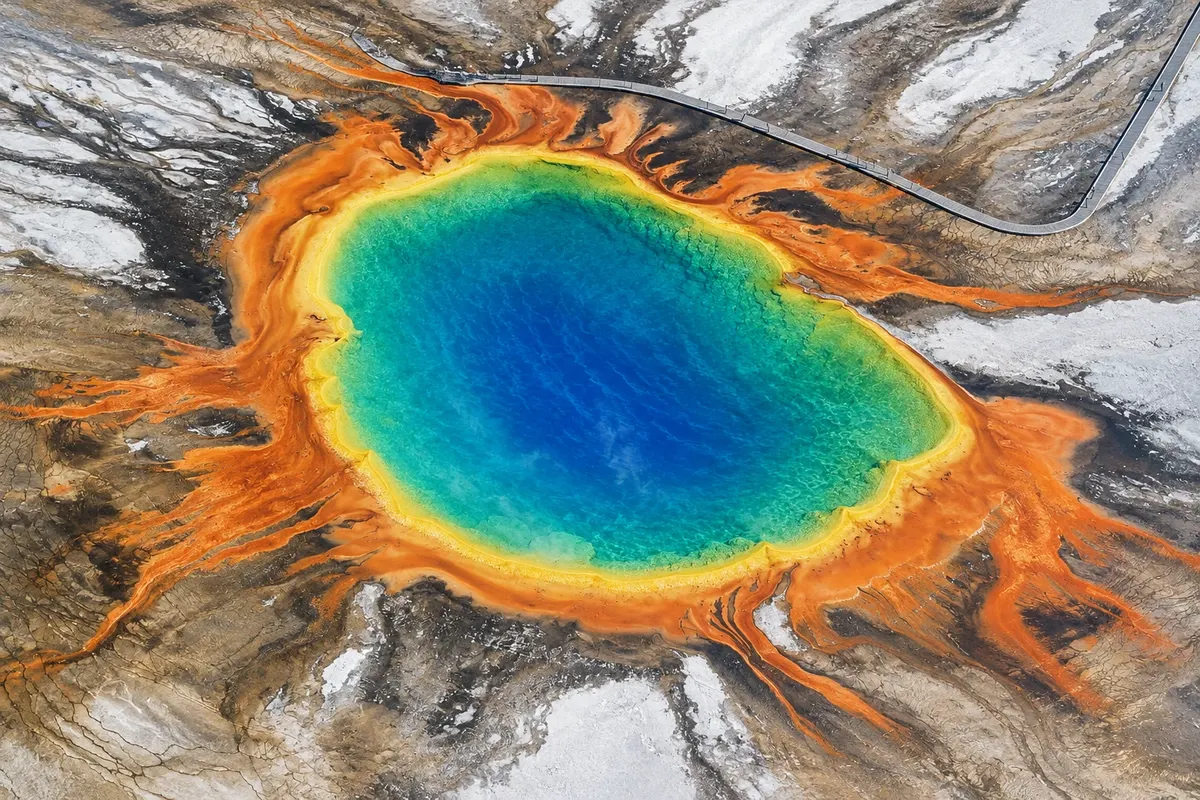
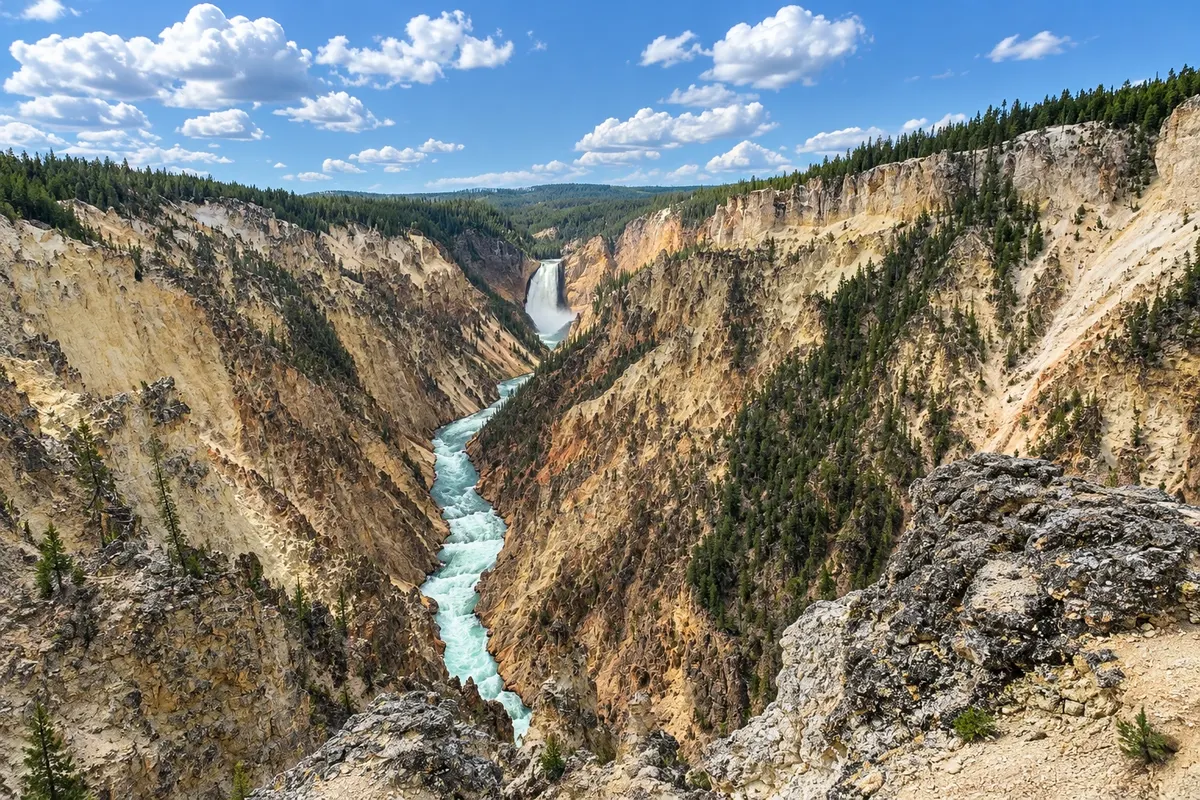
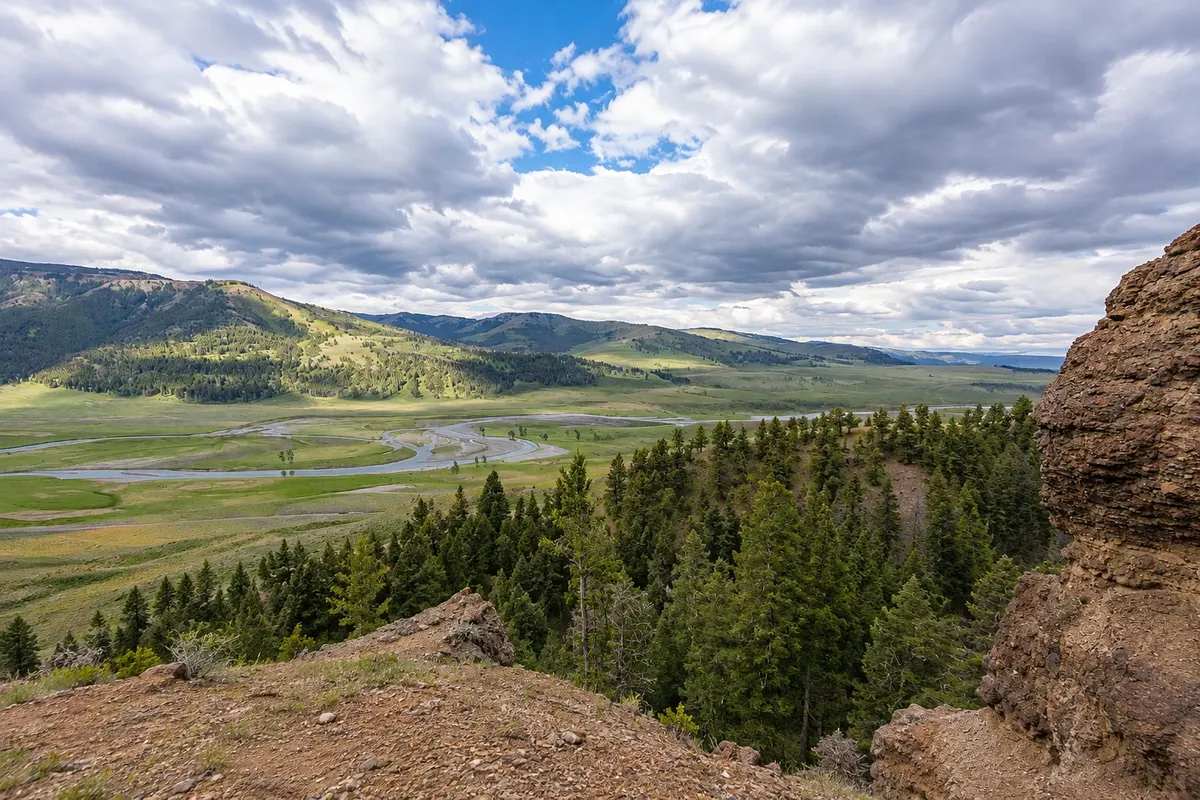
The most visited sites lie along an 8-shaped road of about 230 km: the Old Faithful geyser, which erupts several times a day; the Grand Prismatic, the country’s largest hot spring; the terraces of Mammoth Hot Springs; and the Grand Canyon of the Yellowstone, with its waterfalls. In the Lamar and Hayden valleys, bison, elk, deer and, if you’re lucky, wolves and bears are often seen from a distance.
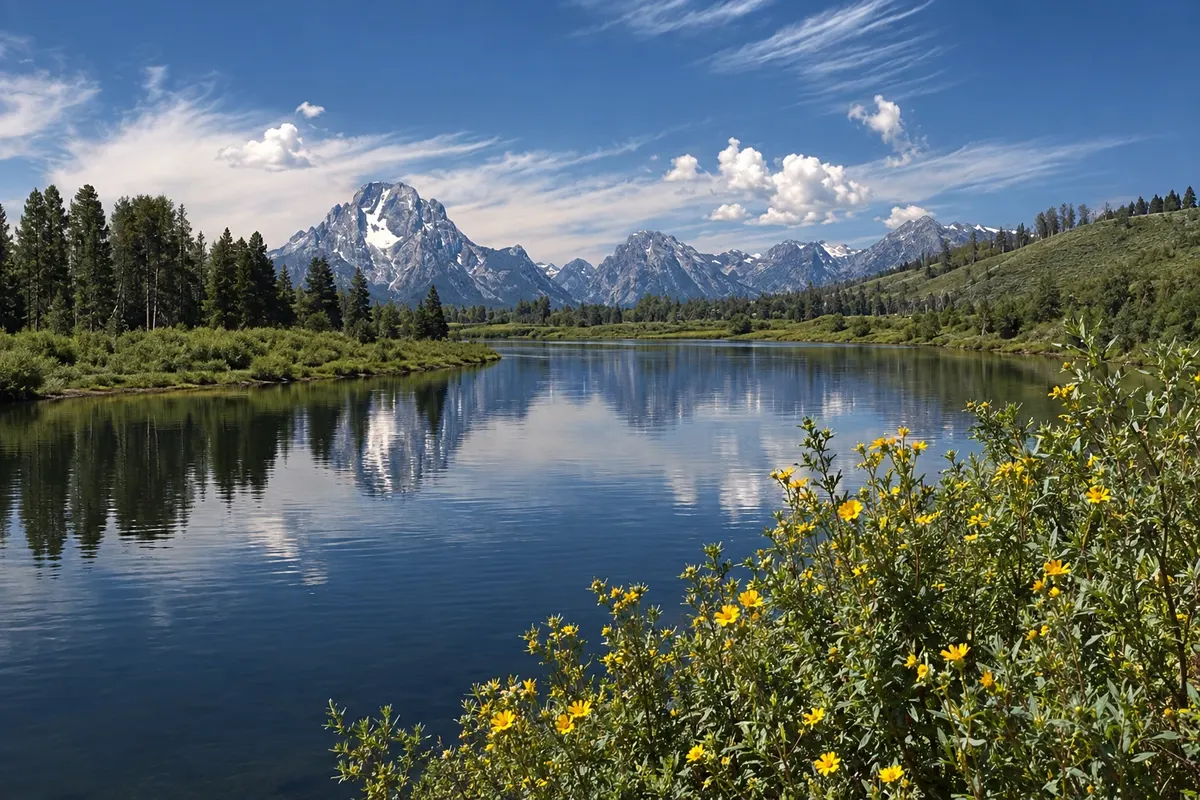
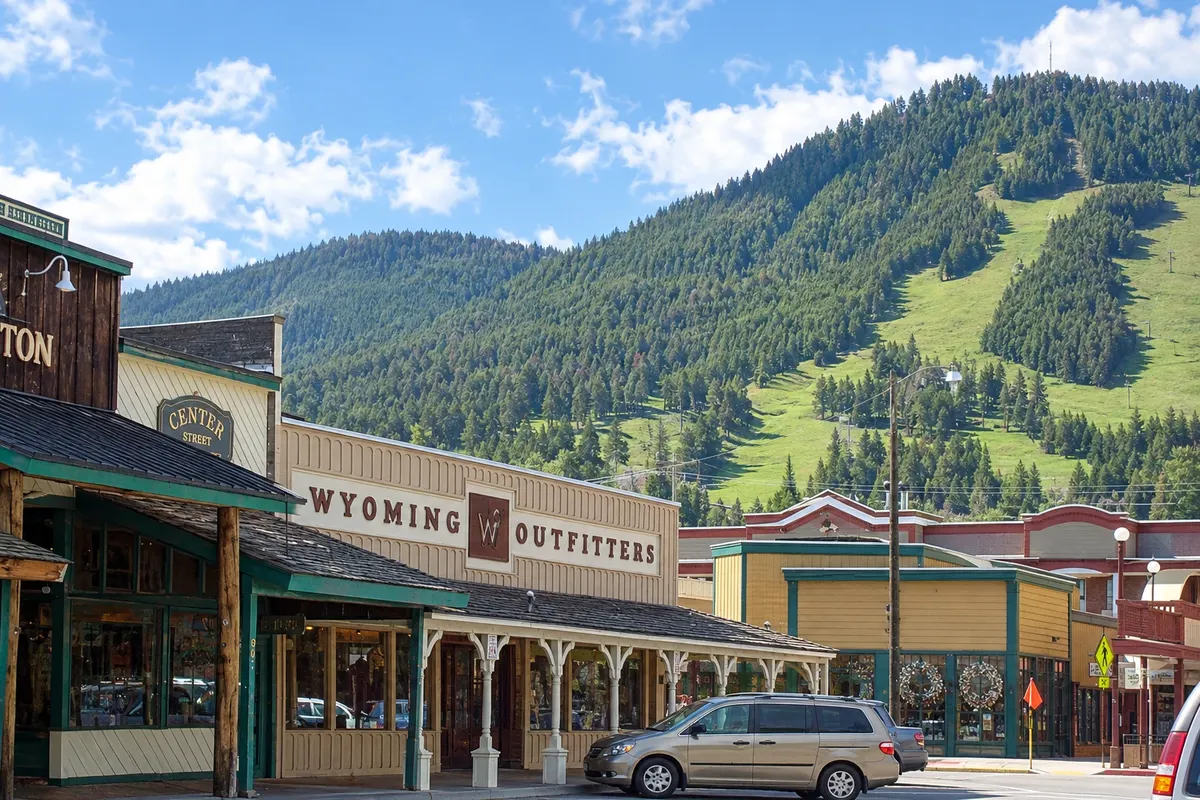
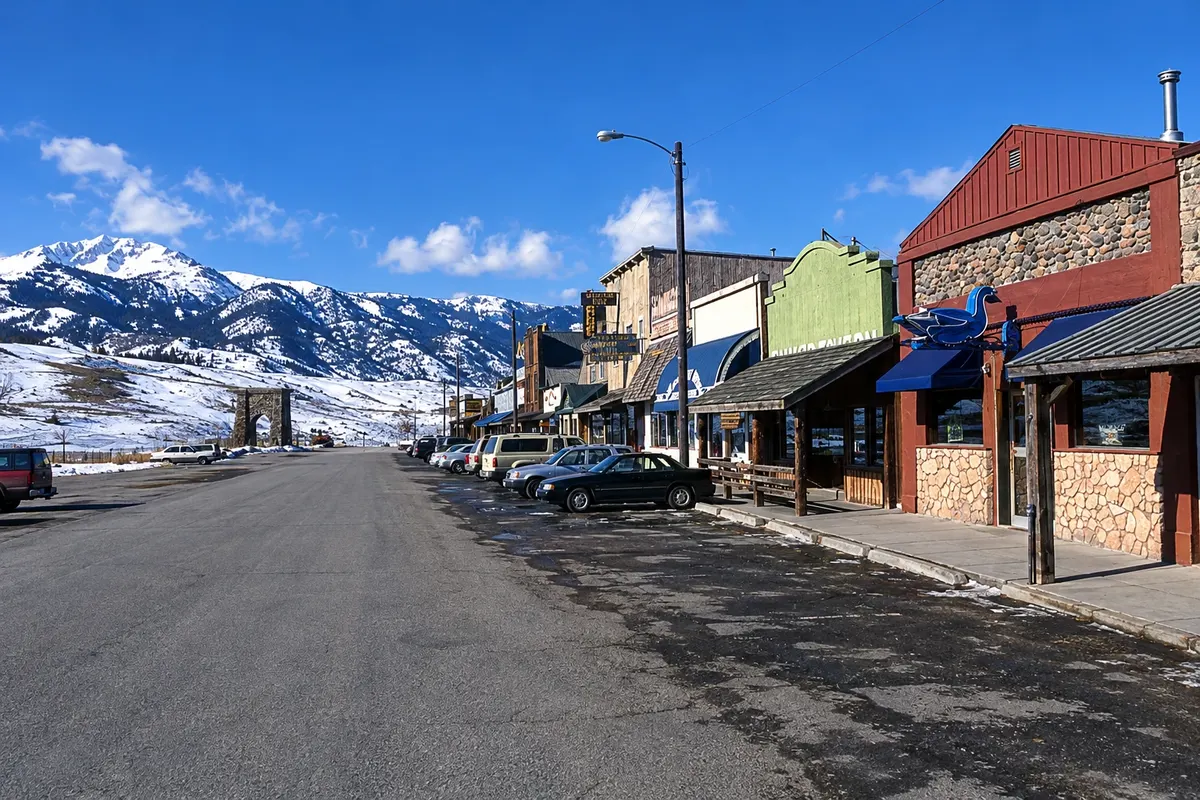
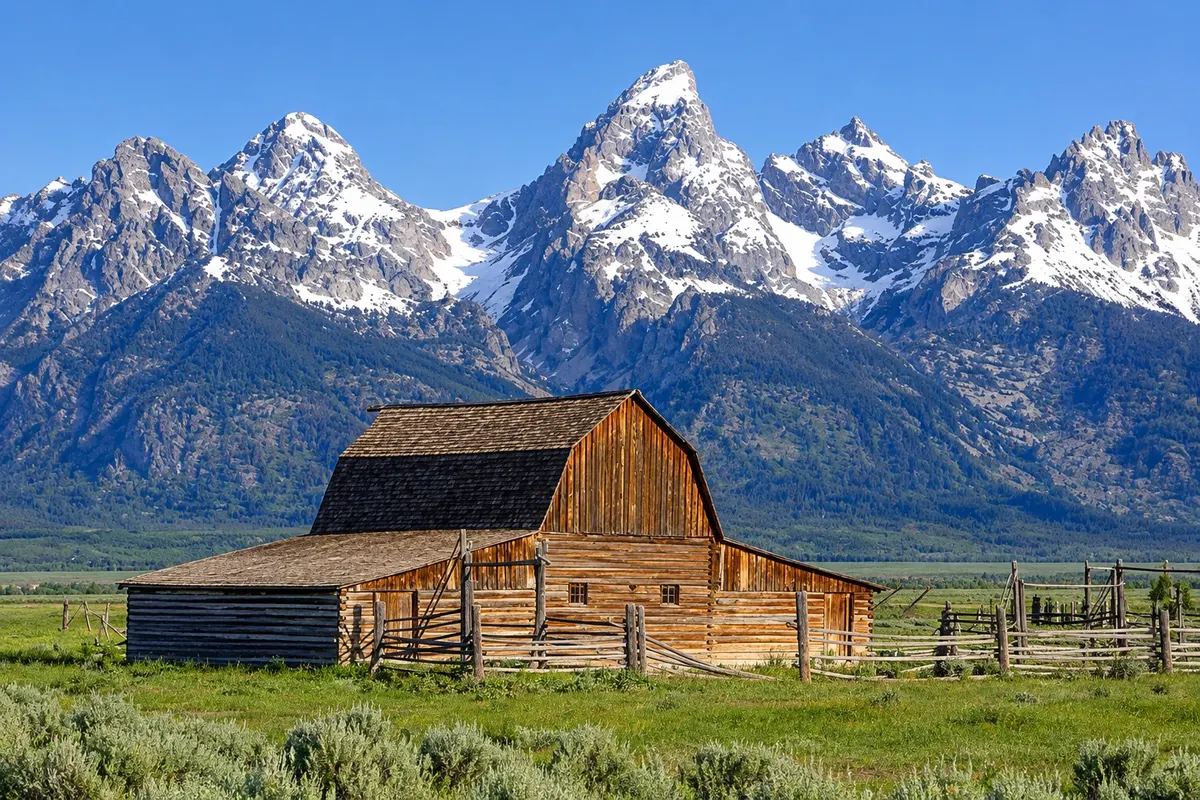
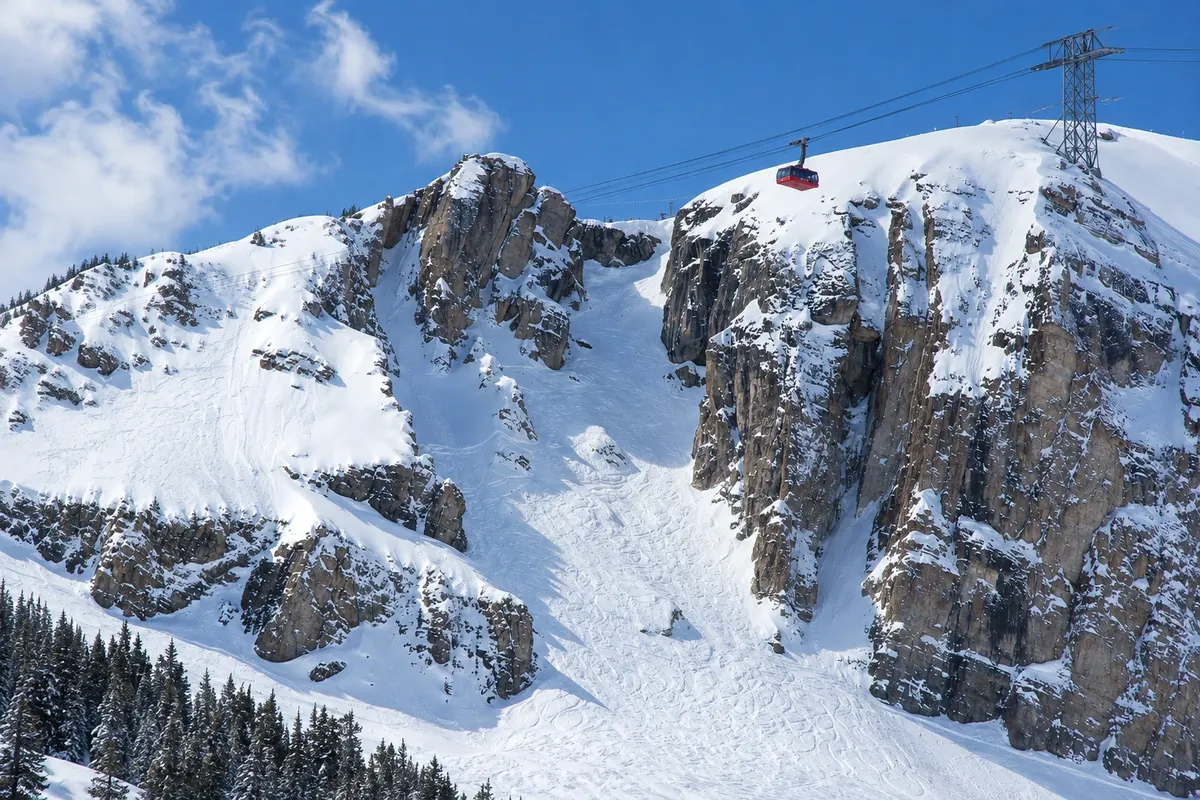
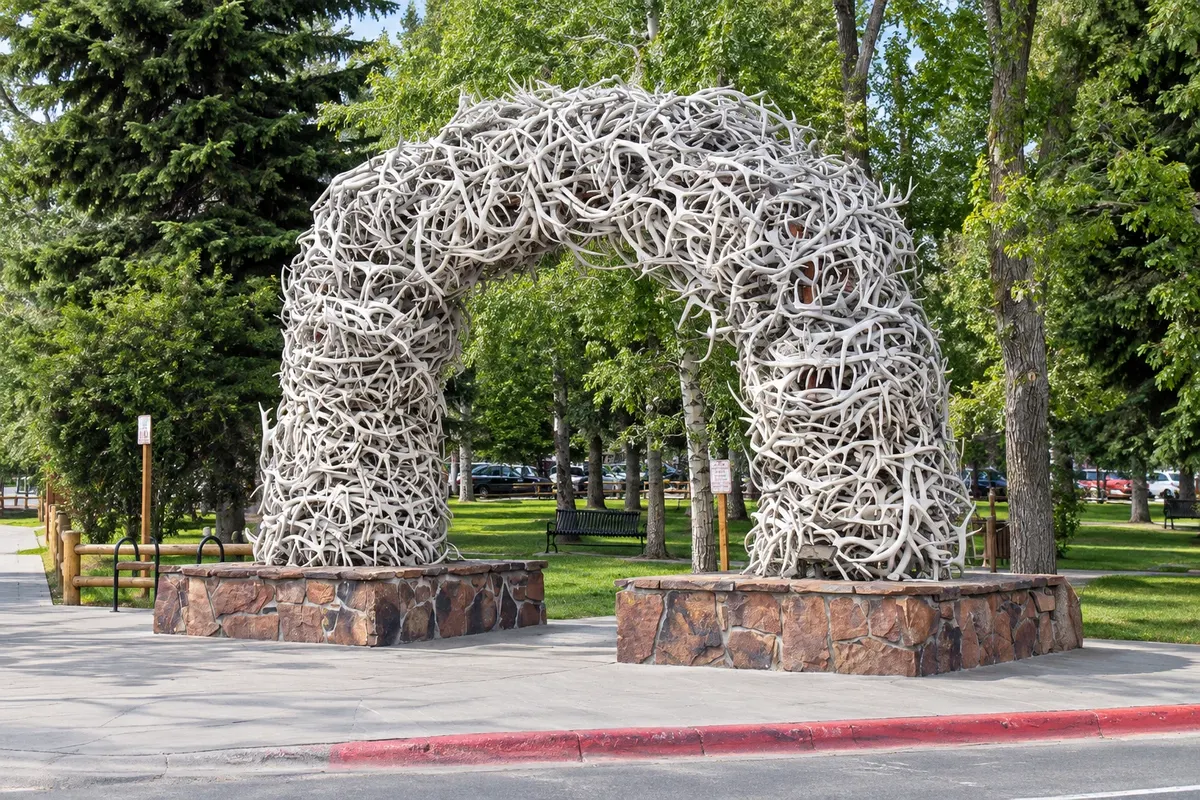
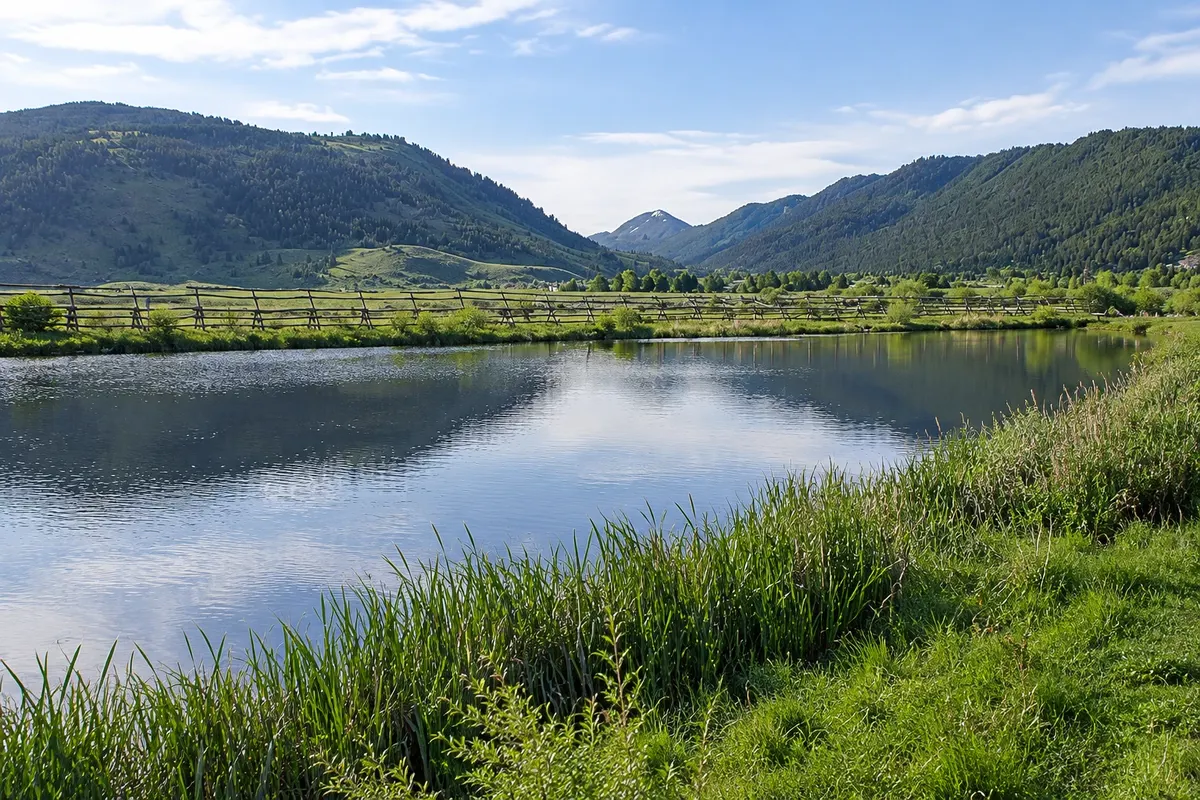
To the south, Grand Teton National Park protects the Teton Range, which rises without foothills above the Jackson Hole valley, with glacial lakes at its base. Jackson, the valley town, is the gateway for Grand Teton and the Jackson Hole ski area. West Yellowstone, in Montana, sits by Yellowstone’s west entrance; Gardiner, also in Montana, lies by the north entrance.
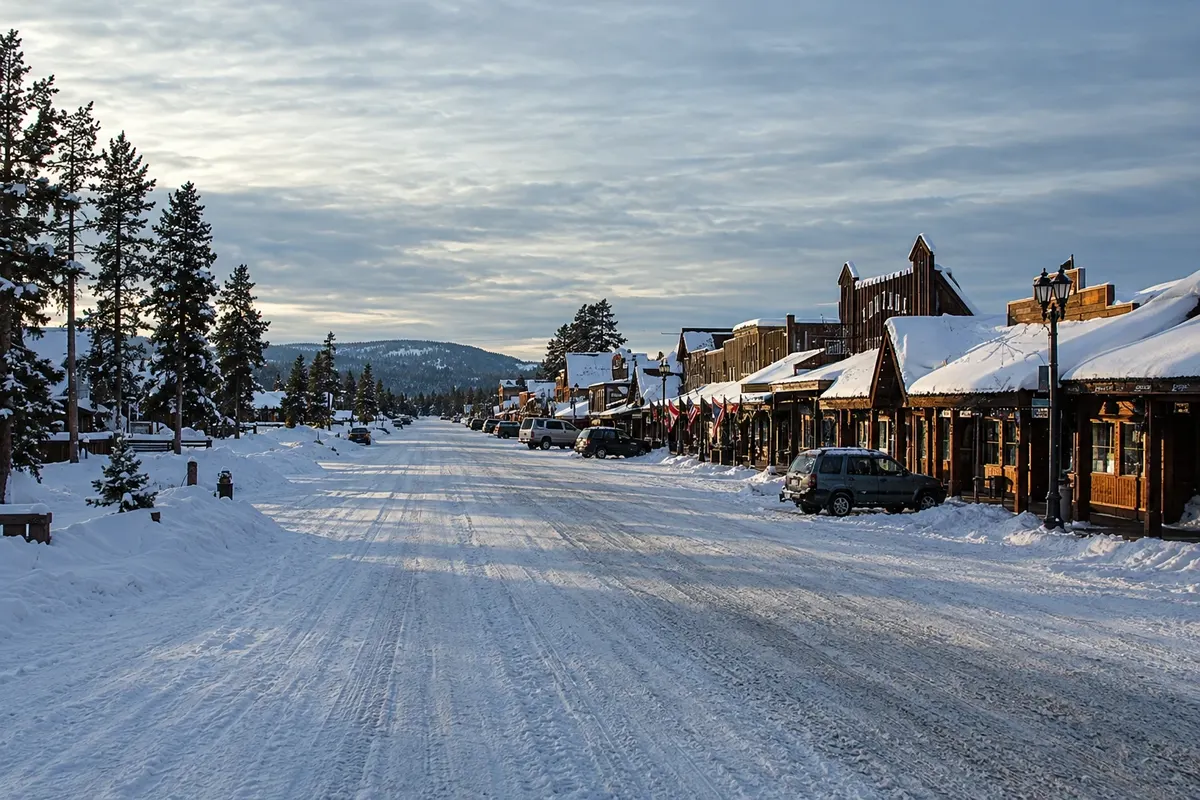
Most of Yellowstone’s roads close to cars from early November until April or May. At that time, the park is visited by snow vehicles, departing from West Yellowstone and Gardiner, and Jackson’s economy centers on the ski season.
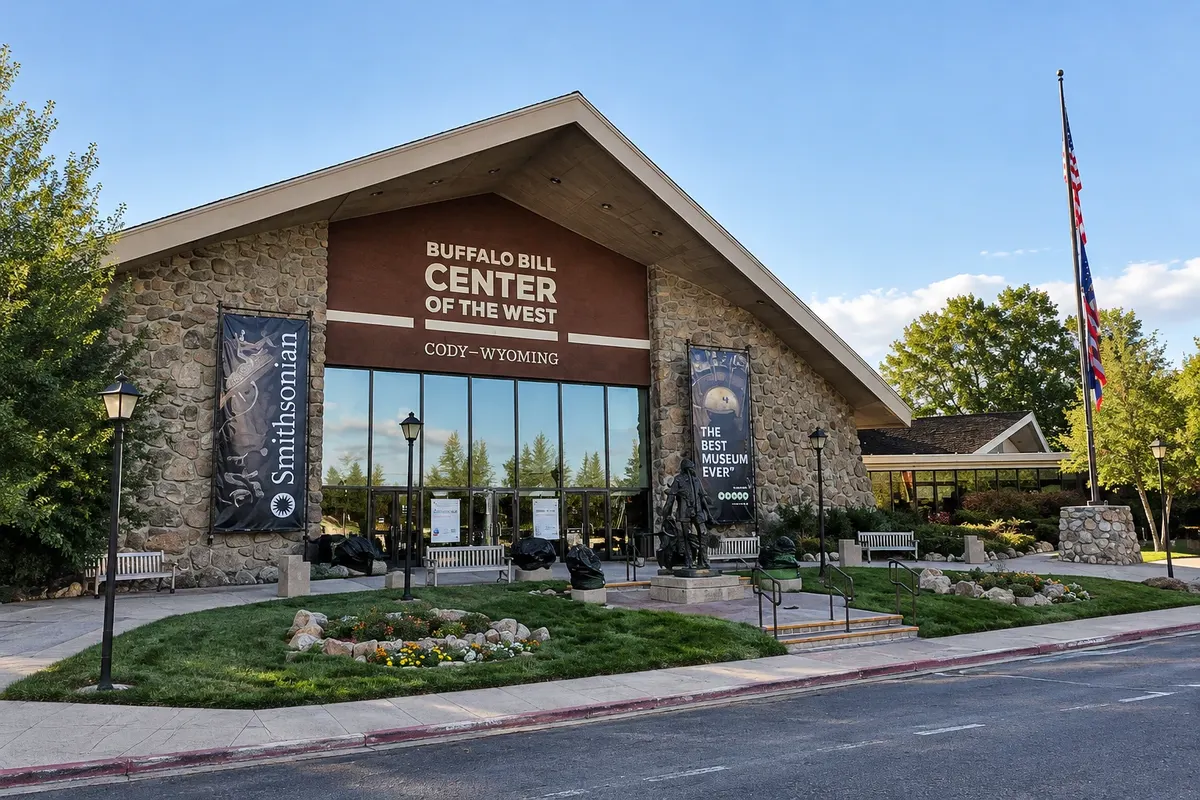
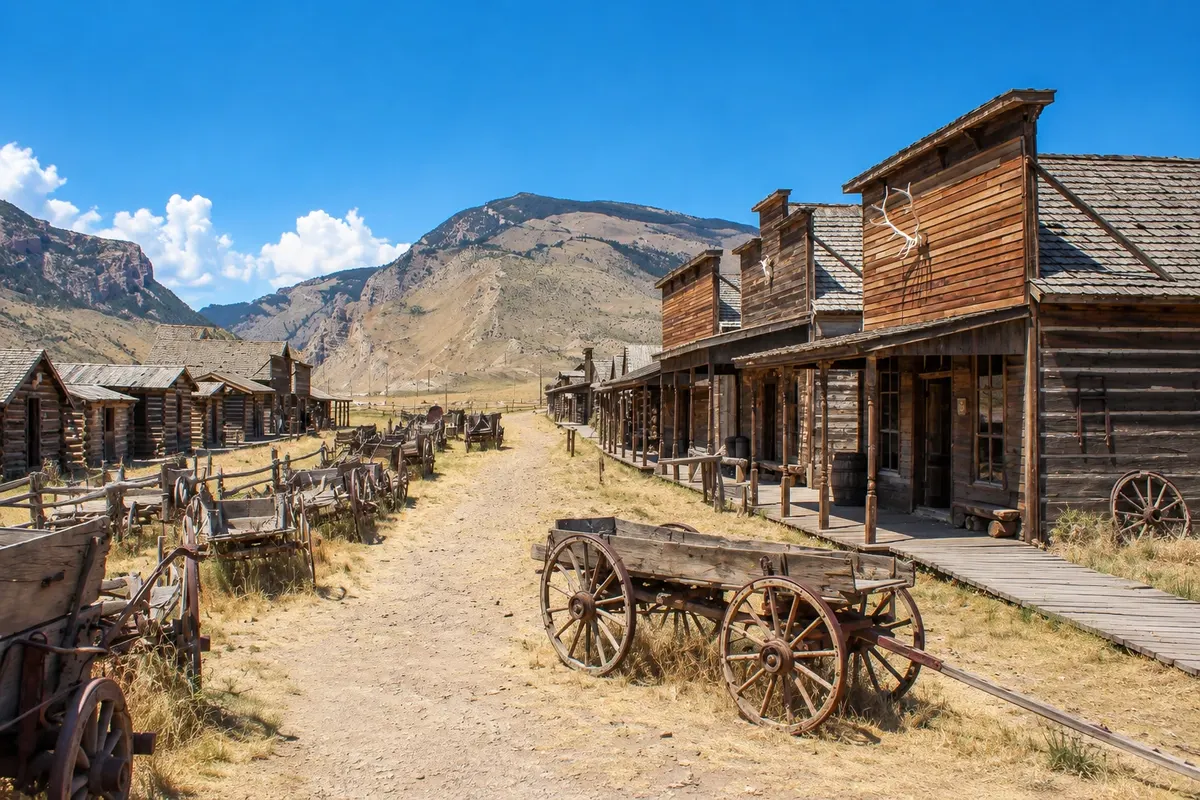
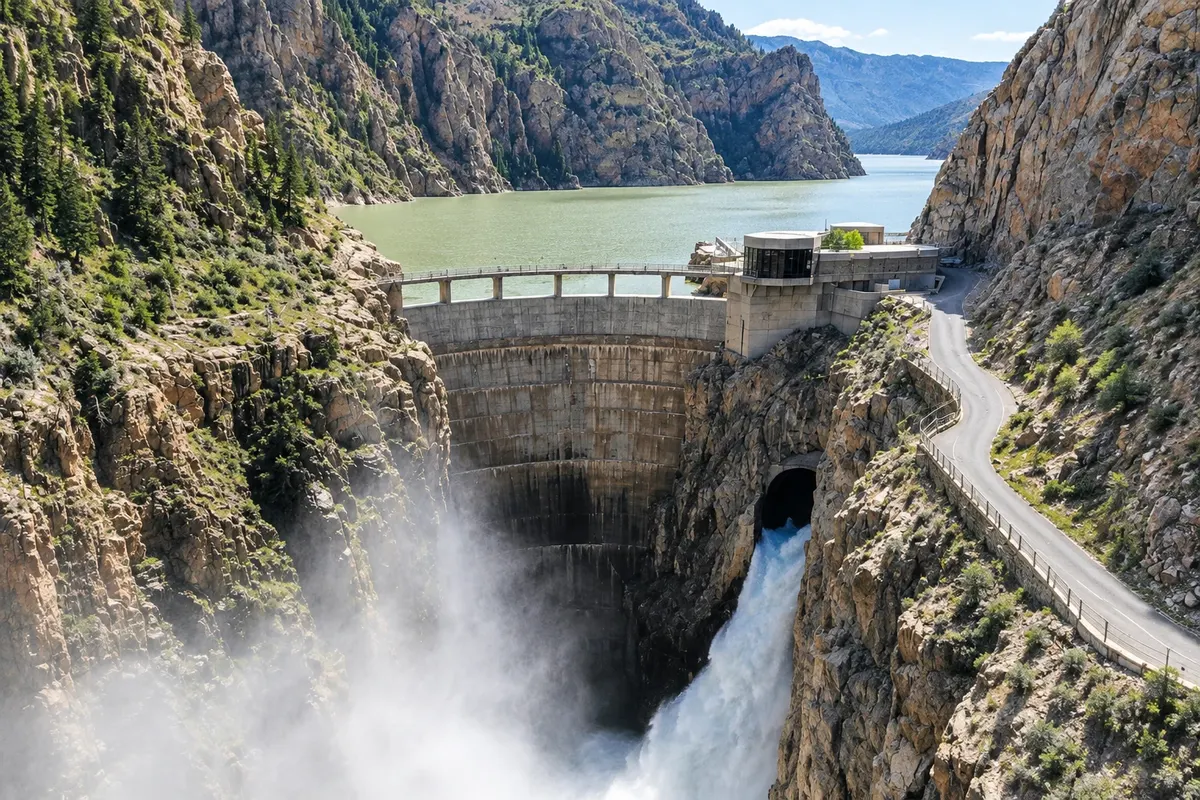
This destination brings together 4 cities: Jackson, West Yellowstone, Gardiner, Cody.


 Brazil
 Argentina
 Bolivia
 Chile
 Colombia
 Ecuador
 Guyana
 French Guiana
 Falkland Islands (Malvinas)
 Paraguay
 Peru
 Suriname
 Uruguay
 Venezuela
 Germany
 Austria
 Belgium
 Croatia
 Denmark
 Slovakia
 Slovenia
 Spain
 Finland
 France
 Greece
 the Netherlands
 Hungary
 Ireland
 Iceland
 Italy
 Luxembourg
 Norway
 Poland
 Portugal
 the United Kingdom
 the Czech Republic
 Sweden
 Switzerland
 Turkey
 Bermuda
 Canada
 Mexico
 the Dominican Republic
 South Africa
 Egypt
 Australia
 Fiji
 New Zealand
 Papua New Guinea