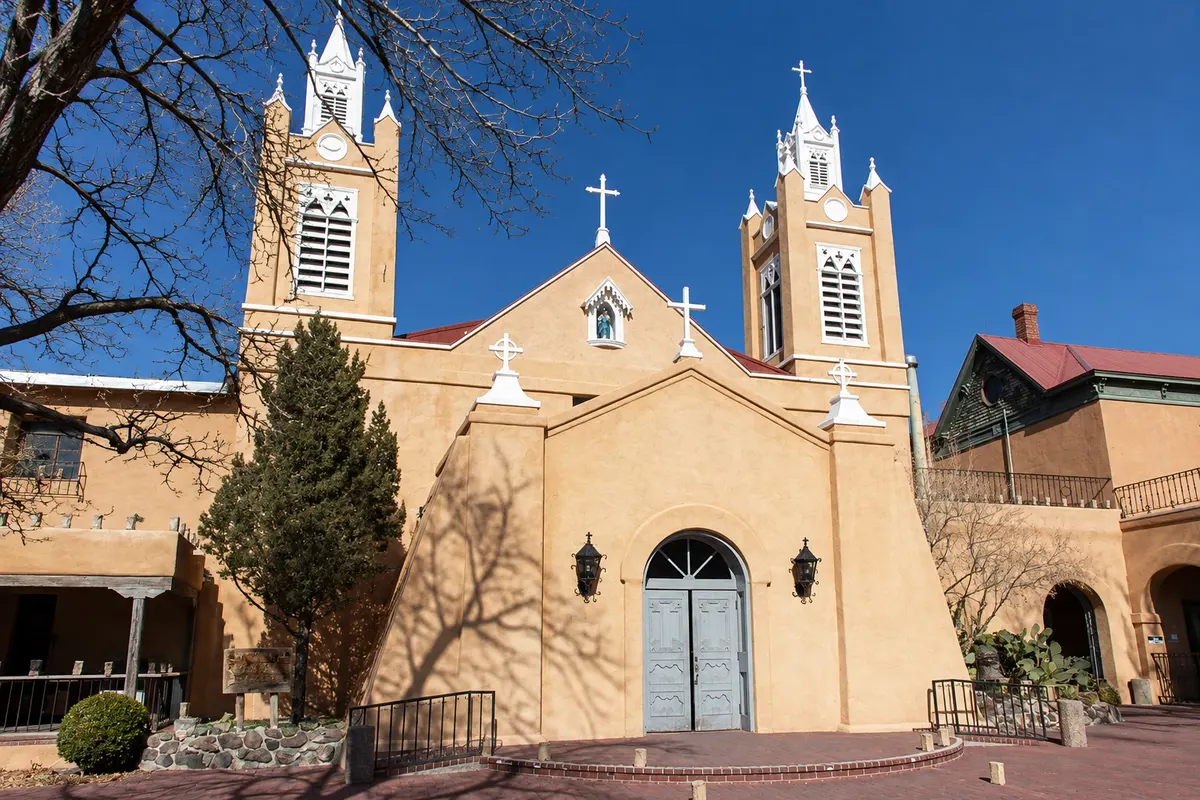
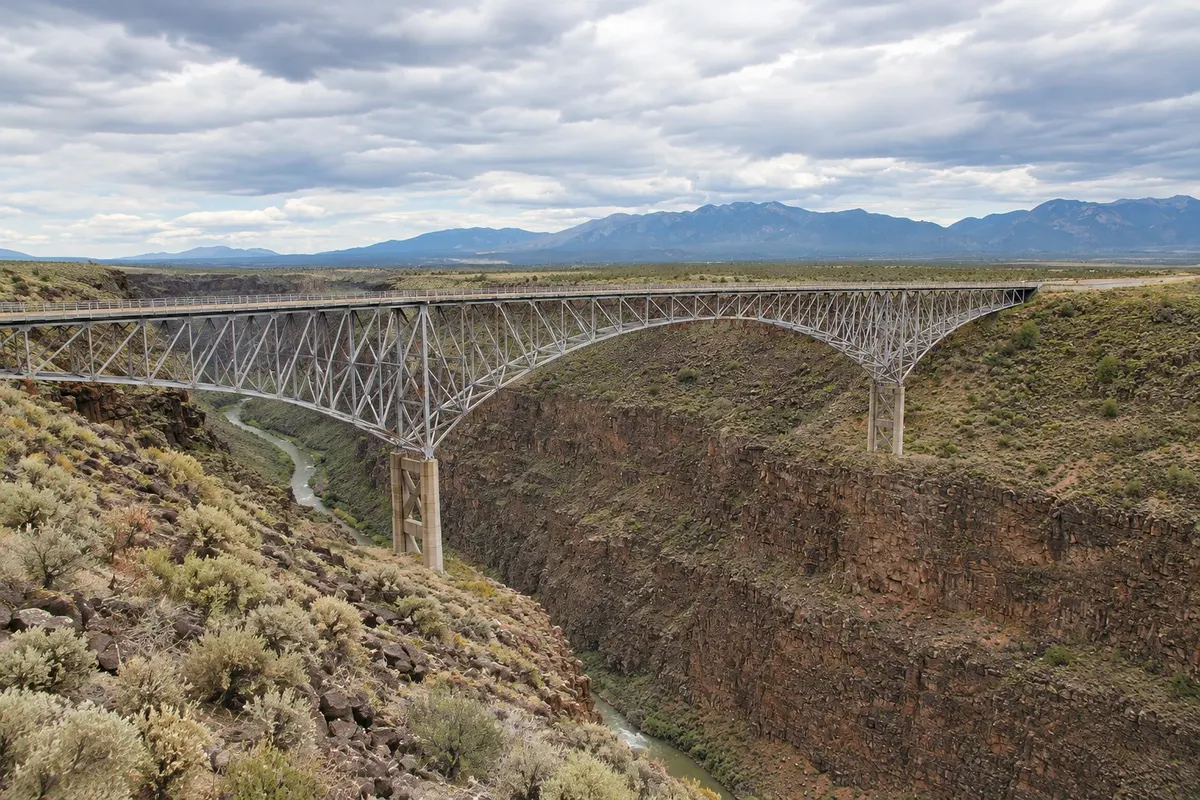
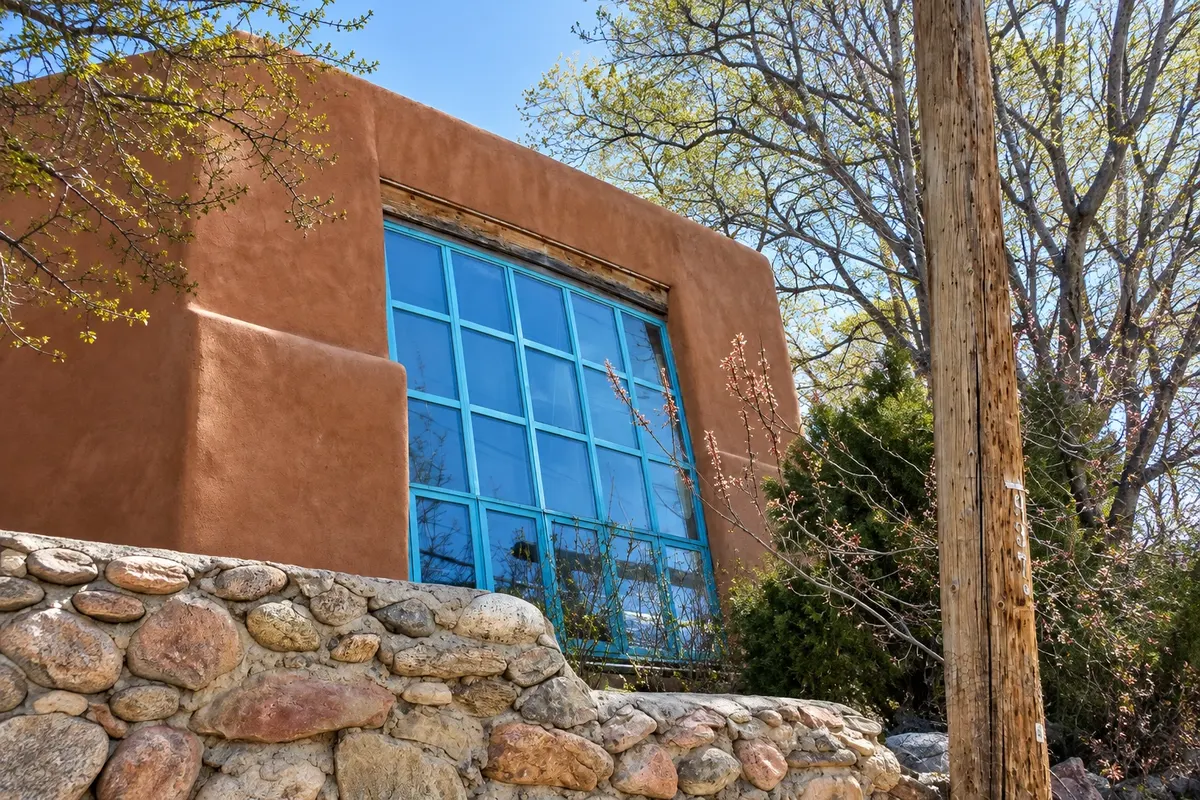
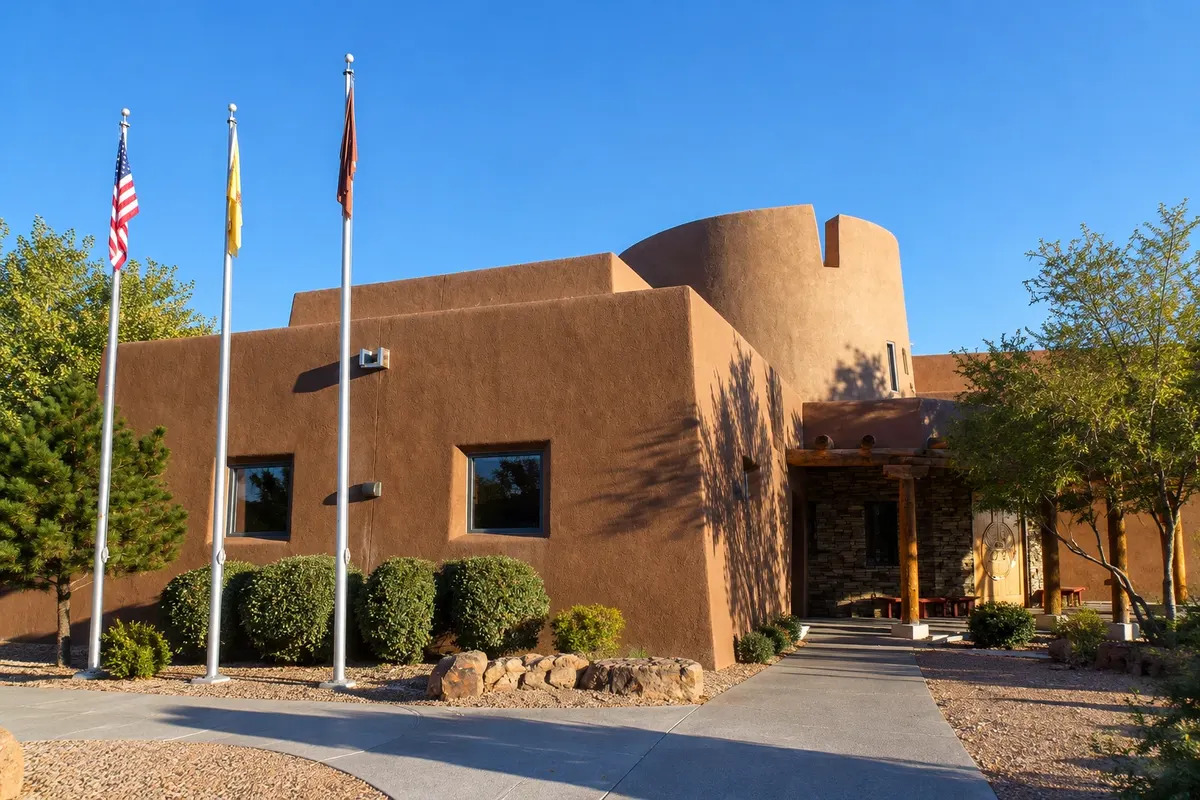
Northern New Mexico holds three layers of history: the indigenous pueblos, inhabited for centuries along the Rio Grande; the Spanish colonization that began in the late 16th century; and the U.S. annexation in 1848. Adobe houses, mission churches, cuisine with green and red chile, and Spanish street names come from this mix.
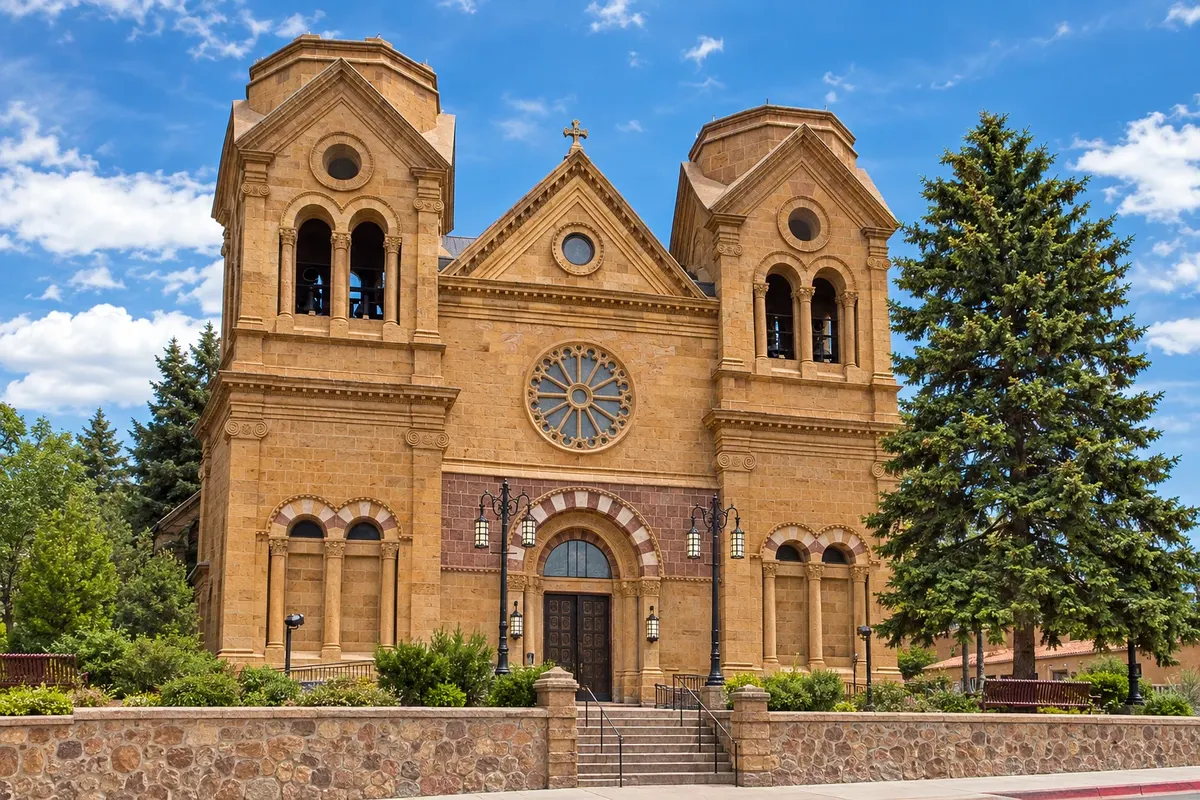
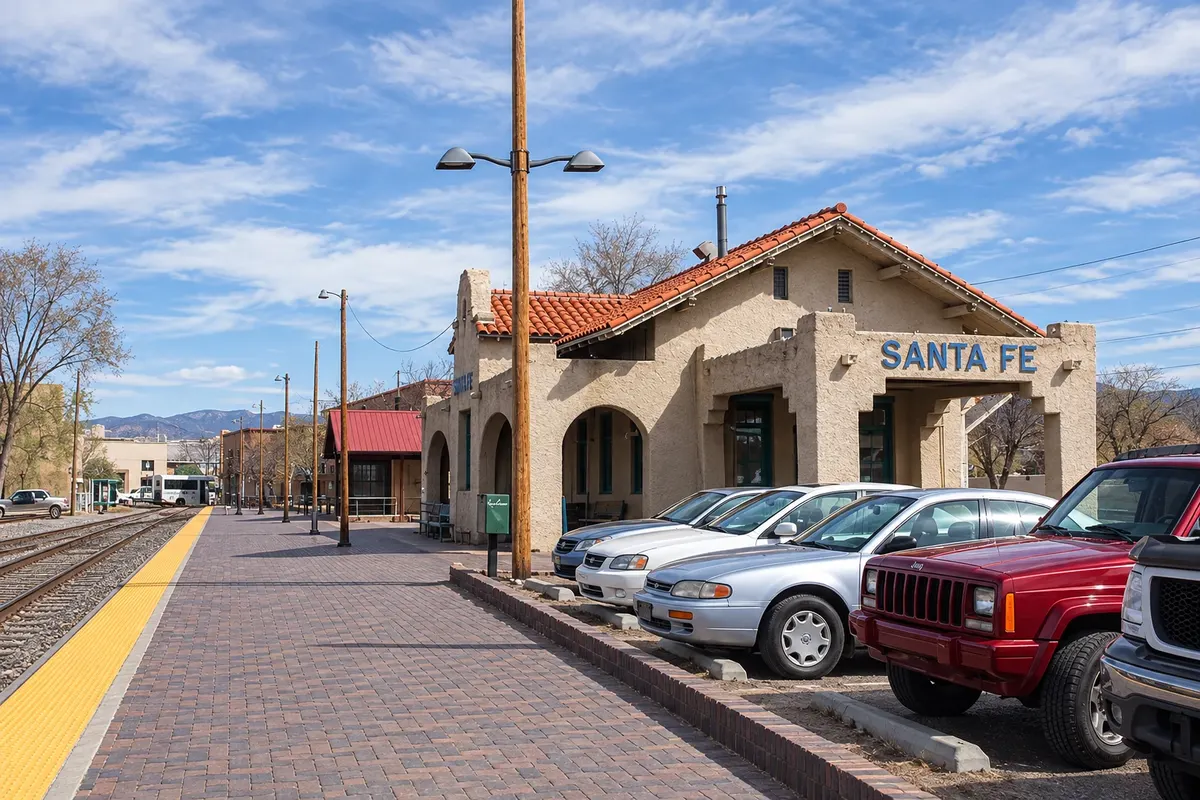
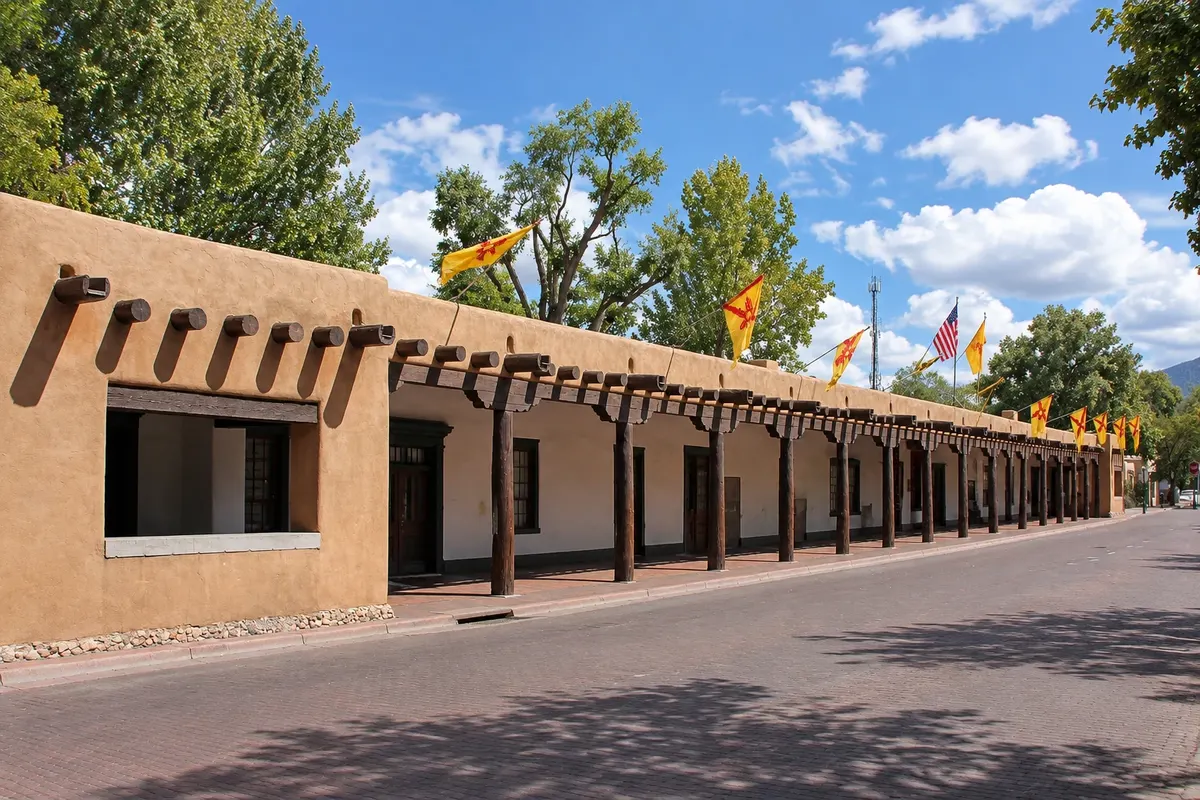
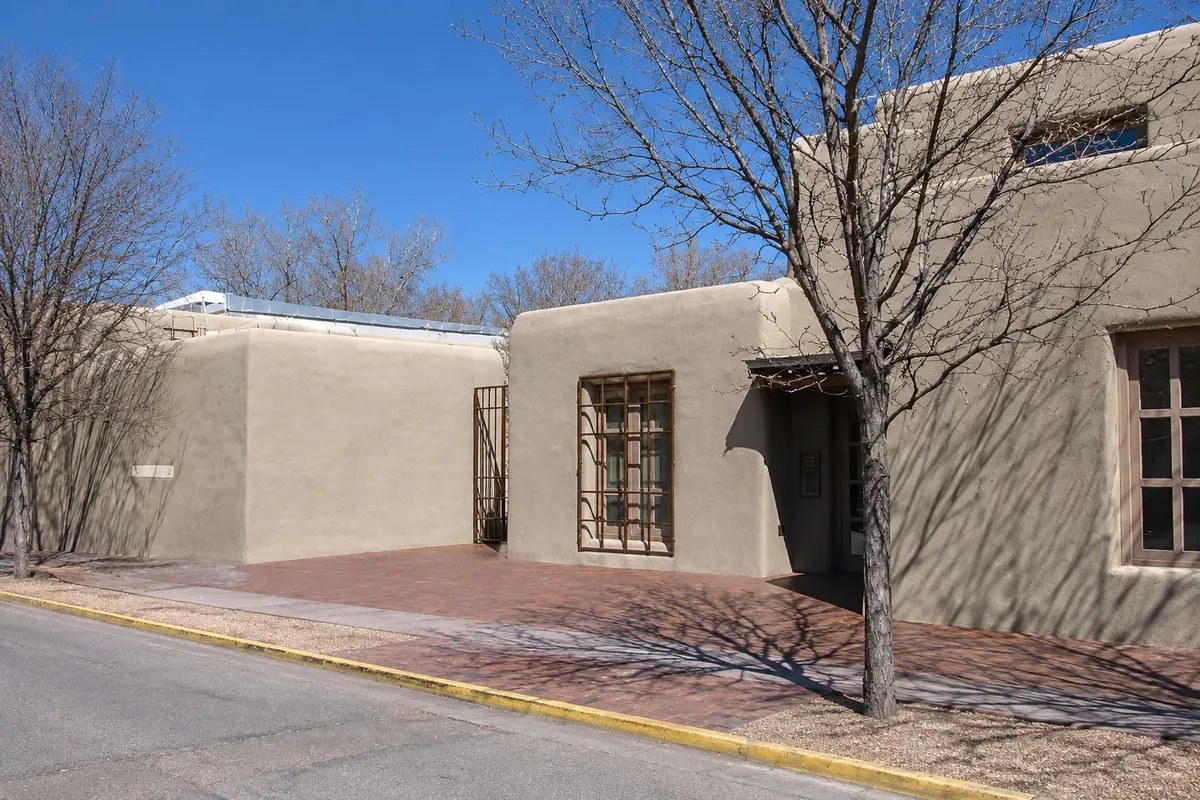
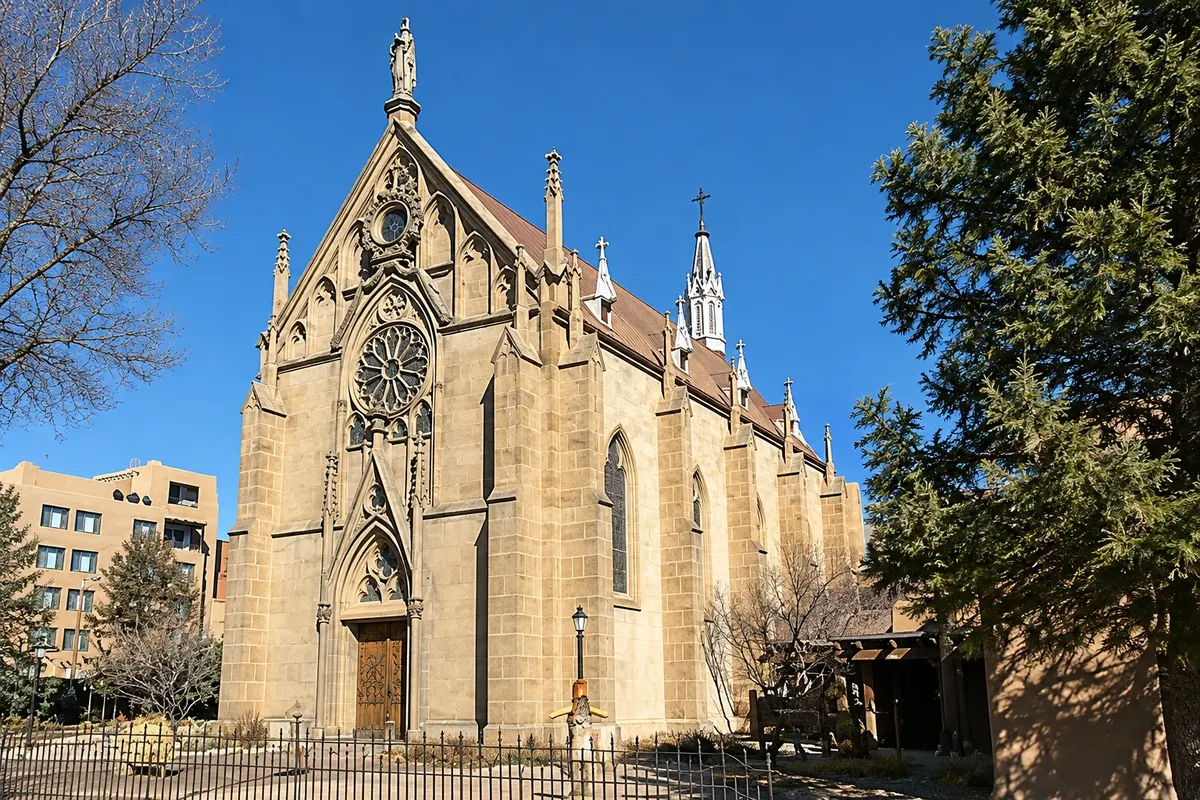
Santa Fe, founded by the Spanish around 1610, is the oldest state capital in the country and one of the highest, at about 2,100 meters. The center, around the Plaza and the Palace of the Governors, has been preserved in the adobe style and brings together museums, churches and, on Canyon Road, dozens of galleries. The Georgia O'Keeffe Museum commemorates the painter who lived and worked in the region.
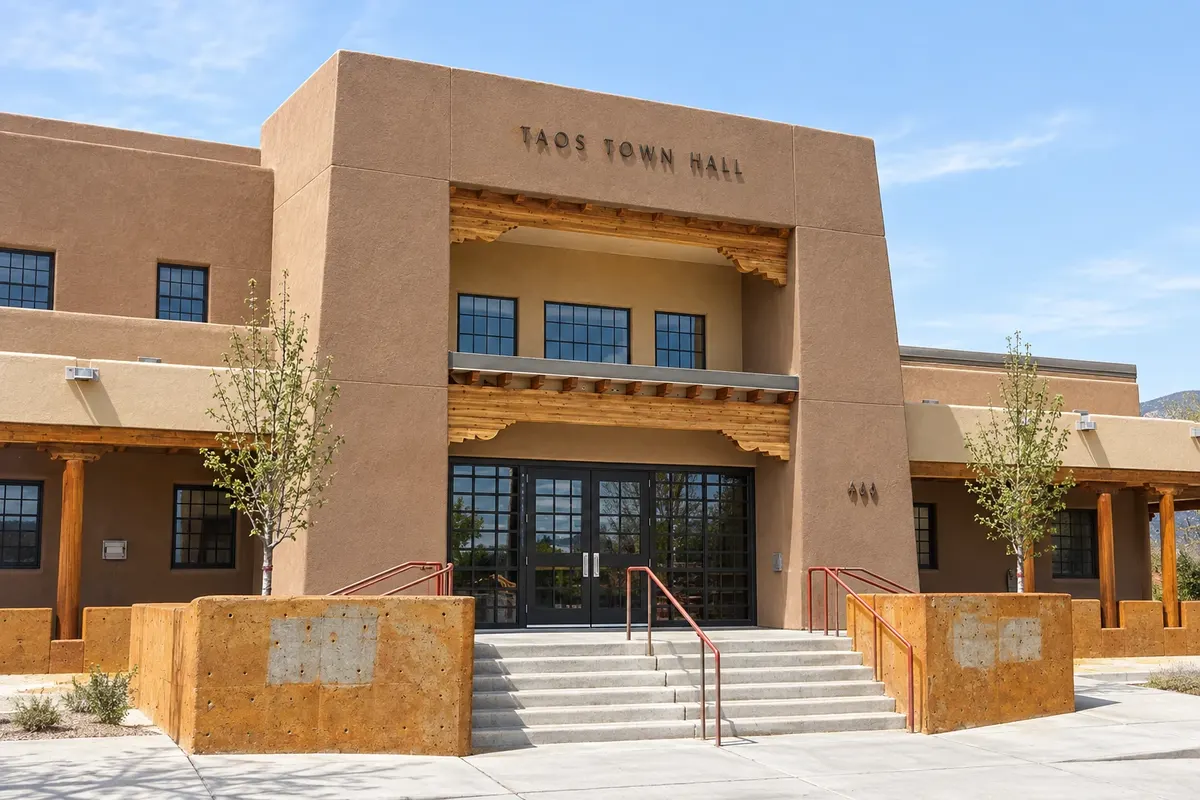
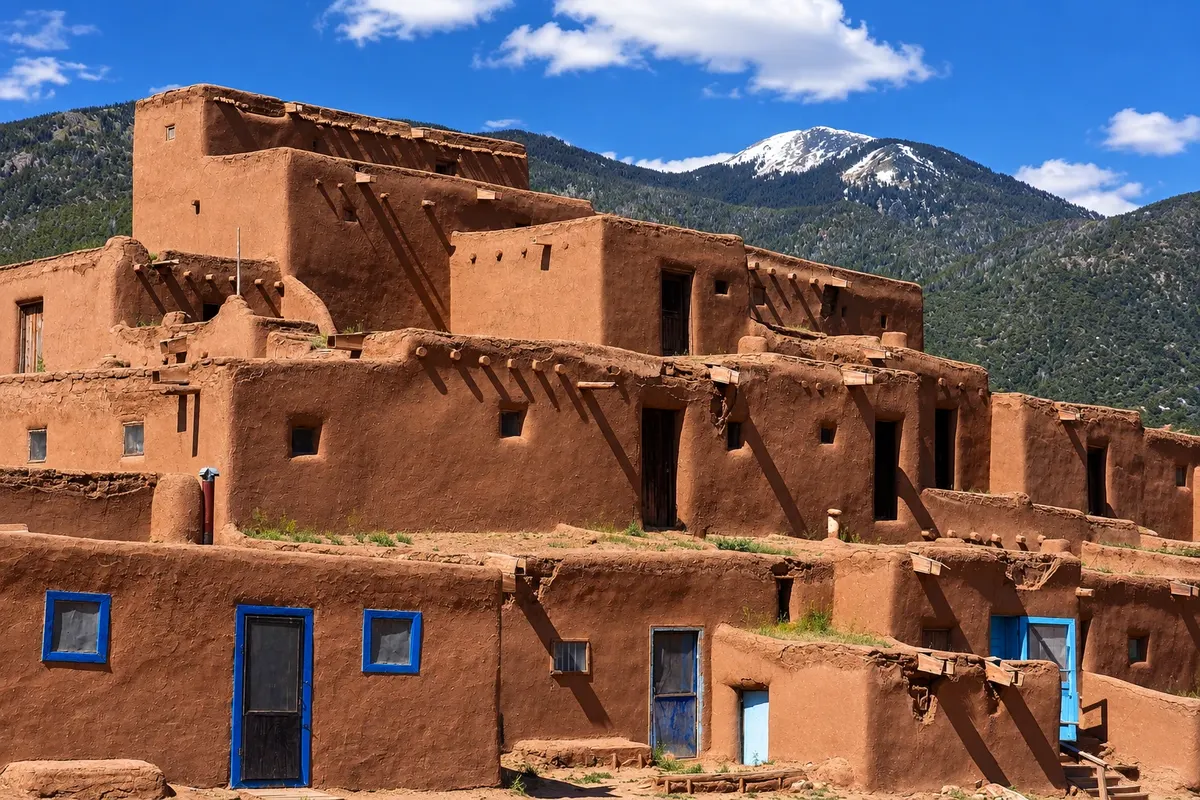
To the north, Taos is a small artists’ town near the Sangre de Cristo mountains. A few kilometers away is Taos Pueblo, a complex of multi‑story adobe houses inhabited for about a thousand years and listed as a UNESCO World Heritage Site.
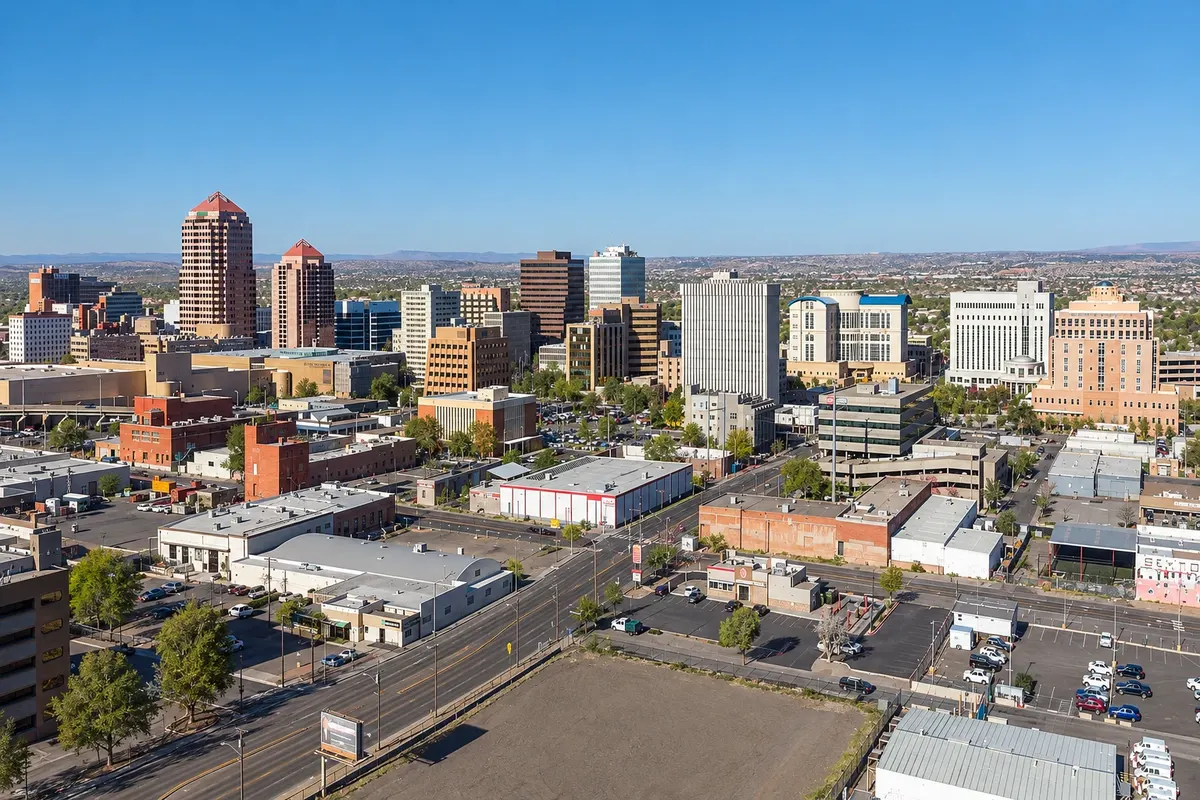
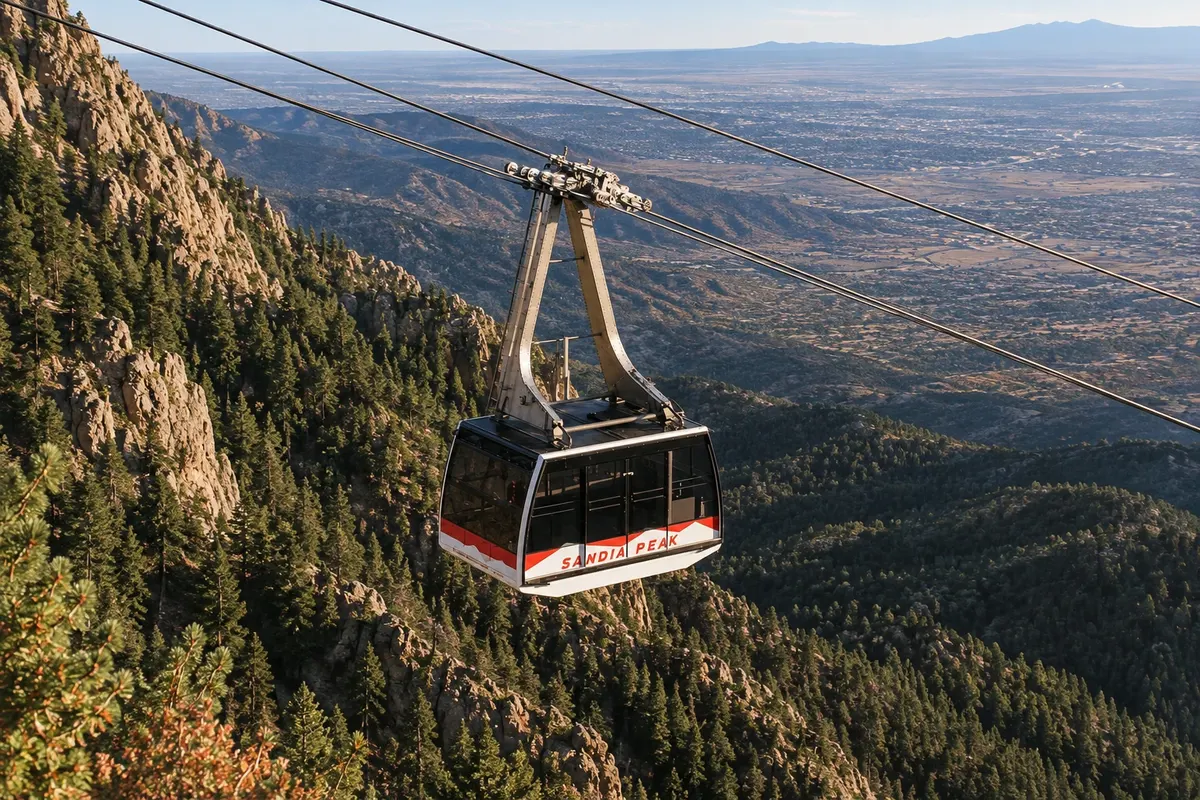
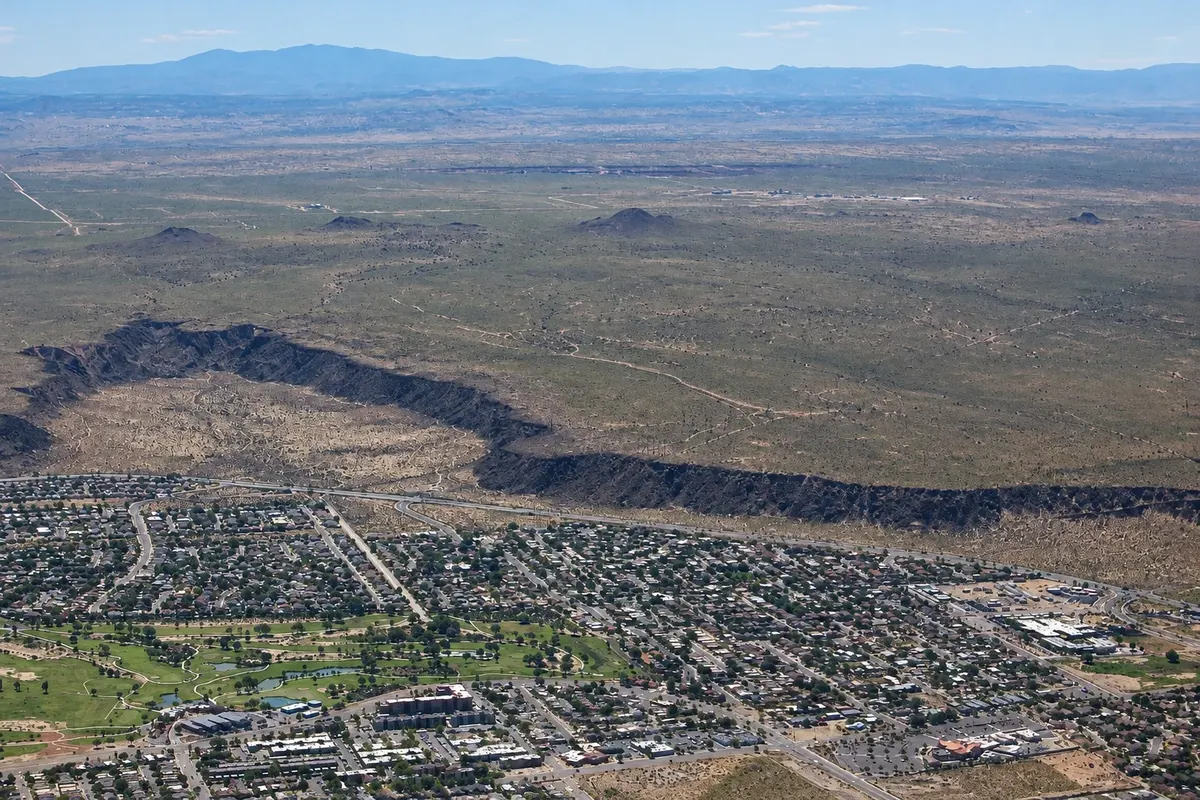
Albuquerque, the state’s largest city, about an hour south of Santa Fe, is the main air gateway. It has the Spanish Old Town, the Indian Pueblo Cultural Center, the tram that climbs the Sandia Mountains and, every October, the international balloon festival with hundreds of balloons filling the city’s sky.
This destination brings together 3 cities: Albuquerque, Santa Fe, Taos.


 Brazil
 Argentina
 Bolivia
 Chile
 Colombia
 Ecuador
 Guyana
 French Guiana
 Falkland Islands (Malvinas)
 Paraguay
 Peru
 Suriname
 Uruguay
 Venezuela
 Germany
 Austria
 Belgium
 Croatia
 Denmark
 Slovakia
 Slovenia
 Spain
 Finland
 France
 Greece
 the Netherlands
 Hungary
 Ireland
 Iceland
 Italy
 Luxembourg
 Norway
 Poland
 Portugal
 the United Kingdom
 the Czech Republic
 Sweden
 Switzerland
 Turkey
 Canada
 Mexico
 the Dominican Republic
 South Africa
 Australia
 Fiji
 New Zealand
 Papua New Guinea