New Orleans (New Orleans), United States

Louisiana · the United States

New Orleans (New Orleans), United States

The French Quarter and jazz, Creole and Cajun cuisine, Mardi Gras, and the bayous and old plantations along the Mississippi.

Louisiana and the Mississippi Delta

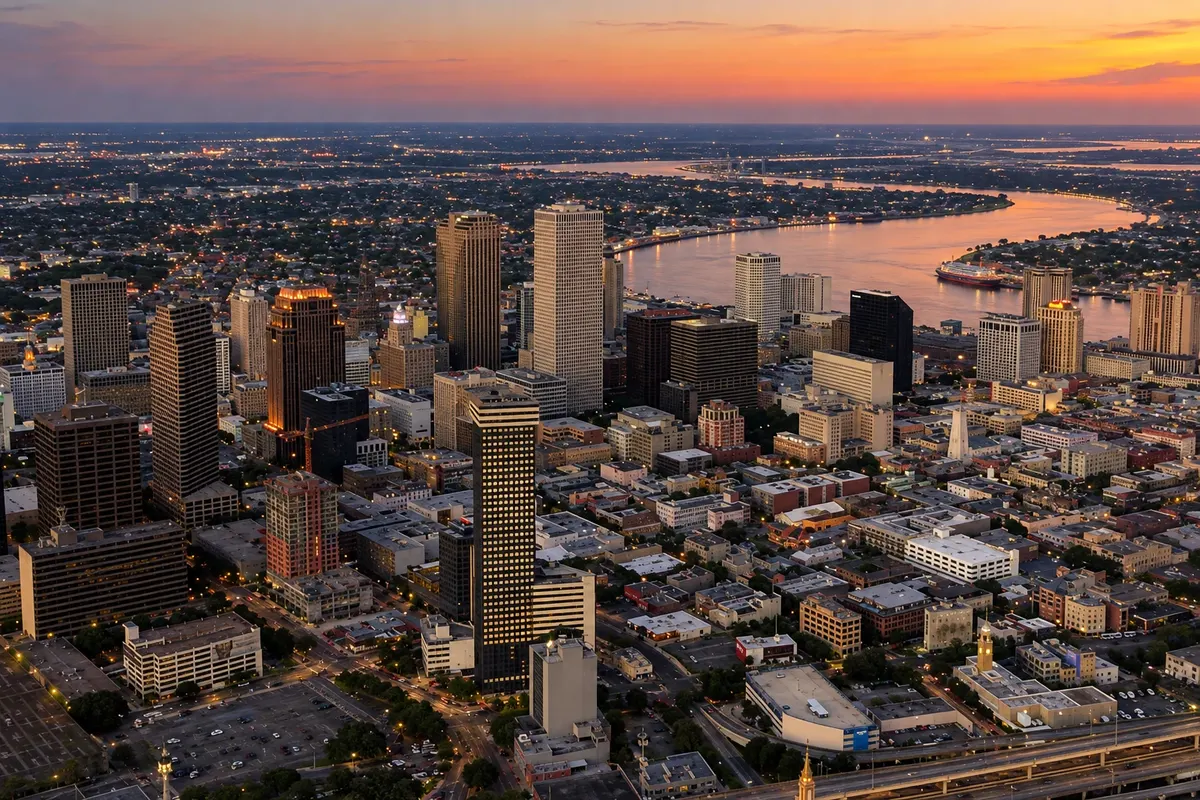
In the photo: Mississippi River and downtown New Orleans at dusk

Illustrative images. The pictures in this guide are illustrations based on the real place, not photographs, and may differ from it.

Get it on Google Play Send your photos

Get to know the place

A region to enjoy
at your own pace.

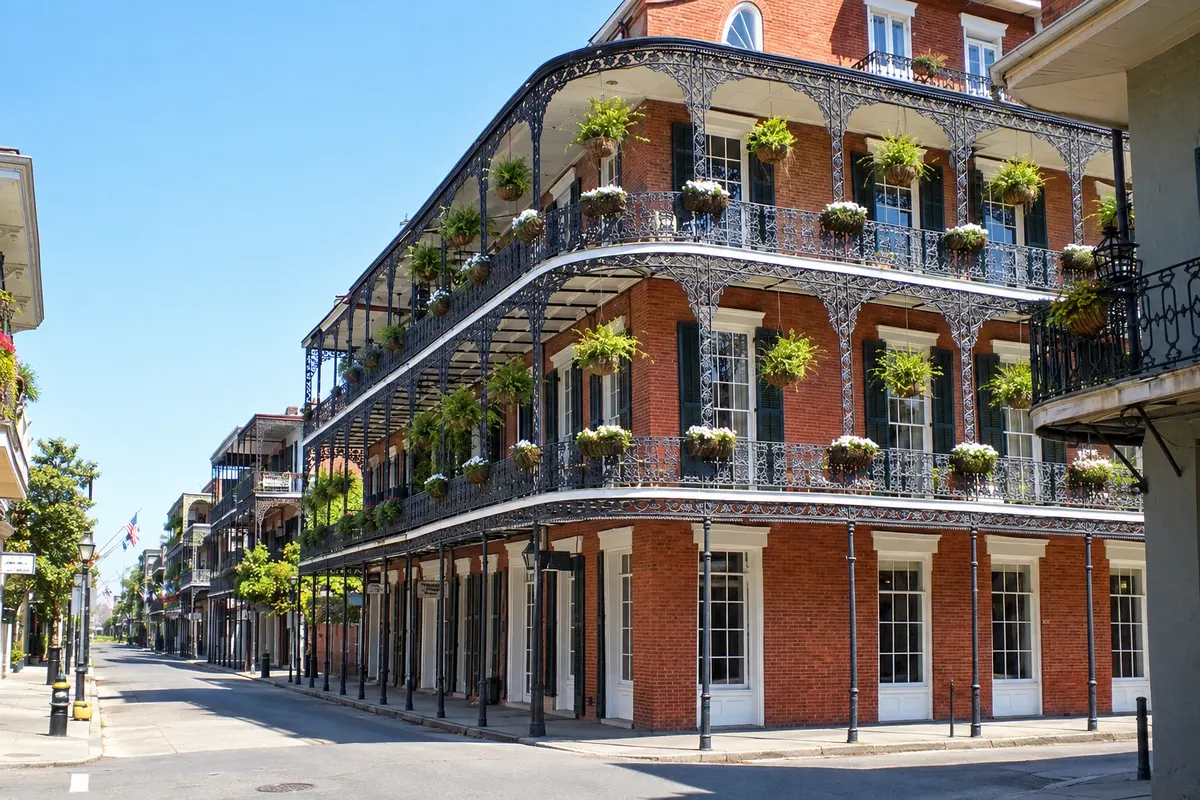
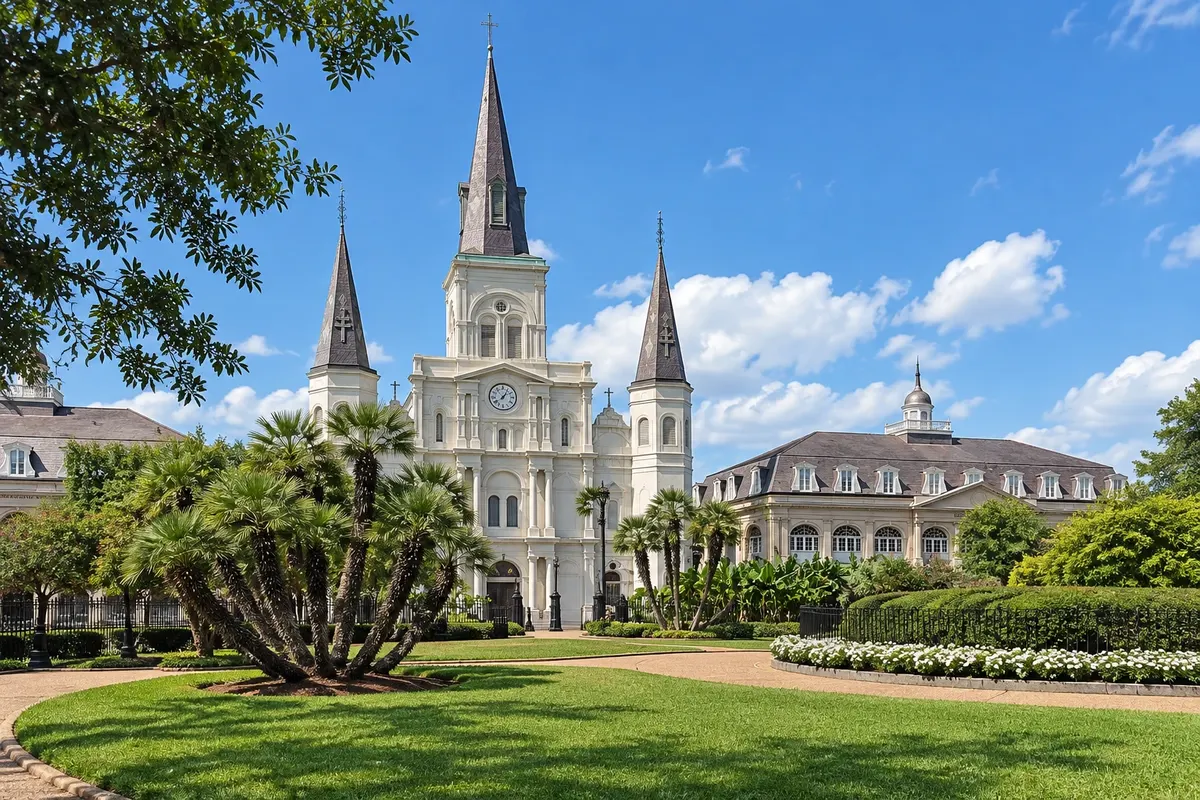
New Orleans was founded by the French in 1718 on a bend of the Mississippi River and passed under Spanish rule before being sold to the United States in 1803. The mix of French, Spanish, African and Caribbean origins gave the city its own architecture, music and cuisine. The French Quarter, the oldest neighborhood, has wrought-iron balconies and a central square dominated by a cathedral with white towers.

The city is considered the birthplace of jazz, which you can hear in the music venues on Frenchmen Street and in the brass bands that play in the streets. Creole cuisine, from the city, and Cajun cuisine, from inland Louisiana, appear in dishes such as gumbo and jambalaya. Mardi Gras, the local carnival, fills the streets with parades in the weeks before Lent.

Outside the center, the Garden District has 19th-century mansions, and the National WWII Museum occupies several pavilions. In the surrounding area, boardwalk trails cross the bayous of the Barataria Preserve, and along the Mississippi lie old sugarcane plantations, such as the Whitney Plantation, dedicated to the history of slavery.

This destination brings together 1 city: New Orleans.

Share: WhatsApp
Traveler, share your experiences through photos Up to 5 photos of each place you visited.

One destination, many paths

The cities on this trip

Start with one city or combine several in your itinerary.

Where New Orleans (New Orleans), United States is
Nova Orleans

Boundaries: U.S. Census Bureau / geoBoundaries (public domain). Adapted by Cidade Turismo.

How to get there: New Orleans (New Orleans), United States

✈ Louis Armstrong New Orleans International Airport (MSY), in Kenner · 20 km to New Orleans

Flights land at Louis Armstrong Airport (MSY), in Kenner, west of the city, connected to downtown by bus and taxi. The Union Passenger Terminal receives long-distance trains from Chicago, New York and Los Angeles. Entry requirements depend on nationality: confirm the rules before traveling.

The local experience

Things to do in New Orleans (New Orleans), United States

French Quarter
New Orleans · Louisiana · Historic neighbourhood

French Quarter

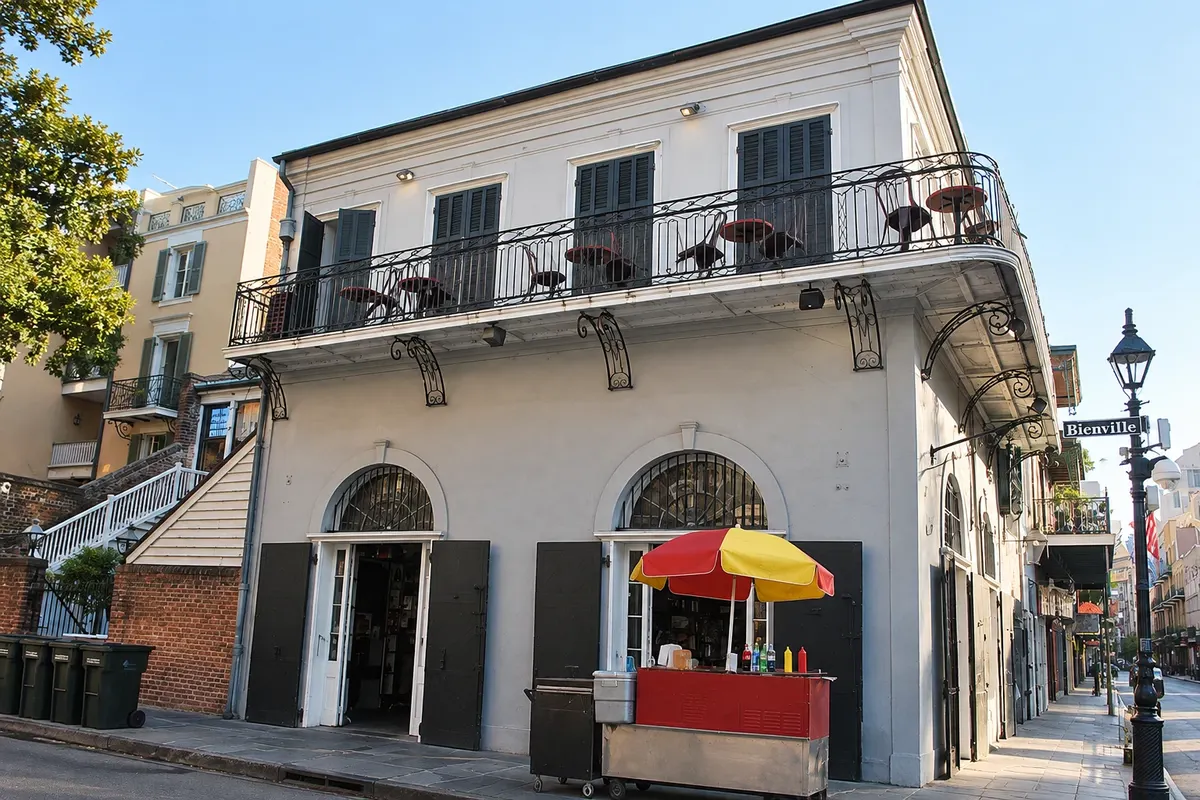
The oldest neighborhood of New Orleans, with wrought-iron balcony houses, inner courtyards, street music and Bourbon Street.

Jackson Square and St. Louis Cathedral
New Orleans · Louisiana · Square

Jackson Square and St. Louis Cathedral

The central square of the French Quarter, with the Andrew Jackson statue, street artists and St. Louis Cathedral, with white towers.

The National WWII Museum
New Orleans · Louisiana · Museum

The National WWII Museum

Museum in multiple pavilions in the Warehouse District about America’s role in World War II, with aircraft, films and veterans’ testimonies.

Garden District
New Orleans · Louisiana · Historic neighbourhood

Garden District

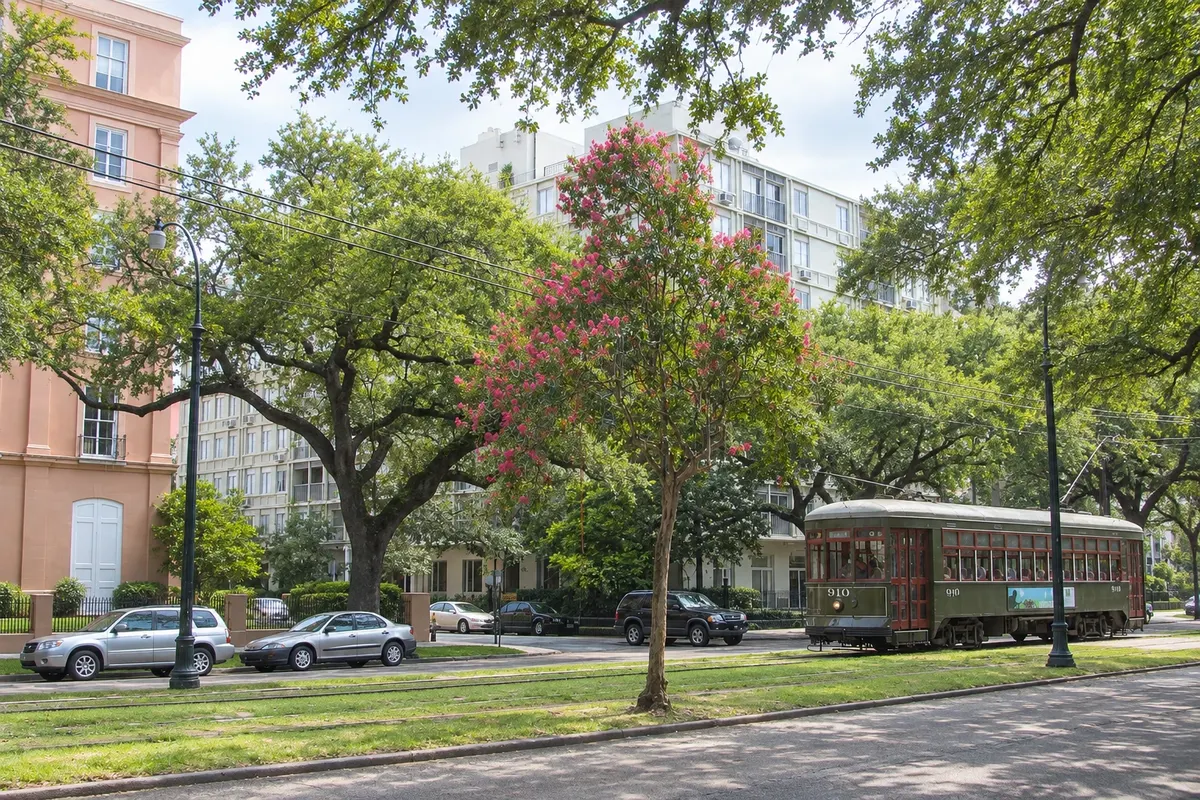
Residential neighborhood with 19th-century mansions, gardens and oak trees, served by the St. Charles Avenue streetcar and Lafayette No. 1 Cemetery.

See 1 more place in New Orleans (New Orleans), United States
Whitney Plantation
New Orleans · Louisiana · Museum

Whitney Plantation

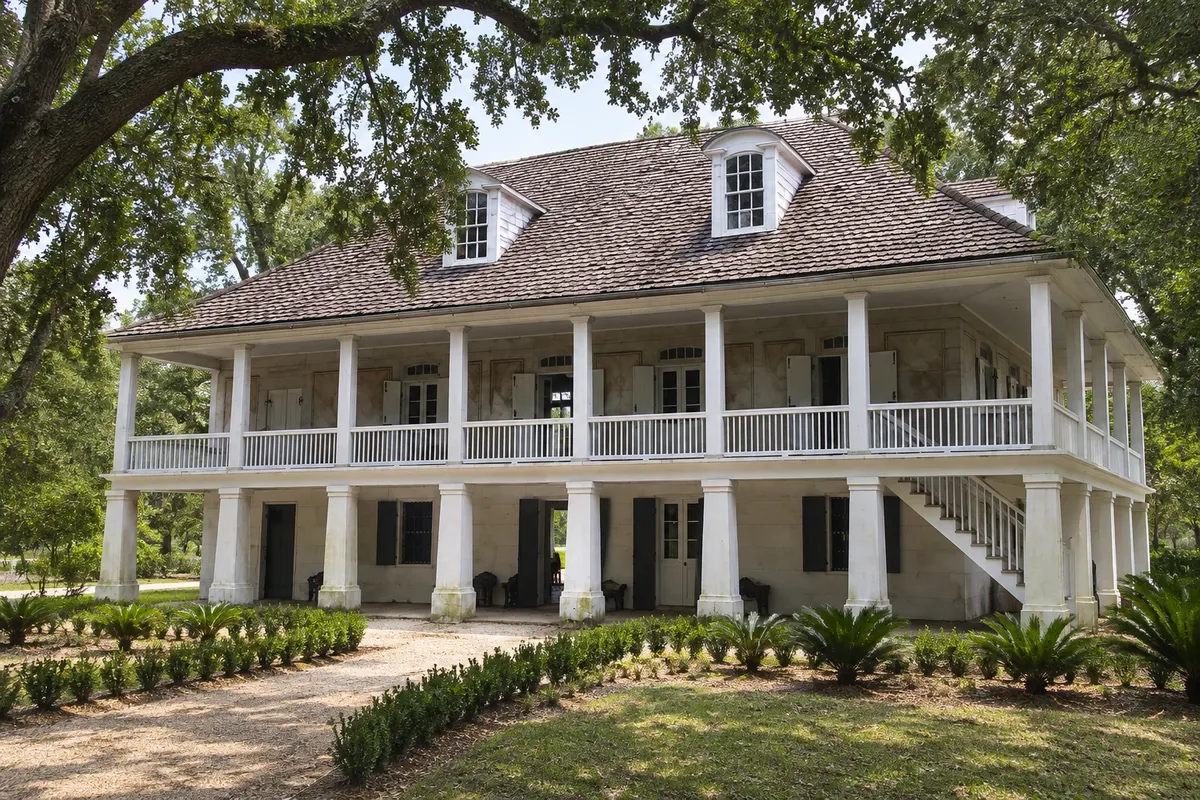
Former sugarcane plantation on the banks of the Mississippi, turned into a museum and memorial dedicated to the enslaved people who lived there.

Before you go

Practical information

A little planning leaves more time to enjoy the journey.

When to go

Late winter, spring and autumn are usually the mildest times. In the height of summer, the heavy humidity makes walks taxing. Gulf hurricanes typically occur between June and November. Mardi Gras falls between February and March, depending on the date of Easter.

The seasons shown are the most usual ones; nature doesn't always follow the calendar.

How many days to stay

Three days for the French Quarter, the Garden District and the museums; four days to add the bayous and a plantation.

Which city to stay in

The French Quarter puts everything within walking distance, but it gets noisy at night near Bourbon Street. Faubourg Marigny, next to Frenchmen Street, is quieter; the Central Business District and the Warehouse District are close to the museums. The Garden District, served by the St. Charles Avenue streetcar, is residential.

Respect the place

Take your trash with you, follow the signs and support local businesses. In natural areas, follow the visiting guidelines.

Get your questions answered

Frequently asked questions about New Orleans (New Orleans), United States

How to get to New Orleans?

Via MSY airport, about 20 km from downtown, or by long-distance trains that arrive at Union Passenger Terminal.

How many days to stay in New Orleans?

Three days for the center and neighborhoods; four to include the bayous and a plantation.

What is the best time to visit New Orleans?

From February to May and from October to November, when it’s cooler. During Mardi Gras and the Jazz Fest in April and May the city gets very crowded.

Do you need a car in New Orleans?

Not within the city, which has streetcars and is walkable. For the plantations and the bayous, use a car or organized tours.

When is New Orleans’ Mardi Gras?

On the Tuesday before Ash Wednesday, between February and March, with parades in the preceding weeks.

What time zone is New Orleans in?

New Orleans follows Central Time, six hours behind UTC; during Daylight Saving Time, from March to November, it is five hours behind.

Explore other destinations Search by state and city