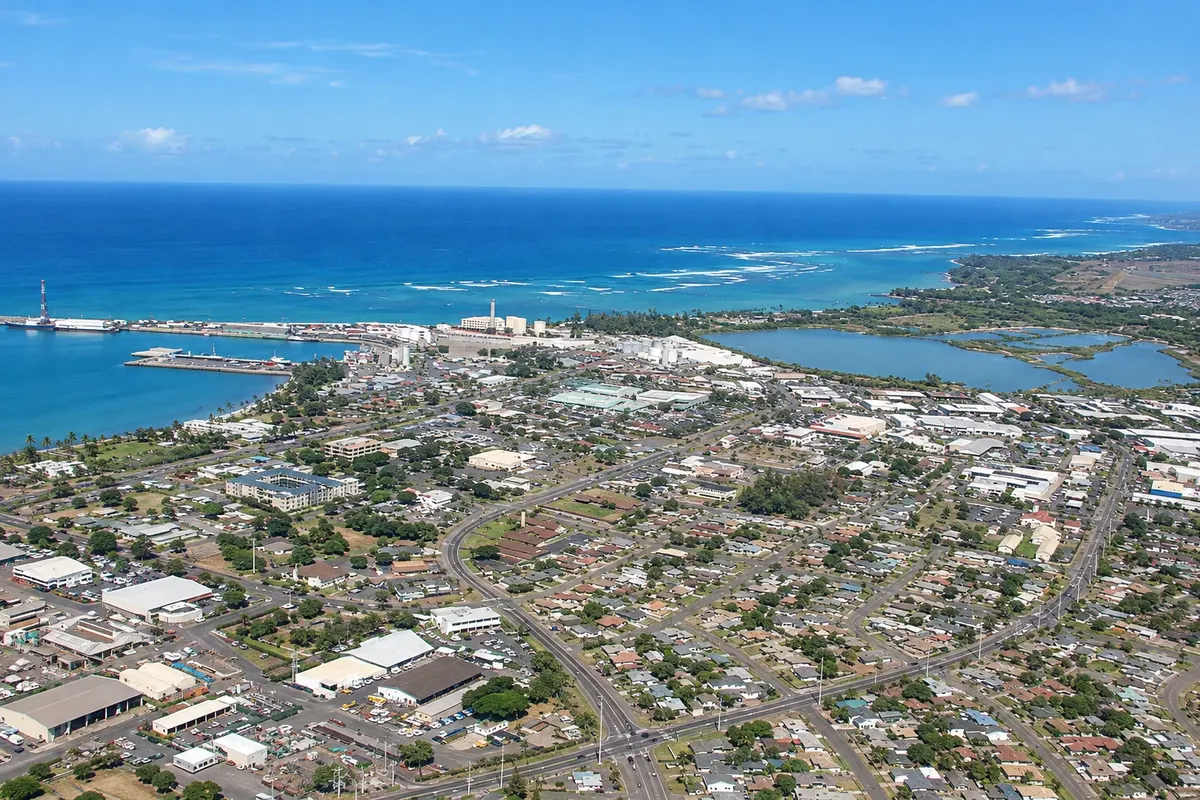
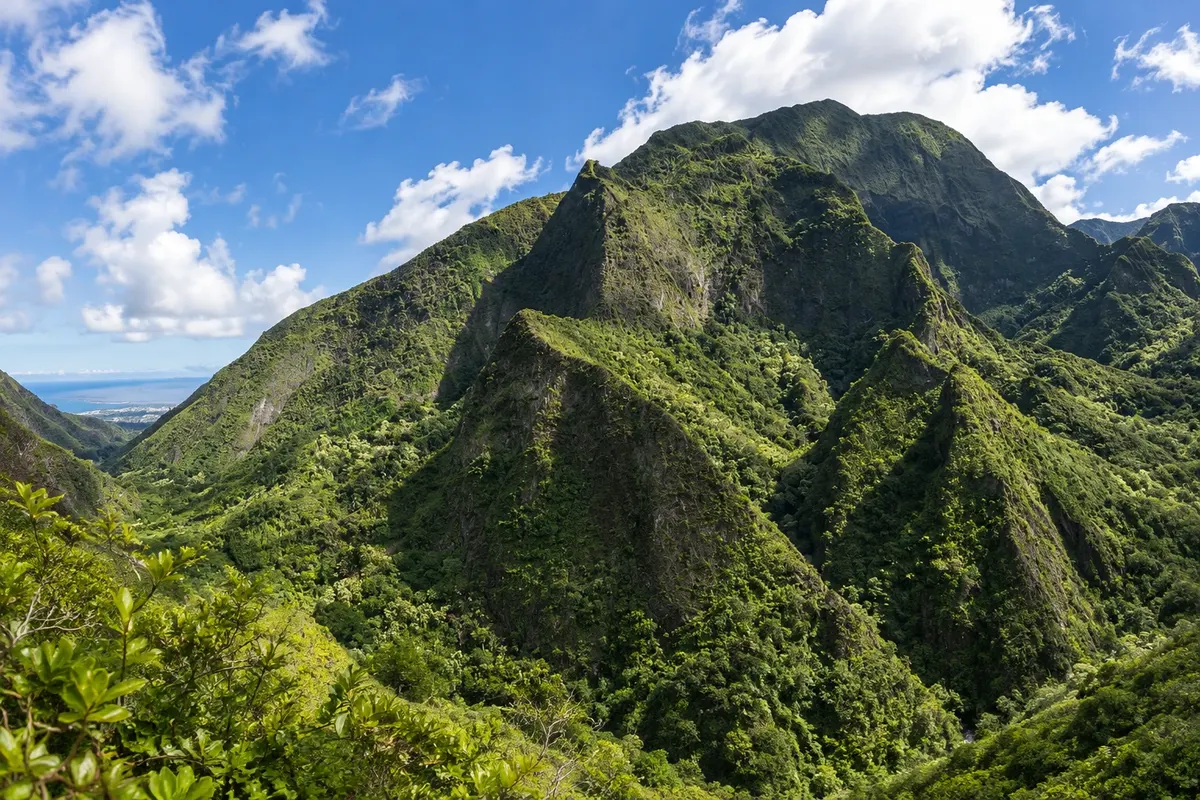
Maui is the second-largest island in the Hawaiian archipelago, formed by two volcanoes joined by a flat isthmus, which earned it the nickname Valley Isle. To the east rises Haleakalā, over 3,000 meters high; to the west are the older, more eroded mountains of Mauna Kahalawai, cut by valleys such as ʻĪao. On the isthmus are Kahului, with the main airport and the port, and Wailuku, the county seat.
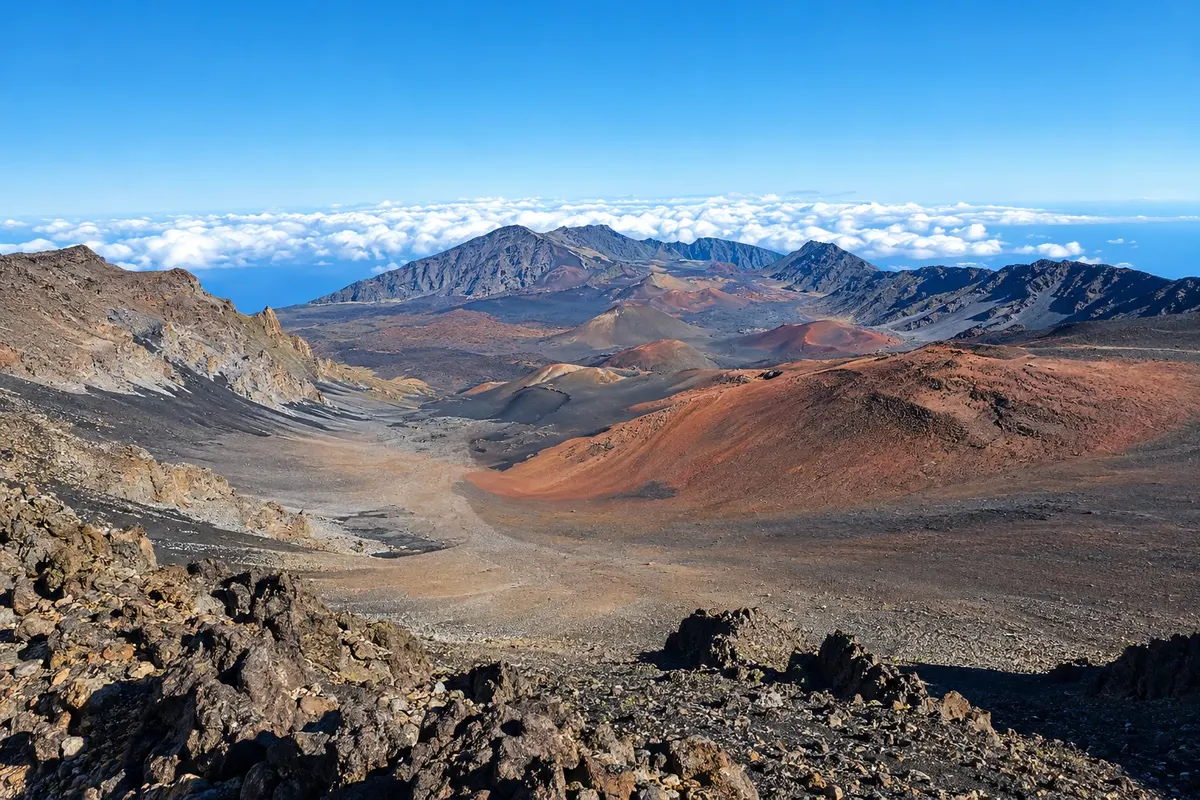
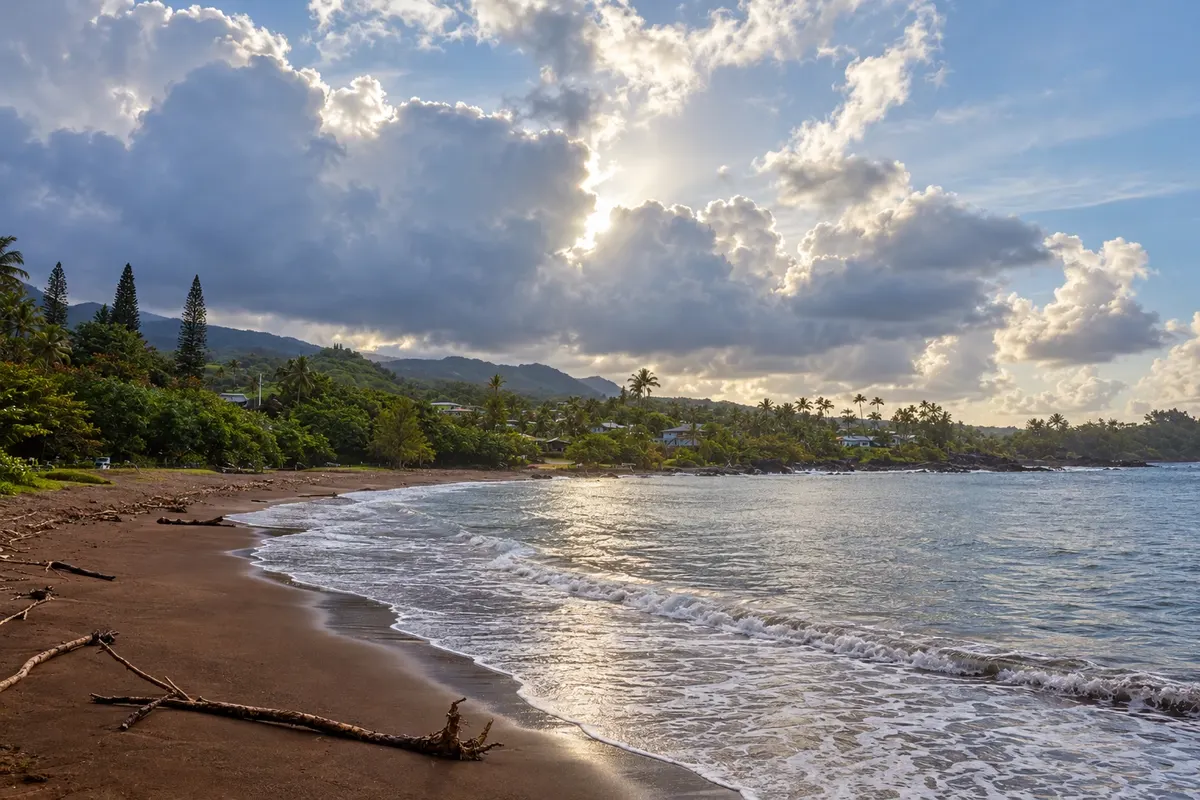
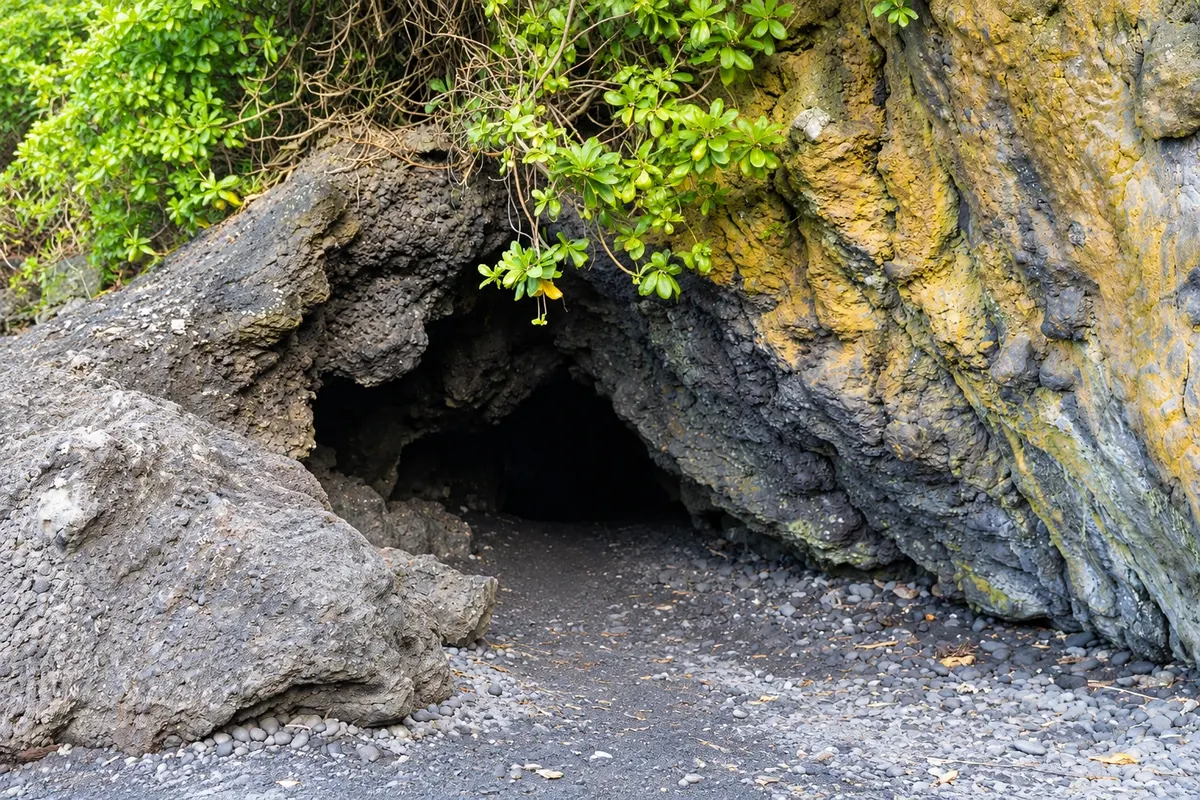
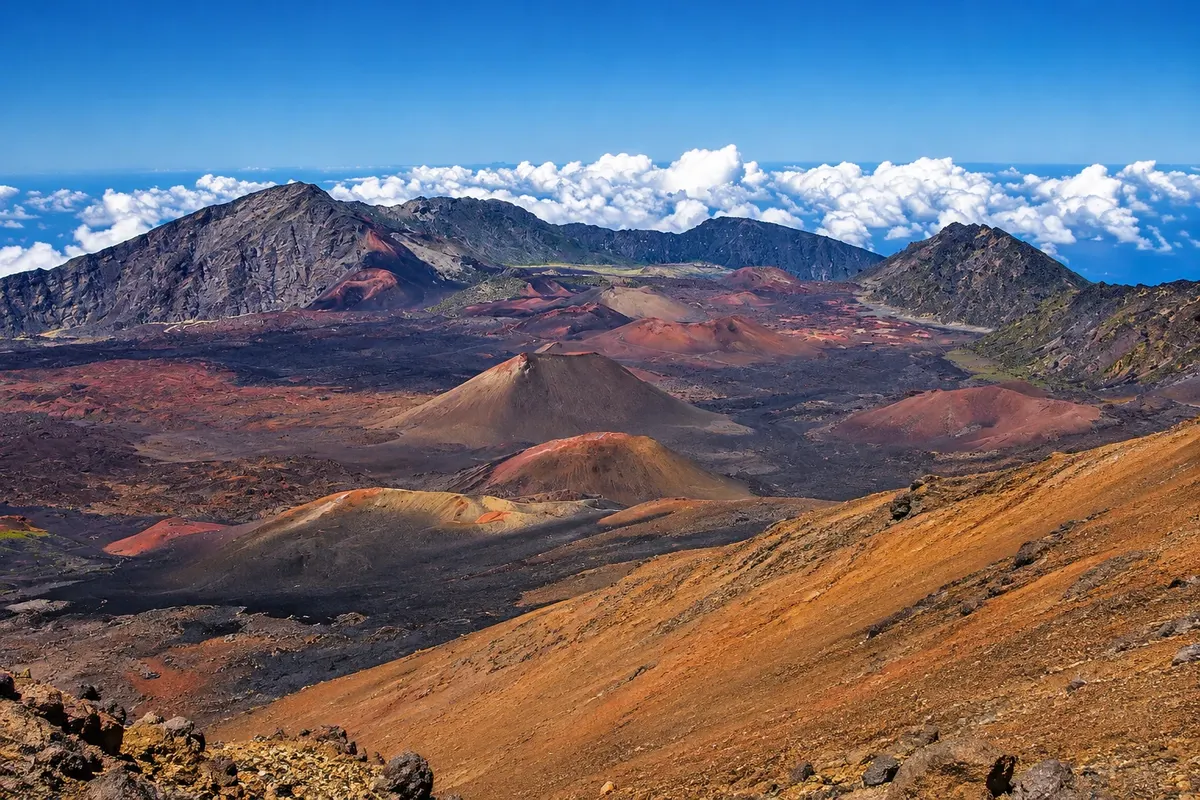
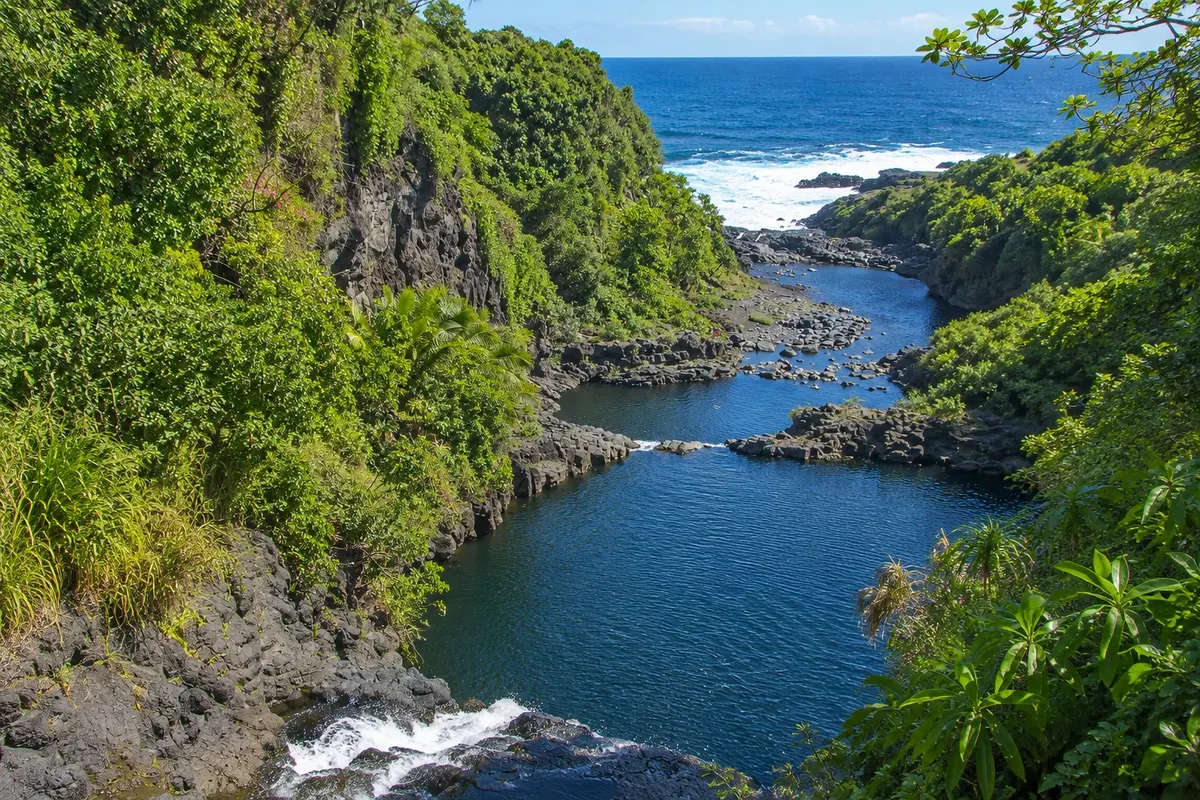
Haleakalā National Park rises from sea level to the summit. At the top, the large summit depression, with reddish ash cones, receives visitors before dawn to watch the sun rise above the clouds. On the other side, the Road to Hana runs along the northeast coast across dozens of narrow bridges and curves, passing waterfalls, forests and black-sand beaches, until the village of Hana and the Kīpahulu district, also part of the park.
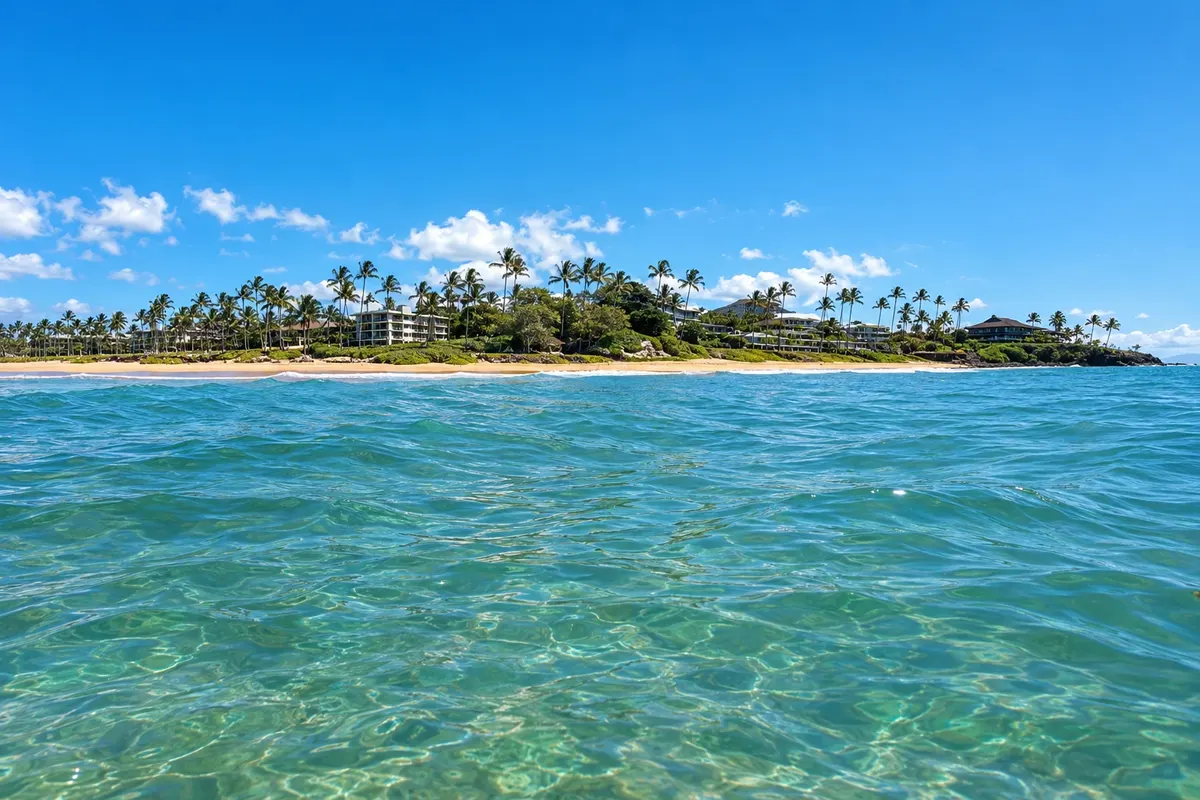
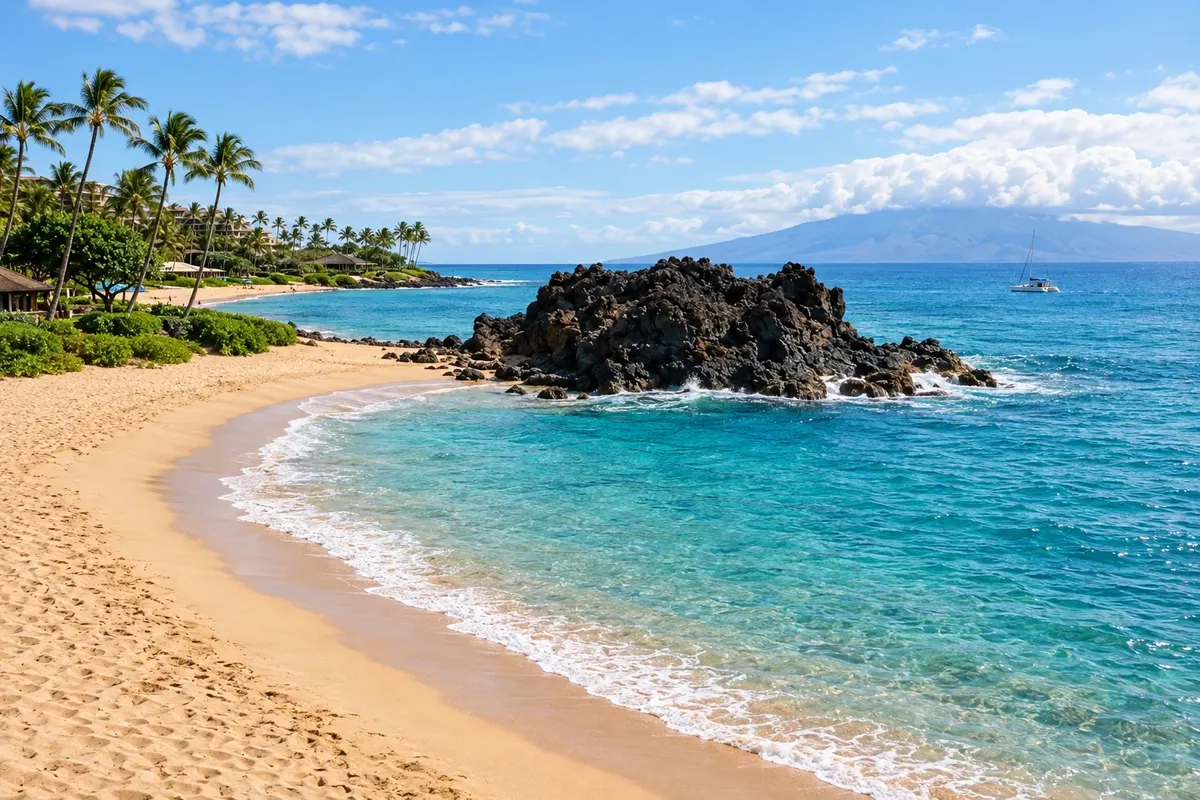
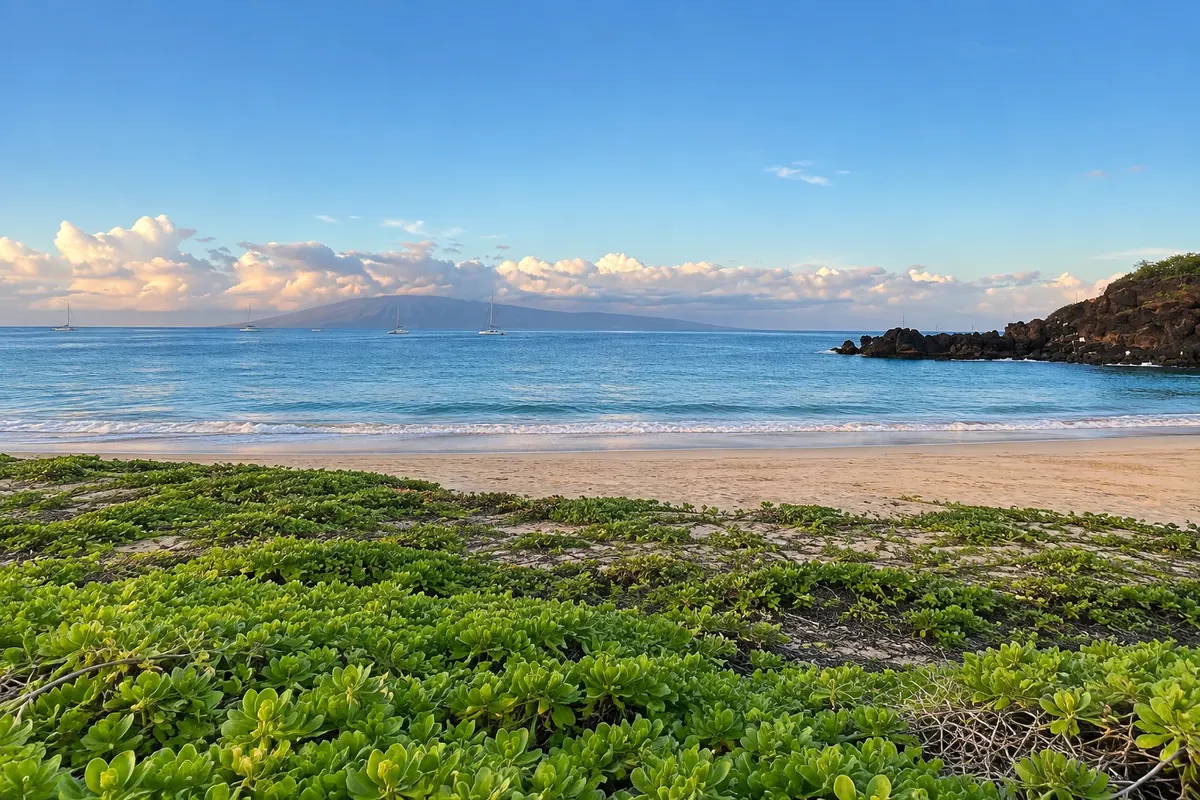
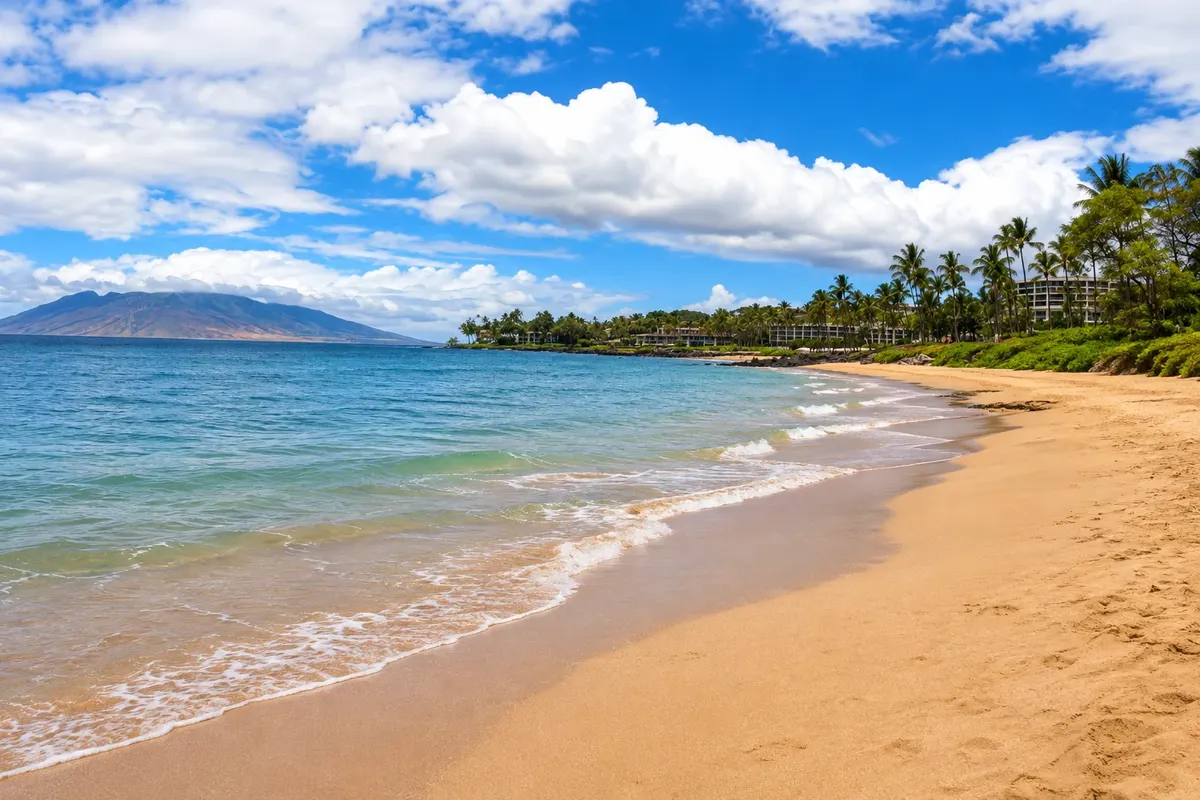
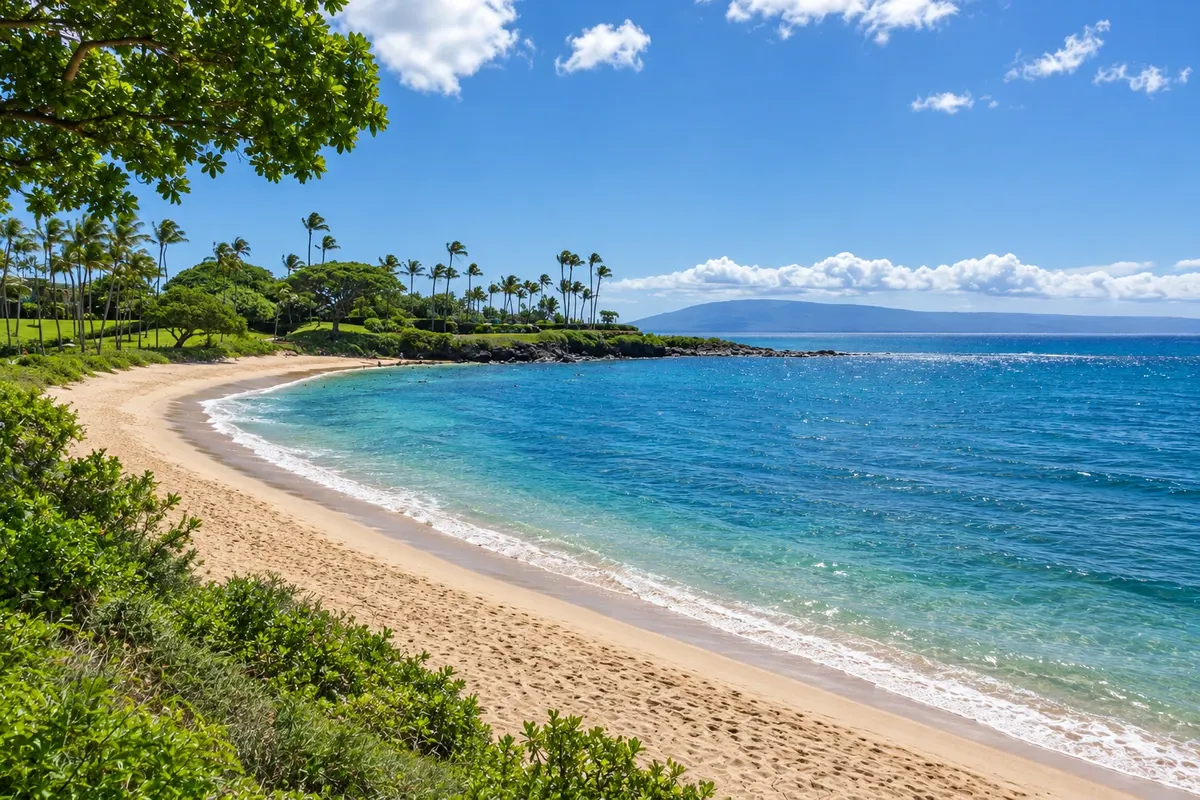
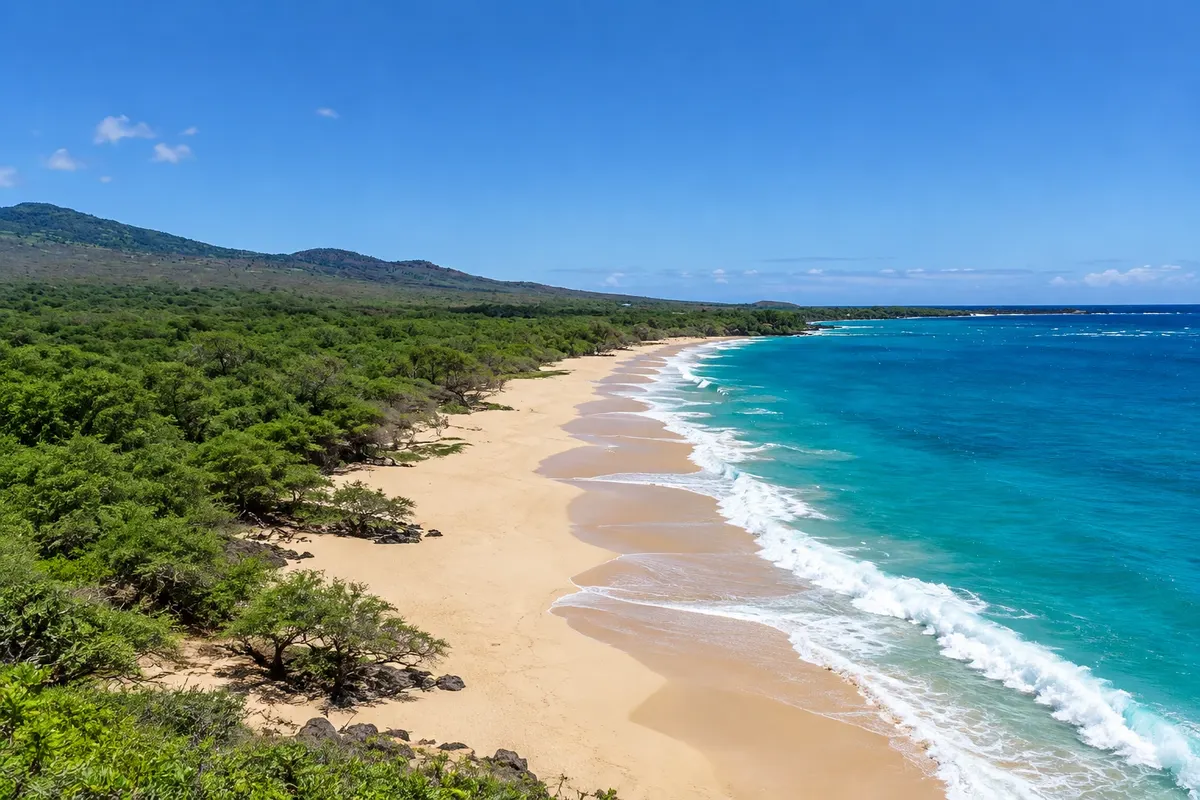
On the south coast, Wailea and the Mākena area have light-sand beaches facing the islet of Molokini and the islands of Kahoʻolawe and Lānaʻi. On the west coast, Kaanapali and Kapalua offer beaches with reefs for snorkeling. Lahaina, the former capital of the kingdom, lies between them.
In winter, the channels between Maui, Lānaʻi and Molokaʻi receive humpback whales that come from Alaska to breed. Whale-watching boats depart from harbors on the west and south coasts.
This destination brings together 4 cities: Kahului, Wailea, Kāʻanapali, Hana.


 Brazil
 Argentina
 Bolivia
 Chile
 Colombia
 Ecuador
 Guyana
 French Guiana
 Falkland Islands (Malvinas)
 Paraguay
 Peru
 Suriname
 Uruguay
 Venezuela
 Germany
 Austria
 Belgium
 Croatia
 Denmark
 Slovakia
 Slovenia
 Spain
 Finland
 France
 Greece
 the Netherlands
 Hungary
 Ireland
 Iceland
 Italy
 Luxembourg
 Norway
 Poland
 Portugal
 the United Kingdom
 the Czech Republic
 Sweden
 Switzerland
 Turkey
 Canada
 Mexico
 the Dominican Republic
 South Africa
 Australia
 Fiji
 New Zealand
 Papua New Guinea