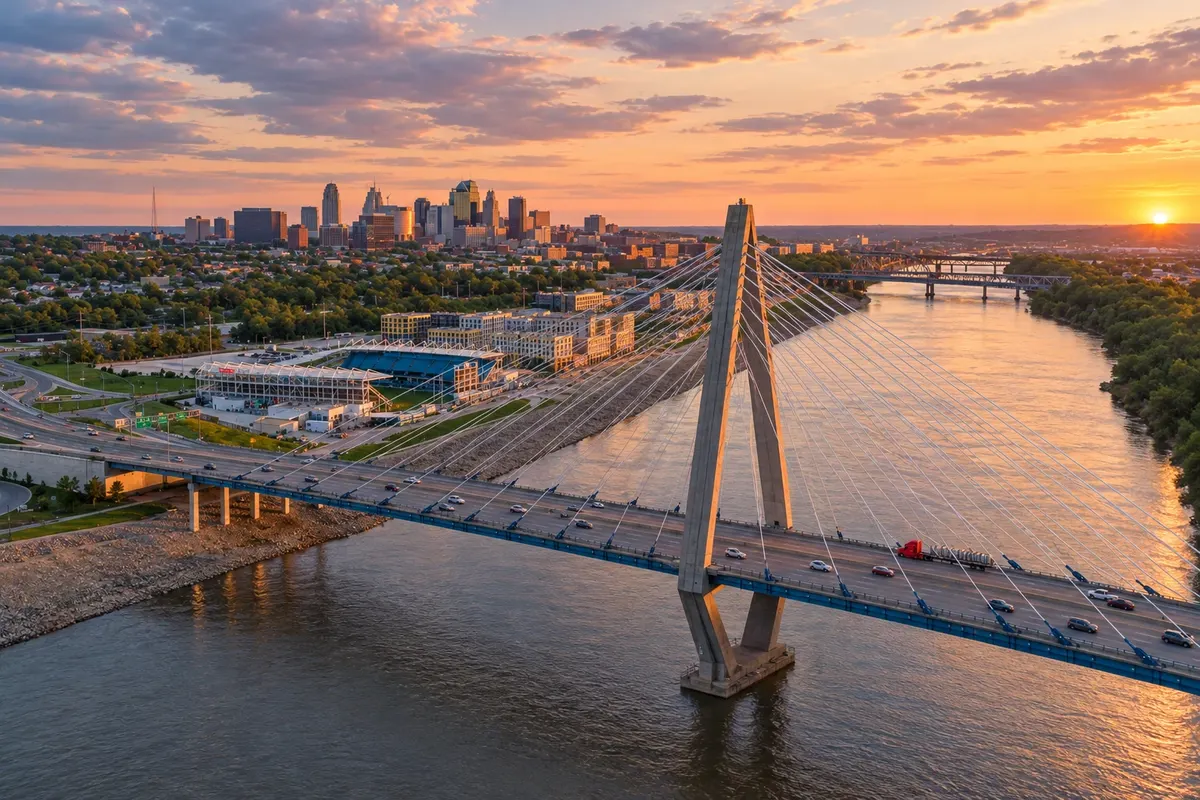
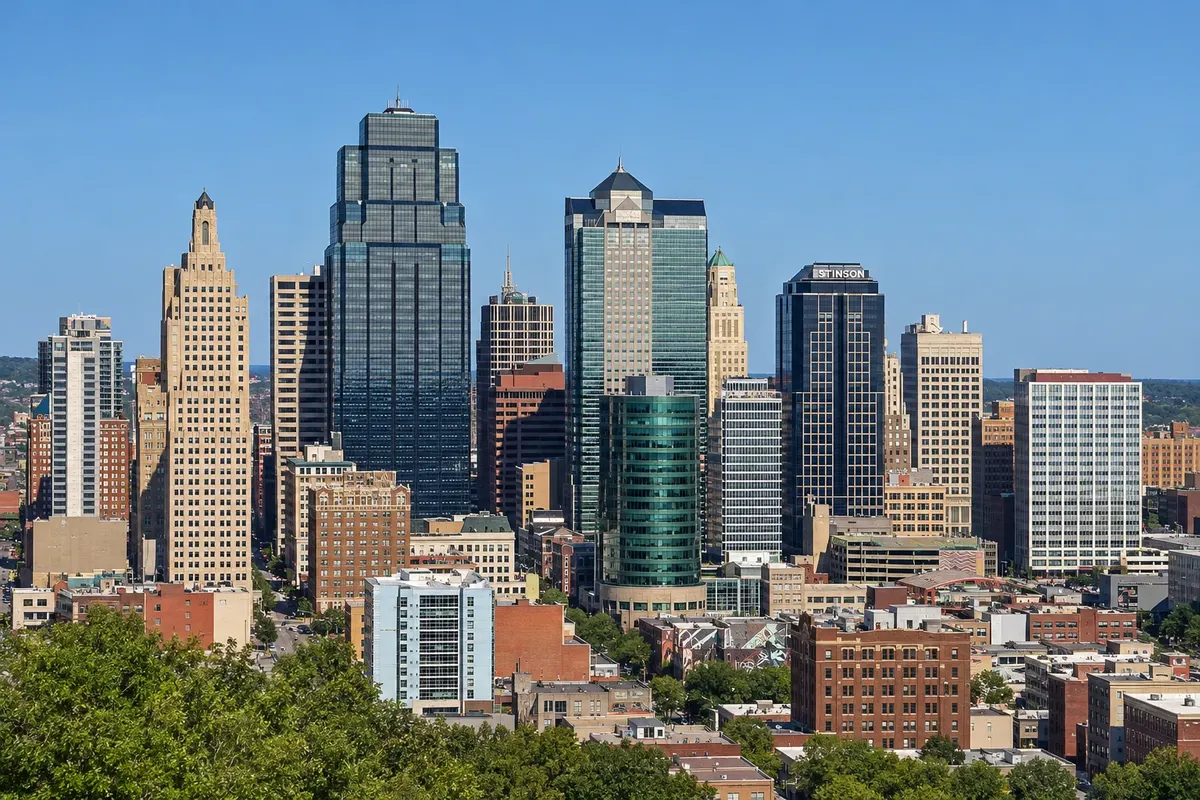
Kansas City sits at the confluence of the Missouri and Kansas rivers, on the border between the states of Missouri and Kansas. The main city, on the Missouri side, is the larger of the two; across the border, a neighboring city shares the same name.
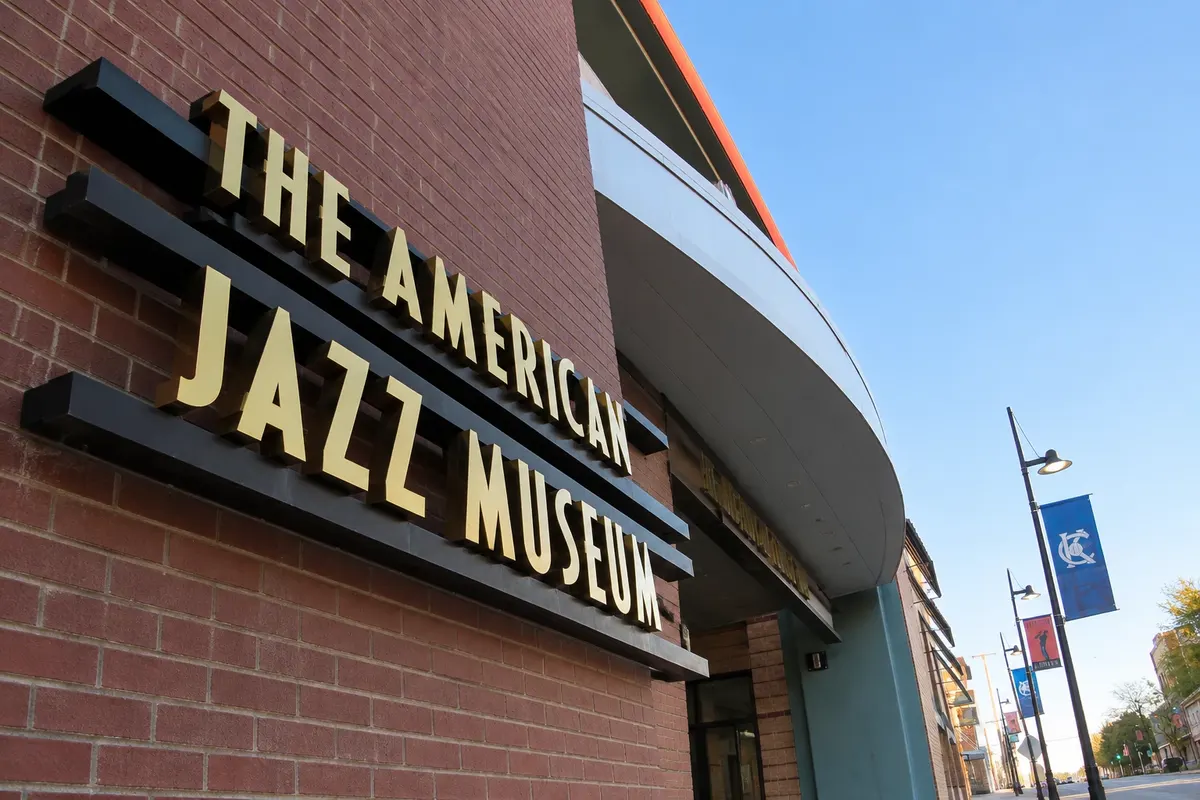
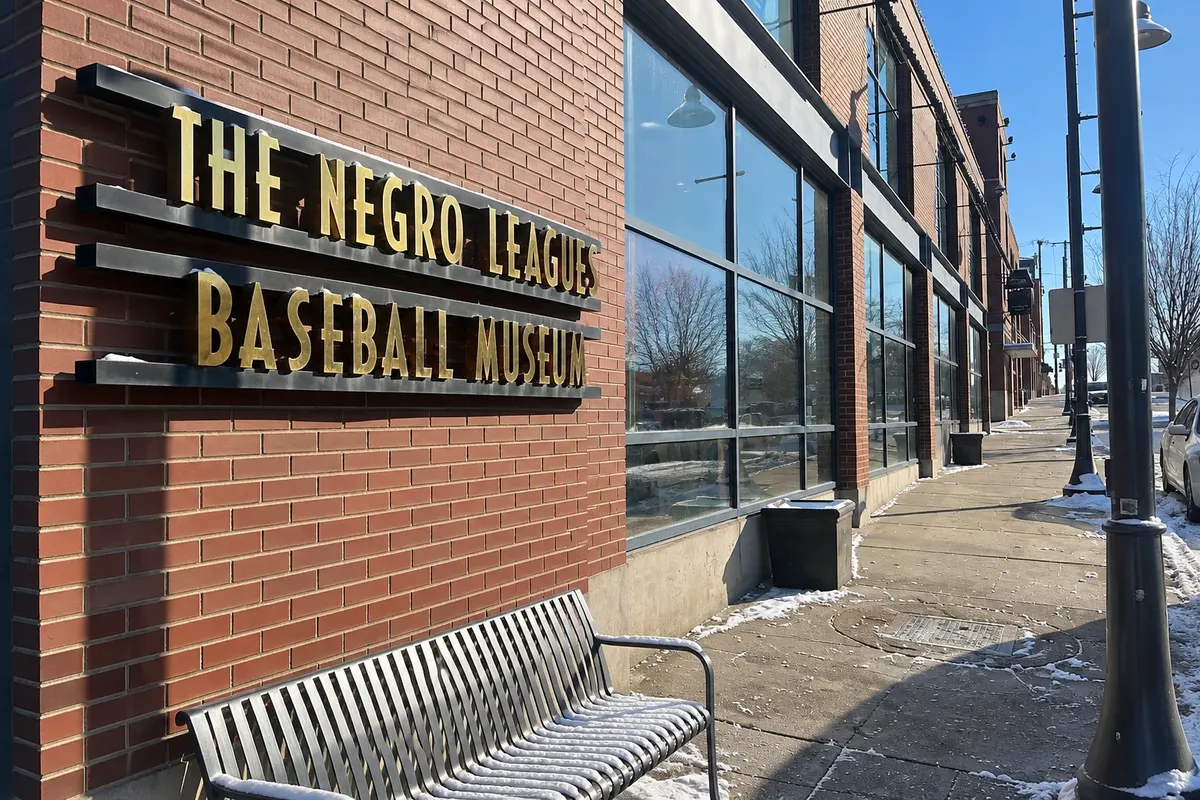
In the early 20th century, Kansas City was a railroad hub and a major cattle market. In the 1920s and 1930s, the nightclubs of the 18th & Vine district, the center of the city’s Black life, developed a distinctive jazz style, with musicians such as Count Basie and Charlie Parker. Today the neighborhood houses, in one building, the memory of that music and of the baseball leagues formed by Black players.
The city markets itself as the city of fountains, with about 200 public fountains, many in the Country Club Plaza area, a 1920s shopping district inspired by Seville. Barbecue is another hallmark: meats smoked for hours, served with a sweet sauce, at restaurants spanning several generations.
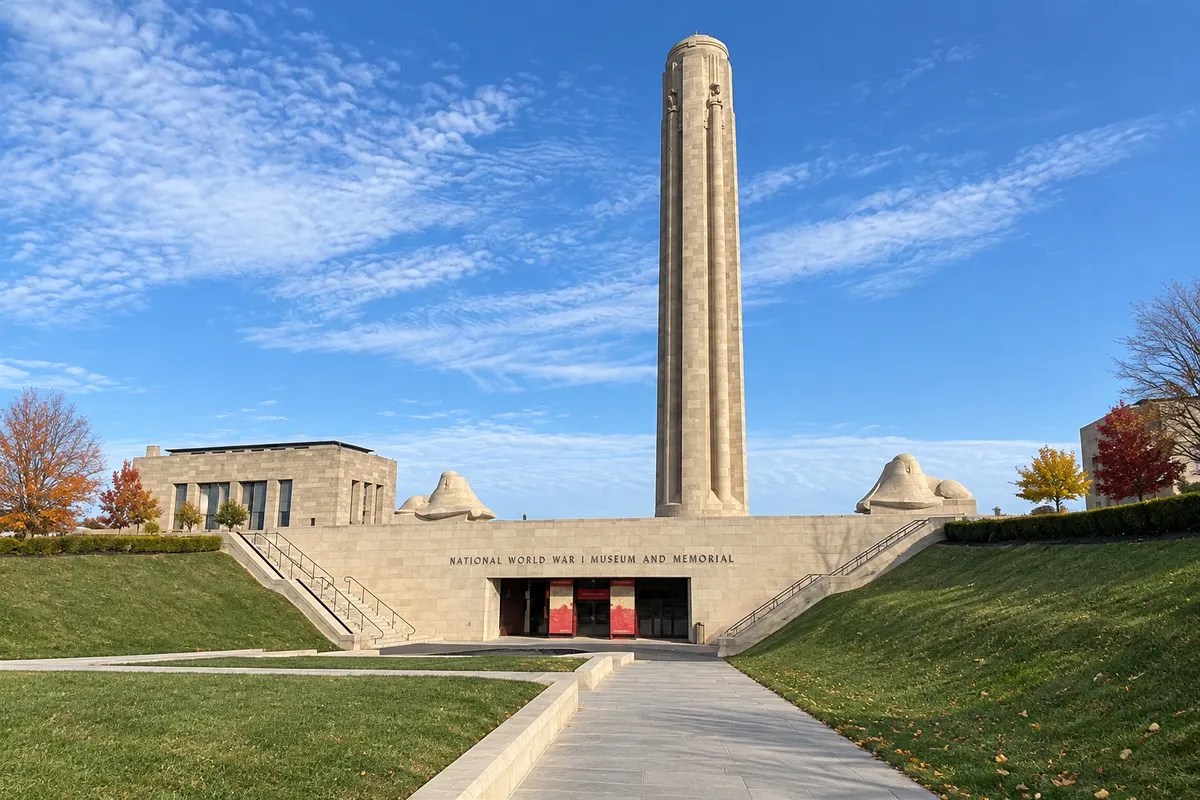
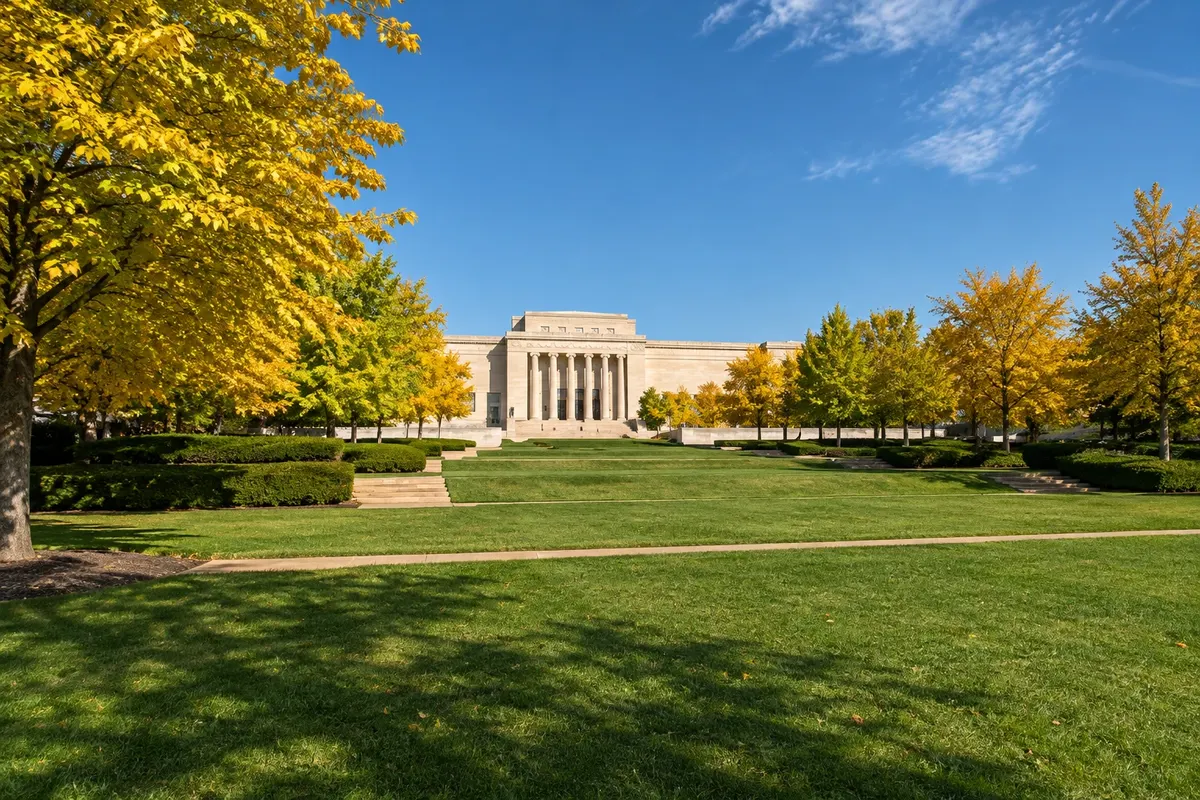
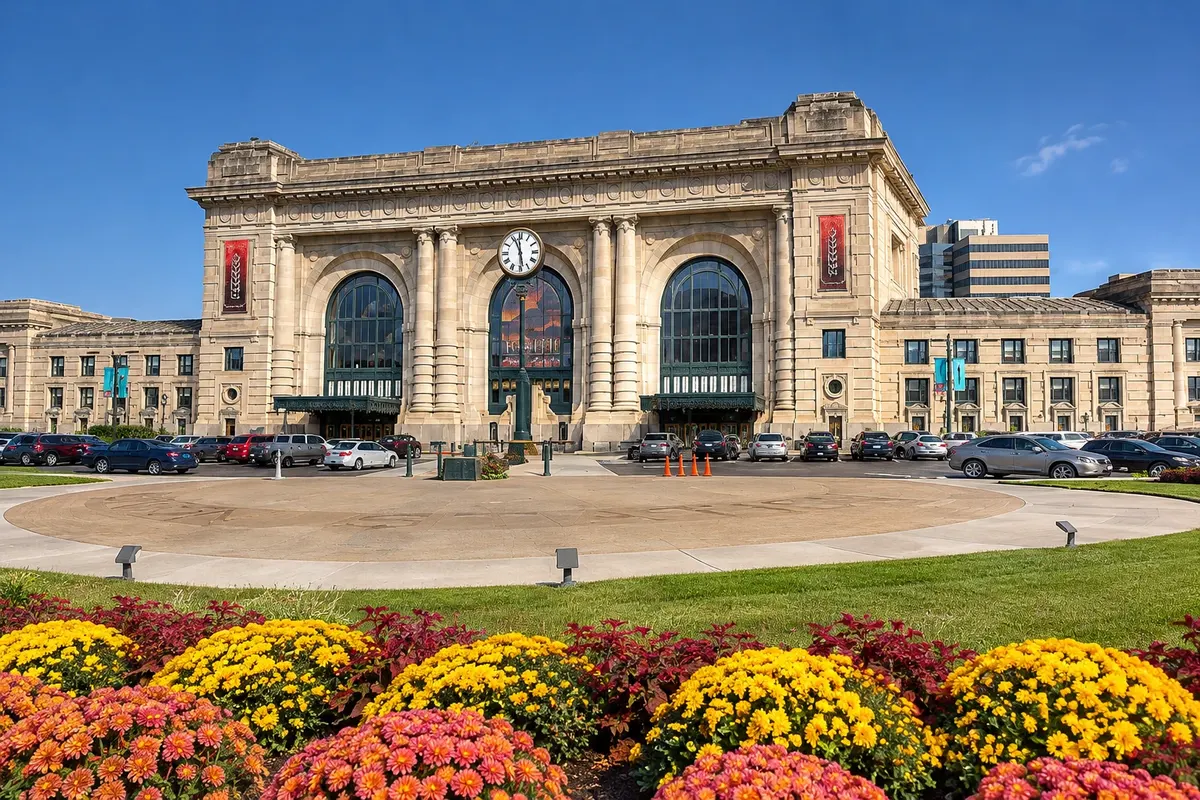
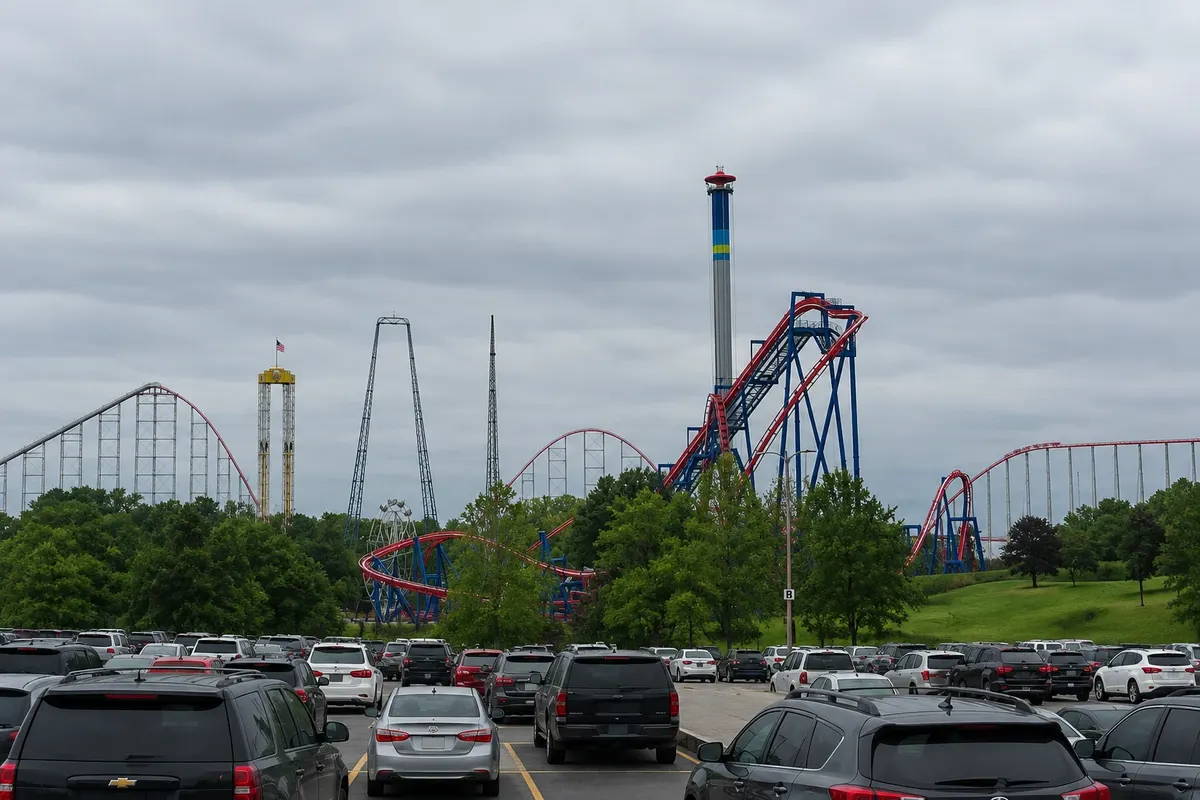
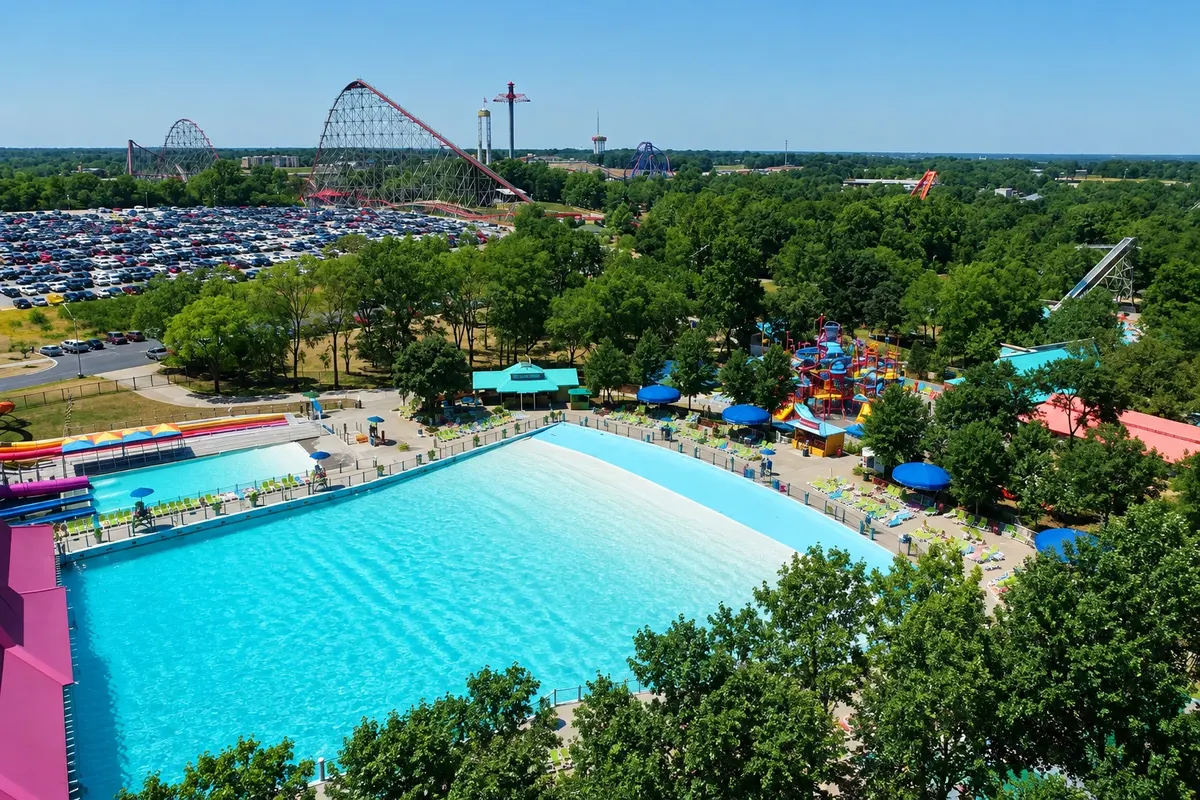
The National World War I Museum, beneath the Liberty Memorial tower, Union Station and the Nelson-Atkins Museum of Art are among the main visits. To the north, the Worlds of Fun and Oceans of Fun parks operate from late spring through fall.
This destination brings together 1 city: Kansas City.


 Brazil
 Argentina
 Bolivia
 Chile
 Colombia
 Ecuador
 Guyana
 French Guiana
 Falkland Islands (Malvinas)
 Paraguay
 Peru
 Suriname
 Uruguay
 Venezuela
 Germany
 Austria
 Belgium
 Croatia
 Denmark
 Slovakia
 Slovenia
 Spain
 Finland
 France
 Greece
 the Netherlands
 Hungary
 Ireland
 Iceland
 Italy
 Luxembourg
 Norway
 Poland
 Portugal
 the United Kingdom
 the Czech Republic
 Sweden
 Switzerland
 Turkey
 Bermuda
 Canada
 Mexico
 the Dominican Republic
 South Africa
 Egypt
 Australia
 Fiji
 New Zealand
 Papua New Guinea