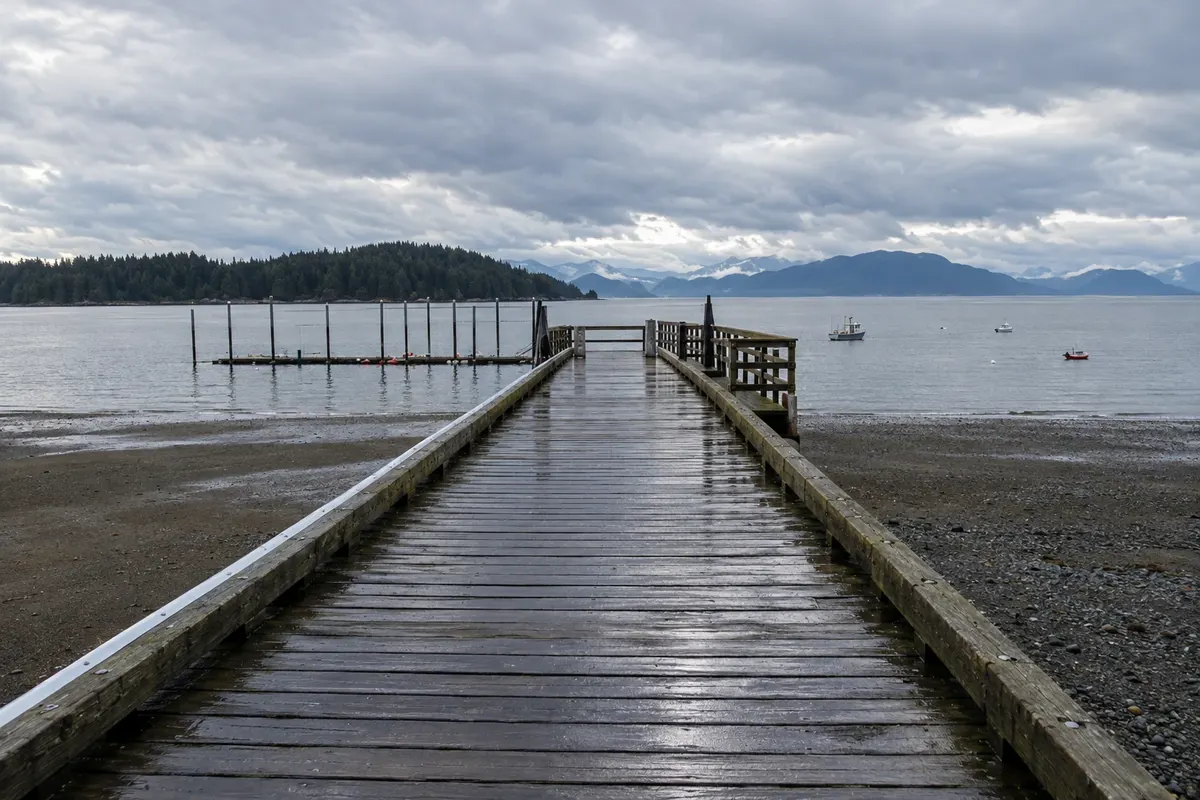
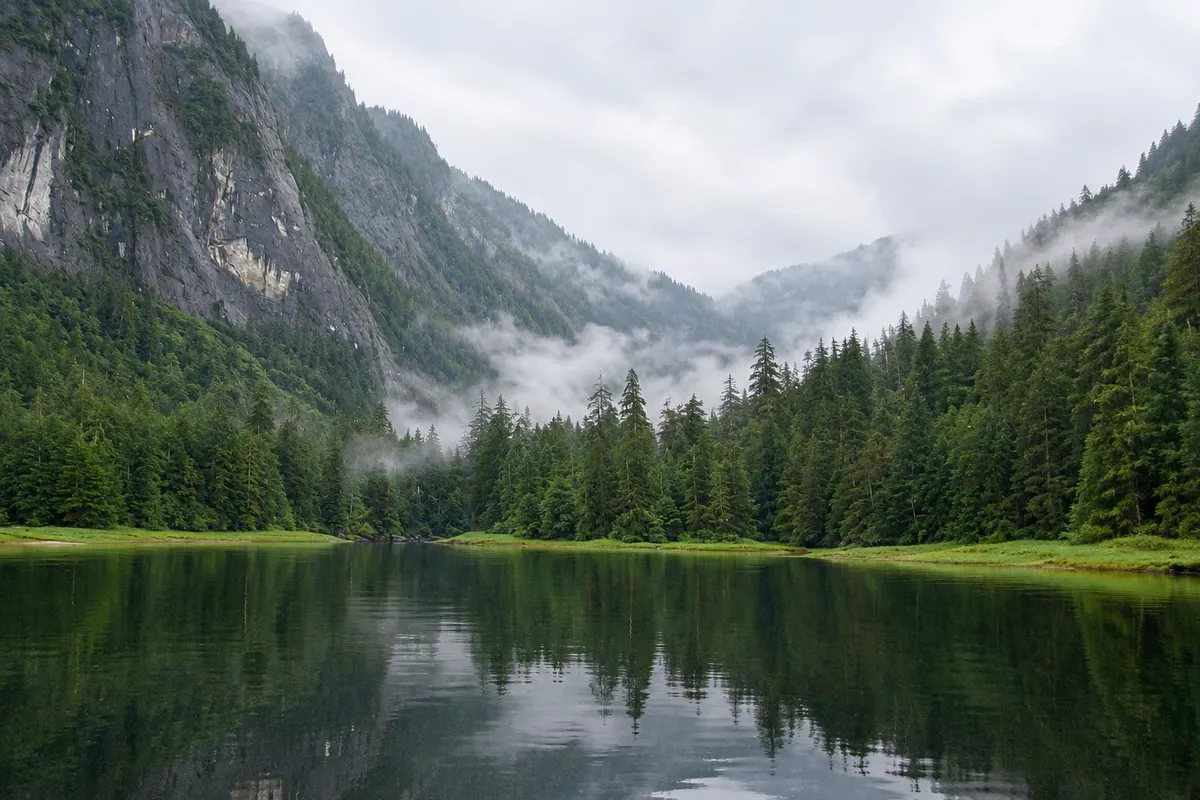
The Inside Passage is the labyrinth of channels, islands and fjords that follows the southeast Alaska coast, between Canada and the Gulf of Alaska. Most of the region is covered by the Tongass National Forest, one of the largest temperate rainforests in the world, and almost no town has a road out: access is by ship, ferry or plane.
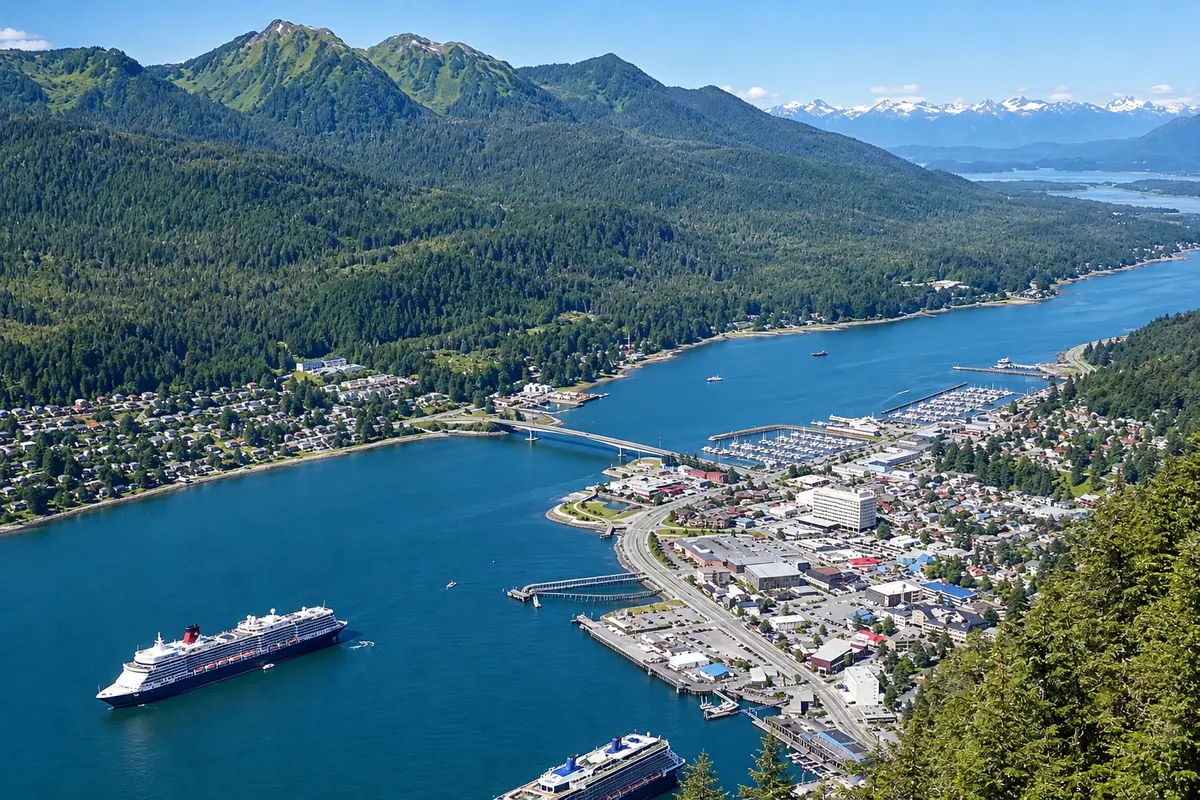
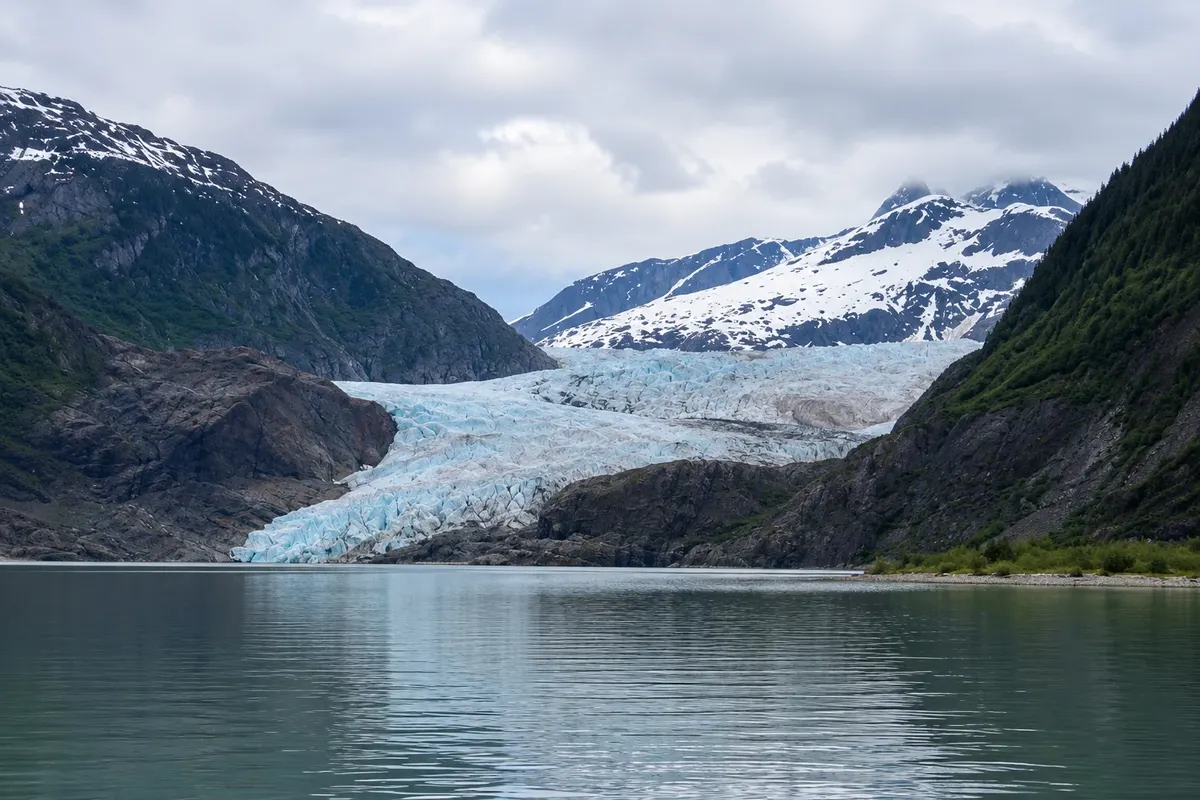
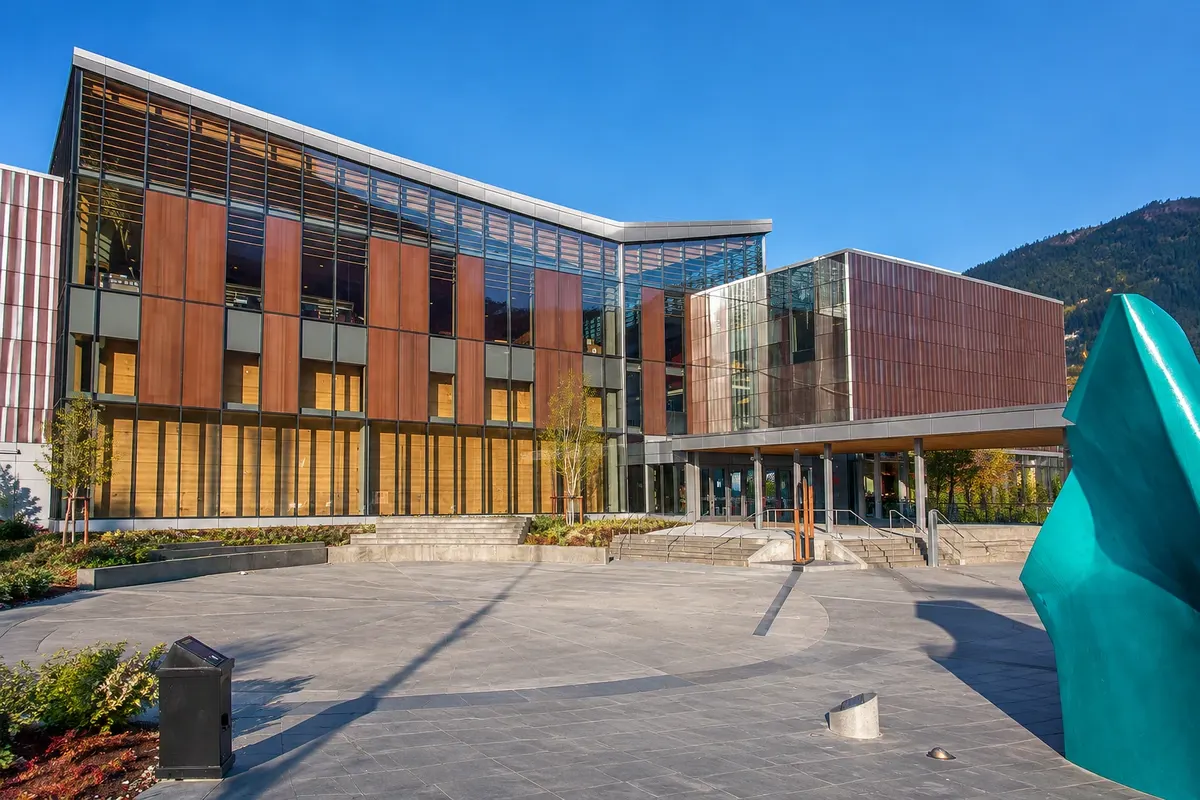
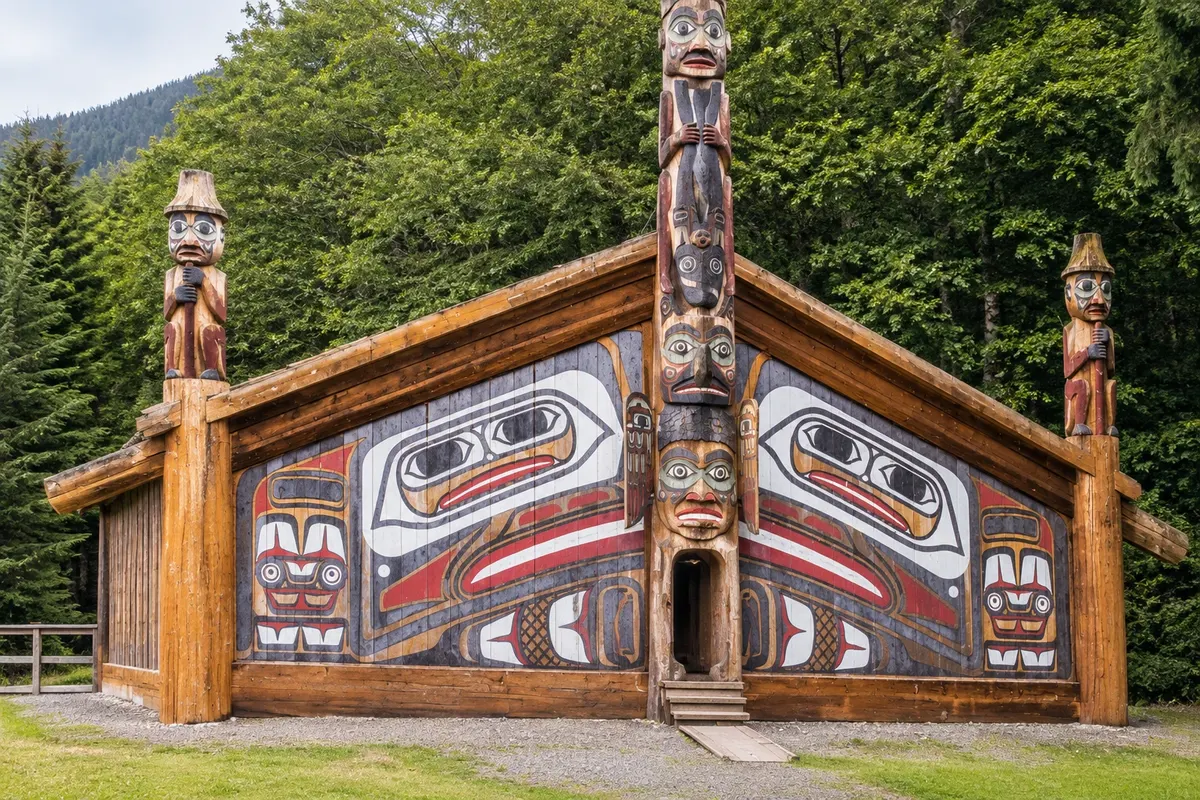
Juneau, the state capital since 1906, grew around the gold mines opened at the end of the 19th century and sits between Gastineau Channel and steep mountains. Mendenhall Glacier flows from the Juneau icefield less than 20 km from downtown, and a tram rises from the harbor to Mount Roberts. Museums tell the history of the Tlingit, Haida and Tsimshian peoples and the Russian period.
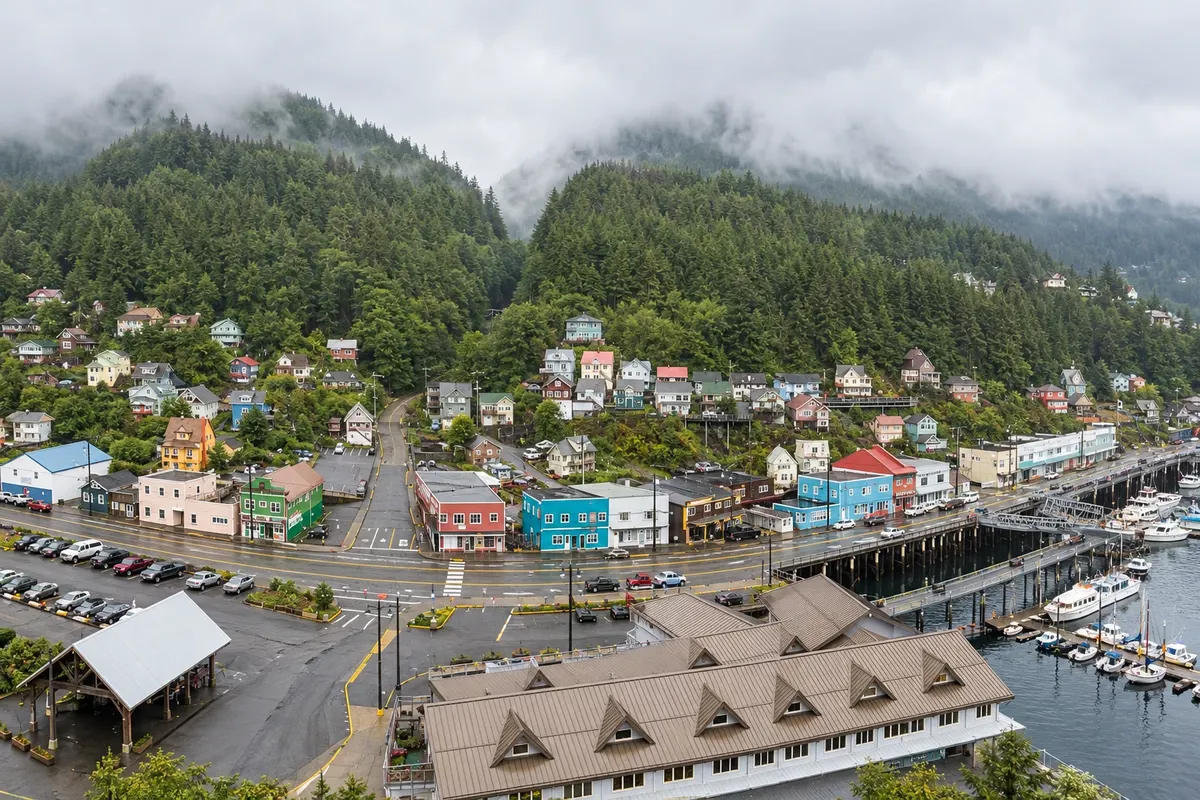
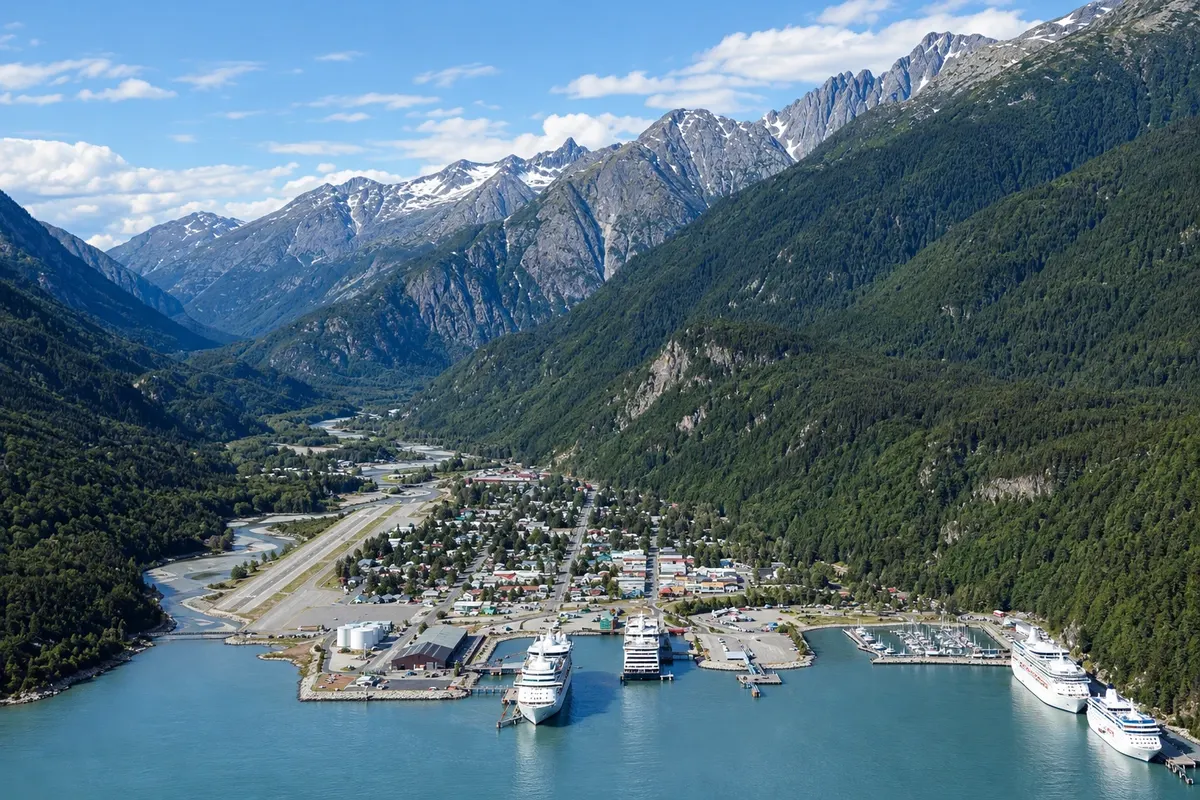
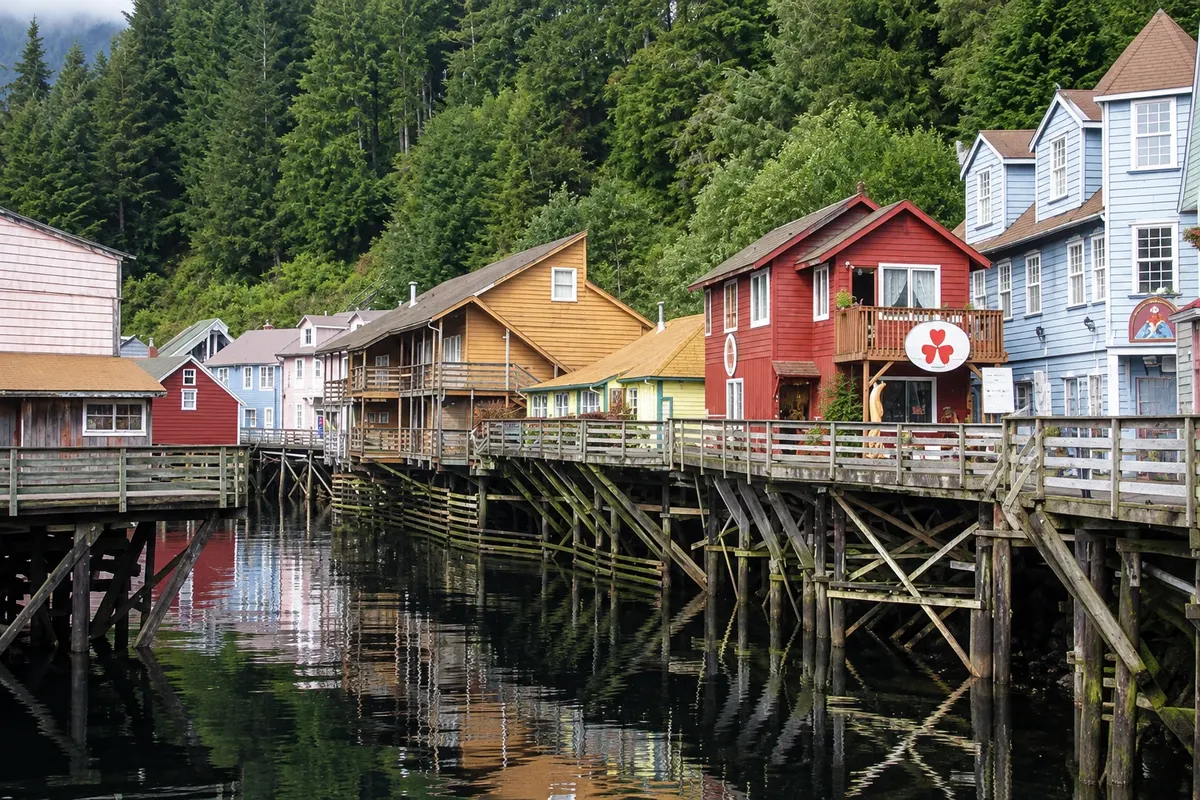
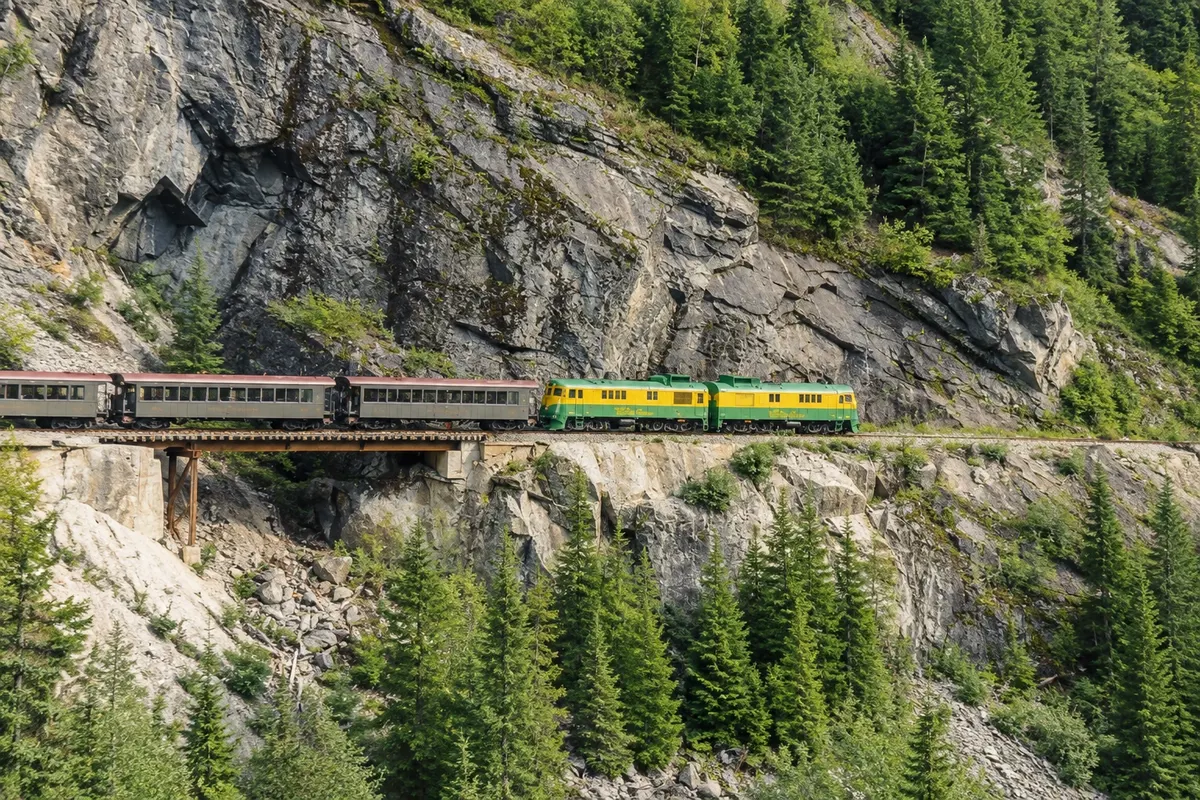
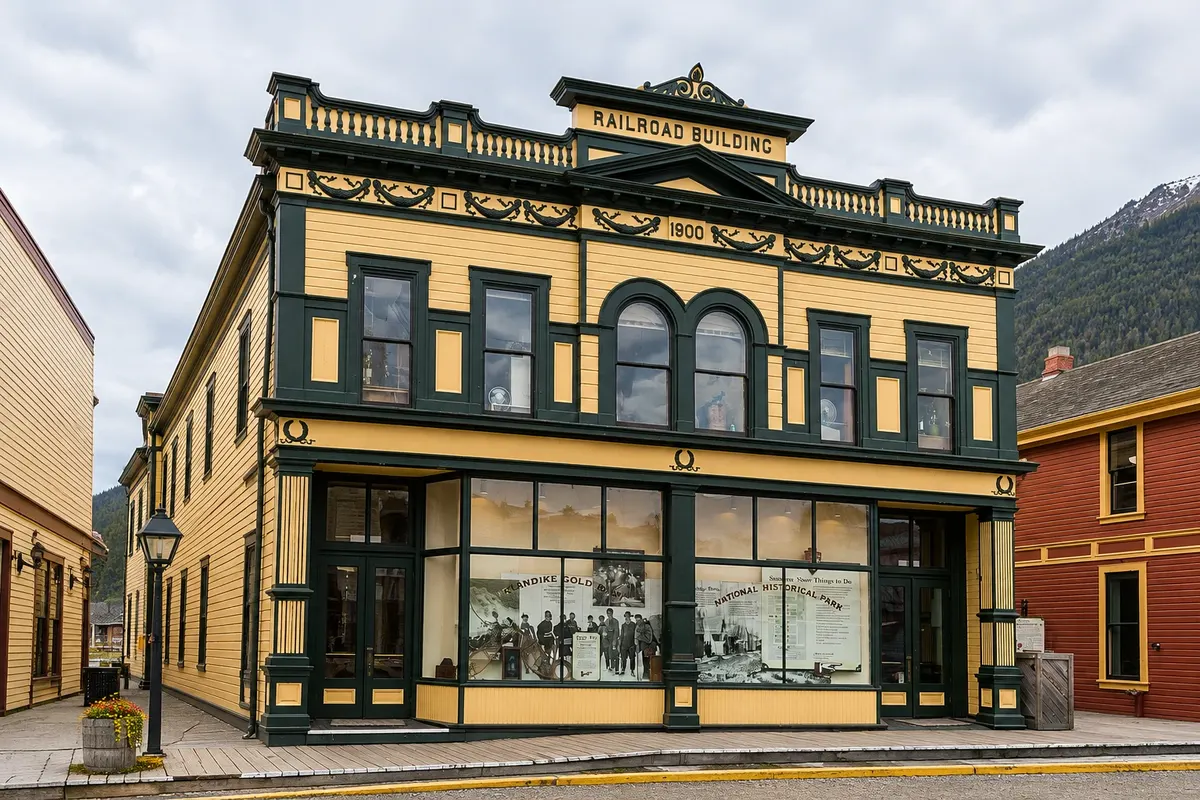
To the south, Ketchikan displays old and recent totem poles in parks and downtown, as well as the stilted Creek Street, and serves as a base for the granite fjords of the Misty Fjords National Monument. To the north, Skagway was the gateway for prospectors heading to the Yukon in 1897 and 1898, and preserves the period facades; from there the train climbs the White Pass gorge up to the Canadian border.
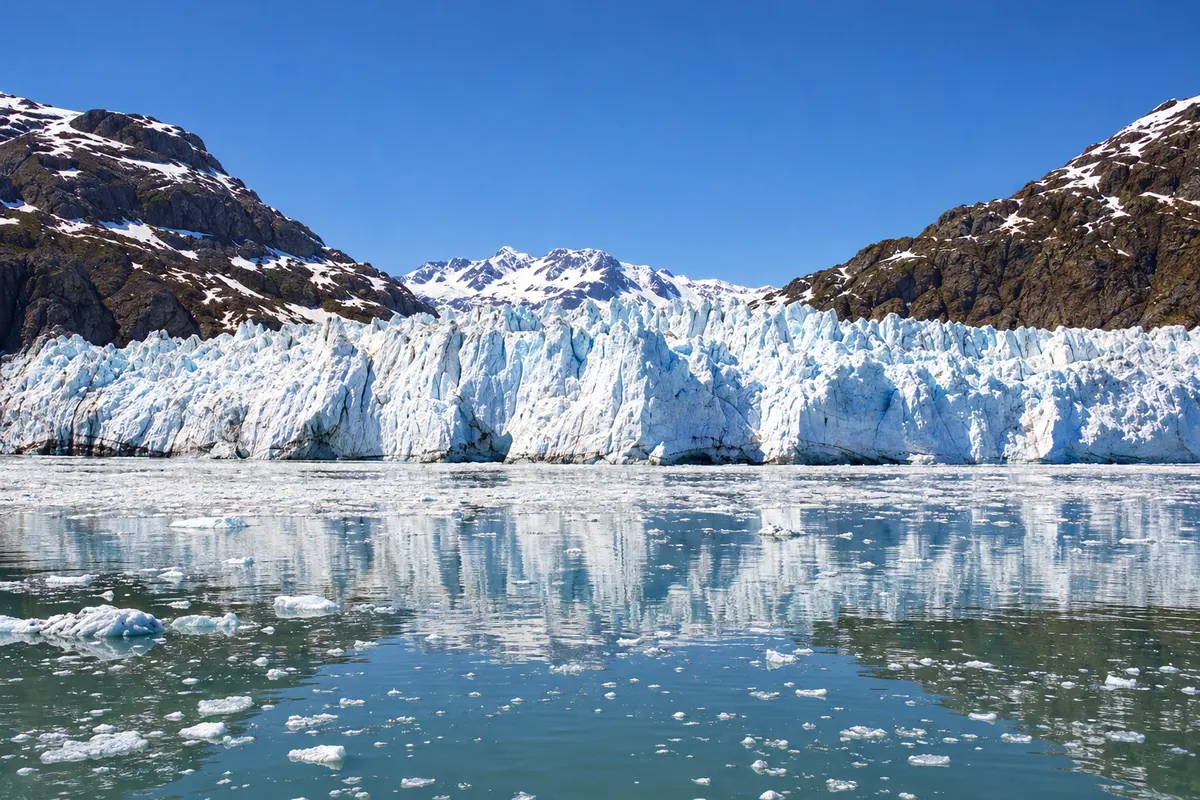
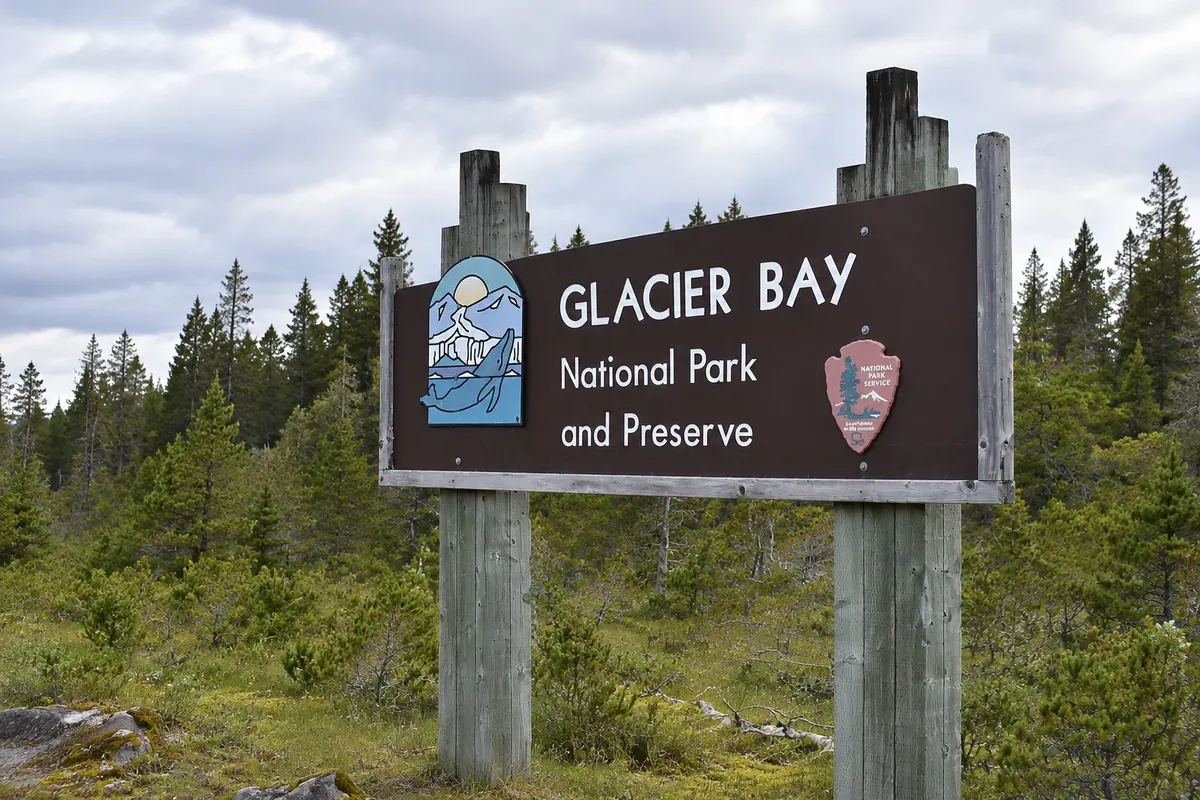
West of Juneau, Gustavus is the village at the entrance to Glacier Bay National Park, a UNESCO site, where glaciers reach the sea in a bay that just over two centuries ago was entirely covered by ice. Humpback whales, orcas, sea otters, bald eagles and bears are frequently seen in summer.
This destination brings together 4 cities: Juneau, Ketchikan, Skagway, Gustavus.


 Brazil
 Argentina
 Bolivia
 Chile
 Colombia
 Ecuador
 Guyana
 French Guiana
 Falkland Islands (Malvinas)
 Paraguay
 Peru
 Suriname
 Uruguay
 Venezuela
 Germany
 Austria
 Belgium
 Croatia
 Denmark
 Slovakia
 Slovenia
 Spain
 Finland
 France
 Greece
 the Netherlands
 Hungary
 Ireland
 Iceland
 Italy
 Luxembourg
 Norway
 Poland
 Portugal
 the United Kingdom
 the Czech Republic
 Sweden
 Switzerland
 Turkey
 Canada
 Mexico
 the Dominican Republic
 South Africa
 Australia
 Fiji
 New Zealand
 Papua New Guinea