Oahu is the most populous island in Hawaii and the main gateway to the archipelago. Formed by two ancient volcanoes that now make up the Waiʻanae and Koʻolau ranges, it is about 70 km from tip to tip. Honolulu, on the south coast, is the state capital and concentrates the airport, the port, government buildings, and most visitors.
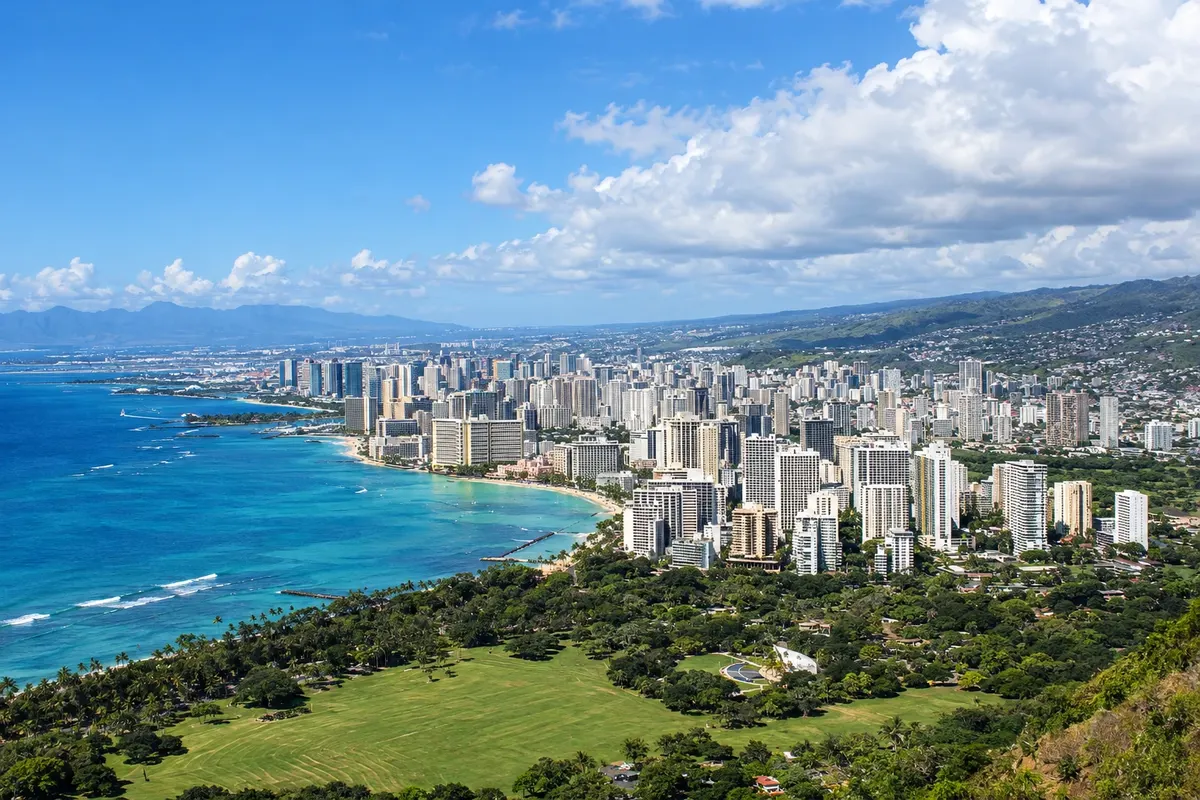
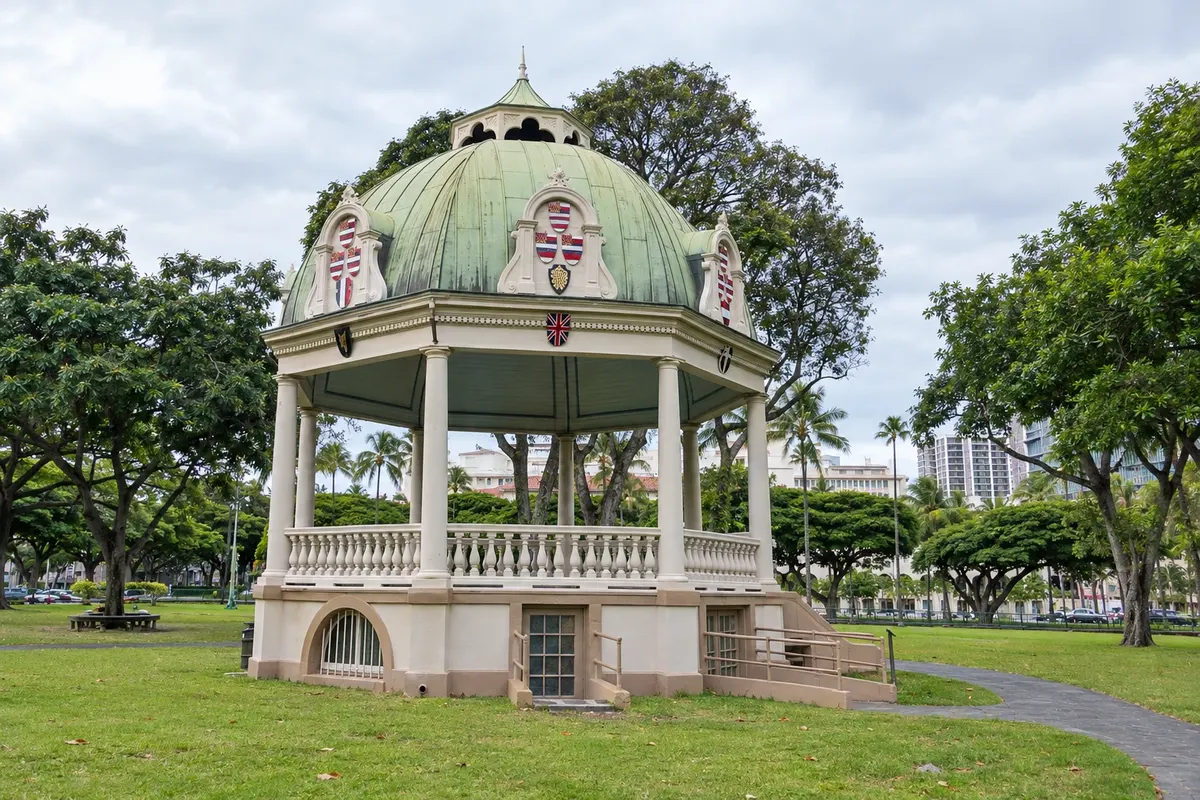
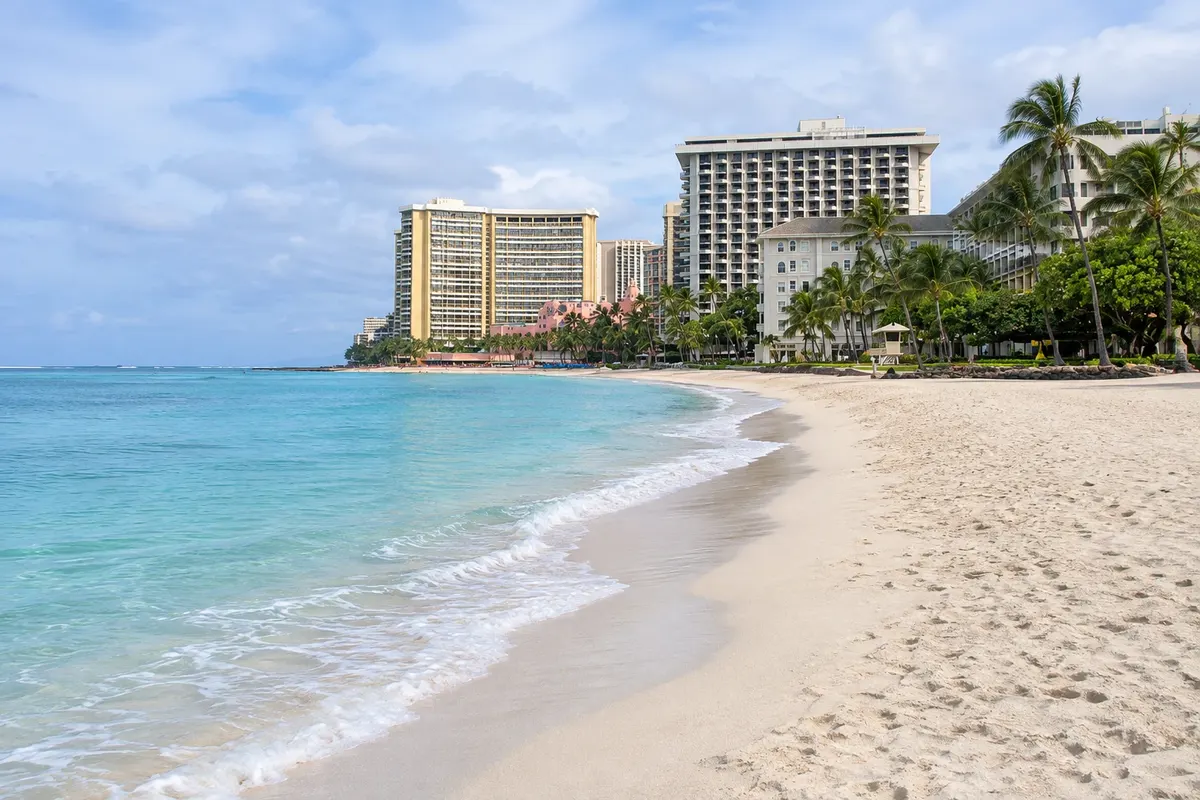
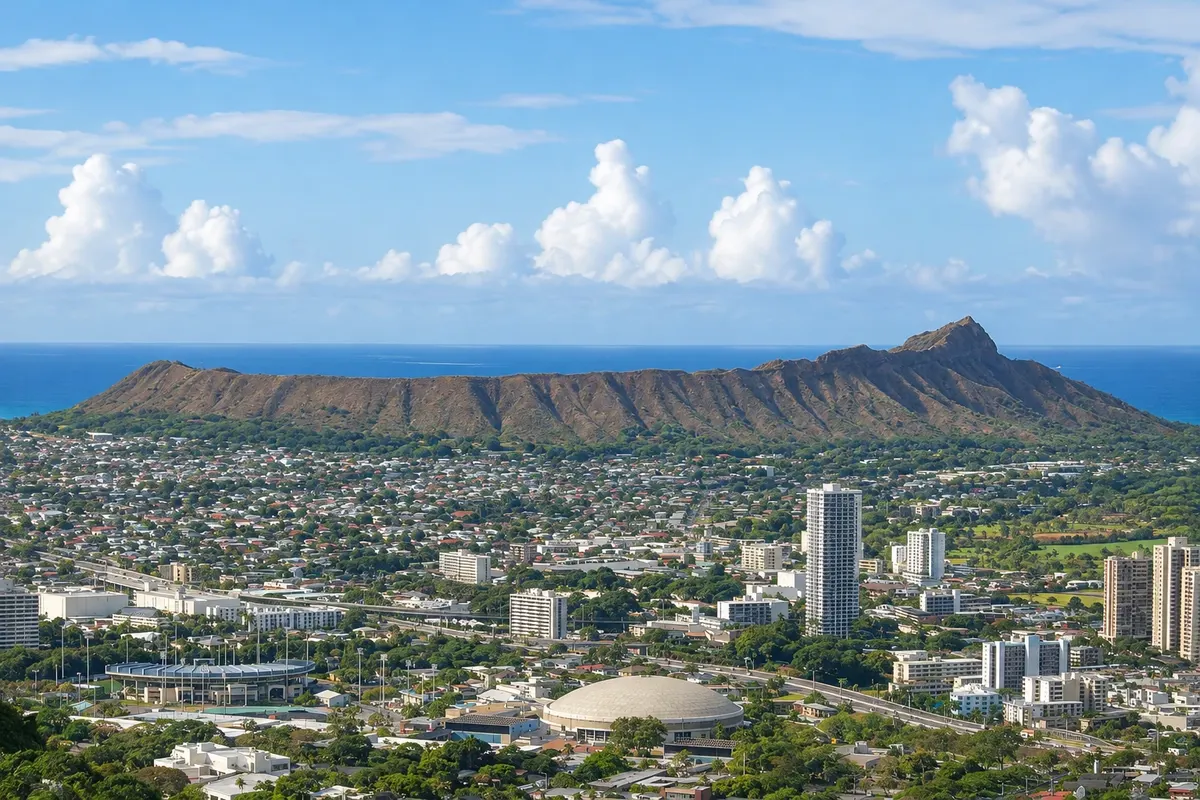
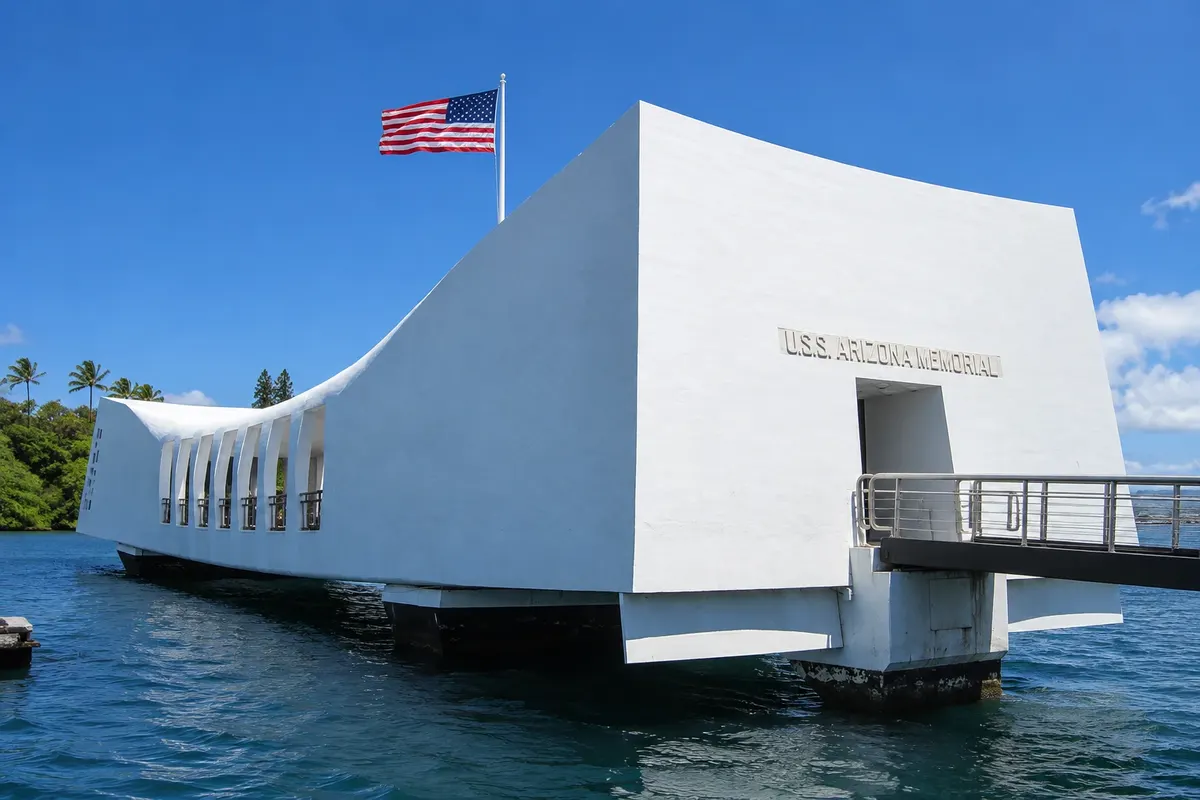
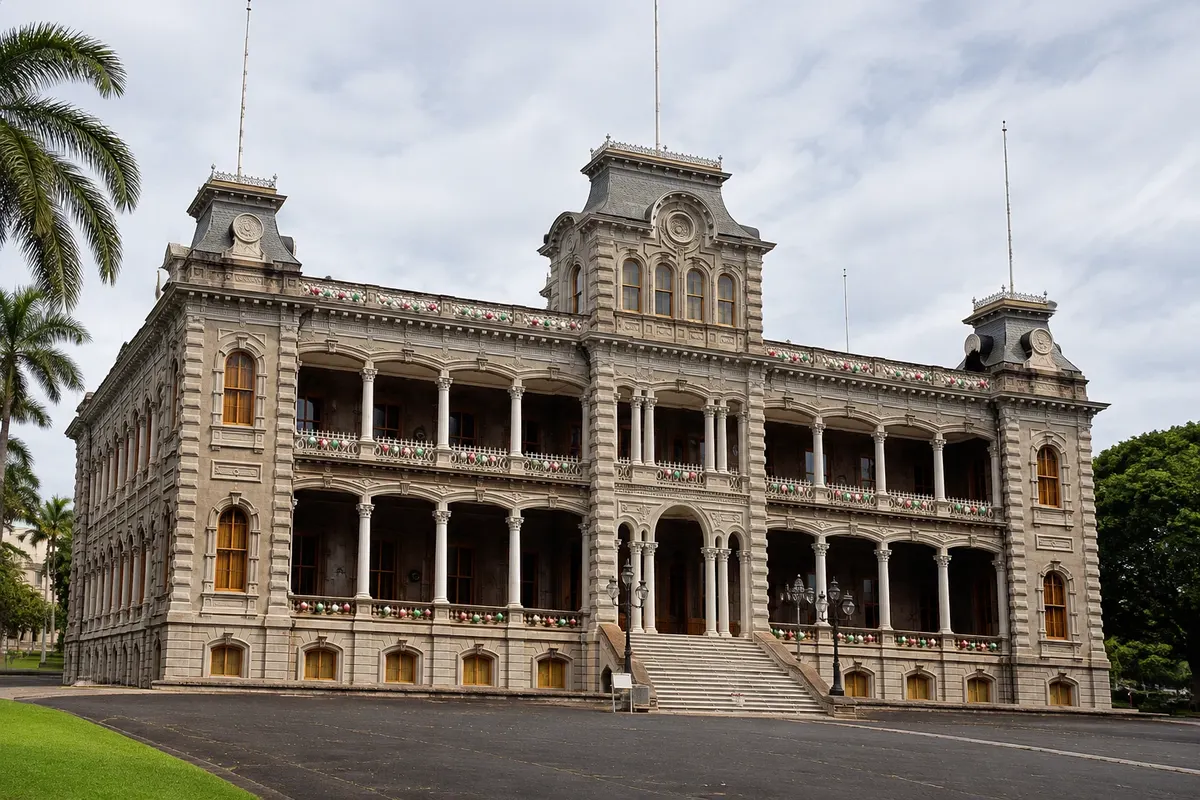
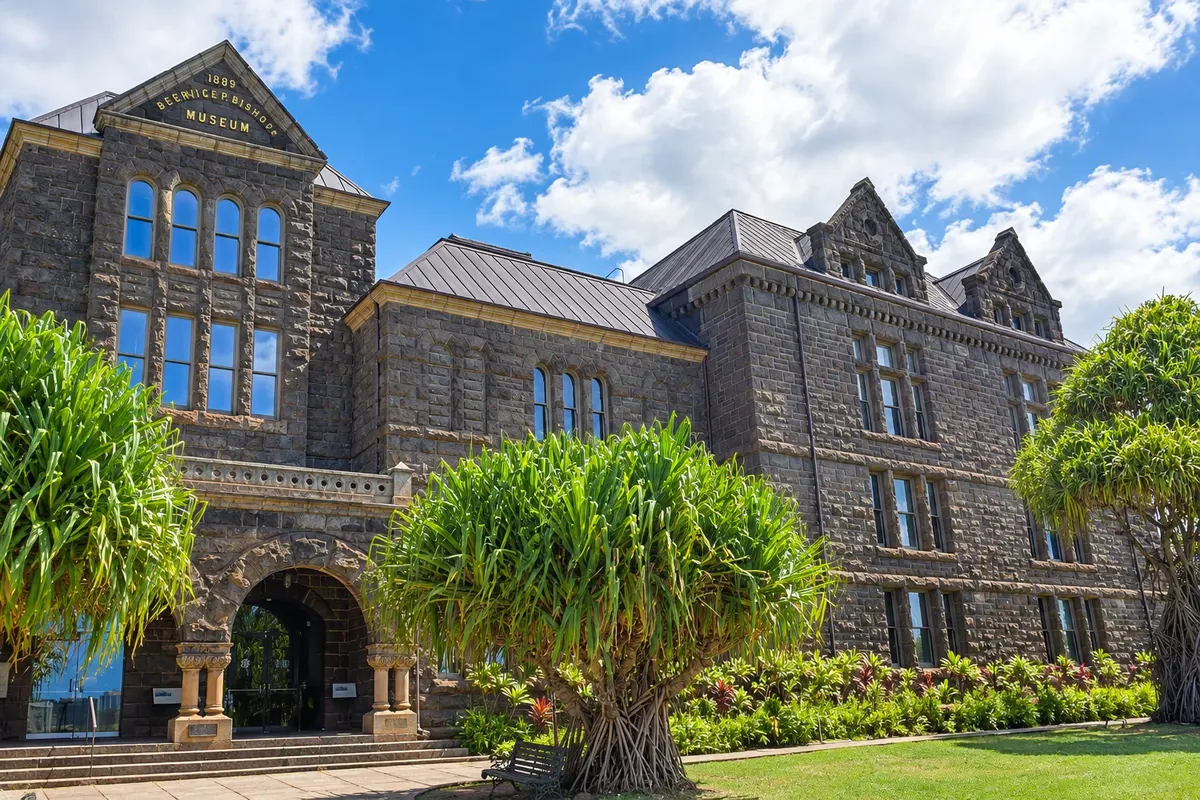
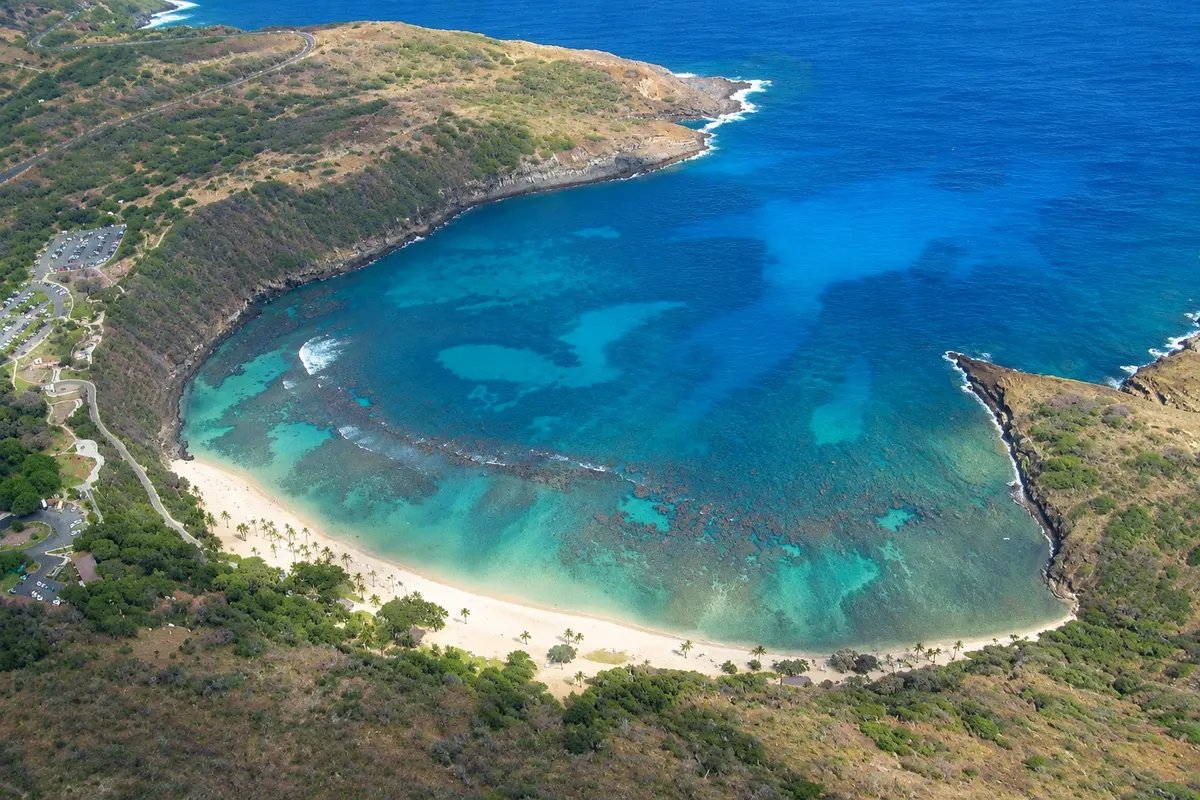
The city has the sandy stretch of Waikiki, with Diamond Head’s silhouette in the background, the ʻIolani Palace, residence of the last Hawaiian monarchs, and the Bishop Museum, with collections of Polynesian history and culture. To the west, Pearl Harbor bay holds the memorial of the December 7, 1941 attack that brought the United States into World War II. To the east, Hanauma Bay, an open crater to the sea, is a marine reserve for snorkel diving.
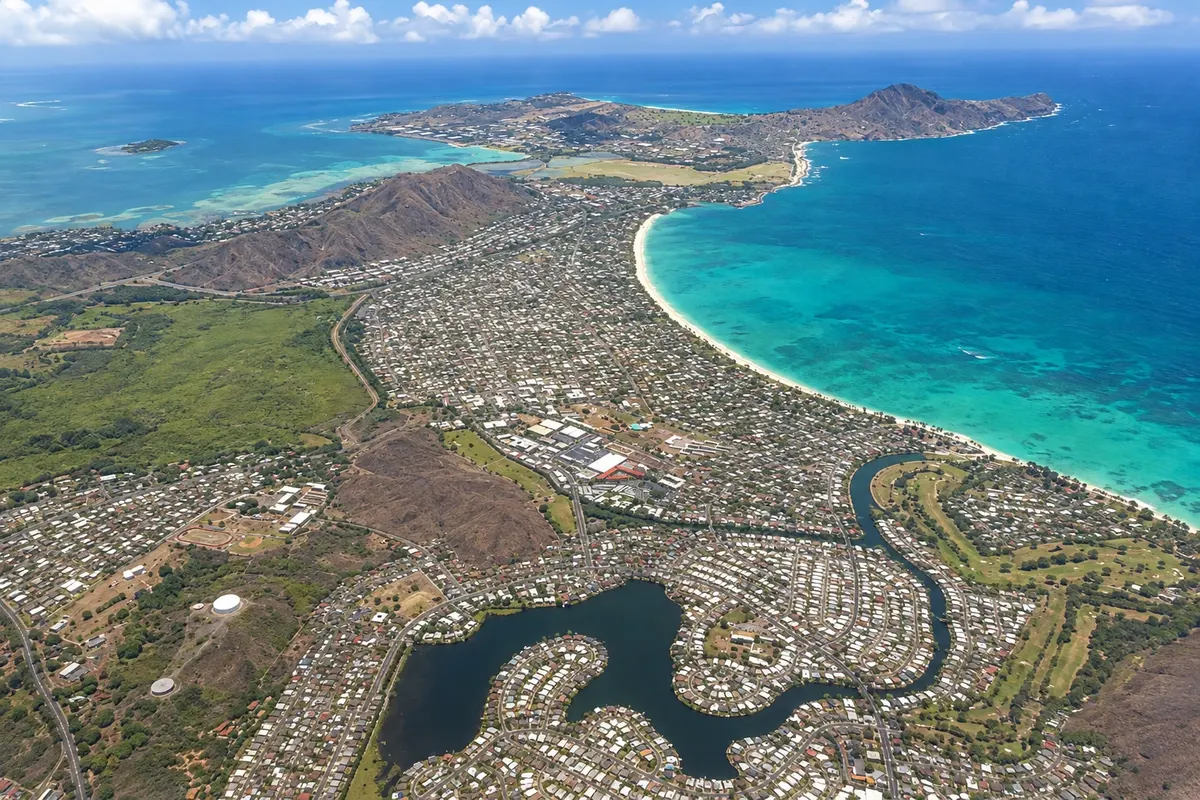
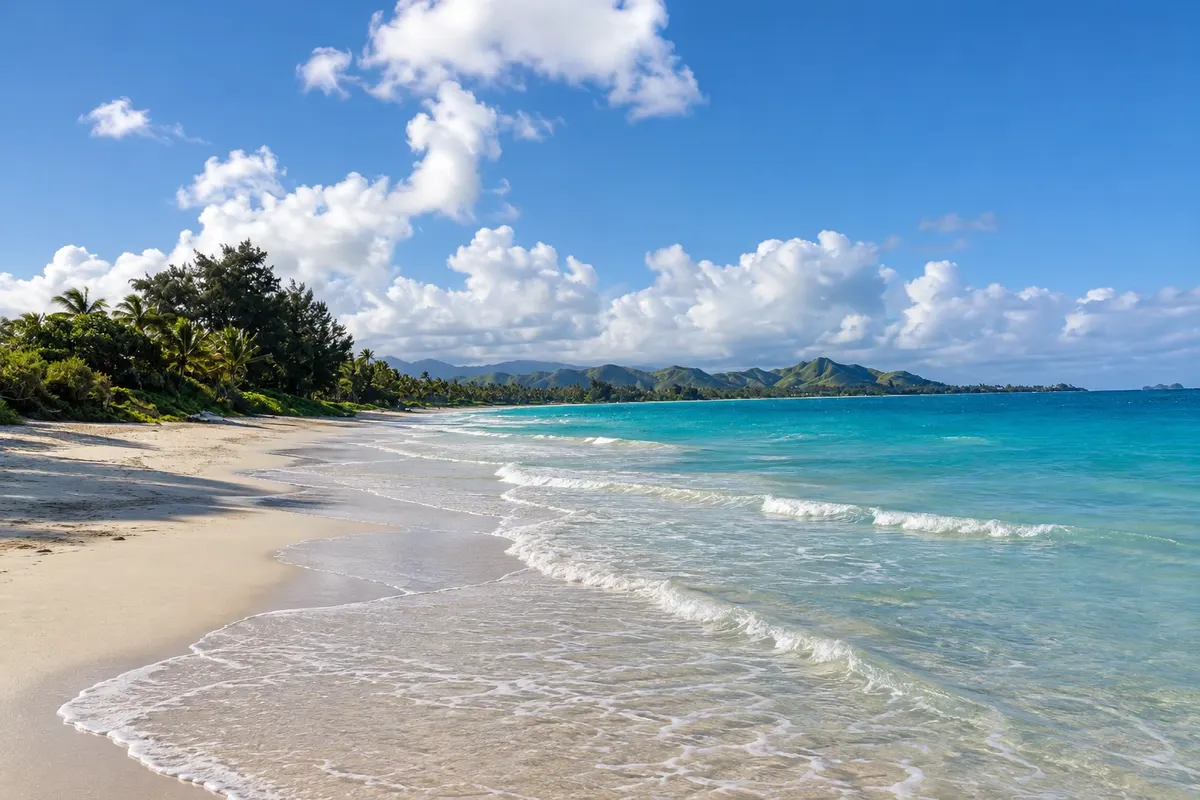
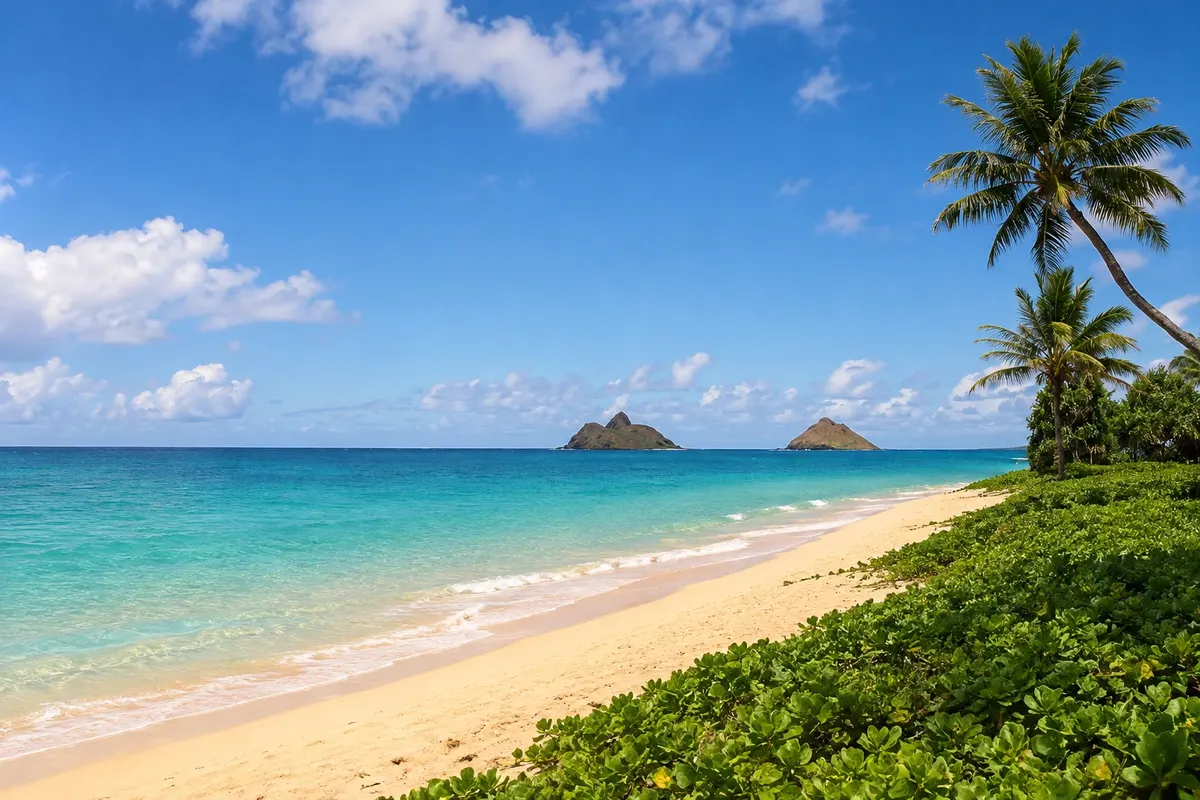
On the other side of the Koʻolau range, the east coast receives the trade winds and features green mountains and cliffs. Kailua, about 20 km from downtown Honolulu, has pale-sand beaches and turquoise waters, including Lanikai, which faces the Mokulua islets.
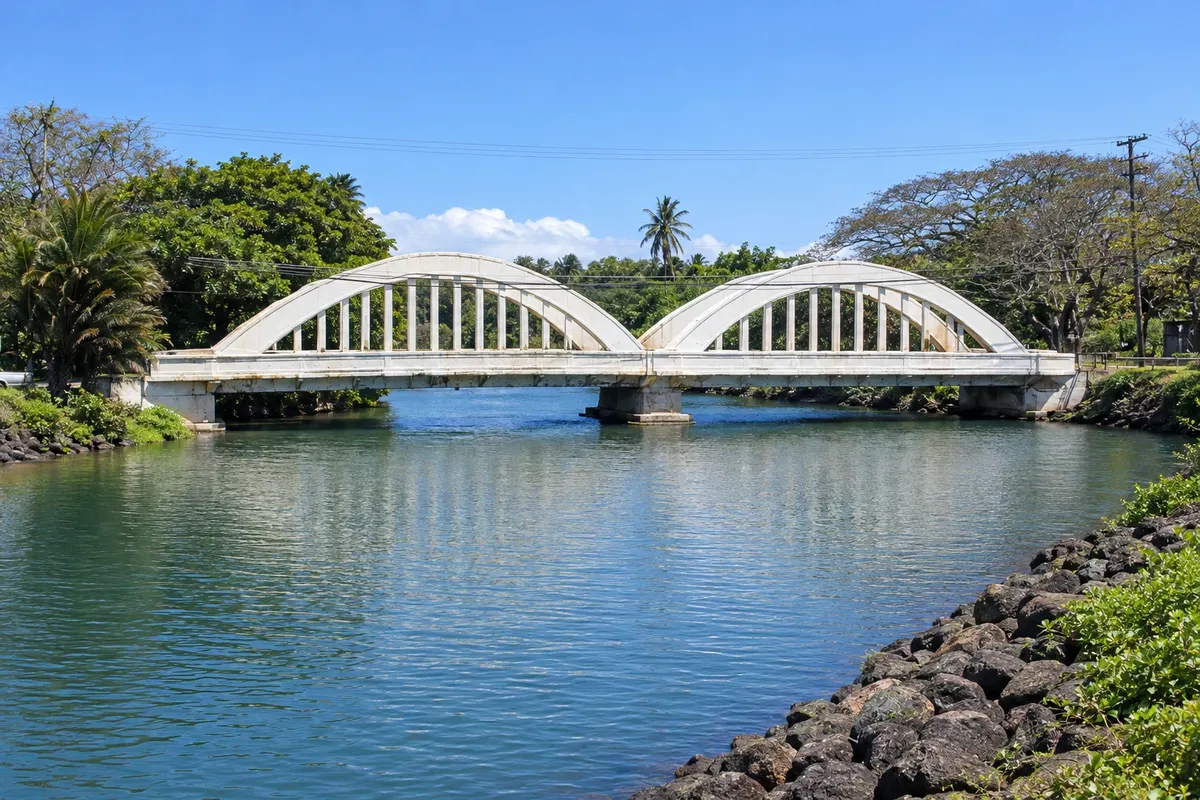
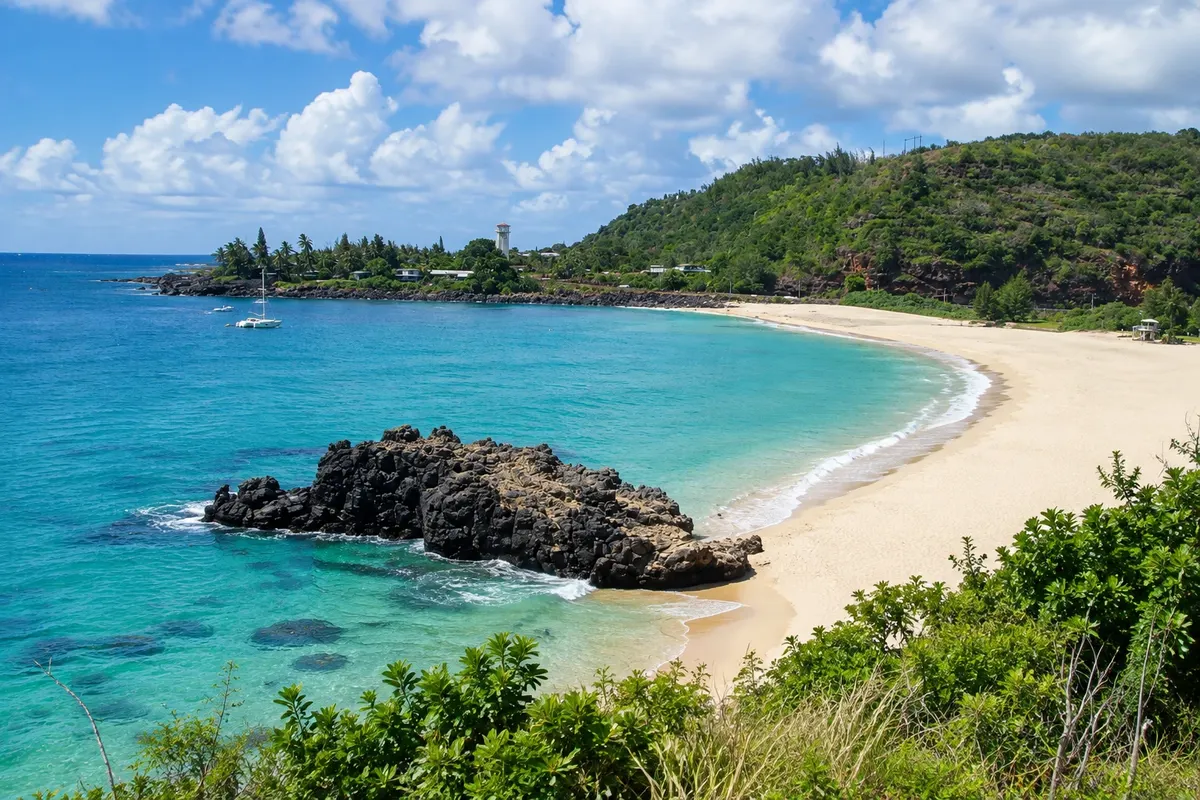
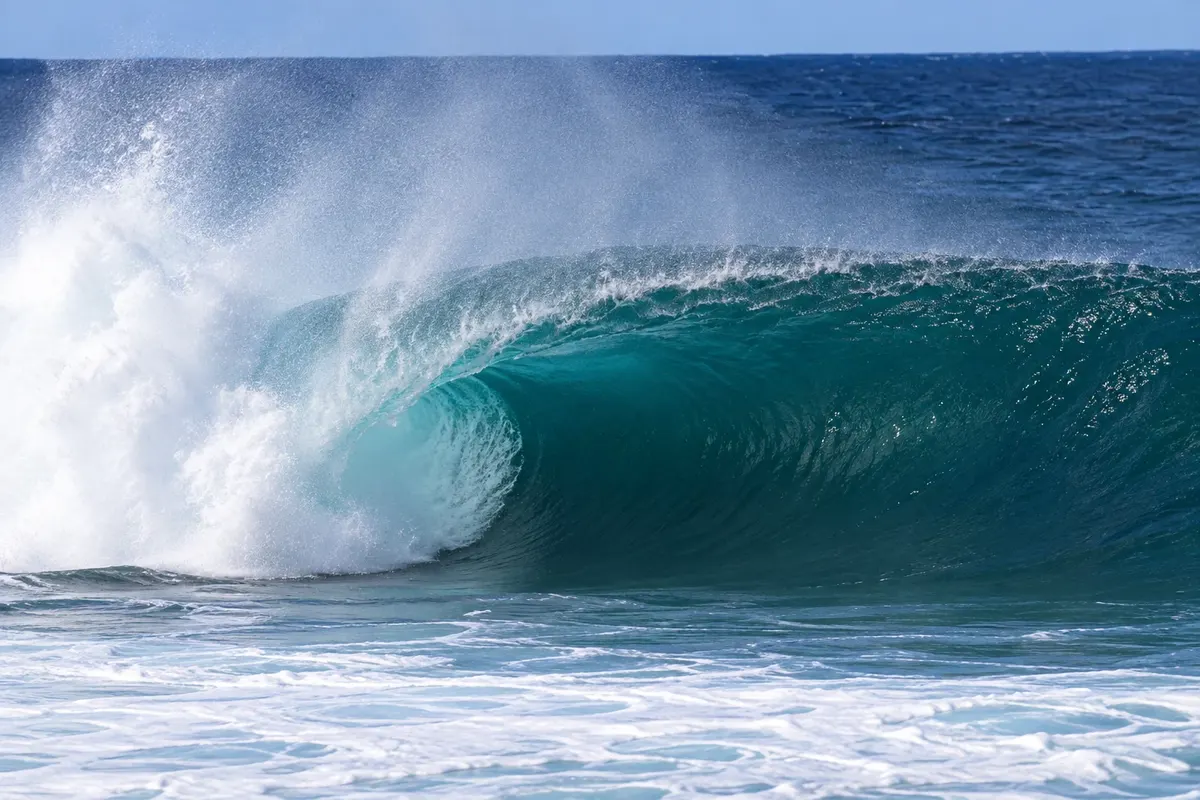
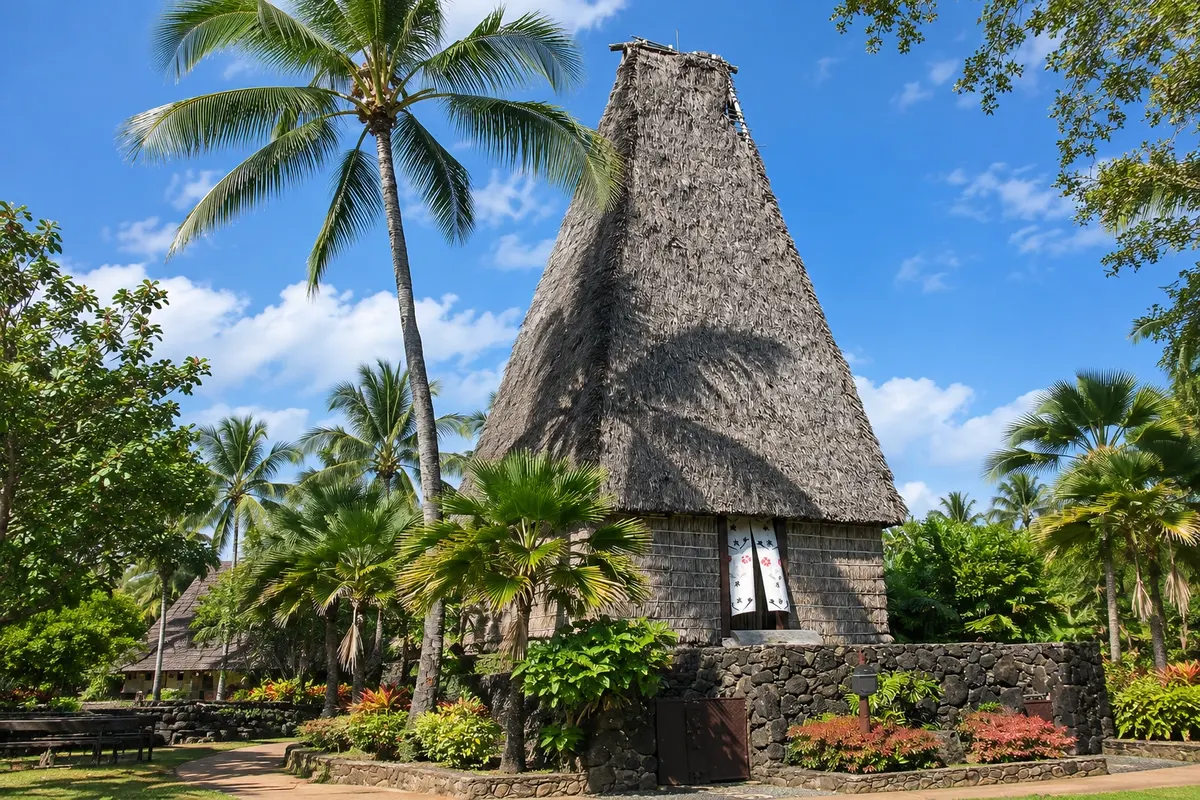
The North Shore, in the north, lives for surfing. Between November and March, swells arrive that form the big waves at Waimea Bay and the Banzai Pipeline; in summer the sea is usually calm. Haleiwa is the region’s center, and to the east is the Polynesian Cultural Center, in Laie.
This destination brings together 3 cities: Honolulu, Kailua, Haleiwa.


 Brazil
 Argentina
 Bolivia
 Chile
 Colombia
 Ecuador
 Guyana
 French Guiana
 Falkland Islands (Malvinas)
 Paraguay
 Peru
 Suriname
 Uruguay
 Venezuela
 Germany
 Austria
 Belgium
 Croatia
 Denmark
 Slovakia
 Slovenia
 Spain
 Finland
 France
 Greece
 the Netherlands
 Hungary
 Ireland
 Iceland
 Italy
 Luxembourg
 Norway
 Poland
 Portugal
 the United Kingdom
 the Czech Republic
 Sweden
 Switzerland
 Turkey
 Canada
 Mexico
 the Dominican Republic
 South Africa
 Australia
 Fiji
 New Zealand
 Papua New Guinea