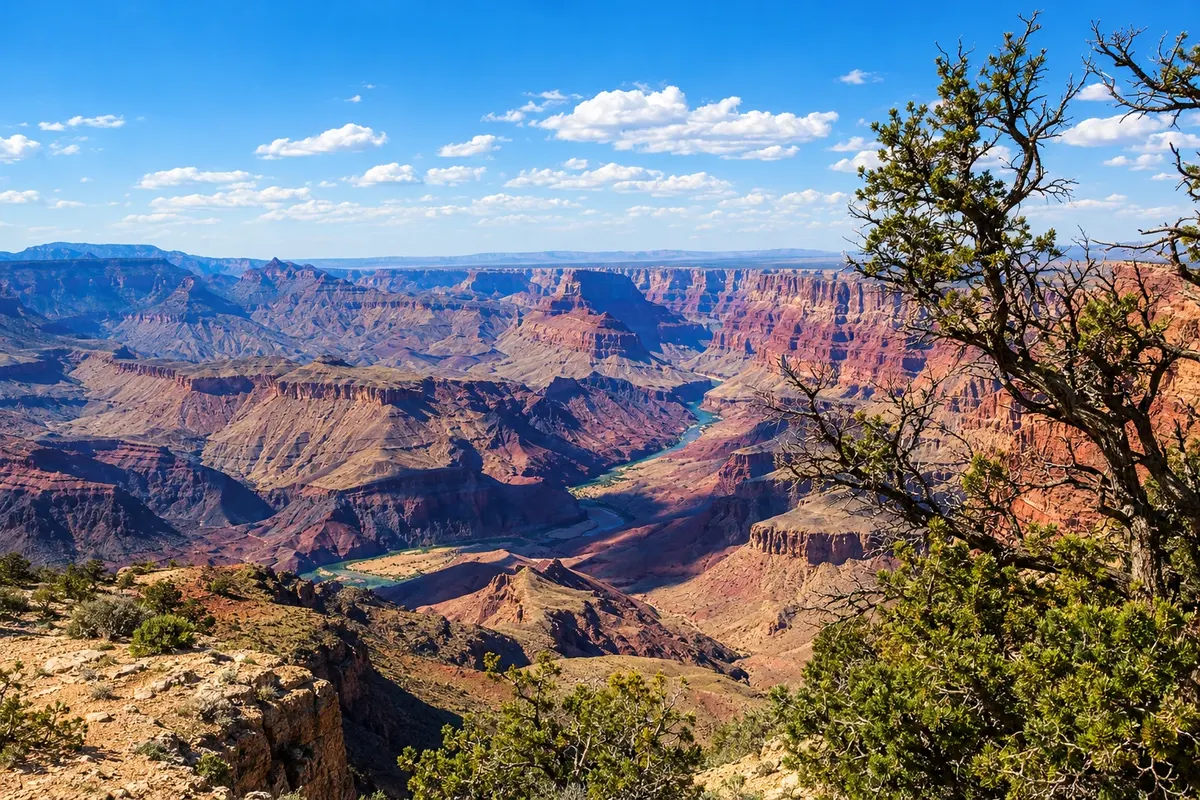
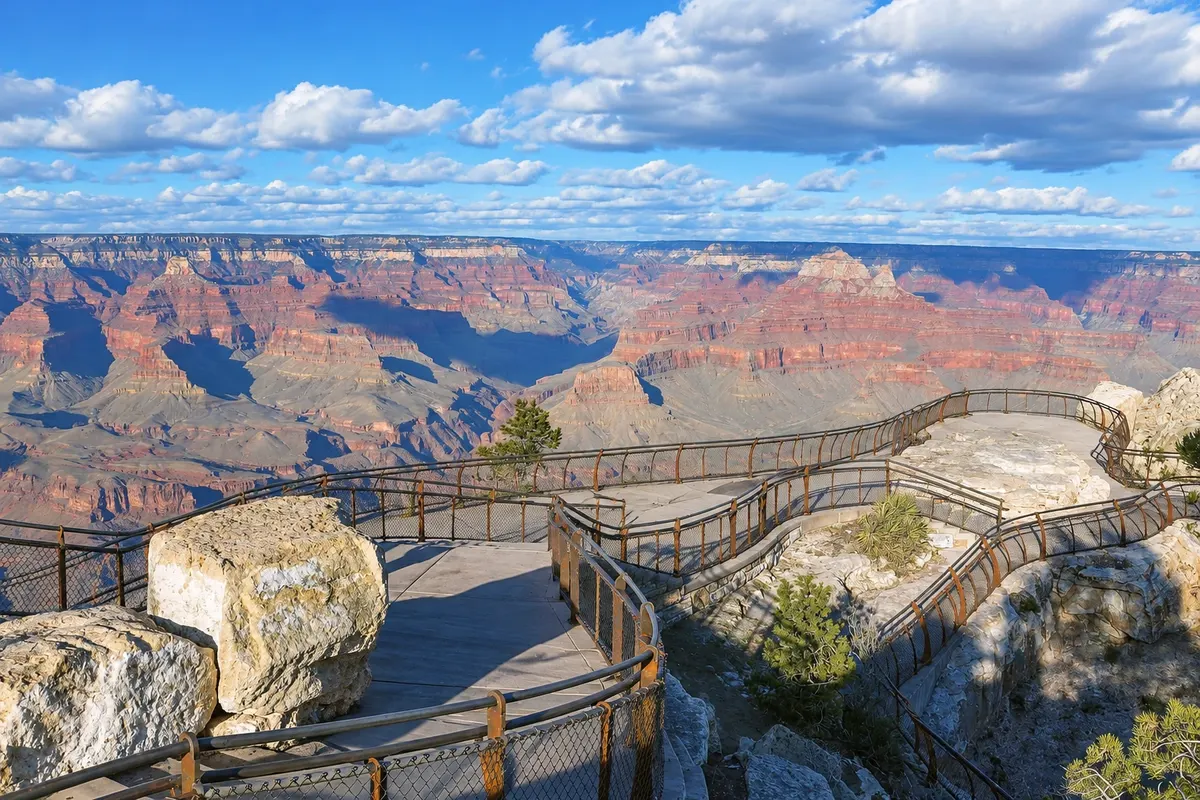
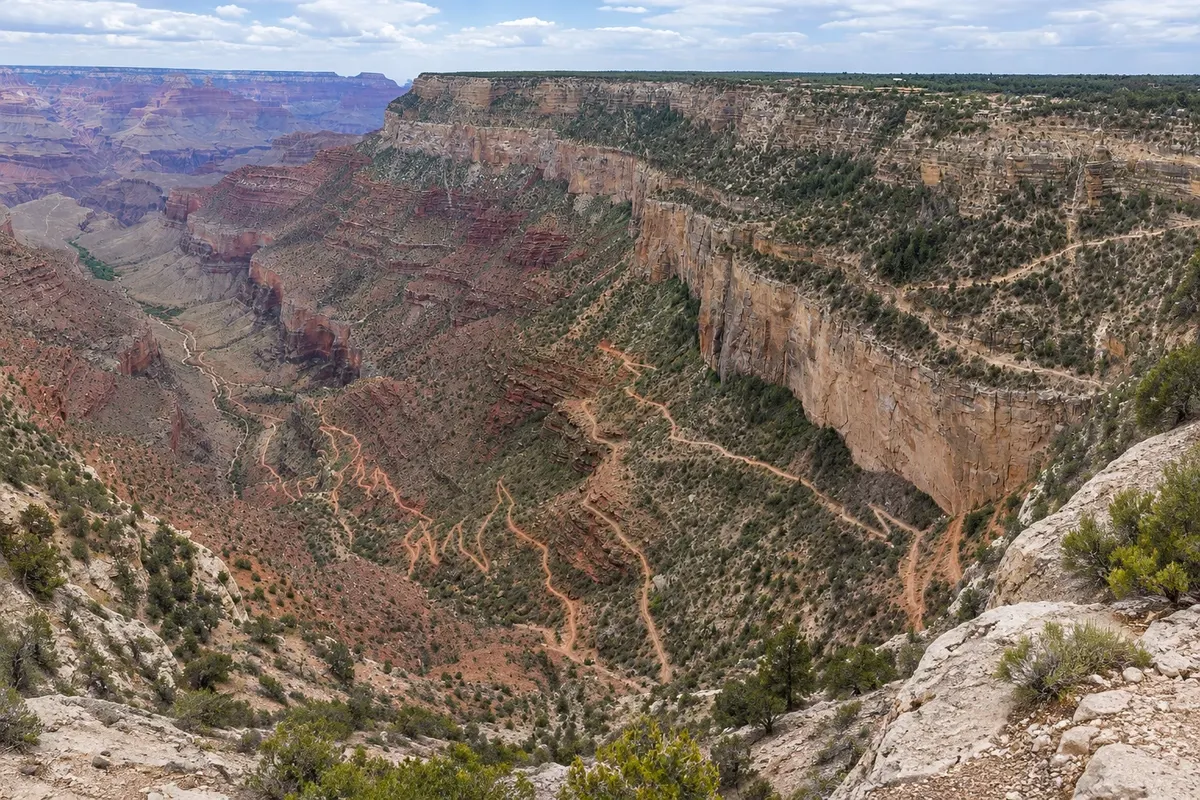
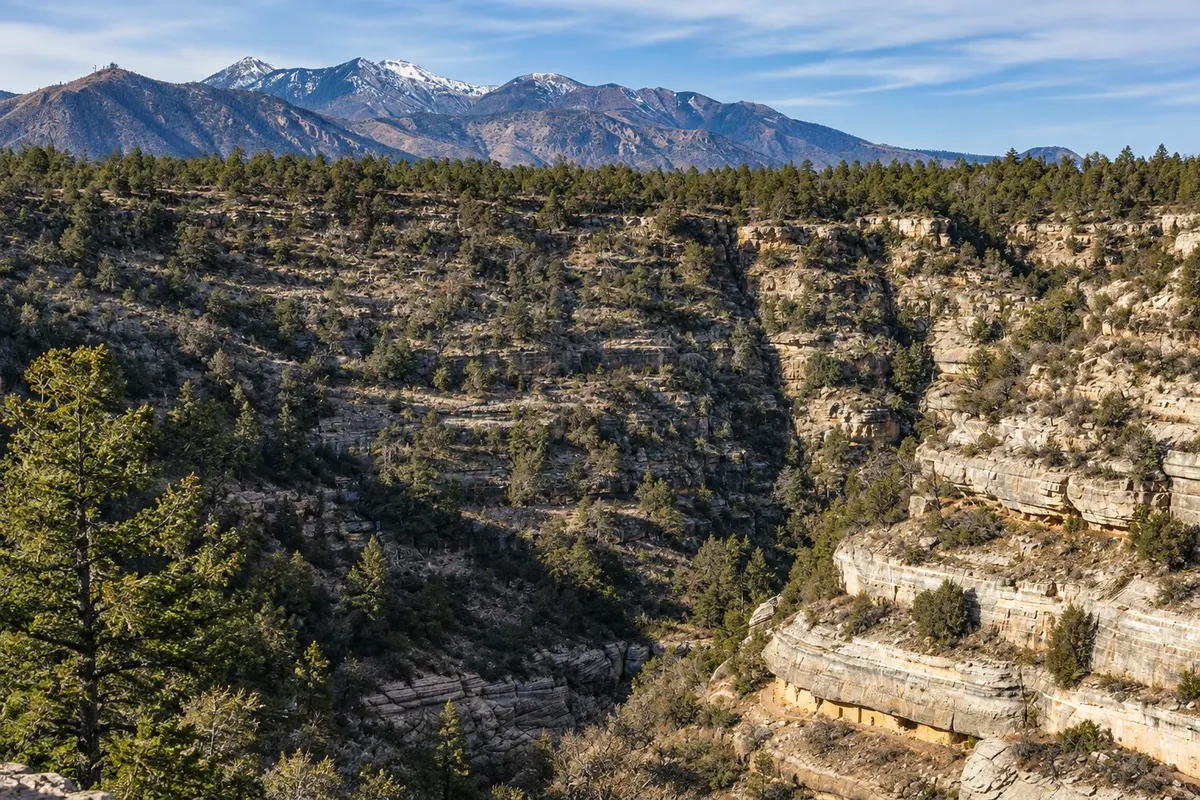
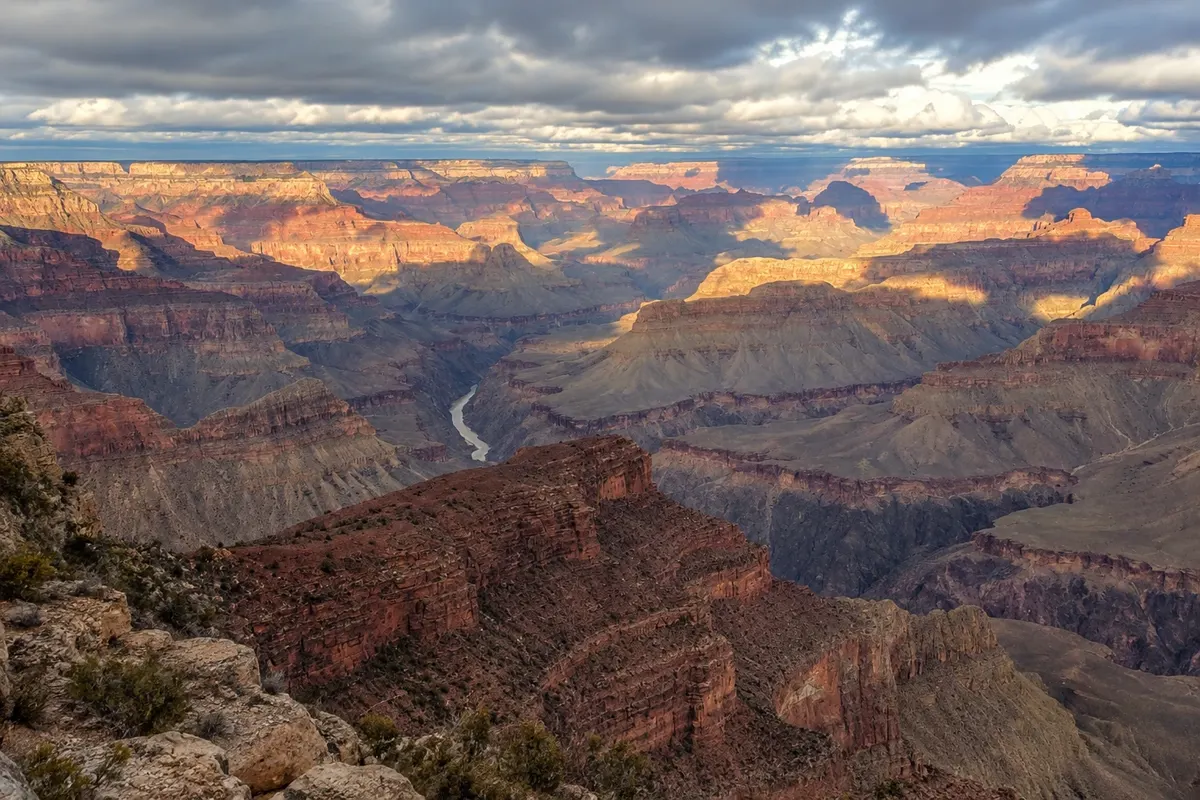
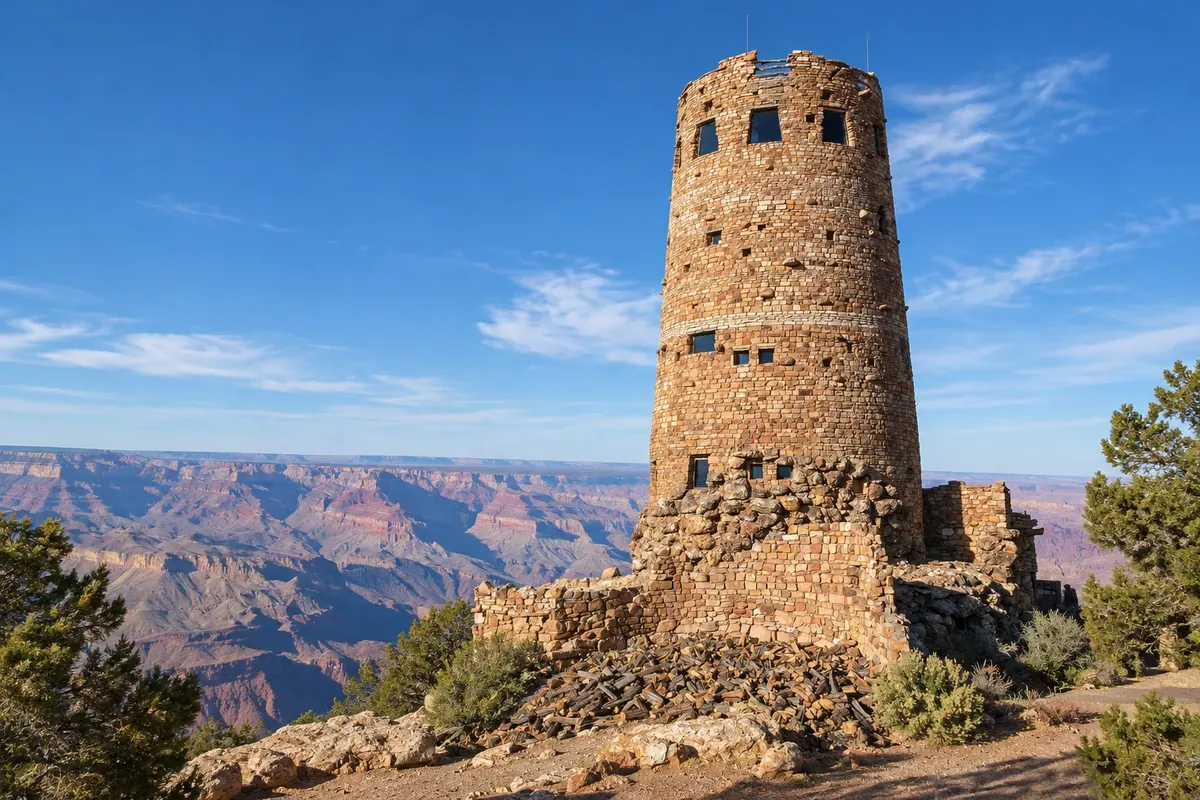
Northern Arizona sits on the Colorado Plateau, a high region of pine forests, stony deserts and canyons carved by the Colorado River. The Grand Canyon is the centerpiece of this landscape: a canyon about 445 km long and more than 1,800 meters deep, protected as a national park and listed by UNESCO as a World Heritage Site.
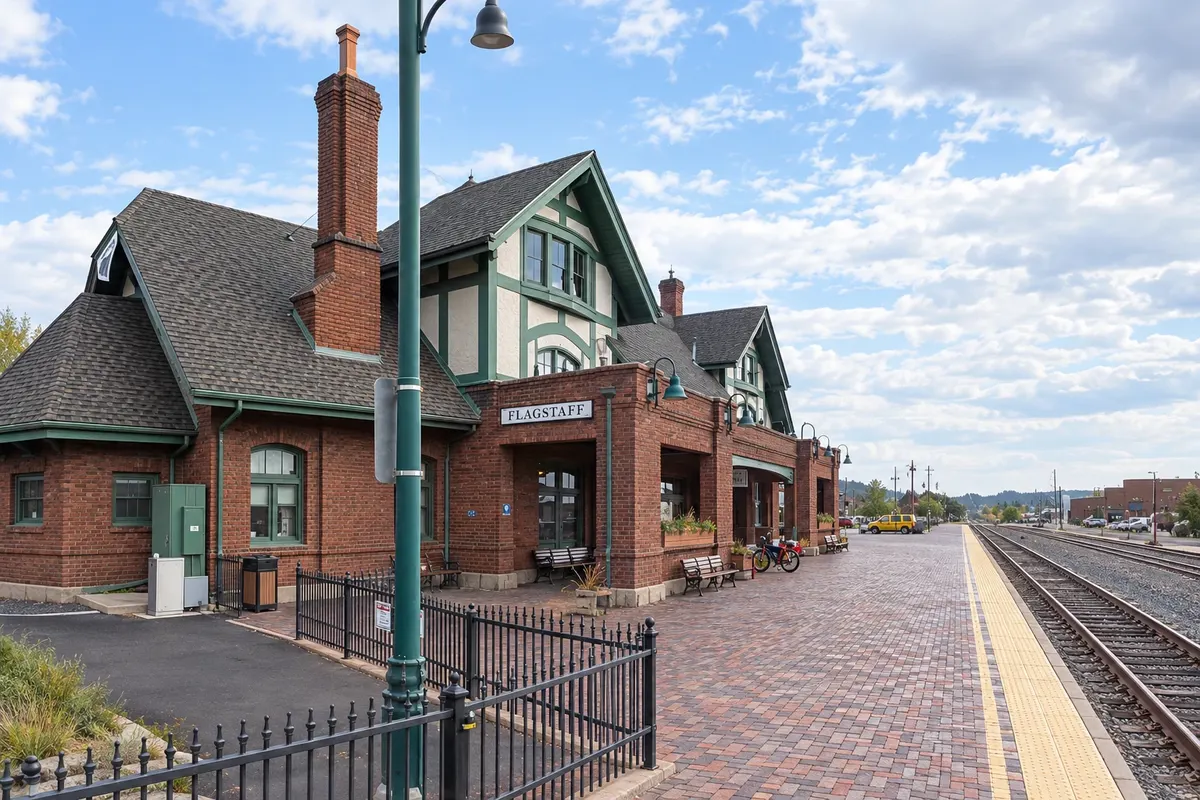
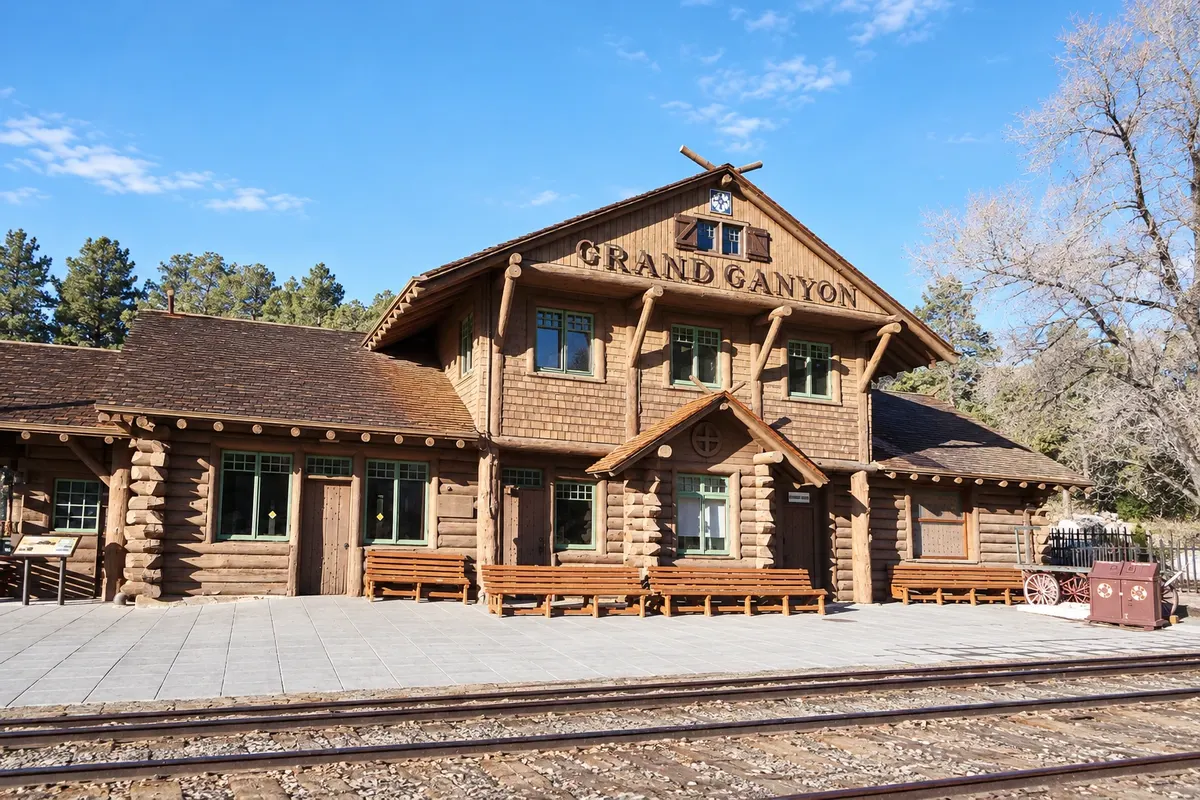
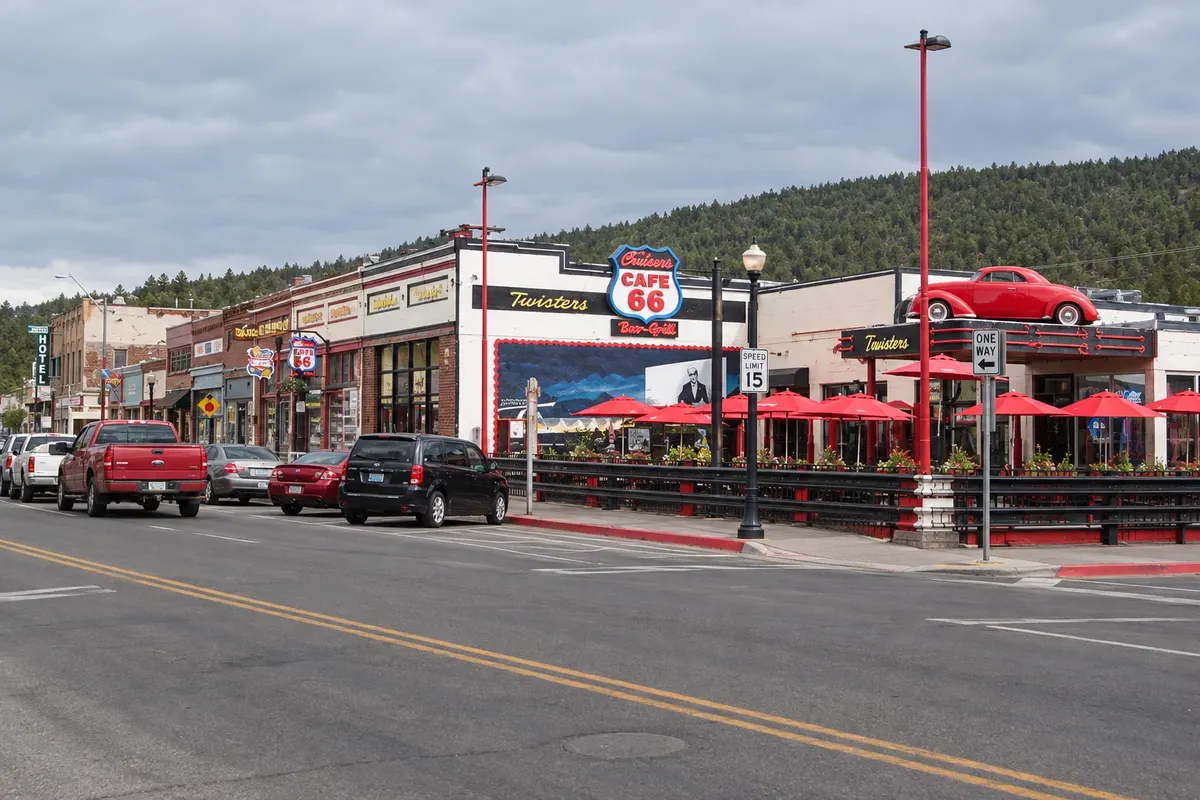
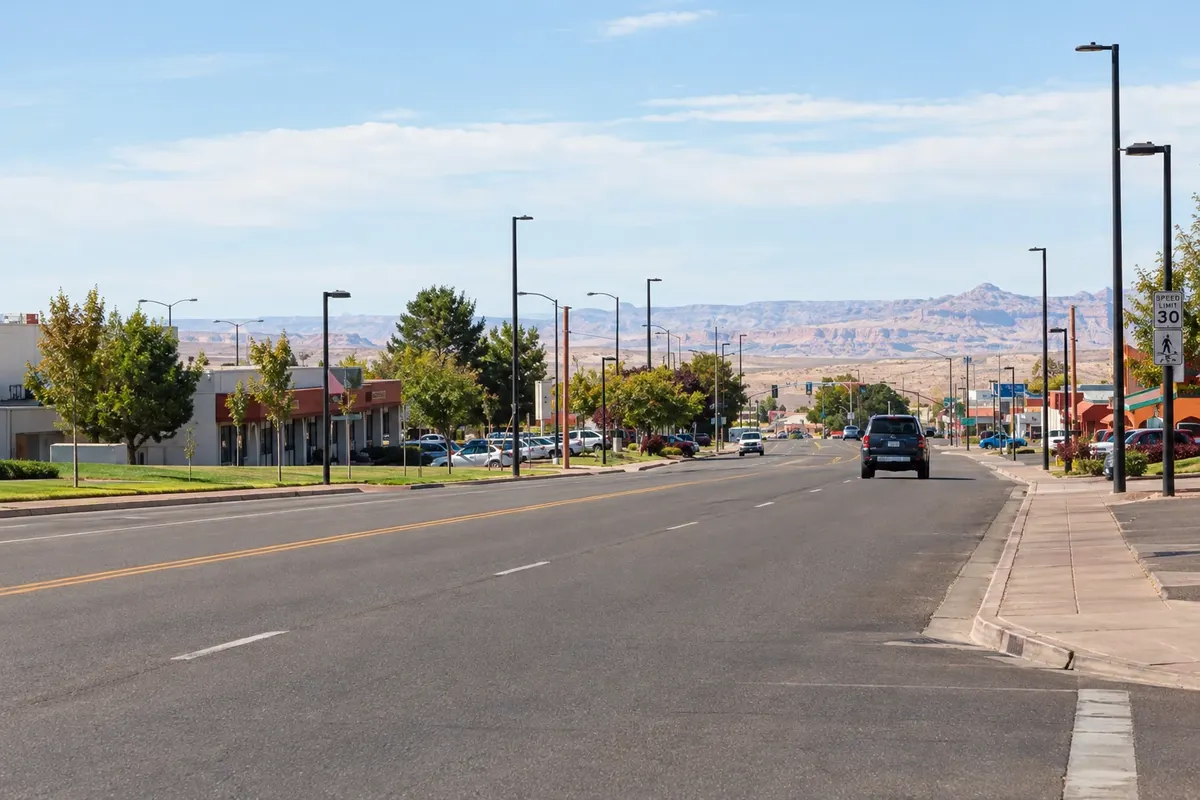
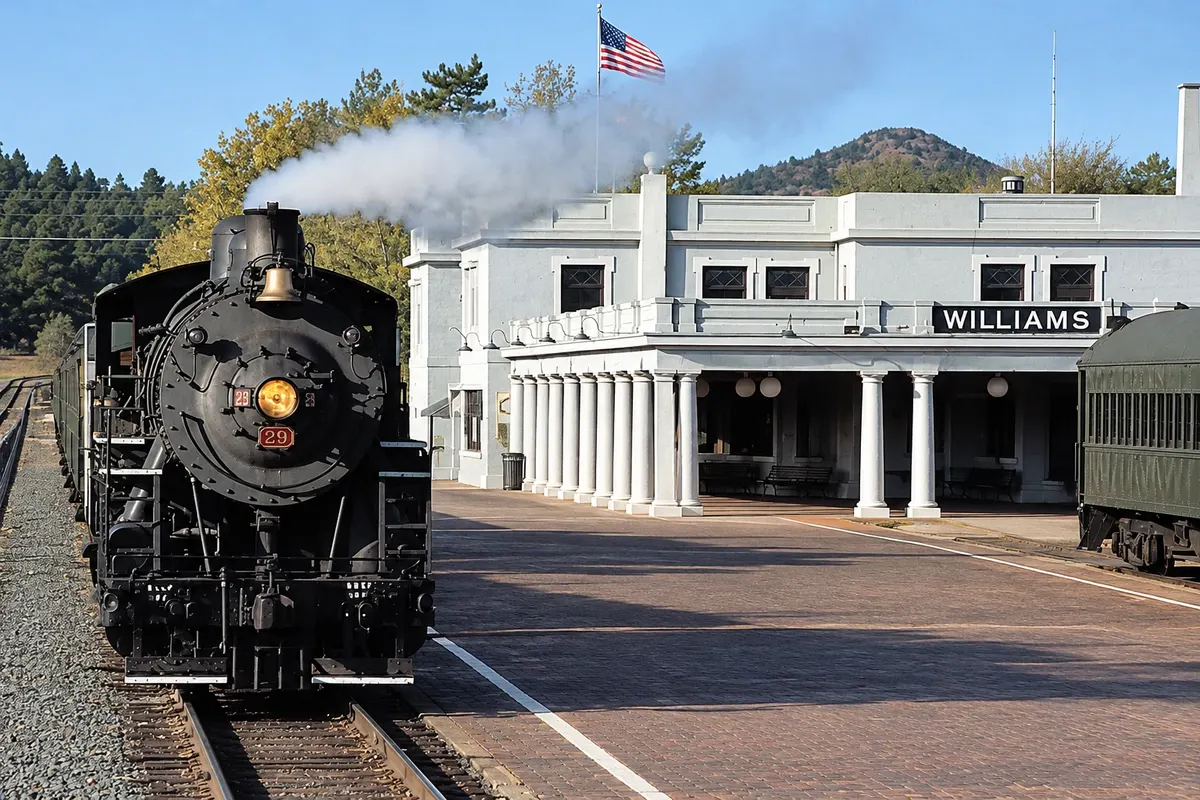
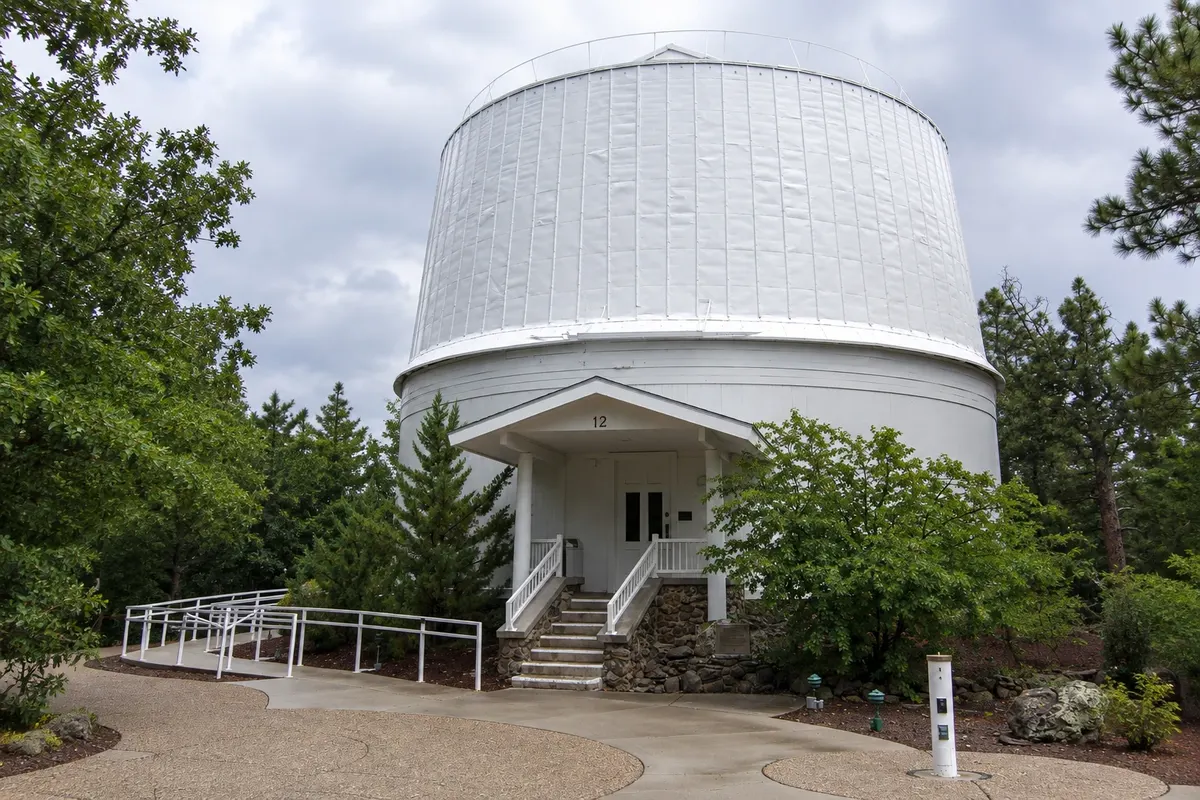
The south rim concentrates the park services and is open year-round. Grand Canyon Village, on the canyon edge, has the historic lodges, the train station and the trailheads that descend into the canyon. Flagstaff, a college town at about 2,100 meters elevation, and Williams, one of the towns on the old Route 66, are the gateway bases on the access roads; the train that reaches the rim departs from Williams.
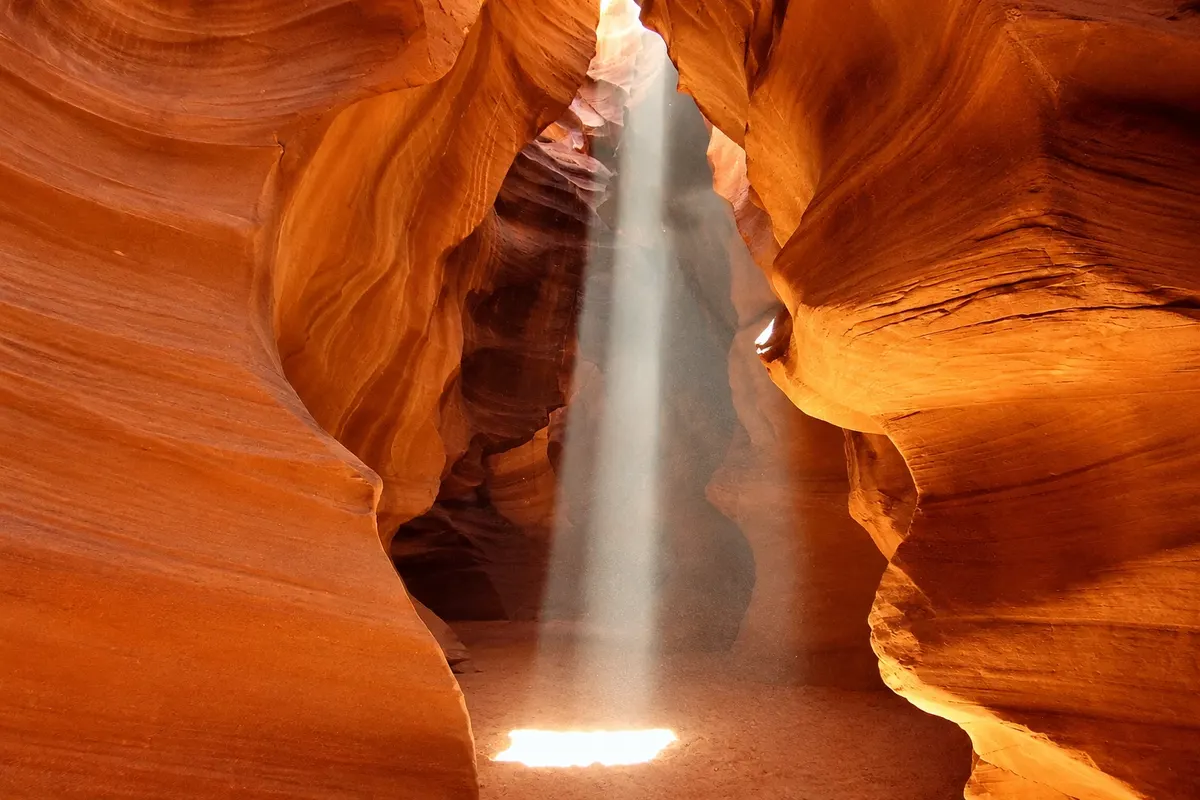
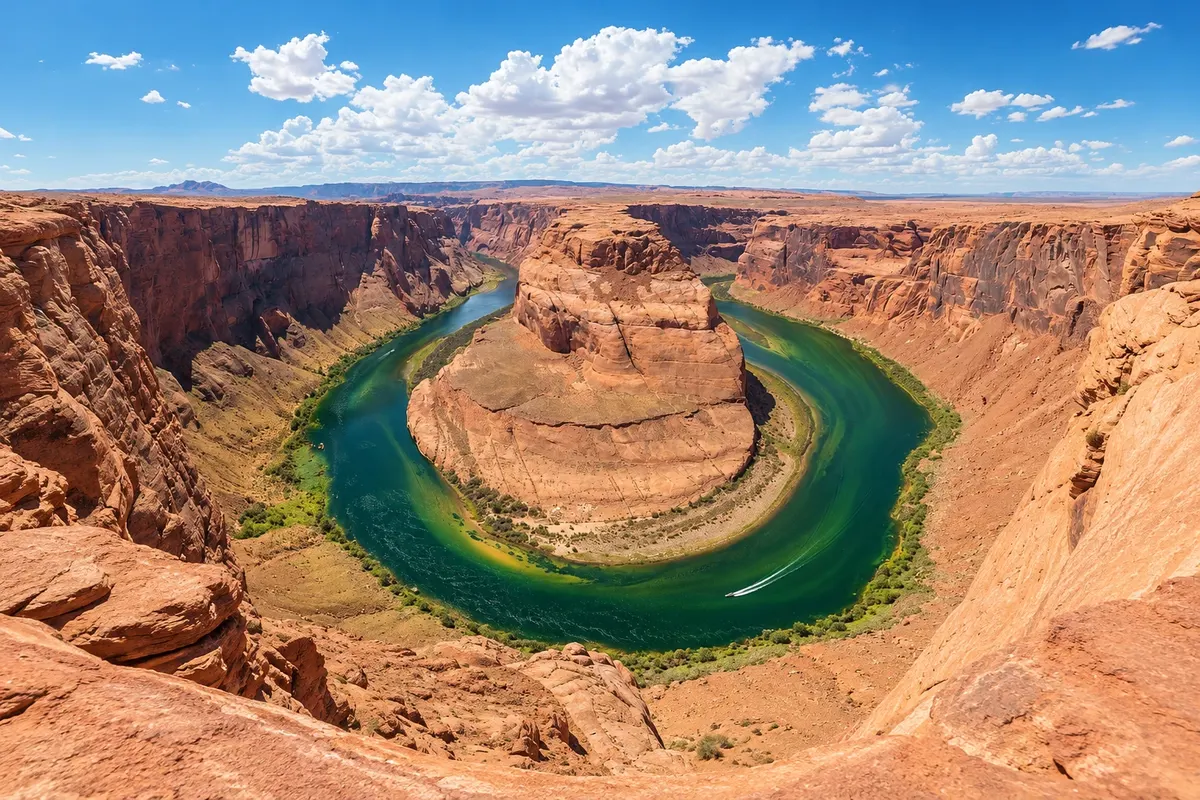
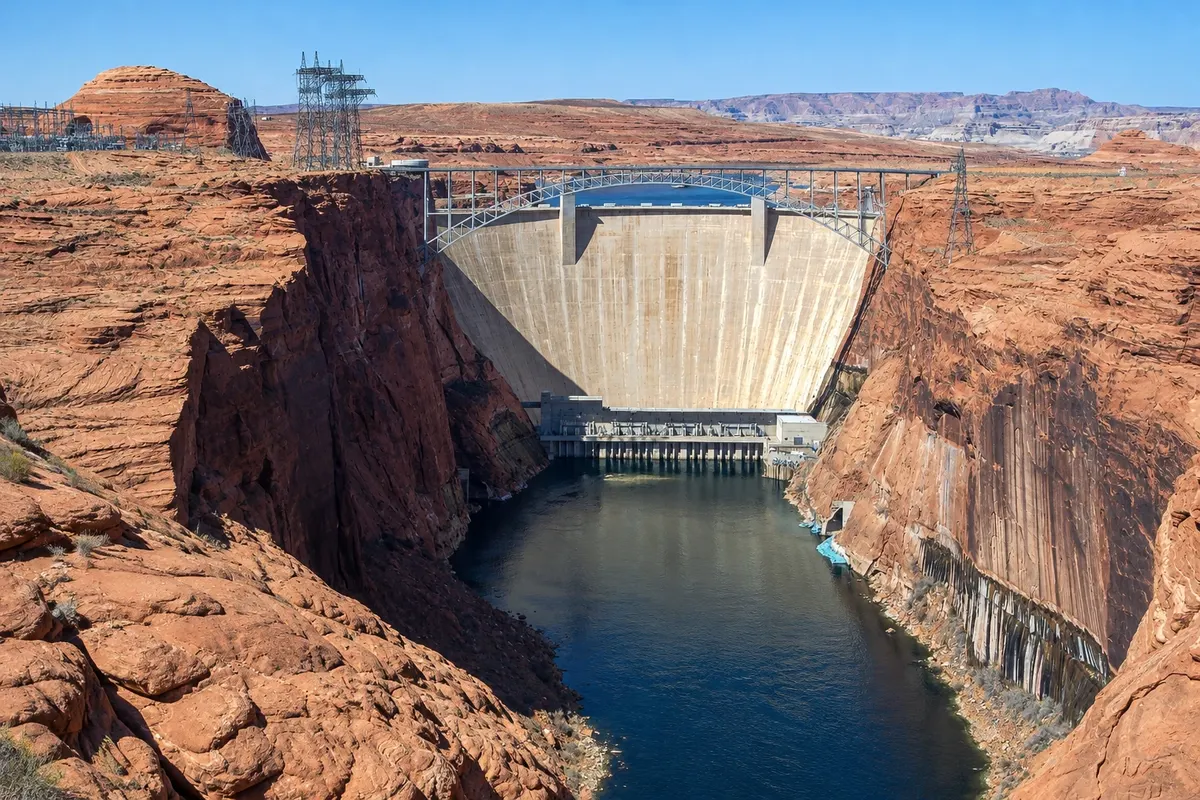
To the northeast, Page grew in the 1950s with the construction of Glen Canyon Dam, which created Lake Powell. Nearby are Antelope Canyon, with its undulating walls, open only to guided Navajo tours, and the Colorado River bend at Horseshoe Bend.
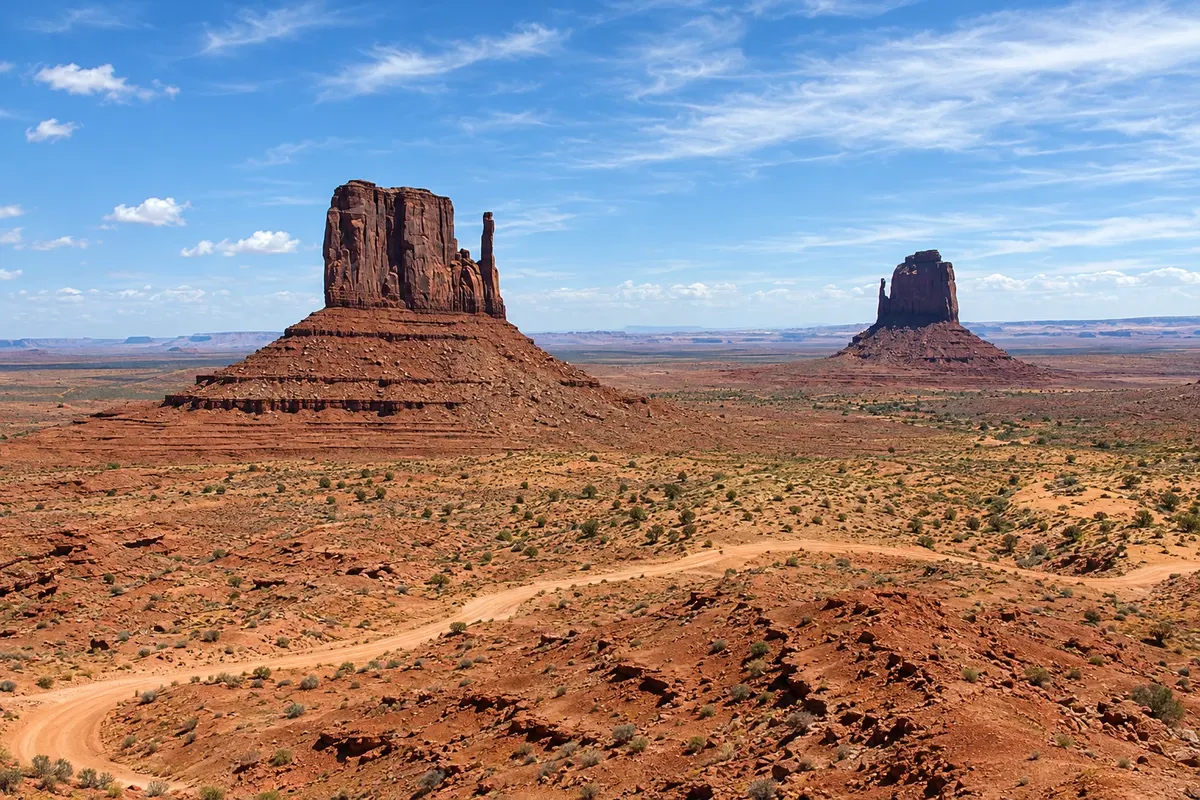
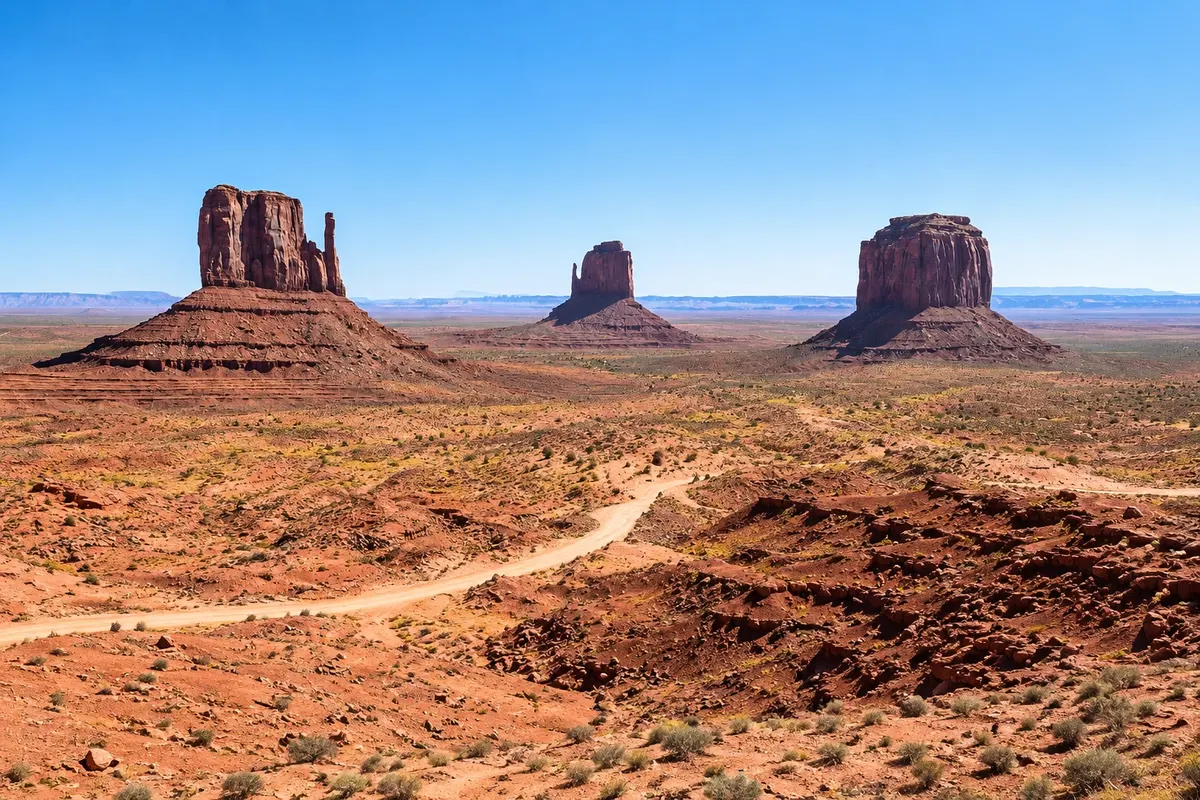
Further east, near Utah, Monument Valley brings together the red sandstone buttes that have appeared in many western films. It is a tribal park of the Navajo Nation, with its own rules and hours, and its base is the settlement of Oljato-Monument Valley on the Utah side.
This destination brings together 5 cities: Flagstaff, Grand Canyon Village, Williams, Page, Oljato-Monument Valley.


 Brazil
 Argentina
 Bolivia
 Chile
 Colombia
 Ecuador
 Guyana
 French Guiana
 Falkland Islands (Malvinas)
 Paraguay
 Peru
 Suriname
 Uruguay
 Venezuela
 Germany
 Austria
 Belgium
 Croatia
 Denmark
 Slovakia
 Slovenia
 Spain
 Finland
 France
 Greece
 the Netherlands
 Hungary
 Ireland
 Iceland
 Italy
 Luxembourg
 Norway
 Poland
 Portugal
 the United Kingdom
 the Czech Republic
 Sweden
 Switzerland
 Turkey
 Canada
 Mexico
 the Dominican Republic
 South Africa
 Australia
 Fiji
 New Zealand
 Papua New Guinea