

 Brazil
 Argentina
 Bolivia
 Chile
 Colombia
 Ecuador
 Guyana
 French Guiana
 Falkland Islands (Malvinas)
 Paraguay
 Peru
 Suriname
 Uruguay
 Venezuela
 Germany
 Austria
 Belgium
 Croatia
 Denmark
 Slovakia
 Slovenia
 Spain
 Finland
 France
 Greece
 the Netherlands
 Hungary
 Ireland
 Iceland
 Italy
 Luxembourg
 Norway
 Poland
 Portugal
 the United Kingdom
 the Czech Republic
 Sweden
 Switzerland
 Turkey
 Canada
 Mexico
 the Dominican Republic
 South Africa
 Australia
 Fiji
 New Zealand
 Papua New Guinea
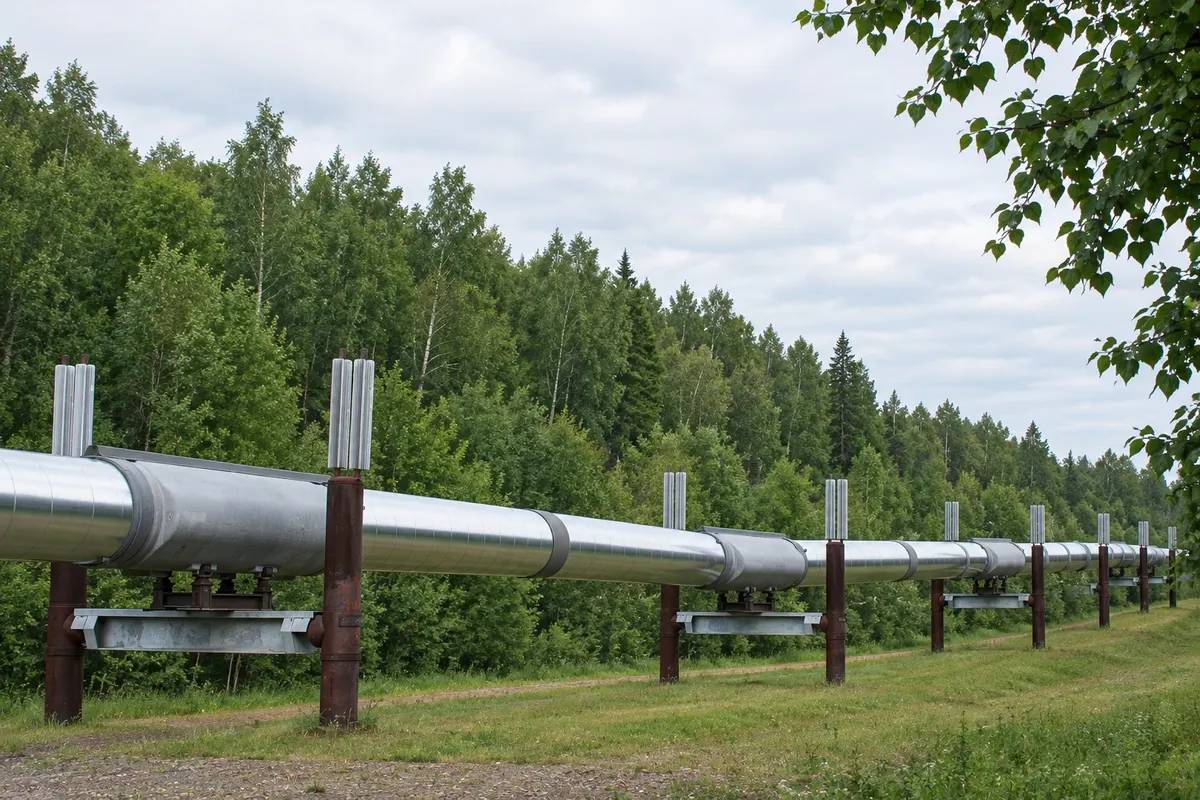
Engineering feat · Fairbanks, Alaska
Trans-Alaska Pipeline Viewing Point
Roadside viewpoint north of Fairbanks where you can see the Trans-Alaska Pipeline up close, about 1,300 km long, with panels about its construction in the 1970s.
Illustrative images. The pictures in this guide are illustrations based on the real place, not photographs, and may differ from it.



Discover
About Trans-Alaska Pipeline Viewing Point
The Trans-Alaska Pipeline carries oil from Prudhoe Bay in the Arctic to the port of Valdez in the south of the state, over a distance of about 1,300 km. It was built between 1974 and 1977, crossing mountains, rivers and areas of permanently frozen ground.
At the viewpoint north of Fairbanks, the pipeline runs above ground on supports that have heat exchangers to prevent the oil’s heat from melting the frozen ground. The supports allow the pipe to slide in an earthquake, and the zigzag routing accommodates metal expansion.
Panels tell the story of the construction, which brought thousands of workers to Alaska and transformed the economy of the state and of Fairbanks. There are also examples of the equipment used to clean the inside of the pipe.
Before you go
Practical information
Cidade Turismo reviews its information regularly, but something may have changed. Check with the place before planning your trip.
How much time to set aside
About 20 to 30 minutes.
Best time
By day, any time of year; in winter, wear appropriate cold-weather clothing.
How to get there
About 13 km from downtown Fairbanks, via the Steese Highway to the north. There is parking.
Tip
Combine it with a visit to the Chena hot springs, in the same direction.
Official website
Get your questions answered
Frequently asked questions about Trans-Alaska Pipeline Viewing Point
Where can you see the Trans-Alaska Pipeline near Fairbanks?
At the viewpoint on the Steese Highway, about 13 km north of downtown.
How long is the Trans-Alaska Pipeline?
About 1,300 km, from Prudhoe Bay in the Arctic to Valdez in the state’s south.
Why is the pipeline above ground?
So the heat of the oil does not melt the region’s permanently frozen ground.