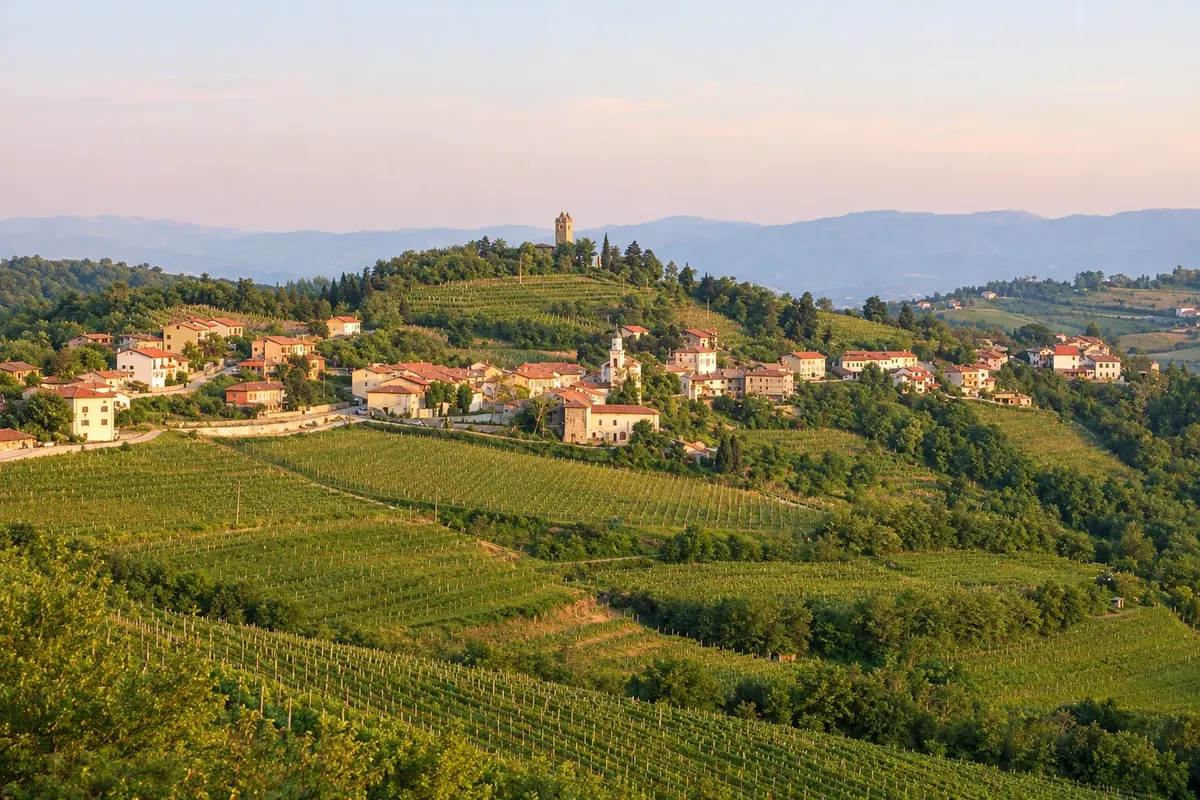
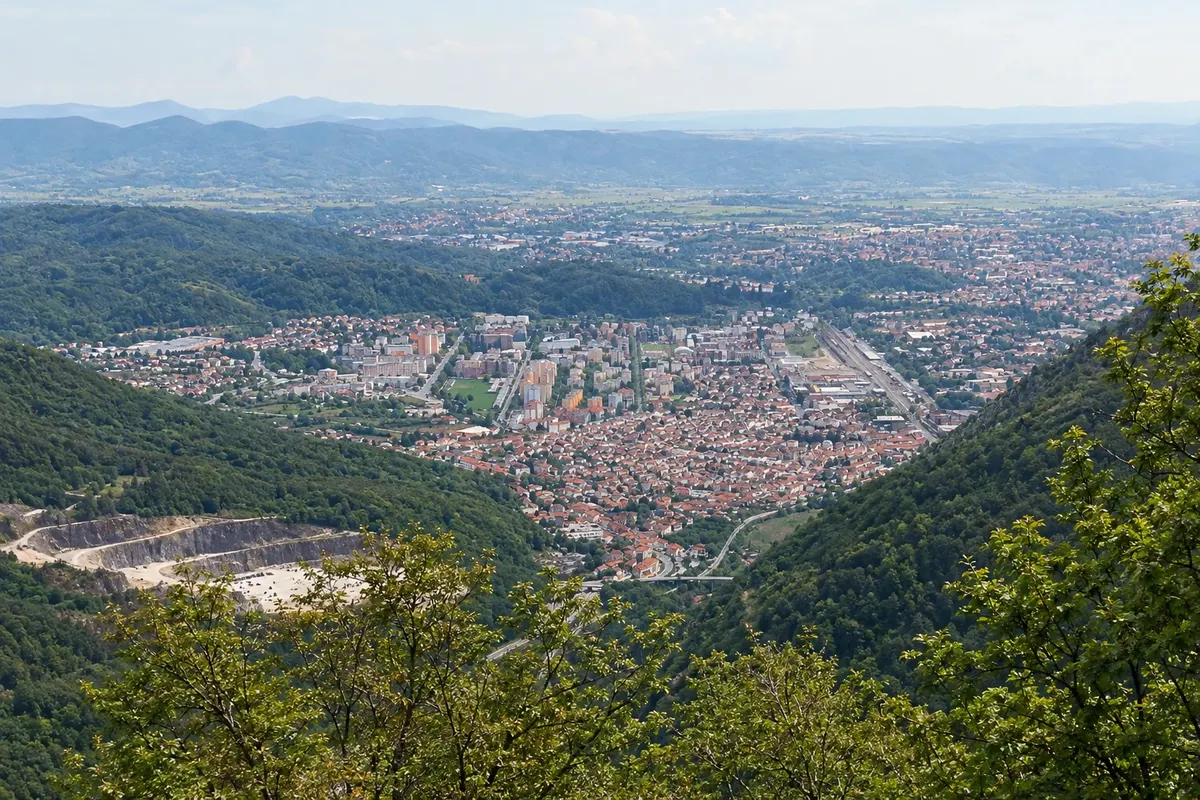
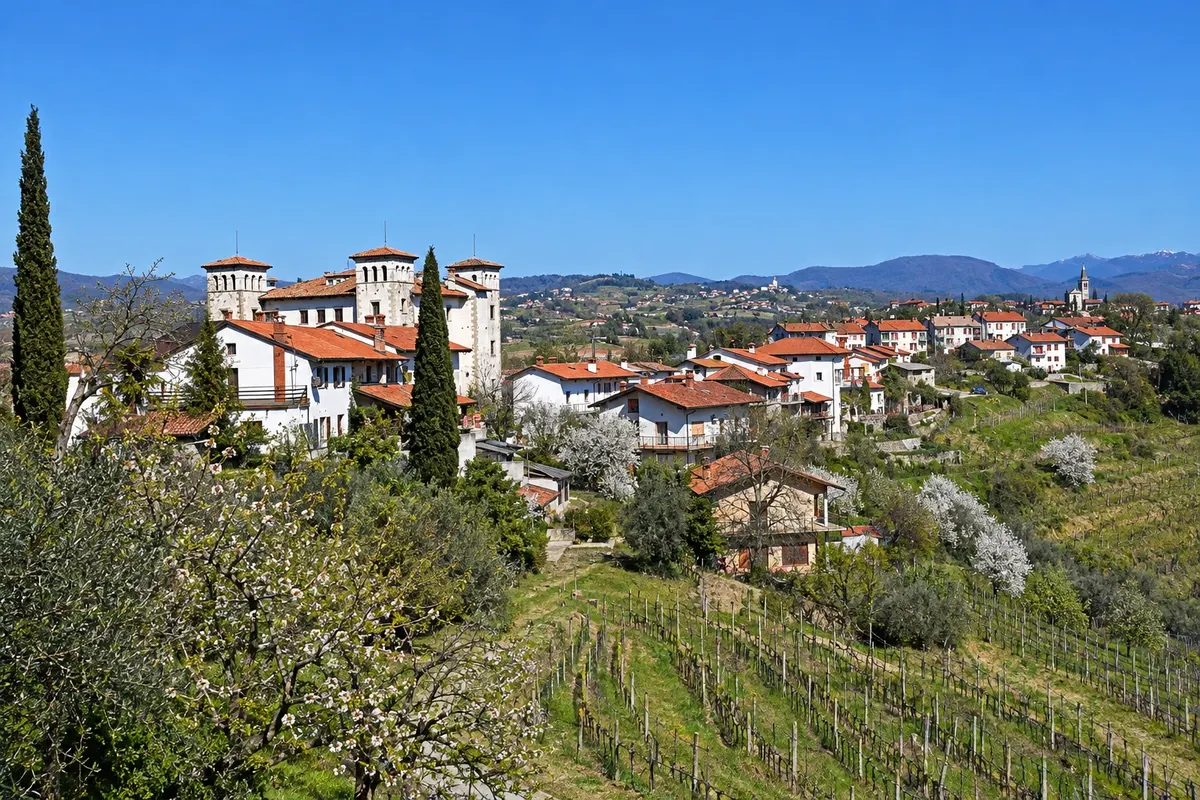
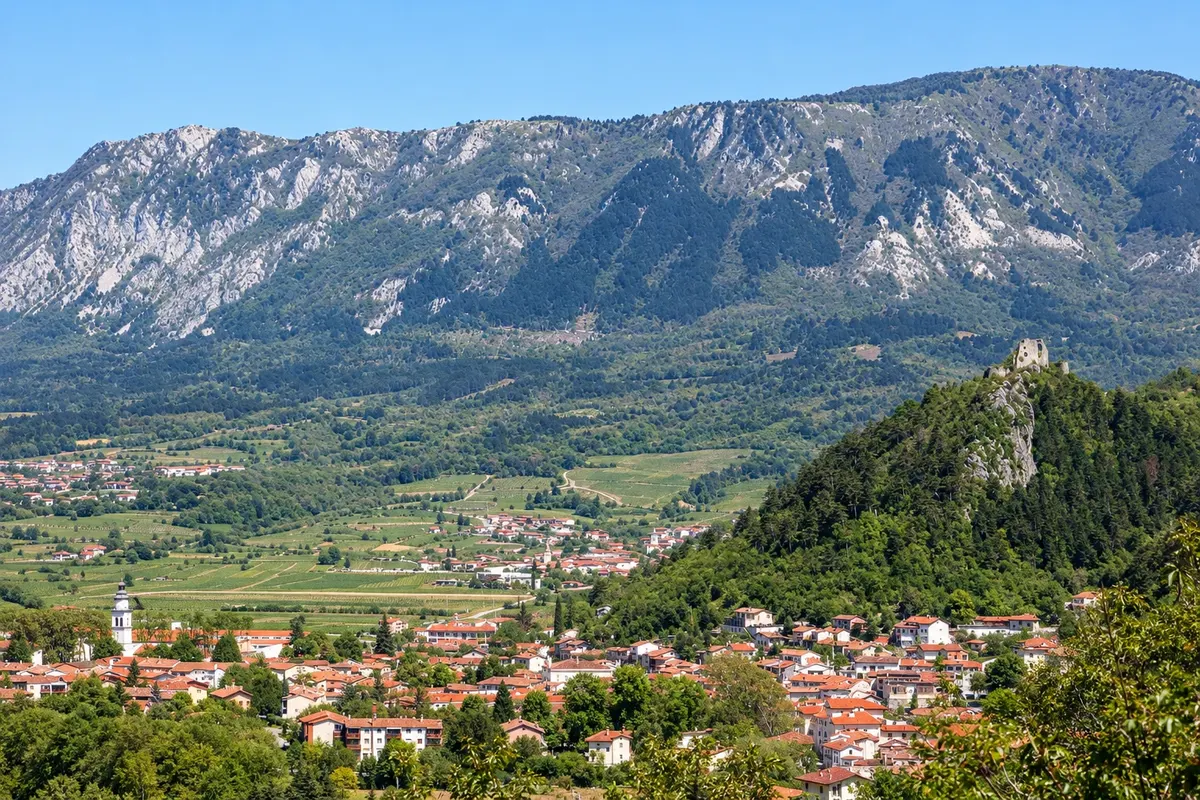
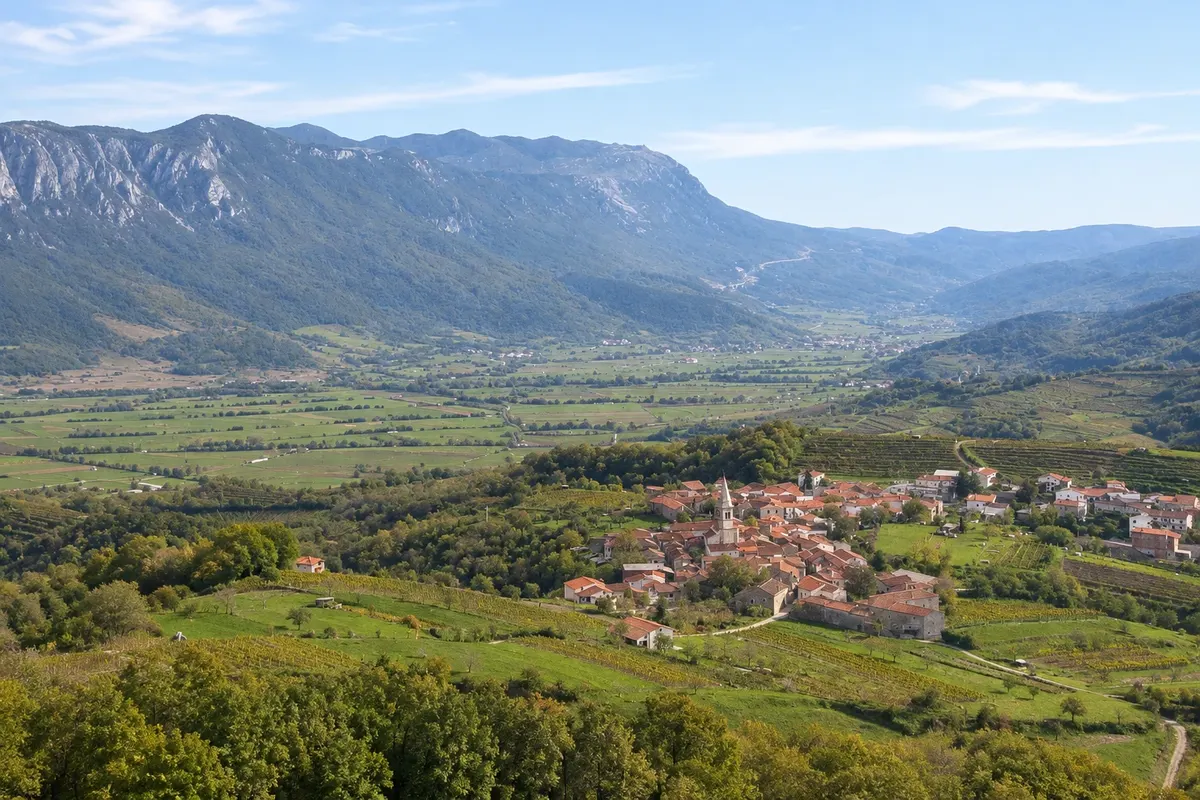
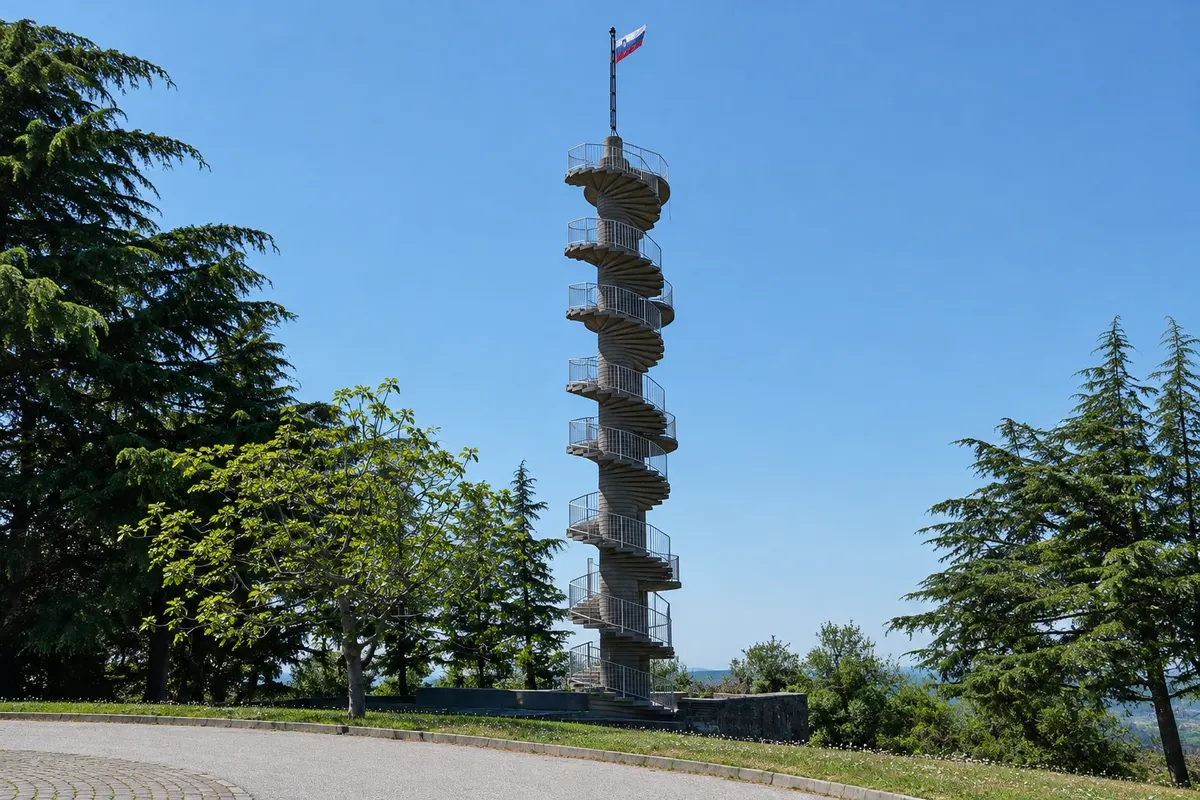
In western Slovenia, where the Alps descend to the Friulian plain, two wine landscapes sit separated by Nova Gorica. North and west of the town, the hills of Goriška Brda, resting against the Italian border, alternate vineyards, orchards and hilltop villages. To the east, the Vipava Valley opens between the Trnovo Plateau, Nanos and the Karst, with a Mediterranean climate marked by the bora wind.
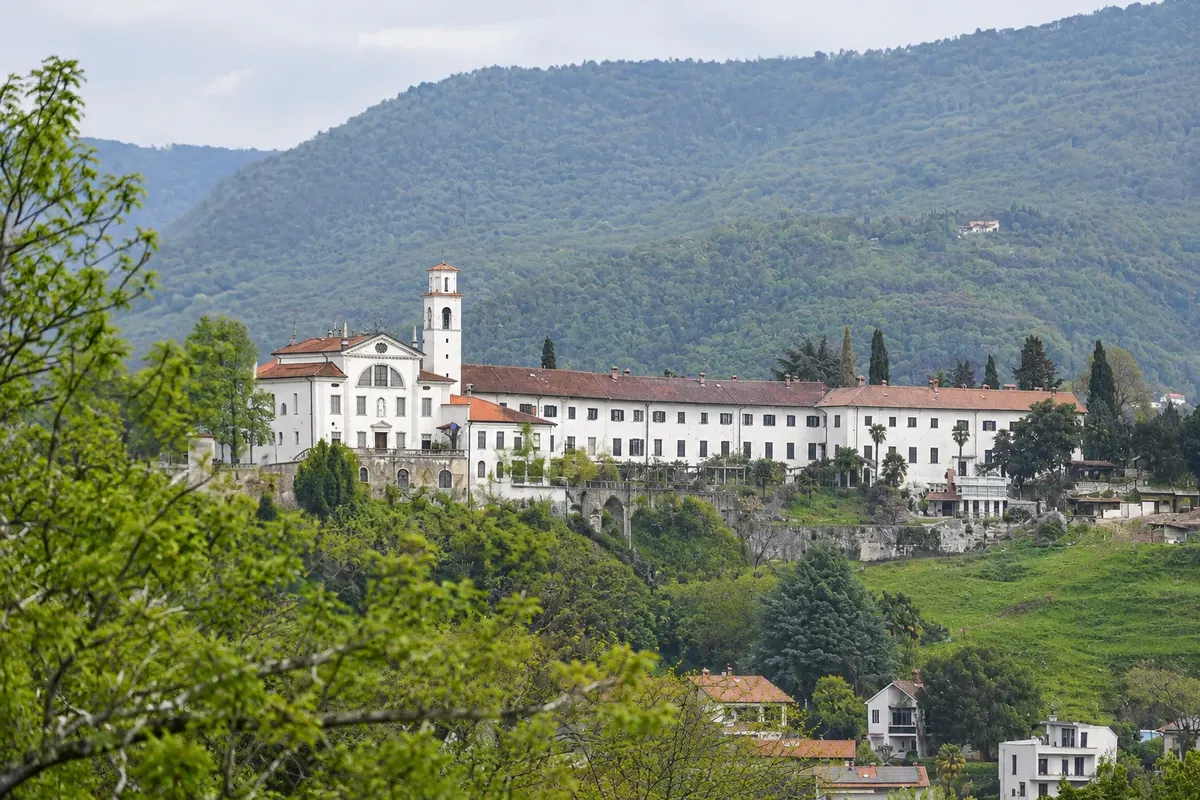
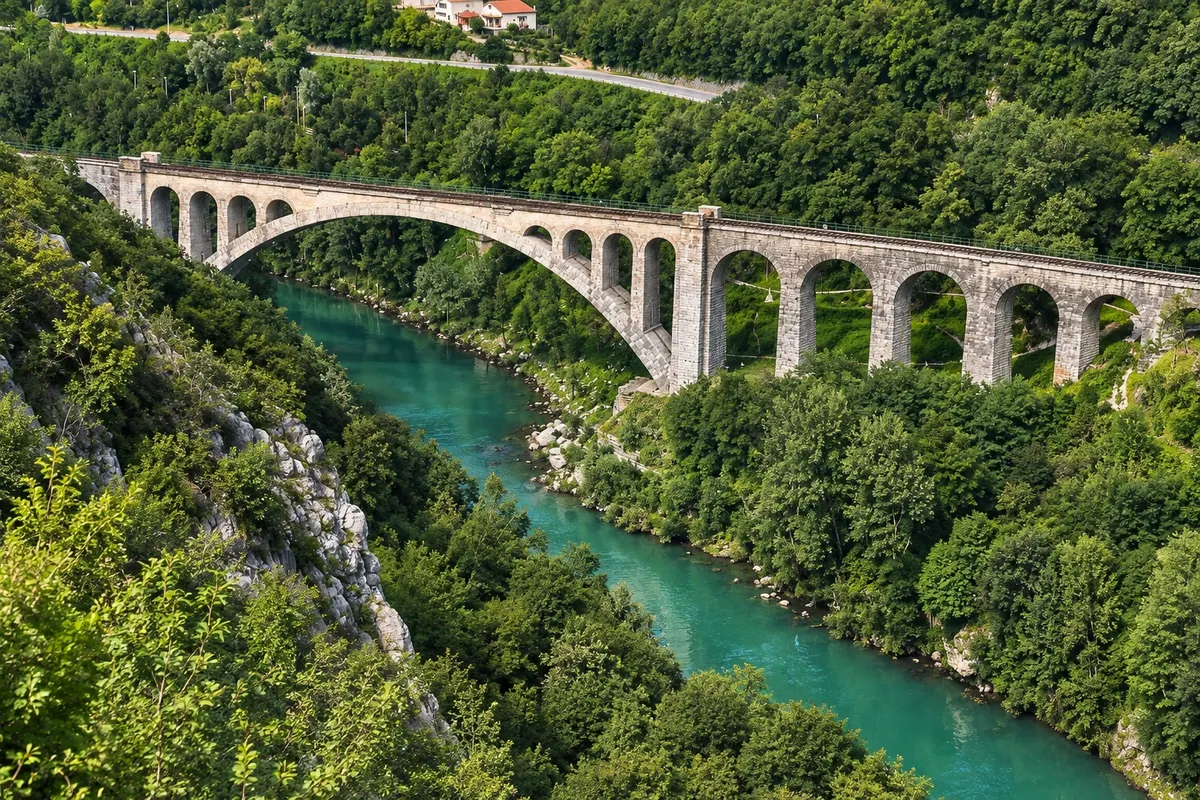
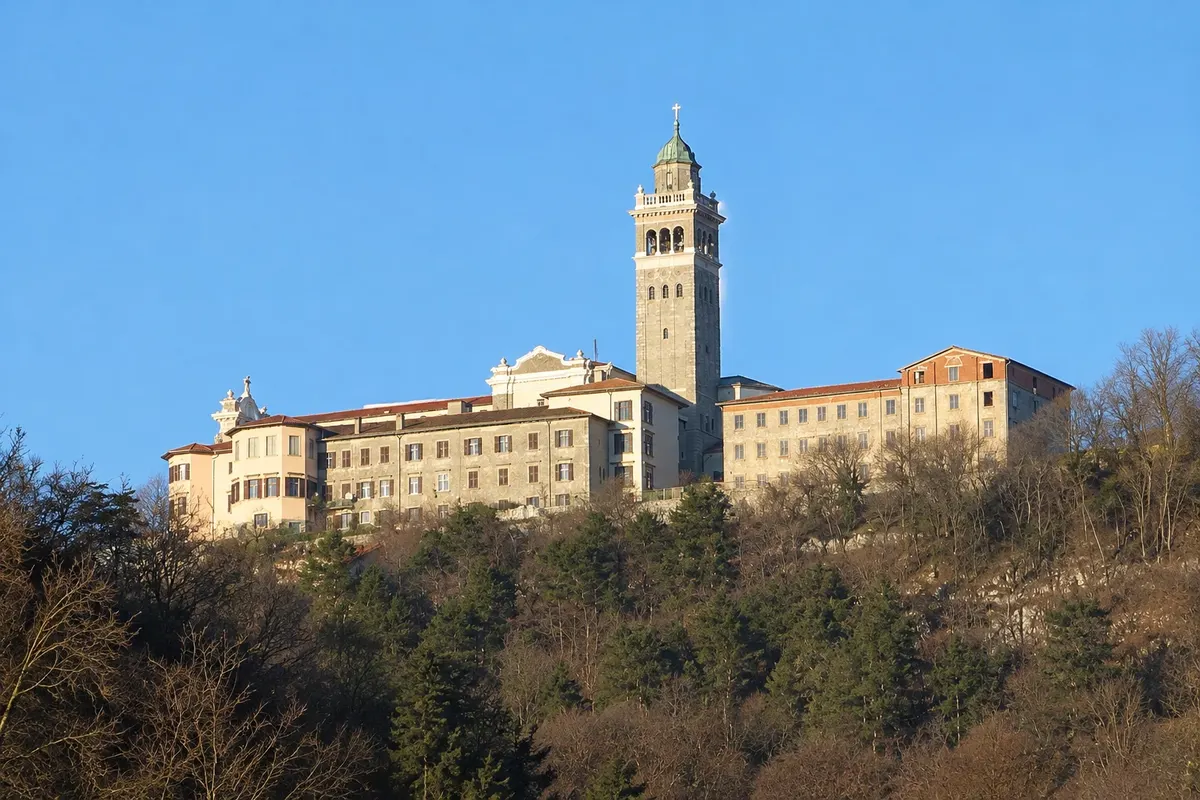
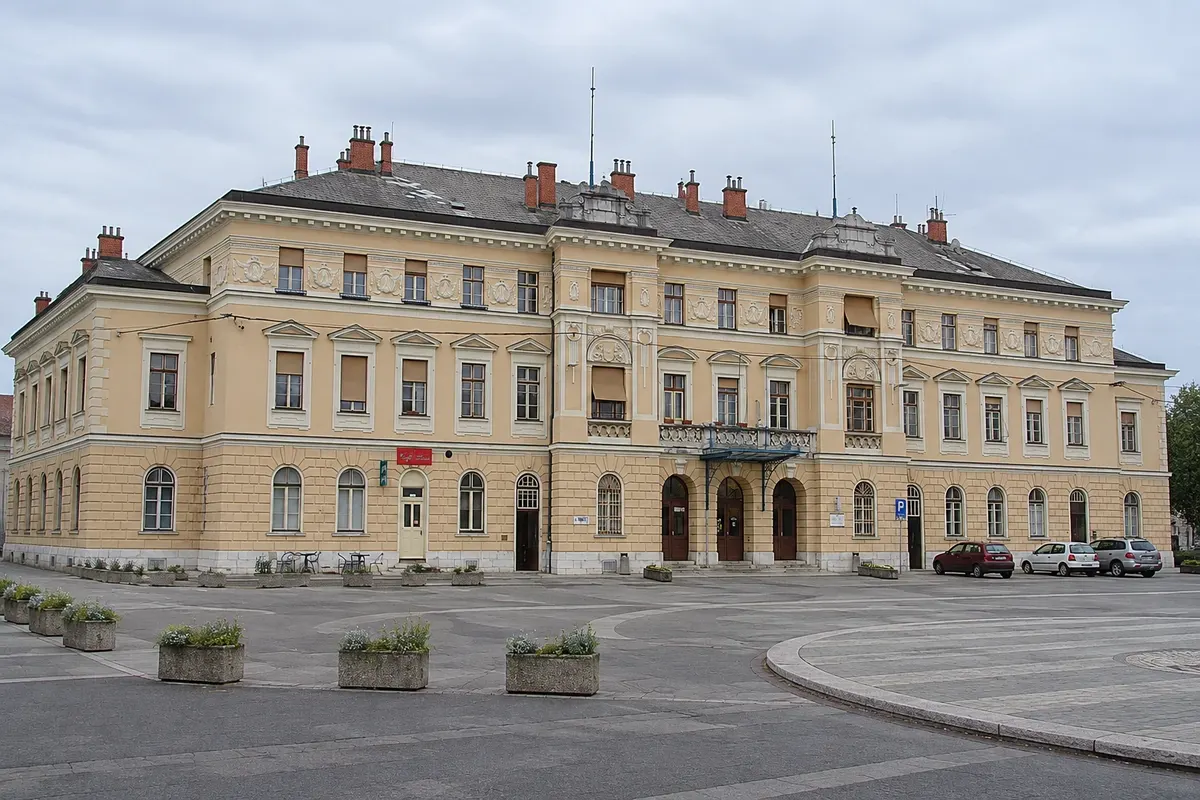
Nova Gorica arose after 1947, when the peace treaty left Gorizia in Italy and the new border separated the old town from the railway station and eastern suburbs. Today the two towns form a single urban area, joined by Trg Evrope square in front of the station. Nearby are the Kostanjevica monastery, with the tombs of the last Bourbons of France, the basilica of Sveta Gora atop a 682-meter hill, and the Solkan Bridge, whose stone arch over the Soča is the largest in the world for a railway bridge.
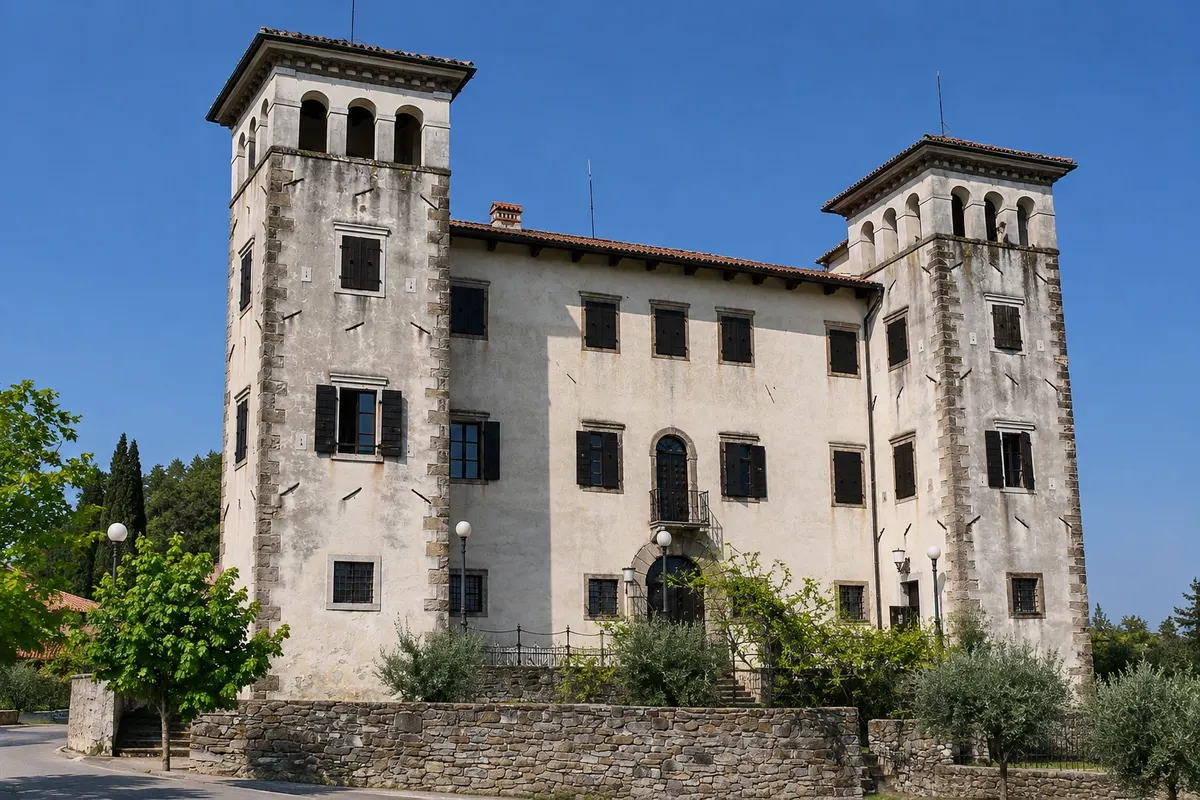
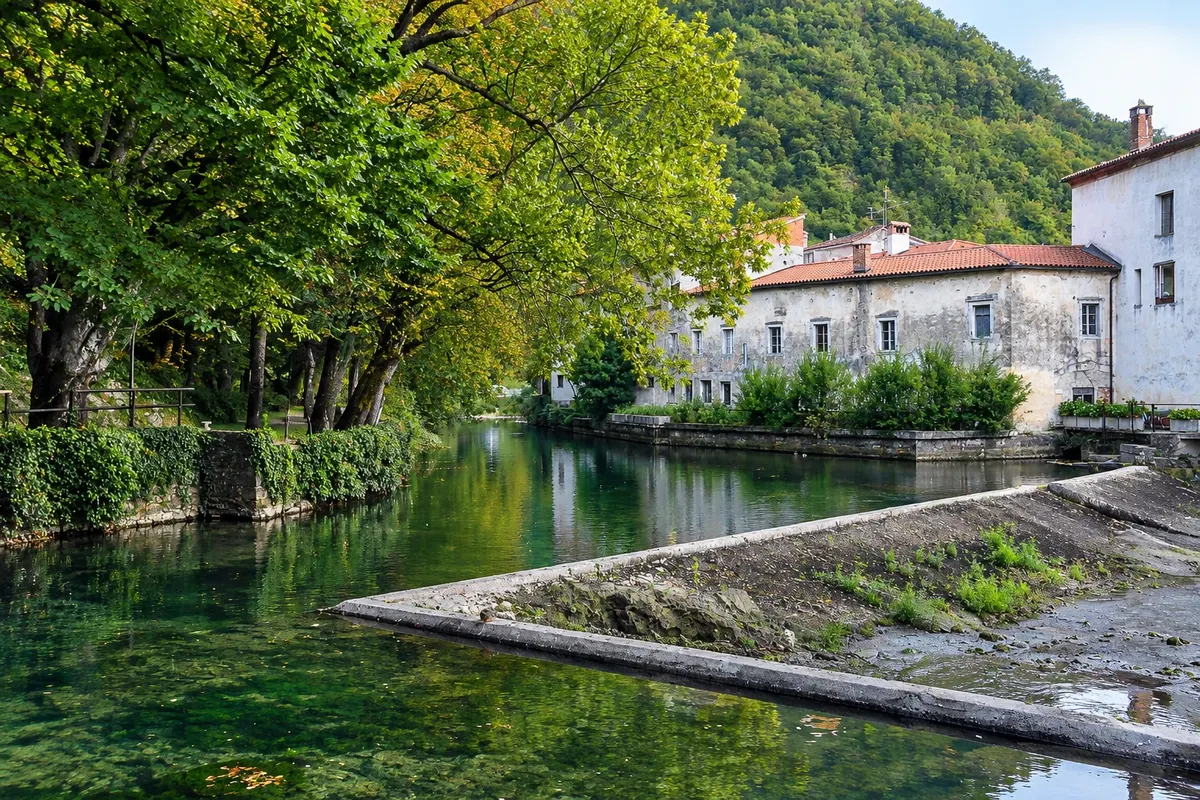
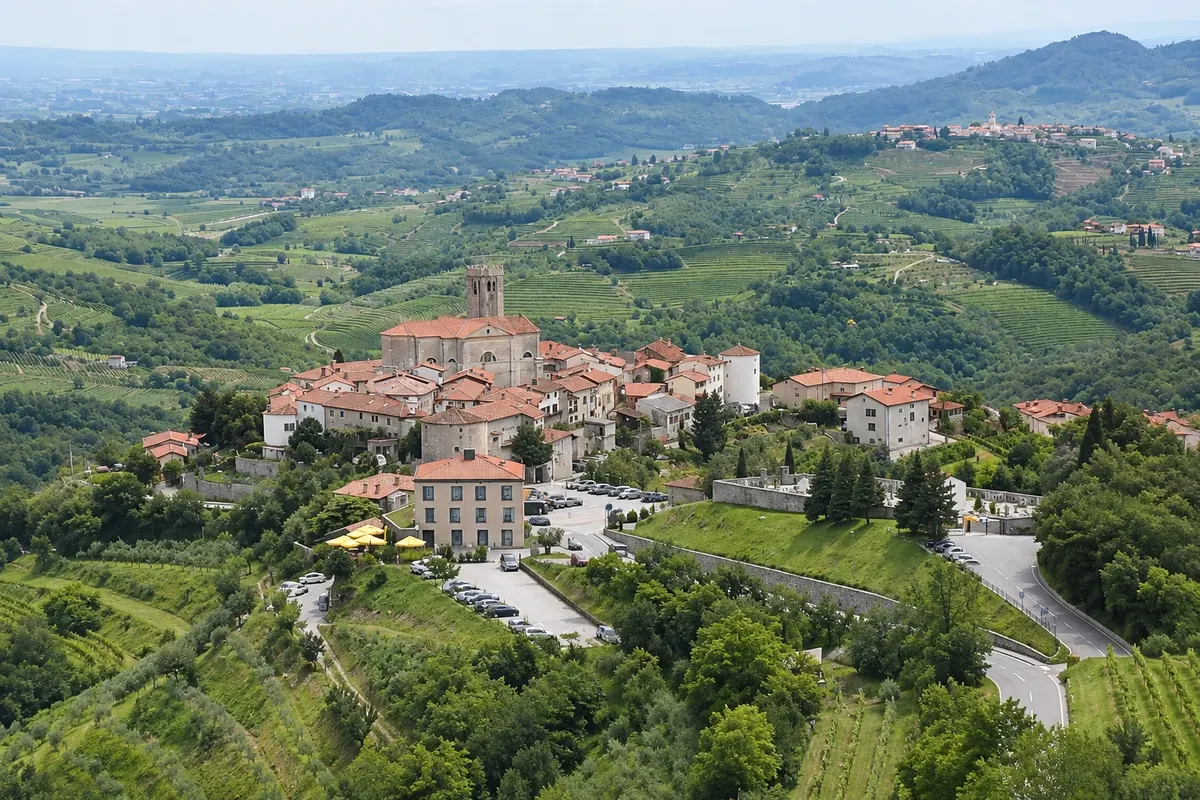
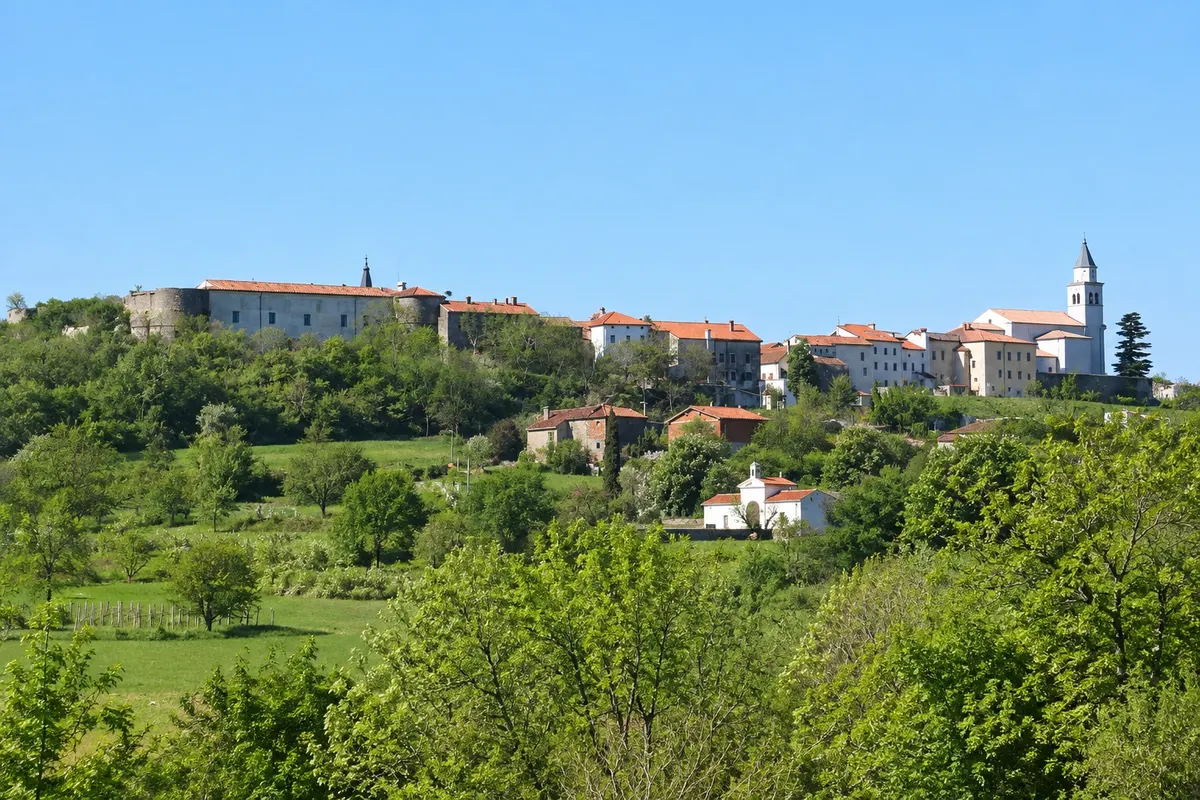
In Goriška Brda, Dobrovo, the municipal seat, has a Renaissance castle with the gallery of painter Zoran Mušič, and Šmartno preserves walls and towers from the time it was a border fortress. The region is known for rebula, a local white wine, and for fruits such as cherries. In the Vipava Valley, the town of Vipava springs from a group of sources that form the river, and small Vipavski Križ preserves, within its walls, a Capuchin monastery with an old library. Grapes such as zelen and pinela are typical of the valley.
This destination brings together 3 cities: Nova Gorica, Dobrovo, Vipava.


 Brazil
 Argentina
 Bolivia
 Chile
 Colombia
 Ecuador
 Guyana
 French Guiana
 Falkland Islands (Malvinas)
 Paraguay
 Peru
 Suriname
 Uruguay
 Venezuela
 Germany
 Austria
 Belgium
 Croatia
 Denmark
 Slovakia
 Spain
 Finland
 France
 Greece
 the Netherlands
 Hungary
 Ireland
 Iceland
 Italy
 Luxembourg
 Norway
 Poland
 Portugal
 the United Kingdom
 the Czech Republic
 Sweden
 Switzerland
 Turkey
 Canada
 the United States
 Mexico
 the Dominican Republic
 South Africa
 Australia
 Fiji
 New Zealand
 Papua New Guinea