Luxor

Luxor · Egypt

Luxor

Ancient Thebes on the Nile: the temples of Karnak and Luxor on the east bank and, on the west bank, the Valley of the Kings, the Temple of Hatshepsut, Medinet Habu and the Colossi of Memnon.

Upper Egypt

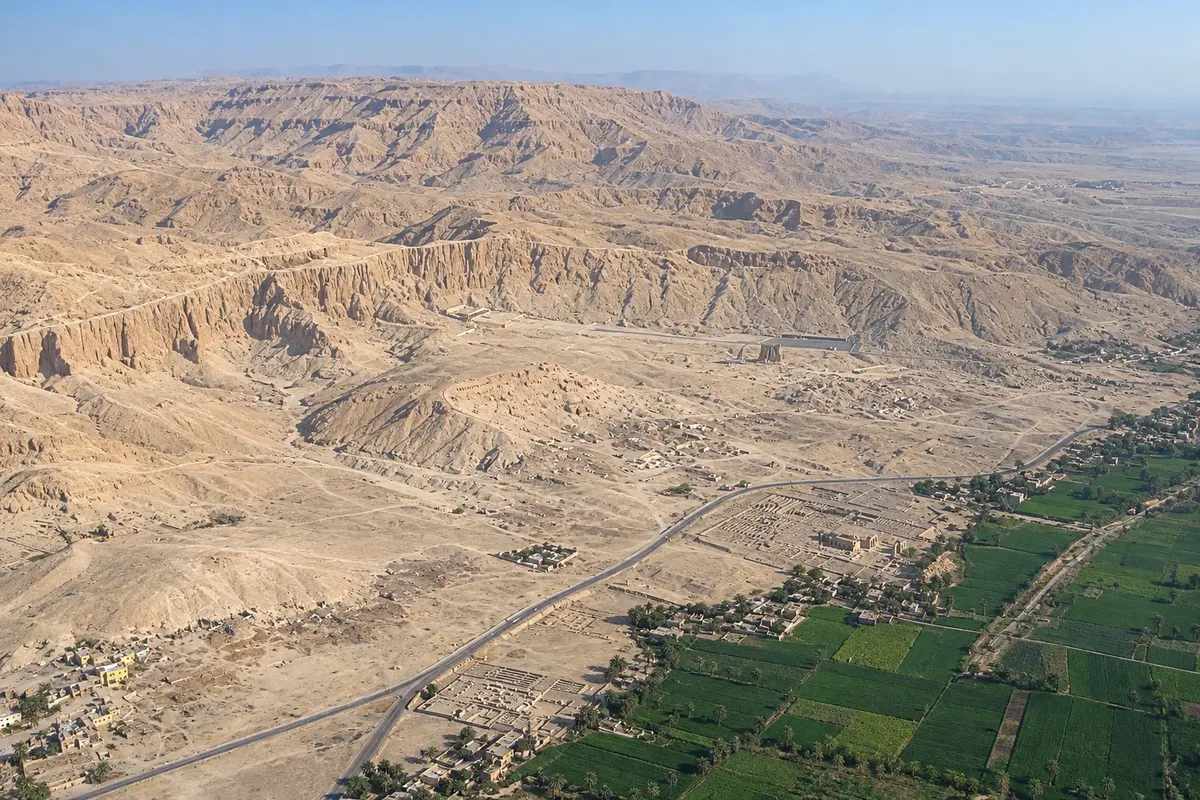
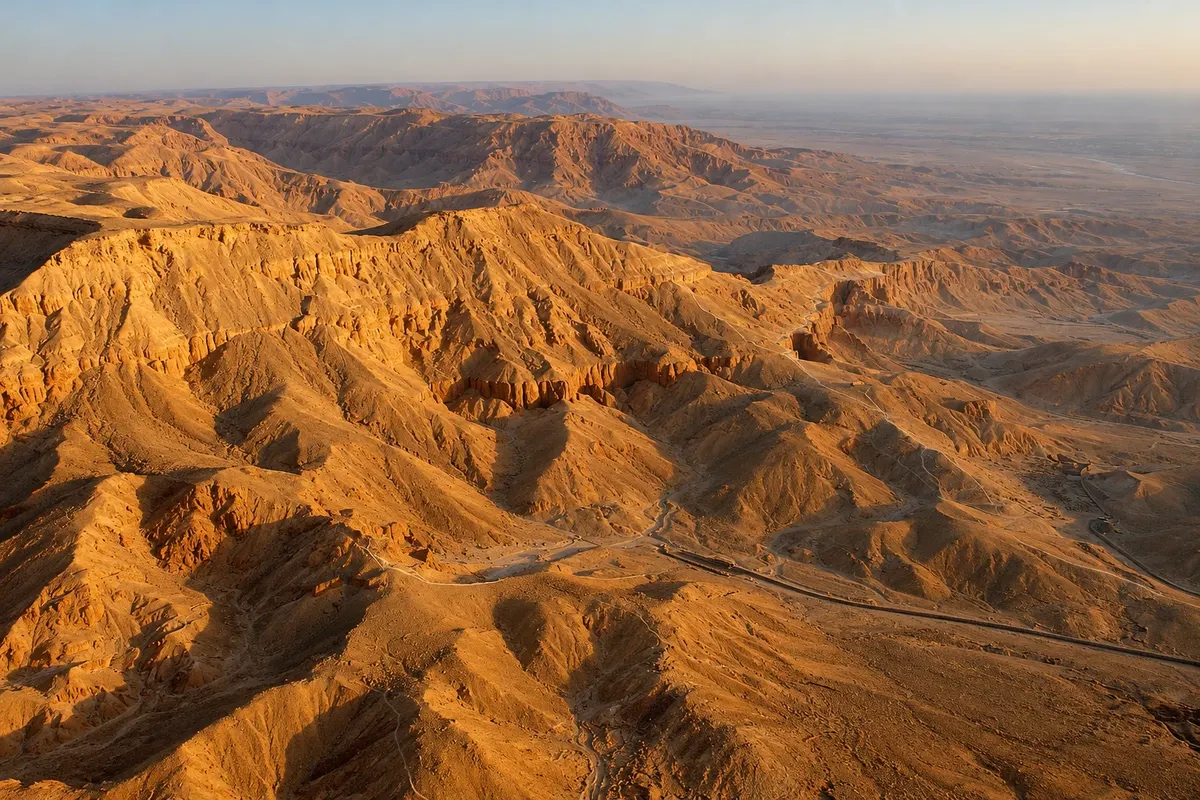
In the photo: The Theban Mountain and the fields of the west bank of the Nile, in Luxor.

Illustrative images. The pictures in this guide are illustrations based on the real place, not photographs, and may differ from it.

Get to know the place

A region to enjoy
at your own pace.

Luxor lies in Upper Egypt on the Nile at the site of Thebes, Egypt’s capital during the New Kingdom. The city and its monuments form the UNESCO site of Ancient Thebes and its necropolis, containing the country’s largest concentration of pharaonic temples and tombs.

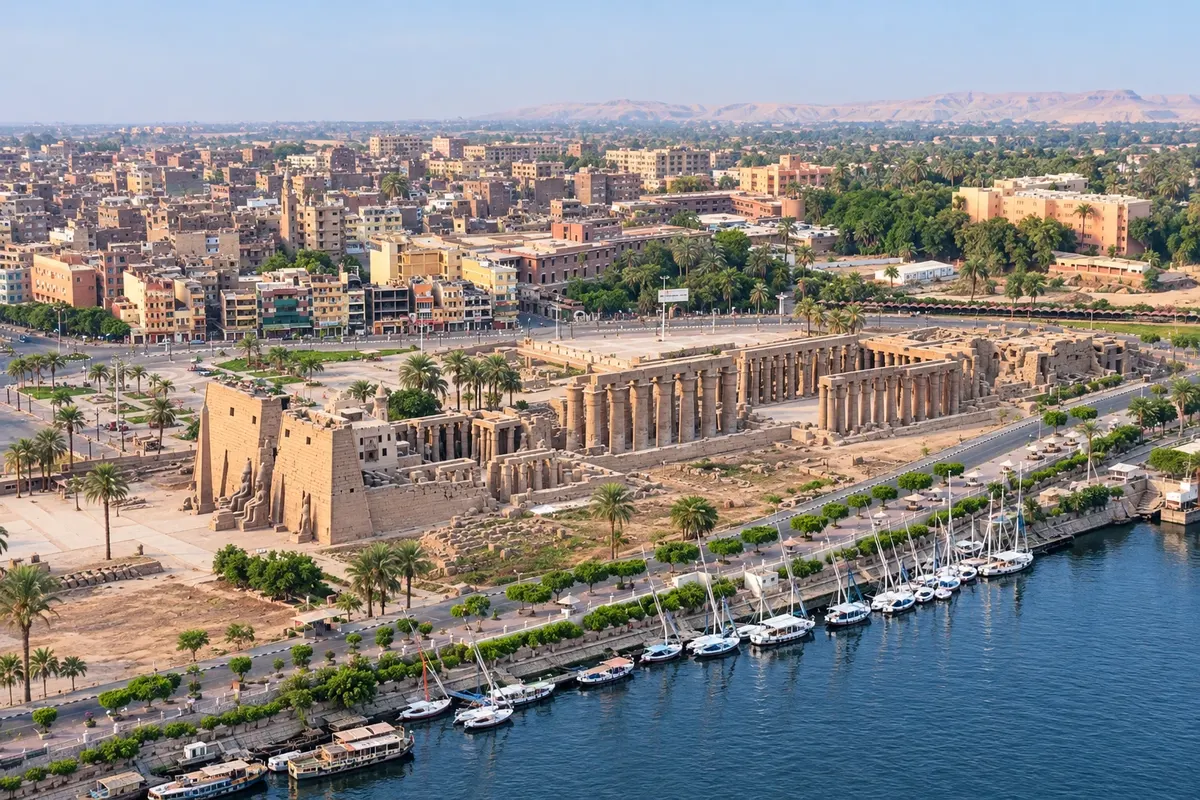
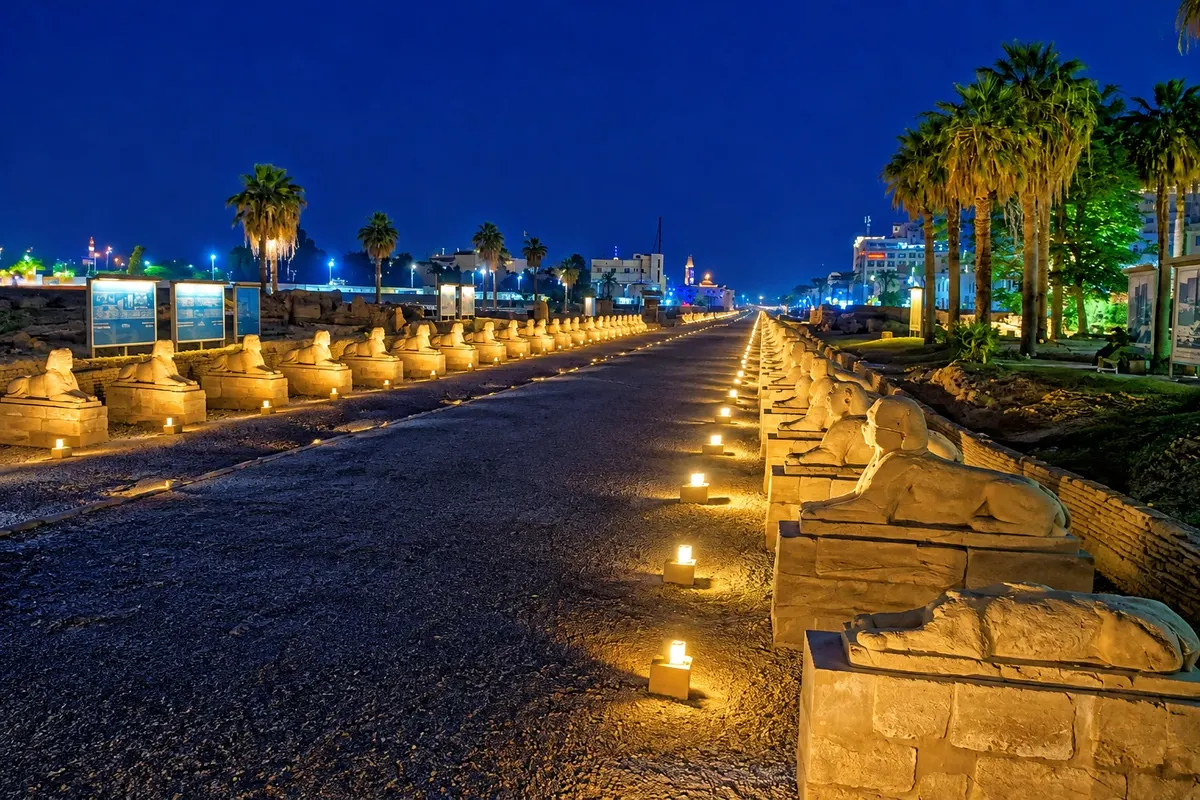
On the east bank, where the modern city is located, the Karnak complex, dedicated to the god Amun, and the Luxor Temple are connected by the Avenue of Sphinxes. The Luxor Museum and the riverside avenue complete the city side.

On the west bank, the Theban Mountain houses the necropolises and funerary temples, with the tombs of pharaohs and queens, the artisans’ village and the colossal statues on the plain.

Luxor is the departure point for Nile cruises to Aswan and for excursions to the temples of Dendera (to the north) and Esna (to the south). At sunrise, balloons rise over the west bank when the wind allows.

This destination brings together 1 city: Luxor.

Share: WhatsApp
Traveler, share your experiences through photos Up to 5 photos of each place you visited.

One destination, many paths

The cities on this trip

Start with one city or combine several in your itinerary.

Where Luxor is
Luxor

Dados cartográficos: © OpenStreetMap contributors, via Wambacher / geoBoundaries (ODbL 1.0). Adapted by Cidade Turismo.

How to get there: Luxor

✈ Luxor International Airport (LXR), in Luxor · 7 km to Luxor

The arrival city is Luxor, with an international airport (LXR) and flights from Cairo and European cities. Trains connect Luxor to Cairo, including a sleeper train, and to Aswan. Hurghada is about 290 km away.

The local experience

Things to do in Luxor

Karnak Temple
Luxor · Luxor · Temple

Karnak Temple

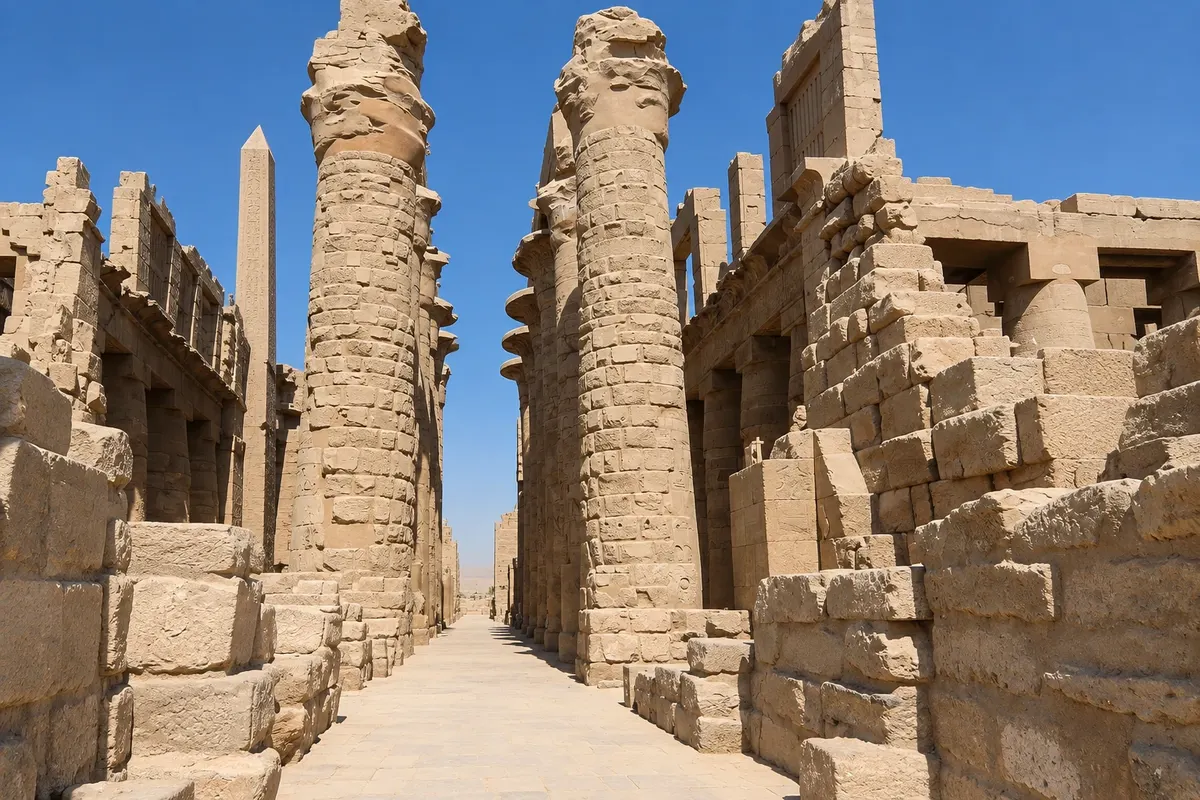
Temple complex dedicated to the god Amun, north of Luxor, built over 2,000 years, with the hypostyle hall of 134 columns, obelisks and the sacred lake.

Luxor Temple
Luxor · Luxor · Temple

Luxor Temple

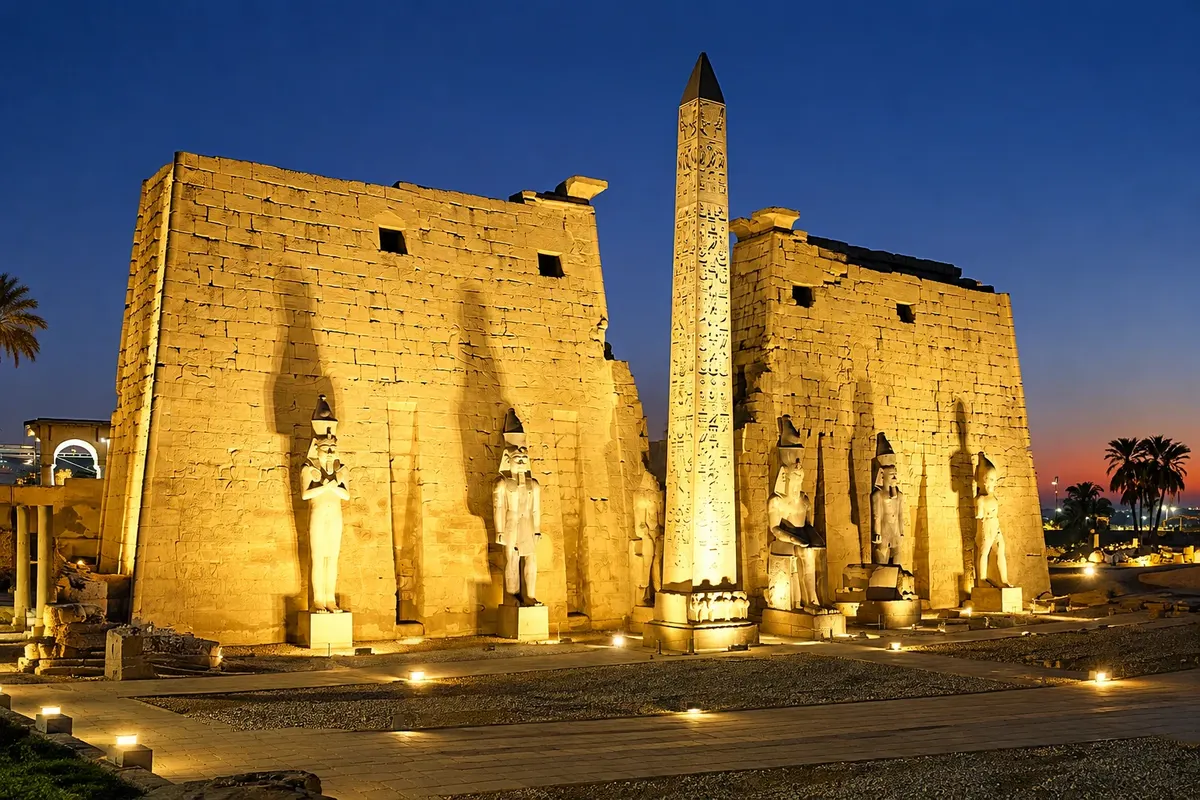
Temple in the city center dedicated to Amun, built by Amenhotep III and Ramesses II, with the obelisk at the entrance, colossal statues and courtyards illuminated at night.

Avenue of the Sphinxs
Luxor · Luxor · Monument

Avenue of the Sphinxs

Avenue of about 2.7 km lined with sphinxes that connects Karnak to Luxor Temple and was the route for Opet processions.

Luxor Museum
Luxor · Luxor · Museum

Luxor Museum

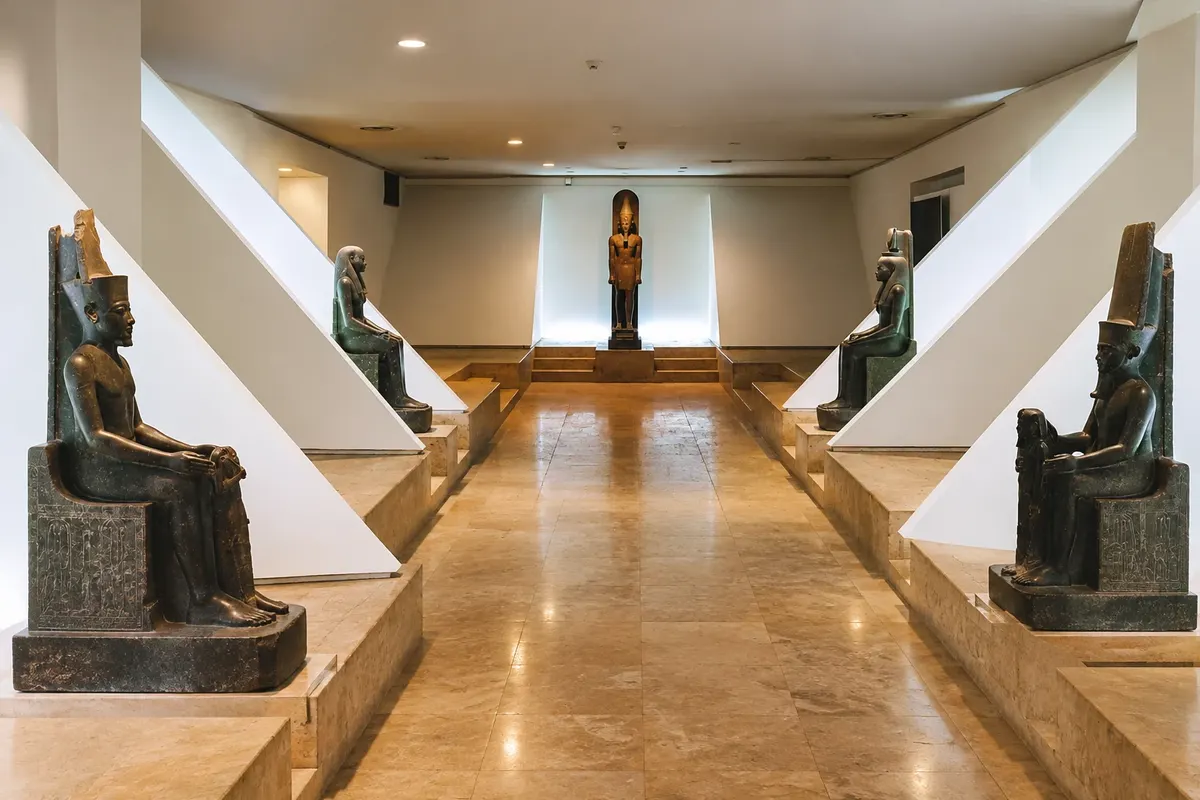
Museum on the Nile promenade with statues, reliefs and objects from Theban temples and tombs, including pieces from Tutankhamun’s tomb and statues found at Luxor Temple.

See 8 more places in Luxor
Valley of the Kings
Luxor · Luxor · Necropolis

Valley of the Kings

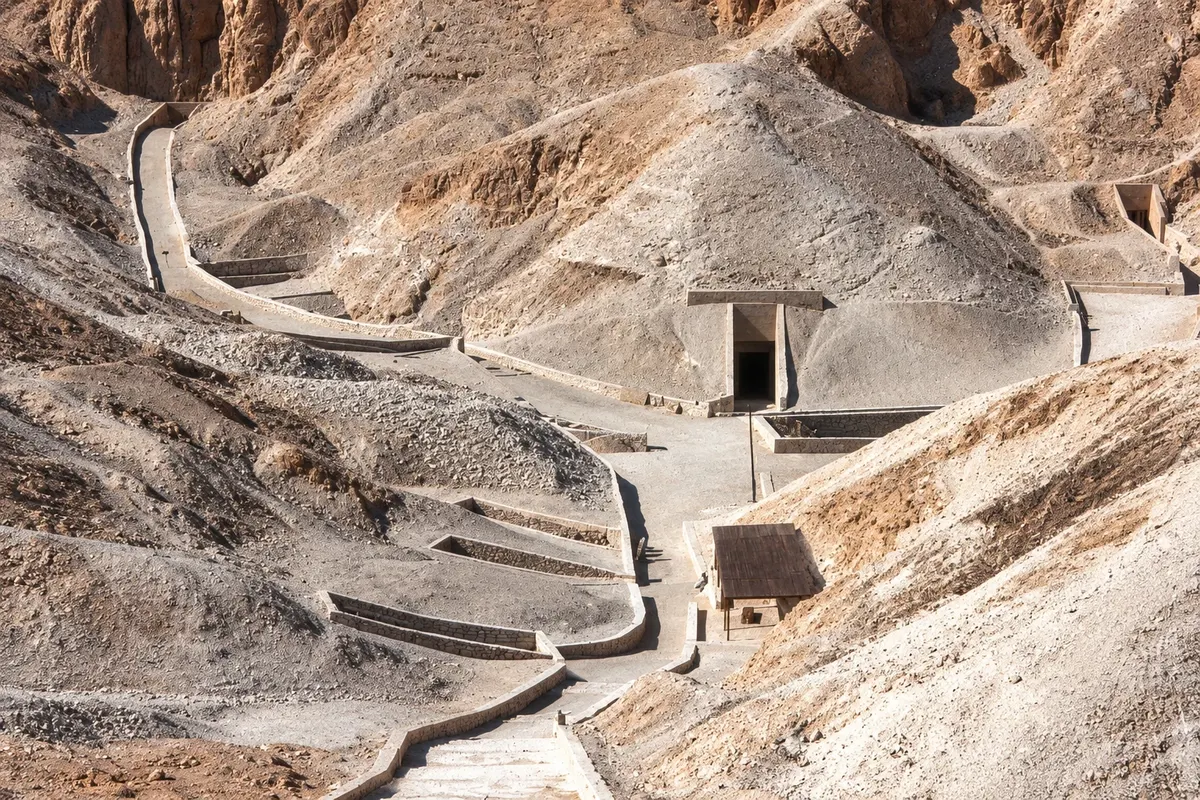
Valley on Luxor’s west bank with tombs cut into rock of New Kingdom pharaohs, such as those of Tutankhamun, Seti I and Ramesses VI, with painted walls.

Temple of Hatshepsut (Deir el‑Bahari)
Luxor · Luxor · Temple

Temple of Hatshepsut (Deir el‑Bahari)

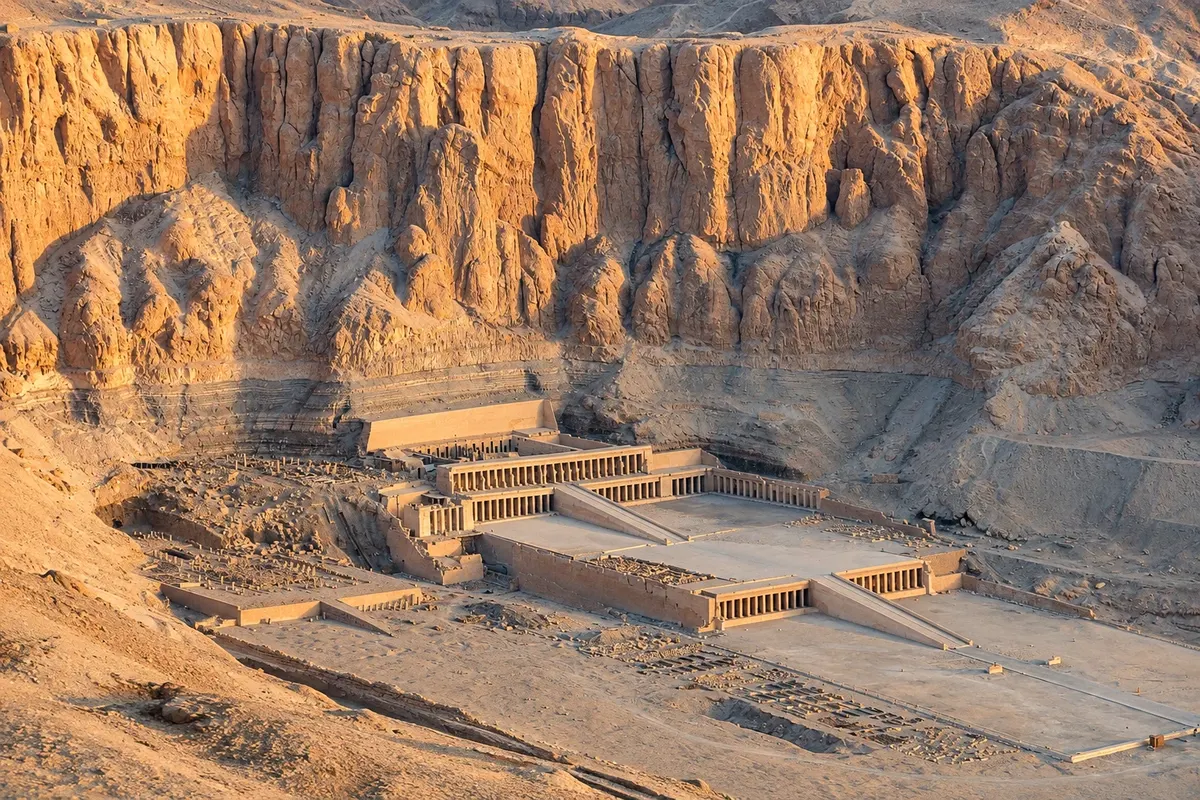
Funerary temple of the queen-pharaoh Hatshepsut at Deir el-Bahari on the west bank, in three terraces with colonnades at the foot of the Theban cliffs.

Medinet Habu Temple
Luxor · Luxor · Temple

Medinet Habu Temple

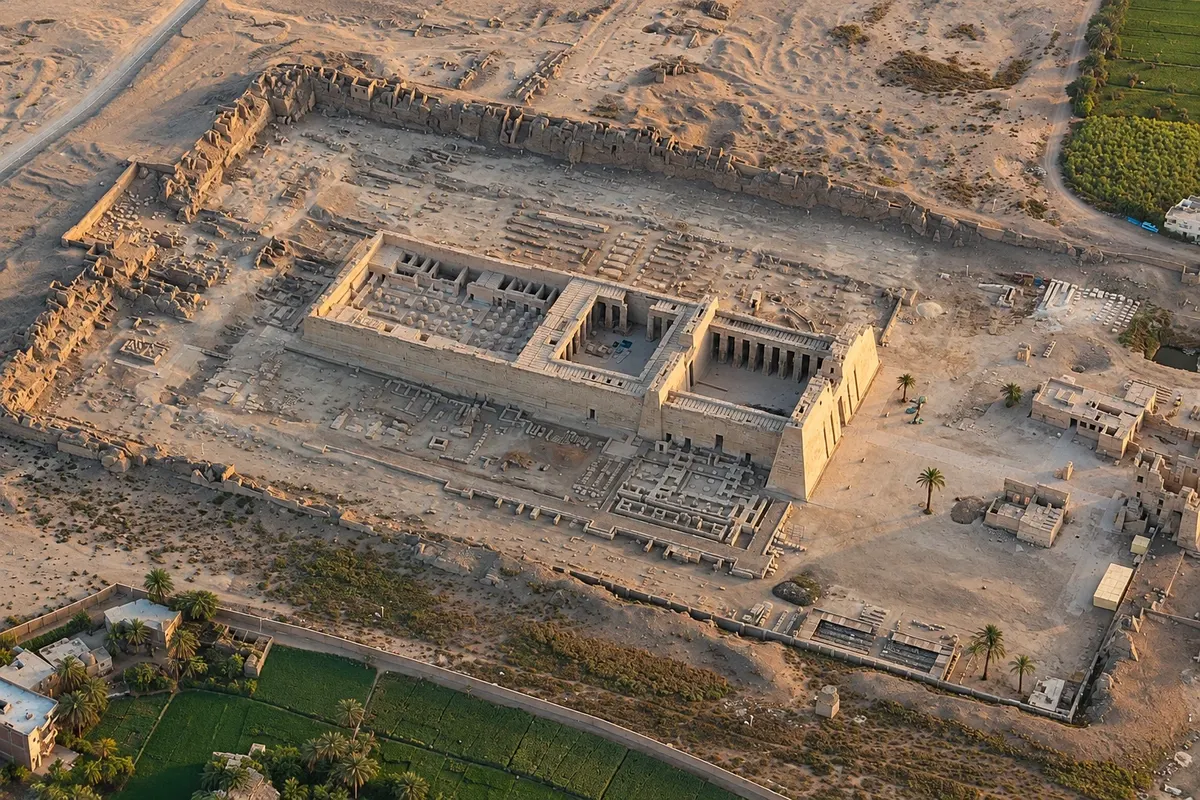
Funerary temple of Ramesses III on the west bank, surrounded by walls, with battle reliefs and ceilings that retain their colors.

Colossi of Memnon
Luxor · Luxor · Monument

Colossi of Memnon

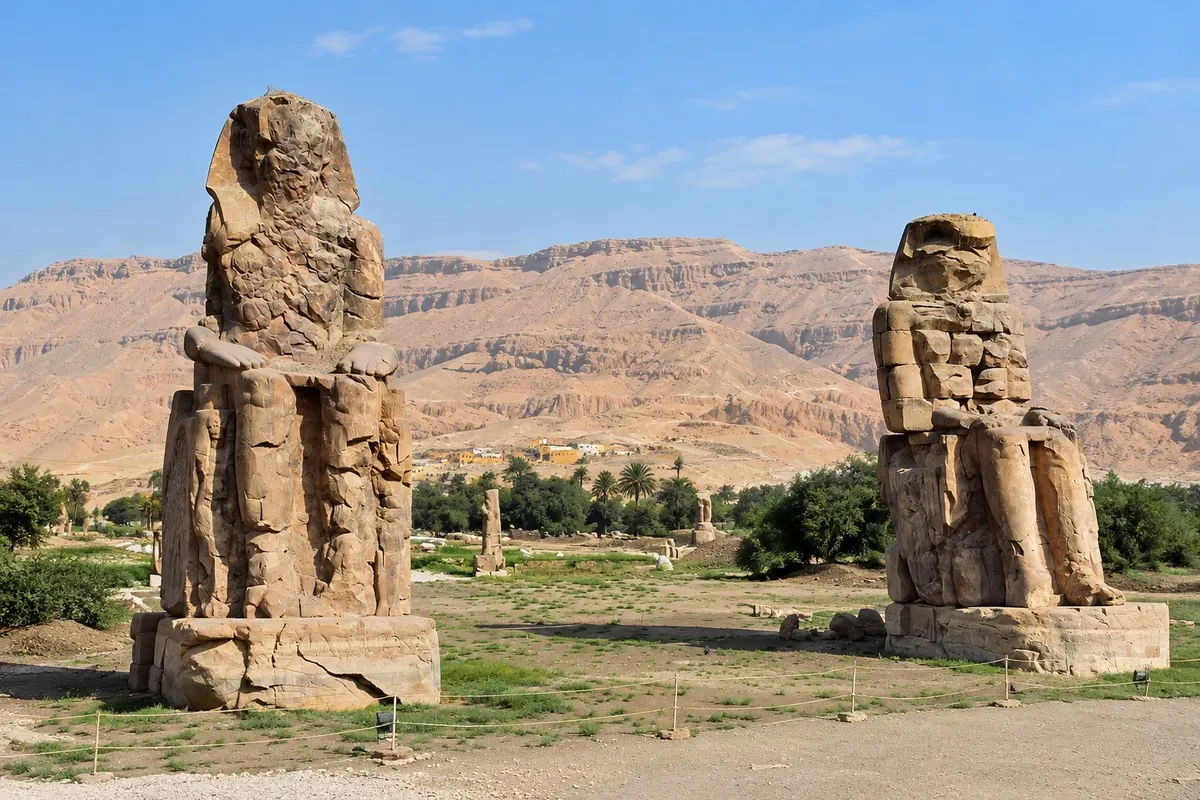
Two colossal seated statues of Amenhotep III, about 18 meters tall, that guarded the entrance of the pharaoh’s mortuary temple on the west bank plain.

Valley of the Queens
Luxor · Luxor · Necropolis

Valley of the Queens

West bank necropolis with tombs of queens and princes of the New Kingdom, including Nefertari’s, the wife of Ramses II, which has vivid paintings.

Deir el-Medina (Workers' Village)
Luxor · Luxor · Archaeological site

Deir el-Medina (Workers' Village)

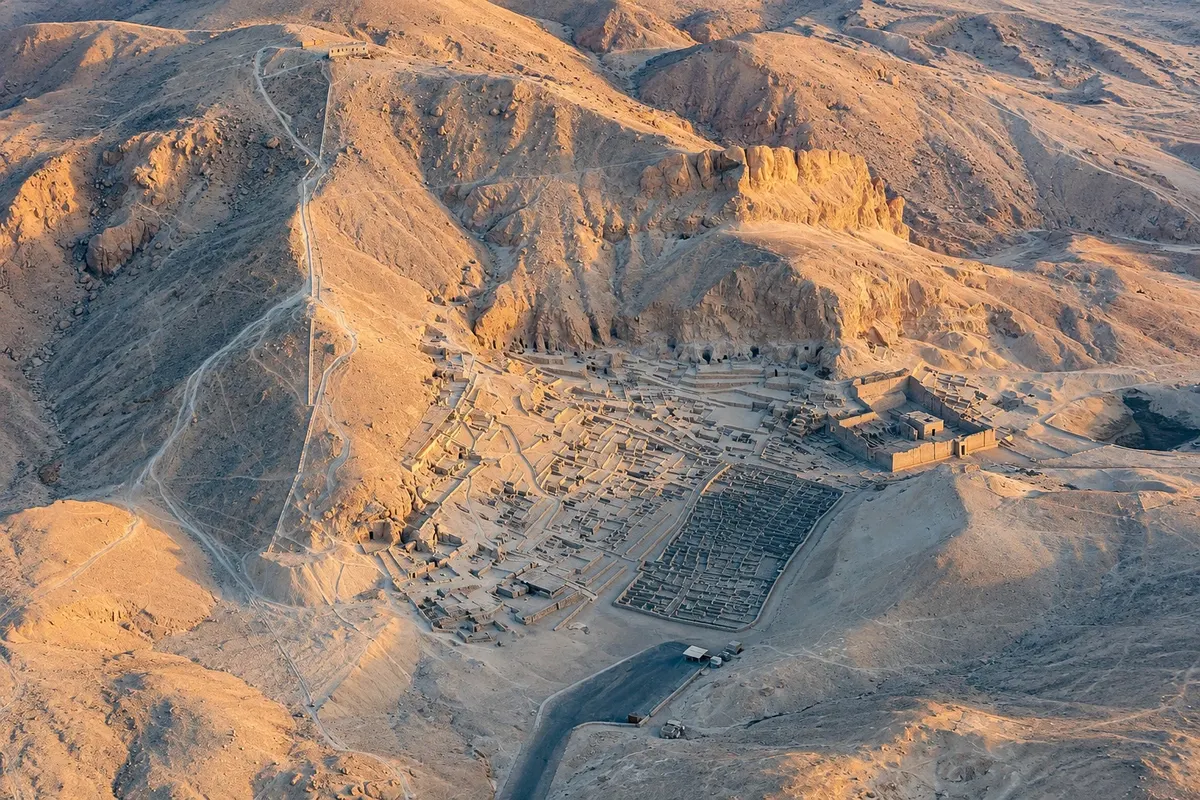
Village of the craftsmen who excavated and painted the royal tombs on the west bank, with ruins of the workers’ houses and painted tombs.

Dendera Temple (Temple of Hathor)
Luxor · Luxor · Temple

Dendera Temple (Temple of Hathor)

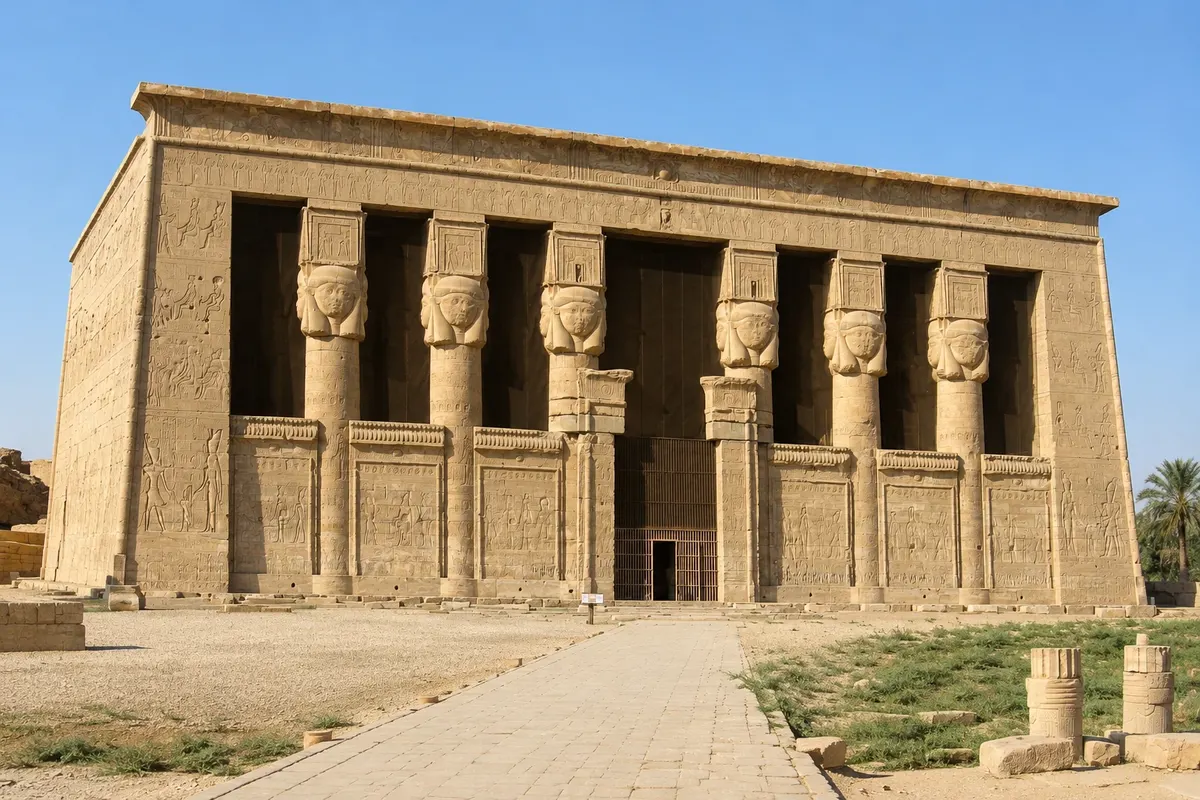
Temple of Hathor north of Luxor, in Qena governorate, from the Ptolemaic and Roman periods, with an astronomical ceiling, roof chapels, and a relief of Cleopatra.

Temple of Esna
Luxor · Luxor · Temple

Temple of Esna

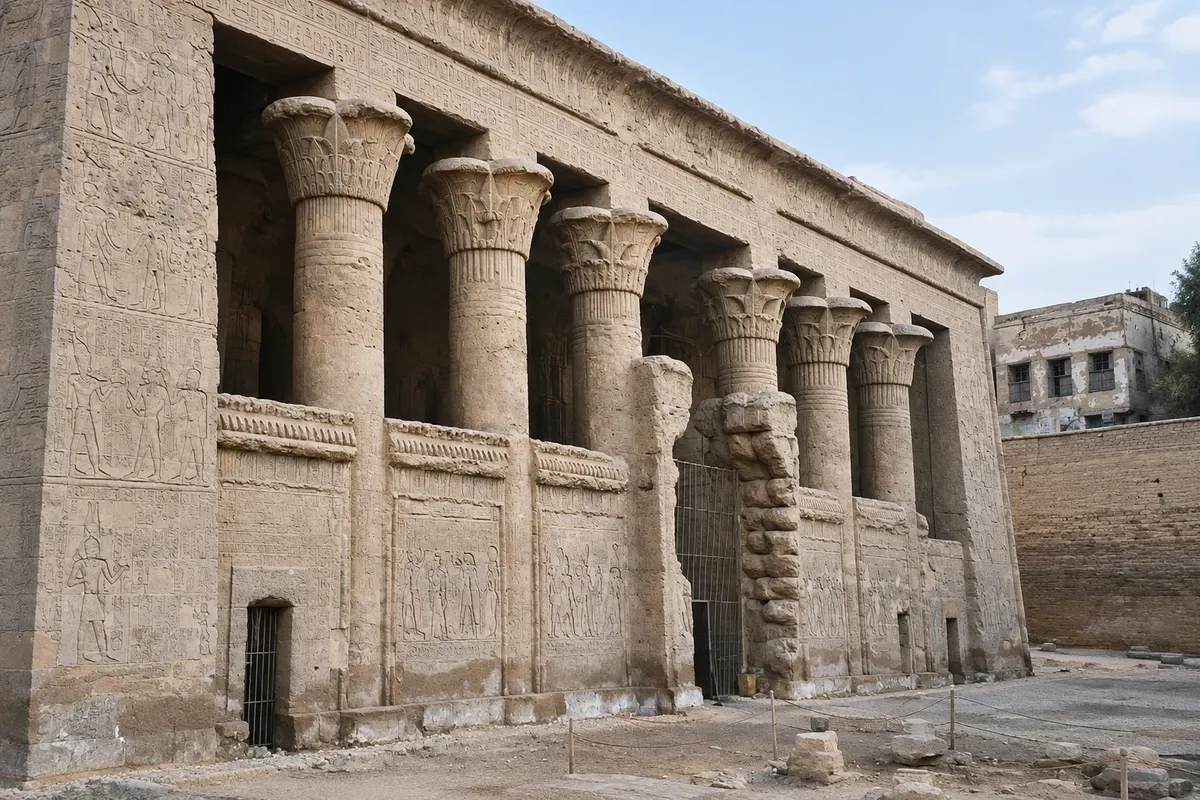
Temple of Khnum in the city of Esna, south of Luxor, from the Roman period, with a hypostyle hall of columns and an astronomical ceiling with restored colors, several meters below street level.

Before you go

Practical information

A little planning leaves more time to enjoy the journey.

When to go

From October to April the days are milder, and this is the busiest season; December and January nights can be cold. From May to September, daytime highs often exceed 40 °C; visit sites at sunrise.

The seasons shown are the most usual ones; nature doesn't always follow the calendar.

How many days to stay

Three days allow one day for the east bank and two for the west bank. With Dendera, Esna or a balloon ride, allow four days.

Which city to stay in

On the east bank, the riverside avenue (Corniche) and the city center are close to the Luxor and Karnak temples, with large and medium hotels. On the west bank, villages such as Al-Bairat and Gezira have quiet guesthouses near the necropolises. Nile cruises also serve as accommodation.

Respect the place

Take your trash with you, follow the signs and support local businesses. In natural areas, follow the visiting guidelines.

Get your questions answered

Frequently asked questions about Luxor

How many days to stay in Luxor?

Three days: one for Karnak, Luxor Temple and the museums, and two for the west bank, with the valley tombs and funerary temples.

Better to stay on Luxor’s east or west bank?

On the east bank, to have the city, the temples and restaurants nearby; on the west bank, for quiet guesthouses near the necropolises.

Do you need a car in Luxor?

No. Taxis, horse-drawn carriages and tours cover both banks, and ferries cross the Nile. For the west bank, the most practical option is to hire a driver or guide for a day.

When is the best time to visit Luxor?

From October to April. In summer, daytime highs exceed 40 °C.

How to get from Luxor to Aswan?

By Nile cruise in three to four nights, by train in about three hours, or by car, about 210 km.

Explore other destinations Search by state and city