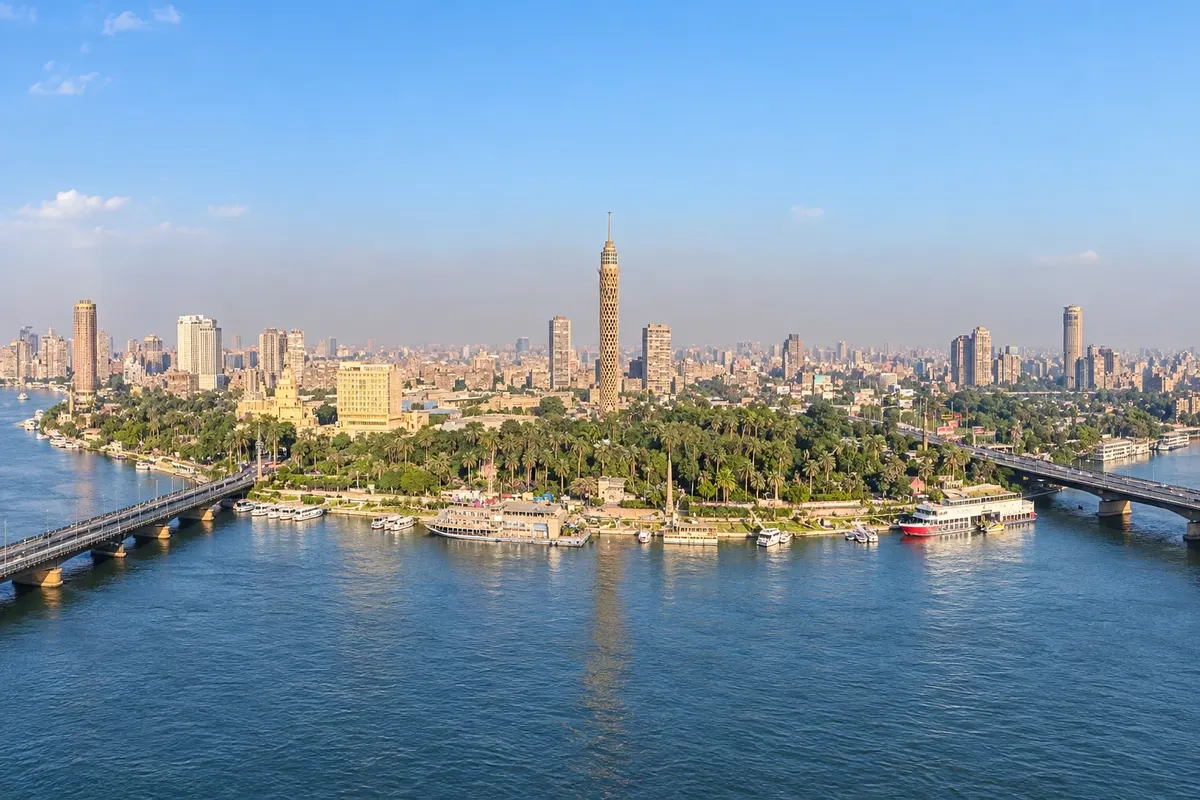
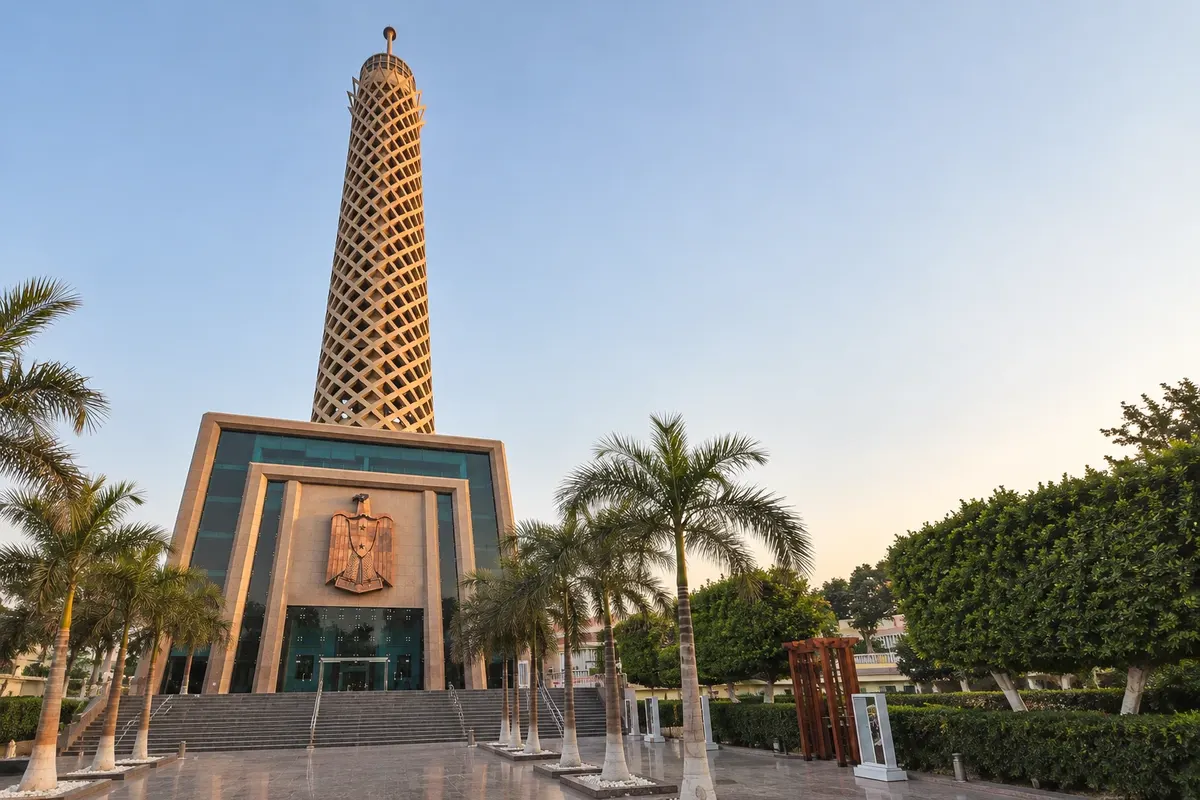
Cairo and Giza form a single urban area on both banks of the Nile, just before the river fans out into the Delta. Cairo, the capital, occupies the east bank and the islands; Giza lies on the west bank, where the city ends at the edge of the desert and the pyramid plateau begins.
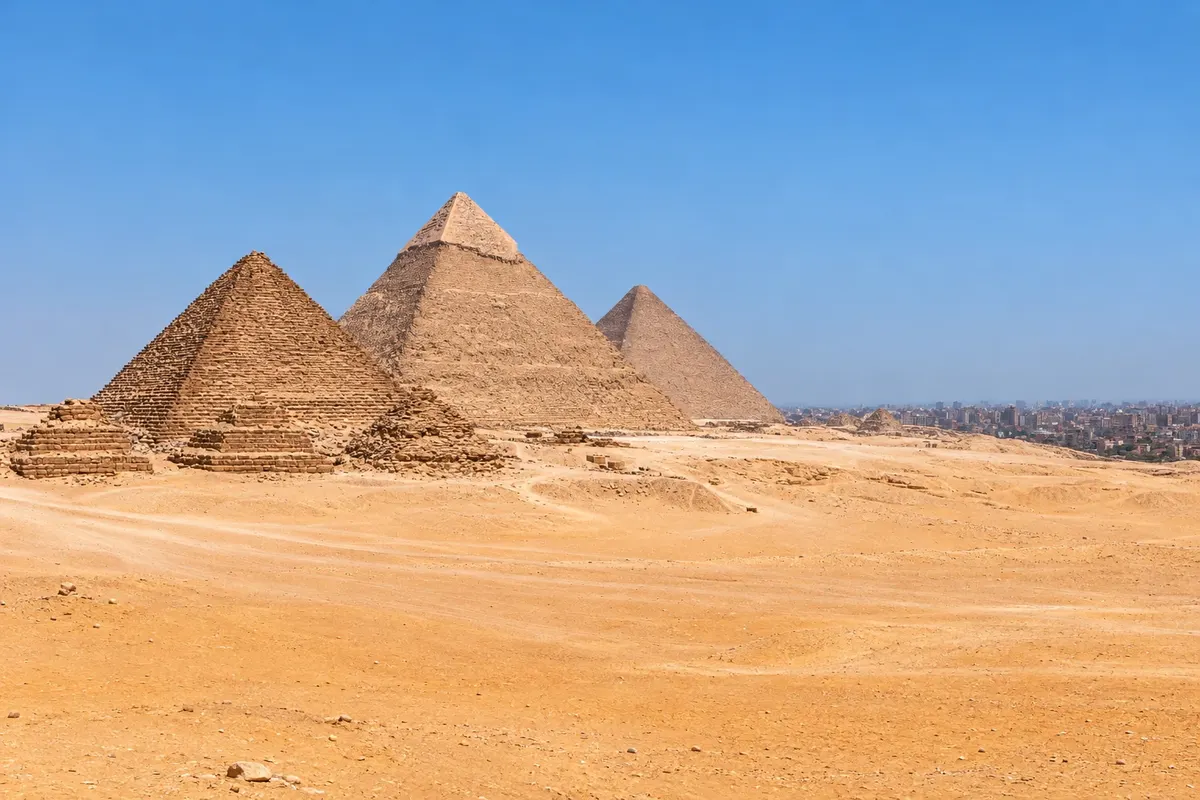
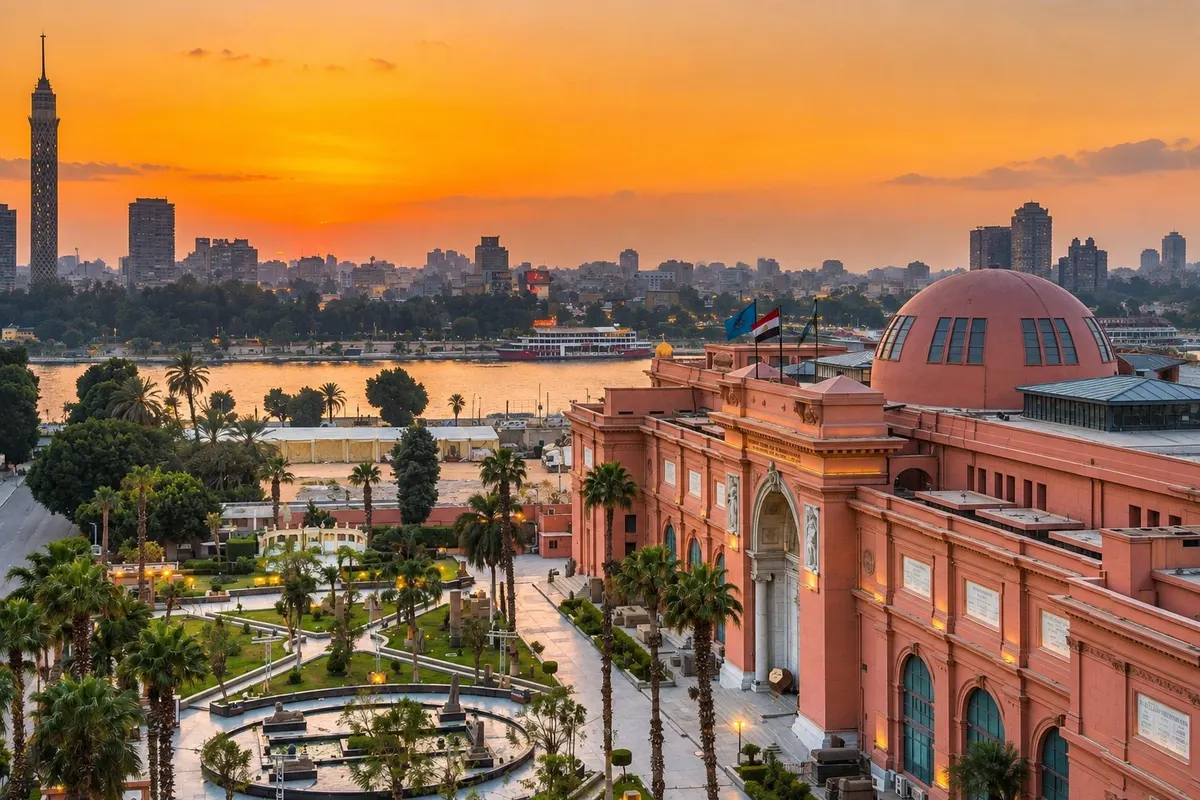
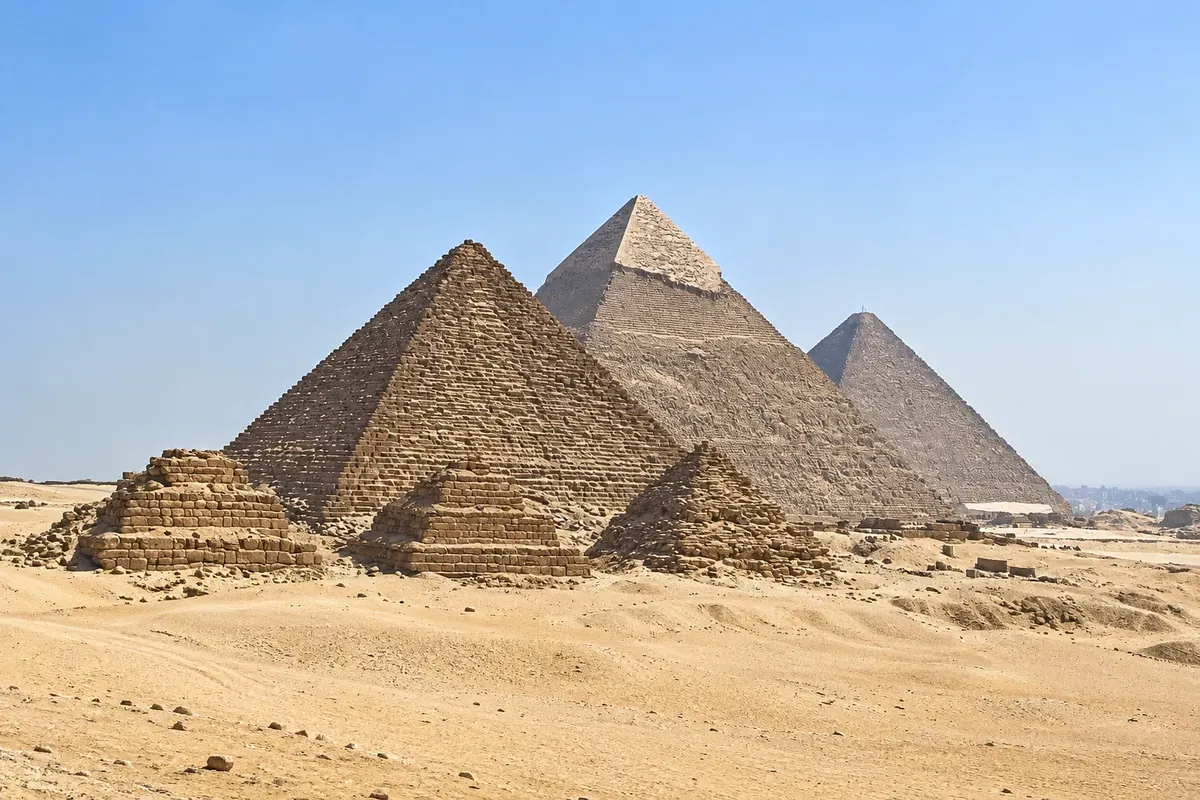
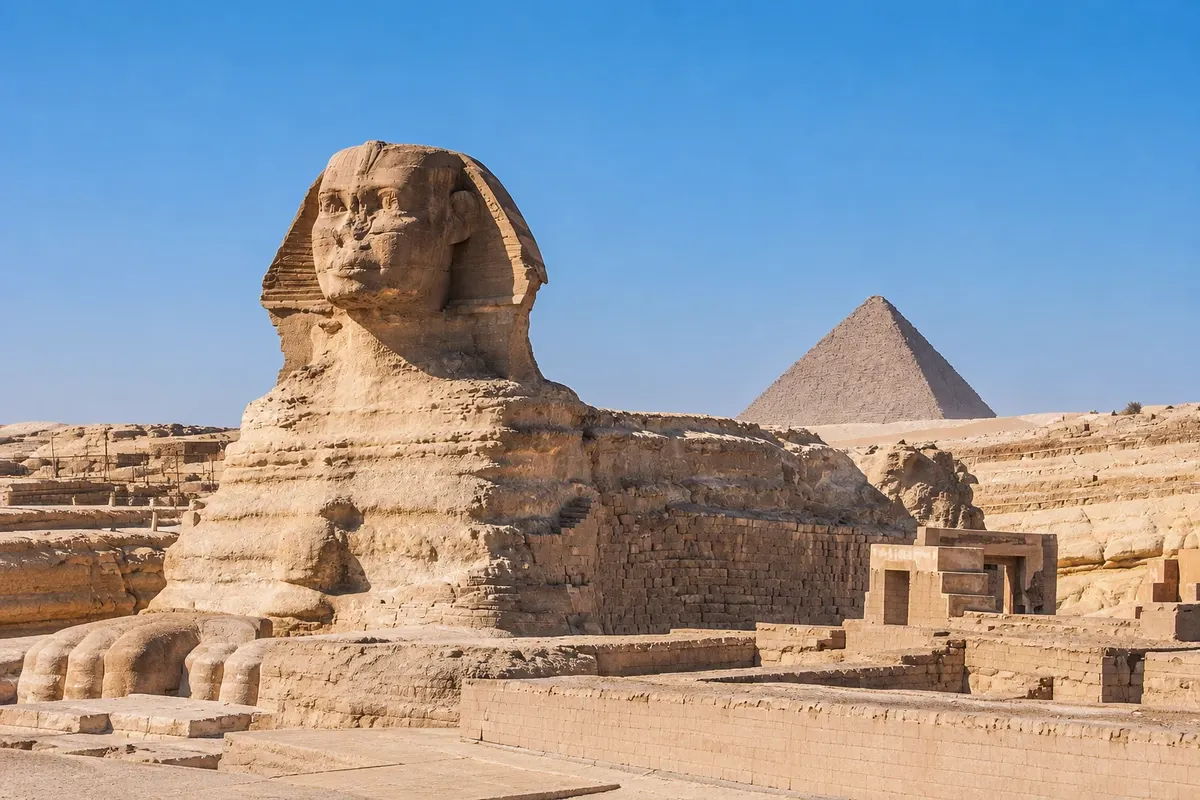
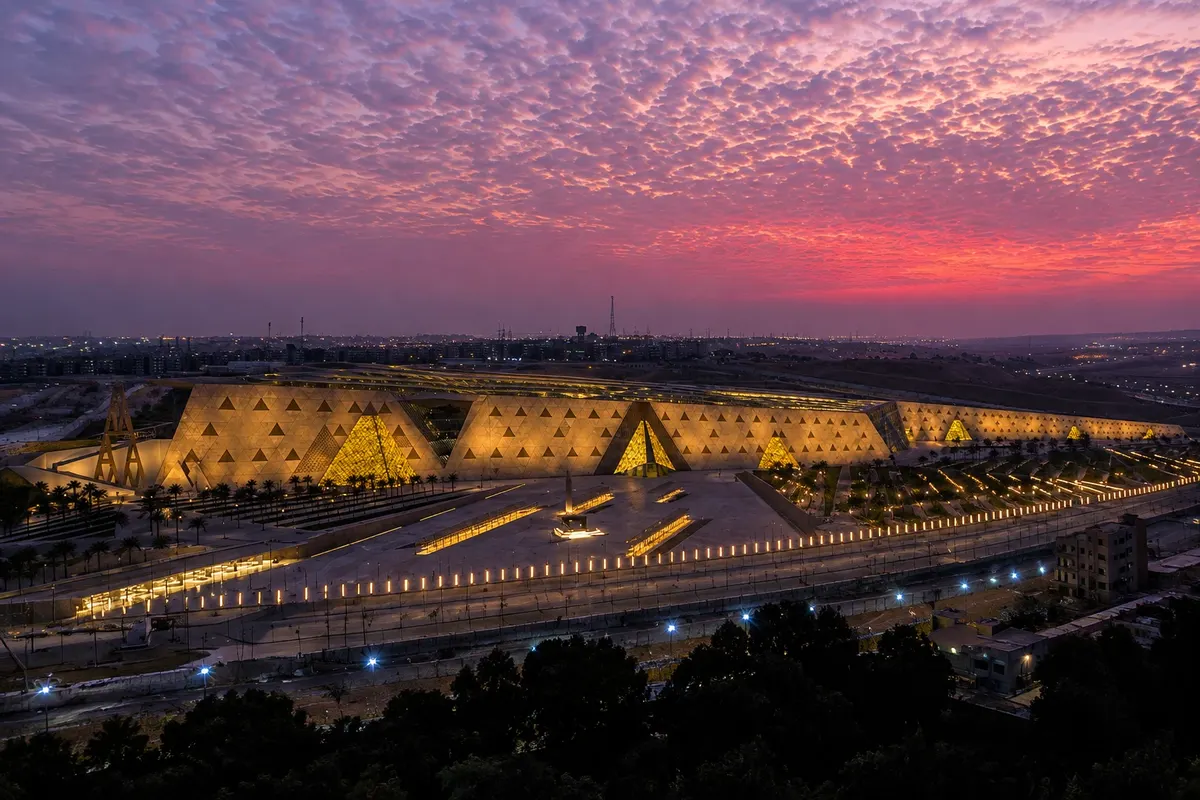
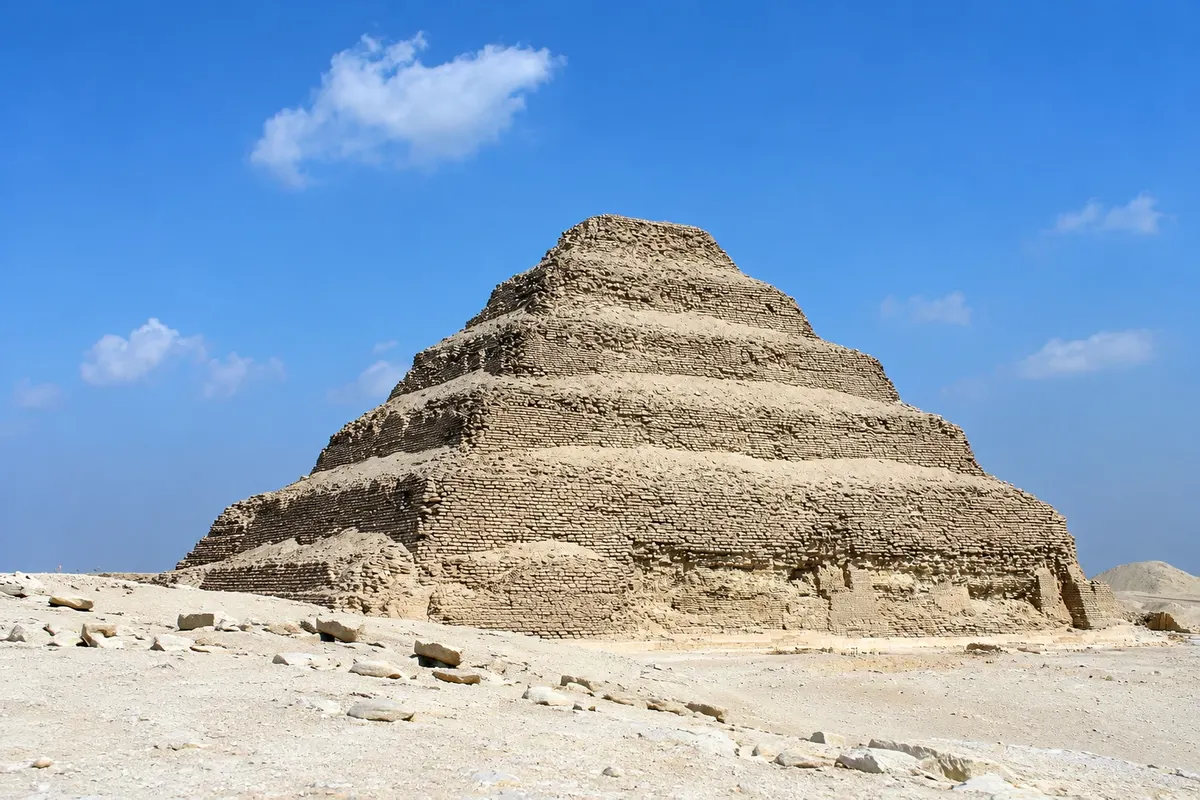
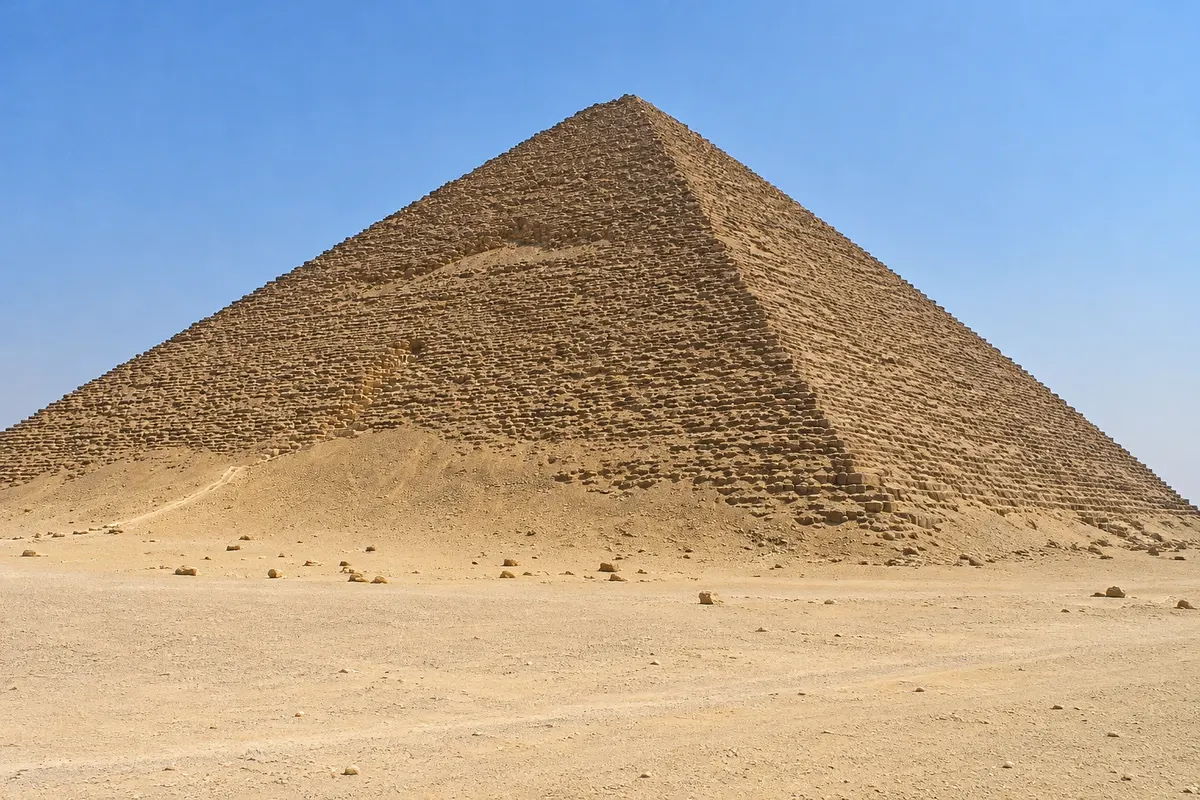
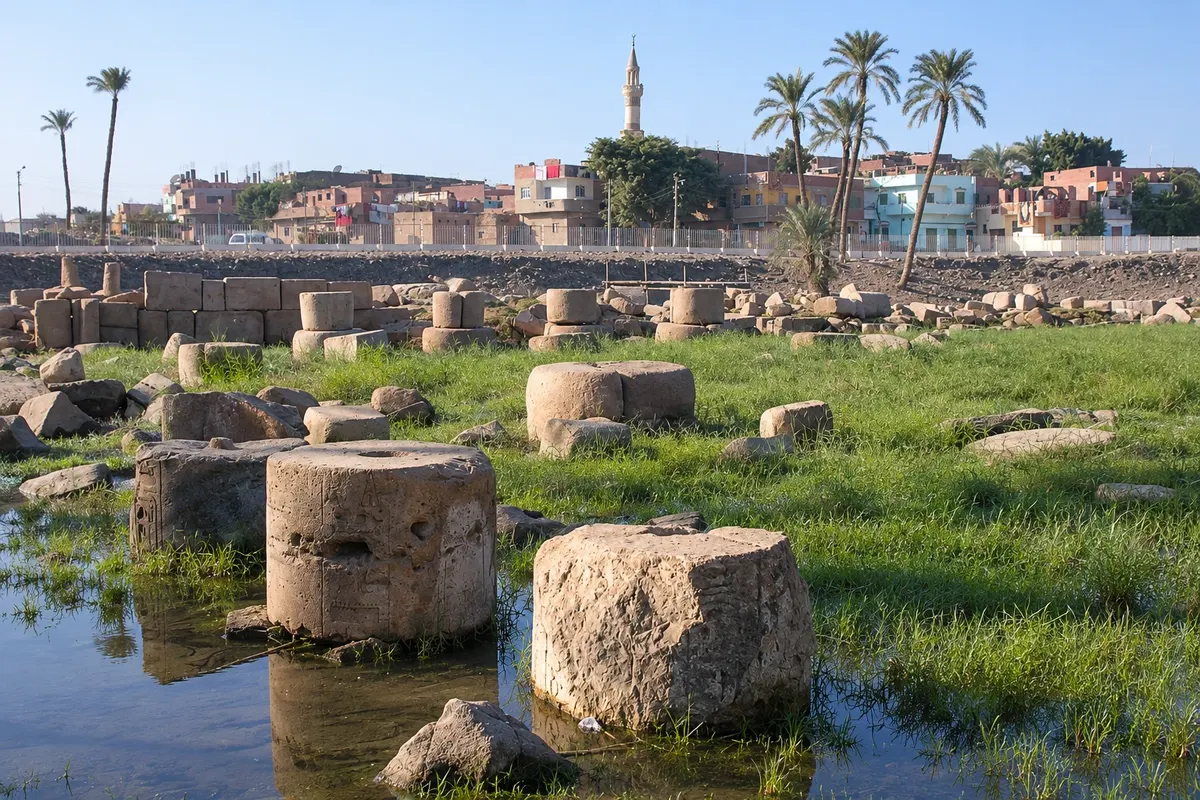
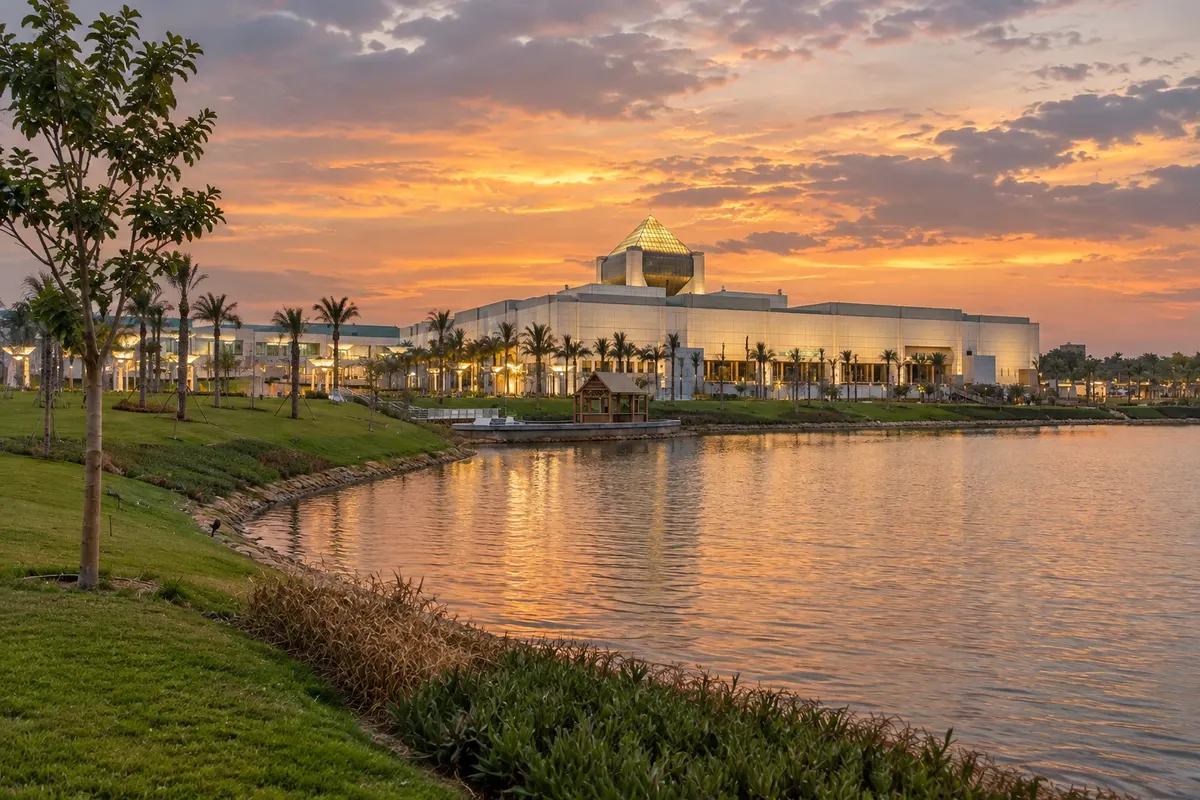
On the west bank are the three great pyramids and the Sphinx, part of the UNESCO site of Memphis and its necropolis, which continues south to Saqqara, with Djoser’s stepped pyramid, and Dahshur, with the pyramids of Pharaoh Snefru. The Grand Egyptian Museum, beside the plateau, houses the Tutankhamun collection.
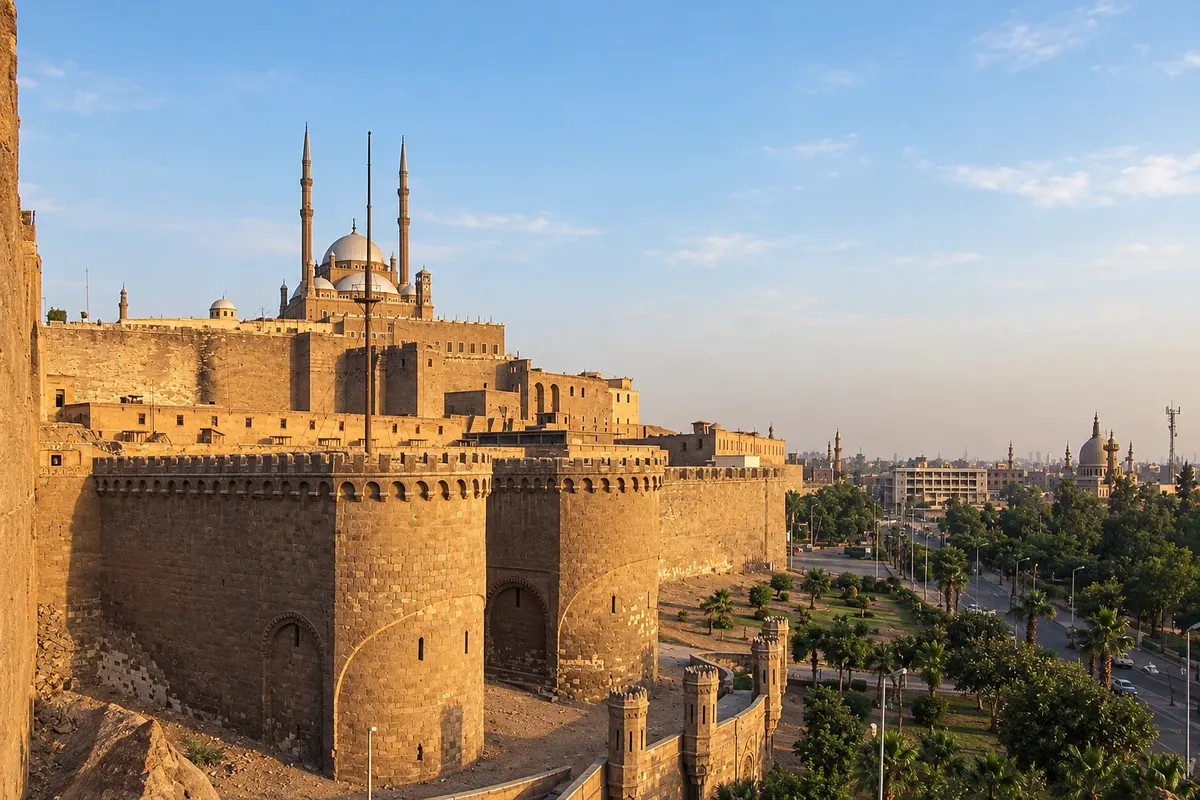
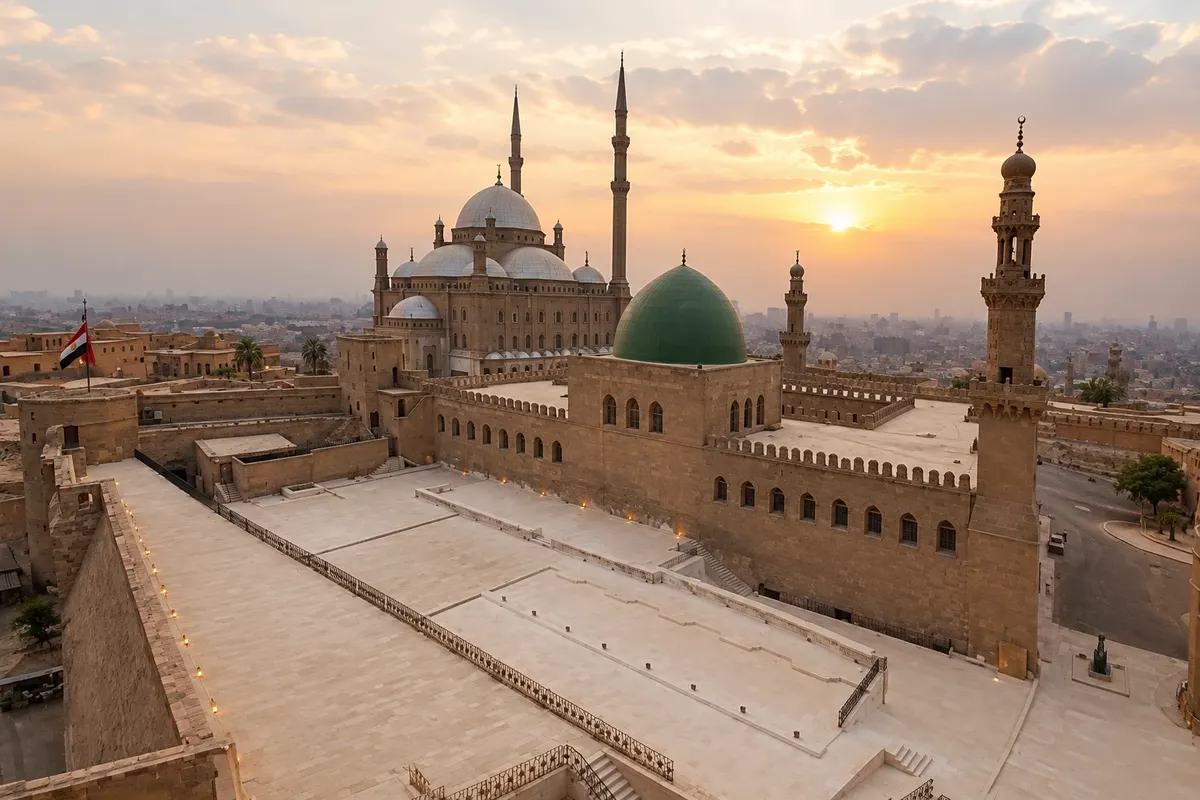
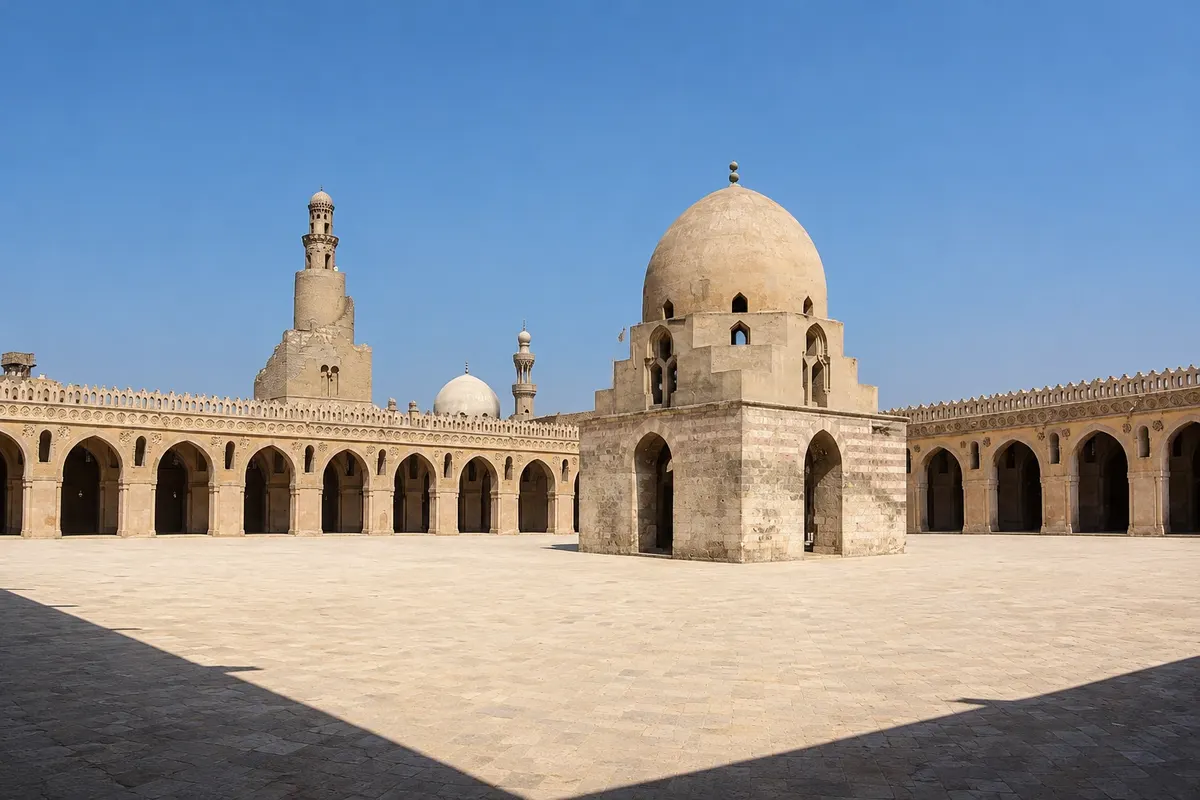
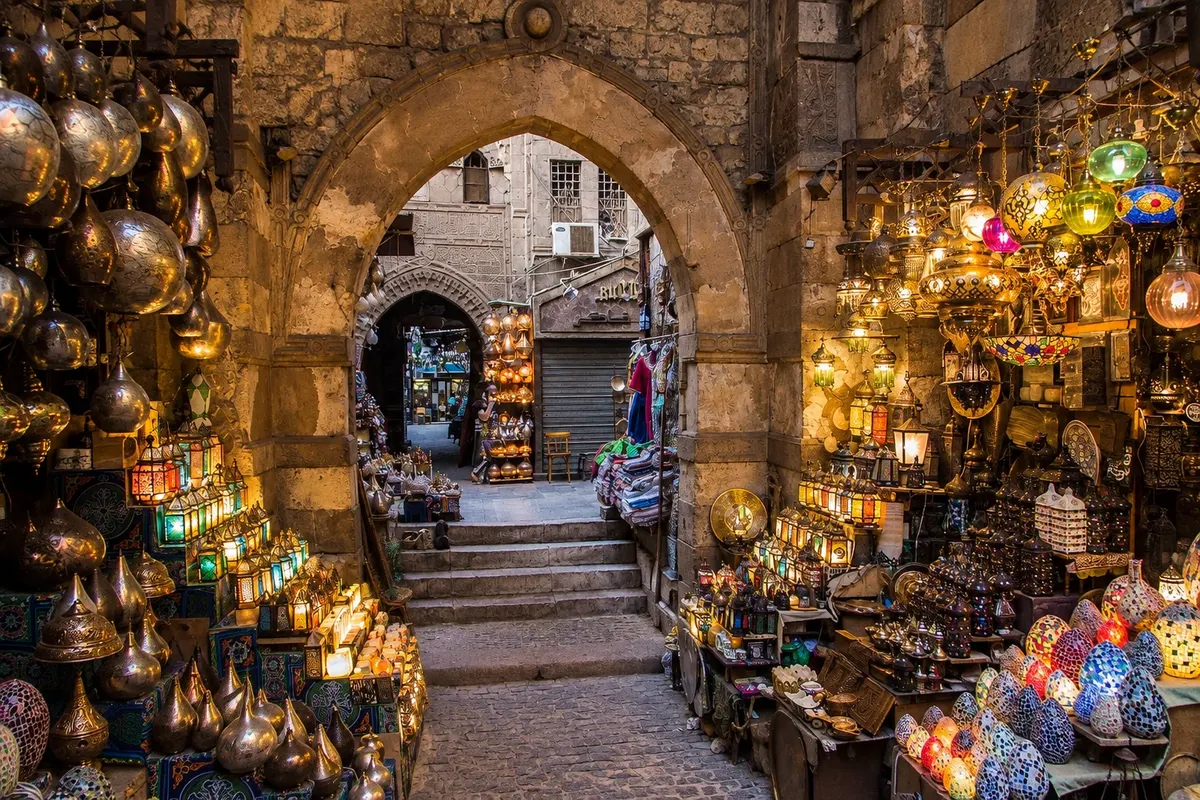
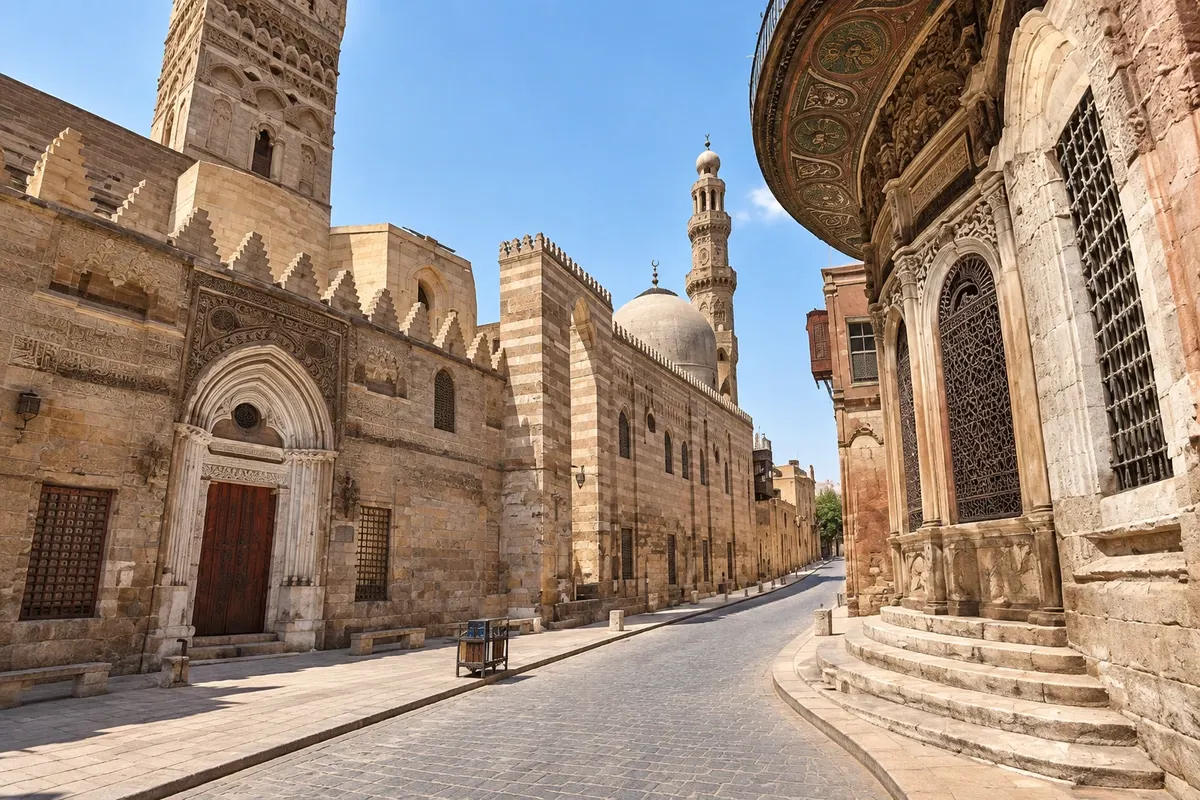
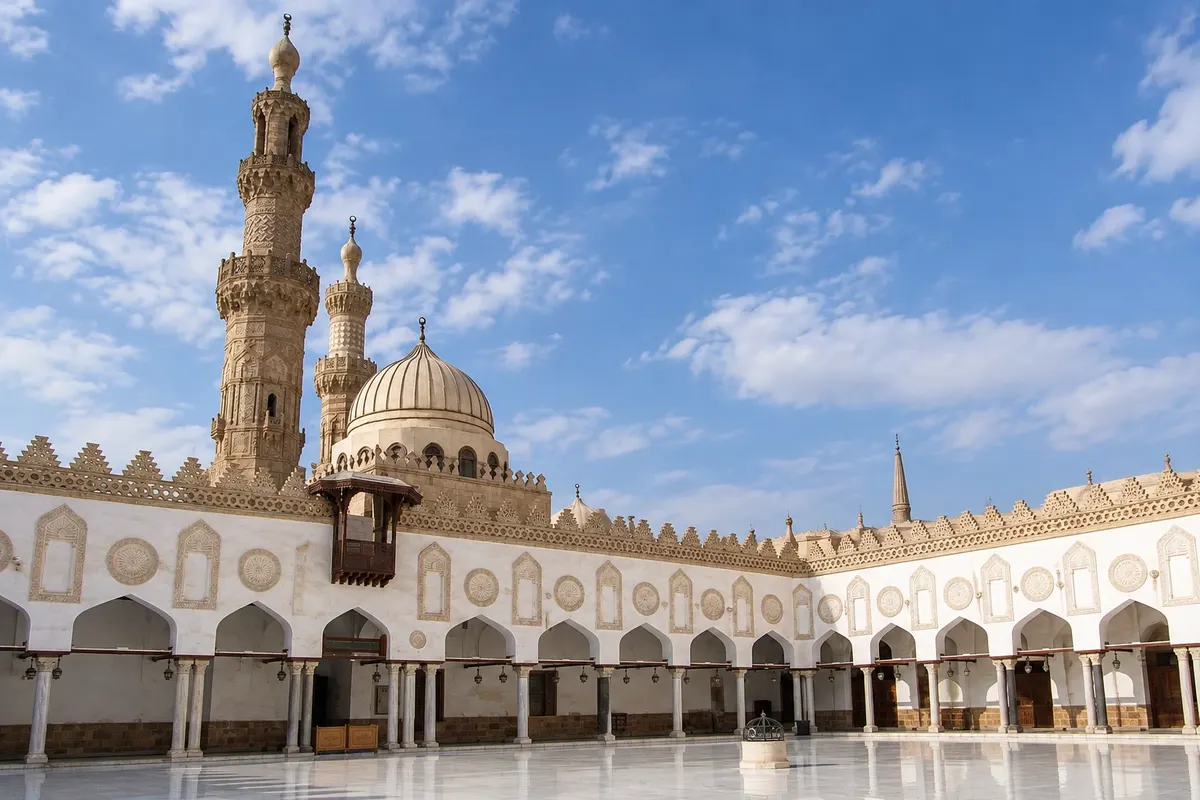
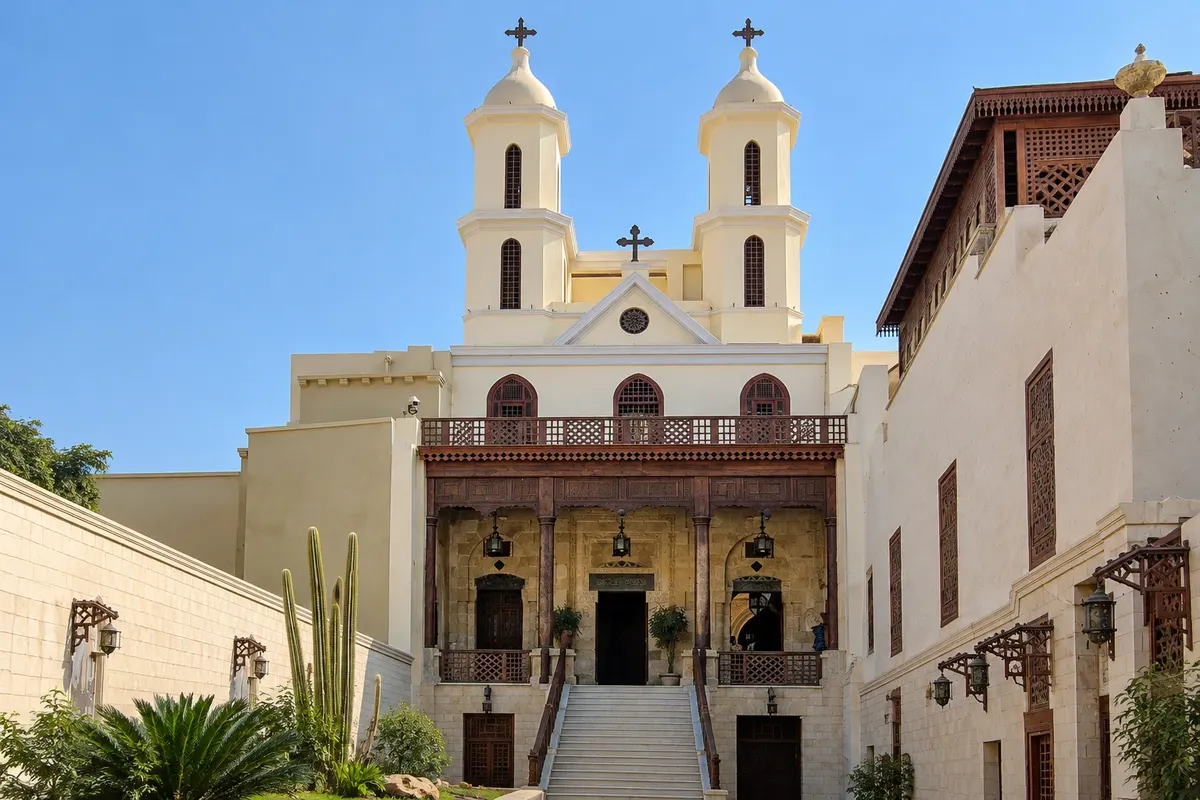
On the other side of the river, Historic Cairo, also a UNESCO site, preserves mosques, religious schools and ancient city-gate portals, from Saladin’s Citadel to the Ibn Tulun Mosque and Al-Muizz Street, which ends at the Khan el-Khalili bazaar. To the south, the Coptic quarter contains the Hanging Church, and in Fustat the National Museum of Egyptian Civilization displays the royal mummies.
Between one site and another, the Nile, the cafés and the city’s traffic are part of the experience. Trains and flights to Luxor, Aswan, Alexandria and the Red Sea depart from Cairo.
This destination brings together 2 cities: Cairo, Giza.


 Brazil
 Argentina
 Bolivia
 Chile
 Colombia
 Ecuador
 Guyana
 French Guiana
 Falkland Islands (Malvinas)
 Paraguay
 Peru
 Suriname
 Uruguay
 Venezuela
 Germany
 Austria
 Belgium
 Croatia
 Denmark
 Slovakia
 Slovenia
 Spain
 Finland
 France
 Greece
 the Netherlands
 Hungary
 Ireland
 Iceland
 Italy
 Luxembourg
 Norway
 Poland
 Portugal
 the United Kingdom
 the Czech Republic
 Sweden
 Switzerland
 Turkey
 Canada
 the United States
 Mexico
 the Dominican Republic
 South Africa
 Australia
 Fiji
 New Zealand
 Papua New Guinea