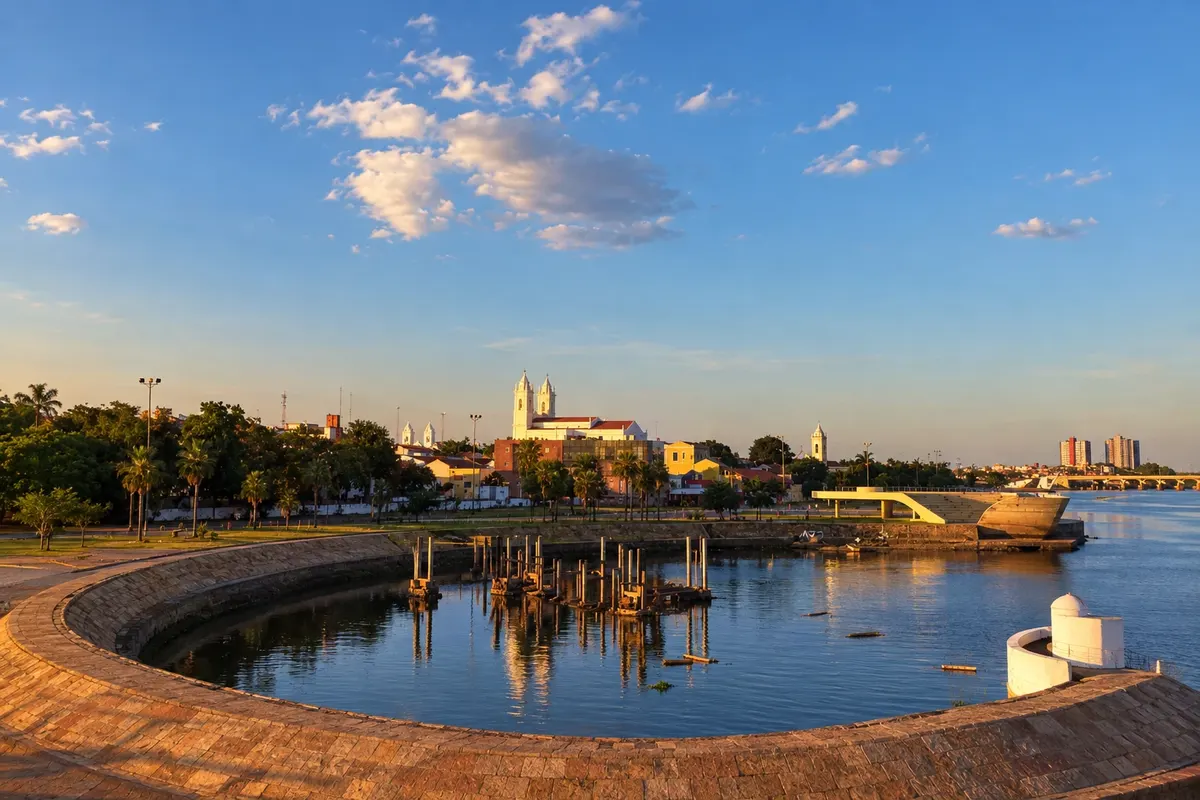
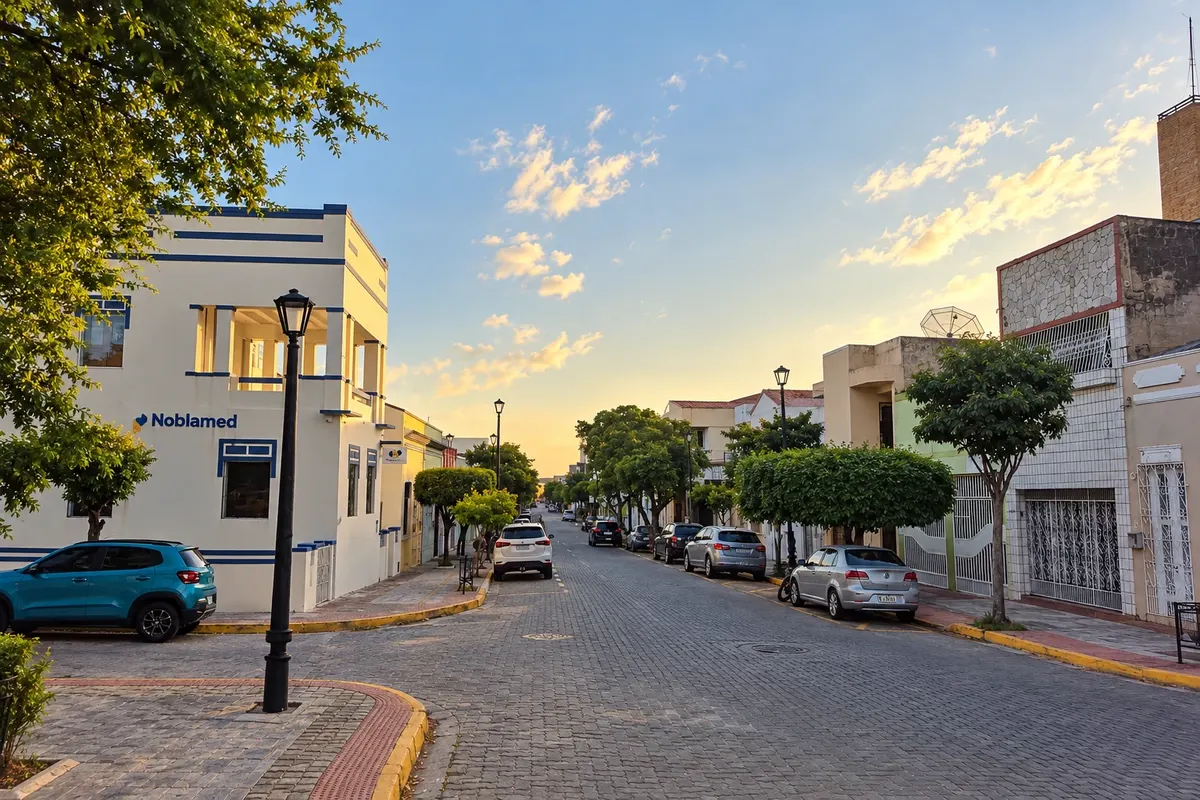
Sobral is the main city of northern Ceará, about 235 km from Fortaleza via BR-222, on the banks of the Acaraú River. It began as a cattle ranch in the 18th century, was raised to a vila in 1773 and to a city in 1841. It grew as a trading post for the sertão and the neighboring ranges, such as the Meruoca, and still preserves a group of townhouses, churches and squares from that time.
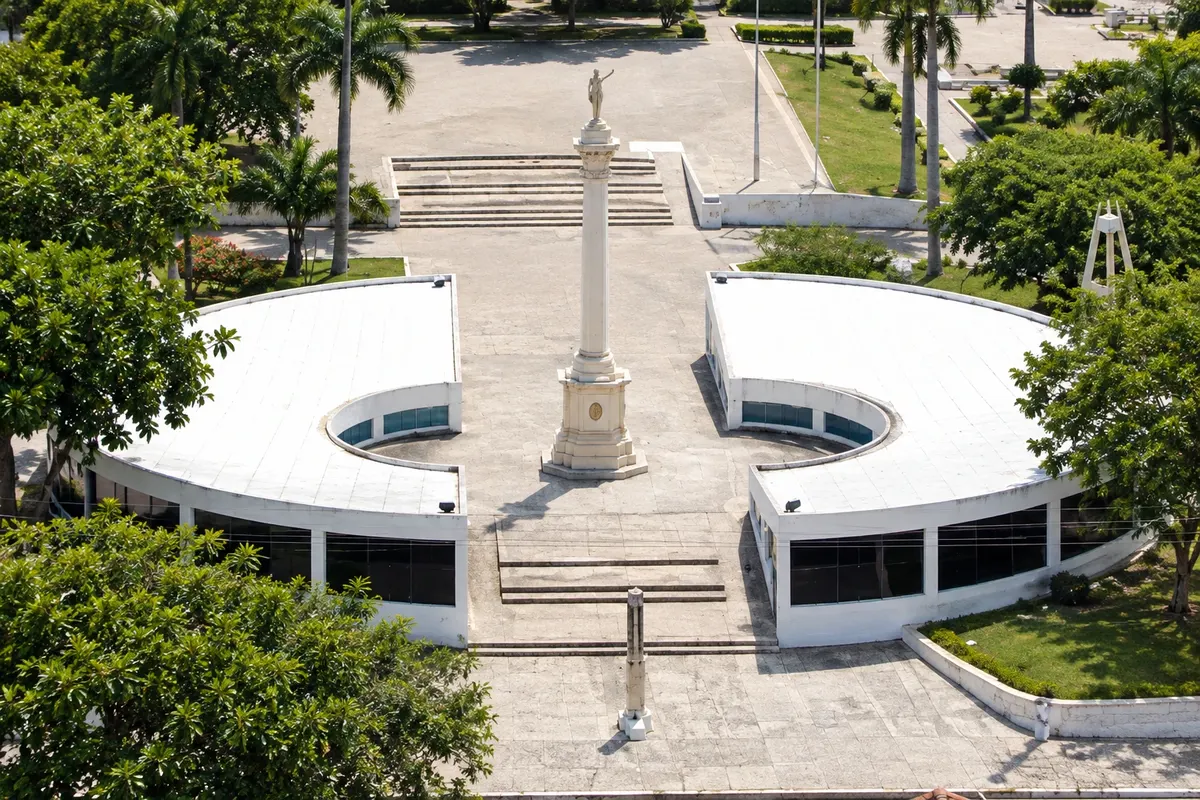
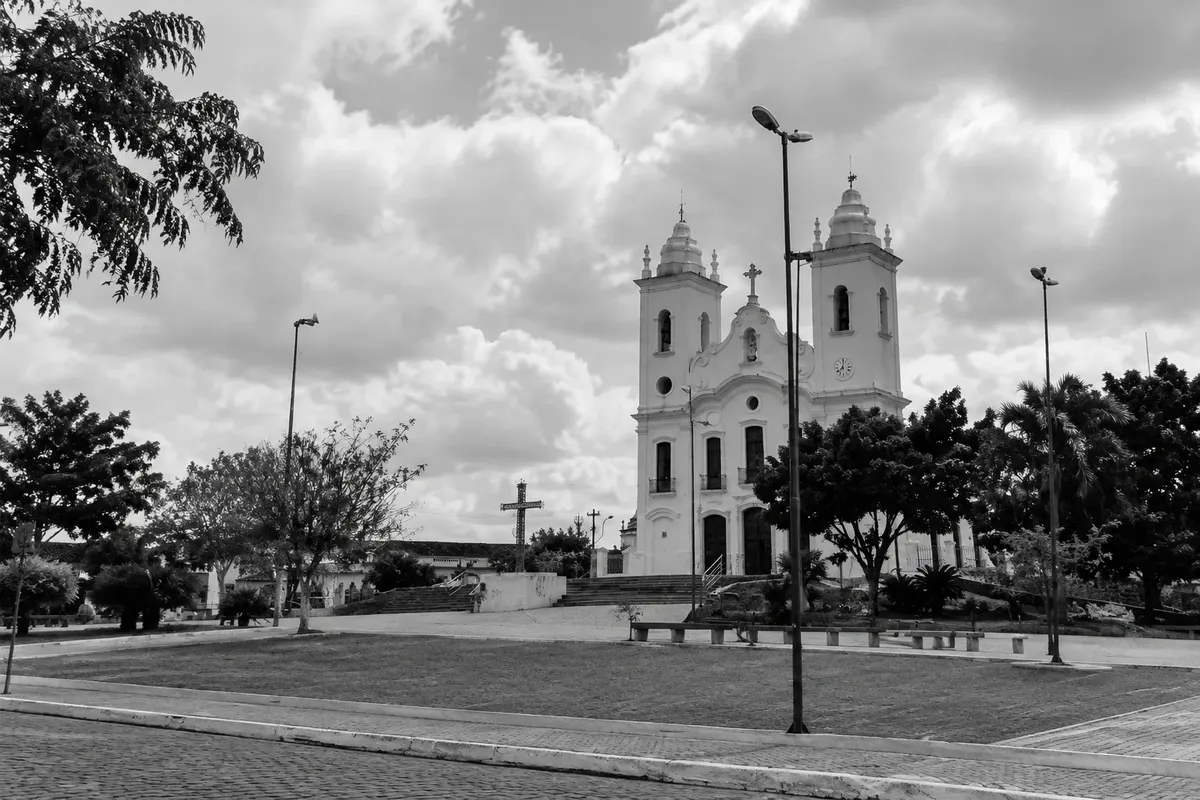
On May 29, 1919, British astronomers set up telescopes in the square of the Church of Patrocínio to photograph a total solar eclipse. The plates made in Sobral, together with those from São Tomé and Príncipe, showed the deflection of starlight as it passed near the Sun, as predicted by Albert Einstein’s general theory of relativity. Brazilian and United States teams also observed the eclipse in the city.
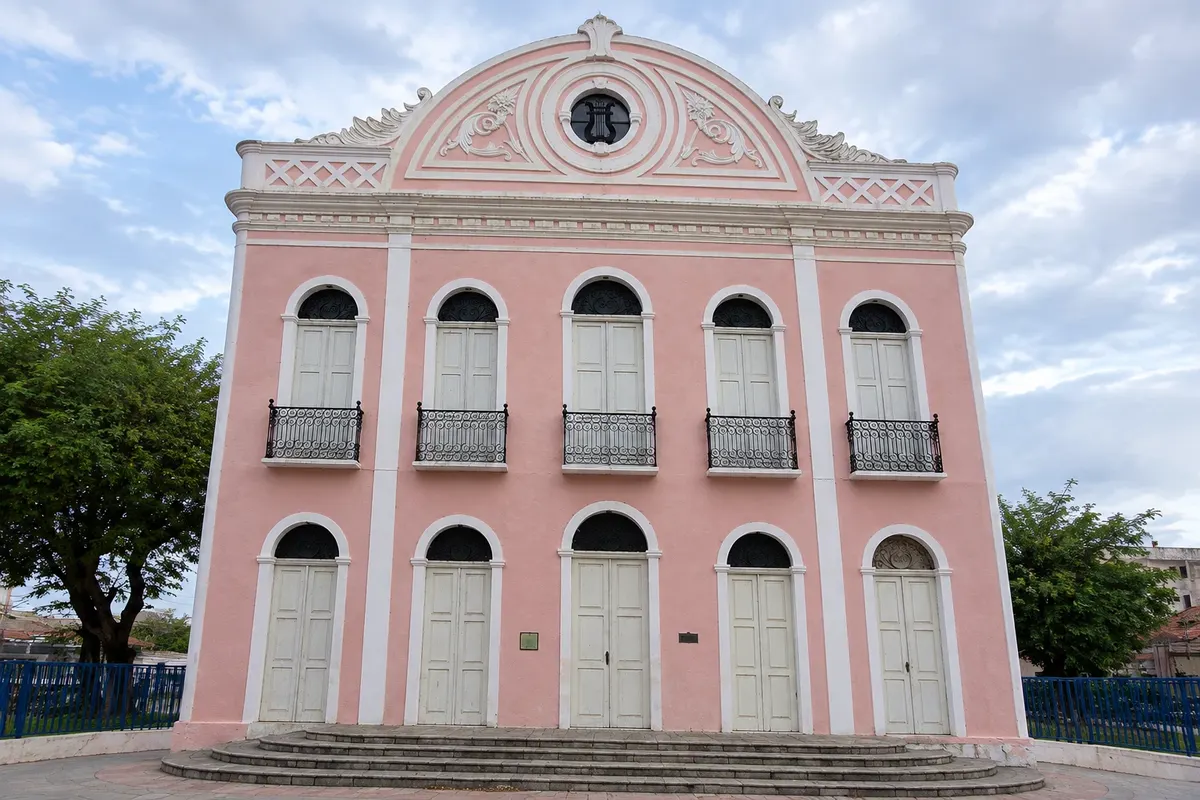
The Eclipse Museum, in the same square, tells this story with the telescope used in the observation, photographs and expedition documents. Around it is the historic center, listed by IPHAN in 1999, with the Theatro São João, dating from 1880, the Cathedral (Igreja da Sé) and streets of 18th- and 19th-century houses.
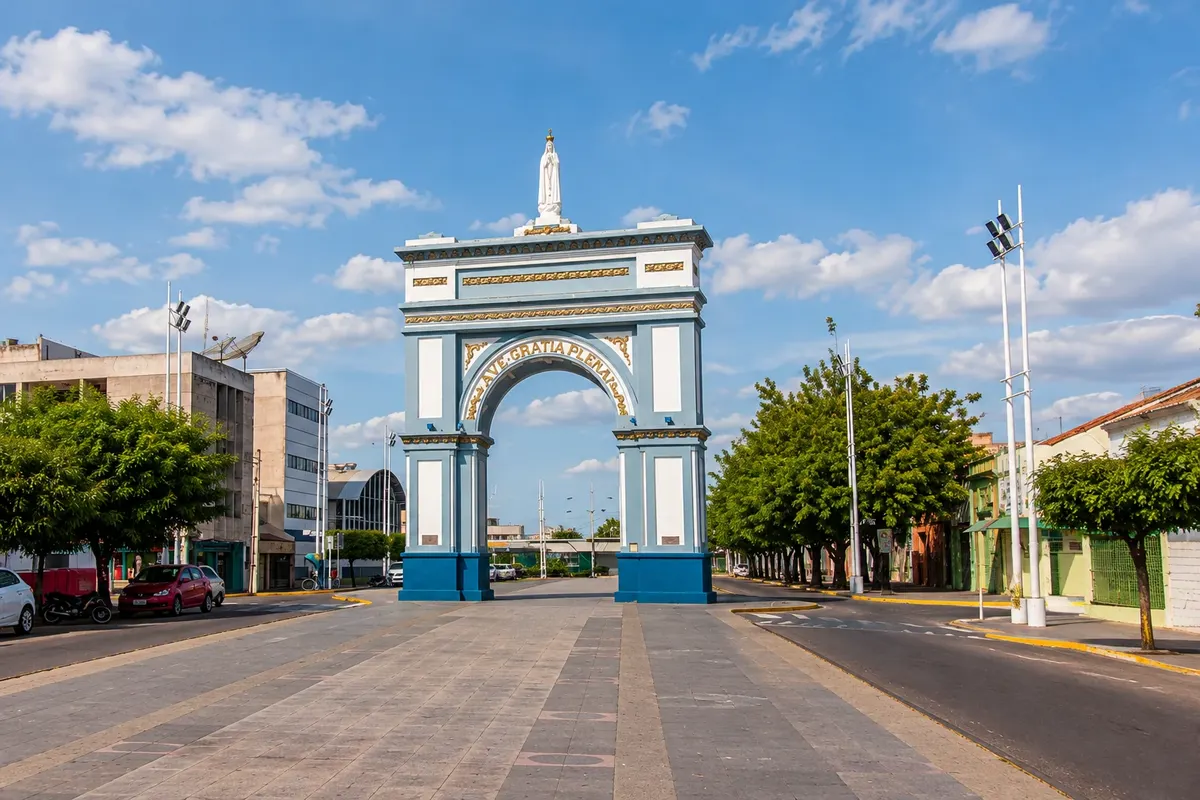
At the entrance to the center stands the Arch of Our Lady of Fátima, from 1953, a city symbol. Along the river, the Left Bank of the Acaraú is where locals stroll at the end of the day.
This destination brings together 1 city: Sobral.


 Argentina
 Bolivia
 Chile
 Colombia
 Ecuador
 Guyana
 French Guiana
 Falkland Islands (Malvinas)
 Paraguay
 Peru
 Suriname
 Uruguay
 Venezuela
 Germany
 Austria
 Belgium
 Croatia
 Denmark
 Slovakia
 Slovenia
 Spain
 Finland
 France
 Greece
 the Netherlands
 Hungary
 Ireland
 Iceland
 Italy
 Luxembourg
 Norway
 Poland
 Portugal
 the United Kingdom
 the Czech Republic
 Sweden
 Switzerland
 Turkey
 Canada
 the United States
 Mexico
 the Dominican Republic
 South Africa
 Australia
 Fiji
 New Zealand
 Papua New Guinea