Piazzale Michelangelo and San Miniato al Monte
From Porta San Niccolò (or bus 12/13) Uphill walk and viewpoint about 2 hours late afternoon moderate (stairs)
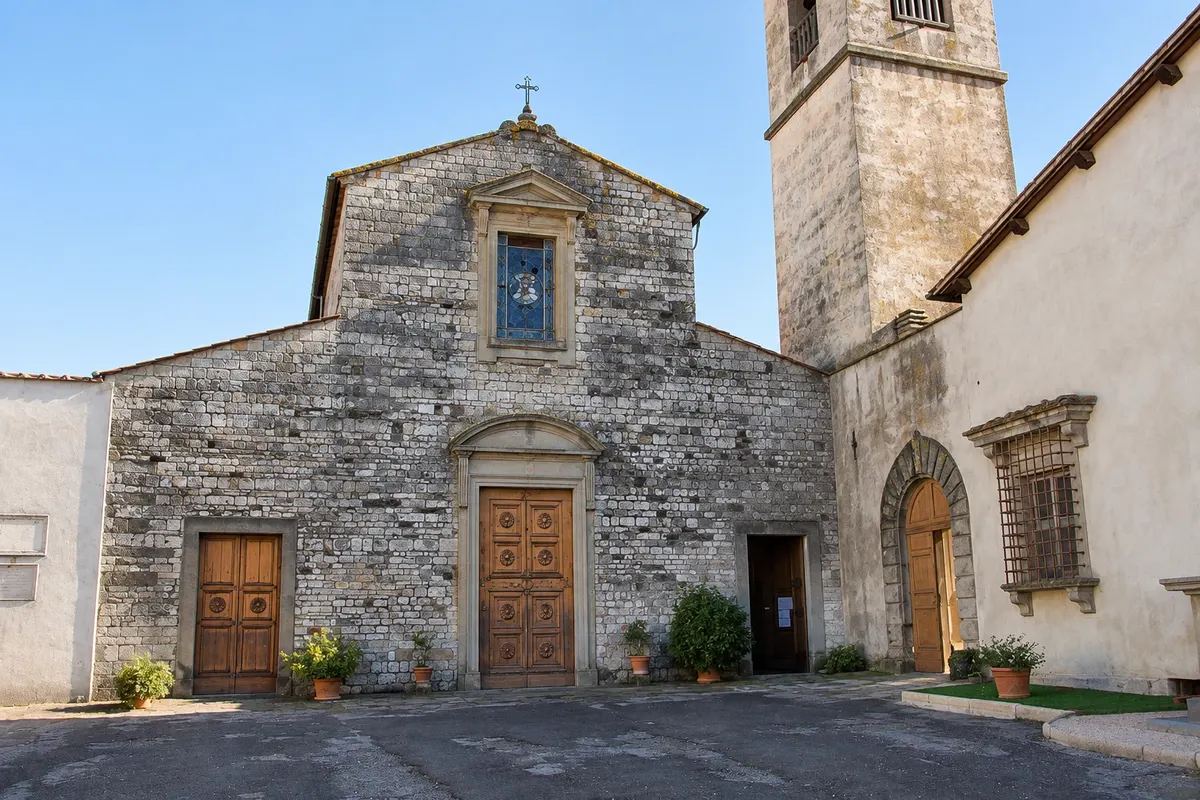
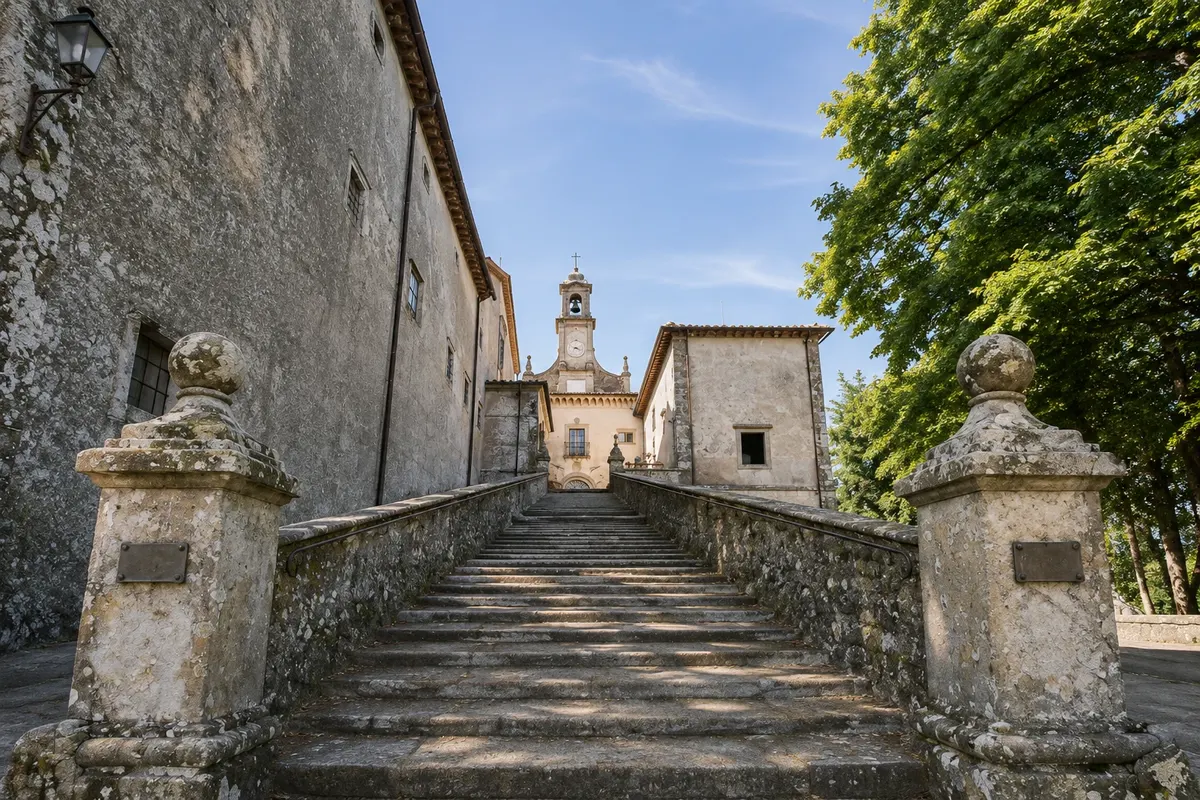
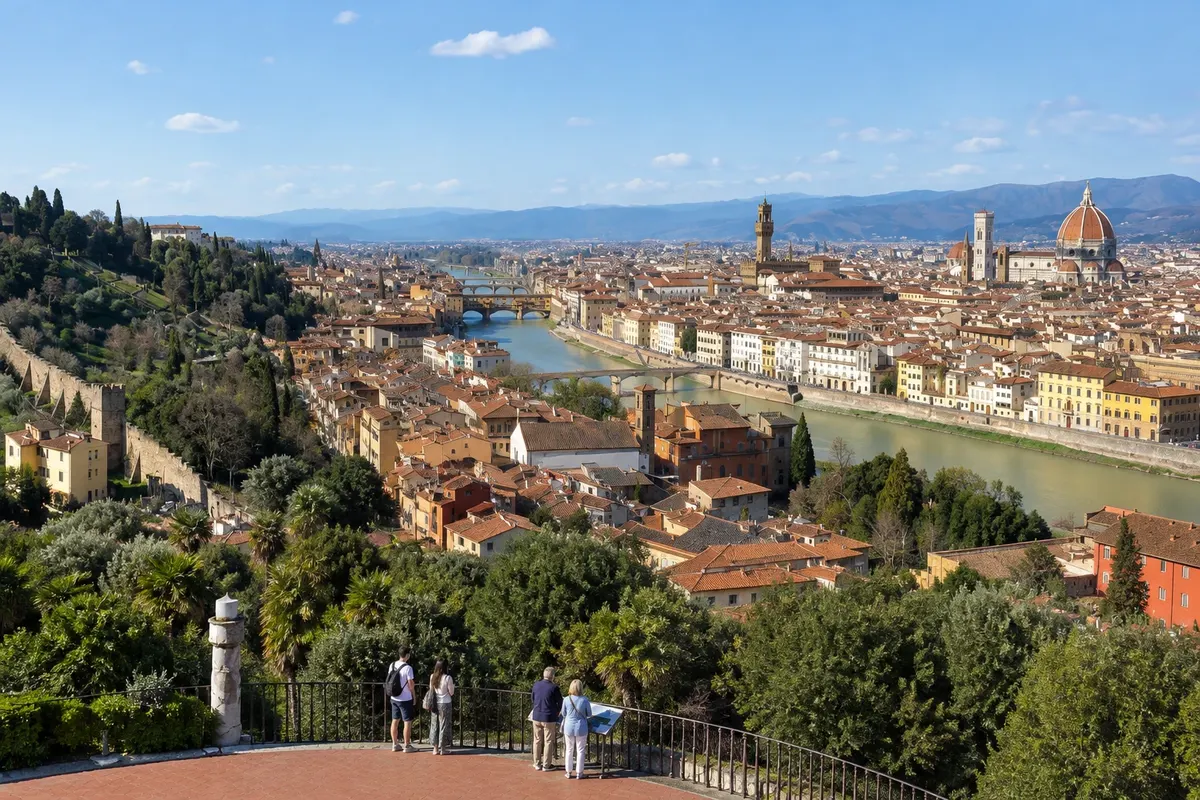
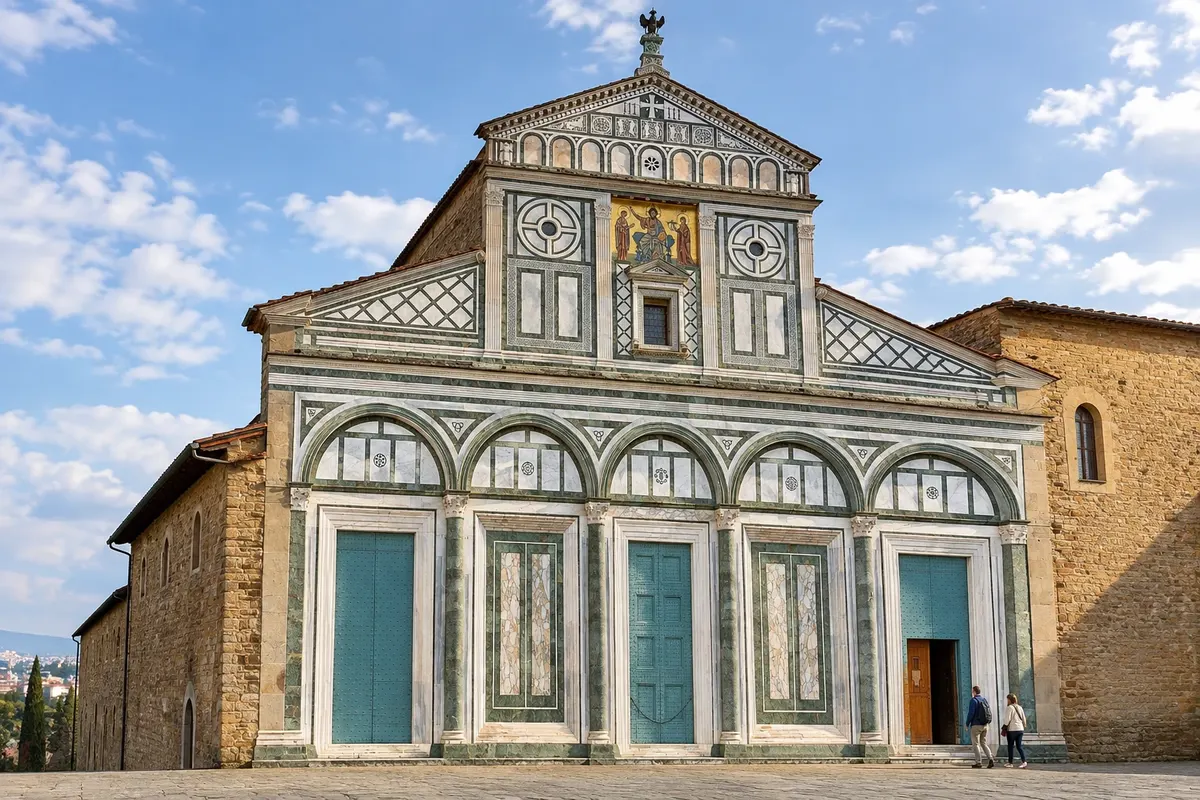
Piazzale Michelangelo, an open terrace opened in 1869 on the hill south of the Arno, with the bronze copy of David, is Florence’s postcard view: the dome, the bell tower, the Palazzo Vecchio tower, Santa Croce and the bridges in a row. You can walk there in 20 minutes along the Poggi ramps from Porta San Niccolò, or take a bus. One hundred meters above, the Basilica di San Miniato al Monte, from the 11th century, is the city’s best-preserved Romanesque church, with its green-and-white marble facade, the zodiac mosaic floor, the crypt and the monumental cemetery where Collodi, the author of Pinocchio, is buried; Olivetan monks sing Vespers in Gregorian chant late in the afternoon. On the way down, the Giardino delle Rose, with sculptures by Folon, is open year-round.
Stops: Piazzale Michelangelo, Basilica di San Miniato al Monte.
Includes: Viewpoint and basilica free of charge. Bus requires a separate fare.
Tip: Go up about one hour before sunset: first San Miniato, with the vespers singing, then the Piazzale for the golden light. In summer the terrace fills up; the Giardino delle Rose, just below, offers the same view with fewer people.
Best time: All year. May has the roses in the Giardino delle Rose; in April and May the Giardino dell’Iris, beside the Piazzale, opens for a few weeks.
San Lorenzo, Cappelle Medicee and Mercato Centrale
From Piazza San Lorenzo (5 min from the station) Church, chapels and market about 3 hours morning easy
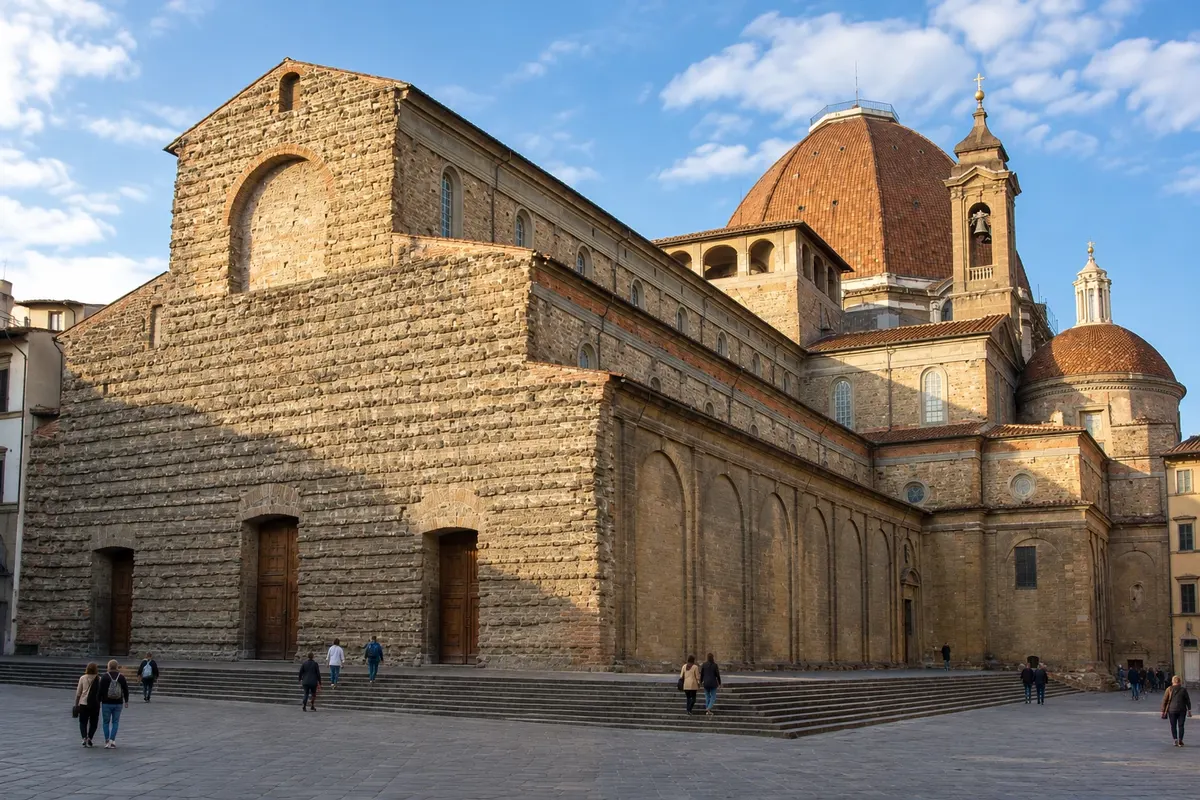
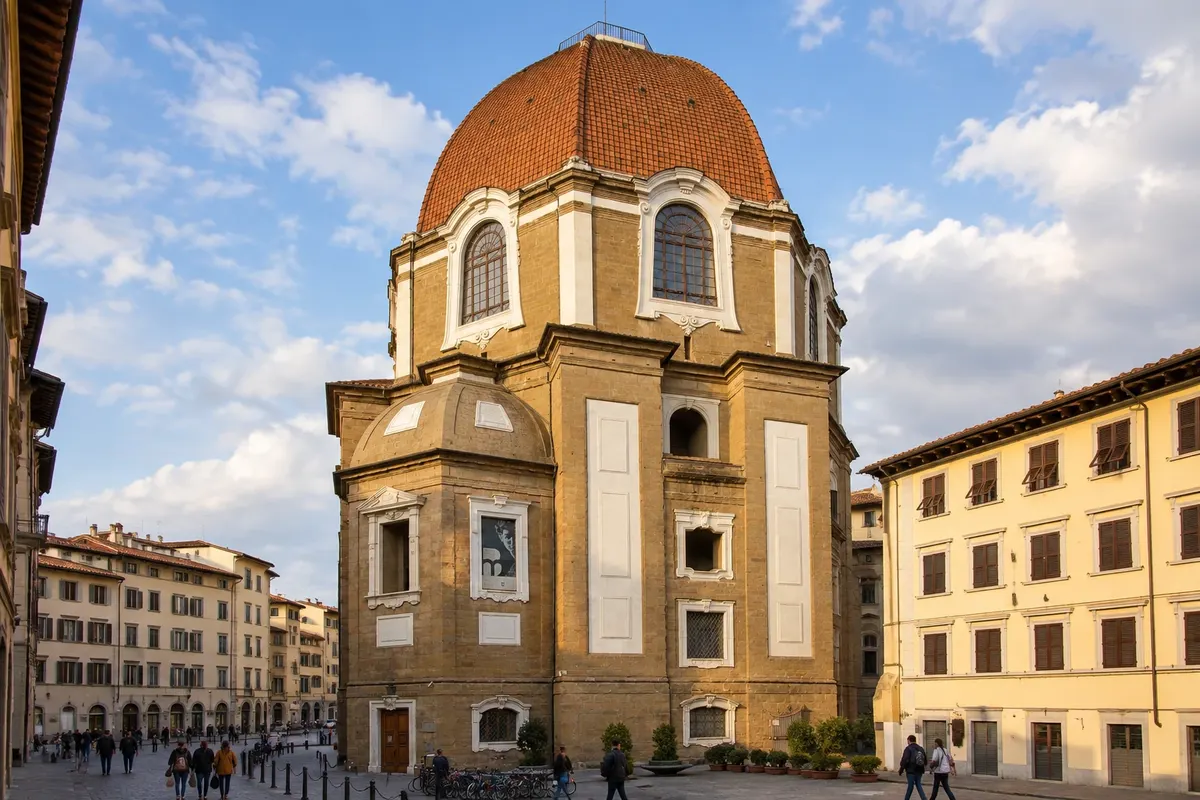
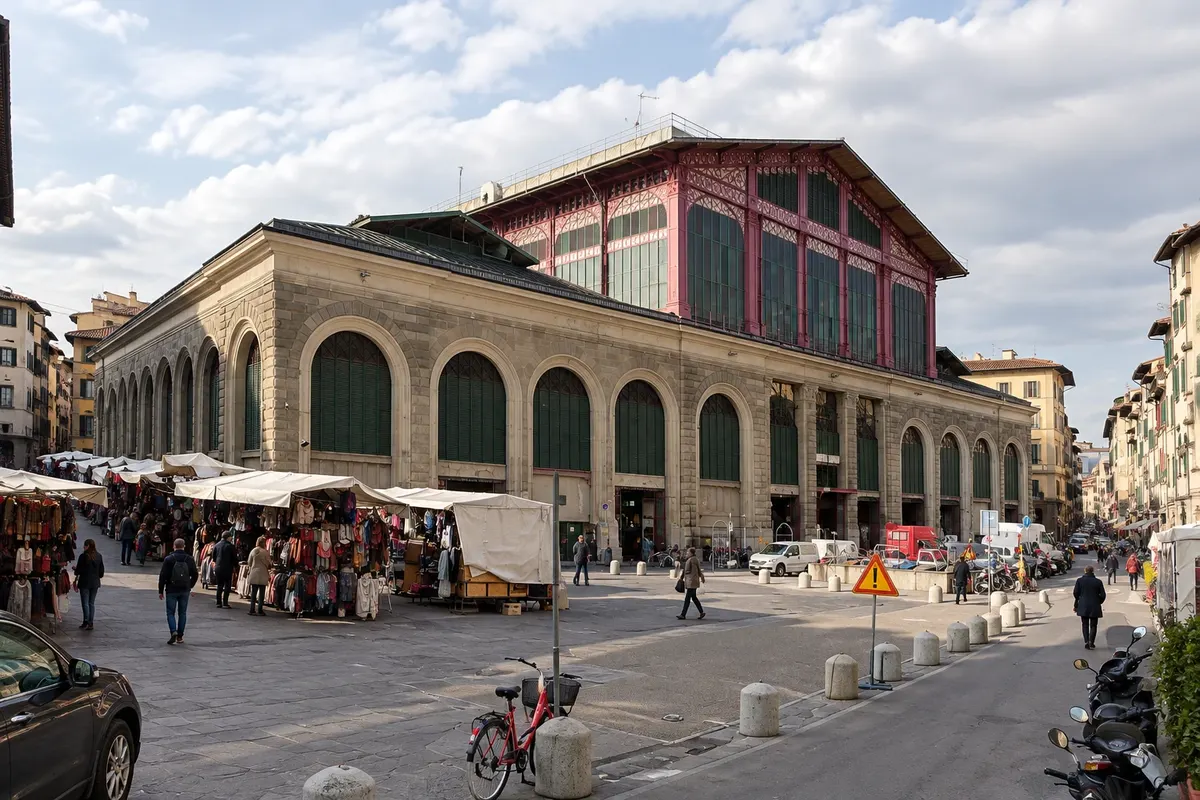
The Basilica di San Lorenzo, the Medici family church, was rebuilt by Brunelleschi from 1419 and kept an exposed brick facade, because Michelangelo’s project was never realized; inside are Donatello’s bronze pulpits and Brunelleschi’s Sagrestia Vecchia. The Cappelle Medicee (Medici Chapels), with a separate entrance behind the church, include the Cappella dei Principi, the mausoleum of the grand dukes with colored marbles, and the Sagrestia Nuova, designed by Michelangelo between 1520 and 1534, with the sculptures of Dawn, Dusk, Day and Night above the tombs of Lorenzo and Giuliano. The Biblioteca Laurenziana, in the cloister, has Michelangelo’s vestibule and staircase. Around it, a street leather market and, in the 1874 iron building, the Mercato Centrale: on the ground floor the butcher shops, cheeses and lampredotto (the tripe sandwich); on the upper floor the food court, open late.
Stops: Basilica di San Lorenzo, Cappelle Medicee, Mercato Centrale.
Includes: Basilica and Cappelle Medicee with separate paid tickets (the Sagrestia Nuova requires a timed entry on busy days). Market entry is free; food is paid separately.
Tip: Go to the Cappelle Medicee at opening and have lunch at the market; the ground floor closes in the early afternoon, the upper level does not. Haggle at the leather market and check that it is real leather.
Best time: All year. The market closes on Sundays on the ground floor.
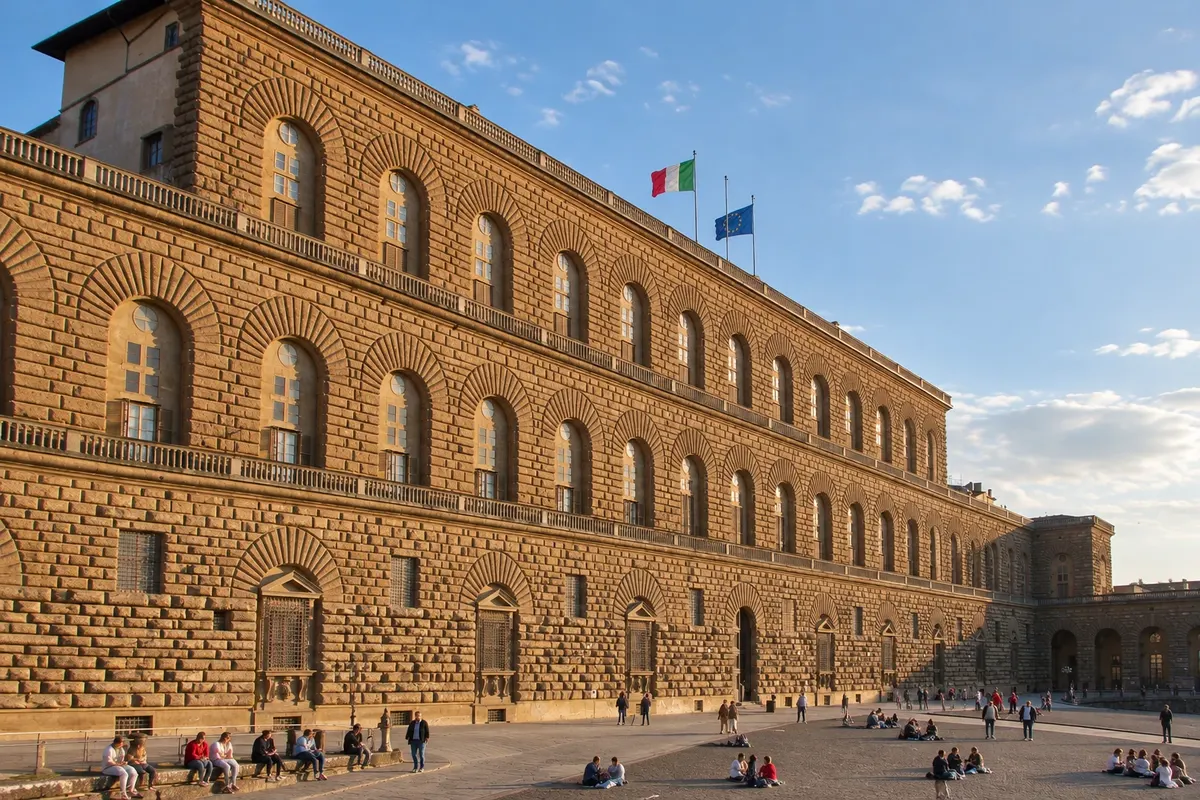
Museo Nazionale del Bargello: Renaissance sculpture
From Via del Proconsolo Museum about 2 hours morning easy
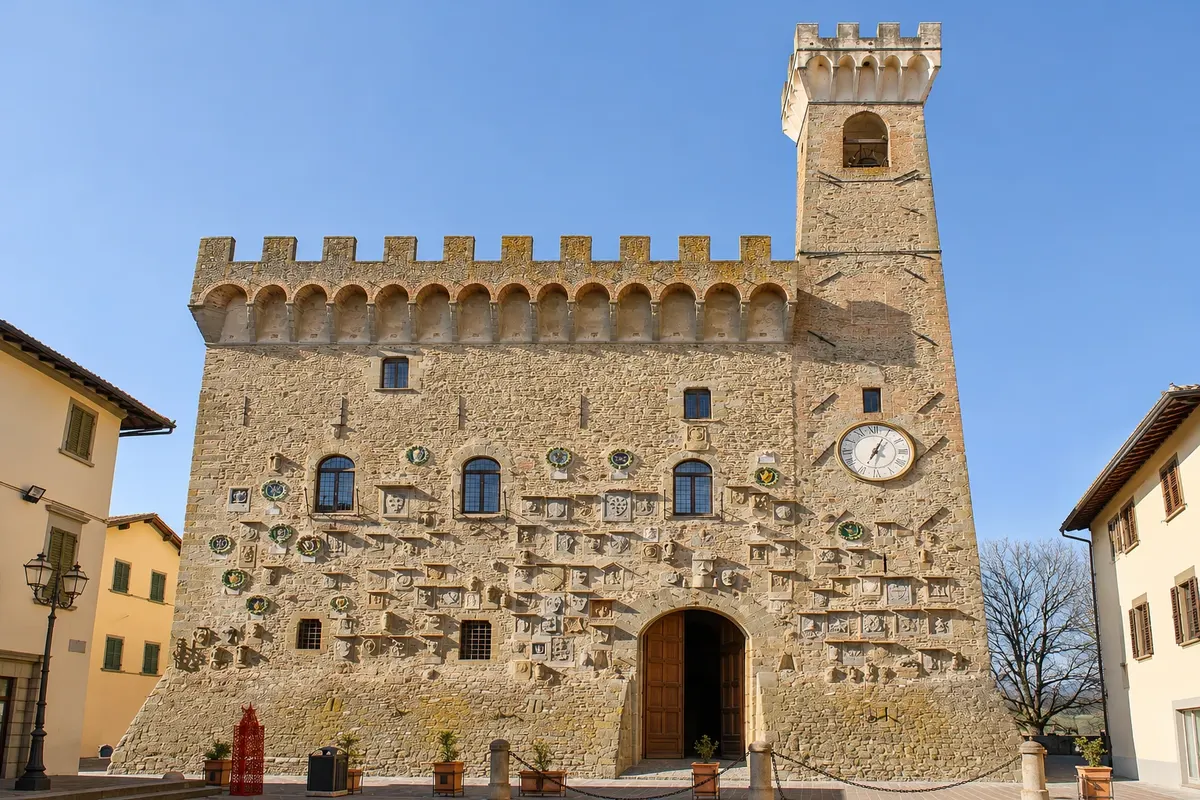
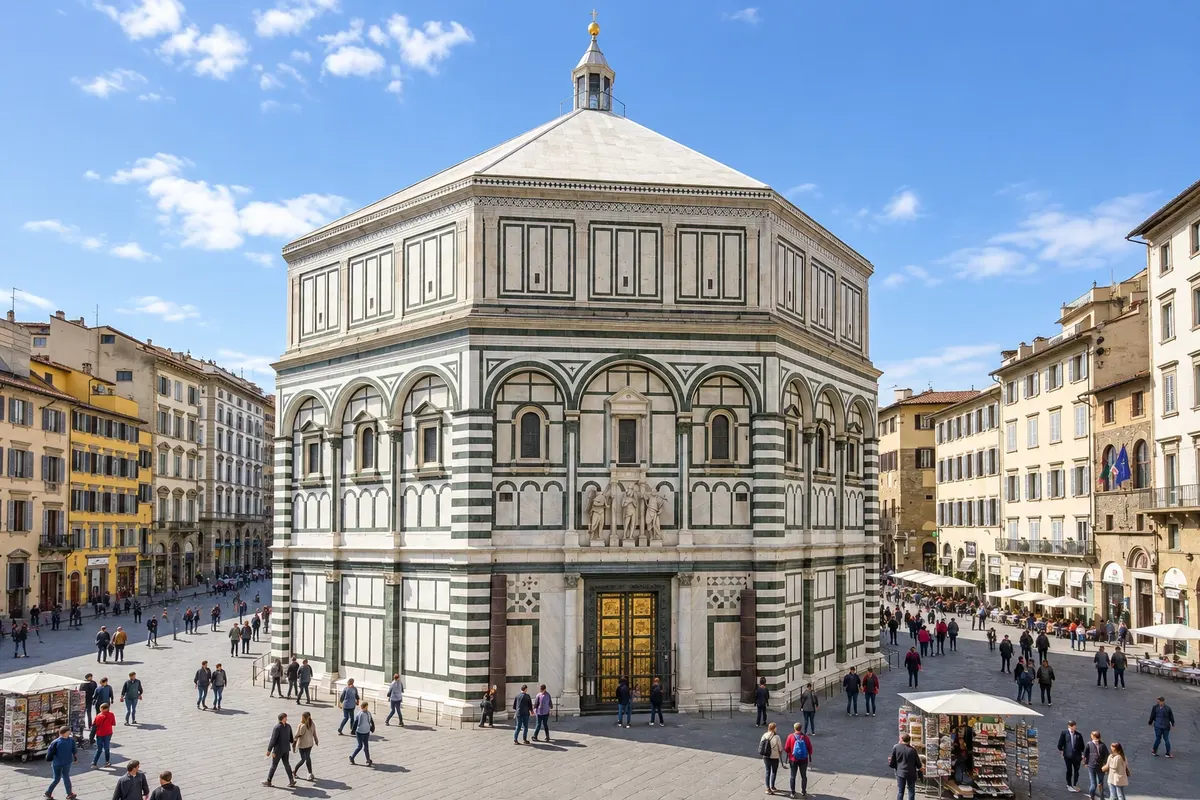
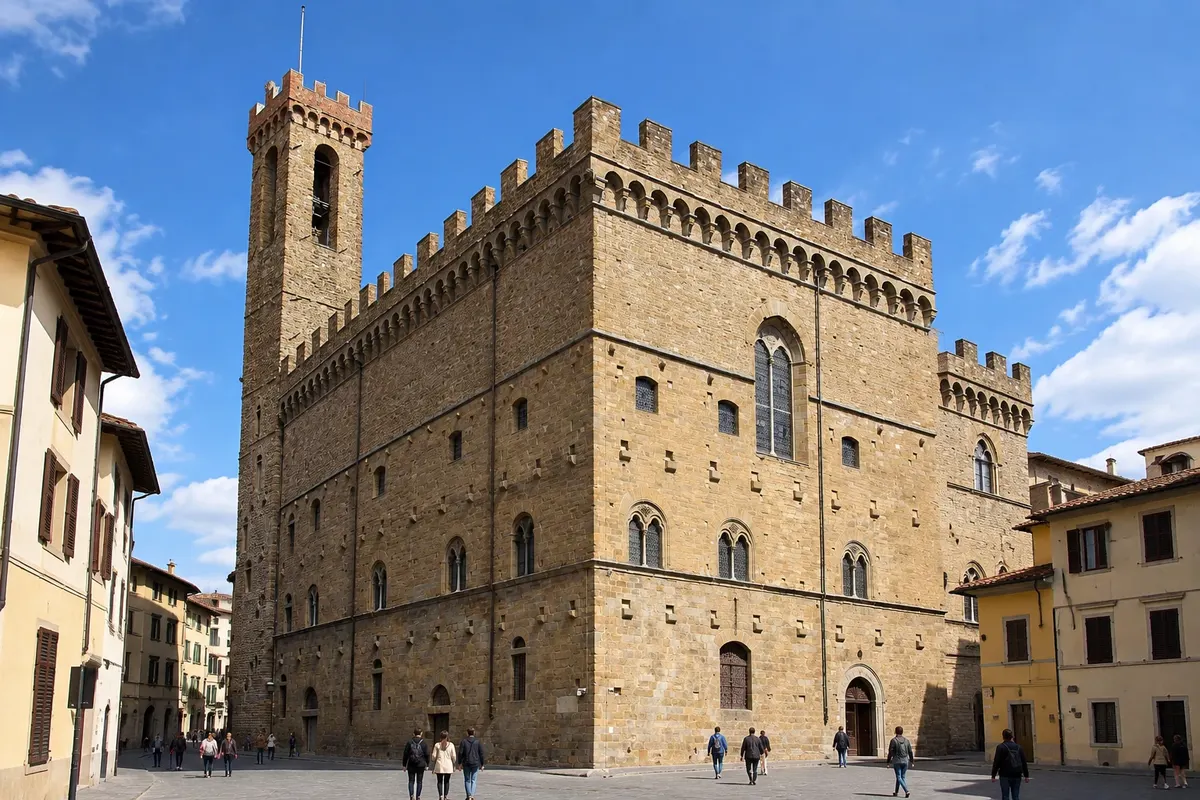
The Museo Nazionale del Bargello occupies the palace of the capitano del popolo, from 1255, later a prison and the headquarters of the chief of police (bargello). Since 1865 it has been the sculpture museum: Donatello's bronze David, the first nude in sculpture since Antiquity, Donatello's Saint George and the Marzocco, Michelangelo's Bacchus and the Tondo Pitti, the two panels from the 1401 competition for the baptistery doors by Ghiberti and Brunelleschi, Giambologna's Mercury, and the glazed terracottas of the Della Robbia. The courtyard with its open staircase and the podestà coats of arms is one of the city's most beautiful. It is a museum with relatively few visitors compared with the Uffizi, and the route fits into two hours.
Stops: Museo Nazionale del Bargello.
Includes: Separate paid ticket (onsite ticket office or online). Reduced opening hours on some days; check the calendar on the Musei del Bargello website.
Tip: It's the right choice for a morning when the Uffizi are sold out. The ticket often includes the other sites of the Musei del Bargello (Orsanmichele, Palazzo Davanzati, Casa Martelli) at specified times; check.
Best time: All year.
Santa Maria Novella: the basilica and the historic pharmacy
From Piazza Santa Maria Novella (in front of the station) Basilica and visit to the Officina Profumo-Farmaceutica about 2 hours morning or afternoon easy
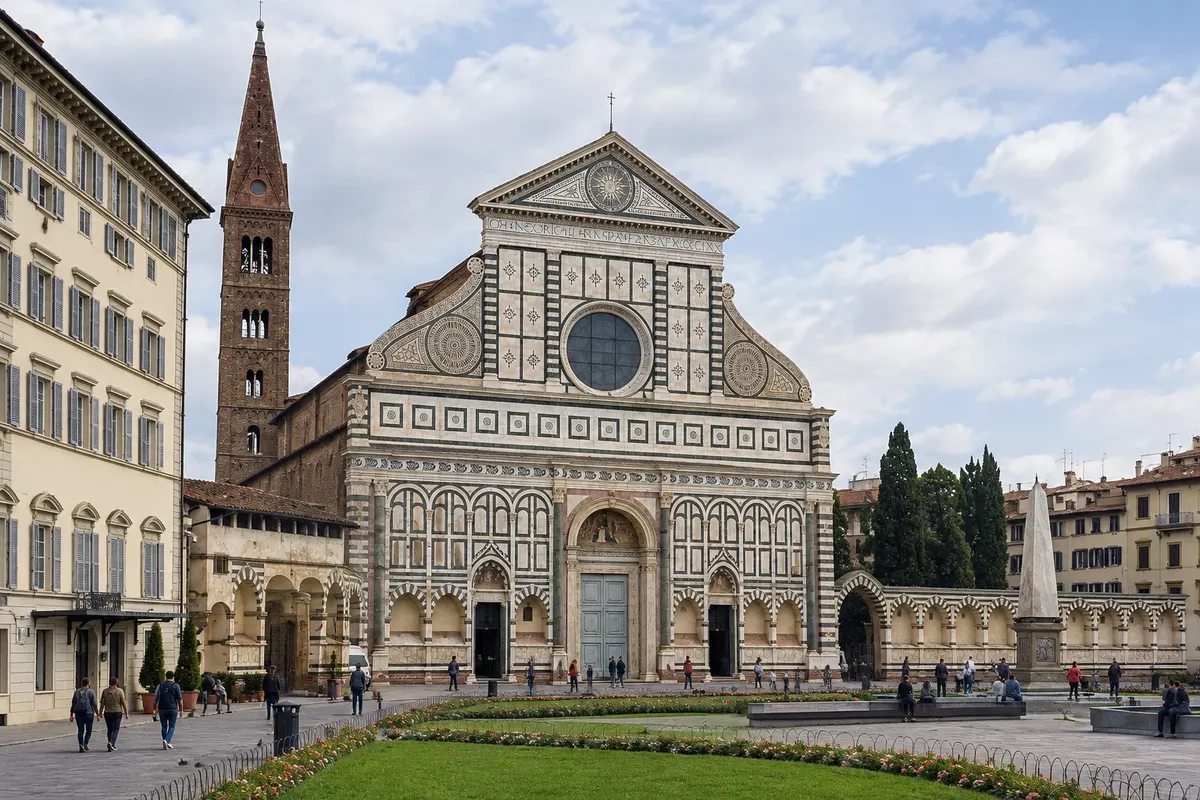
The Basilica di Santa Maria Novella, Dominican, has the marble façade designed by Leon Battista Alberti in 1470 and, inside, Masaccio’s Trinity (1427), the first use of mathematical perspective in painting, Ghirlandaio’s frescoes in the main chapel, Giotto’s and Brunelleschi’s crucifixes, and the cloisters with the Cappellone degli Spagnoli. Next door, on Via della Scala, the Officina Profumo-Farmaceutica di Santa Maria Novella, founded by the friars in 1221 and opened to the public in 1612, still sells eaux de cologne, soaps and the liqueur Alkermes in rooms with frescoes and old display cases, and has a small museum. The square in front, with the two obelisks along which the carriages of the Palio dei Cocchi raced, sits before the 1934 railway station, a work of Italian rationalism.
Stops: Basilica di Santa Maria Novella.
Includes: Basilica with separate paid entry (includes museum and cloisters). Officina free to visit; products are paid for separately.
Tip: The basilica is the last natural stop before catching the train: the station is opposite. The Officina fills with groups in the afternoon; in the morning it is quiet.
Best time: All year.
Oltrarno: Santo Spirito, the workshops and the Cappella Brancacci
From Ponte Santa Trinita Neighborhood walk about 3 hours afternoon easy
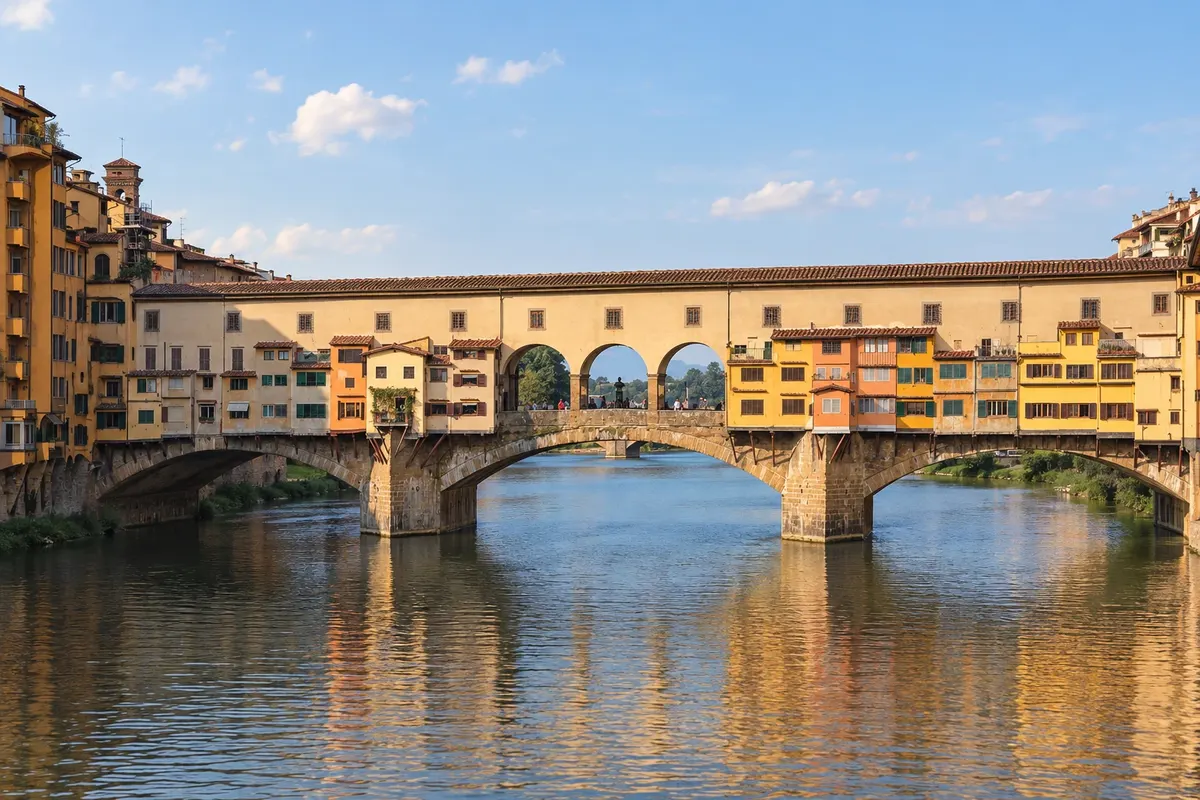
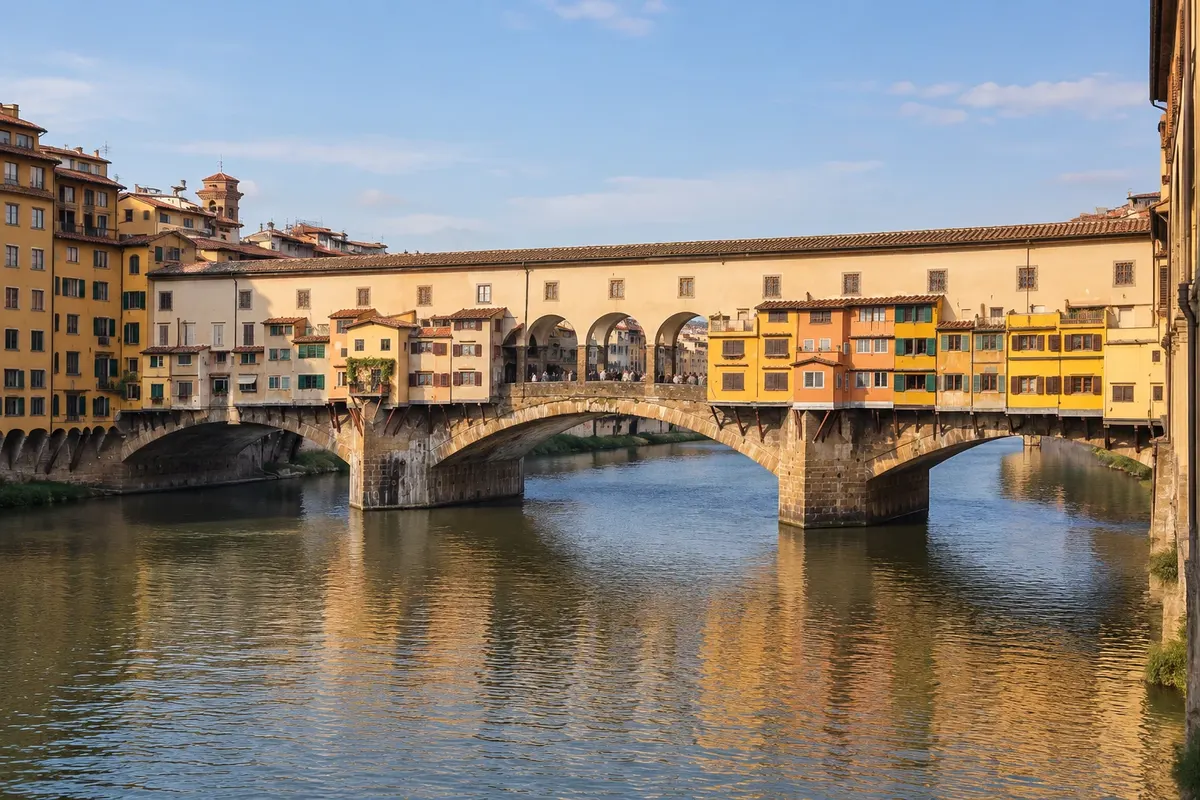
The Oltrarno, "across the Arno," is the craftsmen’s quarter: furniture restorers, gilders, bookbinders and shoemakers on Via Maggio, Via dei Serragli and Via Toscanella, with workshop doors open. Piazza Santo Spirito, with Brunelleschi’s church of a plain facade and a morning market, is the neighborhood’s social center, with bars and outdoor tables late into the evening. At Santa Maria del Carmine, the Cappella Brancacci houses the frescoes by Masaccio and Masolino (1424–1428), including the Expulsion from Paradise and the Tribute Money, which Michelangelo came to copy as a young man; visits are in small groups and by reservation. On Via Romana, the Museo La Specola has the 18th-century anatomical wax collection. Borgo San Jacopo and Via de' Bardi along the river lead to the Ponte Vecchio from the rear.
Stops: Oltrarno.
Includes: Self-guided walk. Cappella Brancacci requires a separate paid ticket and reservation; Santo Spirito has no admission fee (sacristy and refectory are paid).
Tip: Book the Cappella Brancacci on the municipal museums' website: time slots are limited. Go to Piazza Santo Spirito at the end of the day; on the second Sunday of the month there is a crafts and antiques fair.
Best time: All year; on summer nights the square gets lively.
Fiesole: the Etruscan hill above Florence
From Piazza San Marco (bus 7) Round-trip by bus about 4 hours afternoon moderate (hill up to San Francesco)
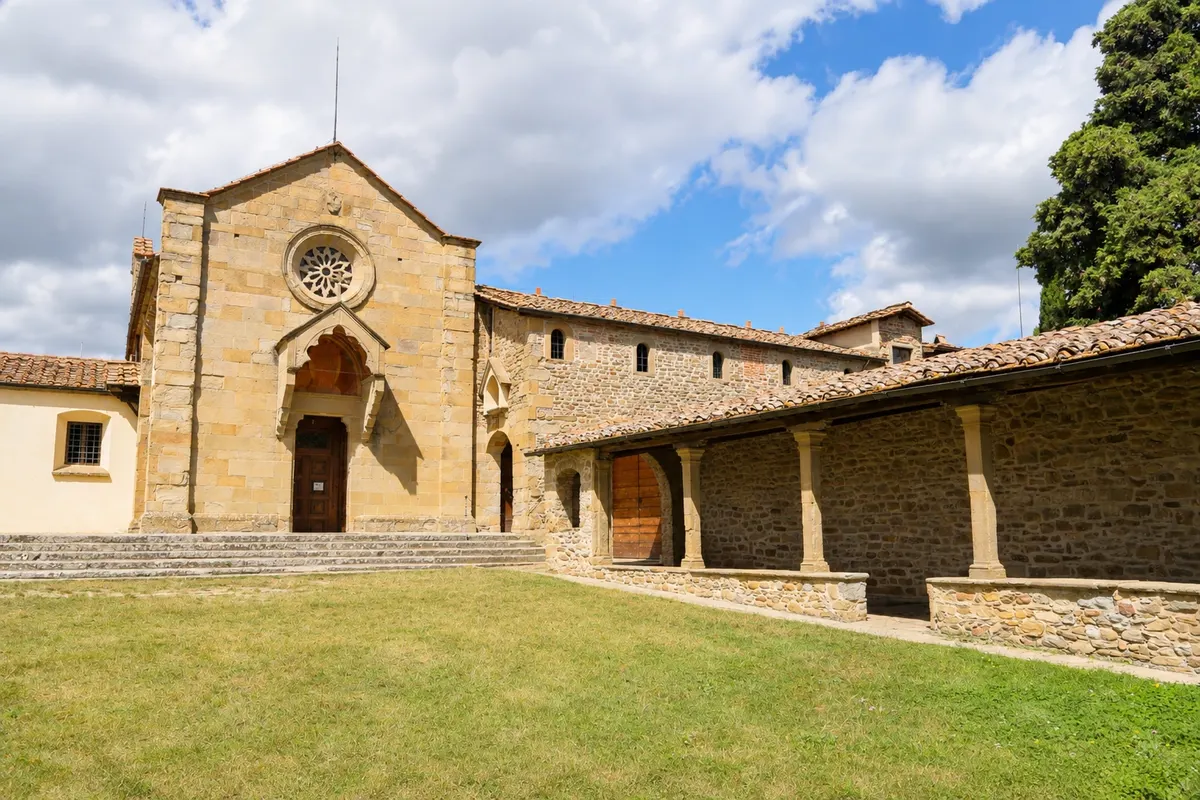
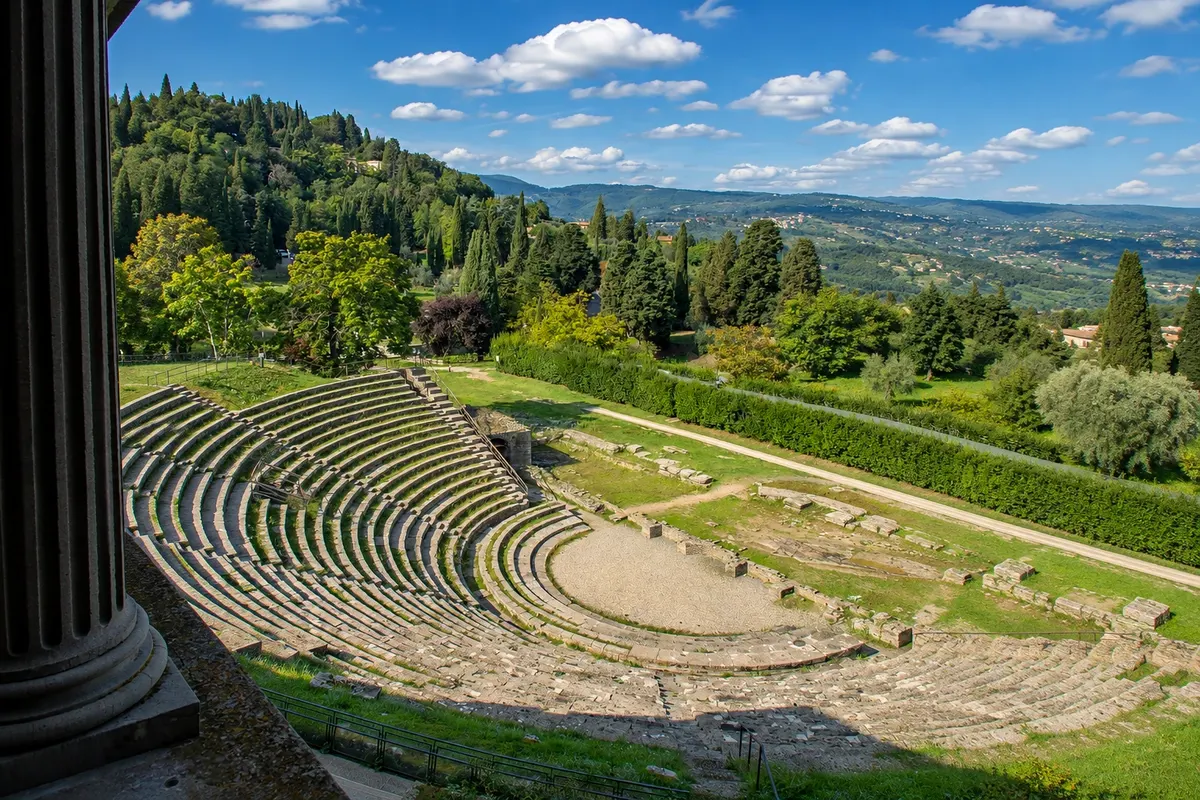
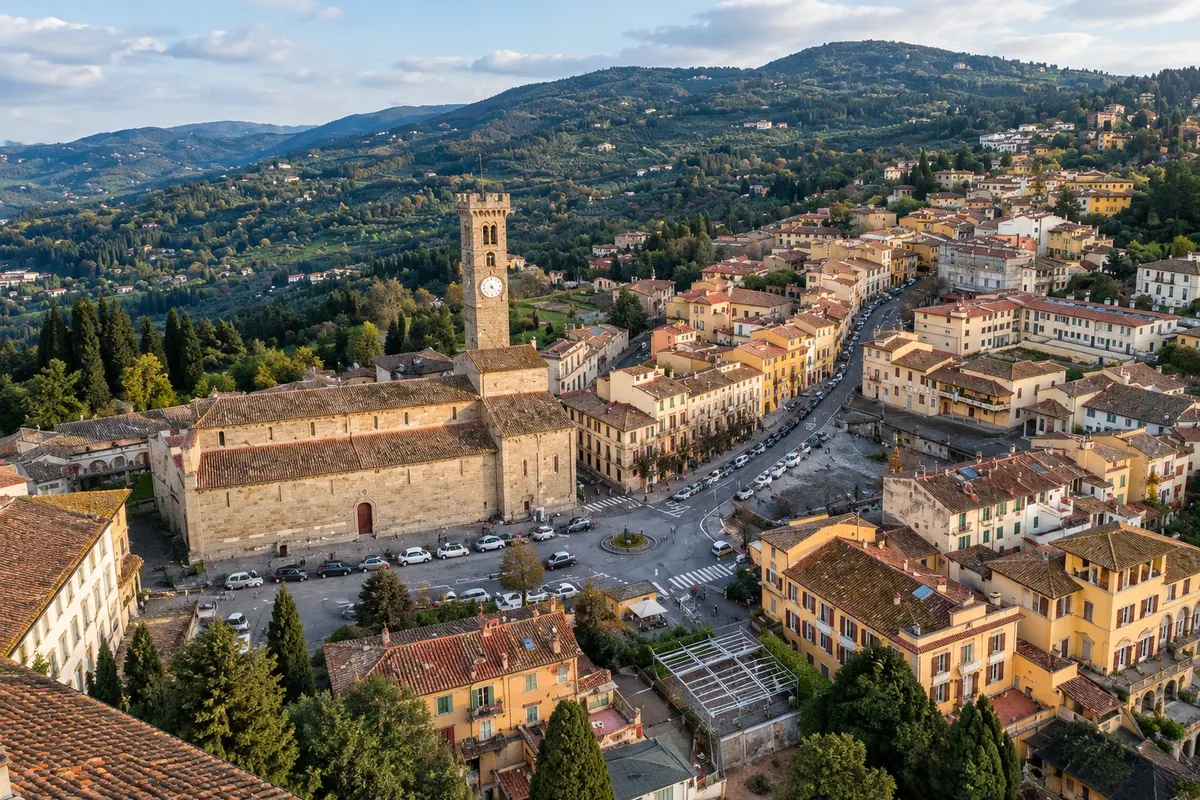
Fiesole, 300 m above Florence, was an Etruscan town before Florence existed. Bus 7 climbs in about 25 minutes to Piazza Mino, with the Romanesque cathedral of San Romolo. The Archaeological Area includes the Roman theatre from the 1st century BC, still used in July for the Estate Fiesolana festival, the baths, the Etruscan temple and a museum; the Museo Bandini holds Tuscan painting from the 13th to 15th centuries. The slope of Via San Francesco leads up to the convent of San Francesco, with a terrace overlooking Florence, a view of the dome from above and the Arno valley. The walk back along Via Vecchia Fiesolana passes villas and cypress walls to San Domenico, where Fra Angelico was a novice, and from there the bus descends to the town.
Stops: Fiesole.
Includes: Urban bus (standard ticket). Archaeological area and museums charged separately, with a combined ticket; San Francesco terrace free of charge.
Tip: Go in the mid-afternoon and wait for sunset on the San Francesco terrace; the last bus descends late, but check the timetable. It's a good respite on a hot day in the city.
Best time: From April to October the afternoons are long; in July there are evening performances at the Roman theatre.
Chianti: Greve in Chianti and the wine‑road
From Florence (bus 365 or car via SR222) Day trip by bus or car about 7 hours full day easy
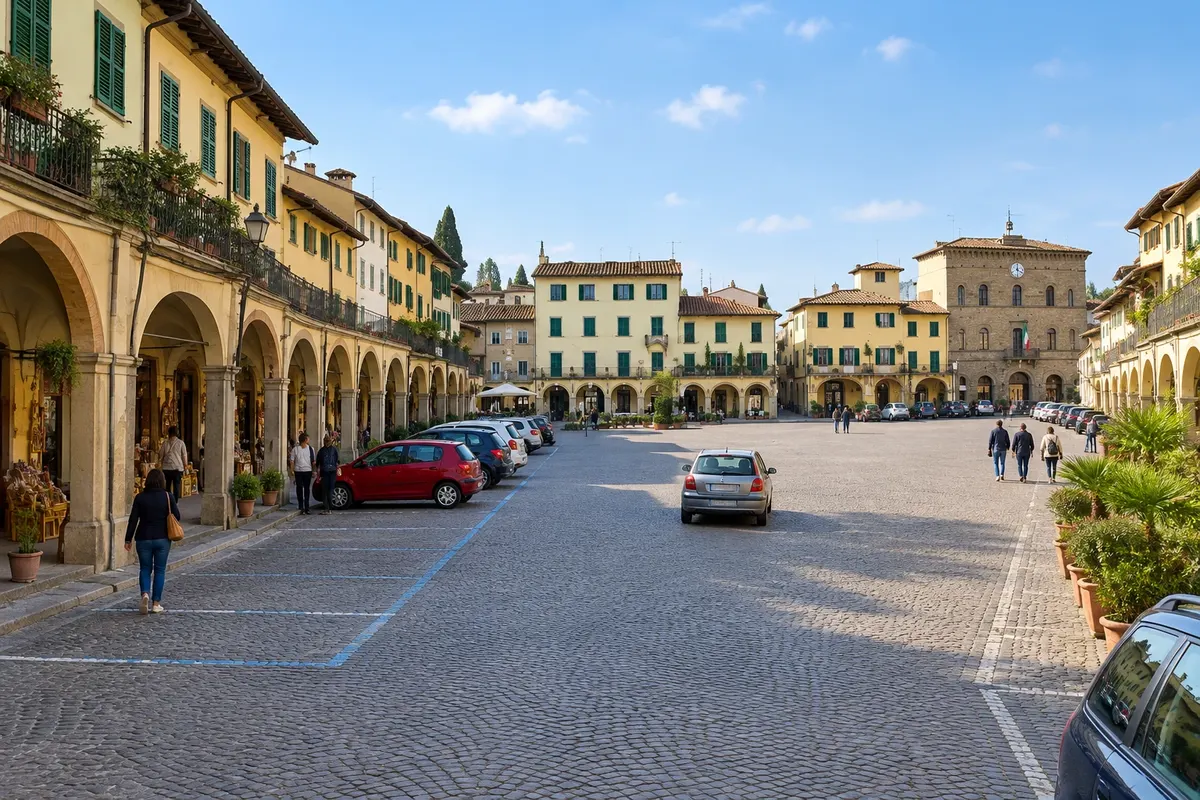
Greve in Chianti, 30 km south of Florence via the Chiantigiana road (SR222), is the gateway to Chianti, the rolling-hill region of vineyards, olive groves and cypresses between Florence and Siena. Piazza Matteotti, triangular, with shop arcades and the statue of Verrazzano, the navigator born in the nearby castle, hosts a market on Saturdays; the Museo del Vino and the Antica Macelleria Falorni, open since 1729, are on the square. 2 km away, the walled village of Montefioralle is a ten-minute stroll among stone streets. The surrounding wineries (Castello di Verrazzano, Vicchiomaggio, Querciabella) welcome visitors for cellar tours and tastings by prior reservation; the visit is the main activity, and the driver should not taste. Autolinee Toscane bus 365 departs from Florence station and takes about one hour.
Stops: Greve in Chianti.
Includes: Bus fare paid separately (not covered by the urban ticket). Wineries: tours and tastings paid separately, with reservation. Wine Museum with admission.
Tip: Without a car, bus 365 serves Greve and Montefioralle; by car, follow the SR222 to Panzano and Castellina. In September the Expo del Chianti Classico takes over Greve’s square for a weekend.
Best time: From April to October the hills are green; September and early October are harvest time; in winter many wineries open only by reservation.


 Brazil
 Antarctica
 Argentina
 Bolivia
 Chile
 Colombia
 Ecuador
 Guyana
 French Guiana
 Falkland Islands (Malvinas)
 Paraguay
 Peru
 Suriname
 Uruguay
 Venezuela
 Germany
 Austria
 Belgium
 Croatia
 Denmark
 Slovakia
 Slovenia
 Spain
 Finland
 France
 Greece
 the Netherlands
 Hungary
 Ireland
 Iceland
 Luxembourg
 Norway
 Poland
 Portugal
 the United Kingdom
 the Czech Republic
 Sweden
 Switzerland
 Turkey
 Bermuda
 Canada
 the United States
 Greenland
 Mexico
 Saint Pierre and Miquelon
 the Dominican Republic
 Japan
 South Africa
 Egypt
 Australia
 Fiji
 New Zealand
 Papua New Guinea