1 city

 Search
 Brazil
 Argentina
 Bolivia
 Chile
 Colombia
 Ecuador
 Guyana
 French Guiana
 Falkland Islands (Malvinas)
 Paraguay
 Peru
 Suriname
 Uruguay
 Venezuela
 Germany
 Austria
 Belgium
 Croatia
 Denmark
 Spain
 Finland
 France
 Greece
 the Netherlands
 Hungary
 Ireland
 Iceland
 Italy
 Luxembourg
 Norway
 Poland
 Portugal
 the United Kingdom
 the Czech Republic
 Sweden
 Switzerland
 TurkeyCanada
 the United States
 Mexico
 the Dominican RepublicTurkey
 South Africa
 Australia
 Fiji
 New Zealand
 Papua New Guinea
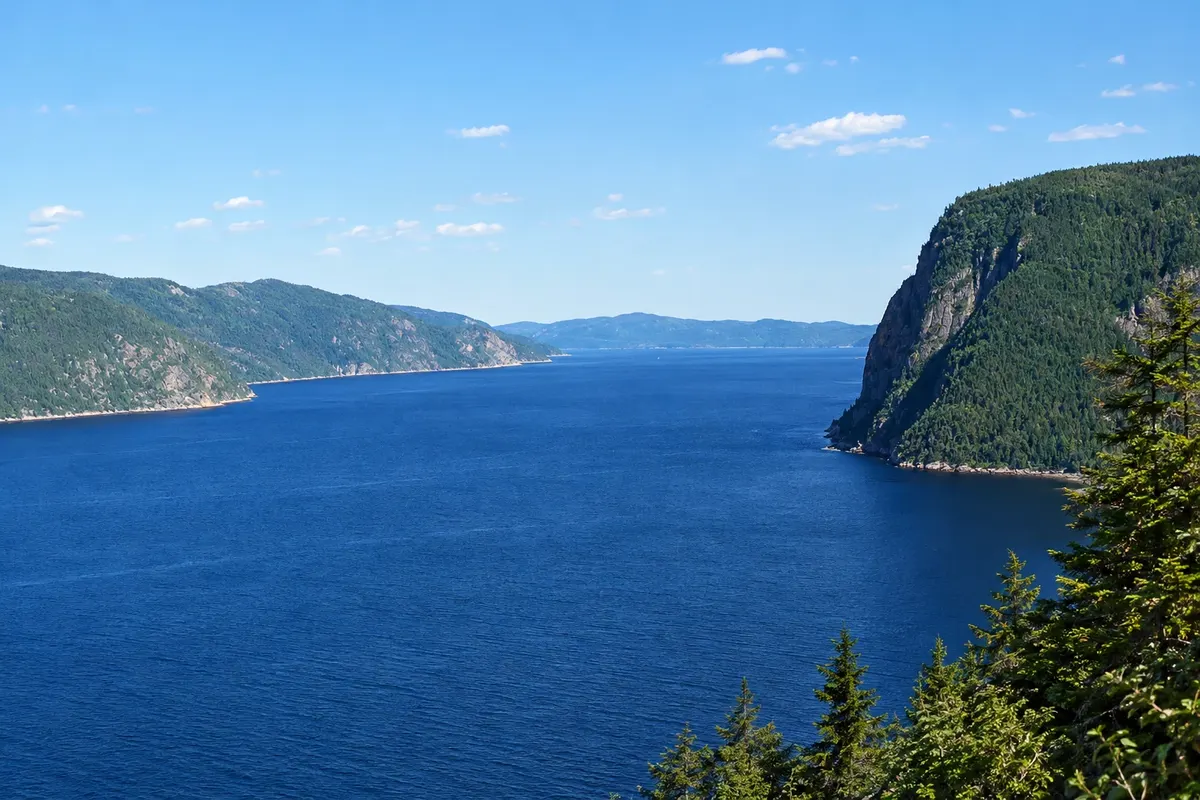
Province · Quebec
The French-speaking province of Canada: Montreal, the historic city of Quebec, the Saint Lawrence River, the whales of Tadoussac and the Laurentian Mountains.
In the photo: Saguenay Fjord, Quebec
Illustrative images. The pictures in this guide are illustrations based on the real place, not photographs, and may differ from it.

The province
Quebec is the largest province in Canada by area and the only one with French as its official language. It stretches from the Saint Lawrence River valley in the south to Ungava Bay in the far north. Most of the population lives along the river between Montreal and the city of Quebec, the capital.
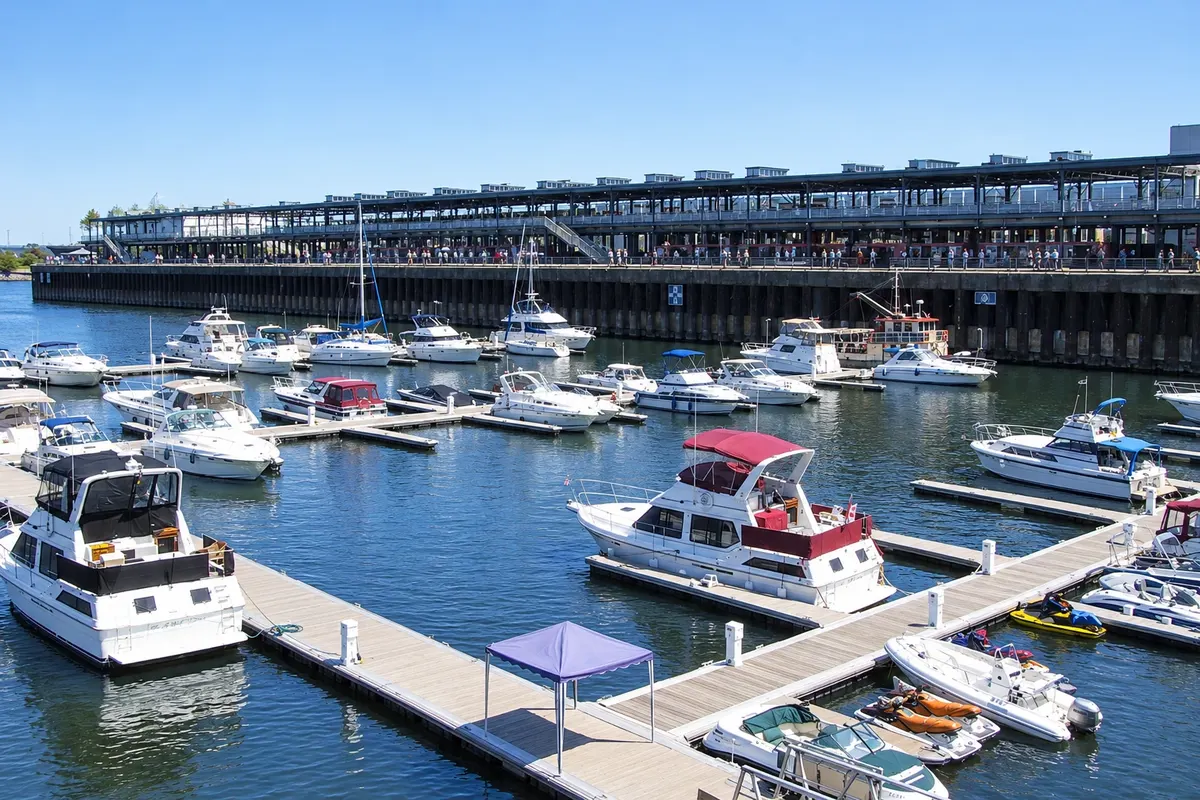
Montreal, on an island in the Saint Lawrence, is the province’s largest city. Old Montreal, with the Notre-Dame Basilica and cobblestone streets by the Old Port, Mount Royal, the Jean-Talon and Atwater markets, and a full festival calendar—such as the International Jazz Festival in summer—are all part of a visit.
The city of Quebec was founded in 1608 by Samuel de Champlain. The historic district, enclosed by walls, is a UNESCO World Heritage site and is dominated by the Château Frontenac. Nearby are Montmorency Falls and Île d’Orléans, with farms, vineyards and producers of cider and maple syrup.
Downriver, the Saint Lawrence widens until it becomes like a sea. Charlevoix has villages such as Baie-Saint-Paul and La Malbaie between mountains and the river. In Tadoussac, at the mouth of the Saguenay fjord, whales often feed in the estuary from June to October. Further east, the Gaspé Peninsula reaches Percé Rock and Forillon National Park.
North of Montreal, the Laurentians gather lakes and the Mont-Tremblant resort; to the southeast, the Eastern Townships offer lakes, wineries and rolling hills. Maple syrup, produced at the end of winter in cabanes à sucre, and poutine—French fries topped with fresh curds and gravy—are hallmarks of the local table.
Destinations
Cities
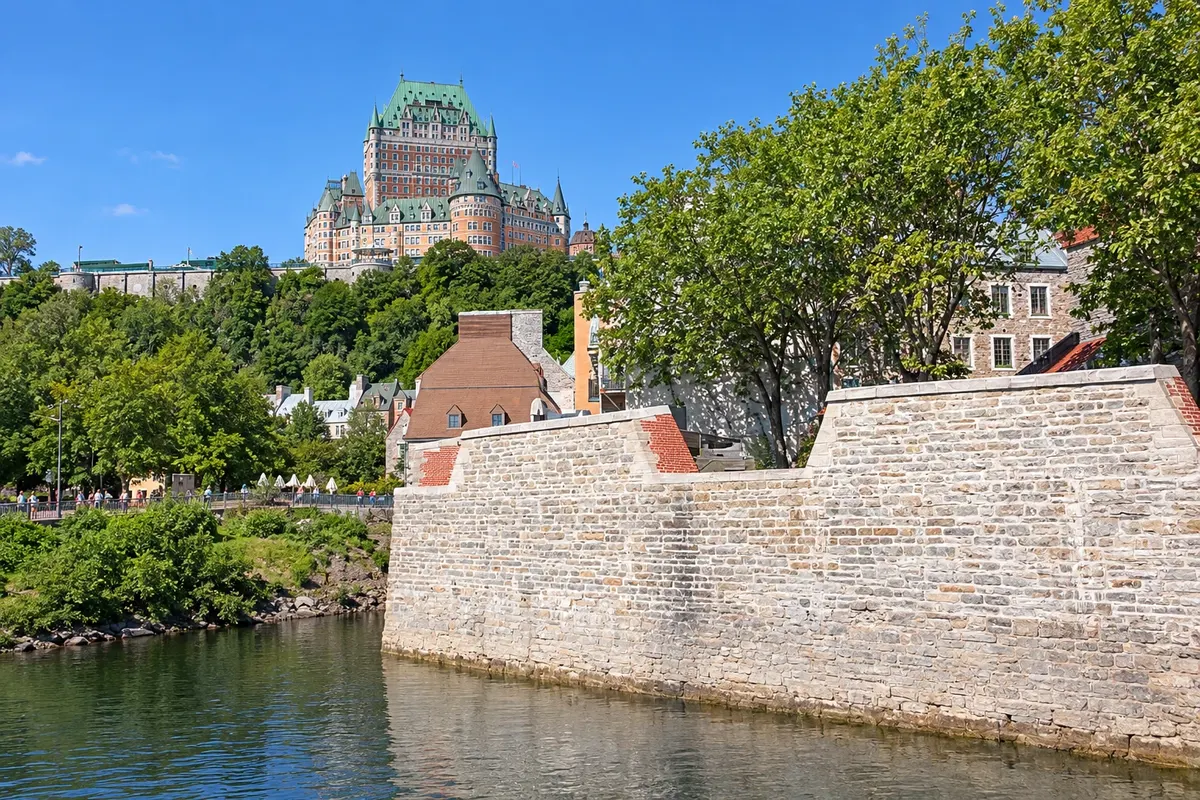
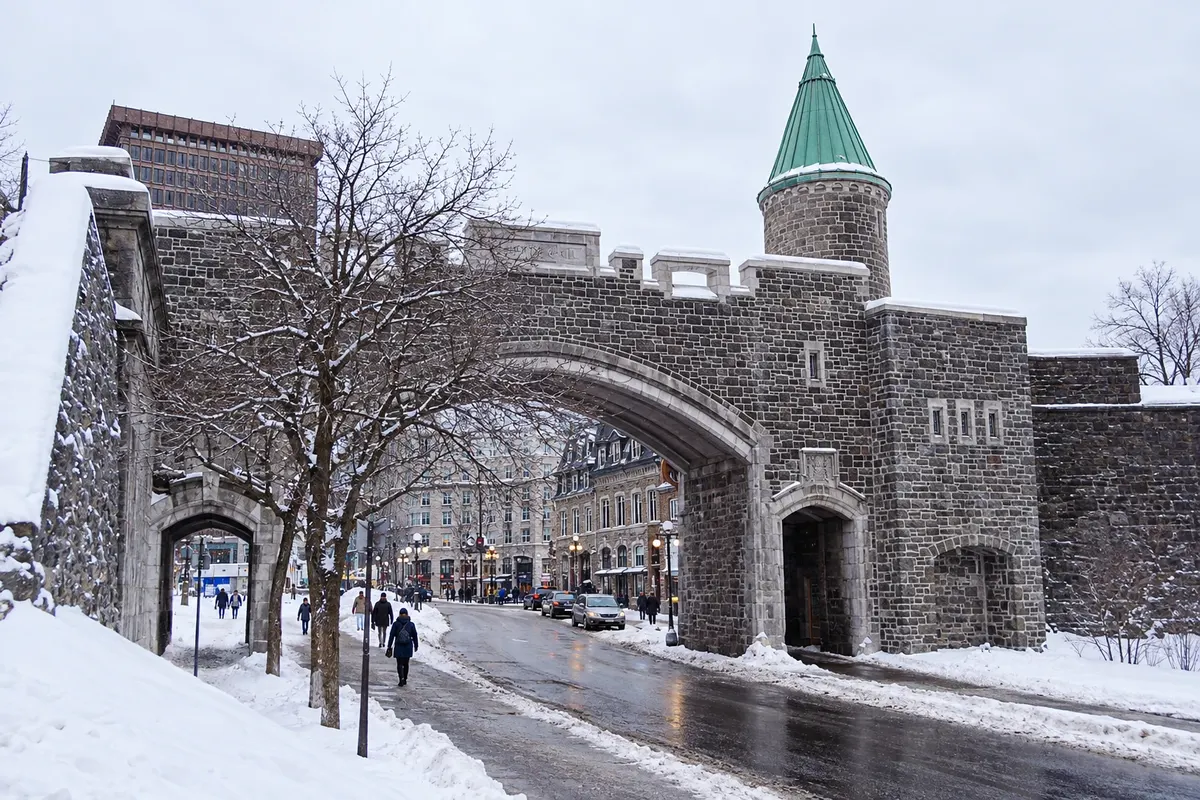
Capital of the province of Quebec, on the shore of the Saint Lawrence River, with a walled historic center recognized by UNESCO. On the heights are Terrasse Dufferin, the Citadelle and the gates of the wall; below are Place Royale and Quartier Petit-Champlain. The Plains of Abraham, the Parliament and the Museum of Civilization round out the visit, and Montmorency Falls and Île d’Orléans are nearby.
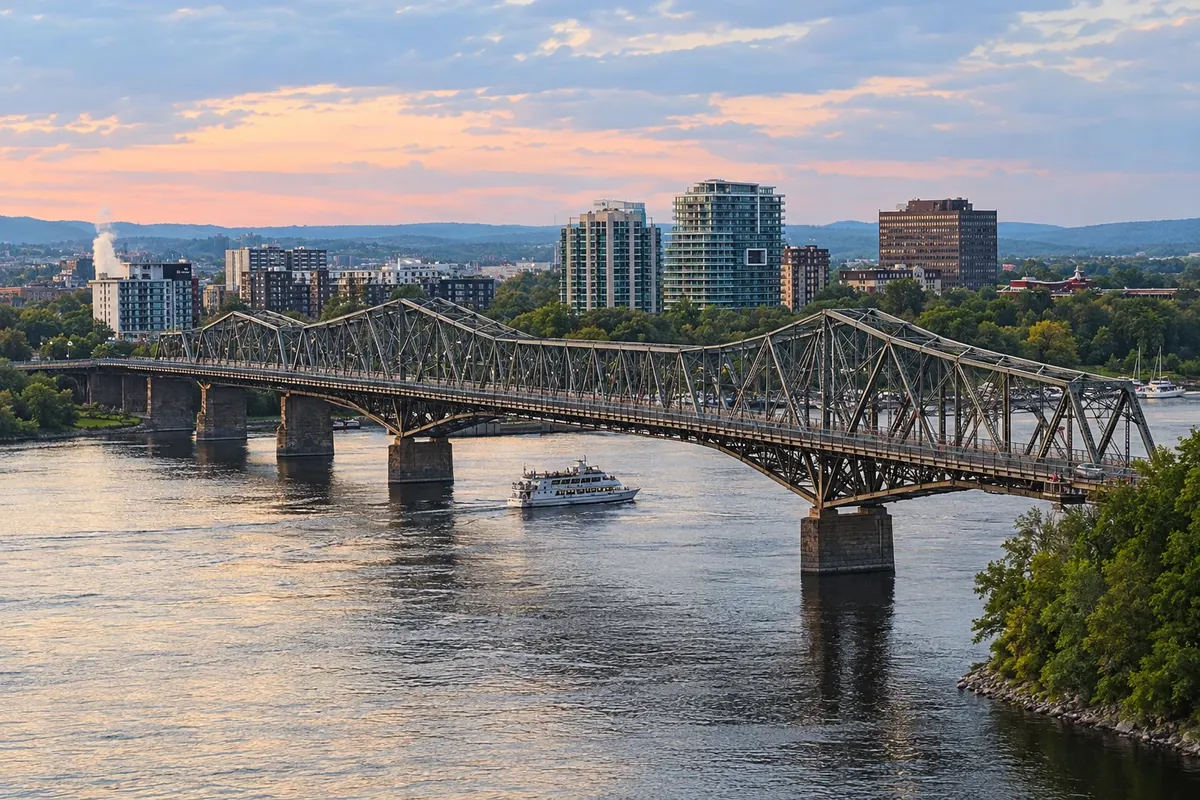
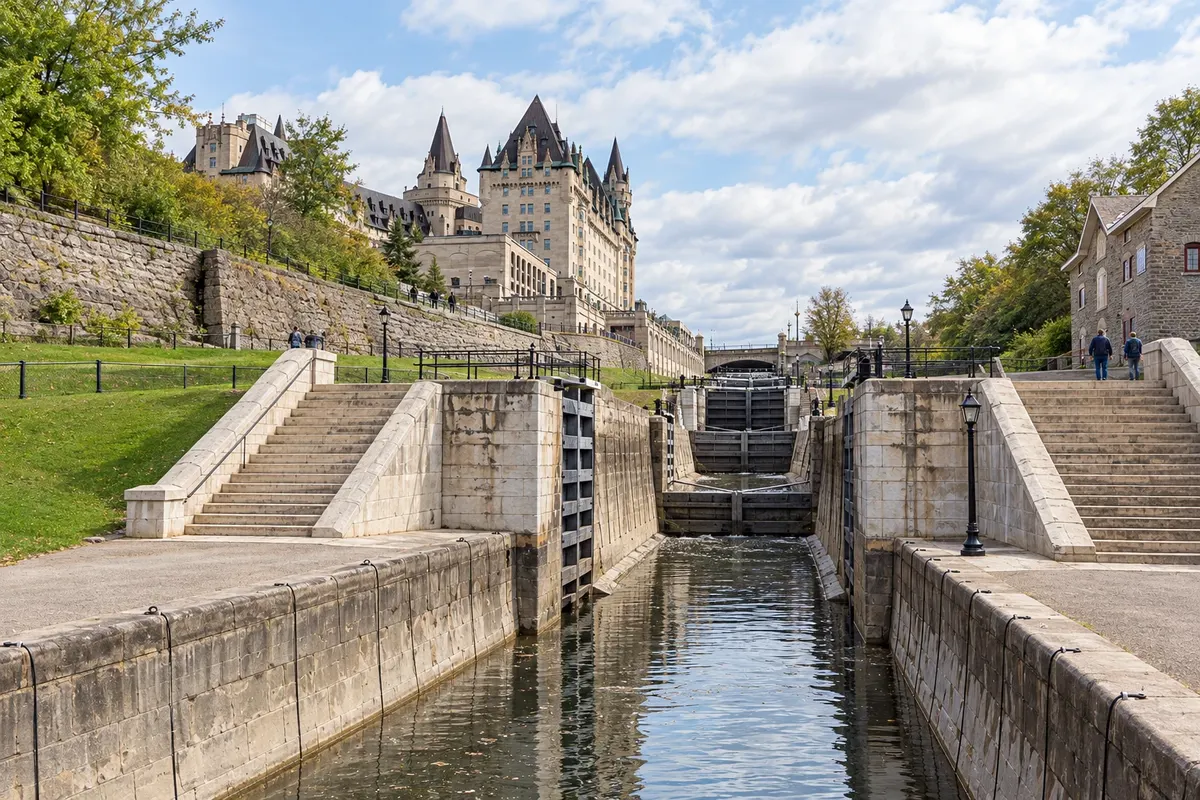
A French-speaking city on the Quebec bank of the Ottawa River, opposite Canada’s Parliament. It has the Canadian Museum of History, which faces Parliament Hill, and is the gateway to Gatineau Park, with lakes, forests and viewpoints a few kilometers from downtown.
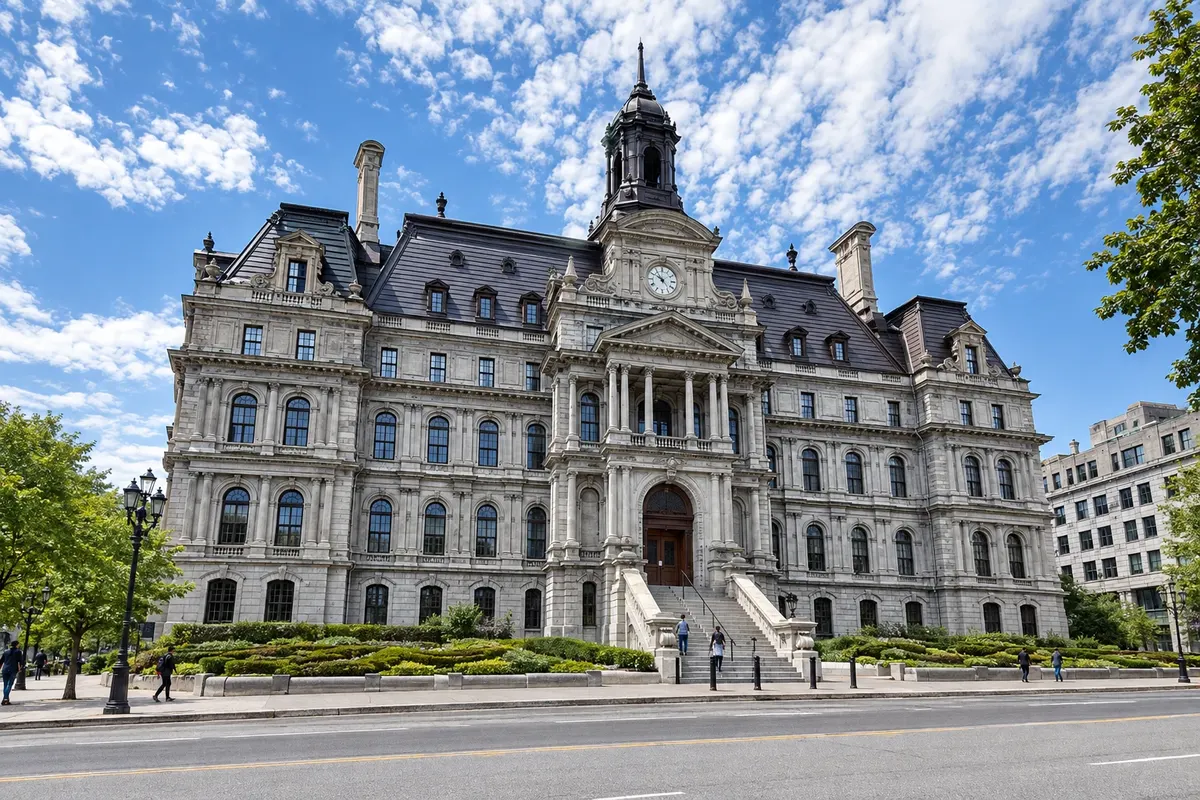
The largest city in the province of Quebec, on an island in the Saint Lawrence River. Old Montreal has cobblestone streets, the Notre-Dame Basilica and the Pointe-à-Callière Museum by the Vieux-Port. Mount Royal, in the middle of the island, is a park with viewpoints. Visits also include Saint Joseph’s Oratory, the Museum of Fine Arts, the Botanical Garden and Jean-Talon Market.
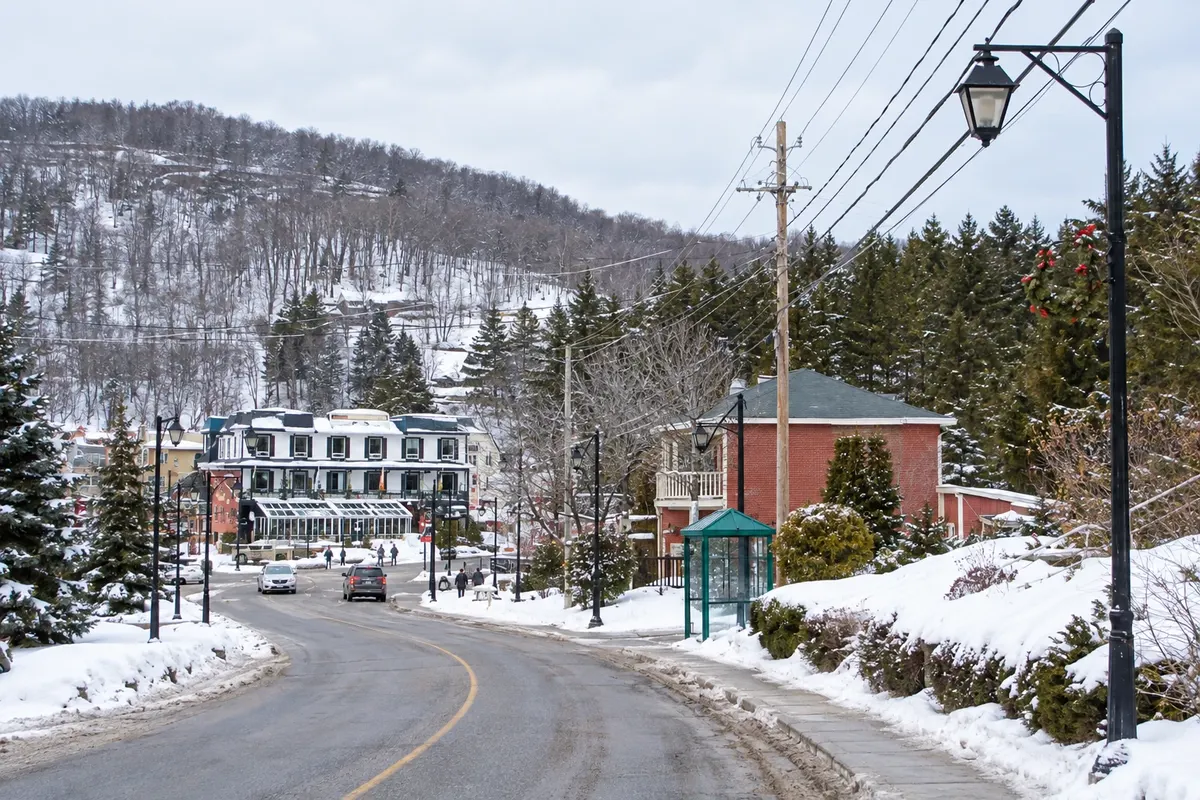
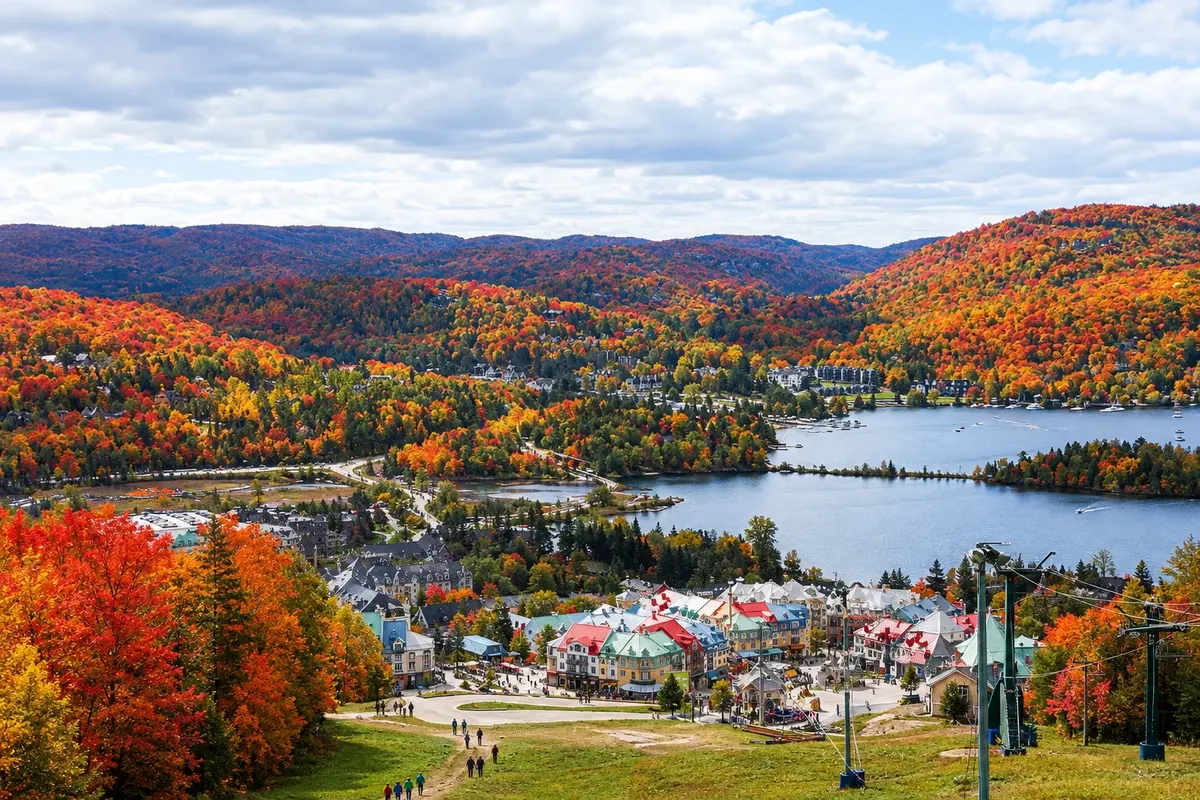
Laurentians town at the foot of Mount Tremblant that includes the Saint-Jovite center, the old village on the shore of Lake Mercier and the mountain resort, with a pedestrian village and gondola. About 25 km away is Mont-Tremblant National Park, and the P'tit Train du Nord cycling trail crosses the town.
Summer, from June to August, is warm, with festivals in Montreal and the city of Quebec, and coincides with the whale season, which typically runs from June to October. From late September to mid-October, forests usually turn red and yellow. Winter is long, from December to March, with snow, subzero temperatures, skiing and the Quebec Winter Carnival between late January and February. March and April are the months for maple syrup.
Montréal–Trudeau International Airport (YUL) is the main arrival point, with flights to Europe, the Americas and other provinces; the city of Quebec has Jean-Lesage Airport (YQB). Long-distance trains connect Montreal with the city of Quebec, Ottawa and Toronto. By road, highways follow both banks of the Saint Lawrence, and the border with the United States is about an hour’s drive from Montreal.
Your questions
No, it’s not mandatory. In Montreal and tourist areas of the city of Quebec, many people speak English, but French predominates in rural areas. Signs, menus and notices are in French, and simple words like bonjour and merci help in everyday situations.
About five days: three in Montreal and two in the city of Quebec, roughly a three-hour drive or train ride apart. With an extra day you can include Montmorency Falls and Île d’Orléans, or head to Charlevoix.
Whale-watching boats usually operate from June to October. Minke whales, humpbacks and fin whales enter the estuary to feed, and St. Lawrence belugas live in the region year-round. The presence of each species varies through the season.
It’s the cabin where maple syrup is produced from tree sap collected at the end of winter, generally in March and April. At that time many open for traditional meals featuring dishes drenched in syrup and tire, the hot syrup that hardens on snow and is rolled onto a stick.