1 city

 Search
 Brazil
 Argentina
 Bolivia
 Chile
 Colombia
 Ecuador
 Guyana
 French Guiana
 Falkland Islands (Malvinas)
 Paraguay
 Peru
 Suriname
 Uruguay
 Venezuela
 Germany
 Austria
 Belgium
 Croatia
 Denmark
 Spain
 Finland
 France
 Greece
 the Netherlands
 Hungary
 Ireland
 Iceland
 Italy
 Luxembourg
 Norway
 Poland
 Portugal
 the United Kingdom
 the Czech Republic
 Sweden
 Switzerland
 TurkeyCanada
 the United States
 Mexico
 the Dominican RepublicTurkey
 South Africa
 Australia
 Fiji
 New Zealand
 Papua New Guinea
Province · British Columbia
Vancouver between the sea and the mountains, Victoria, Whistler, Vancouver Island and the Okanagan Valley: Canada’s Pacific coast.
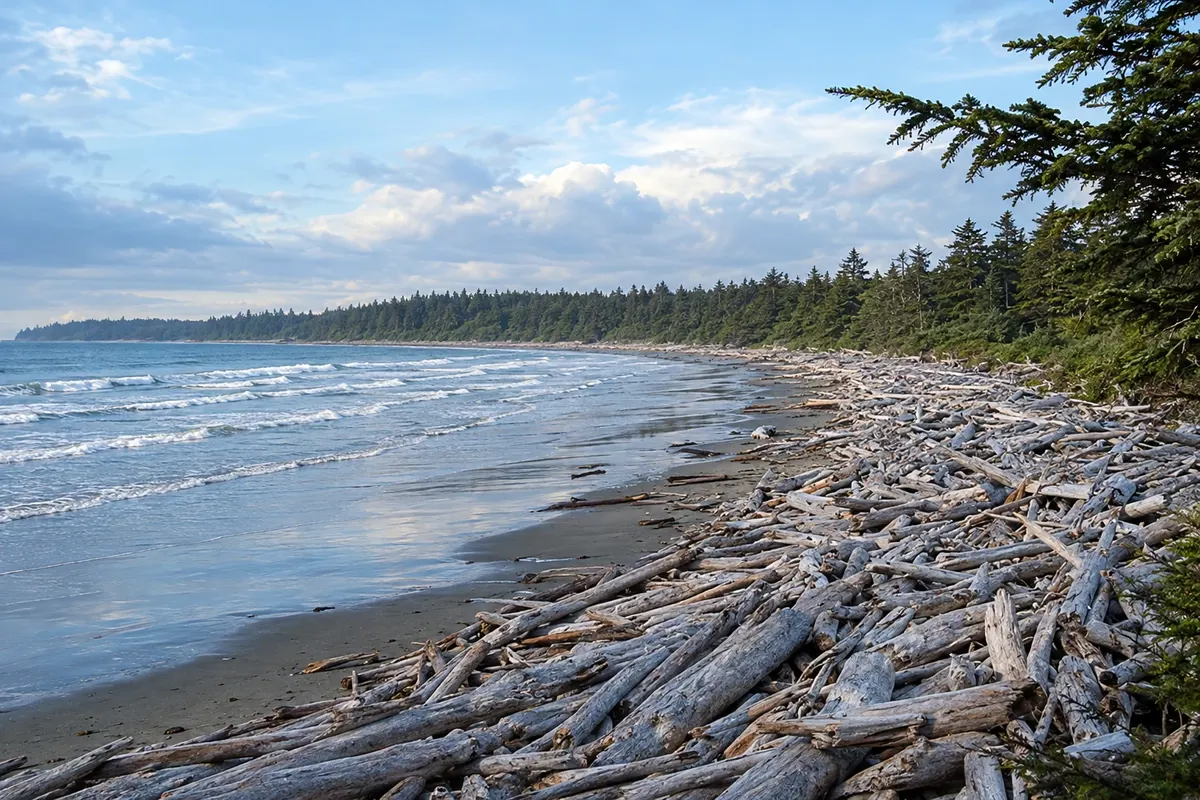
In the photo: Long Beach, Pacific Rim, British Columbia
Illustrative images. The pictures in this guide are illustrations based on the real place, not photographs, and may differ from it.

The province
British Columbia is the Canadian province on the Pacific coast, between the ocean and the Rocky Mountains. It has temperate rainforests on the coast, mountain ranges inland and dry valleys with lakes and vineyards. The capital is Victoria, on Vancouver Island; the largest city is Vancouver, on the mainland.
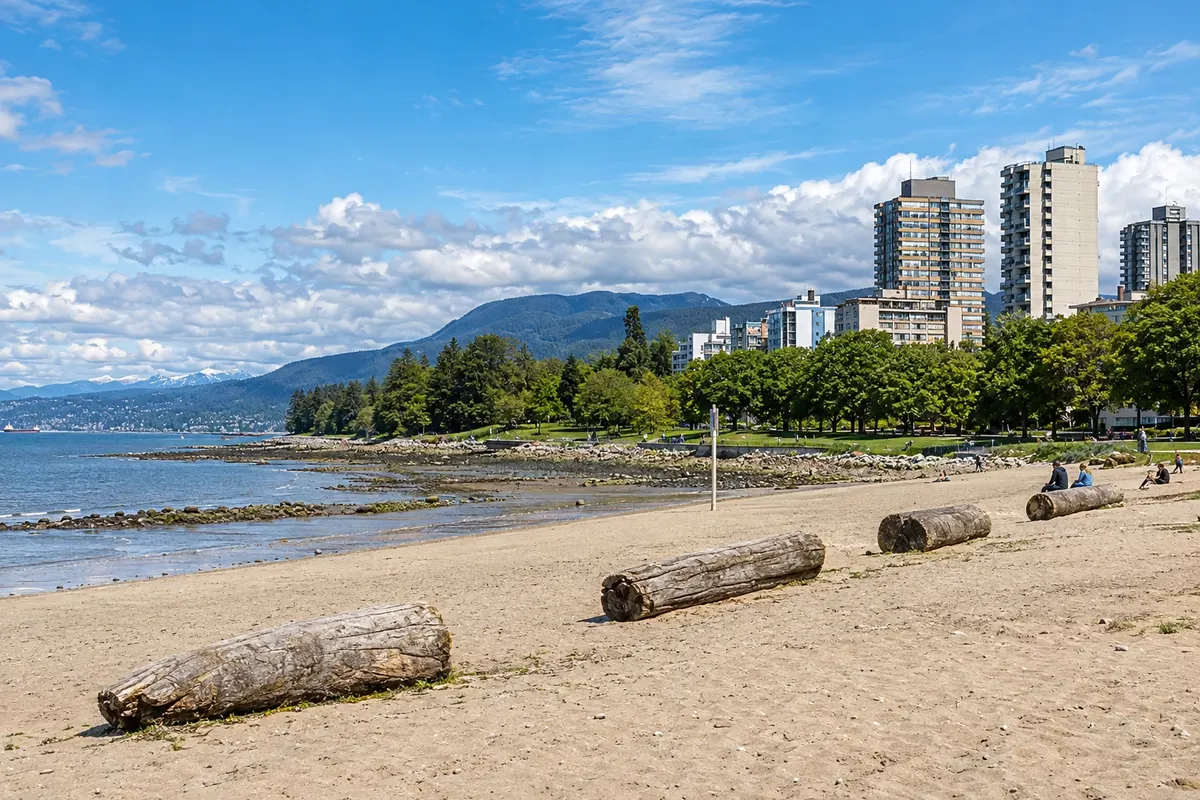
Vancouver sits between the Strait of Georgia and the Coast Mountains. Stanley Park, bordered by the Seawall waterfront path, Granville Island, Gastown and the beaches of English Bay are close to downtown. On the other side of the harbour, in North Vancouver, are the Capilano Suspension Bridge and Grouse Mountain.
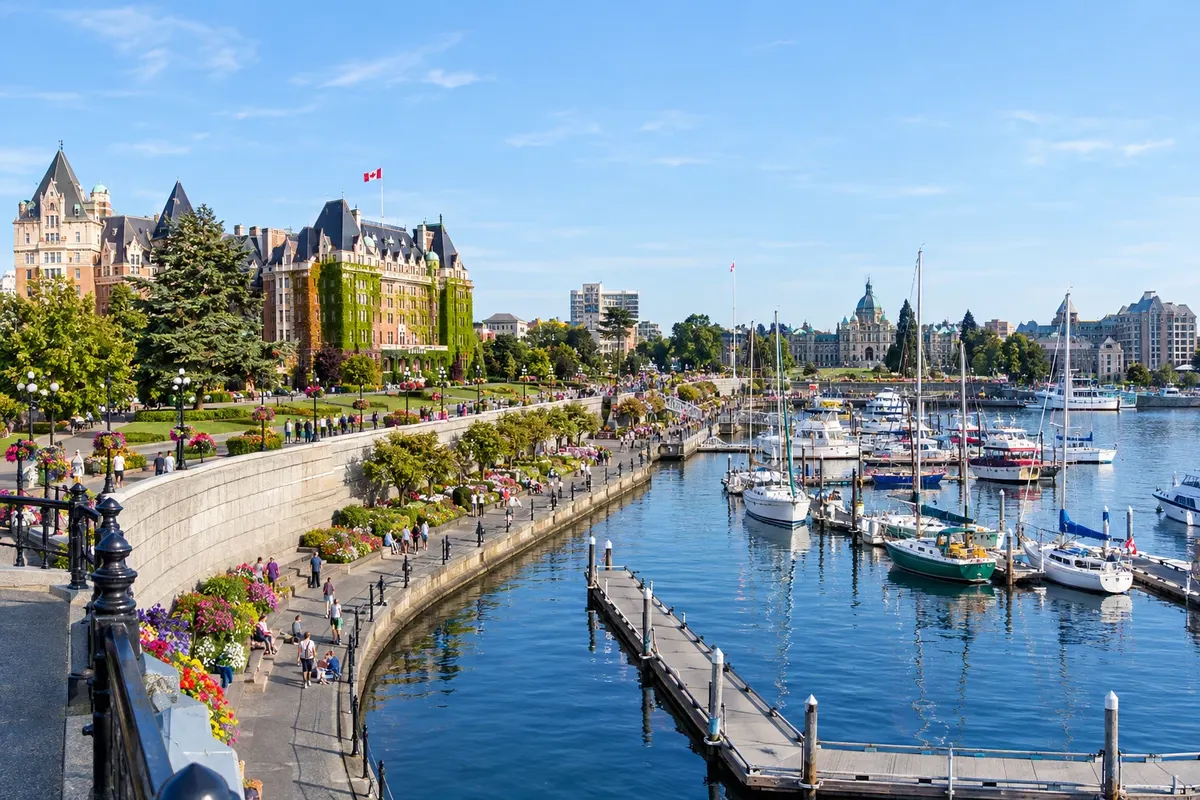
Victoria occupies the southern tip of Vancouver Island and is connected to the mainland by ferries and seaplanes. Around the Inner Harbour are the provincial Parliament and the Royal BC Museum; nearby are the Butchart Gardens. On the island’s west coast, Tofino and Ucluelet attract surfers and visitors seeking forest and beaches in Pacific Rim National Park.
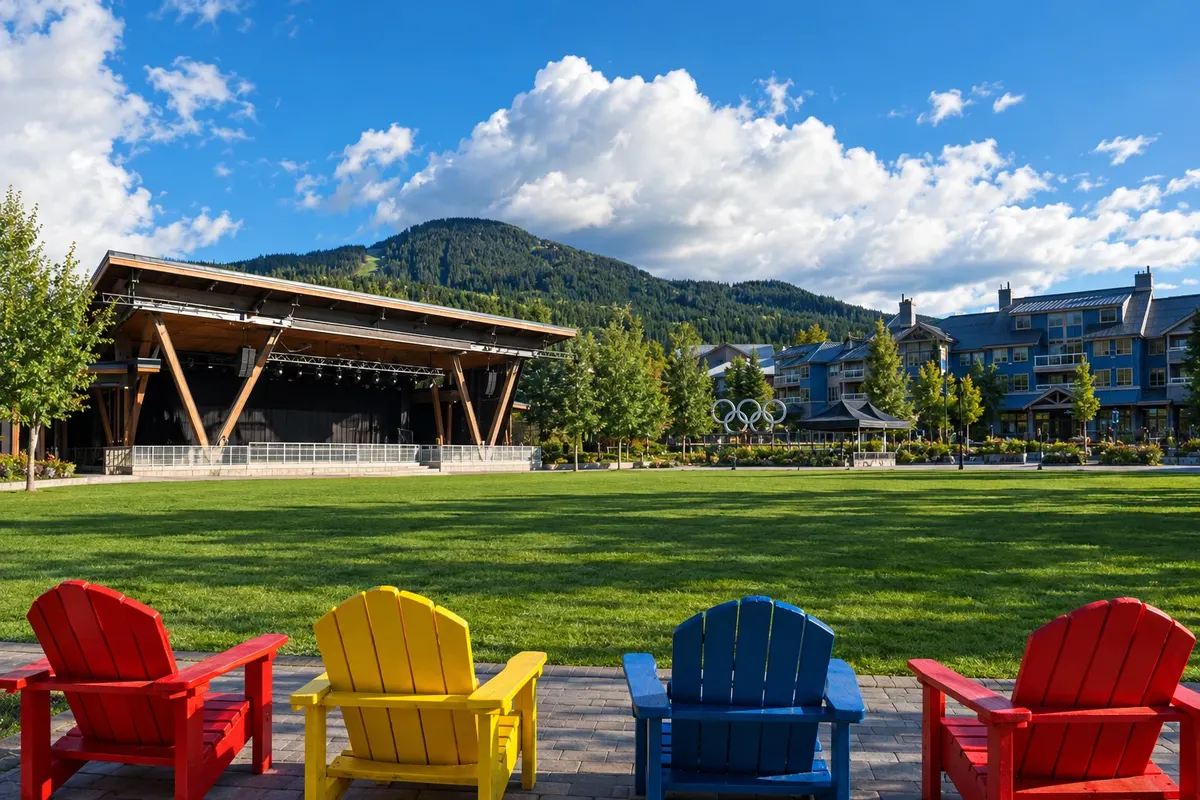
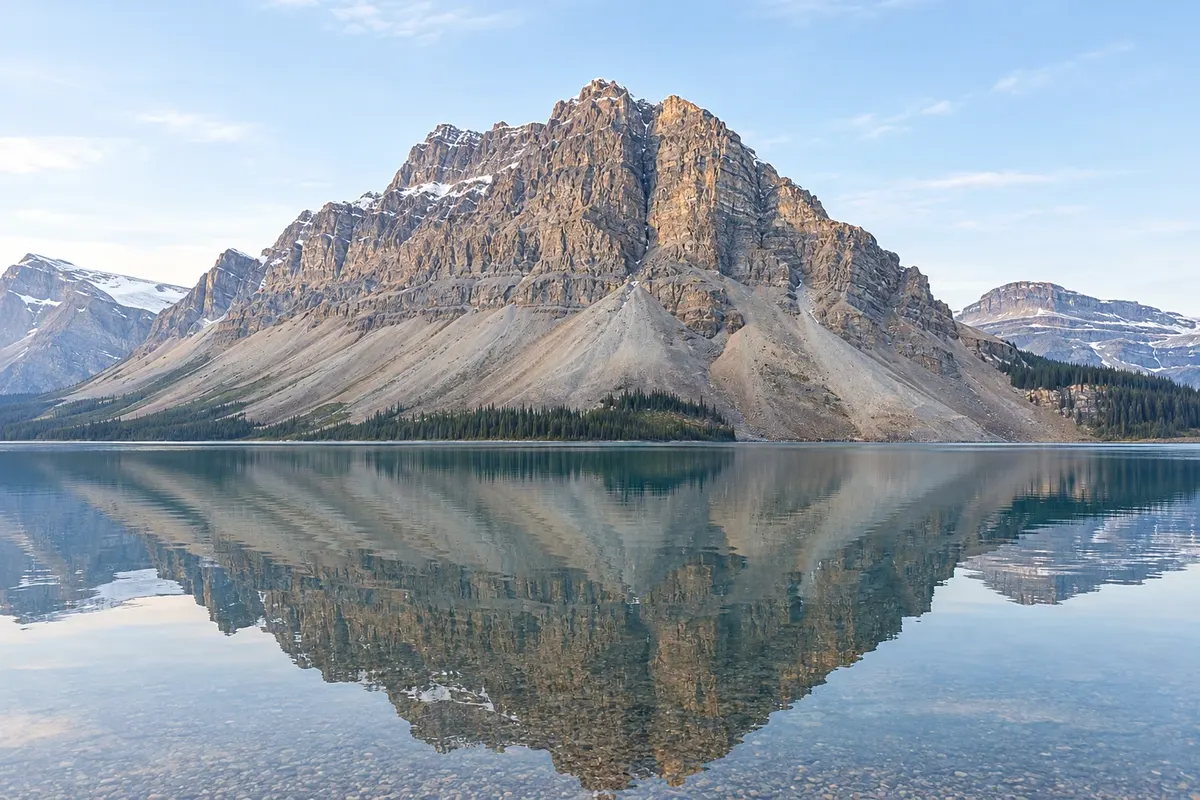
The Sea-to-Sky Highway climbs from Vancouver through Squamish to Whistler, the resort that hosted events at the 2010 Winter Olympics and that in summer welcomes cyclists and hikers. Inland, the Okanagan Valley, with Kelowna and Penticton, combines wineries, orchards and lakes. Near the Alberta border, Yoho and Kootenay National Parks are part of the Rocky Mountain parks World Heritage site.
Coastal First Nations cultures, with carved poles (totems) and large communal houses, are represented at the Museum of Anthropology at the University of British Columbia in Vancouver and on the Haida Gwaii archipelago to the north. Pacific salmon and seafood form the basis of the local cuisine.
Destinations
Cities
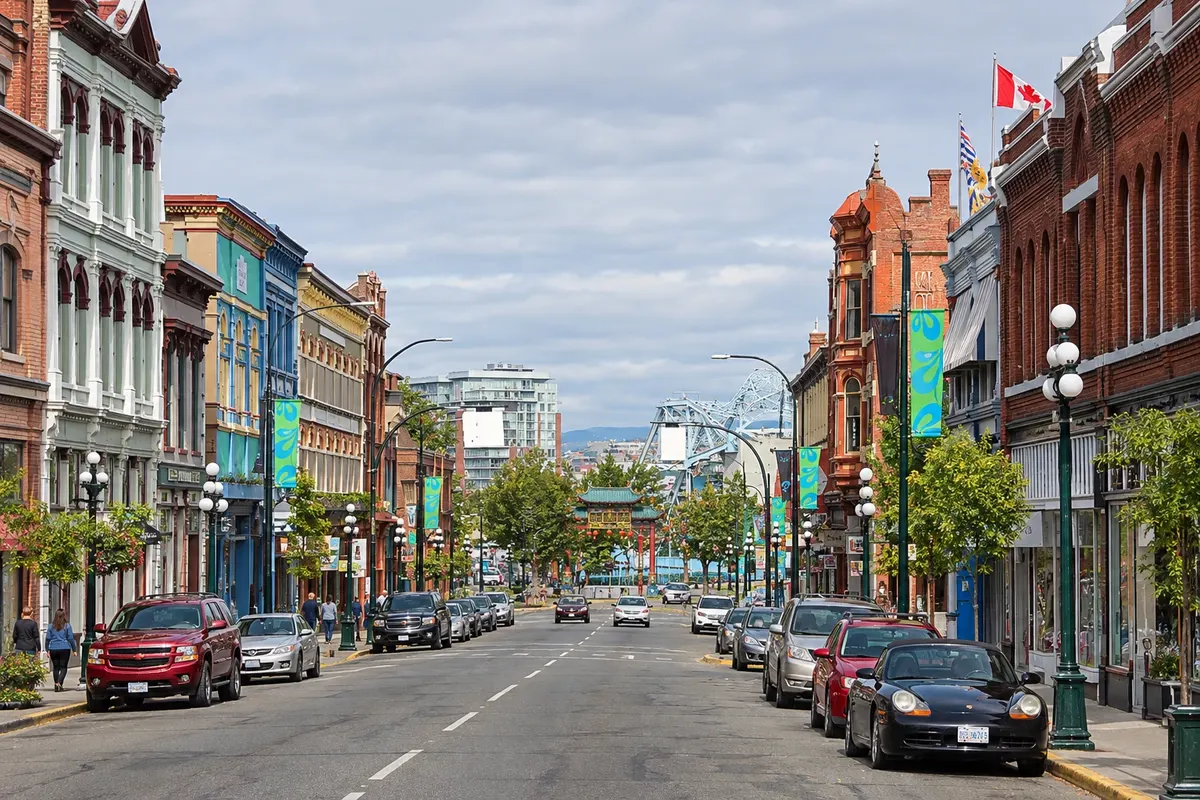
Capital of British Columbia, at the southern tip of Vancouver Island. Around the Inner Harbour are the Parliament Building and the Royal BC Museum; nearby are Canada’s oldest Chinatown, Craigdarroch Castle and Beacon Hill Park. The Butchart Gardens are about 21 km away, on the Saanich Peninsula.
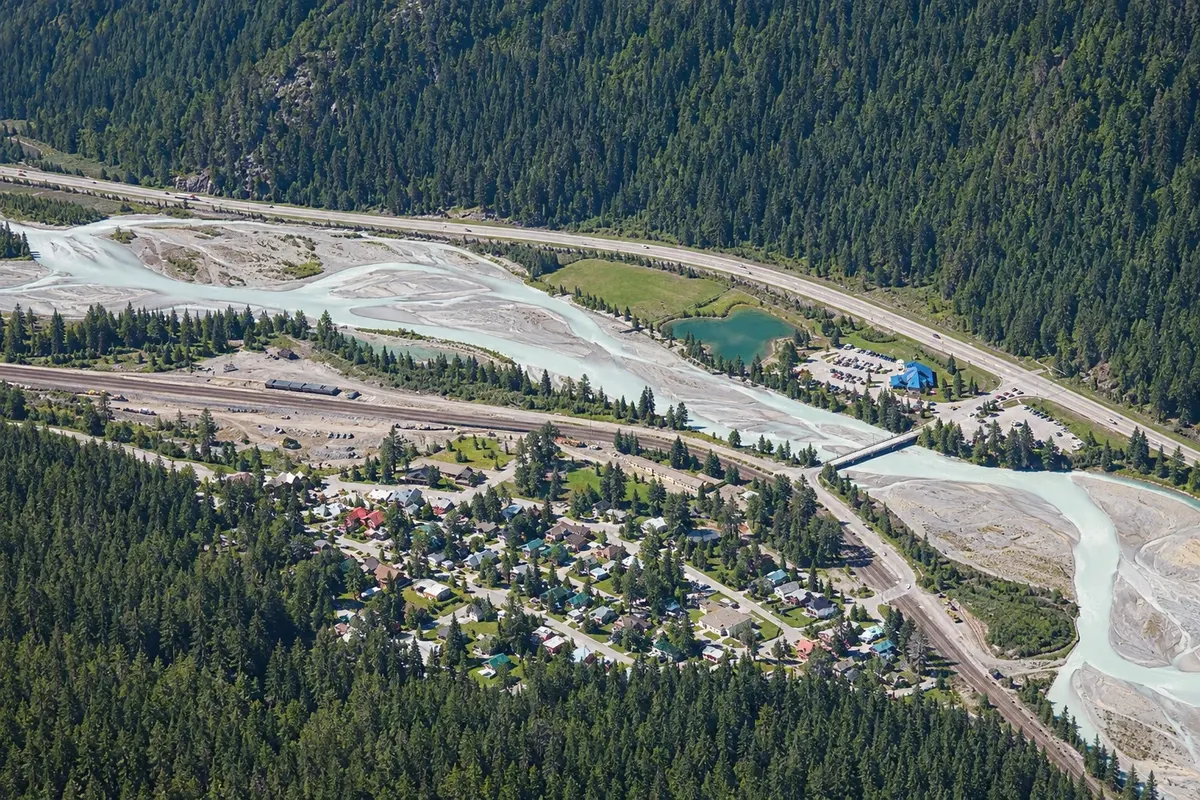
Small railway village in Yoho National Park, British Columbia, about 27 km from Lake Louise, on the other side of the continental divide. It provides access to Emerald Lake, Takakkaw Falls, one of Canada's highest waterfalls, and the Natural Bridge over the Kicking Horse River. Nearby are the Burgess Shale fossils, visited only with a guide.
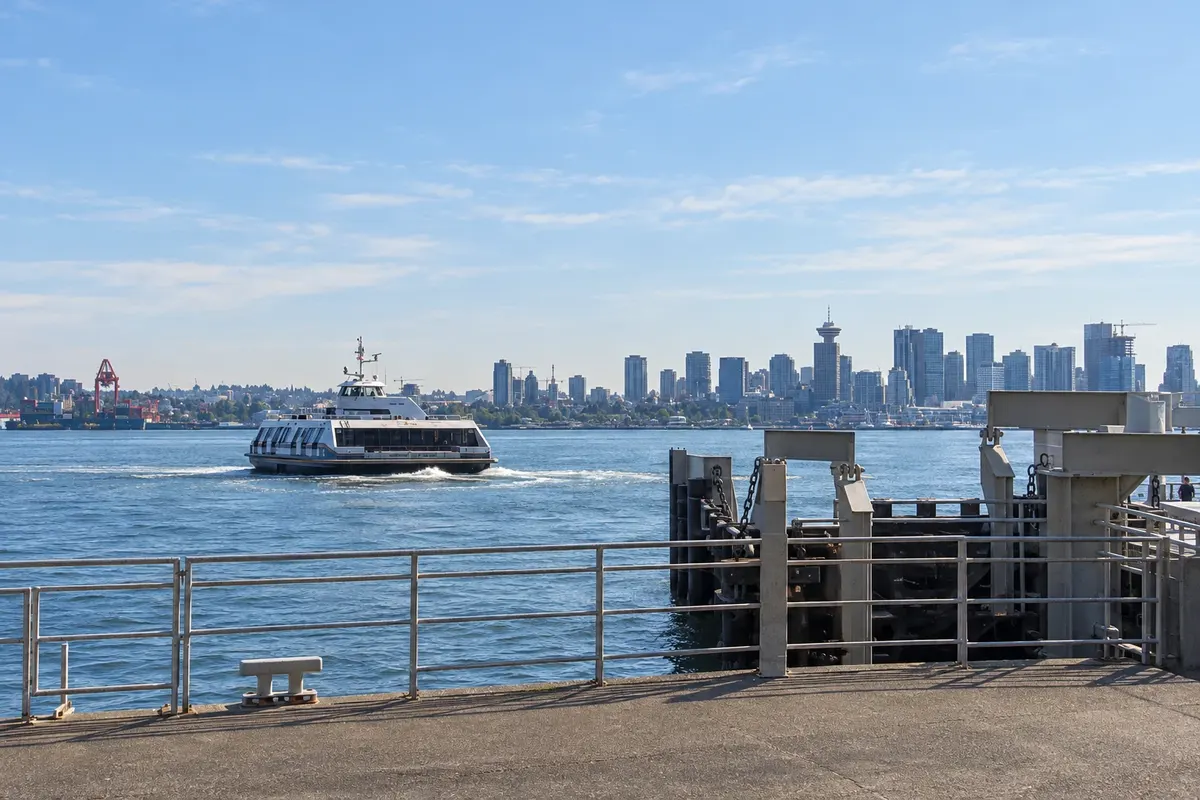
City on the north shore of Burrard Inlet, opposite downtown Vancouver, at the foot of the Coast Mountains. It has the Capilano Suspension Bridge Park, Grouse Mountain with its cable car and city views, and Lynn Canyon. Lonsdale Quay, on the waterfront, receives the SeaBus from downtown.
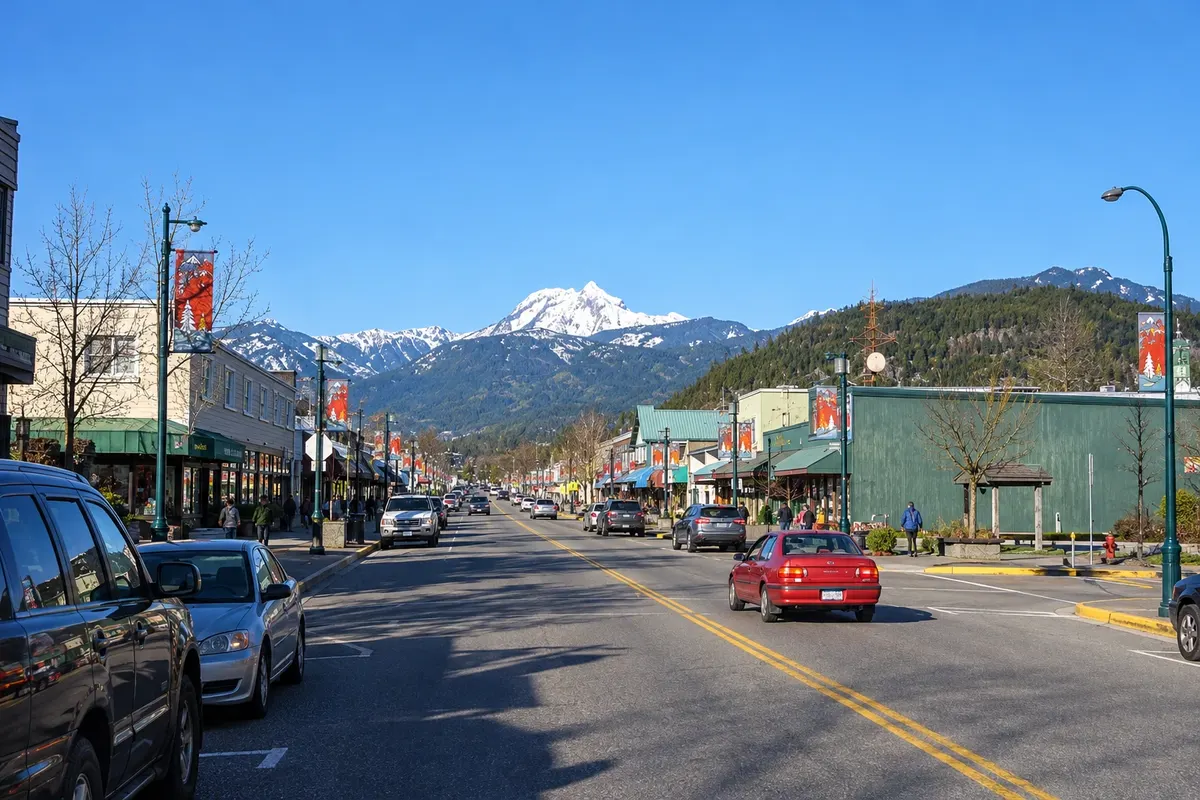
Town at the head of Howe Sound fjord, about halfway along the Sea-to-Sky Highway between Vancouver and Whistler. Nearby are the Stawamus Chief, one of the largest granite monoliths in the world, Shannon Falls and the Sea to Sky Gondola, with viewpoints over the fjord. It’s known for climbing, windsurfing and its trails.
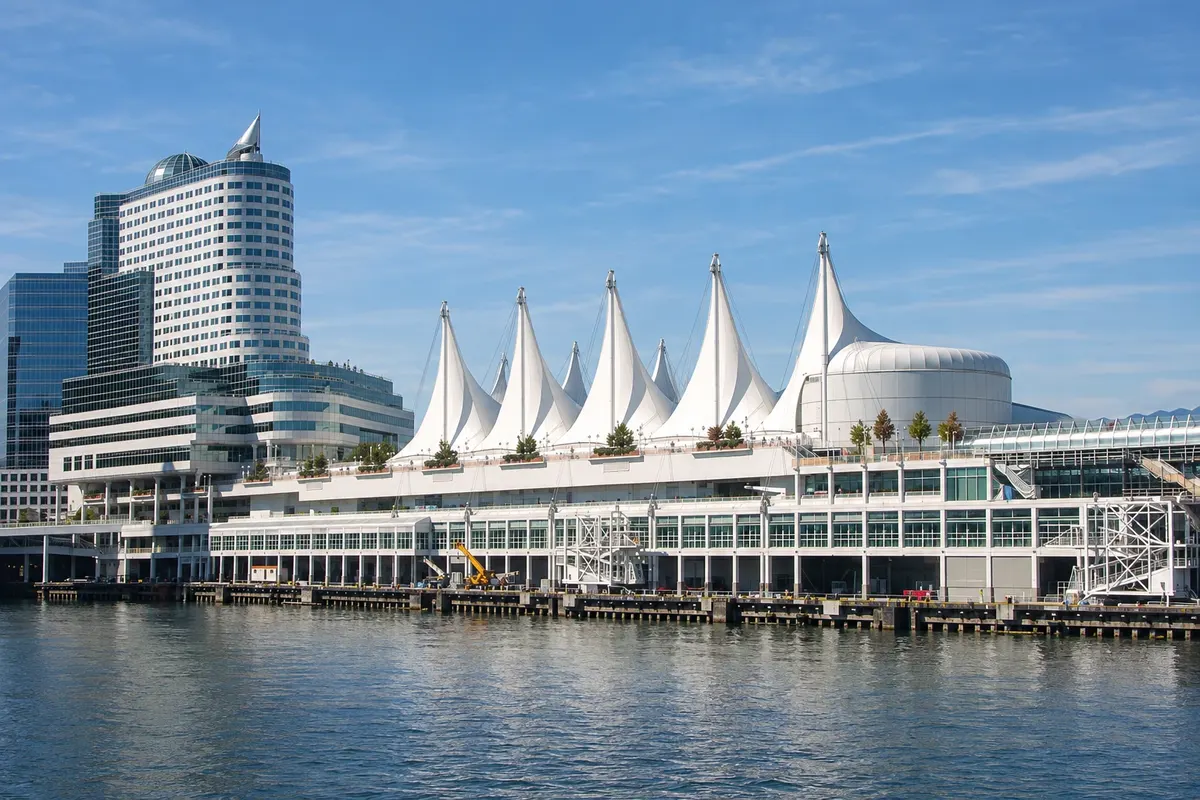
The largest city in British Columbia, on a peninsula between the Pacific and the mountains. It has Stanley Park, with the Seawall promenade and the Vancouver Aquarium, Granville Island, Gastown and Chinatown with the Dr. Sun Yat-Sen Garden, the UBC Museum of Anthropology and Queen Elizabeth Park, at the highest point in the city.
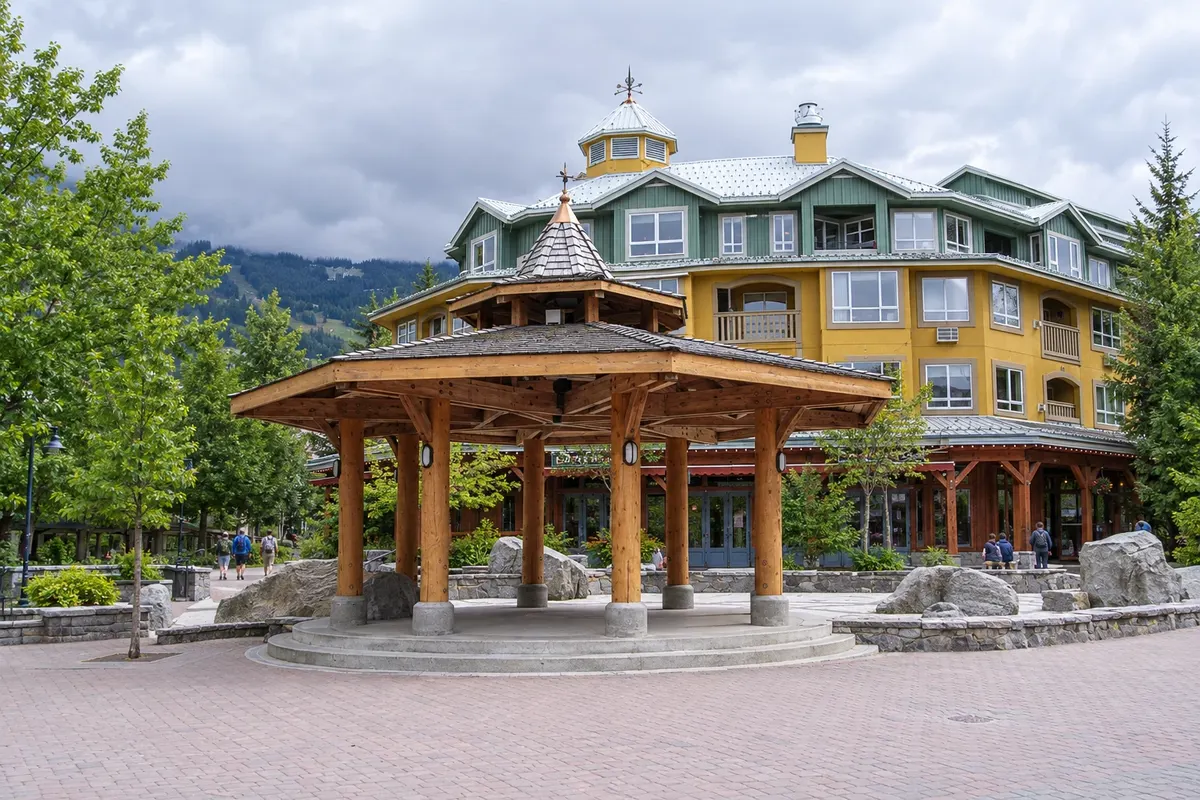
Mountain town in the Coast Mountains at the foot of Whistler and Blackcomb, the largest ski area in North America. The pedestrian village has gondolas, the Squamish Lil'wat Cultural Centre and shops; the PEAK 2 PEAK gondola links the two mountains. Brandywine Falls is about 15 km to the south.
On the coast the climate is mild: dry, pleasant summers from June to September, and rainy winters with little snow in Vancouver and Victoria. In the mountains, the ski season usually runs from late November to April, and high trails are snow-free from mid-summer to early autumn. In the Okanagan, summers are hot and dry, and the grape harvest takes place in September and October.
Vancouver International Airport (YVR) receives flights from Asia, Oceania, Europe, the United States and across Canada. Ferries connect the mainland to Vancouver Island and other islands, and seaplanes operate between the ports of Vancouver and Victoria. Kelowna and Victoria have airports with domestic flights. By road, the Trans-Canada Highway crosses the mountains to Alberta, and scenic trains link Vancouver with Banff and Jasper in season.
Your questions
Three days allow you to see Stanley Park, Granville Island, Gastown and North Vancouver, including Capilano and Grouse Mountain. With two more days you can take the ferry to Victoria or drive up the Sea-to-Sky Highway to Whistler.
The ferry between Tsawwassen and Swartz Bay takes about an hour and a half, but the terminals are outside both cities: by car or bus, allow three to four hours from downtown to downtown. Seaplanes connect the two cities’ harbours in about 35 minutes. In summer and on holidays, book the ferry in advance.
Generally from late November to April, depending on snow. Outside winter, gondolas operate for hiking and mountain biking, and the Peak 2 Peak connects Whistler and Blackcomb mountains, offering views over the region’s valleys and glaciers.
In Vancouver and Victoria, no: trains, buses, ferries and walking cover most needs. For the Okanagan, the west coast of Vancouver Island and the mountains, a car gives more freedom. From October to April many mountain roads require winter tires or chains.