Chocolat suisse
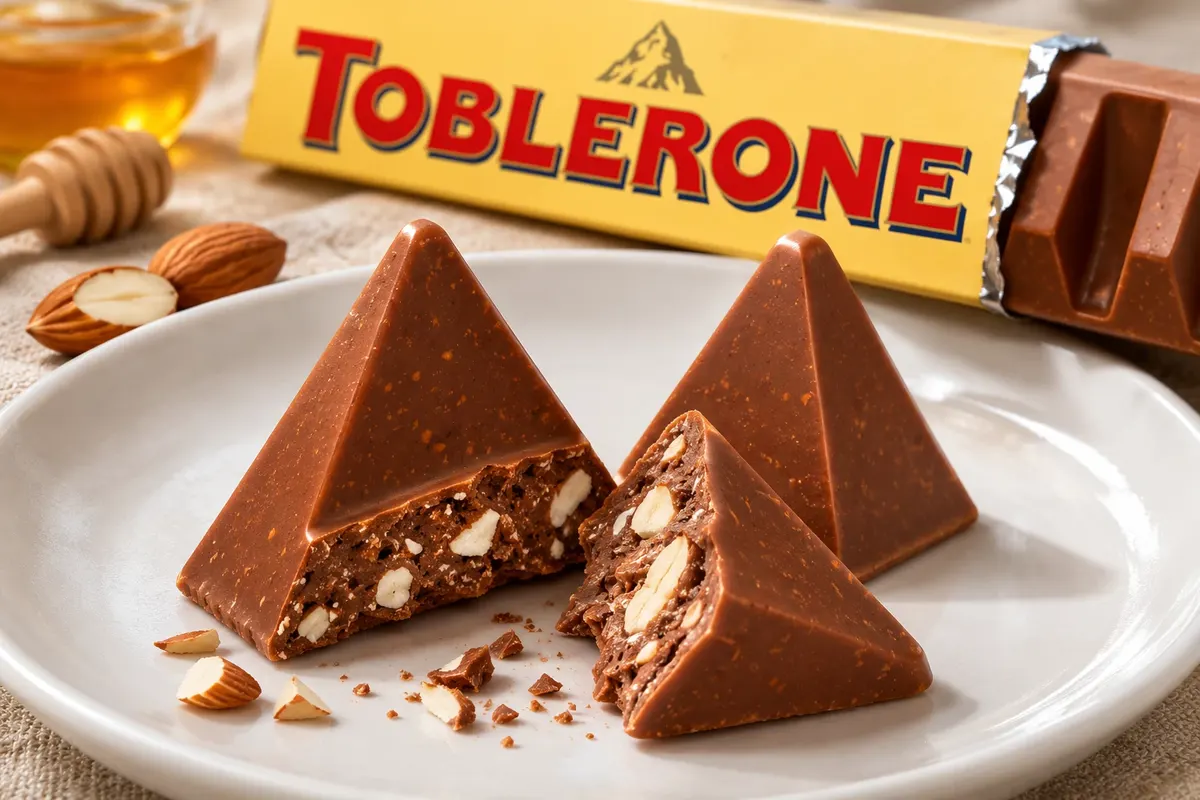
The solid chocolate bar that made Switzerland a world reference from the 19th century onward, with mechanized production by Cailler, Daniel Peter’s milk chocolate in Vevey, and Rodolphe Lindt’s conching in Bern.
Flavors · Grisões
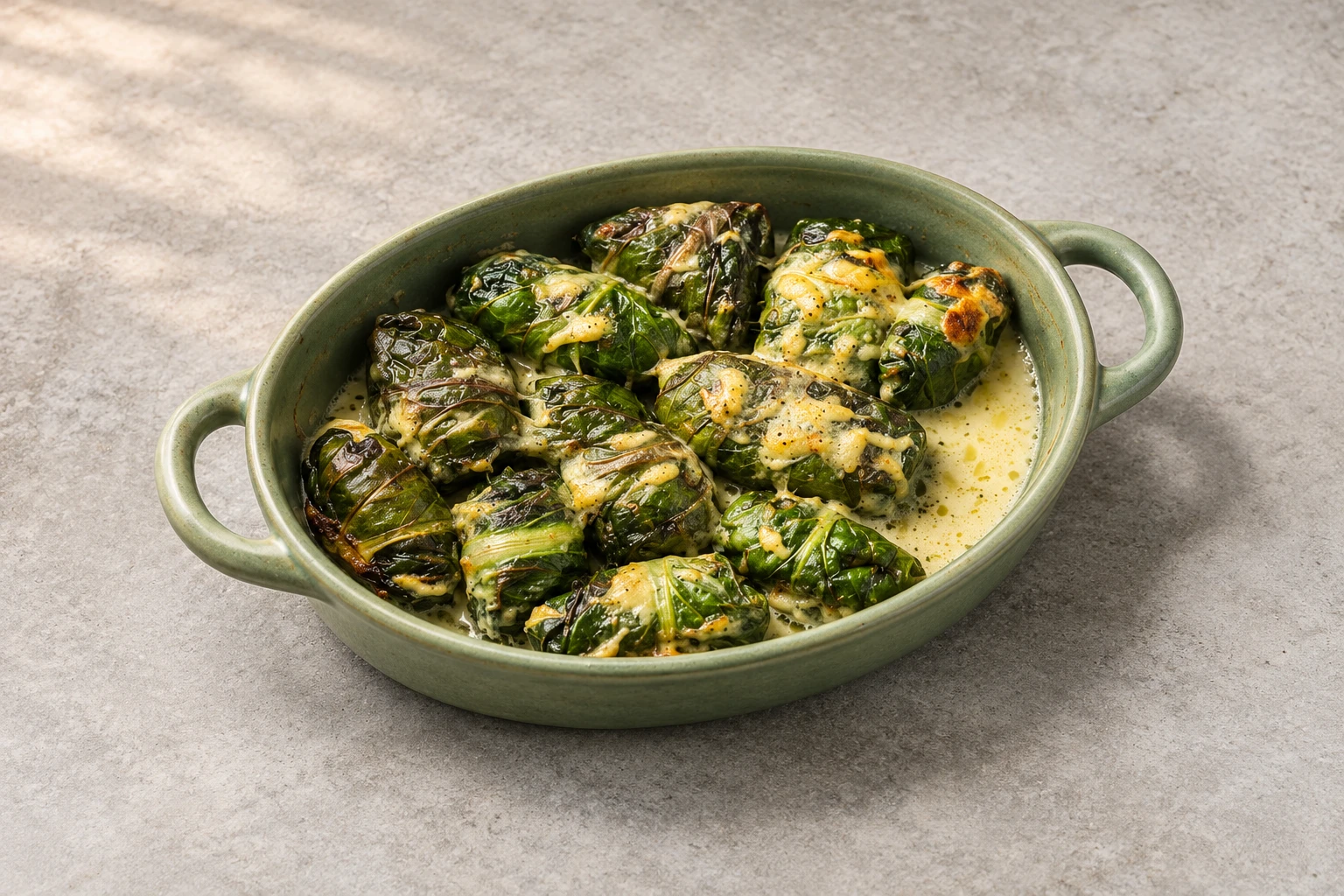
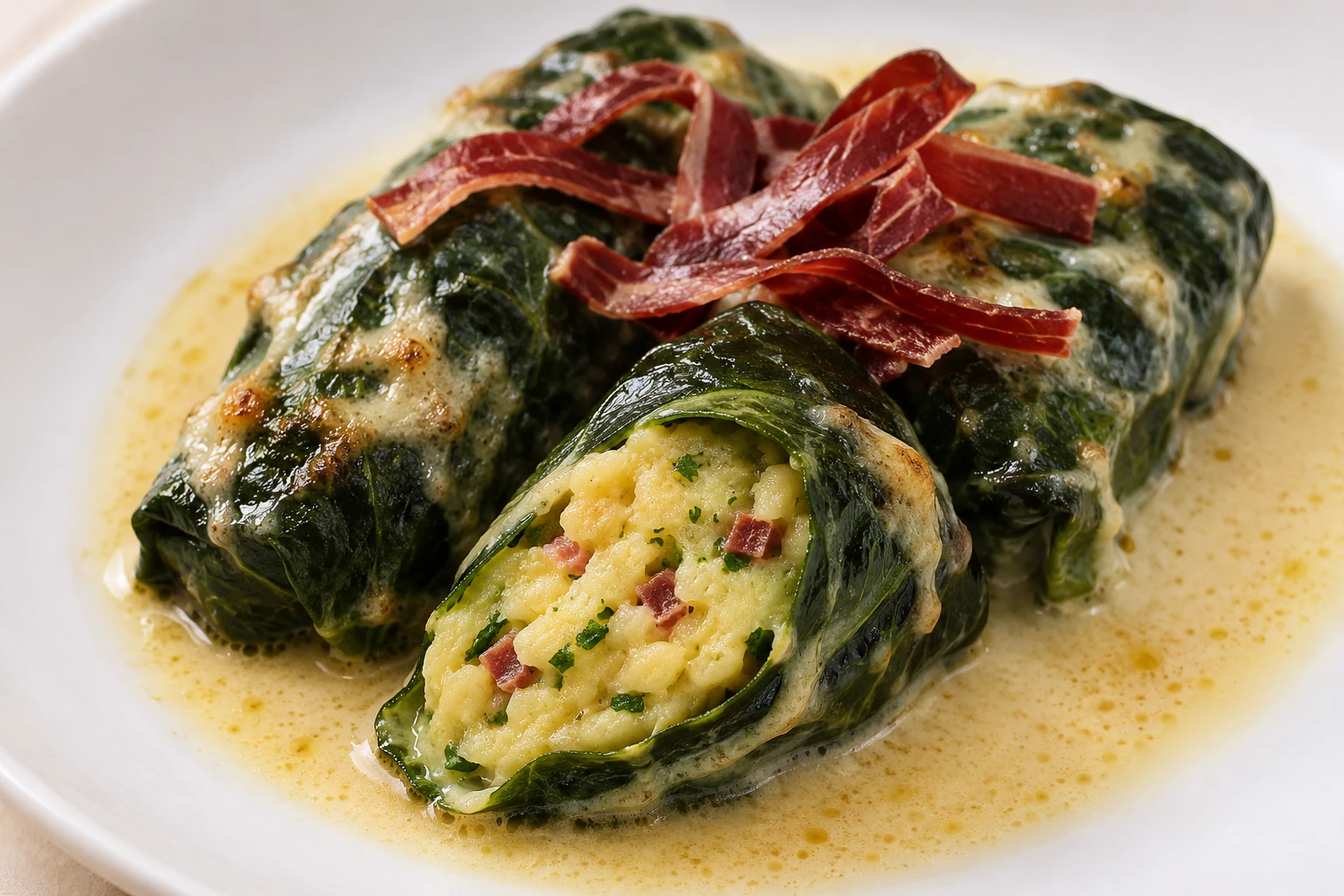
Chard leaf rolls filled with spätzli-like dough and Bündnerfleisch (air-dried beef) or local salami, cooked in broth and milk and gratinated with cheese. Emblematic dish of Graubünden, originating in the Surselva, with as many recipes as there are families.
Traditional dish from Grisões
Also known as: Capuns sursilvans
Illustrative images. The pictures in this guide are illustrations based on the real place, not photographs, and may differ from it.
Click a photo to enlarge it.
Capuns — Grisões, Switzerland
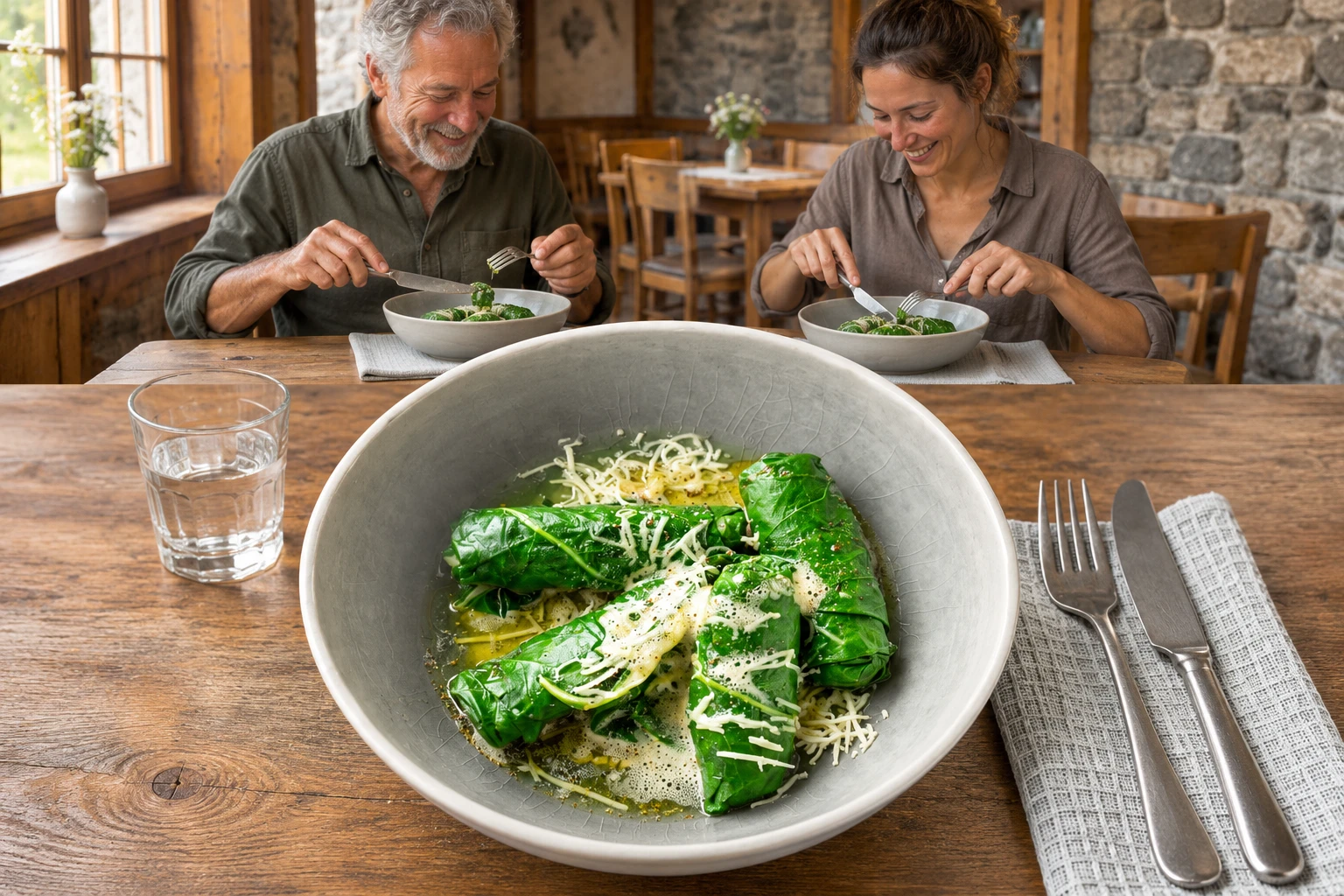
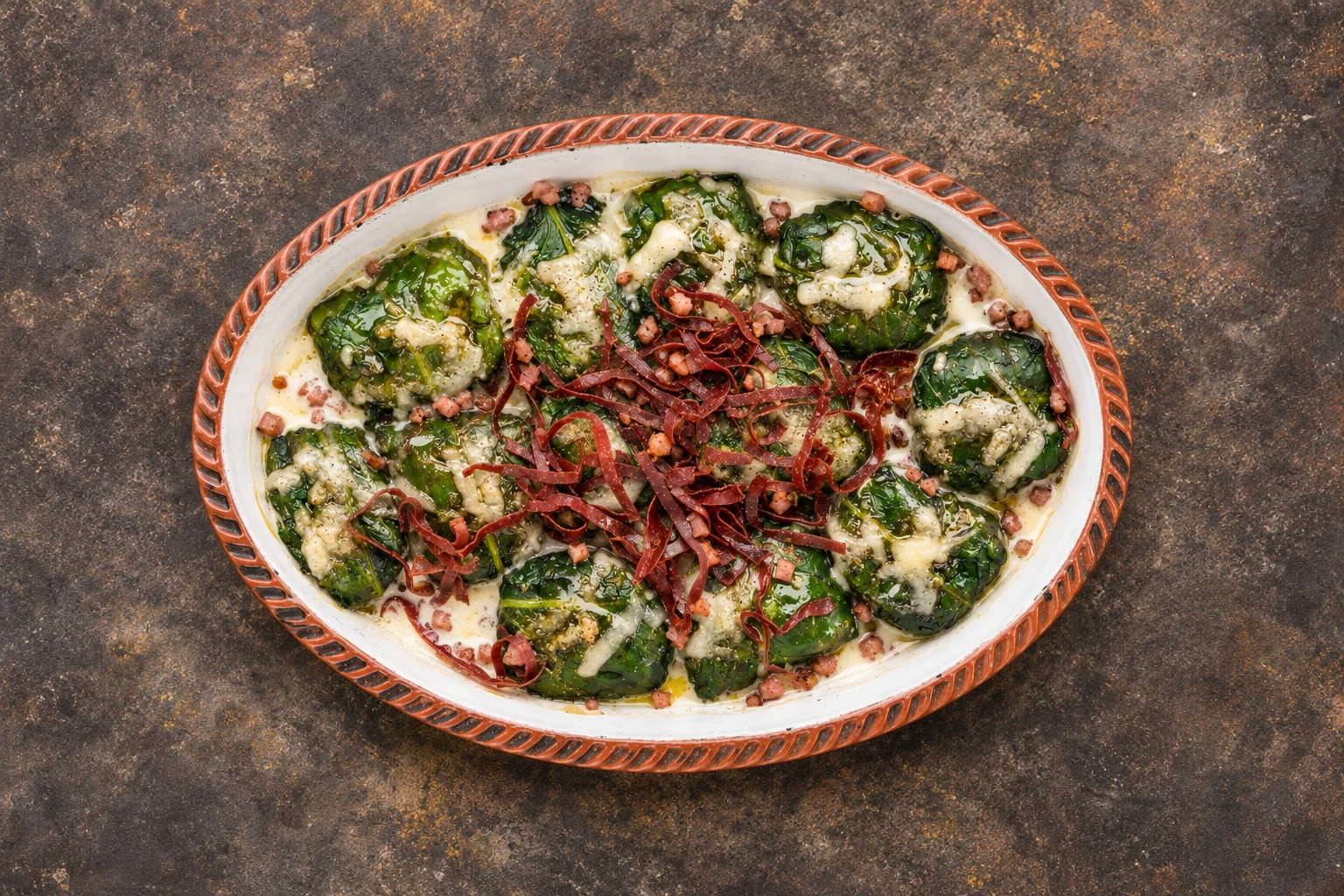
Capuns are one of the most characteristic dishes of Graubünden. They are small chard leaf rolls that enclose a soft dough, similar to spätzli, mixed with Bündnerfleisch (air-dried beef) or cured local salami and herbs. After being rolled, they cook slowly in a broth with milk and, in many recipes, finish gratinated with mountain cheese.
The dish comes from the Surselva, the Romansh-speaking region in the western part of the canton, along the upper course of the Rhine. Graubünden tourism describes it as originating there, and the Romansh name became associated with the whole canton. In Surselva, capuns have always been home cooking: every family has its recipe, and some say every farm has a different one.
There is no single recipe. The dough contains flour, eggs, milk and water, seasoned with chives, parsley or mint, and includes pieces of Bündnerfleisch, the canton’s air-dried meat, local salami or cured sausage. A spoonful is placed on each chard leaf, which is folded and rolled like a small cigar. The rolls cook in broth and milk and are served with some of the cooking liquid, grated cheese and fried bacon, or baked in the oven with cream.
Rolling capuns is laborious, so preparation usually brings the family together. In the canton’s mountain restaurants, the dish is served mainly to visitors; for residents, real capuns are the ones made at home.
Modern versions replace the chard with other leaves, change the filling or serve capuns in individual portions, keeping the basic idea of a green leaf roll with dough and meat.

Grisões
Emblematic dish of Graubünden, originating in Surselva, the Romansh-speaking region.
Chard leaves; flour, eggs, milk and water for the dough; Bündnerfleisch (air-dried beef), salami or cured sausage; herbs (chives, parsley, mint); broth; milk or cream; mountain cheese; and bacon.
Hot, with a little of the cooking broth, grated cheese and fried bacon on top, or gratinated in the oven with cream. Main course.
Year-round, especially in autumn and winter; a family dish and common in the canton’s mountain restaurants.
Your questions
From Surselva, the Romansh-speaking region in the western part of the canton of Graubünden.
Traditionally, chard leaves. Modern versions use other green leaves.
Yes, the traditional recipe mixes Bündnerfleisch (air-dried beef), salami or cured sausage into the dough. There are vegetarian versions.
Flavors of Switzerland

The solid chocolate bar that made Switzerland a world reference from the 19th century onward, with mechanized production by Cailler, Daniel Peter’s milk chocolate in Vevey, and Rodolphe Lindt’s conching in Bern.

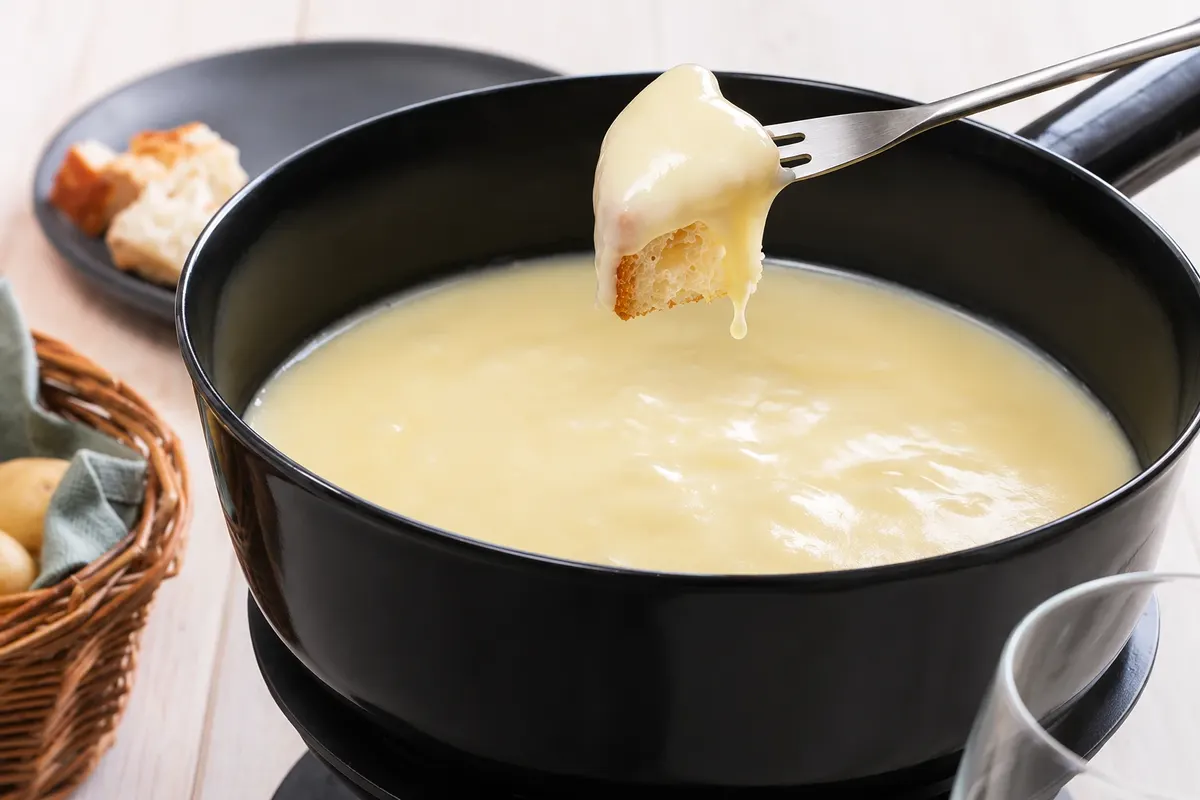
Melted cheese with white wine in a caquelon, kept warm over a burner, into which each person dips bread cubes on a long fork. Promoted as a national dish from the 1930s onward, it is served across Switzerland in the cold months.

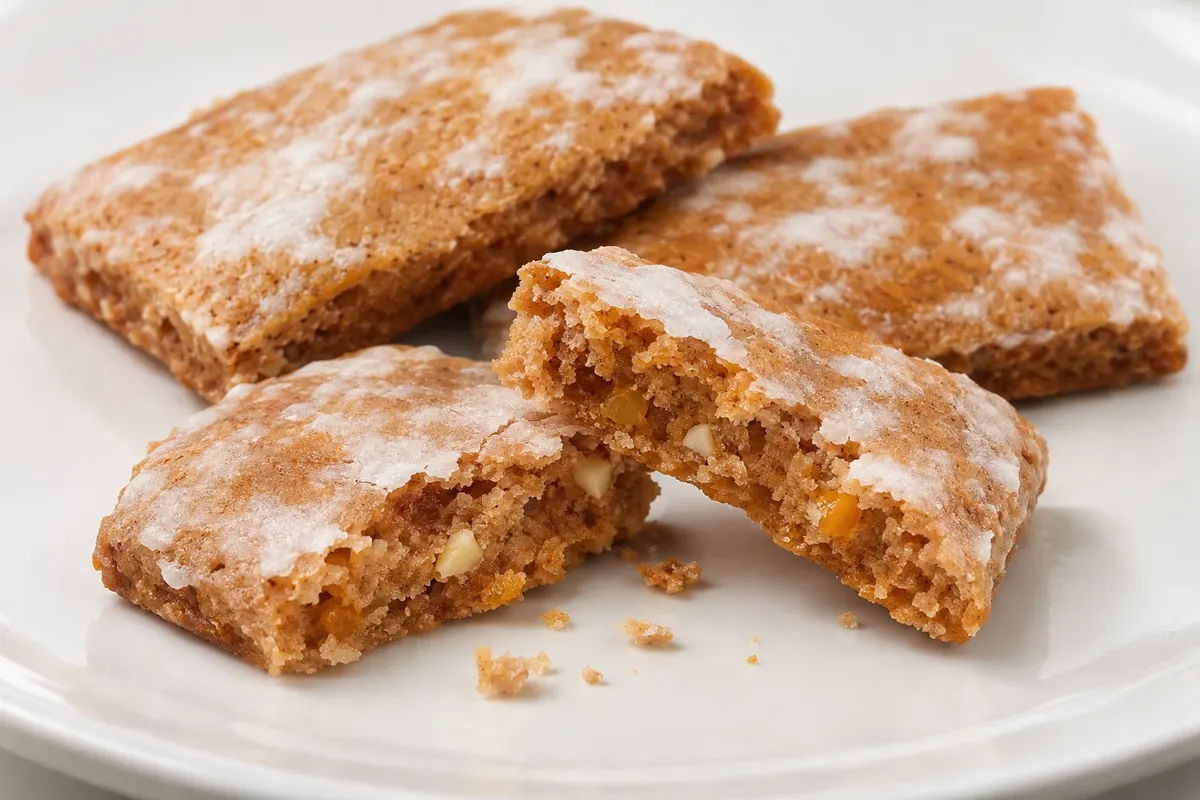
Hard honey biscuit with almonds, hazelnuts, candied orange and lemon peel and kirsch, covered by a thin layer of sugar. Mentioned in Basel at least since 1711, it is the city’s most closely associated sweet specialty.

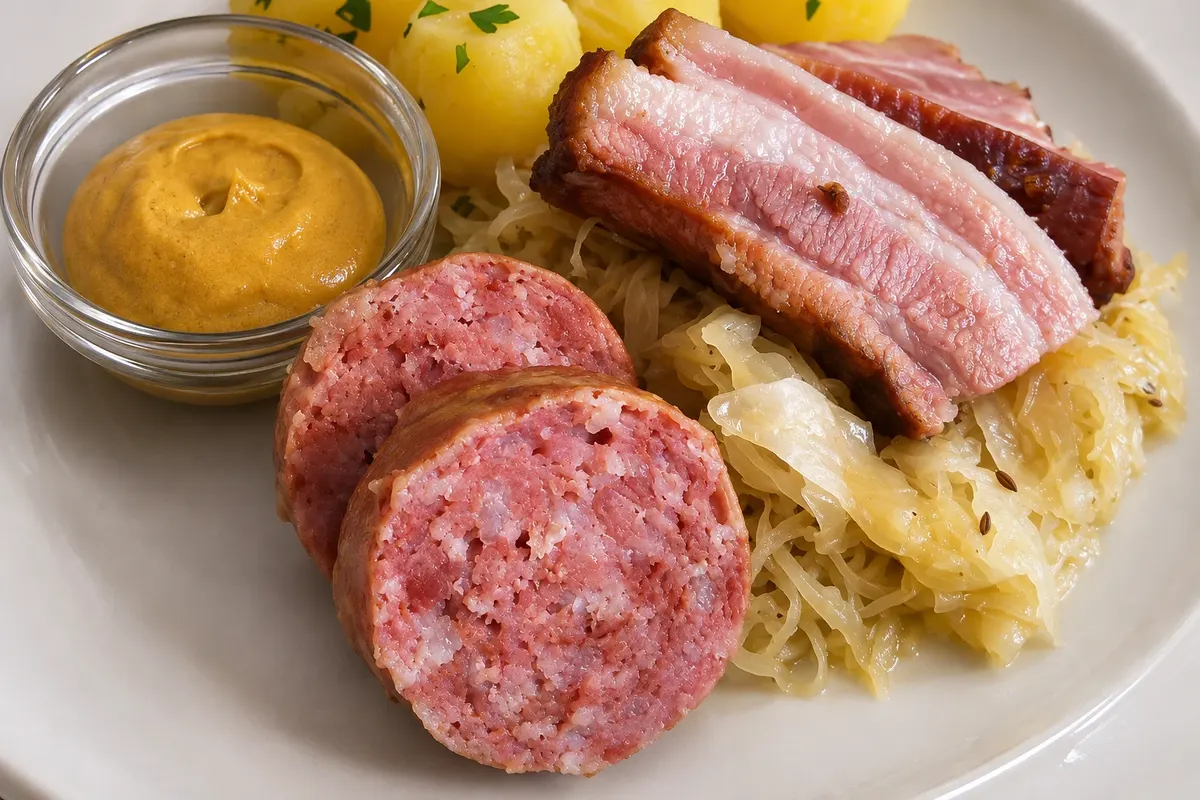
Large platter with several cooked and smoked meats and sausages, served over sauerkraut and green beans, with potatoes. It is the festive dish of Bernese cuisine, traditionally linked to the victory at Neuenegg in 1798.

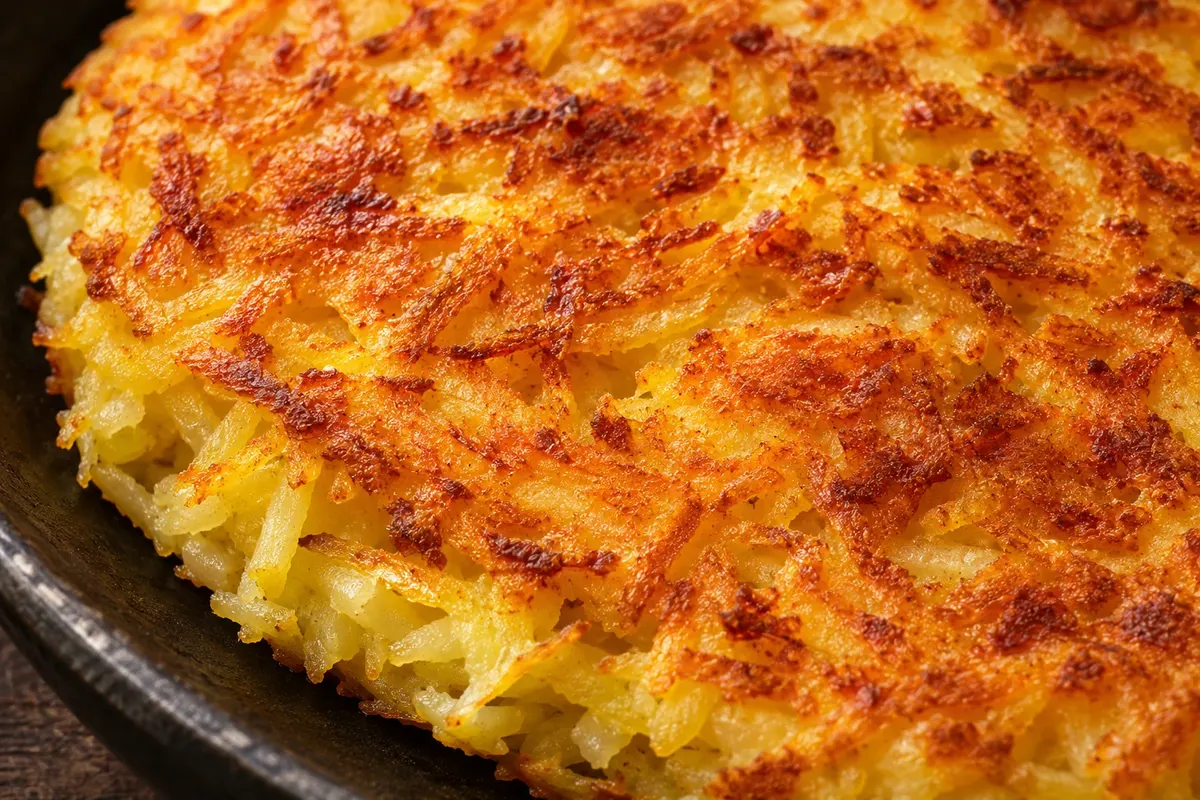
Grated potato patty fried in butter until a golden crust forms on both sides. It was the breakfast of peasants in the German-speaking part of Switzerland, including the canton of Bern, and became a symbol of German-speaking Switzerland, even lending its name to the Röstigraben.

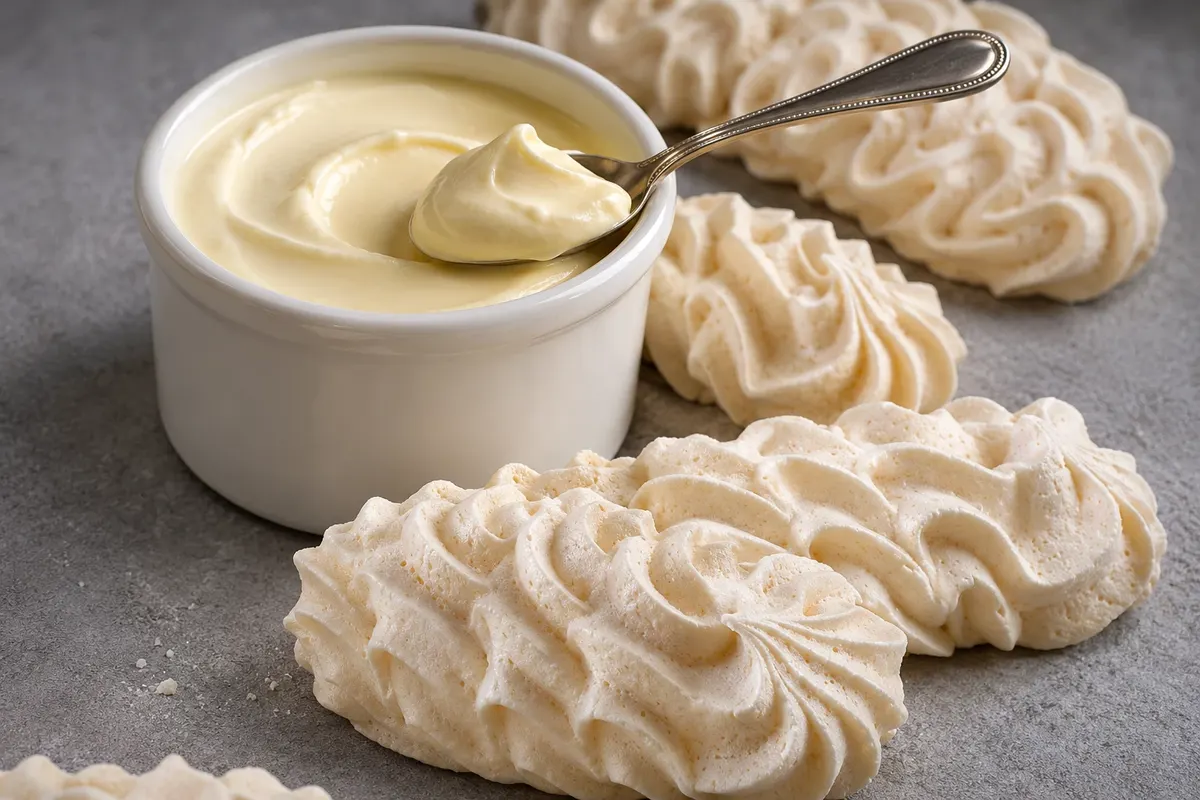
Dry, crunchy meringues served with Gruyère crème double, a thick cream with at least 45% fat. The quintessential dessert of the Bénichon feast, it is one of the symbols of the Gruyère region in the canton of Fribourg.

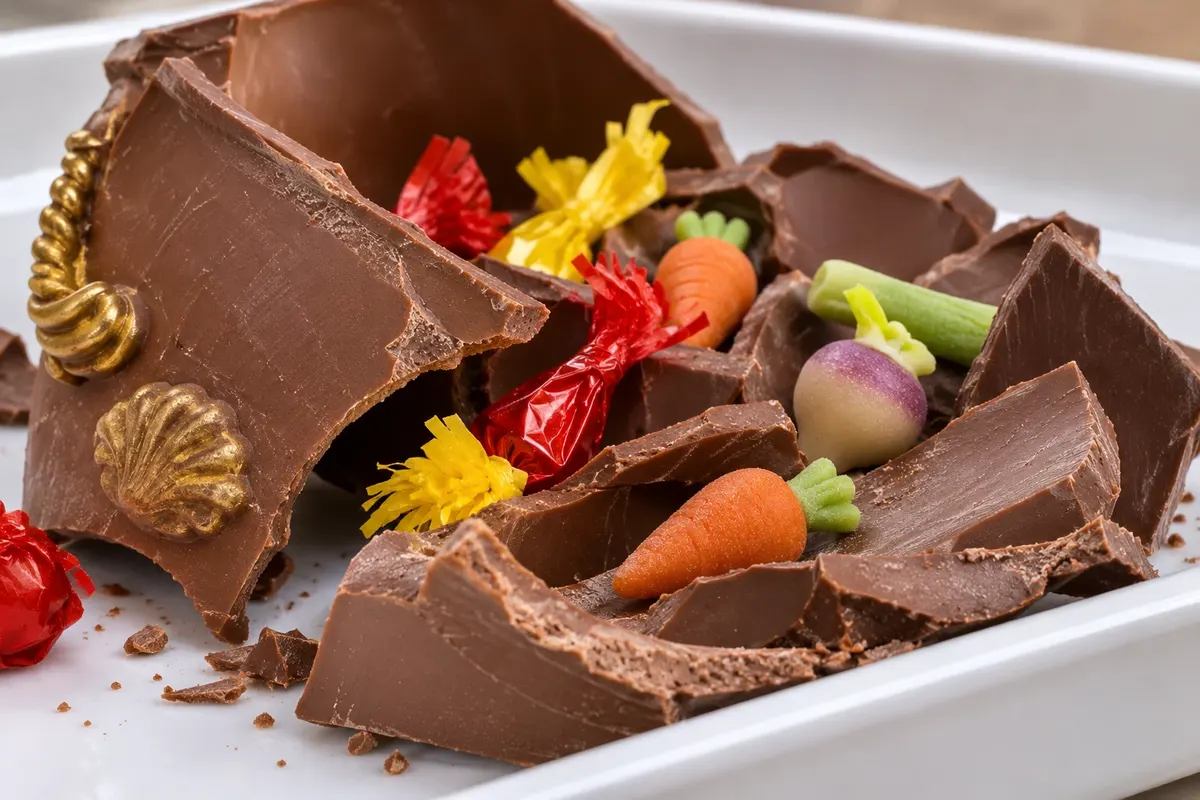
Chocolate cauldron bearing the coat of arms of Geneva, filled with marzipan vegetables and sweets, which is broken at the end of the Escalade celebration in December. It recalls the legend of Mère Royaume and the defense of the city on the night of December 11–12, 1602.

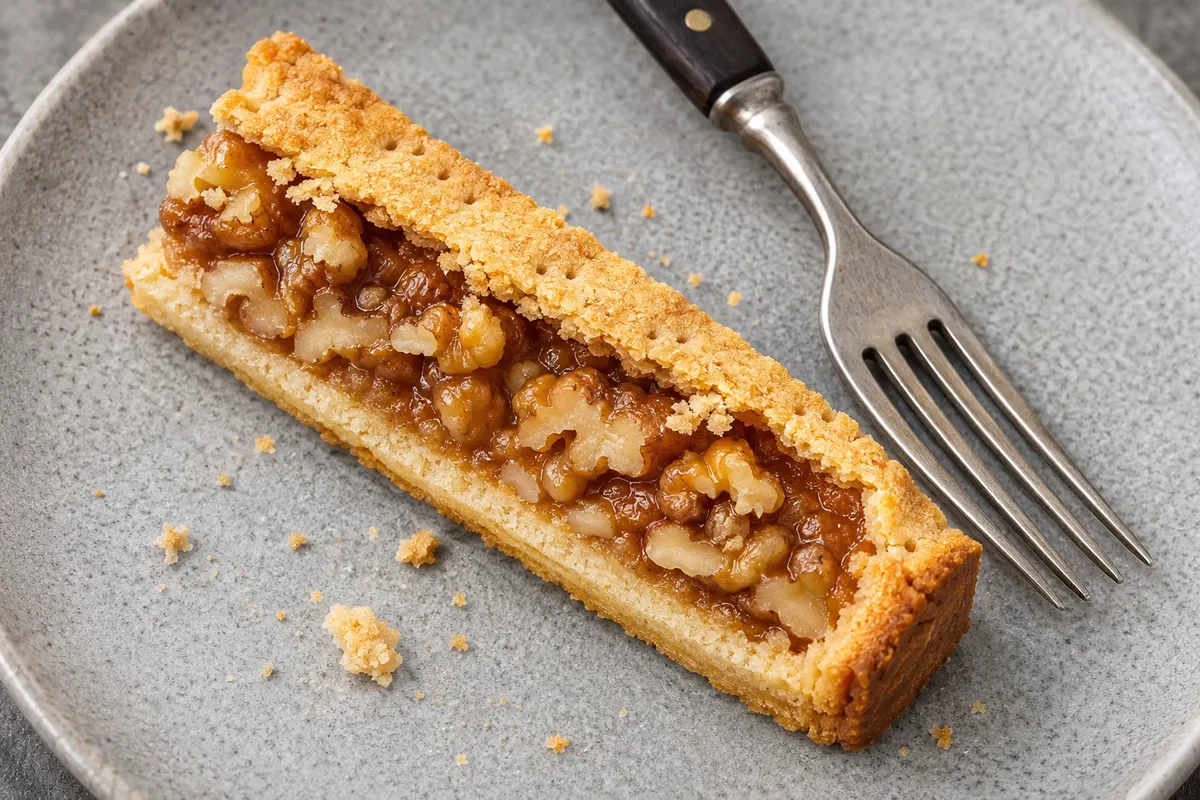
Shortcrust pastry tart, closed on top, filled with chopped walnuts coated in caramel and cream. It is the best-known sweet specialty of Graubünden, linked to pastry chefs who emigrated from the Engadine to work elsewhere in Europe.

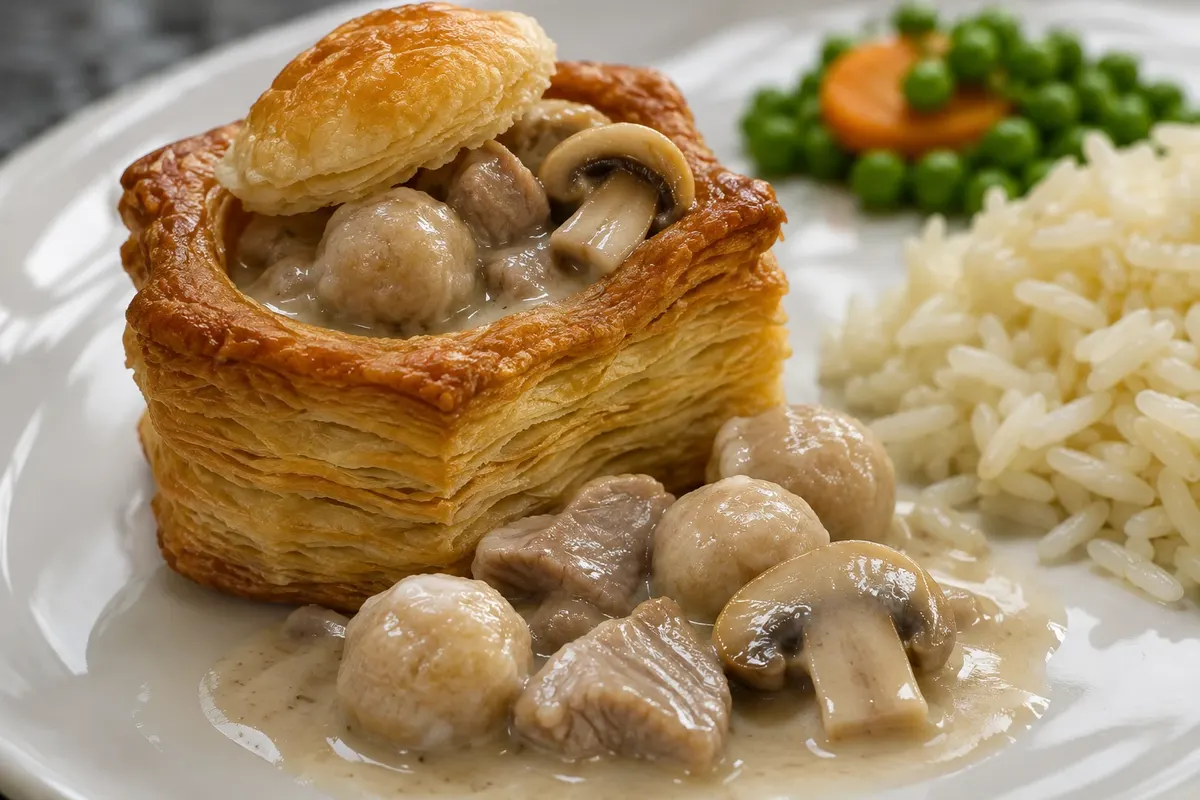
Puff-pastry dome filled with veal, meatballs, mushrooms and raisins in a creamy sauce. It’s named for the city and canton of Lucerne and is also called Fritschipastete, after the local carnival figure.

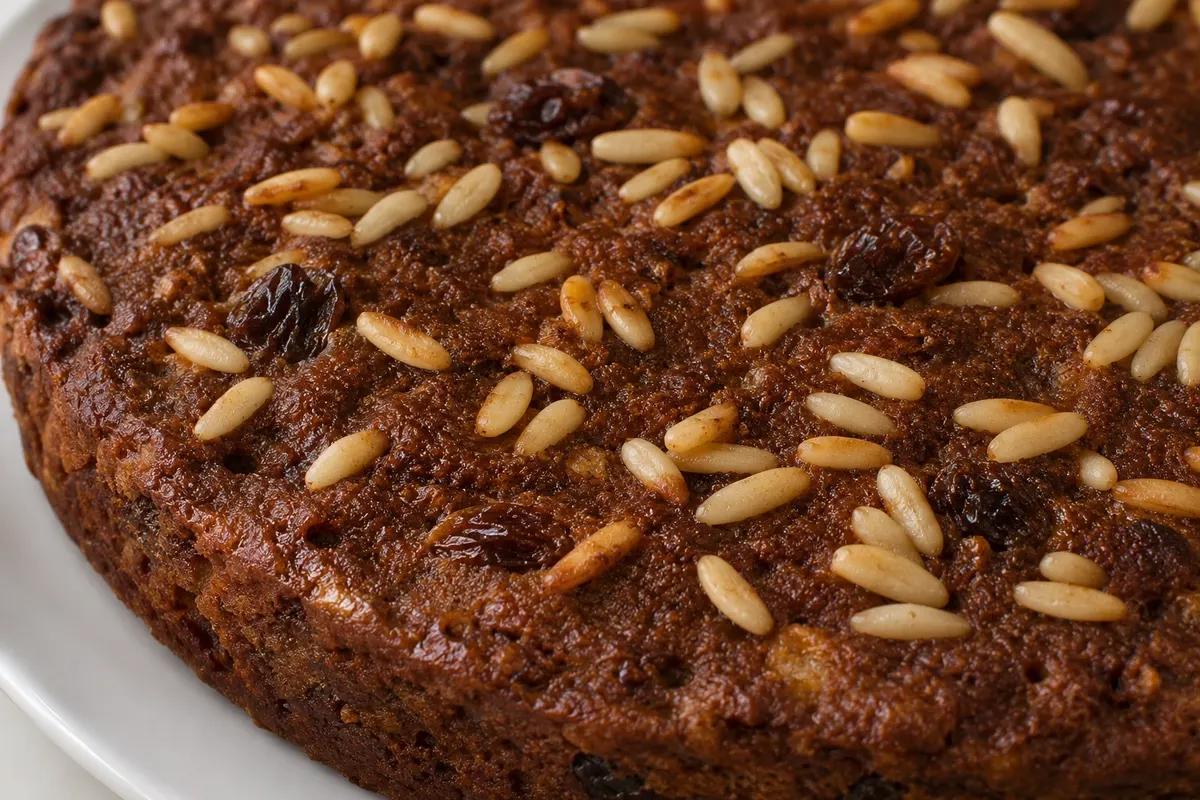
Dense cake made from day-old bread soaked in milk, with cocoa, amaretti, raisins, pine nuts and often a splash of grappa. Born from a desire not to waste bread, it is considered the quintessential Ticino sweet and every family has its own recipe.

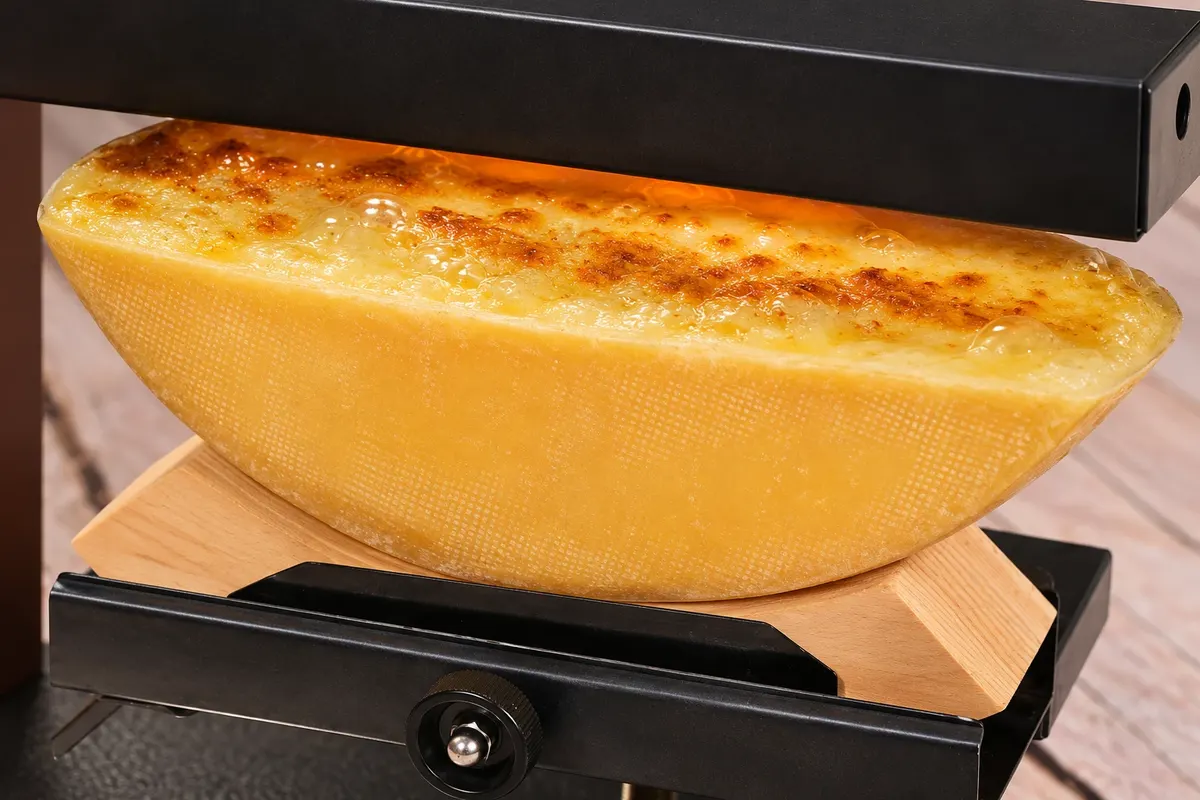
Half a wheel of cheese held close to the fire, with the melted part scraped onto the plate and served with boiled potatoes in their skins, pickled cornichons and pearl onions. It originated in Valais and was presented as a Valais national dish in 1909.

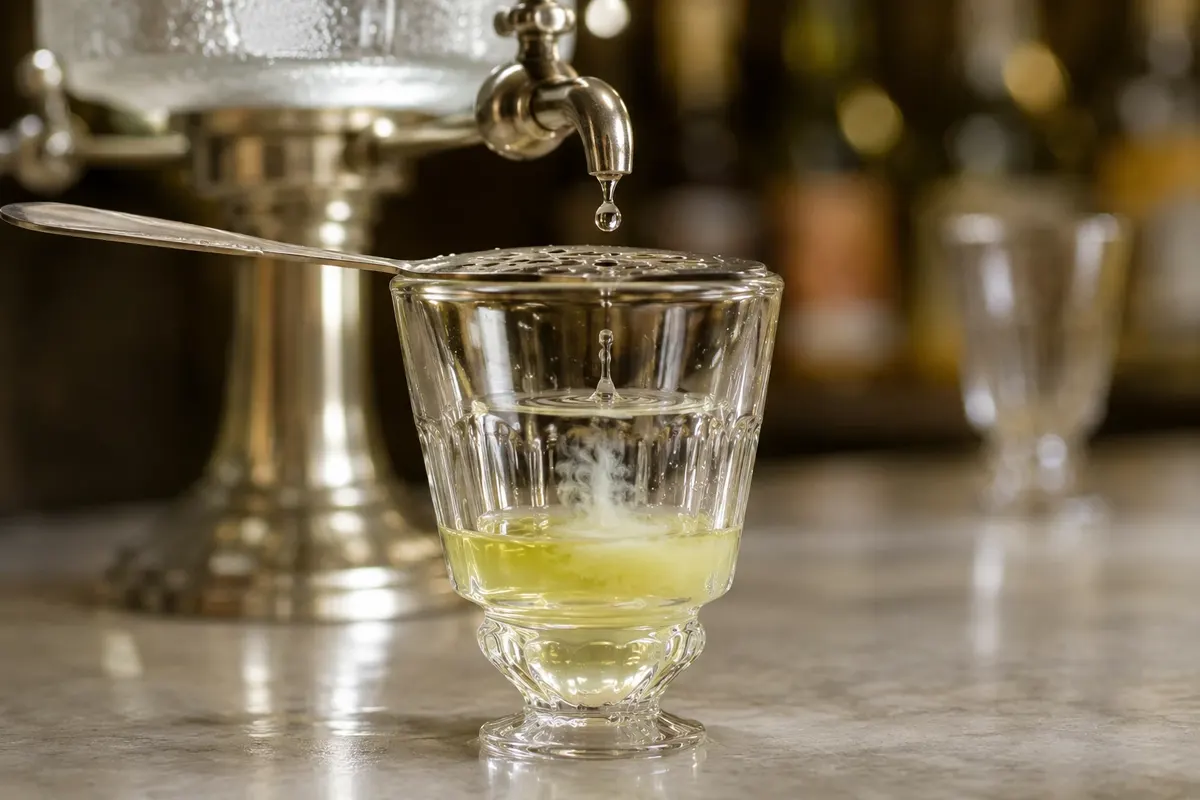
Distilled from wormwood, anise, and fennel, green or colorless, served diluted with cold water and turning cloudy when mixed. Production began in the Val-de-Travers, in the canton of Neuchâtel, at the end of the 18th century, and it was banned in Switzerland from 1910 to 2005.

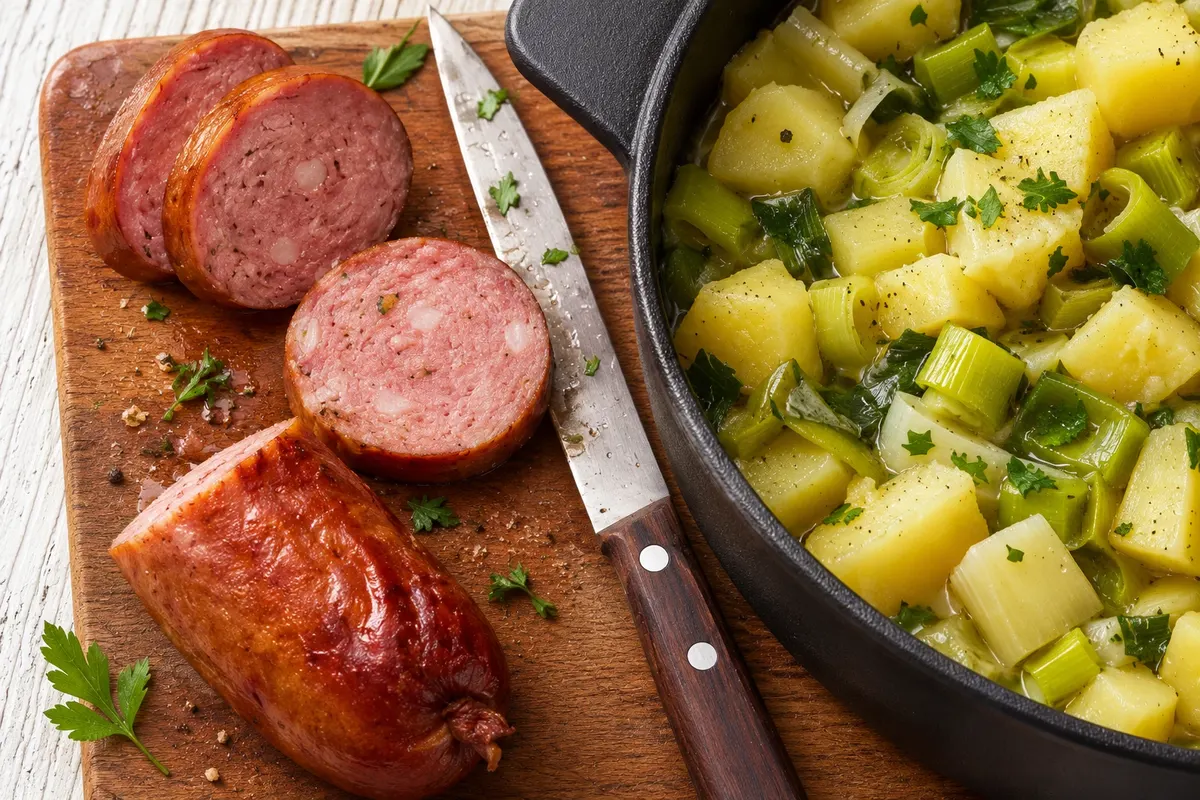
Rustic purée of leek and potato cooked in water and white wine, served with saucisse aux choux, a smoked pork-and-cabbage sausage. It is the best-known culinary specialty of the canton of Vaud and is part of its intangible heritage.

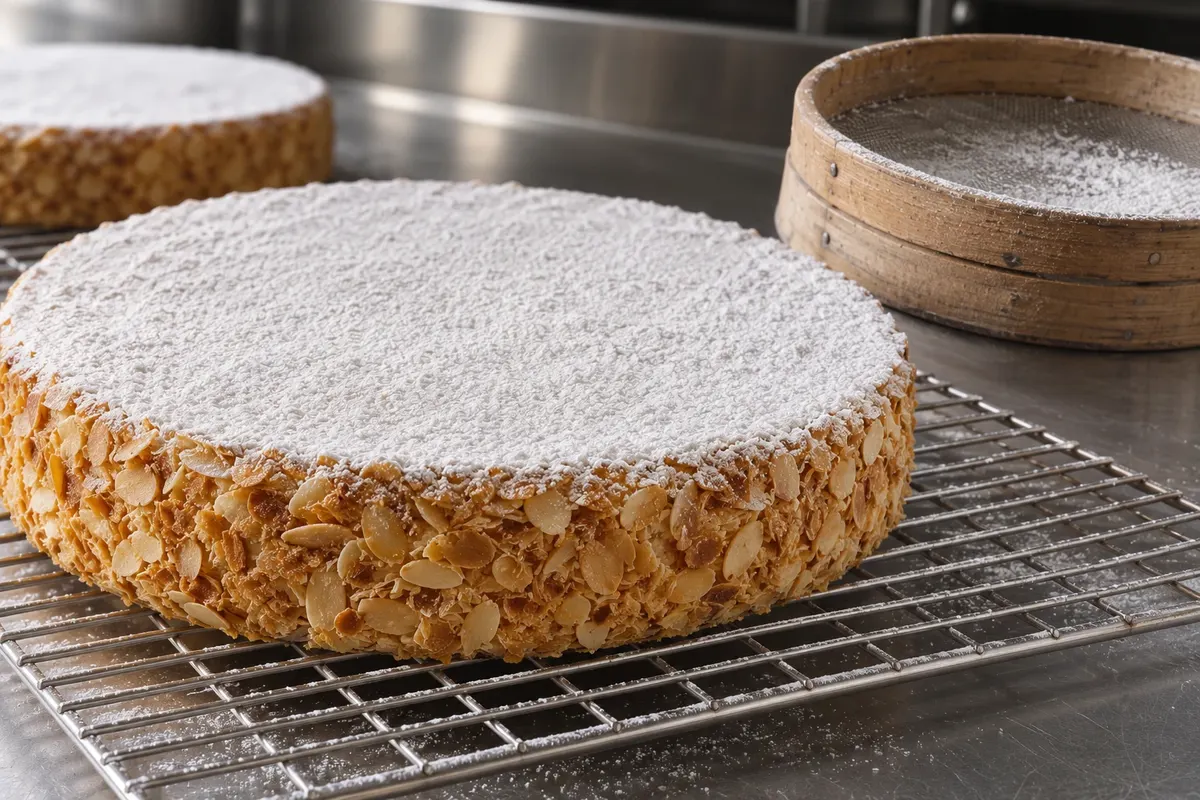
Layered cake of almond meringue discs and a sponge soaked in kirsch syrup, with buttercream, covered with almonds and powdered sugar in a diamond pattern. Created in Zug by pastry chef Heinrich Höhn, who advertised it in 1915.

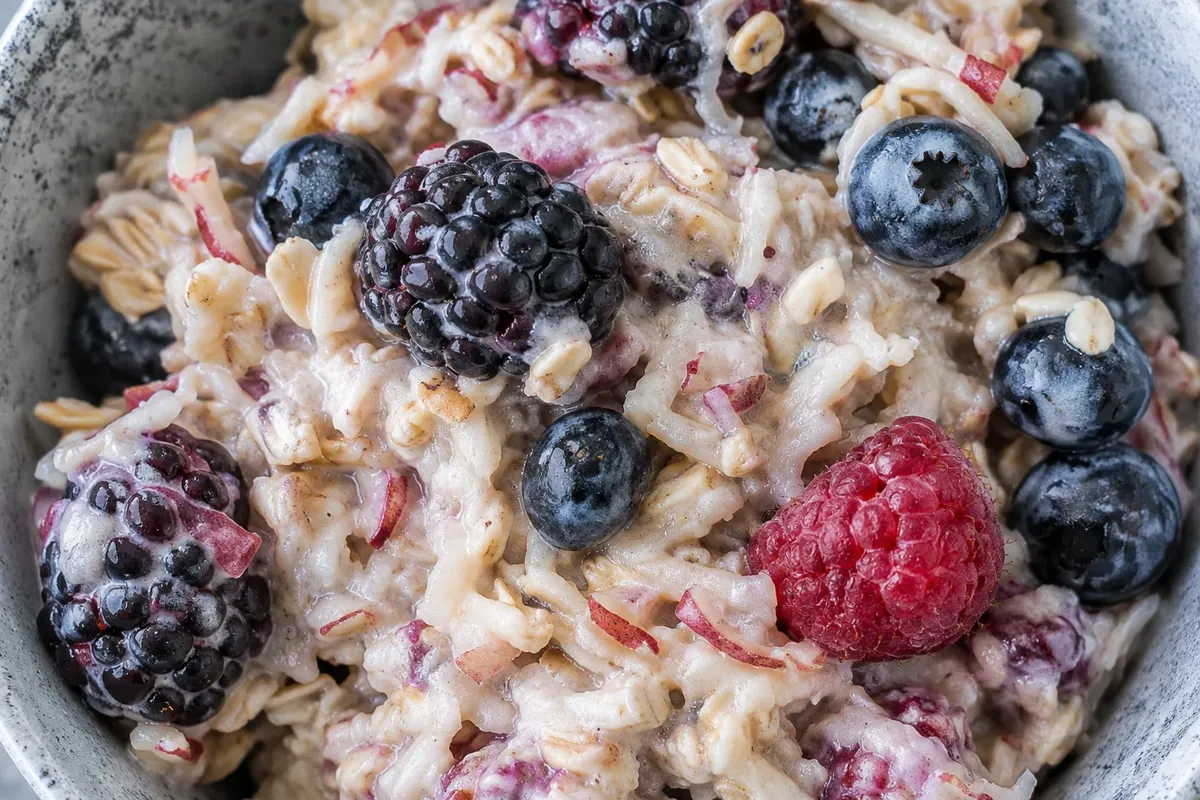
A mixture of soaked rolled oats, grated apple, walnuts or almonds, lemon and milk, created around 1900 by physician Maximilian Bircher-Benner for patients at his clinic in Zurich. It gave rise to the muesli eaten worldwide.

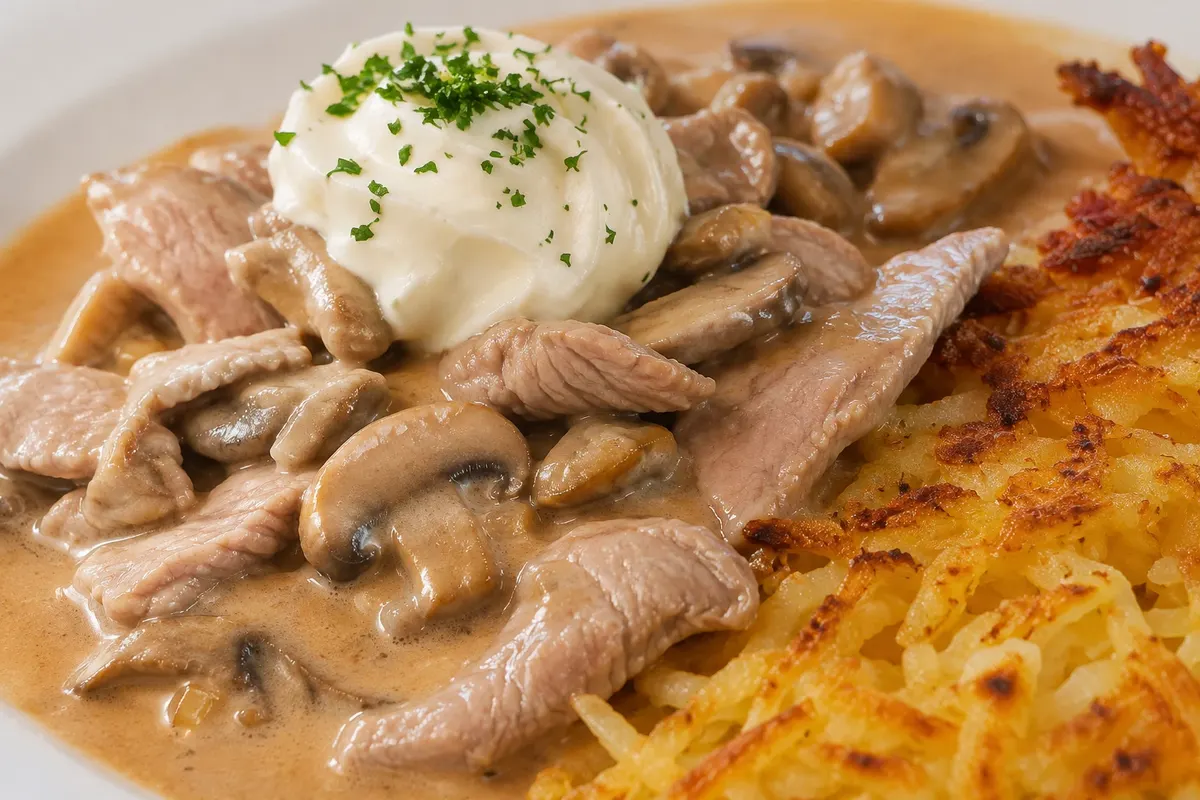
Thin strips of veal sautéed and served in a cream, white wine and mushroom sauce. It’s the dish Zurich residents name first when talking about the city’s cuisine, almost always accompanied by rösti.