Akevitt
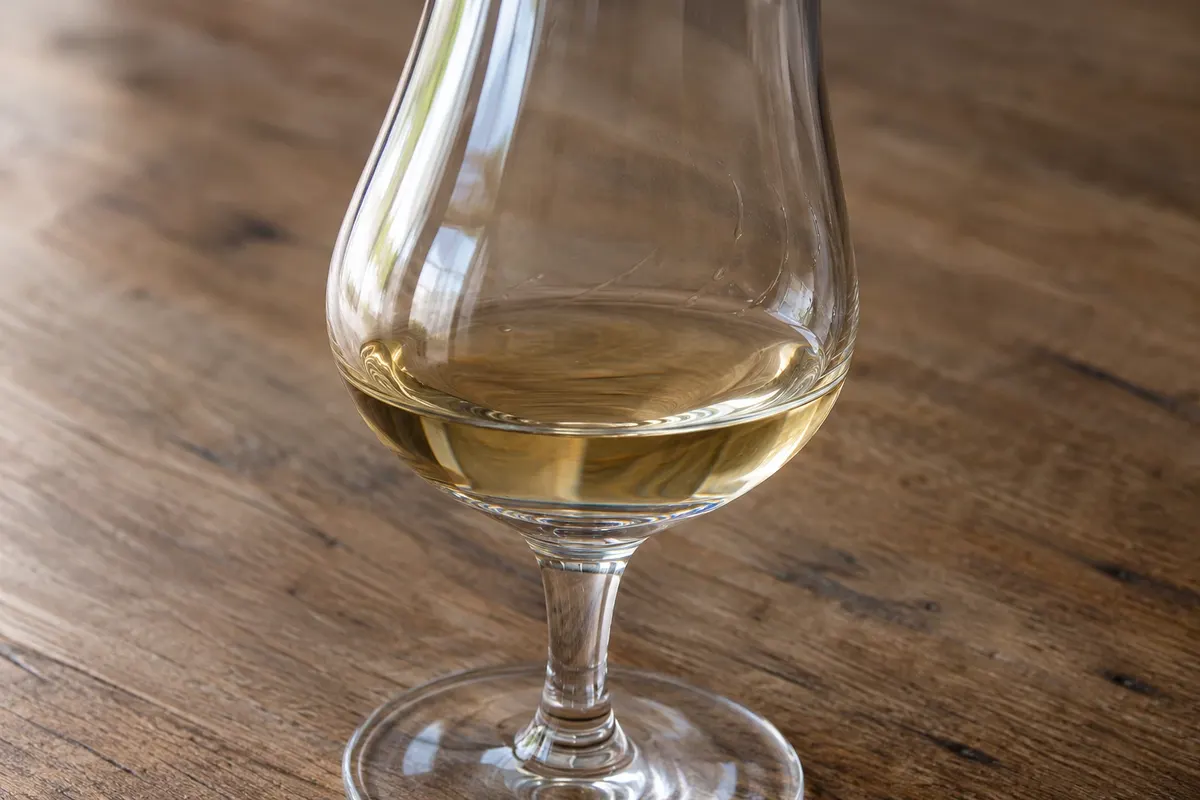
Norwegian potato-based spirit flavored with spices, especially caraway and dill, and aged in oak barrels. It has European geographical indication as Norsk Akevitt; linjeakevitt barrels cross the equator by ship before bottling.
Flavors · Møre e Romsdal
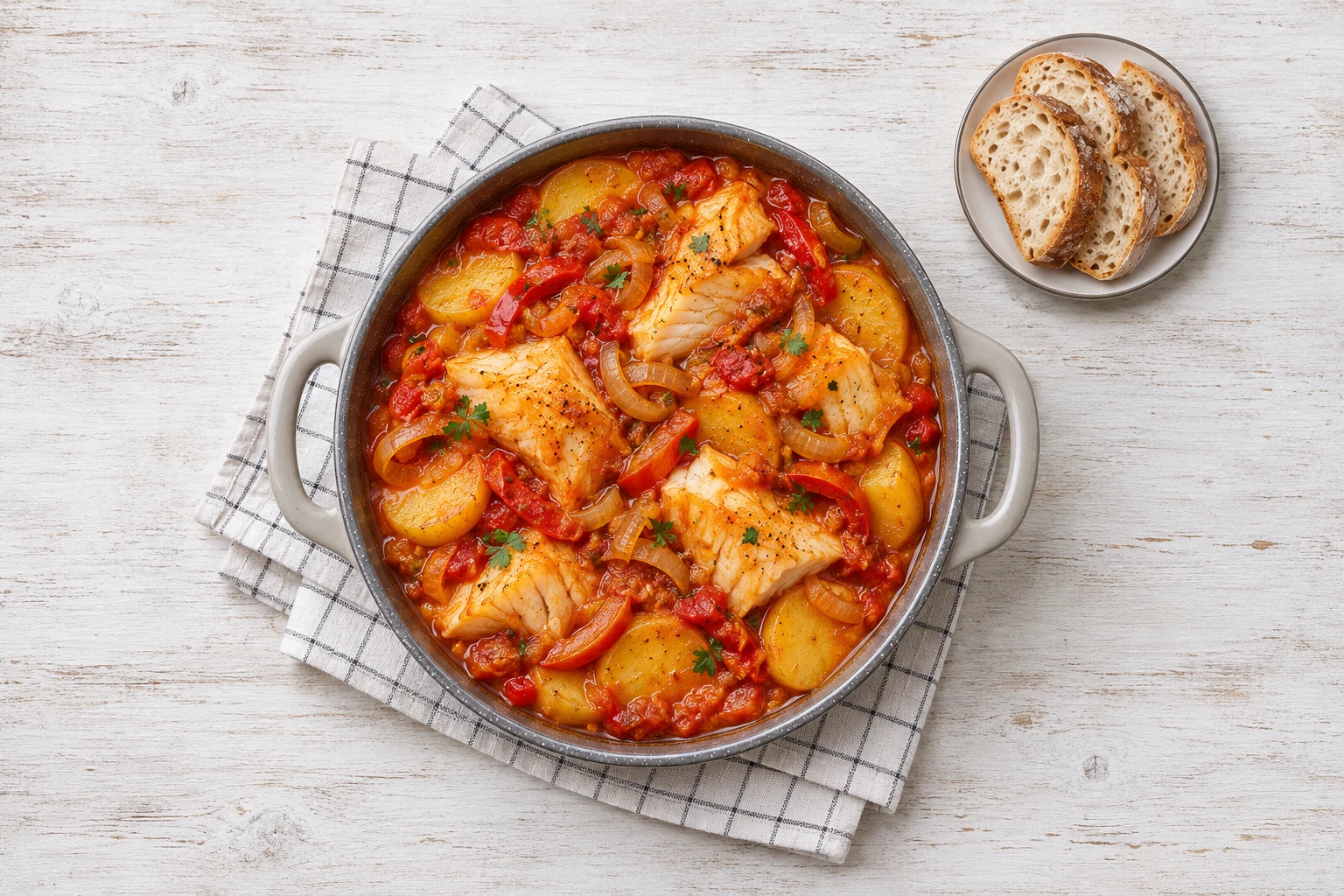
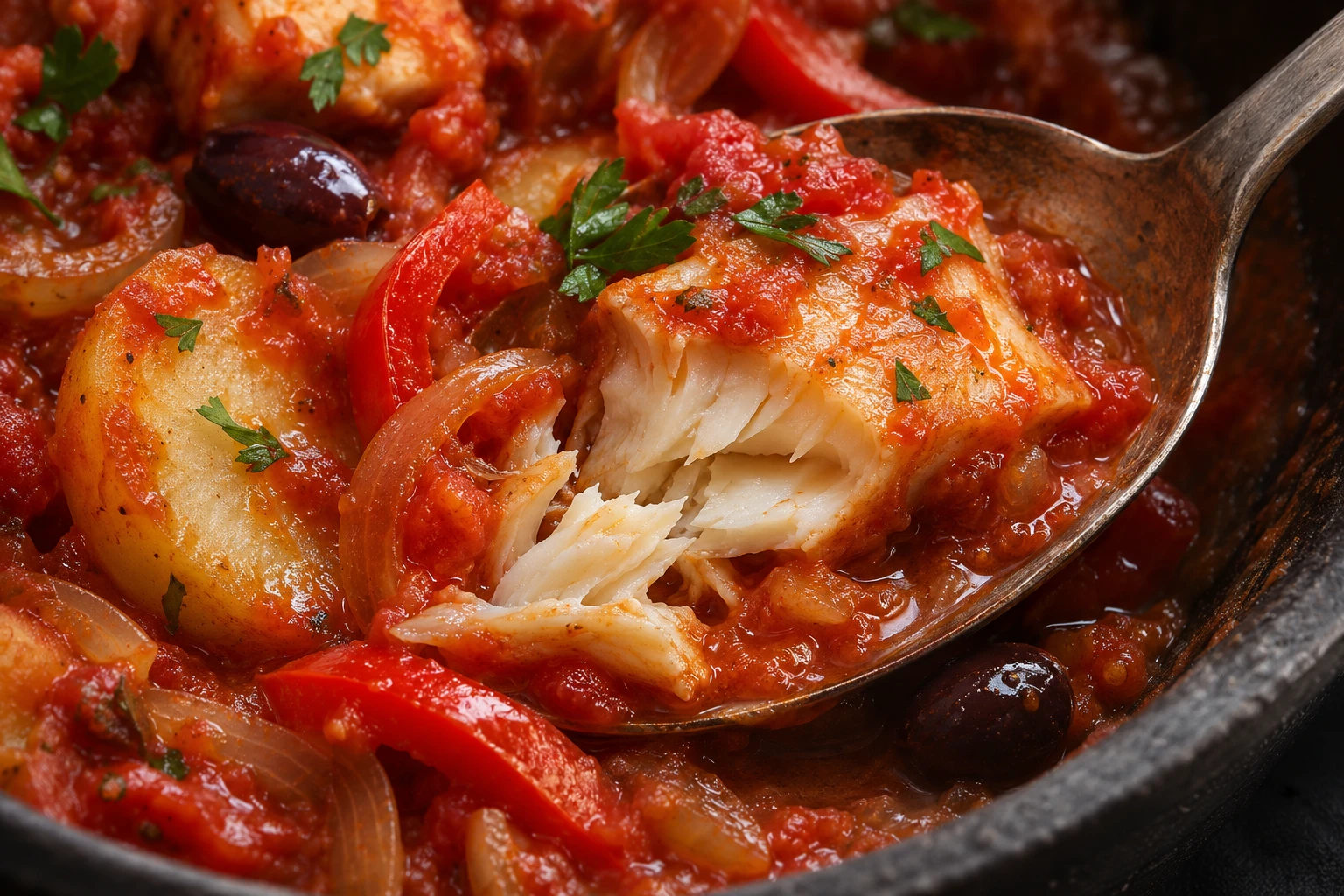
Stew of klippfisk, the air-dried, salted cod, with tomato, potato, onion, pepper and olive oil. The recipe reached the coast of Møre og Romsdal through the cod trade with Spain and Portugal, and it is a festive dish in Kristiansund and Ålesund.
Traditional dish from Møre e Romsdal
Also known as: klippfiskbacalao, bacalao fra Kristiansund
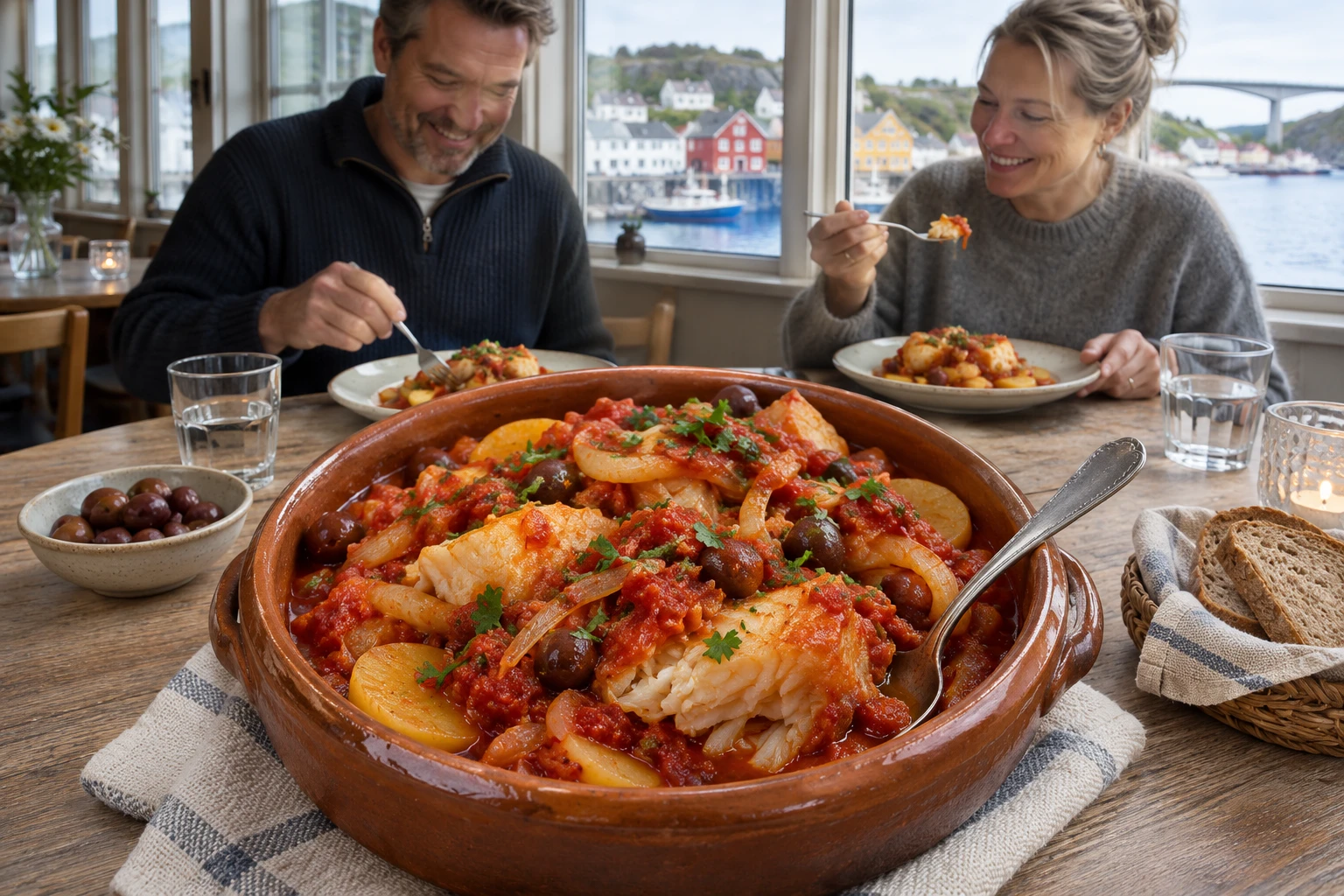
Illustrative images. The pictures in this guide are illustrations based on the real place, not photographs, and may differ from it.
Click a photo to enlarge it.
Bacalao — Møre e Romsdal, Norway
In Norway, bacalao is the name of a stew made with klippfisk, the cod, or another white fish that has been salted and air-dried. The word comes from Spanish and Portuguese, and the history of the dish is the history of trade: Norwegian merchants exported klippfisk to southern Europe and brought back spices, olive oil and the idea of cooking the fish with tomato.
Two towns on the coast of Møre og Romsdal grew because of that trade. Kristiansund promotes itself as the klippfisk town, has the Norwegian Klippfisk Museum and a sculpture honoring the women who dried fish on the rocks of the harbor. Ålesund also owes much to klippfisk, and its restaurants serve several versions of the dish.
Preparation starts a day or two earlier: the klippfisk soaks in cold water, changed several times, to remove the salt. Then it is cut into pieces and layered with potato and onion, covered with tomato and olive oil and seasoned with pepper, garlic and bay leaf. It cooks slowly, for about an hour.
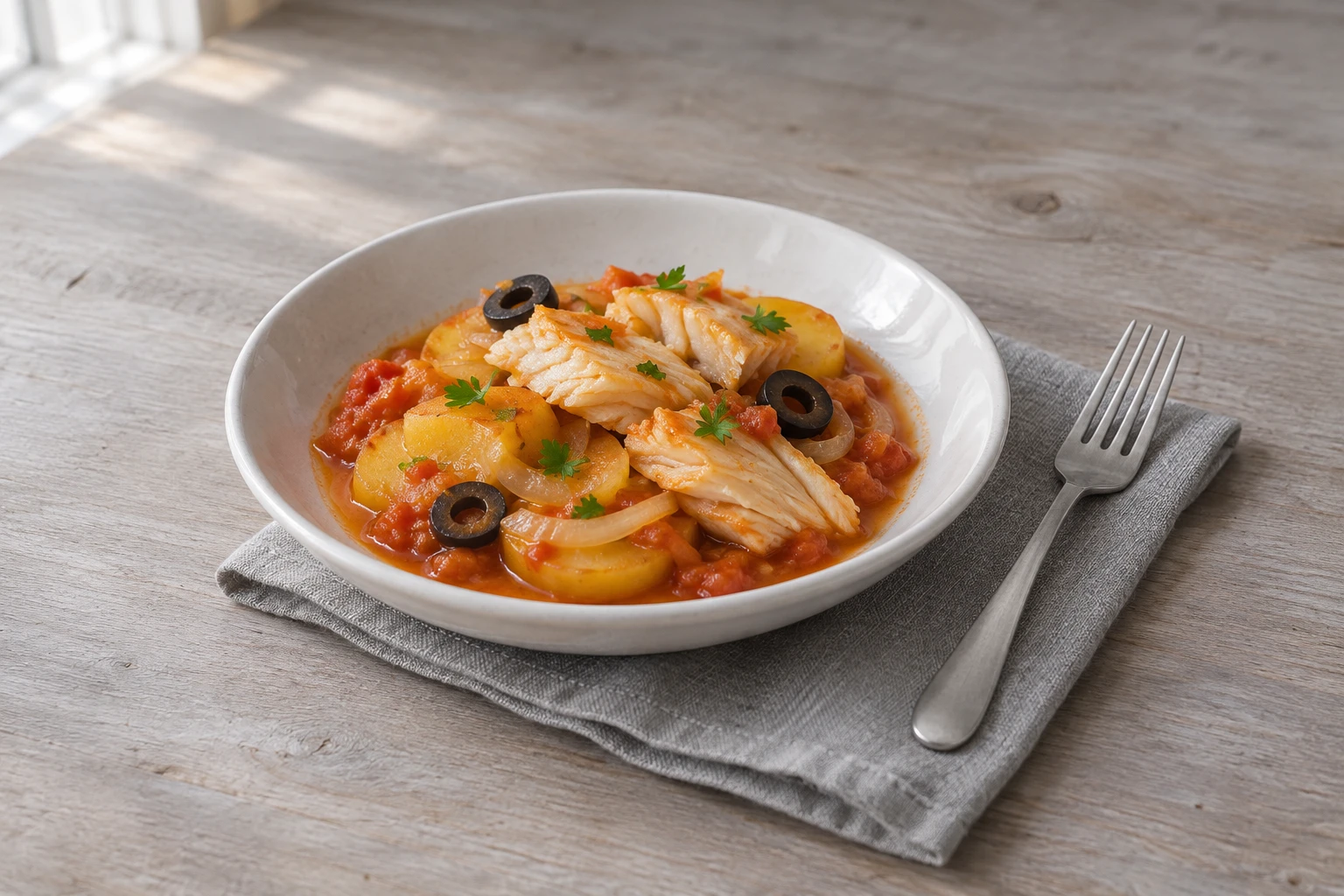
The tomato version is the most common in Norway, but every household has its own, with more or less pepper, olives or bell pepper. Bacalao is served on festive occasions and is closely associated with the coast of Møre. Kristiansund dedicates an annual festival to klippfisk.

Møre e Romsdal
Dish of the klippfisk towns on the coast of Møre og Romsdal, Kristiansund and Ålesund.
Desalted klippfisk, potato, onion, tomato, olive oil, pepper, garlic and bay leaf; sometimes olives and bell pepper.
Hot, served straight from the pot, on its own or with fresh bread.
Festivals and family gatherings on the coast of Møre; year-round in the restaurants of Kristiansund and Ålesund.
Your questions
A stew of klippfisk, dried and salted cod, with potato, onion, tomato, olive oil and pepper.
Because the recipe came from the klippfisk trade with Spain and Portugal; bacalao means cod in Spanish.
On the coast of Møre og Romsdal, especially in Kristiansund and Ålesund, towns that grew up with the klippfisk trade.
Flavors of Norway

Norwegian potato-based spirit flavored with spices, especially caraway and dill, and aged in oak barrels. It has European geographical indication as Norsk Akevitt; linjeakevitt barrels cross the equator by ship before bottling.

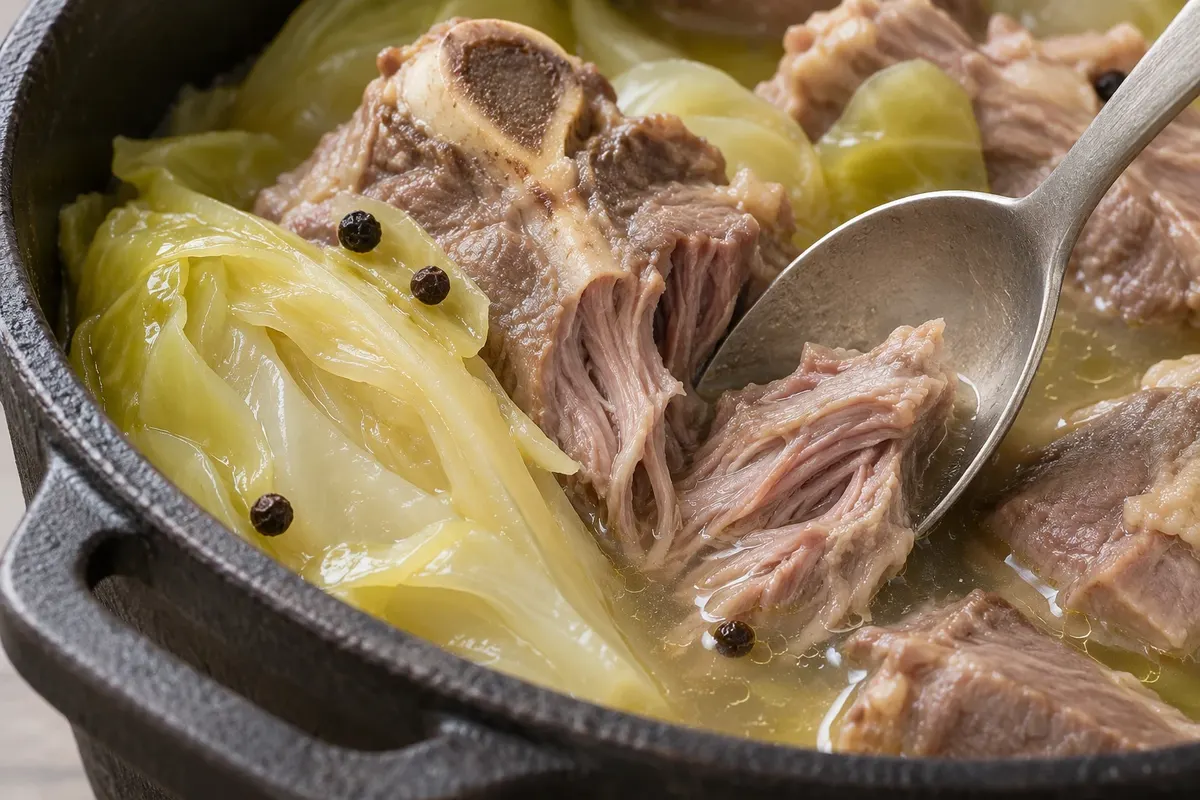
Stew of bone-in lamb and cabbage, layered with whole black peppercorns, slowly cooked and served with potatoes. It was chosen as Norway’s national dish in a popular vote in the 1970s and reaffirmed in 2014.

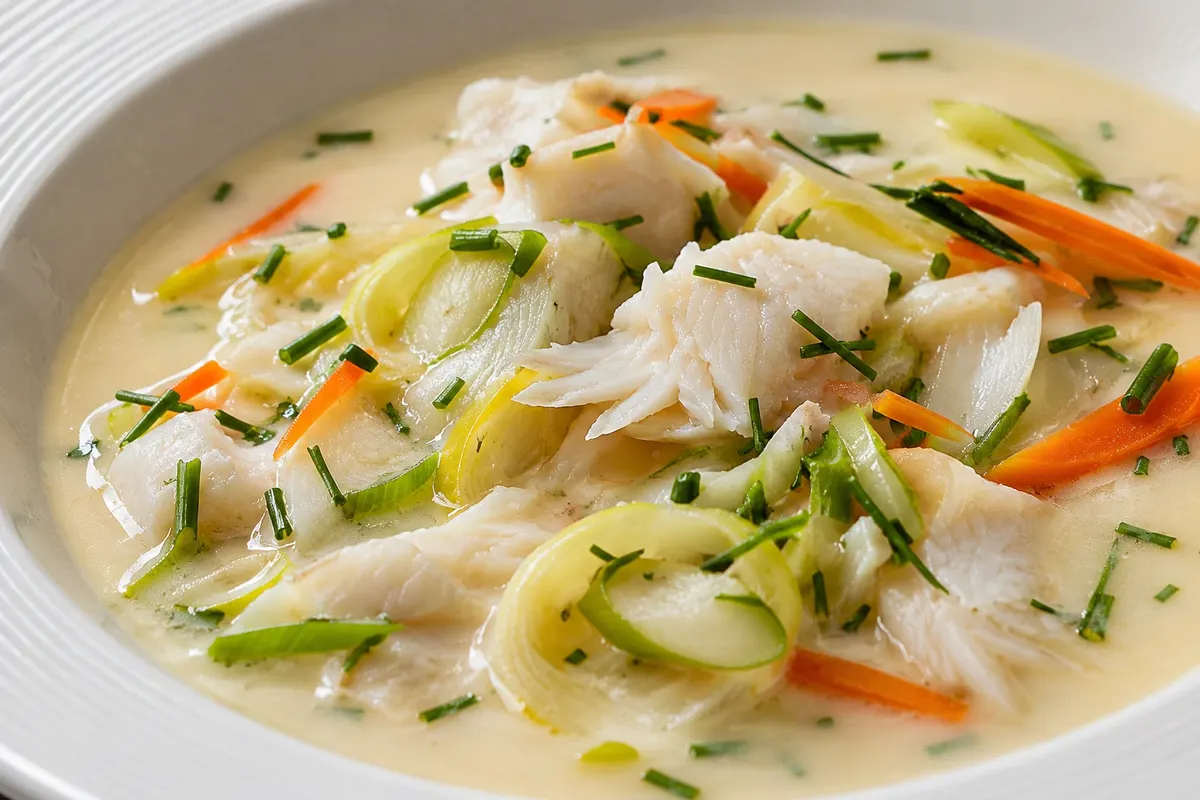
Creamy fish soup from Bergen, made with a fish-bone broth, vegetables cut into thin strips, fish meatballs and cream. A touch of vinegar and sugar gives it a slightly sweet-and-sour flavor that sets it apart from other Norwegian fish soups.

Large roll of sweet fermented dough with butter, cinnamon and sugar, topped with more sugar after baking. It’s a specialty tied to Bergen’s Hanseatic history.

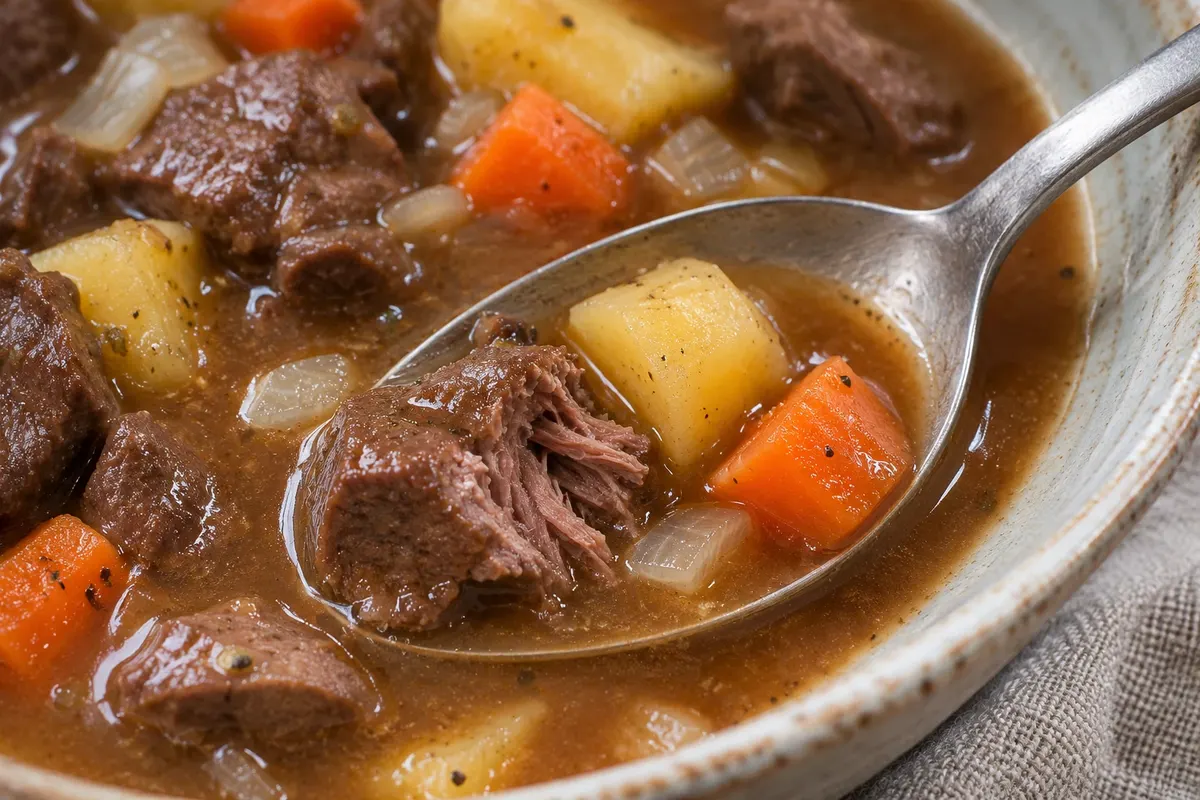
Sámi stew of reindeer meat with potato, carrot and onion, slowly cooked in broth. It is the Sámi people’s celebratory dish, served at weddings, confirmations and other celebrations; the name comes from Northern Sámi.

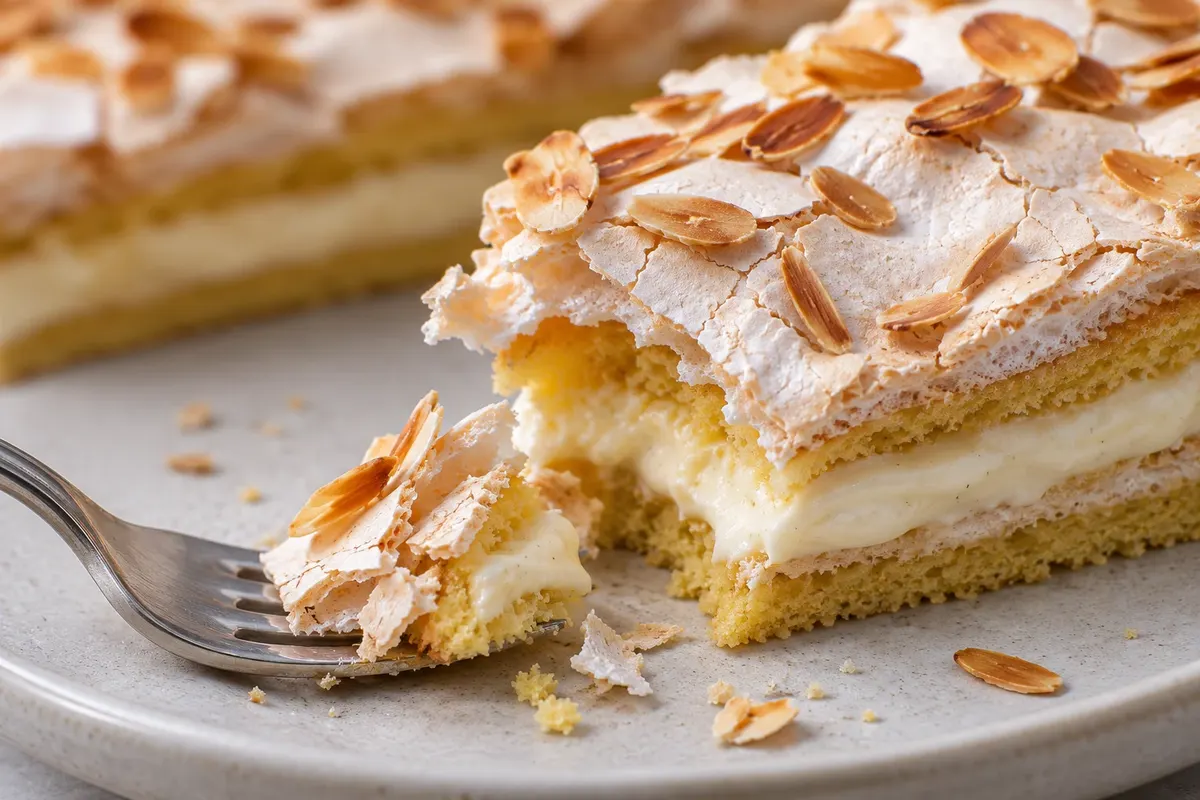
Sponge cake covered with meringue and almonds, sliced in half and filled with vanilla cream. It originated in the 1930s at a café in Harstad, Troms, and was voted Norway’s national cake; it is also called verdens beste, “the best in the world.”

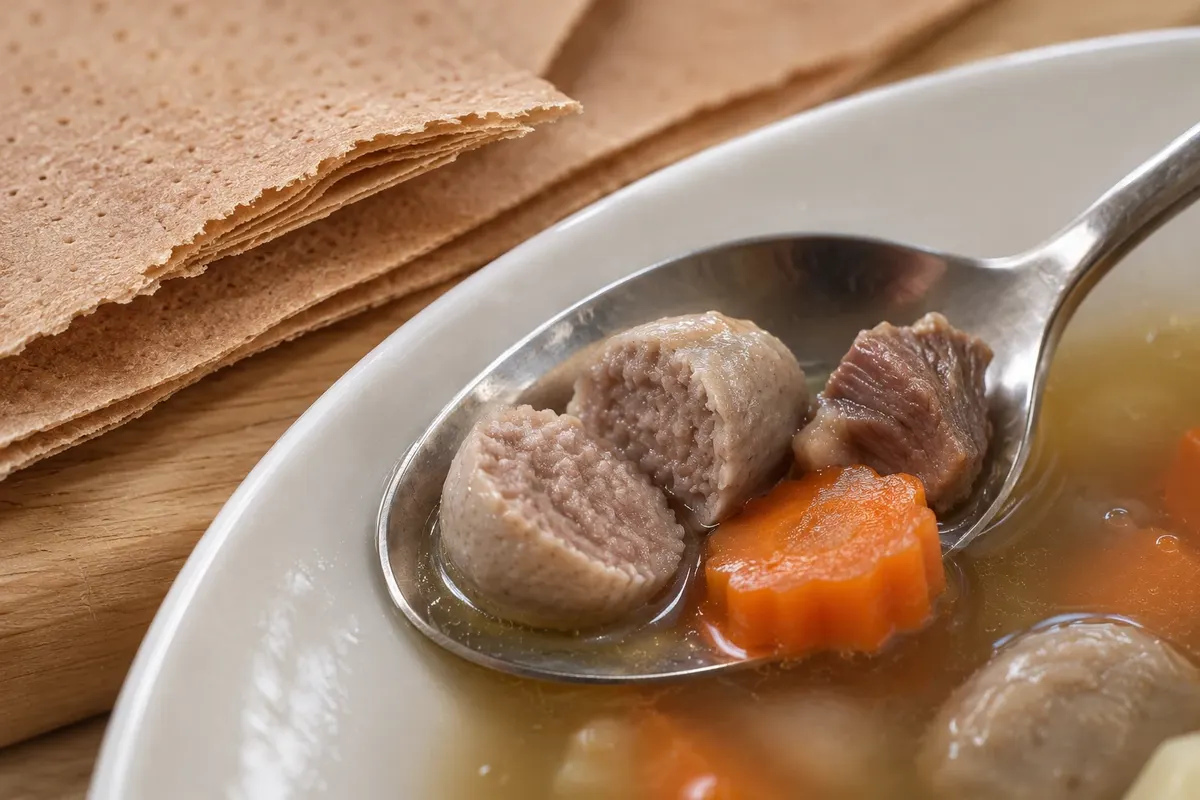
Clear broth of lamb and beef with cubes of meat and meatballs, seasoned with ginger and nutmeg, served with potato and carrot. It is a festive dish of Trøndelag; the version Festsodd fra Trøndelag has a Norwegian geographical indication.

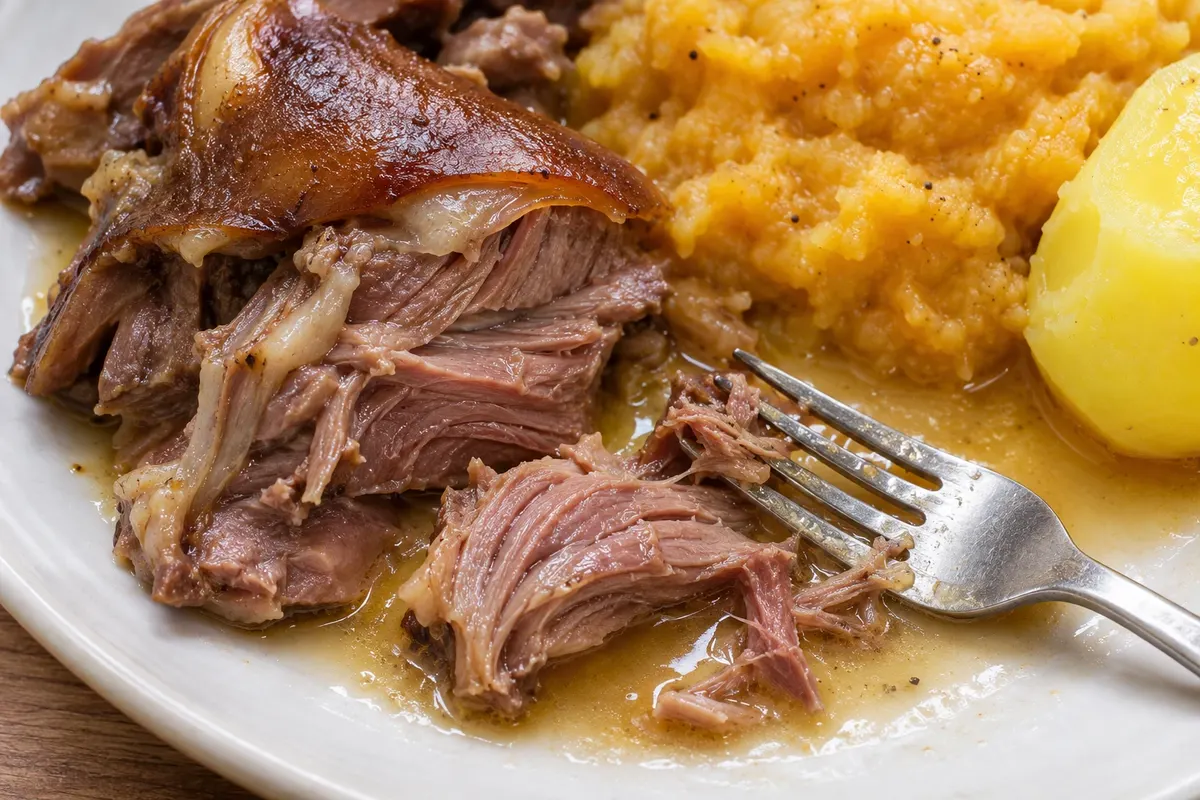
Sheep’s head salted, smoked and dried, steamed and served with potato and rutabaga puree. It’s a tradition of Voss and Hardanger, in Vestland, eaten mainly in the weeks before Christmas.