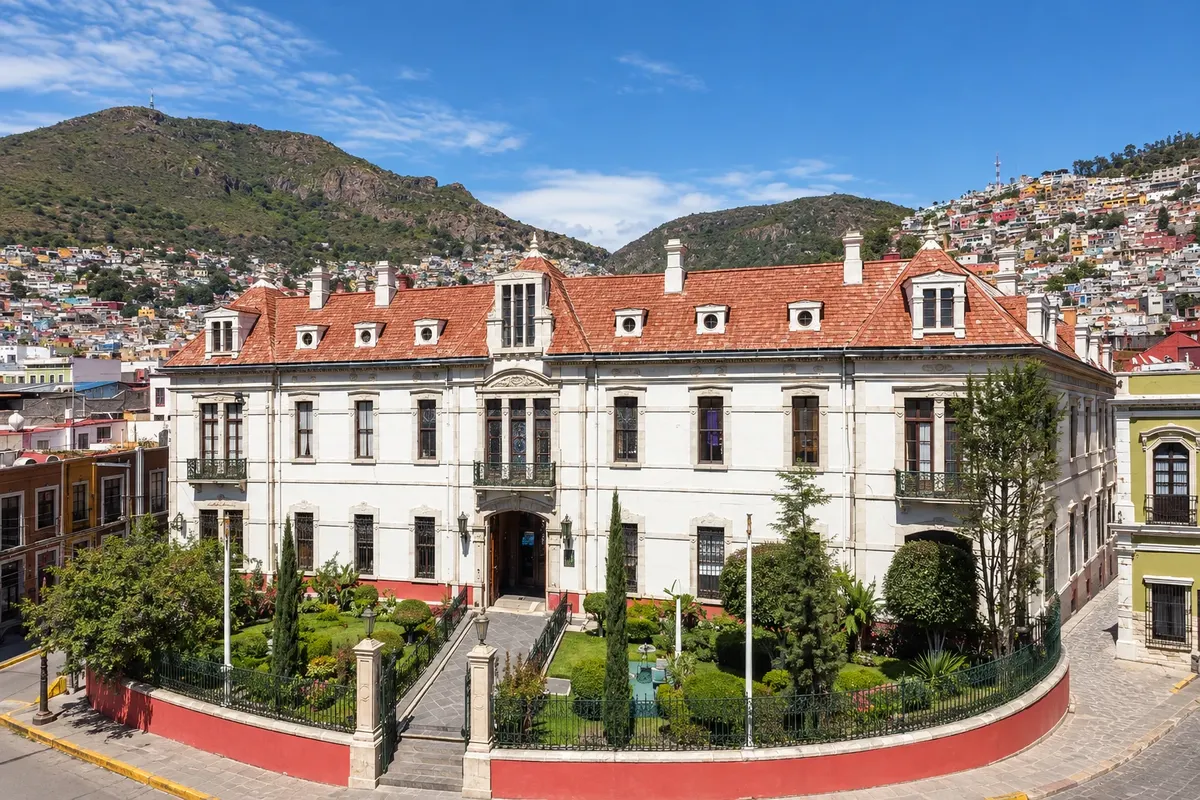
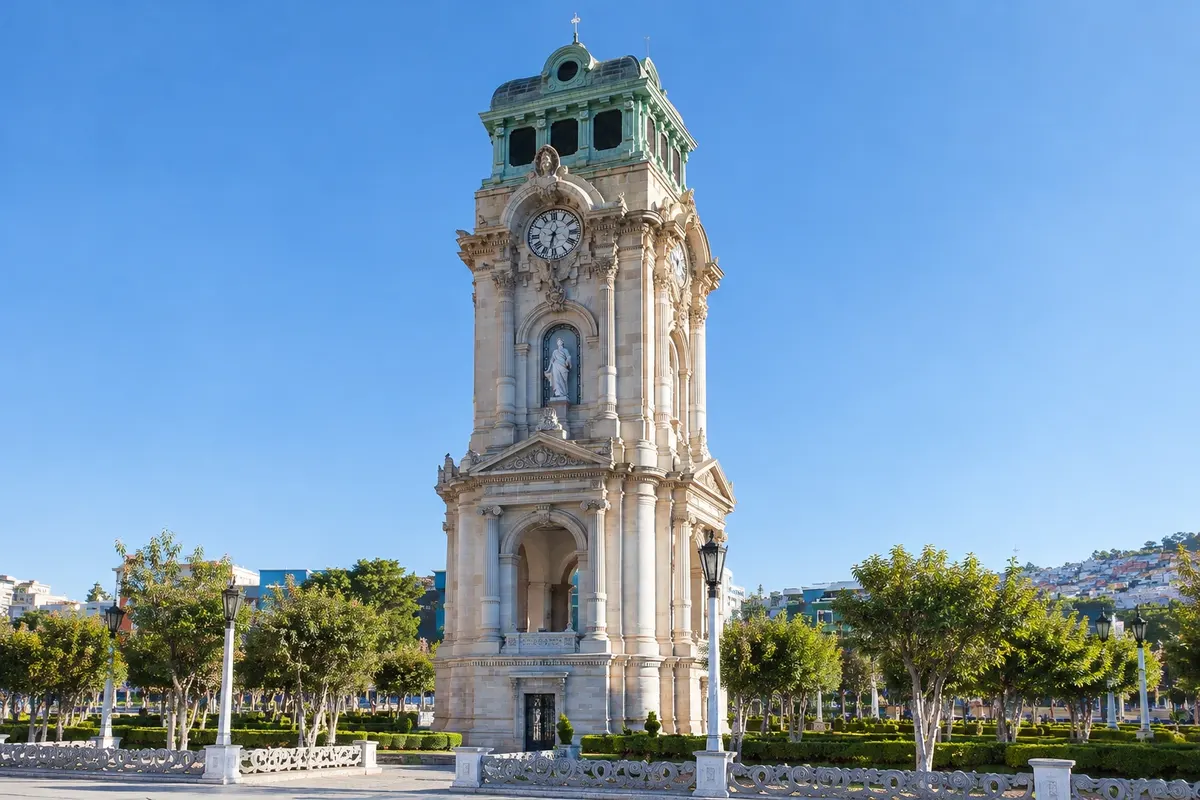
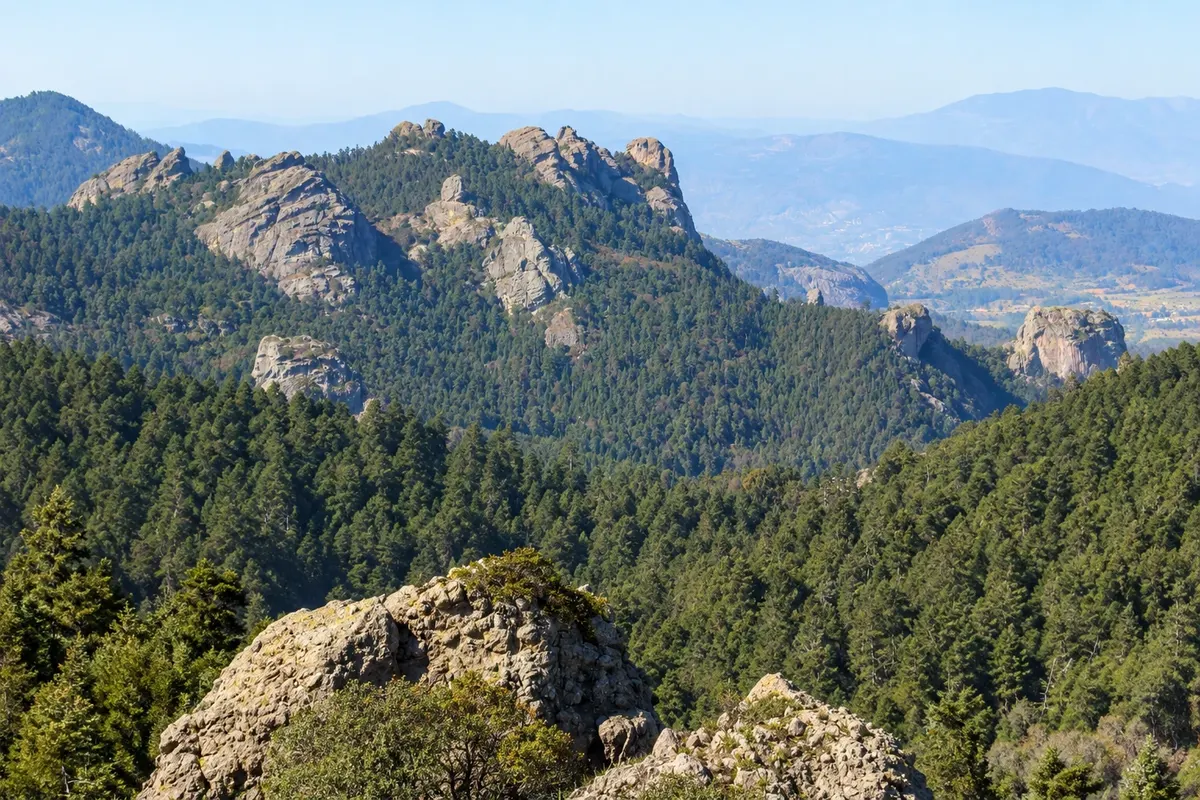
North of Mexico City, the Pachuca mountain range in the state of Hidalgo was for four centuries one of the world's great silver-mining regions. Pachuca, the state capital, grew around the mines and has in its center the Monumental Clock, the 1910 clock tower that is the city's symbol.
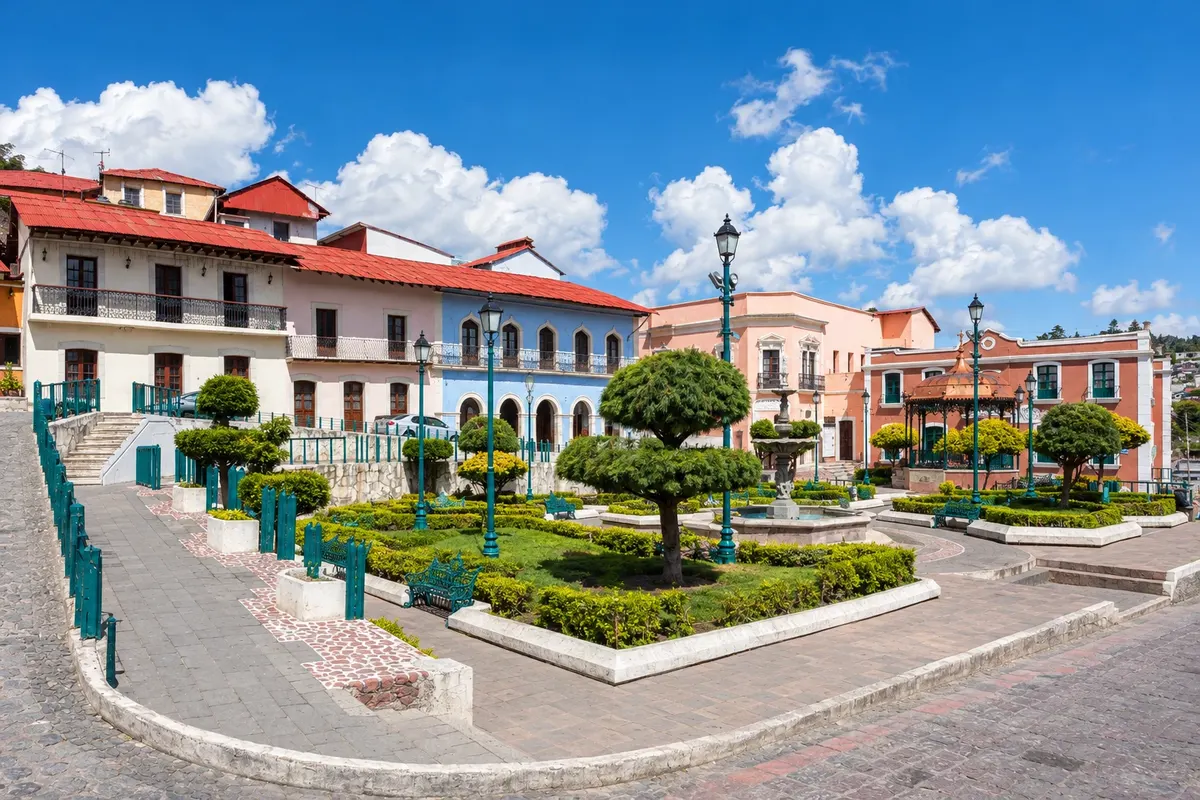
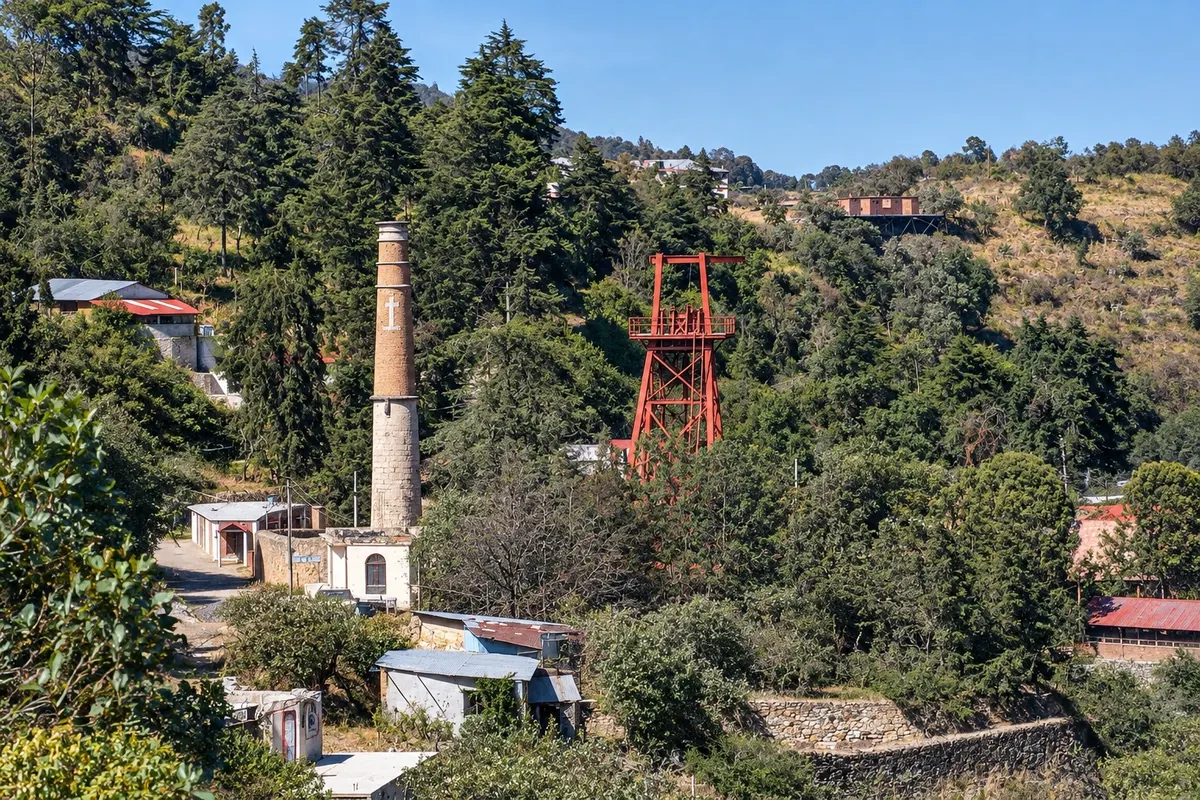
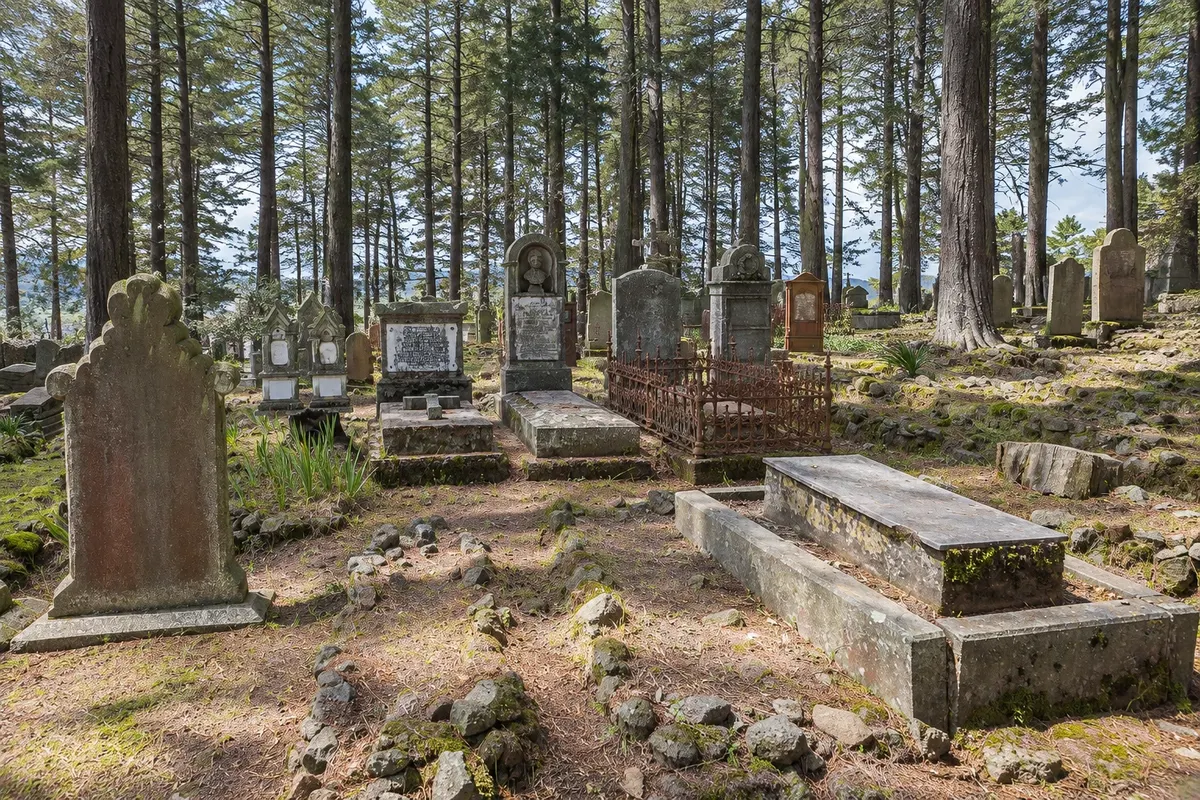
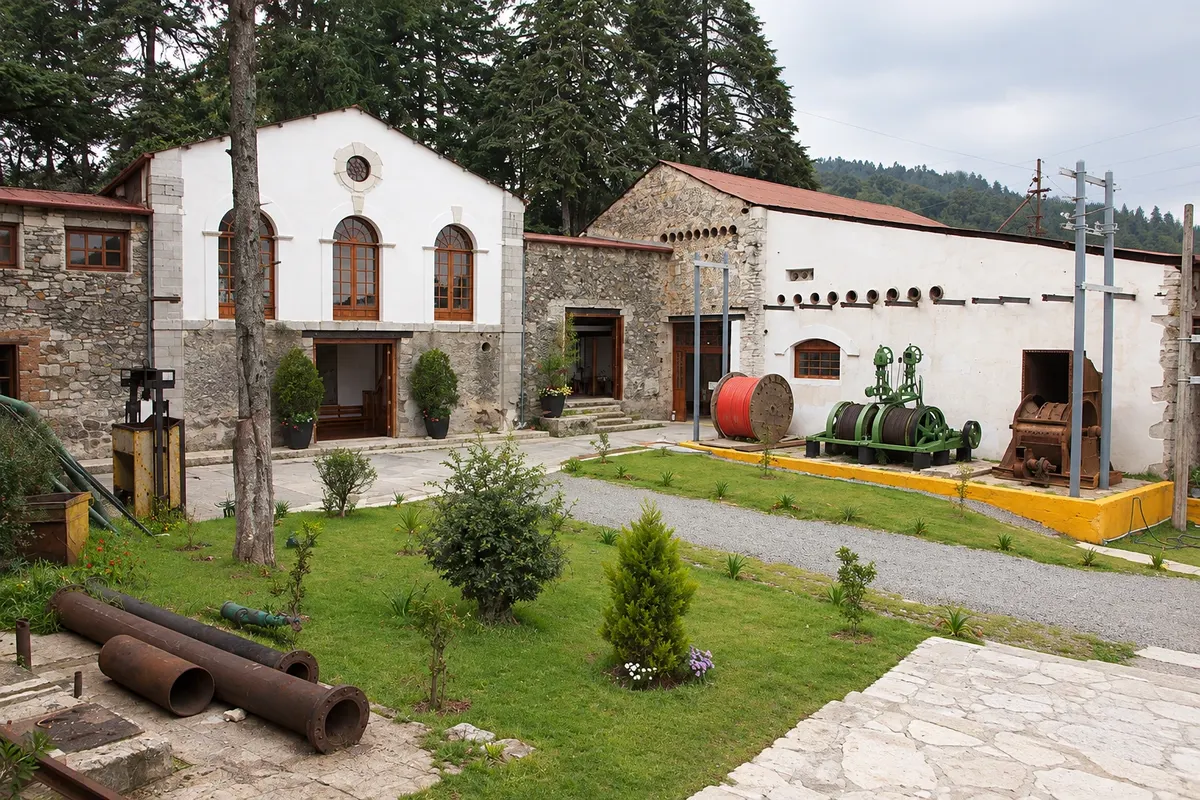
About 12 km away, the town of Real del Monte, officially Mineral del Monte, sits at over 2,600 meters altitude, with red-sloped roofs, steep streets and frequent fog. In the 19th century miners from Cornwall, England, arrived there and left the English cemetery, football and the paste, the filled empanada that became the region’s typical food. The Acosta and La Dificultad mines are now museums.
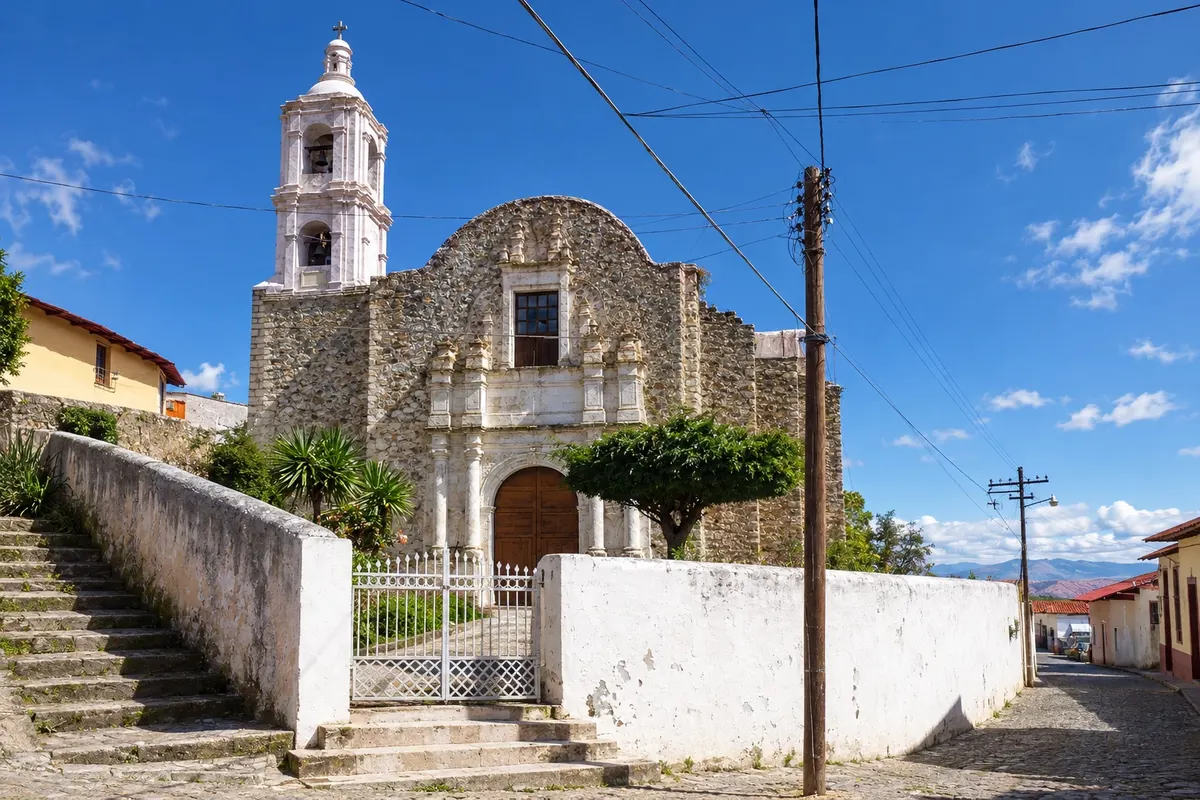
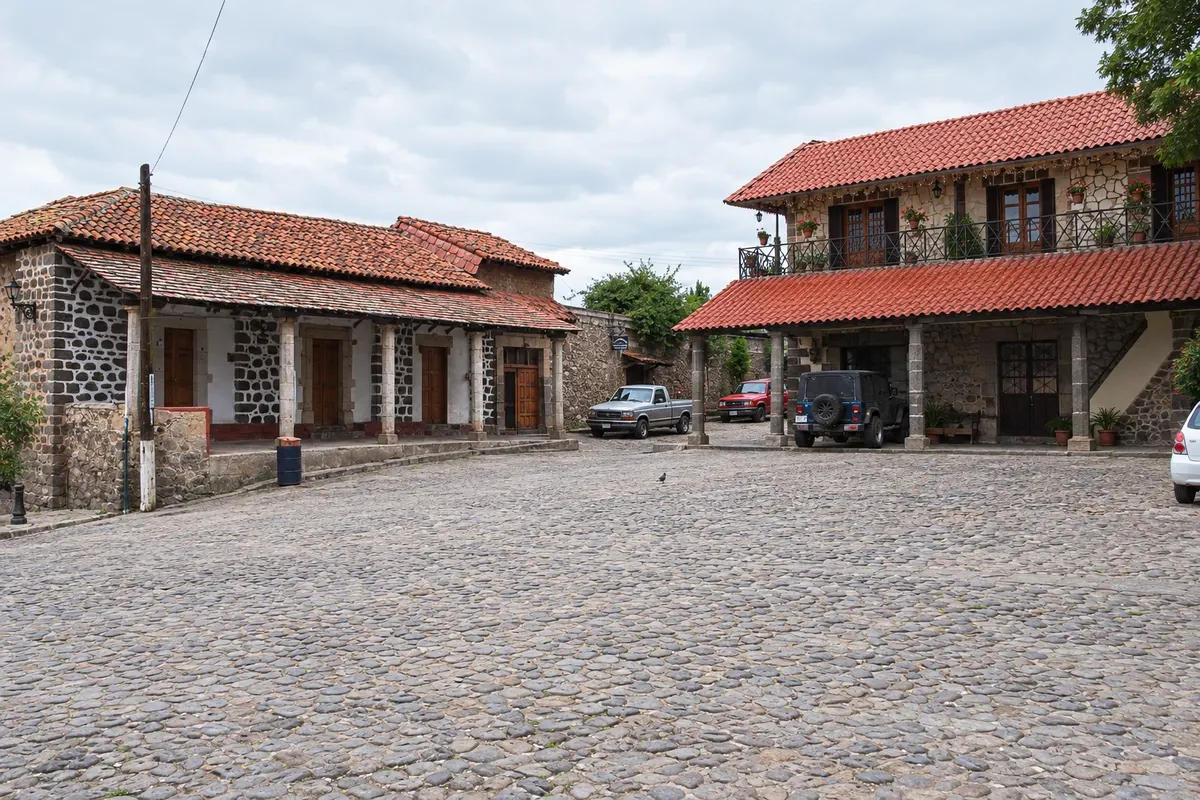
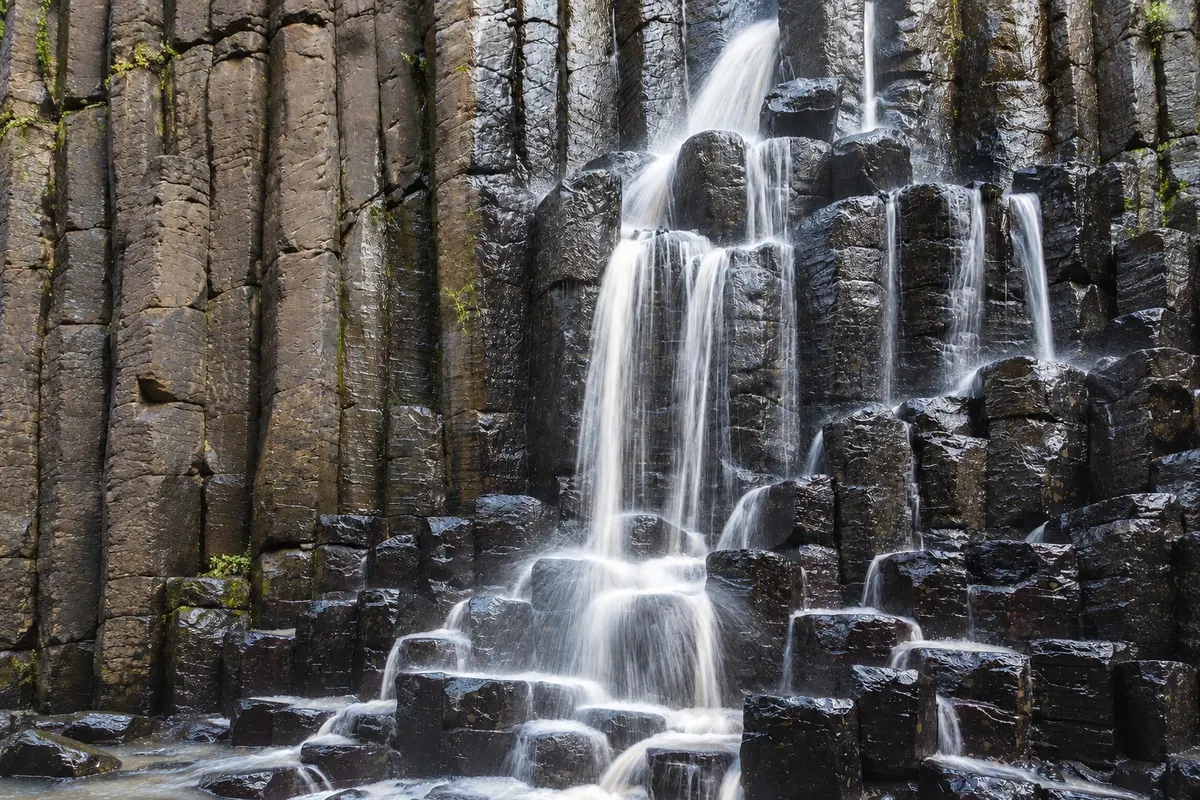
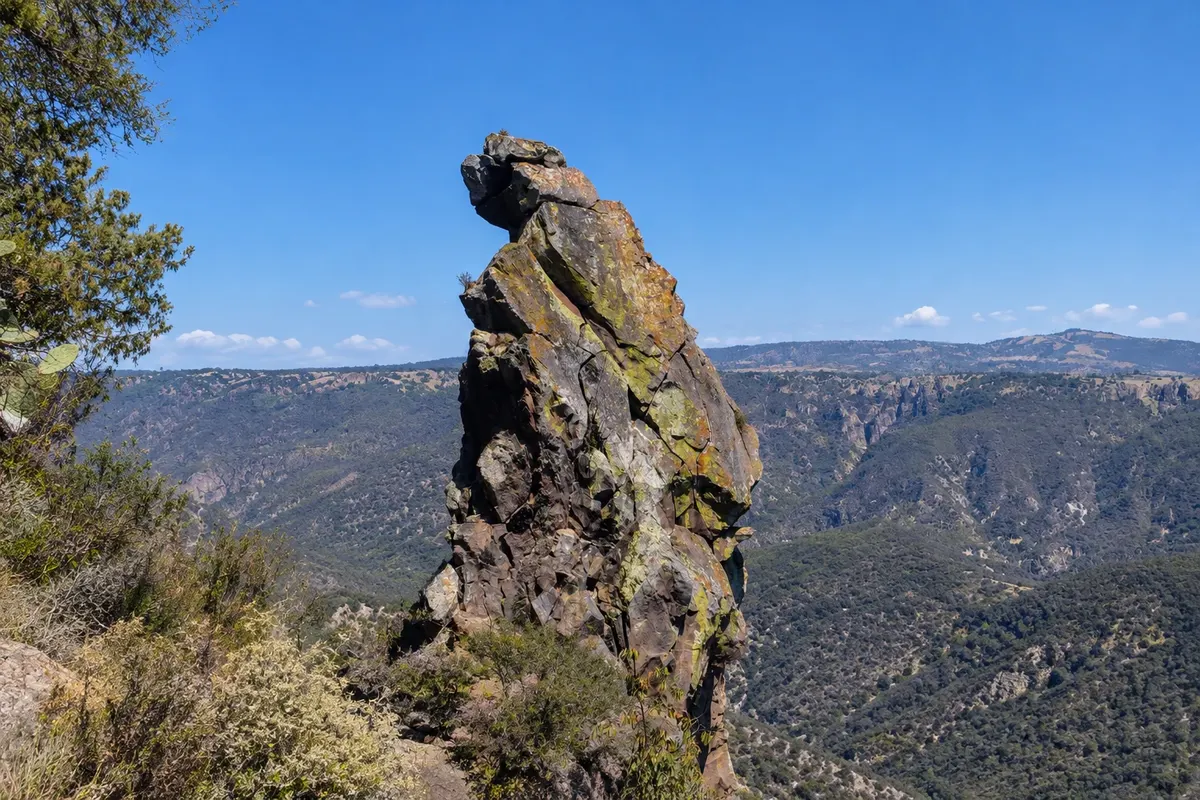
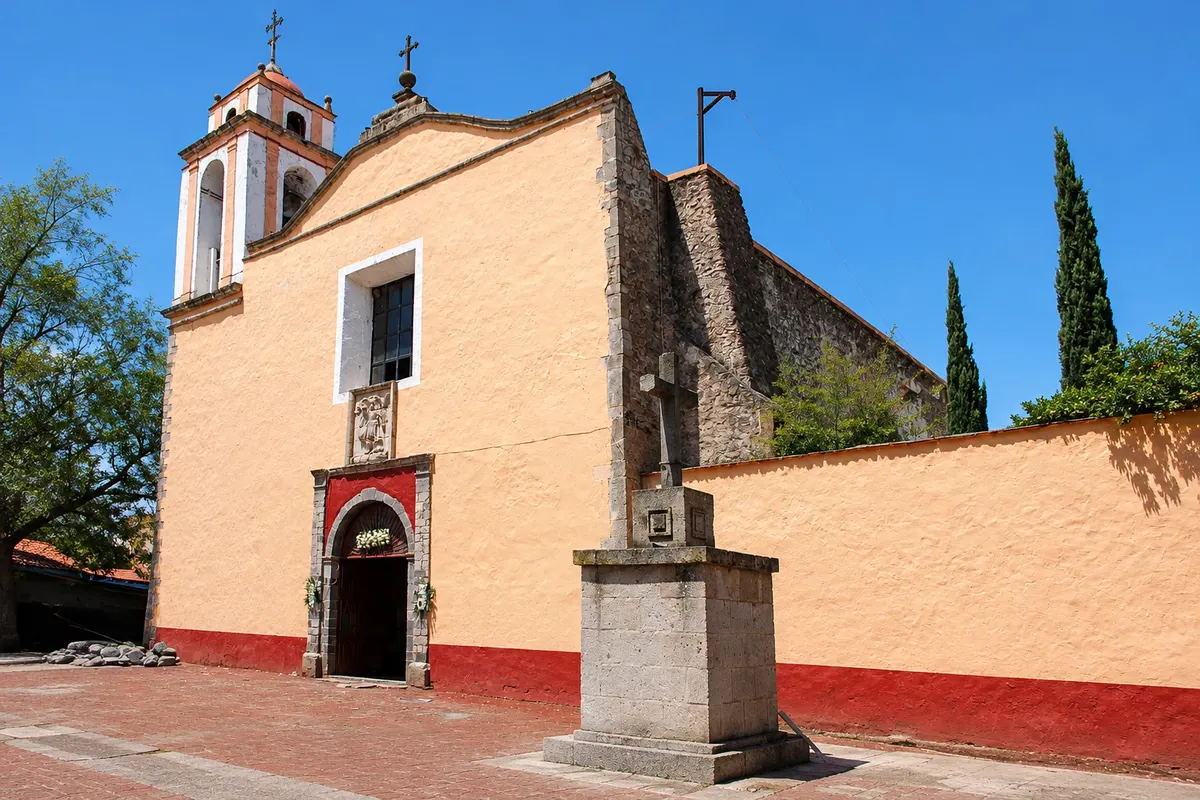
A little farther on, Huasca de Ocampo, the first Pueblo Mágico of Mexico, has a center of adobe houses, silver-processing haciendas and, a few kilometers away, the Basaltic Prisms of Santa María Regla, columns of cooled lava in a canyon with waterfalls.
The region is part of the Comarca Minera geopark, recognized by UNESCO, and combines pine and oyamel forests, like those of El Chico National Park, with mining history. Pachuca and Huasca follow the UTC−6 time zone, Mexico City Central Time, with no daylight saving time.
This destination brings together 3 cities: Pachuca, Real del Monte, Huasca de Ocampo.


 Brazil
 Argentina
 Bolivia
 Chile
 Colombia
 Ecuador
 Guyana
 French Guiana
 Falkland Islands (Malvinas)
 Paraguay
 Peru
 Suriname
 Uruguay
 Venezuela
 Germany
 Austria
 Belgium
 Croatia
 Denmark
 Slovakia
 Slovenia
 Spain
 Finland
 France
 Greece
 the Netherlands
 Hungary
 Ireland
 Iceland
 Italy
 Luxembourg
 Norway
 Poland
 Portugal
 the United Kingdom
 the Czech Republic
 Sweden
 Switzerland
 Turkey
 Bermuda
 Canada
 the United States
 the Dominican Republic
 South Africa
 Egypt
 Australia
 Fiji
 New Zealand
 Papua New Guinea